
The automobile market is a complicated web of design, engineering, reputation, and perception. When a person buys a sedan, the first few years of ownership are often filled with pride and convenience, but the true measure of a car’s worth is how well it holds its value over time.
Some sedans have earned a reputation for lasting durability, low maintenance costs, and strong resale prices even after a decade on the road.
Others, unfortunately, begin their decline almost as soon as they leave the showroom. The difference often lies in the quality of engineering, the brand’s reliability record, consumer demand, and how each vehicle handles age and mileage.
Owning a sedan that retains value does not just mean saving money on resale. It also represents stability, fewer repair worries, and the satisfaction of knowing that the investment was well-chosen.
On the opposite end, sedans that lose value quickly can create financial frustration, particularly for those who buy new instead of used.
The depreciation curve can be steep, leaving an owner with a vehicle worth far less than the remaining loan balance. Understanding why certain sedans remain strong in resale while others tumble in value helps both new and used car buyers make smarter decisions.
The following analysis highlights five sedans that tend to keep their value remarkably well over ten years, followed by five that commonly fall off a financial cliff within three.
The examples come from well-known brands that have consistently shown these trends based on long-term ownership patterns, reliability data, and brand reputation.
This comparison is not about luxury versus economy but about consistency versus volatility. Every car buyer faces this tradeoff at some level, and the models below illustrate how small choices in engineering and design can make a decade-long difference.
Five Sedans That Hold Their Value for a Decade
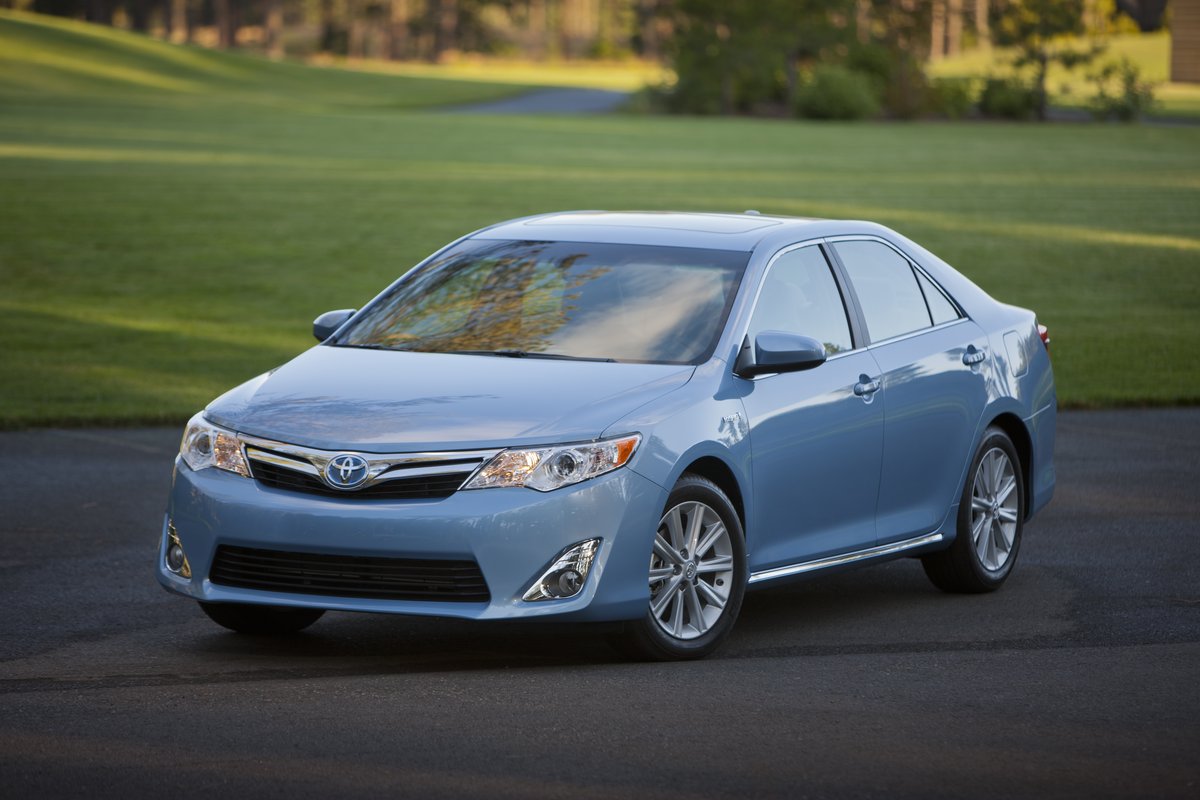
1. Toyota Camry
Few sedans have earned the reputation and trust of the Toyota Camry. For over four decades, it has been known as the dependable workhorse of the midsize car market. Its ability to remain relevant and valuable over a ten-year period is no accident.
Toyota’s focus on quality control, consistent design philosophy, and steady engineering refinement have built the Camry into a vehicle that rarely disappoints.
The brand avoids unnecessary gimmicks and focuses instead on what owners truly care about: reliability, safety, comfort, and predictable ownership costs. That formula has made the Camry a favorite for families, commuters, and businesses alike, creating a massive demand for both new and used models.
One reason the Camry retains value is its unmatched track record for mechanical durability.
The engines, whether the proven four-cylinder or the strong V6 option, are engineered for long service life. Toyota uses tried-and-tested powertrains that seldom fail when properly maintained.
The transmission systems are smooth yet tough, and the electronics are simple enough to age gracefully. Mechanics are familiar with the Camry’s systems, meaning repairs are straightforward and parts are widely available at fair prices.
This ease of maintenance directly influences the resale market because used car buyers know they won’t face high repair bills after purchase.
Another part of the Camry’s enduring appeal is Toyota’s gradual approach to redesigns. Each generation builds upon the previous one, maintaining visual familiarity and proven mechanical systems. Rather than shocking buyers with dramatic styling shifts, Toyota opts for subtle improvements.
This means that even a decade-old Camry doesn’t appear outdated next to newer models. Buyers in the used market value this stability.
They know that an older Camry still carries the same essence of reliability and quiet practicality that newer ones do. Additionally, its fuel efficiency remains competitive even with advancing technology, which keeps operating costs low over many years.
Finally, owner satisfaction plays a huge role in the Camry’s sustained value. Long-time drivers often report minimal repairs, strong resale offers, and continued comfort even past 150,000 miles.
The car’s balanced suspension, simple interior layout, and trustworthy nature make it a dependable companion for daily use. When combined with Toyota’s strong resale reputation, the result is a sedan that can hold a surprising percentage of its original value even after ten years of ownership.
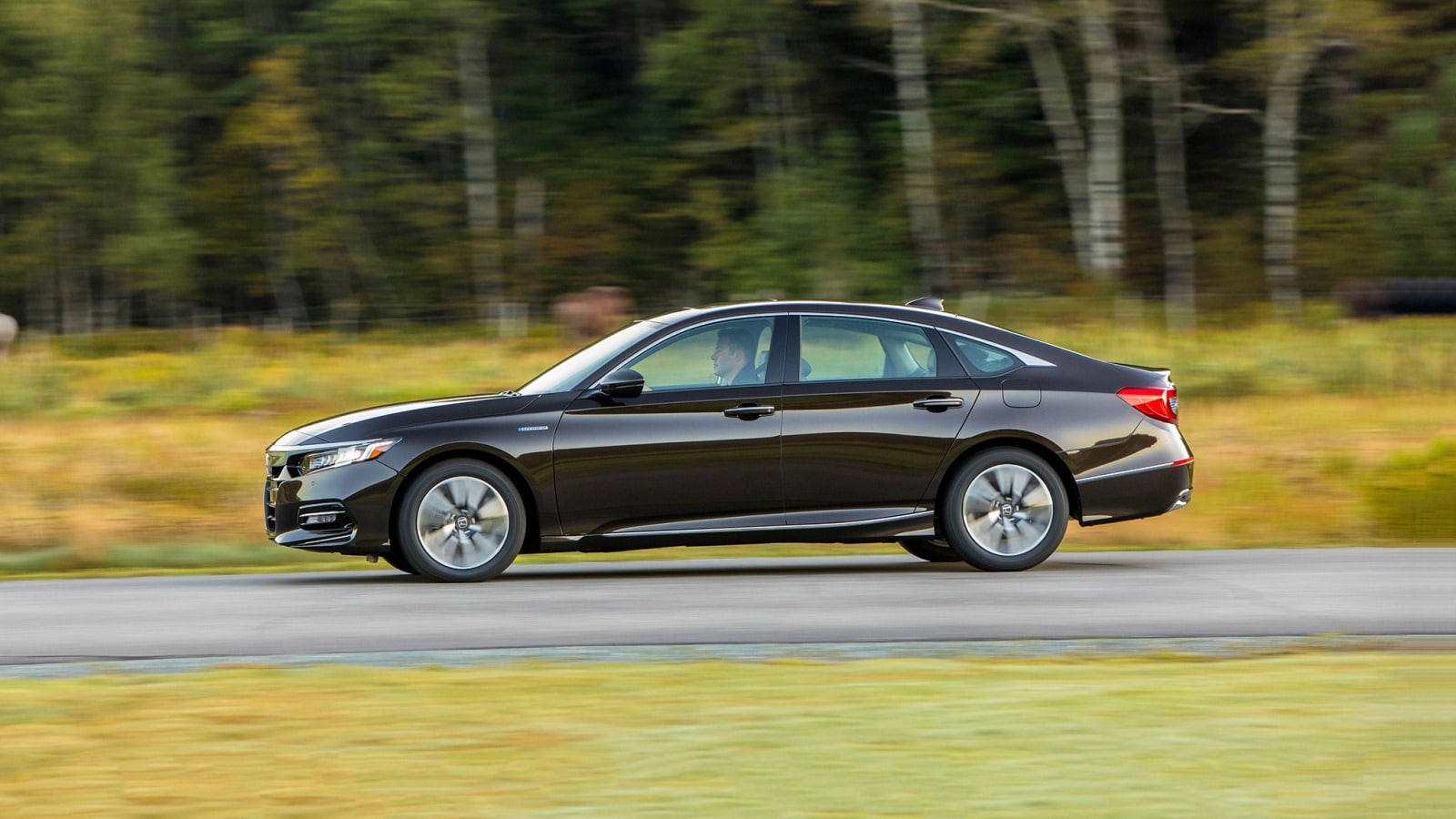
2. Honda Accord
The Honda Accord is another icon of long-term value, blending dependable engineering with an engaging driving character. For decades, it has represented a middle ground between performance and practicality.
Honda’s approach emphasizes mechanical precision and careful design, which pays off not only in reliability but also in how well the Accord maintains value over time.
Buyers know that when they invest in an Accord, they are choosing a car that balances comfort, safety, and driving enjoyment for the long haul.
Under the hood, Honda’s engines are legendary for their durability. Whether equipped with a naturally aspirated or turbocharged engine, the Accord delivers performance that feels refined yet strong after many years. The transmissions are smooth and well-matched to the engines, ensuring consistent efficiency.
Unlike some brands that chase trends, Honda avoids overcomplicating its systems, which makes long-term ownership less stressful. Because repairs are predictable and parts are affordable, used buyers approach the Accord with confidence, knowing maintenance costs will remain manageable even after a decade.
Beyond its mechanical dependability, the Accord also retains value due to its driving appeal. It doesn’t simply transport people, it engages the driver.
The steering feels precise, and the chassis provides a sense of control that many sedans lack. This gives it a loyal following that includes both practical families and enthusiasts.
As a result, the used car market for Accords stays competitive, keeping prices high for well-maintained examples. Drivers often describe the Accord as a car that “ages gracefully,” both in design and in function, which explains its ability to maintain resale strength through multiple ownership cycles.
Honda’s design philosophy further boosts its long-term desirability. The interior materials are durable, the technology remains functional for years, and the build quality feels solid even as the car accumulates mileage.
Many owners find themselves keeping their Accords well past ten years because they still drive smoothly and require minimal investment.
That loyalty feeds back into the resale market, used Accords are in constant demand, helping them retain value better than most midsize sedans in their class.
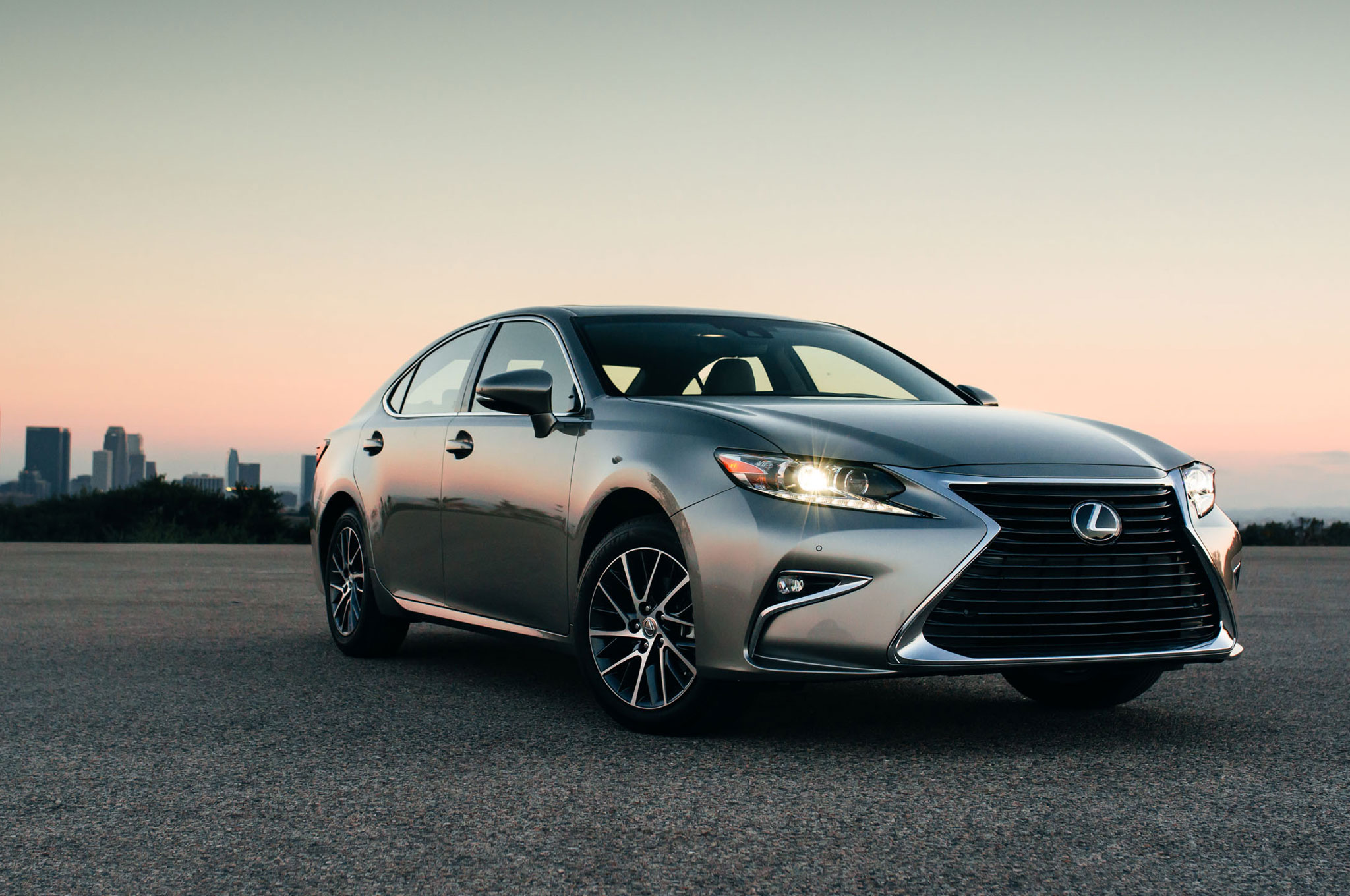
3. Lexus ES
The Lexus ES stands as proof that a luxury sedan can combine comfort and longevity. Many luxury vehicles depreciate quickly, but the ES is an exception. Its appeal lies in its connection to Toyota’s reliability foundation, paired with Lexus’s dedication to craftsmanship.
Buyers who choose the ES often do so because they want refinement without sacrificing long-term dependability. Over a decade, this sedan demonstrates an ability to stay relevant and valuable, outperforming many of its European competitors in resale percentage.
One reason for its strong value retention is its engineering consistency. The ES shares many components with the Toyota Avalon and Camry, giving it a mechanical base that has been refined over years of production. The engines and transmissions are designed for longevity, not just performance.
Lexus’s attention to build quality ensures tight panel gaps, smooth materials, and noise insulation that remain impressive even after years of driving. Owners frequently comment that the car feels nearly new even after long-term use, which enhances resale value.
Another factor is its understated design. Unlike many luxury brands that chase fashion-forward looks, Lexus focuses on timeless proportions and restrained elegance.
This helps older ES models avoid looking dated. Combined with an interior that uses high-quality materials and a quiet ride, the ES retains its charm even as newer technology emerges.
Buyers in the used market recognize this and are willing to pay more for an older Lexus than they would for other aging luxury sedans with higher maintenance risks.
The ownership experience also contributes to its value. Maintenance schedules are simple, reliability ratings are excellent, and Lexus’s customer service reputation is outstanding. Owners rarely face unexpected repair costs, and even major services are predictable.
This reliability leads to long-term confidence among secondhand buyers, which keeps resale prices strong.
A well-maintained Lexus ES after ten years often holds a higher value than some newer luxury sedans after just three. It represents a balance of refinement and practicality that few competitors can match.
4. Subaru Legacy
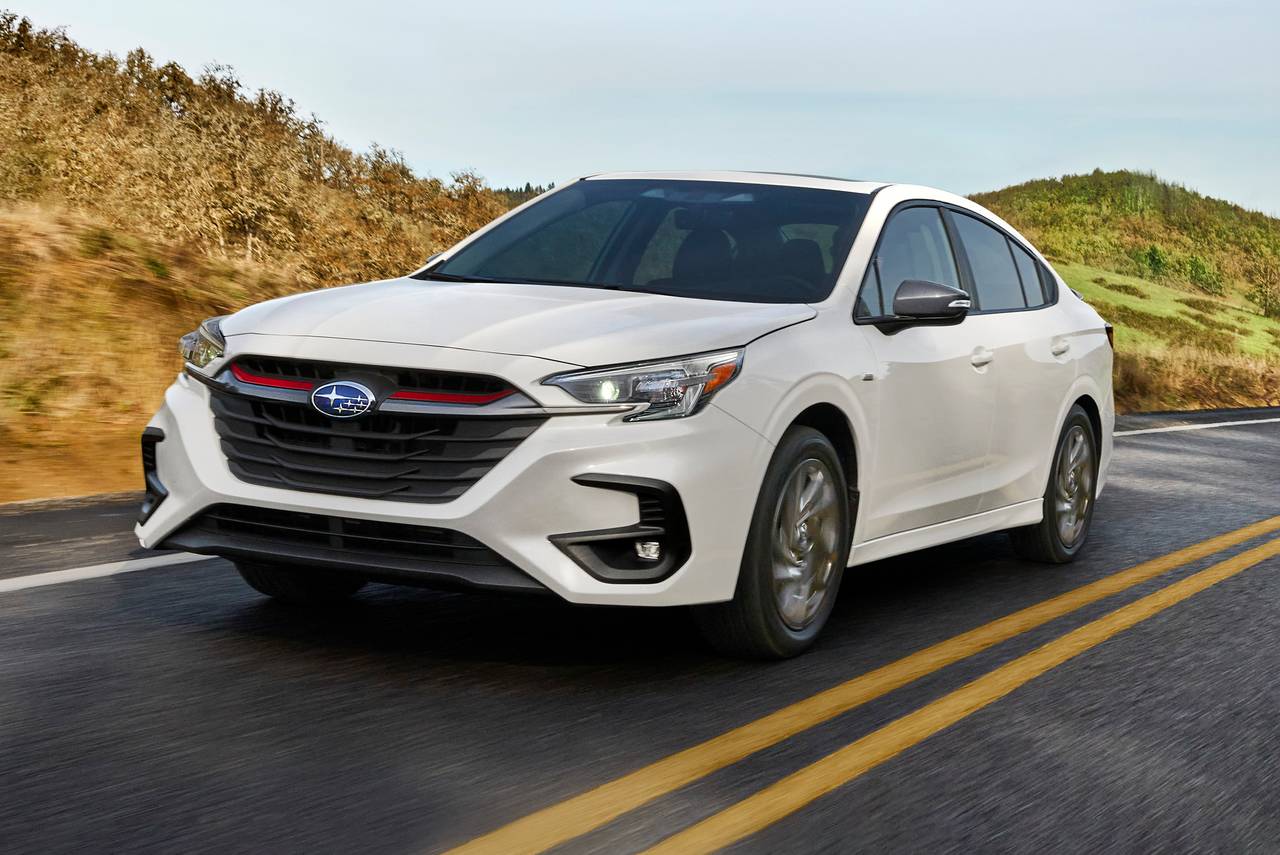
The Subaru Legacy holds a unique position among value-retaining sedans. It caters to a specific audience, drivers who live in climates where all-wheel drive is more a necessity than a luxury.
Subaru has built its reputation on vehicles that perform reliably under difficult conditions, and the Legacy extends that promise into the sedan market. Over time, that reliability, combined with consistent performance, has helped it maintain solid resale values across a decade.
The primary contributor to the Legacy’s value retention is its standard all-wheel-drive system. Unlike many competitors that offer it as an option, Subaru includes it in every trim. This feature gives the Legacy a reputation for safety and stability, particularly in snow or rain.
Used car buyers in northern regions seek out these vehicles specifically because they know the drivetrain can handle challenging conditions without expensive maintenance. That built-in demand supports higher resale prices and reduces the depreciation curve that affects most sedans.
Subaru’s engineering philosophy emphasizes practicality and durability. The boxer engine design, while distinctive, provides a low center of gravity and balanced handling. It also contributes to the car’s solid feel on the road, which persists even after years of use.
Owners often report their Legacys lasting well beyond 200,000 miles with only routine maintenance. The interior materials are functional and long-lasting rather than flashy, meaning they age well and keep the car appealing to second-hand buyers who value substance over luxury.
Another reason the Legacy retains value is brand loyalty. Subaru owners tend to remain within the brand for decades, often passing down their cars or buying newer models without hesitation.
That consistent customer base ensures a strong used market for older vehicles. When you combine the Legacy’s safety reputation, practical design, and consistent performance, you end up with a sedan that holds value far better than most of its peers after ten years on the road.
5. Mazda6
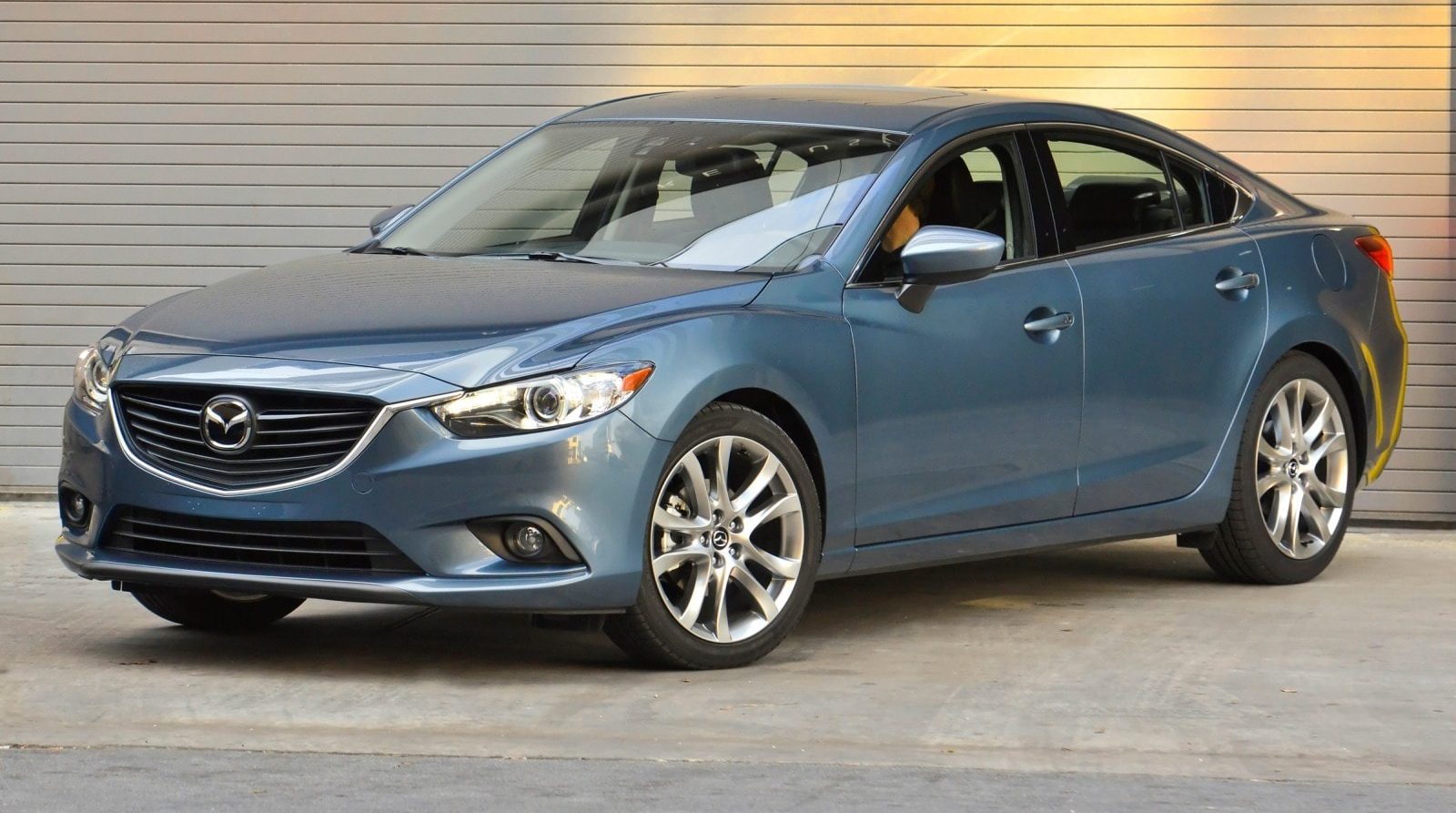
The Mazda6 distinguishes itself through its combination of sharp design, engaging handling, and lasting quality. It has steadily built a reputation as a sedan that not only looks good but also endures years of daily use without significant depreciation.
Mazda’s approach to engineering focuses on balance, giving drivers a car that feels premium without the associated costs of luxury maintenance. That approach pays dividends when it comes to long-term value.
A major contributor to the Mazda6’s value retention is its build quality. Mazda prioritizes craftsmanship, using strong materials that stand the test of time. The interiors are thoughtfully designed, with fabrics and trim pieces that remain intact after years of use.
Exterior styling plays an equally important role. Mazda’s design philosophy, which emphasizes simplicity and proportion, means that even older models retain a modern and elegant appearance. As a result, a well-kept Mazda6 from nearly a decade ago can still look and feel contemporary.
Performance and driving enjoyment also help sustain its resale value. The Mazda6 provides responsive steering and balanced handling that appeal to drivers who appreciate engagement without compromising comfort.
That makes it more than just practical, it’s enjoyable to own, which keeps demand strong among used buyers.
The car’s powertrains are known for efficiency and resilience, which reduces repair anxiety and keeps ownership costs predictable.
When drivers experience minimal issues over many years, confidence in the brand’s reliability grows, further boosting its resale reputation.
Lastly, the Mazda6 benefits from its position in the market as an affordable alternative to luxury brands. Buyers who want sophistication without high ownership expenses turn to Mazda.
Over time, the car’s combination of design quality, mechanical reliability, and driver satisfaction allows it to hold value impressively well.
Owners who maintain their Mazda6 often find it still feels solid and stylish even after a decade, proving that a mid-priced sedan can maintain pride of ownership and strong resale performance.
Five Sedans That Plummet After Three Years
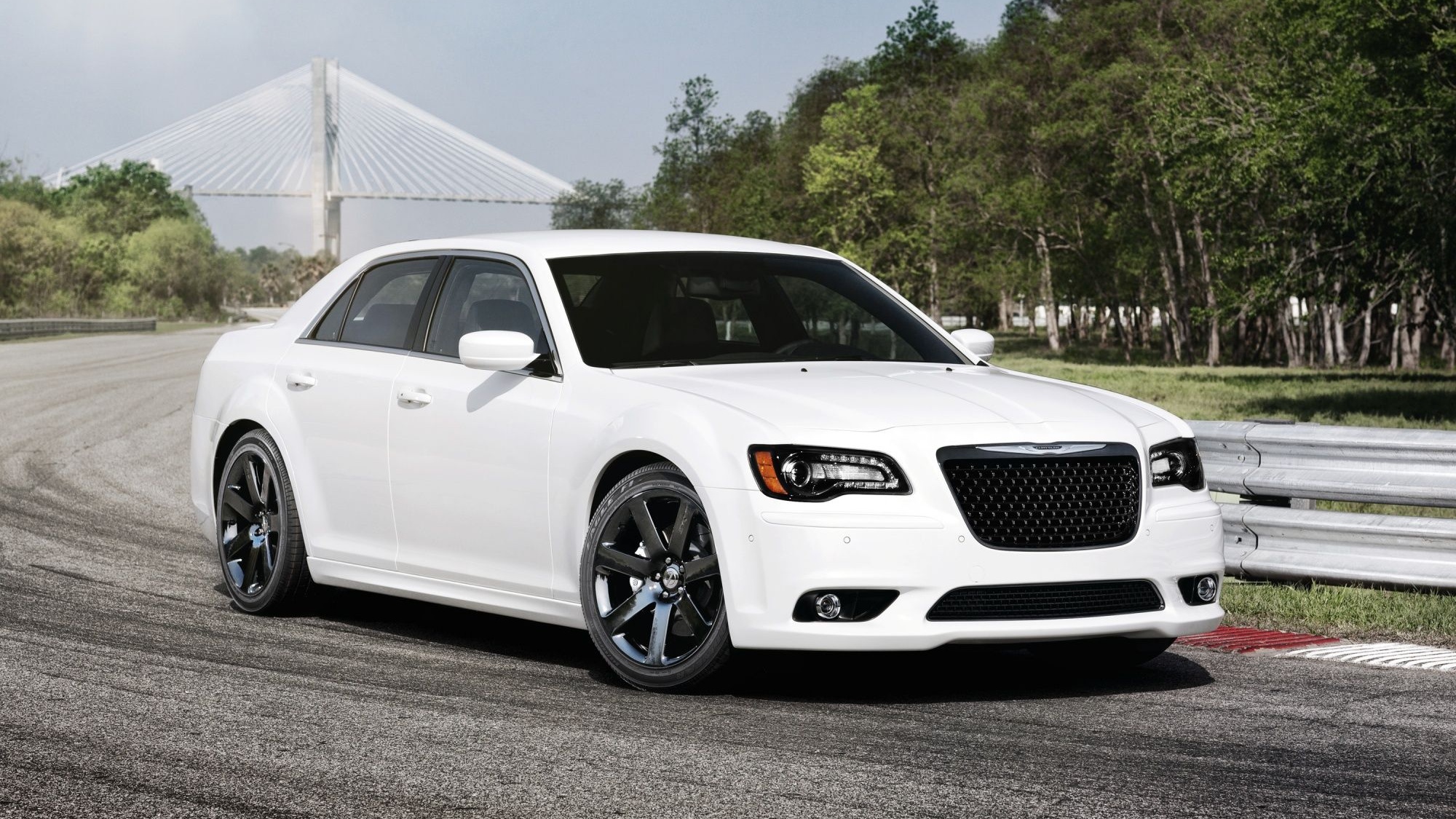
1. Chrysler 300
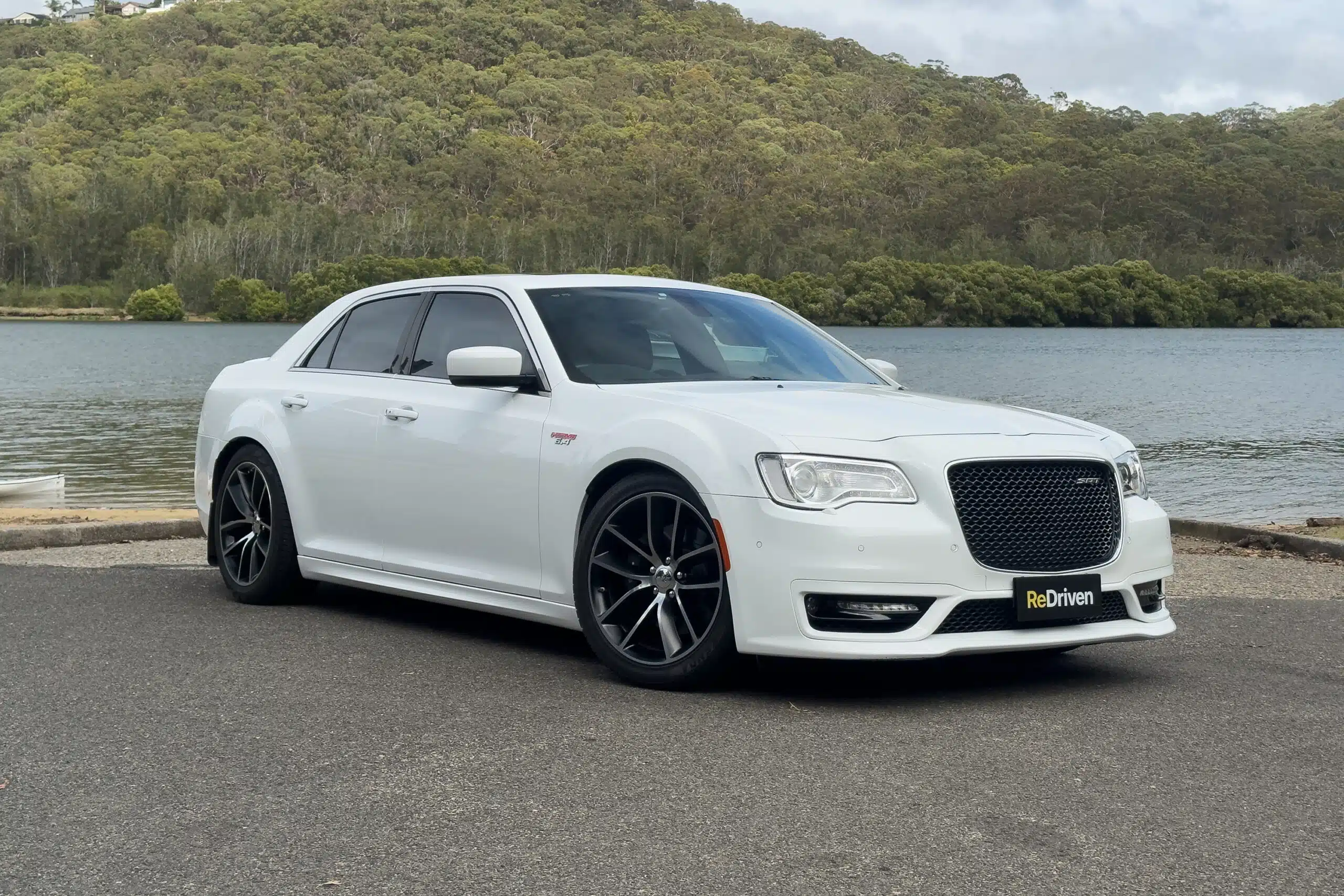
The Chrysler 300 is a sedan that has long stood out for its muscular design and bold road presence. It offers power and luxury styling that initially attract buyers, but its appeal fades quickly in the used market.
While the 300 makes a strong first impression with its large grille, rear-wheel-drive layout, and strong engine options, it cannot sustain its value over time.
The main reason lies in reliability inconsistencies and high long-term ownership costs, which erode confidence among potential secondhand buyers. This combination results in steep depreciation within the first few years of ownership.
Many owners initially enjoy the 300’s comfort and performance but later face maintenance issues that drive up repair costs.
Electronic system glitches, transmission problems, and aging interior components often begin to surface around the three-year mark, particularly in heavily driven models.
Buyers who want a used sedan often prioritize long-term dependability, and the Chrysler 300’s mixed track record makes them hesitant.
Because of that, resale demand is lower, and sellers are forced to drop prices significantly to attract buyers. Dealerships, aware of this reputation, also offer low trade-in values, which reinforces the cycle of rapid depreciation.
Another factor behind the Chrysler 300’s steep value decline is the cost of ownership. Fuel efficiency is below average for its class due to its size and engine tuning, and that alone discourages budget-conscious buyers.
Furthermore, insurance and parts costs tend to be higher than rivals like the Toyota Avalon or Honda Accord.
Once warranties expire, owners are often faced with substantial bills that reduce the car’s appeal. The used car market places a premium on predictability, and the 300 simply lacks the long-term stability that drives consistent resale pricing.
Aesthetically, the 300’s styling is bold but not timeless. What once looked aggressive can appear outdated just a few years later, especially as newer designs from other brands emphasize sleeker, more efficient profiles. This shift in consumer taste hurts resale value further.
Buyers who want elegance often move toward newer models or different brands, leaving the Chrysler 300 sitting on dealer lots longer than most sedans.
As a result, its value plummets quickly, making it one of the least resilient full-size sedans when it comes to long-term investment.
2. Kia Cadenza
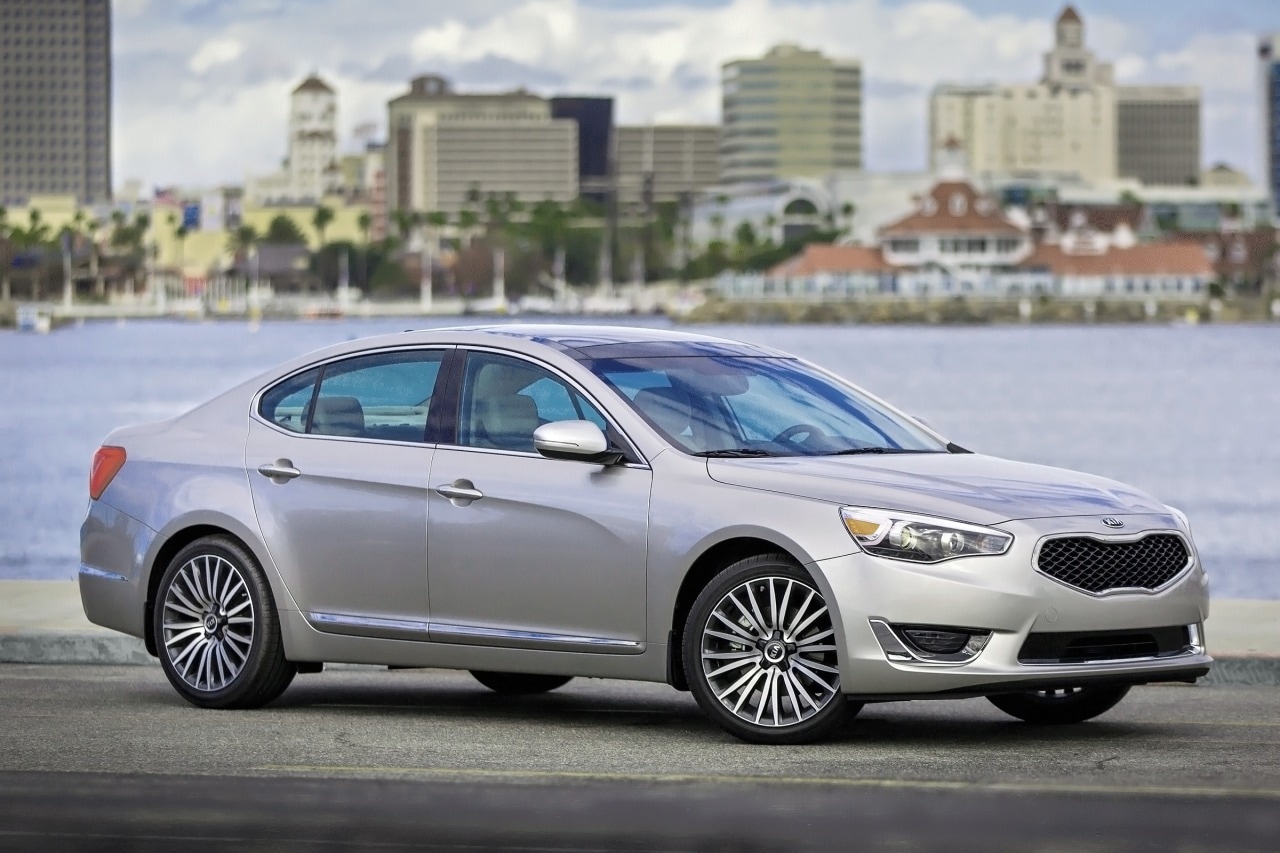
The Kia Cadenza entered the market as a serious attempt to offer near-luxury comfort at a reasonable price. At first, it succeeded in impressing buyers with its smooth ride, upscale materials, and high feature content.
On paper, the Cadenza offered a lot of car for the money. Unfortunately, it failed to maintain that appeal beyond the first few years.
Resale value fell rapidly because of low brand recognition in the luxury segment and limited interest in large sedans.
As a result, the Cadenza quickly became one of those vehicles that looked impressive in the showroom but struggled to find used buyers later.
One major contributor to its steep depreciation is perception. Kia’s reputation for value and affordability works well in the economy segment, but it has not fully carried over to the premium sedan class.
Buyers looking for luxury are often drawn to more established names like Lexus, Acura, or BMW, leaving the Cadenza overshadowed.
Even though the model’s reliability ratings are decent, used-car shoppers tend to associate older Kias with inexpensive commuter cars, not with upscale sedans. This image gap hurts resale value, regardless of the car’s actual quality or performance.
Another reason for depreciation is its scarcity. While being rare can sometimes increase a car’s desirability, in the Cadenza’s case, it works against it.
Because it sold in small numbers, replacement parts can be difficult to find, and mechanics may have limited experience working on it.
That uncertainty discourages potential used buyers, as they prefer models with easily available parts and predictable servicing costs. This results in lower resale demand and forces owners to accept lower offers when selling or trading in their vehicles.
Lastly, changing consumer habits have not helped. Buyers today tend to gravitate toward crossovers and SUVs rather than large sedans. Even with its generous equipment list and refined ride, the Cadenza falls into a shrinking market segment.
After three years, the combination of market trends, weak brand identity, and low demand causes its value to drop much faster than more established competitors.
While it remains a comfortable and capable car, financially it is not a wise choice for those concerned with long-term value.
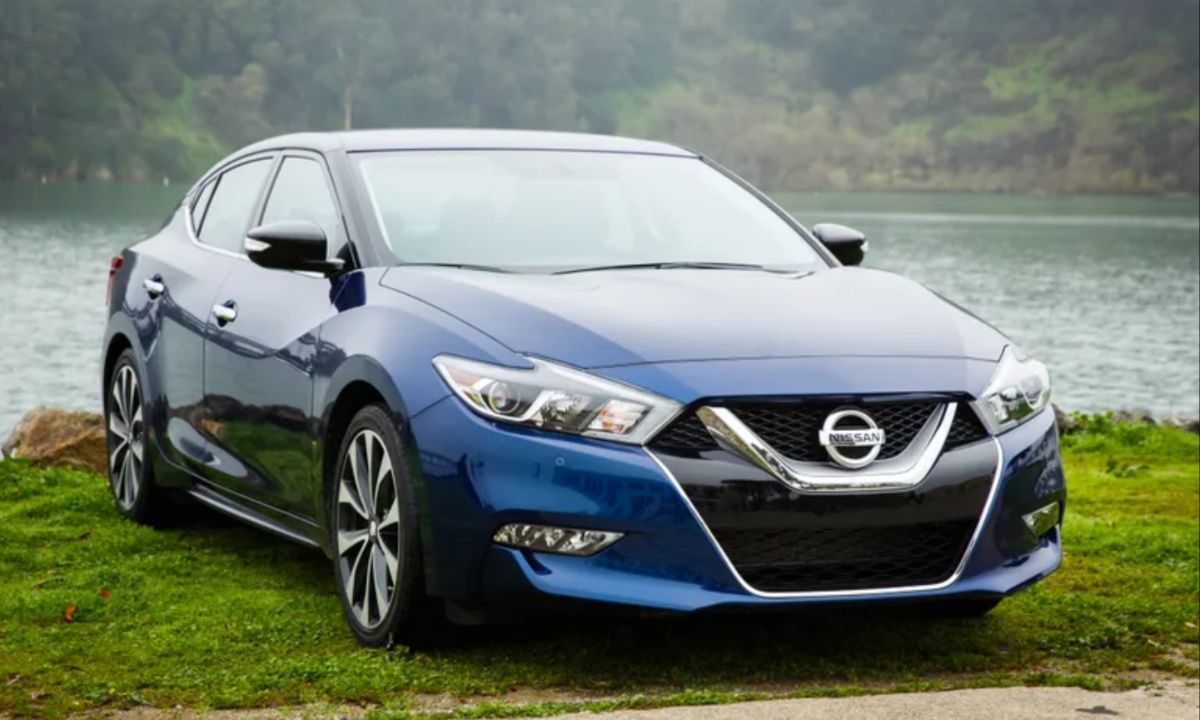
3. Nissan Maxima
The Nissan Maxima has a long history and a distinctive personality. It is marketed as a sporty alternative to mainstream sedans, blending comfort with higher performance. Initially, it earns praise for its design, power, and technology. However, it fails to sustain that appeal beyond the first few years.
The Maxima’s value tends to drop rapidly because it occupies an unclear market position and faces strong competition from both more affordable sedans and entry-level luxury cars. This confusion hurts its resale prospects and drives steep depreciation by the third year of ownership.
Mechanically, the Maxima performs well in its early years, offering smooth power delivery and confident handling. Yet some owners have reported transmission reliability concerns, particularly with the continuously variable transmission system.
Repairs on these systems can be costly, and potential buyers often avoid used models to reduce the risk of major expenses.
This fear alone significantly lowers the car’s resale demand. As a result, even well-maintained Maximas often sell for far less than expected. In comparison, the Toyota Camry and Honda Accord continue to attract used buyers because of their stronger reliability records, leaving the Maxima struggling to compete.
Another reason for its quick depreciation is the limited difference between it and its smaller sibling, the Altima. For many buyers, the two models appear similar in size and purpose, making it difficult to justify paying more for a used Maxima.
Meanwhile, those who want a truly upscale experience often choose brands like Acura or Infiniti, which further squeezes the Maxima’s resale audience.
This middle-ground position leaves it undervalued in the market. Even though it offers excellent comfort and power, its identity confusion undermines its long-term worth.
Styling also plays a subtle role. The Maxima’s bold design appeals to new buyers, but it can age quickly.
Sharp lines and dramatic shapes that look exciting at first may feel dated just a few years later. When combined with the high initial price and average long-term reliability, these factors push resale values down faster than most sedans in its class.
After three years, many owners find themselves surprised at how quickly depreciation erases the financial advantage they expected from buying new.
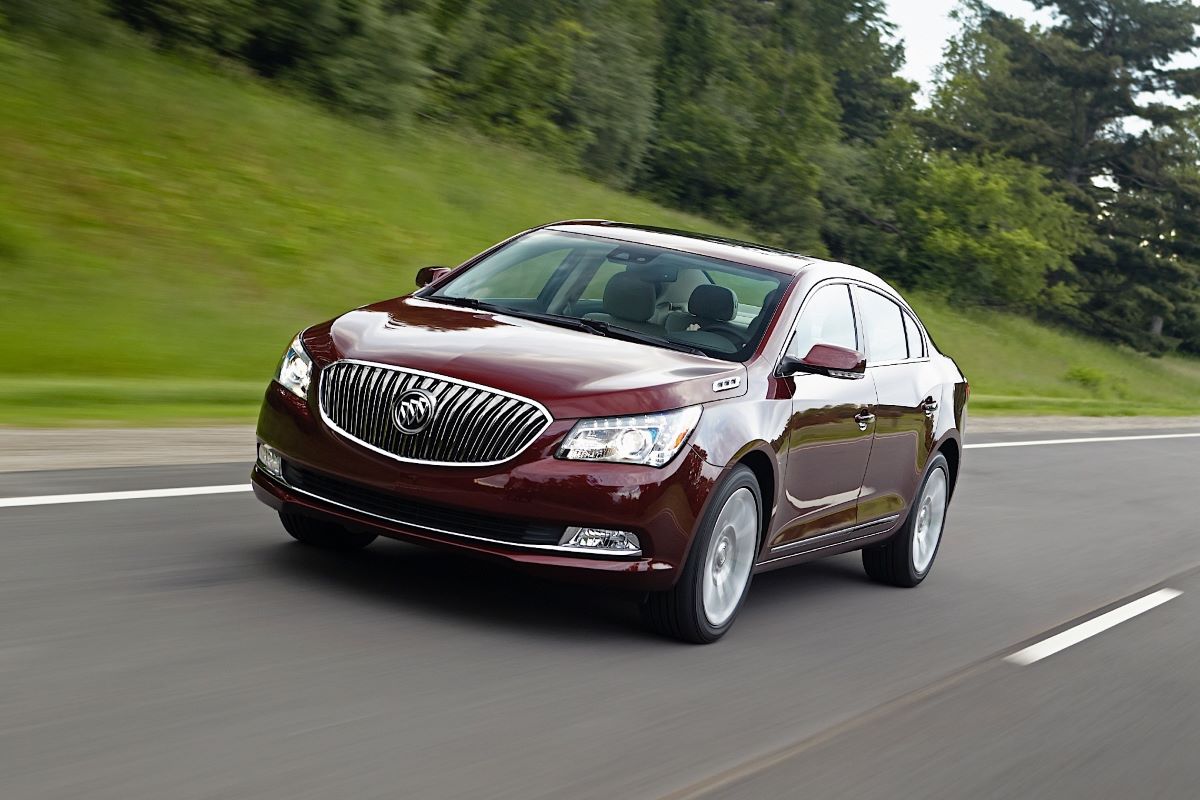
4. Buick LaCrosse
The Buick LaCrosse delivers comfort, smooth performance, and a refined interior. However, its resale value struggles to reflect those qualities.
While it appeals to a loyal base of drivers who prioritize comfort and quietness, the car’s image problem and low used-car demand lead to one of the sharpest depreciation rates among large sedans.
Buyers in the secondhand market often overlook the LaCrosse, not because it is a bad vehicle, but because it lacks the strong desirability that keeps resale prices healthy.
Brand perception has long been Buick’s challenge. While the company has made significant strides in quality, its public image still leans toward an older demographic. That perception limits the pool of interested buyers, especially younger shoppers who prefer sportier or more tech-focused vehicles.
When resale time comes, the limited audience translates into lower offers. The LaCrosse may offer premium materials and a quiet cabin, but those strengths are easily forgotten in a market dominated by more recognizable nameplates.
Depreciation also stems from the market’s shift away from sedans. As crossover and SUV sales rise, full-size sedans have lost much of their appeal. The LaCrosse, positioned as a traditional comfort car, faces shrinking demand as more buyers choose versatile vehicles with higher ride heights and more cargo capacity.
Even buyers who appreciate its refinement hesitate to invest in a used model because the market has moved on. This results in fewer private sales and lower dealer trade-in values.
While reliability is not a major weakness, it isn’t enough to protect the LaCrosse from depreciation. Maintenance costs are reasonable, but replacement parts for older models can be pricey due to declining production volume.
Combined with moderate resale demand, these factors make the LaCrosse a poor performer in long-term value retention.
Within three years, a significant percentage of its original price is lost, making it a difficult car to recommend for anyone focused on financial return rather than short-term comfort.
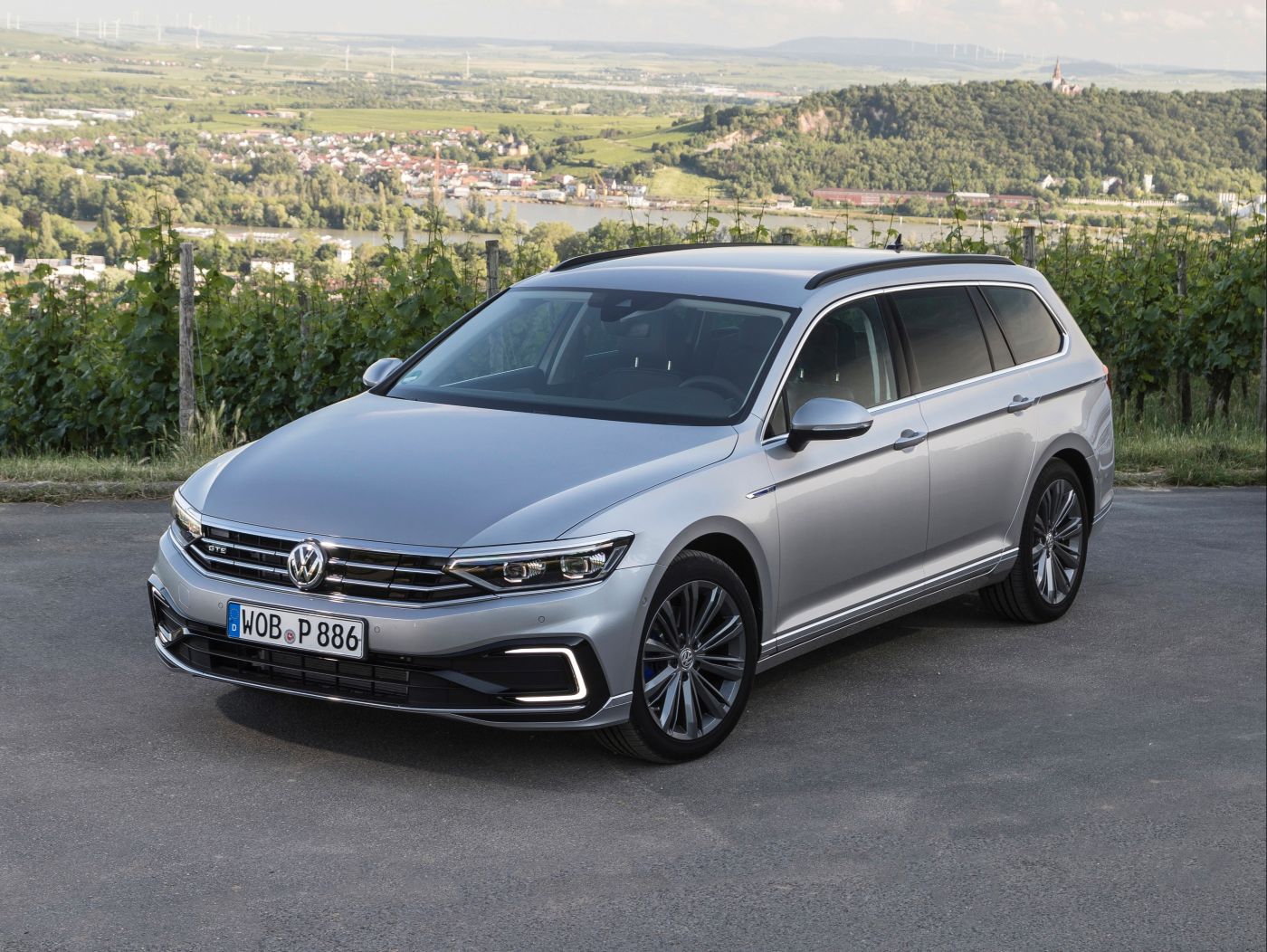
5. Volkswagen Passat
The Volkswagen Passat attracts new buyers with its European styling, solid build, and comfortable ride. Initially, it presents itself as a sophisticated and affordable alternative to premium sedans. However, it struggles to maintain that image after a few years.
Its depreciation curve is steep, mainly because of concerns over maintenance costs, reliability issues, and the availability of more dependable competitors. Although it performs well when new, the Passat’s long-term value retention remains weak.
One of the most significant issues is maintenance expense. European cars often require specialized servicing and parts that are more expensive than those for Japanese or American sedans.
Even regular maintenance tasks can cost more, discouraging used buyers who are looking for low ownership costs. Once warranties expire, these higher expenses become apparent, leading to a sharp drop in resale interest.
As a result, even well-maintained Passats tend to sell for far less than comparable sedans from Toyota or Honda.
Reliability concerns also affect resale value. Some Passat models have been known to experience electrical or transmission-related problems, which can be costly to repair. Buyers familiar with this reputation approach used models cautiously or avoid them altogether.
This skepticism pushes demand downward, forcing sellers to lower prices to attract attention. Even though newer versions have improved, the lingering perception of unreliability continues to haunt resale prices.
Market competition makes things worse. The midsize sedan segment is full of reliable and affordable options, and buyers who might consider a used Passat often choose models with better reliability histories.
Additionally, Volkswagen’s own Jetta overlaps with it in performance and space, offering similar benefits at a lower cost.
This overlap limits the Passat’s audience and contributes to its rapid depreciation. Within three years, owners often experience one of the steepest drops in value in the midsize category, making it a financially risky choice for long-term ownership.
