
Luxury sedans have long been the benchmark for automotive innovation. They combine performance, comfort, and technology in ways that set the standard for the rest of the market.
Yet, while many luxury sedans continue to push the boundaries of what cars can do, some have struggled to keep pace, leaving their technology feeling dated in comparison to modern standards.
Buyers today not only expect comfort and craftsmanship, but they also want advanced infotainment systems, intuitive driver-assist features, and connectivity that integrates seamlessly with their digital lives.
The presence of these technologies can make the difference between a vehicle that feels forward-looking and one that feels stuck in the past.
Modern luxury sedans often include advanced displays, augmented reality navigation, adaptive cruise control with stop-and-go capability, and even semi-autonomous driving functions.
The integration of software updates and over-the-air improvements allows these cars to stay relevant long after their initial release.
On the other hand, vehicles that have lagged often rely on outdated interfaces, slow infotainment systems, and inconsistent smartphone integration.
While they may still deliver exceptional driving dynamics or plush interiors, the lack of up-to-date technology can leave owners frustrated when compared to newer competitors.
The difference between a luxury sedan that feels modern and one that does not is rarely about performance alone; it’s about how the car interacts with its driver in an increasingly digital world.
The contrast between modern and outdated luxury sedans also highlights a broader shift in consumer expectations. In the past, buyers may have been willing to overlook slow software or dated displays because engine performance and ride quality were paramount.
Today, a luxury car that cannot keep up with technology risks appearing less impressive, even if its mechanical components are flawless. This shift has forced manufacturers to invest heavily in electronics, user interfaces, and connectivity.
The challenge is not just about adding screens or sensors, but making sure these systems feel intuitive, responsive, and future-proof. Cars that get this balance right can feel as cutting-edge five years after release as they did on day one.
This article looks at two groups of luxury sedans: those whose technology remains modern and engaging, and those whose systems feel frozen in time despite their age.
By comparing these vehicles, it becomes clear which manufacturers have successfully embraced the digital age and which have prioritized traditional craftsmanship over innovation.
In doing so, readers can gain a better understanding of what truly defines a luxury sedan today. Whether you value intuitive controls, advanced driver assistance, or software that evolves with time, the distinction between modern and outdated technology is impossible to ignore.
5 Luxury Sedans Whose Tech Still Feels Modern
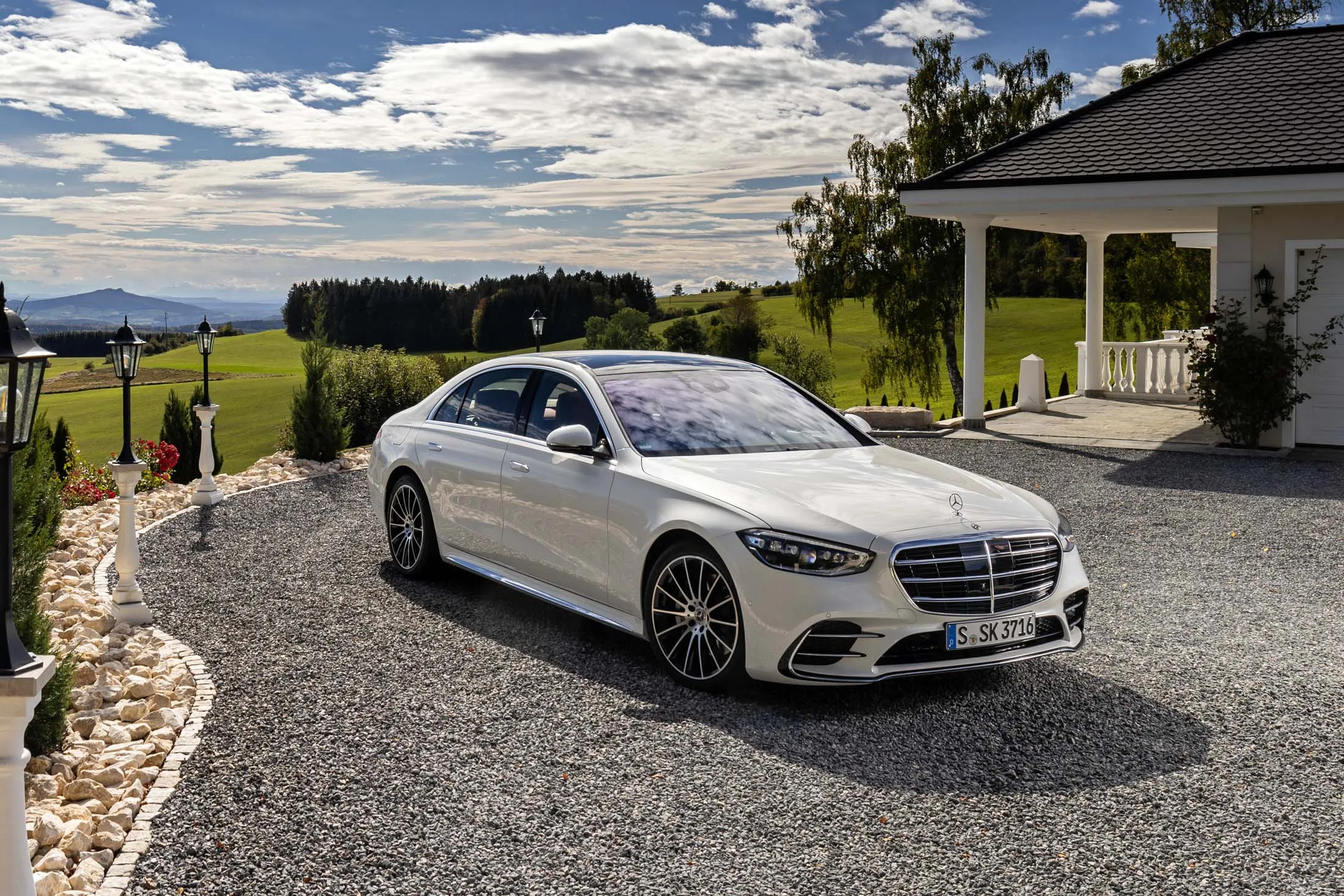
1. Mercedes-Benz S-Class
The Mercedes-Benz S-Class has long been the pinnacle of automotive innovation, consistently setting benchmarks for what a luxury sedan can achieve in technology, comfort, and driver assistance.
Today’s S-Class integrates a truly remarkable MBUX infotainment system, which features dual high-resolution displays that extend across the dashboard, offering a seamless, almost futuristic visual experience.
The system responds to touch, voice, and even subtle gestures, allowing drivers to control navigation, media, and vehicle settings with ease.
The voice control system is particularly advanced, recognizing natural, conversational phrases rather than requiring rigid commands, making it feel as if the car is intuitively responding to the driver’s needs.
This level of sophistication is supported by powerful onboard processing, which ensures smooth transitions between menus and real-time feedback that few competitors can match.
The interior of the S-Class is a masterclass in combining luxury with technology. From the customizable ambient lighting that can shift across millions of colors to the haptic-feedback touchpads that replicate the sensation of pressing a physical button, every element is carefully designed to create a futuristic yet tactile experience.
The navigation system, projected onto a head-up display, ensures drivers can see directions without taking their eyes off the road, improving safety and convenience.
Beyond aesthetics, the S-Class embraces practicality with smart integration: over-the-air software updates allow features to evolve after the car leaves the dealership, meaning systems such as driver-assist algorithms, navigation maps, and infotainment software continue to improve over time, preserving the sense of innovation for years.
Connectivity in the S-Class is equally advanced, with a level of personalization that stands out in the luxury segment.
Wireless Apple CarPlay and Android Auto, Bluetooth connectivity for multiple devices, and wireless charging are standard, but the car goes further with driver profiles that store preferences for seat position, climate control, lighting, and media.
These profiles can be tied to key fobs or smartphones, automatically adjusting when different drivers enter the cabin.
Subtle innovations, such as gesture controls that allow a wave of the hand to change the volume or answer a phone call, demonstrate the thoughtfulness of Mercedes’ approach.
Technology in the S-Class is not just modern; it is designed to feel seamless, almost invisible, while still delivering immense functionality.
Safety technology reinforces the S-Class’s modern appeal. Advanced driver-assistance systems, such as adaptive cruise control, lane-keeping assistance, and pre-collision detection, operate unobtrusively, assisting without distracting or frustrating the driver.
Night vision cameras and 360-degree imaging systems add another layer of security, particularly in low-light or complex traffic conditions.
Mercedes has refined these features to the point that they feel like an organic extension of the driving experience rather than an aftermarket add-on.
The combination of elegant design, cutting-edge infotainment, and intelligent safety features makes the S-Class a sedan whose technology not only feels current but is likely to remain relevant for many years.
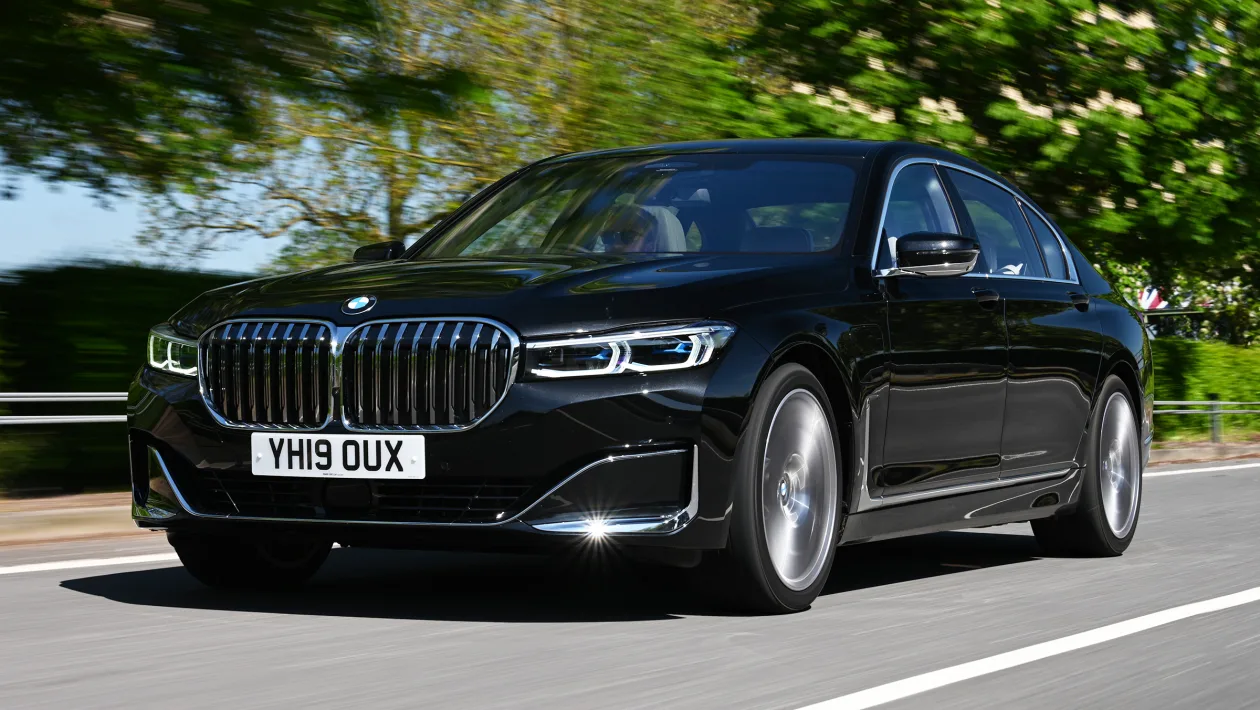
2. BMW 7 Series
The BMW 7 Series offers a balance of traditional luxury and forward-looking technology that few competitors manage to achieve. Its iDrive infotainment system has undergone significant improvements in speed, graphics clarity, and intuitiveness.
Touchscreen controls complement the classic rotary controller, giving drivers the choice between tactile and touchscreen inputs without sacrificing functionality.
Voice commands are robust, allowing users to control navigation, climate, and media through natural language, while gesture control adds an additional layer of interactivity, such as adjusting volume or changing tracks with a simple wave of the hand.
This combination of interface options ensures that technology enhances the driving experience rather than complicates it.
Driver-assistance features in the 7 Series are among the most advanced in its class.
Adaptive cruise control with lane-centering and stop-and-go traffic management allows for a semi-autonomous driving experience on highways, while active lane-departure warnings and collision mitigation systems provide reassurance in city driving.
BMW’s parking assistant simplifies complex maneuvers, capable of executing parallel and perpendicular parking with minimal input.
These systems are refined to operate smoothly, enhancing comfort and confidence without making the driver feel removed from the driving process.
BMW’s engineering ensures that technology feels like a natural extension of the car, supporting the driver while retaining engagement and enjoyment.
Connectivity and personalization are key strengths of the 7 Series. Multiple USB-C ports, wireless Apple CarPlay, and integrated navigation with real-time traffic updates make everyday use convenient, while driver profiles store seat, steering, and climate preferences for multiple users.
Over-the-air software updates further extend the car’s relevance, ensuring that even older models benefit from improvements without requiring a visit to the dealership.
The combination of hardware sophistication and continuous software evolution allows the 7 Series to maintain a fresh, modern feel that is increasingly rare in the luxury sedan segment.
Rear-seat comfort in the 7 Series demonstrates that BMW’s technological focus extends beyond the driver. Rear passengers enjoy touchscreens for media control, seat adjustments, and climate settings, creating a cabin environment that rivals first-class air travel.
Ambient lighting and high-end materials complement these systems, ensuring that the technological experience is both luxurious and immersive.
The 7 Series exemplifies a luxury sedan where performance, comfort, and forward-thinking technology converge, resulting in a vehicle that feels modern both inside and out.
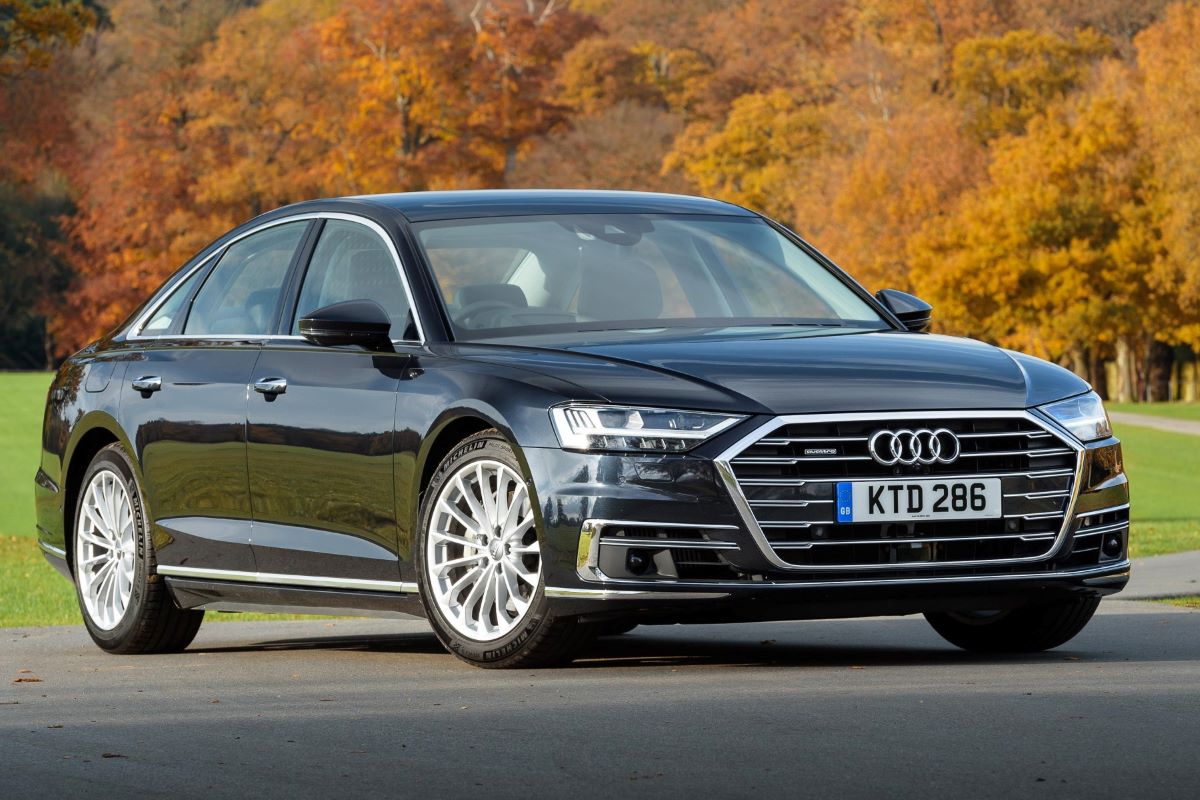
3. Audi A8
The Audi A8 is a compelling example of digital sophistication in the luxury sedan category. Its dual-touchscreen layout integrates traditional controls with advanced haptic feedback, creating a responsive, intuitive interface that feels modern and polished.
The virtual cockpit behind the steering wheel is fully digital and customizable, allowing drivers to prioritize navigation, media, or vehicle information according to preference.
Predictive functions, such as anticipating the next menu a driver may need, reduce interaction time and distraction, while natural voice recognition allows commands to be spoken in a conversational manner.
Audi’s technology philosophy focuses on intuitive use, ensuring that drivers do not have to adapt to the car; the car adapts to them.
Advanced driver-assistance systems make the A8 a confident companion on the road. Adaptive cruise control, lane-keeping assistance, collision mitigation, and night vision capabilities operate seamlessly, enhancing safety without feeling intrusive.
The 360-degree camera system provides comprehensive situational awareness in parking and city driving, while pedestrian detection ensures urban safety.
Audi has refined these systems to operate smoothly, creating a sense of technological cohesion that supports both safety and convenience. Even complex maneuvers are assisted intelligently, ensuring a smooth, reassuring driving experience.
Connectivity is another strength of the A8. Wireless Apple CarPlay and Android Auto are complemented by onboard Wi-Fi, ensuring passengers can remain connected even during long trips.
Over-the-air software updates keep navigation, infotainment, and system performance current, extending the car’s technological relevance over time.
Personalized settings, from seat adjustments to ambient lighting, allow each driver and passenger to experience a cabin tailored to their preferences.
The integration of hardware, software, and human-centric design ensures that the A8 remains technologically modern without feeling overly complex.
Audi’s interior design philosophy enhances the technological experience further. Minimalist layouts, touch-sensitive panels, and responsive haptic feedback create a cabin environment that is both elegant and futuristic.
Materials are high-quality and carefully chosen, ensuring that technology complements rather than overwhelms the luxury environment.
The A8 demonstrates that a modern luxury sedan can combine cutting-edge digital systems with comfort and refinement, providing a cohesive, forward-looking experience that remains relevant over time.
4. Tesla Model S
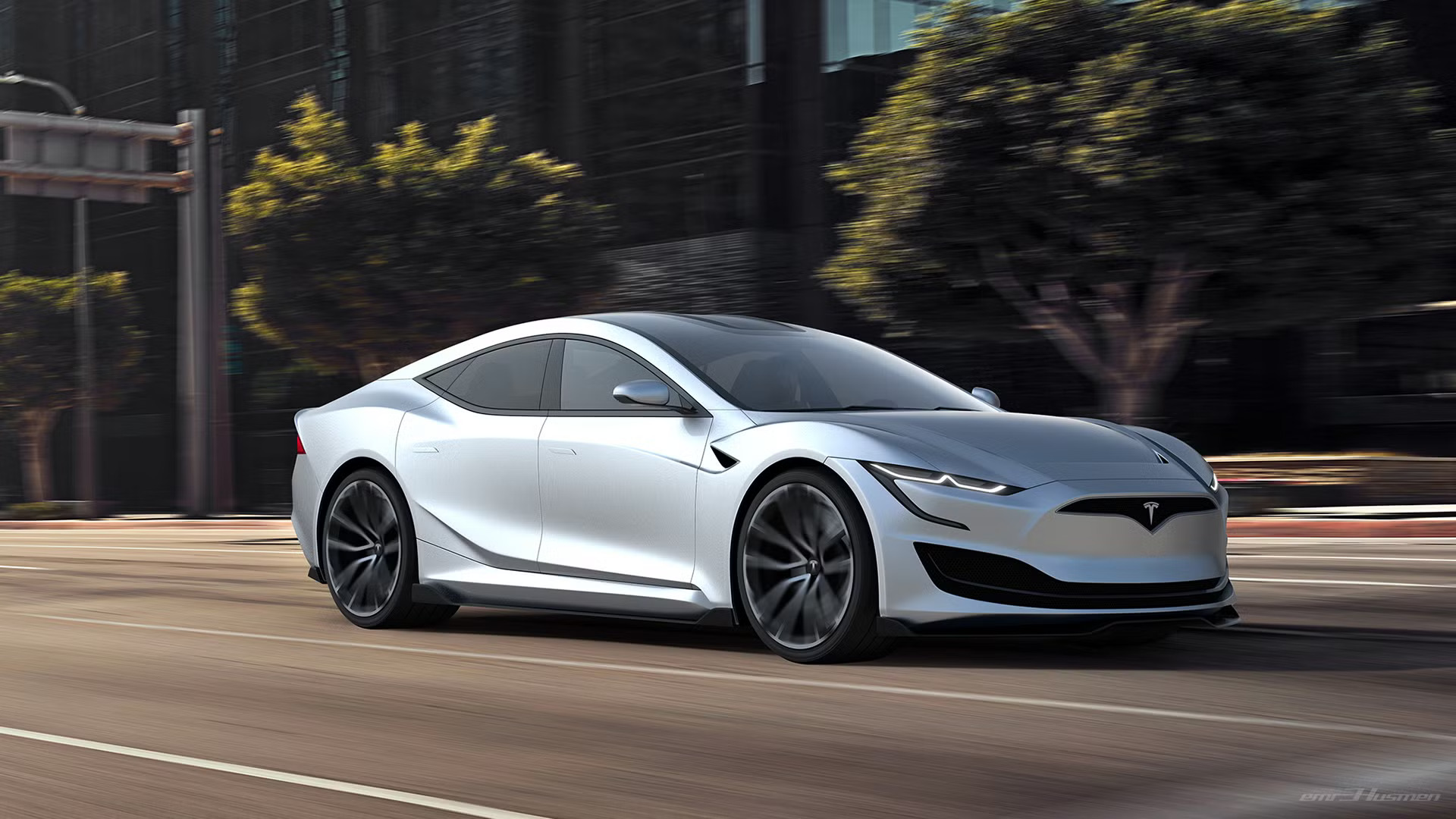
Tesla’s Model S represents a different approach to technology in luxury sedans, relying on software and digital interfaces as the primary drivers of innovation.
The large central touchscreen functions as the command center for almost all aspects of the car, from climate control and media to navigation and energy monitoring.
Software updates delivered over-the-air frequently add features, improve performance, and refine interfaces, allowing the car to evolve long after the initial purchase.
Tesla’s emphasis on software as a core part of the driving experience sets it apart from traditional luxury competitors, who often treat electronics as secondary.
Autopilot and Full Self-Driving features define the Model S experience. Adaptive cruise control, lane-centering, and automatic lane-change functions provide a semi-autonomous driving experience that continues to improve over time through updates.
Tesla’s sensor suite, which combines cameras, radar, and ultrasonic sensors, allows the system to monitor its surroundings and respond intelligently to traffic conditions.
Frequent software enhancements improve both safety and convenience, demonstrating the value of a technology-centric approach that does not require hardware upgrades to remain relevant.
The Model S excels in connectivity and personalization. Drivers can monitor and control nearly every function of the vehicle through the Tesla mobile app, including remote climate control, navigation planning, and charging management.
Real-time energy consumption monitoring and route optimization make electric vehicle ownership practical and efficient, while a minimalist interior reduces clutter and focuses attention on the digital interface.
Tesla’s design philosophy emphasizes simplicity without sacrificing functionality, creating a technologically advanced cabin that feels futuristic and uncluttered.
Safety and convenience features further cement the Model S’s modern credentials. Automated emergency braking, collision avoidance, and traffic-aware navigation integrate seamlessly into the driving experience.
The car’s ability to continuously improve through software updates keeps it at the forefront of automotive technology, creating a luxury experience defined as much by digital sophistication as by speed, acceleration, and ride comfort.
The Model S is an example of how a forward-thinking approach to technology can redefine expectations for a modern luxury sedan.
5. Lexus LS
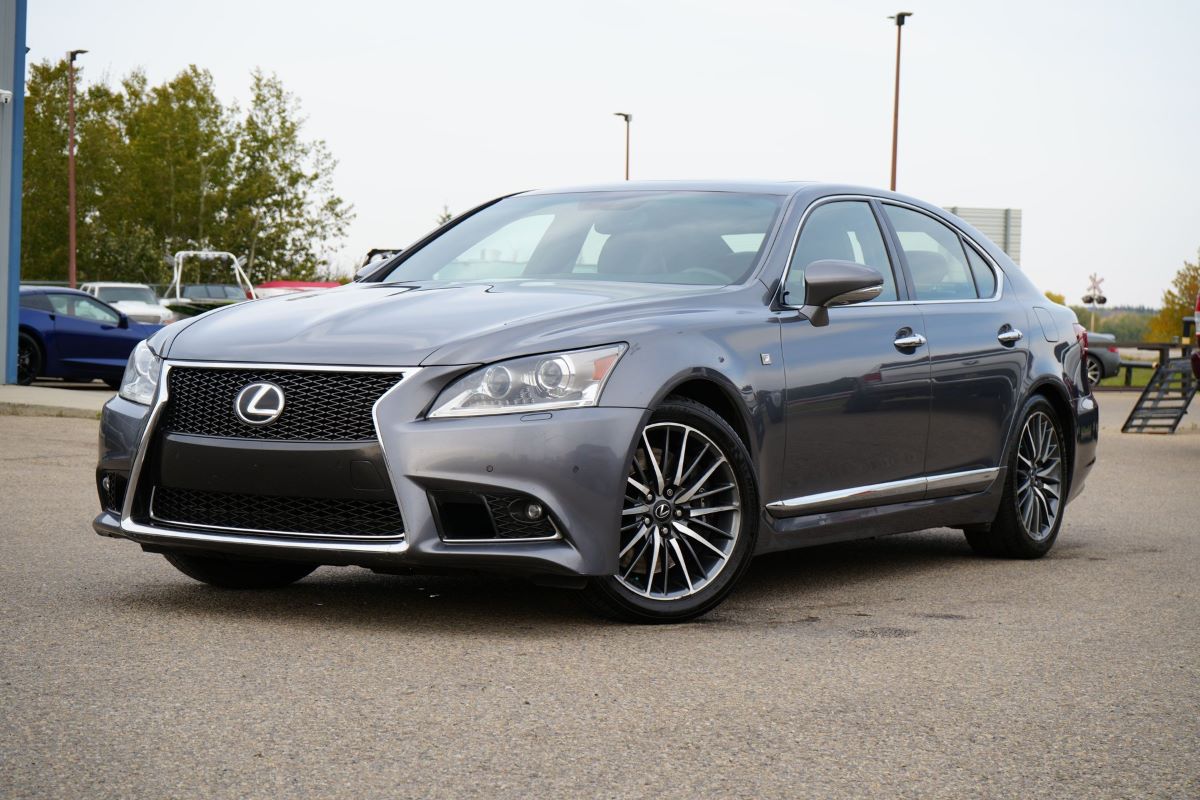
The Lexus LS combines traditional craftsmanship with technological refinement in a way that feels modern and intuitive.
Its updated infotainment system features responsive touchscreens and refined controls that reduce the frustrations often associated with complex digital systems.
Remote touch controllers and an improved interface make navigation, media, and vehicle settings straightforward, while voice recognition allows commands to be executed naturally, without requiring rigid phrasing.
Lexus’s focus on ease of use ensures that technology enhances the ownership experience without adding unnecessary complexity.
Connectivity options in the LS include Apple CarPlay, Android Auto, and wireless charging, ensuring passengers can remain connected with ease.
Navigation and multimedia systems are now more responsive, while over-the-air updates allow for incremental improvements over time.
The integration of these features into a serene, well-appointed cabin demonstrates that technology can feel modern even when balanced with comfort and craftsmanship.
The interior of the LS exemplifies how technology can complement luxury. Adjustable ambient lighting, climate control, and electronically adjustable seating combine with an exceptionally quiet cabin to create a sense of calm and sophistication.
Every digital interface is carefully designed to be intuitive and unobtrusive, reinforcing Lexus’s philosophy that technology should enhance rather than dominate the driving experience.
By integrating modern features with traditional craftsmanship, the LS stands out as a luxury sedan whose technology feels current and relevant, providing a seamless blend of comfort, safety, and convenience.
5 Luxury Sedans Frozen in Time
1. Cadillac CT6 (2016-2019 models)
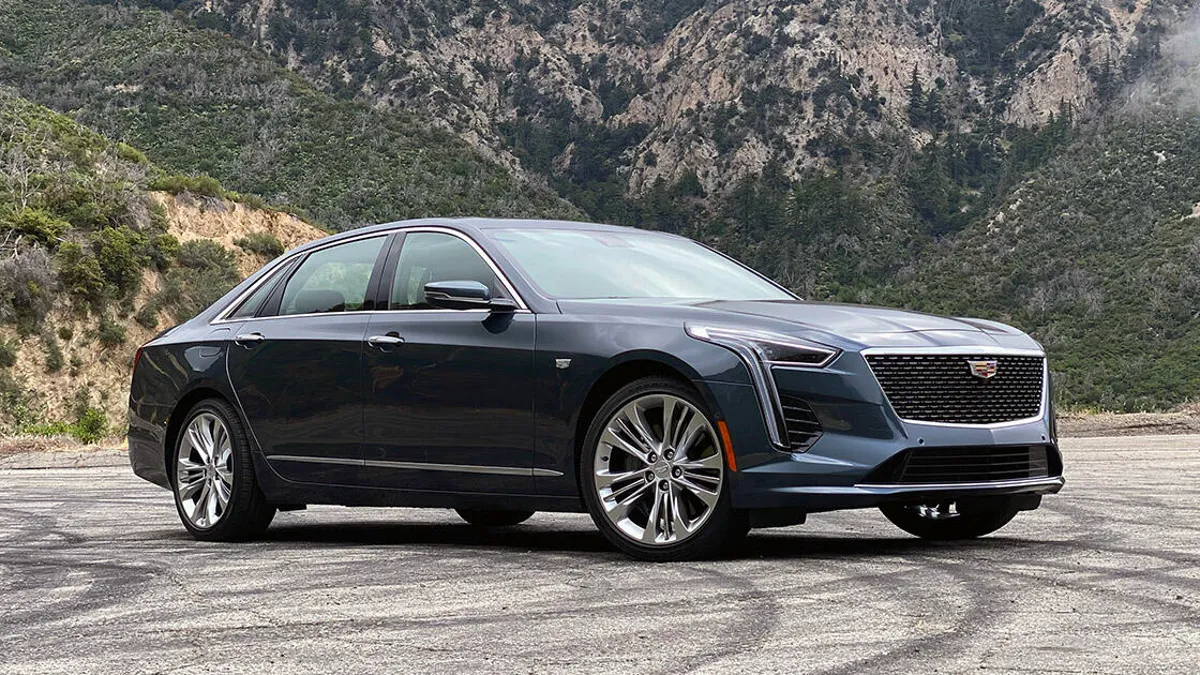
The Cadillac CT6, particularly the early models, offered impressive size, comfort, and engine options, but its technology quickly began to feel outdated compared to competitors.
While the car included Cadillac User Experience (CUE) infotainment, the system was criticized for being unintuitive and slow to respond.
Touchscreen sensitivity was inconsistent, menus were nested in ways that required multiple steps to access simple features, and haptic feedback was minimal, making the interface frustrating for users accustomed to more fluid systems in other luxury sedans.
In an era where voice recognition was becoming increasingly conversational, the CUE system often required precise phrasing and repeated attempts to perform basic tasks like changing the climate or adjusting media settings, creating a noticeable gap in technological modernity.
Driver-assistance features in the CT6, though present, were relatively basic by modern standards.
Adaptive cruise control and lane-keeping assistance existed but were less refined than those in Mercedes or BMW offerings, often feeling more like optional add-ons than seamlessly integrated systems.
Connectivity in the CT6 was another area where the vehicle struggled to keep pace. Early versions relied heavily on wired Apple CarPlay, lacked Android Auto support initially, and offered limited over-the-air update capabilities.
Infotainment software rarely improved after purchase, meaning that buyers could see their system become outdated within just a few years.
The Bluetooth interface could be slow to pair with devices, and wireless charging was either absent or clunky, depending on the trim.
For a luxury sedan, where technology is often a major selling point, these shortcomings created a disconnect between the car’s otherwise premium image and the user experience behind the wheel.
Despite a well-appointed interior and strong mechanical performance, the CT6’s technological stagnation is hard to ignore. Luxury sedans are increasingly expected to combine driving refinement with seamless digital integration, and the early CT6 models fell short.
Features like a traditional gauge cluster instead of a fully digital display, minimal gesture control, and dated infotainment graphics reinforced the impression that the car’s technology was from a prior generation.
For drivers seeking modern convenience and digital sophistication, the CT6 highlighted how quickly technology can age, even in vehicles that excel in other luxury dimensions.
2. Jaguar XJ (pre-2019 models)
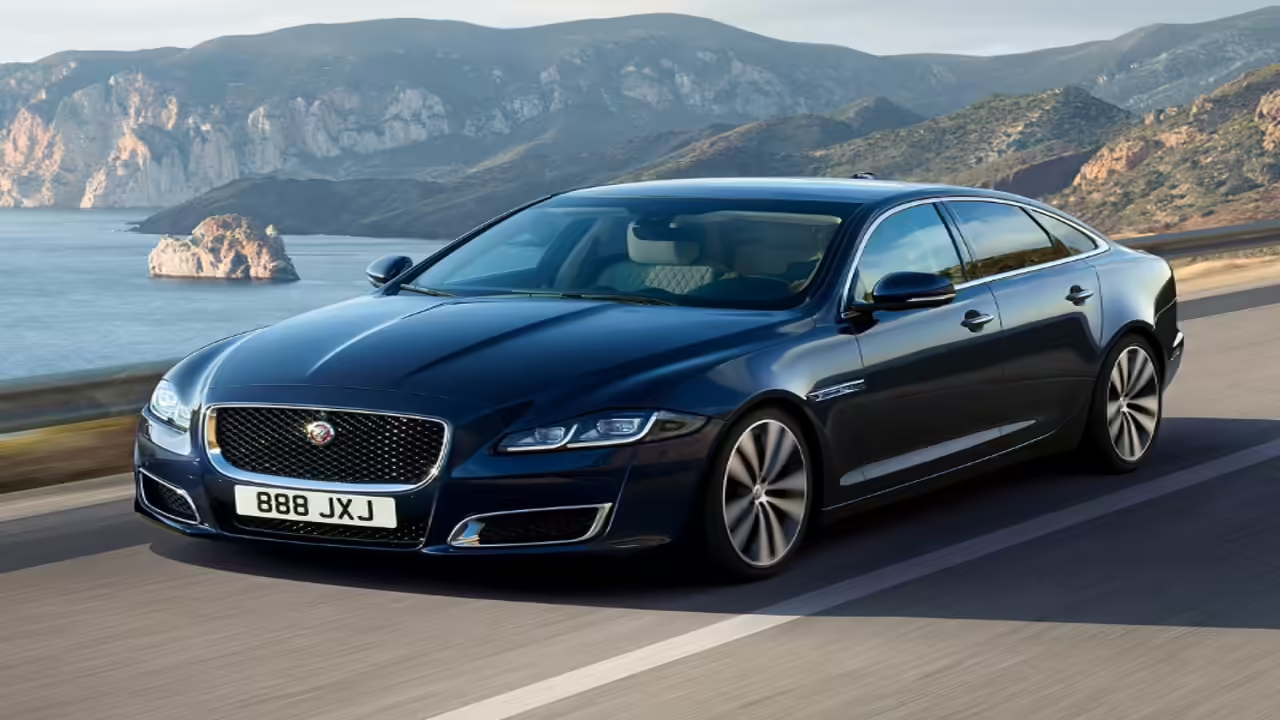
The Jaguar XJ, with its sleek styling and classic British elegance, suffered from technology that failed to keep pace with the rest of the luxury sedan market.
The InControl Touch Pro system, featured in models prior to 2019, was often criticized for slow processing speeds and a complicated interface.
The touchscreen lagged behind user input, sometimes freezing or requiring repeated taps to register commands.
Even basic tasks like entering a navigation address or pairing a smartphone could take longer than expected, a stark contrast to the immediate responsiveness found in German competitors. The digital integration felt like an afterthought in a car that otherwise exuded refinement and prestige.
Driver-assistance features were limited in scope compared to the latest luxury sedans. While adaptive cruise control and blind-spot monitoring existed, more advanced semi-autonomous driving aids were missing or rudimentary.
Lane-keeping assist was available only on higher trims, and even then, it lacked precision and smoothness, making extended highway use less relaxing.
Connectivity and convenience lagged as well. Early XJ models relied heavily on wired connections for smartphones and did not initially support wireless Apple CarPlay or Android Auto. Over-the-air updates were nonexistent, meaning software rarely improved after purchase.
USB ports were limited in number and sometimes inconveniently placed, while wireless charging was not standard.
For a car positioned in the upper echelons of the luxury market, these technological shortcomings made the cabin feel outdated, particularly when compared to the growing number of sedans with fully integrated digital ecosystems.
Even with its refined ride, supple materials, and elegant design, the pre-2019 Jaguar XJ feels technologically frozen.
The analog-like responsiveness of its infotainment, the limited scope of driver-assistance features, and the lack of modern connectivity options emphasize how a beautiful and comfortable sedan can fall behind in perceived modernity when digital interfaces are left stagnant.
For buyers seeking the combination of elegance and cutting-edge technology, the XJ exemplifies a vehicle that shines in some areas while feeling trapped in its original technological era.
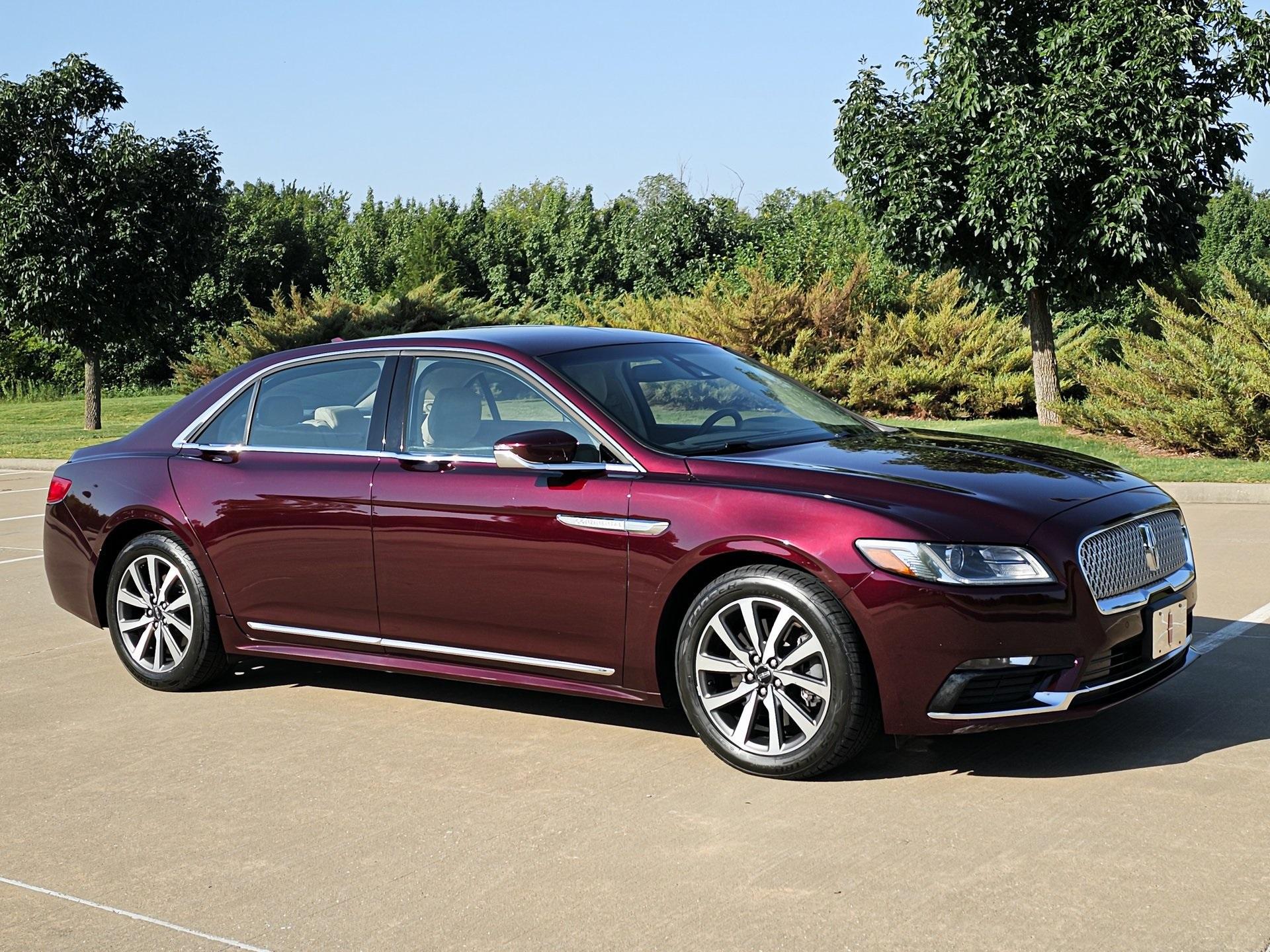
3. Lincoln Continental (2017-2020)
The Lincoln Continental offered an exceptional ride quality and plush interior, but the technology inside many models failed to match the luxury and comfort levels of the cabin.
The SYNC 3 infotainment system, although functional, often lacked the intuitive responsiveness and high-resolution graphics that became common in competing sedans.
Users frequently noted slow screen transitions and lagging touch inputs, which could make controlling navigation, media, or climate settings more cumbersome than in rivals like the Mercedes S-Class or BMW 7 Series.
Voice commands were limited in complexity and required exact phrasing to work reliably, further demonstrating a gap between perceived modernity and practical functionality.
Driver-assistance features were present but not particularly advanced. Blind-spot monitoring, lane-keeping assistance, and adaptive cruise control were included, but lane-centering capabilities and emergency braking assistance were less sophisticated than those in European and Japanese competitors.
In heavy traffic, the systems could feel reactive rather than proactive, and the lack of over-the-air software updates meant that these features would not improve with time.
Parking assistance was functional but relied heavily on the driver for final adjustments, highlighting the car’s lack of technological polish in areas where rivals had begun to automate the process.
USB ports and device charging were not always intuitively placed, and infotainment responsiveness often lagged when multiple devices were connected.
These limitations reinforced the impression that the Continental’s technology, while adequate, lacked the forward-looking design that has become increasingly important in the luxury segment.
Even the interior, with its high-quality materials and luxurious seating, could not fully mask the technological deficiencies.
Touchscreens that were slow to respond, limited customization options for displays, and dated interfaces contrasted sharply with the advanced digital dashboards offered by other brands.
Although the Lincoln Continental remains a comfortable and elegant choice, it clearly illustrates how technology that does not evolve can leave a luxury sedan feeling stuck in the past, despite its other strengths in comfort and styling.
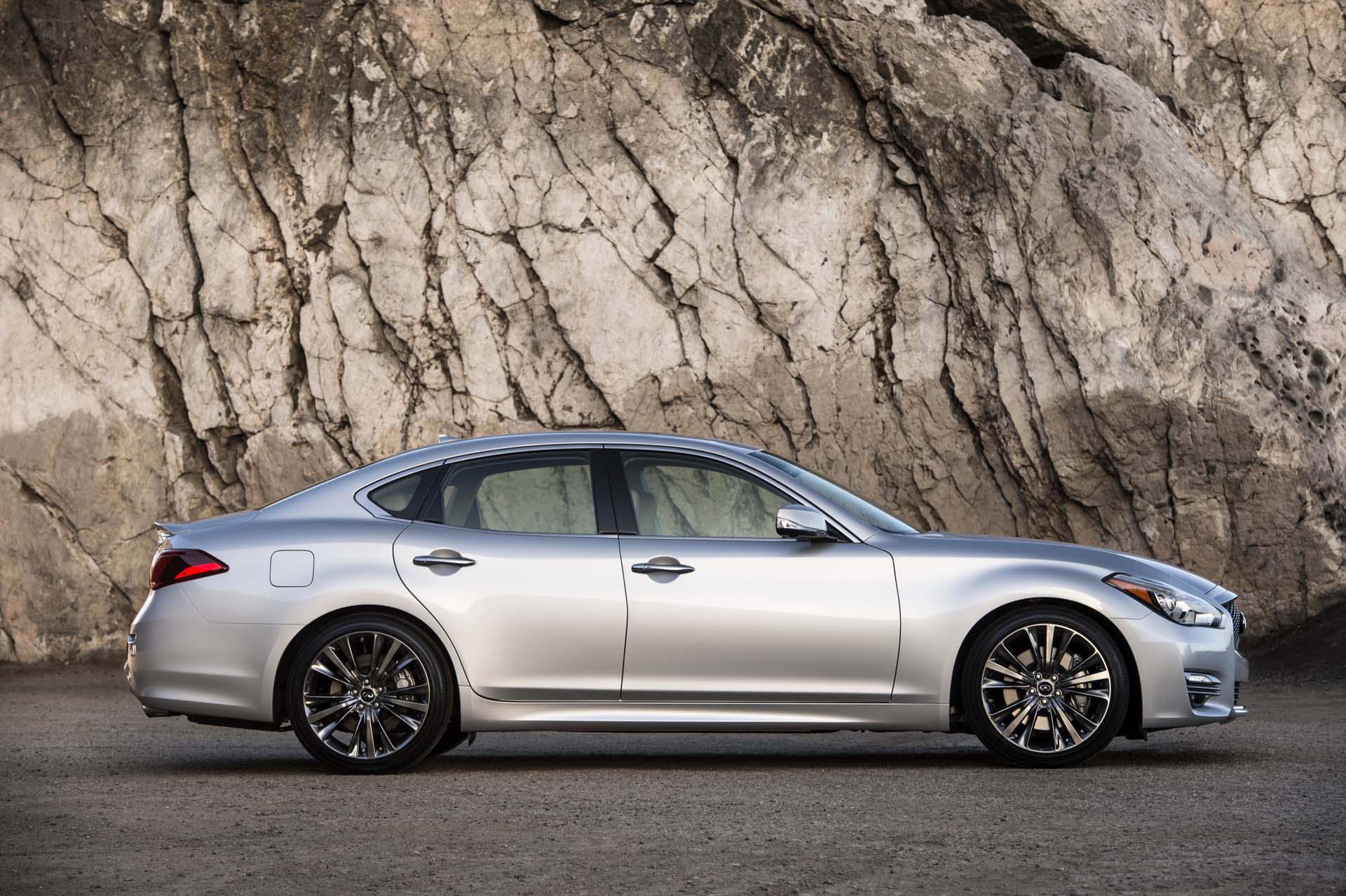
4. Infiniti Q70 (2014-2019)
The Infiniti Q70, while mechanically capable and stylish, lagged significantly in technology during its production years.
The infotainment system, particularly in earlier models, was often criticized for its unintuitive interface, slow touchscreen response, and small display sizes.
Users found themselves navigating complex menus just to perform simple tasks, creating frustration and diminishing the sense of luxury.
Voice recognition systems were limited and required specific phrasing, making them less useful for drivers accustomed to more intelligent, conversational interfaces.
These shortcomings meant that, while the Q70 could provide a comfortable ride, its cabin technology felt firmly rooted in the past.
Driver-assistance features were available but limited and inconsistent. Basic adaptive cruise control and blind-spot monitoring existed, but lane-departure warning and automatic emergency braking were either rudimentary or reserved for higher trims.
Connectivity and user-friendly integration were other areas where the Q70 struggled. While later models included Apple CarPlay and Android Auto, wireless options were limited or absent. USB ports were few and often inconveniently located, and Bluetooth pairing could be inconsistent.
Over-the-air updates were unavailable, meaning software improvements required dealer visits, creating a sense that the vehicle’s technology was static rather than evolving. Infotainment graphics and interface design felt dated, especially when compared with rival sedans that prioritized clean, responsive digital displays.
Despite offering a comfortable ride, a smooth engine, and high-quality materials, the Infiniti Q70 remained technologically behind its competition.
Its infotainment system, driver-assistance features, and connectivity options did not keep pace with the rapid advancements in the luxury sedan segment, creating a disconnect between its physical elegance and the experience of interacting with its digital components.
This contrast made it feel like a luxury sedan whose technology was frozen in time, even as other vehicles around it advanced rapidly.
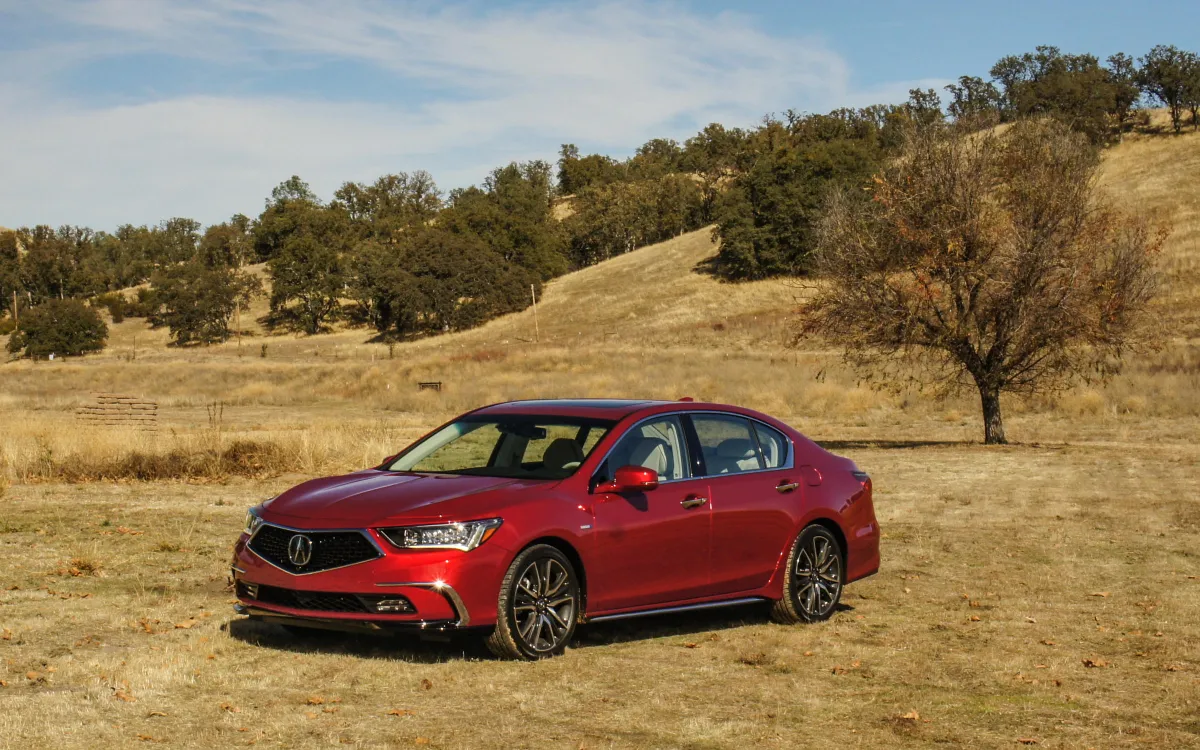
5. Acura RLX (2014-2020)
The Acura RLX was praised for its reliability, smooth ride, and build quality, but its technology often lagged behind other luxury sedans of its era. The AcuraLink infotainment system, while serviceable, was often criticized for having small, cluttered screens and sluggish responsiveness.
Controls were split between touchscreen and physical buttons in ways that could feel awkward, and voice command functionality required precise inputs rather than understanding natural language.
Navigation, media, and climate adjustments were functional but lacked the fluidity, high-resolution graphics, and intuitive layout that have become standard in modern luxury sedans, leaving the RLX feeling dated inside.
Driver-assistance technologies were similarly behind the curve. While adaptive cruise control, collision mitigation braking, and lane-keeping assistance were offered, these systems were often less refined and slower to respond compared to European and Japanese competitors.
Lane-centering was minimal, and stop-and-go highway functionality was limited or nonexistent.
Parking assistance was basic, lacking predictive guidance or surround-view cameras that have become expected in luxury sedans. As a result, the RLX’s technology did not enhance the driving experience as effectively as the competition.
Connectivity options were limited and inconsistent. Early models lacked Apple CarPlay and Android Auto, and even in later updates, wireless integration remained minimal.
USB ports and charging options were sparse, and over-the-air software updates were not available, meaning any improvement required visiting a dealership.
Bluetooth connectivity occasionally required multiple pairing attempts, adding to the impression that the RLX’s technological foundation was solid but unremarkable and increasingly outdated compared to rivals.
Despite excellent materials, ride comfort, and build quality, the Acura RLX illustrates how technology can define a car’s perception of modernity.
Even as the vehicle excelled in areas like driving refinement and reliability, its infotainment, connectivity, and driver-assistance systems lagged, creating the impression of a luxury sedan trapped in a prior era.
The RLX demonstrates that for luxury sedans, technological relevance is now nearly as critical as traditional measures of comfort, performance, and prestige.
