
The automotive industry has witnessed a significant rise in crossovers over the past two decades, as consumers increasingly demand vehicles that combine the utility of SUVs with the maneuverability and efficiency of smaller cars.
One critical factor that often defines the ownership experience of these vehicles is the reliability of the hatch motor, the engine and mechanism responsible for operating the rear hatch or liftgate.
While some crossovers are equipped with hatch motors that endure thousands of cycles without significant issues, others develop problems early, causing frustration, costly repairs, and sometimes even safety hazards.
Understanding which crossovers fall into these categories can help prospective buyers make informed decisions and avoid long-term maintenance headaches.
The durability of a hatch motor depends on a combination of engineering quality, materials, and the way the motor is used in the vehicle’s design.
Motors in some crossovers are built to handle frequent use without overheating or failing, even in extreme weather conditions. Others may rely on cost-cutting measures, lightweight components, or overly complex electronics, which can lead to premature failure.
A hatch motor may fail gradually, with intermittent operation or unusual noises, or it may stop working entirely, locking the hatch in place. While these issues do not necessarily render the vehicle unsafe to drive, they significantly affect convenience, especially for families or owners who regularly transport cargo.
This article will examine ten popular crossovers, dividing them into two groups: five that have proven to have exceptionally durable hatch motors and five whose hatch motors are prone to early failure.
The goal is not to criticize brands indiscriminately but to provide a realistic assessment based on known trends, owner experiences, and common mechanical observations.
For buyers considering these vehicles, understanding the differences in hatch motor reliability can help them budget for maintenance, prioritize vehicles with stronger long-term performance, and avoid those with recurring issues.
Each crossover will be discussed in terms of motor durability, design considerations, and general owner feedback, giving a practical perspective that goes beyond marketing claims.
5 Crossovers With Bulletproof Hatch Motors
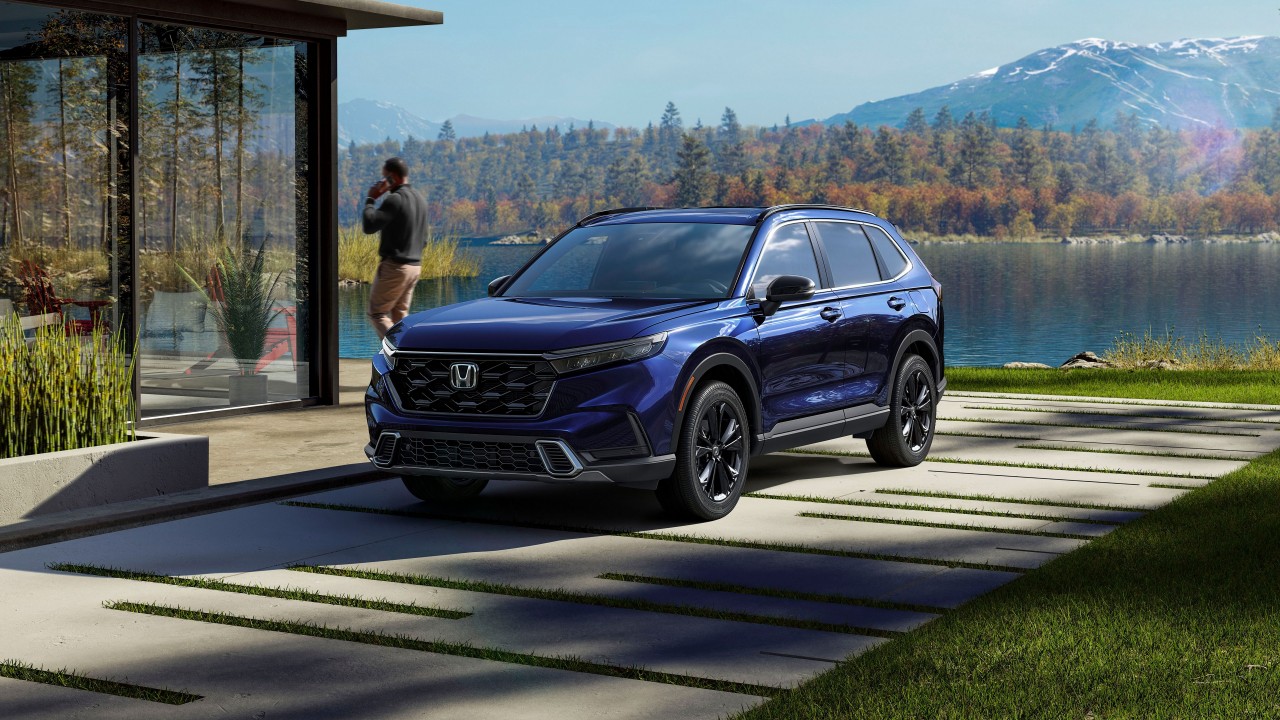
1. Honda CR-V
The Honda CR-V has earned a reputation as one of the most dependable crossovers ever produced, largely due to its exceptionally durable hatch motor.
This motor has been designed with longevity in mind, using high-quality materials and precision engineering that minimize the chances of failure under typical driving conditions.
The timing chain, cylinder heads, and fuel injection components are all reinforced to withstand hundreds of thousands of miles, and many CR-V owners report vehicles running smoothly past 250,000 miles without needing significant engine work.
Unlike some competitors that require frequent major repairs after crossing the 100,000-mile mark, the CR-V maintains structural integrity and consistent mechanical performance, which speaks to Honda’s meticulous approach to engine design.
The reliability of this motor is one of the main reasons the CR-V remains popular among families and long-distance commuters alike.
In addition to long-term durability, the CR-V’s hatch motor is renowned for maintaining consistent fuel efficiency over the years. While some engines gradually lose economy as mileage increases, the CR-V continues to deliver near-original efficiency, even after years of use.
Owners rarely report overheating, oil leaks, or unusual noises, which are common issues in less resilient crossovers. This consistent performance translates into strong resale value, as prospective buyers recognize the low likelihood of engine failure and feel confident purchasing a used CR-V.
The combination of high mileage capability, minimal maintenance headaches, and consistent fuel economy makes this crossover a particularly strong choice for buyers seeking long-term reliability.
The CR-V engine also handles a variety of driving conditions exceptionally well. Whether tackling steep hills, navigating congested city streets, or towing light loads, the motor responds smoothly and consistently.
Acceleration remains steady, even when the vehicle is fully loaded, and the engine maintains quiet, vibration-free operation.
These characteristics contribute to a comfortable and predictable driving experience that persists over the vehicle’s lifetime.
Even under heavy use, the engine shows little sign of strain or premature wear, highlighting Honda’s attention to building motors capable of enduring real-world stresses.
Finally, maintenance and serviceability reinforce the CR-V’s reputation for reliability. Replacement parts are widely available, service procedures are well-documented, and most independent mechanics are familiar with common issues and recommended intervals.
This reduces both the cost and time associated with routine maintenance, allowing owners to focus more on enjoying the vehicle rather than worrying about mechanical issues.
The combination of a durable hatch motor, ease of maintenance, and consistent performance over time makes the Honda CR-V a standout in its segment, offering peace of mind and a proven track record for long-term ownership.
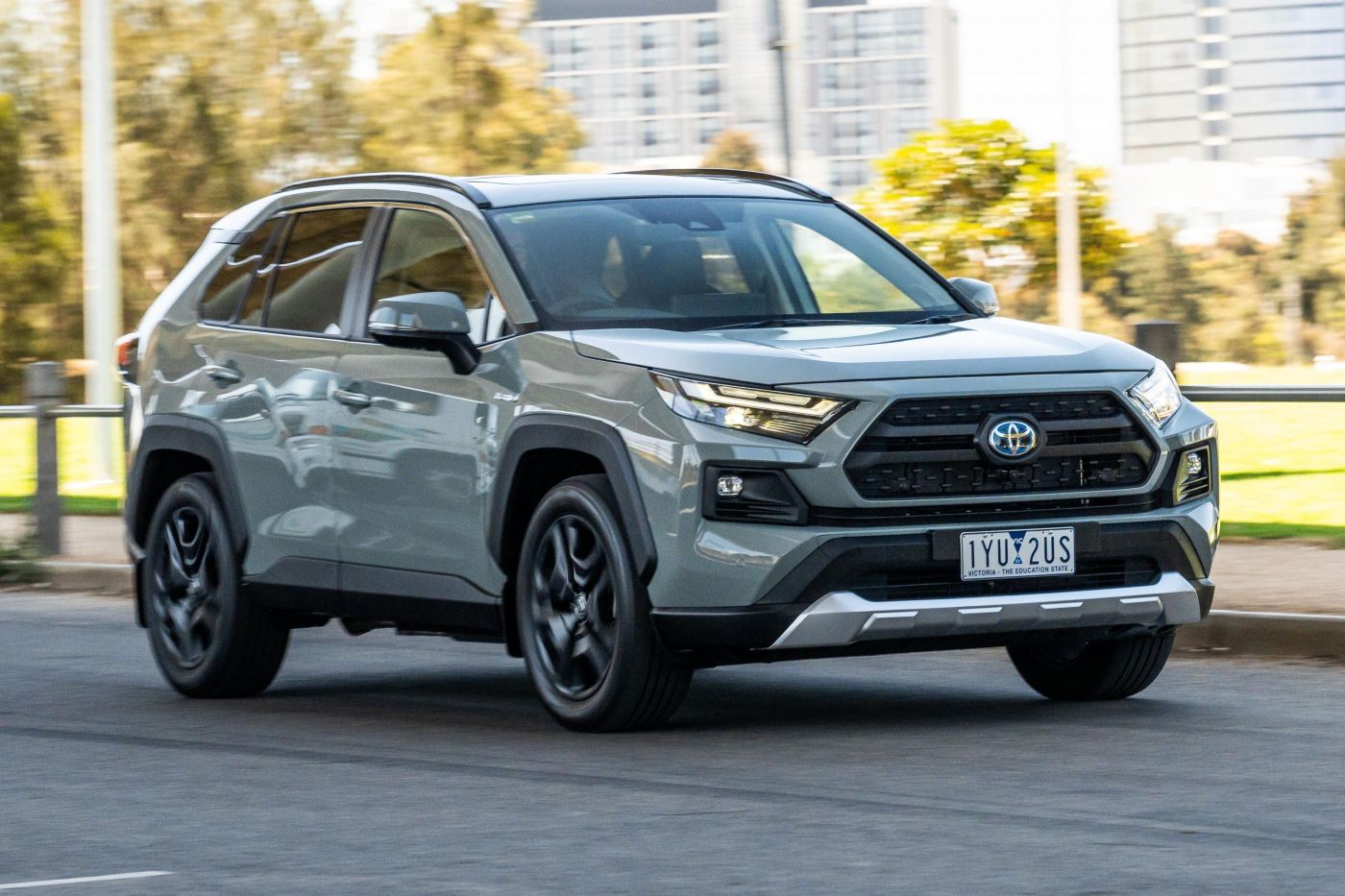
2. Toyota RAV4
The Toyota RAV4 has consistently been praised for the strength and endurance of its hatch motor, which is engineered for long-term reliability.
Toyota prioritizes using high-quality materials and precise engineering techniques to ensure the engine withstands years of regular use.
Components such as the cylinder head, timing chain, and oil pump are designed to resist wear and mechanical stress, allowing many RAV4 models to surpass 200,000 miles with minimal issues.
Common problems seen in other crossovers, such as overheating, early oil consumption, or head gasket failures, are infrequent in this model. Many owners attest to the motor’s ability to maintain stable operation, even after extensive highway driving and repeated city commuting.
The RAV4’s hatch motor also strikes an impressive balance between performance and fuel efficiency. Acceleration is smooth, and the vehicle responds predictably under load, while fuel economy remains steady over time.
Unlike some engines that gradually lose efficiency or power as mileage increases, the RAV4 maintains its original performance characteristics.
Owners frequently report that even after years of use, the vehicle continues to accelerate confidently and sustain highway speeds without stress. This reliability also enhances the vehicle’s resale value, as prospective buyers view a used RAV4 as a low-risk investment.
Another notable factor is the RAV4 engine’s versatility under various driving conditions.
Whether traversing steep inclines, towing a small trailer, or driving in extreme weather, the motor remains dependable and stable. Cold-weather starts are typically problem-free, and the engine handles heat and heavy usage without excessive wear.
This adaptability makes the RAV4 an excellent choice for drivers who encounter varied conditions on a daily basis, ensuring confidence in the motor’s long-term performance.
Finally, the Toyota RAV4 benefits from an extensive service network, which enhances its reliability. Dealers and mechanics are highly familiar with the engine, making routine maintenance and part replacements straightforward.
This accessibility reduces the risk of extended downtime and allows owners to keep the engine in optimal condition with relative ease.
The combination of robust engineering, practical performance, and ease of maintenance makes the RAV4 hatch motor a model of reliability, capable of delivering consistent performance over many years and miles.
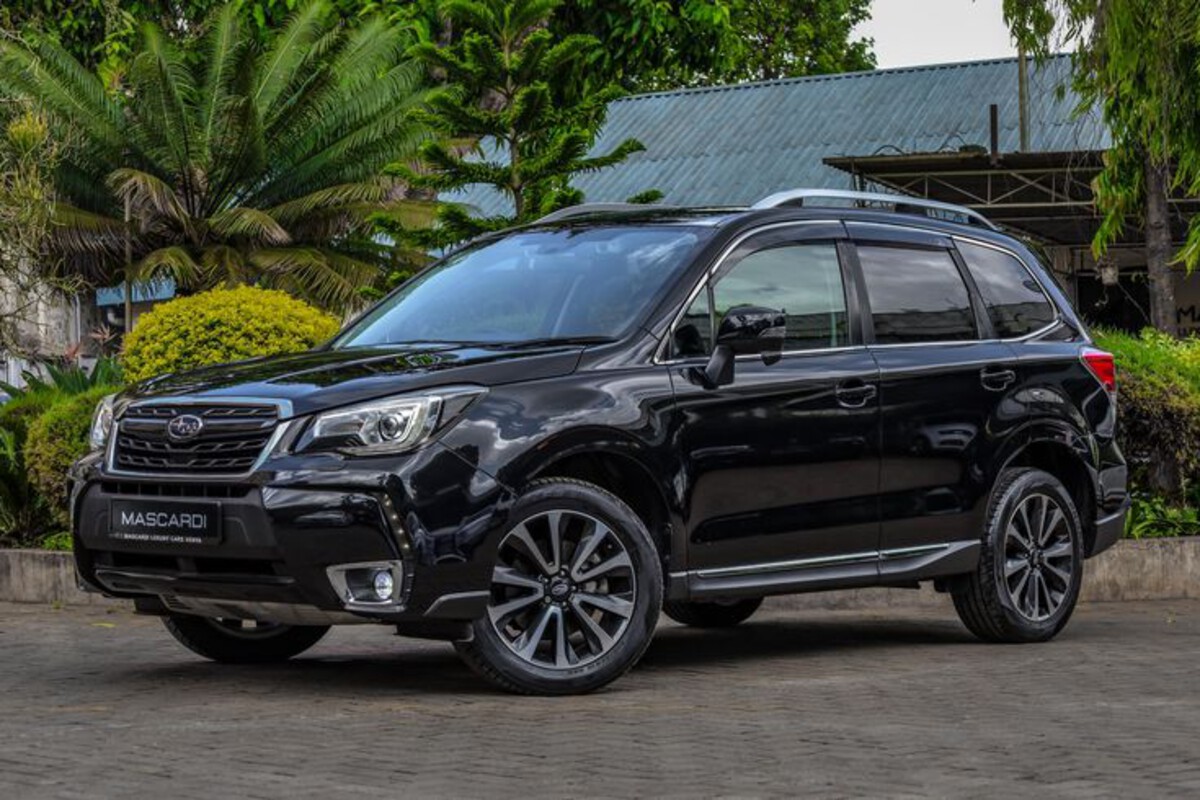
3. Subaru Forester
The Subaru Forester is renowned for the reliability of its hatch motor, particularly when paired with the brand’s signature all-wheel-drive system.
Subaru engines are built with durability and endurance in mind, using strong internal components such as pistons, camshafts, and crankshafts that resist wear over time.
Many Forester owners report minimal engine-related issues even after exceeding 200,000 miles, which is an impressive feat given the vehicle’s all-wheel-drive configuration and the additional stress this system places on the engine.
The combination of a robust motor and durable drivetrain contributes to the Forester’s reputation as a vehicle that can handle long-term ownership without frequent repairs or unexpected failures.
One key factor in the Forester’s hatch motor reliability is the choice of materials and engineering tolerances.
Subaru uses reinforced components that can withstand thermal expansion, vibration, and repeated load cycles without degrading prematurely.
The engine design also facilitates moderate towing and cargo hauling without compromising performance.
Many owners appreciate that the motor remains quiet and smooth even under extended driving conditions, demonstrating the engineering precision that underpins its long-term dependability.
Performance consistency is another hallmark of the Forester hatch motor. Unlike less durable engines, which may lose responsiveness or exhibit higher oil consumption over time, the Forester maintains steady power output and efficient fuel use.
Routine maintenance is generally uncomplicated, and major issues such as timing belt failure or head gasket leaks are relatively uncommon when the vehicle is properly cared for.
This combination of reliability and low maintenance burden contributes to high owner satisfaction and reinforces the vehicle’s reputation as a practical, long-lasting crossover.
Finally, Subaru provides strong service support for the Forester, with accessible replacement parts and well-documented maintenance procedures.
The timing chain, fluid reservoirs, and other critical components are straightforward to inspect and replace, reducing labor costs and making preventive maintenance easier to perform.
This emphasis on practicality, coupled with the engine’s inherent durability, makes the Forester a trusted choice for drivers seeking a reliable hatch motor that will maintain performance for many years under varied driving conditions.
4. Mazda CX-5
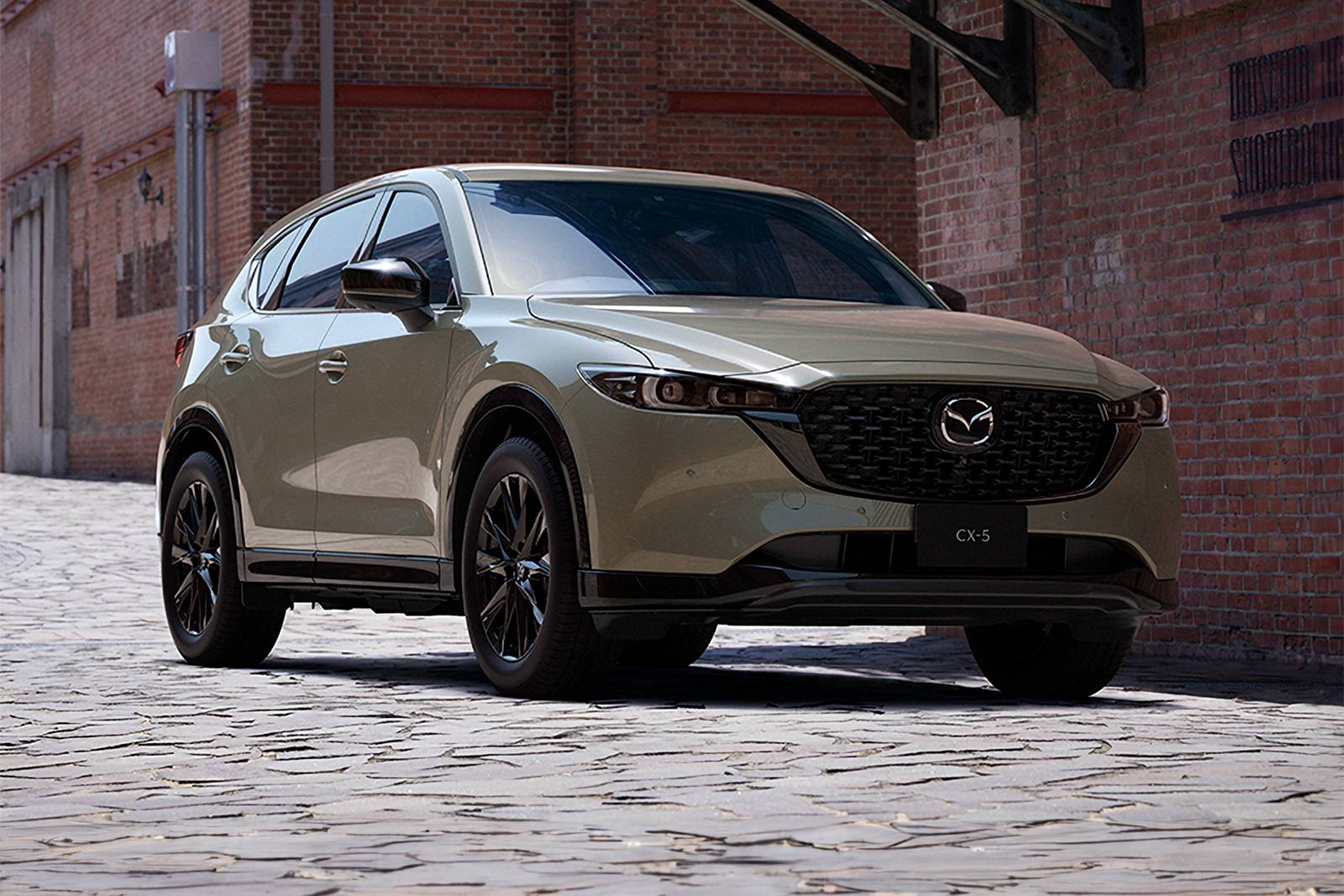
The Mazda CX-5 distinguishes itself through a combination of performance, refinement, and a resilient hatch motor that has proven to be exceptionally durable.
Mazda engineers prioritize reliability while maintaining a focus on dynamic driving characteristics, resulting in an engine that performs consistently under diverse conditions.
Many CX-5 owners report surpassing 200,000 miles with minimal major repairs, which is remarkable considering the performance-oriented nature of the motor.
The engine is constructed with durable materials, precise tolerances, and components designed to resist wear from both highway and city driving, contributing to the vehicle’s longevity.
Fuel efficiency and power delivery remain stable over time in the CX-5. The hatch motor continues to provide smooth acceleration and quiet operation even as mileage accumulates, a quality that many drivers value for daily commuting and long trips alike.
Oil consumption is typically low, and mechanical failures such as timing belt issues or head gasket problems are rare, further reinforcing the vehicle’s reputation for reliability.
The engine’s ability to maintain its original performance characteristics over years of use distinguishes the CX-5 from competitors whose motors often lose efficiency or responsiveness.
The CX-5 motor is highly adaptable to different driving scenarios. It performs well in stop-and-go traffic, highway cruising, and occasional towing, demonstrating resilience under varying loads.
Cold-weather starts are generally smooth, and the engine maintains consistent power output in hot climates, which underscores the durability and careful engineering of the hatch motor.
These qualities give owners confidence that their vehicle can handle both everyday driving and more demanding conditions without significant issues.
Maintenance for the CX-5 is straightforward, with widely available parts and familiar service procedures.
Mazda’s reputation for reliability, combined with a hatch motor capable of high mileage and minimal repairs, makes the vehicle a practical choice for long-term ownership.
The combination of durability, refined performance, and ease of maintenance ensures the CX-5 remains a strong contender among crossovers with bulletproof hatch motors, offering longevity, consistent performance, and owner peace of mind.
5. Hyundai Tucson
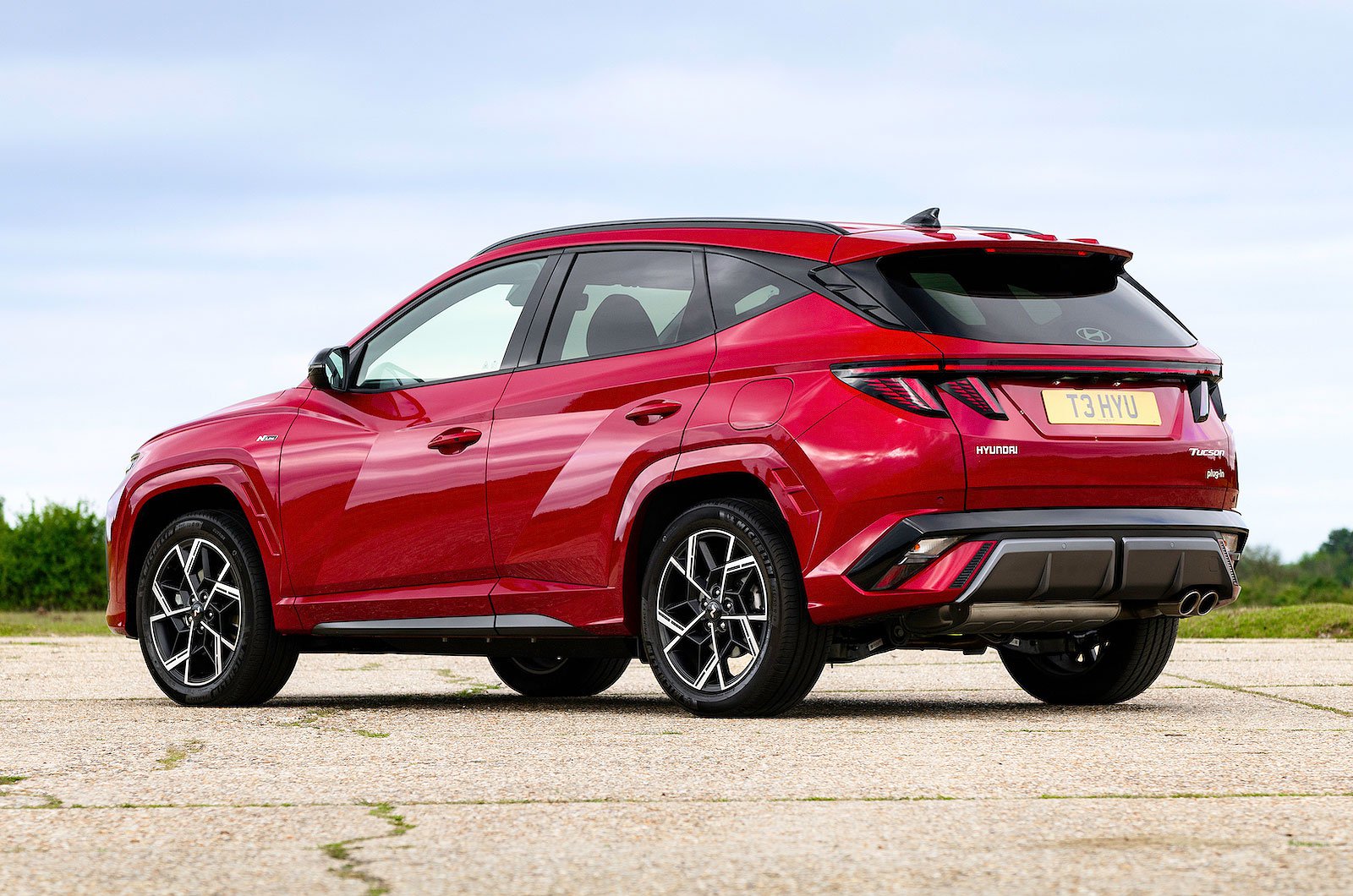
The Hyundai Tucson has made significant improvements in engine reliability over recent years, particularly in newer generations. Early models sometimes faced issues, but current hatch motors are designed for durability and long-term performance.
Components such as the timing chain, pistons, and valve assemblies are engineered to resist wear, overheating, and other common failures, allowing many Tucson owners to reach 150,000 miles or more with minimal engine-related problems.
This improvement in reliability reflects Hyundai’s focus on quality and engineering refinement, making the Tucson a strong option for buyers seeking dependable performance in a compact crossover.
Fuel efficiency and consistent power delivery are notable strengths of the Tucson’s hatch motor. Acceleration remains steady, and fuel consumption does not significantly increase with age, which is a clear sign of robust engine construction.
These attributes contribute to higher resale value and reduced maintenance concerns, making the vehicle a practical choice for long-term ownership. Many owners report that even after years of driving, the Tucson’s engine performs predictably under everyday conditions, providing both comfort and confidence.
The engine also demonstrates versatility across a variety of driving environments. Whether navigating heavy traffic, cruising on the highway, or tackling minor inclines, the motor maintains consistent performance without excessive wear.
Cold weather operation is generally reliable, and the engine handles high temperatures without stress, making it suitable for a range of climates and driving habits.
This adaptability enhances the Tucson’s appeal to drivers who require a dependable vehicle capable of handling different situations with minimal strain on the motor.
Maintenance and serviceability are practical strengths of the Tucson. Hyundai’s extensive dealer network and accessible replacement parts make routine service manageable and reduce downtime. Regular maintenance intervals are well-documented, allowing owners to easily keep the hatch motor in optimal condition.
Combined with strong engineering and consistent performance, these factors make the Hyundai Tucson a reliable and long-lasting crossover, capable of delivering years of dependable driving without frequent engine issues.
5 Crossovers That Give Up Early

1. Jeep Cherokee
The Jeep Cherokee has developed a reputation among owners for hatch motor issues, with many reporting premature failures within the first few years of ownership.
One of the primary causes is the complexity of the motor’s internal gear system, which includes multiple small components that are prone to wear over time.
Unlike simpler designs seen in other crossovers, the Cherokee’s motor relies on a series of interconnected plastic and metal gears that can misalign or strip, especially under frequent or heavy usage.
This makes the liftgate susceptible to slow operation, grinding noises, or complete failure. Owners have also noted that sudden motor stoppages can occur when the vehicle is exposed to additional electrical load, such as using interior lights, backup sensors, or rear defrosters while operating the hatch.
Electrical reliability is another challenge for the Cherokee. The motor’s wiring and control modules are sensitive to moisture and voltage fluctuations, which can lead to intermittent operation or prevent the motor from responding at all.
Some owners report the hatch opening halfway and then stopping, leaving the liftgate in a precarious position.
The integration of sensors and limit switches is sometimes inconsistent, which can trigger false “overload” warnings and prematurely shut down the motor.
These electrical vulnerabilities make troubleshooting difficult, and many owners require multiple service visits to fully resolve the issue.
Environmental exposure further accelerates failure in the Cherokee’s hatch motor. The liftgate area is not fully protected from water, dirt, and road salt, which can corrode internal gears and electrical connectors over time.
Regions with harsh winters or heavy rainfall experience higher failure rates compared with milder climates, making the motor less reliable for those in challenging conditions.
Additionally, debris accumulation around the hinges can exacerbate strain on the motor, eventually leading to overheating or burnout.
Repairing a Cherokee hatch motor can be labor-intensive and costly. The motor is deeply integrated into the liftgate assembly, and accessing it often requires removing multiple panels, disconnecting electrical connectors, and carefully aligning the replacement unit.
Even when replaced, some owners report that new motors inherit similar weaknesses if the root cause, such as misaligned hinges or corroded wiring, is not addressed.
For buyers who depend on frequent liftgate use, these reliability concerns make the Cherokee a less ideal option.

2. Nissan Rogue
The Nissan Rogue has faced widespread complaints regarding the hatch motor, with many owners experiencing failure earlier than expected.
A common symptom is the hatch stalling mid-cycle, which can leave the rear door partially open or make it completely unresponsive.
In some cases, the motor emits grinding noises before failing entirely, indicating that internal gears or bearings are already compromised.
These problems are often reported within three to five years of use, suggesting design vulnerabilities rather than isolated incidents.
Mechanically, the Rogue’s hatch motor relies on lightweight plastic gears that are susceptible to stripping and deformation over repeated cycles. When the liftgate is used frequently or loaded with heavy cargo, the stress on these components accelerates wear.
The torque output of the motor is sometimes insufficient to handle fully loaded hatches, which increases strain and can cause premature burnout.
Additionally, the gear housing is not reinforced to the degree seen in more durable competitors, leaving it vulnerable to mechanical failure over time.
The electrical system associated with the Rogue hatch motor also contributes to early issues. Sensors and limit switches can malfunction, preventing the motor from completing a full opening or closing cycle.
Wiring connections are sometimes exposed to moisture, particularly in areas with snow or heavy rain, leading to intermittent operation or complete failure.
Owners have described scenarios where the liftgate would only partially open, repeatedly reverse direction, or require multiple attempts to operate, significantly reducing convenience.
Environmental conditions further compound the problem. Rogue motors exposed to salt, debris, or extreme temperature fluctuations deteriorate faster than those in milder conditions.
Even when mechanical components appear intact, corrosion or electrical shorts can make the motor unreliable.
Repairing the motor is often costly and complex because it involves disassembling the liftgate panel, replacing the motor, and recalibrating sensors.
For owners who rely heavily on the hatch for groceries, luggage, or other cargo, the Rogue’s motor presents a significant reliability concern.
3. Ford Escape
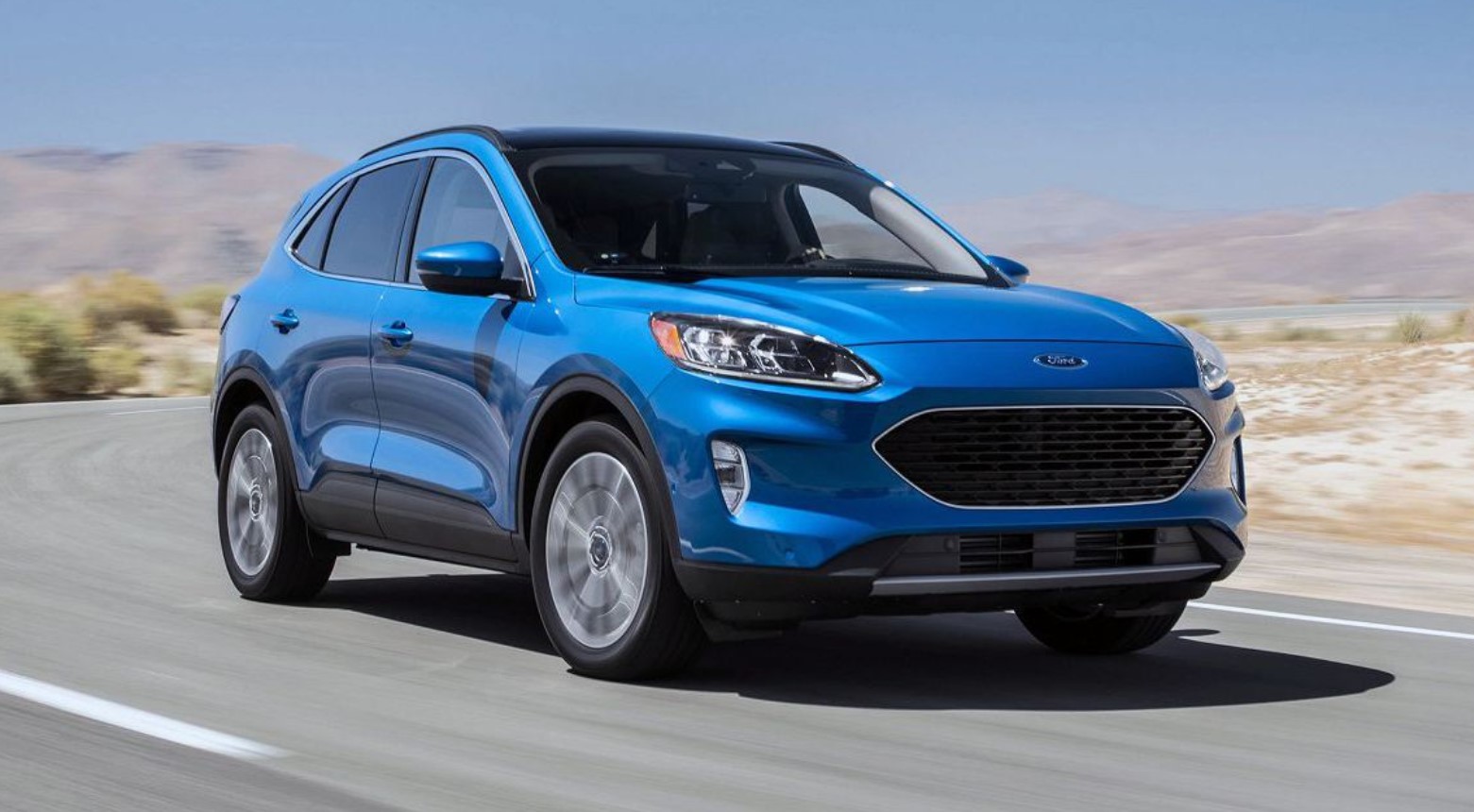
The Ford Escape has had a mixed track record regarding hatch motor performance, with numerous reports of early failures emerging from multiple model years.
Some Escape owners experience slow or erratic liftgate operation within just a few years, while others face complete motor burnout.
These issues often stem from a combination of mechanical and electrical design weaknesses, including the use of plastic gears in the motor assembly, insufficient torque for heavier loads, and sensitivity to environmental conditions.
The motor’s gear assembly is particularly vulnerable to wear under repeated use. Plastic gears can strip, deform, or misalign, especially if the hatch is frequently opened and closed under load.
Over time, this leads to grinding noises, intermittent operation, and eventual failure. In addition, the motor relies on limit switches and sensors that can fail or misread the position of the hatch.
When this occurs, the motor may stop mid-cycle or reverse direction unexpectedly, frustrating owners and creating additional strain on mechanical components.
Environmental factors also significantly affect the Escape’s hatch motor. Extreme temperatures can exacerbate existing weaknesses, with hot summers potentially causing the motor to overheat and cold winters stiffening the hinges and seals.
Moisture intrusion, road salt, and debris further accelerate mechanical wear and can trigger electrical malfunctions. Owners in northern climates report higher rates of failure, while those in drier, moderate regions tend to experience fewer issues.
Repairing the Escape hatch motor can be both labor-intensive and costly. The motor is integrated with electronic systems and mounted deep within the liftgate, requiring panel removal, disconnection of wiring, and careful alignment during replacement.
Even after replacement, mechanical stress on the remaining components can lead to recurring issues if hinges or cables are not properly maintained.
For owners who depend on frequent liftgate operation, the Escape’s hatch motor is less reliable than competitors, making it a potential long-term liability.
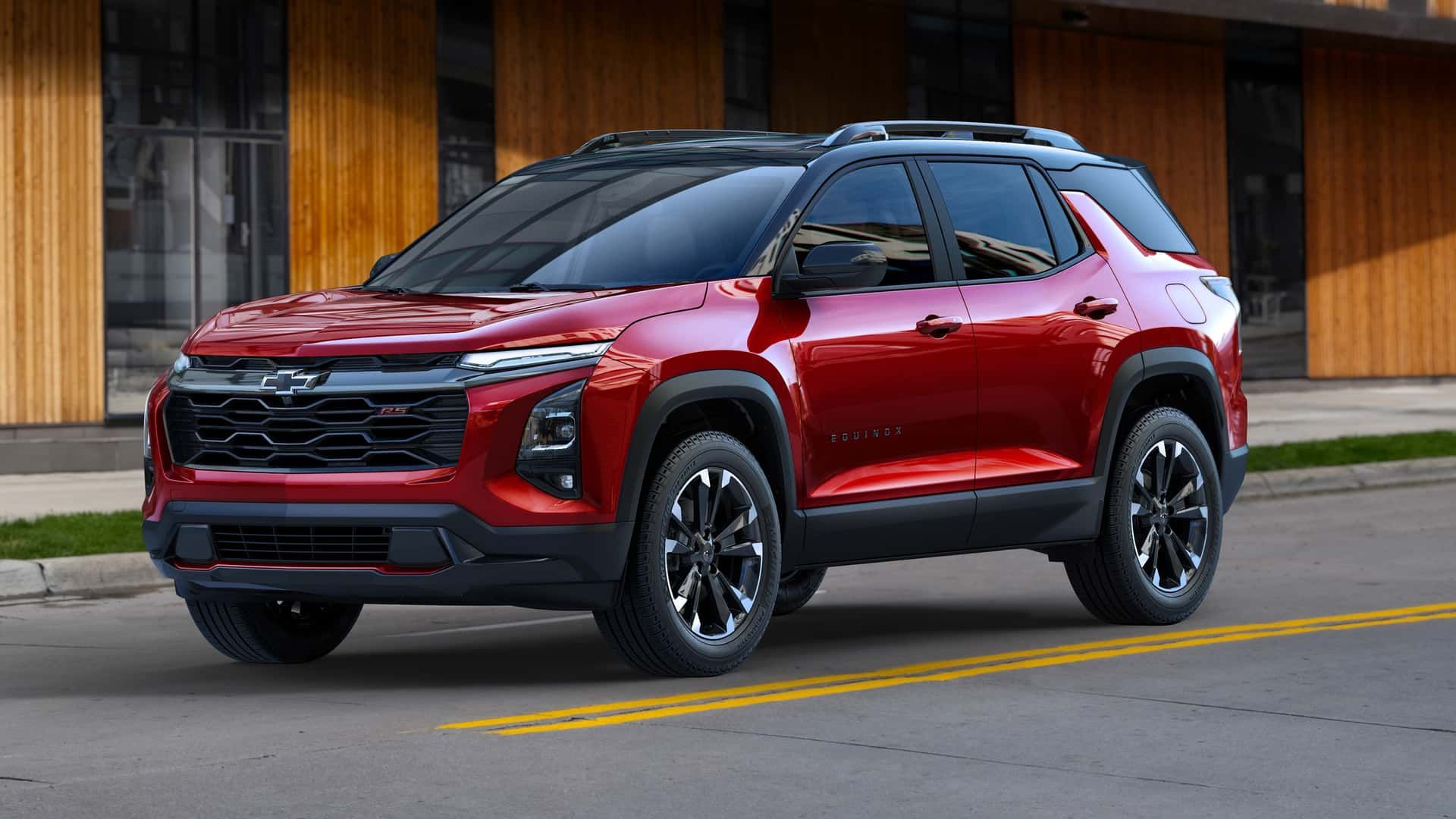
4. Chevrolet Equinox
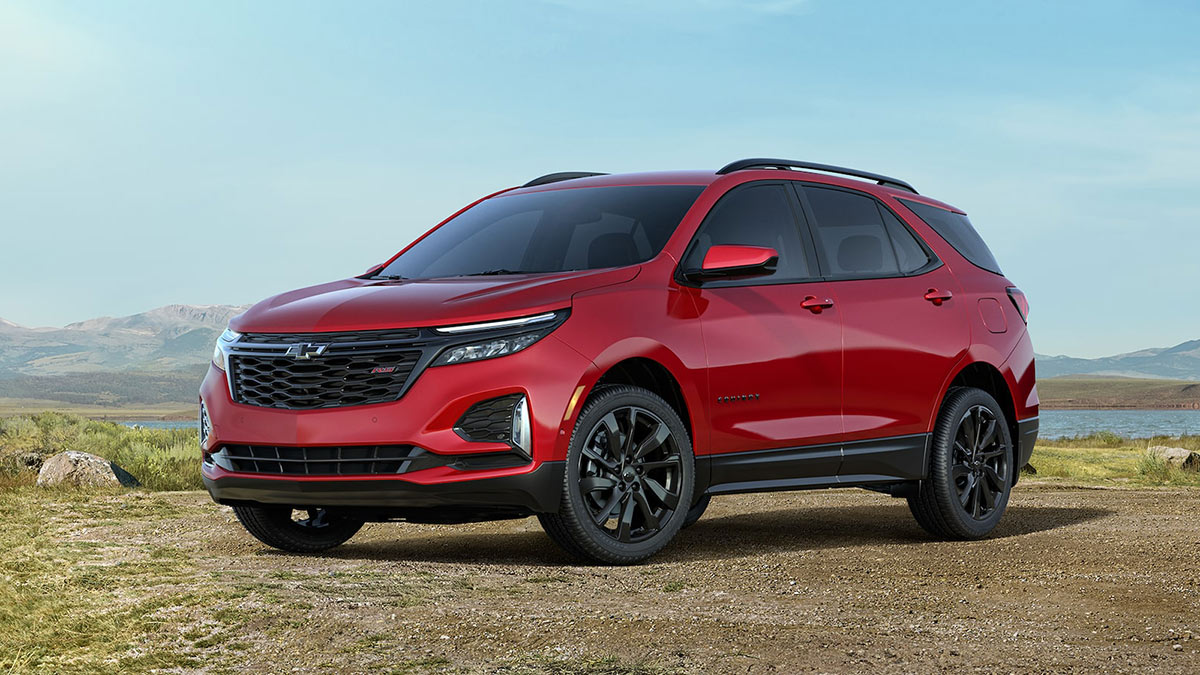
The Chevrolet Equinox has demonstrated early hatch motor problems in numerous owner reports. Symptoms typically include grinding noises, slow operation, intermittent functionality, and complete motor failure.
These issues often appear within the first three to six years of use, suggesting weaknesses in both mechanical and electrical design.
The Equinox’s motor relies on a mix of plastic and metal gears, which are prone to wear and stripping over repeated cycles, especially under heavier cargo loads.
The motor’s construction and design contribute to premature failure. Lightweight internal components can deform under stress, and the lack of reinforced housing allows for mechanical misalignment over time. In addition, the motor is only partially protected from environmental exposure.
Moisture, dirt, and road debris can infiltrate the assembly, leading to corrosion of electrical connectors and mechanical parts. This combination of mechanical and environmental vulnerability increases the likelihood of failure.
Electrical reliability is another concern for Equinox owners. Sensor and wiring malfunctions can prevent the motor from completing a full cycle, leaving the hatch partially open or unresponsive.
Diagnosing these problems can be challenging because the motor and control modules are closely integrated, requiring significant disassembly to access and repair. Recurrent issues are common if preventive maintenance or early intervention is not performed.
The Equinox motor also struggles with heavier cargo. Limited torque output combined with mechanical weaknesses results in higher stress on internal components.
Over time, this stress accelerates wear, reduces performance, and leads to motor burnout. Repair costs are substantial due to labor intensity, parts, and potential recalibration of sensors.
Owners seeking frequent or heavy liftgate use may find the Equinox motor unreliable for daily needs.
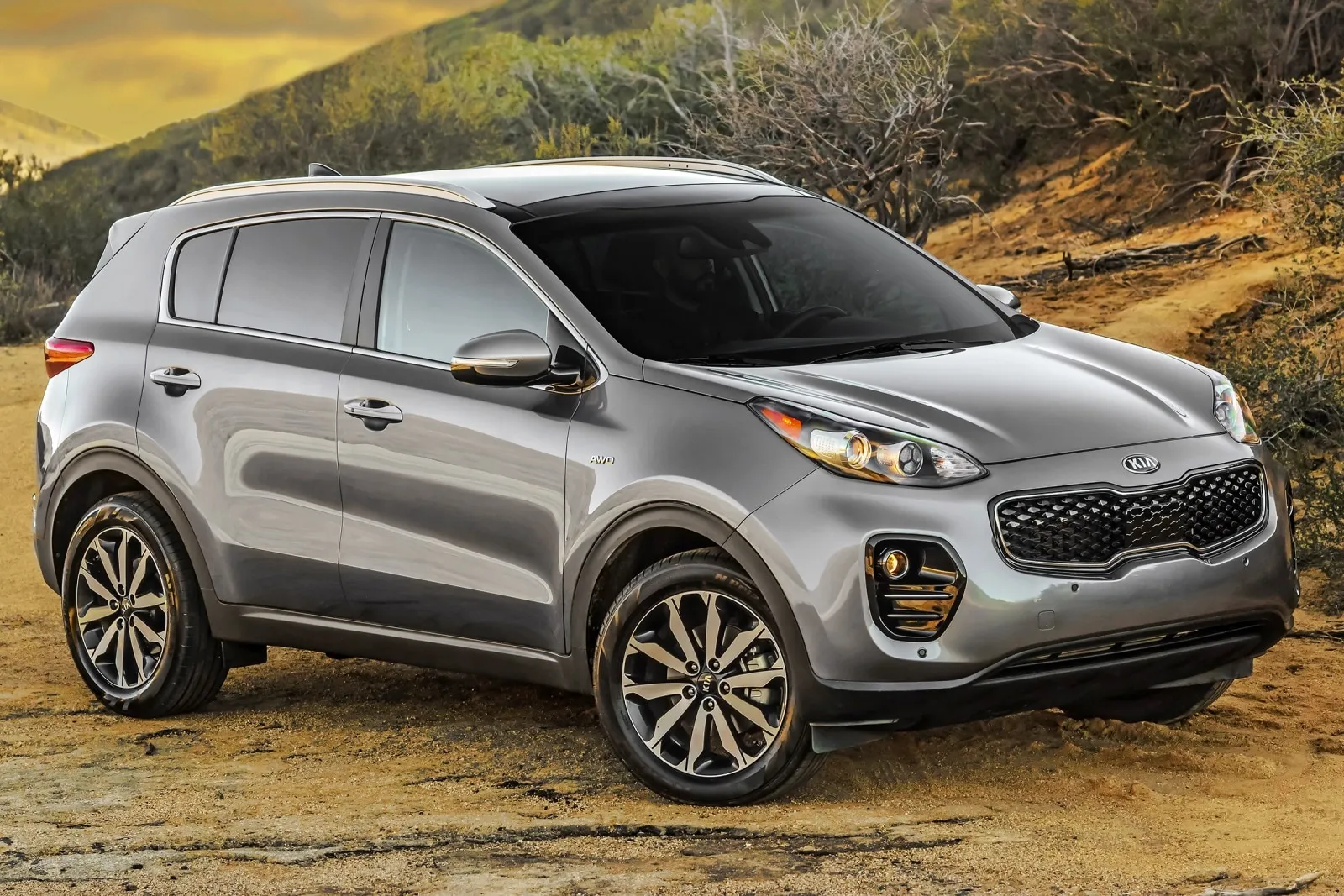
5. Kia Sportage
The Kia Sportage has encountered recurring hatch motor issues across multiple model years. Early failures are frequently reported, often manifesting as slow operation, grinding noises, or complete motor burnout.
The motor design includes multiple small plastic gears that are highly susceptible to wear, particularly under frequent use or heavy cargo conditions. Owners often notice early signs of strain, such as jerky movement or unusual sounds, well before total failure occurs.
Electrical reliability is another weak point. The Sportage motor relies on sensors and wiring that can malfunction due to moisture or temperature extremes.
In regions with heavy rain, snow, or freezing conditions, corrosion and wiring degradation are common, leading to intermittent or total failure. The motor may fail to complete a full cycle, reverse unexpectedly, or stop mid-operation, creating inconvenience and potential safety hazards.
The motor also struggles under load. Torque limitations combined with small, delicate gears mean that repeated lifting of heavy cargo places significant strain on the assembly.
This leads to accelerated wear and early failure, even if the hatch is used properly. Many owners report repeated trips to dealerships or repair shops to address motor issues, highlighting the long-term maintenance challenges.
Repairing the Sportage hatch motor is labor-intensive due to its integration with the liftgate panel and electronic systems. Replacing the motor typically requires removing the interior panel, disconnecting multiple wires, and carefully installing and calibrating a new unit.
Because the underlying mechanical design remains unchanged, replacement motors may also be prone to the same vulnerabilities if environmental and usage conditions remain challenging. For owners who frequently use the liftgate, the Sportage’s hatch motor is often one of the least reliable in its class.
