
Modern automotive technology has introduced features designed to improve fuel efficiency, reduce emissions, and enhance driving comfort. Among these features, start-stop systems have gained widespread adoption, particularly in compact cars.
These systems automatically shut off the engine when the vehicle comes to a stop, such as at traffic lights or during heavy traffic, and then restart it instantly when the driver releases the brake or engages the clutch.
For many consumers, this feature promises tangible benefits in fuel savings and reduced environmental impact.
However, the experience with start-stop systems can vary dramatically depending on the car’s engineering, battery quality, and integration with other vehicle systems.
While some compact cars handle the system seamlessly, others struggle, resulting in hesitation, vibrations, or even failures that can frustrate drivers.
The reliability of a start-stop system depends on multiple factors, including the design of the starter motor, the capacity of the battery, and the software controlling engine restarts.
Cars with well-engineered systems tend to operate smoothly, providing a sense of efficiency without compromising the driving experience.
Conversely, poorly designed systems may cause noticeable shudders, slow engine responses, or complete system failures, undermining the very purpose of the technology.
In compact cars, where space and cost constraints often influence engineering decisions, the quality of start-stop systems can be especially inconsistent.
Some manufacturers invest in robust components and thorough testing, while others prioritize cost savings, leading to weaker performance.
Understanding the differences between reliable and problematic start-stop systems is crucial for buyers who seek both efficiency and comfort.
The wrong choice could lead to frequent frustrations, unnecessary repairs, or long-term wear on the vehicle’s starter and battery.
This article compares ten compact cars in total, highlighting five models known for their dependable start-stop systems and five that have garnered reports of shuddering or stalling issues.
By examining the experiences of drivers, the design considerations of manufacturers, and the general behavior of these systems under typical driving conditions, readers can make informed decisions about which compact cars truly deliver on the promise of start-stop technology.
This discussion is particularly important as urban driving conditions, stop-and-go traffic, and environmental regulations continue to push automakers toward wider implementation of start-stop systems. For consumers, balancing efficiency, cost, and reliability becomes essential.
In the following sections, we will explore the characteristics that make some compact cars’ start-stop systems reliable, and contrast them with the challenges encountered in models that often disappoint.
Through careful analysis, this article offers a clear picture of what drivers can expect from start-stop technology in today’s compact vehicles.
5 Compact Cars With Reliable Start-Stop Systems
1. Toyota Corolla
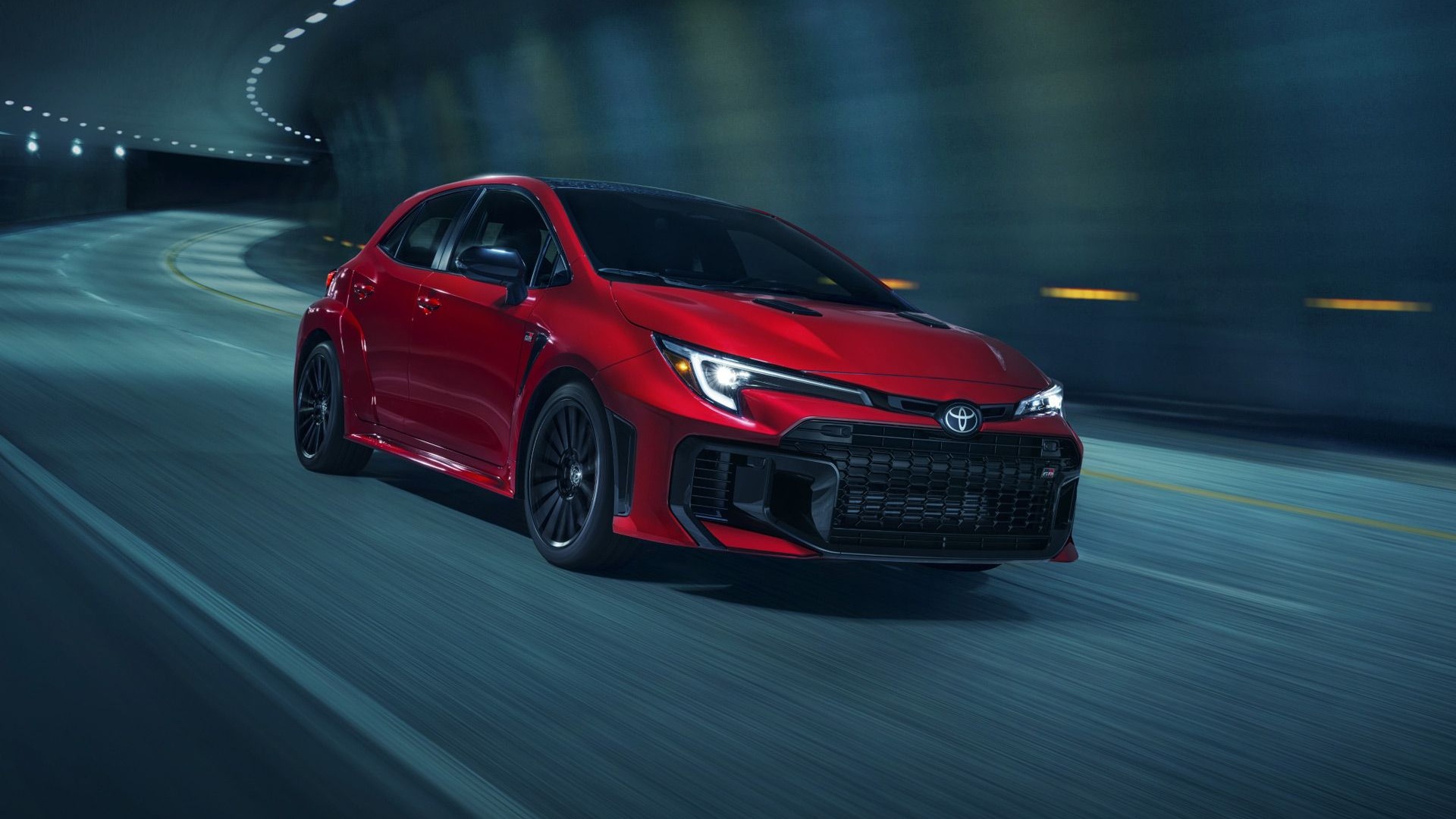
The Toyota Corolla has long been celebrated for its engineering reliability, and its start-stop system reflects this commitment to consistency.
In this model, the system engages whenever the vehicle comes to a complete stop, whether at a traffic light, stop sign, or in heavy urban traffic.
Unlike many start-stop systems that introduce a noticeable lag or vibration when restarting the engine, the Corolla’s system is designed to operate smoothly and predictably.
This smoothness is particularly evident in hybrid variants, where the transition between electric motor assistance and gasoline engine activation is nearly imperceptible.
Drivers often comment that the start-stop function feels natural rather than mechanical, which contributes to a seamless driving experience that maintains the sense of control and comfort.
One reason the Corolla’s system is so dependable is Toyota’s focus on component durability and system integration.
The starter motor is specifically engineered to endure frequent cycles without excessive wear, while the battery is optimized to provide consistent energy delivery for repeated engine restarts.
These design choices address two of the most common causes of start-stop system failure: battery depletion and starter strain.
By investing in higher-quality components and engineering redundancies, Toyota has minimized the risk of system fatigue over time. The result is a start-stop system that performs reliably not only when the vehicle is new but also after years of frequent urban commuting.
Software integration plays a critical role in the Corolla’s smooth operation. The vehicle’s onboard computer continuously monitors engine temperature, battery charge, and even driver behavior, adjusting the timing and conditions for engine shutdown and restart.
For example, if the engine is cold or if the air conditioning is under heavy load, the system delays shutting off the engine to maintain comfort and performance.
This intelligent approach prevents the sudden jerks or shudders that are often associated with poorly implemented start-stop systems.
Drivers benefit from a system that feels smart and responsive, rather than intrusive, allowing them to focus on the road without being distracted by mechanical interruptions.
Finally, maintenance and long-term durability are key reasons for the Corolla’s reputation. Toyota recommends periodic checks of the battery and starter motor, but these components are robust enough that most drivers experience minimal issues even under frequent use.
Replacement parts are widely available, and service procedures are straightforward, making the system accessible and maintainable over the car’s lifespan.
The Corolla demonstrates how careful engineering, high-quality components, and thoughtful software integration can create a start-stop system that is reliable, unobtrusive, and fully aligned with the needs of urban drivers seeking both efficiency and comfort.
2. Honda Civic
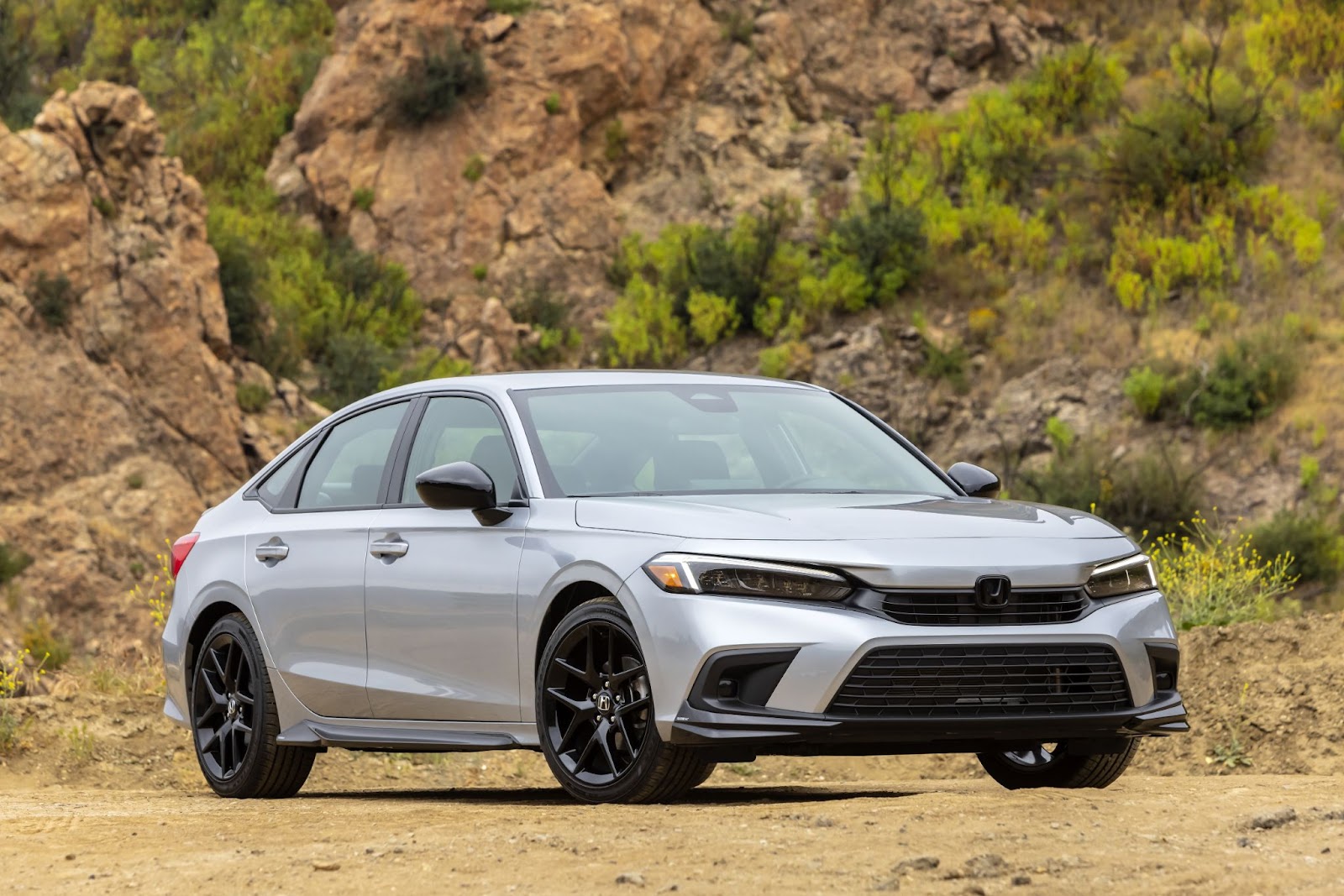
The Honda Civic’s start-stop system is recognized for its precision and reliability, providing a driving experience that is smooth and predictable.
When the vehicle comes to a halt, the engine shuts off immediately, and when the brake is released or the clutch engaged, it restarts seamlessly.
Many drivers report that the system feels intuitive, reacting quickly to normal city driving conditions without the jerks or delays seen in some other compact cars.
This predictability is particularly valuable in stop-and-go traffic, where a poorly timed restart can disrupt the flow of driving and make the vehicle feel cumbersome or unrefined.
A significant factor contributing to the Civic’s reliability is Honda’s focus on energy management. The system uses a reinforced starter motor and a high-capacity battery, both of which are designed to withstand frequent start-stop cycles.
This engineering ensures that the system remains consistent over time, avoiding the early fatigue or failures that can cause other cars to shudder or stall.
By addressing the mechanical demands of frequent restarts, Honda reduces stress on both the engine and the electrical system, which helps preserve the car’s reliability and longevity.
Drivers benefit from a system that performs dependably even in dense urban traffic or extended periods of stop-and-go driving.
The Civic also distinguishes itself through its software intelligence. The onboard computer continuously monitors engine temperature, load, and brake input to determine the most appropriate moments to engage the start-stop system.
By avoiding engagement in situations that could produce discomfort or mechanical stress, the system reduces the risk of hesitation, shuddering, or delayed engine restarts.
This smart calibration ensures that the start-stop feature is almost imperceptible, allowing drivers to experience both fuel savings and smooth operation simultaneously.
The integration of mechanical and software elements demonstrates Honda’s holistic approach to engineering reliability.
Finally, long-term user experience reinforces Civic’s reputation. Drivers who use the start-stop system regularly report minimal complications, and maintenance is straightforward, focusing primarily on battery health and starter motor integrity.
The combination of quality components, precise software calibration, and thoughtful engineering ensures that the system remains effective and dependable over time.
For compact car buyers who prioritize reliability and smooth driving alongside fuel efficiency, the Civic provides a benchmark example of how a start-stop system can enhance both performance and daily convenience without introducing frustration or uncertainty.
3. Mazda3
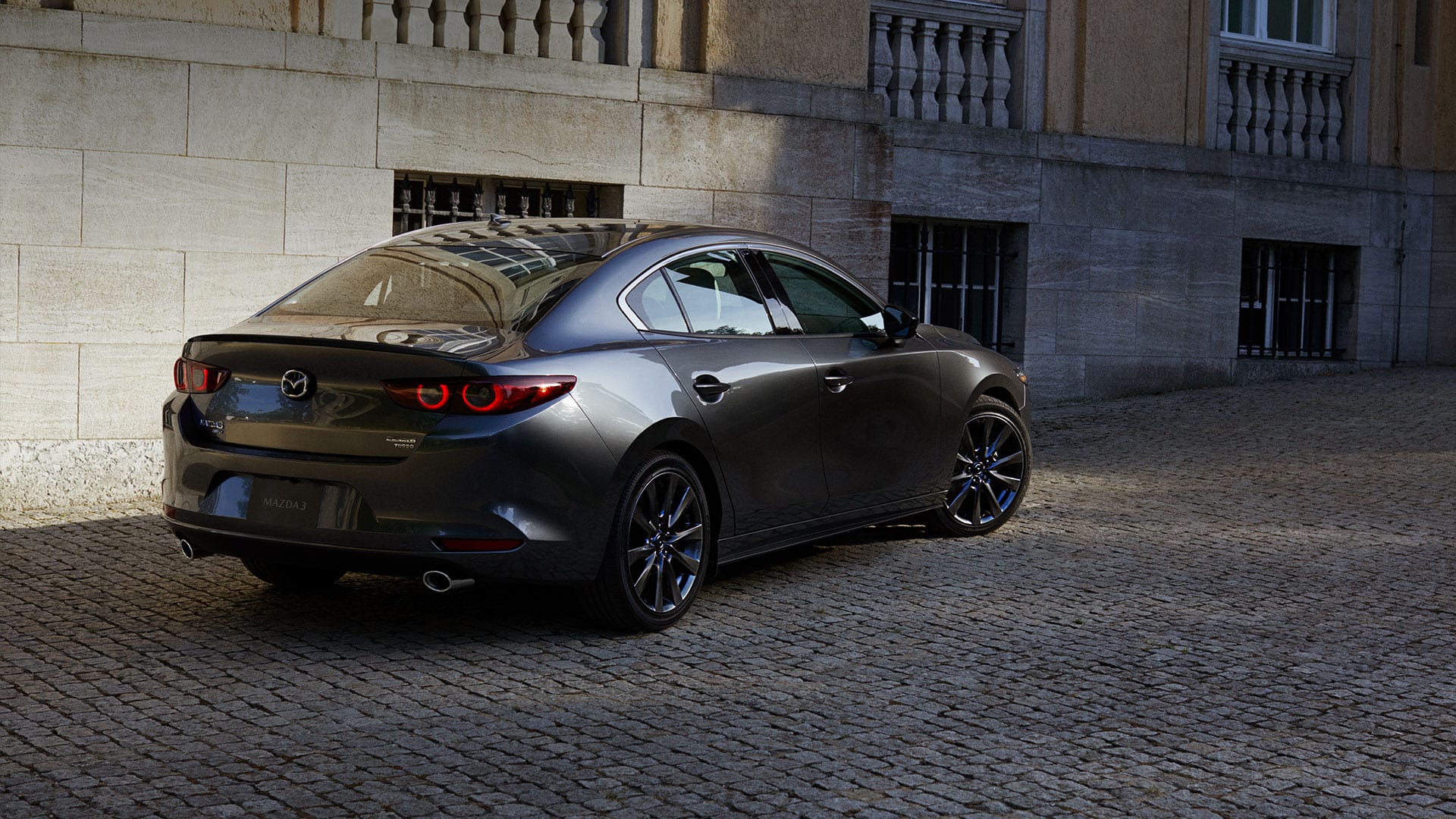
Mazda has cultivated a reputation for producing vehicles that combine dynamic driving experiences with practical reliability, and the Mazda3’s start-stop system is a prime example.
When the car comes to a stop, the engine shuts off quickly and restarts almost instantaneously once the driver releases the brake or engages the clutch.
Unlike some systems that produce noticeable vibration or engine hesitation, the Mazda3 executes these transitions smoothly, making the feature nearly imperceptible. This subtlety enhances the driving experience, ensuring that fuel-saving technology does not come at the expense of comfort or control.
Component design contributes significantly to the Mazda3’s dependable performance. The starter motor is reinforced to handle frequent cycles, while the battery is engineered to deliver consistent energy even after repeated restarts.
By focusing on mechanical durability, Mazda reduces the risk of component wear or failure, which are common sources of frustration in less robust systems.
These engineering choices allow the start-stop feature to perform reliably in real-world driving conditions, including urban stop-and-go traffic, extended commutes, and frequent short trips, all without compromising the vehicle’s reliability or performance.
Integration with the car’s electronic systems further enhances the system’s smooth operation. The vehicle monitors parameters such as engine temperature, brake engagement, and electrical load to determine the optimal time to shut off and restart the engine.
This intelligent approach prevents unwanted engagement during conditions that might otherwise cause discomfort, such as when the engine is cold or when heavy climate control use is required.
By calibrating the start-stop system carefully to respond to real driving conditions, Mazda ensures that the technology feels natural, enhancing both efficiency and comfort.
Finally, the Mazda3 emphasizes driver satisfaction and long-term reliability. Reports from owners indicate that the system continues to perform well over multiple years of usage, provided basic maintenance like battery checks are performed regularly.
The absence of noticeable jolts or jerks during operation reinforces confidence in the technology, while the combination of robust components and intelligent software ensures that the system remains effective and reliable.
The Mazda3 demonstrates how a well-executed start-stop system can coexist seamlessly with a car designed for both enjoyable and practical daily driving.
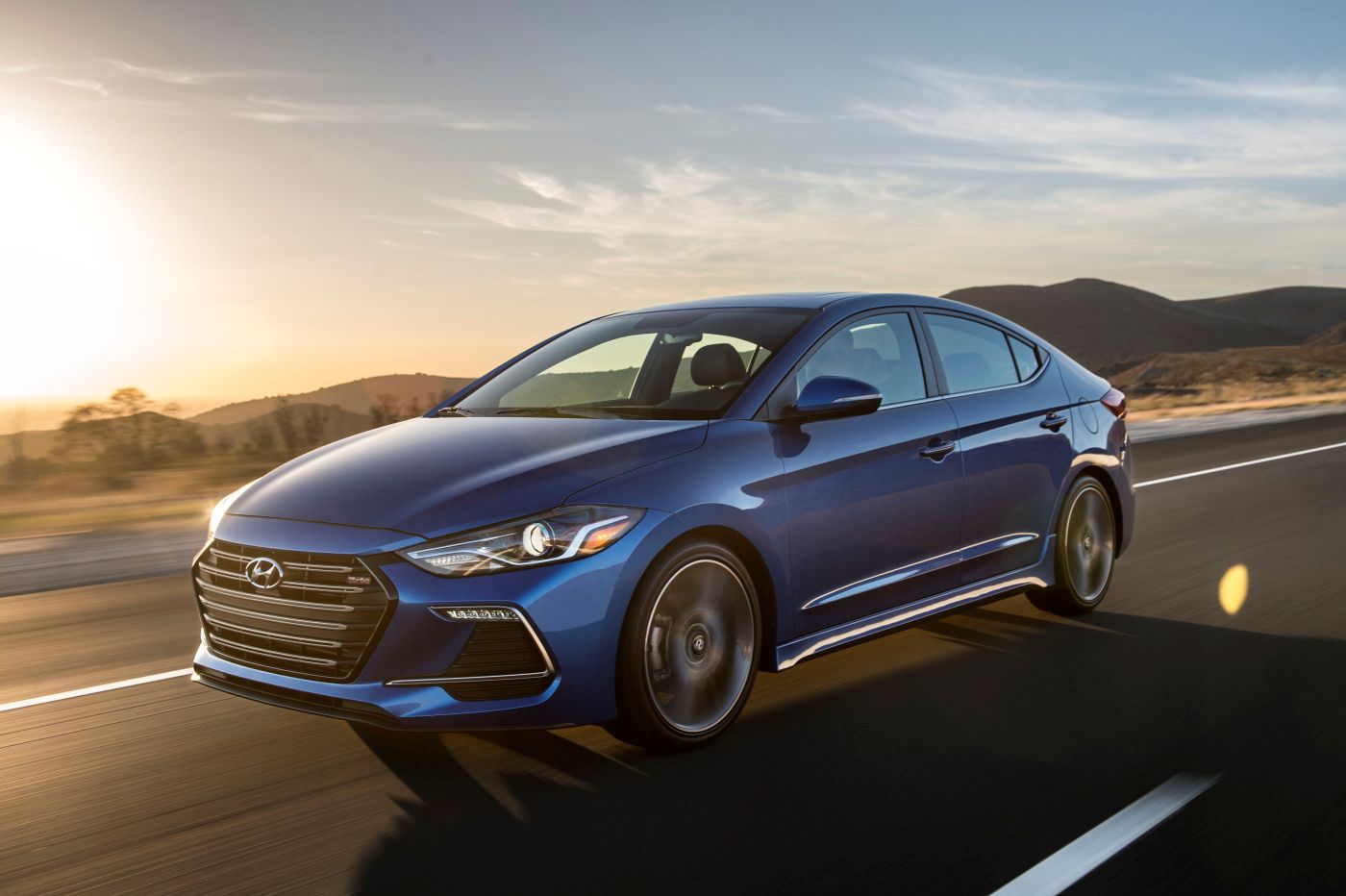
4. Hyundai Elantra
Hyundai has made consistent improvements in vehicle efficiency and technology integration, and the Elantra’s start-stop system demonstrates the brand’s progress.
The system engages quietly and reliably when the vehicle stops, shutting down the engine smoothly and restarting it promptly when needed.
Many drivers report that the Elantra’s system feels unobtrusive, making the transitions between engine-on and engine-off states nearly invisible. This quiet efficiency is particularly appreciated in urban settings, where frequent stopping could otherwise make driving feel disjointed or uncomfortable.
Durability and component quality are major reasons for the Elantra’s system reliability. Hyundai reinforces the starter motor to endure repeated cycles and equips the vehicle with a battery capable of supporting frequent restarts.
These choices prevent premature wear and ensure consistent performance, even during extended periods of stop-and-go traffic.
By addressing the mechanical challenges associated with start-stop systems, Hyundai reduces the likelihood of shuddering, hesitation, or failure, providing drivers with a sense of confidence in the vehicle’s technology.
Software and system intelligence also contribute to a smooth user experience. The onboard computer constantly monitors factors like engine load, battery status, and driver inputs to determine whether the system should engage. This prevents unnecessary restarts that could strain mechanical components or create discomfort.
The system’s ability to respond dynamically to real-time driving conditions means that drivers rarely experience the jolt or hesitation often associated with less sophisticated start-stop implementations. Efficiency and comfort are both maintained, which is especially valuable for commuters and urban drivers.
Finally, the Elantra’s start-stop system reflects Hyundai’s focus on long-term usability and satisfaction. Maintenance is straightforward, with battery and starter motor inspections forming part of routine service intervals.
Drivers who rely on the system for fuel savings and efficiency can do so with confidence that it will continue to operate effectively over the life of the vehicle.
By combining reliable components, intelligent software, and thoughtful engineering, the Elantra provides an example of how start-stop technology can function dependably and enhance the daily driving experience in a compact car.
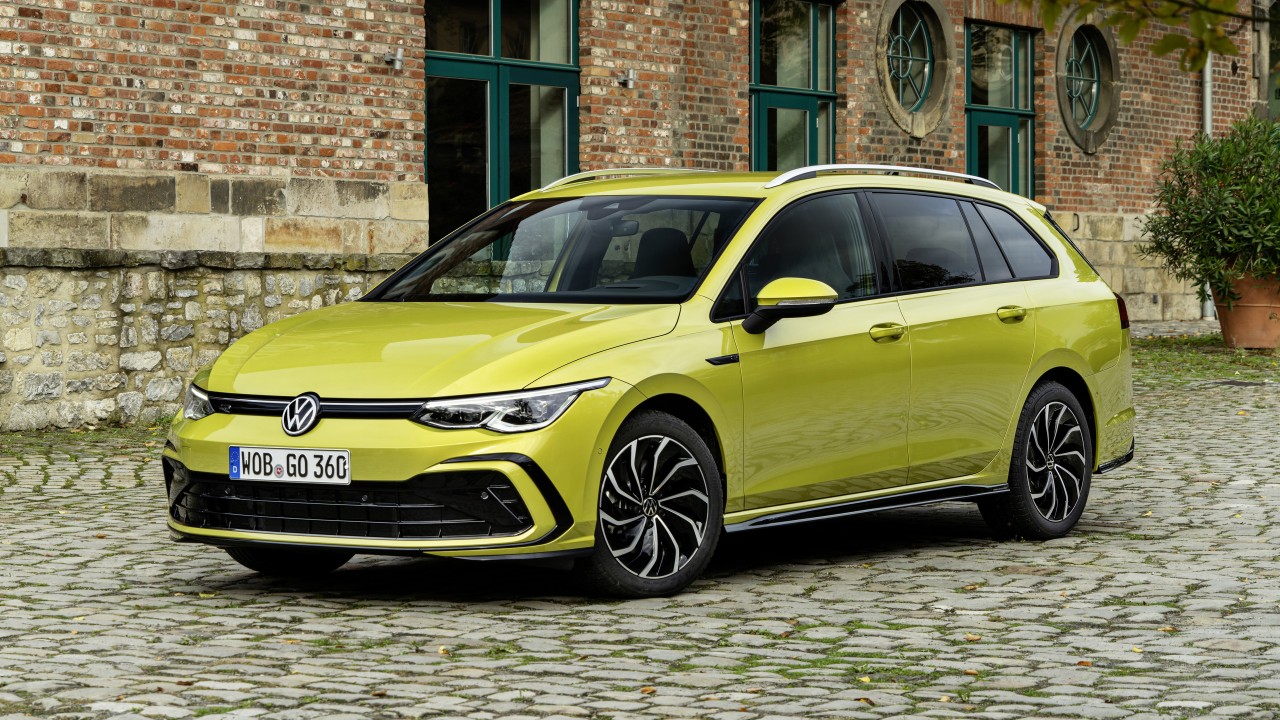
5. Volkswagen Golf
The Volkswagen Golf combines engineering refinement with practical efficiency, and its start-stop system reflects the brand’s commitment to quality.
When the vehicle comes to a halt, the engine shuts off without hesitation, and when the driver releases the brake or engages the clutch, the restart occurs almost instantaneously.
Many drivers note that the transition feels fluid and natural, avoiding the jolts or vibrations common in poorly designed systems.
This attention to smooth operation reinforces the Golf’s reputation as a compact car that balances technological sophistication with driver comfort.
Mechanical design plays a critical role in the Golf’s reliable start-stop system. The starter motor and battery are specifically rated to handle the frequent cycles demanded by urban driving.
These high-quality components reduce the risk of early wear, which can lead to system failure or rough restarts in other vehicles.
Volkswagen’s focus on durability ensures that drivers experience consistent performance, whether navigating city streets or commuting daily in stop-and-go traffic. By investing in robust hardware, the Golf minimizes common frustrations associated with start-stop systems.
Software calibration further enhances the system’s reliability and comfort. The Golf’s control unit monitors engine load, battery charge, and driver behavior to ensure the system engages only when appropriate. This prevents unnecessary restarts that could create strain on mechanical components or discomfort for occupants.
By carefully managing the conditions under which the start-stop system operates, Volkswagen ensures a predictable and smooth experience, which allows drivers to enjoy both fuel efficiency and seamless vehicle operation.
Finally, the Golf illustrates how start-stop systems can coexist with a car designed for everyday comfort and performance.
Drivers experience minimal interruptions during normal driving, while long-term durability is supported by the use of high-quality components and thoughtful system design.
Routine maintenance, such as battery inspections, preserves system reliability, and the integration of intelligent software ensures consistent, smooth operation over time.
The Golf exemplifies how start-stop technology can enhance efficiency without compromising the driving experience, making it an ideal choice for buyers seeking a compact car with dependable and refined engineering.
5 Compact Cars That Shudder and Die
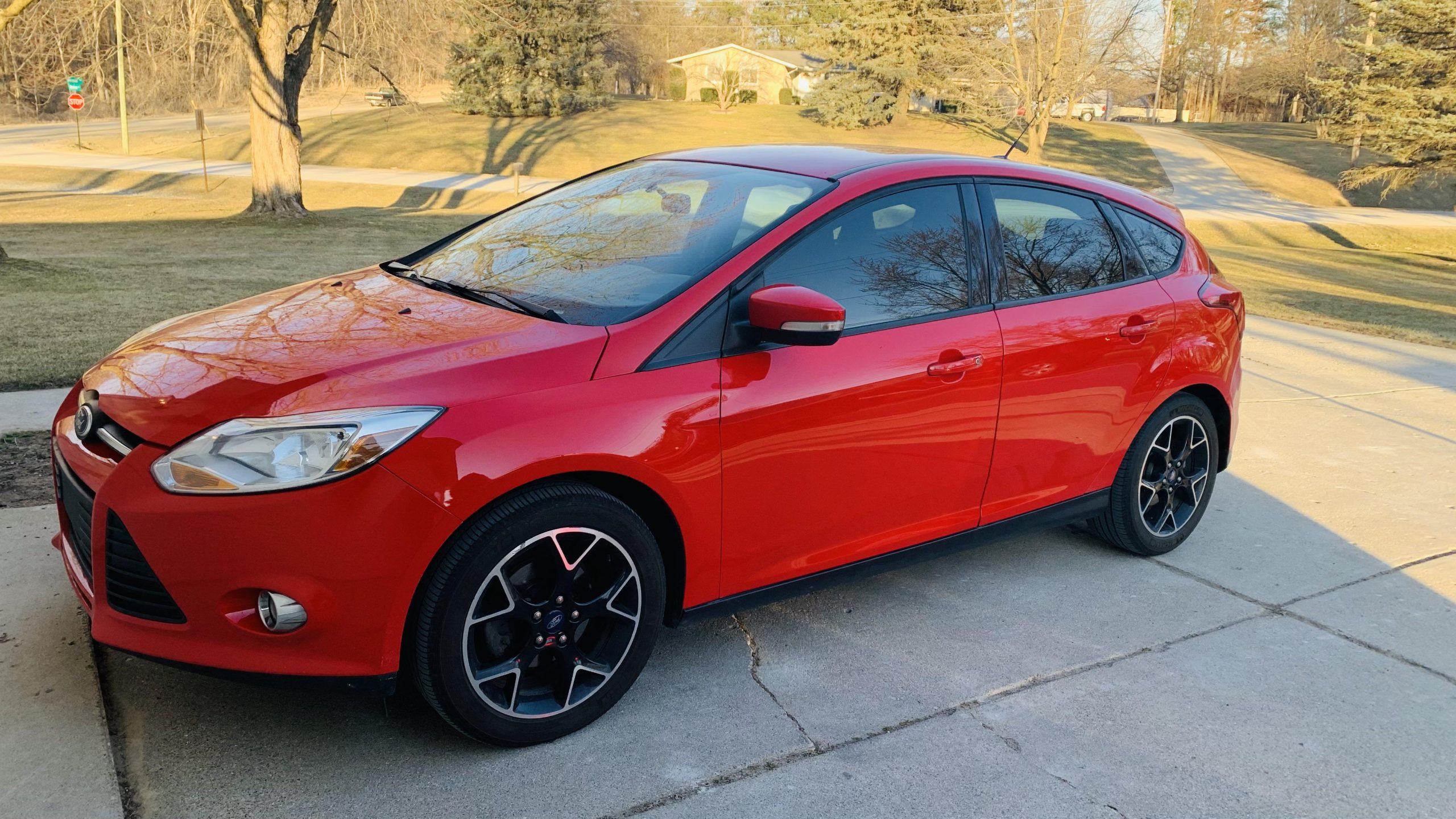
1. Ford Focus
The Ford Focus has long been praised for its driving dynamics, but its early start-stop system implementations have faced criticism for inconsistency and rough operation.
Drivers often notice sudden jerks or vibrations when the engine restarts, particularly in stop-and-go traffic or during city driving.
These interruptions can make the system feel intrusive, reducing comfort and even creating minor safety concerns when the vehicle hesitates at traffic lights or during low-speed maneuvers.
While fuel efficiency may improve in theory, the practical experience of using the system frequently results in frustration and discomfort.
The uneven behavior of the start-stop system is compounded during cold starts or in extreme temperatures, when the engine may struggle to restart immediately, leaving the driver waiting for a brief moment before resuming movement.
Mechanical limitations are a key factor in the Focus’s troubled start-stop system. The starter motor and battery in earlier models were not sufficiently reinforced to handle the constant cycles demanded by daily urban driving. This results in premature wear, reduced battery life, and occasional system failures.
In some cases, the system may completely disengage without warning, forcing the driver to restart manually and disrupting traffic flow.
Even when functioning nominally, repeated engine restarts can produce noticeable vibrations that are amplified by the compact chassis, further emphasizing the system’s shortcomings.
The mechanical fragility of these components makes reliability a concern for drivers who rely heavily on city commuting or frequent stop-and-go driving.
Software and electronic integration in the Focus start-stop system also exhibit weaknesses. The system sometimes misjudges when it is appropriate to shut off the engine, resulting in restarts at awkward moments or failing to restart promptly when needed.
Finally, long-term reliability issues affect owner satisfaction. Drivers who use the start-stop system extensively often report battery depletion or starter motor wear earlier than expected.
Maintenance can be more frequent and costly, as replacement batteries and starter units must be compatible with the specific start-stop technology.
The experience is that the system, rather than enhancing efficiency and convenience, introduces complexity and potential frustration.
For those seeking a compact car with a smooth and reliable start-stop feature, the Ford Focus demonstrates how early or inadequately engineered systems can detract from driving pleasure, creating more issues than the fuel savings justify.
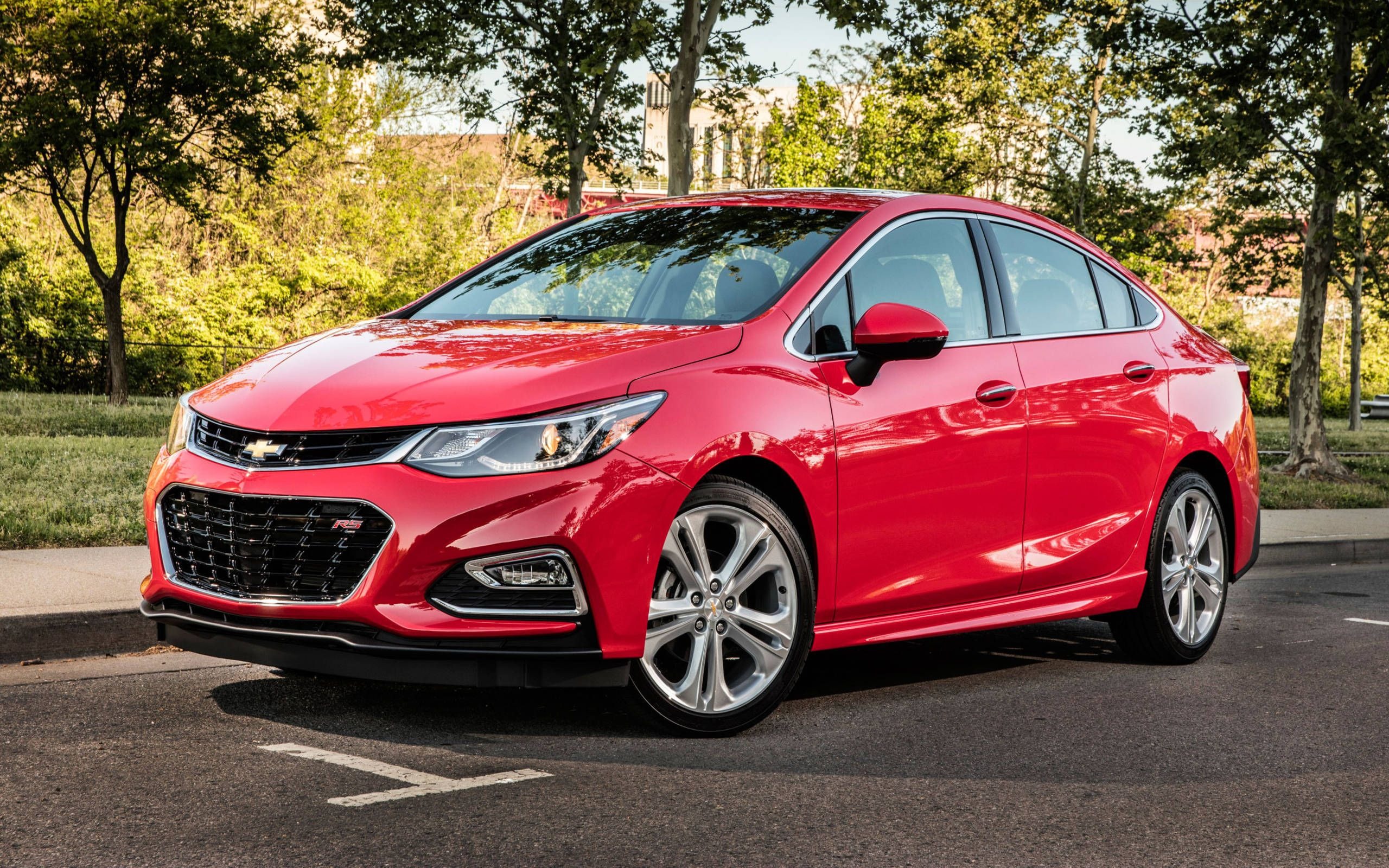
2. Chevrolet Cruze
The Chevrolet Cruze features a start-stop system that has garnered complaints for rough restarts and inconsistent engagement.
Drivers often report that the engine shakes noticeably or emits unusual noises when it restarts after a stop. These interruptions are especially noticeable during city traffic, when frequent stopping requires repeated system engagement.
The jerky operation detracts from the driving experience, making the system feel intrusive rather than seamless.
Even when the vehicle is operating normally, small delays in restart can affect driver confidence, particularly in tight urban traffic conditions or during merges where smooth, immediate acceleration is necessary for safety.
Mechanical design flaws contribute significantly to the Cruze’s unreliable start-stop system. The starter motor and battery are not always designed to handle frequent cycles without noticeable degradation.
As a result, the system can experience failures or reduced responsiveness over time, requiring more frequent maintenance than competitors.
Owners may also encounter issues where the system temporarily disables itself due to battery health or temperature, creating unpredictability in daily use.
These mechanical weaknesses compromise the intended convenience of the technology and highlight the need for better reinforcement and engineering design to ensure consistent, reliable performance.
Software and system integration further exacerbate problems. The Cruze’s start-stop system sometimes fails to assess driving conditions accurately, leading to engine shutdowns at inappropriate moments or delayed restarts when immediate acceleration is required.
Poor software calibration can result in a delayed or uneven restart, producing jolts that disrupt comfort and driver control.
This lack of adaptability reduces confidence in the system, as drivers cannot predict when it will engage or disengage, leading to frustration and occasional interruptions in traffic flow.
A more sophisticated monitoring system, accounting for driver input, vehicle load, and battery state, could mitigate many of these issues.
Rather than providing a subtle and convenient feature, the Cruze’s start-stop system can feel like a liability, interrupting the smooth driving experience and undermining the perceived benefits of reduced fuel consumption.
This example demonstrates how incomplete engineering and insufficient integration of mechanical and software systems can result in a start-stop system that frustrates rather than assists drivers.
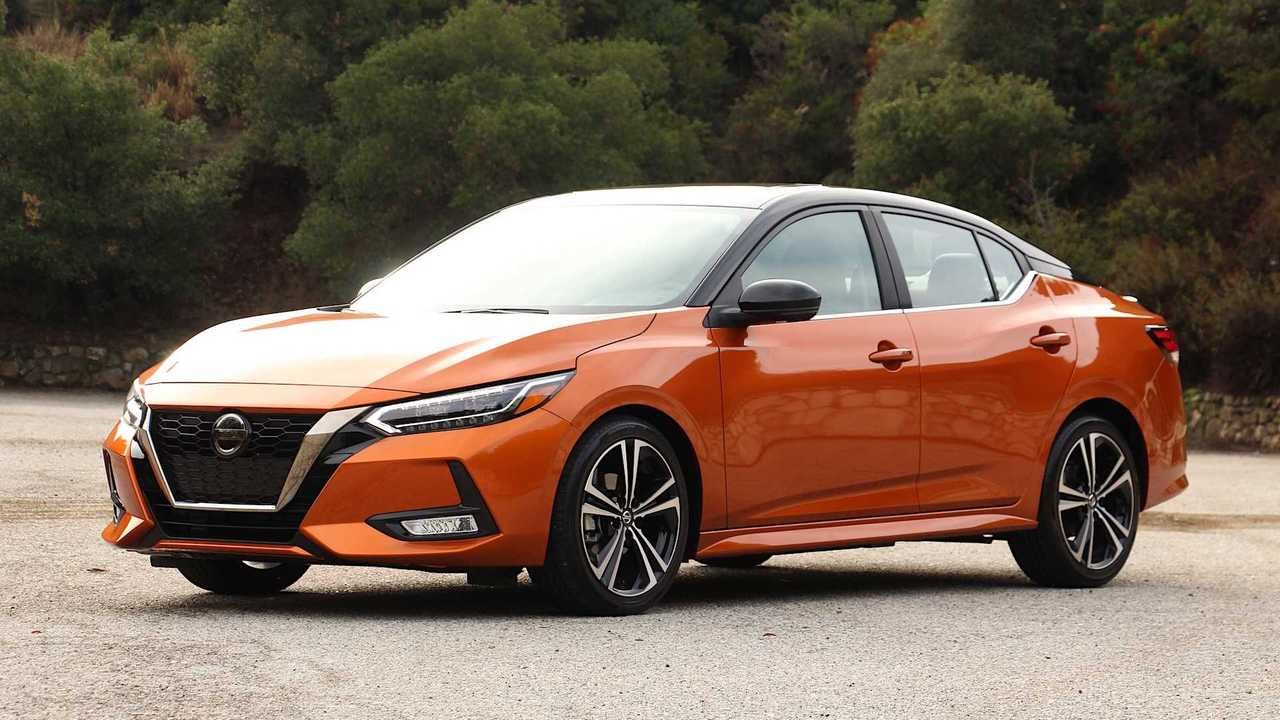
3. Nissan Sentra
The Nissan Sentra’s start-stop system has faced criticism for noticeable engine shudder and inconsistent operation.
Drivers often report that the engine hesitates or vibrates when restarting, creating an uncomfortable driving experience. This is particularly apparent during frequent stops in city traffic, where smooth transitions are essential for maintaining comfort and control.
The roughness of the restart can also produce minor delays in acceleration, which may cause discomfort or anxiety, especially in situations that require precise timing, such as merging onto highways or responding to sudden changes in traffic conditions.
The Sentra’s system frequently feels more like a disruption than a convenience, highlighting a gap between intended efficiency and practical usability.
Software and electronic control in the Sentra start-stop system also present challenges. The system sometimes miscalculates when to engage or disengage, shutting down the engine at inconvenient moments or restarting it with delays.
Drivers experience a lack of predictability, as the system does not adapt smoothly to changing conditions such as load, temperature, or driver behavior.
This inconsistent performance reduces confidence in the feature and can make driving feel less secure or less enjoyable.
Compared to competitors with more finely tuned systems, the Sentra’s start-stop technology appears rudimentary, with noticeable roughness and limited adaptability that frustrates users.
Finally, long-term reliability and user satisfaction are compromised by frequent maintenance needs and mechanical strain.
Regular inspections of the battery and starter motor are necessary to maintain functionality, and costs can accumulate over time due to replacements.
The rough operation of the system diminishes comfort and contributes to a sense of technological annoyance rather than assistance.
The Nissan Sentra demonstrates how start-stop systems with insufficient mechanical robustness and software integration can degrade the driving experience, turning an efficiency feature into a source of frustration and potential reliability issues.
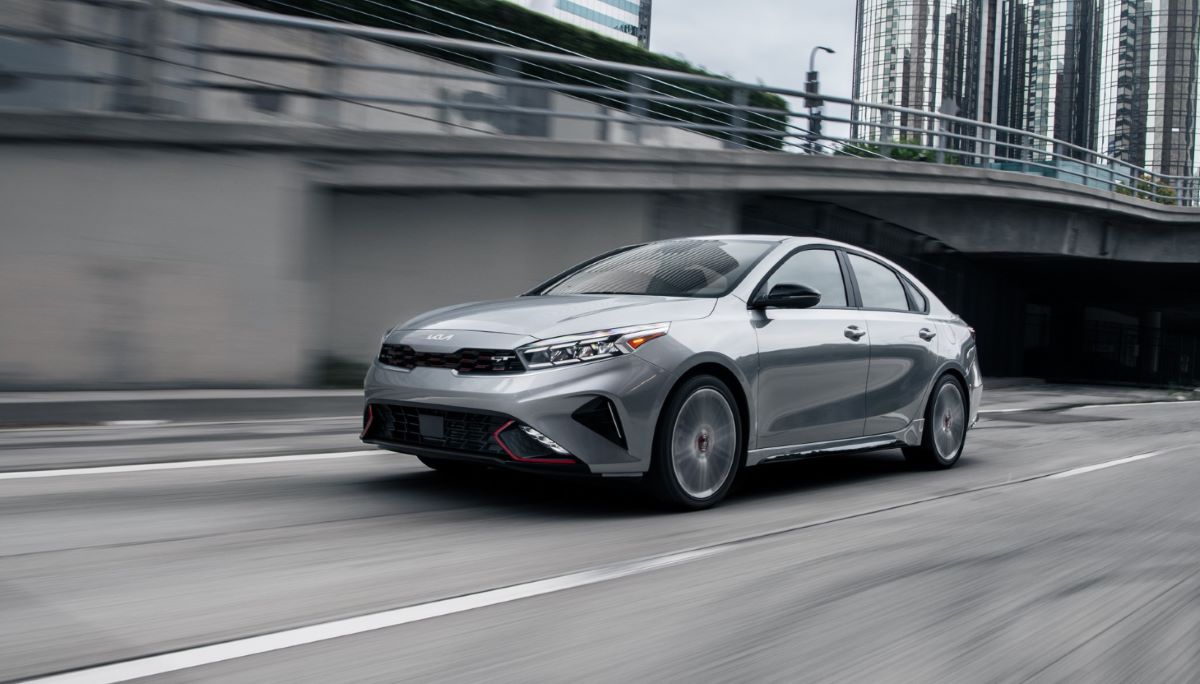
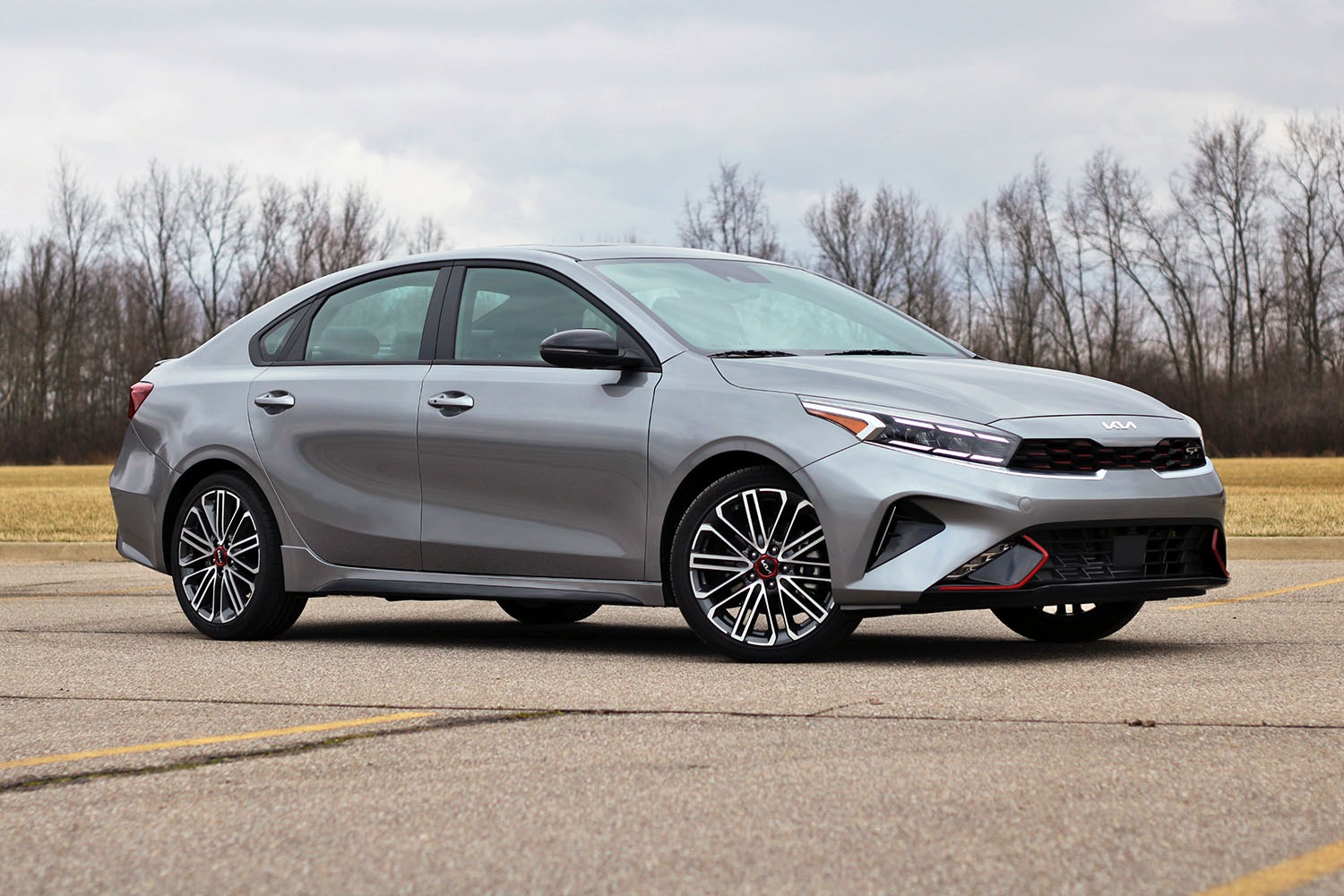
4. Kia Forte
The Kia Forte has a start-stop system that is often criticized for jerky restarts and inconsistent operation.
Many drivers report feeling vibrations or minor jolts as the engine re-engages after a stop, especially during frequent urban driving or when the vehicle is heavily loaded.
These interruptions disrupt the flow of driving and can create discomfort over extended trips or in congested traffic.
Even when the system is technically operational, the perceptible shuddering can make the technology feel intrusive, reducing driver satisfaction. The inconsistency in engagement makes the system unpredictable, requiring drivers to adjust their behavior or be more cautious during city commuting.
Mechanical weaknesses are a significant factor in the Forte’s system performance. The starter motor and battery may not be adequately reinforced to withstand frequent cycles, resulting in faster wear and reduced reliability over time.
These mechanical constraints can lead to premature failures or diminished performance, especially in vehicles subjected to constant stop-and-go traffic.
The combination of vibrations and mechanical strain underscores the limitations of the Forte’s start-stop design, emphasizing that durability and component quality are critical to achieving smooth, reliable operation in compact cars.
Finally, long-term maintenance challenges affect the Forte’s reliability. Repeated cycles can accelerate battery depletion and starter wear, leading to higher maintenance costs over the life of the vehicle.
Many owners report that system inconsistencies persist even after servicing, highlighting fundamental design limitations.
The Kia Forte exemplifies how suboptimal engineering and insufficient integration of mechanical and software systems can result in start-stop technology that shudders, hesitates, and fails to enhance the driving experience.
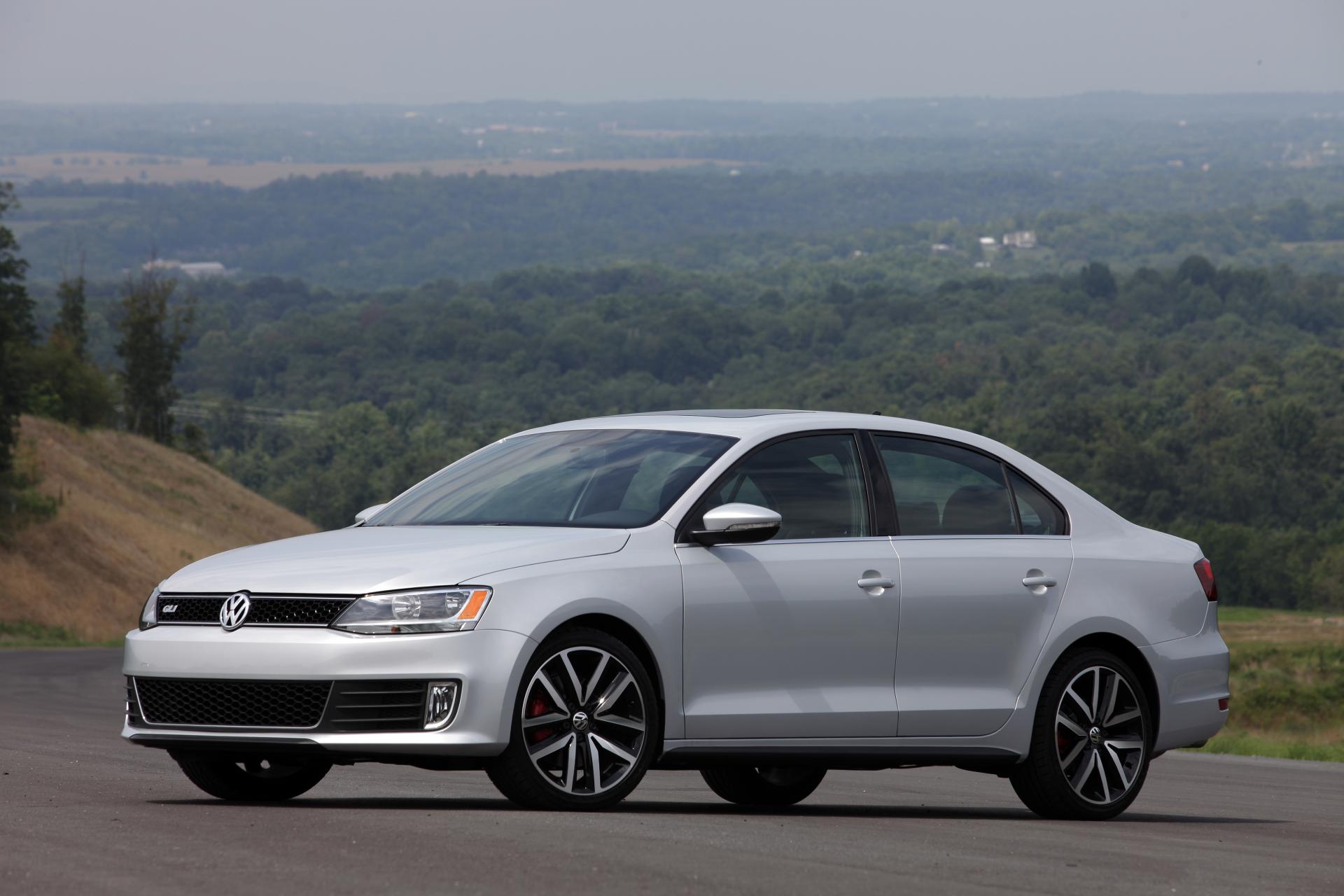
5. Volkswagen Jetta
The Volkswagen Jetta, despite its reputation for quality engineering, has early start-stop systems that often perform unreliably.
Drivers commonly experience noticeable engine shudder or hesitation when the system restarts, especially in city traffic or during low-speed driving.
This jerky operation reduces comfort and can create stress during commuting, as drivers must compensate for slight delays or vibrations.
In some cases, the system fails to restart promptly, leaving the vehicle momentarily immobile at intersections or in slow-moving traffic, which can be both inconvenient and unsafe.
Mechanical vulnerabilities contribute heavily to the system’s shortcomings. The starter motor and battery, while sufficient for normal driving conditions, can degrade quickly under repeated start-stop cycles, resulting in slower restarts or complete system disengagement.
These mechanical stresses are exacerbated by frequent urban commuting, where repeated cycles place continuous demand on components not fully optimized for such use.
Premature wear and occasional failures reduce long-term reliability, forcing owners to incur additional maintenance costs while experiencing inconsistent system performance. This mechanical fragility undermines confidence in the technology and diminishes its perceived value.
Finally, long-term user experience is affected by maintenance demands and unpredictable performance. Frequent starter and battery checks are necessary to ensure the system remains functional, and costs for replacement components can accumulate over time.
The combination of jerky restarts, mechanical strain, and inconsistent software behavior makes the start-stop system feel more like a liability than a benefit.
The Volkswagen Jetta demonstrates how even a well-regarded compact car can suffer from start-stop technology that is poorly executed, creating an experience where fuel savings come at the cost of comfort, reliability, and driver confidence.
