
Reaching 150,000 miles is a milestone that separates well-engineered SUVs from those that simply age into comfort-focused machines. Steering feel, often overlooked by casual buyers, becomes a telling indicator of how a vehicle’s chassis and suspension components have held up over time.
A tight, responsive steering system reflects robust engineering, durable suspension geometry, and materials that resist wear even after years of real-world driving.
On the other hand, SUVs that once felt confident and controlled can start to lose that precision, developing a numb or “floaty” sensation, especially as their suspension bushings, mounts, or hydraulic systems wear.
This difference in feel isn’t just about driver enjoyment; it often reveals the vehicle’s underlying quality and long-term mechanical integrity.
When a driver turns the wheel of an SUV at 150,000 miles and still senses crisp, linear feedback, it’s clear that the brand prioritized longevity and driving connection in its design. Those models often carry over lessons from performance divisions or emphasize well-tuned steering racks that age gracefully.
In contrast, some SUVs are engineered for isolation rather than connection. They emphasize plushness and comfort, resulting in steering that feels light, vague, or “boaty”, a term enthusiasts use for excessive body roll and disconnected handling.
This comparison highlights ten SUVs: five that maintain sharp, confidence-inspiring steering even at high mileage, and five that tend to lose their composure as miles stack up. It’s not a condemnation of comfort-focused designs, rather, it’s a look at how priorities differ.
Some manufacturers build machines that still feel tight and alert well into their second decade, while others settle into a relaxed character that trades feedback for smoothness.
Each of the following sections examines what makes these SUVs feel either precise or ponderous once they’ve clocked 150,000 miles, offering insight into how different engineering philosophies stand the test of time.
5 SUVs With Tight Steering at 150k
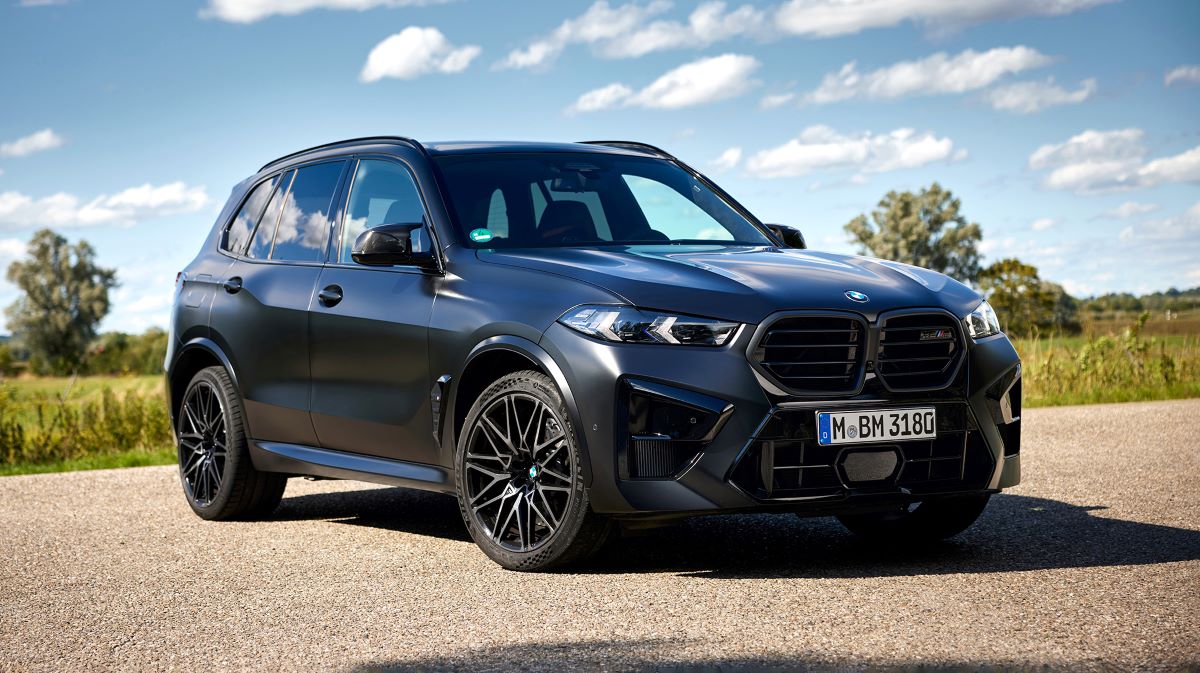
1. BMW X5 (E70 Generation)
Even after 150,000 miles, many E70-generation BMW X5 models retain their signature precision, showcasing why BMW is renowned for crafting SUVs that remain engaging over time.
The hydraulic steering rack provides consistent weight and linear feedback, making highway corrections intuitive and cornering feel precise.
This is not accidental, BMW engineers designed the X5 with a focus on driver involvement, ensuring that even in a heavier luxury SUV, the steering communicates clearly through every phase of the turn.
The underlying chassis structure, built with high-strength steel, resists flex, which helps maintain consistent wheel alignment and preserves the “directness” that makes older X5s feel lively even after substantial mileage.
Owners often report that the X5 tracks straight without needing frequent adjustments, a testament to BMW’s attention to suspension geometry.
The combination of double-wishbone front suspension and multi-link rear setup adds to this precision. These systems keep tire contact with the road optimized during both minor steering inputs and aggressive maneuvers.
Even when bushings or control arms begin to show wear, the geometry prevents significant loss of feedback, allowing drivers to sense subtle variations in the road surface.
Tire choice also affects perception; premium all-season tires maintain sharp responses, while softer, worn tires might slightly dull the feedback. Still, the E70 X5 is more resilient in maintaining steering integrity than many of its competitors, particularly because of the careful calibration of its hydraulic system.
Maintenance plays a critical role in preserving the X5’s steering feel at high mileage. Components such as tie rods, ball joints, and steering rack bushings should be monitored closely. When replaced as needed, these parts restore much of the original tightness, proving that the chassis and rack are built to last.
Many enthusiasts treat older X5s as long-term investments because the driving experience, especially the steering feedback, remains highly rewarding even after 150,000 miles. This longevity contrasts with SUVs that lose their directness as bushings age or suspension elements soften excessively.
Lastly, the psychological impact of tight steering on long drives cannot be understated. Drivers report that an X5 feels more confident in varying conditions, from winding mountain roads to urban streets, because of the precision retained through the steering system.
The tactile connection creates a sense of control and engagement, making every input meaningful. Even as components age, the X5’s steering rarely feels vague, giving owners the sensation that the SUV is responding in real-time rather than simply following a soft, disconnected path.
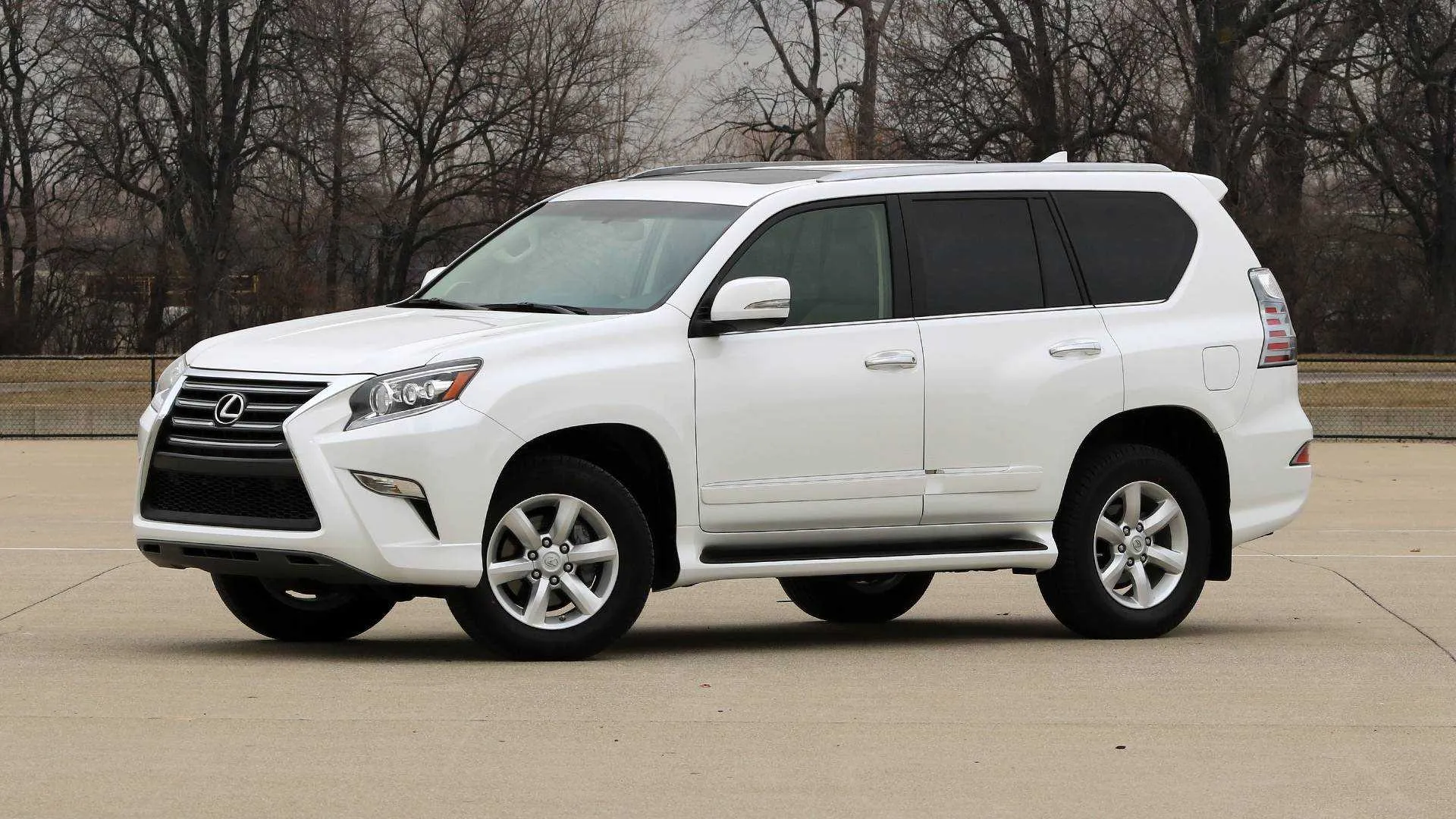
2. Lexus GX460
The Lexus GX460 offers a rare combination of off-road toughness and on-road steering precision, a balance that becomes evident even at 150,000 miles. Its hydraulic power-assisted steering provides consistent feedback, which is particularly impressive for a body-on-frame SUV.
While many off-road-capable SUVs prioritize comfort and articulation, the GX maintains a communicative wheel feel, enabling drivers to detect subtle changes in traction or road texture.
The robust construction of the frame, combined with high-quality bushings and ball joints, prevents excessive steering play even after heavy usage, a crucial factor for those who tow, carry heavy loads, or traverse rugged terrain regularly.
The suspension contributes to this tight feel as well. The GX’s double-wishbone front suspension and multi-link rear setup are tuned to resist excessive body roll without sacrificing off-road compliance. Even as the bushings and shock absorbers age, the steering maintains a stable and predictable character.
Unlike many luxury SUVs, which gradually develop vague steering at high mileage, the GX still communicates road forces through the wheel, allowing confident handling in both city traffic and highway scenarios.
Durability is another key factor. Lexus uses high-quality hydraulic seals and reinforced components in the steering system, reducing the likelihood of leaks or slack developing over time. Regular maintenance, including periodic alignment checks and suspension inspections, helps preserve this responsiveness.
Drivers who maintain their GX often find that the steering feels remarkably close to how it did when new, a testament to the careful balance of luxury comfort and driving engagement inherent in Lexus design philosophy.
From a practical standpoint, this tight steering enhances everyday usability. The GX’s ability to remain composed and communicative at high mileage means drivers can navigate tight parking lots, twisty roads, or emergency maneuvers with confidence.
Unlike softer SUVs that float through turns, the GX provides a reassuring sense of control, helping reduce driver fatigue during longer trips and offering a feeling of predictability that is often lacking in other body-on-frame SUVs.
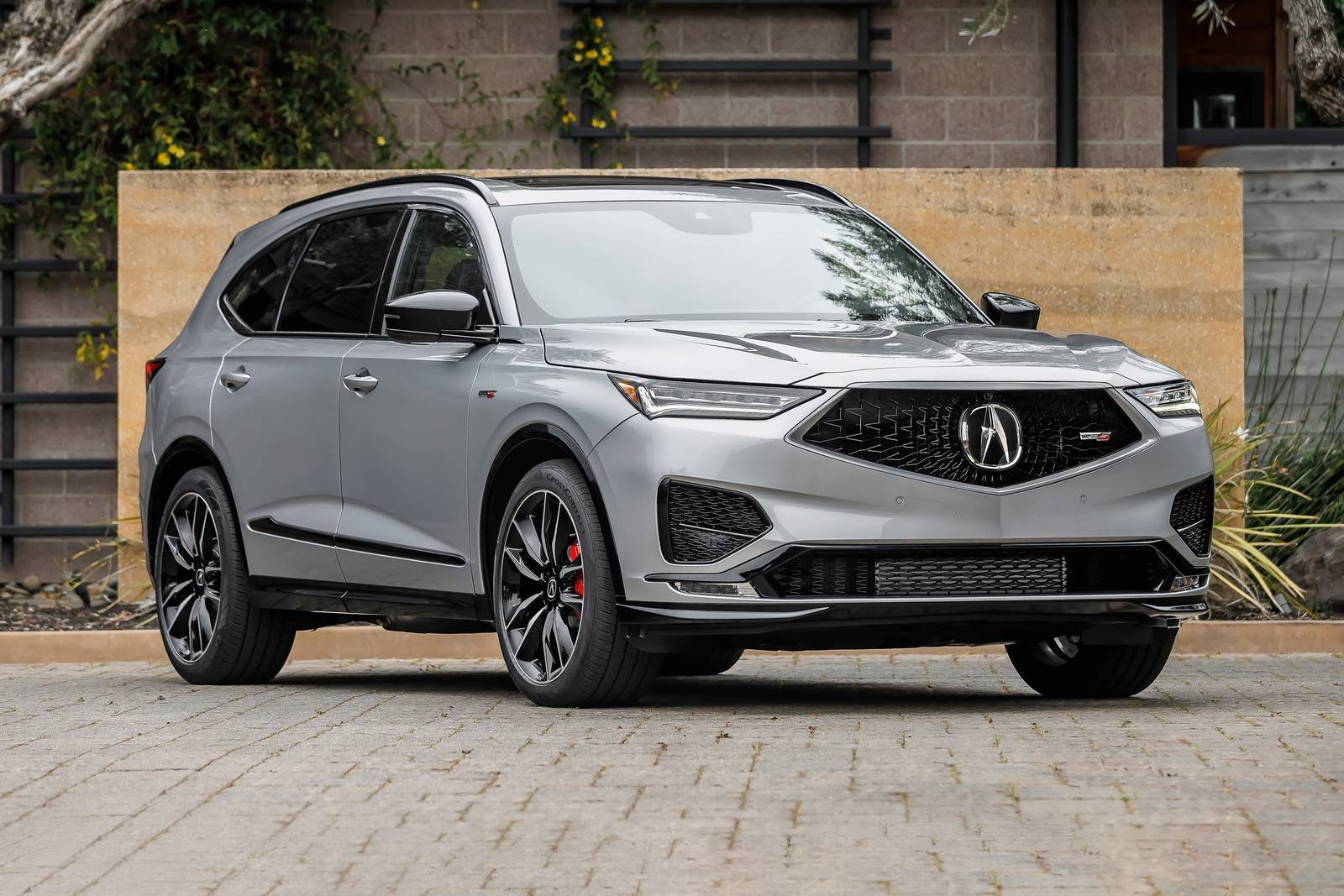
3. Acura MDX (Third Generation)
The third-generation Acura MDX demonstrates that midsize luxury SUVs can retain dynamic engagement even at high mileage. Its electric-assisted steering system is carefully tuned to mimic the direct, linear feel of traditional hydraulic setups, giving drivers consistent feedback even after 150,000 miles.
Unlike many competitors that favor soft, effortless steering to appeal to a broad audience, the MDX strikes a balance between precision and ease of use. Its well-engineered chassis allows the steering input to translate directly into controlled movement, giving a sense of responsiveness and connection rare in this segment.
The MDX’s SH-AWD system further reinforces its tight handling characteristics. By actively distributing torque to individual wheels, the SUV maintains composure through corners and during dynamic maneuvers.
Even as the suspension components age, this torque vectoring assists in reducing body roll and maintaining directional stability. Drivers report that the vehicle remains predictable in curves and lane changes, a remarkable trait for an SUV of its size and weight.
Long-term maintenance contributes to sustaining the steering feel. Regular replacement of tie rods, bushings, and struts ensures the MDX preserves its factory-calibrated precision.
While the electric power steering system is sensitive to calibration issues, proper servicing prevents drift or vague feedback. This combination of thoughtful design and attention to longevity allows the MDX to remain engaging long after other luxury SUVs in its class have developed floaty, disconnected steering.
The driving experience of a high-mileage MDX reinforces its appeal. The vehicle remains composed on highways and responsive in city traffic, providing both a sense of control and an enjoyable driving experience.
Owners note that the steering retains its directness, which adds confidence in emergency maneuvers and makes spirited driving more accessible. The result is an SUV that continues to reward attentive drivers, even deep into its mileage life.
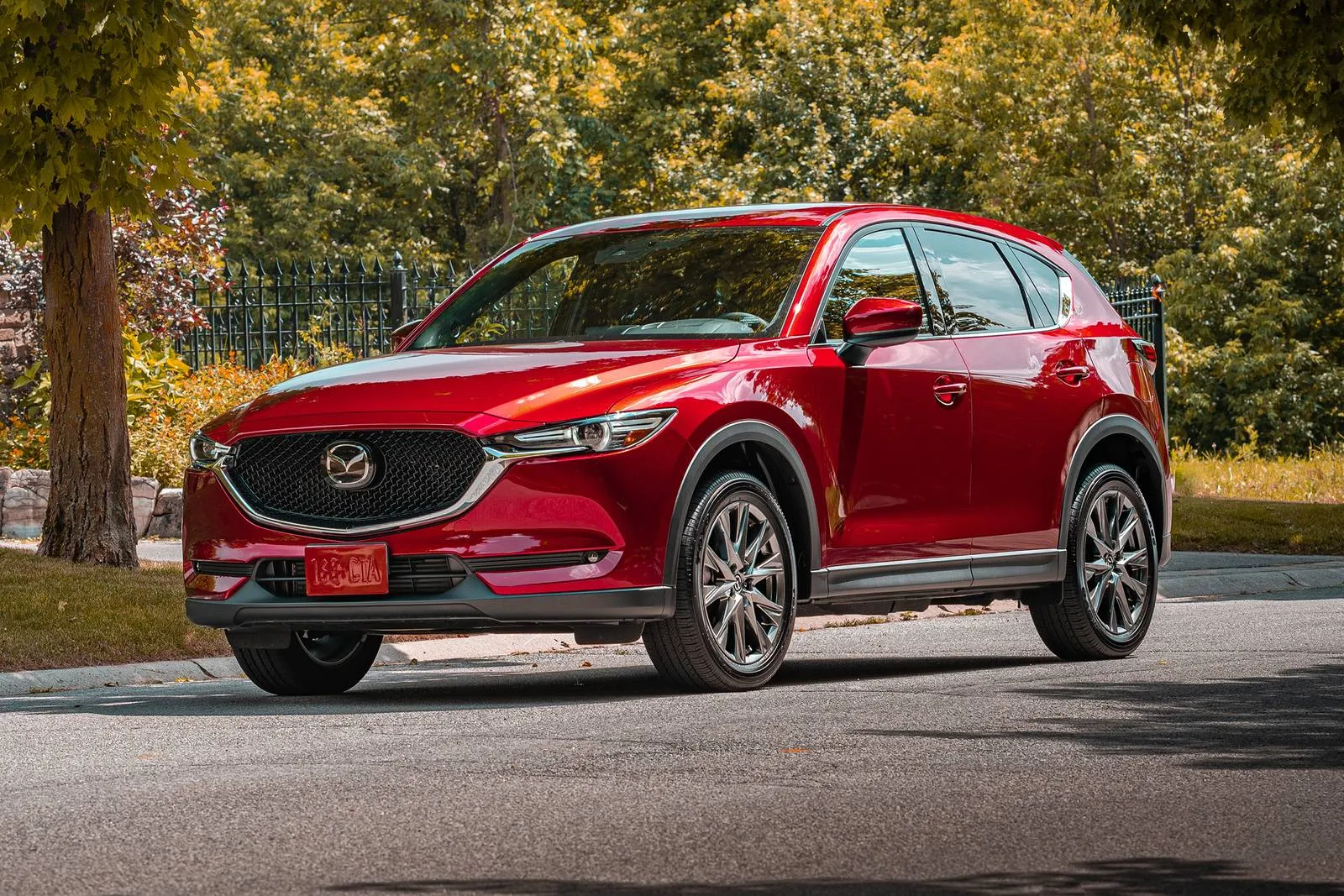
4. Mazda CX-5
The Mazda CX-5 is often praised for delivering driving engagement uncommon in compact SUVs, and this characteristic endures even at 150,000 miles. Its steering system offers a linear response with precise feedback, reflecting Mazda’s emphasis on the connection between driver and road.
Unlike many competitors whose steering softens and becomes imprecise over time, the CX-5 maintains responsiveness thanks to a rigid chassis and well-engineered suspension components that resist flex and maintain alignment.
The rack-and-pinion system is designed to preserve feel while accommodating wear in bushings and joints, which contributes to longevity in steering performance.
The suspension layout, with MacPherson struts in the front and multi-link rear suspension, is tuned to provide both comfort and sharp handling. As components age, the CX-5 retains minimal body roll, allowing drivers to enjoy controlled cornering without excessive lean.
Tire selection and maintenance also play a role, as high-quality, well-maintained tires preserve the sharp feel of the steering while worn or softer tires may slightly dull responsiveness. Despite these variables, the fundamental steering characteristics remain consistent across high-mileage examples.
Maintenance is relatively straightforward compared to luxury SUVs, which enhances the CX-5’s long-term appeal. Replacing worn bushings or tie rods is cost-effective and quickly restores any minor slack, ensuring the vehicle continues to feel tight and communicative.
Mazda’s careful attention to steering ratio and calibration means that even after substantial use, the vehicle continues to respond predictably to inputs, reinforcing confidence in both everyday and spirited driving situations.
Drivers consistently report that the CX-5 feels more agile than other compact SUVs in its class. It encourages active steering inputs and rewards precise handling, making it one of the few compact SUVs that retains engaging dynamics even as mileage accumulates.
This tight steering feel sets the CX-5 apart as a rare example of a high-mileage SUV that combines longevity, reliability, and driver enjoyment.
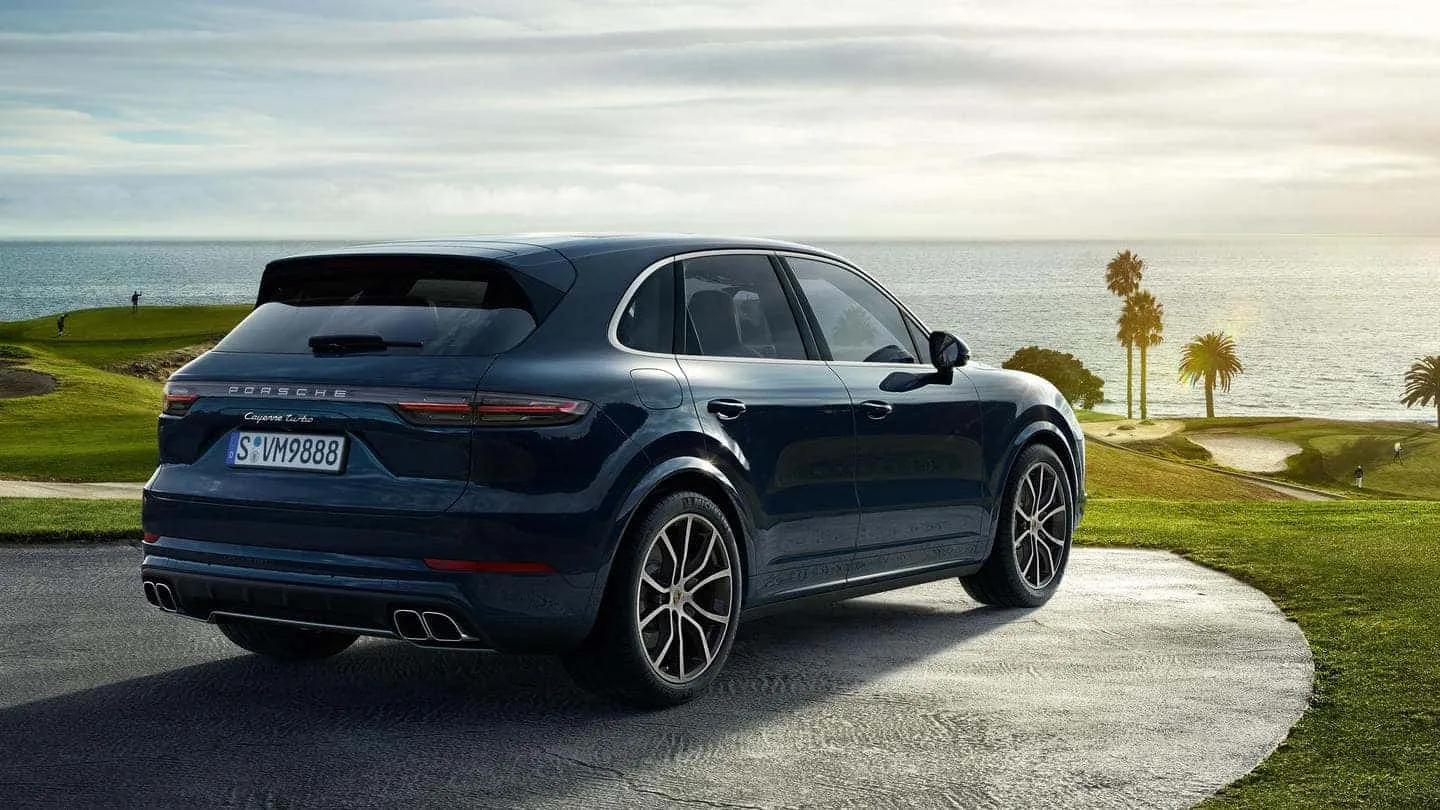
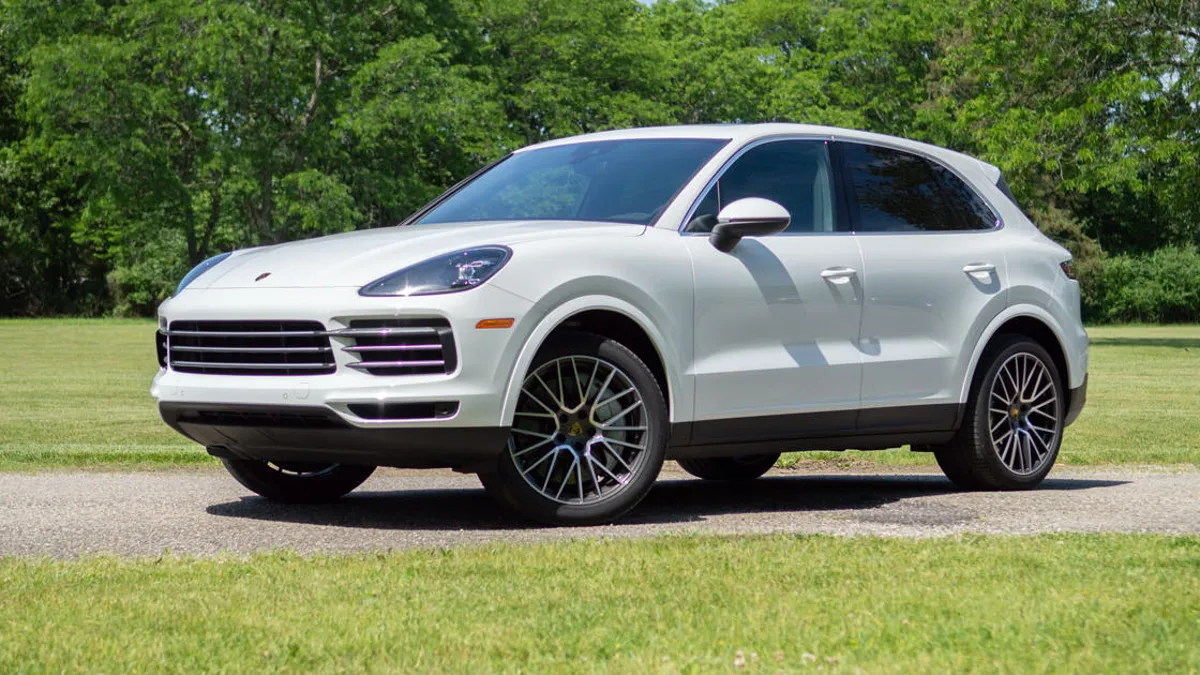
5. Porsche Cayenne (955/957 Generations)
The early Porsche Cayenne models, particularly the 955 and 957 generations, exemplify how sports car engineering can translate into SUV dynamics that endure over time. These vehicles maintain remarkable steering precision even after 150,000 miles, thanks to a hydraulic rack designed for responsiveness and consistency.
Unlike other heavy SUVs, the Cayenne’s steering communicates road feedback clearly, allowing the driver to anticipate traction changes and respond confidently in various conditions. The chassis is built with substantial rigidity, minimizing flex that could otherwise degrade steering feel over time.
The Cayenne’s suspension is tuned for both comfort and sporty handling, using double-wishbone and multi-link setups to ensure that the tires remain planted through corners.
Even as shocks, bushings, and mounts wear, the vehicle preserves most of its original steering characteristics. Porsche’s focus on alignment, suspension geometry, and precise steering ratios allows the Cayenne to maintain a connected feel, which is uncommon in full-size luxury SUVs at high mileage.
Regular maintenance ensures that the Cayenne continues to deliver a responsive driving experience. Components like tie rods, ball joints, and suspension arms require attention, but replacing them restores steering tightness very close to original specifications.
Owners often report that, despite cosmetic wear or mileage-related minor creaks, the driving experience feels much like new. This durability is a reflection of Porsche’s rigorous engineering standards applied to an SUV platform.
The high-mileage Cayenne remains an SUV that encourages engagement, blending luxury, utility, and performance. Its steering feel contributes to driver confidence in both everyday driving and spirited scenarios, reinforcing why it continues to be praised for maintaining responsiveness long after crossing significant mileage thresholds.
It’s a rare case where a heavy, capable SUV feels almost like a sports sedan in its steering behavior even after years of use.
5 SUVs That Feel Boat-Like at 150k
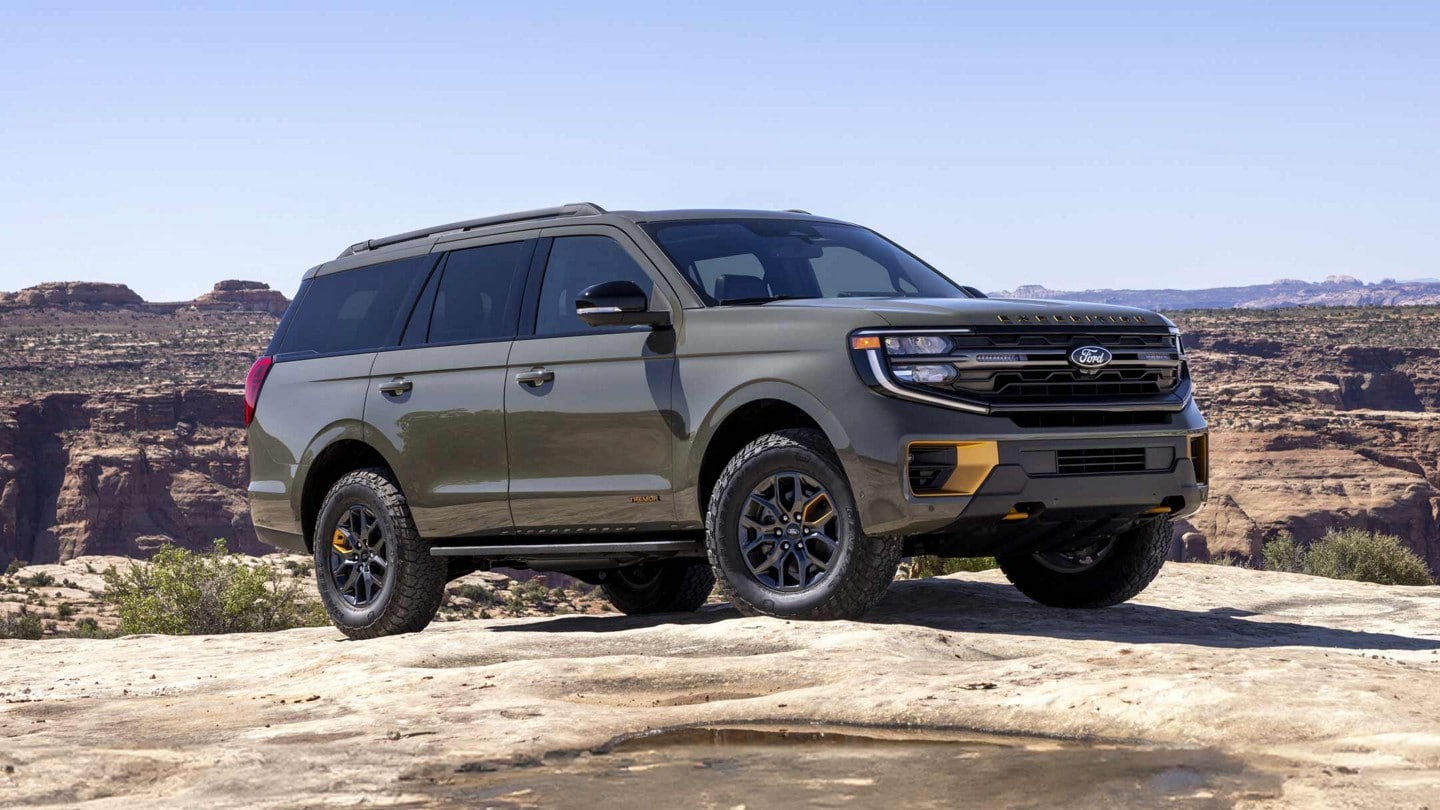
1. Ford Expedition (Fourth Generation)
The Ford Expedition has long been a classic example of a full-size SUV designed for comfort and towing rather than precise handling, and this tendency becomes particularly noticeable at 150,000 miles.
Its power-assisted steering, while smooth and effortless, often feels disconnected and vague during low-speed maneuvers or tight corners.
The large body-on-frame design, combined with a long wheelbase, amplifies this “boat-like” sensation, particularly when the suspension softens over time. As the bushings, control arms, and shock absorbers wear, the body experiences more roll and sway, further reducing the perception of responsiveness.
Drivers accustomed to lighter or more nimble vehicles often notice the delayed reaction to steering inputs, a characteristic that is exacerbated by the Expedition’s size and weight.
The suspension setup, featuring a solid rear axle and independent front suspension with long-travel shocks, prioritizes comfort and load-carrying ability over handling precision.
This configuration provides a smooth ride on highways and over rough terrain but contributes to excessive body motion during cornering.
As mileage increases, the shocks and bushings degrade, increasing floatiness and making the vehicle feel even less connected to the road.
While this design is excellent for absorbing bumps and supporting towing loads, it inevitably results in a looser, less responsive steering feel that reinforces the “boat-like” driving experience.
Maintenance at high mileage is critical for these vehicles, but even a well-maintained Expedition cannot entirely overcome the inherent floatiness of its design.
Components such as steering linkage and suspension bushings may be replaced to slightly tighten the feel, but the fundamental chassis dynamics still favor comfort over precision.
Owners often describe the vehicle as stable but slow to react in emergency maneuvers, with noticeable lean and pitch during braking, accelerating, and cornering. This highlights the importance of understanding the Expedition’s strengths as a capable, family-focused SUV, rather than expecting sports-car-like responsiveness.
From a driver’s perspective, the “boat-like” nature of the Expedition offers reassurance on long highway drives, where stability and a cushioned ride are prioritized over sharp steering feedback.
The soft steering and suspension allow for relaxed driving even on uneven surfaces, but it can feel cumbersome when quick directional changes are required.
The sensation of mass and inertia becomes pronounced at high mileage, reinforcing the notion that the Expedition is designed for hauling passengers and cargo rather than sharp, responsive handling.
This characteristic makes it a quintessential large SUV for comfort-focused owners who accept its trade-offs in steering responsiveness.
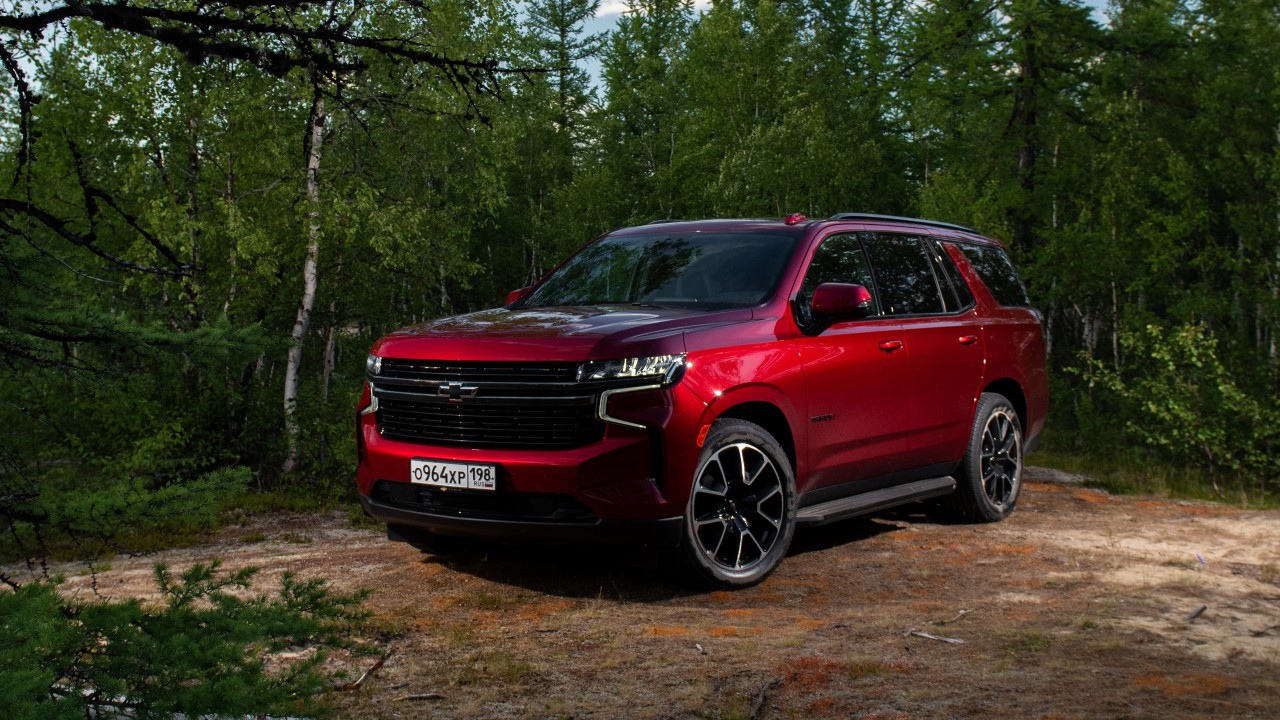
2. Chevrolet Tahoe (GMT900 and Early 2015+ Models)
The Chevrolet Tahoe, particularly the GMT900 and early 2015 models, is another full-size SUV known for a soft, floaty driving feel that intensifies with age. Its power steering system delivers smooth effort but sacrifices directness, and at 150,000 miles, this becomes more pronounced.
The vehicle’s long wheelbase, coupled with a heavy body-on-frame structure, accentuates the sensation of sluggishness in corners. Even moderate turns require a noticeable amount of input before the vehicle reacts, which contrasts sharply with SUVs designed for tight, responsive steering.
Over time, worn suspension components amplify the soft, “loose” feeling, with excessive body roll and minor delays in feedback making the Tahoe feel less planted.
The suspension setup contributes heavily to this perception. Independent front suspension paired with a solid rear axle offers generous travel and compliance but encourages body movement under lateral forces. As the shocks and bushings age, this translates into a more exaggerated sway, reinforcing the boat-like sensation.
Drivers may notice a tendency for the rear end to lag slightly during sharp turns, emphasizing the Tahoe’s mass and the soft tuning of the steering. The Tahoe is designed for comfort, towing, and general utility, so while the ride remains smooth even at high mileage, the handling experience is far from precise.
Maintenance can alleviate minor issues, but it cannot fundamentally change the Tahoe’s inherently soft dynamics. Steering racks, tie rods, and bushings may be serviced to reduce slop, but the bulkiness of the vehicle ensures that the steering will never feel tight.
Owners often describe the experience as confident at highway speeds, yet cumbersome in urban traffic or twisty roads. The vehicle’s predictable but delayed reactions are consistent with its design philosophy, prioritizing passenger comfort and towing stability over agility.
The driving experience at high mileage reinforces the Tahoe’s strengths and weaknesses. It remains extremely stable during straight-line driving, absorbs road imperfections effectively, and provides a sense of security to passengers. However, the floaty steering and body roll mean drivers must plan maneuvers with extra care.
The Tahoe is therefore ideal for owners who prioritize smooth cruising and cargo capacity over engagement, with its soft, boat-like feel becoming more pronounced as mileage accumulates.
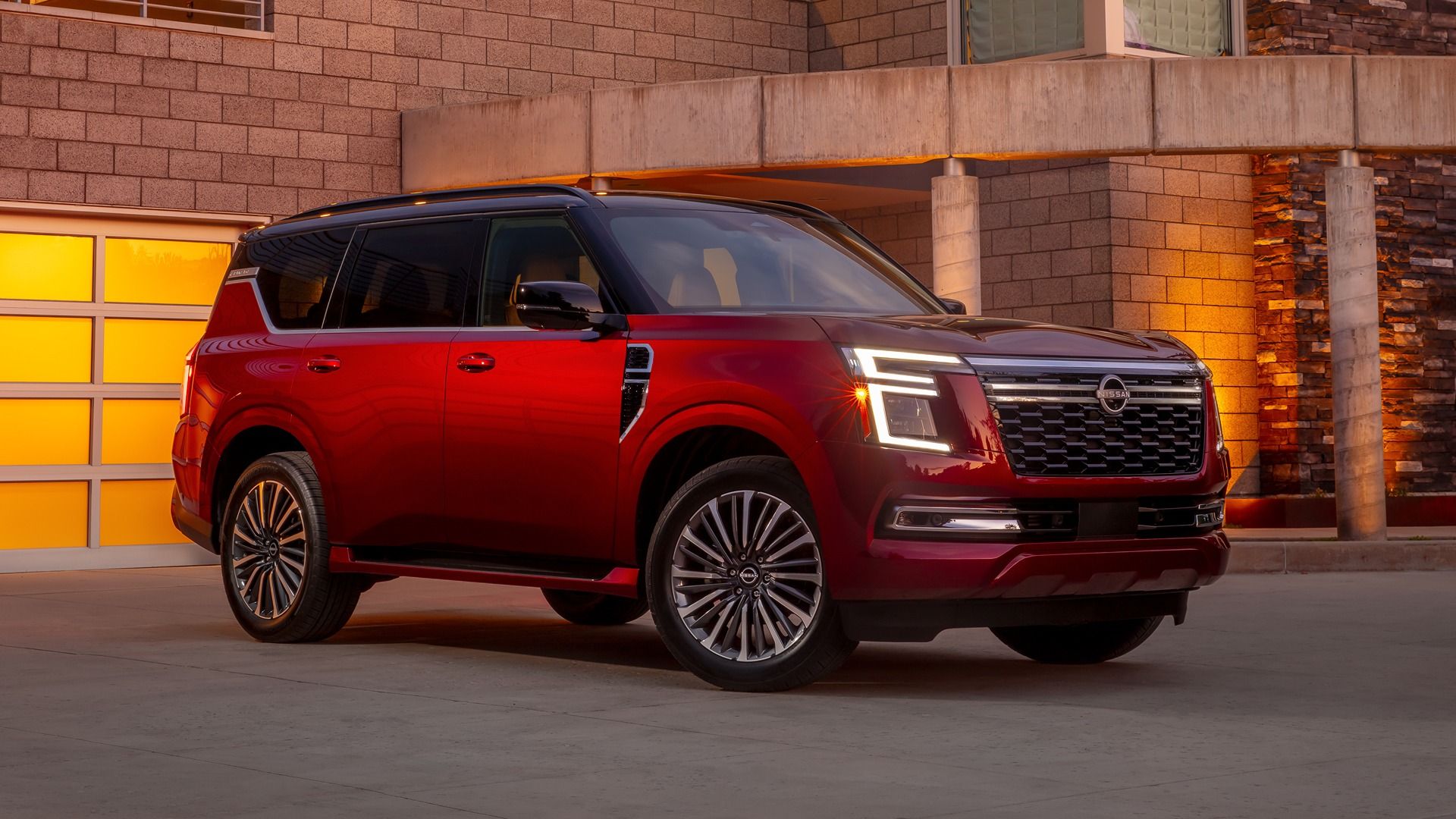
3. Nissan Armada (First Generation and Early Second Generation)
The Nissan Armada has always leaned toward comfort and presence rather than sporty dynamics, and at 150,000 miles, this tendency becomes unmistakable. Steering feels light and disconnected, particularly at low speeds, making parking and tight turns feel cumbersome.
The vehicle’s considerable mass, combined with a body-on-frame chassis and long wheelbase, emphasizes float and momentum in cornering.
As suspension components age, body roll becomes more noticeable, and the Armada’s front end can feel reluctant to follow driver inputs precisely, creating a sensation similar to piloting a large boat through turns.
The suspension design, with independent front struts and a solid rear axle, focuses on smoothing rough surfaces and handling heavy loads. While effective for comfort and off-road capability, it encourages pronounced lean during lateral maneuvers.
Worn shocks, bushings, and sway bar links exacerbate this effect over time, making the SUV feel less connected to the road.
Even with alignment checks and new tires, the inherent softness of the chassis and steering design preserves that “floaty” character, distinguishing the Armada from more dynamically tuned SUVs.
Maintenance can slightly improve responsiveness. Replacing bushings, control arms, and shocks can reduce excessive play and restore some composure. However, the steering rack itself remains light and soft, so tight feedback is never fully restored.
Drivers often find that, while the vehicle remains predictable and comfortable, it demands deliberate input during evasive maneuvers, particularly at higher speeds or on winding roads. The Armada’s strength lies in delivering a smooth, composed ride under load rather than in nimble cornering.
For owners, the Armada provides a spacious, comfortable experience that emphasizes passenger well-being over driving excitement.
The floaty steering and pronounced body motion create a sense of relaxed cruising, with stability prioritized over agility. At high mileage, this sensation intensifies, emphasizing the SUV’s role as a family hauler and long-distance cruiser rather than a responsive driver’s vehicle.
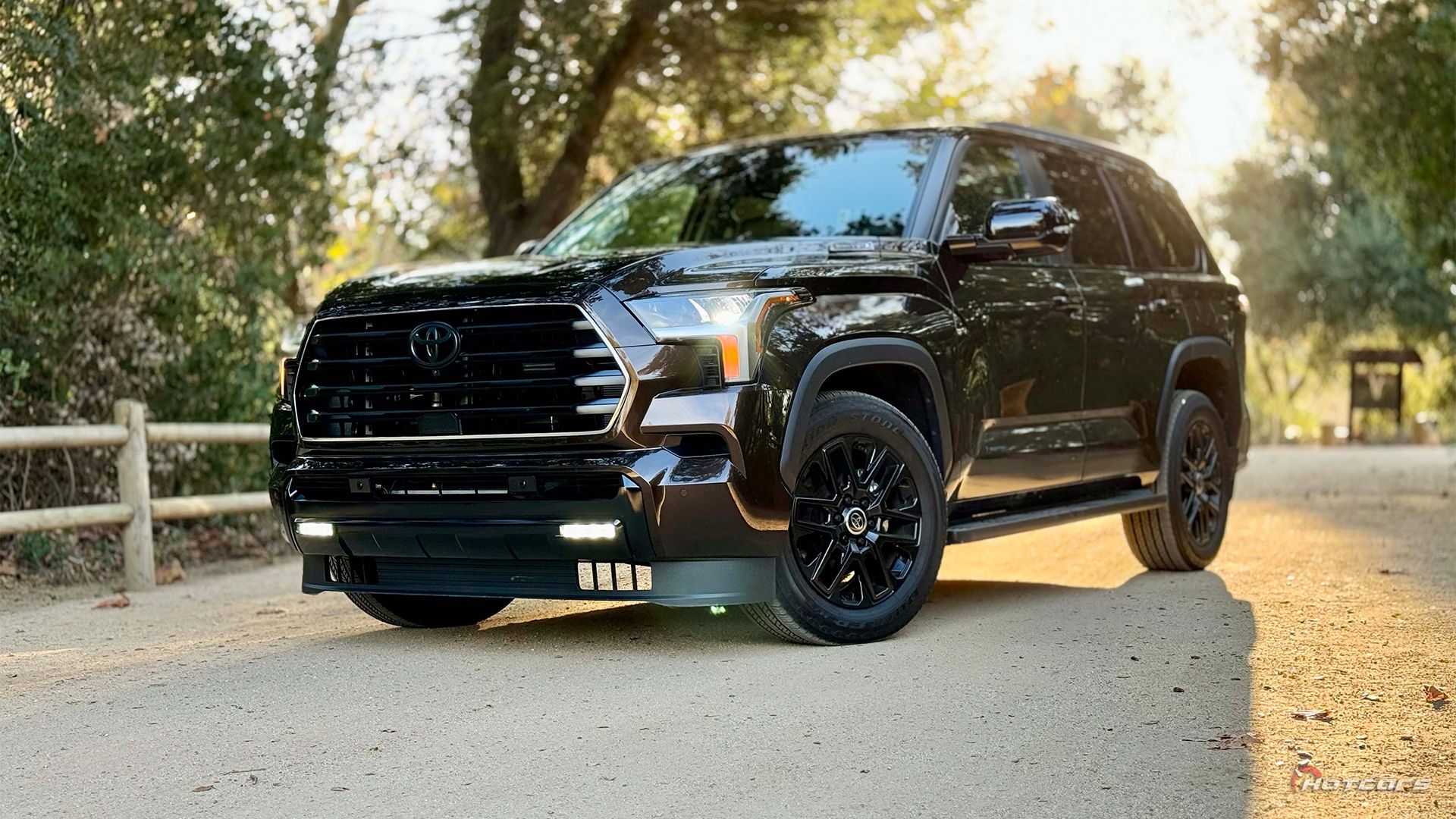
4. Toyota Sequoia (Second Generation)
The Toyota Sequoia exemplifies the large SUV category’s trade-off between comfort and sharp handling, and at 150,000 miles, it remains firmly on the comfort side.
The steering system is smooth and low-effort but lacks directness, giving the driver the impression of controlling a sizable vessel rather than a nimble car.
Over time, wear in the power steering components and suspension bushings can further amplify this sensation, increasing body roll and reducing the immediacy of steering responses. Drivers frequently note a lag between wheel input and the vehicle’s reaction, particularly during quick lane changes or cornering.
The Sequoia’s suspension configuration, with an independent front and solid rear axle, prioritizes ride quality under heavy loads and during towing. While this setup offers excellent highway comfort and off-road capability, it allows for noticeable body motion when taking curves or sudden maneuvers.
Shock absorbers and bushings wear naturally at high mileage, further contributing to the floaty feel. Even well-maintained vehicles retain this “boat-like” characteristic due to the fundamental design of the chassis and steering system.
Maintenance efforts, such as replacing steering components, tie rods, and bushings, can tighten the feel marginally. However, the driving experience remains oriented toward smoothness and stability rather than sharpness or precision.
The Sequoia is engineered to absorb imperfections and deliver a cushioned ride for passengers, making steering feedback a secondary consideration. At 150,000 miles, drivers tend to appreciate this design philosophy when navigating long highways or hauling passengers and cargo.
From the perspective of everyday driving, the Sequoia excels in providing comfort and reassurance, though it feels ponderous and floaty compared with tighter-handling SUVs.
The large body, soft suspension, and light steering combine to emphasize the sense of mass, creating the impression of steering a large boat through traffic. This is a defining characteristic of the vehicle and one that Toyota designed intentionally for owners who value passenger comfort and cargo capacity over driving dynamics.
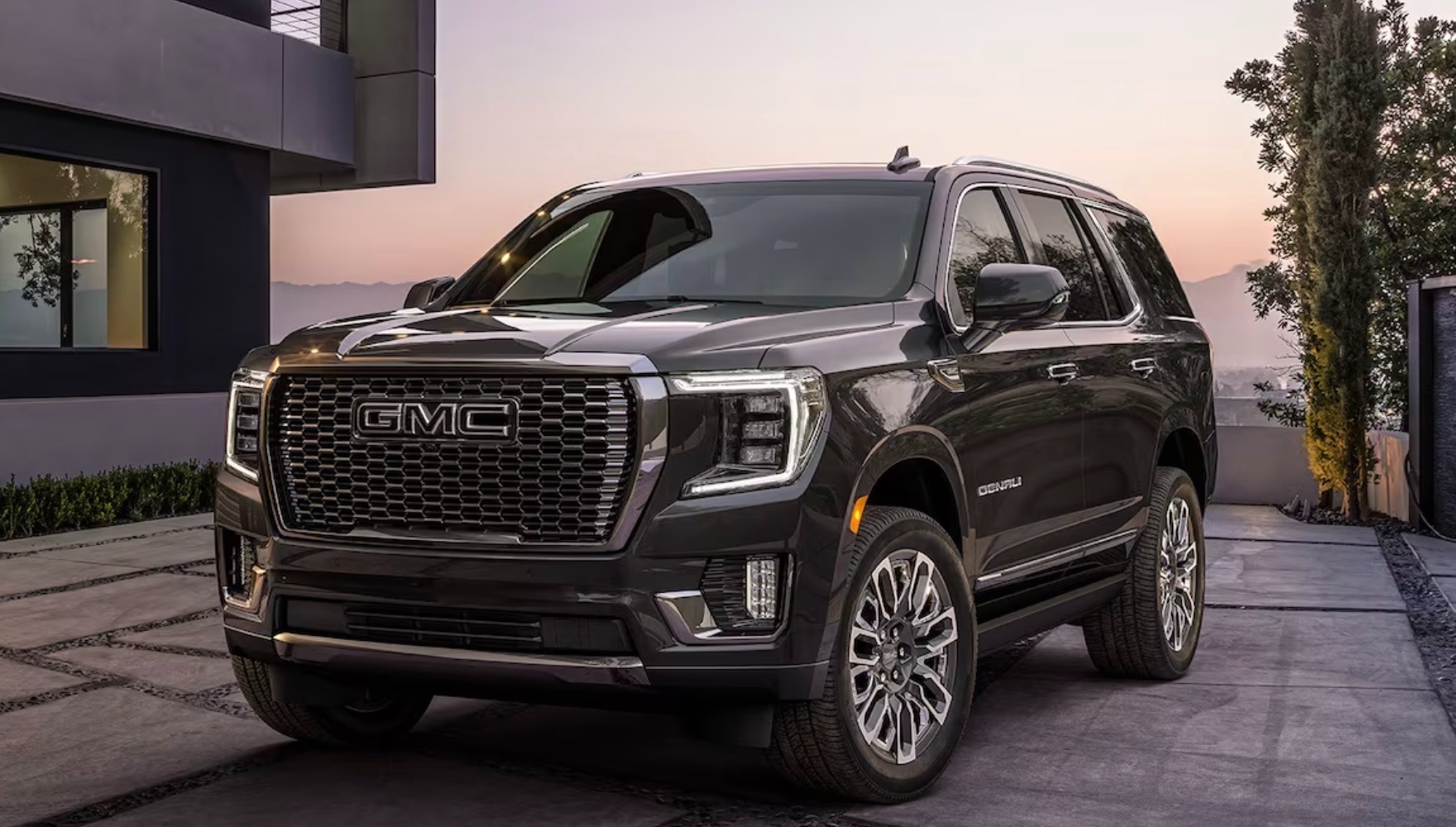
5. GMC Yukon (GMT900 and Early 2015+ Models)
The GMC Yukon shares many traits with its Chevrolet Tahoe counterpart, prioritizing comfort and presence over agility, a tendency that becomes more pronounced at high mileage. Steering is light, soft, and disconnected, and the vehicle exhibits substantial body roll and inertia when cornering.
The body-on-frame construction and substantial curb weight amplify the sensation of driving a large, floating vessel. At 150,000 miles, the steering remains smooth but provides minimal feedback, making it feel as if the vehicle responds slowly to driver inputs, particularly in tight turns or sudden maneuvers.
The suspension system, with independent front suspension and a solid rear axle, is tuned to absorb road imperfections and carry heavy loads rather than deliver precise handling. Aging shocks, bushings, and sway bars increase the floatiness, making the vehicle sway more under cornering forces.
Even with new tires and proper alignment, the Yukon retains its soft, boat-like demeanor. This design ensures a comfortable and stable ride for passengers but reinforces the sense that the vehicle is slow to react, a contrast to tighter-handling SUVs.
Maintenance can slightly improve responsiveness by replacing worn suspension components and checking the steering linkage, but the fundamental softness remains.
Drivers describe the Yukon as stable and predictable, yet heavy and sluggish in directional changes. Its strength lies in long-distance cruising, towing, and carrying passengers, with steering feedback taking a back seat to comfort and mass stability.
From a driving perspective, the Yukon’s high-mileage characteristics enhance its smooth ride, particularly on highways and straight roads. The floaty steering, combined with noticeable body roll, reinforces the sense of commanding a large vessel rather than a nimble SUV.
For owners, this reinforces the vehicle’s intended role as a comfortable, capable full-size SUV optimized for long journeys, family transport, and heavy-duty performance rather than driving excitement.
