
The reliability of a vehicle’s wheel bearings is often overlooked until it begins to show signs of wear. For SUV owners, wheel bearings are especially critical because these vehicles often carry heavier loads, encounter rougher terrain, and experience more stress on their suspension systems compared to smaller cars.
A failing wheel bearing can cause a range of issues, from uneven tire wear and reduced fuel efficiency to loud humming or howling noises at highway speeds.
Understanding which SUVs are likely to maintain smooth, quiet operation and which may develop noisy bearings by 50,000 miles can save drivers both frustration and repair costs.
Some manufacturers design their wheel bearing assemblies with high-quality materials and sealed units, while others may compromise on components to reduce cost, leading to premature wear.
Factors such as driving conditions, maintenance habits, and vehicle weight distribution also play a role in bearing longevity, but even with optimal care, certain models are known for recurring bearing issues.
For anyone shopping for an SUV or maintaining one, being aware of these tendencies helps make informed decisions and avoid unexpected expenses.
In this article, we will examine five SUVs that are generally known to have durable wheel bearings and five that have a higher likelihood of developing a noticeable howling noise around 50,000 miles.
This comparison highlights both engineering strengths and potential weaknesses, providing a practical guide for buyers, enthusiasts, and anyone concerned about long-term vehicle reliability.
SUVs With Lasting Wheel Bearings
1. Toyota 4Runner
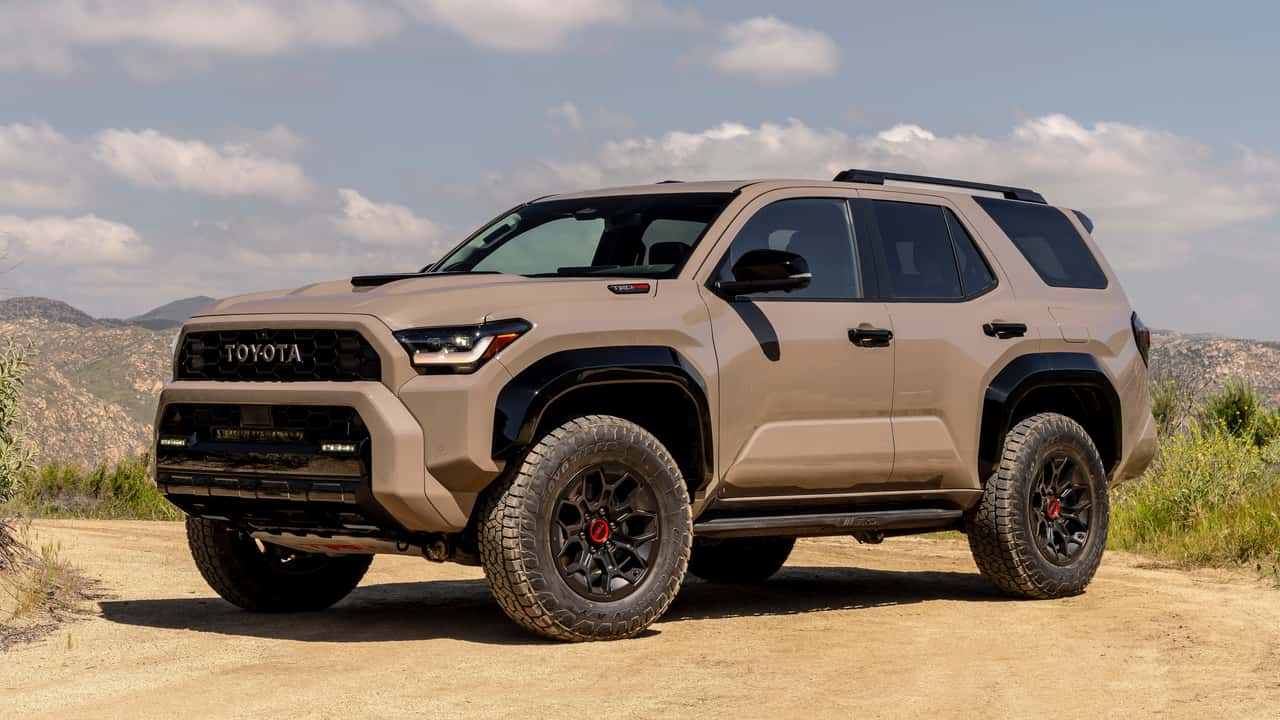
The Toyota 4Runner has long been recognized as a stalwart in the SUV world, known for its rugged durability, off-road capabilities, and mechanical reliability. One of the often-overlooked components that contributes to this reputation is the wheel bearing assembly.
The 4Runner’s wheel bearings are engineered to last well beyond the typical lifespan seen in many other SUVs, often exceeding 100,000 miles without significant noise or performance degradation.
Toyota employs high-quality sealed bearings that are specifically designed to resist contamination from dirt, water, and road salt, which are common contributors to premature wear.
The robust construction ensures that the bearings can handle not only the daily stresses of city and highway driving but also the more severe demands of off-road trails.
This combination of high-grade materials, careful engineering, and protective sealing allows the 4Runner to maintain smooth rotation and quiet operation, even when loaded with passengers or towing equipment.
The longevity of these bearings reduces the likelihood of unexpected repairs, giving owners confidence that the 4Runner will remain dependable over years of ownership.
The 4Runner’s suspension and chassis design play an equally critical role in bearing longevity. Toyota engineers designed the suspension to evenly distribute weight and minimize lateral stresses that can accelerate bearing wear.
Unlike some vehicles where uneven stress on specific bearings causes premature failures, the 4Runner maintains balance across all wheels, which reduces the concentration of force on any single assembly.
This engineering approach, coupled with tight manufacturing tolerances, ensures that each bearing operates within its optimal load range, preventing vibration, friction, and overheating.
Owners who frequently drive on highways at high speeds will notice minimal noise or humming, even after years of heavy use. By combining high-quality bearings with a thoughtfully designed suspension system, the 4Runner achieves a level of reliability that is rare among mid-size SUVs.
Maintenance practices further enhance the durability of the 4Runner’s wheel bearings. While the bearings themselves are designed to be largely maintenance-free due to their sealed construction, regular tire rotation, wheel alignment, and inspection of suspension components ensure even wear and prevent stress that could compromise bearing life.
Toyota’s availability of replacement parts, combined with widespread familiarity among mechanics, makes servicing straightforward if a bearing ever reaches the end of its lifespan, although such occurrences are uncommon.
The combination of low-maintenance design, reliable materials, and thoughtful engineering provides owners with peace of mind, knowing that bearing-related failures are unlikely to disrupt their driving experience or incur high repair costs.
Finally, the 4Runner’s long-term reliability and reputation for durable wheel bearings contribute positively to its resale value. Potential buyers often seek vehicles that require minimal mechanical intervention and have demonstrated longevity, making a well-maintained 4Runner an attractive option on the used market.
The fact that the wheel bearings rarely generate the familiar hum or howl that plagues other SUVs increases the appeal, particularly for buyers in regions with varying road conditions and climates.
By choosing the 4Runner, drivers are investing not just in a capable off-road vehicle, but also in a SUV that demonstrates exceptional mechanical resilience and enduring value over time.
2. Honda CR-V
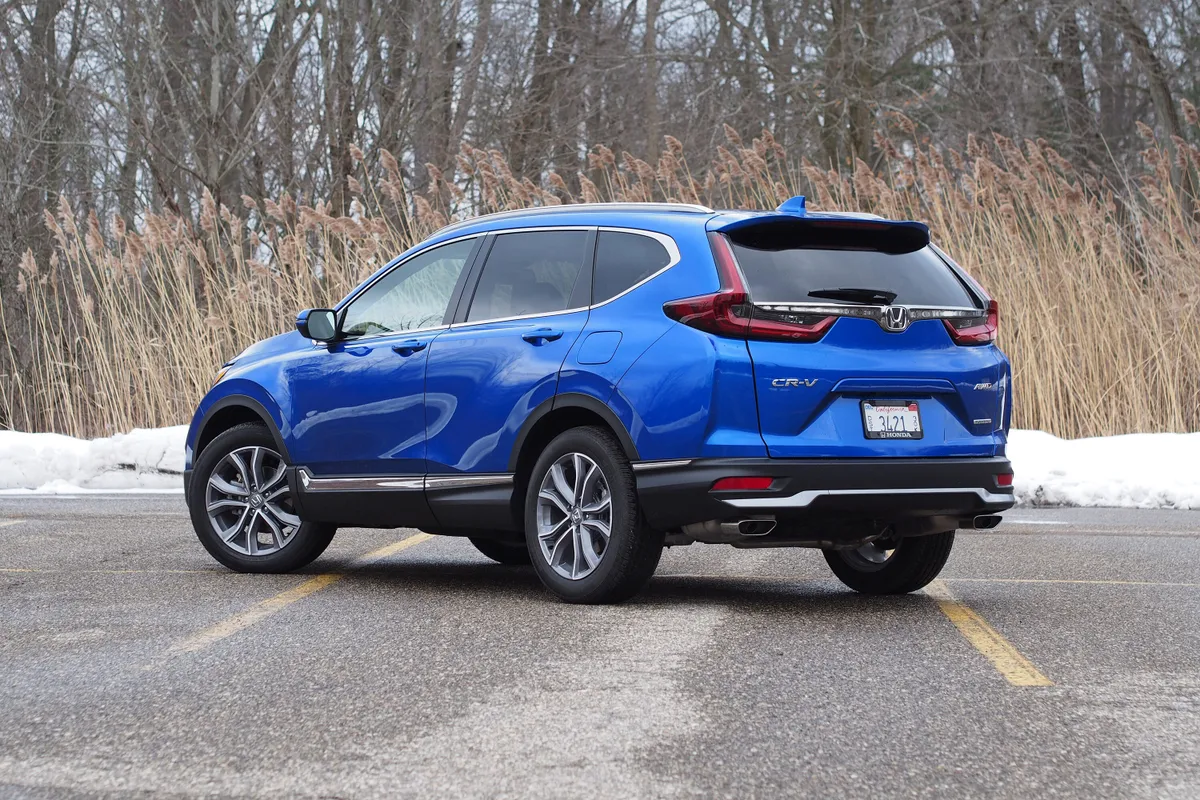
The Honda CR-V has established a long-standing reputation for reliability, fuel efficiency, and mechanical soundness, and its wheel bearings are a key component of this reputation. Honda’s engineering approach emphasizes precision, and the wheel bearings are no exception.
These components are built with tight tolerances and sealed against environmental contaminants, helping prevent early wear or damage.
In everyday driving conditions, including city streets, highways, and light off-road paths, the CR-V’s wheel bearings tend to operate quietly and smoothly, often reaching well over 100,000 miles without noticeable issues.
The lightweight design of the CR-V, combined with its well-balanced chassis, reduces stress on the bearings and suspension components, allowing them to rotate freely without friction-induced noise.
Many owners report that their CR-V maintains quiet operation and smooth handling over years of regular use, highlighting the reliability of these assemblies even under varying loads and road conditions.
Honda’s engineering approach emphasizes precision, and the wheel bearings are no exception. These components are built with tight tolerances and sealed against environmental contaminants, helping prevent early wear or damage.
In everyday driving conditions, including city streets, highways, and light off-road paths, the CR-V’s wheel bearings tend to operate quietly and smoothly, often reaching well over 1
A significant factor in the CR-V’s bearing longevity is Honda’s use of high-quality materials in combination with well-engineered hub assemblies. Bearings are mounted in hubs designed to retain lubrication effectively and prevent contamination from dirt, water, or road chemicals.
This ensures that friction remains low and heat generation is minimized, reducing the risk of premature failure. The engineering design also distributes forces evenly during turns and under load, which prevents uneven wear and keeps the bearings functioning quietly for extended periods.
For drivers who regularly commute or travel long distances, this translates into predictable performance without the annoying humming or howling noises that can develop in less durable vehicles.
The suspension geometry of the CR-V also plays a critical role in extending wheel bearing life. Honda engineers carefully designed the suspension to maintain proper alignment and even load distribution, preventing lateral or torsional stresses that can damage bearings over time.
The bearings, in combination with precise suspension components, provide a smooth, quiet ride that enhances the driving experience.
Even in situations where the vehicle is fully loaded or encounters uneven terrain, the stress on the wheel bearings remains within a manageable range, which significantly reduces the likelihood of mechanical issues.
These design features demonstrate Honda’s commitment to both comfort and long-term reliability, making the CR-V a dependable choice for drivers seeking minimal maintenance concerns.
Finally, the Honda CR-V benefits from widespread availability of replacement parts and relatively affordable maintenance costs. In the rare event that a wheel bearing does need servicing, mechanics are generally familiar with the design and repair process, ensuring timely and efficient replacements.
The combination of long-lasting components, high-quality engineering, and accessible maintenance contributes to the CR-V’s strong resale value.
Potential buyers recognize that a well-maintained CR-V is unlikely to suffer from premature bearing failure, making it a trustworthy investment for anyone seeking a practical, quiet, and reliable SUV.
3. Subaru Outback
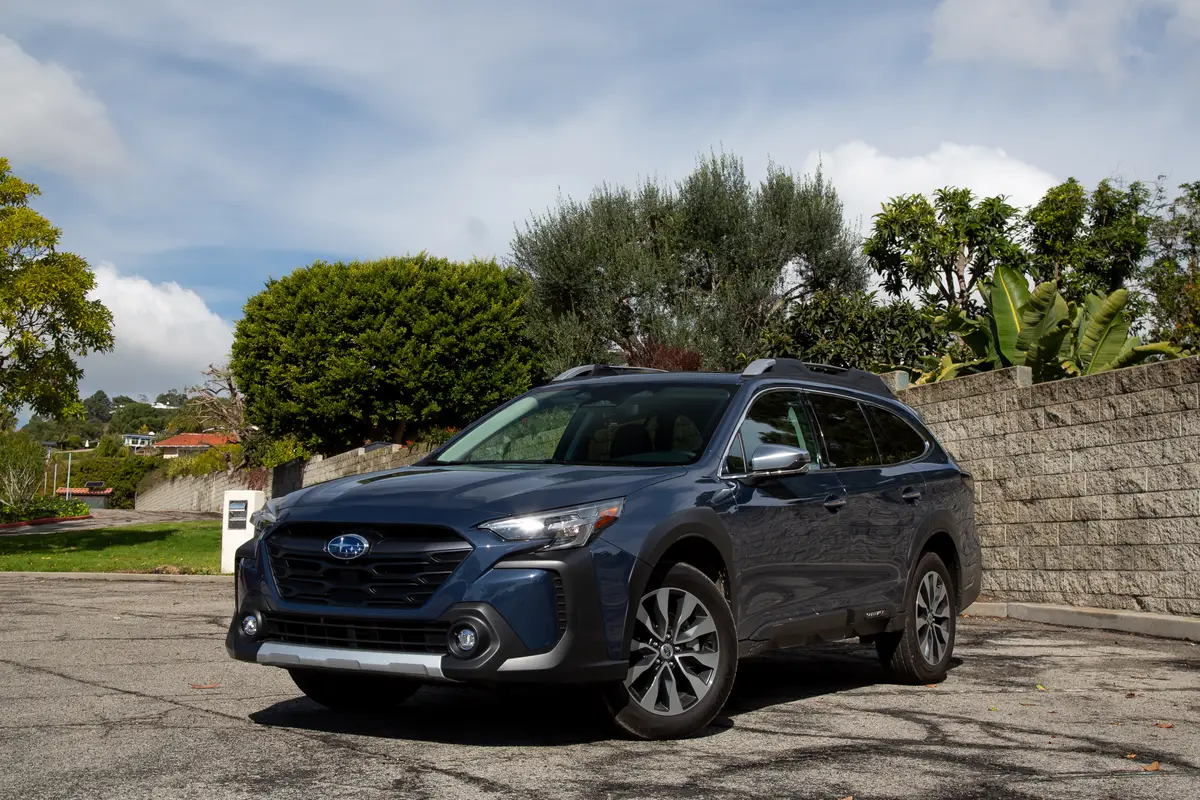
The Subaru Outback offers a unique combination of all-wheel-drive capability, mechanical durability, and versatility that makes it an appealing choice for drivers who prioritize reliability.
Its wheel bearings are engineered for long-term performance, featuring high-quality materials and sealed assemblies that protect against environmental factors such as dirt, water, and road salt.
Many Outback owners report minimal noise and smooth rotation for years, even under demanding driving conditions including highways, mountain roads, and light off-road terrain.
The Outback’s suspension is designed to evenly distribute forces across all wheels, preventing localized stress that could lead to bearing wear.
This thoughtful engineering ensures that the vehicle remains quiet and stable over extended use, making it a dependable companion for long trips, outdoor adventures, and daily commuting alike.
The design of the Outback’s wheel bearing assemblies emphasizes durability through careful engineering and material selection. Subaru often pairs high-strength steel bearings with protective hubs that maintain proper lubrication while resisting corrosion.
Seals effectively prevent debris and water from infiltrating the assembly, which is a common cause of premature failure in other SUVs.
These design elements contribute to a smooth and quiet rotation of the wheels, minimizing the risk of humming or howling noises that often emerge around 50,000 miles in less reliable vehicles.
For drivers who encounter variable climates or unpaved roads, the reliability of these components is particularly valuable, reducing maintenance concerns and enhancing confidence in the vehicle.
Another contributing factor to the Outback’s wheel bearing longevity is its suspension geometry and weight distribution. Subaru engineers designed the chassis to maintain even pressure across all bearings, reducing lateral forces that can accelerate wear.
The vehicle’s moderate weight and robust suspension further minimize stress during cornering, braking, and acceleration, ensuring that each bearing operates within optimal parameters.
Even when carrying passengers and cargo, the wheel bearings continue to function smoothly, providing a quiet ride and stable handling. This careful balance between performance and mechanical resilience demonstrates Subaru’s commitment to long-term reliability.
Routine maintenance also plays a role in extending the life of the Outback’s wheel bearings. Periodic inspections, lubrication of surrounding suspension components, and attention to road debris help preserve bearing function over many miles. Even when replacement becomes necessary, Subaru parts are readily available, and the repair process is straightforward.
This combination of durable engineering, preventive care, and accessible servicing ensures that the Outback remains a dependable and quiet SUV for years, highlighting its strong performance in wheel bearing reliability compared to many competitors in its class.
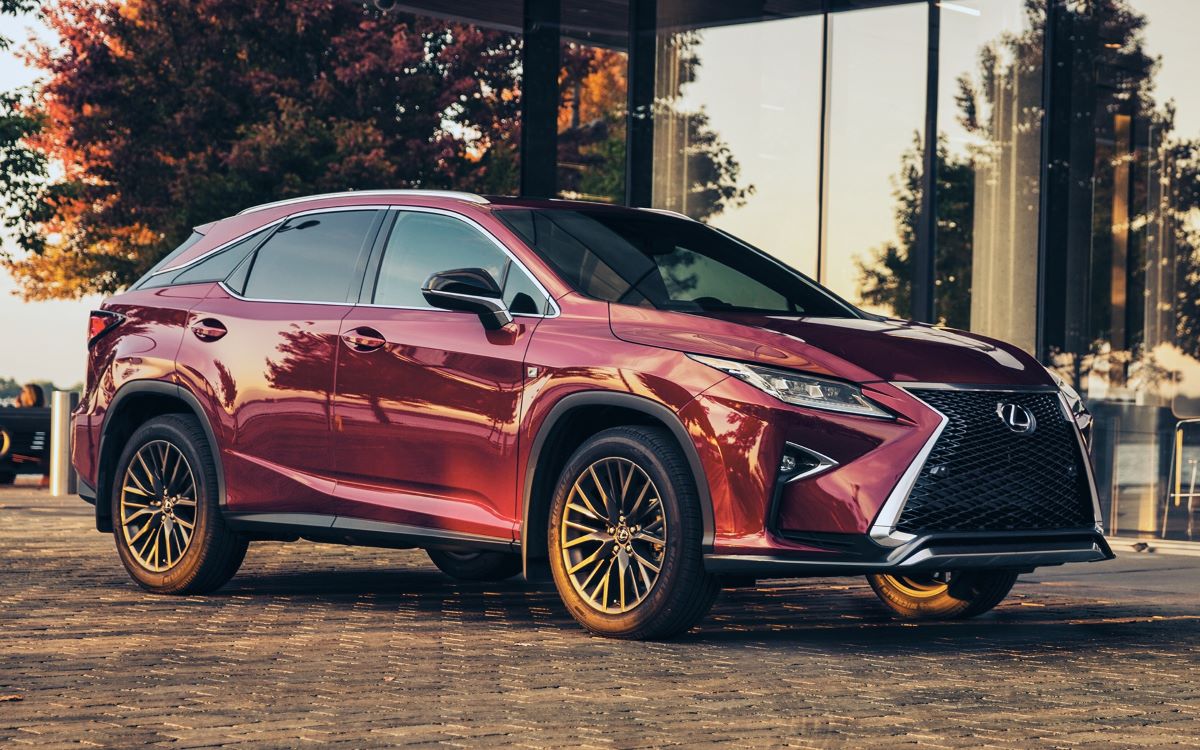
4. Lexus RX
The Lexus RX is a luxury SUV that manages to combine comfort, refinement, and mechanical durability, particularly in its wheel bearings.
Lexus engineers prioritize the use of premium materials, sealed bearing assemblies, and precise tolerances to ensure that these components withstand long-term use without producing noise or vibration.
Owners often report smooth operation and quiet performance well beyond 100,000 miles, a testament to the careful design of both the suspension and wheel bearing systems.
The RX’s bearings are designed to reduce friction and resist heat buildup, which are common causes of premature wear in less robust vehicles.
The smooth, quiet ride of the RX is enhanced by the reliability of these components, creating a consistent driving experience that remains comfortable even after years of heavy use.
A key factor in the RX’s wheel bearing longevity is the balance between vehicle weight, suspension design, and hub engineering. Lexus engineers distribute mass evenly and design the suspension to reduce stress on individual bearings.
Hub assemblies are paired with high-quality bearings that retain lubrication effectively, ensuring consistent operation even under load. This engineering reduces the likelihood of humming or howling noises, a problem that can emerge in vehicles with weaker bearing designs.
For luxury SUV owners, this translates to confidence in mechanical performance and a driving experience free from unpleasant sounds or vibrations.
The drivetrain of the RX also contributes to the durability of its wheel bearings. Shock absorption and vibration management are carefully integrated into the chassis, reducing the transfer of forces to the bearings during acceleration, braking, or cornering.
Even when the vehicle is fully loaded with passengers or cargo, the bearings maintain smooth rotation, demonstrating Lexus’s attention to detail in creating a reliable SUV.
Routine maintenance further ensures longevity, with inspections typically confirming that the bearings remain in excellent condition. The combination of careful engineering, high-quality materials, and preventive care enhances the RX’s long-term reliability and ownership satisfaction.
Resale value is another advantage of the RX’s reliable wheel bearings. Buyers recognize that this SUV rarely requires early bearing replacement, contributing to confidence in used models.
The combination of luxury, comfort, and mechanical durability makes the RX a strong contender for anyone seeking a premium SUV that maintains quiet, smooth operation over time.
By investing in a Lexus RX, drivers benefit not only from comfort and technology but also from the reassurance that key mechanical components, such as wheel bearings, are engineered to last.
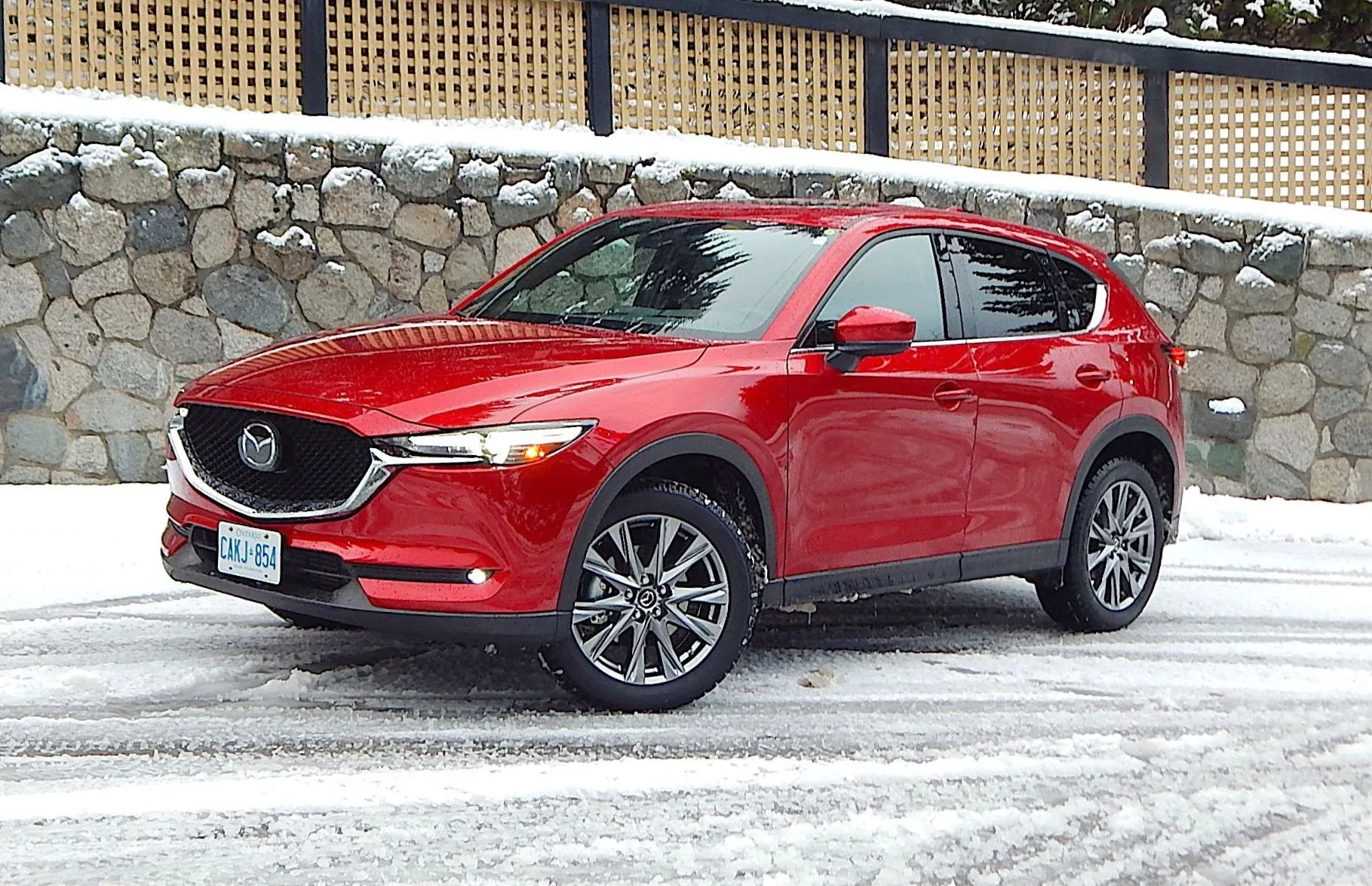
5. Mazda CX-5
The Mazda CX-5 blends driving enjoyment, style, and mechanical durability, making it an appealing choice for drivers seeking both performance and reliability. Its wheel bearings are a critical component of this balance, built using precision engineering, sealed assemblies, and high-quality materials.
Many CX-5 owners report minimal noise, smooth rotation, and consistent performance beyond 100,000 miles, even under demanding driving conditions.
The SUV’s suspension and weight distribution are carefully designed to minimize stress on individual bearings, which reduces the risk of early failure or vibration.
These characteristics make the CX-5 a reliable choice for daily commuting, long-distance travel, and occasional rough road use, ensuring consistent performance over years of ownership.
Mazda’s attention to engineering and material selection plays a significant role in the CX-5’s bearing longevity. Bearings are mounted in hubs that maintain lubrication and resist corrosion, protecting the assemblies from environmental factors such as water, dirt, and road chemicals.
The design ensures minimal friction and heat buildup, reducing the risk of humming or howling noises that often plague other SUVs around 50,000 miles.
Even under moderate load or during spirited driving, the bearings maintain smooth operation, contributing to a quiet and enjoyable ride. This focus on durability reflects Mazda’s commitment to providing vehicles that are both fun to drive and long-lasting.
The CX-5’s suspension geometry and chassis design also help prolong wheel bearing life. Engineers ensure even load distribution across all four corners of the vehicle, reducing lateral and torsional stress that could accelerate wear.
The vehicle’s moderate curb weight, combined with responsive suspension tuning, allows the bearings to function efficiently, preserving both smoothness and quiet operation.
Even in situations where the SUV is carrying passengers or cargo, the stress on each bearing remains manageable, ensuring predictable and stable performance. These engineering considerations highlight Mazda’s attention to reliability and long-term ownership satisfaction.
Finally, the CX-5 offers accessible maintenance and reasonable repair costs, which further enhance its appeal.
In the unlikely event that a wheel bearing requires replacement, parts are widely available, and most mechanics are familiar with the design. This reliability reduces ownership costs and reinforces the SUV’s reputation for durability.
By combining thoughtful engineering, quality components, and long-term performance, the Mazda CX-5 provides drivers with a vehicle that maintains quiet operation and dependable wheel bearing function over many miles, making it a strong contender in the compact SUV segment.
5 SUVs That Howl by 50,000 Miles
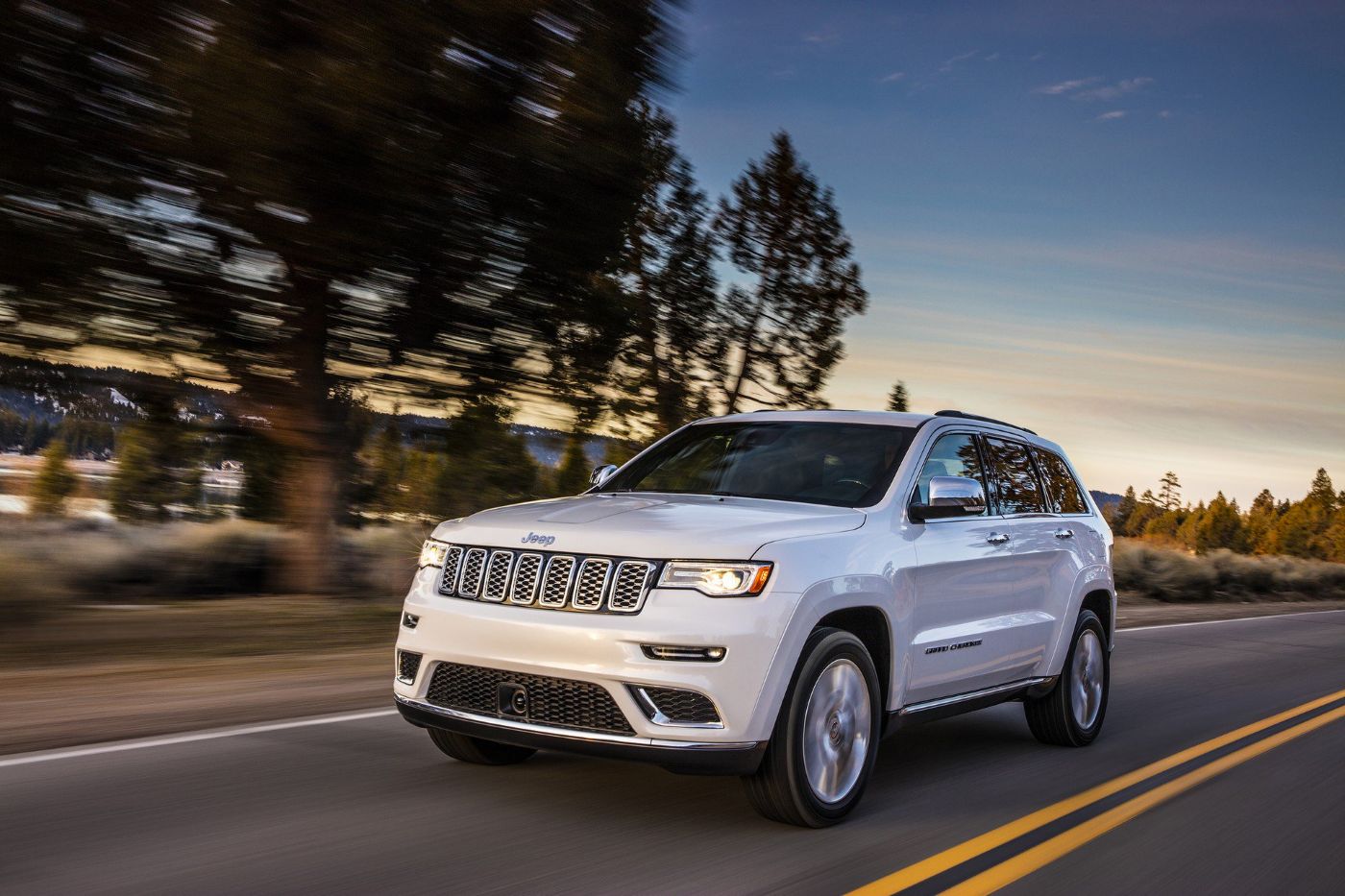
1. Jeep Cherokee
The Jeep Cherokee is widely appreciated for its off-road capabilities, rugged styling, and adventurous spirit, but many owners report wheel bearing issues that become noticeable around the 50,000-mile mark.
Unlike some competitors, the Cherokee’s wheel bearings are prone to early wear due to design choices that can expose the assembly to dirt, moisture, and road salt, especially in regions with harsh winters or muddy trails.
Over time, contaminants infiltrate the bearings, reducing lubrication efficiency and increasing friction. This often manifests as a noticeable humming or howling noise that grows louder with speed.
For drivers who frequently take the Cherokee off-road, or even navigate gravel roads and pothole-laden streets, the risk of premature bearing failure is higher, making it an area of concern for long-term ownership.
Several factors contribute to the Cherokee’s tendency toward early wheel bearing wear. The hub assemblies in some model years do not provide the same level of protection against debris as more robust designs, allowing water or grit to enter the bearing over time.
Additionally, the suspension geometry and weight distribution can place uneven loads on the front and rear bearings during cornering or heavy braking.
This concentration of stress accelerates wear and can cause vibration or noise that becomes apparent as early as 40,000 to 50,000 miles. Drivers may notice a progressive increase in noise while accelerating, turning, or driving at highway speeds, signaling that the bearings are losing their smooth operation.
Maintenance practices play a role, but in the Cherokee, even careful care may not fully prevent premature bearing issues. While regular inspections and cleaning of surrounding suspension components can slow wear, the design of the hub assembly itself can limit how long the bearings last.
Once the howling begins, replacement is often necessary to restore smooth operation. Replacement parts are generally available, but labor can be intensive because of the compact hub design and the integration of the bearing with the wheel assembly.
The combination of design vulnerabilities and stress concentration makes bearing longevity a common concern for Cherokee owners.
The early wheel bearing wear affects both driving comfort and resale value. Potential buyers are often wary of used Cherokees that have surpassed 50,000 miles without bearing replacement due to the associated cost and noise concerns.
For daily commuting or long-distance travel, a howling bearing can be distracting and reduce the vehicle’s refinement.
Jeep owners who are aware of this tendency often budget for bearing replacement earlier than they might for other SUVs, and it has become a known issue in owner forums and reliability reports.
Despite its many strengths, the Cherokee’s susceptibility to early wheel bearing noise is an important factor to consider for long-term ownership.
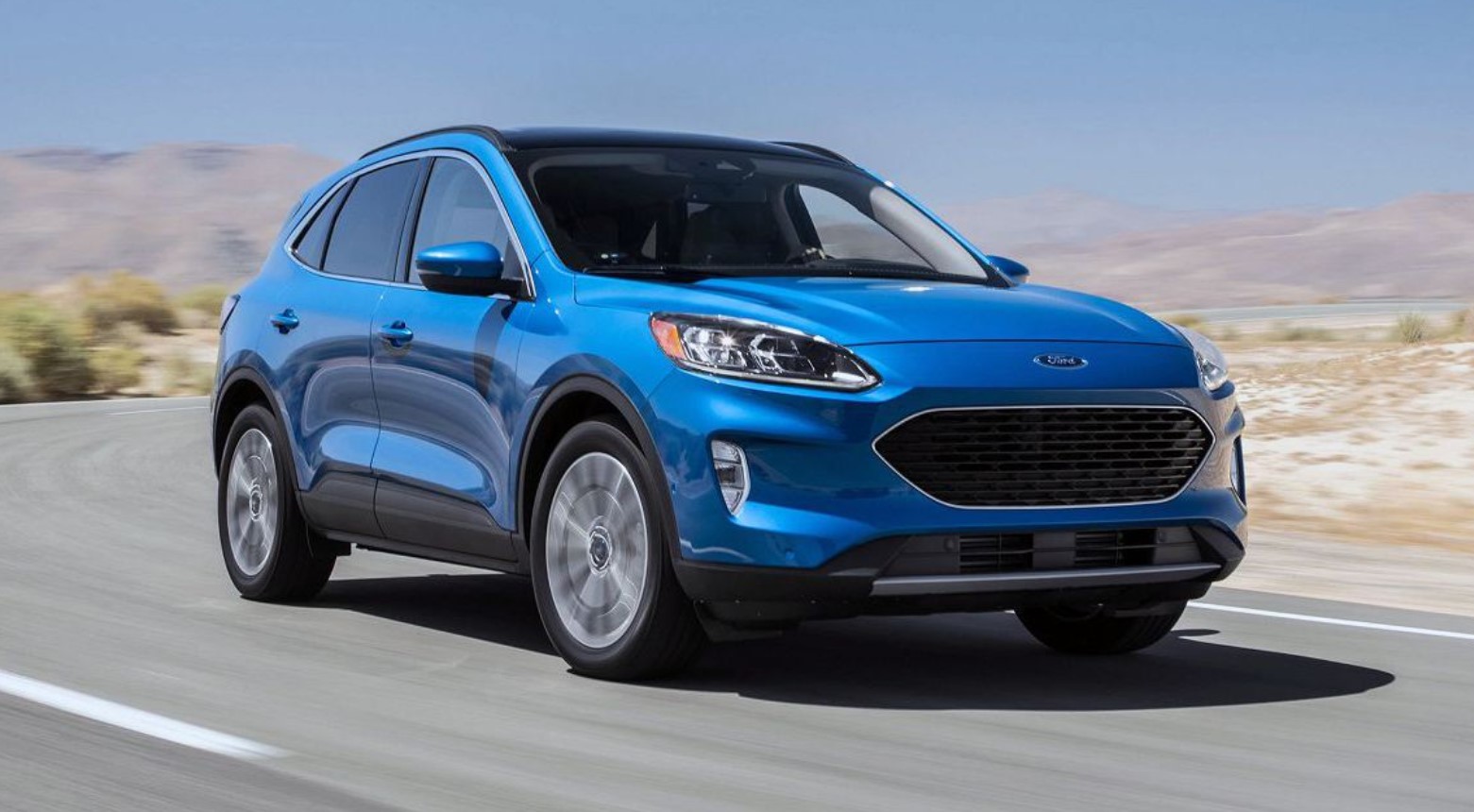
2. Ford Escape
The Ford Escape is a popular compact SUV offering modern features and a comfortable ride, but some model years have a reputation for wheel bearings that develop noise around 50,000 miles.
Owners frequently report a humming, growling, or howling sound coming from the wheels, which often worsens with speed and cornering.
The root cause lies in bearing design and materials, which in certain production years are less durable under continuous load and stress.
While the Escape provides a smooth ride initially, prolonged driving on highways, rough roads, or in wet conditions can accelerate wear. As the bearings degrade, they may affect steering feel, cause uneven tire wear, and reduce driving refinement.
Several design elements contribute to the Escape’s bearing challenges. The use of lighter materials in hub assemblies and bearings reduces vehicle weight and cost, but it also makes the components more susceptible to heat buildup and friction under heavy loads.
Combined with tight tolerances and limited protection from water or debris, these bearings are more likely to experience early wear compared to more robust designs.
The vehicle’s front-wheel-drive bias also concentrates forces on the front bearings, particularly during acceleration and braking. Drivers may notice a progressive change in wheel noise during routine driving, signaling that the bearings are nearing the end of their functional life.
While maintenance such as keeping tires properly aligned and rotating them regularly, can extend bearing life, it cannot fully compensate for the underlying design limitations. Once the howling noise appears, it is typically a clear sign that the bearings need replacement.
Repair involves removing the wheel hub assembly, which can be labor-intensive and sometimes costly depending on the model year. Replacement bearings are widely available, but the inconvenience and expense associated with early failure are significant for owners who expect durability in a compact SUV.
The impact of early wheel bearing wear on driving experience and ownership satisfaction is substantial. A howling bearing can make the Escape less enjoyable for long trips or highway driving, and it can also influence resale value.
Buyers often prefer models that do not have early mechanical issues, making the Escape’s bearing reputation a consideration when evaluating used vehicles.
For those who prioritize quiet operation and long-term reliability, the Escape requires careful inspection and planning for bearing replacement around the 50,000-mile threshold.
3. Chevrolet Equinox
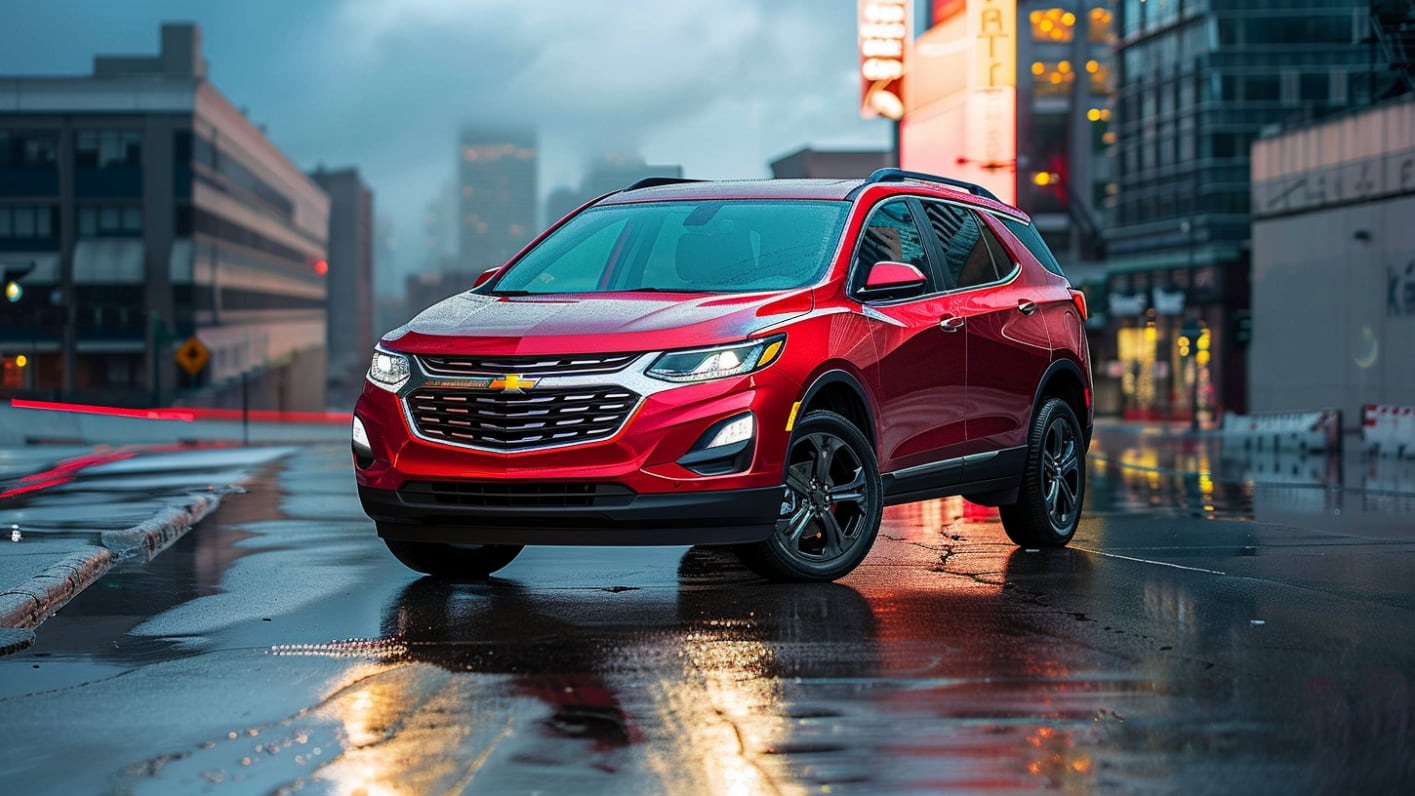
The Chevrolet Equinox is a versatile and widely sold SUV, but several model years experience wheel bearing issues that can become apparent by 50,000 miles. Many owners report a distinctive howling or humming noise, particularly during acceleration or highway driving.
The problem often arises from bearing design and material choices that, while cost-effective, offer limited protection against environmental contaminants.
Road salt, mud, and moisture can penetrate the hub assembly, diminishing lubrication and accelerating friction. The resulting wear produces vibration, noise, and sometimes even affects steering precision, making early attention to wheel bearings essential for continued driving comfort and vehicle safety.
A combination of hub design and suspension geometry contributes to premature bearing wear in the Equinox. Bearings are mounted in assemblies that can allow minor debris infiltration, and lateral forces during cornering or braking can place uneven stress on the bearings.
This repeated stress leads to gradual deterioration, which manifests as the characteristic howling noise around the 50,000-mile mark.
The vehicle’s relatively front-heavy layout also places additional load on the front wheel bearings, contributing to faster degradation compared to the rear. Many owners report that the noise appears even with careful driving, suggesting that the design itself is a primary factor.
Routine maintenance such as wheel alignment, rotation, and periodic inspection can delay, but not fully prevent, the onset of noise. Once the bearing begins to howl, replacement is generally required to restore quiet operation.
Repair involves removal of the hub assembly, which can be labor-intensive depending on the model year.
Replacement parts are generally accessible, but the expense and inconvenience make it a noteworthy concern for long-term owners. Preventive maintenance may extend bearing life, but the Equinox’s design still places it at risk for early issues.
The consequences of early wheel bearing wear extend to driving comfort, safety, and resale value. A howling bearing can cause a constant background noise, reduce steering precision, and create an uneven ride.
Used vehicle buyers are often cautious of Equinox models that have exceeded 50,000 miles without bearing replacement, reducing resale appeal.
Owners who are aware of this tendency often budget for early service or inspection to maintain vehicle performance and comfort. Despite being a practical and widely used SUV, the Equinox’s wheel bearing reliability is a weakness that prospective buyers and current owners need to consider carefully.
4. Nissan Rogue
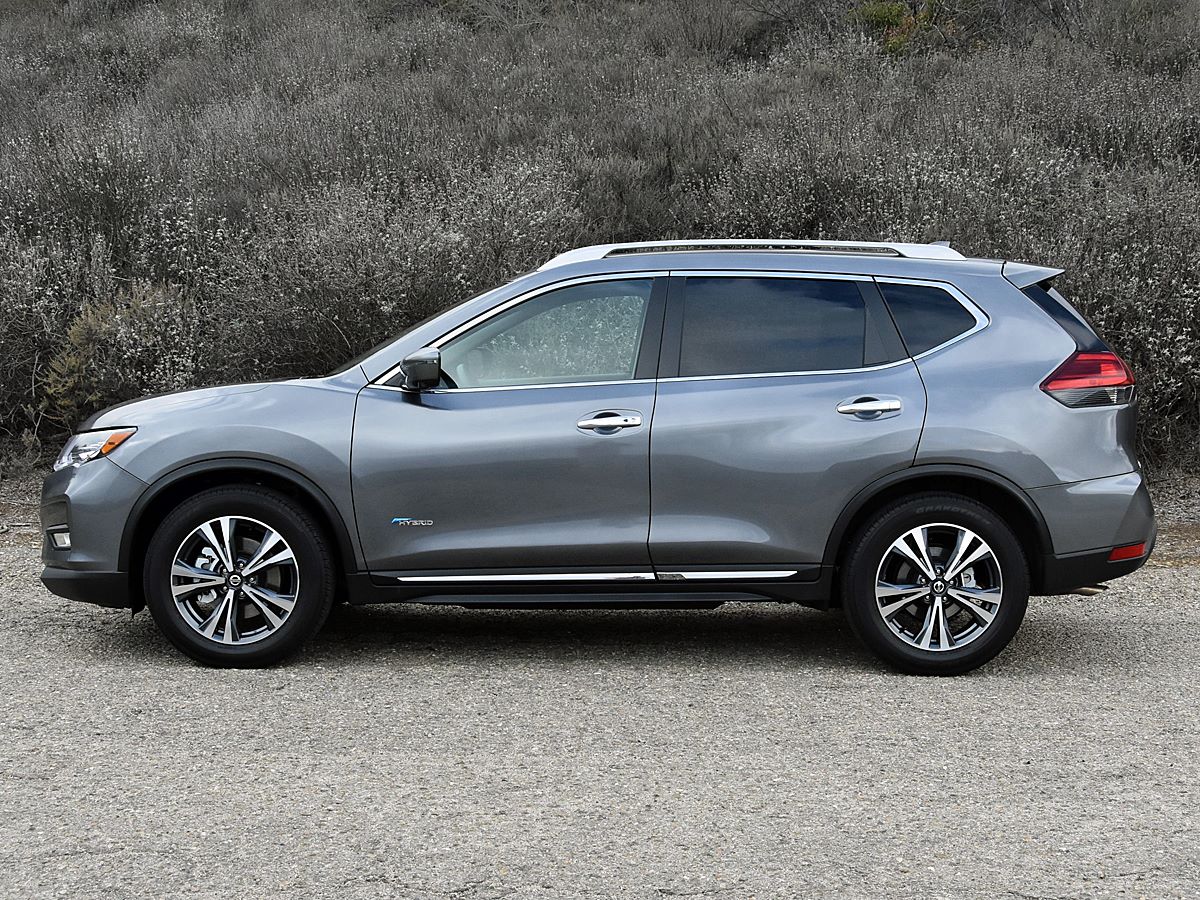
The Nissan Rogue offers a spacious cabin and modern features, but several model years exhibit wheel bearings that fail sooner than expected, often around 50,000 miles. Owners frequently report humming or howling noises, particularly during acceleration, deceleration, or highway driving.
The issue can arise from bearing design, material selection, and hub assembly construction, which are prone to heat buildup and wear under prolonged load.
Road conditions, climate, and driving habits can exacerbate the problem, as the bearings are less resistant to moisture, dirt, and grit compared to more robust designs. Once the noise develops, it typically persists and may worsen over time, indicating that replacement is required.
The Rogue’s front-heavy layout and front-wheel-drive bias place additional stress on the front bearings. Combined with hub assemblies that provide limited shielding from debris, this design contributes to accelerated wear.
Owners often notice the noise as a high-pitched howl or growl at highway speeds or while turning, which can be concerning for those expecting long-term mechanical reliability. Even cautious driving cannot fully mitigate the risk because the bearing design itself is a limiting factor.
Maintenance practices such as wheel alignment, tire rotation, and periodic inspection help preserve bearing life, but they cannot prevent the inevitable wear caused by inherent design vulnerabilities.
When the howling begins, replacement bearings and hub assemblies restore smooth operation and quiet driving, though the service can be costly and time-consuming. Owners often share experiences online, highlighting that the Rogue requires attention to wheel bearing longevity earlier than some competitors.
Early wheel bearing issues in the Rogue impact comfort, driving confidence, and resale potential. A continuous howling noise can make the vehicle feel less refined, especially for highway or long-distance driving.
Used vehicle buyers are wary of models nearing or surpassing 50,000 miles without bearing replacement. For owners seeking a smooth and quiet SUV experience, the Rogue’s wheel bearing tendency is an important consideration, influencing both ownership costs and long-term satisfaction.
5. Hyundai Tucson
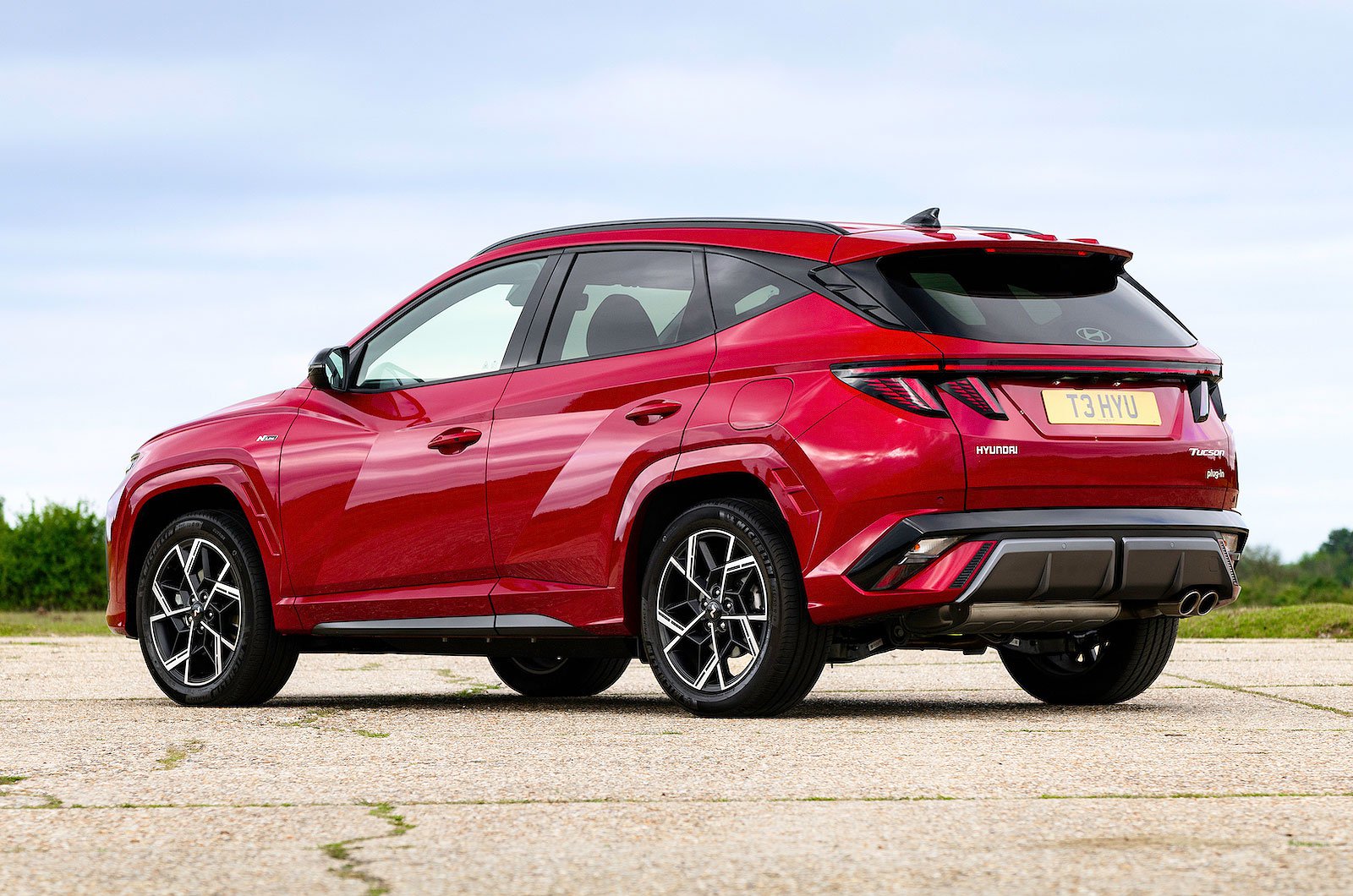
The Hyundai Tucson is a stylish and well-equipped compact SUV, but certain model years experience wheel bearing noise as early as 50,000 miles. Owners often report humming, growling, or howling sounds that increase with speed or during turns.
The underlying causes include bearing design and materials that are more prone to wear under continuous load, limited hub sealing against contaminants, and suspension geometry that can place uneven stress on the bearings.
While the Tucson performs reliably in most areas, its wheel bearings are a weak point that can reduce driving comfort and require attention much sooner than more durable competitors.
Several factors accelerate bearing wear in Tucson. The combination of a front-heavy layout, limited hub sealing, and repeated lateral forces during cornering and braking can generate stress concentrations that degrade bearings more quickly.
Moisture, road salt, and dirt infiltration can exacerbate the issue, leading to friction, heat buildup, and early noise development.
Many owners report the onset of a high-pitched howl or growl at highway speeds, signaling that the bearing is nearing the end of its serviceable life. This can occur even with moderate driving habits, emphasizing that design rather than driving style is often the determining factor.
Preventive maintenance can slow, but not eliminate, premature bearing wear. Regular tire rotation, alignment checks, and inspection of surrounding suspension components can reduce uneven load and prolong operational life.
However, once the howling noise develops, replacement of the wheel bearings or hub assemblies is generally required to restore quiet operation. Labor and parts costs vary depending on the model year, but the inconvenience of early failure is a consistent concern among Tucson owners.
