
When it comes to sport utility vehicles, not all SUVs are created equal. One of the most critical aspects for anyone who plans to take their vehicle off paved roads is the underbody protection. This factor often defines how capable a vehicle is in rough terrain, rocky paths, or uneven trails.
Some vehicles come equipped with genuine metal skid plates and reinforced components that can withstand heavy impacts and protect vital mechanical systems.
Others have plastic or composite panels that offer minimal protection, serving mostly aesthetic purposes or light-duty guard roles. For drivers who are serious about off-road adventures, understanding the difference between these two approaches can prevent costly repairs and, in some cases, keep passengers safe.
Beyond the physical protection, the type of underbody shielding also influences the vehicle’s weight, handling, and even fuel efficiency. Metal plates add robustness but may slightly increase weight, while plastic shields are lighter but offer only limited resistance to impacts.
Another consideration is the approach manufacturers take toward marketing their SUVs. Some vehicles are advertised as “off-road ready” but include only cosmetic plastic panels that cannot truly defend the transmission, fuel tank, or oil pan during serious off-road excursions.
Conversely, true off-road-oriented vehicles often feature skid plates that are thick, strategically positioned, and designed to bear the brunt of impacts without deforming.
These differences can also influence resale value, as vehicles with genuine underbody protection often hold appeal among enthusiasts who demand rugged reliability.
Additionally, maintenance is affected, since damage to a plastic panel may be inexpensive but repeated repairs to mechanical components without protection can be costly.
Choosing the right SUV requires awareness of the terrain it will encounter, the level of risk the driver is willing to accept, and the type of protection installed beneath the vehicle.
The discussion around underbody protection also extends to safety and longevity. Vital components like the oil pan, transfer case, fuel lines, and exhaust system are vulnerable to sharp rocks, debris, and uneven surfaces.
Skid plates that are made of steel or aluminum can absorb impacts and prevent punctures, whereas plastic shields may crack or deform on the first significant obstacle.
Beyond direct damage, repeated exposure to debris without adequate protection can lead to corrosion or accelerated wear on mechanical systems.
Understanding this distinction helps consumers make more informed decisions and aligns expectations with performance. It is also worth noting that some SUVs with plastic skid plates are still suitable for light off-road use, such as dirt roads or occasional trails, but they are not built to withstand more extreme conditions.
This article will examine ten SUVs divided into two categories: five vehicles with real underbody protection and five vehicles with primarily plastic skid plates. Each vehicle will be discussed in terms of its design philosophy, performance potential, and the type of terrain it is best suited for.
By highlighting the differences between robust metal plates and lighter plastic shields, readers will gain insight into how underbody protection contributes to the capability, durability, and practicality of SUVs.
The goal is to provide a clear understanding of what constitutes real underbody protection and why it matters, especially for off-road enthusiasts, adventure travelers, or anyone seeking a vehicle capable of enduring rough conditions while minimizing the risk of mechanical damage.
SUVs With Real Underbody Protection
1. Toyota Land Cruiser
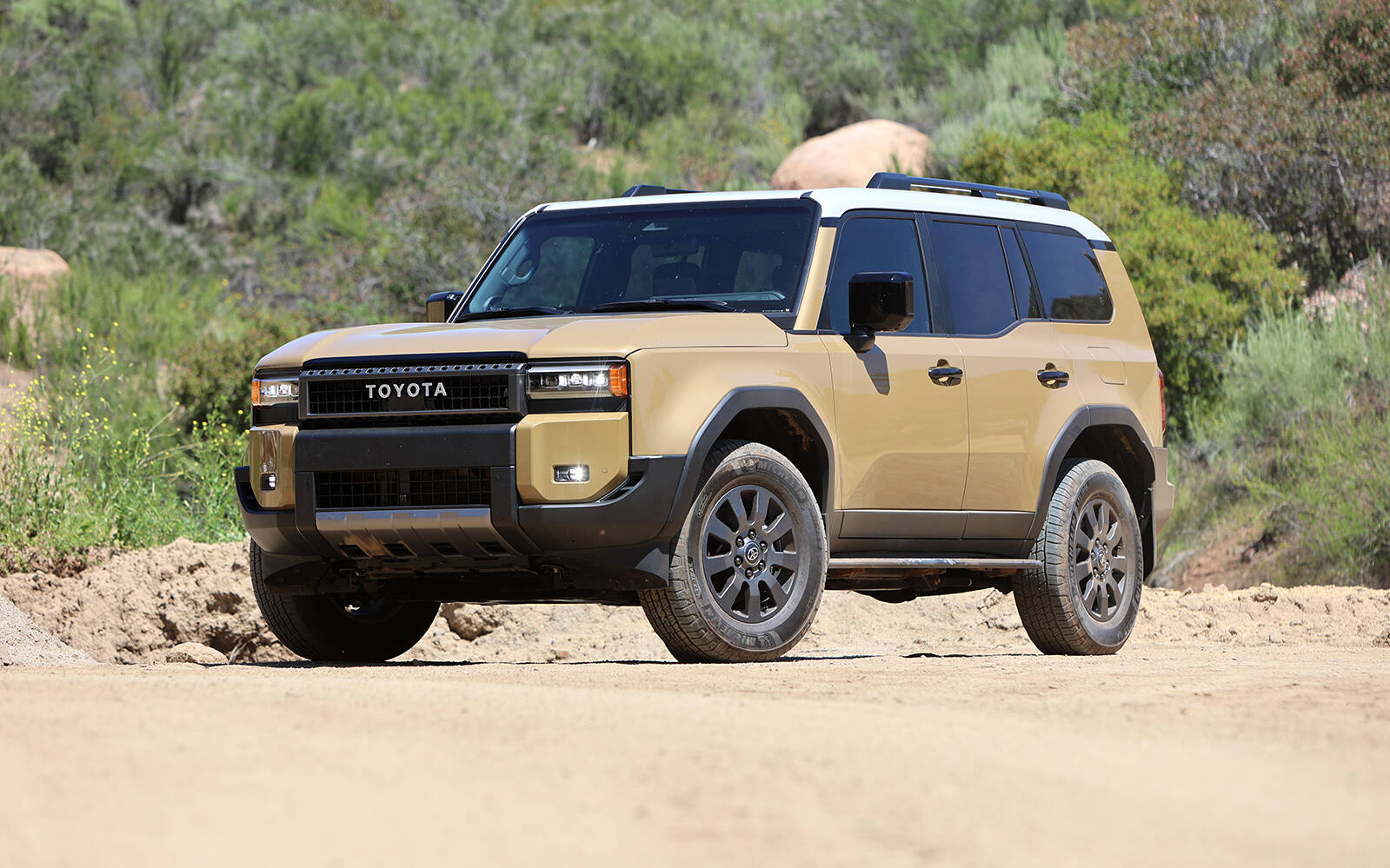
The Toyota Land Cruiser has long been regarded as one of the most reliable and capable off-road vehicles, and a large part of this reputation comes from its underbody protection.
Steel skid plates protect key areas such as the engine, transfer case, fuel tank, and transmission, allowing the vehicle to traverse rocky terrain, riverbeds, and uneven surfaces without risking severe damage.
These plates are engineered not only to absorb impacts but also to redirect force across a broader area of the chassis. This ensures that rocks, tree stumps, and other obstacles do not concentrate stress in a single point, which could otherwise result in costly repairs or mechanical failure.
The Land Cruiser’s underbody protection is integrated into the vehicle’s frame, forming a protective cage that enhances durability even under extreme conditions, including desert trails and mountainous terrain.
Additionally, the Land Cruiser’s design goes beyond simple coverage. Its suspension arms, differential housings, and exhaust components are deliberately positioned and shielded to reduce exposure to harmful debris.
The vehicle’s off-road geometry, combined with skid plates, allows rocks and branches to slide underneath rather than colliding with vulnerable components.
The careful positioning of these plates also prevents snagging, which is particularly important when traversing tight trails where obstacles are unpredictable.
The combination of robust materials, intelligent placement, and thoughtful chassis design gives the Land Cruiser a level of resilience that few vehicles can match, making it an enduring favorite among explorers who regularly push the limits of terrain.
Maintenance and serviceability are key strengths of the Land Cruiser’s underbody setup. Skid plates are bolted in accessible locations, allowing for inspection, cleaning, or replacement without needing specialized tools or equipment.
This is a crucial feature for vehicles frequently used in remote locations where professional assistance may not be available.
The steel construction ensures long-term reliability, reducing the frequency of replacement compared to plastic alternatives, and the durability of these plates enhances safety by shielding vital components from potentially catastrophic damage.
Owners benefit from peace of mind knowing that the underbody is prepared for extreme conditions, whether navigating rocky outcrops or muddy, waterlogged paths.
Finally, the Land Cruiser achieves a balance between protective functionality and everyday drivability. The addition of robust skid plates slightly increases weight, but Toyota has engineered the chassis and suspension to compensate, maintaining on-road handling and ride comfort.
The vehicle delivers a commanding presence on highways and city streets while remaining capable of tackling serious off-road challenges. This dual-purpose design makes the Land Cruiser suitable for adventurous travelers who demand both everyday reliability and rugged off-road performance.
The vehicle’s comprehensive underbody protection has contributed significantly to its reputation as one of the most dependable SUVs available for off-road enthusiasts worldwide.
2. Jeep Wrangler Rubicon
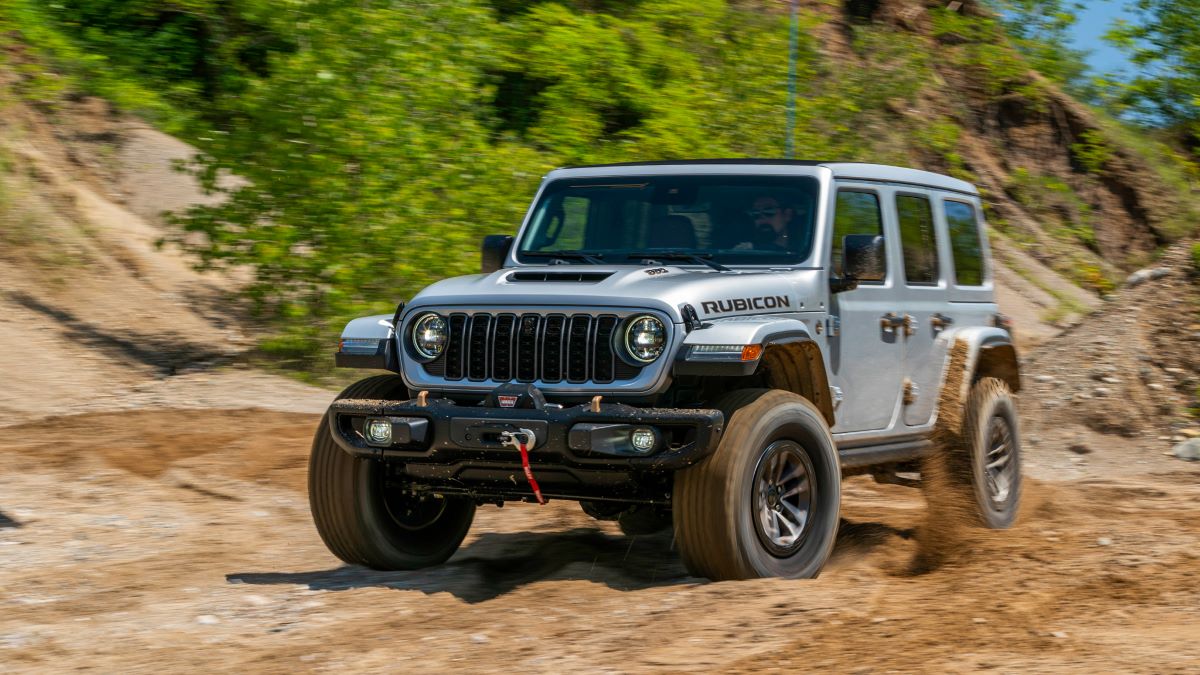
The Jeep Wrangler Rubicon is widely recognized as one of the most capable off-road vehicles available, and its underbody protection plays a central role in this reputation. Unlike vehicles with cosmetic plastic shields, the Rubicon includes thick steel skid plates covering the engine, transmission, transfer case, and fuel tank.
These plates are designed to withstand repeated impacts from rocks, roots, and uneven terrain, allowing drivers to tackle difficult trails with confidence.
The steel plates not only absorb force but also help distribute it across the chassis, minimizing the likelihood of damage to essential mechanical systems. This level of protection is critical for off-road enthusiasts who regularly navigate challenging environments, including rock gardens, deep mud, and steep inclines.
The Wrangler Rubicon’s off-road design extends beyond skid plates. Its high ground clearance, solid axles, and reinforced suspension components complement the skid plates to create a holistic system that can endure rigorous use.
When the vehicle encounters obstacles, the plates help ensure that force is distributed away from critical systems, while the suspension maintains wheel contact for traction.
The positioning and thickness of the skid plates reflect Jeep’s off-road engineering philosophy, emphasizing durability and functionality. This makes the Rubicon not only capable of handling extreme trails but also resilient against repeated punishment that might immobilize less-protected vehicles.
Maintenance and accessibility are additional advantages. The skid plates are bolted securely in place, allowing for easy inspection, cleaning, and replacement when necessary.
This practicality is important for vehicles that frequently encounter mud, sand, and rocks, as owners can prevent buildup and ensure continued protection without extensive labor.
Steel construction reduces deformation and wear, unlike plastic panels that may crack or warp under stress. The durability and ease of maintenance allow the Rubicon to maintain consistent performance over years of rigorous off-road use, making it a reliable choice for drivers who demand dependable protection.
The skid plates also enhance driver confidence and safety. When navigating unpredictable terrain, knowing that the engine, transfer case, and fuel system are shielded reduces the stress of potential obstacles.
The combination of steel skid plates, high ground clearance, and reinforced suspension ensures that the Rubicon can tackle extreme off-road conditions while maintaining stability and control.
This level of protection, integrated with the vehicle’s off-road capabilities, has established the Rubicon as a benchmark for rugged SUVs designed for adventure and exploration.

3. Land Rover Defender
The Land Rover Defender combines luxury and ruggedness, and its underbody protection is an integral part of its off-road capability. Earlier models featured steel skid plates beneath the engine and transmission, while modern versions include reinforced aluminum or steel panels that continue to safeguard vital components.
These plates allow the Defender to navigate rough trails, mud, and rocky surfaces without risking damage to the engine, fuel tank, or transfer case.
The underbody protection is carefully engineered to integrate with the vehicle’s chassis, creating a durable system that distributes impacts and enhances structural rigidity during demanding off-road maneuvers.
The Defender’s suspension and underbody are designed to work in tandem with the skid plates. Critical components such as differential housings, fuel lines, and exhaust systems are shielded while maintaining clearance to pass over obstacles.
The plates are contoured to deflect rocks and debris, preventing accumulation that could lead to corrosion or compromised performance.
Drivers appreciate that the Defender’s underbody protection supports extended off-road expeditions without frequent damage, allowing the vehicle to maintain consistent performance in remote or challenging environments.
Maintenance and serviceability are simplified with easily removable plates, allowing inspection, cleaning, and replacement without excessive effort. The robust steel or aluminum construction ensures that the skid plates remain effective under repeated impacts, unlike plastic panels that can crack or warp.
The Defender’s combination of durable materials and thoughtful design increases the vehicle’s lifespan and reduces the likelihood of unexpected mechanical failures, which is especially important for long-distance or remote travel.
Finally, the Defender balances robust off-road protection with everyday usability. While steel or aluminum skid plates add weight, the vehicle’s design compensates through reinforced suspension and a durable chassis, maintaining comfort and control on paved roads.
This balance allows the Defender to remain versatile, performing well in urban settings and highways while still being fully capable of traversing severe off-road conditions.
The combination of luxury, capability, and real underbody protection ensures that the Defender remains a trusted choice for drivers who require both rugged reliability and practical daily usability.
4. Toyota 4Runner TRD Pro
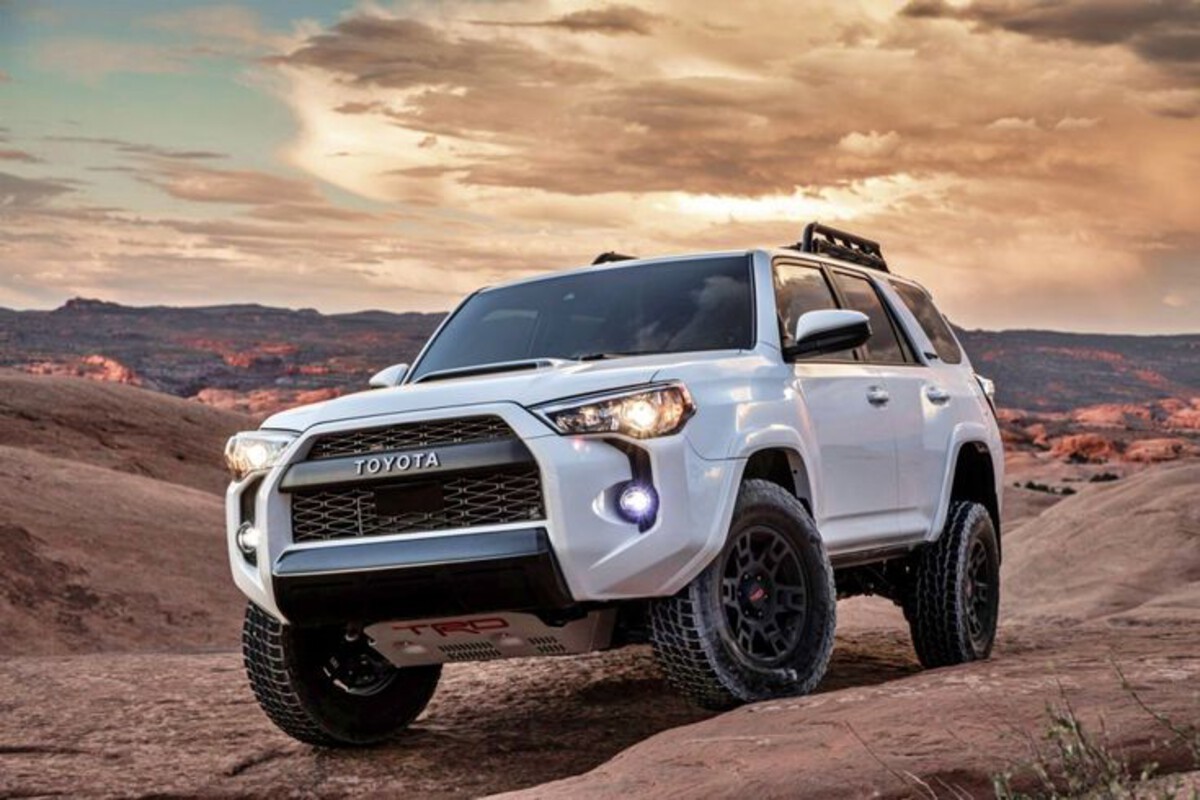
The Toyota 4Runner TRD Pro is designed for off-road performance, and its underbody protection is a critical component of its capability. Unlike base 4Runner models, the TRD Pro features steel skid plates covering the engine, transfer case, and fuel tank, which provide significant impact resistance on rough trails.
These plates are engineered to prevent damage from rocks, stumps, and uneven terrain, allowing the TRD Pro to traverse more extreme environments with confidence.
The combination of high-quality materials, thoughtful placement, and structural integration into the chassis enhances both durability and reliability for adventurous driving.
The underbody protection is complemented by a suspension system optimized for off-road use. The TRD Pro features reinforced crossmembers, upgraded shocks, and a body-on-frame construction that works with the skid plates to absorb impacts and maintain stability.
Skid plates are strategically positioned to redirect forces away from sensitive components, ensuring that mechanical systems remain intact even when encountering obstacles that would damage vehicles with only plastic protection. This design philosophy makes the TRD Pro a reliable choice for challenging trails and extended off-road excursions.
Maintenance and durability are additional advantages. The skid plates are bolted in place for easy removal during inspections or cleaning, which is important after traversing muddy or debris-filled terrain.
Steel construction ensures minimal deformation under repeated impacts, extending the life of the plates and protecting the underlying components.
This level of reliability is particularly valuable for drivers who regularly explore remote areas, where access to repair facilities may be limited.
Finally, the 4Runner TRD Pro achieves a balance between off-road protection and everyday drivability. While steel skid plates increase vehicle weight slightly, the suspension and chassis are tuned to maintain comfort and handling on highways and city streets.
This dual-purpose design allows drivers to enjoy both rugged off-road adventures and practical daily use. The combination of real skid plates, reinforced suspension, and body-on-frame construction positions the TRD Pro as a highly capable SUV for drivers who demand reliable protection and off-road performance.
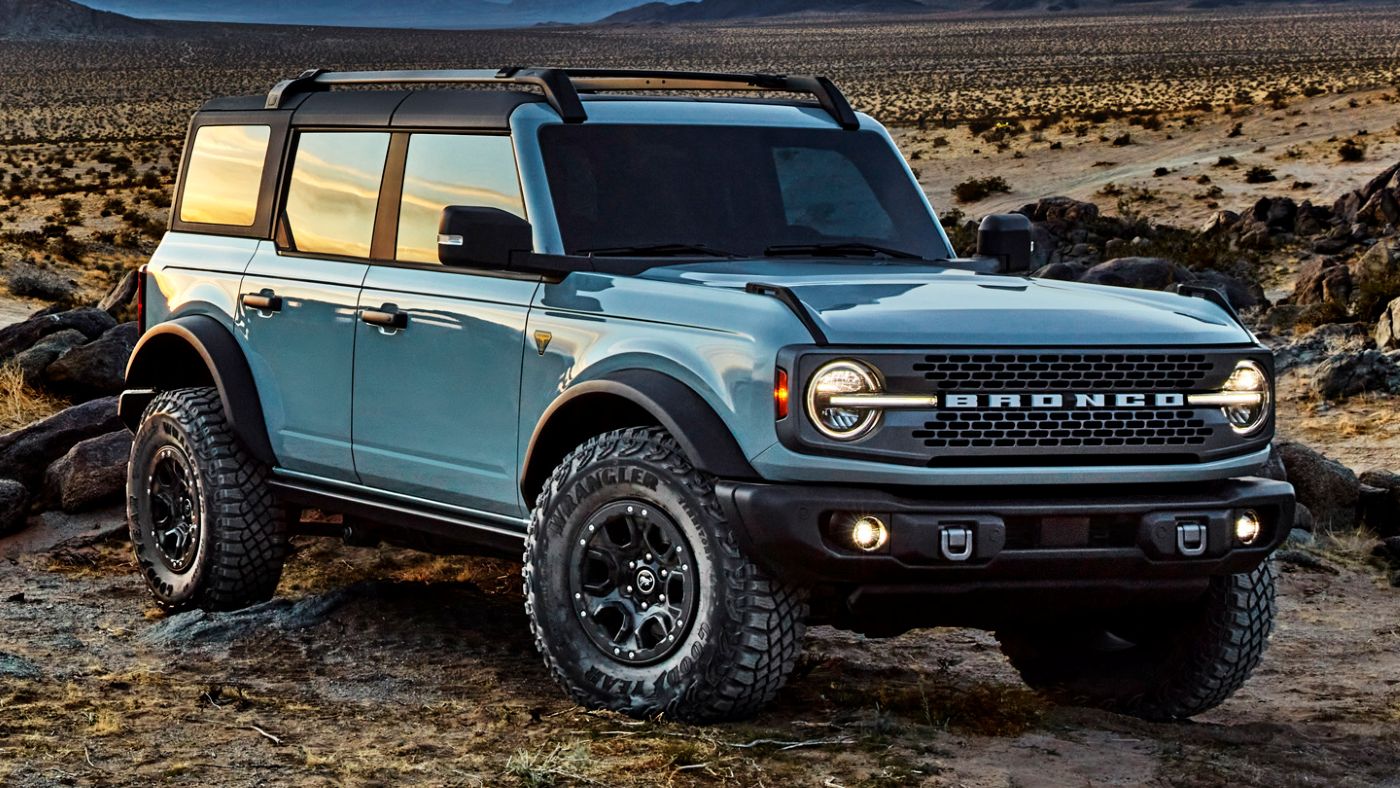
5. Ford Bronco (4×4 Models)
The Ford Bronco, particularly in its four-wheel-drive configurations, is engineered for serious off-road performance, and its underbody protection is a key feature in this capability.
Steel skid plates protect critical components, including the engine, transmission, transfer case, and fuel tank, allowing the vehicle to navigate rocky terrain, muddy trails, and water crossings without risking damage.
These plates are thick, strategically mounted, and designed to absorb and distribute impact forces across the frame, minimizing the likelihood of punctures or deformation. This approach is crucial for off-road enthusiasts who frequently drive in challenging and unpredictable environments.
The Bronco’s suspension and frame are built to complement the skid plates. Reinforced suspension components, high ground clearance, and strong axles work together to ensure that obstacles are managed efficiently.
Skid plates not only protect key components but also help redirect rocks and debris away from vulnerable areas, improving the vehicle’s durability and resilience. This combination of design features allows the Bronco to tackle demanding off-road terrain while maintaining stability, traction, and control.
Maintenance is straightforward, as the skid plates are mounted with accessible bolts and constructed from durable steel.
Unlike plastic panels, they do not crack or warp easily, and they can endure repeated impacts without losing effectiveness. This ensures consistent protection over time, even with heavy use on rugged trails.
Drivers can rely on the Bronco’s underbody protection to minimize damage and reduce the need for costly repairs, making it a practical choice for those who frequently engage in off-road adventures.
Finally, the Bronco balances underbody protection with everyday usability. While the steel plates add some weight, the vehicle maintains acceptable fuel efficiency, handling, and comfort for on-road driving.
The combination of robust underbody protection, reinforced suspension, and off-road-focused engineering ensures that the Bronco is capable of extreme off-road performance without sacrificing the practicality needed for daily driving.
This makes the Bronco a compelling choice for drivers seeking a versatile SUV that can handle serious off-road challenges while remaining usable in urban and suburban environments.
SUVs With Plastic Skid Plates
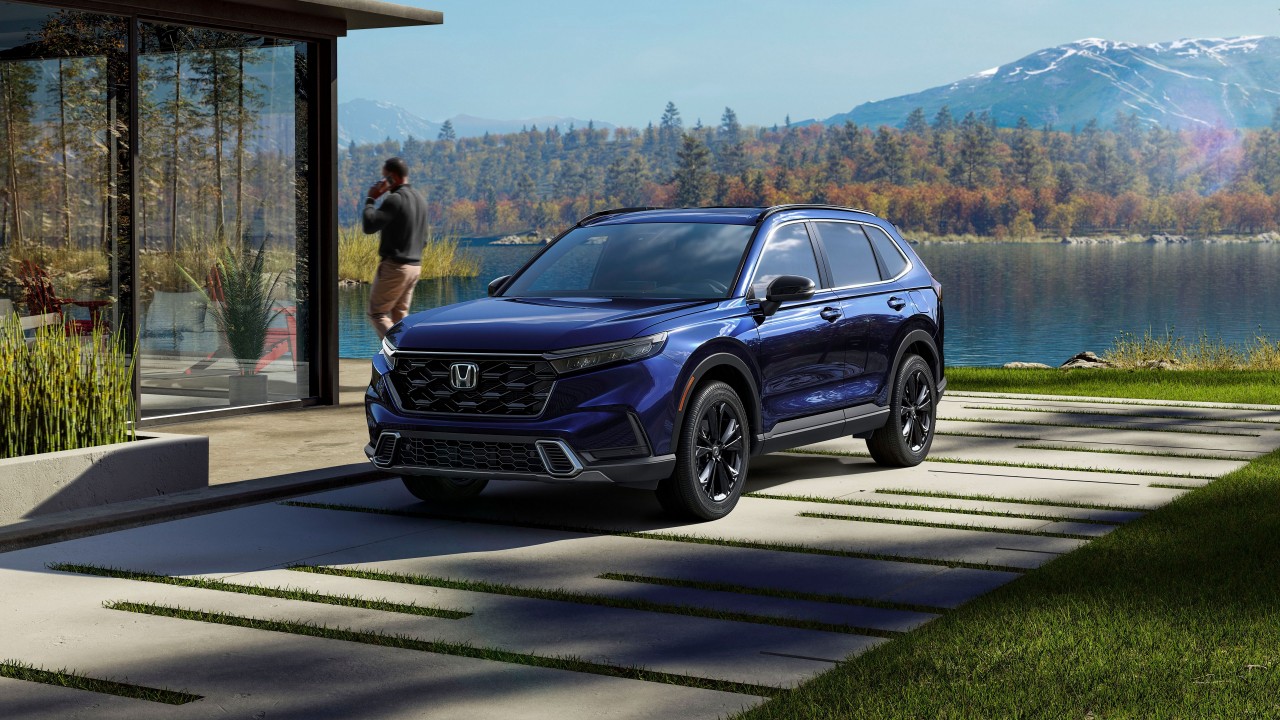
1. Honda CR-V
The Honda CR-V is a highly popular compact SUV, primarily designed for urban and light off-road use. While it offers some underbody protection, much of this protection comes in the form of plastic skid panels rather than steel.
These plastic shields cover the engine, transmission, and other mechanical components, providing a basic barrier against minor impacts such as gravel, small rocks, or debris from paved and lightly unpaved roads.
They help reduce cosmetic damage and protect against light scratches, but are generally not capable of absorbing serious impacts from larger rocks, deep ruts, or rugged trails. Plastic skid plates serve a mostly preventative role, aimed at everyday driving rather than extreme off-road excursions.
The plastic skid panels on the CR-V are lightweight and designed to improve fuel efficiency and reduce vehicle weight. While this is advantageous for city driving and highway use, it comes at the expense of real protective strength.
When encountering severe obstacles, the plastic panels can crack, warp, or break, leaving critical components exposed. Additionally, the panels offer limited impact distribution, so a concentrated force from a large rock or steep ledge could transfer directly to the engine or transmission.
This makes the CR-V suitable for light trail use or gravel paths but unsuitable for more challenging off-road conditions where steel skid plates would provide significant protection.
Maintenance and repair for the CR-V’s plastic underbody panels is generally straightforward but limited in terms of durability. Plastic panels are often held in place with clips or simple screws, making them easy to remove for inspection, oil changes, or cleaning.
However, once damaged, replacement can be frequent and may be less cost-effective over the long term compared to steel skid plates.
Furthermore, plastic panels are more prone to wear and degradation from exposure to UV light, heat, and cold, which can cause brittleness and reduce their protective capability over time.
The CR-V’s plastic skid plates strike a balance between basic underbody protection and efficiency, focusing on everyday practicality rather than serious off-road durability.
While they help prevent minor damage from road debris and shallow trails, drivers should be aware that these panels are not engineered to withstand heavy impacts or aggressive off-road conditions.
For most urban and suburban users, this level of protection is sufficient, but those seeking extensive off-road capability may find the plastic skid plates inadequate.
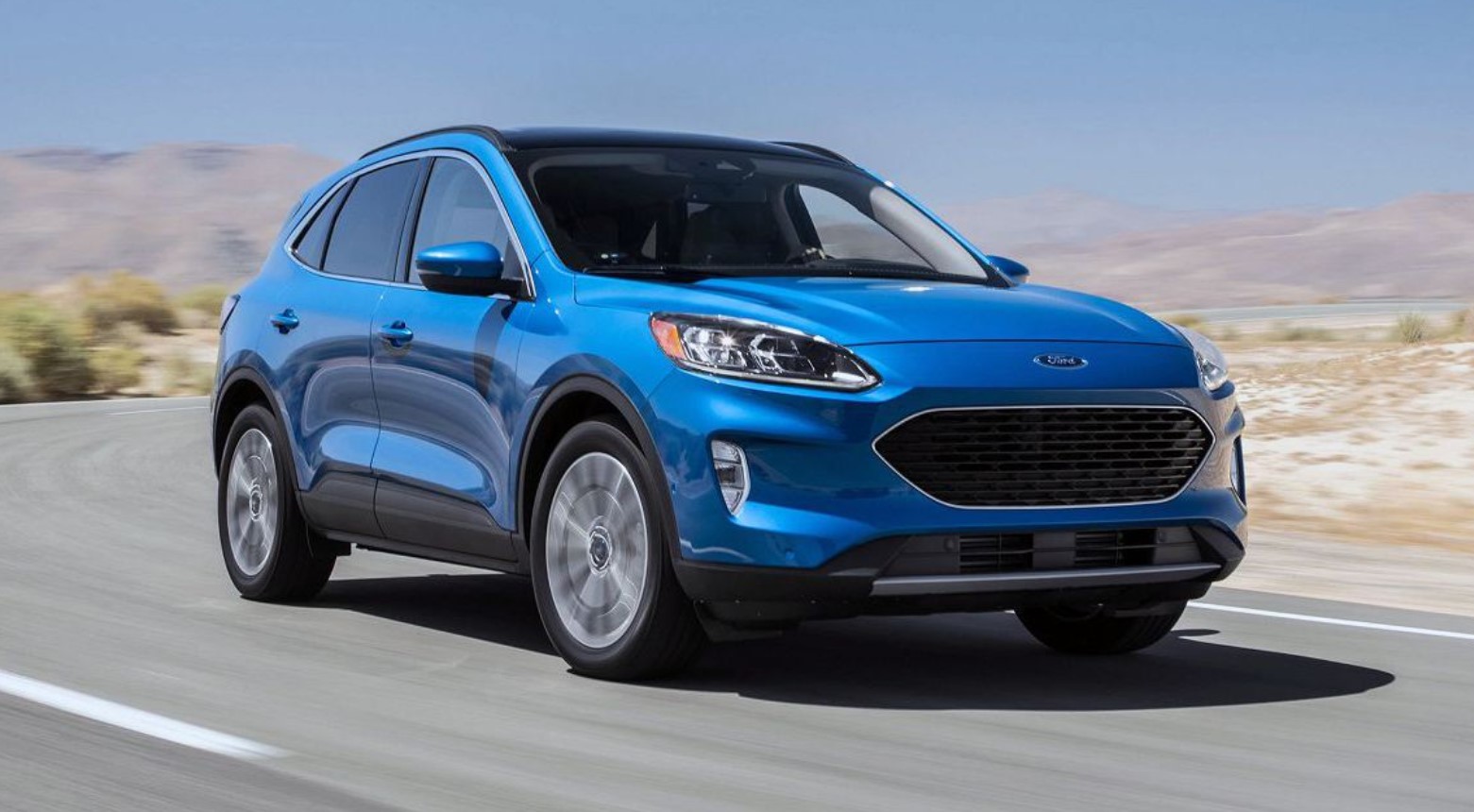
2. Ford Escape
The Ford Escape is another compact SUV that incorporates plastic skid plates beneath key components, providing lightweight protection for the engine and transmission. These plastic shields are intended to prevent minor damage from road debris, small stones, or uneven surfaces.
While they serve a practical purpose for improving everyday durability, they do not offer the same resistance to serious impacts as steel skid plates found on more rugged SUVs.
The Escape is designed primarily for city and highway driving, with occasional light off-road use, so the plastic panels reflect a compromise between protection, weight, and cost.
The Escape’s underbody design focuses on efficiency and ease of assembly. Plastic panels are molded to fit around essential components, offering coverage without adding significant mass. This design reduces vehicle weight, improving fuel efficiency and handling.
However, plastic has inherent limitations when subjected to extreme forces. Unlike steel, it can crack, split, or deform under concentrated impact, exposing the underbody to potential damage.
While the panels help prevent minor scratches and dents, they provide little protection in scenarios such as rocky trails, deep ruts, or river crossings where significant underbody impacts are likely.
In terms of maintenance, the plastic skid plates on the Escape are relatively easy to remove and reinstall, allowing access to the engine, transmission, and other components for routine servicing. However, their durability over time can be a concern.
Plastic panels can degrade from exposure to heat, cold, or road chemicals, becoming brittle or warped. Unlike steel skid plates that can endure repeated off-road punishment, plastic panels may require replacement after minor incidents, adding to the vehicle’s long-term maintenance needs.
The plastic skid plates on the Escape are adequate for light off-road or rough-road conditions but are not intended for serious trail driving. They provide peace of mind for daily commuting and occasional gravel roads, protecting against minor debris while keeping the vehicle lightweight and fuel-efficient.
For drivers seeking extensive off-road capability, however, these panels are insufficient compared to steel alternatives, highlighting the trade-off between urban practicality and extreme off-road durability.

3. Nissan Rogue
The Nissan Rogue is designed as a family-friendly compact SUV, prioritizing comfort, efficiency, and moderate protection from road debris.
The Rogue features plastic skid panels beneath critical components such as the engine and transmission, which shield the underbody from small rocks, sticks, and minor bumps encountered on city streets, gravel paths, or paved country roads.
While these panels help maintain the vehicle’s aesthetics and prevent minor mechanical damage, they are not engineered to withstand heavy impacts from serious off-road terrain. Plastic skid plates on the Rogue serve as a protective measure for everyday conditions rather than extreme trail use.
Plastic panels provide a lightweight solution, improving fuel efficiency and handling by reducing the weight of the underbody components. Their design allows them to fit closely around essential parts, offering surface coverage without interfering with suspension travel or wheel articulation.
Despite these advantages, plastic’s impact resistance is limited. On rugged trails or rocky paths, these panels can crack or break, leaving key components exposed to damage.
Concentrated impacts from large obstacles can be transmitted directly to the engine or transmission, which is a major limitation compared to steel skid plates, which are designed to absorb and redistribute forces.
Maintenance of the Rogue’s plastic underbody panels is straightforward. They can be removed with basic tools for inspections, oil changes, or cleaning, which is convenient for routine upkeep.
However, they are more susceptible to long-term wear and degradation from environmental factors such as UV exposure, extreme temperatures, and road chemicals.
Over time, this can reduce their effectiveness and necessitate replacement. Unlike steel skid plates, plastic panels are not designed to withstand repeated high-stress impacts without sustaining damage.
In general, the Rogue’s plastic skid plates are sufficient for protecting against everyday hazards, such as minor gravel or debris on suburban roads, but they offer limited protection on serious off-road terrain.
Drivers seeking extended off-road adventures may find the plastic panels inadequate, as they are more cosmetic than functional under extreme conditions. For everyday driving, however, they provide a practical balance between protection, weight, and cost.
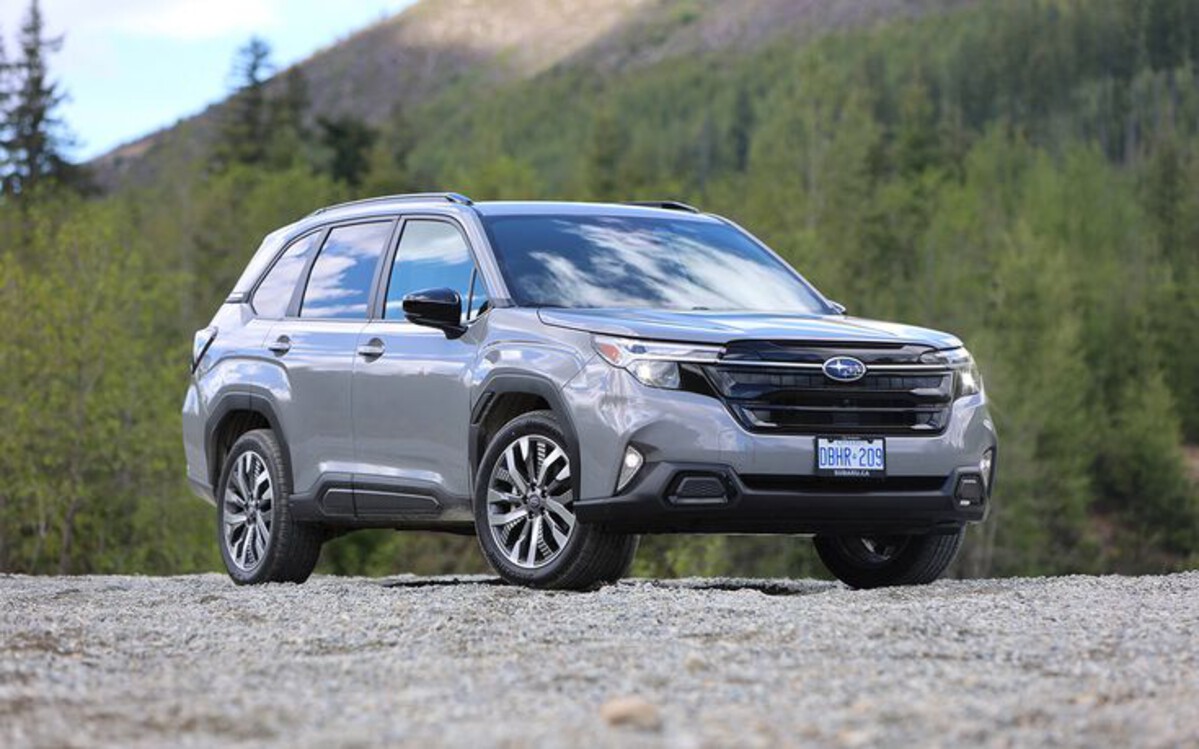
4. Subaru Forester
The Subaru Forester is widely recognized for its all-wheel-drive system and moderate off-road capability, but its underbody protection relies heavily on plastic skid plates.
These panels cover the engine, transmission, and other vulnerable areas, offering a shield against light impacts such as stones, road debris, and shallow gravel trails.
While they help prevent cosmetic damage and minor mechanical harm, they are not designed for serious off-road use. Plastic panels can crack or break under concentrated stress, leaving critical components exposed to damage on rocky terrain or uneven trails.
The lightweight design of the plastic panels contributes to the Forester’s fuel efficiency and responsive handling. Unlike heavy steel plates, they do not add significant mass to the vehicle, maintaining the balance between protection and efficiency.
However, their effectiveness is limited to relatively mild impacts. In more challenging off-road scenarios, plastic panels may fail, providing little real defense against rocks, stumps, or ruts.
This makes the Forester suitable for light off-road excursions but not for extreme trail conditions that demand real underbody protection.
Maintenance and inspection of the Forester’s plastic skid panels is simple, as they are typically fastened with screws or clips that allow removal. Routine servicing, oil changes, and cleaning can be done without specialized tools, which is convenient for urban or suburban users.
Despite this accessibility, the plastic material is more prone to wear, cracking, or deformation over time, particularly in extreme weather or after repeated minor impacts. Replacement may be required more frequently compared to steel alternatives, reducing long-term durability.
The Forester’s plastic skid plates offer functional but limited protection. They are ideal for everyday driving, commuting, or light off-road conditions such as gravel roads or forest trails, but they cannot compete with the impact resistance and durability of steel skid plates found on more rugged SUVs.
Drivers must weigh the convenience and efficiency of lightweight plastic panels against the reduced protection when planning off-road adventures.
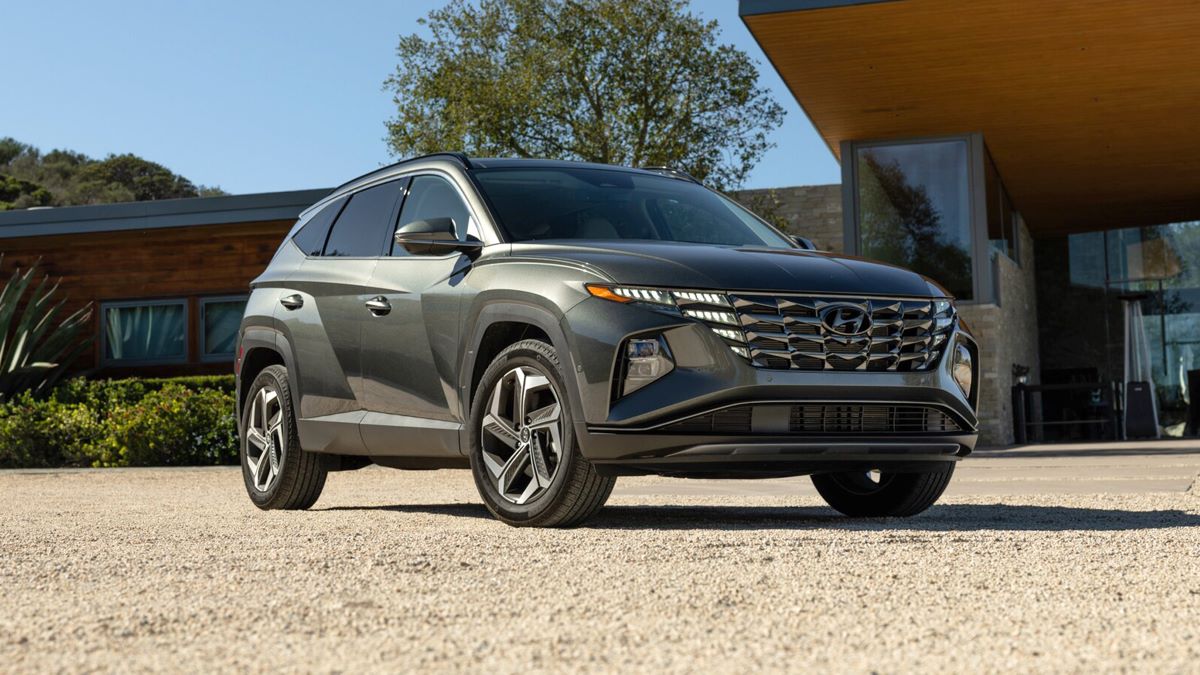
5. Hyundai Tucson
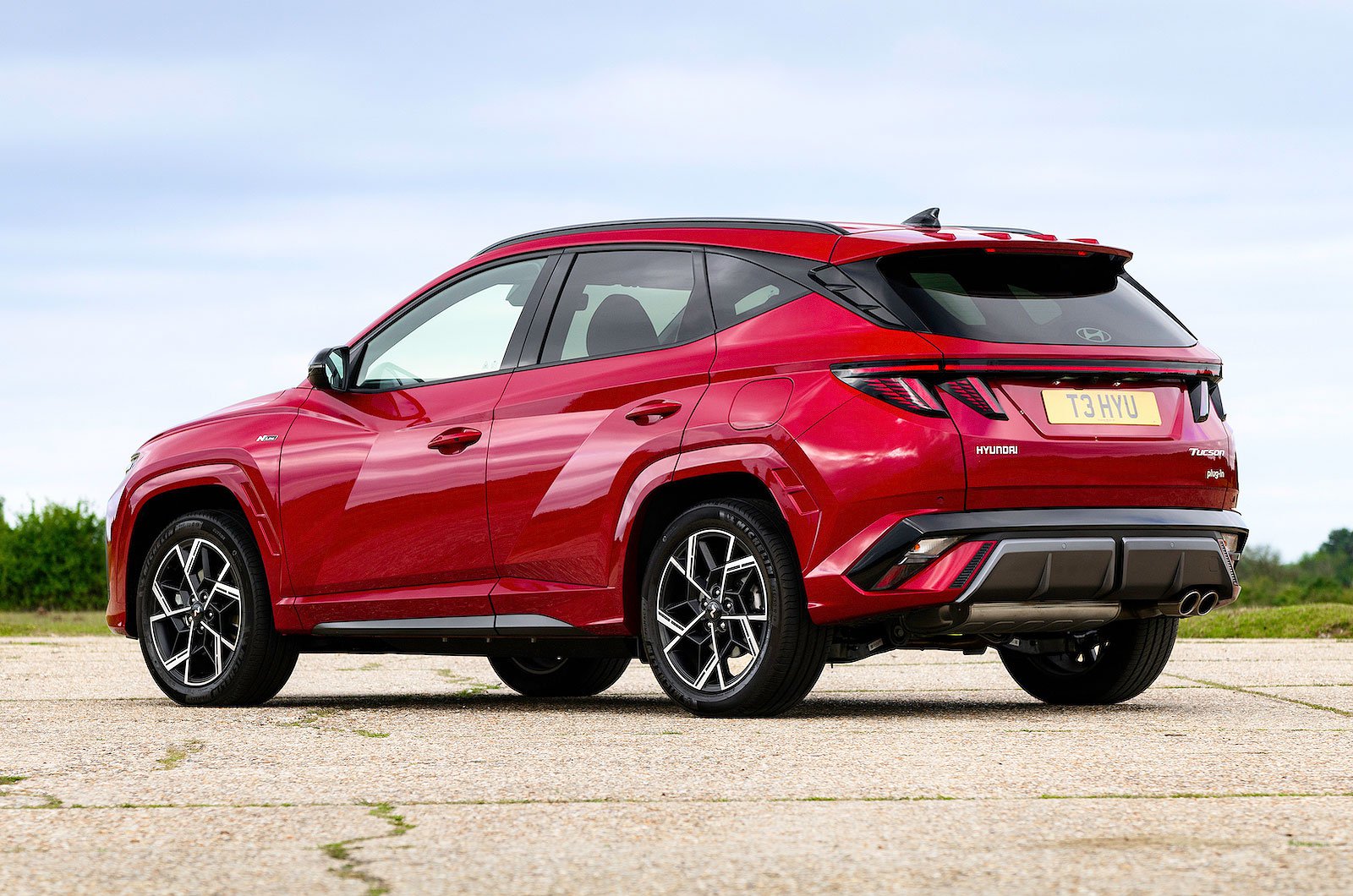
The Hyundai Tucson is a compact SUV designed for urban driving with occasional light off-road use. Its underbody protection relies on plastic skid plates, which cover key components like the engine and transmission to prevent damage from minor road debris, gravel, or shallow trails.
These panels are primarily cosmetic in nature, protecting the underbody from scratches and small dents rather than providing structural impact resistance. The Tucson’s design emphasizes efficiency, weight reduction, and affordability rather than extreme off-road capability.
Plastic skid panels on the Tucson are molded to provide coverage while minimizing additional mass. This contributes to fuel efficiency, responsive handling, and lower production costs. However, plastic’s limitations are evident when exposed to serious off-road obstacles.
Large rocks, deep ruts, or aggressive trails can easily crack or puncture these panels, leaving critical components exposed. Unlike steel skid plates, which absorb and distribute impacts across the frame, plastic panels offer minimal structural protection under severe conditions.
Maintenance and servicing of Tucson’s plastic skid plates are convenient. They are typically secured with clips or bolts, allowing removal for oil changes, inspections, or cleaning. While this accessibility is beneficial, the long-term durability is limited.
Plastic is prone to cracking, warping, and degradation over time, especially when exposed to temperature extremes or repeated impacts. Frequent replacement may be required for owners who push the vehicle beyond its intended usage.
In general, Tucson’s plastic skid plates provide adequate protection for everyday urban driving and occasional gravel or light trail use, but they are not suitable for serious off-road excursions.
Drivers seeking a vehicle with strong underbody protection would find the Tucson’s plastic panels lacking in durability and impact resistance. The trade-off between efficiency, weight, and minimal protection makes the Tucson a practical choice for city driving rather than rugged off-road adventures.
