
Electric vehicles have progressed from niche technology to a dominant force in the automotive industry. Early models faced significant challenges with thermal management, a problem that affects not only the longevity of the battery but also the consistency of performance.
When an EV’s thermal system cannot adequately manage battery and motor temperatures, the vehicle may enter a reduced power mode to protect itself. This throttling leads to slower acceleration, lower top speed, and, in some cases, reduced charging efficiency.
Drivers who experience this limitation may find their EVs unpredictable, especially in hot climates or during long, spirited drives. On the other hand, well-engineered systems with robust liquid cooling and intelligent software maintain steady power output even under intense use.
The difference between strong and weak thermal design becomes most visible during highway travel, repeated fast charging, and high-performance driving. Reliable EVs are able to maintain battery health by keeping cell temperatures within narrow limits.
Manufacturers that have invested heavily in cooling infrastructure, including well-placed heat exchangers and dynamic coolant circuits, have created vehicles that deliver both performance and dependability.
Conversely, companies that have chosen cost-cutting approaches often depend on passive cooling systems or minimal heat sinks, leading to throttling when the vehicle is pushed.
Understanding which EVs manage heat effectively can guide consumers toward smarter investments. Reliability in this sense is not only about the car starting every morning but also about consistent output on a hot summer day or a long road trip.
A reliable EV sustains its advertised performance without constant adjustment from the driver. The contrast between models that stay strong under thermal stress and those that falter reveals much about each manufacturer’s priorities.
This article examines five EVs recognized for their dependable thermal systems and compares them with five that tend to reduce power as temperatures climb. Each section highlights how design, software, and component choice influence reliability.
By understanding how these elements interact, readers can make informed choices about which vehicles truly deliver sustained performance and which ones lose their edge when the heat rises.
5 Reliable EVs With Good Thermal Management
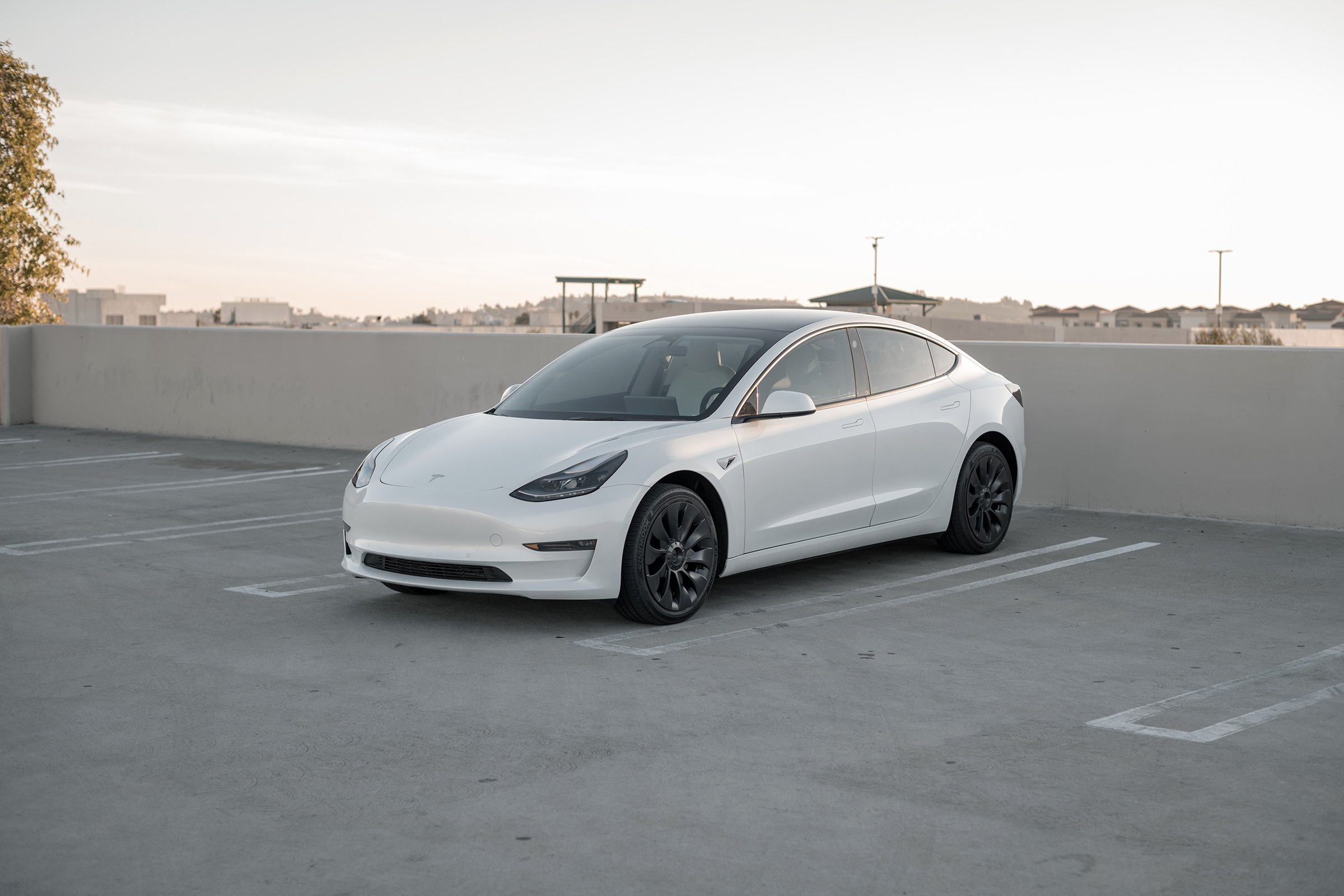
1. Tesla Model 3 Long Range
The Tesla Model 3 Long Range has established itself as a standard for thermal reliability in electric sedans due to its advanced liquid cooling system. Each battery module contains intricate cooling plates connected by a network of channels that distribute coolant evenly throughout the pack.
This prevents individual cells from overheating while maintaining consistent performance across the entire battery. In addition to the battery, the motors and inverters are integrated into the same cooling loop, ensuring that heat is transferred efficiently throughout the drivetrain.
The design also allows the system to respond dynamically, redirecting coolant flow to the areas that need it most during periods of sustained acceleration or repeated fast charging, which is critical for drivers who want consistent performance over long distances.
Tesla’s software integration enhances this hardware. The Model 3 uses predictive thermal management algorithms that monitor not only the battery’s state but also ambient temperature, driving habits, and upcoming power demands.
When the system detects that the vehicle will be under load, such as on a highway ascent or during aggressive acceleration, it preconditions the battery and motors to remain within the optimal temperature range. This ensures that the car maintains its acceleration capability without activating thermal protection measures that reduce power output.
By anticipating potential stress rather than reacting to it, Tesla ensures that the vehicle performs reliably in both everyday driving and high-demand situations.
The physical design of the battery pack also contributes to performance stability. Tesla engineers focused on minimizing thermal resistance within the cells while maximizing the surface area in contact with coolant channels. The result is a highly uniform heat distribution, which mitigates the risk of hot spots that can degrade cells unevenly.
Over time, this consistent management protects battery longevity and maintains performance, allowing owners to enjoy predictable acceleration and charging behavior even after many thousands of miles. This approach reflects Tesla’s focus not only on peak performance but also on sustainable power delivery.
Real-world performance confirms the effectiveness of these systems. Tesla Model 3 Long Range drivers report minimal throttling during extended highway travel or repeated high-speed drives.
The combination of liquid cooling, heat pump integration, and intelligent software means that the car retains close to its full acceleration potential under extreme conditions.
Long-distance travelers, especially those in hot climates, notice that the vehicle charges quickly at Superchargers without the slowdown seen in many other EVs.
This consistent and reliable behavior under varying environmental and operational conditions positions the Model 3 Long Range as a leader in thermal stability for mass-market electric vehicles.
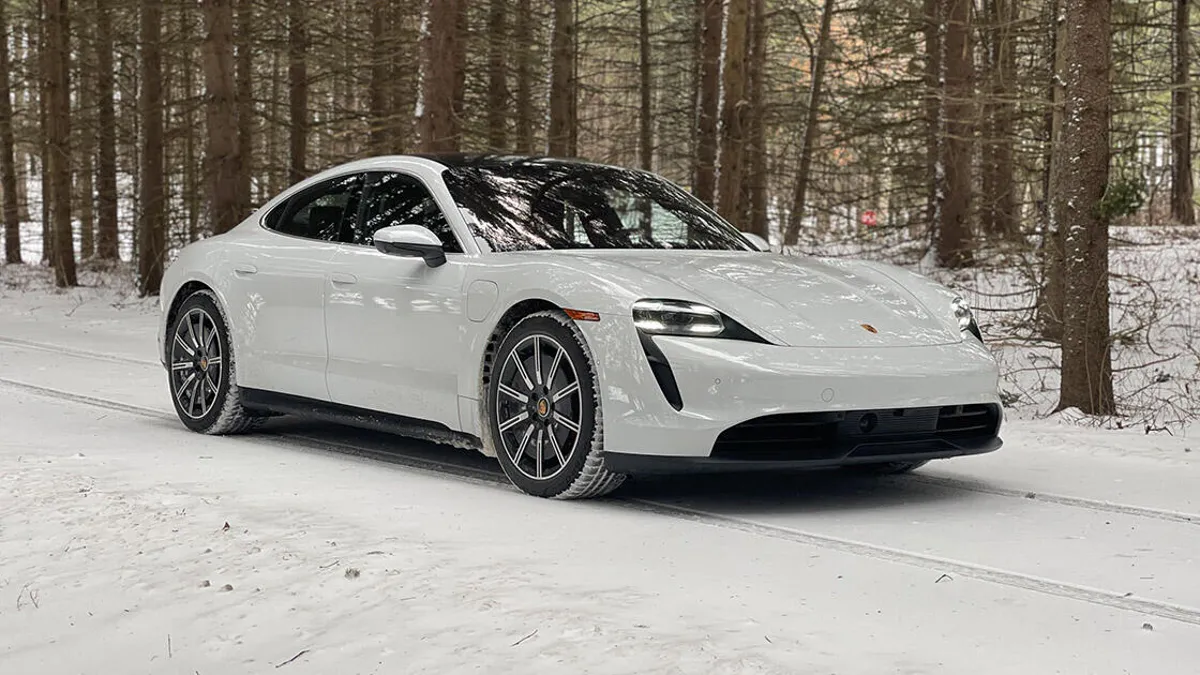
2. Porsche Taycan 4S
The Porsche Taycan 4S represents a high-performance approach to thermal management in EVs. Unlike many vehicles that experience throttling after only brief periods of aggressive driving, the Taycan can sustain repeated bursts of acceleration thanks to its 800-volt electrical architecture.
Each battery module contains integrated liquid-cooled plates, and the car employs multiple cooling circuits that independently serve the battery, motors, and power electronics.
By separating these thermal zones, Porsche ensures that the components do not overheat during high-demand operation. The careful attention to thermal pathways and materials prevents the formation of hot spots and allows the vehicle to maintain its advertised performance for extended periods.
Porsche’s software further reinforces this reliability. Thermal control in the Taycan is highly dynamic, constantly adjusting coolant flow and fan speed in response to driving conditions. The vehicle anticipates high-load scenarios and adjusts the temperature of the battery pack and drive units preemptively.
This predictive management allows drivers to execute aggressive maneuvers, such as repeated track launches, without triggering thermal protection. The result is a car that feels consistent under high stress, demonstrating how closely integrated software and hardware can elevate performance stability.
Charging is another area where the Taycan’s thermal management stands out. The 800-volt system reduces current during fast charging, which inherently reduces heat generation, while liquid cooling actively manages the pack temperature.
Even after multiple consecutive DC fast-charging sessions, the battery maintains near-optimal temperatures, allowing consistent charging speeds.
This capability is critical for long-distance travel or heavy use, where other vehicles might slow down to protect their battery. Porsche’s combination of architecture and cooling ensures that the Taycan can perform reliably under both driving and charging stress.
Porsche also invested in material and component quality, ensuring that pumps, heat exchangers, and coolant circuits can handle sustained operation over time. High-quality materials resist corrosion and wear, which helps maintain the thermal system’s efficiency for the lifespan of the vehicle.
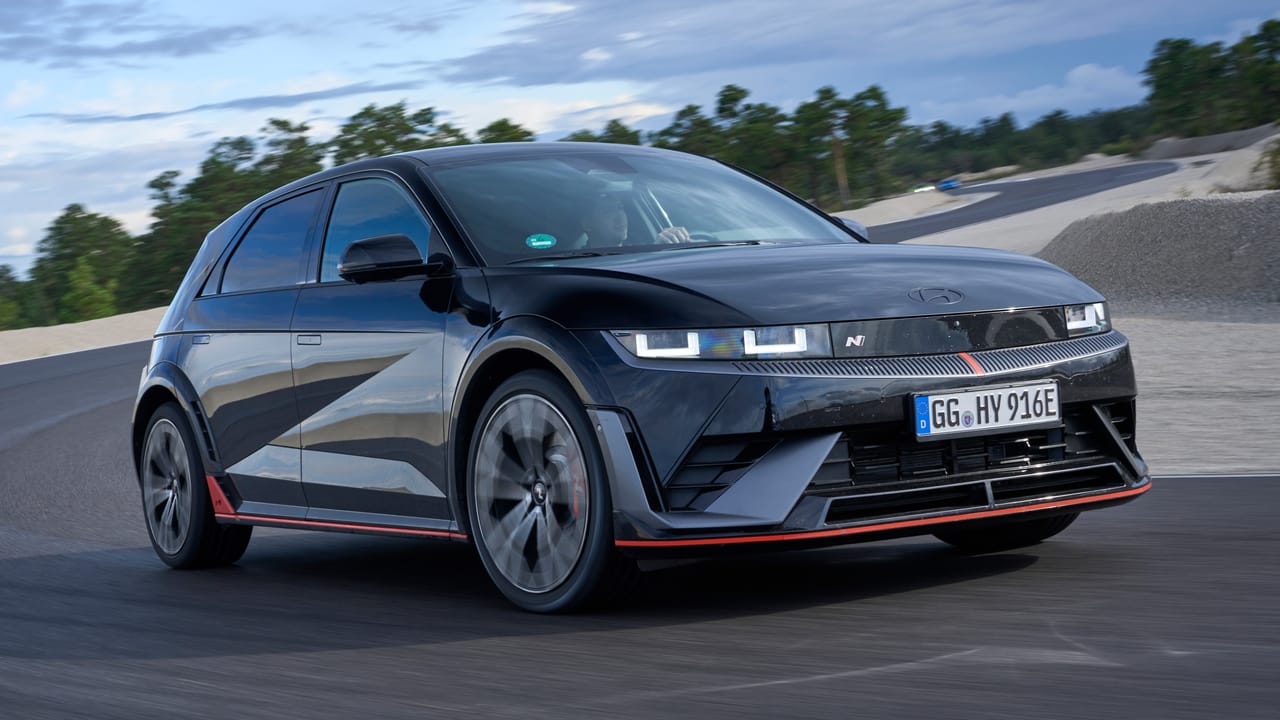
3. Hyundai Ioniq 5
The Hyundai Ioniq 5 demonstrates that advanced thermal management is achievable in a mainstream electric vehicle. Built on Hyundai’s E-GMP platform, the Ioniq 5 integrates a liquid-cooled battery system with a heat pump that effectively regulates temperature across a broad range of external conditions.
The heat pump not only maintains optimal battery temperature but also recycles energy to heat the cabin efficiently, reducing the load on the battery.
This thoughtful design ensures that the vehicle can maintain strong acceleration, long-range efficiency, and rapid charging performance without triggering thermal throttling.
The modular layout of the cooling system allows individual circuits to focus on the battery, inverter, and motor separately, optimizing heat transfer in all components.
One of the Ioniq 5’s most features is its battery preconditioning system. When the driver sets a destination that includes a fast-charging stop, the car automatically prepares the battery by adjusting its temperature to the ideal range for high-power input.
This proactive approach prevents excessive heat during charging and preserves battery life while maintaining speed and efficiency.
The system also works in colder climates by warming the pack before rapid charging, avoiding the temporary reduction in power that can affect other EVs. This combination of preconditioning and active cooling creates an environment where the Ioniq 5 performs consistently across temperature extremes.
The powertrain design also supports thermal reliability. By separating cooling circuits for the motors and inverters from the battery, Hyundai ensures that aggressive acceleration does not force a compromise in one system to protect another.
The EV maintains steady acceleration and regenerative braking behavior even during repeated high-demand scenarios. This modular and layered approach to thermal design allows the Ioniq 5 to sustain near-peak performance longer than many comparable vehicles, making it reliable for both everyday driving and spirited trips.
Hyundai also maximized energy efficiency in its thermal architecture. The heat pump and efficient liquid cooling system reduce energy loss associated with thermal regulation, which translates into longer range and more predictable charging times.
Users have reported that the vehicle’s performance remains strong even in hot summer conditions or during long highway journeys. The Ioniq 5 proves that carefully engineered thermal management, combined with smart software, allows a mainstream EV to deliver performance and reliability that rivals far more expensive cars.
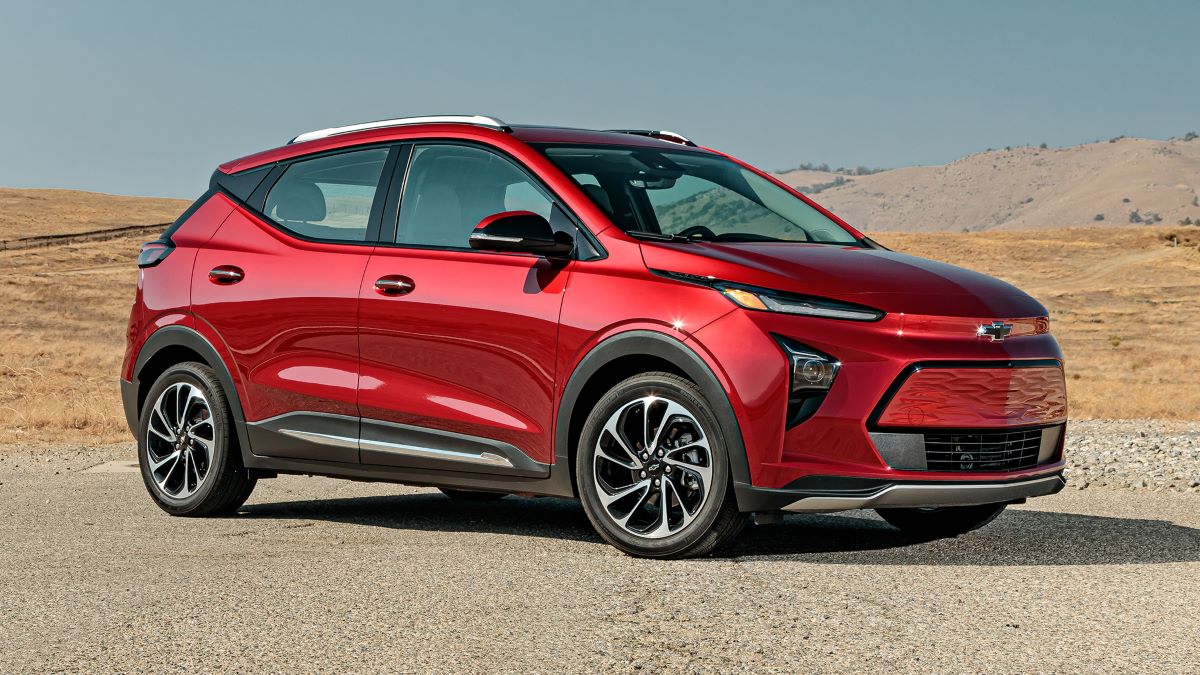
4. Chevrolet Bolt EUV
The Chevrolet Bolt EUV has become more thermally reliable with its latest iterations. Early models experienced battery issues, but GM significantly upgraded the liquid cooling system to stabilize the pack under stress.
The updated system circulates coolant through the battery modules and power electronics, ensuring even heat distribution and preventing localized hotspots.
This approach reduces the need for protective throttling, allowing the vehicle to maintain acceleration and charging performance even after repeated high-power sessions. These changes have brought the Bolt EUV in line with consumer expectations for consistent performance and reliability.
Active thermal management is key to the Bolt EUV’s improved performance. Unlike older EVs that relied on passive cooling, the current system dynamically adjusts pump speed and coolant flow to match the battery’s heat generation. This ensures the pack stays within optimal temperature ranges even during long-distance travel or summer heat.
The vehicle’s control software constantly monitors temperature across each cell, allowing it to respond quickly to rising heat levels. By combining active cooling hardware with intelligent software, GM has created an EV that remains consistent in its power delivery under a variety of real-world conditions.
Charging stability has also benefited from these improvements. The updated thermal management allows the Bolt EUV to sustain faster DC charging rates without triggering the throttling seen in earlier models.
Batteries precondition automatically when navigating to charging stations, ensuring ideal temperatures for rapid energy transfer.
Drivers experience predictable charging times and minimal reduction in power output, even when using multiple high-speed chargers consecutively. This reliability is essential for EV owners who depend on consistent performance for daily commuting or long road trips.
GM’s focus on materials and design quality also enhances thermal durability. Pumps, heat exchangers, and coolant channels are constructed for longevity and minimal maintenance, ensuring that the system continues to perform as intended over the vehicle’s life.
Users report a stable driving experience with consistent acceleration and energy efficiency, even under demanding conditions.
The Bolt EUV demonstrates that careful attention to thermal engineering can transform a compact, mainstream EV into a reliable vehicle capable of performing consistently in diverse environments.
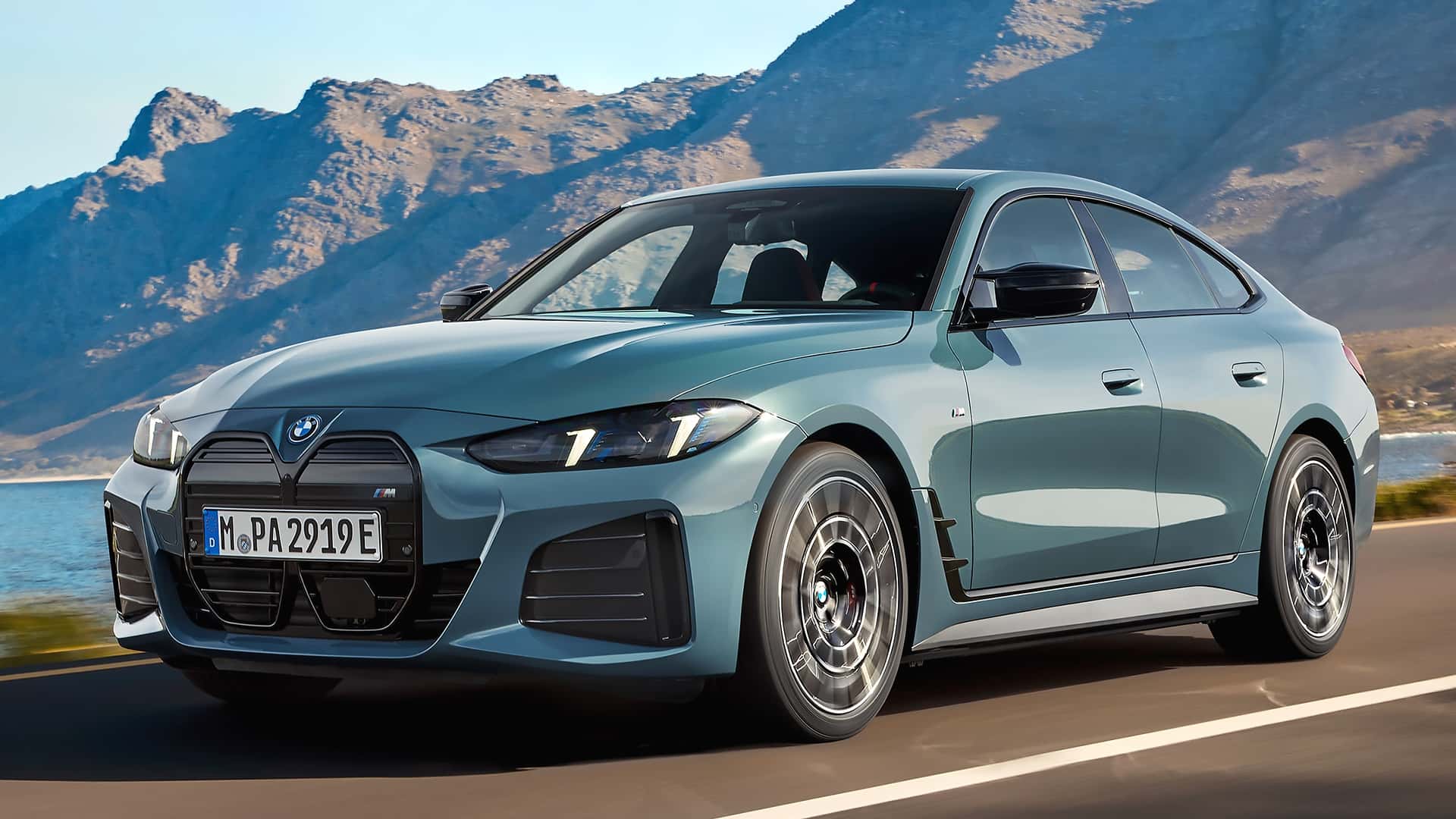
5. BMW i4 M50
The BMW i4 M50 combines high-performance characteristics with an exceptionally robust thermal management system. Its multi-zone liquid cooling approach separates battery, drive unit, and electronics circuits, preventing any component from overheating and compromising performance.
The system also integrates heat exchangers designed for rapid temperature transfer, allowing the car to sustain aggressive acceleration without triggering thermal protection.
BMW’s attention to thermal zoning and flow dynamics ensures that high-power outputs can be delivered repeatedly without deterioration, which is particularly important for dual-motor setups where energy demands are high and consistent.
Predictive software enhances the i4’s thermal reliability. By continuously monitoring driving patterns, ambient conditions, and battery state, the system adjusts coolant flow proactively.
During spirited driving or extended acceleration, the software increases cooling intensity to maintain optimal temperatures in the battery and motors.
This preemptive strategy prevents sudden reductions in performance and allows drivers to rely on the vehicle’s power under demanding conditions.
The seamless integration of software and hardware ensures that thermal management is not just reactive but anticipatory, a key factor in maintaining consistent driving dynamics.
Battery preconditioning also improves both performance and charging behavior. When planning a trip to a DC fast charger, the vehicle prepares the battery to the ideal thermal state for rapid energy transfer.
This feature reduces stress on the cells, shortens charging times, and prevents throttling during consecutive sessions. The integration of predictive preconditioning with the multi-zone cooling system provides a level of consistency rarely found in high-performance EVs, making the i4 a reliable choice for enthusiasts and daily drivers alike.
Owners report that the i4 M50 maintains stable acceleration and predictable regenerative braking, even during hot weather or repeated high-power operation.
BMW’s focus on quality materials, including efficient pumps, durable heat exchangers, and corrosion-resistant coolant lines, further ensures that thermal management remains effective over the life of the vehicle. The i4 demonstrates that performance, efficiency, and reliability can coexist when thermal design is prioritized at every stage of engineering.
5 EVs That Throttle Performance Under Heat Stress
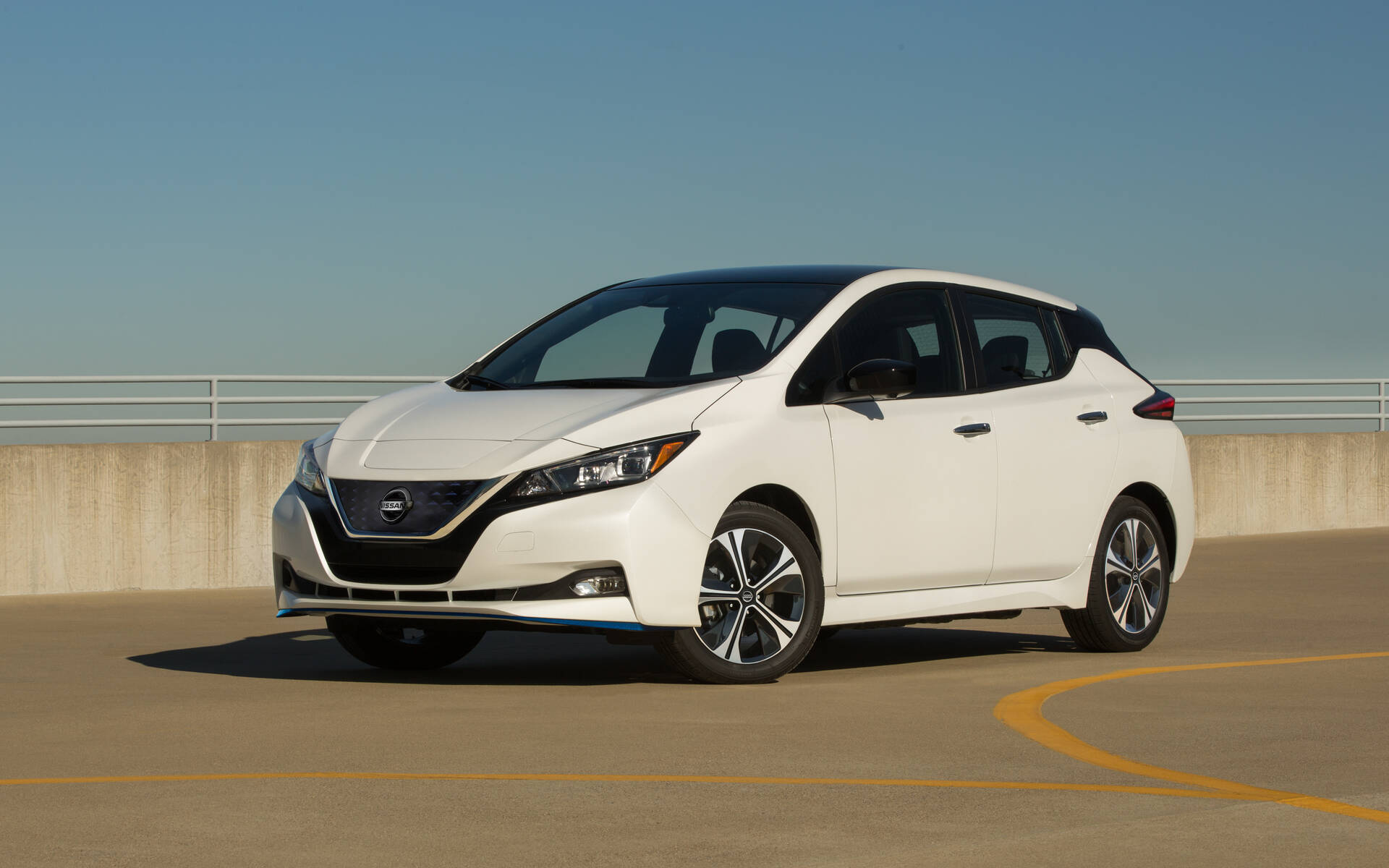
1. Nissan Leaf
The Nissan Leaf, one of the pioneering mainstream electric vehicles, is known for simplicity and affordability but struggles with thermal management under high-demand conditions.
Its battery pack relies largely on passive air cooling, which is insufficient for maintaining optimal cell temperatures during heavy acceleration or extended highway driving.
This design can lead to heat accumulation within the pack, triggering the car’s built-in thermal protection systems. When the Leaf detects excessive battery temperature, it reduces power output to protect cells from damage, resulting in noticeable drops in acceleration.
While the system successfully prevents overheating, drivers often feel a significant decrease in performance, particularly during hot weather or consecutive fast-charging sessions.
The Leaf’s thermal limitations become even more apparent during rapid charging. The passive cooling system cannot efficiently dissipate the heat generated during DC fast charging, causing the vehicle to limit input current once temperatures rise above safe levels.
Consequently, the charging process slows, extending downtime and frustrating drivers who expect more consistent charging speeds. Additionally, the lack of active thermal circulation within the battery pack means that heat spreads unevenly, creating hotspots that accelerate cell degradation over time.
This design trade-off, intended to reduce cost, leaves the Leaf vulnerable in demanding situations, especially compared to more modern EVs with liquid cooling systems.
Performance throttling also impacts driving dynamics. The Leaf is capable of modest acceleration under normal conditions, but under thermal stress, its power reduction becomes pronounced.
Drivers navigating hilly terrain or high-speed highways may notice slower responsiveness or a lag in acceleration when the system engages protective measures.
Regenerative braking is also affected because the battery cannot absorb energy as efficiently at high temperatures, reducing energy recovery and slightly lowering efficiency. These limitations illustrate the consequences of relying on passive cooling, particularly in climates where ambient temperatures frequently rise.
While the Nissan Leaf remains a reliable, low-maintenance EV for casual use, its thermal design restricts performance under demanding conditions.
The car excels in city commuting and moderate climates but demonstrates noticeable throttling when tasked with aggressive driving or consecutive high-power charging sessions.
Understanding these limitations is crucial for owners who may expect more consistent performance during longer trips, track-like driving, or extreme weather.
The Leaf’s experience underscores how early EV designs often prioritized affordability over advanced thermal control, resulting in vehicles that reduce output to protect battery health.
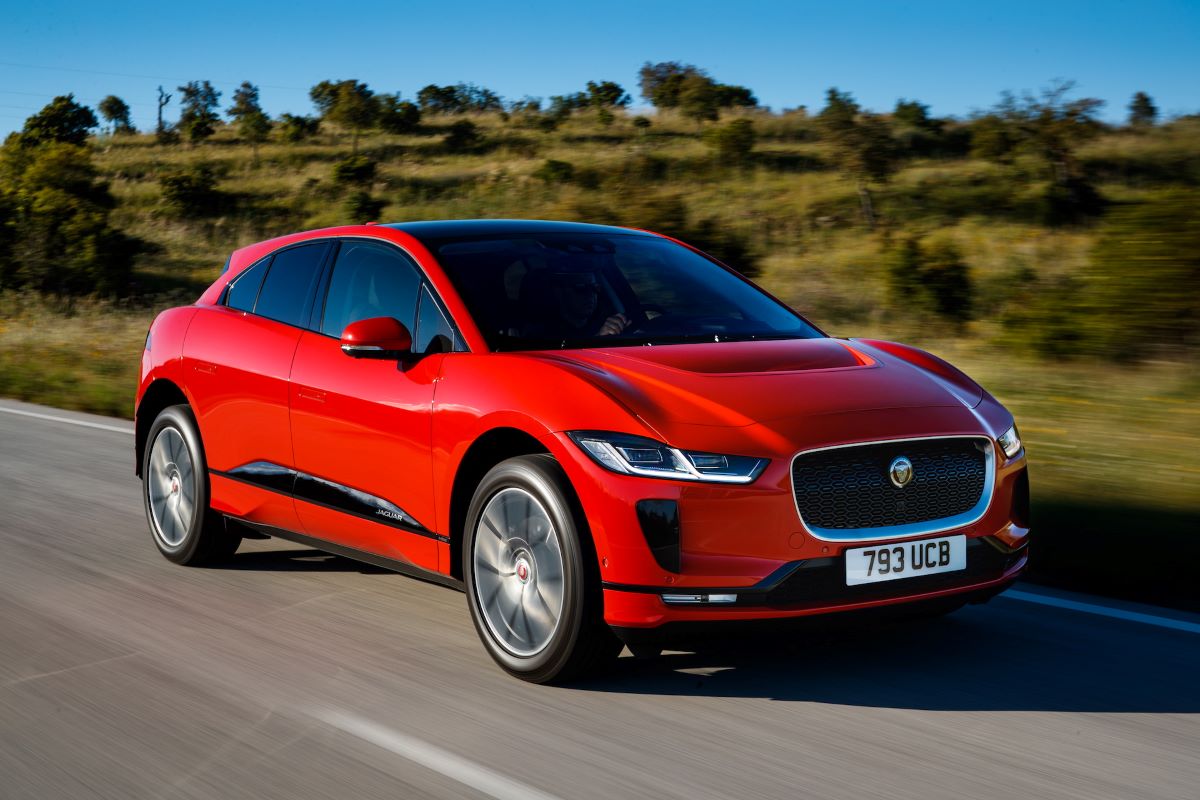
2. Jaguar I-PACE
The Jaguar I-PACE is a luxury electric SUV with impressive styling and performance potential, yet it suffers from thermal throttling under heavy use. Its battery pack features a liquid cooling system, but the design prioritizes cost and simplicity over peak thermal endurance.
During aggressive driving or extended fast-charging sessions, the cooling system can struggle to maintain optimal cell temperatures. When the I-PACE detects high battery heat, the car reduces output to safeguard the battery and power electronics.
Drivers often report that the SUV’s acceleration diminishes noticeably, particularly after repeated hard driving or in high ambient temperatures, creating a sense of unpredictability in otherwise performance-focused scenarios.
The charging behavior of the I-PACE also highlights its thermal constraints. During DC fast charging, the battery generates significant heat, which the cooling system cannot always dissipate quickly enough. As a result, charging rates are reduced to prevent overheating, extending total charge time.
While the vehicle remains safe and functional, this throttling frustrates drivers accustomed to high-speed, high-output EVs. In particular, long-distance trips can require careful management of speed and charging stops to avoid triggering thermal restrictions, making planning less flexible compared to competitors with more advanced cooling solutions.
Thermal limitations also affect day-to-day driving. During aggressive acceleration, such as merging onto highways or overtaking at speed, the I-PACE may reduce torque to protect the battery.
The SUV’s dual-motor system, which provides high power under normal conditions, becomes less responsive when thermal protection is active.
This reduction can impact both performance satisfaction and driving confidence. In addition, repeated hill climbs or spirited runs over extended periods increase battery temperature rapidly, triggering thermal interventions more frequently than owners might expect.
Despite its luxury features and competitive range, the Jaguar I-PACE demonstrates that inadequate thermal management can compromise both performance and usability.
While the system successfully prevents battery damage, the trade-off is noticeable throttling, particularly in hot climates or during consecutive high-demand operations.
This highlights the importance of robust thermal design, not just for safety but for sustaining a performance experience that aligns with the vehicle’s sporty character. For owners expecting consistent high-output performance, the I-PACE may not fully meet expectations under thermal stress.
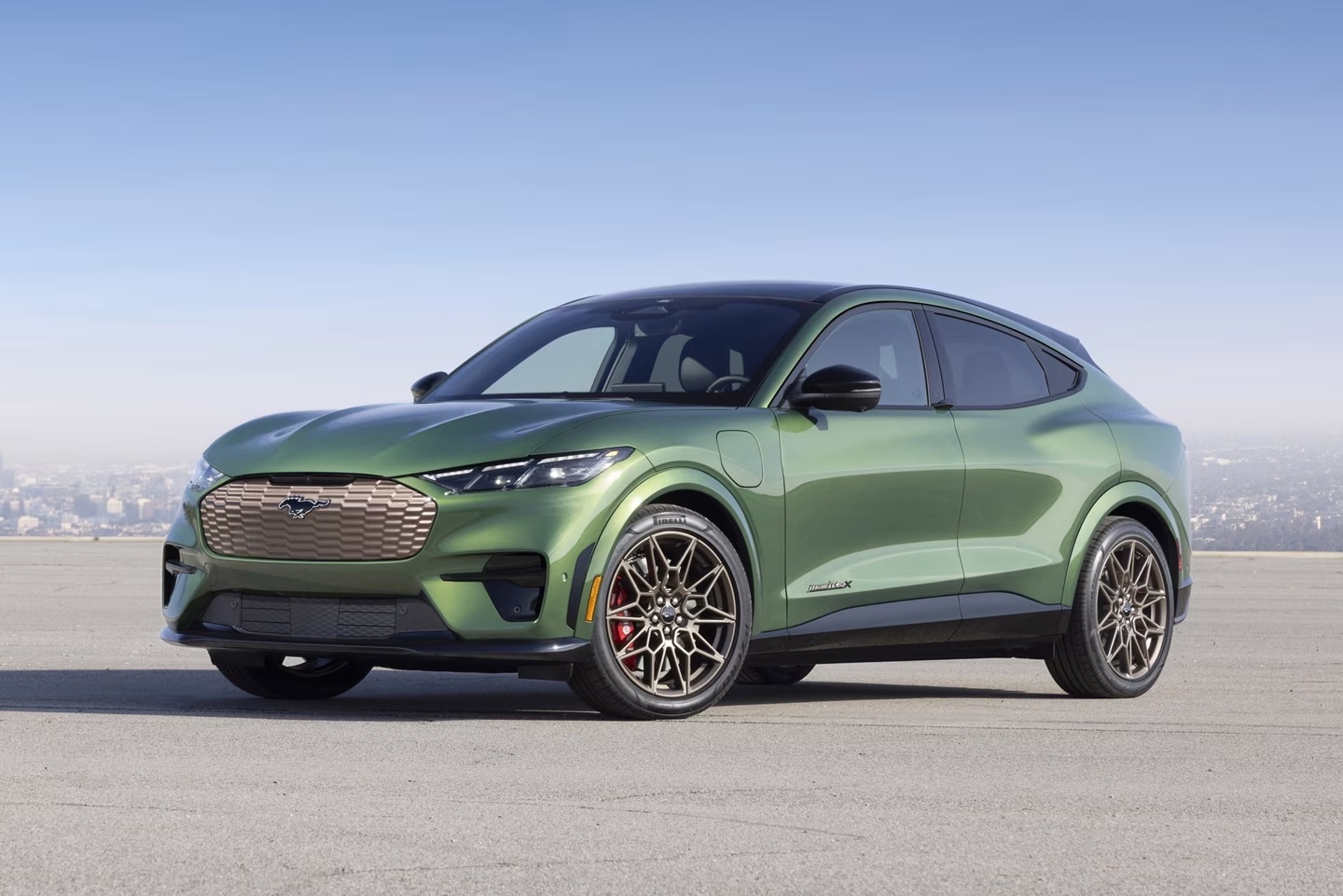
3. Ford Mustang Mach-E (Standard Range)
The standard-range Ford Mustang Mach-E is a versatile EV with solid range and design, but it exhibits performance throttling under heat stress due to limitations in its cooling architecture.
Unlike high-end variants, the standard-range battery pack does not employ a highly robust liquid cooling loop, which makes it more prone to heat accumulation during extended highway driving or spirited acceleration.
Once the battery temperature exceeds a certain threshold, the system reduces power output to protect cells from thermal damage. Drivers often notice slower acceleration during hot weather or consecutive rapid charging sessions, which can diminish the driving experience compared to more thermally resilient vehicles.
Fast-charging behavior further emphasizes these limitations. The battery’s thermal system struggles to dissipate heat generated during high-power DC charging, resulting in throttled input current to prevent overheating. This leads to longer charging times and reduced efficiency, particularly during road trips in warm climates.
Unlike vehicles with advanced preconditioning and multi-circuit cooling, the Mach-E’s standard-range model lacks the ability to manage high temperatures proactively, forcing drivers to wait longer or moderate their driving style to avoid triggering thermal restrictions.
Daily driving under high-load conditions also exposes the limitations of the thermal design. During rapid acceleration or frequent regenerative braking, heat can accumulate faster than the cooling system can remove it, leading to temporary power reduction.
This throttling is especially noticeable during long stretches of highway driving, hilly terrain, or track-style runs. While the vehicle remains safe and functional, the experience contrasts sharply with variants or competitors that maintain stable performance under similar conditions.
The standard-range Mustang Mach-E demonstrates that even modern EVs with liquid cooling may throttle performance when the system is not sufficiently robust. Owners seeking consistent acceleration and high-output performance during hot weather or repeated fast-charging sessions may find this limitation restrictive.
Understanding these characteristics is crucial for buyers, especially in regions with high ambient temperatures, as the car’s full potential can only be realized under moderate thermal stress conditions.
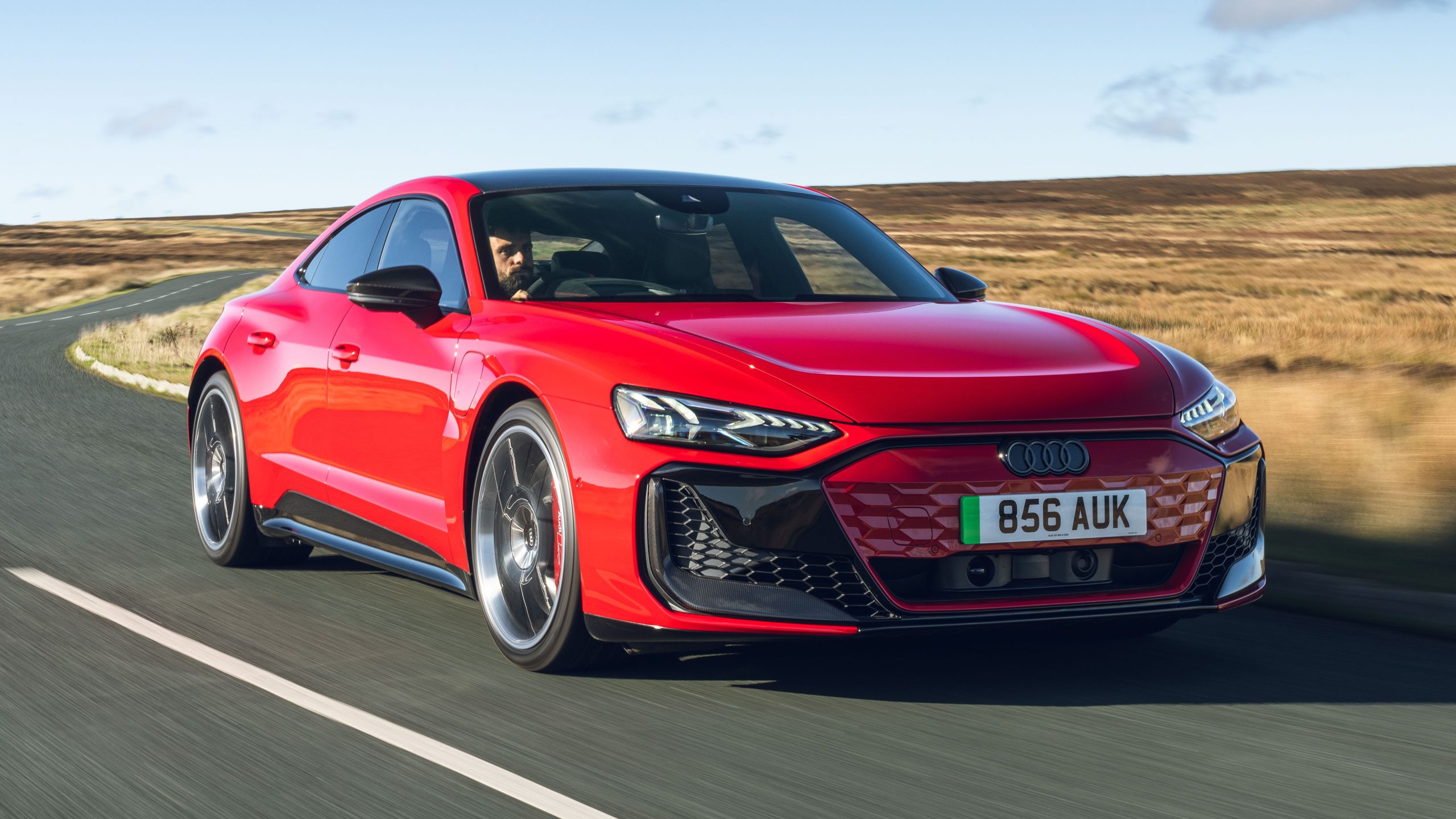
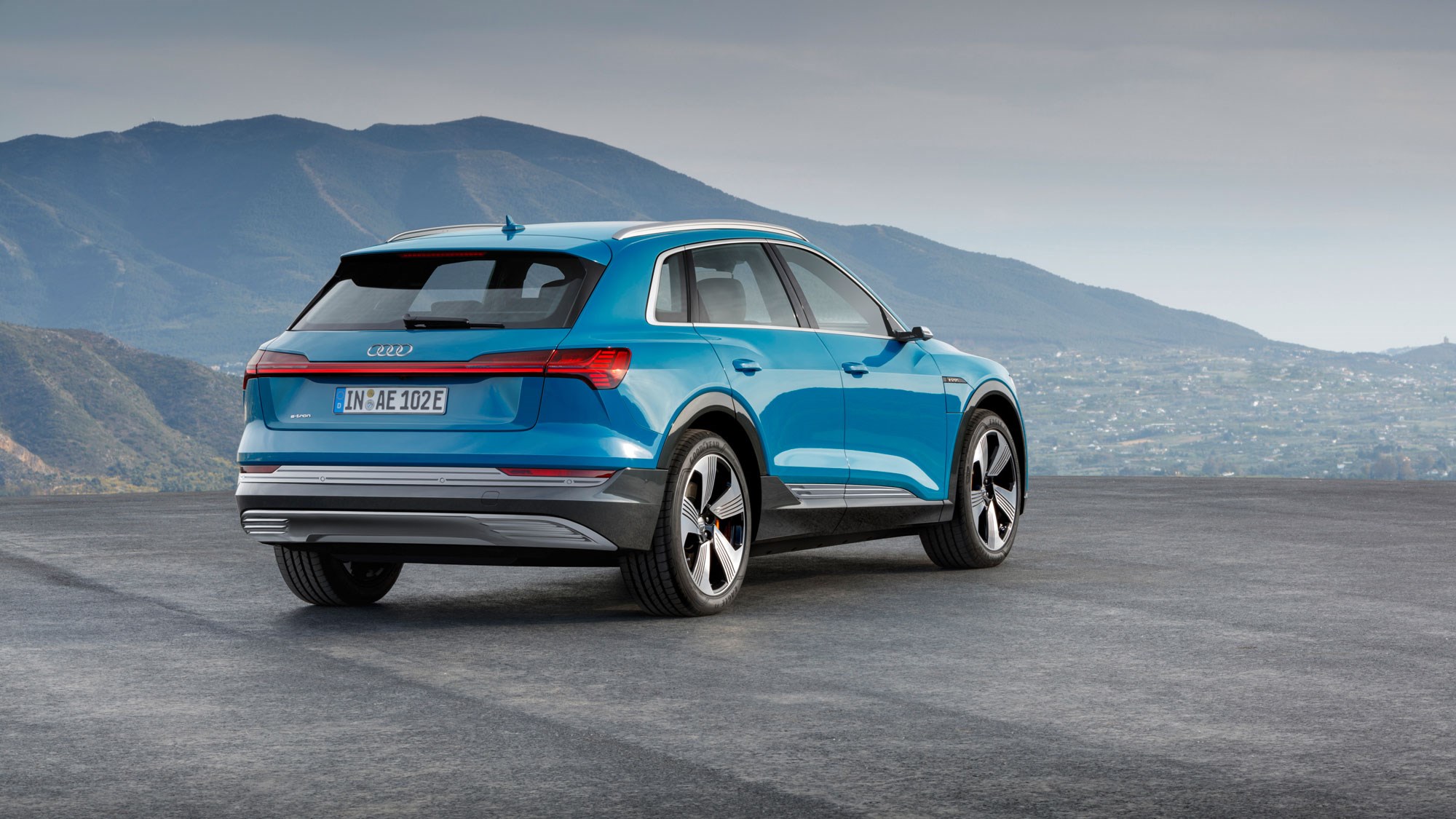
4. Audi e-tron
The Audi e-tron was one of the early luxury EVs designed for comfort and range, but it is prone to thermal throttling during demanding use. Its cooling system, while present, prioritizes reliability over aggressive performance management.
The dual-motor setup produces significant heat under heavy load, and the battery cooling system can struggle to dissipate this heat quickly during sustained acceleration or repeated DC fast charging.
As a result, the car’s software limits torque output when temperatures rise, creating noticeable drops in acceleration and responsiveness. Owners often report this behavior during hot weather or extended driving sessions, making the e-tron feel less dynamic than its specs suggest.
Fast charging is particularly affected. During rapid DC sessions, the battery heats quickly, and the cooling system cannot always maintain optimal temperatures. To prevent overheating, the e-tron reduces the charging rate, which increases downtime for drivers and requires careful planning on long trips.
The throttling also extends to regenerative braking, where reduced battery acceptance under heat can limit energy recovery. While these measures are critical to battery longevity, they reduce the immediacy and performance feel of the vehicle.
Thermal throttling also affects day-to-day driving performance. In situations requiring high power output, such as highway merging or overtaking, the e-tron may temporarily reduce available torque.
Drivers have noted that repeated high-speed runs on hilly terrain or in hot climates trigger noticeable reductions in acceleration. Even though the vehicle maintains safety and functionality, the experience is inconsistent compared to more thermally advanced EVs that sustain output under similar conditions.
The Audi e-tron highlights how early luxury EV designs traded extreme performance consistency for simpler cooling systems. While the car remains reliable and offers comfort and range, it cannot deliver sustained acceleration under heat stress without reducing output.
Buyers expecting consistent performance during extended or demanding driving should understand these limitations, particularly in hot climates or high-speed driving scenarios. The throttling serves as a reminder that robust thermal design is as essential to EV performance as motor power or battery capacity.
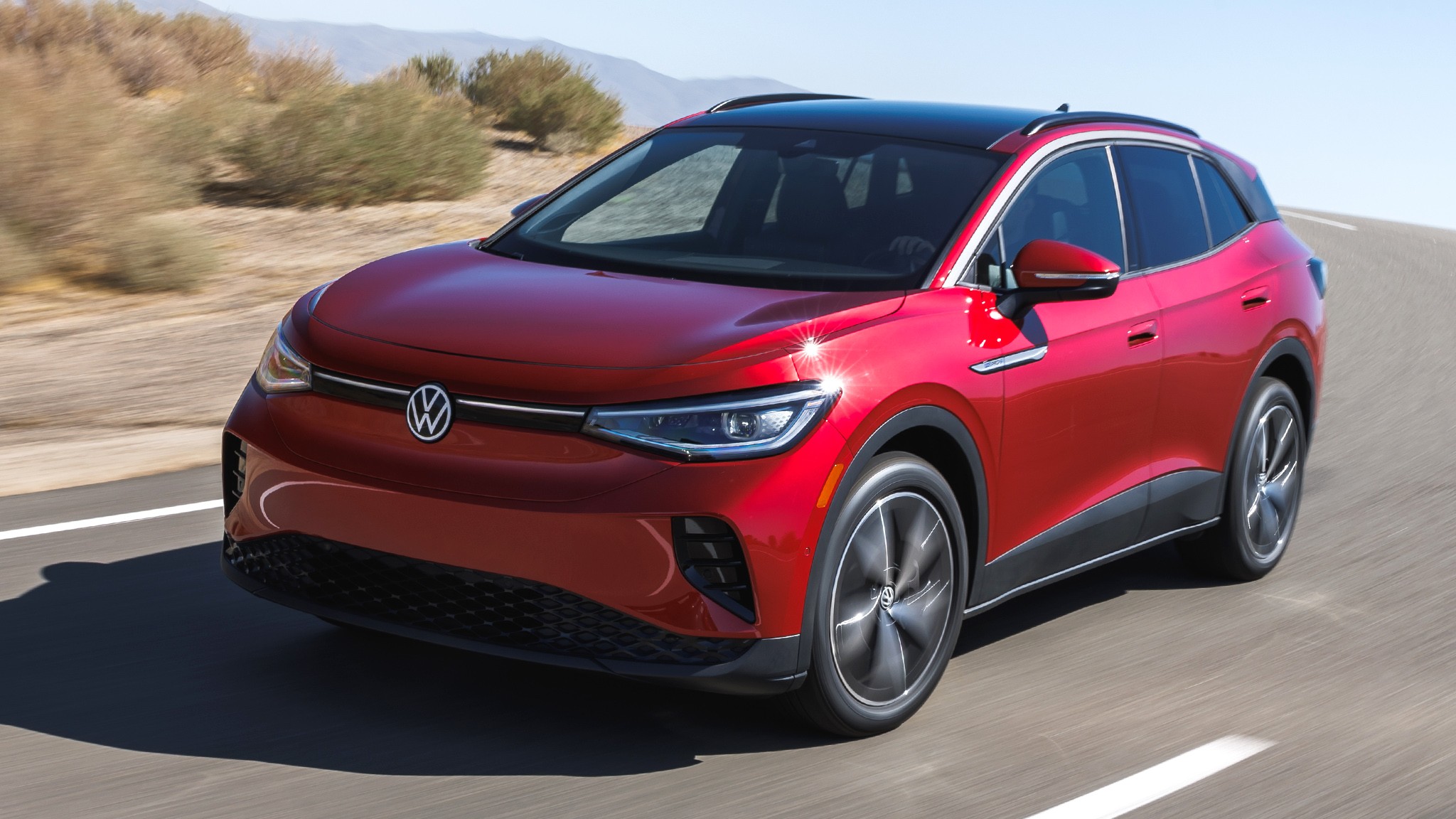
5. Volkswagen ID.4
The Volkswagen ID.4 is a popular, versatile electric SUV designed for practicality and efficiency, but it also exhibits performance throttling under thermal stress. Its battery pack relies on a moderately sized liquid cooling system, which can manage normal driving well but struggles under sustained high power output.
When the battery heats beyond safe limits, the vehicle reduces torque and power output to protect the pack.
This reduction is most noticeable during high-speed highway travel, hilly routes, or consecutive fast-charging sessions. While the ID.4 remains safe to drive, drivers experience a reduction in acceleration that can affect confidence and enjoyment.
Charging behavior highlights the limitations of the ID.4’s thermal design. During repeated DC fast charging, the battery generates more heat than the cooling system can dissipate efficiently.
The vehicle responds by limiting current, which slows charging and extends downtime. Unlike models with preconditioning and multi-loop cooling, the ID.4 lacks aggressive thermal control measures that prevent these reductions.
As a result, drivers need to manage charging stops and speed carefully during long trips, particularly in warmer climates. Daily driving and performance under load are similarly affected. The ID.4’s throttle response can diminish when the system detects elevated battery temperature.
This behavior is most evident when accelerating repeatedly, climbing steep inclines, or engaging in sustained high-power driving.
Regenerative braking efficiency also decreases, reducing energy recovery and slightly affecting range. While these measures prevent permanent battery damage, they clearly limit the vehicle’s performance under demanding circumstances.
The Volkswagen ID.4 demonstrates that mid-range EVs with moderate cooling systems can struggle with thermal stress despite competent battery design.
The vehicle is reliable for everyday commuting and moderate driving, but owners should expect temporary reductions in performance during prolonged high-speed or high-power operation.
This case highlights the importance of advanced thermal management for both driver satisfaction and long-term battery health, showing that even popular and well-regarded EVs can throttle when conditions become challenging.
