
Electric vehicles have dramatically changed how people perceive driving. Unlike traditional gasoline-powered cars, EVs rely on electric motors, which allow for smoother acceleration, regenerative braking, and, in some cases, the ability to drive using just one pedal.
One-pedal driving is a feature that lets the driver control both acceleration and deceleration primarily with the accelerator pedal. When released, the car slows down naturally without needing to press the brake, giving a feeling of fluidity and control that many drivers find satisfying.
This approach not only enhances efficiency but also reduces wear on brake components, making it appealing for those who commute frequently in urban environments.
However, not all electric vehicles handle one-pedal driving equally. Some cars provide a consistent and stable experience, where deceleration feels natural, linear, and predictable. These vehicles allow the driver to smoothly adjust speed while keeping their hands relaxed, which can make city traffic, stop-and-go driving, and long highway trips less stressful.
The regenerative braking system in these cars often integrates seamlessly with the motor, giving drivers confidence that the car will respond as expected every time.
On the other hand, some EVs struggle with this feature, resulting in jerky, abrupt, or inconsistent behavior. These cars may cause sudden deceleration or acceleration spikes that feel out of sync with the driver’s intentions.
The sensation of lurching can be unnerving, especially in crowded streets or heavy traffic, making the one-pedal experience frustrating rather than enjoyable. Factors such as motor tuning, software calibration, and even battery management strategies can influence how smooth or rough one-pedal driving feels.
Understanding which vehicles excel at one-pedal driving versus those that jerk and lurch can help potential EV buyers make informed choices. For people who value comfort, predictability, and a relaxing driving experience, choosing the right car can make a substantial difference.
This article compares five electric vehicles known for stable one-pedal driving and five that tend to jerk and lurch, providing insights into what causes these differences and what drivers can expect when they sit behind the wheel.
5 EVs With Stable One-Pedal Driving
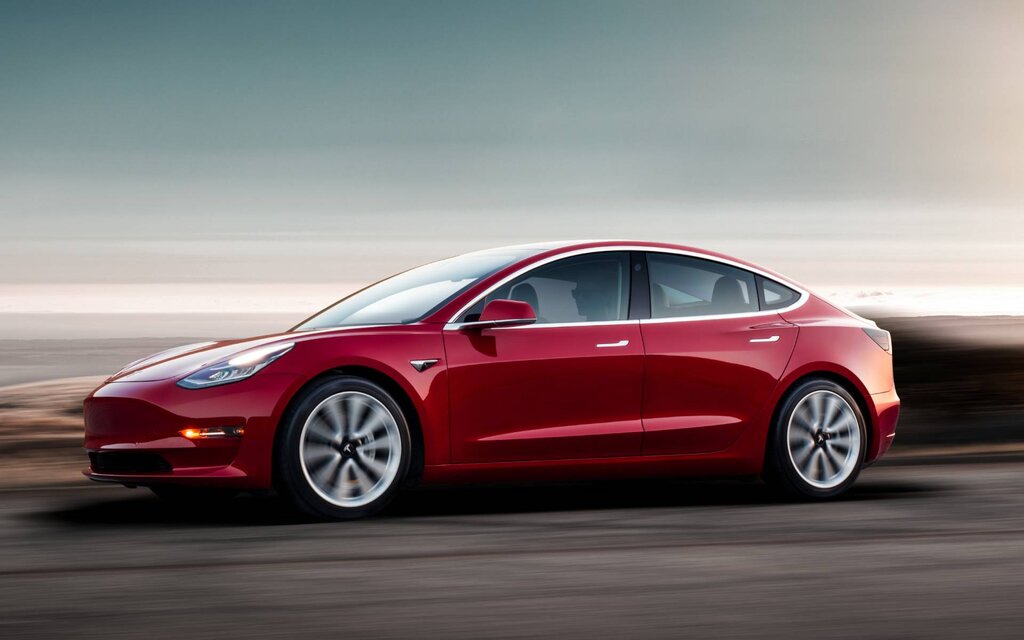
Tesla Model 3
The Tesla Model 3 has earned a reputation for one-pedal driving that feels exceptionally smooth and predictable. One of the key reasons for this is its highly refined regenerative braking system. When the driver lifts off the accelerator, the car decelerates in a linear manner rather than stopping abruptly.
This creates a sensation of complete control, allowing the driver to anticipate exactly how much the car will slow down in response to pedal input.
Even in dense city traffic or on long highway descents, the Model 3 maintains a predictable deceleration curve, which reduces the need for constant brake adjustments. This consistency transforms the experience of one-pedal driving from a novelty into a reliable tool for managing speed and maintaining efficiency.
Tesla’s software plays a significant role in this stability. The automaker continuously refines motor response and regenerative braking behavior through over-the-air updates, which allows the vehicle to maintain a consistent feel even as the battery and hardware age.
Drivers often note that the Model 3 slows down at an even, almost intuitive pace, which feels more like a natural extension of their foot movement than a mechanical system enforcing braking.
This tight integration between hardware and software ensures that sudden or unpredictable deceleration is extremely rare, making the car ideal for drivers who want a calm, stress-free experience in stop-and-go traffic.
Energy efficiency is another factor that makes one-pedal driving in the Model 3 both practical and satisfying. Regenerative braking captures a significant portion of kinetic energy, returning it to the battery without creating a harsh or jarring sensation.
The smooth energy recovery makes city driving less fatiguing, since the driver can maintain speed and manage slowing with minimal effort.
This seamless coordination between slowing and charging means that one-pedal driving is not just a convenience, but also a tool that directly contributes to extending range and improving efficiency.
Finally, the Model 3’s physical design complements the software and motor systems. Pedal resistance, motor responsiveness, and even cabin acoustics contribute to a sense of control and stability.
The combination of linear deceleration, predictable regenerative braking, and an intuitive interface ensures that one-pedal driving is not a compromise, but rather a superior way to operate the vehicle.
For drivers who prioritize predictability, smoothness, and comfort, the Model 3 remains one of the top choices for mastering one-pedal operation.
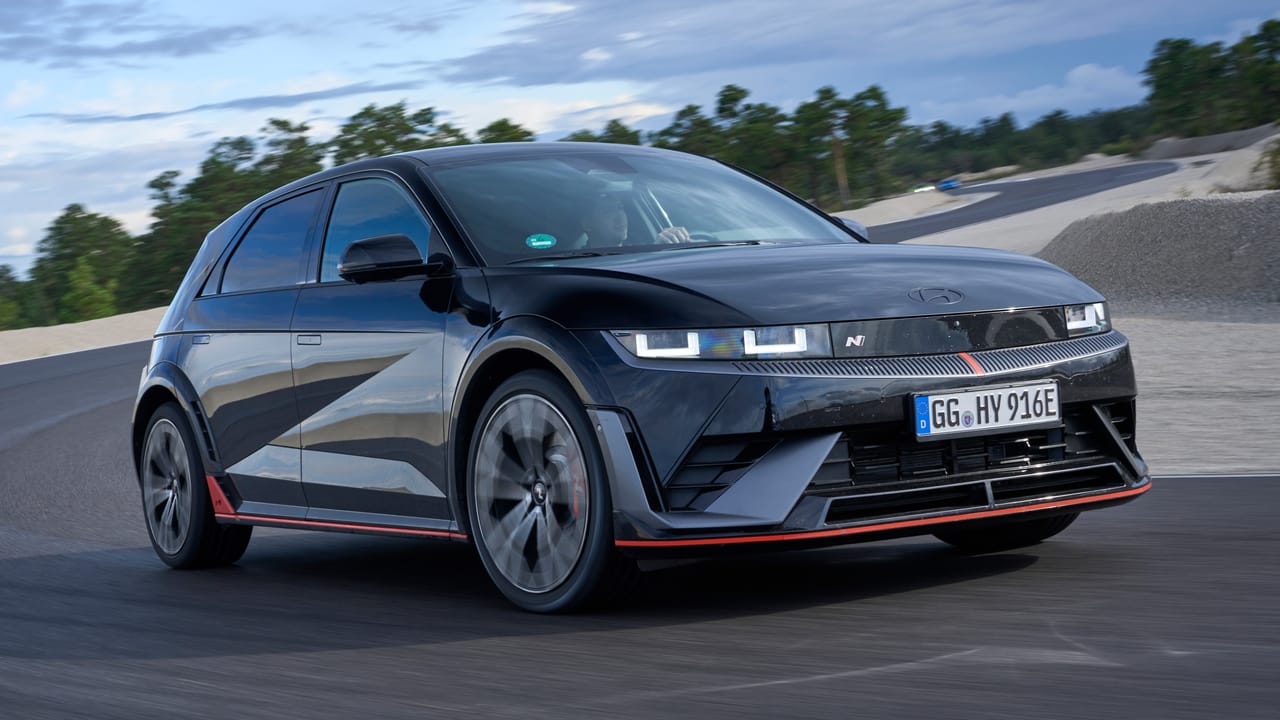
Hyundai Ioniq 5
The Hyundai Ioniq 5 delivers a refined one-pedal driving experience largely due to its adjustable regenerative braking system. Drivers can choose between mild, medium, or strong deceleration, tailoring the vehicle’s response to their personal preference or driving conditions.
Even when set to strong braking, the car decelerates in a smooth, controlled manner, eliminating the sudden jerks often found in less optimized systems.
This adjustability allows for greater comfort in dense urban traffic, where frequent slowing is required, and ensures that the driver can rely on one pedal to manage speed effectively in most situations.
The Ioniq 5’s electric motor is engineered for smooth, linear response. Acceleration feels seamless, and the transition from full throttle to deceleration is natural and intuitive.
Drivers report that the vehicle seems to anticipate their intent, reducing the need for reactive braking and creating a more relaxed driving style.
This consistency is particularly valuable in stop-and-go city environments, where uneven deceleration can cause discomfort or anxiety.
By providing a predictable connection between foot movement and vehicle response, Hyundai has created a one-pedal experience that feels deliberate and controlled rather than sudden or forceful.
Comfort is a major consideration in the Ioniq 5’s design. The suspension and chassis absorb most of the forces generated during deceleration, ensuring that passengers do not experience harsh jolts when slowing down. This is especially beneficial during longer commutes, where repeated braking could otherwise become fatiguing or uncomfortable.
The combination of smooth regenerative braking, precise motor control, and well-engineered suspension results in a driving experience that feels composed and effortless. Even in complex traffic situations or on uneven road surfaces, the Ioniq 5 maintains its calm, predictable behavior, which reinforces confidence in one-pedal operation.
Finally, the driver interface in the Ioniq 5 enhances control by providing real-time feedback on energy recovery and braking intensity. This allows the driver to gauge exactly how much deceleration is occurring and adjust accordingly.
The sense of connection between driver intent, vehicle response, and energy management creates a holistic one-pedal experience that is both satisfying and efficient. For drivers seeking a blend of comfort, efficiency, and control, the Ioniq 5 provides a compelling and reliable option in the EV market.
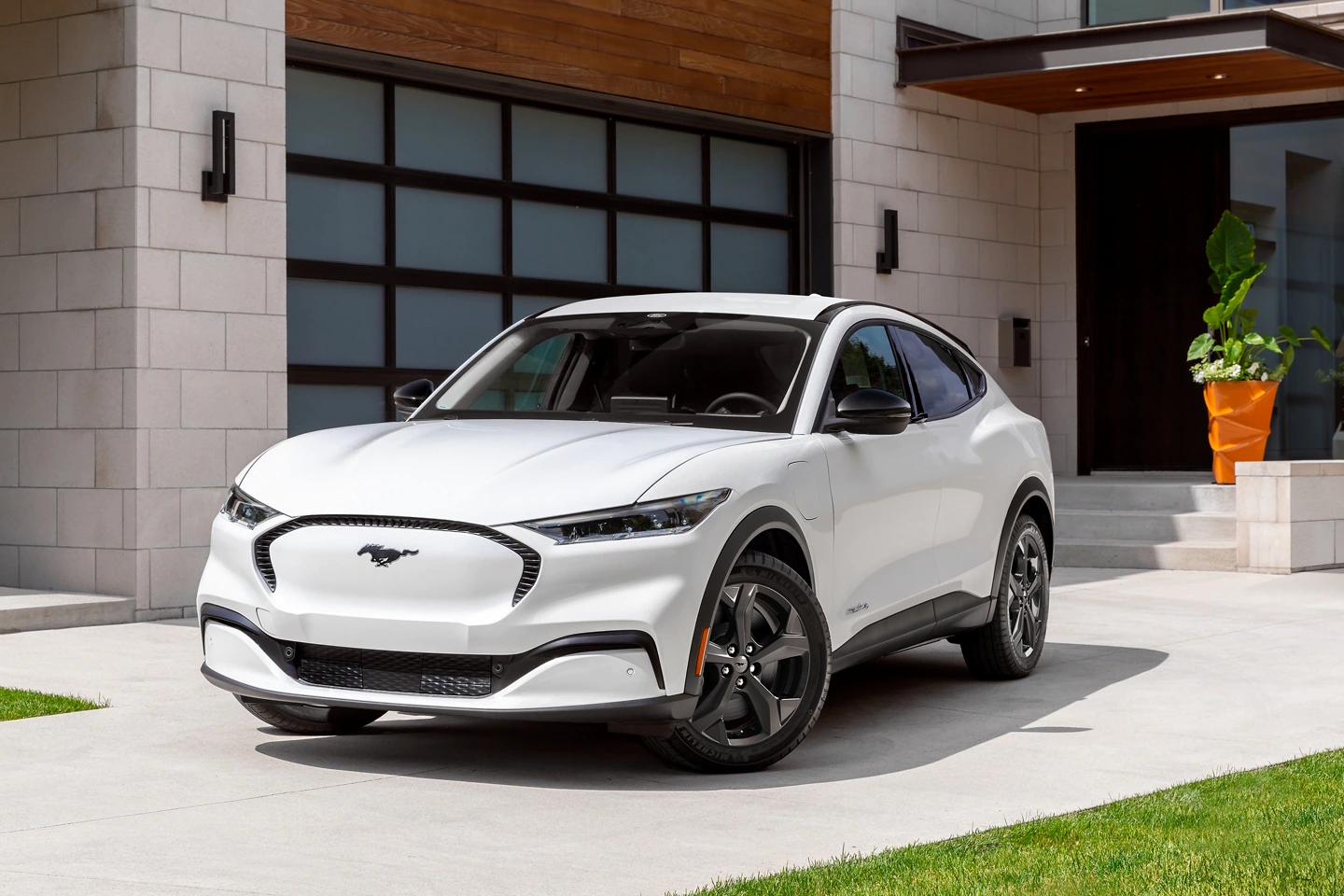
Ford Mustang Mach-E
The Ford Mustang Mach-E integrates one-pedal driving in a way that emphasizes stability and predictability. Its regenerative braking system engages gradually, which prevents sudden deceleration when the accelerator is released.
This design ensures that drivers can control their speed precisely, even when navigating complex traffic patterns or descending long slopes. Many drivers note that the Mach-E allows them to modulate speed with a delicate touch, creating a smooth rhythm in stop-and-go traffic that enhances comfort and reduces fatigue.
Driver confidence is reinforced through a predictable motor response. The Mach-E reacts linearly to changes in pedal input, creating a sense of continuity between acceleration and deceleration.
This reliability is particularly useful for city driving, where abrupt or unexpected movements can lead to unnecessary stress or require frequent brake pedal interventions.
By providing a stable and intuitive response, the Mach-E allows the driver to rely on one-pedal driving as a primary method of controlling speed, rather than an occasional convenience.
The software calibration in the Mach-E further enhances the experience. Ford engineers have tuned both the motor and braking systems to produce a consistent feel across a range of driving conditions.
The linear deceleration and smooth response reduce the learning curve for drivers new to one-pedal operation, allowing them to adapt quickly and comfortably. Unlike vehicles that require constant adjustment to avoid sudden lurches, the Mach-E maintains a steady, predictable behavior that encourages relaxed driving.
Energy recovery in the Mach-E is efficient and seamlessly integrated with the vehicle’s dynamics. Regenerative braking slows the car without feeling forced or mechanical, while also converting kinetic energy back into battery charge.
This dual benefit makes one-pedal driving not only comfortable but also practical, as it enhances range without compromising passenger experience.
The Mach-E combines intuitive controls, smooth deceleration, and thoughtful energy management to provide one of the most stable and satisfying one-pedal driving experiences among current EVs.
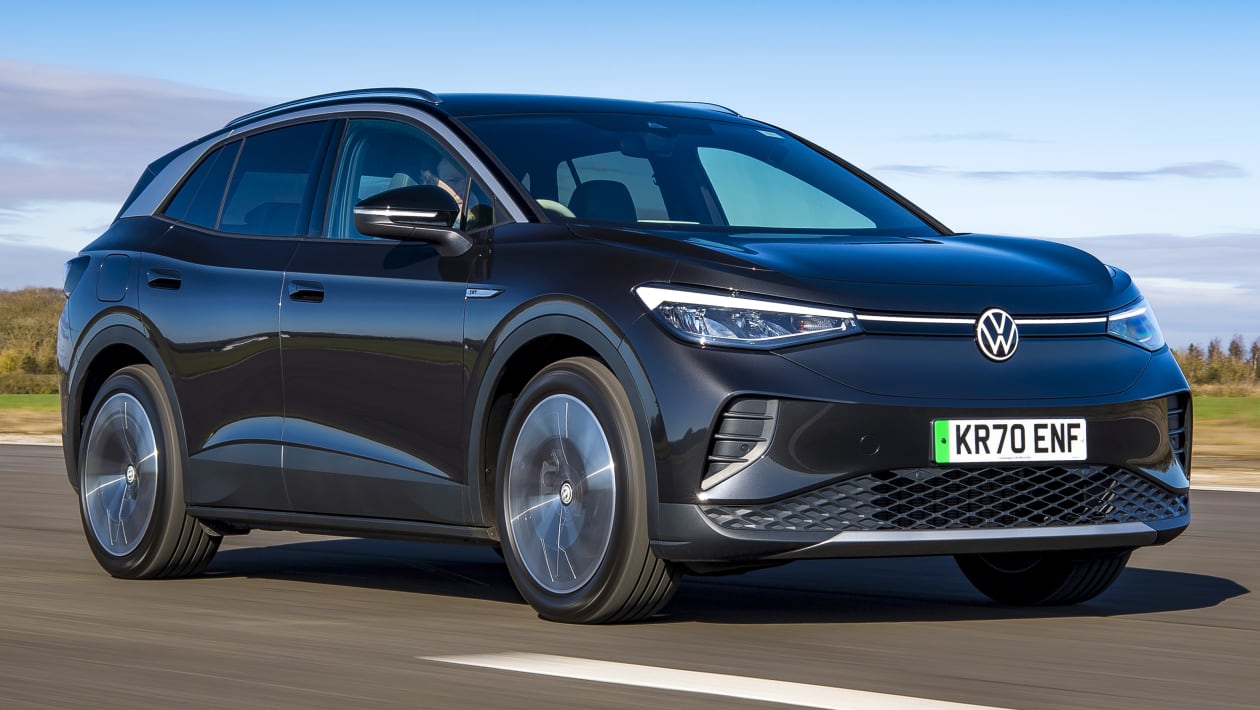
Volkswagen ID.4
The Volkswagen ID.4 is known for its calm and balanced one-pedal driving behavior. Its regenerative braking system slows the car evenly when the accelerator is lifted, without producing sudden spikes or jolts.
This consistent deceleration allows the driver to maintain precise control in a wide variety of driving scenarios, from congested urban streets to long highway descents. Predictable braking enhances both comfort and safety, making the ID.4 an appealing choice for drivers who prioritize stability.
Motor tuning in the ID.4 contributes significantly to the smooth experience. The transition between acceleration and deceleration is linear, eliminating the lurching effect that can occur in less carefully engineered systems.
Drivers notice that the car responds in a way that feels intuitive, reinforcing confidence in the one-pedal driving approach. This predictability reduces the mental load of constantly managing the accelerator and brake pedals, allowing the driver to focus on traffic conditions and driving enjoyment.
Comfort is further enhanced by the vehicle’s suspension system. Deceleration forces are absorbed and distributed evenly, ensuring that passengers experience minimal jolting during one-pedal operation.
This combination of smooth regenerative braking, linear motor response, and well-tuned suspension provides a refined driving experience that is comfortable for both short trips and long-distance journeys.
Finally, the ID.4 allows drivers to adjust the level of regenerative braking according to preference. This customization provides control over how strongly the car slows when the pedal is released, tailoring the driving experience to individual tastes.
By combining stability, predictability, and flexibility, the Volkswagen ID.4 delivers a one-pedal driving system that feels both comfortable and efficient, offering a reassuring sense of control in a variety of conditions.
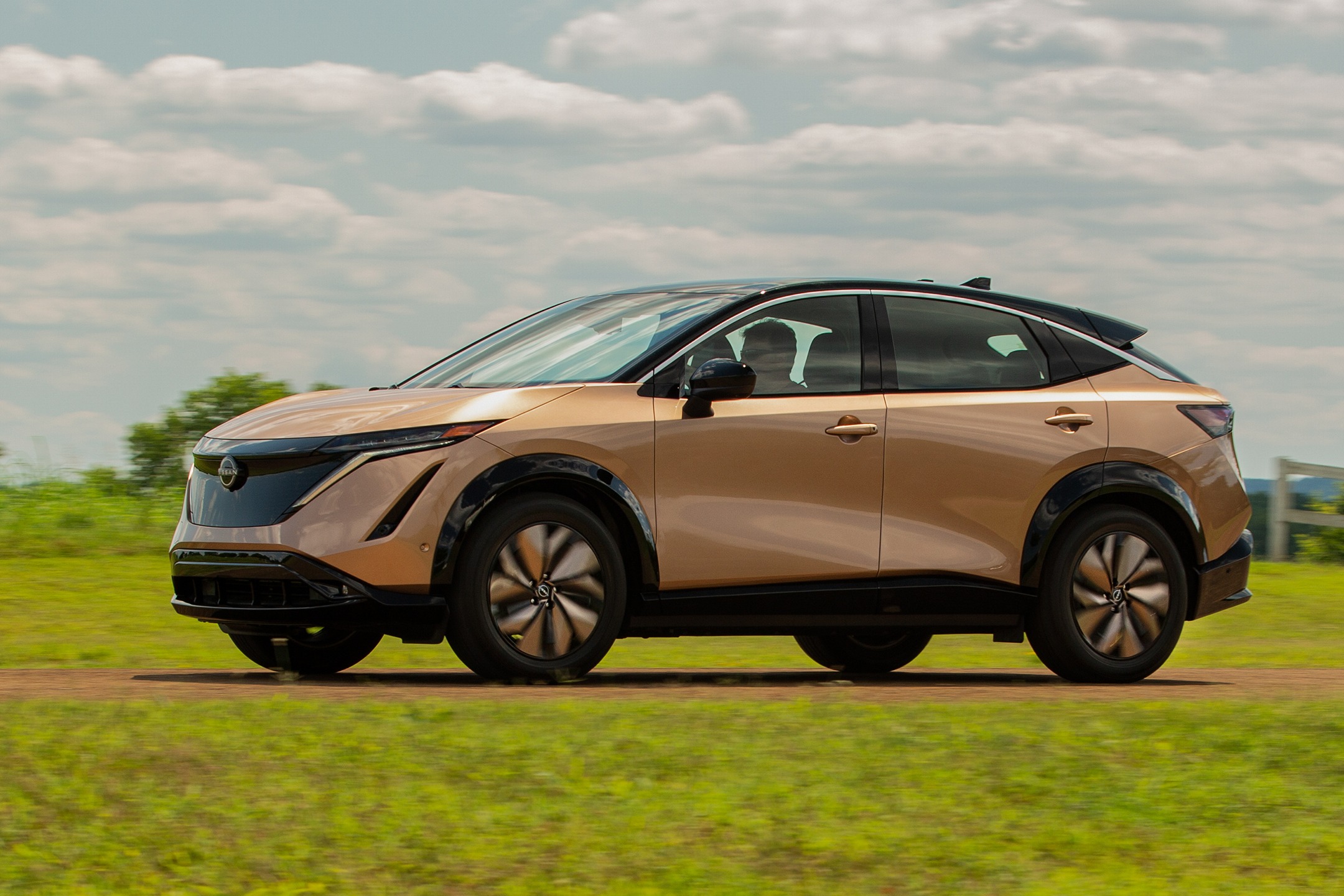
Nissan Ariya
The Nissan Ariya offers one-pedal driving that is both stable and refined, thanks to precise regenerative braking and motor calibration. When the driver releases the accelerator, the car decelerates in a smooth, linear fashion, making city driving and highway cruising equally comfortable.
The predictable slowdown allows drivers to modulate speed accurately without constant brake input, which is especially beneficial in stop-and-go traffic or on hilly terrain.
Software plays an important role in maintaining this consistency. The Ariya’s energy recovery system is designed to prevent sudden spikes in deceleration, ensuring that the driver experiences calm and controlled braking at all times.
Even under heavier regenerative braking settings, the vehicle responds in a manner that feels intuitive, giving the driver a sense of confidence in managing speed with a single pedal. This stability reduces driver fatigue and increases comfort during daily commuting.
The Ariya’s suspension system complements the one-pedal experience by absorbing deceleration forces efficiently. This ensures that passengers feel minimal jolt when the car slows down, even during aggressive stops or quick transitions.
The combination of precise motor control, well-tuned software, and responsive suspension results in a one-pedal system that is both effective and pleasant for extended drives.
Additionally, the Ariya allows drivers to select different regenerative braking levels, tailoring the experience to personal preferences. This flexibility, combined with predictable deceleration and smooth motor behavior, ensures that one-pedal driving in the Ariya is practical, comfortable, and reassuring.
For drivers who want reliability and ease in their daily driving experience, the Nissan Ariya stands out as a highly capable EV in this regard.
5 EVs That Jerk and Lurch
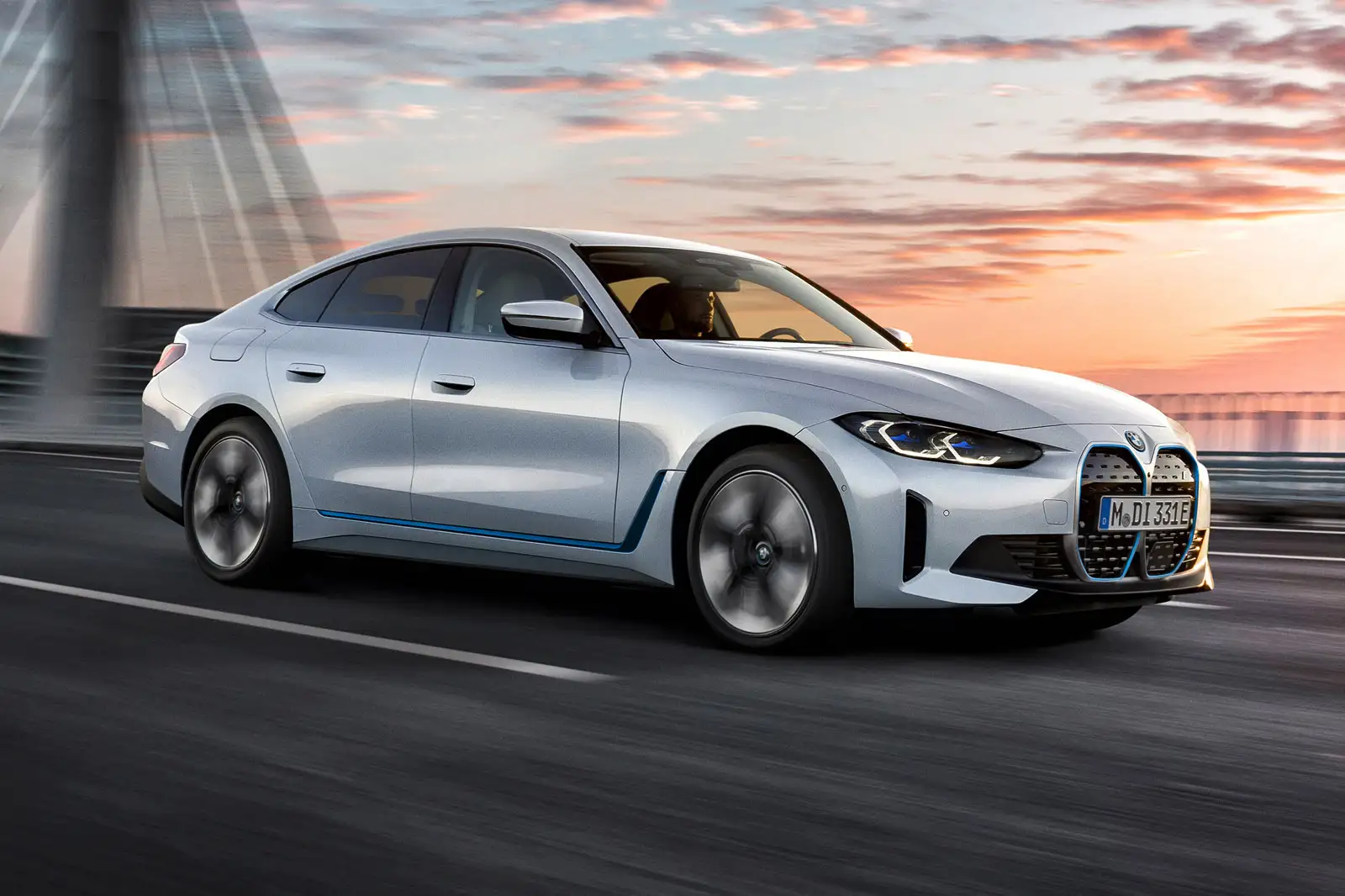
BMW i4
The BMW i4, while praised for performance and handling, often struggles with one-pedal driving due to its regenerative braking characteristics. Some drivers notice that when they release the accelerator, the car decelerates too abruptly at times, creating a sudden jolt.
This is especially noticeable in stop-and-go traffic, where smooth modulation of speed is essential for comfort and confidence.
The abrupt deceleration can require frequent intervention with the brake pedal, which diminishes the convenience of relying solely on one-pedal driving. Over time, drivers may find themselves compensating for the uneven response, which can increase fatigue in longer commutes.
Motor response contributes significantly to the jerky feeling in the i4. The transition between acceleration and deceleration is not perfectly linear, meaning the car sometimes slows more aggressively than expected or accelerates slightly before settling.
This inconsistency can make it difficult to anticipate how the vehicle will behave in real-world driving situations, particularly when navigating city traffic or merging onto highways.
Drivers seeking a predictable, calm one-pedal experience may find the i4 requires a level of attentiveness that diminishes the sense of effortless control that some other EVs provide.
Software tuning in the BMW i4 prioritizes energy recovery and dynamic performance, sometimes at the expense of smoothness. Regenerative braking can engage sharply in order to capture maximum kinetic energy, creating noticeable speed shifts that feel unnatural in daily driving.
While this aggressive strategy can contribute to range efficiency, it often reduces comfort and predictability for the driver. The balance between sportiness and smooth operation is not always aligned with one-pedal driving preferences, which can make the system feel less intuitive.
Finally, cabin feedback amplifies the perception of instability. The suspension transmits deceleration forces directly to the cabin, so sudden braking is more noticeable to passengers.
This effect can create a perception of lurching even when the vehicle slows only moderately. For drivers and passengers who value smooth, controlled stops, the BMW i4’s one-pedal driving experience can feel rough and less refined compared to other EVs designed with stability and comfort as a priority.
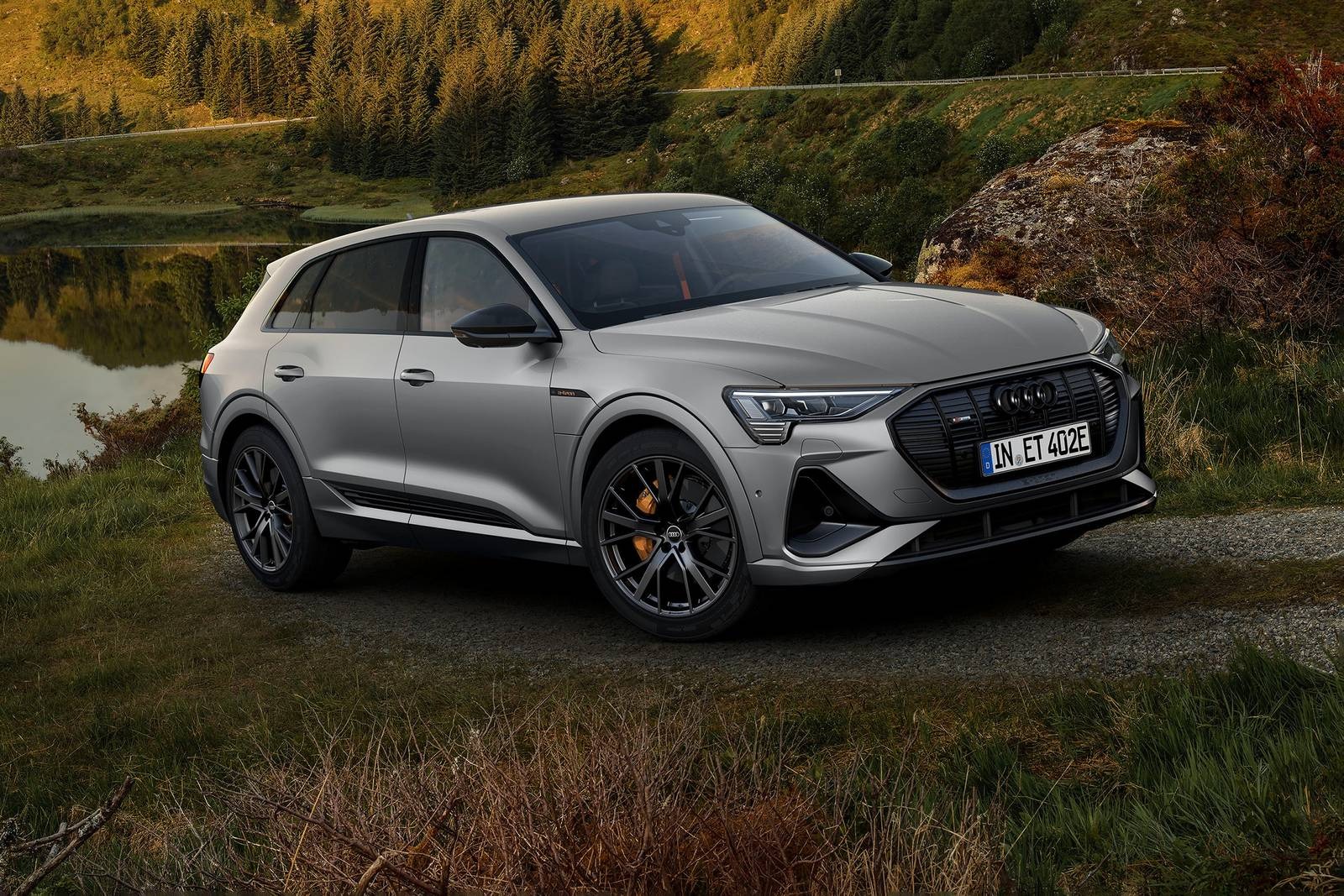
Audi e-tron
The Audi e-tron exhibits inconsistent behavior in one-pedal driving due to its regenerative braking system. Drivers often report that deceleration feels uneven, with sudden increases in braking force when the accelerator is lifted.
This unpredictability makes it challenging to maintain a constant speed in urban traffic and can lead to frequent, unintentional stops or abrupt speed changes.
For those who rely on one-pedal driving as their primary control method, the e-tron’s uneven behavior can be a source of frustration, requiring careful adjustment of foot pressure and constant attention to road conditions.
Motor tuning in the e-tron emphasizes performance characteristics over seamless regenerative braking. The transition between acceleration and deceleration lacks a linear progression, which creates a lurching sensation.
Even small changes in pedal pressure can result in noticeable speed fluctuations, undermining the intended fluidity of one-pedal driving.
This is particularly evident in congested areas, where precise control is necessary to navigate safely and efficiently. Drivers may find themselves relying more on the brake pedal than anticipated, which reduces the convenience of the system.
Regenerative braking algorithms in the e-tron sometimes exaggerate deceleration for energy recovery purposes. While this maximizes battery efficiency, it can produce sudden jolts that feel disconnected from driver intent.
The unpredictable behavior can create discomfort for both driver and passengers, especially when traffic conditions require frequent adjustments to speed. In essence, the energy efficiency gains come at the cost of stability, which is a crucial aspect of enjoyable one-pedal driving.
Finally, suspension dynamics contribute to the perceived lurching effect. The e-tron’s chassis design transmits braking forces directly to the cabin, making sudden deceleration more noticeable to passengers.
The combination of sharp regenerative braking, uneven motor response, and transmitted forces results in a one-pedal experience that can feel rough and less controlled compared to EVs engineered for stability.
While the e-tron excels in performance and luxury, its one-pedal driving behavior may not meet the expectations of those seeking smooth, predictable deceleration.
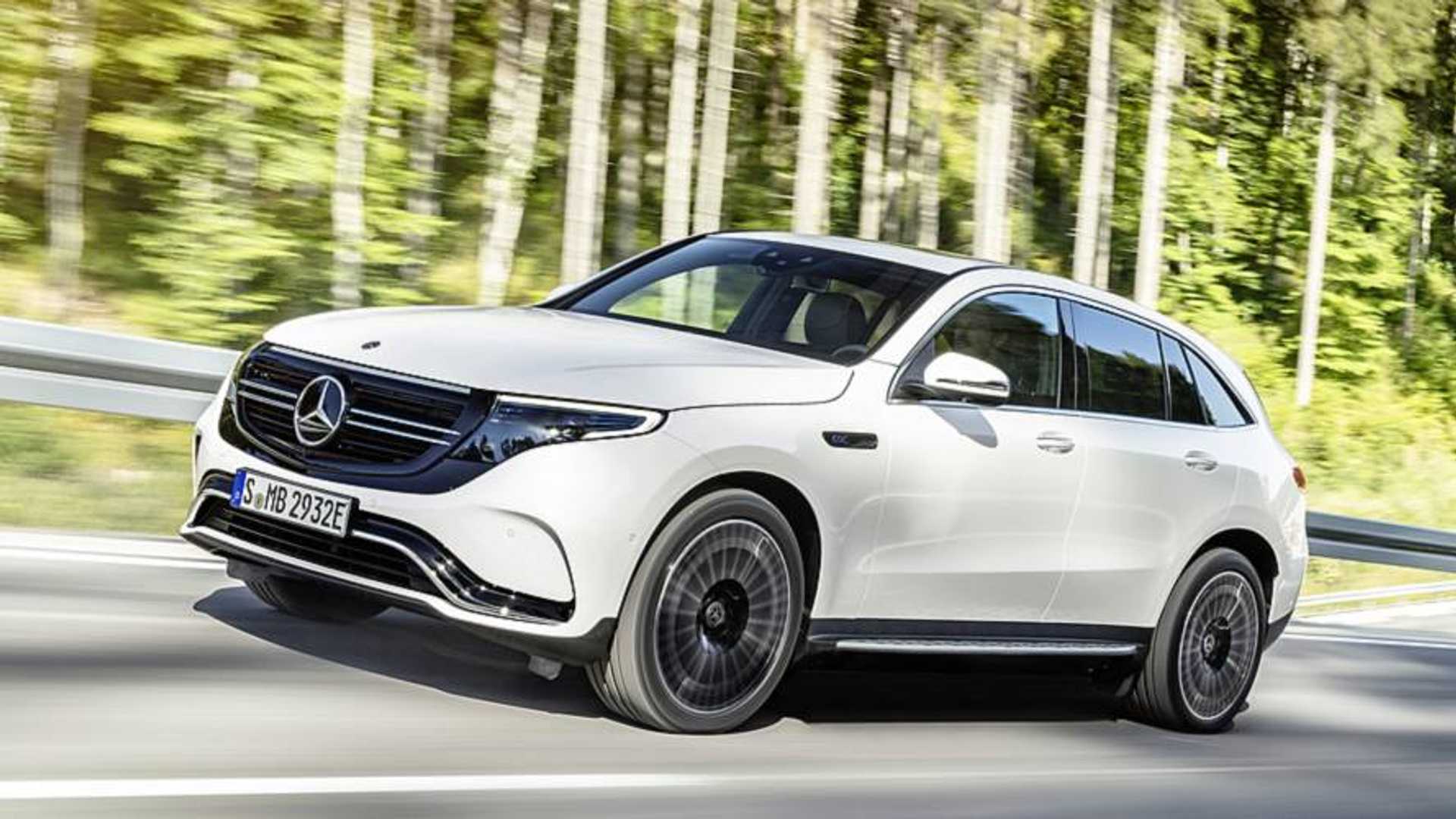
Mercedes-Benz EQC
The Mercedes-Benz EQC is known for offering a high-quality ride and premium interior, but its one-pedal driving system can feel inconsistent. Drivers frequently report that regenerative braking can be overly aggressive at times, resulting in abrupt deceleration that surprises both the driver and passengers.
This unpredictability can make navigating city streets or stop-and-go traffic stressful, as maintaining a consistent speed requires constant attention and quick reactions. The abrupt braking reduces the intuitive nature of one-pedal driving, making it less practical for everyday commuting.
Motor response in the EQC does not always complement the regenerative braking system. The transition from acceleration to deceleration can be uneven, creating a lurching sensation when the driver lifts off the accelerator.
This is particularly noticeable when driving at higher speeds or on gradients, where the vehicle may slow more aggressively than expected. Drivers may find themselves needing to anticipate these fluctuations to maintain smooth control, which increases cognitive load and reduces the ease of one-pedal driving.
Software prioritization also affects comfort. The EQC’s system is tuned to optimize energy recovery and efficiency, which sometimes comes at the expense of smoothness.
Regenerative braking may engage suddenly in certain situations, producing jerks that feel disconnected from the driver’s input. While this approach improves battery efficiency and performance metrics, it often reduces the intuitive, predictable feel that is central to a stable one-pedal experience.
The vehicle’s suspension system can amplify these effects. When deceleration occurs abruptly, forces are transmitted to the cabin in a noticeable way, making passengers more aware of the vehicle’s movements.
The combination of sharp regenerative braking, uneven motor response, and transmitted forces creates a one-pedal driving experience that can feel jarring. Drivers seeking calm, linear deceleration may find the EQC less comfortable and predictable compared to vehicles with better-integrated systems.
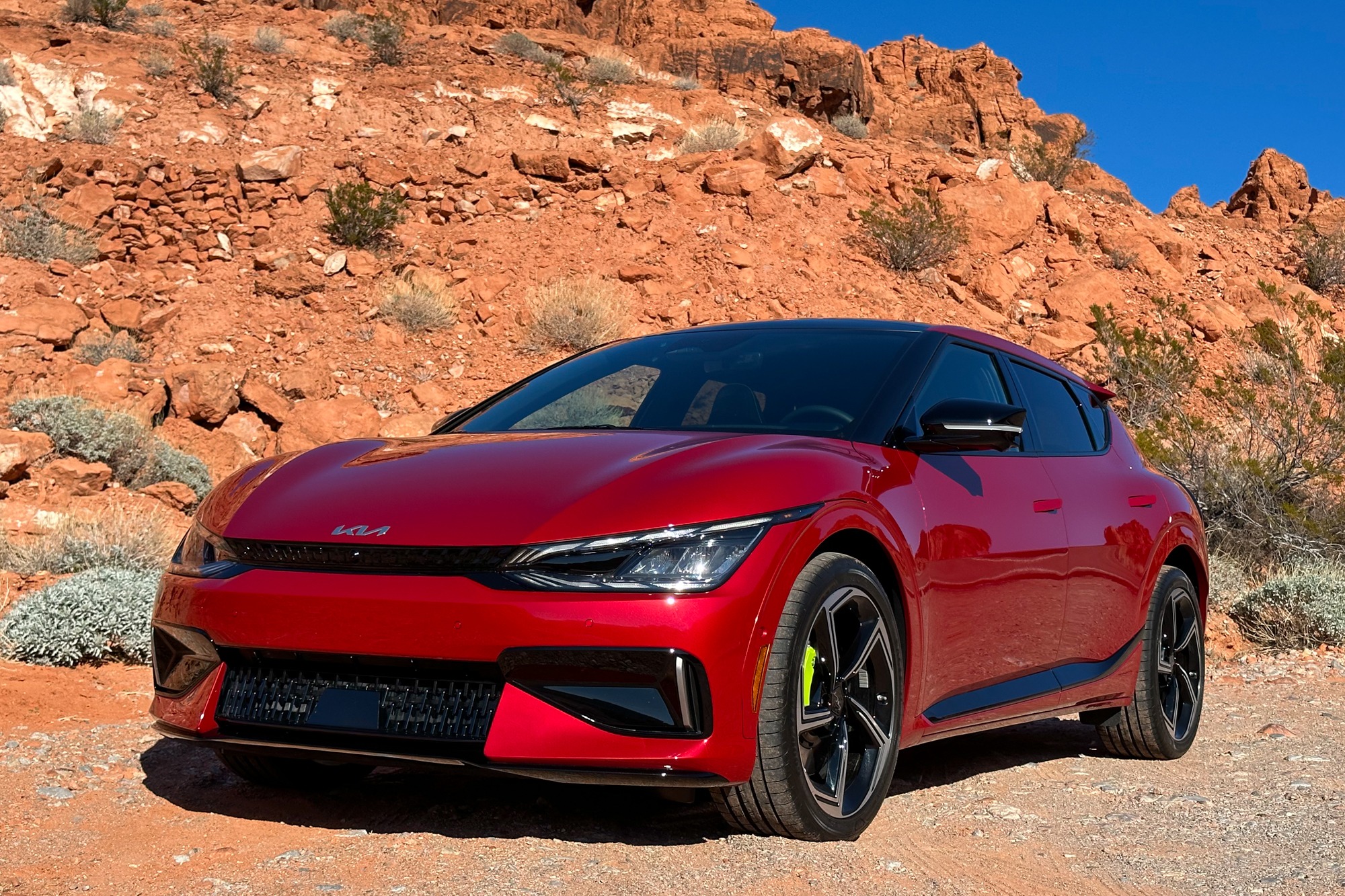
Kia EV6
The Kia EV6 offers strong acceleration and a modern interior, but its one-pedal driving system can feel unpredictable for some drivers. Sudden changes in deceleration can occur when the accelerator is released, creating a sensation of the car jerking or lurching unexpectedly.
This requires the driver to constantly monitor speed and sometimes intervene with the brake pedal, which reduces the convenience of relying primarily on one pedal for control. In urban traffic or heavy commuting scenarios, these inconsistencies can become particularly noticeable and potentially frustrating.
Motor tuning in the EV6 emphasizes responsive acceleration, which can inadvertently affect one-pedal driving. The transition from driving to regenerative braking is not always linear, causing sudden deceleration at unexpected moments.
Drivers may feel as though the car has a mind of its own, forcing them to adjust their inputs frequently to maintain smooth motion. This can undermine the relaxed, predictable experience that one-pedal driving is designed to provide.
Regenerative braking intensity can also vary depending on speed or driving conditions. Energy recovery algorithms sometimes increase braking force aggressively, creating abrupt slowdowns that surprise both the driver and passengers. While this can improve efficiency, it reduces the sense of control and smoothness that many EV drivers expect.
The unpredictable nature of the EV6’s one-pedal system can make city driving more stressful than it needs to be, particularly for drivers who rely on consistent deceleration.
Finally, the suspension system can exaggerate the feeling of lurching. Abrupt regenerative braking forces are transmitted more directly into the cabin, making passengers feel the sudden deceleration more acutely.
Combined with uneven motor response and aggressive energy recovery, this produces a one-pedal experience that feels rough and less refined. Drivers who prioritize smoothness and predictability may find the EV6 less satisfying compared to other EVs with better-calibrated one-pedal systems.
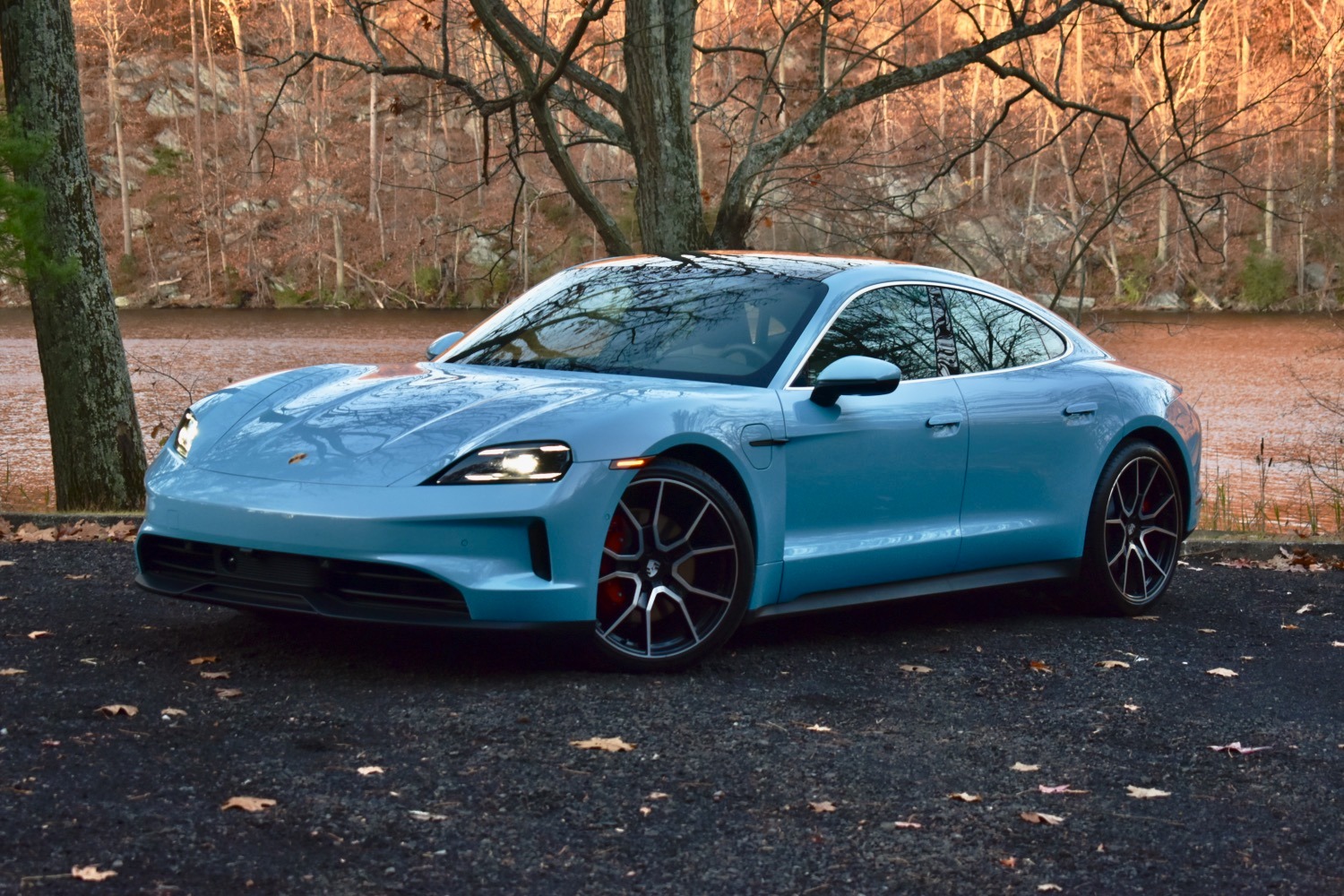
Porsche Taycan
The Porsche Taycan is designed with performance and driving dynamics in mind, but its one-pedal driving can feel aggressive and jerky. Regenerative braking often engages sharply, producing sudden deceleration that requires drivers to frequently apply the brake pedal.
This can be especially challenging in stop-and-go urban traffic, where smooth modulation of speed is critical for comfort and control. Despite its performance credentials, the Taycan’s one-pedal experience is sometimes less intuitive and less forgiving than that of EVs with more relaxed braking systems.
Motor tuning in the Taycan emphasizes sportiness, which can make one-pedal driving feel abrupt. The transition from acceleration to deceleration is not perfectly linear, so the car may slow rapidly when the pedal is lifted or even slightly overshoot before stabilizing.
This behavior requires the driver to anticipate the vehicle’s movements and adjust inputs constantly, increasing cognitive load during routine driving. For drivers seeking a calm, stable one-pedal experience, this characteristic can be fatiguing.
The energy recovery system also plays a role in the lurching sensation. The Taycan prioritizes capturing as much kinetic energy as possible, which can result in sudden braking events that feel unnatural.
While this strategy contributes to range efficiency and performance, it reduces the predictability that drivers rely on for smooth, one-pedal operation. Drivers must actively compensate for these fluctuations, which diminishes the convenience of operating the vehicle with a single pedal.
Finally, the suspension and chassis amplify the perception of abruptness. Deceleration forces are transmitted firmly to the cabin, highlighting every sudden change in speed. While this provides excellent feedback for spirited driving and handling, it can make one-pedal operation feel less refined and more aggressive.
Passengers may feel jolts that reduce comfort, and drivers seeking a stable, calm experience may find the Taycan’s one-pedal behavior challenging to manage consistently.
