
There is a unique appeal to vintage SUVs that modern vehicles struggle to replicate. They possess a combination of ruggedness, simplicity, and personality that resonates with enthusiasts and collectors alike.
Unlike many contemporary SUVs that prioritize comfort and technology over raw capability, vintage models were often designed with durability and off-road performance in mind. Their boxy shapes, heavy-duty suspensions, and straightforward mechanical components made them dependable machines capable of handling harsh terrain and challenging conditions.
For many drivers, these vehicles are not only practical tools but also symbols of adventure and resilience, evoking memories of long road trips, remote camping excursions, and the freedom of the open road.
Part of what makes these older SUVs so compelling is their mechanical accessibility. With fewer electronic systems and a simpler design philosophy, they are often easier to maintain and modify. Enthusiasts can tinker with engines, swap suspensions, or upgrade drivetrains without the complexity of modern vehicles.
This hands-on appeal has helped many of these vehicles maintain a loyal following decades after their production ended. Beyond performance, vintage SUVs carry a certain aesthetic charm. Their rugged styling, from angular fenders to large, functional grilles, conveys a sense of toughness that modern curvy designs often lack. Collectors and drivers alike appreciate how these vehicles make a statement on the road simply by existing in their original form.
Another aspect of their lasting popularity is reliability. Many of these vehicles were engineered with heavy-duty components designed to endure abuse. Frame rails, solid axles, and robust four-wheel-drive systems are not features included for luxury; they were necessities for those who used these vehicles in demanding environments.
Even decades later, some of these SUVs continue to perform admirably in off-road conditions that would challenge many modern vehicles. Their reputation for durability has cemented them as classics that are not just nostalgic but functional.
Finally, vintage SUVs connect people with an era where adventure was less mediated by technology. Unlike modern SUVs loaded with sensors and cameras, these vehicles demanded attention and skill from the driver. Maneuvering through rough trails, steep inclines, or muddy roads was a test of both machine and operator.
1. Toyota Land Cruiser FJ40
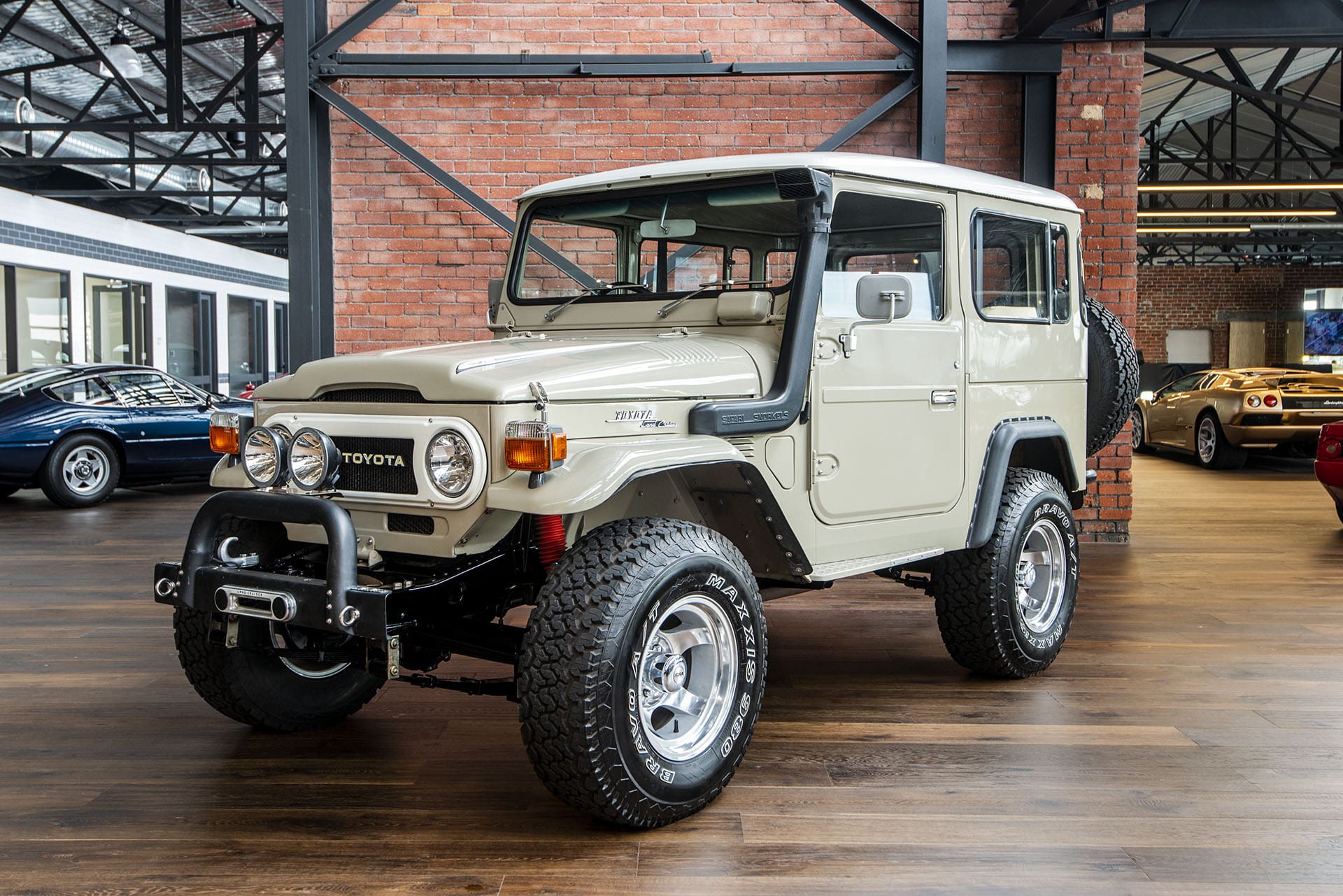
The Toyota Land Cruiser FJ40 is widely regarded as one of the most iconic vintage SUVs ever produced. Introduced in the 1960s, it quickly gained a reputation for toughness and reliability. Its solid body-on-frame construction, combined with a simple yet durable four-wheel-drive system, made it a favorite among off-road enthusiasts and explorers around the world.
The FJ40 was designed to endure extreme conditions, from arid deserts to muddy trails, and its mechanical simplicity allowed for easy repairs in remote locations. Owners often describe it as a vehicle that inspires confidence, knowing it can handle whatever terrain it faces.
One of the FJ40’s most features is its rugged exterior design. The boxy silhouette, round headlights, and short overhangs are not only visually striking but also functional. Its design maximizes approach and departure angles, allowing it to tackle obstacles that would challenge many modern SUVs.
Inside, the cabin is spartan but purposeful, with minimal controls and durable materials that can withstand years of use. This utilitarian approach reinforces the sense that the FJ40 was built to work first and comfort second. Its timeless styling has made it a sought-after collector’s vehicle while retaining practical off-road capability.
Under the hood, the FJ40 typically came with Toyota’s reliable inline-six engines. These engines are known for their longevity and relatively simple maintenance requirements. Paired with a manual transmission, they provide a direct and engaging driving experience.
While the FJ40 is not fast by modern standards, its torque delivery and four-wheel-drive system ensure steady performance in off-road conditions.
Many enthusiasts appreciate the mechanical feedback and control it offers, qualities that are often absent in today’s heavily computerized SUVs. Regular maintenance and proper care have allowed many FJ40s to remain fully operational decades after their production.
The FJ40’s enduring appeal also lies in its versatility. It has served as a daily driver, a trail vehicle, and a reliable companion for long expeditions. Its reputation is reinforced by countless stories of explorers and adventurers relying on this SUV in remote regions.
Despite its age, it still commands respect for its toughness and reliability. The combination of mechanical simplicity, rugged design, and capable four-wheel-drive systems ensures that the FJ40 continues to stand out as a benchmark for what a true, no-nonsense SUV should be.
2. Jeep CJ-7
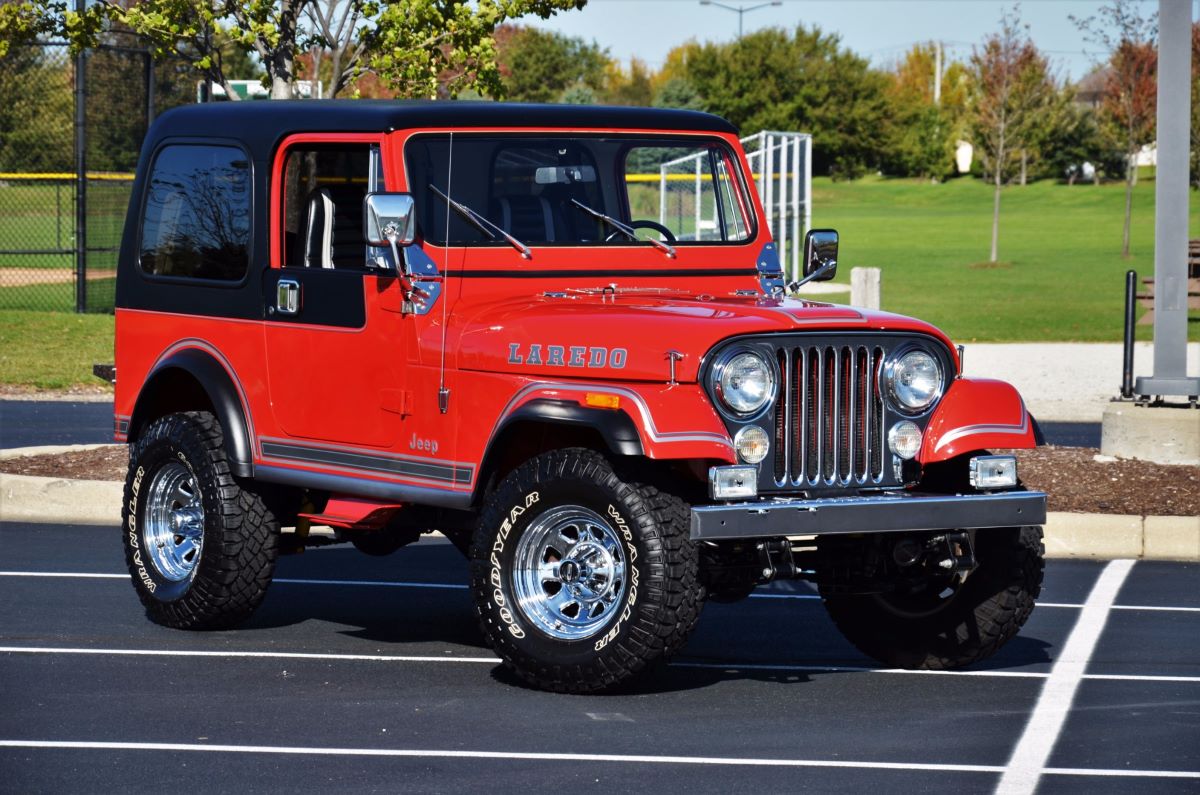
The Jeep CJ-7 is a classic example of American off-road engineering that has earned its place in SUV history. Produced between the late 1970s and mid-1980s, it carried forward the Jeep tradition of ruggedness and utility.
The CJ-7 expanded on earlier Jeep designs, providing a slightly longer wheelbase, which improved stability without compromising maneuverability.
Its solid axles, simple four-wheel-drive system, and light yet sturdy frame made it ideal for both recreational off-roading and practical use in rural areas. Jeep enthusiasts often praise the CJ-7 for its balance of toughness and adaptability.
The exterior design of the CJ-7 reflects its purpose-driven origins. The removable soft or hard top, flat fenders, and classic round headlights give it a distinctive look that is both utilitarian and instantly recognizable. Functionality was prioritized over style, yet the vehicle’s aesthetic has become a symbol of adventure and freedom.
The compact yet spacious body allows for easy maneuvering in tight trails while still accommodating passengers comfortably. Its simplicity allows owners to customize or repair the vehicle without needing specialized equipment, a key reason it remains popular among off-road hobbyists.
Mechanically, the CJ-7 offered a range of engines, from inline-sixes to V8 options, paired with either manual or automatic transmissions. These engines are renowned for reliability and ease of repair, with many replacement parts still available decades later.
The transfer case provides robust four-wheel-drive engagement, making it suitable for challenging terrain. Off-road enthusiasts often remark on the vehicle’s predictable handling and durability, noting that even under heavy use, it remains capable and dependable. The CJ-7 embodies a hands-on driving experience that rewards skill and patience.
The Jeep CJ-7’s reputation has also been shaped by its versatility. It has served as a workhorse on farms, a trail companion, and a symbol of American automotive heritage. Collectors appreciate its authenticity and simplicity, while drivers value its ability to perform in a variety of conditions.
3. Land Rover Series III
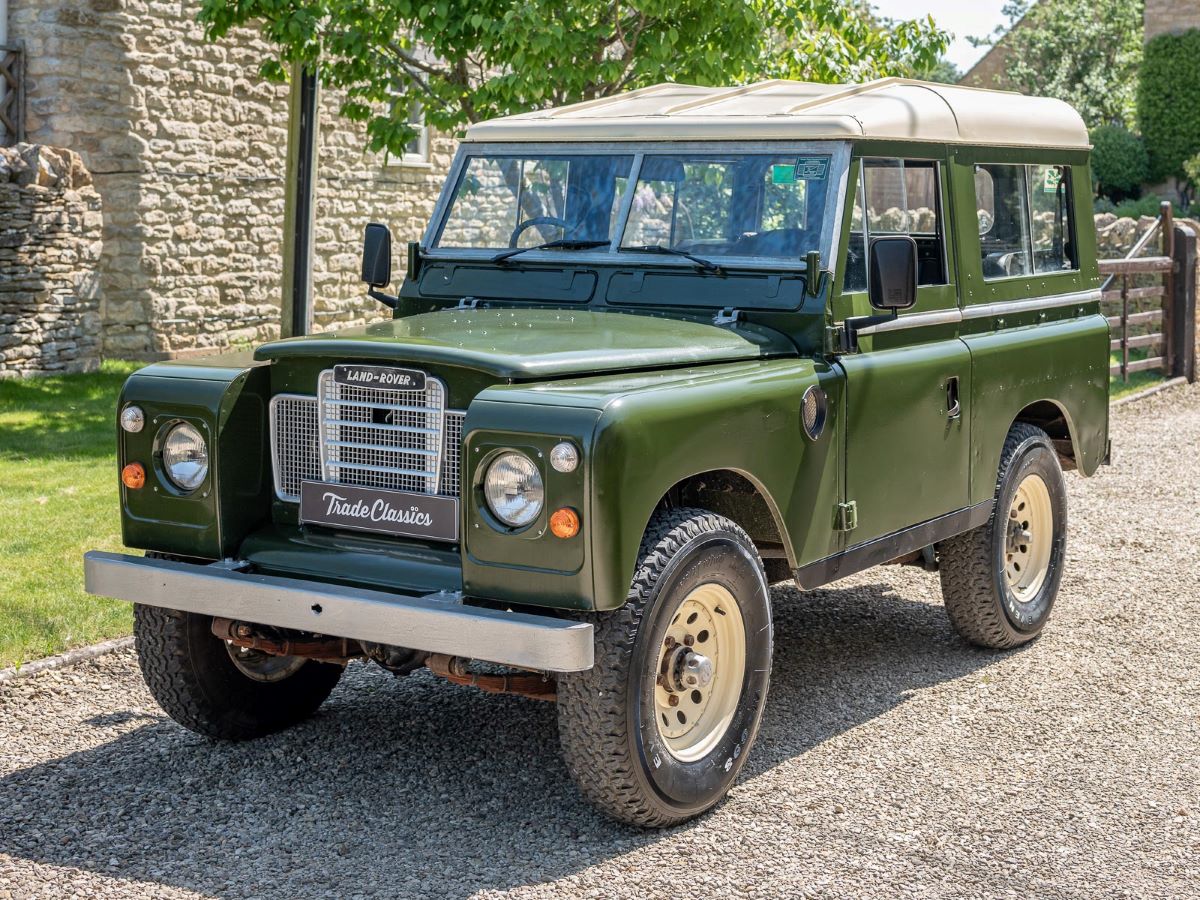
The Land Rover Series III is a classic British SUV that exudes toughness and simplicity. Produced between 1971 and 1985, it was designed to handle the harshest terrains with minimal fuss. Its ladder-frame chassis, solid axles, and permanent four-wheel-drive system were engineered to endure rigorous use in environments ranging from the deserts of Africa to the muddy fields of Europe.
Unlike modern SUVs, the Series III prioritized durability and mechanical accessibility over comfort or electronics, which made it highly practical for explorers and farmers alike. Its lightweight aluminum body panels also provided resistance to rust, a common problem in older steel-bodied vehicles, ensuring that these trucks could survive decades of exposure to the elements.
Owners of Series III vehicles often describe them as vehicles that reward patience and mechanical intuition, capable of going further and longer in remote regions than many modern SUVs with all their technology.
The exterior of the Series III reflects its utilitarian roots. Its boxy shape, upright windshield, and flat fenders convey a sense of ruggedness that has become iconic. Functional features such as large door handles, simple hinges, and exposed rivets emphasize practicality rather than style.
Despite its spartan appearance, the Series III offers a commanding presence on the road. Its high ground clearance and short overhangs enhance its off-road ability, allowing drivers to tackle obstacles like rocks, streams, and uneven terrain without difficulty.
Many enthusiasts also appreciate the charm of its hand-cranked windows, sliding rear doors, and simple but functional roof options. These elements make it clear that this vehicle was created for adventure and durability rather than luxury.
Under the hood, the Series III was powered by a variety of inline-four and inline-six engines, both petrol and diesel. These engines are renowned for their simplicity, reliability, and ease of repair. Even with basic tools, owners can replace or rebuild components, which is particularly useful in remote or undeveloped areas.
The four-wheel-drive system features a two-speed transfer case, allowing for careful navigation over technical terrain. While the vehicle is not fast or refined by modern standards, its torque delivery and mechanical reliability make it exceptional off-road. Many Series III owners note that the vehicle encourages a more connected driving experience, where careful throttle control and precise steering become part of the adventure rather than an inconvenience.
The Land Rover Series III has earned a reputation as a versatile and enduring SUV. It has served as a farm vehicle, expedition transport, and even an emergency service vehicle in various countries. Its mechanical resilience, practical design, and classic aesthetic have made it a sought-after collectible for enthusiasts who value authenticity and capability.
Decades after production ended, many Series III vehicles continue to perform admirably, whether navigating rural tracks, muddy trails, or rocky inclines. Its enduring appeal lies not only in its mechanical toughness but also in its ability to create a sense of connection between driver and machine that modern SUVs often fail to replicate.
4. Chevrolet K5 Blazer (First Generation)
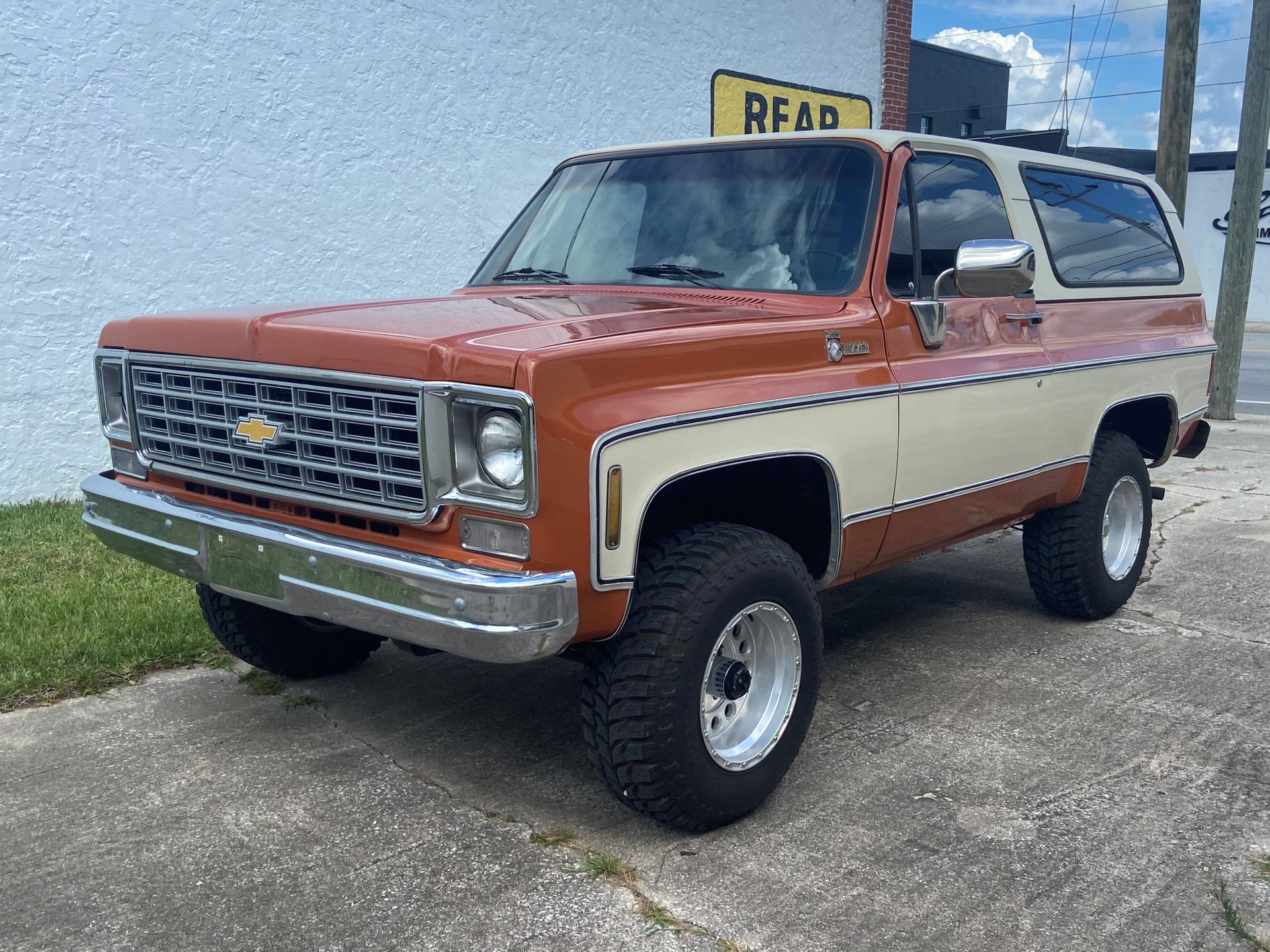
The first-generation Chevrolet K5 Blazer, produced from 1969 to 1972, represents a bold American approach to SUV design. Unlike other vehicles that prioritized compact utility, the K5 Blazer was designed with power, versatility, and presence in mind.
Its full-size body-on-frame construction, heavy-duty suspension, and solid axles provided a level of toughness that allowed it to handle off-road conditions with ease. The vehicle was originally conceived to compete with the Ford Bronco and Jeep Wagoneer, yet it quickly distinguished itself with its combination of brute strength and practicality.
Many enthusiasts consider it a perfect balance of vintage style and mechanical resilience, capable of enduring decades of demanding use with minimal issues.
Visually, the K5 Blazer commands attention. Its tall stance, long hood, and removable hardtop create a silhouette that is both aggressive and functional. The large grille and squared-off fenders contribute to its rugged aesthetic while also improving airflow and cooling for its engine. Inside, the cabin is roomy for its era, with durable materials designed to survive years of heavy use.
The layout is straightforward, with clearly marked controls and minimal electronics, reflecting the vehicle’s emphasis on reliability rather than luxury. Its combination of aesthetic boldness and practical design has helped it maintain its appeal in both collector and off-road communities.
Mechanically, the K5 Blazer offered a range of powerful V8 engines paired with either manual or automatic transmissions. Its four-wheel-drive system, with a transfer case providing high and low range, made it a competent vehicle in off-road conditions.
Suspension components were designed for strength rather than comfort, which gave the Blazer the ability to endure rough trails without significant wear. Owners frequently praise its predictable handling on uneven terrain and its ability to tow or carry heavy loads, demonstrating versatility that few modern SUVs can match in terms of ruggedness.
The K5 Blazer’s legacy also extends beyond its mechanical performance. Its presence in popular culture, its adaptability for off-road enthusiasts, and its ability to maintain value as a collectible vehicle have cemented its place among classic American SUVs.
Even decades later, the Blazer continues to impress with its toughness and durability. Many examples remain on the road today, performing well under both recreational and utilitarian conditions. Its combination of power, style, and capability ensures that it remains a symbol of what a strong and enduring SUV should be.
5. Ford Bronco (First Generation)
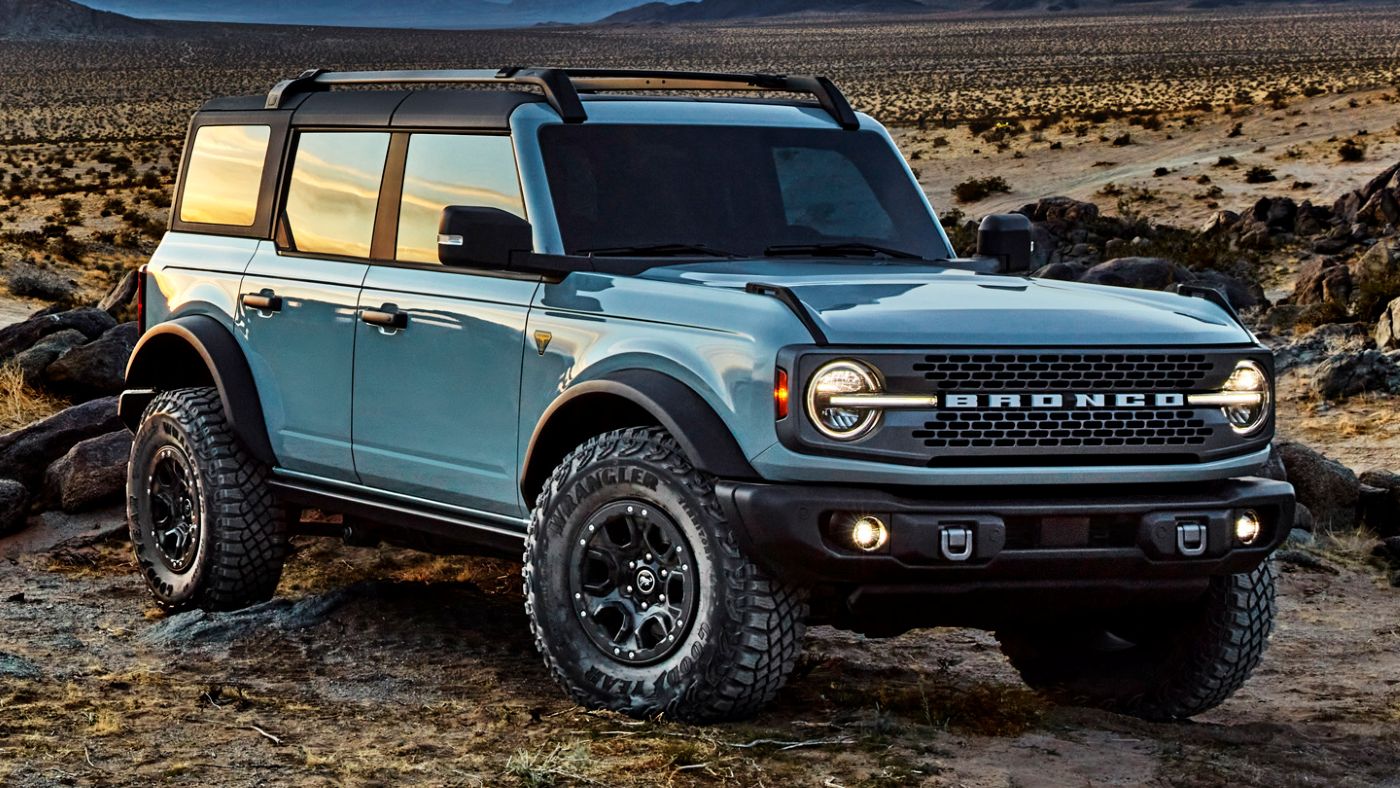
The first-generation Ford Bronco, produced between 1966 and 1977, is a classic American SUV that embodies rugged simplicity. Designed as a direct competitor to the Jeep CJ series, the Bronco combined compact size with off-road capability, making it suitable for both urban and rural use.
Its short wheelbase, solid axles, and lightweight frame provided excellent maneuverability on difficult terrain. The vehicle was marketed to outdoor enthusiasts, hunters, and anyone seeking a durable vehicle capable of tackling rough trails. Its reliability and mechanical simplicity ensured that it could endure years of hard use while remaining relatively easy to maintain, qualities that are still appreciated by vintage SUV collectors today.
The exterior of the first-generation Bronco is a testament to purposeful design. Its boxy shape, flared fenders, and removable hard or soft top convey a sense of adventure and capability. The vehicle’s compact dimensions and minimal overhangs enhance off-road performance, allowing drivers to navigate tight trails and challenging obstacles.
Even in urban settings, the Bronco’s presence is commanding, drawing attention with its rugged lines and bold proportions. Inside, the cabin is practical and functional, with durable materials designed to withstand hard use. The simplicity of the controls and layout makes it accessible to drivers who appreciate a straightforward, engaging driving experience.
Underneath the body, the Bronco featured a choice of inline-six and small-block V8 engines, coupled with either manual or automatic transmissions. Its four-wheel-drive system provided low and high ranges for serious off-road driving, while the solid axles and leaf-spring suspension offered durability and predictability in rough conditions.
While modern drivers may find the ride less refined than contemporary SUVs, off-road enthusiasts value the feedback and control it provides. The mechanical components are accessible and easy to work on, making the Bronco ideal for those who enjoy maintaining and upgrading their vehicle personally.
The first-generation Bronco has become a symbol of American off-road culture. Its toughness, reliability, and timeless design have kept it relevant for decades. Many of these vehicles are still actively used for outdoor adventures, from trail driving to overland expeditions.
The combination of mechanical simplicity, capable four-wheel-drive systems, and classic styling ensures that the Bronco remains one of the most respected vintage SUVs. Its enduring popularity reflects its ability to combine utility, toughness, and charm in a way that few other vehicles can match.
6. Land Rover Defender 90
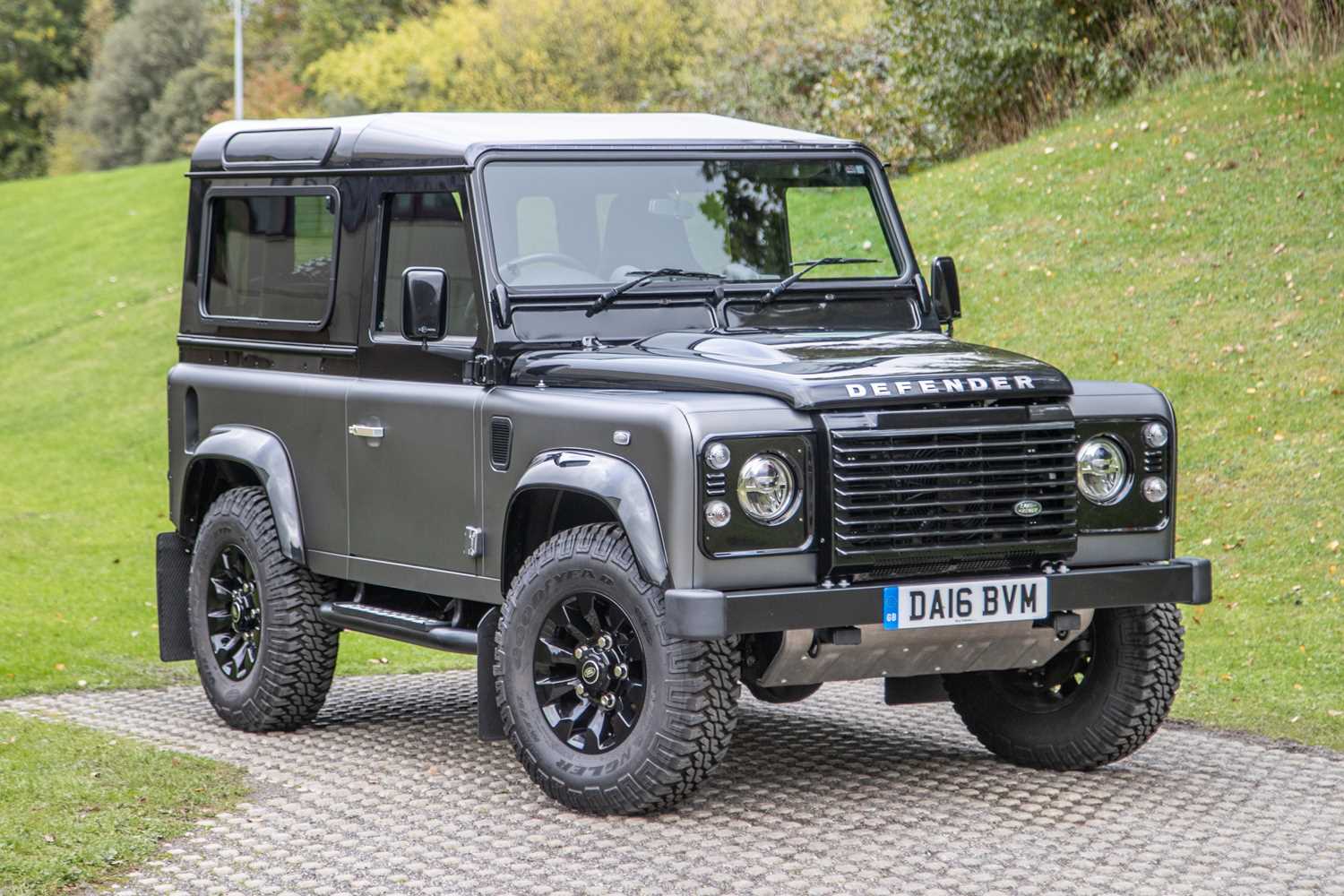
The Land Rover Defender 90 is a modern evolution of the classic Series models, yet it retains the toughness and character that have defined the brand for decades. Known for its short wheelbase and exceptional off-road capability, the Defender 90 is a vehicle that combines compact dimensions with rugged engineering.
Its heavy-duty chassis, solid axles, and permanent four-wheel-drive system make it capable of navigating some of the most challenging terrain in the world.
Unlike more comfort-focused SUVs, the Defender 90 prioritizes mechanical reliability and durability, which is why it has long been a favorite among adventurers, farmers, and overlanders alike. Its relatively lightweight design, combined with robust construction, allows it to maintain agility while remaining incredibly strong under demanding conditions.
The exterior of the Defender 90 communicates a sense of purpose and resilience. Its boxy, angular design, flat fenders, and short front and rear overhangs provide a combination of functional off-road geometry and a recognizable, iconic look. The vehicle’s elevated stance and large wheels further enhance its off-road ability, allowing it to clear obstacles with ease.
Features such as exposed hinges, functional roof racks, and utilitarian bumpers reinforce its design as a working vehicle rather than a luxury accessory. Despite being relatively compact, the Defender 90 offers impressive interior space for passengers and cargo, making it versatile for both off-road adventures and practical utility. Its styling has aged well, maintaining a presence that is instantly recognizable and admired by enthusiasts worldwide.
Mechanically, the Defender 90 is engineered to endure punishment over time. It has been equipped with durable inline-four and inline-six engines, often paired with robust manual or automatic transmissions. The solid axles, strong drivetrain, and locking differentials provide exceptional traction on rough surfaces, while the transfer case allows for precise control in low-speed off-road situations.
These features, combined with the vehicle’s lightweight yet strong aluminum body panels, allow it to endure conditions that would challenge many other vehicles. Mechanics and owners appreciate its simplicity, accessibility, and ability to be repaired in remote locations, keeping it operational in situations where modern SUVs would struggle.
The Defender 90’s reputation is also built on its versatility and cultural impact. It has been a mainstay in expeditions, agricultural work, and military applications, proving that it is not just a collector’s item but a functioning, durable machine.
The combination of a compact footprint, mechanical resilience, and iconic styling has allowed the Defender 90 to maintain its status as a tough SUV in both practical and cultural contexts. Its continued use in challenging environments, even decades after production, emphasizes the enduring value of vehicles designed with durability, utility, and purpose in mind.

7. International Harvester Scout II
The International Harvester Scout II is a classic American SUV that embodies ruggedness and versatility. Produced from 1971 to 1980, the Scout II was designed as a competitor to the Ford Bronco and Chevrolet Blazer, offering a slightly larger and more refined approach to off-road capability.
Its body-on-frame construction, solid axles, and reliable four-wheel-drive system made it well-suited for farm work, trail driving, and long-distance expeditions. The Scout II was engineered for durability rather than style, yet its clean, angular lines, tall stance, and utilitarian features have earned it a devoted following among collectors and enthusiasts.
Many owners value the Scout II for its mechanical simplicity, which allows for relatively easy maintenance and customization even decades after production ended.
The exterior of the Scout II is purposeful and commanding. Its squared-off body panels, flat windshield, and removable hard or soft top communicate toughness and practicality. The design maximizes ground clearance, approach and departure angles, and visibility, all of which contribute to its off-road prowess.
The vehicle’s rugged proportions make it highly adaptable for both trail use and work-related tasks, while the ability to remove the top adds versatility for outdoor recreation. Despite its utilitarian roots, the Scout II’s aesthetic has aged gracefully, gaining recognition for its classic SUV silhouette and functionality-driven design.
Underneath the body, the Scout II featured a variety of inline-six and V8 engines, paired with manual or automatic transmissions. The four-wheel-drive system, which included low-range gearing, allowed for controlled navigation over difficult terrain.
Its suspension components were designed for durability and predictable handling on uneven surfaces, making it a reliable companion for off-road enthusiasts. Many Scout II owners emphasize the simplicity and accessibility of its mechanical components, which makes it easier to maintain in remote areas or perform upgrades without specialized equipment. The vehicle’s performance may lack the refinement of modern SUVs, but its dependability and toughness remain exceptional.
The International Harvester Scout II’s legacy is closely tied to its versatility and cultural significance. It has been used as a work vehicle, recreational SUV, and even a platform for restoration projects that preserve its historical authenticity.
Its combination of mechanical resilience, off-road capability, and iconic styling has allowed it to endure as a symbol of rugged American engineering. Even decades after production ceased, well-maintained Scout IIs continue to perform admirably, offering both collectors and drivers a vehicle that is as functional as it is historically significant.
8. Nissan Patrol 160 Series
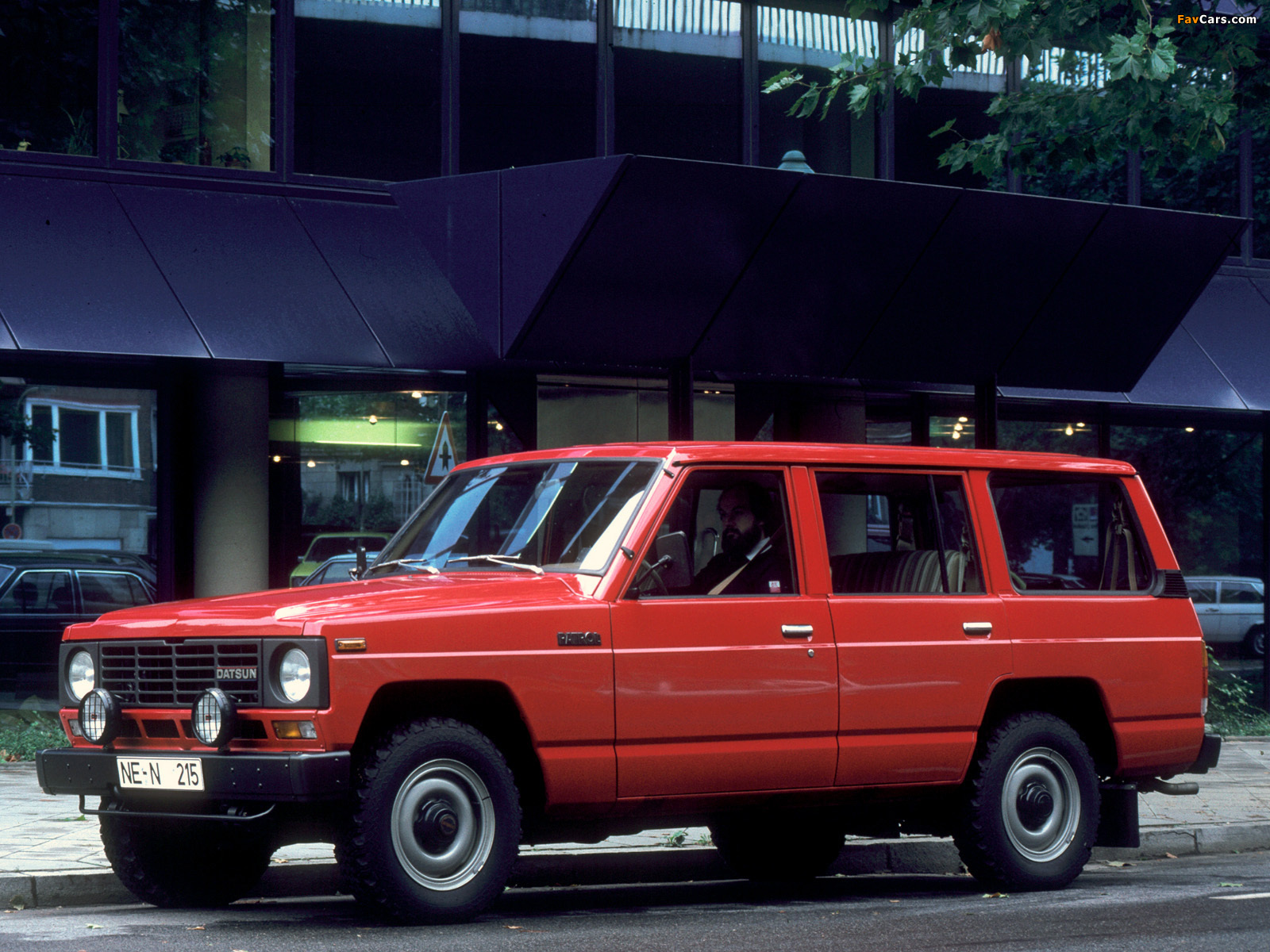
The Nissan Patrol 160 Series is a legendary Japanese SUV that has earned a reputation for toughness and endurance. Produced during the 1980s, it was designed to handle extreme conditions, from desert dunes to rocky mountain trails. Its body-on-frame construction, solid axles, and dependable four-wheel-drive system allowed it to thrive in environments that would challenge many other vehicles.
The Patrol 160 Series became especially popular in regions like the Middle East and Australia, where off-road capability was a necessity rather than a luxury. Known for reliability and ease of maintenance, this SUV has earned a dedicated following among collectors and adventurers who value its no-nonsense approach to off-road performance.
The exterior design of the Patrol 160 Series reflects functional simplicity. Its boxy silhouette, flat fenders, and tall stance maximize utility and clearance, while large windows enhance visibility in difficult terrain. The design emphasizes durability over aesthetics, yet its purposeful proportions give it an unmistakable presence on and off the road.
The interior is equally practical, with minimal controls, robust materials, and seating arrangements designed for functionality and comfort during long journeys. Its utilitarian design ensures that it remains capable and dependable in challenging conditions without relying on modern conveniences that can complicate maintenance.
Mechanically, the Patrol 160 Series featured strong inline-six petrol and diesel engines, often paired with either manual or automatic transmissions. Its four-wheel-drive system, including a low-range transfer case, allowed it to tackle steep inclines, deep mud, and loose sand with confidence.
Suspension components were built for durability rather than refinement, resulting in a vehicle that provides stability and traction over rough terrain. Many enthusiasts highlight the Patrol’s reliability in harsh conditions, noting that it can endure years of heavy use with minimal issues. Its mechanical simplicity also allows for relatively easy repairs and modifications, making it a favorite for overlanders and off-road adventurers.
The Patrol 160 Series continues to enjoy a strong reputation due to its toughness, dependability, and versatility. It has been used for long expeditions, agricultural work, and as a reliable transportation vehicle in regions with extreme terrain.
Its enduring appeal lies in its combination of rugged engineering, practical design, and ability to maintain performance over decades of use. Even today, many well-maintained examples continue to impress, proving that thoughtful engineering and simplicity can outlast modern trends in automotive design.
9. Dodge Ramcharger (First Generation)
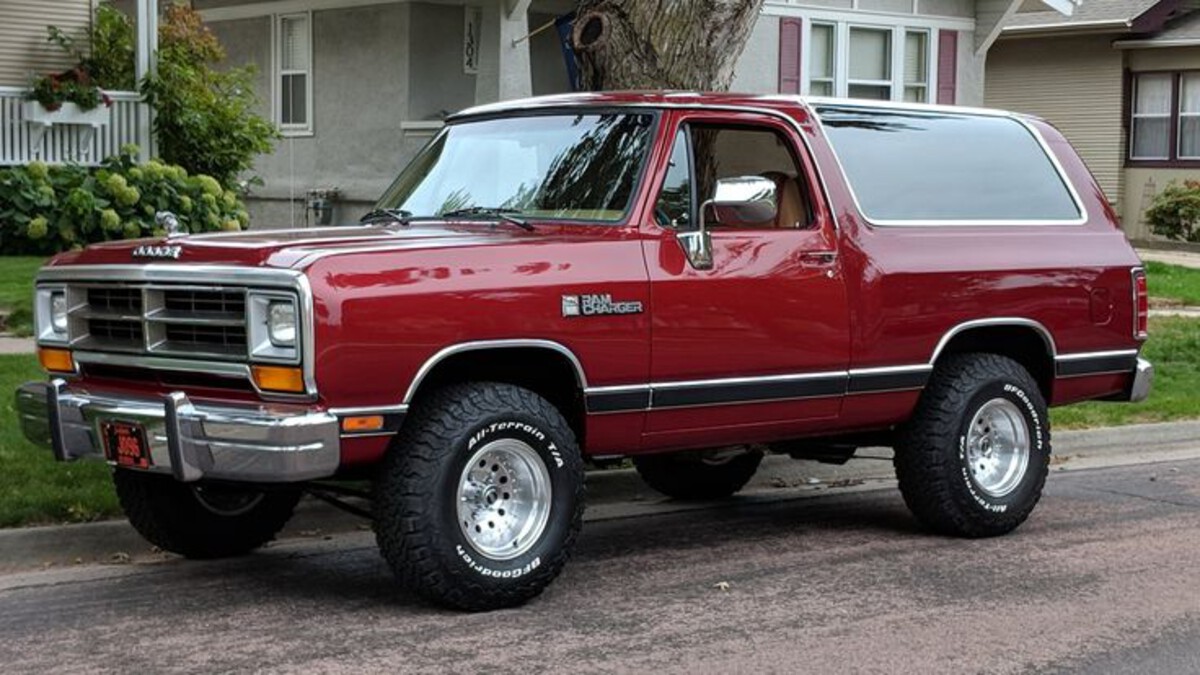
The Dodge Ramcharger, introduced in 1974, represents a classic American SUV built for power, versatility, and toughness. Its full-size body-on-frame construction, solid axles, and robust drivetrain made it capable of handling a variety of terrains and conditions, from rough trails to snow-covered roads.
The first-generation Ramcharger was designed with utility in mind, featuring a simple yet effective four-wheel-drive system that allowed it to perform in challenging off-road scenarios. With its combination of size, strength, and mechanical reliability, it quickly became popular among off-road enthusiasts and those seeking a vehicle that could handle both work and recreation without compromise.
The exterior design of the Ramcharger emphasizes strength and presence. Its tall, boxy silhouette, prominent grille, and squared fenders convey power and capability. Removable hardtops and wide doors enhance versatility, while large wheels and high ground clearance improve off-road performance.
Despite its size, the Ramcharger manages to remain maneuverable on trails, with short overhangs at the front and rear allowing it to approach obstacles with confidence. Its aesthetic has aged well, with classic American SUV proportions that remain bold and recognizable decades later.
Mechanically, the first-generation Ramcharger featured a range of V8 engines paired with manual or automatic transmissions. Its four-wheel-drive system, including low-range gearing, allowed for precise control in off-road conditions. The suspension and chassis were designed to endure heavy use, whether carrying passengers, towing, or navigating difficult terrain.
Enthusiasts appreciate the straightforward engineering, which makes maintenance, repairs, and modifications relatively accessible compared to modern vehicles. While it may not offer the refinement of contemporary SUVs, the Ramcharger rewards drivers with a rugged, reliable experience that emphasizes control and durability.
The Dodge Ramcharger’s legacy lies in its combination of toughness, practicality, and versatility. Its role as a capable off-road vehicle, dependable workhorse, and collector’s classic has ensured its continued popularity among enthusiasts.
Even decades after production ended, many well-maintained Ramchargers are still in use, demonstrating the enduring value of a vehicle designed with strength and purpose as its primary goals. Its robust engineering, commanding presence, and straightforward mechanical design make it a standout example of a vintage SUV that still feels formidable today.
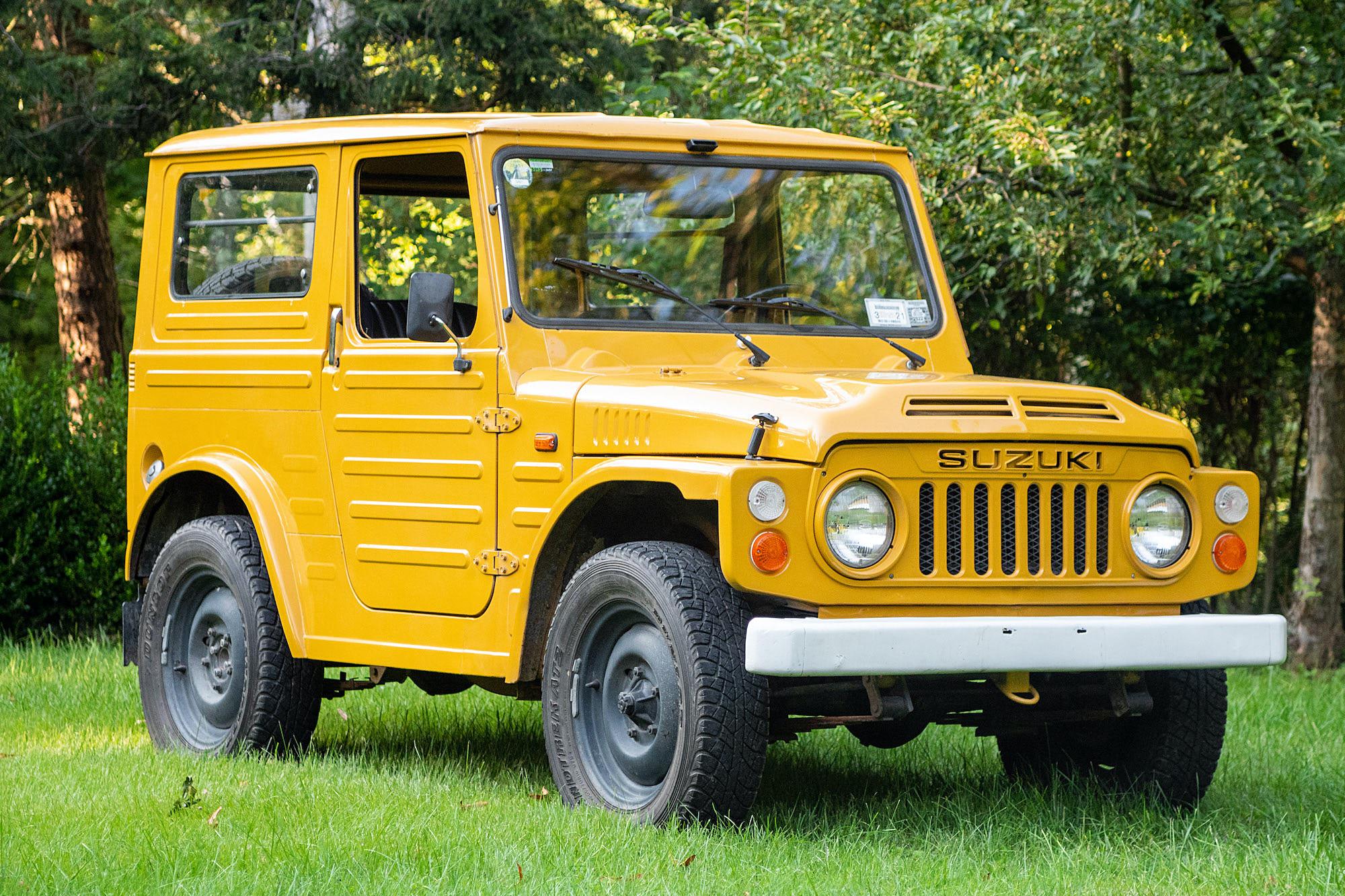
10. Suzuki Jimny LJ80
The Suzuki Jimny LJ80 is a small but exceptionally capable vintage SUV. Produced in the late 1970s and early 1980s, it established a reputation for off-road performance, durability, and simplicity. Its lightweight frame, short wheelbase, and solid axles allow it to navigate tight trails and difficult terrain with agility that larger SUVs cannot match.
While modest in size compared to other vehicles on this list, the Jimny LJ80 compensates with clever engineering and reliability, making it a favorite for off-road enthusiasts who value nimbleness and mechanical simplicity. Its durability and ease of maintenance have allowed many of these compact SUVs to remain operational decades after their initial release.
The exterior of the Jimny LJ80 is deceptively simple. Its boxy shape, upright windshield, and small overhangs maximize off-road geometry, while the lightweight body keeps it nimble on trails. Functional features such as removable tops and foldable seats emphasize practicality and versatility.
Despite its compact size, it maintains a commanding presence in off-road environments, demonstrating that toughness is not solely determined by mass or engine size. Its small footprint also allows it to access trails that larger SUVs would struggle with, making it an ideal companion for technical off-road driving.
Mechanically, the LJ80 features small-displacement four-cylinder engines, often paired with manual transmissions and part-time four-wheel-drive systems. The combination of lightweight design, solid axles, and capable drivetrain allows it to climb steep inclines, cross rough terrain, and remain controllable in challenging conditions.
Its simplicity makes maintenance and repairs accessible, even in remote locations, and its components are known for durability. While it cannot match the raw power of full-size SUVs, the Jimny LJ80 excels in maneuverability, reliability, and off-road finesse, qualities that continue to make it popular with collectors and adventurers.
The Suzuki Jimny LJ80’s enduring appeal lies in its combination of small size, rugged capability, and mechanical simplicity. It is a vehicle that rewards skillful driving while remaining dependable over long periods of use. Its legacy is defined by versatility, accessibility, and off-road performance, making it a standout example of a vintage SUV that proves toughness does not depend on size.
Even decades after production, the LJ80 continues to inspire enthusiasm and admiration among enthusiasts, solidifying its place in the history of rugged, capable SUVs.
