
Manual transmissions have slowly become a rare treat in today’s automotive industry. As automatic and semi-automatic systems dominate modern vehicles, the tactile connection offered by a traditional manual gearbox has become something of a lost art.
For many enthusiasts, driving is no longer merely about reaching a destination but about the experience along the way. The interplay of clutch, gear lever, and accelerator engages the driver in a rhythm that is impossible to replicate with paddle shifters or computerized transmissions.
This intimacy with the machine fosters a connection that transcends mere transportation, making each drive an event rather than a routine. Vintage cars with manual-only transmissions carry this philosophy to its purest form. They are reminders of an era when driving skill and mechanical empathy were essential components of the automotive experience.
Collectors and enthusiasts alike prize these vehicles not just for their style or speed but for the way they make a driver feel every gear change and every road contour. Beyond their mechanical charm, these cars often represent iconic designs and engineering approaches that have influenced generations of vehicles.
From the crisp, lightweight sports cars of Europe to the rugged, enduring muscle cars of America, manual-only models offer a tangible link to automotive history. Hunting for these machines is a pursuit filled with both challenge and reward, requiring patience, knowledge, and often a keen eye for originality.
Those who seek them do so for the authenticity of the drive, the nostalgia of an earlier era, and the satisfaction of mastering a vehicle that demands respect. This article highlights ten vintage manual-only cars that remain highly desirable today, offering not just performance and style but a connection to an age where driving was an art form.
1. Porsche 911 Carrera RS 2.7 (1973)

The Porsche 911 Carrera RS 2.7 is a model that commands attention for both its performance and its iconic design. It was developed during a time when Porsche was focused on refining the 911 for both road and track use, and it represents a pinnacle of lightweight engineering and driving purity.
With its naturally aspirated flat-six engine producing around 210 horsepower and a weight-conscious chassis, the RS 2.7 offers a driving experience that is intensely connected. Every input through the clutch and gear lever is translated directly into performance, giving the driver a sense of control that modern electronic aids often obscure.
Its manual-only transmission is a fundamental part of its identity, requiring precision and timing that reward those willing to engage fully. Beyond the mechanical aspects, the car’s aesthetics have become a cultural icon. The ducktail rear spoiler, wide fenders, and clean, purposeful lines combine to create a car that is instantly recognizable and endlessly admired.
The interior maintains a minimalist focus, keeping attention on the essentials of driving. Driving the RS 2.7 is more than a matter of acceleration; it demands focus, respect for momentum, and skillful modulation of the gearbox.
This level of driver involvement, combined with the car’s historical significance, makes it highly coveted among collectors. Finding one today in original condition is exceptionally rare, and their value has steadily climbed, reflecting both the car’s desirability and the appreciation for vehicles that maintain a manual-only philosophy.
Ownership of a Porsche 911 Carrera RS 2.7 is not purely about speed; it is about participating in an experience that defines vintage sports cars. The steering is communicative, the brakes responsive, and the engine eagerly responsive to throttle inputs, making every shift an event that requires intention.
These characteristics make it not only suitable for spirited road use but also for track events that reward precision and skill. The manual transmission amplifies this engagement, offering ratios that allow the driver to exploit the engine’s performance across a wide range of speeds.
While modern enthusiasts may have experienced the convenience of automatic gearboxes, the RS 2.7’s manual-only configuration reminds them why driving once required mastery over the machine itself. Its collectibility is bolstered by its racing pedigree and limited production numbers, ensuring that each example carries a distinct provenance.
Additionally, the car’s lightweight construction, featuring thinner steel panels and reduced soundproofing, enhances its agility and responsiveness. This emphasis on driver feedback and control makes the RS 2.7 a benchmark for all manual sports cars, cementing its place as a must-have for those who appreciate vintage driving purity.
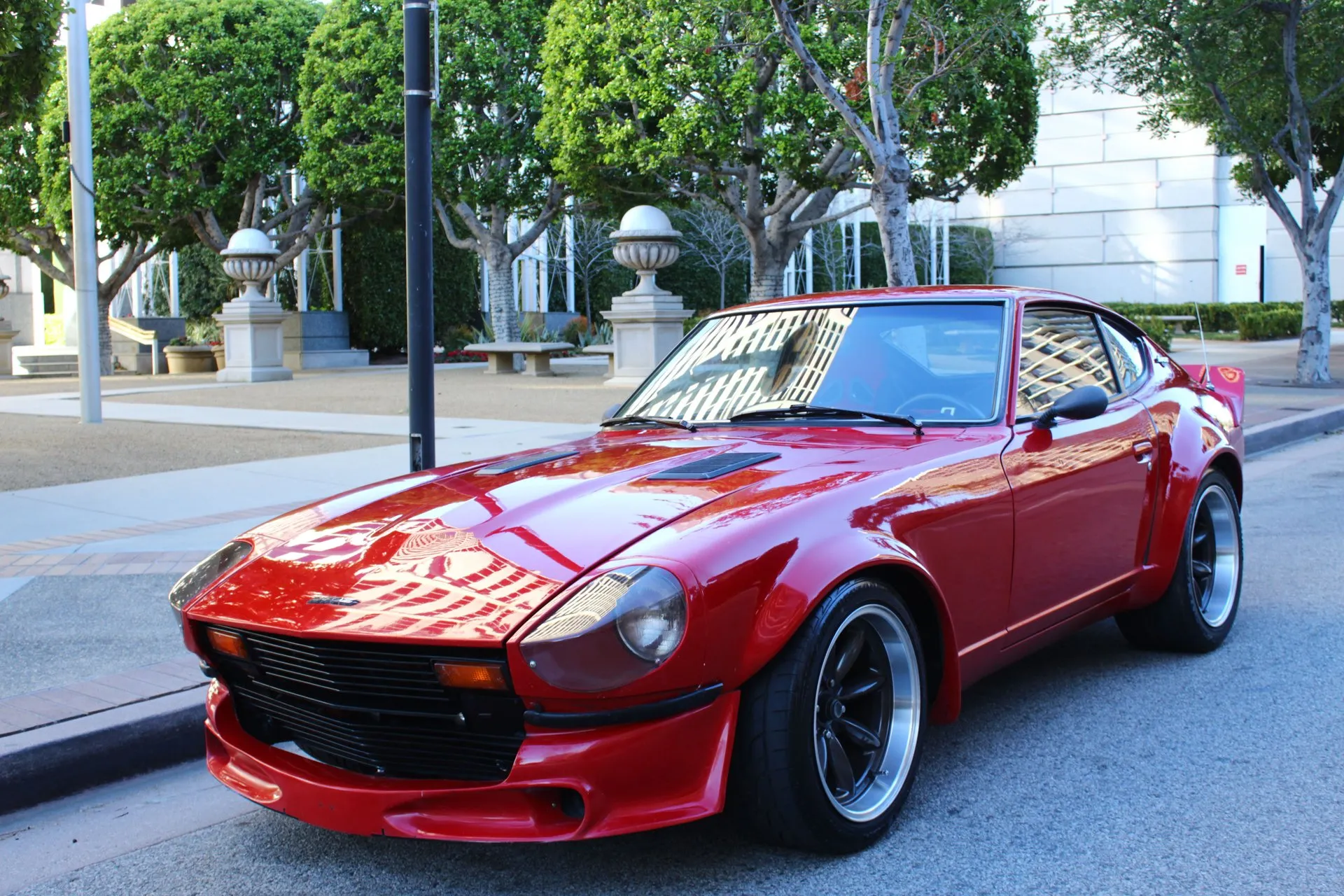
2. Datsun 240Z (1969–1973)
The Datsun 240Z remains one of the most celebrated Japanese sports cars of the late 1960s and early 1970s. Designed to combine European styling with Japanese reliability, it offered a rare combination of performance, affordability, and driving enjoyment.
Equipped exclusively with a manual transmission in its most desirable trims, the 240Z demanded involvement from its driver. The 2.4-liter inline-six engine provided a smooth yet spirited power delivery that was perfectly complemented by the precise gear ratios of the five-speed manual. Enthusiasts often praise the way the car feels responsive to every input, making it an ideal candidate for those who value mechanical purity.
Its long hood, flowing roofline, and compact proportions contribute to its timeless design, giving the 240Z a presence that remains strong on modern roads. Inside, the cabin focused on the essentials, prioritizing ergonomics and driver engagement over luxury, a reflection of the car’s sporting intent.
Driving the 240Z is about rhythm and momentum, balancing acceleration and cornering with an intuitive understanding of the gearbox and clutch. Each shift carries weight, and every downshift requires anticipation, producing a driving experience that few contemporary vehicles can match. Collectors are drawn not only to its historical significance but also to the satisfaction derived from a car that rewards skillful operation.
Mechanically, the Datsun 240Z was advanced for its era. Independent rear suspension, lightweight construction, and balanced weight distribution made it agile and responsive on twisty roads. The manual transmission amplifies this agility by allowing the driver to maintain control over engine speed and torque delivery.
Unlike many modern cars, where driving dynamics are mediated by computers, the 240Z reacts directly to the driver’s inputs, making every corner and acceleration a test of skill. Furthermore, the simplicity of its design makes maintenance and restoration more approachable, which has contributed to its enduring popularity among enthusiasts.
As a vintage collectible, the 240Z represents a sweet spot where affordability, performance, and engagement intersect. Its combination of reliability, aesthetic appeal, and driving enjoyment ensures that it remains a top choice for those hunting for manual-only classics. Finding a well-preserved example can be challenging, but the effort is rewarded with a car that offers a rare blend of heritage and hands-on driving satisfaction.
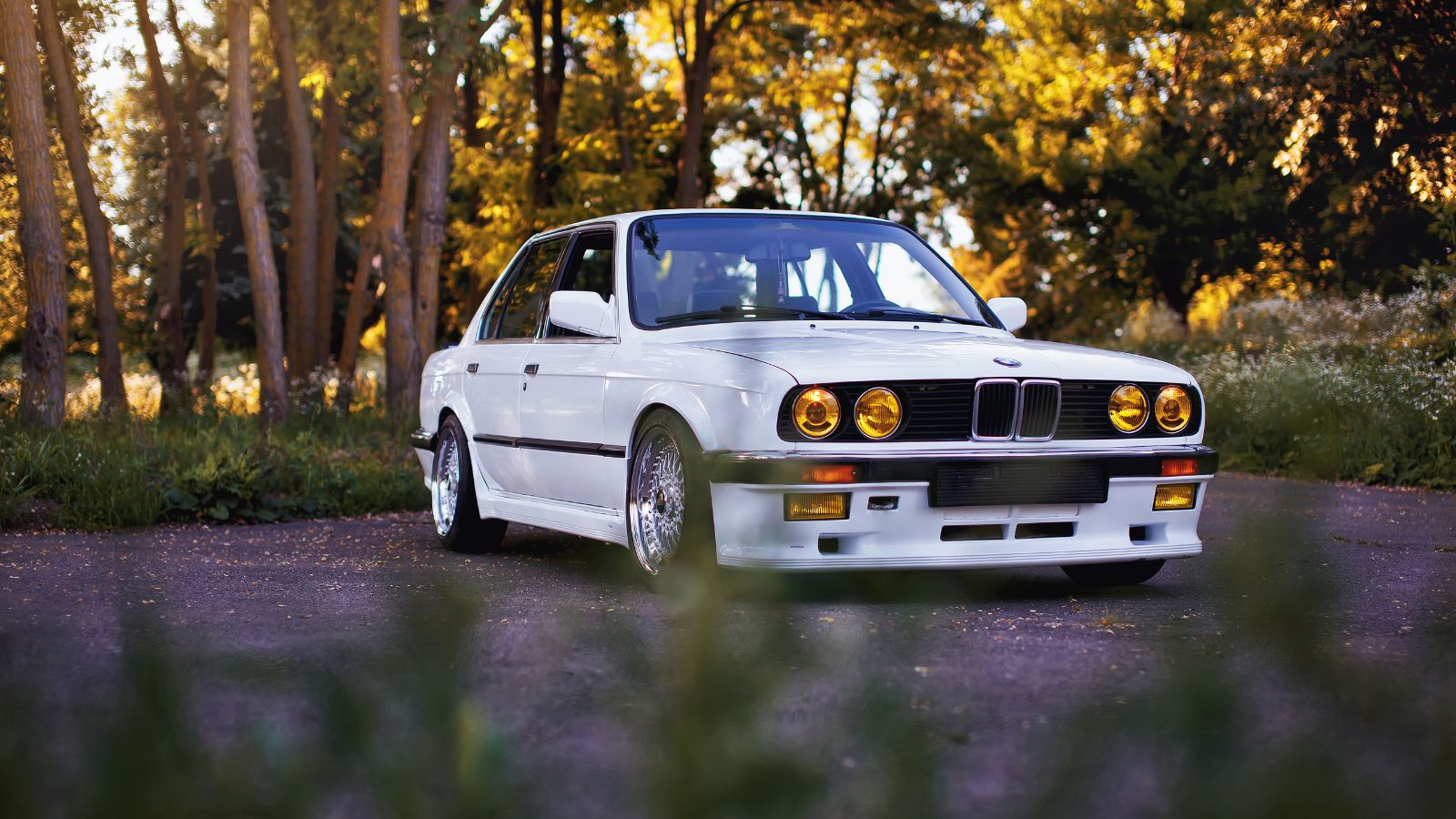
3. BMW E30 M3 (1986–1991)
The BMW E30 M3 is an iconic sports sedan that established BMW’s reputation for producing driver-focused vehicles. Developed for homologation to compete in touring car racing, the E30 M3 was designed around precise handling, lightweight construction, and a rev-happy four-cylinder engine.
Its manual-only transmission is a key aspect of its appeal, allowing drivers to extract maximum performance and maintain control in all driving situations. With its naturally aspirated engine producing between 192 and 238 horsepower, depending on the version, the E30 M3 offers a balance of power and agility that is rare in modern cars.
The interior focuses on driver engagement, with seating and controls that emphasize ergonomics and responsiveness. Enthusiasts praise the way the car communicates through the steering, suspension, and gearbox, creating an experience that demands attention and skill.
The exterior design is both aggressive and timeless, featuring flared fenders, a rear spoiler, and purposeful lines that hint at its racing pedigree. Owning an E30 M3 is as much about participating in its heritage as it is about enjoying its driving characteristics.
The E30 M3’s manual gearbox requires precise coordination, encouraging drivers to develop a rhythm that enhances both performance and enjoyment. Shifts are mechanical and immediate, providing feedback that builds confidence and connection with the vehicle.
On the road, the car feels alive, responding to inputs with clarity and predictability. Its chassis design, featuring rear-wheel drive and near-perfect weight distribution, makes it a car that rewards careful modulation of the gearbox and throttle.
The E30 M3 is also a versatile platform, capable of spirited canyon runs or track-day sessions while remaining a comfortable daily driver for those who value a manual transmission.
The rarity of well-preserved examples has increased its value among collectors, and its reputation as one of the greatest driver-focused cars of its era ensures its desirability remains strong. Each time a driver engages the clutch and moves through the gears, they participate in an experience that emphasizes skill, precision, and the joy of driving.
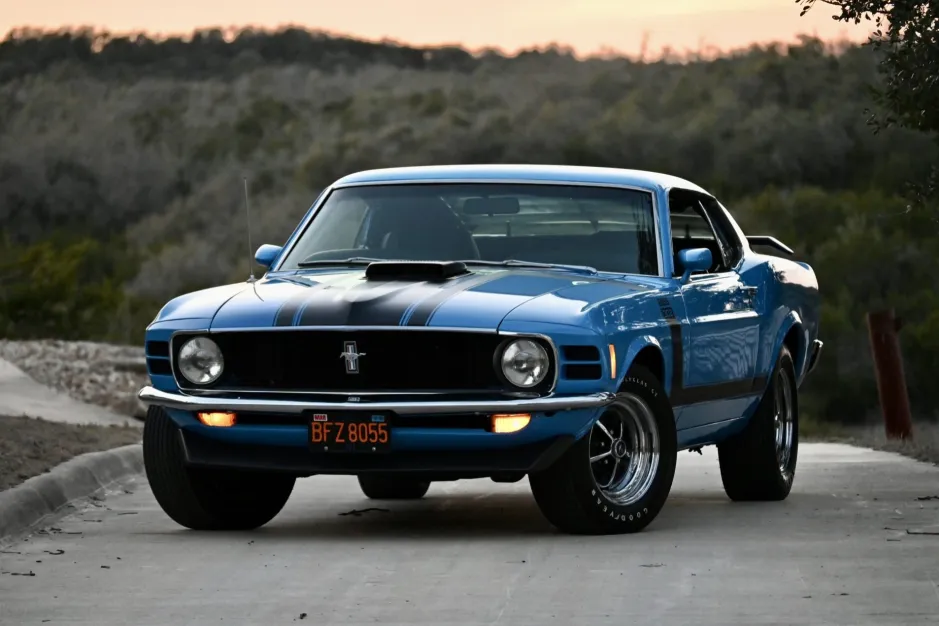
4. Ford Mustang Boss 302 (1969–1970)
The Ford Mustang Boss 302 represents one of the most celebrated muscle cars of the late 1960s. Designed for racing homologation, the Boss 302 combined a high-revving V8 engine with a lightweight, performance-oriented chassis. Its manual-only transmission amplifies the visceral experience of its powerful 290-horsepower engine, requiring coordination and timing to harness its full potential.
The car’s exterior is immediately recognizable, featuring bold stripes, aggressive front and rear styling, and a stance that conveys speed even at rest. The interior emphasizes function, with supportive seats, straightforward gauges, and a driver-focused layout that encourages engagement.
Driving the Boss 302 is an exercise in managing torque, momentum, and gear selection, making every acceleration and corner a deliberate act. Collectors prize the car for its rarity, heritage, and mechanical purity, making it a highly sought-after example of American performance engineering.
The manual transmission in the Boss 302 is essential to the car’s character. With closely spaced gears, the driver can exploit the engine’s torque curve across a wide range of speeds, allowing for spirited driving and precise control.
The suspension setup, featuring heavy-duty components and a tuned balance between comfort and handling, complements the gearbox, giving the car a planted, confident feel on the road. Enthusiasts often describe the tactile connection of the clutch and shifter as a key part of the experience, adding to the sense of mastery over the machine.
The Boss 302 is not simply about straight-line speed; it rewards skillful driving and attention to technique, making it a true driver’s car. Its combination of historical significance, engaging mechanics, and bold design ensures that it remains a benchmark in the muscle car world and a must-have for collectors seeking a manual-only classic.
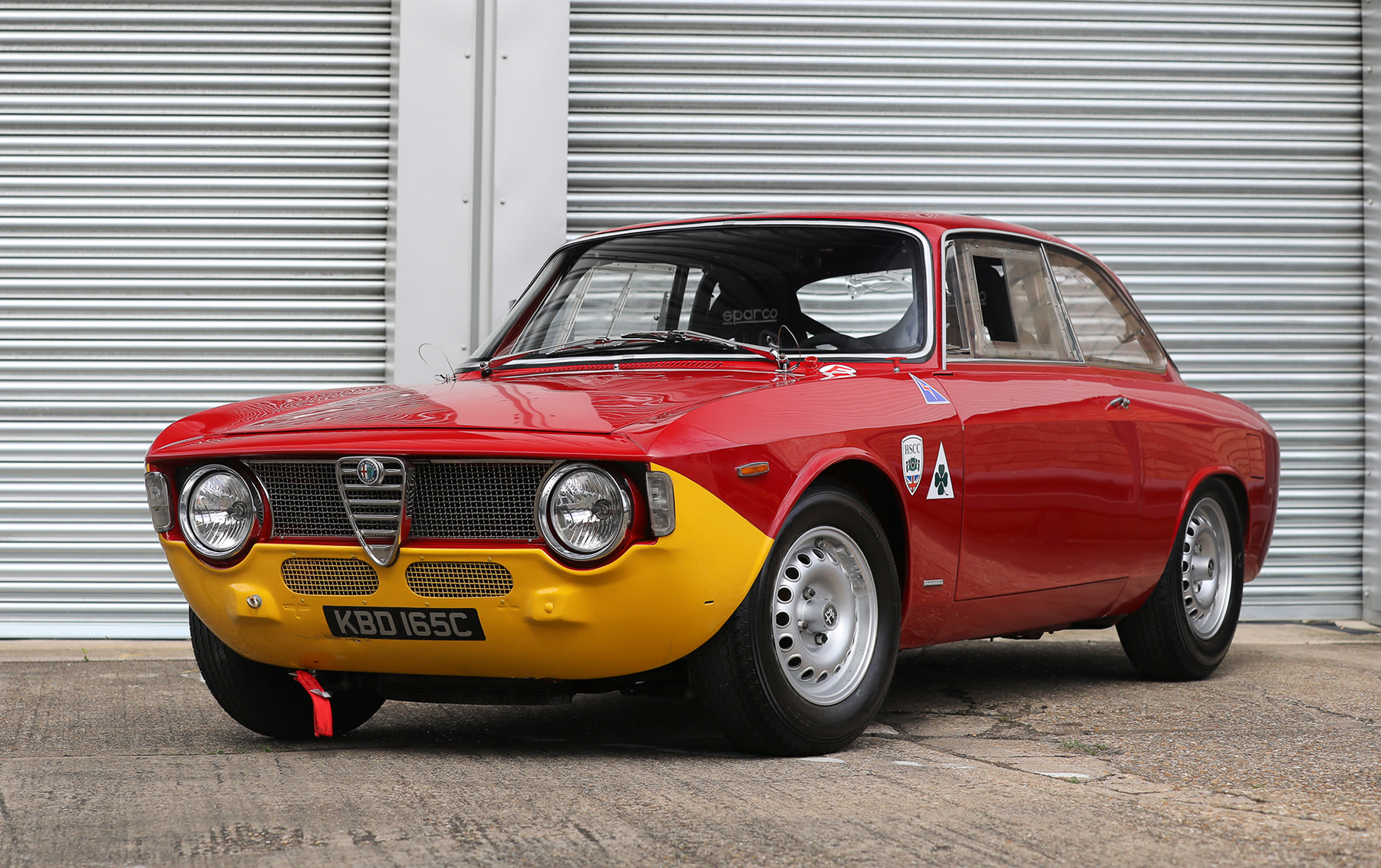
5. Alfa Romeo Giulia Sprint GTA (1965–1969)
The Alfa Romeo Giulia Sprint GTA is widely regarded as one of the most thrilling Italian coupes of the 1960s. Developed as a lightweight racing version of the Giulia Sprint GT, the GTA emphasized performance and driver engagement above all else.
Its lightweight aluminum body panels, coupled with a small-displacement twin-cam engine, created a car that was agile, responsive, and intensely rewarding behind the wheel. The manual-only transmission is central to the driving experience, requiring precise clutch work and gear selection to make the most of its naturally aspirated engine.
Each shift carries an immediacy and connection that allows the driver to feel the car’s behavior through the corners and on straights, fostering an almost symbiotic relationship between machine and operator.
The suspension setup is tuned for balance and responsiveness, and its lightness allows drivers to manipulate weight transfer with subtle throttle and brake inputs. Inside, the cabin reflects its racing intent, stripped of unnecessary luxuries but thoughtfully arranged to ensure the driver can access every control quickly and intuitively.
The Giulia Sprint GTA’s handling is where the manual transmission shines most. The car responds instantly to changes in engine speed, and every gear requires planning and attention to maximize cornering potential.
Drivers often describe the experience as rewarding, even at moderate speeds, because the tactile feedback communicates the car’s limits in a way that modern electronics obscure. The engine’s character complements the gearbox perfectly; its linear power delivery encourages rhythmic shifts and thoughtful throttle application.
In terms of performance, the Giulia Sprint GTA exemplifies the art of precision driving. The manual gearbox allows for close control over the engine, enabling drivers to extract maximum power through corners without sacrificing composure. Its lightweight construction enhances braking, cornering, and acceleration, making it feel significantly faster than the numbers suggest.
For enthusiasts, mastering the GTA requires patience and skill, rewarding practice with a sense of accomplishment unique to driver-focused vehicles. Moreover, its competition history, including victories in touring car racing, adds a layer of authenticity to its appeal.
Collectors not only value the car for its mechanical excellence but also for the sense of participation in a storied racing heritage. Every gear change, every corner approached with care, is a reminder that the car was built for those who respect the nuances of driving rather than simply seeking speed.
The Alfa Romeo Giulia Sprint GTA stands as a testament to an era when sports cars prioritized engagement over convenience. Its manual-only transmission is not a limitation but a defining characteristic, demanding skill, focus, and coordination.
Unlike contemporary vehicles that automate most functions, the GTA places responsibility firmly in the hands of the driver, creating an intimate, unforgettable connection. This purity, combined with its striking design and racing pedigree, ensures that the Giulia Sprint GTA remains a treasured classic for enthusiasts who value authenticity, mechanical engagement, and the sheer joy of mastering a finely tuned machine.
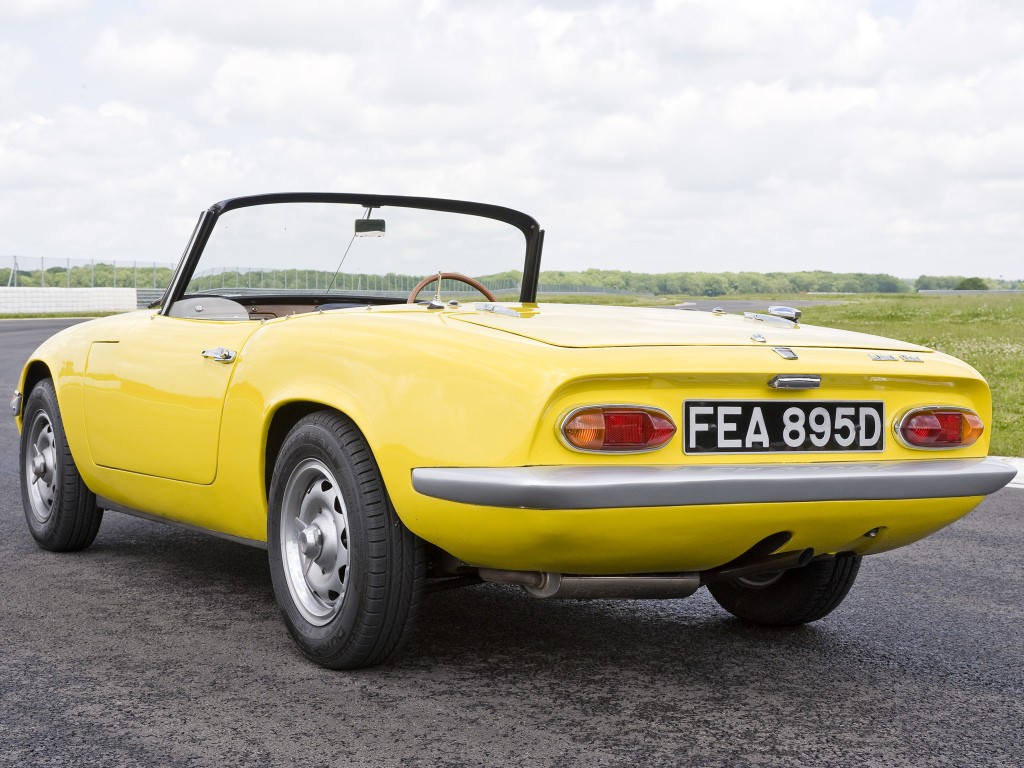
6. Lotus Elan (1962–1973)
The Lotus Elan is a lightweight British roadster that embodies nimble handling and driver-focused engineering. Its small, naturally aspirated engine and rear-wheel-drive layout are perfectly paired with a manual transmission, creating a car that feels alive and responsive in every situation.
The Elan’s emphasis on minimal weight allows the driver to experience a purity of motion and feedback that is increasingly rare in modern vehicles. Each shift of the manual gearbox engages the driver directly, encouraging smooth rev-matching, careful modulation, and attention to momentum.
The driving experience of the Elan is closely tied to its manual gearbox. Unlike heavier cars where shifting may feel secondary, the Elan demands coordination, timing, and awareness. The gearbox is mechanical and responsive, providing tactile feedback that informs the driver of engine behavior, traction, and cornering forces.
This engagement creates a sense of intimacy, allowing the driver to anticipate and react to the car’s movements instinctively. The engine’s rev-happy nature rewards precise gear changes, and the light clutch requires a delicate touch to maintain momentum through tight bends or spirited acceleration.
These qualities make the Lotus Elan particularly appealing for enthusiasts who appreciate skillful driving and the satisfaction of controlling every aspect of the car’s behavior. It is not merely a transport vehicle; it is a finely tuned instrument that encourages mastery and attentiveness.
Mechanically, the Elan was ahead of its time, employing a backbone chassis that enhanced rigidity while keeping weight to a minimum. The suspension setup, featuring independent components at all four corners, allows the driver to feel subtle road imperfections and adjust inputs accordingly.
When combined with the manual transmission, the result is a car that communicates constantly, providing cues that reward finesse over brute force. The lightweight construction also improves braking and cornering stability, allowing drivers to exploit the gearbox fully.
Enthusiasts often note that the Elan teaches them to drive more thoughtfully, emphasizing momentum, weight transfer, and anticipation. These characteristics have ensured its enduring popularity and reputation as one of the finest driver-oriented cars of its era.
In terms of collectibility, the Lotus Elan holds a special place among British sports cars. Its manual-only configuration, combined with its lightweight design and timeless aesthetics, makes it highly desirable for those seeking an authentic driving experience.
The car’s small dimensions and responsive chassis mean that even today, it can be enjoyed on winding roads or in vintage racing events with ease.
Owners often describe a sense of connection that is hard to find in modern cars, with every gear change, turn, and acceleration producing immediate feedback. This combination of engagement, design, and historical significance cements the Lotus Elan as a standout manual-only classic that remains worth seeking for collectors and enthusiasts alike.
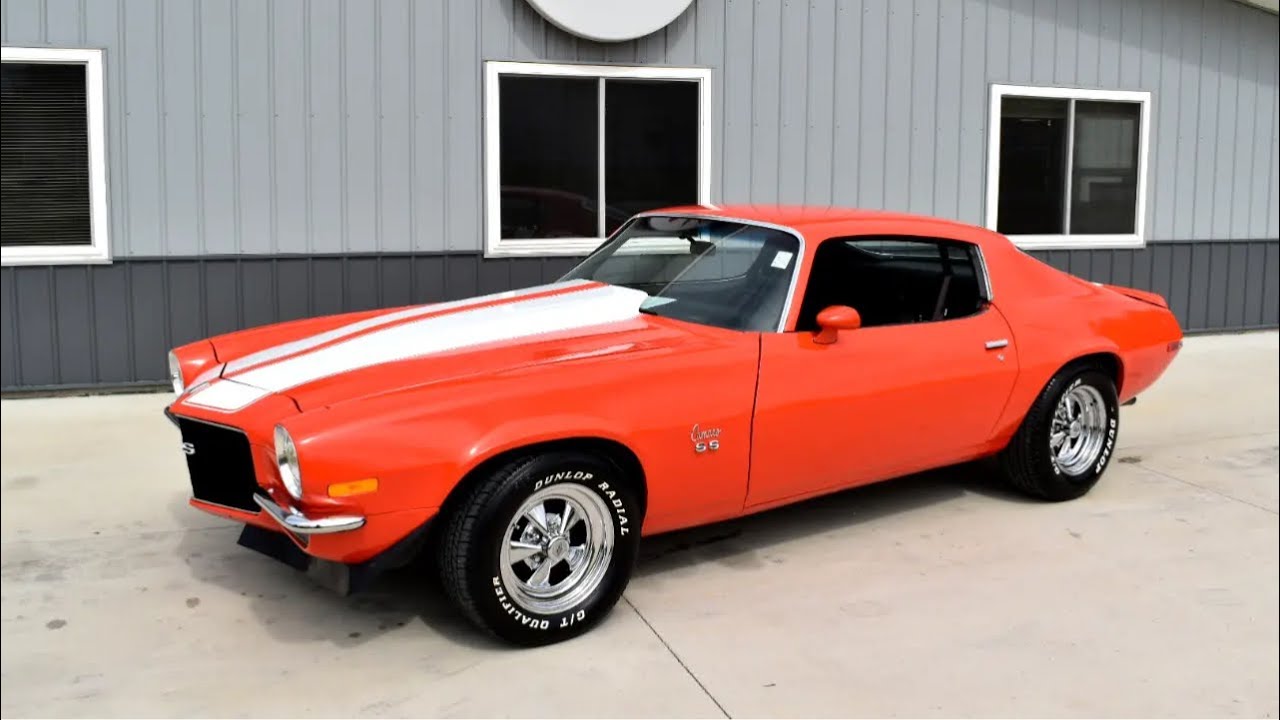
7. Chevrolet Camaro Z28 (1967–1969)
The first-generation Chevrolet Camaro Z28 is a legendary American muscle car developed for performance on both the street and the track. Its high-revving V8 engine, paired exclusively with a manual gearbox in the most desirable configurations, creates an intense and rewarding driving experience.
The Z28’s suspension was tuned for handling rather than comfort, emphasizing cornering stability and control at higher speeds, which makes gear selection crucial for maximizing performance. The manual transmission allows drivers to exploit the engine’s torque curve fully, offering a level of engagement that is increasingly rare in muscle cars of the modern era.
With its aggressive stance, distinctive styling, and performance-oriented details, the Camaro Z28 remains an icon of late 1960s American automotive engineering. Its interior was straightforward yet functional, prioritizing the driver’s ability to command the vehicle rather than providing excessive luxury features, reflecting the era’s focus on driving excitement.
Driving the Camaro Z28 requires coordination and skill. The gearbox is responsive and mechanical, giving immediate feedback and a sense of control over the car’s power. Clutch modulation and precise shifts are essential, particularly when navigating corners or launching from a stop.
Unlike modern vehicles equipped with traction control or automatic shifting, the Camaro Z28 relies entirely on the driver’s input, creating a sense of mastery and satisfaction when executed properly. The combination of a powerful engine, manual transmission, and responsive suspension rewards drivers who are attentive to rhythm, weight transfer, and momentum.
Each acceleration is a deliberate action, each gear change an opportunity to interact directly with the car’s mechanical systems. This dynamic makes the Z28 an ideal classic for enthusiasts who enjoy the raw, visceral nature of vintage muscle cars.
Enthusiasts praise this combination for its purity and the connection it fosters between car and driver, reinforcing why manual transmissions remain central to the car’s identity.
The collectibility of the Camaro Z28 has grown steadily due to its historical significance, performance, and limited production numbers. Manual-only examples are particularly sought after, representing the pinnacle of driver engagement and authenticity.
Owners often highlight the satisfaction of controlling the car without modern aids, appreciating the skill required to manage power, cornering, and momentum simultaneously. With proper care and maintenance, the Z28 continues to deliver a driving experience that rivals many modern sports cars in terms of excitement and involvement.
Its blend of American muscle character, responsive manual transmission, and visual presence makes it a centerpiece for vintage car collectors seeking a vehicle that is both rewarding to drive and iconic in style.
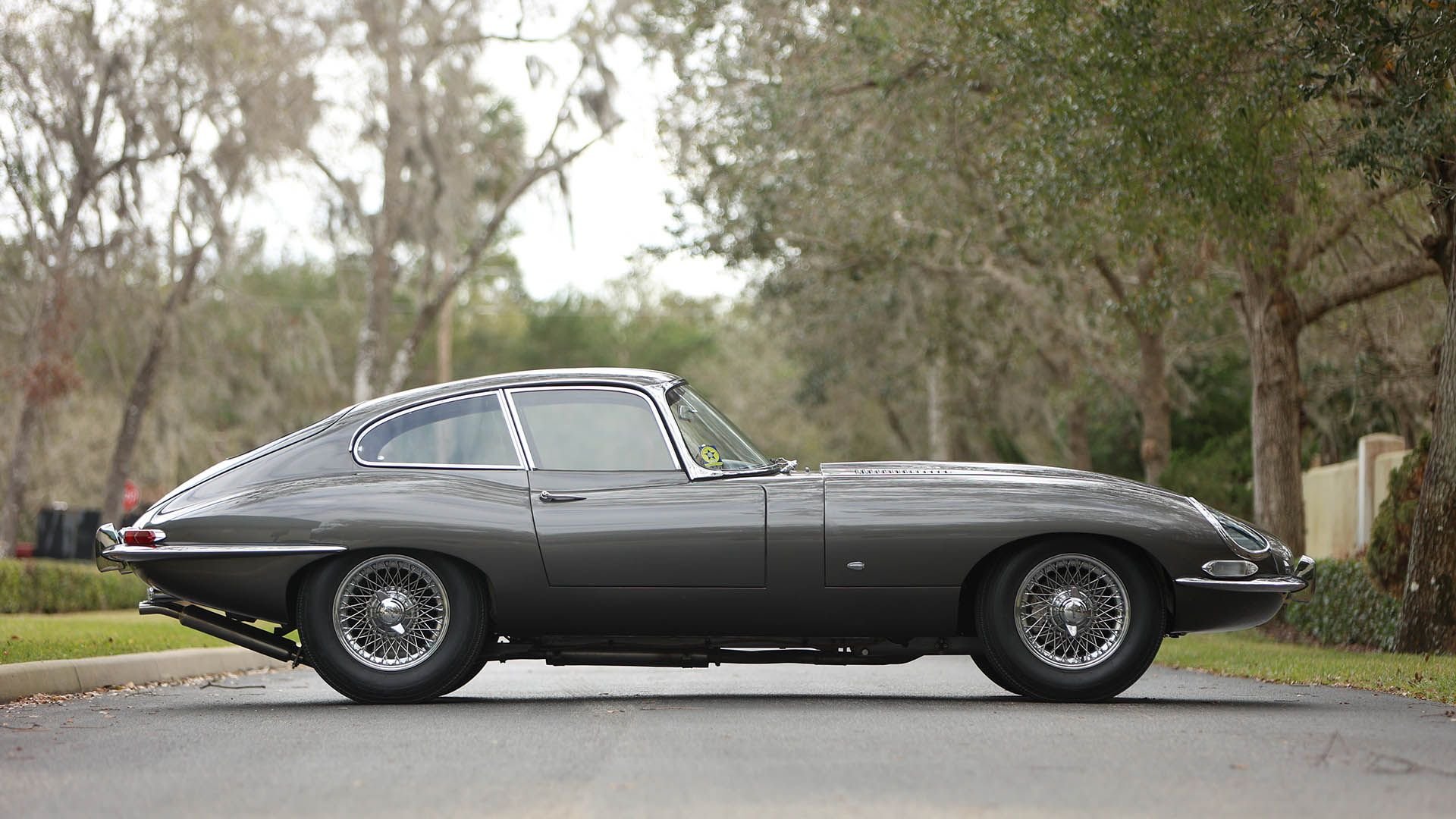
8. Jaguar E-Type Series 1 (1961–1968)
The Jaguar E-Type Series 1 is widely recognized as one of the most beautiful cars ever built, pairing stunning design with engaging driving dynamics. Its straight-six engine, mated to a manual-only four-speed or optional five-speed gearbox in later models, delivers a unique combination of power and refinement.
The interior reflects a balance between elegance and function, with driver-focused controls, supportive seating, and a minimalistic layout that emphasizes the driving experience rather than luxury indulgences. Enthusiasts praise the way the E-Type communicates through the steering, pedals, and shifter, creating a connection between car and driver that is increasingly rare in modern vehicles.
Driving the Series 1 E-Type requires a sense of rhythm and awareness. Shifts must be deliberate, particularly in tight corners, to maintain momentum without upsetting balance. The gearbox is precise yet mechanical, providing feedback that informs the driver of traction and engine behavior.
The naturally aspirated engine encourages careful rev management and thoughtful gear selection, rewarding drivers who approach each corner and straightaway with skill. Unlike automatic-equipped cars, the E-Type demands attention and participation, which contributes to the joy of driving it.
Mechanically, the E-Type is engineered for balance and agility. The front-engine, rear-wheel-drive layout, combined with a lightweight chassis, allows the driver to exploit the manual gearbox effectively, ensuring the engine stays in its optimal power range through every maneuver.
Its brakes and suspension are tuned to offer confidence without sacrificing responsiveness, creating a car that feels alive and communicative in skilled hands. Every gear change has an impact on the car’s weight distribution and dynamics, making it essential for drivers to anticipate and coordinate inputs.
Beyond its driving characteristics, the Jaguar E-Type Series 1 represents a cultural and design milestone. Its combination of beauty, performance, and driver engagement has made it a timeless classic that continues to command attention at car shows and on the road.
Manual-only versions are particularly valued for maintaining the authentic experience envisioned by Jaguar engineers, preserving the full depth of the car’s mechanical engagement.
Each gear change and every clutch modulation is a reminder that the E-Type was built not simply for transportation but for a human-centered driving experience that blends artistry with engineering. For collectors, it embodies a perfect marriage of style, performance, and mechanical intimacy that continues to captivate enthusiasts worldwide.
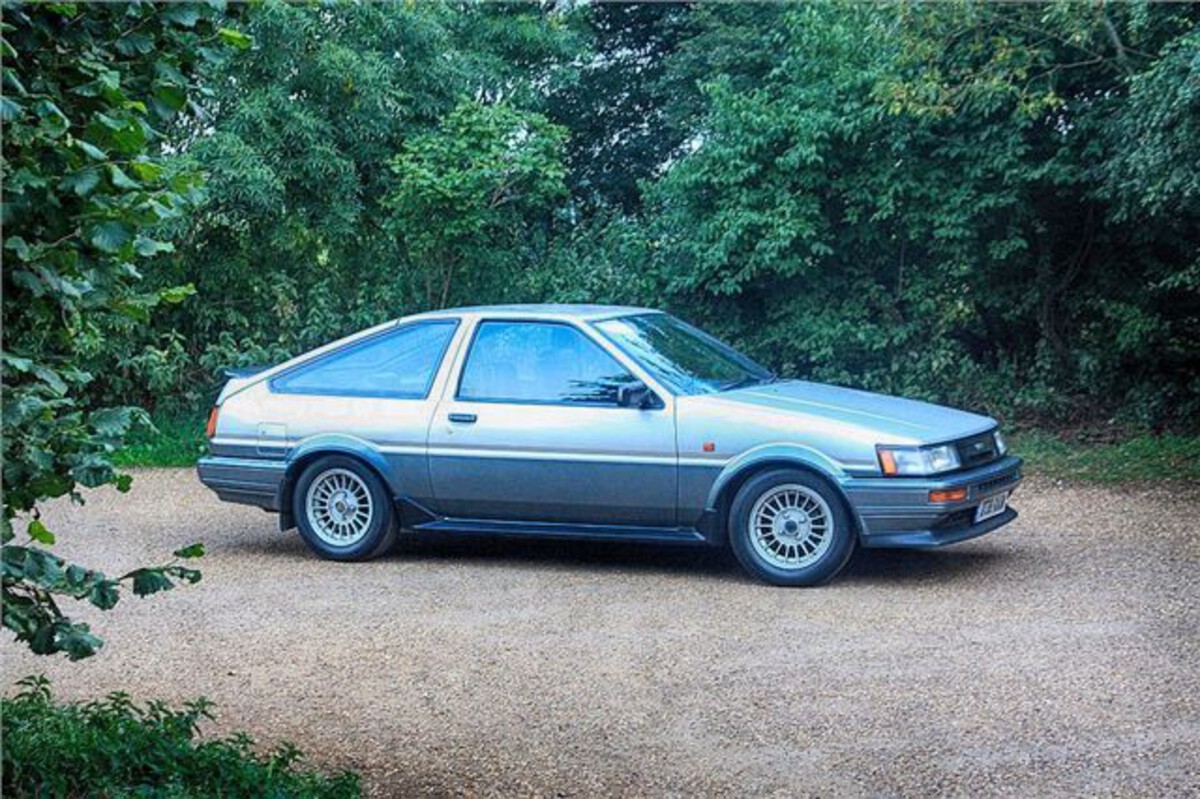
9. Toyota AE86 Corolla (1983–1987)
The Toyota AE86 Corolla, often referred to simply as the “Hachi-Roku,” is one of the most beloved compact sports cars from Japan’s golden era of lightweight performance vehicles. Its rear-wheel-drive layout, combined with a naturally aspirated four-cylinder engine and a manual-only transmission, creates a car that feels agile, responsive, and intensely engaging.
The AE86’s manual transmission is central to its enduring appeal. Shifts are direct and tactile, providing feedback that helps the driver understand traction and momentum. Enthusiasts often describe the gearbox as one of the purest driving tools, allowing for seamless rev-matching and precise corner exits.
The car’s lightweight construction and rear-wheel-drive dynamics enhance this effect, as every input has a noticeable impact on the car’s behavior. On winding roads or track environments, the AE86 rewards anticipation, skill, and smooth execution, creating a level of engagement that many modern cars cannot replicate.
Its combination of handling precision, mechanical feedback, and lightweight design has earned it a reputation as one of the most driver-focused cars of its era, a reputation that has grown with age and continued relevance in motorsports and car culture.
Mechanically, the AE86 benefits from a simple but highly effective chassis. Its suspension setup allows independent movement, giving the driver immediate feedback on road conditions and tire grip. The manual transmission allows fine control over engine power, helping drivers maintain momentum through corners and optimize traction.
Culturally, the Toyota AE86 has achieved legendary status, cemented by its success in motorsports and popular media. Its manual-only configuration ensures that the driving experience remains authentic and hands-on, preserving the spirit of an era when driver skill was paramount.
The car’s combination of lightweight agility, responsive engine, and precise gearbox makes it a joy to drive even decades after its production ended. Collectors value the AE86 not only for its historical importance and performance but also for the learning experience it offers. Each shift, corner, and acceleration is an exercise in engagement, offering a rare opportunity to connect intimately with a vintage machine.
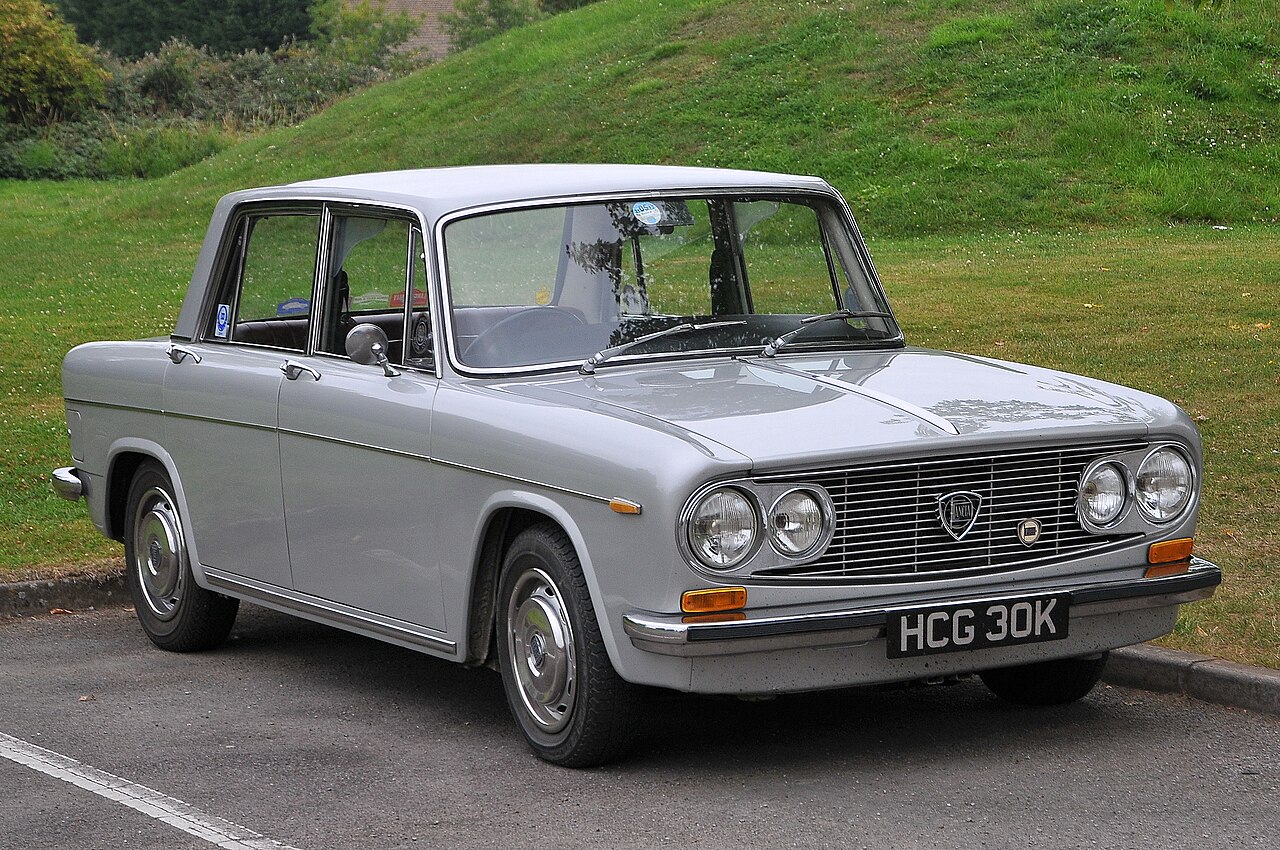
10. Lancia Fulvia HF (1965–1976)
The Lancia Fulvia HF is a classic Italian rally car known for its exceptional handling, precise engineering, and distinctive design. Produced primarily as a small, front-engine, front-wheel-drive coupe, the HF variants were designed for motorsport success and featured a manual-only gearbox that maximized driver involvement.
Its lightweight construction, narrow dimensions, and finely tuned suspension make it incredibly responsive, rewarding careful gear changes and throttle modulation with agility and control. The Fulvia HF’s manual transmission allows drivers to exploit its twin-cam engine efficiently, maintaining momentum through tight corners and challenging road conditions.
The interior is simple and functional, with driver-focused instrumentation and controls that reflect its competition-oriented roots. Driving a Fulvia HF is a unique experience, emphasizing precision, rhythm, and connection over raw power. Enthusiasts prize it for its rarity, historical significance in rally racing, and the engaging driving experience it provides.
The manual gearbox in the Fulvia HF plays a central role in its handling characteristics. Shifts are precise and mechanical, providing feedback that informs the driver of engine load and road grip. The car’s front-wheel-drive layout, combined with its lightweight chassis, makes gear selection and clutch work essential for maintaining balance and speed through corners.
Mechanically, the Fulvia HF is for its sophisticated engineering. Its double-wishbone front suspension and leaf-sprung rear setup provide excellent handling and feedback, while the lightweight construction enhances agility and responsiveness.
The Lancia Fulvia HF holds a special place in automotive history due to its rally heritage and driver-focused design. Manual-only models preserve the purity of the original intent, offering enthusiasts a chance to experience the car as engineers envisioned it: responsive, precise, and deeply connected to the driver.
Its combination of mechanical clarity, historical significance, and rewarding engagement ensures that the Fulvia HF remains a highly desirable vintage manual car. Each drive is an opportunity to appreciate the interplay of clutch, throttle, and gear lever, offering an intimate and memorable experience that few modern vehicles can replicate.
