
The 1980s were a unique period in automotive history for Europe. This decade represented a transitional phase in design, technology, and performance, blending the bold aesthetics of the late 1970s with the emerging electronic and engineering advancements that would define the 1990s.
European manufacturers were experimenting with turbocharged engines, lightweight materials, and more sophisticated suspension systems, producing cars that remain iconic today. While some models were designed for pure performance, others emphasized luxury, refinement, or innovative styling, creating a range of vehicles that appealed to various types of drivers.
Over time, many of these cars have been forgotten or undervalued, often overshadowed by the high-profile supercars or later, more technologically advanced models. Yet, these ’80s vehicles offer a combination of driving pleasure, distinctive design, and mechanical simplicity that modern cars often lack.
Restoring European classics from this era provides more than just nostalgia. Each car carries a story of the automotive culture and engineering philosophy of its country of origin.
From the precision and efficiency of German engineering to the flair and emotion of Italian design, these vehicles reflect the identity and ambition of their makers.
Collectors and enthusiasts are increasingly recognizing the potential of these models, not only for their historical significance but also for their driving experience.
While some may require substantial investment in parts and labor, the reward is a machine that delivers character, originality, and a connection to a time when driving was an adventure in itself.
Moreover, the ’80s marked a turning point in automotive safety, aerodynamics, and electronics, meaning restorations often balance preserving original components with ensuring the car can perform reliably in modern conditions.
For those considering which models to restore, it is essential to select cars that offer a blend of rarity, mechanical soundness, and enduring appeal. Some vehicles are sought after because of their racing heritage or innovative engineering, while others are prized for their timeless styling or the cult following they have developed over the years.
The cars on this list exemplify the best of European automotive design from the 1980s and represent opportunities for enthusiasts to preserve history while enjoying a driving experience that is increasingly rare. Restoring them is not just a hobby; it is a way to keep alive a period of automotive artistry and ingenuity that deserves recognition and care.
These vehicles, once fully restored, reward their owners with charm, uniqueness, and a tangible connection to a decade defined by experimentation and creativity in the European car industry.
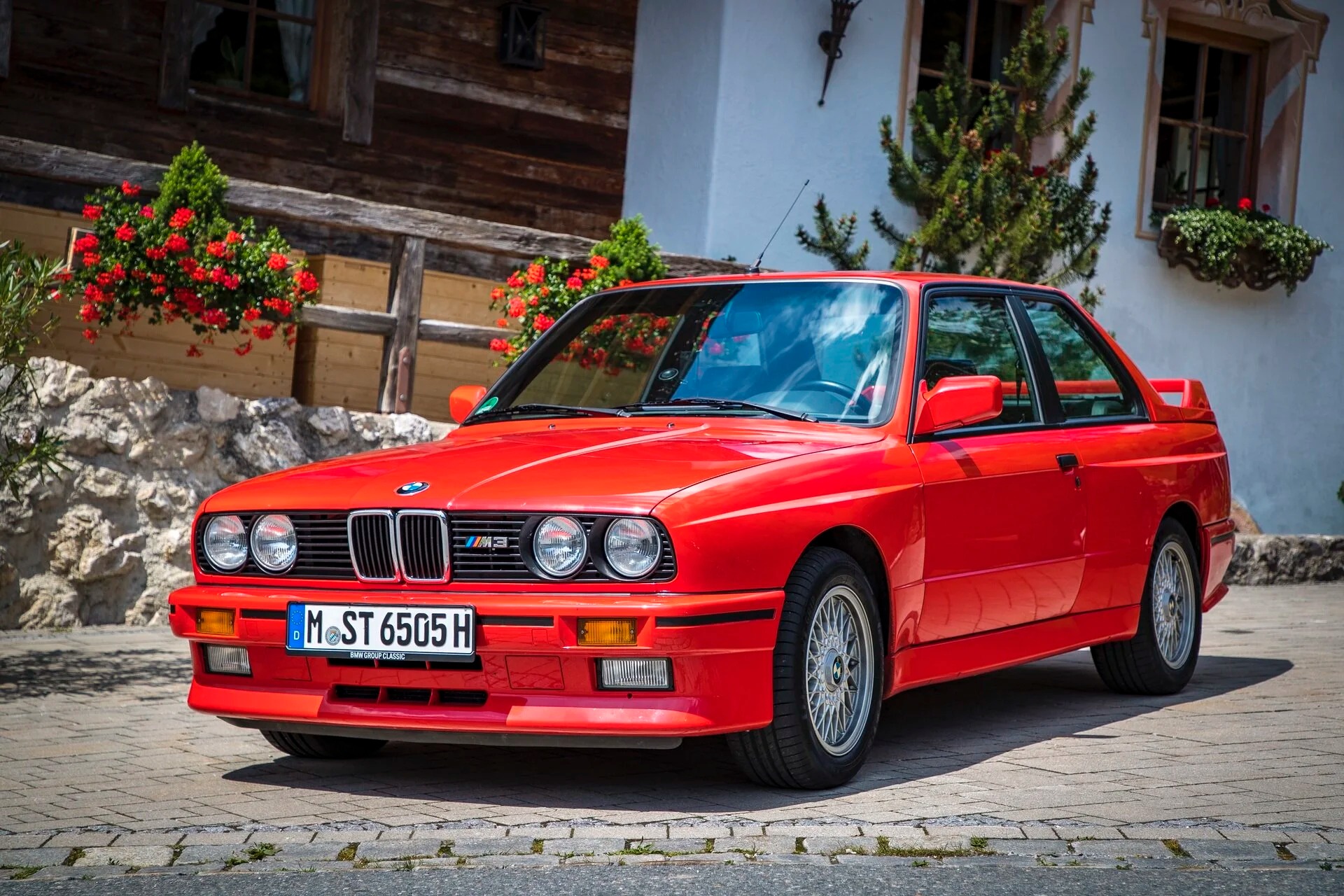
1. BMW E30 3 Series
The BMW E30 is widely regarded as one of the most balanced sports sedans ever produced. Introduced in the early 1980s, it combined agile handling with practical usability, making it suitable for daily driving and spirited weekend runs.
Its relatively simple mechanical layout makes it an excellent candidate for restoration, as parts are still available, and the engineering is straightforward compared to modern electronics-heavy vehicles. Many enthusiasts appreciate the E30 for its clean lines, boxy yet elegant profile, and the driving experience that feels connected and responsive.
The car represents a period when BMW focused on driver engagement over luxury, resulting in a machine that is engaging, precise, and fun to drive.
Restoring an E30 offers both challenges and rewards. Rust is a common issue, especially around the wheel arches and underbody, and mechanical components such as suspension bushings, cooling systems, and engine seals often require attention. However, once these are addressed, the car’s reliability is impressive.
The E30 also lends itself to performance upgrades and customizations, making it a favorite among enthusiasts who want a vintage platform capable of modern performance. Whether one chooses the base 318i or the coveted M3 variant, restoring an E30 preserves a car that balances sporting capability with everyday practicality.
Aesthetically, the E30 embodies the restrained elegance of German design in the 1980s. Its sharp lines, squared-off headlights, and subtle rear spoiler on sportier models create a timeless design that has aged remarkably well. Interior restoration can be straightforward, though attention to original materials and trim is crucial for maintaining authenticity.
Options like leather seating, wood trim, and the classic BMW instrument cluster enhance the restoration experience, allowing owners to recapture the feeling of stepping back into the 1980s while enjoying modern reliability after proper refurbishment.
The cultural significance of the E30 adds further appeal for restoration. It has become a symbol of BMW’s golden era of driver-focused cars, a model that helped define the brand’s identity. For enthusiasts seeking a project that is rewarding both mechanically and emotionally, the E30 offers a balance of challenge, satisfaction, and long-term value.
A fully restored E30 is not only a joy to drive but also a piece of automotive history that continues to resonate with collectors and casual drivers alike.
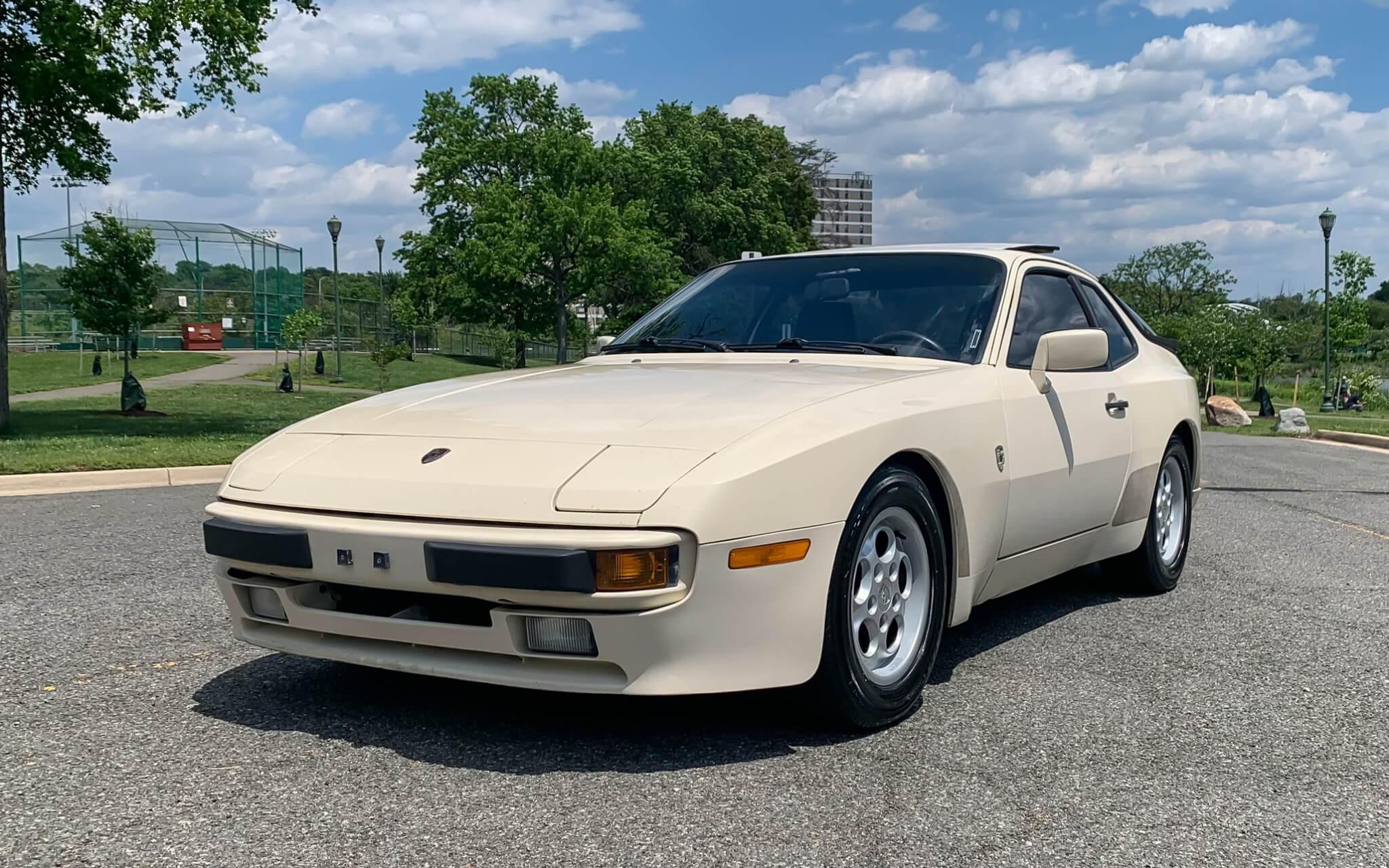
2. Porsche 944
The Porsche 944, introduced in 1982, was a pivotal model for the brand, offering an approachable yet performance-oriented sports car with a front-engine, rear-trans axle layout. Its balance and handling characteristics made it a favorite among driving enthusiasts, offering near-perfect weight distribution and nimble dynamics.
While it never reached the iconic status of the 911, the 944 stands out for its combination of affordability, performance, and reliability relative to other European sports cars of the era. Its sharp styling, pop-up headlights, and smooth body lines reflect the automotive design trends of the 1980s while remaining appealing decades later.
Restoring a Porsche 944 involves careful attention to both mechanical and cosmetic elements. Rust in the fender wells, underbody, and around suspension mounts is a common issue, particularly in climates with heavy winter road use. The engine, a 2.5-liter inline-four in early models or the turbocharged variant, is generally robust if maintained, though seals, timing components, and cooling systems often require replacement.
Suspension components, bushings, and brakes are frequently addressed during restoration to ensure the car handles as intended. Electrical issues, particularly with older wiring harnesses and window regulators, also demand attention to restore full functionality.
The interior of the 944 reflects the era’s focus on driver engagement without sacrificing comfort. Seats were designed to provide support during spirited driving, and the dashboard layout emphasizes visibility and accessibility of key controls.
Restoring upholstery, dashboard trim, and switchgear can dramatically improve the driving experience while preserving the car’s period-correct charm. Owners often choose to maintain originality rather than heavily modifying the interior, as the factory configuration offers a unique combination of ergonomics and classic sports car ambiance.
Driving a restored 944 is a reminder of Porsche’s commitment to engineering balance. The car rewards careful inputs with precision and confidence, providing a more intimate connection to the road than many modern vehicles.
Its status as an underappreciated classic adds to the appeal of restoration; collectors can acquire well-maintained examples without paying the extreme prices associated with other Porsche models. A restored 944 represents both a practical sports car and a historically significant European classic worthy of attention and preservation.
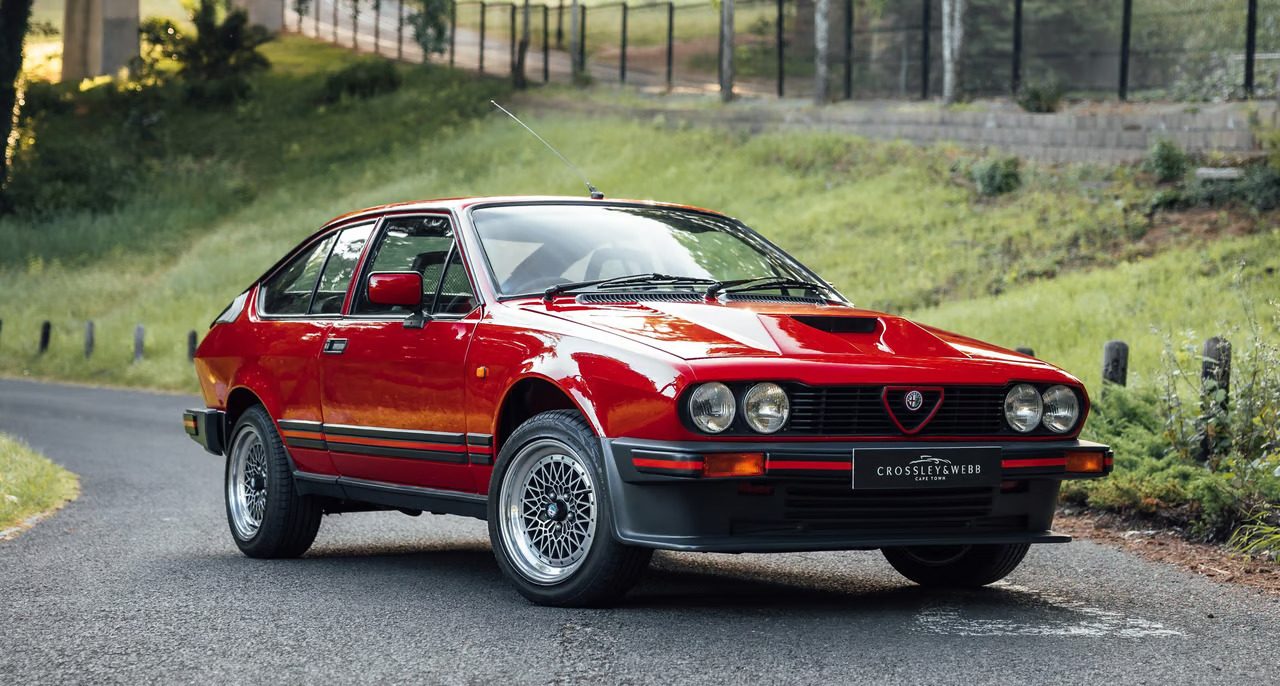
3. Alfa Romeo GTV6
The Alfa Romeo GTV6 is an Italian masterpiece that blends performance, style, and emotion. Introduced in the early 1980s, it features a distinctive V6 engine with a melodic exhaust note, rear-wheel drive handling, and Italian flair that stands apart from German precision or British conservatism.
Its wedge-shaped body, flared wheel arches, and unique front grille are unmistakable, showcasing the design language of Pininfarina during the period. While the GTV6 may present more mechanical challenges than some other classics, the driving reward is considerable, offering a visceral, engaging experience that connects driver and car in a way few vehicles achieve.
Restoration of the GTV6 is both demanding and satisfying. Rust is a major concern, particularly in the sills, wheel arches, and floor pans, and mechanical systems such as fuel injection, carburetors, and cooling components often require overhaul.
The V6 engine, while lively, benefits from careful rebuilding or maintenance to ensure reliability, especially on higher-mileage examples. Suspension and brake components are crucial to restore to their original specifications, as they directly influence the car’s dynamic personality. Electrical systems in Italian cars of the era are notorious, so wiring, switches, and gauges must often be addressed during restoration projects.
The interior of the GTV6 reflects Alfa Romeo’s commitment to driver-focused design. Seats, steering wheel, and pedal placement are all oriented toward providing engagement and comfort simultaneously.
Leather upholstery, wood accents, and period-specific instrumentation add character, making interior restoration an essential aspect of bringing the car back to its original glory. Many owners aim to retain originality, preserving factory colors and finishes, while others carefully upgrade to enhance usability without compromising the car’s historical integrity.
Owning a restored GTV6 offers a combination of style, performance, and emotion that is increasingly rare. The car communicates its character through sound, handling, and responsiveness, providing a rewarding experience for enthusiasts willing to invest the time and effort.
Its place in Alfa Romeo’s history as a sporting coupe with a spirited personality makes it a desirable addition to any collection, particularly for those who value uniqueness, engineering flair, and Italian automotive passion from the 1980s.
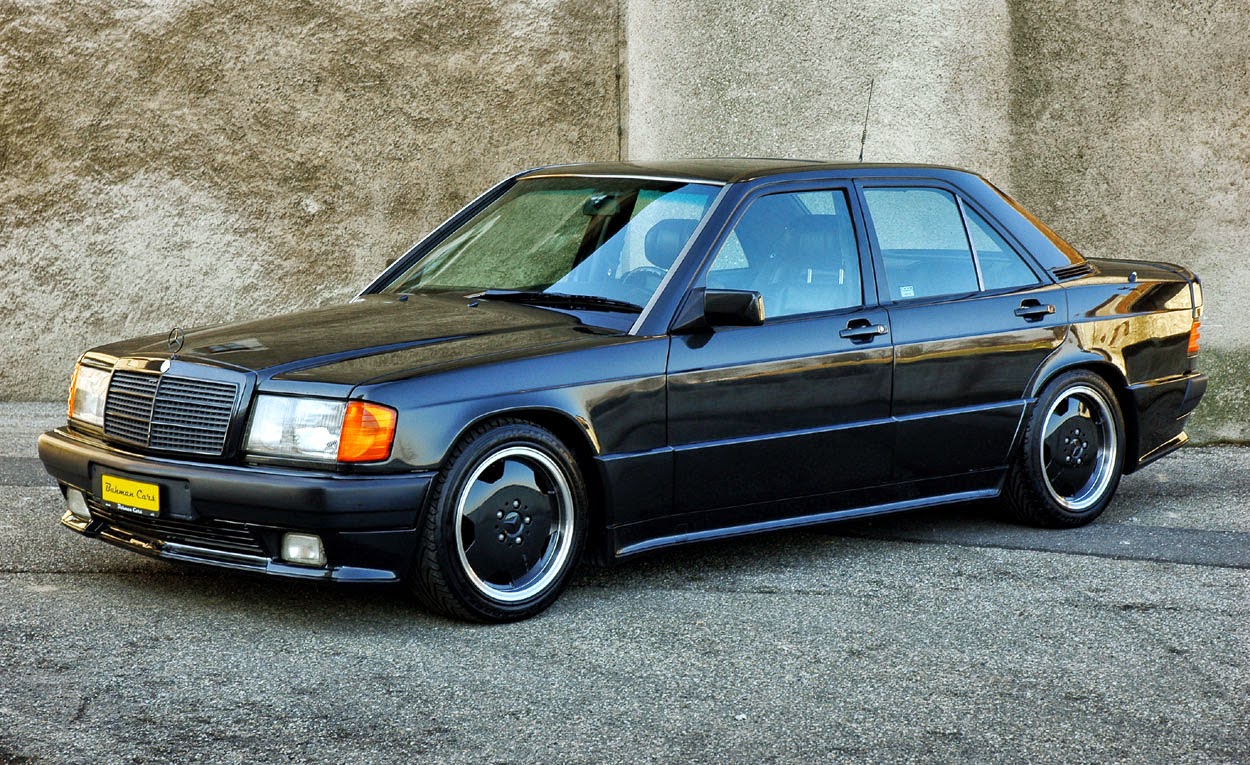
4. Mercedes-Benz 190E
The Mercedes-Benz 190E represents a significant shift in the approach of German automakers during the 1980s. As a compact executive car, it combined the brand’s traditional focus on luxury, build quality, and reliability with a newfound emphasis on performance and handling.
The 190E introduced technologies that would later become staples across the Mercedes lineup, such as multi-link rear suspension, which dramatically improved ride comfort and handling precision. Its exterior styling is understated yet elegant, characterized by clean lines, a tall but proportional stance, and a cabin designed with simplicity and ergonomics in mind.
While not as flashy as some Italian or British counterparts, the 190E carries an understated charm that appeals to enthusiasts who value refinement over flamboyance.
Restoring a 190E often focuses on mechanical integrity and corrosion protection. Rust is common in older models, especially around wheel arches, rocker panels, and floor pans. Engine rebuilds can range from minor maintenance to more extensive work depending on mileage, but the inline-four and six-cylinder engines of the era are generally robust when properly serviced.
Transmission and suspension systems are straightforward to rebuild, making the car accessible for both professional and amateur restorers. Brake and steering components often require attention, and ensuring that the vehicle’s electronics, including early climate control systems, function properly can add to the complexity of the restoration.
The interior of the 190E is a testament to Mercedes’ commitment to ergonomics and comfort. Upholstery, wood trim, and dashboard materials can all benefit from careful restoration, particularly in high-mileage examples.
Seats were designed for both long-distance comfort and lateral support during spirited driving, a balance that makes the 190E enjoyable for modern driving as well. Attention to period-correct details, such as the instrument cluster, switchgear, and interior lighting, is essential to preserve authenticity.
Modern restorers often face the choice between maintaining originality and discreetly upgrading certain components for reliability or safety, such as wiring or seat belts, without compromising the car’s historic character.
Driving a restored 190E offers an experience that balances comfort with engagement. While it is not as sharp as pure sports cars of the same era, its chassis and suspension are capable of impressive composure, rewarding precise inputs from the driver.
The car is ideal for enthusiasts who enjoy a balanced driving experience paired with high-quality construction and understated elegance. Its historical importance, as a model that laid the foundation for later high-performance Mercedes sedans, adds significant value to any restoration project.
A well-restored 190E stands as a rare example of an accessible European classic that combines engineering sophistication, practicality, and timeless style.
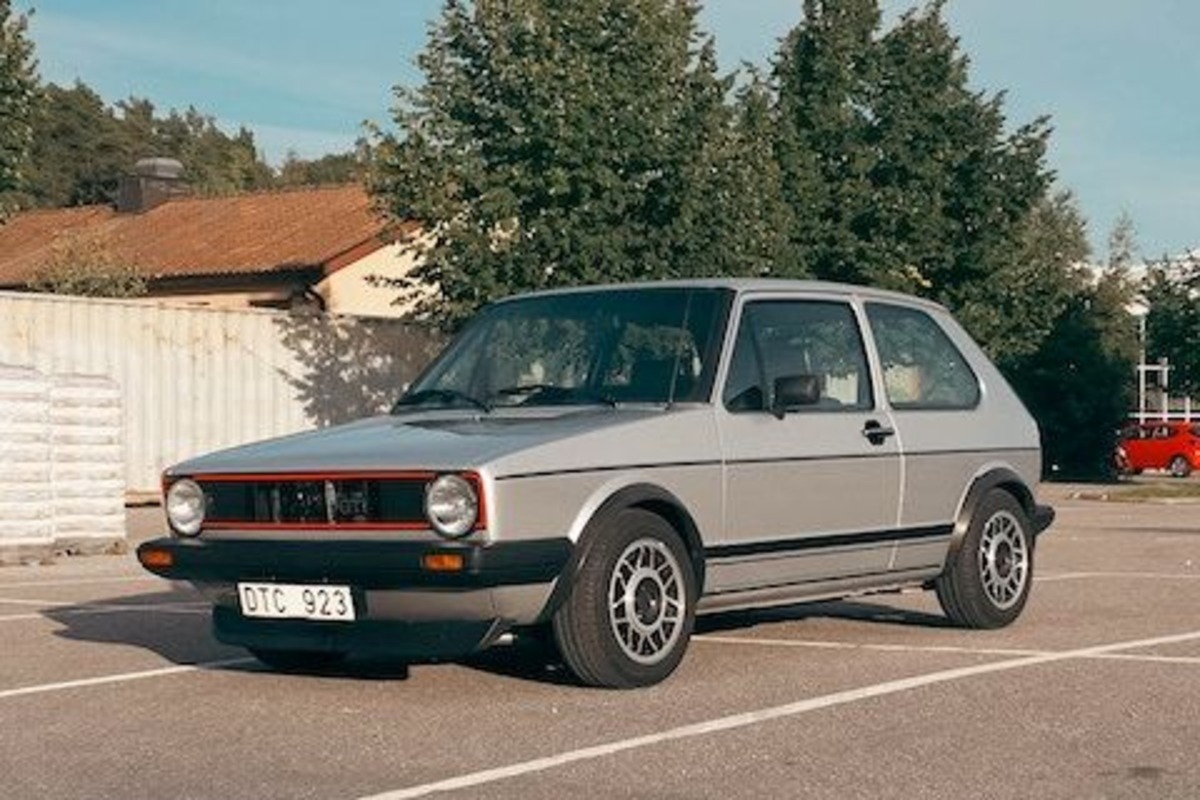
5. Volkswagen Golf GTI Mk1
The Volkswagen Golf GTI Mk1 is often credited with popularizing the “hot hatch” concept, combining everyday usability with spirited performance. Launched in the late 1970s and widely recognized during the early 1980s, the Mk1 GTI offered an engaging driving experience with front-wheel drive, lightweight construction, and a peppy inline-four engine.
Its compact hatchback design made it practical for daily use, yet the sporty suspension, responsive steering, and efficient chassis setup gave it a character that appealed to enthusiasts. The Mk1 GTI’s simple yet purposeful styling, including its squared-off headlights, black trim, and iconic plaid seats, remains highly recognizable and has influenced decades of hatchback design worldwide.
Restoration of a Mk1 GTI usually requires attention to structural integrity, as rust is one of the primary concerns. Rocker panels, floor pans, and wheel arches often need repair, and careful metalwork can restore the car to a solid foundation.
Mechanical systems are relatively simple, including carbureted or fuel-injected engines, depending on the year, and the suspension, brakes, and steering components can be rebuilt without excessive complexity. Originality is highly valued among collectors, so sourcing period-correct parts, wheels, and trim pieces is a key aspect of a successful restoration.
The interior of the Golf GTI Mk1 emphasizes practicality and driver engagement. The classic tartan or plaid upholstery is iconic, and maintaining or replacing it with authentic materials significantly enhances the car’s appeal.
Dashboard and instrument panels are straightforward but require care to restore switches, vents, and gauges to working order. While the interior is minimalistic compared to contemporary vehicles, it reflects the philosophy of a car designed for both practicality and enjoyment, making authenticity in restoration particularly important for enthusiasts.
Driving a restored Mk1 GTI is a lesson in simplicity and precision. Its lightweight construction allows nimble handling and quick responses to steering input, providing a pure connection between driver and road. Despite being nearly forty years old, a well-maintained Mk1 GTI can deliver an experience that rivals many modern small sports cars.
Restoration projects for this model not only preserve automotive history but also revive a car that embodies the joy of driving, practicality, and the emergence of a European automotive phenomenon that changed the perception of hatchbacks forever.
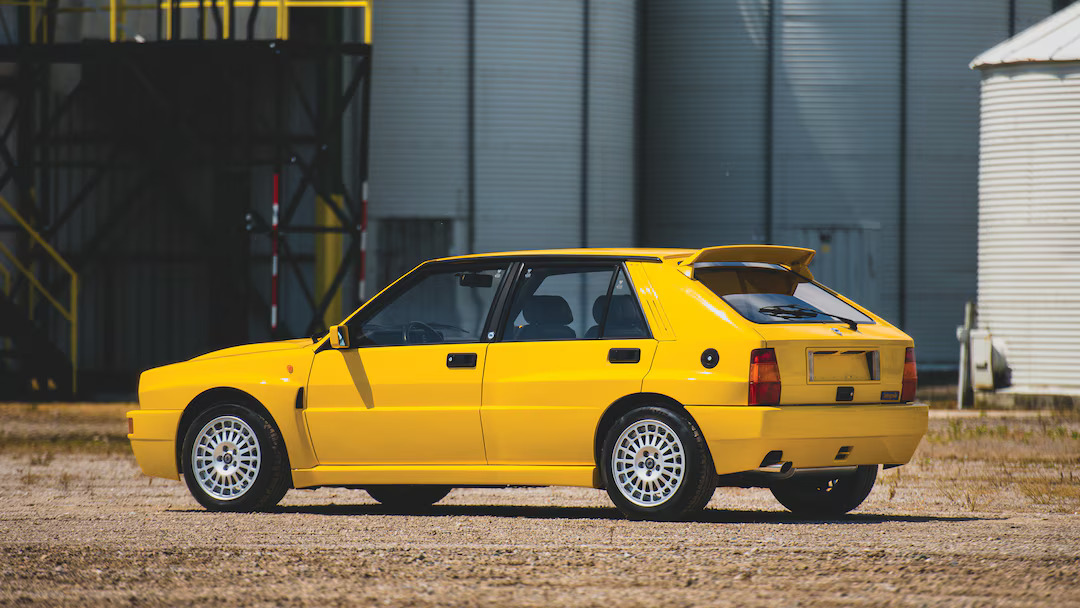
6. Lancia Delta Integrale
The Lancia Delta Integrale is a legendary name among rally enthusiasts and classic car collectors. Emerging in the mid-1980s, the Integrale took the standard Delta hatchback and transformed it into a performance-oriented, all-wheel-drive machine that dominated the World Rally Championship.
Its turbocharged four-cylinder engine, responsive steering, and robust chassis made it both a competitive rally car and an exhilarating road car. While the styling is boxy and distinctly 1980s, its aggressive stance, wide wheel arches, and purposeful design communicate performance and character. Restoring an Integrale is as much about preserving its motorsport heritage as it is about returning it to roadworthy glory.
Rust protection is a primary concern for the Integrale, as the combination of age and exposure to moisture can damage wheel arches, floor pans, and sills. The turbocharged engine requires attention to seals, turbochargers, and cooling systems to ensure longevity.
Suspension and drivetrain components, particularly the all-wheel-drive system, benefit from careful inspection and refurbishment. While electrical systems are relatively simple, they still require attention to switches, lights, and early electronic components. Parts availability is improving but can still be a challenge, adding both complexity and value to a properly restored example.
The interior of the Delta Integrale reflects its rally-inspired nature. Supportive seats, a driver-focused dashboard, and practical controls provide a functional yet engaging cockpit. Upholstery and trim restoration is critical to maintain authenticity, as well as preserving features like period-specific gauges and steering wheel designs.
Unlike many modern sports cars, the Delta Integrale rewards careful attention to interior detail, as the tactile and visual experience is integral to the enjoyment of the car.
Driving a restored Lancia Delta Integrale provides a thrilling connection to the past. The all-wheel-drive system and turbocharged engine make acceleration and cornering precise and exciting, while the car’s chassis communicates its rally pedigree in every turn.
Collectors value the Integrale for its combination of rarity, performance, and historical significance, making restoration projects both rewarding and potentially valuable. Owning a restored Integrale means preserving a car that represents one of the most competitive and innovative eras in European motorsport.
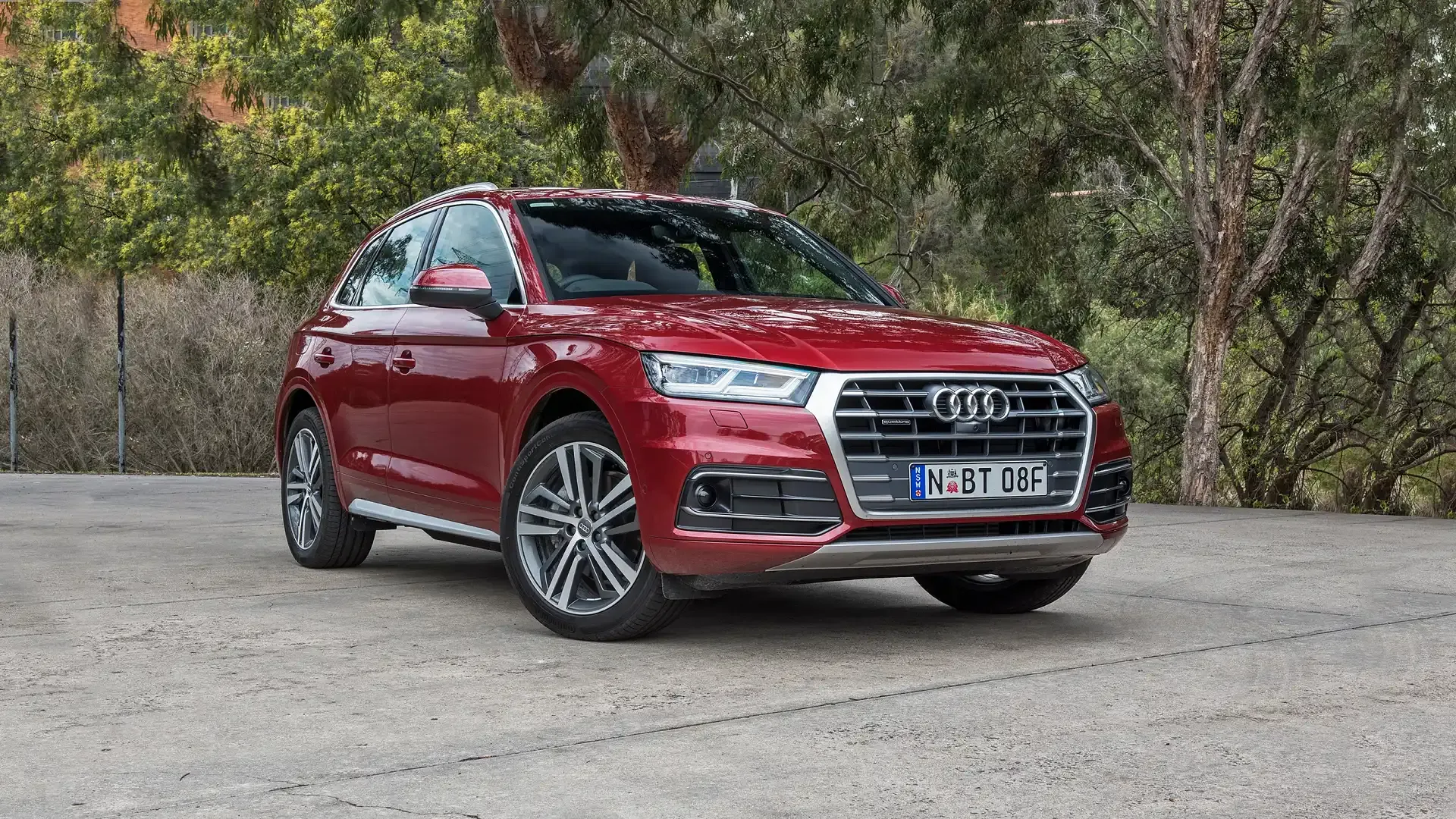
7. Audi Quattro
The Audi Quattro is one of the most influential European cars of the 1980s, fundamentally changing rally racing and road car engineering with its pioneering all-wheel-drive system. Introduced in 1980, the Quattro combined a turbocharged inline-five engine with Audi’s permanent all-wheel-drive, providing exceptional traction, acceleration, and cornering capabilities that were unprecedented for road cars at the time.
Its distinctive coupe styling, boxy yet muscular design, and wide stance set it apart from competitors while signaling its performance intentions. Beyond aesthetics, the Quattro represented a bold technological leap, demonstrating that advanced drivetrain engineering could translate from motorsport to road-going vehicles.
Restoring an Audi Quattro requires careful attention to structural integrity, drivetrain, and turbocharged engine components. Rust is a common concern, particularly around the wheel arches, sills, and floor pans, and addressing it is essential to maintain both safety and aesthetics.
The engine and turbocharger system demand careful inspection and refurbishment, as worn seals, gaskets, or turbo components can compromise reliability and performance. Suspension, braking systems, and the drivetrain itself, including the all-wheel-drive differential, need precise tuning and servicing to preserve the car’s handling characteristics. Electrical systems from the era, though relatively simple, also require attention, particularly if original instrumentation and lighting are to be retained.
The interior of the Audi Quattro combines driver-focused ergonomics with the understated luxury typical of early 1980s German vehicles. Seats, trim panels, and dashboards require careful restoration to preserve the feel of the original design.
Instrument clusters and switchgear are particularly important for authenticity, as they contribute to the tactile experience and visual appeal of the cabin. While the interior is not as flamboyant as Italian sports cars, its purposeful design reinforces the Quattro’s identity as a precision machine built for performance. Restoring the interior requires attention to detail to retain the balance between comfort, functionality, and sportiness that defined the model.
Driving a restored Audi Quattro is an experience that emphasizes confidence, precision, and technological innovation. The combination of turbocharged power and all-wheel-drive traction makes it exhilarating in corners, responsive under acceleration, and remarkably composed under varying conditions.
For collectors and enthusiasts, the Quattro offers both historical significance and tangible driving pleasure, representing a landmark in European automotive engineering. A well-restored example serves as both a reminder of Audi’s rally heritage and a practical yet thrilling classic capable of delivering a unique experience on modern roads.
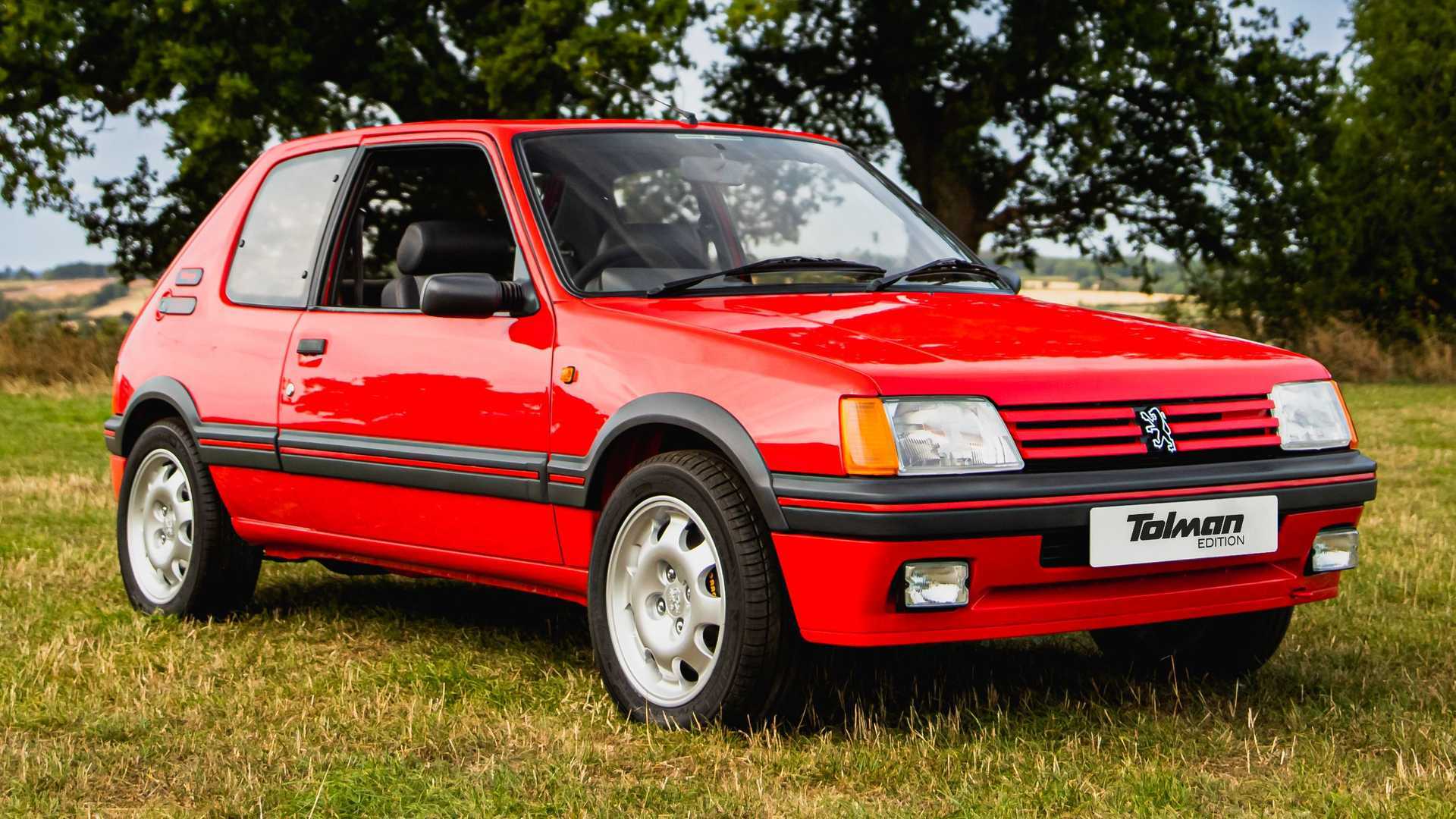
8. Peugeot 205 GTI
The Peugeot 205 GTI is widely celebrated as one of the quintessential hot hatches of the 1980s. Launched in 1984, it paired a lightweight, nimble chassis with a spirited four-cylinder engine, creating a vehicle that was agile, responsive, and immensely fun to drive.
Its compact dimensions, clever packaging, and front-wheel-drive layout contributed to precise handling, making it an icon of driver engagement. The 205 GTI’s styling was simple but effective, with clean lines, subtly flared arches, and sporty details such as alloy wheels, color-coded bumpers, and performance-oriented interior trim.
Its widespread appeal came not only from performance but also from accessibility, offering enthusiasts an affordable entry point into spirited driving.
Restoration of a 205 GTI often focuses on both structural soundness and mechanical reliability. Rust tends to affect sills, wheel arches, and the underbody, so thorough inspection and repair are critical. Engine rebuilds may involve addressing wear in the carbureted or fuel-injected units, while the gearbox and suspension components require attention to ensure the car handles as designed.
Brakes, steering, and bushings are also key restoration areas, particularly if the goal is to recapture the original driving dynamics. Given the model’s enduring popularity, sourcing authentic parts is possible, but attention to detail is essential for a faithful restoration that maintains the car’s value and character.
The interior of the 205 GTI is compact, driver-focused, and distinctly 1980s. Seats with supportive bolstering, a simple but functional dashboard, and sport-themed details such as leather-wrapped steering wheels define the cabin. Upholstery restoration, particularly the original cloth patterns, adds authenticity and enhances the tactile experience.
The minimalist design means that even small details, such as switchgear and trim panels, significantly impact the impression of the car’s interior. Maintaining originality while ensuring functionality is critical to creating a restoration that feels true to the original model.
Driving a restored 205 GTI is a lesson in lightweight agility and engagement. Its compact dimensions, quick steering, and responsive power delivery make it a thrilling companion on twisty roads. The car communicates directly with the driver, emphasizing skill and connection rather than sheer power.
For collectors and enthusiasts, restoring a 205 GTI is not only about preserving a cultural icon but also about recreating a machine that defines an era of fun, accessible performance. It remains one of the most rewarding projects for anyone interested in European classics that prioritize driver enjoyment.
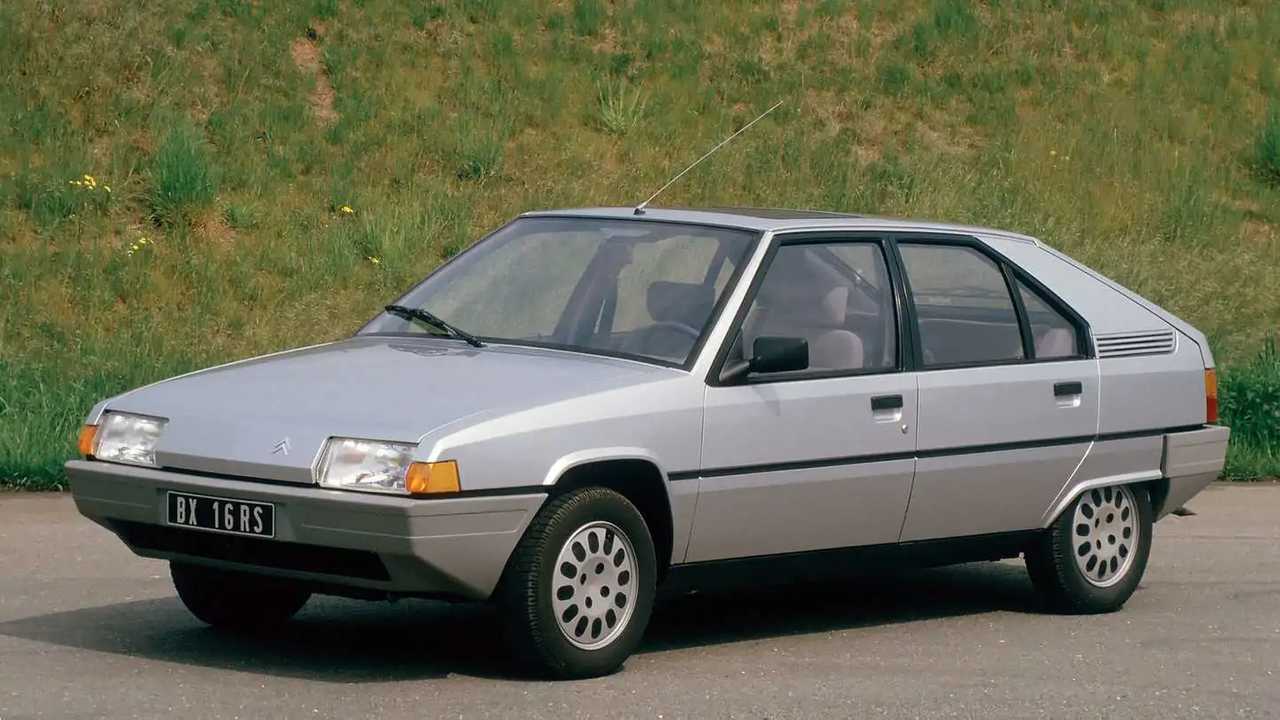
9. Citroën BX
The Citroën BX is an unusual but significant European classic that combines innovative engineering with distinctive styling. Introduced in 1982, it featured the brand’s signature hydropneumatic suspension, providing a ride quality that was unmatched at the time.
The BX’s angular design, characterized by sharp lines and a wedge-shaped profile, was a departure from traditional sedans and hatchbacks, giving it a futuristic appearance that still stands out today. While it may not have the performance credentials of other European classics, the BX represents a technological milestone, reflecting Citroën’s willingness to experiment with materials, suspension systems, and aerodynamics during the 1980s.
Restoring a Citroën BX requires careful attention to the hydropneumatic suspension system. Maintaining or refurbishing the spheres, pumps, and associated hydraulic components is essential to preserve the car’s legendary ride quality. Rust is less of an issue compared to other European cars, thanks to galvanized body panels, but it still needs to be addressed in critical areas.
Engine and transmission maintenance is relatively straightforward, though components may require sourcing from specialized suppliers due to the car’s relative rarity. Electrical systems, particularly those controlling suspension height and headlights, also need careful attention to ensure functionality.
The BX’s interior is spacious, ergonomic, and distinctly 1980s. Seats are comfortable, dashboards are simple but functional, and the cabin layout prioritizes visibility and ease of use. Restoring interior components, including trim panels, upholstery, and switches, can dramatically improve the driving experience while preserving the car’s period character.
Citroën enthusiasts often take pride in maintaining the originality of the interior, as it reflects the brand’s philosophy of comfort, practicality, and technological innovation.
Driving a restored BX is a unique experience, particularly due to its hydropneumatic suspension, which absorbs imperfections with remarkable smoothness while maintaining composure in corners. It is a car that rewards patient driving and careful restoration, offering comfort and novelty rather than outright speed.
A fully restored BX represents a rare and innovative piece of 1980s European automotive history, demonstrating that classic car restoration is not only about performance but also about preserving creativity and engineering ambition.
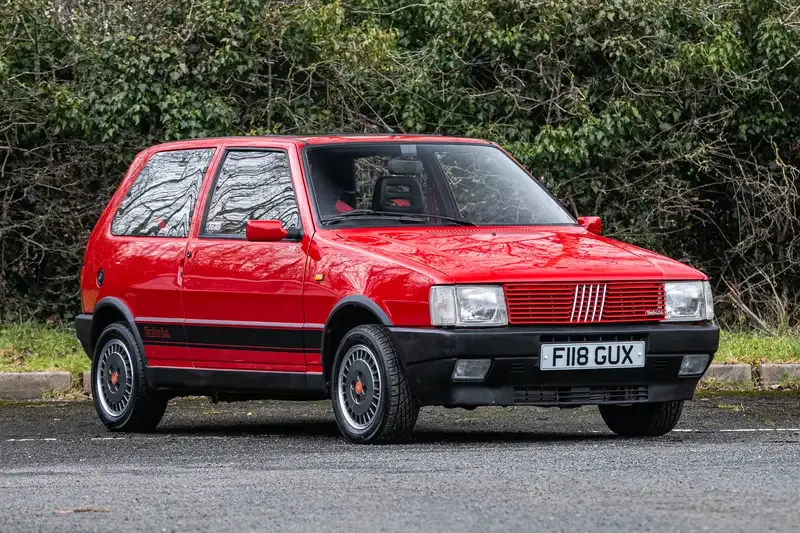
10. Fiat Uno Turbo
The Fiat Uno Turbo is one of Italy’s most compelling contributions to the 1980s hot hatch scene. Launched in the mid-1980s, the Uno Turbo paired a small, lightweight body with a turbocharged engine, offering impressive acceleration and spirited driving dynamics for its size.
Its compact design, simple construction, and responsive chassis made it a popular choice for enthusiasts seeking affordable performance. The Uno Turbo’s angular styling, large bumpers, and distinctive wheel arches reflect the design trends of the era, while interior details such as sport seats and instrument clusters emphasize its performance-oriented character.
Restoring a Fiat Uno Turbo requires attention to both structural and mechanical integrity. Rust is common in older models, particularly in the wheel arches, sills, and floor panels, and addressing it is essential for safety and longevity.
The turbocharged engine requires careful rebuilding or maintenance, including attention to seals, turbocharger components, and the cooling system. Suspension, braking, and steering systems should also be refurbished to ensure the car retains its original handling characteristics. Electrical components, including gauges and lighting, need careful inspection to restore functionality and authenticity.
The interior of the Uno Turbo is compact, functional, and driver-oriented. Seats, trim, and dashboard elements should be restored with attention to original materials, as these details contribute significantly to the car’s character. Steering wheel, gear lever, and instrument panel restoration enhances the tactile connection between driver and vehicle.
Many enthusiasts strive to maintain originality, as the combination of simplicity, sportiness, and period charm defines the Uno Turbo experience.
Driving a restored Uno Turbo is an exercise in compact performance. Its lightweight body, turbocharged engine, and responsive chassis create a car that is lively and engaging despite its modest size.
Restoration allows the car to fulfill its potential, offering a driving experience that feels connected, rewarding, and unmistakably 1980s. Collectors value the Uno Turbo for its rarity, performance, and status as an iconic Italian hot hatch, making it a project that is both enjoyable and historically significant.
