
Parking lots are often the true test of a crossover’s practicality. While horsepower and infotainment features might dominate marketing campaigns, daily usability depends on how a vehicle behaves in the tight confines of everyday driving. Families, commuters, and city dwellers depend on a car’s ability to turn sharply, fit into narrow spaces, and handle with precision when the steering wheel is spun from lock to lock.
A compact footprint, smart steering ratio, and well-balanced suspension geometry can make even a small parking lot a stress-free experience. Unfortunately, not all crossovers are created equal in this respect. Some feel nimble and responsive, while others demand multiple back-and-forth corrections just to fit between painted lines.
A tight turning circle not only improves maneuverability but also reflects thoughtful engineering. Designers must consider wheelbase length, steering calibration, tire size, and even the front suspension’s architecture.
When these elements are aligned properly, the result is a vehicle that seems to pivot with confidence. Drivers of compact crossovers often take this for granted until they experience a model that behaves more like a full-size SUV when asked to squeeze through narrow city streets. At that moment, the importance of agility becomes clear.
For drivers who frequently navigate downtown areas, parking structures, and suburban shopping centers, this difference can shape long-term satisfaction. Smooth steering feedback, quick reactions, and predictable control create a sense of harmony that reduces fatigue. On the other hand, an unwieldy turning radius can make every errand a test of patience. The contrast between the two experiences is what defines this comparison.
This article examines ten crossovers that highlight both sides of the equation. Five of them represent the models that master tight turning circles with precision, giving their drivers the confidence to handle dense traffic and limited parking.
The other five, while capable and feature-rich, are often cited as frustrating companions in crowded lots. The following comparison looks beyond marketing claims and focuses on how these vehicles behave in the kind of conditions most owners face daily, slow maneuvers, angled entries, and compact parking spaces that separate true ease of use from simple size on paper.
Five Crossovers with Tight Turning Circles
The first group of crossovers earns praise for their precise steering and compact agility. They show that not every SUV needs to be bulky or slow to react. Each one combines smart engineering and thoughtful proportions, allowing them to excel where many others falter.
What makes these vehicles is how they manage to blend everyday practicality with a sense of lightness that feels almost athletic. The design teams behind them understand that most crossover buyers spend far more time maneuvering in cities than carving through mountain roads, so they focus on how the steering behaves at low speeds, how quickly the front wheels can pivot, and how much space the vehicle needs to complete a turn.
These small yet essential factors shape the way drivers perceive control and ease behind the wheel.
1. Mazda CX-30
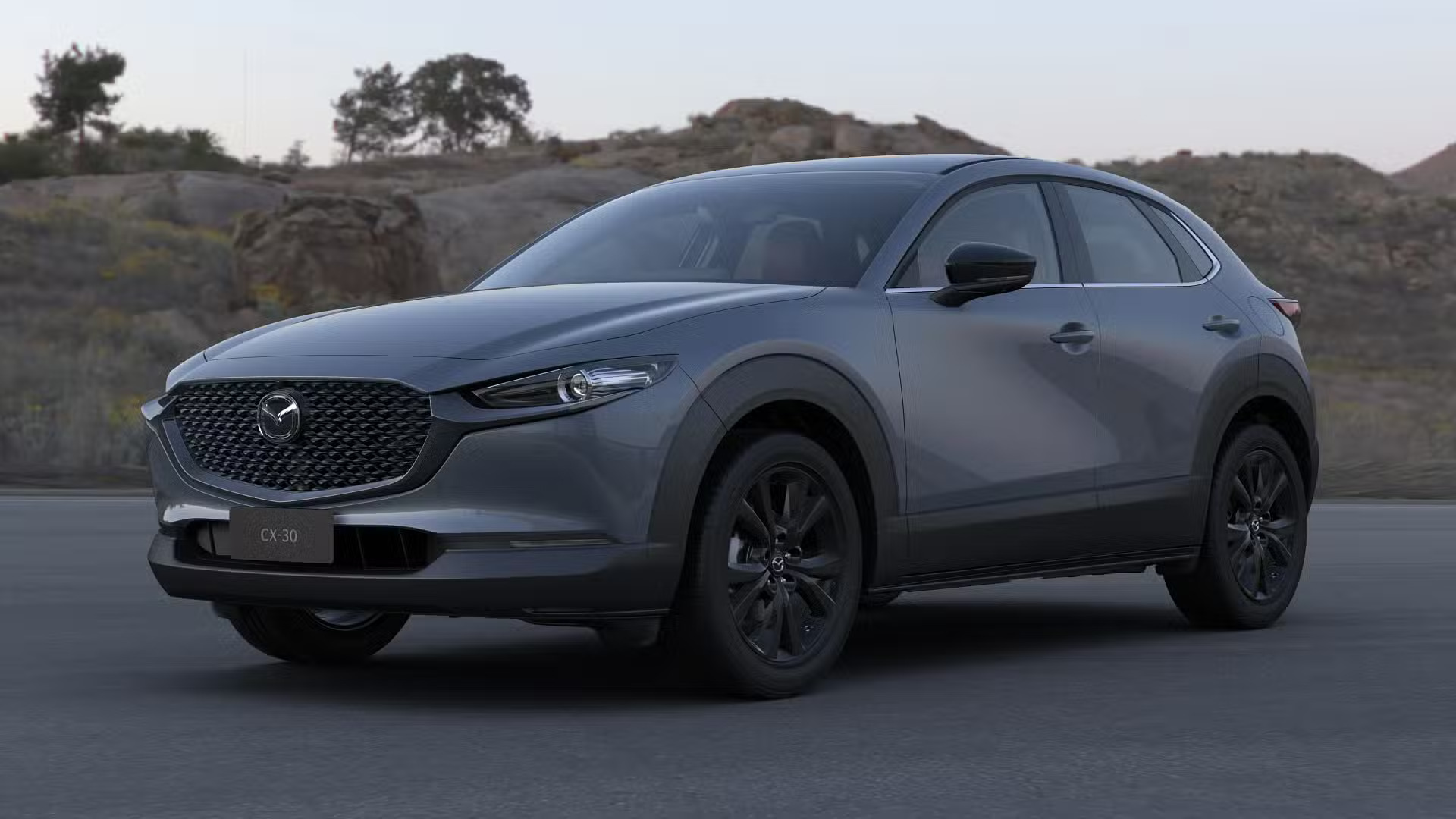
Mazda’s CX-30 embodies the brand’s philosophy of creating vehicles that feel connected to the driver in every movement. The engineers behind it aimed to give the crossover a steering response more akin to a sport sedan than a small SUV. Its 34.8-foot turning circle is complemented by a steering system calibrated to react instantly to even slight inputs, giving the driver an accurate sense of direction.
One of Mazda’s core achievements lies in the balance between precision and comfort, the wheel feels light during city driving but gains appropriate weight as speed increases. This gives the impression that the car anticipates the driver’s intentions, adjusting naturally to conditions. The relatively short wheelbase further enhances maneuverability, keeping the CX-30 poised when weaving through parking structures or making quick U-turns on narrow streets.
Beyond its mechanical balance, the CX-30 benefits from thoughtful proportions that make spatial judgment simple. The gently sloping hood and well-positioned mirrors provide excellent outward visibility, reducing the blind spots that often plague compact crossovers.
Even when parking in confined spaces, drivers can see the car’s edges clearly. The front tires respond smoothly without the jerky feel found in some competitors, which helps avoid overcorrection when adjusting into a space. The result is a driving experience that feels natural and stress-free, one that encourages confidence even for those who dislike parallel parking.
In urban commuting, that translates directly into reduced driver fatigue and smoother maneuvering. Mazda’s attention to steering geometry ensures that the CX-30 retains its agility without compromising ride comfort, making it one of the most well-rounded compact crossovers available.

2. Honda HR-V
The Honda HR-V is often recognized for its flexible interior and clever storage layout, but those qualities only tell part of its story. Its turning circle, roughly 35 feet, reflects a design emphasis on real-world convenience. Honda’s engineers fine-tuned the suspension geometry and steering ratio to minimize understeer at low speeds, meaning the front tires maintain better traction even when the steering wheel is turned sharply.
This refinement gives the HR-V a planted feel that inspires confidence, especially in crowded parking areas. The steering itself has a gentle yet precise nature, light enough for one-handed operation during tight maneuvers but steady enough to avoid overreaction.
In daily driving, this makes the HR-V particularly friendly for drivers transitioning from small sedans. The upright seating position improves sightlines, and the body’s tidy proportions ensure predictable reactions. Unlike some crossovers that feel top-heavy or vague at low speeds, the HR-V maintains composure.
Even when navigating winding residential streets or cramped parking garages, the driver experiences a reassuring sense of control. The feedback through the steering wheel is subtle yet informative, helping the driver sense how much space remains on either side.
Honda’s tradition of balancing function with driver-friendliness shows through clearly here. The HR-V doesn’t try to impress with excessive power or size; instead, it delivers a level of ease that makes every drive, even the short, routine ones, feel simple and pleasant.
3. Hyundai Kona
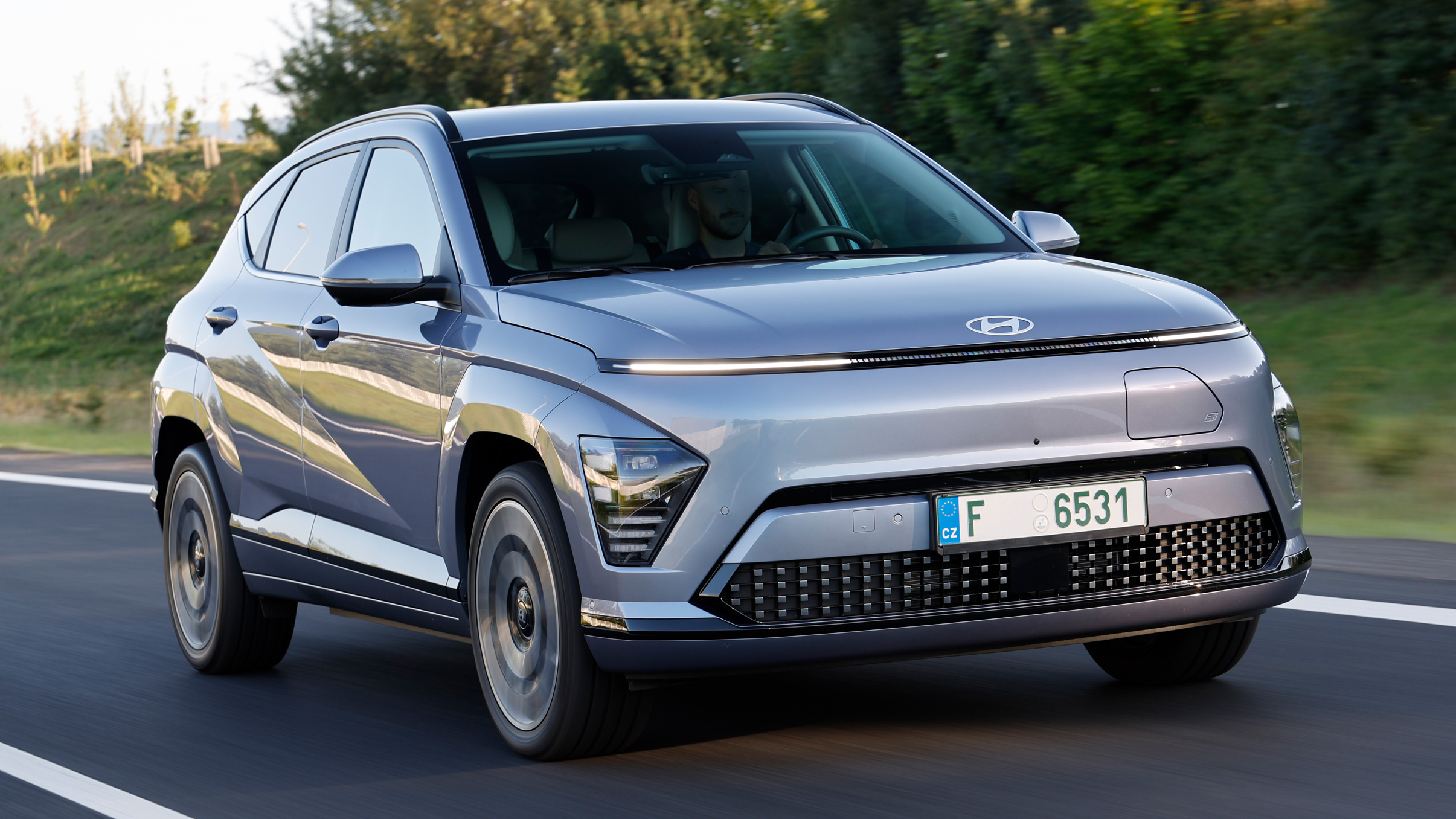
The Hyundai Kona represents how modern engineering can make a subcompact crossover feel far more agile than its dimensions suggest. Hyundai designed it with city life in mind, focusing on short overhangs and a well-optimized wheelbase.
This foundation allows the front wheels to turn more sharply than most competitors, producing a tight radius that gives the Kona a nimble personality. Its steering ratio is quick but not twitchy, meaning the car responds instantly without feeling unstable.
That balance gives drivers confidence whether they are threading through a parking lot or reversing into a small space. The light steering effort also benefits new drivers and those who frequently deal with congested city streets.
Another reason the Kona excels in maneuverability lies in its chassis tuning. The suspension keeps the body flat during low-speed turns, so passengers experience less lateral movement, and the driver maintains better awareness of positioning. The compact design allows for short correction distances, so if a driver slightly misjudges a turn, recovery feels easy.
Its small footprint proves useful in parking garages where space is at a premium. Even the seating position contributes to control, the raised stance gives a clear view of the car’s corners, and the relatively narrow A-pillars prevent visual obstruction when approaching curbs or angled spots.
Together, these details make the Kona one of the easiest small SUVs to manage in any environment. It is proof that careful design, not just advanced electronics, defines true everyday usability.
4. Toyota RAV4
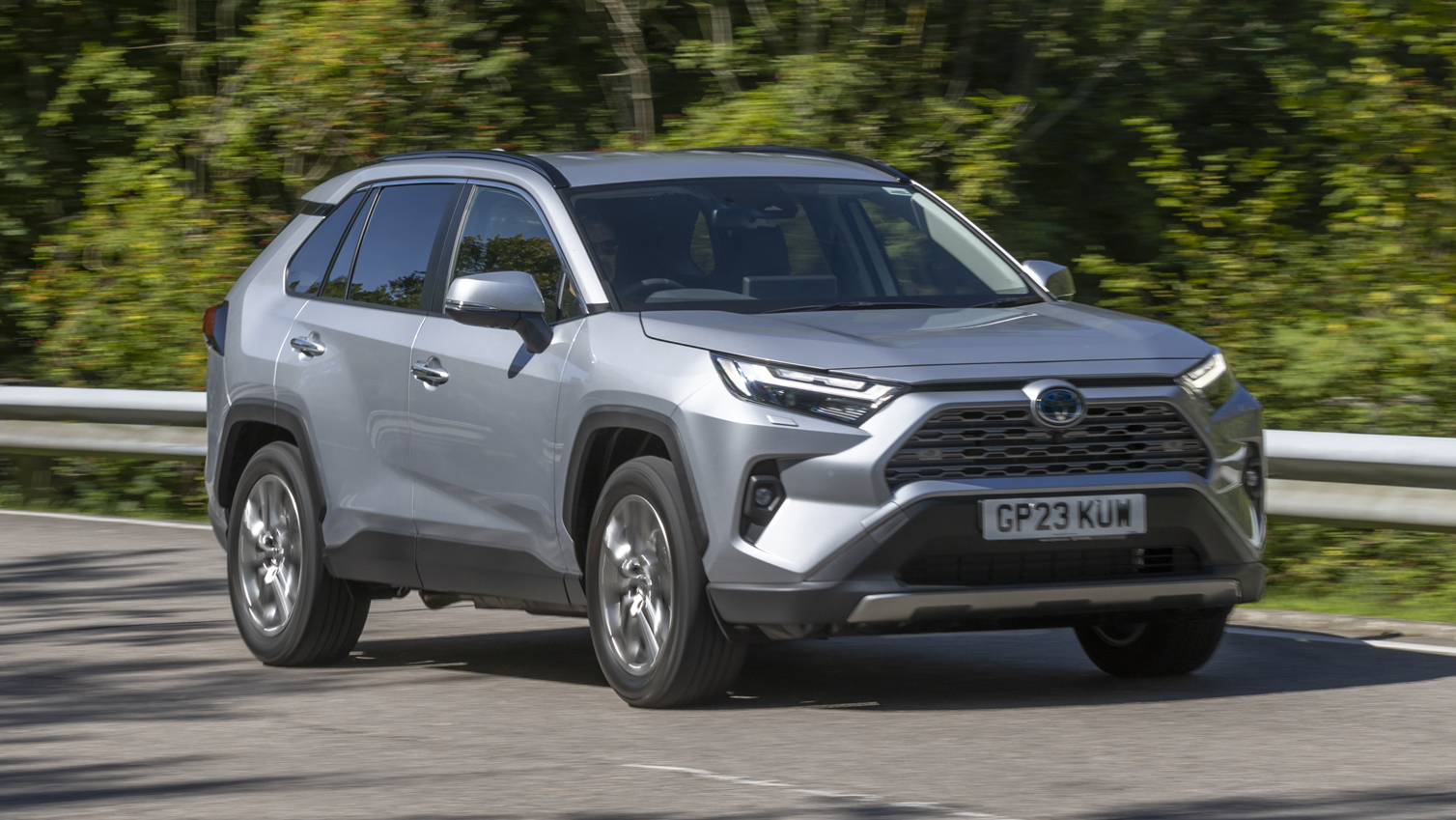
The Toyota RAV4 stands out as a vehicle that manages to combine size and maneuverability more effectively than most of its midsize peers. With a 37.4-foot turning circle, it may not be the smallest in numbers, but its real-world ease comes from how intuitively it reacts to steering input.
Toyota refined its electric power steering system to deliver consistent behavior at low and medium speeds. This ensures that every degree of wheel rotation translates predictably to tire angle, minimizing the need for constant adjustment. Drivers who spend much of their time in city traffic appreciate how stable and composed the RAV4 feels during tight turns. Its upright design provides excellent sightlines, allowing precise judgment of boundaries when parking.
The RAV4’s weight distribution also contributes to its handling advantage. In hybrid models, the battery pack sits low and near the vehicle’s center, which balances the chassis and reduces body lean. This means the RAV4 feels more compact than its measurements suggest, particularly during slow maneuvers.
Toyota’s engineers also tuned the steering assistance to taper smoothly, creating a natural transition between urban and highway driving. This consistency prevents the steering from feeling overly light at parking speeds, which helps with accuracy. For families and commuters alike, that predictability builds trust. The RAV4 doesn’t rely on flash or gimmicks; its design simply makes sense, ensuring the vehicle remains approachable and easy to handle even in the most confined lots.
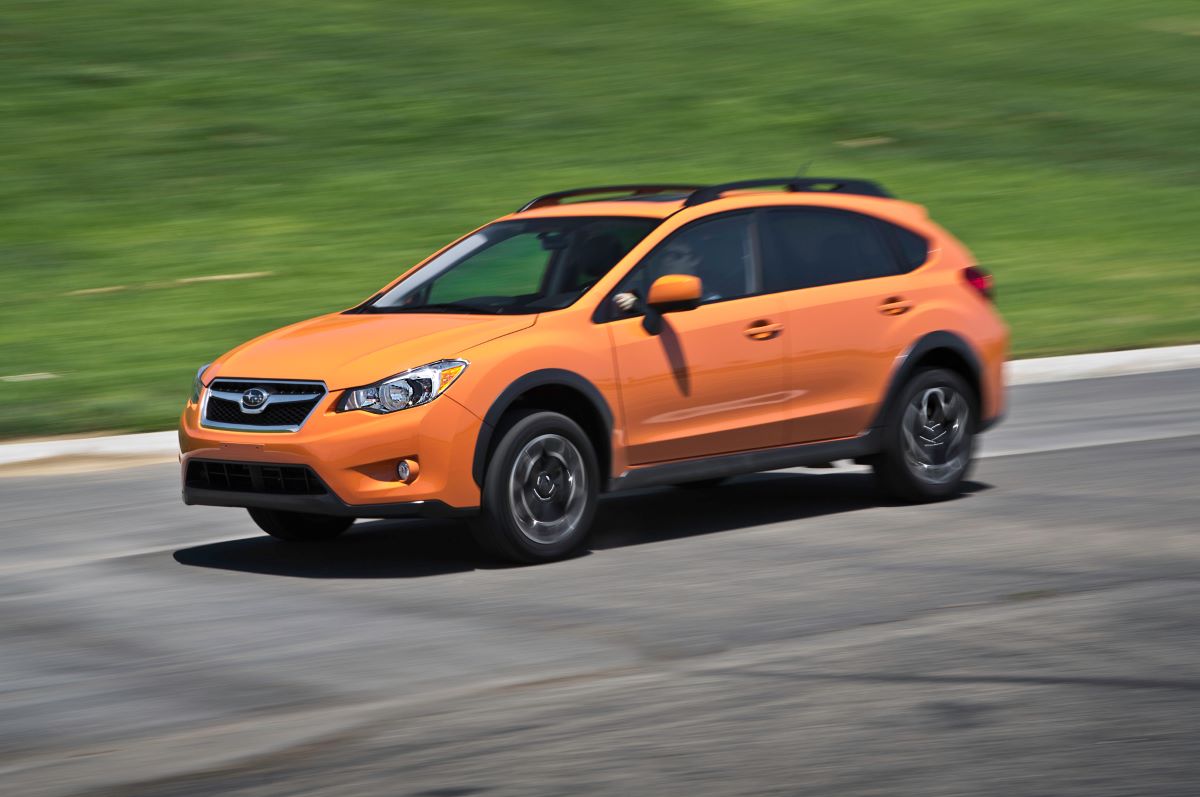
5. Subaru Crosstrek
Subaru’s Crosstrek might look rugged with its raised ride height and protective cladding, but beneath that adventurous exterior lies a remarkably agile vehicle. Built on Subaru’s global platform, it benefits from a rigid chassis that supports precise steering alignment.
Its turning circle sits impressively low for an all-wheel-drive crossover, and that trait shows up clearly when maneuvering through tight spaces. The steering itself feels fluid, providing a connection that many larger SUVs lack. The symmetrical all-wheel-drive system distributes torque evenly, which reduces front-end push during sharp corners and maintains a smooth flow through tight turns.
Another key advantage of the Crosstrek is visibility. Subaru designs its vehicles with large windows and a thin-pillared cabin structure, so drivers can easily see their surroundings. This greatly improves confidence when navigating tight city corners or angled parking stalls.
The steering rack’s ratio also favors precision, the driver never needs to rotate the wheel excessively, which keeps maneuvering efficient and intuitive. Combined with a relatively short wheelbase, this setup makes the Crosstrek feel smaller than it is without losing the benefits of ground clearance and capability.
It’s an ideal companion for drivers who split time between city commutes and outdoor adventures. The car’s ability to shift seamlessly from rough terrain to dense parking lots underscores its balanced engineering. It’s proof that practical design and all-weather versatility can coexist without sacrificing maneuverability.
These five crossovers show how smart engineering choices, from steering geometry to chassis stiffness and visibility, can dramatically improve daily convenience. They prove that comfort doesn’t need to come at the expense of agility. Each of these vehicles feels intuitive, light, and ready for the quick steering corrections that real-world driving demands.
They represent a class of crossovers built not just to move people, but to move gracefully through the narrow, crowded spaces of everyday life.
Five Parking-Lot Pains
Not every crossover handles tight situations with the same grace. Some struggle with wide turning radii, heavy steering, or awkward proportions that make close-quarters driving unnecessarily stressful. These models may excel in comfort, performance, or cargo space, but they remind drivers that maneuverability is just as vital as acceleration or luxury.
The vehicles in this group are well-engineered in their own right, offering impressive capabilities on open roads, yet they demand more patience when the pavement narrows and parking spots shrink.
The issue often comes down to geometry; a longer wheelbase, a wider stance, or limited front-wheel articulation can turn a simple U-turn into a multi-step exercise. Modern technology helps, but physics still dictates how easily a vehicle pivots. These crossovers illustrate how quickly convenience can vanish once the steering lock reaches its limit.
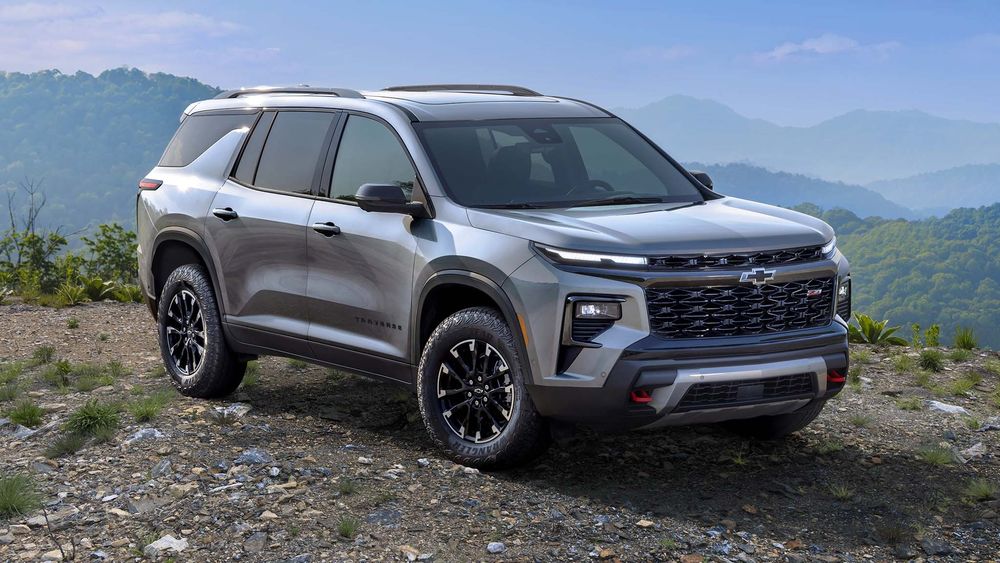
1. Chevrolet Traverse
The Chevrolet Traverse represents one of the most spacious and family-friendly crossovers in its class. It boasts a roomy interior that comfortably accommodates up to eight passengers, making it a practical option for families needing both comfort and storage. However, that generous size becomes a burden in confined areas.
With a turning circle that can exceed 40 feet, the Traverse feels its length whenever the driver attempts to make a tight maneuver. Parking lots, narrow alleys, and multi-level garages expose the limits of its agility. Although Chevrolet equipped it with light steering to reduce driver effort, the fundamental dimensions of the vehicle make it feel slow to react.
Even small adjustments at low speeds require large steering inputs, which can frustrate drivers used to more compact vehicles.
The Traverse’s visibility also complicates things. Its tall sides, broad hood, and relatively small rear window restrict outward sightlines. While cameras and parking sensors assist, they cannot eliminate the sense of bulk that comes with its size. For parents running errands or making quick stops, this becomes a recurring challenge.
The driver often needs to approach turns carefully, allowing extra room to clear curbs or adjacent vehicles. On highways, the Traverse feels stable and confident, but once it enters a crowded urban parking lot, its advantages shrink. This mismatch between spaciousness and maneuverability highlights the trade-offs of large crossovers: plenty of comfort, but limited grace in tight quarters.
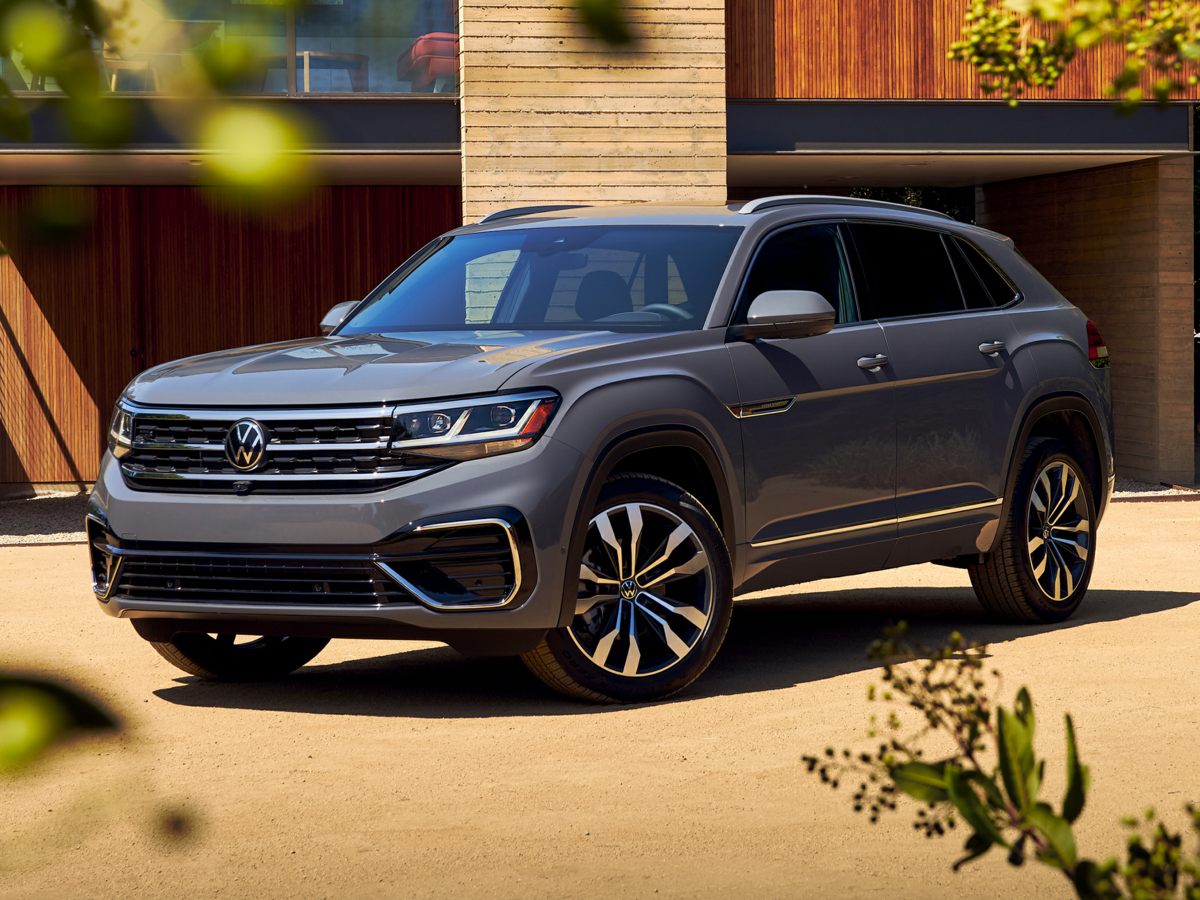
2. Volkswagen Atlas
The Volkswagen Atlas was designed with American families squarely in mind, emphasizing interior room and comfort. It delivers on that promise with a cavernous cabin and a strong, confident presence on the road. Yet that presence turns into an obstacle in crowded parking situations.
The Atlas has a turning radius of about 41 feet, putting it among the widest in its class. This figure alone doesn’t tell the whole story, the combination of a long wheelbase, wide stance, and relatively conservative steering ratio results in a vehicle that feels reluctant to change direction quickly. The steering system, tuned for steady highway composure, lacks the nimble response required for close-quarters driving.
The driver’s experience in tight parking areas can therefore feel cumbersome. The Atlas’s hood extends far forward, making it harder to judge distances during head-in parking. The high beltline and thick roof pillars, while enhancing safety, also limit visibility.
Although Volkswagen equips the Atlas with advanced driver-assist technology, such as 360-degree cameras and automated parking aids, the driver still feels the car’s substantial footprint. Each maneuver requires careful planning and a slower pace than smaller crossovers demand.
In suburban settings or open lots, this may not matter much, but in compact downtown garages, it becomes a noticeable inconvenience. The Atlas is a comfortable long-distance cruiser and a practical family hauler, yet it serves as a reminder that comfort and maneuverability rarely coexist in large crossovers.
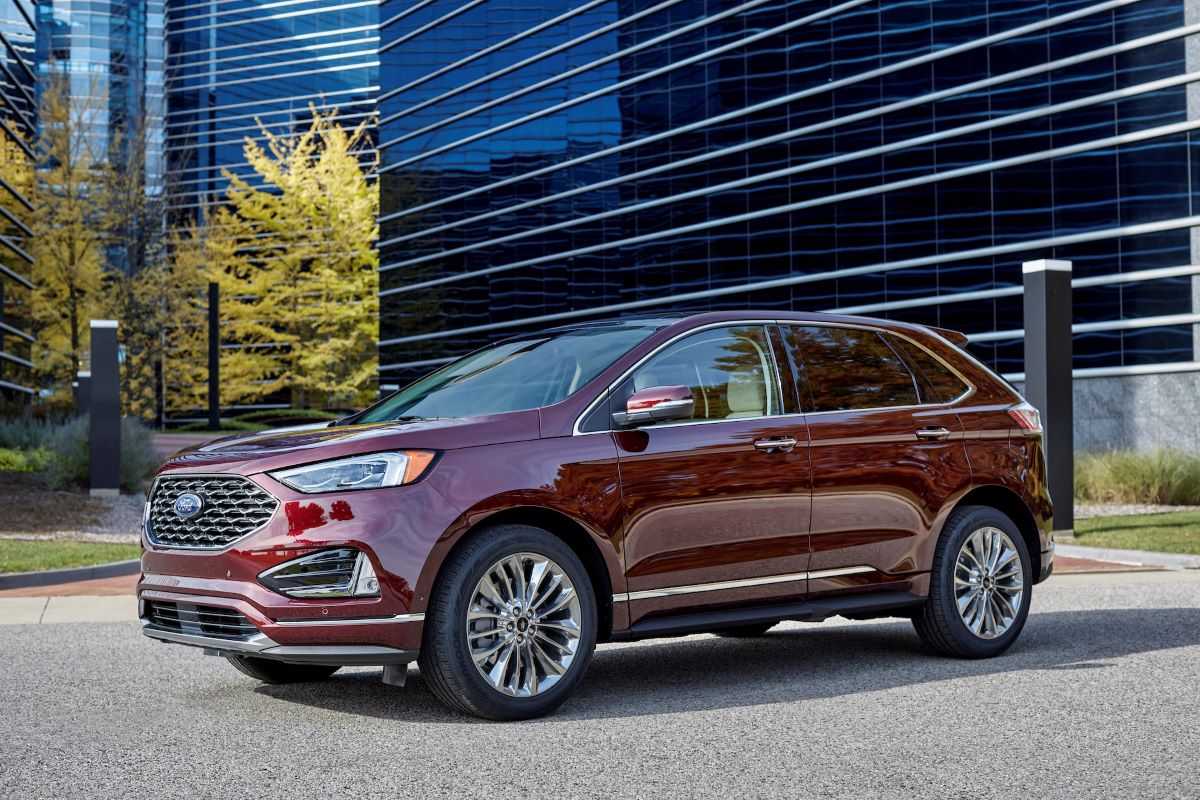
3. Ford Edge
The Ford Edge bridges the gap between compact and full-size SUVs, aiming to provide the versatility of both. It offers generous interior space, smooth performance, and a high level of comfort that make it appealing to families and commuters alike.
However, those same traits contribute to its somewhat clumsy handling in tight environments. With a turning circle near 39 feet, the Edge feels broader than it looks. The steering system is tuned for stability rather than nimbleness, meaning drivers often need to rotate the wheel more than expected to achieve the same result as in a smaller vehicle.
While this characteristic makes the Edge feel steady on highways, it also makes it less responsive during parking maneuvers.
Another factor that affects the Edge’s maneuverability is its steering feedback. The system delivers minimal tactile information, which can leave drivers uncertain about how much angle the front wheels have achieved. That detachment leads to more trial-and-error adjustments when fitting into narrow parking spots.
The wide front track, designed to improve grip during cornering, also adds to the footprint, requiring extra space for clearance. While Ford’s backup cameras and parking sensors assist greatly, they cannot compensate for the fundamental size of the chassis.
For those who spend most of their time in suburban or open settings, this may not pose a major issue, but city dwellers will quickly notice how much planning is needed just to navigate tight turns or exit a crowded garage. The Edge succeeds as a comfortable crossover but falls short when it comes to urban maneuverability.
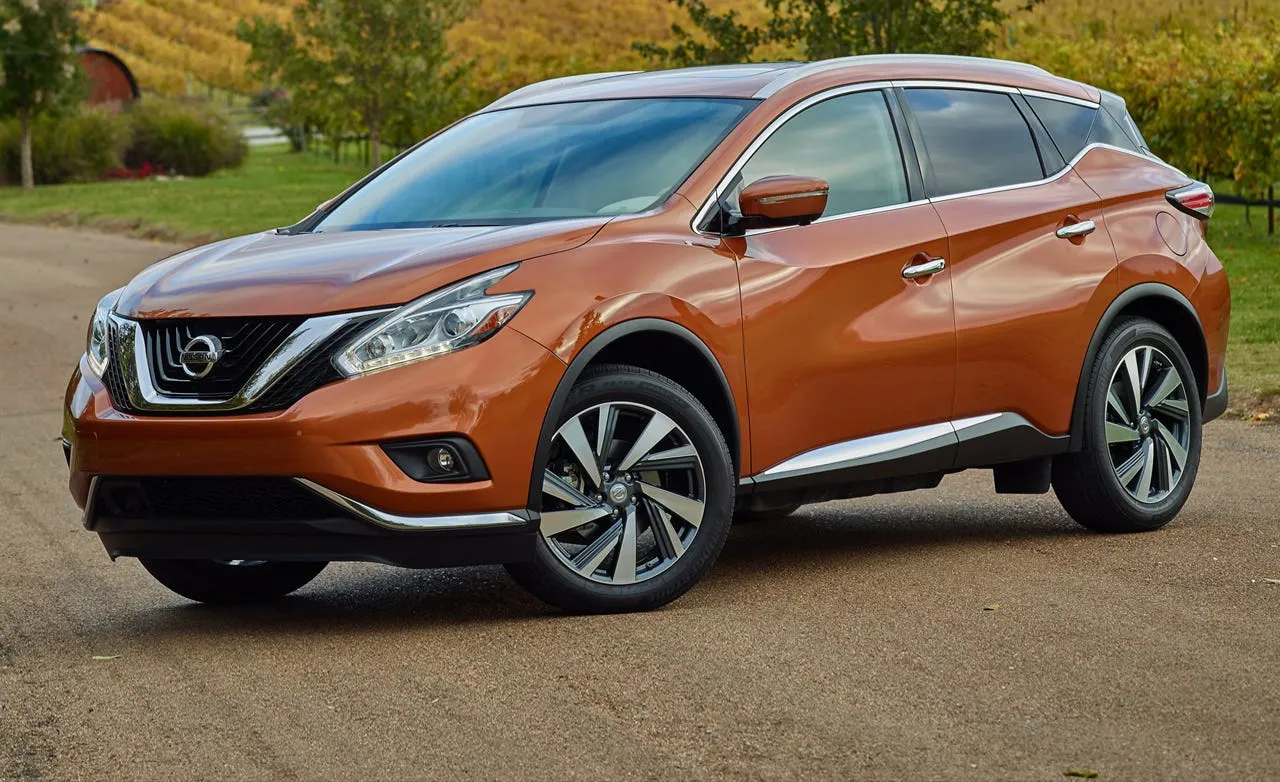
4. Nissan Murano
The Nissan Murano attracts attention for its stylish design and refined interior. Its sculpted exterior and elegant cabin make it one of the more visually appealing midsize crossovers available. However, its striking design introduces challenges that affect daily practicality.
The Murano’s sweeping roofline and wide body create an imposing stance that translates into a turning circle close to 39.8 feet. The steering, tuned for comfort, responds slowly to tight inputs, requiring more movement and space to complete turns. In open settings, this relaxed approach feels smooth and controlled, but in parking lots, it makes the vehicle seem reluctant to cooperate.
Visibility also becomes an issue with the Murano’s design. The sleek shape that enhances aerodynamics limits the rear window’s size and increases blind spots. The sloping body lines, while stylish, obscure the view of the corners, making it difficult to judge distances accurately.
Even with the help of cameras and parking alerts, drivers often find themselves making multiple adjustments to fit between narrow lines or back out of tight spots. The interior comfort and quiet ride, which are among the Murano’s strongest attributes, contrast sharply with the tension of maneuvering it in confined spaces. This crossover performs beautifully on long drives and highways, yet the trade-off for its design excellence is a noticeable lack of agility where space is limited.
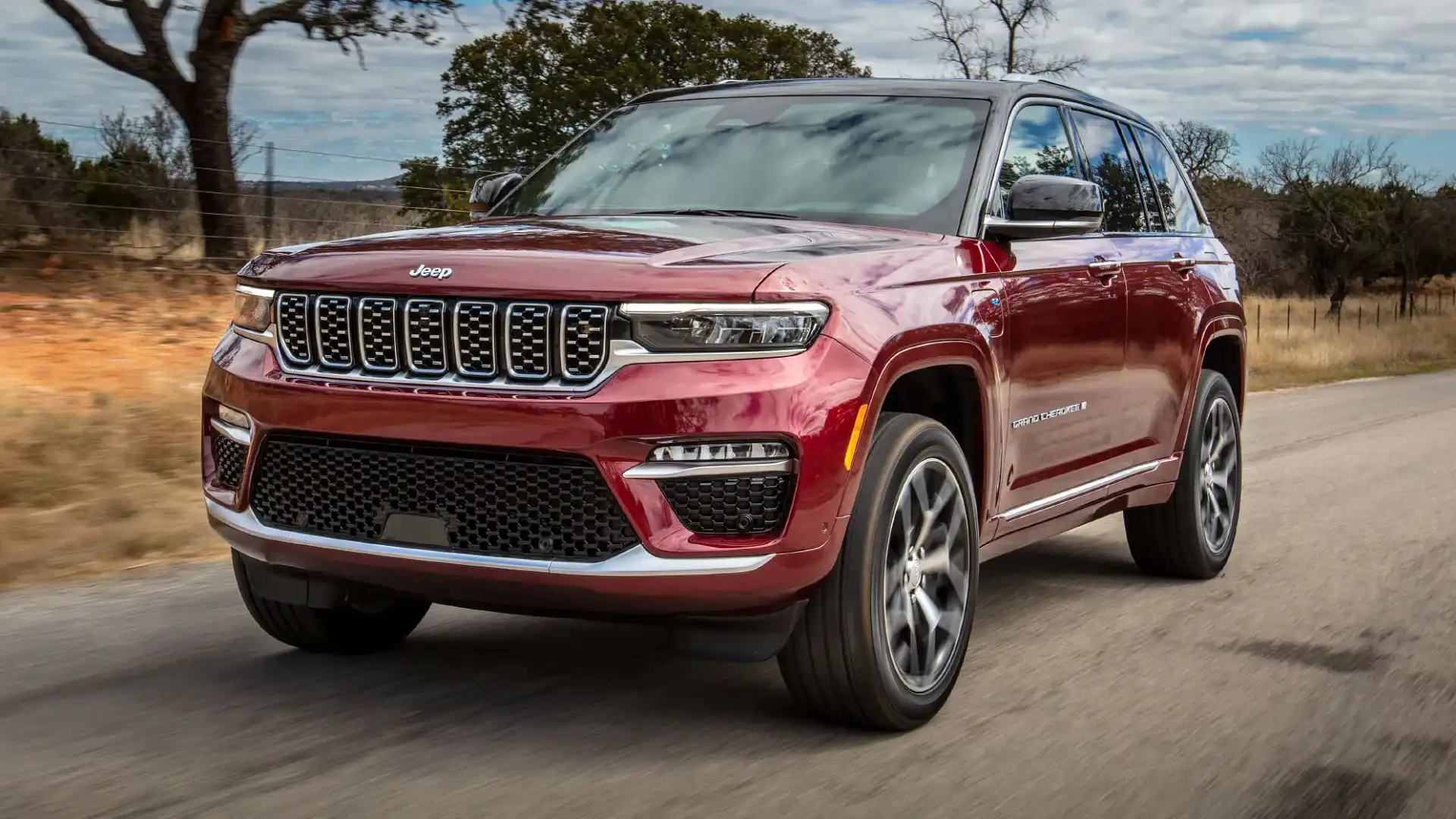
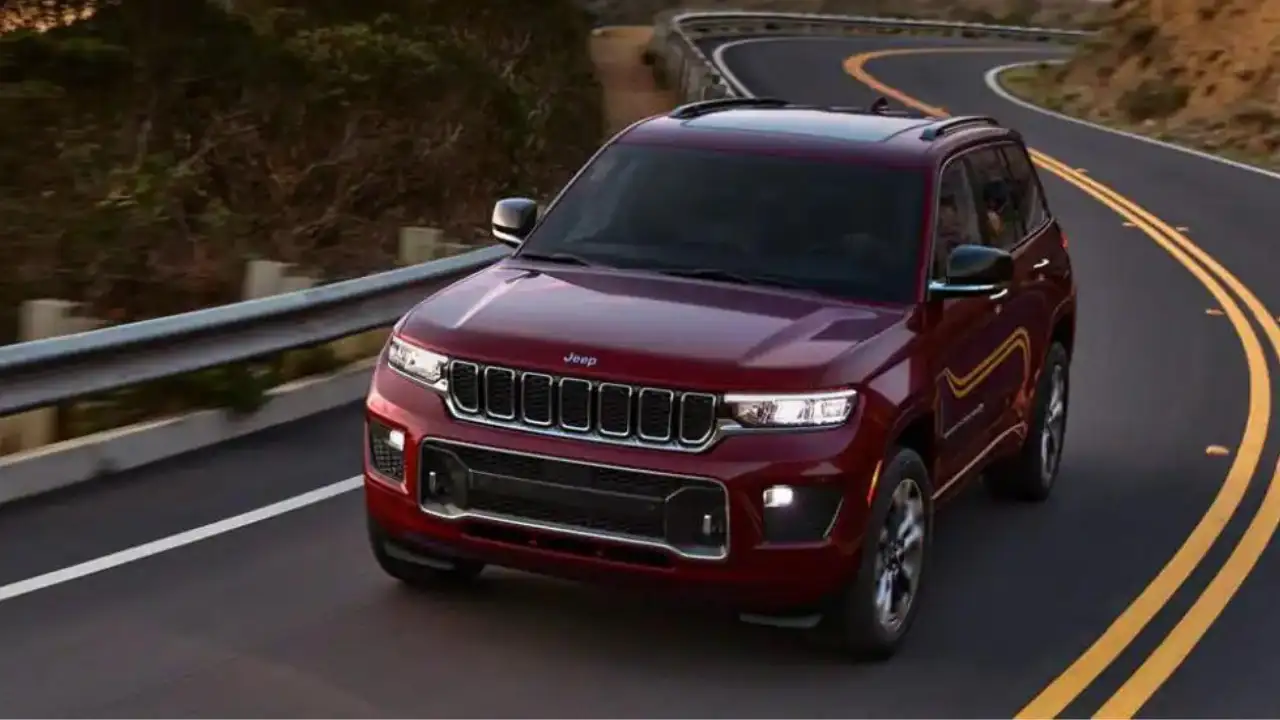
5. Jeep Grand Cherokee
The Jeep Grand Cherokee has earned its reputation as one of the most capable and refined midsize SUVs available. It combines power, off-road capability, and luxury features in a package that appeals to a broad audience. However, this capability-oriented design comes at a cost when dealing with confined city environments.
The Grand Cherokee’s large body, tall stance, and heavy steering effort make parking and tight turns more demanding. Depending on the trim and wheel setup, its turning circle can exceed 41 feet, making it one of the least maneuverable vehicles in its segment. While the power steering system provides a sense of control on rugged terrain, it feels slower and more resistant in urban situations.
The Grand Cherokee’s wide track and long overhangs exacerbate the challenge. It requires extra room to make U-turns, and multi-point maneuvers become common in tight parking areas. Visibility is another concern; the high beltline and narrow rear window restrict the driver’s view, even with the assistance of technology.
Although Jeep includes advanced features such as rear cross-traffic alerts, parking sensors, and 360-degree cameras, they cannot completely offset the sheer size and steering limitations. Drivers who value its luxury and performance often accept these shortcomings, but they are undeniable when operating in compact city lots.
The Grand Cherokee feels confident and composed on open highways or rough trails, yet that confidence transforms into caution when space runs out. It stands as a perfect example of how an SUV can excel in every environment except the most common one, the everyday parking lot.
These five vehicles demonstrate that maneuverability is not simply about size but about design intent. The Chevrolet Traverse, Volkswagen Atlas, Ford Edge, Nissan Murano, and Jeep Grand Cherokee each provide comfort, power, and presence, yet they also show the importance of steering geometry, visibility, and weight distribution.
In modern driving, where urban areas are increasingly crowded and parking spaces continue to shrink, the ease of turning and parking becomes a crucial factor. The contrast between these models and their more agile counterparts reveals that comfort and capability can lose much of their appeal when every errand turns into a test of patience.
