
Electric vehicles have reshaped the conversation about efficiency, comfort, and sustainability. Among the many factors that determine how effectively an EV performs, cabin heating is often underestimated. Traditional gasoline-powered cars draw heat from waste engine energy, but EVs must generate cabin warmth through their battery system.
In cold or even mild climates, this becomes an important consideration because heating can dramatically affect driving range. The difference between a car equipped with a heat pump and one relying solely on resistive heating can be the deciding factor for many drivers concerned about both comfort and battery conservation. This is especially true for those living in temperate or coastal regions where winter temperatures are moderate but efficiency losses still matter.
A heat pump functions as a smart energy recycler, transferring heat from the surrounding air or battery system into the cabin with minimal electrical drain. It works on the same principles as an air conditioner in reverse, using compression and expansion cycles to move heat efficiently.
In mild climates, these systems perform exceptionally well, often consuming 30 to 50 percent less energy than a resistive heater. Meanwhile, EVs that still depend on resistive heating elements use raw electrical resistance to generate warmth. That simplicity comes at a cost: substantial battery usage and reduced driving range whenever the cabin temperature must be raised quickly.
This contrast between heat pump-equipped and resistive-heater-equipped EVs is more than an engineering curiosity. It directly influences the ownership experience. Drivers in mild climates may not need extreme cold-weather performance, yet they still benefit from the consistency and efficiency of a heat pump system.
Manufacturers have gradually recognized this advantage, with some models now including heat pumps as standard equipment, while others still treat them as optional or omit them entirely. Understanding which EVs excel in this area helps consumers make smarter choices about energy use, driving comfort, and long-term cost savings.
In this article, we will examine five EVs known for reliable heat pump performance and five others that continue to rely on energy-hungry resistive heaters. Each group reflects a particular design philosophy: one prioritizing energy management and real-world range, the other favoring simplicity or cost-cutting. By comparing them, we can better understand how heating technology shapes electric driving in mild climates.
5 EVs with Reliable Heat Pumps in Mild Climates
Among modern electric vehicles, several models stand out for their dependable and efficient heat pump systems. These cars demonstrate that intelligent thermal management can provide excellent cabin comfort while minimizing range penalties. Though specifications vary slightly, all five discussed here have proven themselves effective in mild weather and moderate cold.
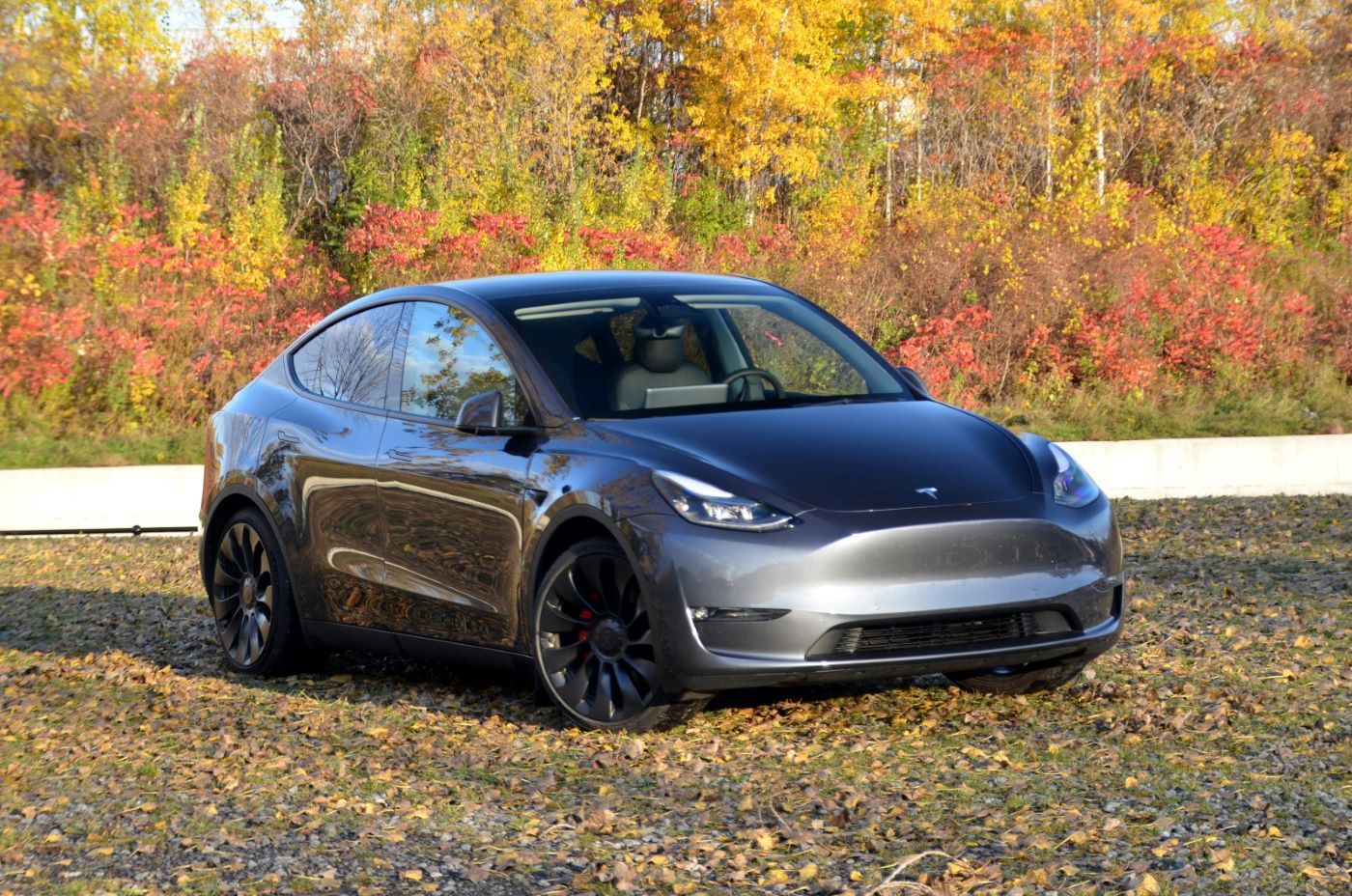
Tesla Model Y
Tesla’s Model Y integrates an advanced heat pump that has reshaped how electric vehicles manage interior climate control. The system is linked to what Tesla calls the “octovalve,” a central thermal management hub that distributes heating and cooling between the cabin, battery pack, and drive units. The result is a system that wastes very little energy and recycles heat from multiple components with precision.
This setup is especially efficient in mild weather conditions, where the system can draw heat from the environment with minimal power input. It maintains a steady temperature inside the vehicle without putting undue strain on the battery pack, helping drivers maintain strong range performance even when the heater is active.
The efficiency of the Model Y’s heat pump owes as much to Tesla’s software as to its hardware. The vehicle continuously monitors ambient temperature, humidity, airflow, and passenger preferences to modulate how aggressively the pump operates. The car’s sensors and algorithms communicate to maintain the most energy-efficient balance possible, ensuring comfort without sudden bursts of power draw.
This intelligent control logic allows the Model Y to perform remarkably well during cool coastal mornings or foggy evenings, conditions that can challenge less advanced systems. Many owners appreciate that the system warms the cabin evenly without the “dry” feel typical of older electric heaters.
Tesla has also optimized preconditioning through its mobile app. Drivers can remotely heat their cabin using grid power while the vehicle is still plugged in, sparing battery energy for driving. When set on a consistent schedule, this feature works seamlessly with the heat pump to reduce on-road power usage.
The system can also precondition the battery to an optimal temperature, which ensures better regenerative braking and faster charging. These functions make the Model Y particularly well-suited for mild climates, where subtle but frequent temperature variations require a balanced thermal strategy.
Perhaps most impressive is the reliability of Tesla’s system. Early-generation electric cars often struggled with component wear or refrigerant inefficiencies, but the Model Y’s heat pump design has proven durable across years of real-world use. Owners report consistent performance even after tens of thousands of miles.
Combined with Tesla’s regular over-the-air software updates, the heat pump remains one of the Model Y’s defining efficiency features, proof that well-engineered climate systems can substantially improve both comfort and range without compromise.
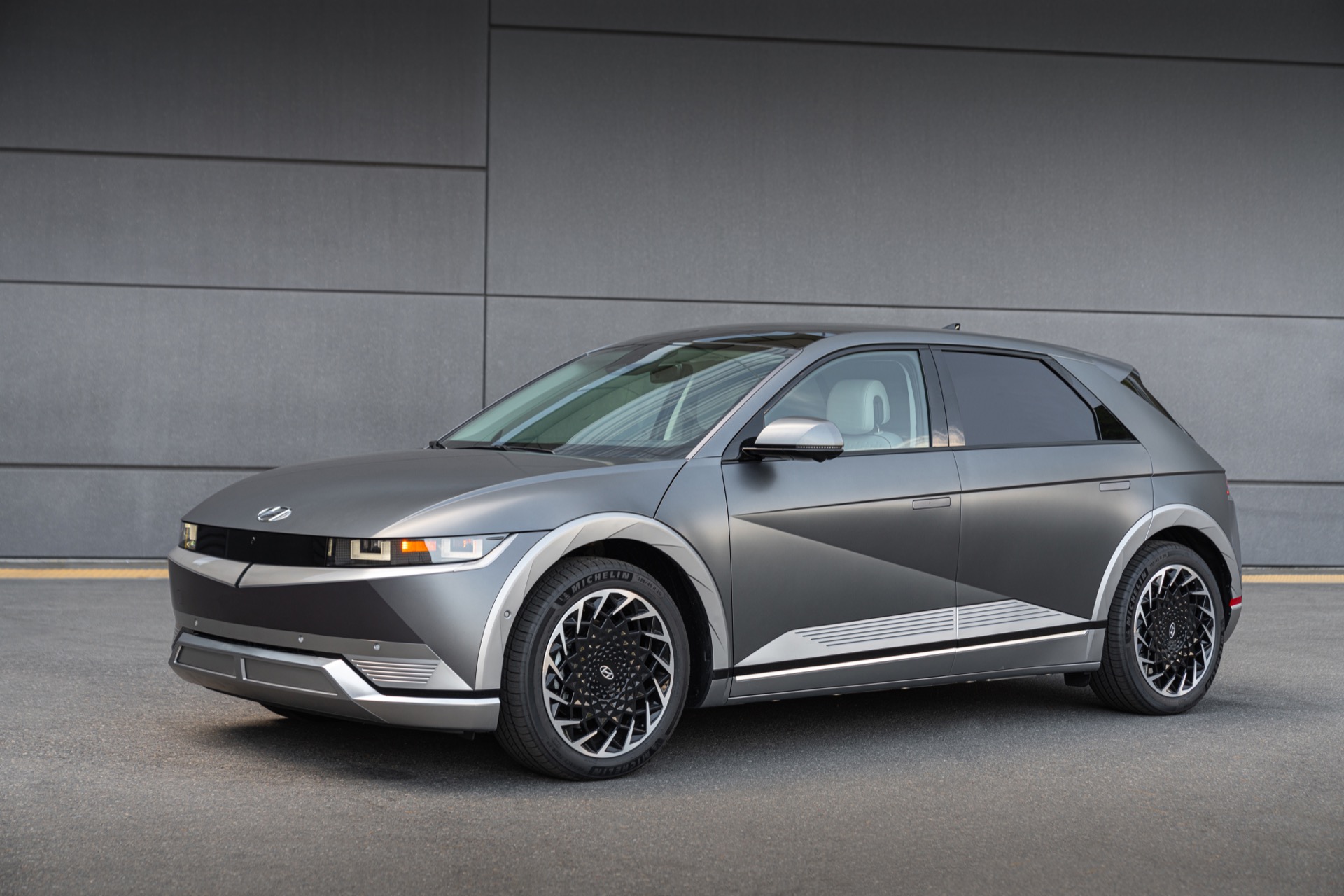
Hyundai Ioniq 5
The Hyundai Ioniq 5 demonstrates how mainstream automakers can integrate advanced energy-saving technologies with a focus on everyday usability. Its heat pump operates as part of a sophisticated multi-loop thermal management network that connects the battery, power electronics, and cabin environment.
Rather than generating heat directly, the Ioniq 5’s system captures waste energy from the inverter, motor, and even the air-conditioning condenser. This recovered heat is then distributed through a carefully regulated circuit to maintain optimal cabin warmth. The result is an EV that can provide steady comfort with minimal energy drain, particularly in climates that rarely dip below freezing.
Hyundai’s system shows remarkable adaptability in transitional seasons. During spring and autumn, when morning temperatures can be chilly but afternoons grow warmer, the Ioniq 5’s heat pump adjusts seamlessly between heating and cooling.
This fluidity helps reduce unnecessary power consumption while maintaining a comfortable interior. The ability to reclaim heat from vehicle components adds to the car’s practical efficiency; the system rarely needs to rely on high electrical loads for extended periods. In mild conditions, this translates into predictable range figures and stable energy use during daily commutes.
User experience is another area where Hyundai has excelled. The Ioniq 5 allows extensive climate control customization through its infotainment interface and mobile connectivity. Drivers can schedule preheating or precooling sessions that draw energy from the charging station instead of the battery.
This not only enhances convenience but also extends real-world driving range. The heat pump operates quietly, adding to the Ioniq 5’s premium feel. Passengers often comment on the natural, even distribution of warmth throughout the cabin, which contributes to the car’s sense of refinement.
Durability and maintenance are also strong points. Hyundai designed its heat pump components for longevity, using corrosion-resistant materials and simplified coolant routing to prevent leaks and performance degradation. In practice, the system has proven reliable across diverse climates.
For drivers living in coastal or temperate areas, the Ioniq 5 represents a near-perfect balance of advanced engineering and user-friendly efficiency. It shows that energy-conscious design can coexist with comfort, technology, and style in an accessible package.
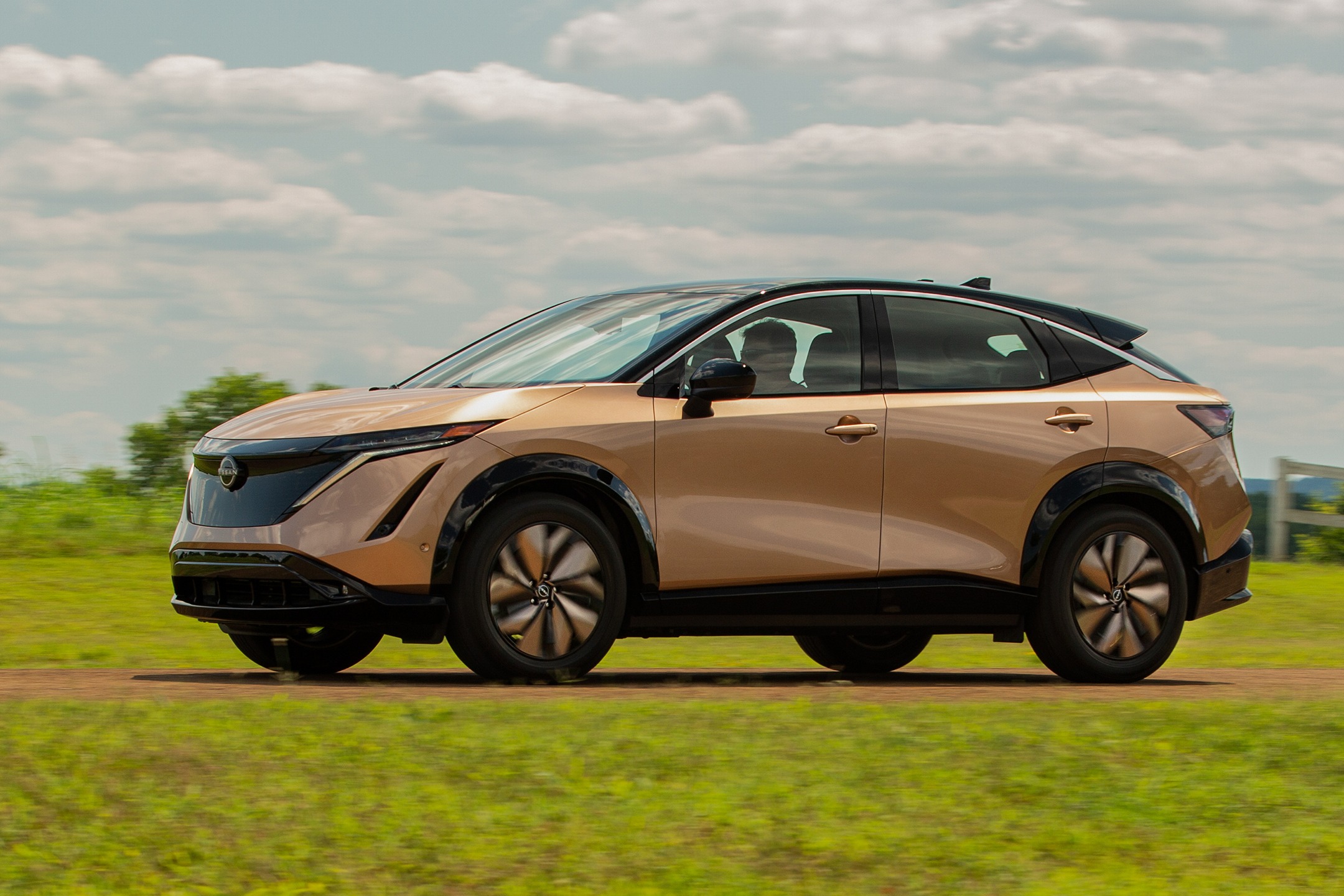
Nissan Ariya
Nissan’s Ariya marks a significant evolution in the company’s electric vehicle design, particularly regarding thermal management. Its heat pump system was engineered with lessons learned from earlier Leaf generations, addressing the inefficiencies that once plagued those models.
The Ariya’s setup uses dual refrigerant loops and advanced flow control to redistribute thermal energy throughout the vehicle. It can extract warmth from both ambient air and drivetrain components, optimizing cabin heating while keeping power usage low. For drivers in mild climates, this means steady comfort and strong energy efficiency during cool seasons.
The Ariya’s heat pump operates quietly and smoothly, which enhances the driving experience. The transition between heating and cooling is subtle, with almost no audible compressor noise or abrupt air temperature changes. Its design also allows for rapid dehumidification, a useful feature in coastal or fog-prone regions.
This capability maintains clear windows and consistent interior comfort without resorting to high-power resistive defogging. The result is a well-balanced system that serves both functional and comfort needs efficiently.
A particularly noteworthy element of the Ariya’s climate control strategy is its intelligent distribution of recovered heat. When the car is charging, the onboard electronics generate waste heat that the system can channel toward the cabin or battery.
This process supports faster, more stable charging sessions while minimizing the need for separate heating cycles. In mild climates, where extreme cold is rare, this integration enhances both efficiency and reliability. Drivers benefit from a car that feels ready and comfortable with minimal preparation or energy loss.
Over time, the Ariya’s heat pump has proven to be one of the most dependable in its category. Its components were engineered for consistent performance across a wide range of environmental conditions, and owners frequently note its consistent cabin temperature control.
By combining solid mechanical design with adaptive software, Nissan has delivered a system that performs admirably in temperate regions. The Ariya demonstrates that thoughtful heat pump engineering can meaningfully elevate the daily practicality of an electric crossover without increasing complexity or cost.
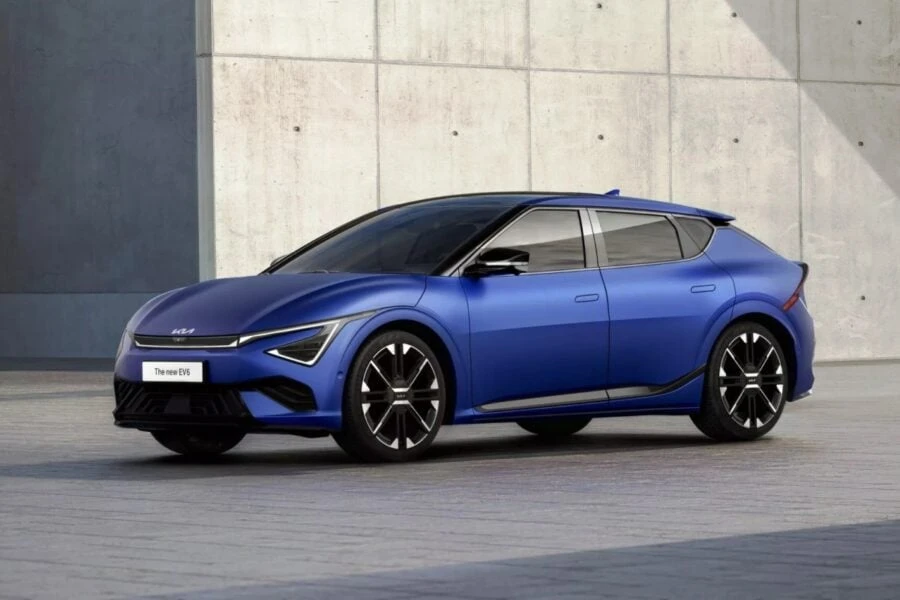
Kia EV6
The Kia EV6 builds upon the same Electric Global Modular Platform as the Ioniq 5, yet its climate control tuning gives it a slightly different personality. Kia’s engineers focused on maximizing real-world efficiency through fine-grained heat distribution and enhanced insulation.
The EV6’s heat pump uses refrigerant compression cycles and precision valves to recover waste heat from the motor, battery, and inverter. In mild conditions, the system operates at peak efficiency, transferring heat with minimal energy loss. This results in a consistent cabin environment and reduced range fluctuation even when temperatures drop during early mornings or rainy days.
What makes the EV6’s heat pump system particularly effective is its adaptability. It can rapidly switch between using waste heat and extracting warmth from the outside air, depending on which is more energy-efficient at the moment. This allows it to maintain a high coefficient of performance regardless of ambient temperature changes.
The system’s quick response helps reduce fog buildup and keeps the interior environment stable. Because of this, the EV6 remains comfortable for occupants while conserving power for driving tasks, a crucial advantage for commuters who prioritize energy efficiency.
Comfort and refinement also stand out in the EV6’s heating system. The interior warms evenly, and the air quality remains consistent thanks to integrated filtration and humidity control. The climate management system is quiet and responsive, enhancing the car’s sense of technological sophistication.
Passengers often find that the car maintains warmth better during idle periods compared to resistive-heated EVs, which tend to fluctuate more dramatically. The heat pump helps retain thermal equilibrium, improving both comfort and perceived quality.
Kia’s approach demonstrates a comprehensive understanding of user expectations. The heat pump is durable, easy to maintain, and integrated into the car’s predictive software that monitors weather and driving habits. In mild climates, where conditions may change throughout the day, the EV6’s system ensures a steady and efficient response.
The result is an EV that feels technologically advanced yet practical, combining strong performance with responsible energy use. It represents how thoughtful engineering can translate into tangible comfort benefits for daily drivers.

Volkswagen ID.4
Volkswagen’s ID.4 showcases a carefully designed heat pump that aligns with the brand’s focus on reliability and understated engineering. The system is modular, meaning it can be replaced or upgraded without extensive modification, which simplifies maintenance and extends the car’s service life.
At its core, the ID.4’s heat pump uses refrigerant cycles to absorb environmental heat and redistribute it through the vehicle’s coolant network. It also captures waste heat from the powertrain and battery system. This setup enables efficient cabin heating even when temperatures are moderately low, a feature that benefits drivers in mild climates with cool mornings and evenings.
One of the key strengths of the ID.4’s thermal system is balance. The car’s climate control software continuously evaluates energy demand and ambient temperature, adjusting compressor activity to minimize power draw. The result is smooth, stable heating that rarely spikes in energy use.
In practical terms, this allows for predictable range performance, a major comfort for EV owners who plan longer drives. In cities with mild winters, such as those found in much of Europe or coastal North America, this consistency makes the ID.4 a trustworthy companion year-round.
Volkswagen has also placed emphasis on passenger comfort and cabin acoustics. The heat pump operates quietly and is tuned to avoid the “pulsing” airflow that can occur in less refined systems.
Passengers experience a steady warmth that feels natural rather than forced. The materials used in the cabin retain heat efficiently, reducing the need for frequent reheating cycles. Together, these design choices contribute to a tranquil and efficient driving environment, especially during mild to moderately cool conditions.
The reliability of Volkswagen’s heat pump system stems from its simplicity and robust component quality. Engineers focused on long-term stability, ensuring that refrigerant pressures and coolant temperatures remain within optimal ranges through all operating conditions.
The system has proven dependable and effective for typical daily use, striking a commendable balance between performance, comfort, and efficiency. For drivers who appreciate consistent energy usage and a quiet ride, the ID.4’s heat pump stands as one of the most capable and well-rounded options available among mainstream electric SUVs.
5 Resistive-Heater Hogs
While many electric vehicles have adopted efficient heat pump systems, a number still rely on traditional resistive heaters. These setups are mechanically simple but consume considerable amounts of energy. A resistive heater works much like a conventional household electric heater: current passes through high-resistance elements, generating heat that is then circulated into the cabin.
Although effective at producing warmth quickly, this process draws heavily on the battery, causing a noticeable reduction in range. In mild climates, where conditions are rarely extreme, the inefficiency becomes especially apparent because resistive heaters continue to pull full power even when only modest heat is needed.
Below are five electric vehicles known for their reliance on resistive heating, each illustrating how this older approach affects comfort, performance, and efficiency.
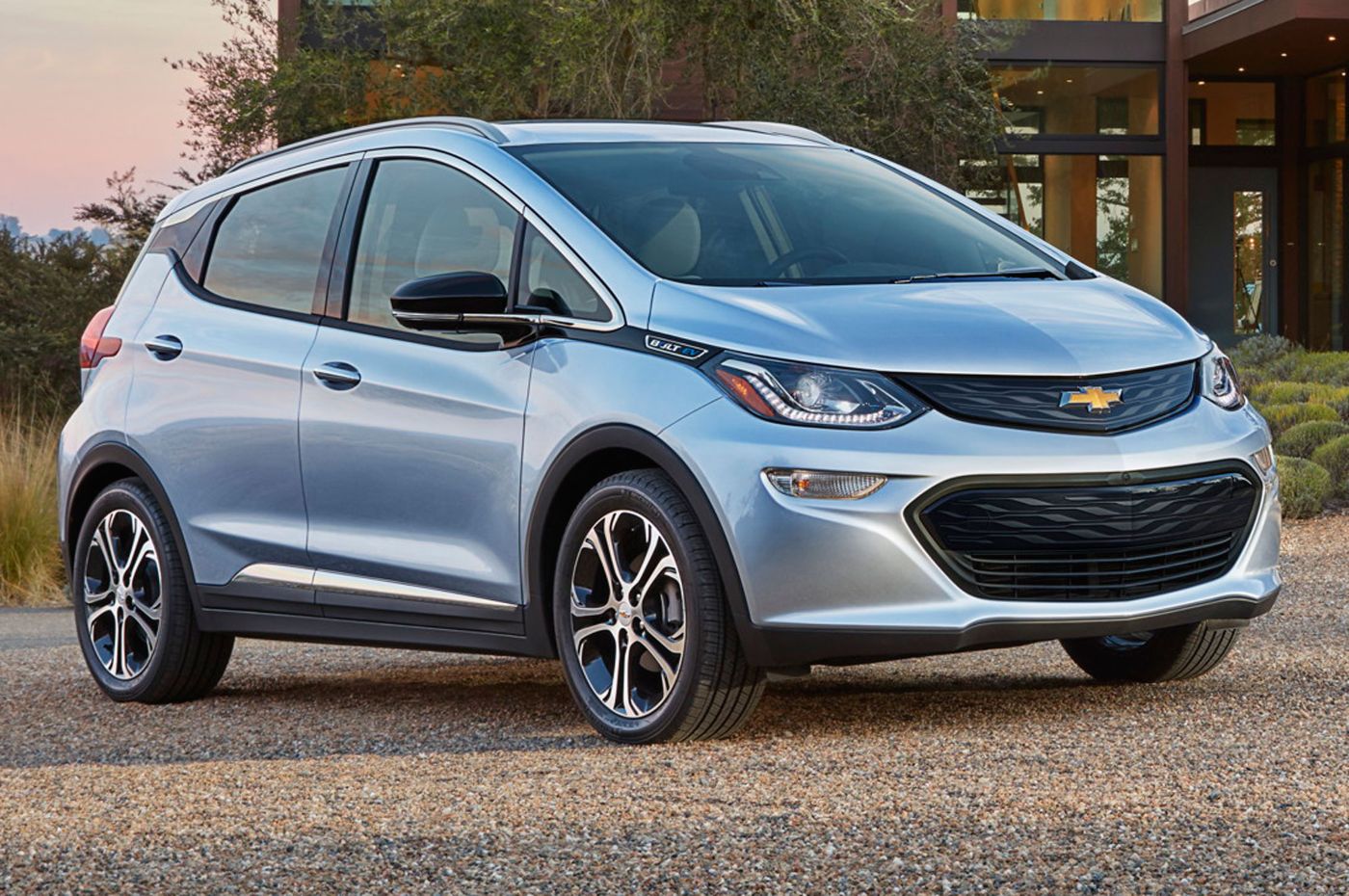
Chevrolet Bolt EV
The Chevrolet Bolt EV remains one of the most accessible electric cars on the market, but its heating system reflects an earlier stage of EV evolution. Instead of a heat pump, the Bolt uses a high-voltage resistive element to warm the cabin. When temperatures fall, the system draws a significant amount of energy directly from the battery.
This can reduce the car’s effective driving range by as much as 30 percent during sustained heater use, even in climates that are not particularly cold. For mild environments, this penalty feels unnecessary, but it persists because the system cannot recycle heat from the powertrain or ambient air.
One of the strengths of the Bolt’s design is its simplicity. The resistive heater provides consistent warmth regardless of external conditions, and it works quickly once activated. There are fewer moving parts and no refrigerant loops, which lowers manufacturing complexity and potential maintenance costs.
However, the efficiency tradeoff is significant. Drivers who rely on the heater for short commutes may not notice much difference, but longer trips expose the range deficit quickly. The heater continues drawing full power even when the cabin has reached a comfortable temperature, leading to uneven energy usage patterns.
In mild climates such as the American South or parts of coastal Europe, the Bolt EV performs reasonably well if drivers use climate control sparingly. Using seat and steering wheel heaters can mitigate range loss, allowing the resistive system to remain idle.
Yet, when cabin heat is required for more than brief periods, the inefficiency becomes apparent. The car’s modest battery capacity amplifies this effect, as a few kilowatt-hours spent on heating represent a percentage of total energy available for driving.
Despite its limitations, the Bolt EV demonstrates how early electric vehicles prioritized cost and simplicity over complex energy management. For many buyers, especially those living in warm regions, the resistive heater is a tolerable compromise. But in mild climates with cool winters, it becomes clear that the system wastes valuable energy that a heat pump could easily conserve. This distinction underscores why thermal management has become such a key focus for newer EV platforms.

Mazda MX-30
The Mazda MX-30 is a stylish and distinctive electric crossover that emphasizes design and driving character over outright efficiency. Unfortunately, this focus extends to its heating system, which uses a basic resistive setup rather than a modern heat pump.
The result is a vehicle that feels pleasant in terms of craftsmanship and dynamics but struggles to maintain efficiency when climate control is needed. In mild conditions, the range drop from using cabin heat can still be noticeable, making the car less practical for those who frequently drive during cool mornings or evenings.
Mazda engineered the MX-30 to appeal to urban drivers and short-distance commuters. Because of this, the company likely assumed that heavy heater use would be minimal. However, even in city driving, the resistive heater can impact efficiency during frequent start-stop cycles.
Every time the system reactivates to maintain temperature, it draws high current from the battery. The small battery capacity of the MX-30 amplifies the problem, meaning that extended use of the heater can reduce the car’s usable range considerably.
The experience inside the cabin remains comfortable, as the resistive heater warms the air quickly and evenly. Mazda’s climate control software maintains stable cabin temperatures, but this comes at the cost of high energy consumption. In temperate areas, drivers may try to rely on seat heaters instead to minimize losses, yet that only partially solves the problem.
The car lacks the ability to reclaim waste heat or adjust power flow dynamically, features that more efficient heat pump systems now take for granted.
For all its design strengths and appealing craftsmanship, the MX-30’s outdated heating method represents a missed opportunity. It demonstrates how manufacturers must balance design priorities with real-world functionality.
The car’s efficient electric drivetrain and comfortable interior make it an enjoyable daily driver, but the resistive heater undermines its efficiency edge. For mild climates, the MX-30’s cabin warmth feels pleasant, but the energy expense that accompanies it remains a lingering drawback.

Mini Cooper SE
The Mini Cooper SE embraces simplicity and charm, but when it comes to thermal management, it belongs to an earlier chapter of electric vehicle design. Its resistive heater works predictably but is highly energy-intensive. In a small car with a limited battery capacity, even moderate heater use can noticeably shorten range.
For example, during cooler days, drivers can see a reduction in available miles almost immediately upon activating the heater. This characteristic is not due to poor insulation or software but rather to the inherent inefficiency of resistive heating technology.
What makes the Mini SE unique is that it delivers a distinctly traditional driving feel in a fully electric package. The heater complements this theme by behaving much like a conventional car’s system, offering instant warmth but at the cost of efficiency.
In mild climates, the impact might seem tolerable for short city commutes, yet it still undermines the practicality of longer trips. Because the car’s total range is modest even in optimal conditions, every kilowatt-hour counts. Losing a portion of that energy to simple resistance heating can make a significant difference.
The car’s compact interior warms up quickly, which provides some compensation for the heater’s inefficiency. Passengers do not have to wait long for comfort, and the climate control system distributes heat evenly. Still, because there is no mechanism to recycle thermal energy, all of that heat must be generated anew each time the system runs.
This continuous draw on the battery reduces the car’s efficiency metrics and can make range predictions more volatile, particularly on cold or damp days common to coastal mild regions.
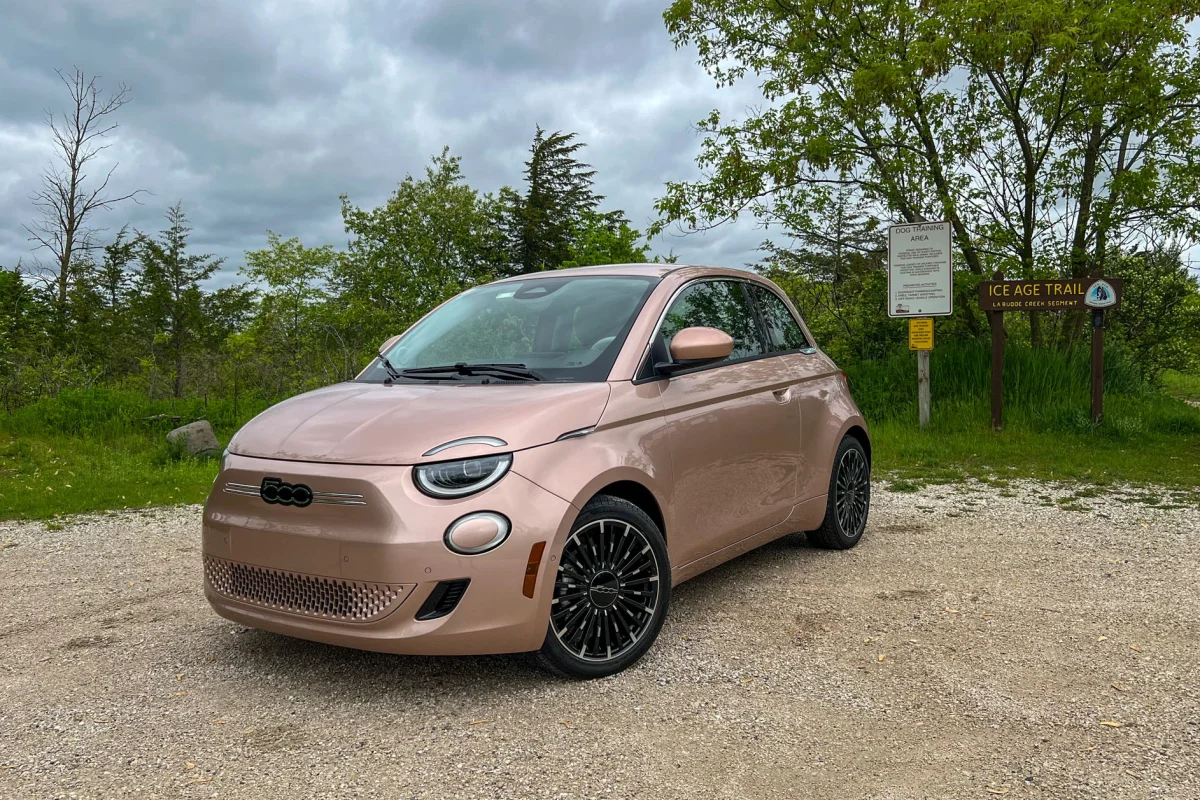
Fiat 500e
The Fiat 500e is beloved for its style and urban agility, but its heating system remains a weak link in an otherwise fun electric package. The resistive heater setup is simple and cost-effective but fails to deliver efficiency comparable to modern alternatives.
The system’s energy draw can noticeably reduce range, even in mild climates where temperatures seldom drop below 40°F. Because the car’s battery is relatively small, using the heater aggressively can trim the driving distance by double-digit percentages.
Inside the 500e, the heater provides immediate warmth, which drivers appreciate during short trips or morning commutes. However, the simplicity of the design means there is no way to regulate energy consumption intelligently.
The heater cycles on and off based on cabin temperature but lacks the fine modulation found in more advanced systems. This leads to an inconsistent balance between comfort and efficiency. The heater’s power draw can exceed what many drivers expect for such a compact car, leaving them puzzled by sudden range drops.
The impact of this inefficiency is amplified in stop-and-go traffic. When the car idles or moves slowly, little waste heat is generated by the motor, so the resistive system must do all the work. Each reactivation demands a surge of power, which depletes the battery faster than expected. Even in mild conditions, prolonged use of the heater makes it difficult to maintain the car’s rated range, particularly for drivers who rely on the 500e for urban errands or short commutes between towns.
Fiat’s decision to retain a resistive system reflects both cost considerations and design simplicity. The car’s small footprint and intended use as a city commuter likely influenced the choice. However, as competitors adopt more efficient systems, the difference in real-world usability becomes evident.
In temperate areas, where moderate heating is often needed, the Fiat 500e’s charm is offset by its energy wastefulness. The car remains delightful to drive but would benefit greatly from an upgraded heat pump system that preserves range without compromising comfort.

BMW i3 (Early Models)
The early BMW i3 models relied heavily on resistive heating, especially those built before the heat pump option became available in later trims. These earlier cars offered quick and powerful cabin warming, but it came at a steep efficiency cost.
Because the i3’s lightweight body and compact battery were designed for city driving, the extra energy draw from the resistive heater significantly affected its usable range. Even in mild climates, repeated heater use could reduce the car’s effective mileage enough to alter trip planning for owners.
BMW’s focus on lightweight construction and sustainability led to an interesting contrast within the i3. The cabin materials were eco-friendly, and the drivetrain was highly efficient, yet the heating system was technologically conservative.
This design mismatch puzzled many early adopters. While the resistive heater ensured fast comfort, it also consumed several kilowatts of power continuously, making the car feel less capable during cooler days. In mild weather regions, drivers could mitigate this somewhat through careful use of seat heaters and preconditioning, but the inefficiency was always present.
The introduction of the optional heat pump in later versions of the i3 improved matters considerably, but many early owners continued using the older resistive system. In mild climates, where the difference in performance between heating methods is especially noticeable, the contrast highlighted how much efficiency potential was being left on the table.
The resistive heater was robust and reliable, but its energy demand was incompatible with the car’s otherwise forward-thinking design. It became one of the few technical compromises in an otherwise pioneering vehicle.
Looking back, the early BMW i3 serves as an important case study in the evolution of EV heating technology. It shows how automakers initially prioritized simplicity before fully appreciating how thermal systems impact range. For mild-climate drivers, the resistive heater was functional but frustrating.
The car could perform beautifully on battery efficiency tests when the heater was off, yet real-world range plummeted once climate control was engaged. This experience helped shape BMW’s later shift toward more efficient solutions, setting the stage for broader adoption of heat pump technology across its lineup.
