
Hybrid vehicles have become a cornerstone in the automotive industry, offering drivers the ability to balance performance, efficiency, and environmental responsibility.
The rise of hybrid technology has brought together internal combustion engines and electric motors to create powertrains that are capable of operating in ways traditional vehicles cannot.
One of the most praised aspects of some hybrids is the seamless transition between electric and gasoline power, often referred to as engine handoff.
This capability allows the vehicle to feel smooth and refined, giving the driver a sense of effortless acceleration while maximizing fuel efficiency. Modern hybrids can navigate stop-and-go traffic, city streets, and highway driving with minimal awareness from the driver about which power source is in use.
The engineering challenge of achieving this seamless integration lies in synchronizing two different types of propulsion systems that have distinct torque characteristics and response times.
Some automakers have managed to fine-tune this interaction to the point where it is nearly imperceptible, making the driving experience more comfortable and enjoyable.
However, not all hybrid vehicles achieve this level of refinement. Certain models tend to exhibit shudder, hesitation, or abrupt transitions when switching between electric and gasoline power, especially at low speeds. This can be noticeable during parking maneuvers, stoplight starts, or slow urban traffic.
For drivers who value smoothness and predictability, these quirks can be frustrating and detract from the driving experience. The difference often comes down to the design of the hybrid system, the calibration of the transmission, and how the vehicle manages torque delivery from both power sources.
Understanding which hybrids excel in smooth transitions versus those that are prone to low-speed shudder can help buyers make informed decisions, particularly if the vehicle will be used primarily in urban environments.
In this article, we will examine ten hybrid vehicles, divided into two categories. First, we will highlight five hybrids that offer impressively smooth engine handoff, making the power transitions almost invisible to the driver. These vehicles demonstrate the potential of hybrid technology to combine efficiency with refinement.
Second, we will look at five hybrids that are known to exhibit noticeable shudder or abruptness at low speeds, helping potential buyers recognize the compromises they may encounter.
By comparing these two groups, readers can gain a better understanding of the nuances of hybrid performance and choose a vehicle that aligns with their preferences and driving conditions.
This discussion is aimed at anyone from casual drivers considering their first hybrid to enthusiasts interested in the technical aspects of powertrain integration.
Five Hybrids with Seamless Engine Handoff
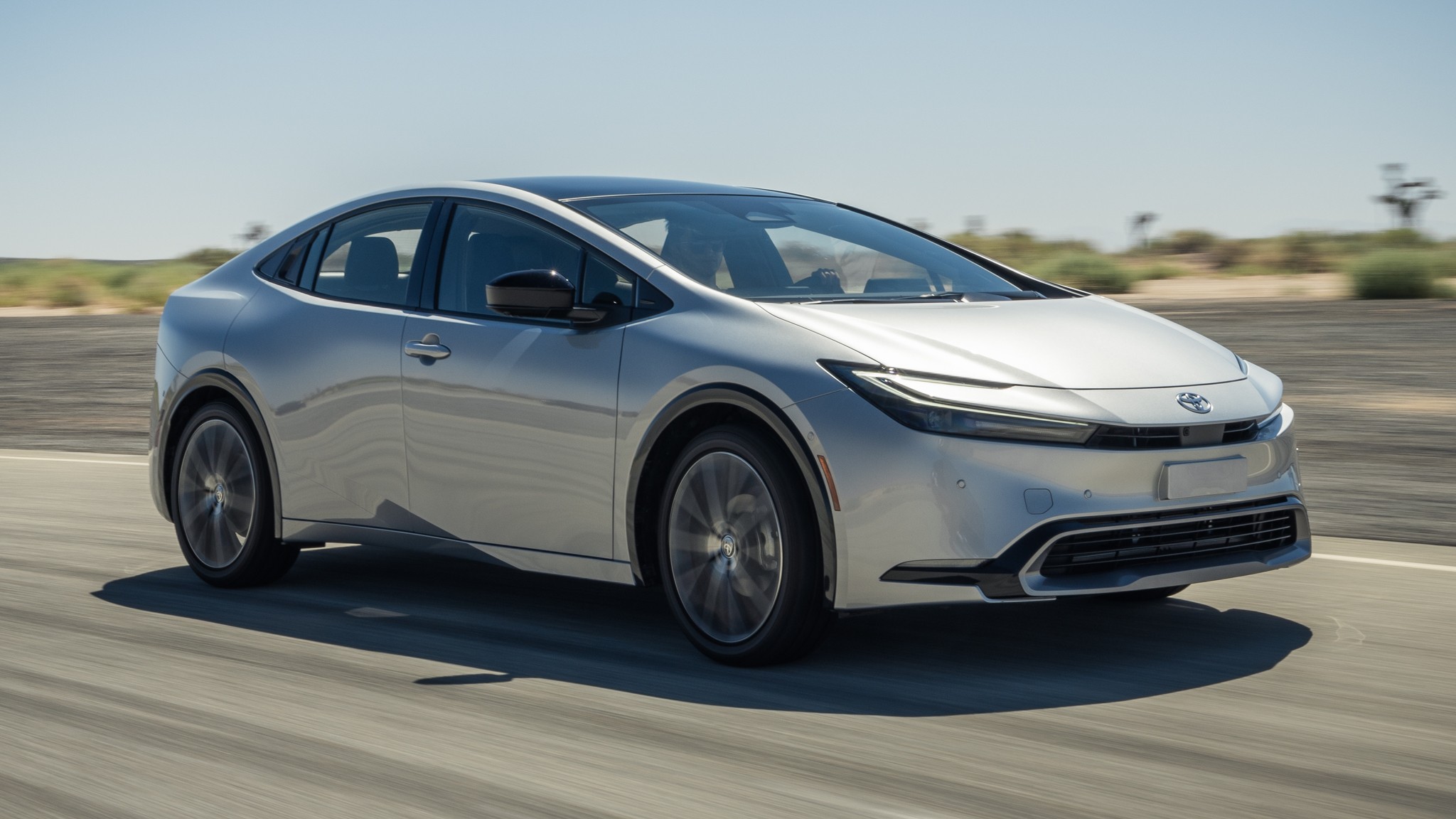
Toyota Prius
The Toyota Prius has earned its reputation as one of the most refined hybrids on the market, primarily due to its ability to transition between electric and gasoline power with near-perfect fluidity.
At low speeds, the Prius is capable of operating almost entirely on electric power, allowing for a quiet, smooth start from stoplights or congested traffic.
This is particularly noticeable in urban environments, where constant stop-and-go driving can expose flaws in less-refined hybrid systems.
When the gasoline engine engages, it does so almost imperceptibly, providing a subtle increase in power without the typical jolts or surges that can occur in less sophisticated hybrids.
The success of the Prius’ smooth transitions is largely due to its continuously variable transmission, which allows torque from the engine and electric motor to blend without sudden shifts.
Unlike traditional automatics that rely on gear changes, the CVT ensures that the vehicle maintains a continuous and predictable acceleration curve.
Drivers often report a sensation of “effortless” acceleration, where the car seems to respond naturally to their input. This consistency contributes not only to comfort but also to fuel efficiency, as the engine and motor work together in an optimized fashion rather than fighting each other.
Software calibration also plays a critical role in the Prius’ seamless performance. The vehicle continuously monitors a range of factors, including battery charge, throttle input, and road incline, to determine the most efficient and smooth way to deliver power.
Even under heavier acceleration, the transition between electric and gasoline operation remains fluid, avoiding the abruptness seen in some other hybrids.
In addition, regenerative braking is carefully tuned to provide a linear deceleration feel, preventing sudden stops or jerks when the vehicle slows, especially at low speeds. This combination of mechanical engineering and software sophistication creates an experience that feels both refined and predictable.
Finally, the driving environment of the Prius enhances the sense of smoothness. Engineers have focused on minimizing engine noise and vibrations, isolating the cabin from the subtle feedback that might betray a transition between power sources.
Passengers experience a calm, composed ride that makes city driving, commuting, and long trips more enjoyable. The Prius’ long history and iterative improvements over generations have allowed Toyota to refine the hybrid system to a near-perfect balance of efficiency and comfort.
For anyone prioritizing smooth transitions and a quiet, controlled driving experience, the Prius remains a benchmark in hybrid technology.
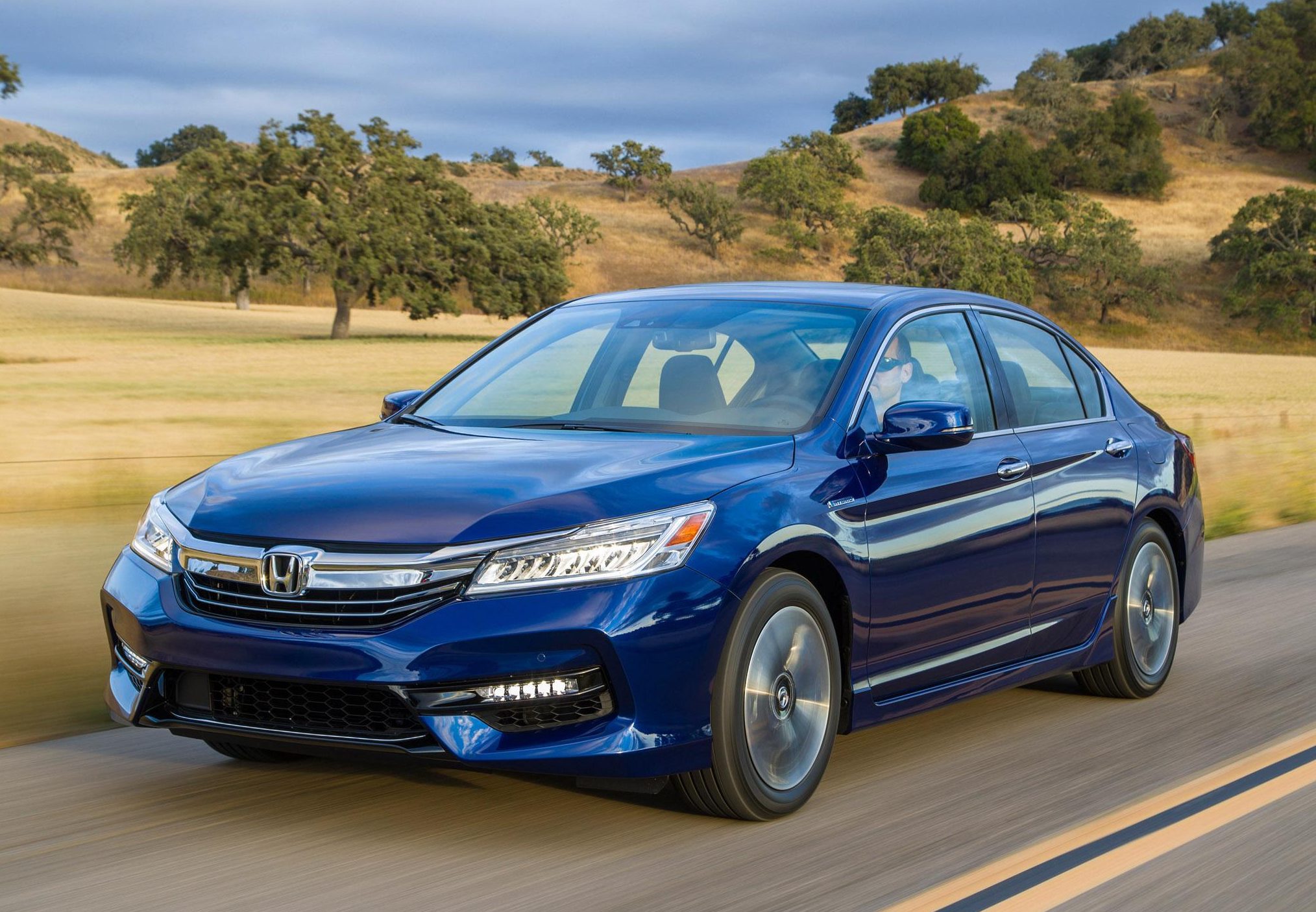
Honda Accord Hybrid
The Honda Accord Hybrid demonstrates a different approach to seamless engine handoff, balancing both performance and refinement.
Unlike hybrids that prioritize only efficiency, the Accord Hybrid offers a sense of fluidity in power delivery that makes it feel more like a traditional sedan while still leveraging the benefits of a hybrid system.
At low speeds, the vehicle often operates entirely on its electric motor, providing a near-silent start. When the gasoline engine engages, it does so smoothly and in sync with the electric motor, preventing the abrupt surges or hesitations that can occur in poorly tuned hybrids.
This natural power delivery is achieved through Honda’s two-motor hybrid system. The system continuously modulates engine engagement to align with driver input and road conditions. As a result, drivers experience linear acceleration, with the car responding predictably to throttle input.
This is particularly important in stop-and-go traffic, where frequent transitions between electric and gasoline power can make lesser hybrids feel jerky or disjointed. By contrast, the Accord Hybrid maintains composure, ensuring that acceleration and deceleration feel intentional rather than mechanical.
Regenerative braking and throttle response are also finely tuned in the Accord Hybrid. The system allows for smooth deceleration without abrupt feedback, blending traditional brakes with energy recapture from the electric motors.
Even when the vehicle slows down from a higher speed, the transition remains consistent, contributing to an sense of refinement. This ensures that the hybrid system does not feel like a compromise but rather an integrated part of the driving experience, working seamlessly to provide efficiency and comfort.
The quiet and well-insulated cabin further enhances the perception of smoothness. Engine vibrations are minimized, and the sound of the gasoline engine is dampened during engagement, creating a calm and composed interior environment.
This combination of mechanical engineering, software calibration, and cabin design makes the Honda Accord Hybrid a standout example of a hybrid that prioritizes refinement, responsiveness, and predictability. For drivers who value both comfort and efficiency, the Accord Hybrid offers a nearly flawless experience in urban and highway driving alike.
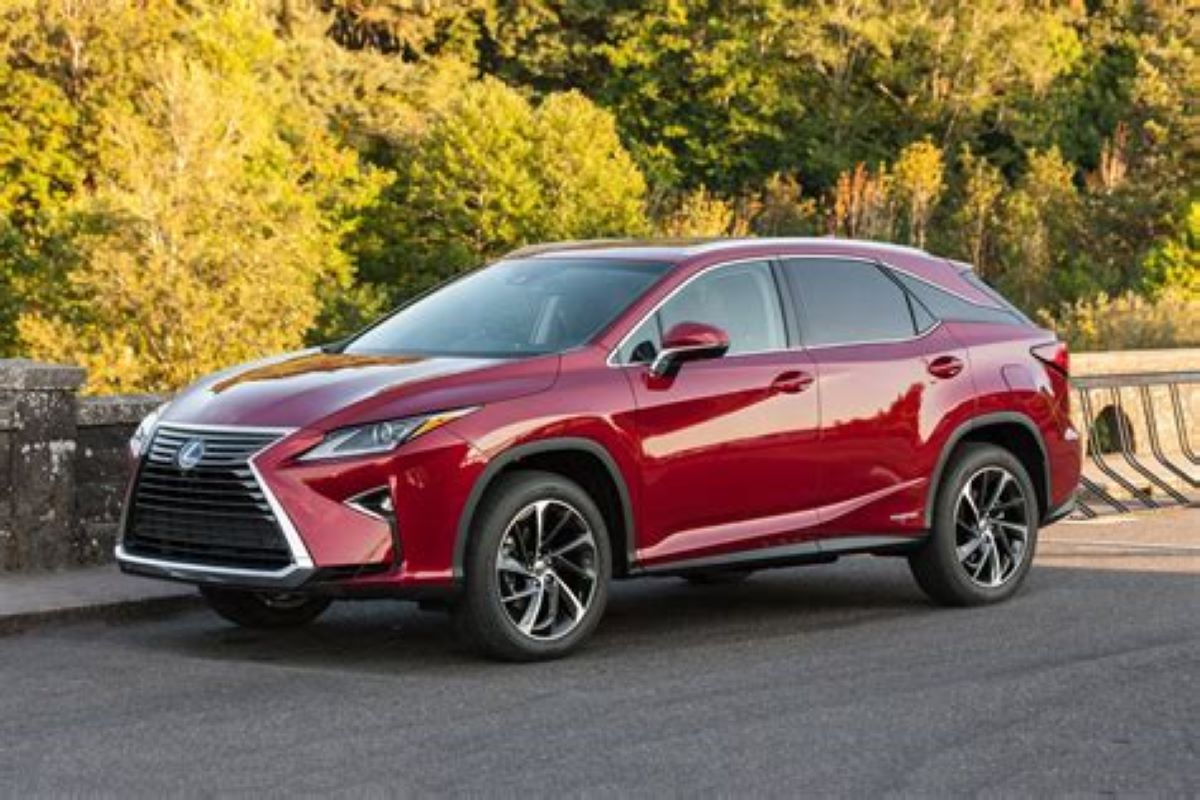
Lexus RX 450h
The Lexus RX 450h is a luxury hybrid SUV that exemplifies the art of seamless engine handoff. Its hybrid system has been engineered to operate almost invisibly, with electric propulsion handling low-speed driving and gasoline power joining in as needed with smooth and subtle transitions.
Drivers navigating city streets or parking lots are unlikely to notice when the gasoline engine activates, thanks to meticulous calibration and torque blending. This makes the RX 450h feel composed and effortless, particularly in situations where rough transitions can be especially noticeable.
Beyond mechanical refinement, the RX 450h’s cabin environment significantly contributes to its smooth experience. The vehicle employs advanced soundproofing and vibration-damping materials to minimize the perception of engine activity.
Even under aggressive acceleration or sudden merging onto highways, passengers experience a consistent, quiet ride with minimal intrusions from drivetrain activity.
The combination of engine control, electric motor assistance, and interior insulation creates a sense of fluidity that is rare in larger vehicles, demonstrating that hybrid systems can deliver both luxury and seamless operation.
The vehicle’s hybrid system is complemented by precise regenerative braking and throttle modulation. These systems work together to ensure that deceleration and acceleration feel linear and intuitive, avoiding sudden jolts that can be felt in less refined hybrids.
The control algorithms adjust torque delivery based on a range of variables, including speed, throttle input, and battery state, resulting in transitions that feel natural rather than mechanical.
This careful integration allows the RX 450h to provide both performance and comfort without compromising one for the other.
Finally, the RX 450h illustrates that luxury and hybrid efficiency are not mutually exclusive. It offers drivers a sophisticated and serene driving experience, combining high-quality materials, quiet operation, and seamless engine handoff.
Whether commuting through urban streets or traveling long distances, the RX 450h maintains composure and refinement under virtually all driving conditions. Its smooth operation reflects Lexus’ commitment to integrating hybrid technology in a manner that prioritizes comfort, predictability, and a sense of controlled power.

Ford Escape Hybrid
The Ford Escape Hybrid is widely praised for its balanced approach to seamless engine handoff, particularly in city driving conditions where low-speed refinement is critical. Its hybrid powertrain combines a gasoline engine and an electric motor to provide quiet, smooth, and responsive operation.
At low speeds, the vehicle can operate entirely on electric power, offering near-silent starts that enhance comfort during urban commutes. When additional power is needed, the gasoline engine engages in a controlled manner, delivering a smooth, consistent increase in torque rather than abrupt surges or jerks.
One of the Escape Hybrid’s strengths lies in its torque modulation and software integration. The vehicle continuously monitors driver input, battery charge, and driving conditions to determine how to blend power from the two sources most efficiently.
This allows the car to accelerate in a linear fashion, avoiding the sudden engine interventions that can create an unpleasant driving experience. Regenerative braking is also carefully tuned, ensuring that deceleration feels smooth and predictable, even during repeated stop-and-go driving.
The interior refinement of the Escape Hybrid further enhances the perception of smooth operation. Engineers have focused on isolating vibration and minimizing engine noise, so that passengers experience a calm, composed ride.
The transitions between electric and gasoline power are subtle, creating an impression of continuous motion that is often absent in hybrids with less sophisticated systems.
This attention to detail helps the Escape Hybrid feel both practical and enjoyable, bridging the gap between everyday utility and driving comfort.
Finally, the Escape Hybrid demonstrates that seamless hybrid performance is achievable in compact SUVs. The combination of a smooth drivetrain, refined cabin, and intelligent software makes it well-suited for city driving, daily commuting, and longer trips.
Its performance reinforces the idea that hybrid technology can provide a satisfying driving experience without compromising comfort, convenience, or usability. For drivers seeking a refined and consistent ride in an SUV format, the Escape Hybrid stands out as a compelling choice.
Hyundai Sonata Hybrid
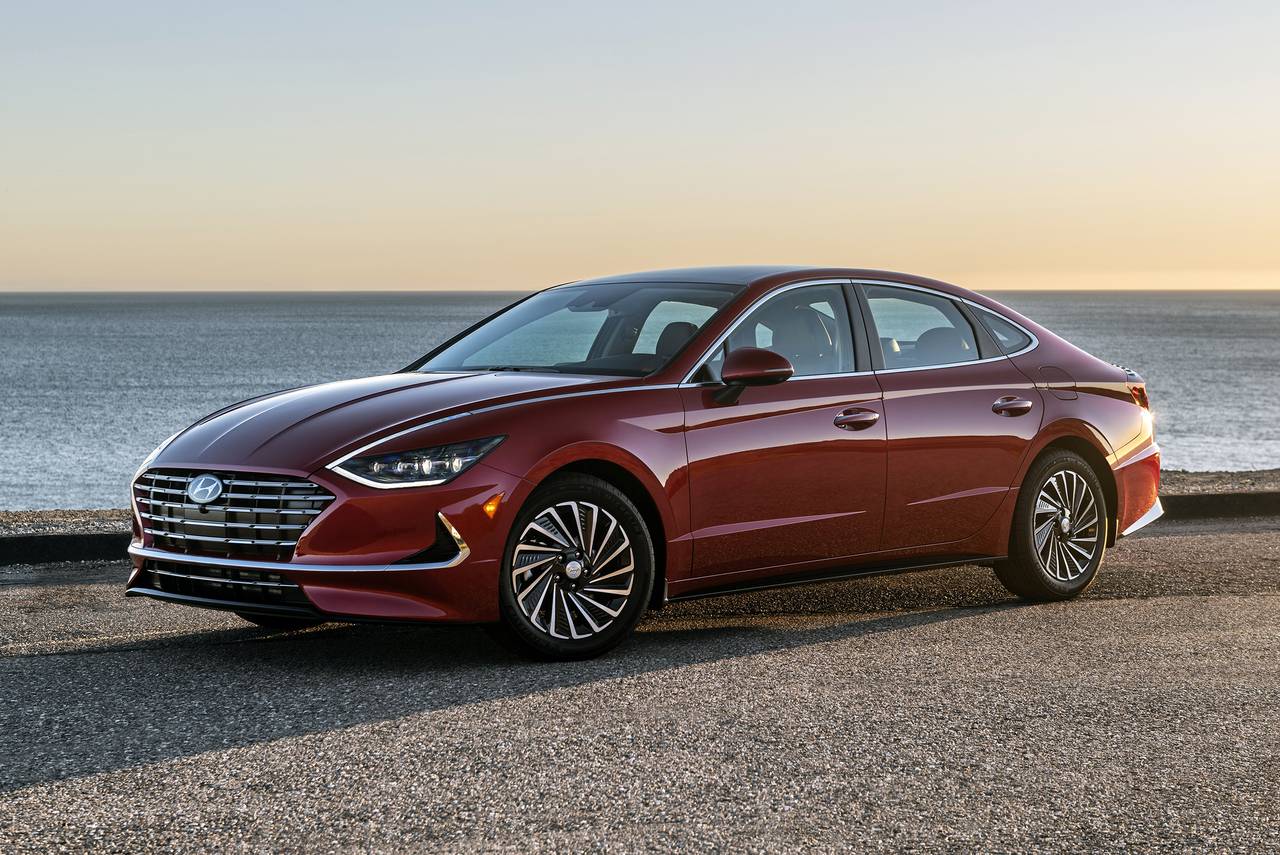
The Hyundai Sonata Hybrid is known for its combination of efficiency, comfort, and exceptionally smooth engine handoff. At lower speeds, the vehicle can run entirely on electric power, delivering quiet and unobtrusive propulsion.
When the gasoline engine engages, it does so in a controlled, linear manner that maintains a steady acceleration curve, avoiding sudden surges or interruptions. This creates a driving experience that feels both refined and predictable, particularly in city traffic and during frequent stops and starts.
The vehicle’s hybrid control system is central to its seamless performance. Continuous monitoring of driver input, battery charge, and road conditions allows the Sonata Hybrid to deliver the optimal combination of gasoline and electric power at all times.
This system also integrates regenerative braking with conventional braking to provide smooth deceleration, further enhancing the perception of refinement. The result is a vehicle that feels composed and controlled under virtually any driving condition, without drawing attention to the complexity of its hybrid powertrain.
Interior design and insulation further complement the Sonata Hybrid’s smooth operation. Cabin noise is minimized, and vibrations associated with engine transitions are effectively dampened. Even under moderate acceleration, the car maintains composure, creating a calm and comfortable environment for both driver and passengers.
The combination of mechanical refinement, software calibration, and interior comfort allows the Sonata Hybrid to deliver an experience comparable to premium vehicles at a more accessible price point.
Finally, the Sonata Hybrid illustrates that mainstream sedans can achieve the same level of hybrid sophistication as luxury models. Its ability to blend power sources seamlessly, coupled with attention to comfort and refinement, makes it a standout choice in the hybrid sedan segment.
Drivers seeking an efficient, comfortable, and quiet hybrid experience will find that the Sonata Hybrid delivers on all fronts, providing a smooth, enjoyable ride across urban streets, highways, and beyond.
Five Hybrids That Shudder at Low Speeds
Chevrolet Volt (first-generation)
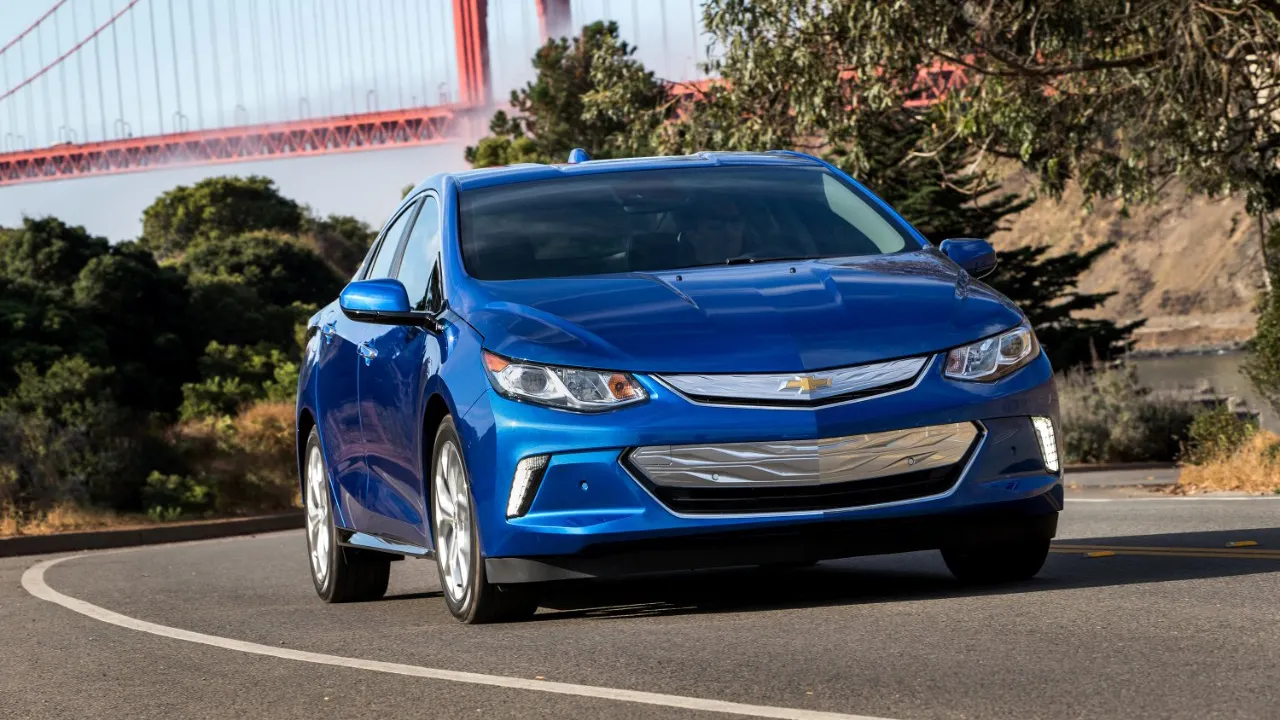
The first-generation Chevrolet Volt was a groundbreaking plug-in hybrid in terms of technology, but it was often criticized for shuddering during low-speed operation.
The vehicle uses a series hybrid system, where an electric motor primarily drives the wheels and a gasoline engine acts as a generator once the battery depletes.
While this configuration allowed the Volt to achieve impressive electric-only range, the transition between electric drive and gasoline-assisted operation could feel abrupt under certain conditions.
Drivers often noticed a subtle jerk or hesitation when the gasoline engine engaged at lower speeds, especially during slow maneuvers or tight parking situations.
Part of the issue stems from the calibration of the hybrid system. The software managing the engine handoff sometimes allowed the engine to activate too aggressively, producing a sudden increase in torque that disrupted smooth acceleration.
This was particularly noticeable in urban stop-and-go traffic, where repeated engine activations occurred in quick succession.
The feedback could be disconcerting for drivers accustomed to the more refined behavior of other hybrids, highlighting the importance of integration between hardware and software in hybrid drivetrains.
Another contributing factor was the vehicle’s focus on maximizing electric range and efficiency. In some scenarios, the Volt would switch repeatedly between power sources in an effort to conserve energy or optimize performance.
While this strategy improved fuel economy, it occasionally came at the cost of smoothness, producing the shuddering sensation that some owners found uncomfortable.
Additionally, the vehicle’s regenerative braking sometimes contributed to a slightly uneven deceleration at low speeds, further amplifying the sensation of abruptness.
Despite these low-speed quirks, the Volt was praised for its efficiency and innovative plug-in design. Its ability to drive long distances on electric power alone made it a compelling choice for many buyers, and subsequent generations addressed some of the initial roughness through improved software calibration and mechanical refinements.
Nevertheless, the first-generation Volt remains an example of how hybrid technology can be impressive in concept but still challenging to perfect when it comes to low-speed smoothness.
Kia Niro (early models)
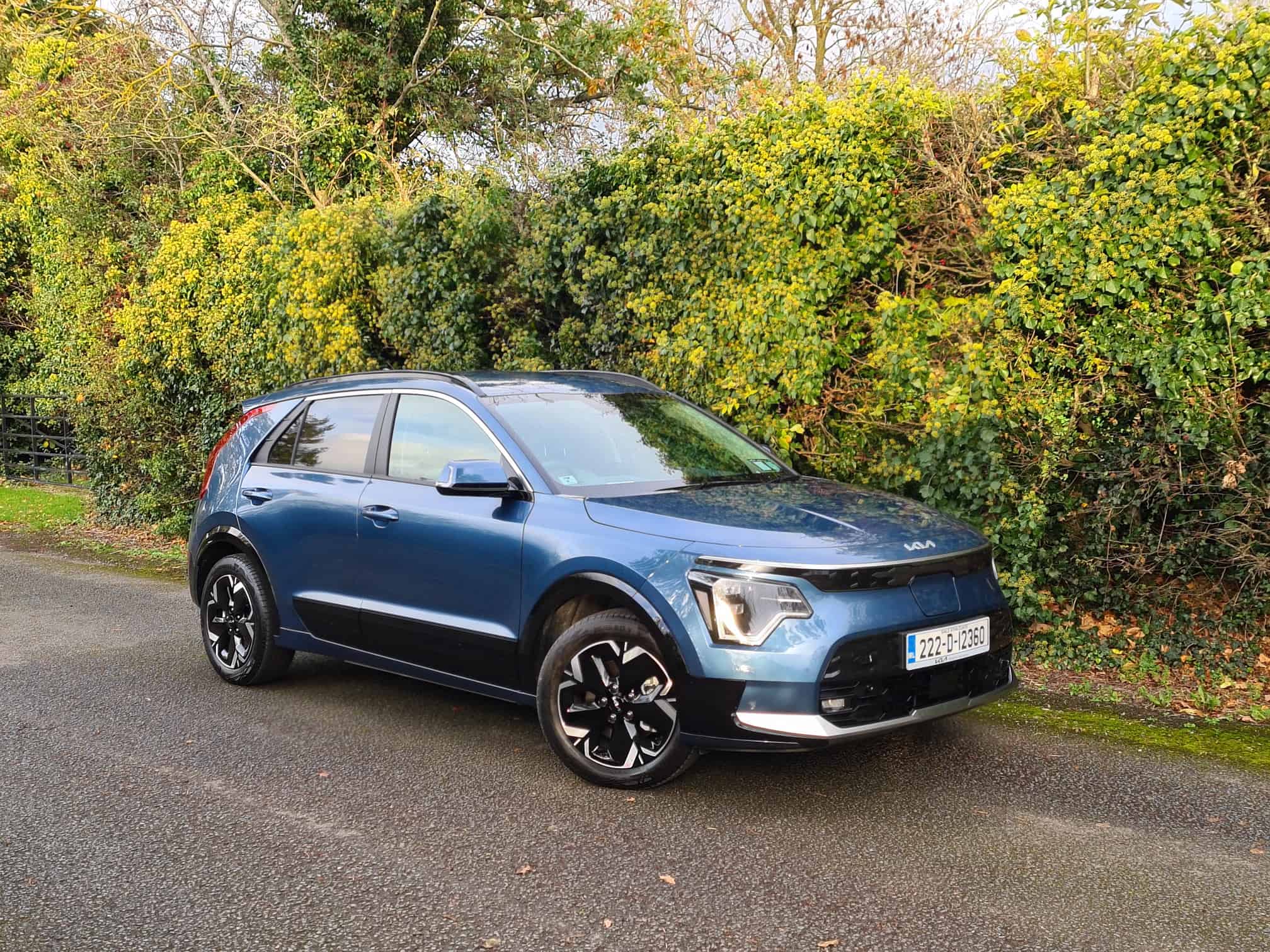
The Kia Niro, particularly its early hybrid versions, has a reputation for rough engine handoff at low speeds. While the vehicle offers solid fuel efficiency and crossover practicality, its powertrain can feel less refined in stop-and-go traffic compared to competitors.
The transition between electric and gasoline power is sometimes perceptible, producing a light shudder or hesitation that becomes noticeable during gentle acceleration from a complete stop.
Drivers who frequently navigate urban streets may find this experience somewhat distracting, as the shudder interrupts the feeling of continuous motion.
One factor contributing to this behavior is the coordination between the Niro’s electric motor and internal combustion engine. The software controlling torque distribution occasionally allows the gasoline engine to engage more aggressively than necessary, creating a brief but noticeable change in acceleration.
This can feel especially abrupt when lightly pressing the accelerator, as the vehicle struggles to maintain a completely smooth handoff between power sources. While the effect is not dangerous, it contrasts with other hybrids that prioritize linear acceleration and subtle transitions.
Regenerative braking in the Niro also plays a role in the low-speed roughness. In some instances, the combination of regenerative and traditional braking can produce a slightly uneven deceleration, further emphasizing the perception of shuddering during slow maneuvers.
This effect is most noticeable in stop-and-go traffic or when parking, where frequent speed adjustments highlight imperfections in powertrain integration. Although later models have improved calibration, early Niro hybrids were often cited by reviewers and owners for this minor flaw.
Despite these issues, the Niro’s hybrid system delivers respectable fuel economy and solid performance. Drivers who prioritize efficiency and crossover versatility may accept the occasional low-speed shudder as a minor inconvenience.
However, for those who value refinement and seamless engine transitions, the early Niro highlights how even well-designed hybrids can struggle to balance smoothness with responsiveness, particularly in urban driving conditions.
Ford Fusion Hybrid (early models)
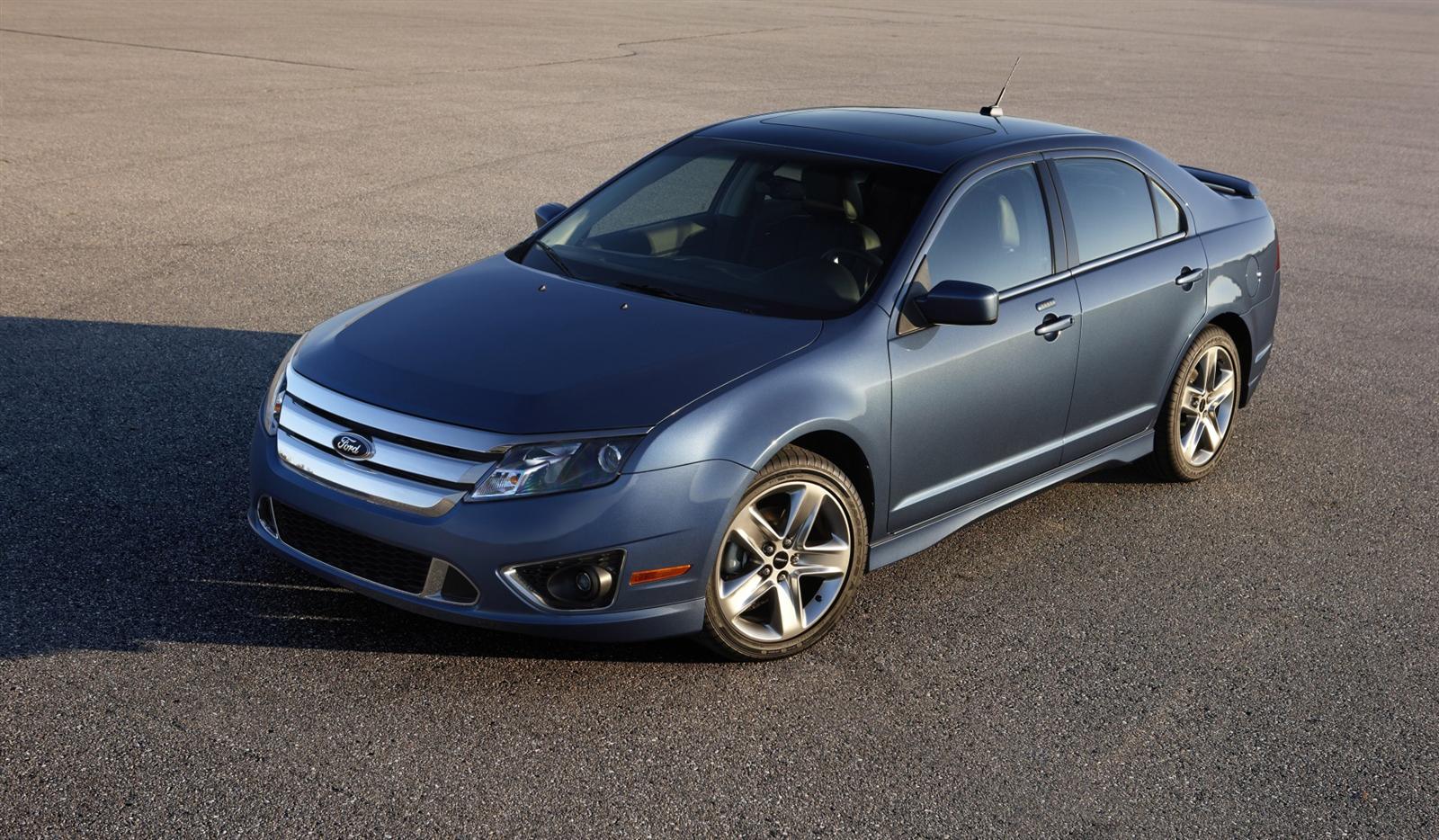
The early Ford Fusion Hybrid offered an appealing combination of fuel efficiency and midsize sedan practicality, but its low-speed performance often drew criticism.
Drivers reported a subtle shudder when the vehicle transitioned between electric and gasoline power, particularly during gentle acceleration from a stop or while navigating parking lots.
This sensation was caused by the hybrid system’s torque management, which sometimes allowed the engine to activate in a more abrupt manner than intended.
While the Fusion Hybrid generally performed well at higher speeds and on highways, the low-speed behavior stood out as a minor flaw in an otherwise capable vehicle.
The hybrid system in the Fusion relies on a continuously variable transmission to blend power from the gasoline engine and electric motor. However, in early iterations, the tuning of the CVT and engine control software occasionally resulted in perceptible hesitation.
Drivers might experience a brief pause or lurch as the engine engages, creating a noticeable contrast with the smooth, electric-only propulsion that dominates at lower speeds. This inconsistency affected the perception of refinement and made the car feel less composed in urban driving environments.
Regenerative braking also contributed to the sensation of unevenness. While the system was designed to recover energy efficiently, it sometimes produced slight changes in deceleration force at low speeds, enhancing the impression of shudder.
These transitions, combined with the engine engagement quirks, created an experience that was functional but not entirely seamless. It was particularly evident in stop-and-go traffic, where repeated low-speed transitions magnified the issue.
Despite these challenges, the Fusion Hybrid was praised for its fuel economy, roomy interior, and solid highway performance.
The low-speed shudder, while noticeable, did not impact drivability or safety. It simply highlighted the challenges automakers face when balancing efficiency, power delivery, and refinement in hybrid systems.
Subsequent model years improved calibration and software management, reducing the perceptibility of these issues. Nonetheless, early Fusion Hybrid owners often remember the low-speed roughness as one of the vehicle’s few weaknesses.
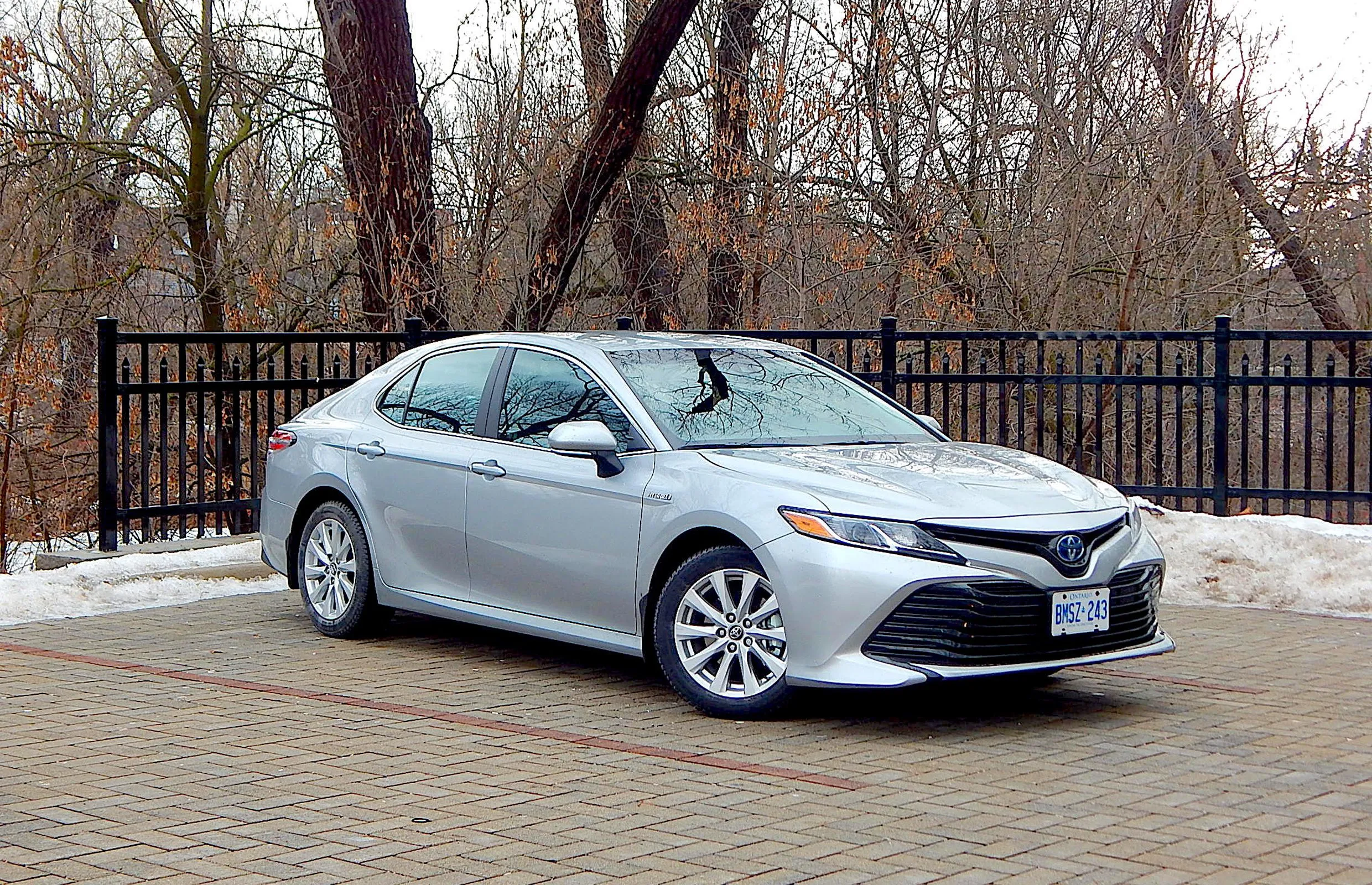
Toyota Camry Hybrid (early models)
The Toyota Camry Hybrid, especially in its early iterations, was generally well-regarded for efficiency and reliability, yet it occasionally displayed noticeable shudder at low speeds.
This was most apparent when accelerating gently from a stop or when transitioning between electric-only and gasoline-assisted propulsion.
While the vehicle is typically smooth at highway speeds, urban driving scenarios often highlighted the brief hesitations or slight jolts caused by the hybrid system’s handoff.
Drivers frequently reported that these occurrences were subtle but perceptible, especially during slow maneuvers or when the air conditioning system added additional load.
The cause of the low-speed shudder in the Camry Hybrid can be traced to the coordination between the gasoline engine, electric motor, and CVT. While the system is designed to optimize fuel efficiency, early calibration sometimes resulted in a slight mismatch in torque delivery during transitions.
This mismatch produced a light but noticeable jerk, contrasting with the otherwise composed driving experience that Toyota hybrids are known for. Additionally, regenerative braking could occasionally feel inconsistent at very low speeds, further emphasizing the perception of abruptness during city driving.
Another factor affecting the perception of shudder was driver expectation. Many Toyota hybrid drivers anticipate a smooth, Prius-like experience, and when the Camry Hybrid delivers something slightly rougher at low speeds, it can feel more pronounced than it actually is.
This was particularly true for drivers who had experienced other seamless hybrids first, making the Camry Hybrid’s quirks more noticeable in comparison. Despite this, the vehicle maintained excellent fuel efficiency and long-term reliability, qualities that outweighed the minor imperfections for many buyers.
Even with these issues, the Camry Hybrid provided a well-rounded package of space, comfort, and hybrid efficiency. The low-speed shudder, while noticeable, did not interfere significantly with daily driving, and later model years have refined the hybrid system to minimize this effect.
Nonetheless, the early Camry Hybrid serves as an example of how even reputable hybrid manufacturers can face challenges when integrating electric and gasoline propulsion seamlessly at low speeds.
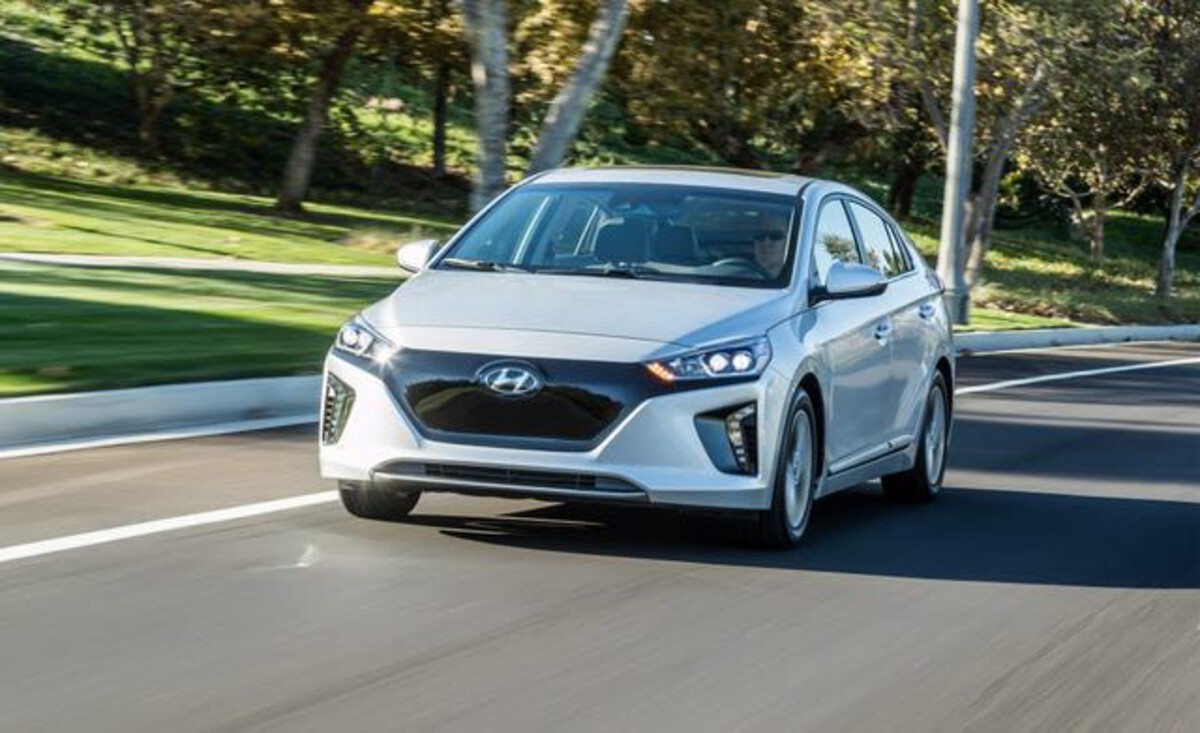
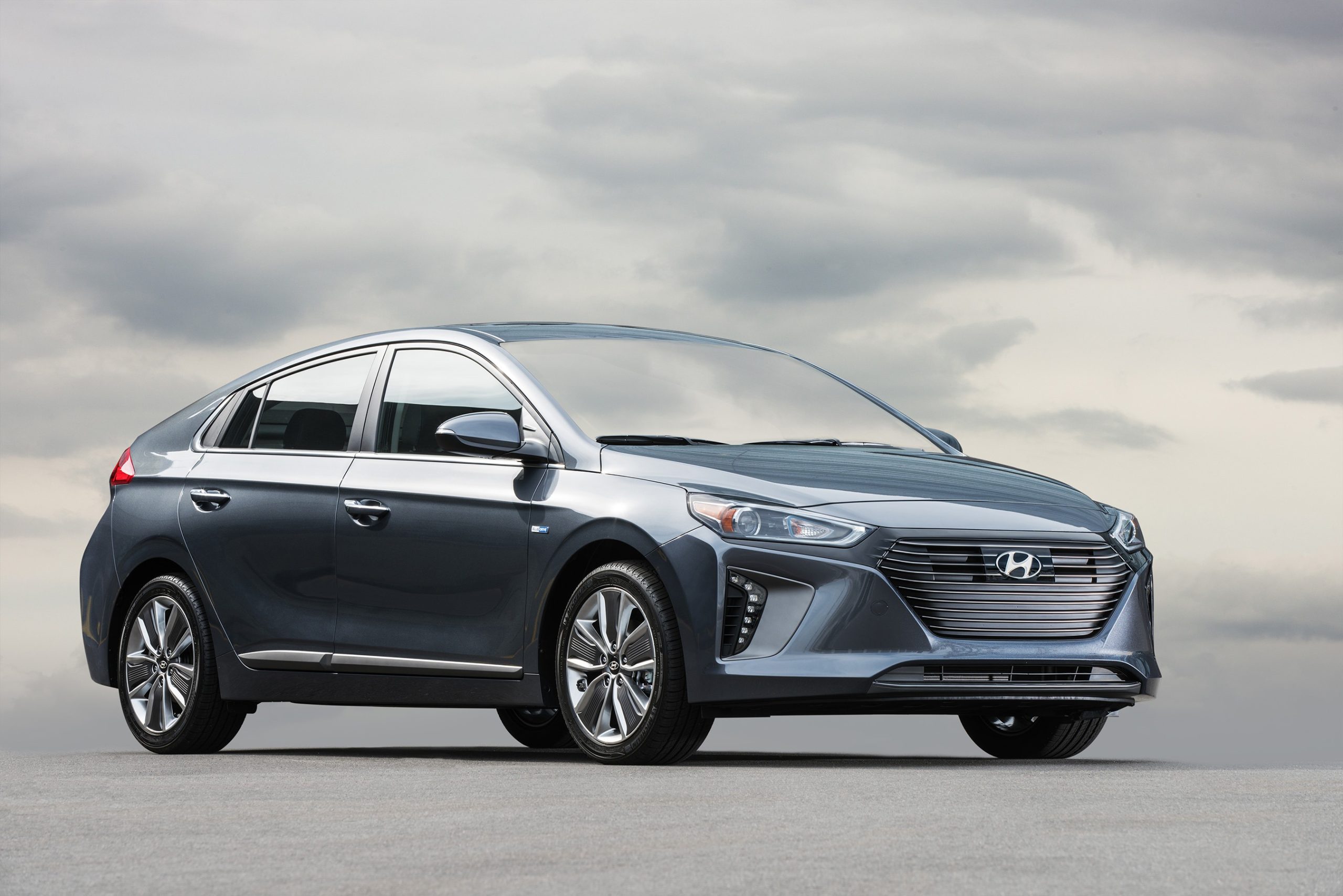
Hyundai Ioniq Hybrid (early models)
The Hyundai Ioniq Hybrid, one of the company’s first dedicated hybrid models, is efficient and technologically advanced but was sometimes prone to low-speed shudder in its early versions.
During gentle acceleration from a stop or slow maneuvering, the transition from electric motor to gasoline engine could be perceptible, producing a minor but noticeable jerk.
This contrasted with the otherwise quiet and smooth operation of the vehicle at higher speeds, where the hybrid system functions almost seamlessly. Drivers reported that these low-speed quirks were particularly evident in city traffic or tight parking situations.
One of the contributing factors to the shudder in the Ioniq Hybrid was the synchronization of the CVT and engine control software. While the hybrid system is generally well-tuned for efficiency, the timing of engine engagement sometimes created a brief interruption in torque delivery.
This interruption resulted in a slight shudder or hesitation that could make the vehicle feel less composed compared to competitors that prioritize seamless transitions.
Additionally, regenerative braking contributed to the perception of unevenness at very low speeds, amplifying the sensation for drivers who are sensitive to mechanical feedback.
The effect of low-speed shudder was not severe, and the Ioniq Hybrid remained safe and functional in all driving conditions. However, it did highlight the challenges automakers face when integrating hybrid powertrains that must balance efficiency, comfort, and predictability.
Early Ioniq owners sometimes noted that the vehicle felt less polished in stop-and-go city traffic than in highway driving, underscoring the importance of calibration in hybrid drivetrains.
Despite these minor issues, the Ioniq Hybrid provided excellent fuel economy, a quiet cabin at higher speeds, and a comfortable driving experience.
Hyundai has since refined the software and drivetrain calibration in later versions to reduce the perception of shudder, demonstrating how iterative improvements can enhance the smoothness of hybrid vehicles.
For those purchasing an early model, the low-speed quirks were a minor trade-off for the benefits of efficiency and advanced hybrid technology.
