
For many vehicle owners, the cargo area is often a space of frustration rather than utility. Loading groceries, sports equipment, luggage, or tools can quickly become a test of creativity, patience, and patience again when items slide around, tangle, or topple over.
Automakers have increasingly recognized this challenge, and some have responded with thoughtful engineering solutions, equipping certain SUVs with features designed to make cargo management not just possible but genuinely convenient.
These smart systems include hooks, rails, cubbies, and other integrated storage solutions, all aimed at keeping items organized, secure, and accessible.
By contrast, some vehicle owners rely on aftermarket or ad hoc solutions, cargo nets, bins, mats, and hooks, that, while functional, can feel tacked-on, temporary, or limited in scope.
The difference between a vehicle designed with cargo in mind and one treated as an afterthought can be substantial, affecting both everyday usability and satisfaction.
Vehicles with built-in cargo management systems show the foresight of automakers who consider not just engine performance, ride comfort, or fuel efficiency, but the day-to-day interaction between driver, passengers, and the things they carry.
Hooks that fold away neatly, rails that slide and lock into place, and cubbies hidden under the floor or along the side walls of the cargo area all reflect an understanding of practical needs.
Families, outdoor enthusiasts, and professionals alike benefit from these features because they reduce the stress of transporting goods, prevent damage, and save time by allowing items to be stowed quickly and predictably.
After-market cargo accessories can address some of these needs but often lack the integration, durability, or aesthetic appeal that factory-installed solutions provide.
The distinction is not purely about convenience. Safety, too, is an important consideration. Items that are not properly secured in the cargo area can become dangerous projectiles in the event of sudden braking or a collision.
Smart cargo systems can help mitigate this risk by providing multiple anchor points and structured storage areas designed to withstand forces that aftermarket bins or nets may not reliably resist.
Additionally, integrated systems tend to maintain a cleaner interior appearance and often adapt to the vehicle’s shape, avoiding awkward gaps or interference with other features.
This article will examine five SUVs that stand out for their smart cargo hooks, rails, and cubbies, highlighting the ways these features improve organization, safety, and convenience.
It will then contrast them with five examples of cargo-area afterthoughts that, while useful in some cases, often fall short of delivering the same level of thoughtfulness or utility.
By comparing these two approaches, it becomes clear why vehicle design can significantly influence the way we use and enjoy the cargo space, revealing the difference between a thoughtfully equipped SUV and a vehicle where cargo management feels like an afterthought.
Five SUVs with Smart Cargo Hooks, Rails, and Cubbies
1. Subaru Outback
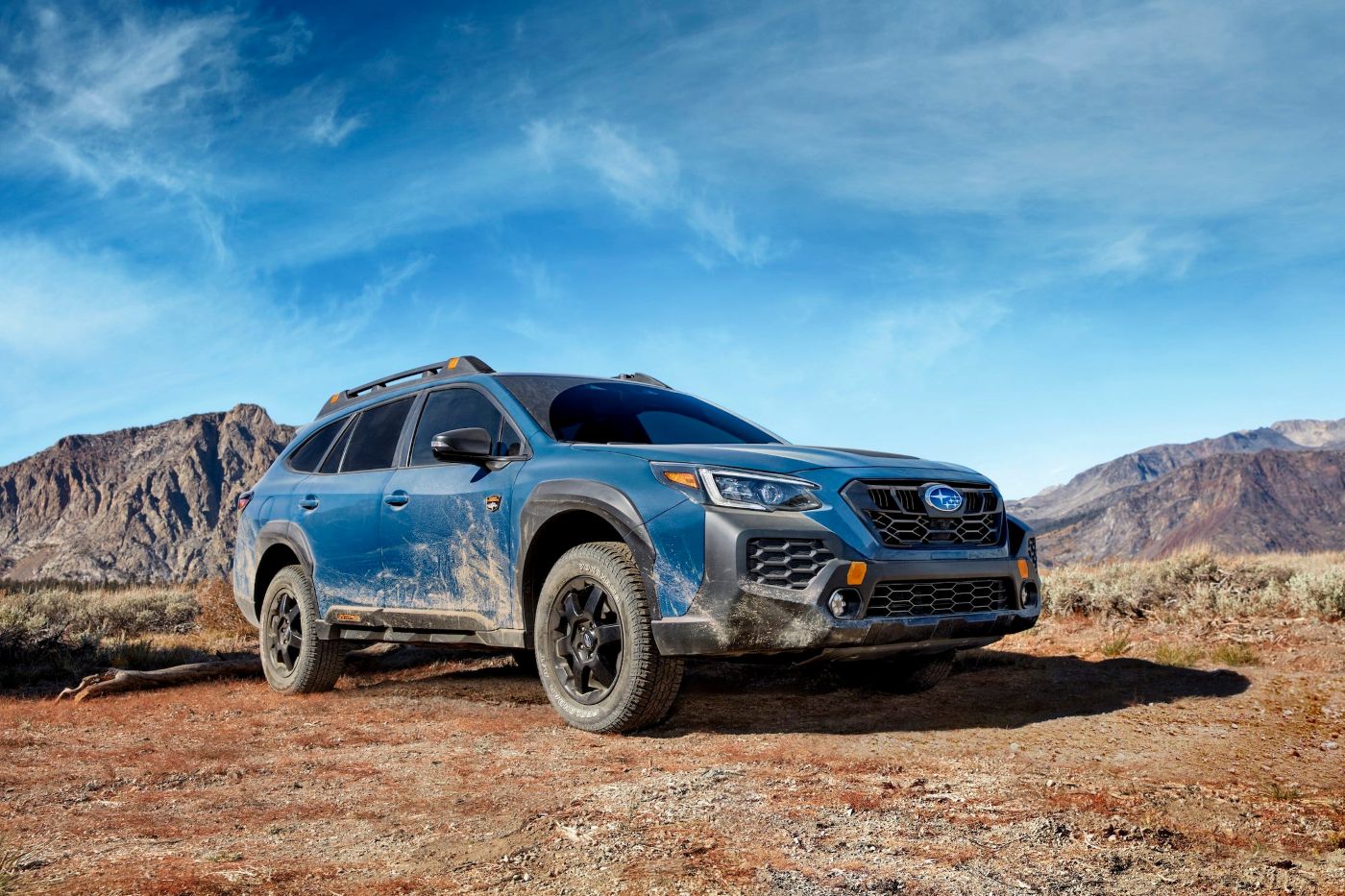
The Subaru Outback has earned a strong reputation for practicality, and this extends clearly to its cargo area.
Beyond its spacious dimensions, the vehicle includes multiple tie-down hooks strategically located along the floor and side panels. These hooks are designed to accommodate a wide range of cargo, from groceries and luggage to sports equipment or camping gear.
The placement is intentional, allowing items to be secured at multiple points to prevent shifting, even when the vehicle navigates uneven terrain or sudden stops.
For families or outdoor enthusiasts, this translates into less worry about items sliding around or causing damage, making every trip smoother and more predictable.
In addition to the hooks, the Outback features adjustable cargo rails that add an extra layer of versatility. These rails can support dividers or cargo boxes, which can be slid into different positions depending on the shape and size of the load.
For example, a pair of mountain bikes can be stabilized alongside a set of duffel bags without requiring awkward arrangements.
This modular approach allows users to create custom layouts for weekend adventures or everyday errands, making the cargo area adaptable to different needs.
Unlike standard tie-down points in some SUVs, the rails in the Outback offer both stability and flexibility without requiring aftermarket accessories.
The Outback also integrates hidden cubbies and storage compartments that enhance utility. A compartment beneath the cargo floor provides a secure location for tools, emergency kits, or valuables, keeping them out of sight while maximizing usable space.
Smaller side cubbies help organize accessories such as umbrellas, flashlights, or small electronics, preventing them from moving around or getting lost under larger items.
These thoughtful additions improve convenience and reduce clutter, which is particularly valuable on long trips or when the cargo area is frequently used for diverse items.
Finally, the Outback’s combination of hooks, rails, and cubbies demonstrates careful attention to detail in design. These features are seamlessly integrated into the vehicle’s structure, ensuring that they do not interfere with passenger comfort or limit cargo space.
For anyone who regularly transports a variety of items, the Outback turns what could be a chaotic or frustrating area into a well-structured and versatile space. This integration of utility and accessibility highlights why Subaru has been consistently recognized for practical vehicle design.
2. Honda CR-V
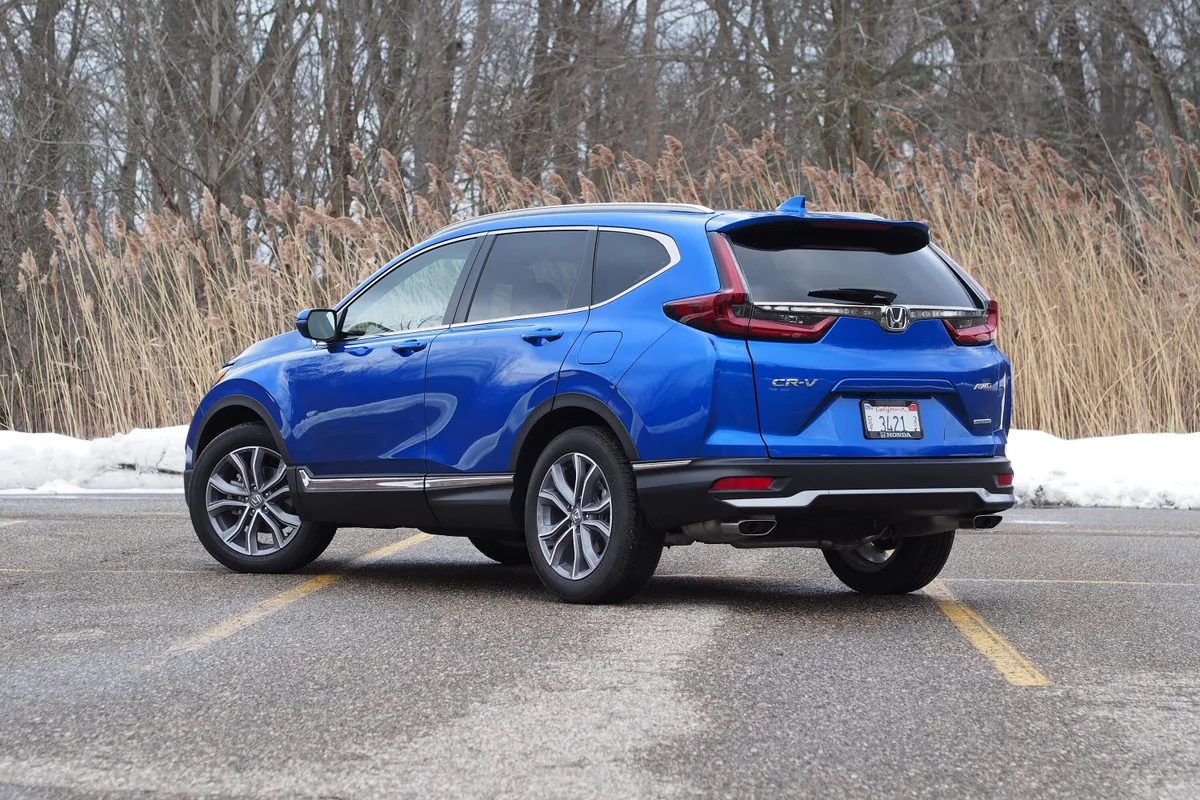
The Honda CR-V has consistently been a popular choice among compact SUV buyers, largely because of its attention to everyday practicality. Its cargo area features multiple hooks strategically located around the walls and floor, providing flexible anchor points for securing various items.
These hooks are reinforced to handle moderate weights, ensuring that shopping bags, sports equipment, or pet carriers remain stable during travel.
Their placement near corners and along the sidewalls allows users to use multiple hooks simultaneously, providing superior stability compared to single-point tie-downs found in many other vehicles.
Sliding rails along the cargo floor enhance the CR-V’s adaptability. The rails allow the placement of adjustable tie-downs or dividers, so users can organize items in specific configurations.
A family can, for example, separate grocery bags from sports equipment or place smaller containers in a way that keeps them upright and accessible.
The ability to reposition dividers quickly makes the CR-V versatile enough to accommodate both everyday errands and longer trips, supporting a dynamic lifestyle without requiring aftermarket cargo solutions.
The CR-V also includes multiple storage compartments that are thoughtfully integrated into the cargo area.
Hidden trays beneath the floor provide secure space for valuables, tools, or first-aid kits. Side cubbies, positioned for easy access, can hold smaller items such as umbrellas, electronic chargers, or water bottles.
These compartments reduce clutter and make it easier to locate items quickly, even when the cargo area is packed with larger objects. By offering a combination of visible and hidden storage, Honda addresses both organizational needs and security concerns.
The CR-V’s cargo system demonstrates Honda’s practical approach to everyday driving challenges. By combining hooks, rails, and cubbies in a cohesive design, the CR-V provides a cargo area that is both flexible and secure.
Drivers benefit from an organized, accessible, and adaptable space, which reduces stress and enhances convenience. This integration sets the vehicle apart from SUVs that rely solely on aftermarket solutions or minimal built-in features.
3. Toyota RAV4
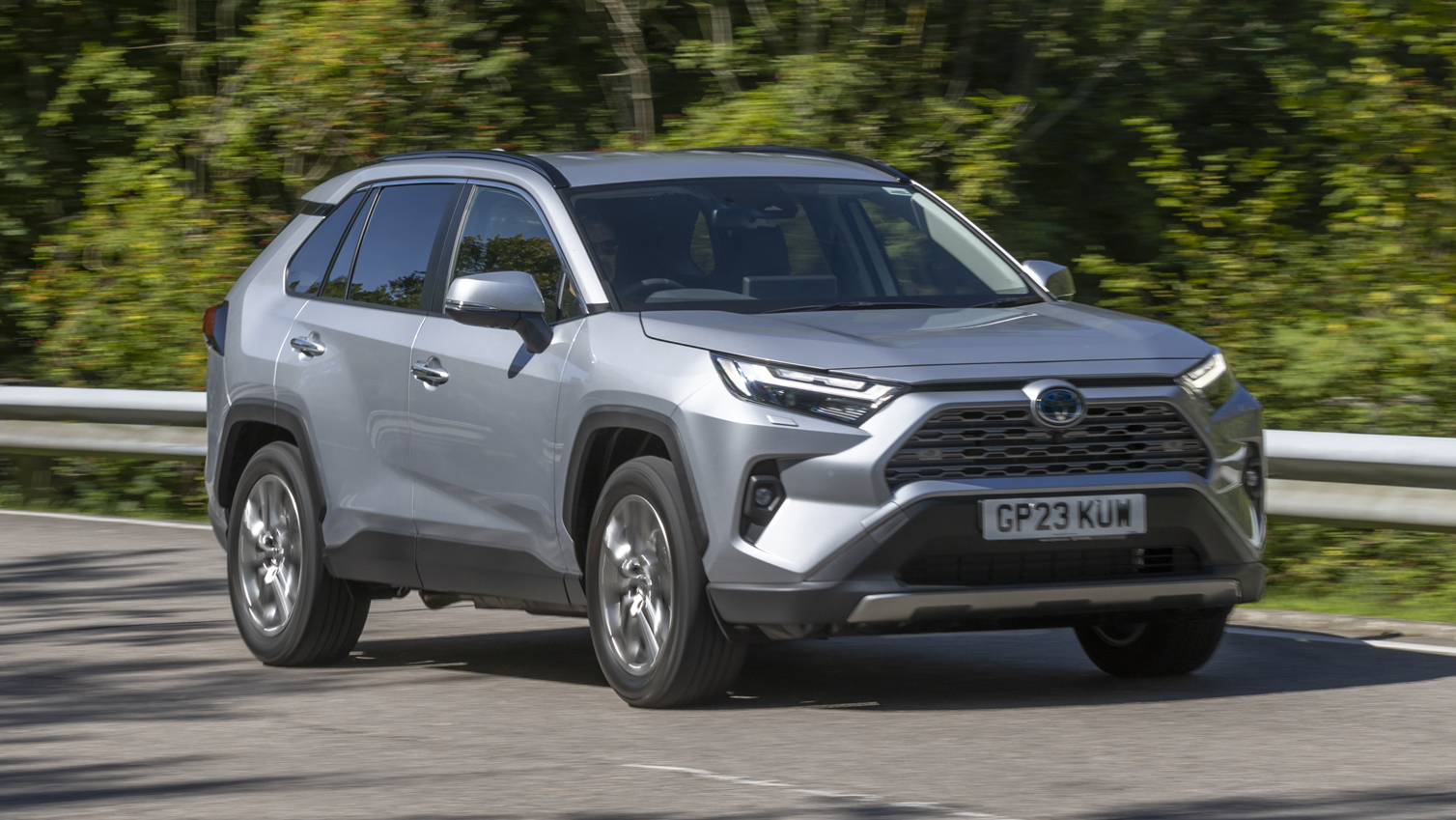
The Toyota RAV4 has long been recognized for combining reliability with practical design, and its cargo area exemplifies this balance. The vehicle features multiple tie-down hooks positioned along the cargo floor and side walls.
These hooks are designed to accommodate a variety of items, from grocery bags and suitcases to larger sporting equipment like skis or golf clubs.
Their positioning allows users to create stable anchor points that prevent items from sliding or tipping during transit, increasing both convenience and safety.
Cargo rails on the RAV4 expand the system’s adaptability, allowing dividers or storage bins to be repositioned along the floor.
This modular system is particularly beneficial for those who frequently transport a mix of small and large items, such as families with children, outdoor enthusiasts, or professionals carrying tools or equipment.
By providing customizable zones, the rails help maintain order and reduce the risk of damage to items or the vehicle interior. Users can adjust the configuration quickly, making it easy to switch between different cargo setups depending on the day’s activities.
The RAV4 also incorporates hidden cubbies beneath the cargo floor. These compartments provide a discreet place to store tools, emergency supplies, or personal items that might otherwise clutter the main cargo area.
Side cubbies complement this hidden storage, offering quick access to frequently used items while keeping them organized.
These features collectively help maintain a tidy and functional cargo space, even during busy trips or when transporting a mix of items that vary in size and shape.
The thoughtful combination of hooks, rails, and cubbies demonstrates Toyota’s commitment to practical and user-friendly design.
By integrating these features directly into the cargo area, the RAV4 avoids the limitations of temporary or aftermarket solutions, creating a space that is both secure and versatile.
For anyone who values convenience, safety, and organization, the RAV4’s cargo area stands out as an example of how careful engineering can enhance the utility of an SUV.
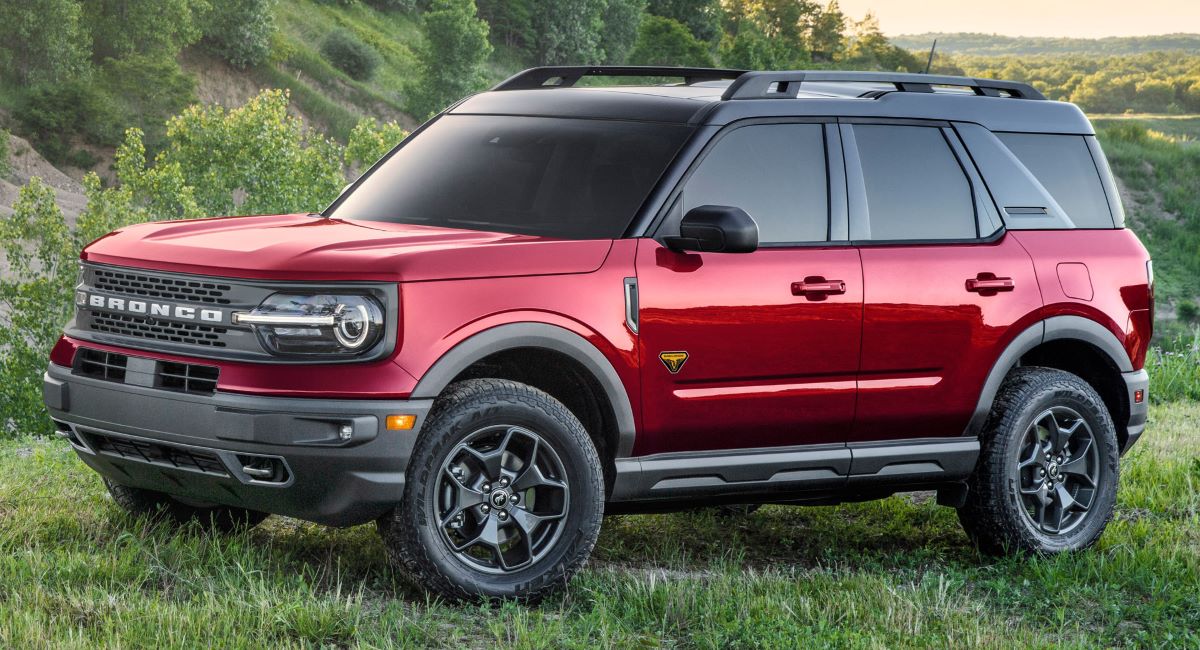
4. Ford Bronco Sport
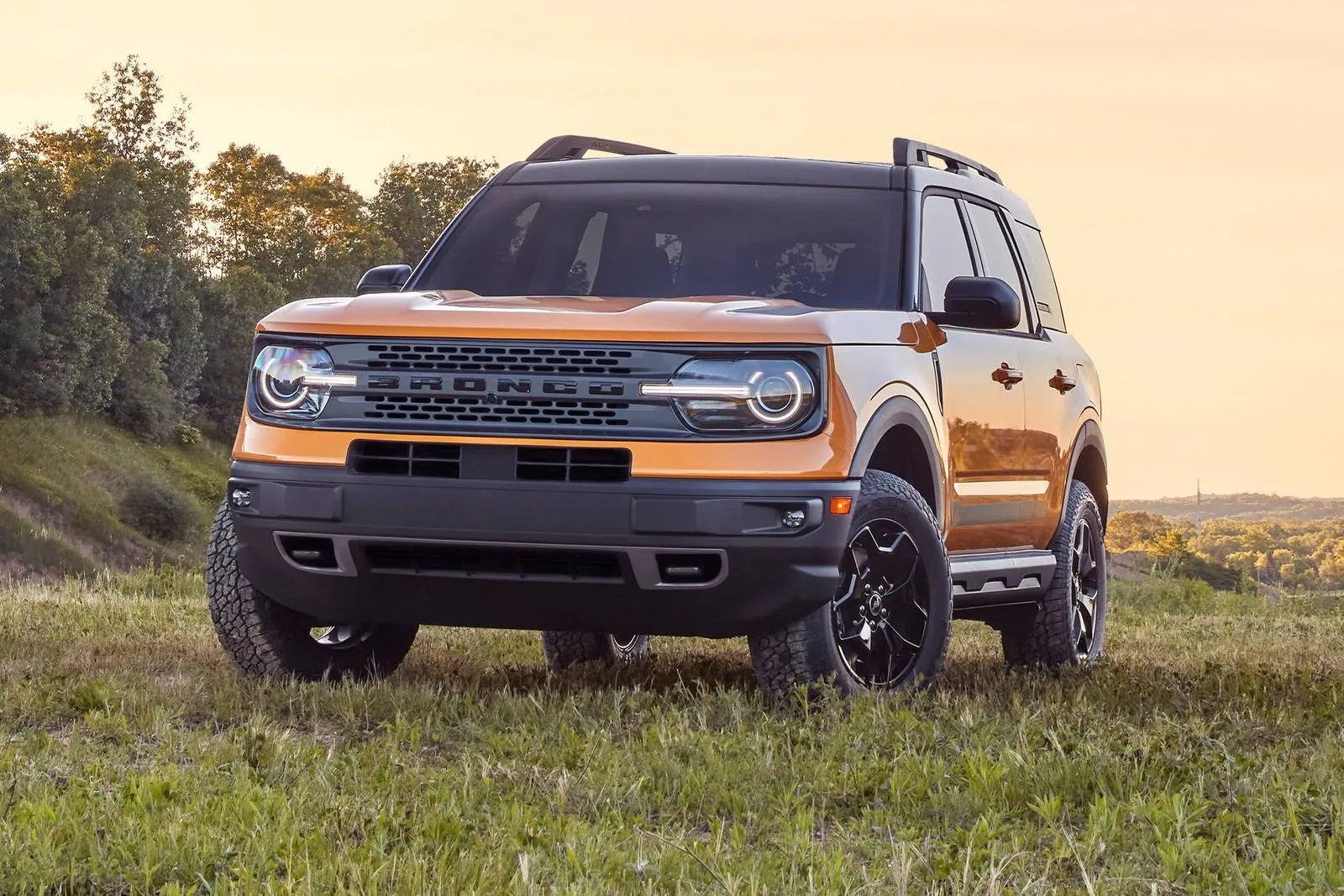
The Ford Bronco Sport focuses on off-road capability without compromising on cargo practicality. Its cargo area includes reinforced hooks designed to handle heavy loads, which is especially valuable for outdoor enthusiasts transporting camping gear, bicycles, or kayaking equipment.
These hooks are strategically placed to accommodate different tie-down configurations, ensuring that gear remains stable even on rough trails or during sudden maneuvers. Their durability reflects the Bronco Sport’s emphasis on ruggedness and reliability.
The modular rail system along the cargo floor further enhances the vehicle’s versatility. Users can position adjustable dividers or bins along these rails, creating custom storage zones that suit the cargo being transported.
For example, one side of the cargo area can hold larger items, while smaller items are secured on the other side. This system helps prevent shifting and provides flexibility that aftermarket solutions cannot match. The rails are designed to be simple to use while maintaining a high level of stability.
Cubbies and underfloor storage provide an additional layer of organization. A hidden storage tray beneath the cargo floor is perfect for items that need to be kept out of sight, such as emergency kits, tools, or valuables.
Side cubbies provide easy access to smaller items that might otherwise get lost among larger cargo. Together, these storage options enhance convenience while maintaining a clean and organized appearance, even on trips that involve multiple types of cargo.
The Bronco Sport demonstrates that a rugged SUV can still offer thoughtful cargo management. Its combination of hooks, rails, and cubbies balances durability, convenience, and flexibility, reflecting a design that considers both off-road performance and everyday usability.
For owners who value organization and practicality alongside capability, the Bronco Sport delivers a cargo area that meets multiple needs without compromise.
5. Volkswagen Tiguan
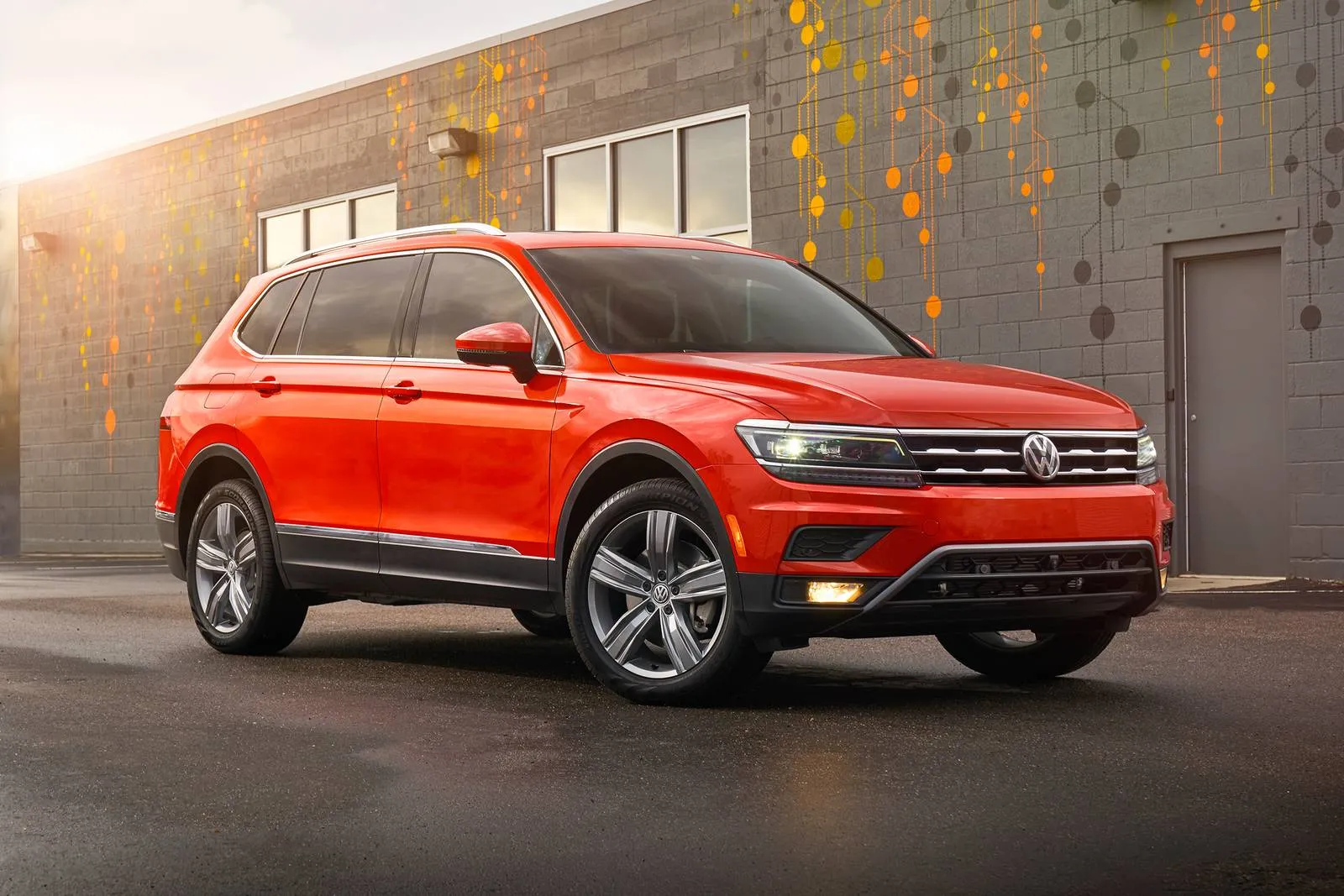
The Volkswagen Tiguan is designed with a cargo area that combines practicality and security. Multiple hooks along the floor and walls provide anchor points for nets, straps, or other tie-downs, ensuring that items remain secure during transport.
These hooks are carefully positioned to allow for multiple configurations, giving users the flexibility to accommodate a variety of cargo types, from shopping bags and luggage to sports equipment or work tools.
Cargo rails on the Tiguan further enhance its adaptability. Adjustable dividers or bins can slide along these rails to create custom storage zones.
For example, one zone can hold groceries upright while another secures a suitcase or smaller boxes. This modular system allows for quick reconfiguration based on the specific needs of each trip, making the Tiguan versatile for both everyday use and longer journeys.
Hidden cubbies beneath the cargo floor provide discreet storage for items that need protection from sight or movement, such as valuables, tools, or emergency kits.
Side compartments offer additional storage space for smaller items that need to be accessed easily, such as cleaning supplies, electronics accessories, or snacks. These features work together to reduce clutter and improve organization, creating a cargo area that is both practical and visually tidy.
Volkswagen’s integrated approach to hooks, rails, and cubbies ensures that the Tiguan’s cargo area functions as a cohesive, user-friendly system. Unlike temporary or aftermarket solutions, these features are designed to work with the vehicle’s layout, providing stability, convenience, and efficiency.
For those who regularly transport a range of items, the Tiguan demonstrates how thoughtful engineering can transform a cargo space from a simple storage area into a highly functional part of the vehicle.
Five Cargo-Area Afterthoughts
1. Nissan Rogue
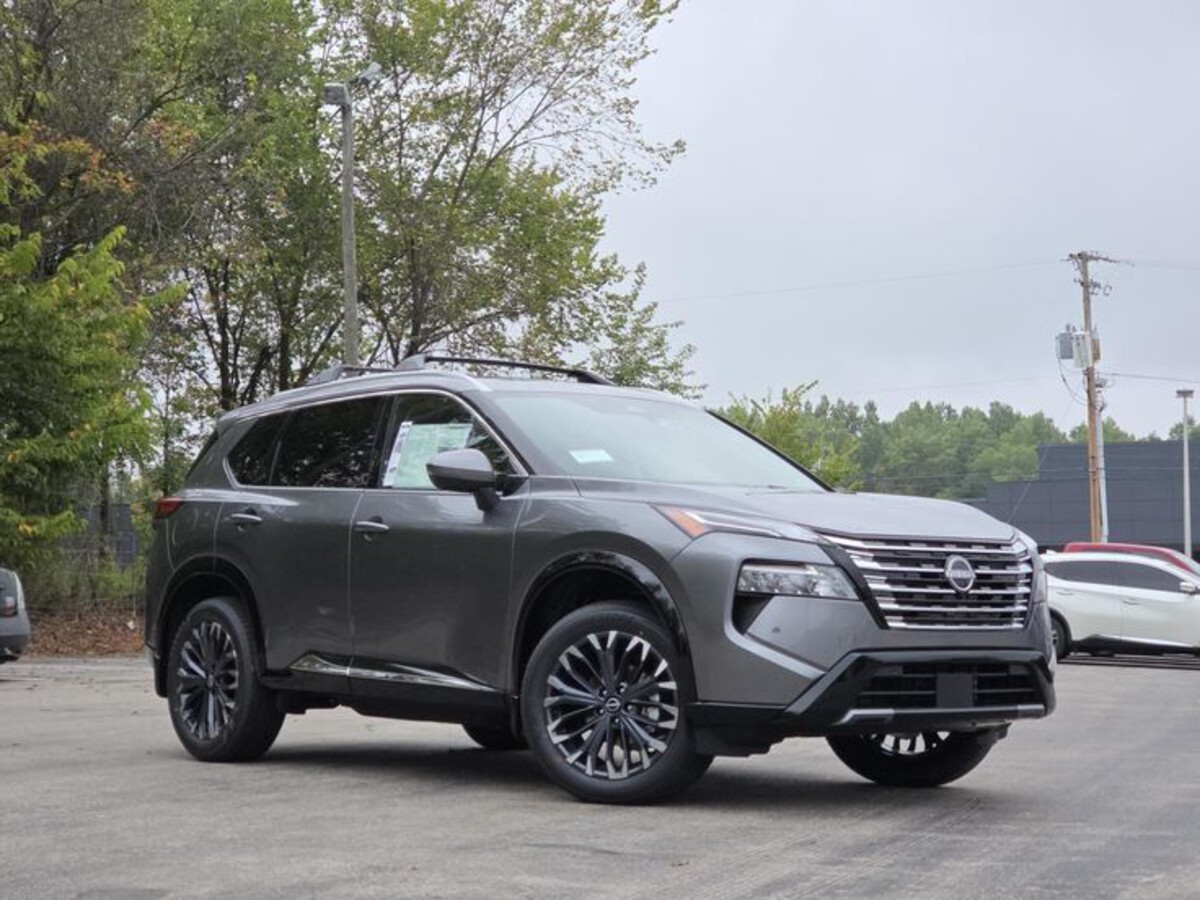
The Nissan Rogue has often been praised for its ride quality and fuel efficiency, but when it comes to cargo management, it sometimes falls short compared to more thoughtfully designed competitors.
While the Rogue does include a few basic hooks near the corners of the cargo area, they are relatively small and positioned in ways that limit their usefulness.
Heavier items can easily shift despite the presence of these hooks, which means securing a load often requires creative solutions or aftermarket products.
For families or frequent travelers, this can lead to frustration, especially when attempting to transport multiple items of varying shapes and sizes.
Unlike vehicles with integrated rail systems, the Rogue lacks adjustable cargo rails, which reduces its adaptability. Without these rails, users cannot easily partition the cargo area to accommodate different items, making organization more difficult.
Items like grocery bags, toolboxes, or sports equipment must often be stacked or wedged against walls, increasing the risk of damage or tipping.
While the cargo space itself is reasonably sized, the lack of versatile tie-down systems means the full potential of the area is not realized, particularly for those who carry bulky or delicate items regularly.
Storage cubbies are another area where the Rogue falls behind. The cargo floor does include a small hidden compartment, but it is limited in size and lacks the modularity found in some competing models. Side panels are largely flat, providing few nooks for smaller items.
This absence of convenient storage can lead to clutter, with loose items rolling around during even short trips. Drivers often find themselves improvising with containers, bags, or aftermarket solutions, which detracts from the practicality that is often expected in this class of SUV.
Ultimately, the Rogue’s cargo area feels more like an afterthought than an integrated design feature. While it remains functional for basic loads, it does not offer the flexibility or organizational options seen in SUVs with hooks, rails, and cubbies built from the ground up.
Users who rely on the vehicle for multi-purpose transportation may find themselves looking for workarounds, which can compromise convenience and safety.
2. Chevrolet Equinox
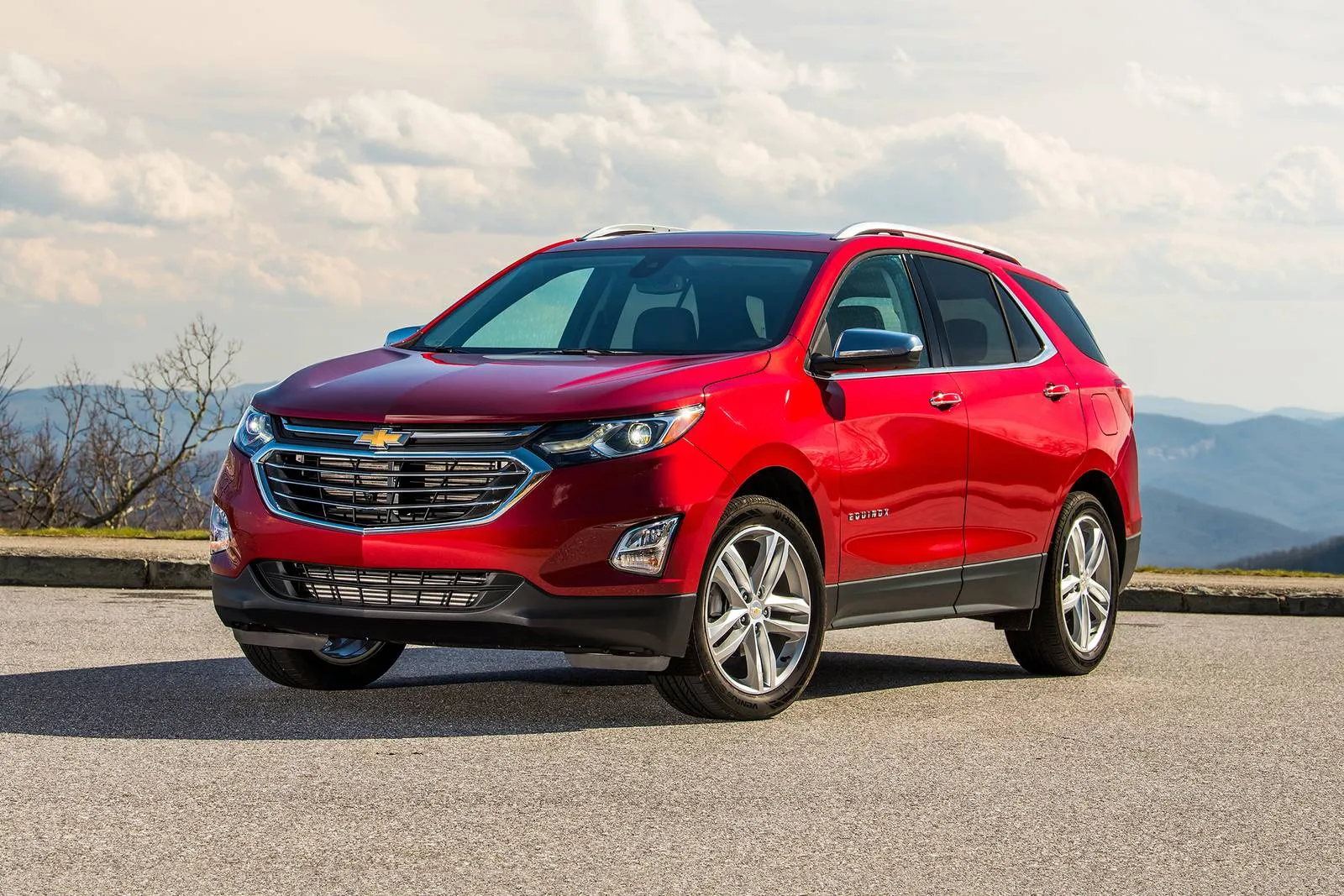
The Chevrolet Equinox is another compact SUV where cargo practicality often lags behind competitors. The vehicle includes a few basic tie-down hooks, but they are relatively shallow and spaced far apart.
This limits the types of cargo that can be securely anchored, making it less suitable for heavy or awkwardly shaped items. When loaded with groceries, sports equipment, or luggage, items are prone to sliding or tipping unless additional restraints are added, which diminishes the user experience.
Equinox lacks a formal cargo rail system, which reduces flexibility for configuring storage zones. Users cannot easily partition the space to separate smaller boxes from larger items, and organizing cargo for mixed trips often becomes challenging.
While the rear seats fold down to increase volume, the flat, unsegmented floor does not provide options for modular storage, forcing users to improvise solutions. For individuals who transport different types of cargo on a regular basis, this limitation can become inconvenient and frustrating.
In terms of cubbies and hidden compartments, the Equinox provides minimal storage options beyond a small tray under the cargo floor. Side panels are largely flat, offering little in the way of accessible compartments for smaller items such as flashlights, tools, or electronics accessories.
Without these features, items can move freely during travel, creating clutter and sometimes causing minor damage to both cargo and vehicle interior. For many users, this leads to reliance on aftermarket bins or organizers to achieve a functional system.
While the Equinox serves well for basic cargo tasks, it clearly lacks the foresight and integration of more advanced cargo management systems.
Hooks are limited, rails are absent, and storage compartments are minimal, making it feel like cargo considerations were secondary in the design process. For buyers who prioritize an organized, secure, and versatile cargo area, this SUV may leave them wanting more.
3. Jeep Cherokee
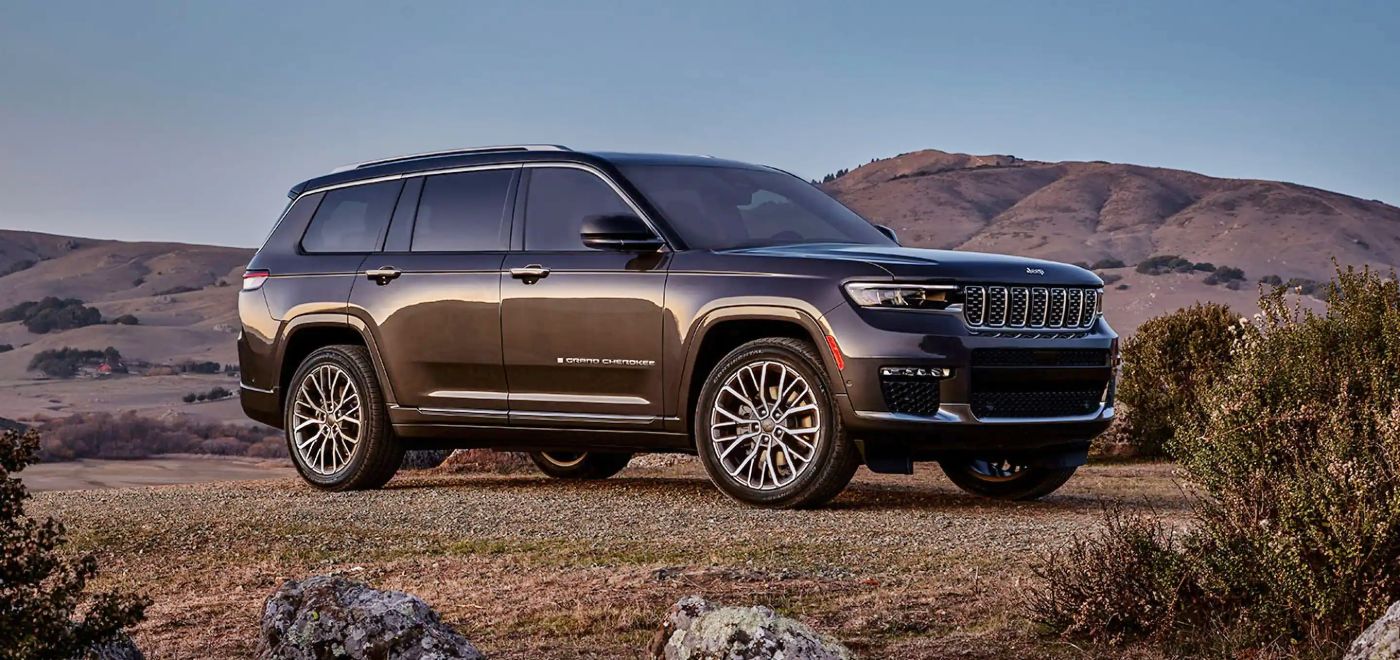
The Jeep Cherokee is designed primarily with off-road performance and driving experience in mind, which sometimes comes at the expense of cargo practicality. The cargo area does have a few hooks, but their placement is inconsistent, and they are not robust enough for larger or heavier items.
Users attempting to secure a variety of cargo may find the hooks insufficient for providing stability, particularly during uneven terrain driving or sudden braking. While the Cherokee excels on trails, its cargo management options feel less thoughtful when compared to models with integrated rails and cubbies.
Cargo rails are absent in the Cherokee, which limits flexibility in organizing items. Without the ability to partition the cargo area or reposition tie-down points, users are often forced to stack or wedge items against the sides or rear seats.
For families or those carrying a mix of personal, recreational, or professional gear, this lack of modularity can create inefficiencies. Items are more prone to sliding or tipping, which increases the risk of damage and makes loading and unloading less straightforward.
Cubbies and hidden storage are also minimal in the Cherokee. A single underfloor compartment exists, but it is shallow and not well-suited for larger or delicate items.
Side storage is almost nonexistent, offering no convenient areas to stow smaller items that might otherwise clutter the cargo floor.
The absence of these organizational tools can result in a messy and unpredictable cargo area, particularly during extended trips or when carrying multiple items of varying sizes.
In summary, the Cherokee prioritizes other features over cargo organization. While it excels in off-road capability and provides a durable, usable cargo space, it lacks the integrated hooks, rails, and cubbies that make loading and organizing items intuitive.
Users who value a fully functional and adaptable cargo area may find themselves relying on aftermarket solutions or sacrificing organization.
4. Hyundai Tucson
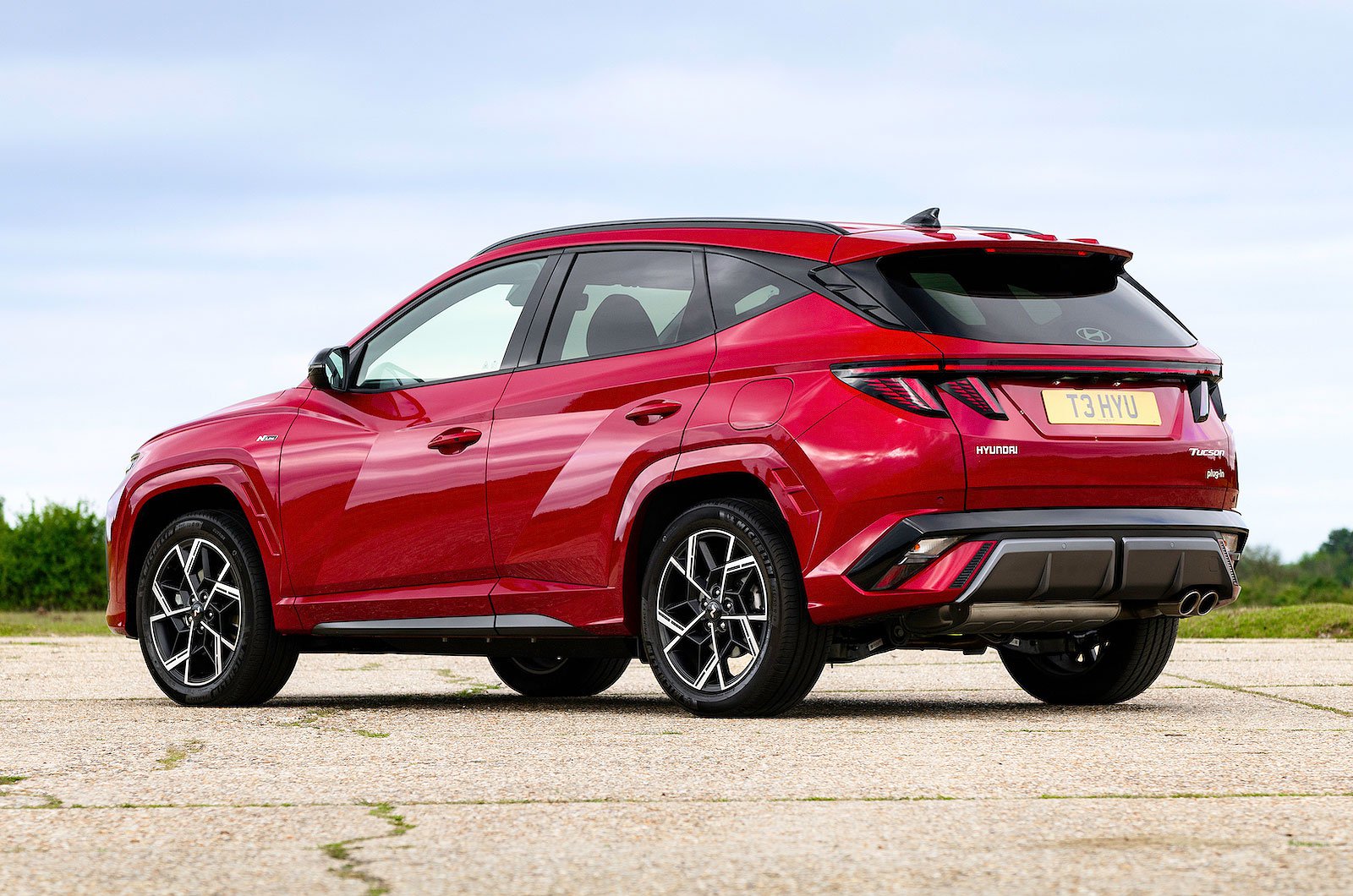
The Hyundai Tucson is a compact SUV known for comfort and efficiency, but its cargo area does not emphasize advanced utility features. While there are a few hooks near the cargo corners, they are not designed for heavy-duty use and offer limited flexibility in securing a variety of items.
Without additional tie-down points, larger objects may shift during transit, making it less convenient for families, travelers, or outdoor enthusiasts who carry multiple types of cargo.
The Tucson does not include a modular rail system, which further limits adaptability. Users cannot easily create compartments or slide dividers to separate items, forcing them to rely on makeshift solutions to keep objects organized.
The flat cargo floor provides room but lacks the customization options seen in SUVs that feature rails or adjustable anchor points. Consequently, organization can be a challenge, particularly when transporting a combination of small and large items.
Hidden storage is minimal in the Tucson, with only a small tray under the cargo floor. Side cubbies are either nonexistent or very limited in size, reducing the space available for items like first-aid kits, tools, or electronics.
Without these convenient storage options, users may experience cluttered cargo areas, which can create a less pleasant experience during travel and make it harder to find items when needed.
In effect, Tucson’s cargo area feels basic and functional but lacks thoughtful design features that enhance usability. While it is sufficient for everyday needs, it does not provide the versatility, security, or organization that drivers might expect from a more utility-focused SUV.
Those who frequently transport diverse cargo may need to invest in aftermarket solutions to achieve the level of functionality found in competitors with hooks, rails, and cubbies.
5. Kia Sportage
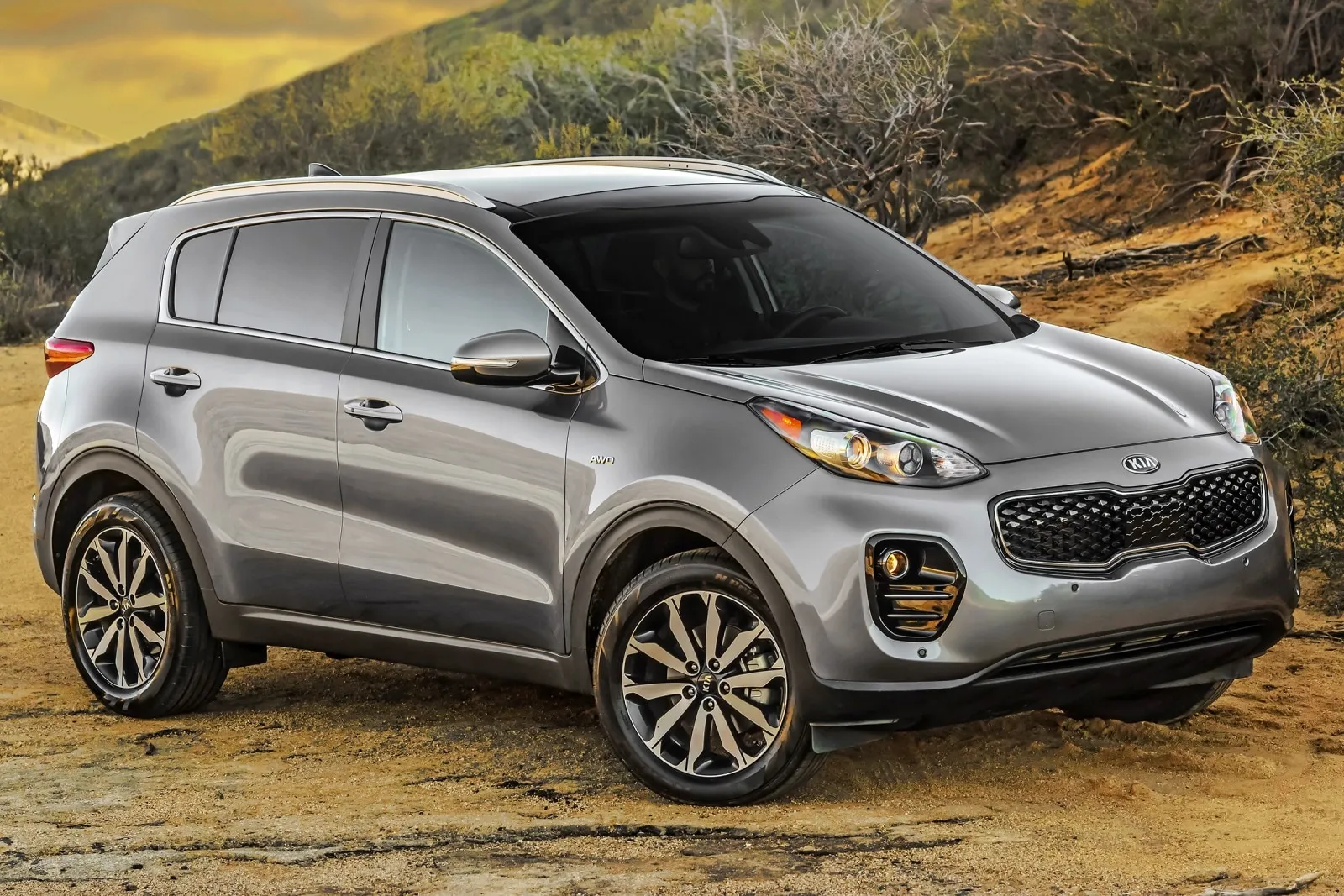
The Kia Sportage offers a comfortable ride and attractive styling, but cargo-area practicality is limited compared to more utility-oriented SUVs. Hooks are present, but they are few in number and not positioned to accommodate heavy or irregularly shaped items effectively.
Users may find it challenging to secure cargo properly, especially when carrying a mix of groceries, luggage, or sports equipment. The existing hooks serve as basic anchors, but they do not provide the flexibility needed for more complex cargo arrangements.
The Sportage lacks a modular rail system, which prevents users from creating custom storage zones or partitions within the cargo area. Without this system, organizing smaller and larger items together becomes difficult, and the risk of shifting or tipping during travel increases.
While the rear seats fold down to expand the cargo area, the flat and unsegmented floor offers limited organizational functionality, reducing the area’s versatility for mixed-use purposes.
Storage cubbies are minimal, with only a small underfloor tray that is shallow and unsuitable for larger items. Side panels offer little to no integrated storage, making it harder to keep smaller items contained and organized.
As a result, the cargo area can easily become cluttered, particularly when transporting multiple items of different sizes and shapes, which diminishes convenience and usability.
The Sportage provides a usable but basic cargo area that feels secondary to its other design priorities. Without integrated hooks, rails, and cubbies, the vehicle requires improvisation or aftermarket solutions to maximize cargo functionality.
For drivers seeking an SUV that combines style and comfort with highly functional cargo management, the Sportage may fall short.
