
Owning a vehicle in the sunbelt states comes with a unique set of challenges. Unlike regions with milder climates, vehicles in states like Arizona, Texas, Nevada, and Florida face intense and prolonged exposure to the sun’s ultraviolet rays. Constant sunlight and high temperatures can take a significant toll on a car’s exterior, particularly the paint and clearcoat.
Over time, repeated exposure can cause colors to dull, clearcoats to peel, and even small scratches to become more prominent. This is why choosing a vehicle with durable paint and a resilient clearcoat is not just an aesthetic decision, but a practical one.
Maintaining the exterior finish of a car in these regions often requires additional effort and protective measures, such as regular waxing or ceramic coatings. However, some vehicles come from the factory with superior paint technology that is more resistant to fading, oxidation, and other environmental effects.
These models tend to retain their visual appeal longer, reducing the need for frequent touch-ups or costly repainting. Conversely, certain models are known to suffer from paint degradation faster, especially under prolonged sun exposure.
Factors such as the type of paint used, the quality of the clearcoat, and even the finish process can influence how well a vehicle stands up to harsh sunlight. Understanding which vehicles maintain their exterior integrity and which ones are more vulnerable can save owners time, money, and frustration.
This article highlights five vehicles recognized for their long-lasting paint and clearcoat performance in sunbelt conditions, along with five models that tend to experience fading and discoloration more quickly. By examining these vehicles, prospective buyers and current owners can make informed choices regarding both the appearance and longevity of their cars’ exteriors.
This information is particularly valuable for those who spend a significant amount of time outdoors, park without shade, or prefer vibrant, well-maintained finishes. The goal is to provide insights into how automotive paint responds to some of the most intense environmental conditions in the United States, helping owners prioritize durability when making their next vehicle decision.
Vehicles with Durable Paint and Clearcoat in Sunbelt States
1. Toyota Tacoma
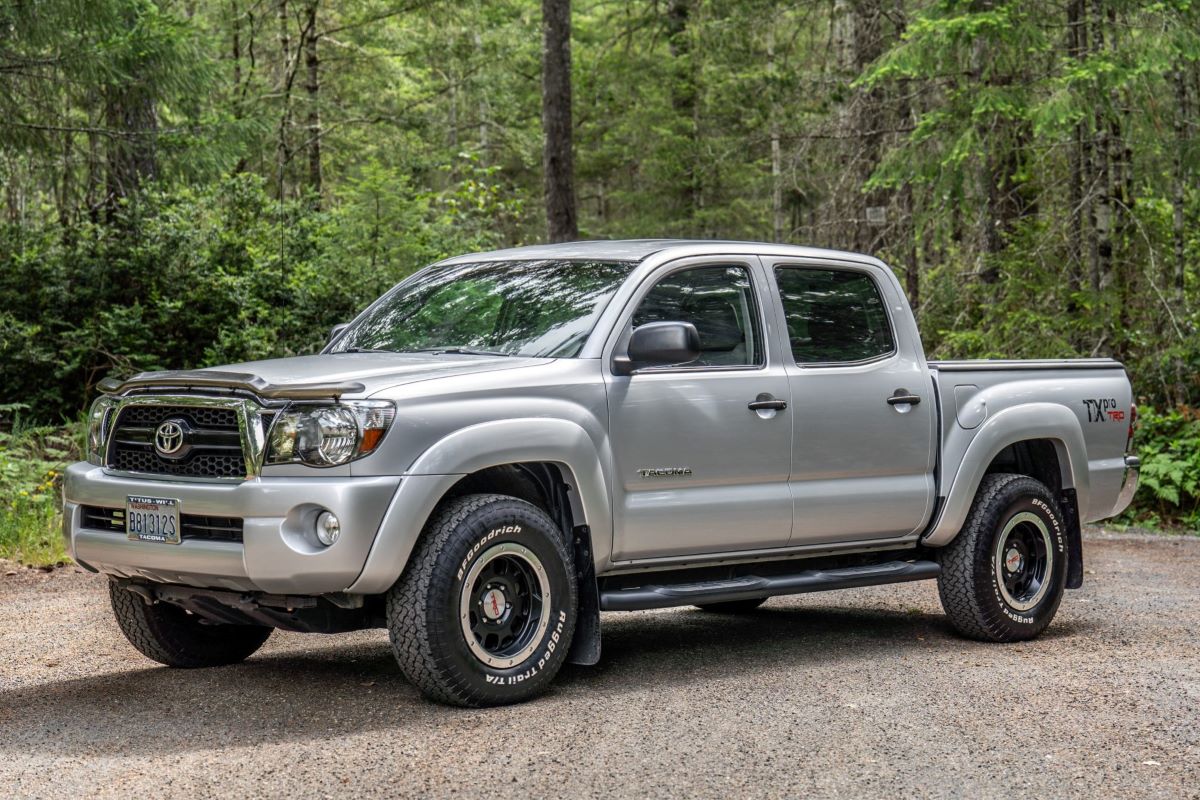
The Toyota Tacoma has consistently demonstrated that its reputation for mechanical reliability extends seamlessly to its exterior durability. In regions with intense sunlight, such as Arizona, Texas, and Florida, the Tacoma’s paint system holds up remarkably well under extreme UV exposure and high temperatures.
Toyota employs a multi-stage paint process that begins with corrosion-resistant primers, followed by a high-quality basecoat and a dense, resilient clearcoat. This layering creates a barrier against oxidation and chemical damage, reducing the tendency for the base color to fade or lose its vibrancy over time.
The clearcoat itself is engineered to remain flexible, so it does not crack or peel under thermal expansion, which is particularly important in areas where daytime temperatures swing dramatically. The finish not only protects the underlying paint but also enhances the visual depth and gloss, keeping even older models looking polished and well-maintained.
Pigment selection is another key factor in Tacoma’s durability. Toyota invests in pigments with high resistance to ultraviolet degradation, which slows the breakdown of color molecules and maintains the vehicle’s original hue over many years.
Darker colors, such as Midnight Black or Magnetic Gray Metallic, often struggle in prolonged sunlight due to heat absorption, but the Tacoma’s careful formulation ensures these shades maintain depth and richness.
The clearcoat also incorporates microscopic ceramic-like particles that enhance scratch resistance and provide a subtle barrier against minor abrasions, tree sap, and bird droppings. These features are essential for outdoor vehicles exposed to frequent environmental hazards, as they prevent early signs of wear that can accelerate fading or discoloration.
The design of the Tacoma’s body further complements its paint durability. Smooth panel surfaces and minimal recesses reduce areas where dust, grime, and UV exposure concentrate, minimizing uneven wear. Recessed areas, such as wheel wells and door jambs, receive a thorough paint application during production to prevent patchy fading or early oxidation.
Owners living in sunbelt climates report that even roofs, hoods, and tailgates, which endure the most direct sunlight, retain their gloss and uniform color for years. The consistent performance across all panels contributes to the vehicle’s high resale value and underscores Toyota’s commitment to long-lasting aesthetics.
Maintenance of the Tacoma’s exterior is straightforward, requiring only standard washing and occasional protective coatings to maximize longevity. Despite minimal maintenance, the factory paint demonstrates remarkable resilience, retaining a bright, reflective sheen that rivals newer vehicles.
For owners who use their Tacomas for outdoor activities, work, or commuting under intense sun, the combination of high-quality pigments, a flexible clearcoat, and thoughtful body design ensures that the truck remains visually appealing over its entire lifespan. The result is a vehicle that balances practicality, durability, and aesthetic longevity, making it a standout choice for sunbelt climates.
2. Lexus RX
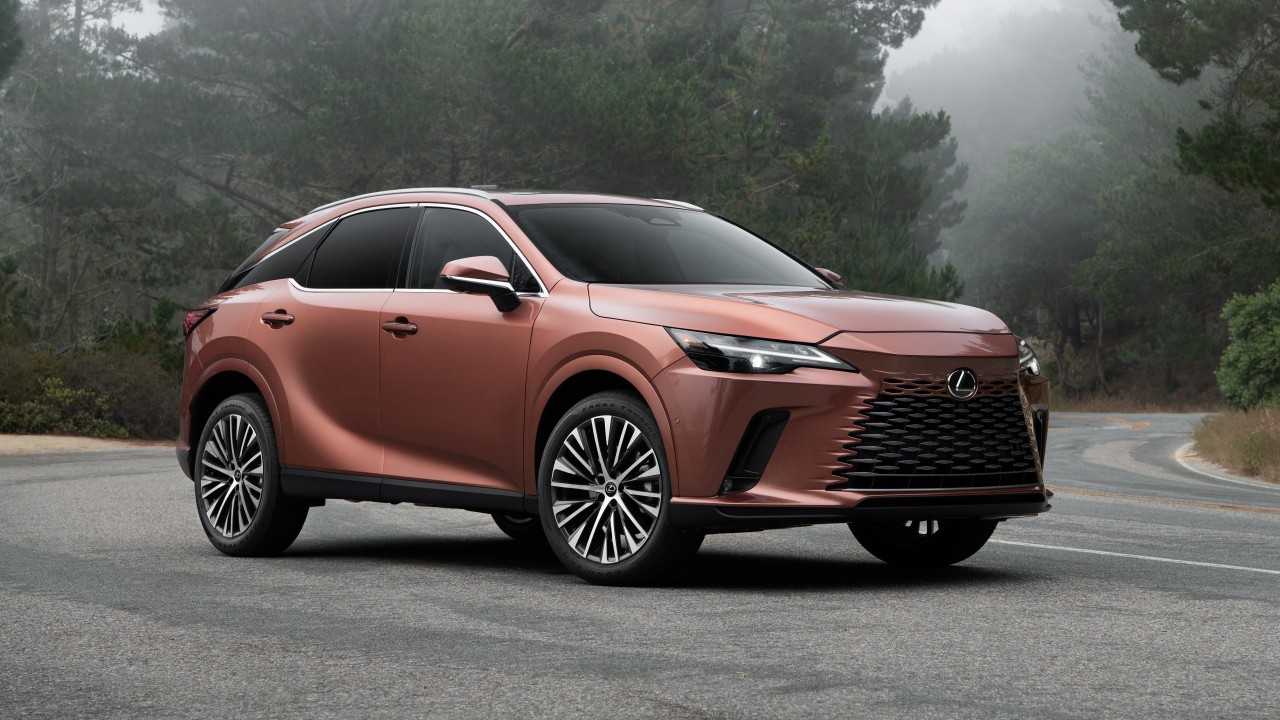
The Lexus RX pairs luxury with advanced paint durability, a combination that is rare in the SUV segment. The manufacturer employs a sophisticated multi-layered painting process that integrates ultraviolet inhibitors directly into the clearcoat, providing long-term protection against sun-related damage.
This ensures that metallic, pearl, and standard finishes remain vibrant despite prolonged exposure to direct sunlight, heat, and environmental contaminants.
Lexus also applies additional coating techniques to high-exposure areas such as the hood and roof, which experience the most UV impact, ensuring that the vehicle maintains uniform color and reflective depth over many years. Owners frequently report that their RX models remain visually impressive even after several years of outdoor parking in hot climates.
The multi-stage application process begins with corrosion-resistant primers, followed by a basecoat that is evenly applied and carefully cured. The clearcoat is then added in multiple passes to ensure a thick, consistent protective layer. Each layer undergoes precision polishing, resulting in a finish with exceptional gloss and depth.
This thorough approach not only enhances the aesthetic appeal but also fortifies the exterior against fading, oxidation, and minor abrasions. Lexus’s attention to detail ensures that the paint system does not deteriorate unevenly, which can be a common problem in vehicles with less comprehensive paint engineering.
Coverage consistency is another area where the RX excels. Even typically overlooked areas, including wheel arches, door edges, and recessed panels, receive meticulous application. This prevents localized fading and maintains a uniform appearance across the entire vehicle.
The protective properties of the clearcoat also safeguard against environmental hazards such as acid rain, bird droppings, and dust, which can weaken the surface and accelerate discoloration. This results in a finish that is resilient not only to sunlight but to the cumulative wear of everyday use in outdoor conditions.
Routine maintenance enhances the already durable finish, but the paint doesn’t have to remain strong. Gentle washing, periodic waxing, or the application of paint protection products helps maintain gloss and smoothness but does not affect the underlying protective qualities of the clearcoat.
The RX’s advanced paint technology, combined with Lexus’s engineering precision, ensures that the vehicle retains its high-end appearance over time, making it an ideal choice for sunbelt climates where intense sunlight and heat are a constant concern. This level of durability enhances resale value, preserves the vehicle’s luxury image, and provides owners with confidence that the exterior will remain a strong visual asset.
3. Honda CR-V
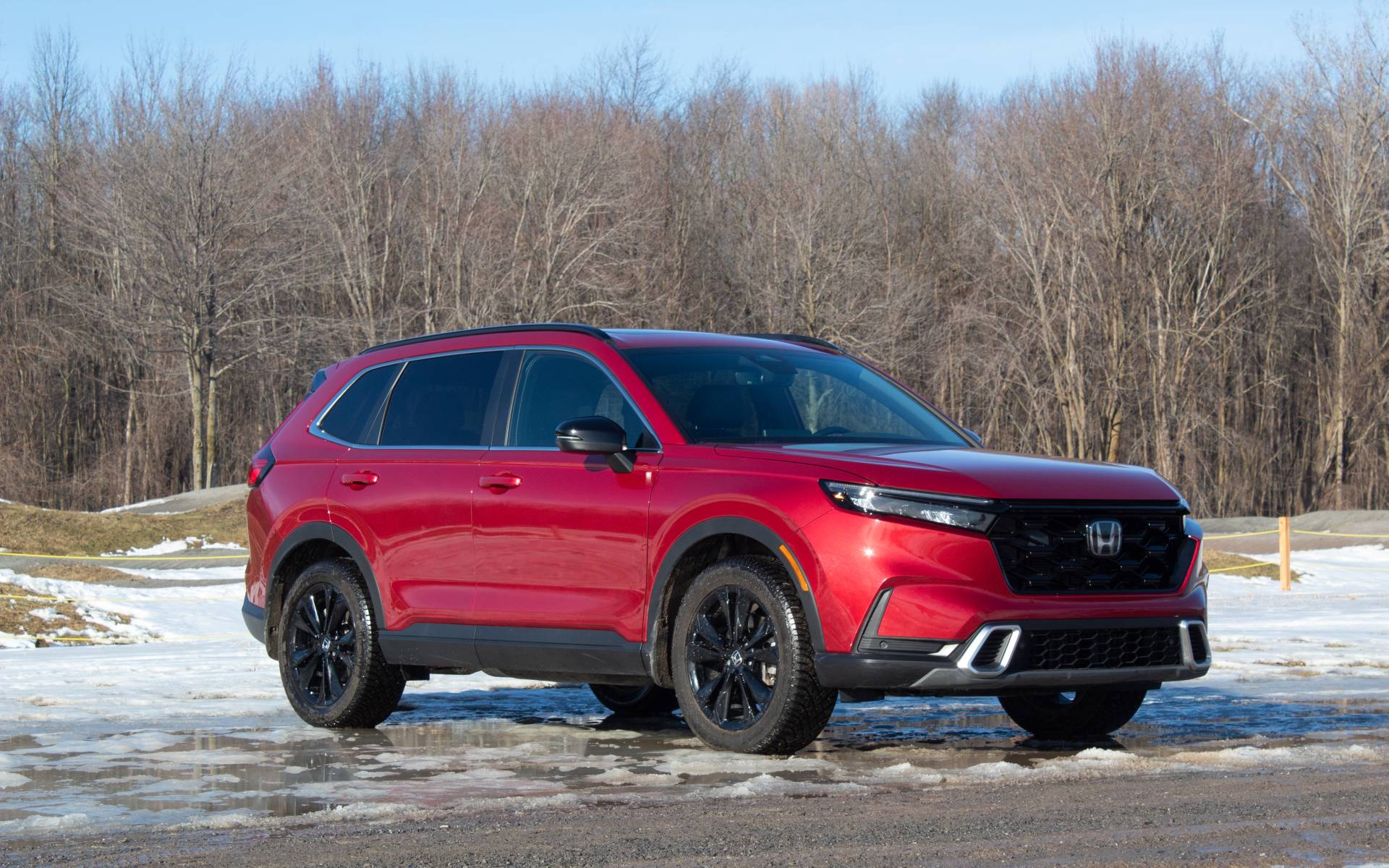
The Honda CR-V is recognized not only for its reliability and fuel efficiency but also for its exterior durability, making it a practical choice for sunbelt climates. The CR-V uses high-quality basecoat materials paired with a resilient clearcoat that provides long-term protection from ultraviolet light, heat, and environmental contaminants.
This system helps maintain the vehicle’s original color and gloss even under prolonged sun exposure. The clearcoat is formulated to resist minor abrasions, which could otherwise create weak points in the paint and accelerate fading. This careful engineering allows owners to maintain a visually appealing vehicle over multiple years with minimal effort.
Multiple layers of paint contribute to the CR-V’s resilience. Each layer is carefully designed to withstand thermal expansion and contraction caused by daily temperature swings typical of sunbelt states. This flexibility prevents cracking or flaking, which could expose the underlying paint to sunlight and hasten fading.
Darker color options, including crystal black and deep metallic grays, are particularly prone to heat-related fading, but the CR-V’s paint formulation ensures they maintain consistent depth and richness over time. The clearcoat also offers a reflective finish that enhances both the vibrancy of the color and the perception of cleanliness, even after extended exposure to sunlight and dust.
The CR-V’s smooth body design reduces areas where dirt and debris accumulate, which in turn reduces localized paint degradation. Rounded edges and fewer intricate crevices mean that sunlight does not concentrate in small areas, avoiding the patchy fading that can affect vehicles with more complex panel designs.
High-exposure areas such as the roof, hood, and tailgate are treated to the same high standards as lower panels, ensuring consistent protection and visual appeal. Additionally, the paint’s resistance to minor scratches and environmental pollutants contributes to long-term durability, minimizing the risk of early discoloration.
Maintaining the CR-V’s finish is straightforward and does not require specialized products or techniques. Gentle washing, occasional wax, and the use of non-abrasive protective sprays can enhance the clearcoat’s effectiveness but are not mandatory for preserving color and gloss.
Vehicle owners in sunbelt states report that even minimal care yields excellent results, with paint remaining vibrant and consistent over several years. The combination of high-quality materials, thoughtful engineering, and straightforward maintenance makes the CR-V a standout choice for drivers seeking a compact SUV that can endure intense sunlight while maintaining a strong aesthetic presence.
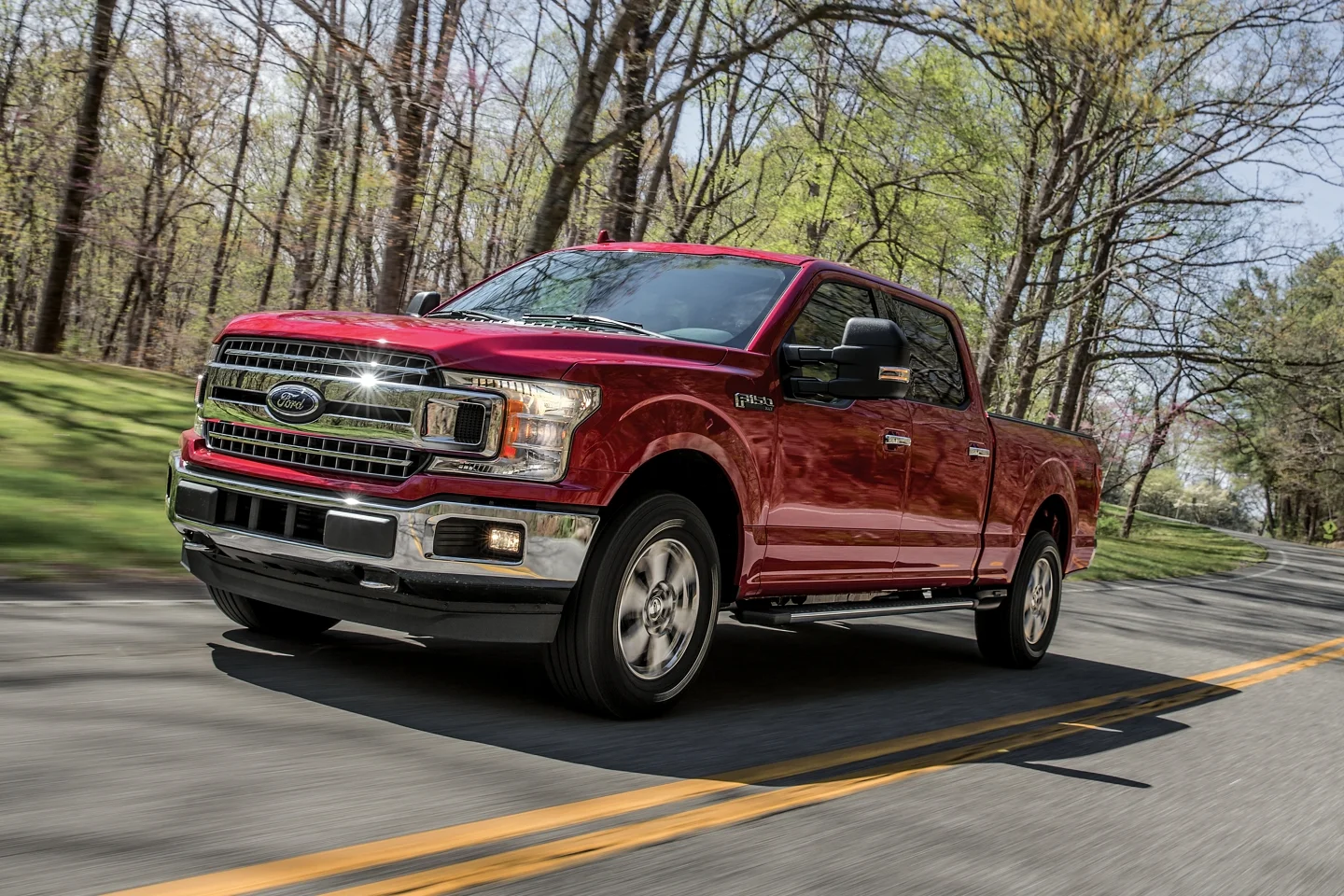
4. Ford F-150
The Ford F-150 has earned its reputation as a reliable, durable, and visually resilient full-size truck, with an exterior paint system designed to withstand extreme conditions. Modern models feature multiple layers of paint, including corrosion-resistant primers, a high-quality basecoat, and a robust clearcoat that resists oxidation, fading, and minor abrasions.
In sunbelt states, where prolonged exposure to high temperatures and intense ultraviolet radiation is common, the F-150 maintains its vibrant appearance for years. Even bold or metallic color options retain depth and luster, thanks to stabilizers incorporated into both the basecoat and clearcoat. This advanced paint system reduces the risk of early fading that is frequently observed in vehicles subjected to long-term sun exposure.
The pigments used in the F-150’s paint are designed to resist UV breakdown. Darker colors, which tend to absorb more heat, are stabilized with special compounds that slow degradation and maintain color consistency.
The clearcoat layer not only enhances gloss but also acts as a shield against minor scratches, bird droppings, and environmental pollutants, which can otherwise weaken the paint surface and accelerate discoloration. The careful formulation of both pigments and clearcoat ensures that the truck maintains a visually uniform finish across all body panels.
The F-150’s body design further supports the paint’s longevity. Large, smooth panels minimize areas where dust and grime can accumulate, while recessed or high-contact areas receive thorough paint and clearcoat application during production.
This attention to detail ensures even protection across the vehicle, including high-exposure surfaces such as the hood, roof, and tailgate. Panel design, combined with a high-quality clearcoat, prevents uneven fading and preserves the truck’s polished, professional appearance.
Routine maintenance can further enhance the durability of the F-150’s paint, though it is robust enough to perform well under minimal care. Gentle washing, occasional waxing, or the use of protective sprays helps maintain surface smoothness and gloss while extending the clearcoat’s life.
The combination of high-quality pigments, durable clearcoat, and thoughtful body design ensures that the F-150 remains visually impressive even after years of sun exposure, making it a reliable choice for drivers in sunbelt states who prioritize both functionality and aesthetic appeal.
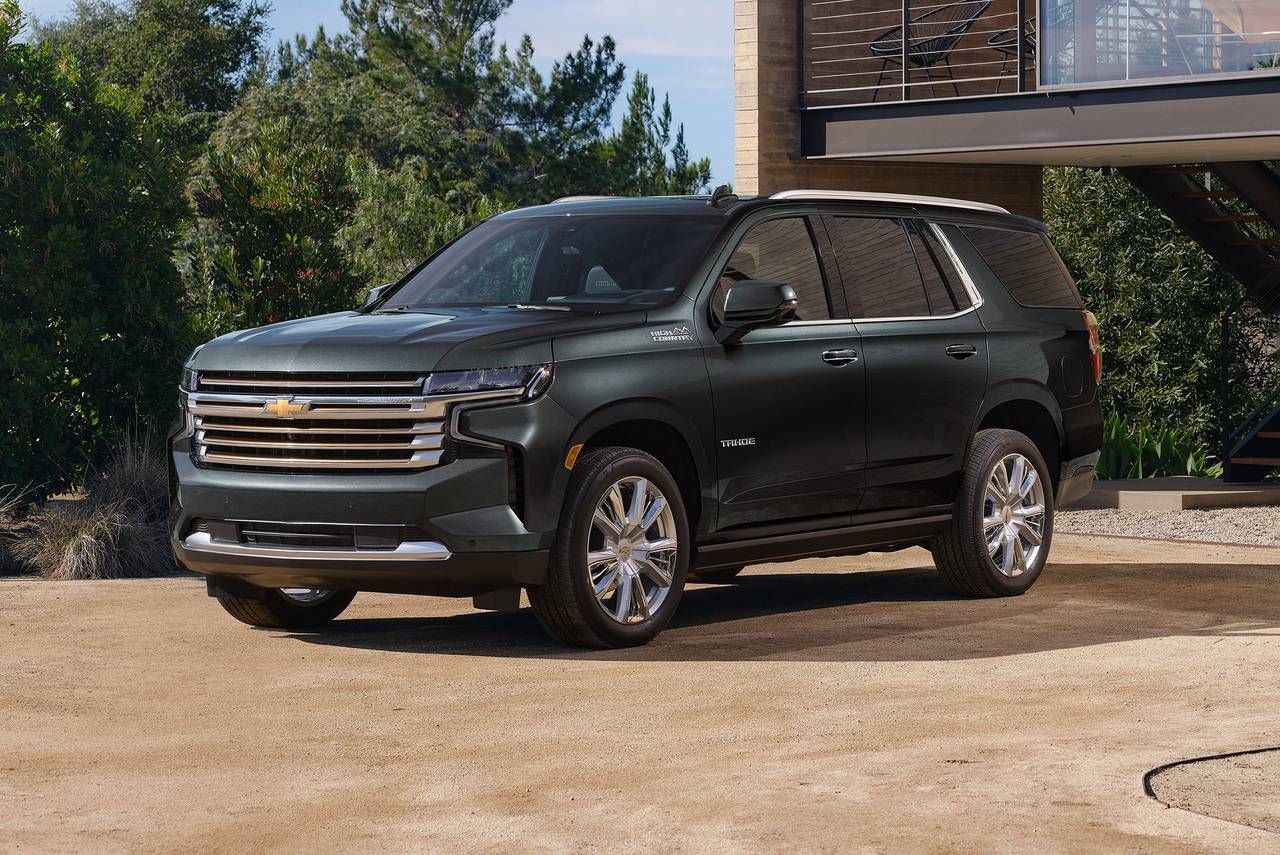
5. Chevrolet Tahoe
The Chevrolet Tahoe combines full-size SUV capability with an exterior finish engineered to resist sun-induced damage. Its factory-applied paint system incorporates multiple layers, including corrosion-resistant primers, rich basecoats, and a robust clearcoat with UV inhibitors.
This layering protects against fading, oxidation, and environmental contaminants, allowing the vehicle to maintain a glossy, vibrant appearance over time. In sunbelt climates, where prolonged sun exposure is a major factor in vehicle wear, the Tahoe’s paint retains its depth and reflective quality, ensuring the SUV continues to look well-maintained even after years of outdoor use.
Chevrolet uses high-quality pigments and stabilizers to prevent heat and sunlight from degrading the color. Metallic and pearlescent finishes are particularly well-protected, as they are prone to oxidation and dulling when exposed to intense UV radiation.
The paint and clearcoat work together to maintain uniformity across all panels, preventing patchy fading or color inconsistencies. High-exposure areas such as the hood, roof, and tailgate receive additional attention during production to ensure even coverage and long-term protection.
The Tahoe’s smooth body panels and thoughtful design further contribute to paint longevity. Unlike vehicles with intricate body lines and numerous recesses, the Tahoe presents minimal areas for dust and debris accumulation. This design reduces the potential for localized fading and ensures a consistent color appearance across the entire vehicle.
Minor abrasions, scratches, and environmental contaminants are less likely to penetrate the clearcoat, preserving both the color and gloss. Owners frequently note that even older Tahoe models retain their polished look and resist sun-related deterioration, making it a practical choice for sunbelt climates.
Routine care enhances Tahoe’s already strong paint performance. Washing with non-abrasive soap, applying protective wax or sealants, and avoiding harsh chemical cleaners help extend the life of the clearcoat and maintain color vibrancy. Even with minimal maintenance, the Tahoe demonstrates impressive resilience to sunlight, heat, and environmental factors.
The combination of durable materials, advanced paint technology, and intelligent body design makes the Chevrolet Tahoe an SUV that withstands the challenges of sunbelt climates while preserving its aesthetic appeal and resale value over time.
Vehicles that Fade Faster in Sunbelt States
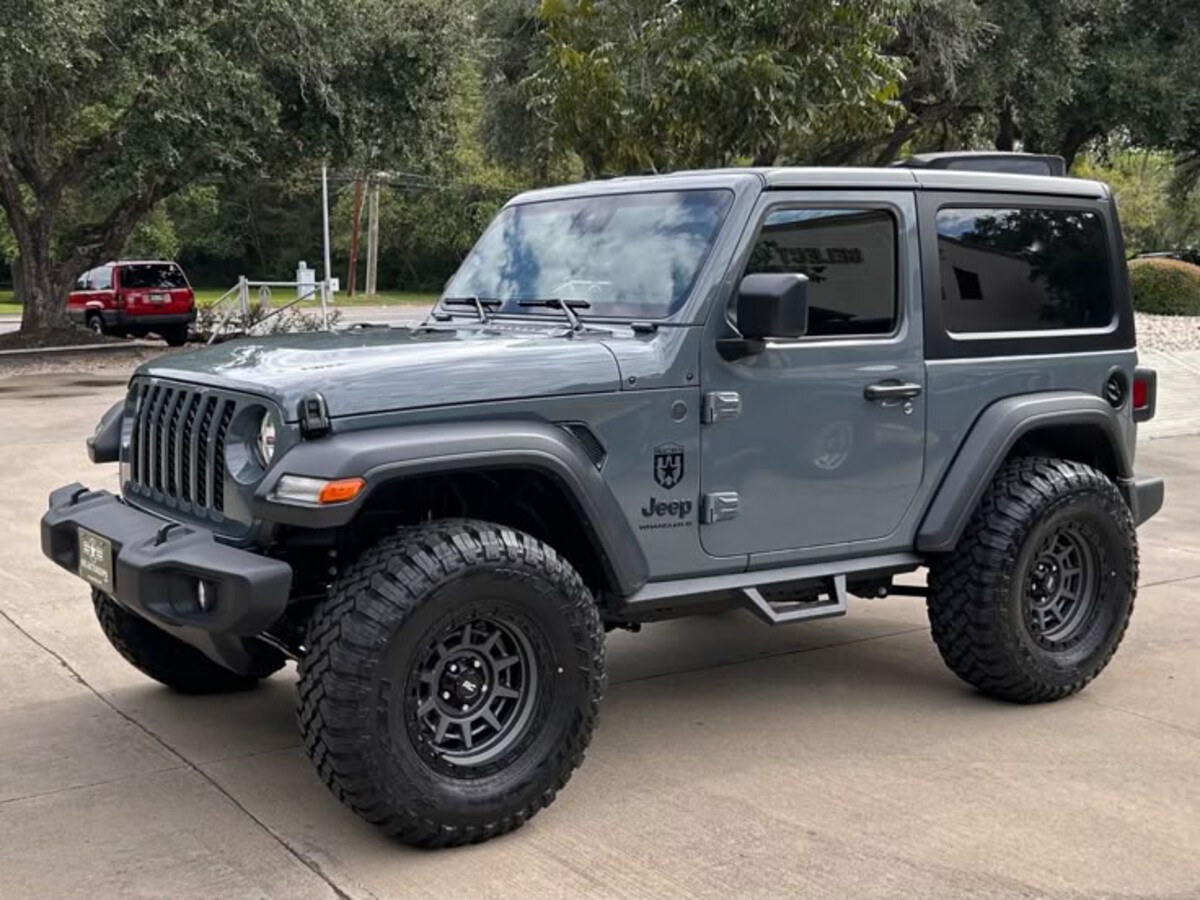
1. Jeep Wrangler
The Jeep Wrangler is known for its off-road capability and rugged design, but its paint system has historically been less resilient to prolonged sun exposure. While the Wrangler is designed for durability in harsh terrains, the standard paint and clearcoat on many models are more susceptible to ultraviolet radiation and heat, which are common in sunbelt states.
Darker colors, such as black or deep green, absorb more sunlight, which accelerates the breakdown of pigment molecules over time. Owners often report that the hood, roof, and fender tops begin to show signs of fading after just a few years of consistent sun exposure, leading to a less uniform appearance compared to vehicles with more advanced paint systems.
The Jeep’s paint system, while adequate for moderate climates, lacks some of the advanced UV inhibitors found in vehicles designed for sunbelt durability. The clearcoat is thinner and less flexible, which means thermal expansion and contraction can create micro-cracks that allow sunlight to reach the basecoat more easily.
This accelerates oxidation, dulls the gloss, and diminishes color depth. Additionally, the paint formula used in earlier Wrangler generations prioritized ease of touch-up and repainting for off-road wear rather than long-term UV resistance. As a result, owners living in hot, sunny climates often see uneven fading, particularly on surfaces that face direct sunlight most of the day.
The Wrangler’s boxy body design contributes to uneven sun exposure, which can exacerbate fading. Flat hoods, upright windshields, and broad roof panels receive intense and prolonged sun exposure, while smaller or recessed areas remain protected.
This difference in sunlight intensity often results in noticeable variation in paint color across the vehicle. Without consistent maintenance or protective coatings, the Wrangler’s paint can develop a patchy, washed-out look, especially on older models or those used primarily for daily driving outdoors. Even routine washing does not fully prevent the long-term effects of UV degradation, as the base problem lies in the paint’s formulation and clearcoat thickness.
Owners can mitigate fading with aftermarket protective coatings or frequent waxing, but this requires ongoing effort and vigilance. The Jeep’s design also makes professional detailing and maintenance more labor-intensive due to multiple hard-to-reach areas and exposed panels.
Despite its ruggedness, the paint longevity remains a weak point for owners in sunbelt climates who desire a consistently vibrant appearance. While the Wrangler excels in off-road performance and mechanical durability, it is not an ideal choice for drivers who want a vehicle with a long-lasting, sun-resistant finish without significant maintenance.
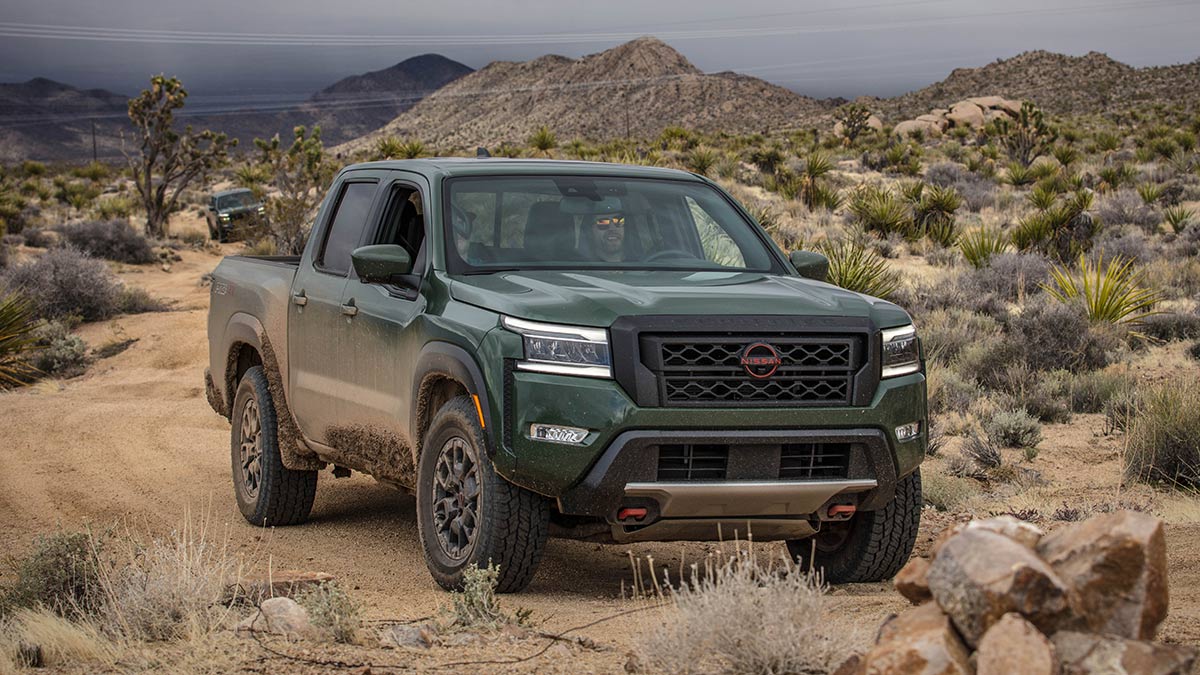
2. Nissan Frontier
The Nissan Frontier is a capable midsize truck, but its paint system struggles in environments with prolonged sunlight and high temperatures. While mechanically robust, the basecoat and clearcoat are prone to oxidation and pigment fading over time, especially on darker color options such as black or dark blue.
Owners frequently report that the hood and roof lose luster more quickly than other trucks in the same class, leading to a worn or chalky appearance after just a few years of sun exposure. The clearcoat layer on the Frontier is thinner than industry-leading competitors, reducing its ability to act as a protective barrier against ultraviolet rays and environmental contaminants.
The Frontier’s paint formulation focuses on affordability and ease of repair rather than long-term UV stability. Unlike vehicles with multi-stage high-resistance coatings, the Frontier’s standard paint does not include extensive UV inhibitors, leaving pigments more exposed to degradation.
In sunbelt states, where the sun is intense and consistent for much of the year, this can result in accelerated fading, especially for metallic and darker shades. The thin clearcoat also makes the surface more vulnerable to micro-abrasions, which can exacerbate gloss loss and increase the visibility of faded spots.
The truck’s design can further accelerate uneven fading. Flat hoods, large fender tops, and roof panels act as direct sunlight collectors, while recessed areas such as door jambs and wheel wells remain relatively protected. This difference in exposure can produce a blotchy, uneven appearance over time.
Maintenance can help slow the fading process, but it requires consistent effort. Regular washing, waxing, and the application of UV-blocking sealants are necessary to protect the Frontier’s finish. Even then, the paint is less forgiving than competitors designed for hot climates, meaning signs of sun-induced wear often appear sooner.
For buyers in sunbelt states, the Frontier presents a trade-off: reliable mechanical performance but a higher likelihood of visible paint degradation under harsh sunlight conditions.
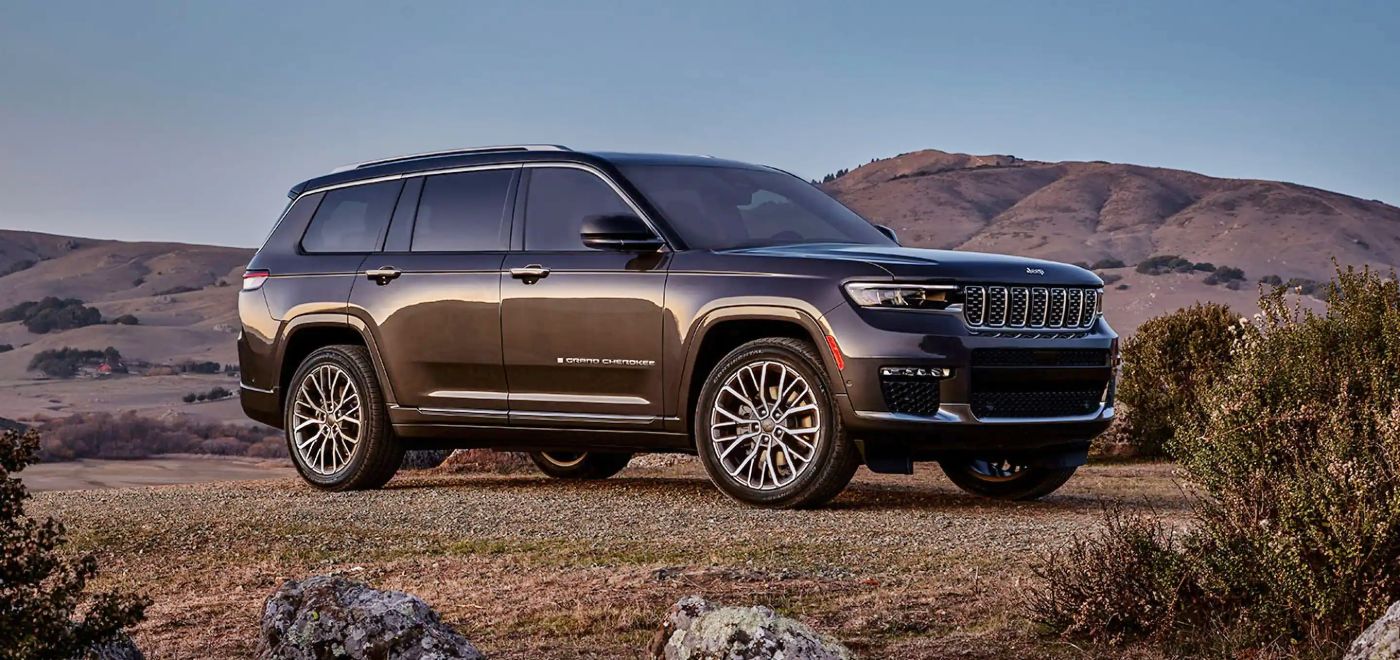
3. Jeep Cherokee
The Jeep Cherokee, a popular compact SUV, suffers from paint durability issues similar to the Wrangler, though less severe. While its design emphasizes style and off-road capability, the standard paint system tends to fade faster under intense sun exposure.
The basecoat and clearcoat combination lacks advanced UV stabilizers, particularly on darker or metallic color options. In sunny climates, owners frequently notice that roofs, hoods, and upper fenders lose shine and appear dull after only a few years. These effects are often compounded by the Cherokee’s relatively high-profile body panels, which increase direct sunlight exposure compared to lower, more aerodynamic vehicles.
Thermal cycling caused by day-to-night temperature swings in sunbelt regions contributes to the Cherokee’s paint issues. The clearcoat’s rigidity can result in micro-cracks and slight peeling over time, allowing UV light to reach the basecoat and accelerate pigment breakdown.
Furthermore, the Cherokee’s paint is thinner on certain high-contact areas to reduce production costs, making those panels particularly vulnerable to environmental wear. Dust, debris, and airborne pollutants common in hot, dry climates can scratch the clearcoat, creating additional weak points that lead to fading and gloss loss.
Body panel design also affects fading patterns. Broad roof sections, flat hoods, and large fenders absorb heat more readily, while recesses such as wheel arches, window surrounds, and bumper areas remain shaded. This creates noticeable contrast in color intensity across the vehicle, a problem more pronounced in metallic or pearlescent finishes.
Owners often report that fading appears uneven, with sun-exposed areas turning dull while less exposed areas maintain a richer tone. Over time, this uneven fading can make the vehicle appear older and more worn than its actual age or mileage would suggest.
Preventing or slowing fading requires diligence. Frequent washing, waxing, and application of protective coatings help maintain gloss, but these measures cannot fully compensate for the paint system’s inherent vulnerabilities.
For Cherokee owners in the sunbelt, fading remains a persistent concern, requiring more active maintenance than competitors with more resilient paint systems. Despite strong mechanical and off-road performance, the Cherokee’s aesthetic durability is a weakness, particularly for those who regularly park outdoors or travel in intense sunlight.
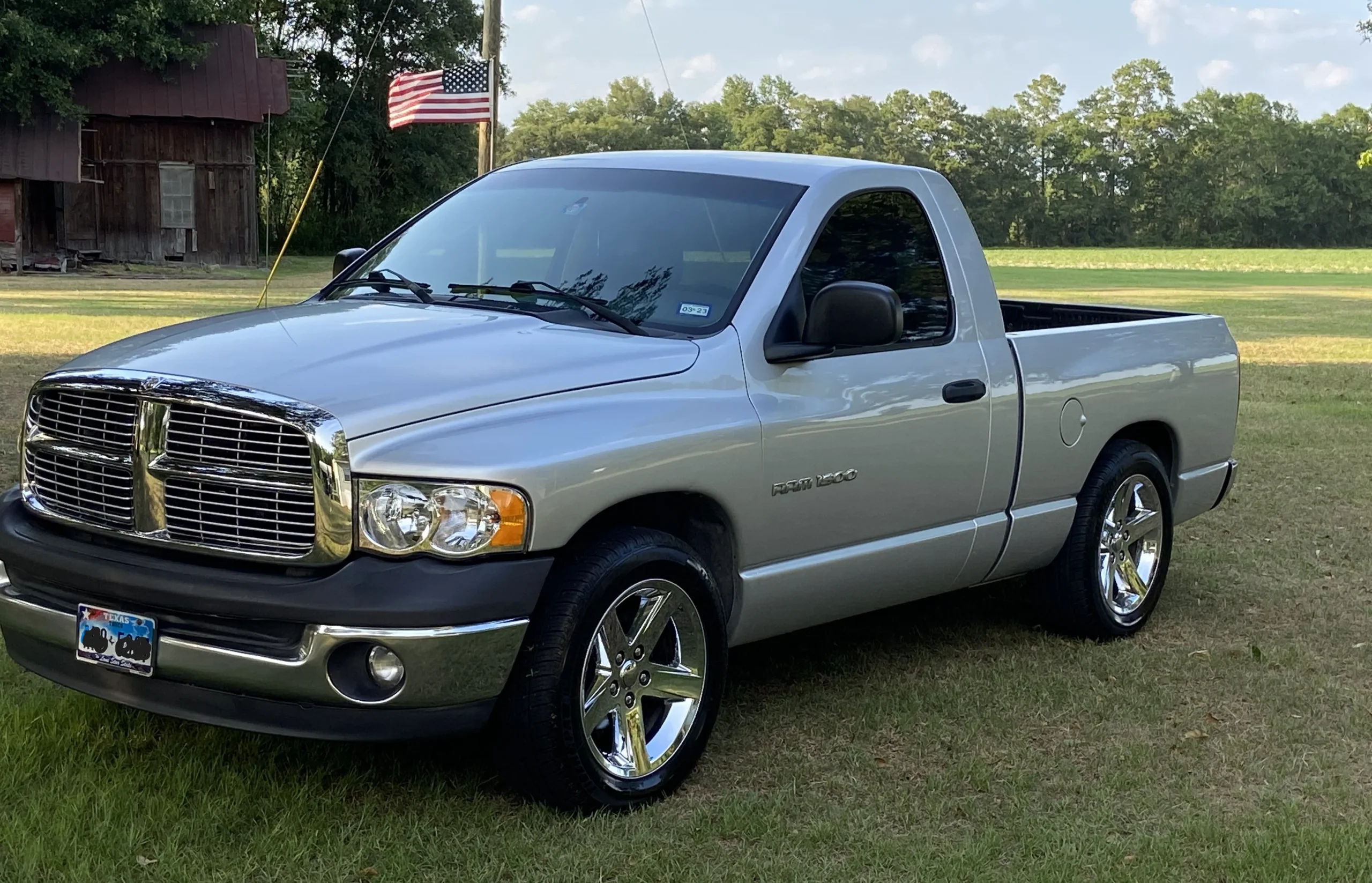
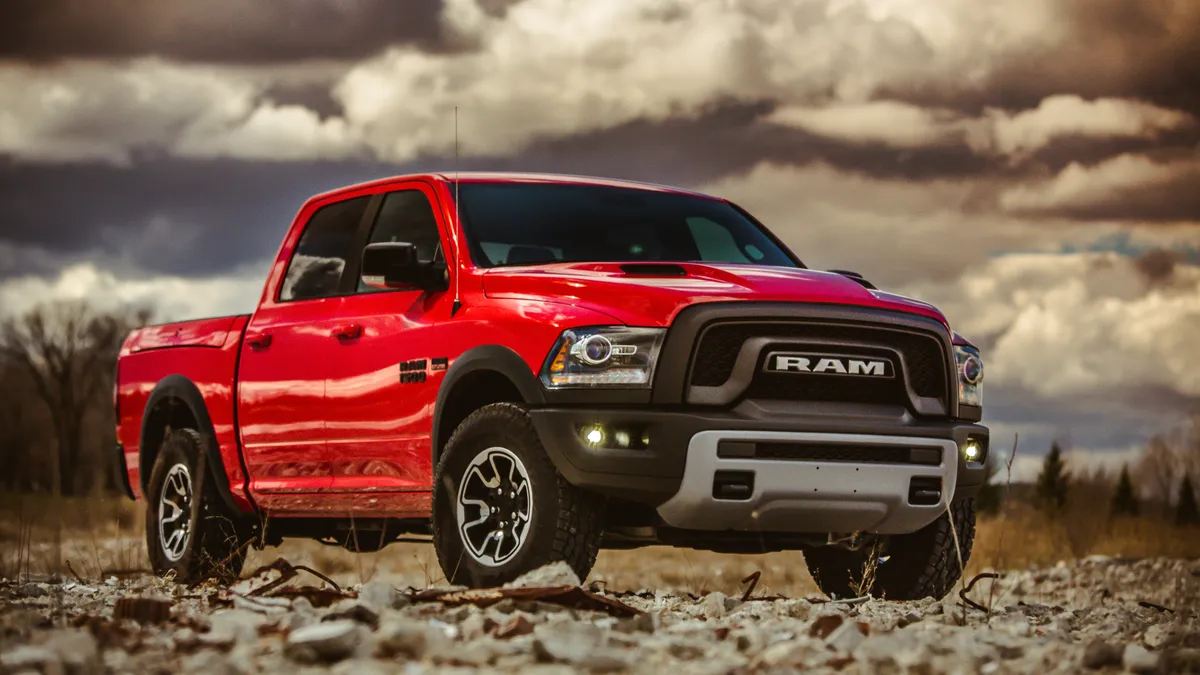
4. Dodge Ram 1500 (older models)
Older Dodge Ram 1500 trucks often exhibit paint durability issues when exposed to the strong sun common in southern states. The paint system on these models was designed primarily for appearance and cost efficiency, rather than extended UV protection.
Owners report that dark and metallic color options fade faster than competing full-size trucks, particularly on surfaces with the most sun exposure, including hoods, roofs, and tailgates. Oxidation is a common issue, leading to a chalky texture and reduced gloss over time. While newer models have improved formulations, older Rams remain vulnerable to these problems, requiring careful attention to maintain a visually appealing finish.
The clearcoat on older Ram trucks is relatively thin and lacks the flexible UV-resistant polymers found in other vehicles. Thermal expansion, minor scratches, and environmental contaminants accelerate degradation, allowing sunlight to penetrate the basecoat and break down pigments.
Once the basecoat is exposed, color loss and gloss reduction occur rapidly. Metallic finishes are particularly prone to fading, often developing a washed-out or uneven appearance after just a few years of sun exposure. These weaknesses are compounded by frequent use in work-related settings, where trucks endure additional wear and tear from dirt, gravel, and construction environments.
Body design contributes to uneven fading, as broad, flat panels such as hoods and roofs act as direct sunlight collectors. Recessed or shadowed areas maintain their original color longer, creating noticeable contrast across the vehicle.
Preventing accelerated fading on these trucks requires intensive care. Owners must frequently wash, wax, and apply UV-protective coatings, but even with meticulous attention, fading may still occur faster than on vehicles with advanced paint systems.
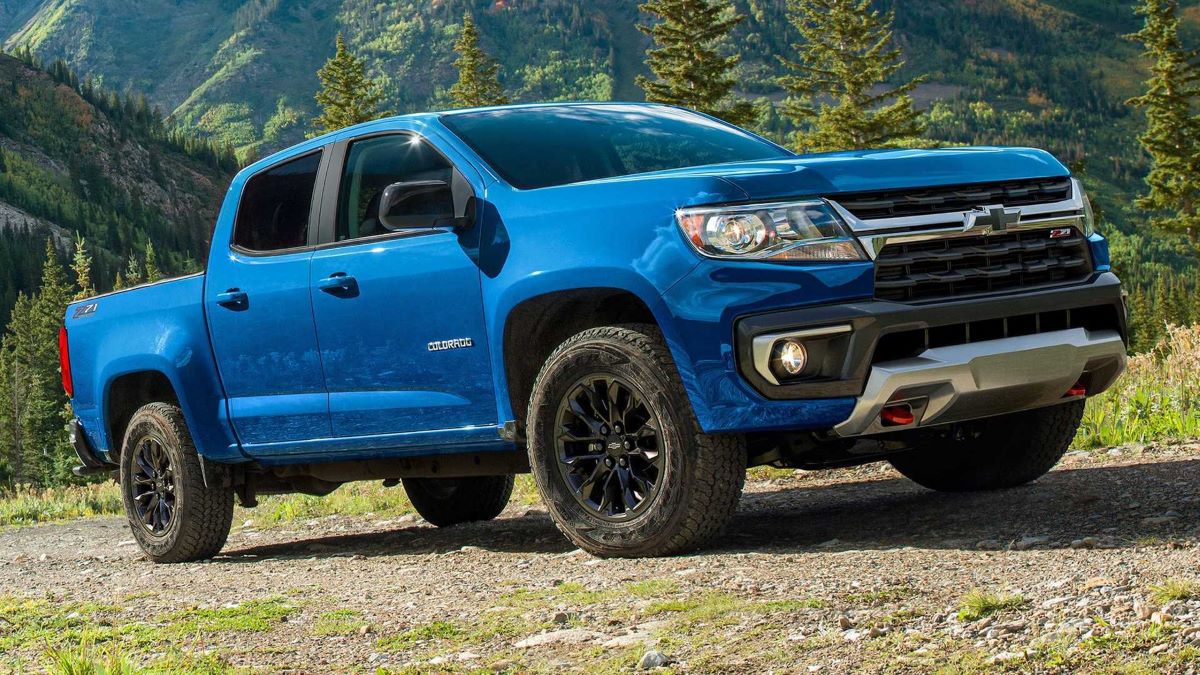
5. Chevrolet Colorado
The Chevrolet Colorado is a versatile midsize pickup, but its paint system can struggle in regions with high sun exposure. Darker colors, metallics, and certain pearlescent finishes are especially vulnerable to UV-induced fading, particularly on horizontal surfaces such as the hood, roof, and bed rails.
Unlike some competitors with multiple protective layers and UV inhibitors in the clearcoat, the Colorado relies on a simpler paint application that does not resist sun exposure as effectively. Owners often observe a noticeable decline in gloss and vibrancy within a few years of consistent outdoor parking in sunbelt climates.
The clearcoat on the Colorado is thinner and less resistant to micro-abrasions than higher-end or more sun-resistant models. Daily environmental exposure, including dust, pollen, and tree sap, can weaken the protective layer, allowing UV rays to penetrate and break down pigments.
This results in a dull, chalky appearance that becomes increasingly pronounced over time. Darker colors are particularly affected, with black and deep gray shades showing fading patterns more quickly than lighter hues. The combination of a less robust clearcoat and high exposure to sunlight accelerates the visible effects of aging on the vehicle’s exterior.
Panel design further exacerbates fading. Flat hoods, broad roofs, and large bed surfaces receive concentrated sunlight, while smaller or recessed areas remain shielded. This differential exposure leads to uneven fading across the vehicle, which is particularly noticeable in metallic and pearlescent finishes where color depth is crucial for visual appeal.
Unlike vehicles with advanced UV-resistant clearcoats, the Colorado cannot maintain uniformity under prolonged sun exposure without additional protective measures.
Mitigation requires regular and proactive maintenance, including washing, waxing, and application of protective coatings. Even with diligent care, Colorado’s paint system is more vulnerable to sun damage than competitors with thicker, more UV-resistant clearcoats.
For buyers in sunbelt states, the truck offers strong mechanical performance but requires more attention to maintain exterior aesthetics. Long-term, the Colorado may show visible signs of aging sooner than vehicles engineered for extreme sun resistance, highlighting a trade-off between affordability and long-term paint durability.
