
For new drivers, purchasing a vehicle comes with many considerations beyond the sticker price and fuel efficiency. Insurance costs often play a significant role in determining the affordability of a car, particularly for those entering the roads for the first time.
SUVs have gained immense popularity over the past decade for their versatility, higher seating position, and perceived safety advantages.
However, larger vehicles are sometimes associated with higher insurance premiums, which can deter new drivers who are already facing the financial challenges of starting their driving journey.
Choosing an SUV that combines reliability, safety features, and low insurance costs can help mitigate these concerns while still providing the benefits of a versatile vehicle.
Insurance premiums are influenced by several factors, including the driver’s age, driving record, location, and the make and model of the car. New drivers, often categorized as high-risk due to their lack of experience, typically face higher insurance rates compared to seasoned drivers.
Some SUVs, however, are designed in ways that appeal to insurance companies because they have strong safety ratings, lower repair costs, and a history of fewer accidents or claims.
These factors help keep insurance premiums more manageable for younger or first-time drivers. Additionally, vehicles equipped with modern safety technologies such as automatic emergency braking, lane departure warnings, and stability control are often rewarded by insurers with lower rates.
Understanding which models balance affordability, safety, and practicality can provide new drivers with a vehicle that meets their needs without creating unnecessary financial strain.
Furthermore, driving habits, location, and even seasonal risks play a role in insurance calculations, so choosing an SUV that is recognized as safe and cost-efficient can be a strategic decision for the long term.
This article examines twelve SUVs that consistently offer lower insurance costs for new drivers. Each model is selected based on factors such as safety features, reliability, affordability, and claims history, which collectively contribute to insurance considerations.
While each driver’s situation is unique, these twelve vehicles represent a combination of practicality and financial sensibility, making them ideal candidates for those seeking a low-cost, dependable SUV.
By focusing on vehicles that insurance companies tend to favor, new drivers can find options that reduce one of the biggest recurring costs of vehicle ownership, giving them confidence on the road and peace of mind regarding their financial commitments.
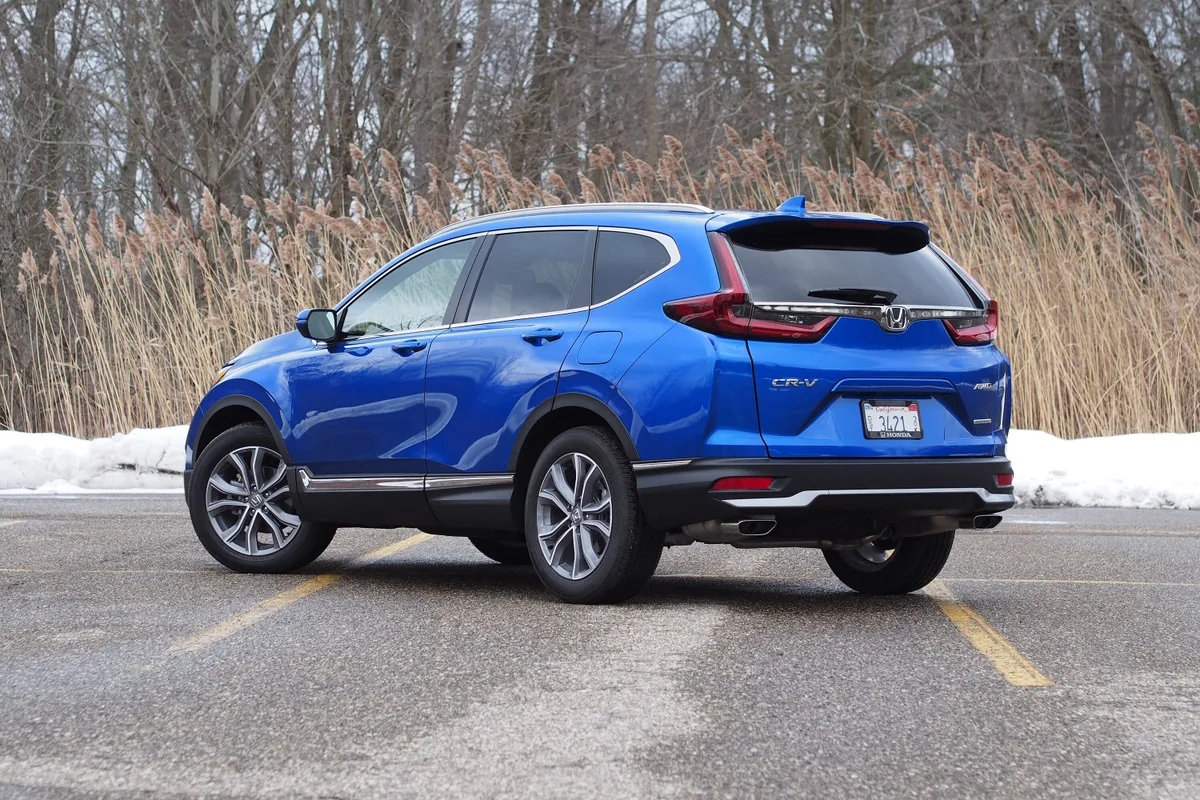
1. Honda CR-V
The Honda CR-V is widely regarded as one of the most practical and reliable compact SUVs for new drivers. Its combination of affordability, fuel efficiency, and reliability makes it a strong contender for drivers concerned about high insurance costs.
Insurance providers often view the CR-V favorably because it has a history of low claims, a moderate engine size, and well-maintained repair costs. Its popularity ensures that replacement parts are widely available and reasonably priced, which can directly reduce premiums for new drivers who may be on a tighter budget.
Another reason the CR-V is attractive to insurers is its consistently strong safety record. Honda includes advanced safety technologies in many models, such as automatic emergency braking, lane-keeping assist, adaptive cruise control, and collision mitigation systems.
Reliability is another factor that contributes to the CR-V’s affordability in terms of insurance. Honda has a long-standing reputation for producing durable vehicles with fewer mechanical issues. This reduces the frequency of claims for repairs due to malfunctions or breakdowns, which insurers reward with lower premiums.
New drivers benefit from owning a vehicle that is less likely to require expensive repairs while maintaining consistent performance over the years.
The CR-V also offers good visibility from the driver’s seat, which enhances situational awareness and reduces blind spots. Features like large windows, a high seating position, and well-placed mirrors make it easier to anticipate hazards and avoid accidents.
Improved visibility directly impacts accident risk and, in turn, insurance costs. New drivers, who may lack years of on-road experience, especially benefit from vehicles that provide better visual awareness of surrounding traffic.
Maintenance costs for the CR-V remain moderate compared to many other SUVs. Routine servicing, brake replacement, and tire costs are generally lower than those for larger or more specialized SUVs.
Vehicles with lower maintenance and repair costs tend to have lower insurance premiums because insurers consider the financial risk of repairs after collisions. This factor makes the CR-V a well-rounded choice for new drivers seeking both safety and affordability.
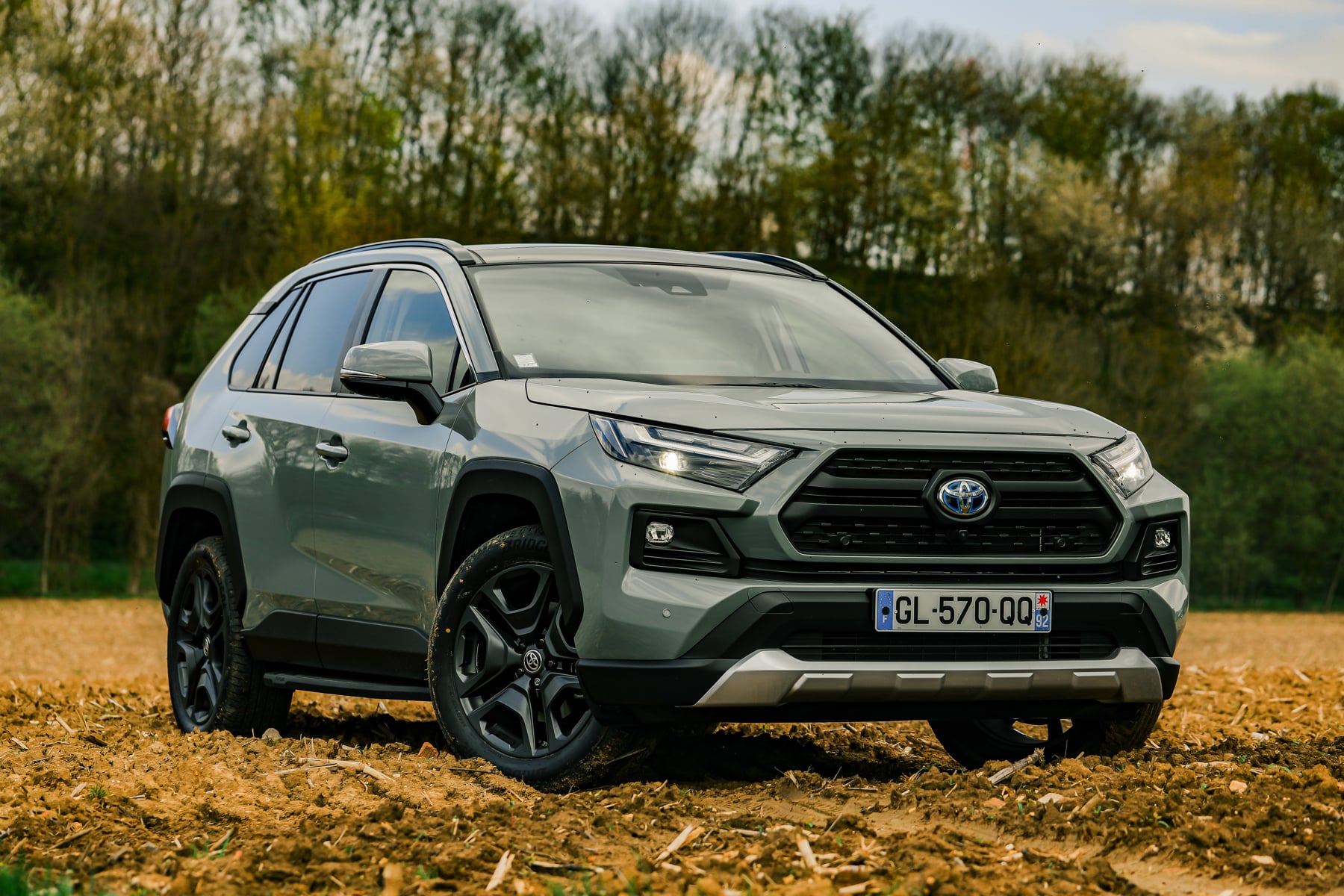
2. Toyota RAV4
The Toyota RAV4 has consistently ranked as one of the most practical and affordable compact SUVs, appealing to both drivers and insurance companies. Its reliability, modest engine size, and design contribute to lower insurance premiums for new drivers.
Insurers consider the vehicle’s safety and repair history, and the RAV4’s long-standing reputation for dependability makes it a preferred choice. Its widespread popularity also ensures that parts are readily available, keeping repair costs moderate.
Safety features play a major role in the RAV4’s insurance friendliness. Toyota equips many RAV4 models with advanced driver assistance technologies, including pre-collision systems, pedestrian detection, lane departure warnings, and adaptive cruise control.
These systems are designed to prevent accidents, which reduces the likelihood of insurance claims. New drivers benefit from these features as they provide an extra layer of protection while lowering the risk for insurers.
Crash-test ratings further enhance the RAV4’s insurance appeal. Both government and independent safety organizations consistently rate the RAV4 highly for occupant protection.
High crash-test scores signal to insurance providers that the vehicle can protect its passengers effectively, reducing potential medical and repair costs after an accident. These considerations often translate into lower premiums for young or inexperienced drivers.
The RAV4’s fuel efficiency is for a compact SUV. Lower fuel costs improve affordability, which is an important consideration for first-time drivers managing multiple expenses.
Efficient vehicles also tend to correlate with moderate insurance premiums because they are less likely to be high-performance, high-risk vehicles. The combination of reliability and economy makes the RAV4 an appealing choice for young drivers.
Interior comfort and visibility further enhance safety and insurance considerations. A clear line of sight, ergonomic controls, and well-placed mirrors improve situational awareness, helping drivers avoid collisions.
Comfortable seating and intuitive control placement reduce driver fatigue and distraction, indirectly impacting insurance costs by lowering the likelihood of accidents.
Lastly, the RAV4’s strong resale value adds financial stability for new drivers. Vehicles that retain value over time represent lower long-term risk, which insurers may factor into premiums.
Combining safety, reliability, affordability, and low repair costs, the Toyota RAV4 remains a top recommendation for those seeking an SUV that keeps insurance rates manageable.
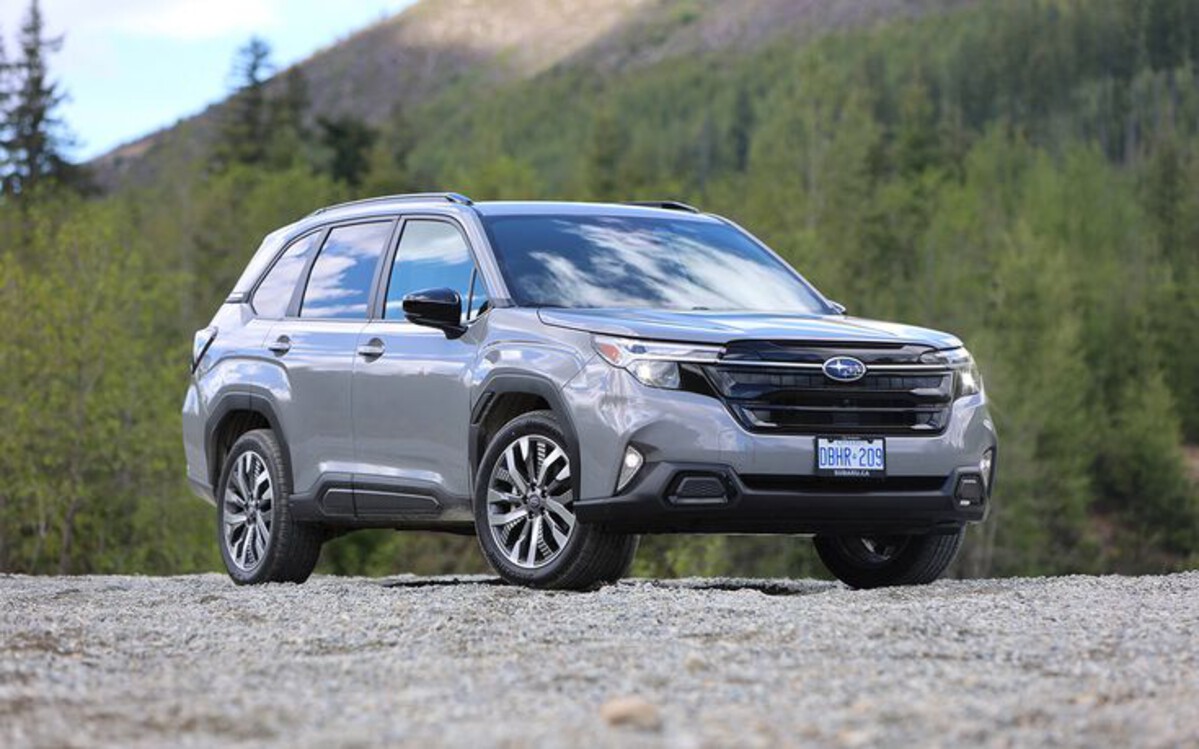
3. Subaru Forester
The Subaru Forester is renowned for its combination of safety, reliability, and all-weather capability. Its standard all-wheel-drive system provides enhanced traction on wet or slippery roads, which is particularly beneficial for new drivers who may encounter challenging conditions.
Insurance providers often recognize the safety benefits of such features and may offer lower premiums accordingly. The Forester’s moderate size and practical layout also reduce collision risk, further contributing to insurance affordability.
The Forester consistently performs well in crash tests. High scores from both government and independent agencies indicate strong occupant protection, which is attractive to insurers.
A vehicle that can reliably protect passengers in an accident can reduce potential medical and repair costs, a factor considered in insurance pricing. For new drivers, this added protection provides both safety and financial peace of mind.
Visibility in the Forester is excellent, thanks to a high seating position and expansive windows. Good visibility improves the driver’s ability to anticipate hazards, reducing accident risk.
For new drivers, this is particularly important as situational awareness may still be developing. Insurance companies recognize the connection between vehicle design and accident prevention, which helps reduce premiums.
Reliability is another key factor in the Forester’s appeal. Subaru vehicles are known for long-lasting performance and minimal mechanical issues.
Fewer mechanical failures translate to fewer insurance claims, keeping costs down. New drivers benefit from owning a vehicle that is less likely to encounter expensive repair needs, allowing them to manage both driving and insurance expenses more easily.
The Forester is also practical and comfortable for daily driving. Its interior design allows for a clear control layout, sufficient cabin space, and easy-to-read displays.
These ergonomic features reduce distraction and fatigue, enhancing driver safety. A safer, more comfortable vehicle reduces the likelihood of minor accidents, which in turn positively influences insurance costs.
Fuel efficiency and maintenance costs are reasonable for a compact SUV. Moderate fuel consumption and manageable upkeep make the Forester a budget-friendly option.
Insurance companies tend to reward vehicles with moderate operating costs and reliable performance with lower premiums, benefiting new drivers who must manage expenses carefully.
Finally, the Forester’s combination of safety, reliability, and practical design makes it ideal for new drivers. Its low accident risk, excellent safety features, and affordability contribute to lower insurance rates.
The vehicle balances performance, practicality, and cost-effectiveness, providing peace of mind for both the driver and the insurance provider.
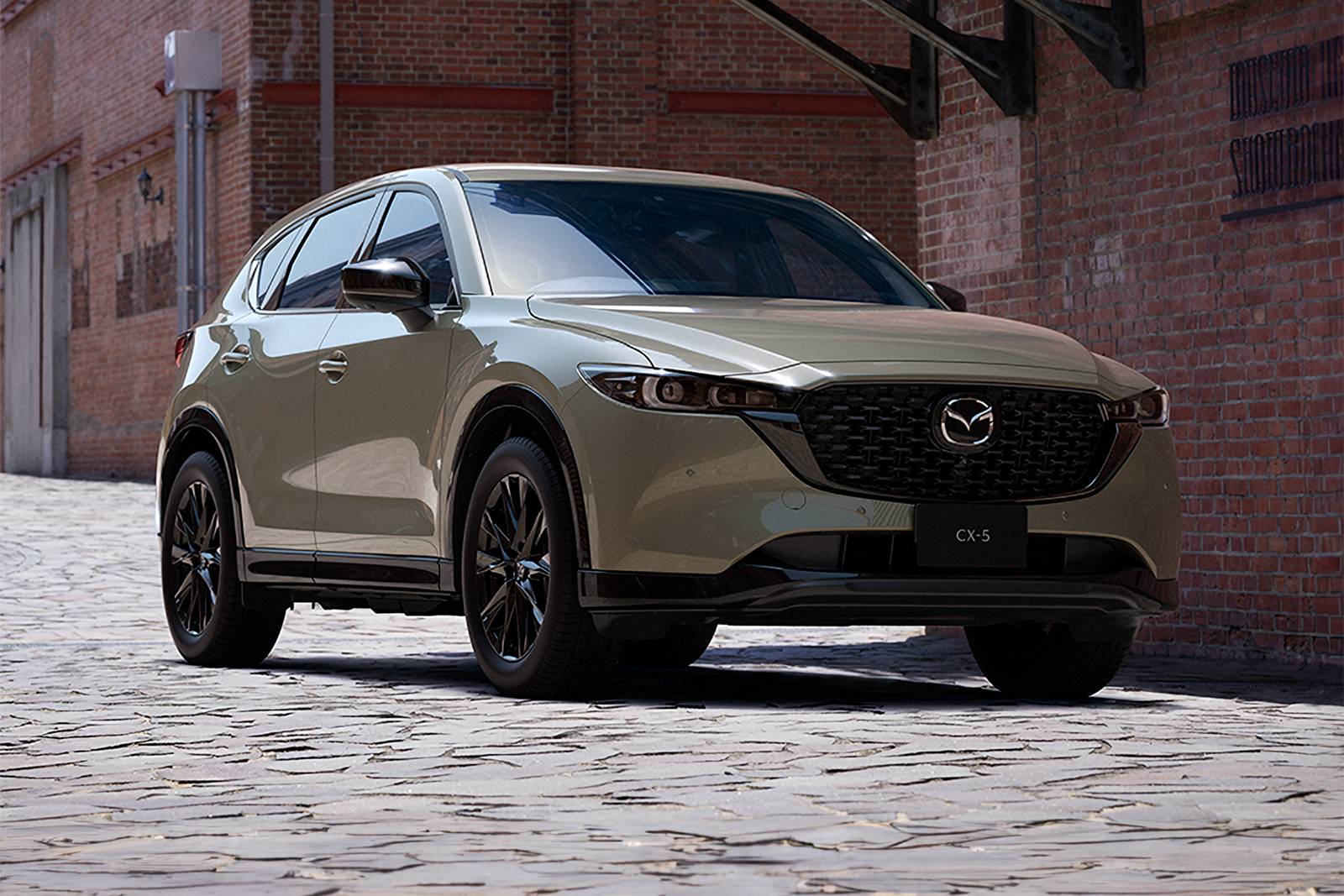
4. Mazda CX-5
The Mazda CX-5 is a compact SUV that combines style, handling, and safety in a way that appeals to new drivers. Its moderate engine sizes provide enough power for everyday driving without encouraging aggressive behavior that could lead to accidents.
Insurance providers often favor vehicles with balanced performance characteristics, as they tend to be involved in fewer claims. The CX-5’s reliability and affordability also contribute to manageable insurance premiums.
Safety is a central focus of the CX-5’s design. Features such as blind-spot monitoring, rear cross-traffic alerts, and automated emergency braking help drivers avoid collisions.
These safety technologies are especially beneficial for new drivers who are still gaining experience on the road. For insurers, a vehicle equipped with features that actively prevent accidents often results in lower premiums.
Crash-test performance is another factor that contributes to insurance affordability. The CX-5 consistently receives high ratings from safety organizations, indicating that it offers strong protection for occupants in the event of an accident.
This reduces the potential for medical and repair costs, which insurance companies consider when setting premiums. A strong safety record, combined with advanced driver assistance features, makes the CX-5 a low-risk choice.
Handling and maneuverability are key strengths of the CX-5. Its responsive steering and smooth ride make it easy for new drivers to navigate city streets, tight parking lots, and winding roads.
A vehicle that is easier to control reduces the likelihood of accidents, which insurance companies recognize as lowering risk. The CX-5’s interior design also emphasizes comfort and driver focus, which further contributes to safe driving habits.
Reliability plays a major role in keeping ownership costs low. Mazda vehicles are known for longevity and fewer mechanical problems, reducing the frequency of repair-related insurance claims.
For new drivers, a dependable vehicle means fewer unexpected expenses and less stress about long-term maintenance, which can positively impact insurance considerations.
Fuel economy is another appealing feature. The CX-5 achieves respectable mileage for its class, helping new drivers manage operating costs while reducing vehicle expenses.
Insurance companies often view lower-cost, fuel-efficient vehicles as lower-risk compared to high-performance or luxury models, which can result in lower premiums.
The CX-5’s interior layout promotes a safe driving experience. With a clear dashboard, intuitive controls, and comfortable seating, drivers can focus on the road without distraction.
New drivers, who may be adjusting to the responsibilities of operating a larger vehicle, benefit from such ergonomics. Reduced distraction and improved visibility correlate with a lower likelihood of collisions and insurance claims.
Finally, the CX-5’s combination of style, practicality, and affordability makes it attractive to new drivers.
It provides a balance of safety, reliability, and moderate operating costs that insurers recognize. This SUV offers peace of mind while also being financially sensible, making it an excellent choice for those seeking manageable insurance rates.
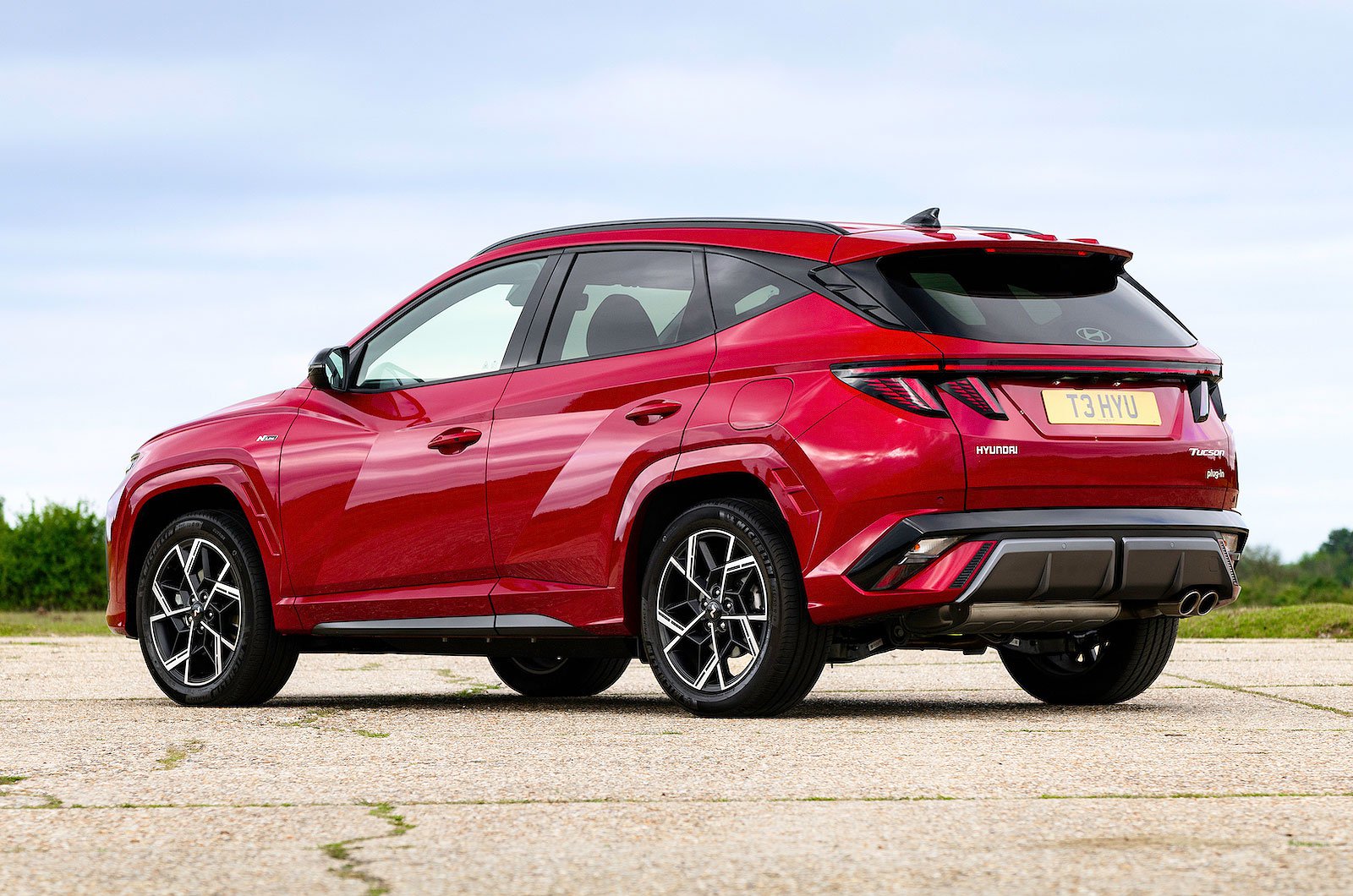
5. Hyundai Tucson
The Hyundai Tucson is a compact SUV that appeals to new drivers due to its combination of affordability, safety, and low operating costs.
Its moderate engine options and manageable size make it easier to handle, reducing the likelihood of collisions and accidents.
Insurance companies often favor vehicles that are not high-performance or excessively large, and the Tucson’s specifications align well with these considerations.
Safety features are abundant in the Tucson. Many models include forward-collision warning, automatic emergency braking, lane-keeping assist, and blind-spot detection.
These systems help new drivers avoid accidents and improve driving confidence. Insurers view such technologies positively because they lower the risk of claims, making the Tucson a cost-effective choice for first-time drivers.
Crash-test ratings reinforce the Tucson’s reputation as a safe SUV. High scores in front, side, and rollover tests indicate strong occupant protection, which is an important consideration for insurers.
A vehicle with proven safety performance can reduce potential medical and repair costs in accidents, lowering insurance premiums. For new drivers, this provides both peace of mind and financial benefits.
Reliability and maintenance costs are key advantages of the Tucson. Hyundai vehicles generally have strong long-term durability and affordable repair costs.
This combination minimizes unexpected insurance claims for mechanical failures, which can keep premiums more affordable for new drivers. A dependable vehicle helps ensure consistent performance while reducing financial uncertainty.
Fuel efficiency adds to the Tucson’s appeal. With competitive miles per gallon for a compact SUV, it allows drivers to save money on daily operation.
Vehicles with lower operating costs are often associated with more cautious driving and moderate insurance premiums, making the Tucson a practical choice for budget-conscious new drivers.
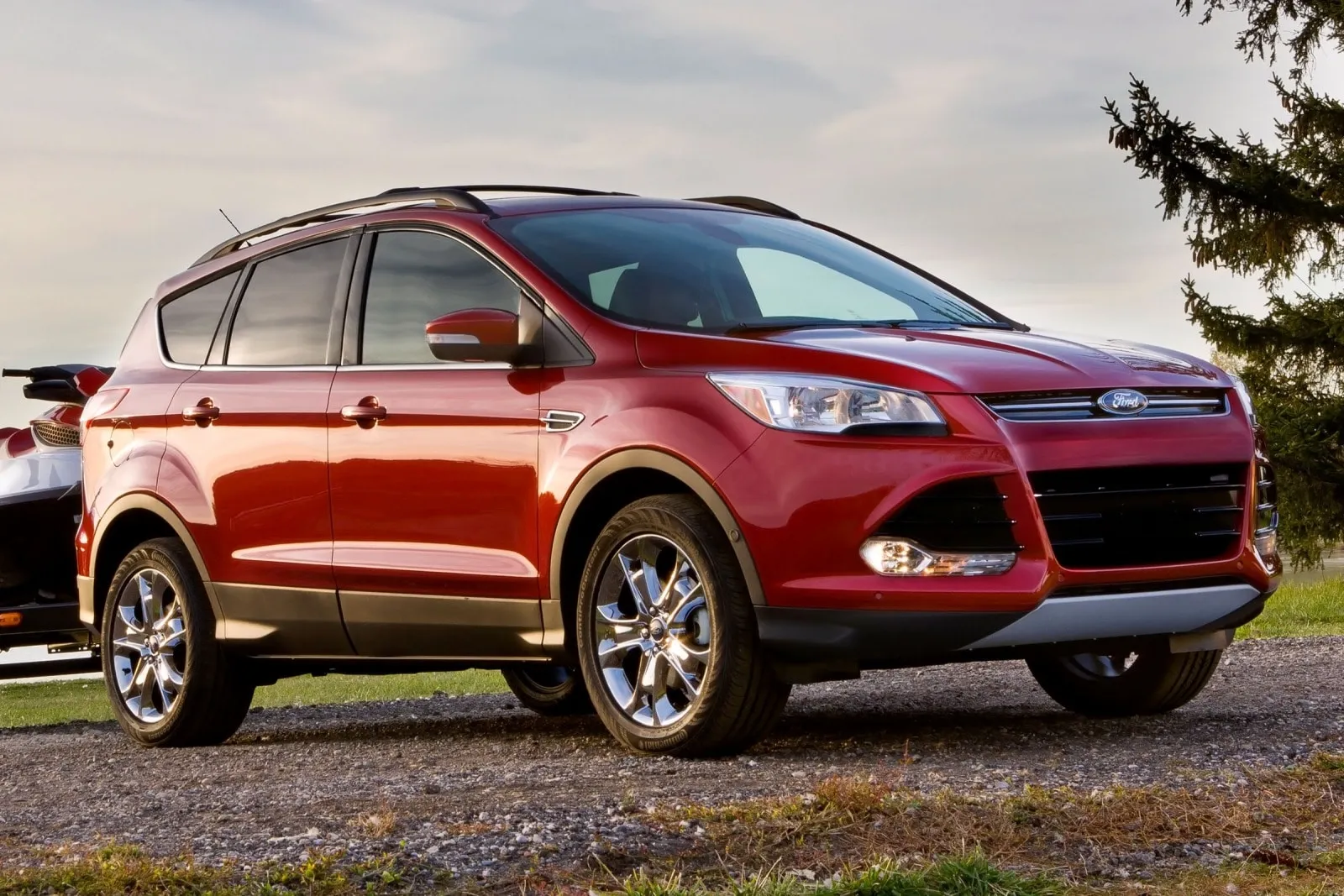
6. Ford Escape
The Ford Escape is a compact SUV that combines versatility, affordability, and solid safety features, making it appealing to new drivers. Its manageable size and moderate engine options make it easier to handle than larger SUVs, which reduces the likelihood of accidents.
Insurance providers favor vehicles that demonstrate lower risk in both accident potential and repair costs, and the Escape fits this profile. Its popularity also ensures that parts are widely available and reasonably priced, further reducing long-term insurance and maintenance costs.
Safety technology in the Escape is comprehensive. Many models come equipped with forward-collision warning, lane-keeping assist, blind-spot monitoring, and automated emergency braking.
These features actively help prevent accidents, which is especially valuable for new drivers who are still developing confidence on the road. Insurance companies recognize vehicles equipped with such technologies as lower-risk, which can lead to reduced premiums.
Crash-test performance further solidifies the Escape’s insurance appeal. It consistently receives high ratings from government and independent safety organizations, indicating strong occupant protection in the event of a collision.
A high safety rating can lower potential medical and repair expenses, which insurers factor into premiums. For first-time drivers, this adds both financial and physical security.
The Escape’s driving dynamics are tailored for ease of use. Its responsive steering, smooth handling, and predictable braking reduce the likelihood of accidents, especially in city traffic and congested areas.
Vehicles that are easy to maneuver are particularly beneficial for new drivers, who are still mastering judgment and control in complex driving situations. This ease of operation directly contributes to lower insurance costs.
Interior comfort and driver visibility are additional strengths. The Escape provides a high seating position, wide windows, and well-placed mirrors that enhance situational awareness.
Clear dashboards and intuitive control layouts help new drivers remain focused on the road, reducing distractions and the risk of collisions. These safety-oriented features contribute to a vehicle’s insurance-friendliness.
Finally, the Escape’s combination of safety, reliability, affordability, and practicality makes it a strong candidate for new drivers seeking lower insurance costs.
It balances comfort, performance, and protection, offering peace of mind while keeping long-term expenses manageable. This mix ensures that new drivers can enjoy the convenience of an SUV without facing prohibitive insurance premiums.

7. Nissan Rogue
The Nissan Rogue is a compact SUV known for its safety, fuel efficiency, and moderate repair costs, making it appealing to new drivers. Its smaller engine sizes and manageable driving dynamics contribute to lower accident risk, which insurance providers take into account when setting premiums.
The Rogue’s widespread popularity ensures availability of parts and service, which helps keep both maintenance and insurance costs affordable.
Safety features are abundant in the Rogue. Many models include automatic emergency braking, lane-departure warning, blind-spot monitoring, and rear cross-traffic alerts.
These systems are particularly helpful for new drivers as they provide additional layers of protection. Insurance companies consider vehicles with active safety systems to be lower-risk, which often results in lower premiums for first-time owners.
Crash-test performance is consistently strong for the Rogue. It receives high ratings for both front and side-impact collisions, indicating excellent protection for occupants.
Vehicles with strong safety records are attractive to insurers because they tend to reduce potential medical and repair costs after accidents. For new drivers, this combination of technology and crash protection is highly beneficial.
The Rogue’s driving experience is straightforward and forgiving. It offers smooth handling, predictable braking, and responsive steering, making it easier for new drivers to navigate urban streets, highways, and parking situations.
A vehicle that is easy to control helps prevent collisions, which is a factor that insurance companies consider when calculating premiums.
Interior ergonomics and visibility in the Rogue also enhance safety. A high seating position, wide windows, and intuitive dashboard layout help drivers maintain situational awareness.
Minimizing blind spots and distractions lowers accident risk, which insurers recognize as an indicator of reduced claims likelihood. This is particularly important for first-time drivers who are still building road experience.
Finally, the Rogue’s combination of safety, reliability, moderate operating costs, and ease of driving makes it an excellent choice for new drivers seeking lower insurance rates. Its balance of protection, practicality, and affordability ensures that first-time SUV owners can enjoy both safety and cost efficiency on the road.
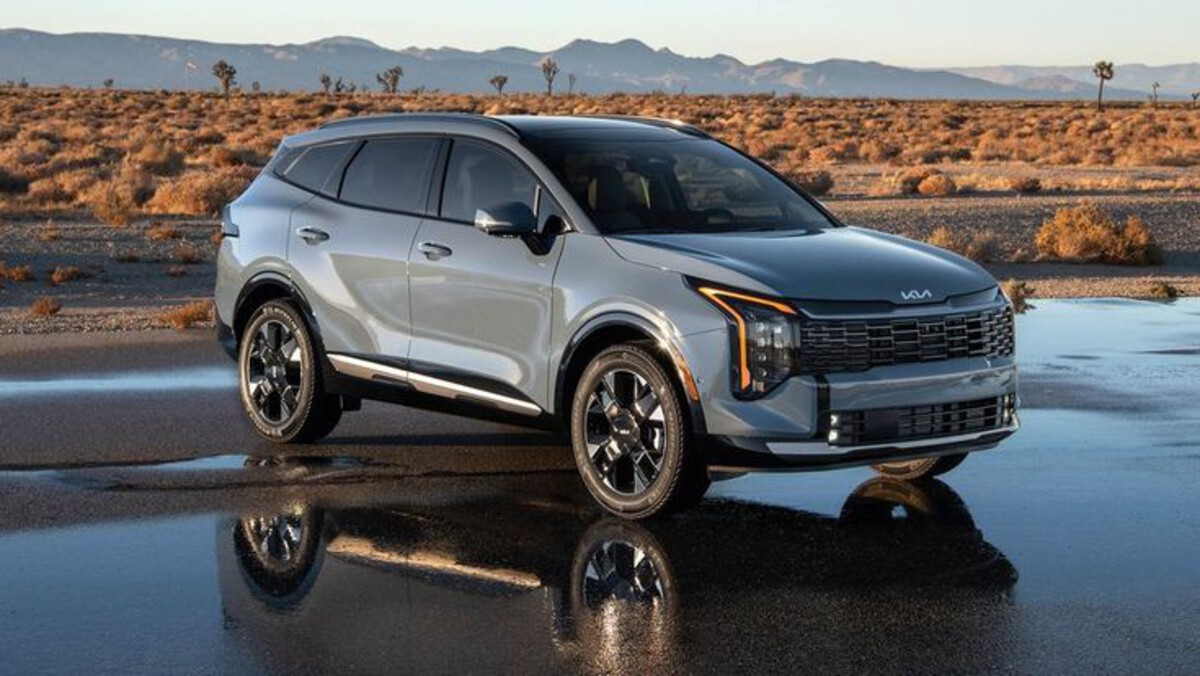
8. Kia Sportage
The Kia Sportage is a compact SUV that offers a strong balance of safety, affordability, and manageable maintenance costs. Its moderate engine options provide sufficient performance for everyday driving without encouraging high-risk behavior, which helps keep insurance costs lower.
Insurers tend to favor vehicles that are practical, reliable, and not high-performance, and the Sportage fits this description. Its availability of parts and relatively low repair costs also contribute to its insurance-friendliness.
Safety features in the Sportage are comprehensive. Many models come with forward-collision warning, lane-keeping assist, blind-spot detection, and rear cross-traffic alert.
These systems actively help prevent collisions, which reduces insurance claims. For new drivers, having technology that assists in accident prevention provides peace of mind and lowers risk on the road.
Crash-test performance further reinforces the Sportage’s insurance appeal. The SUV performs well in both front and side-impact crash tests, offering solid occupant protection.
Insurers consider vehicles with strong crash-test ratings as lower-risk, which can lead to lower premiums. For first-time drivers, these safety ratings are an important consideration in both protection and cost management.
Reliability is a key factor in the Sportage’s appeal. Kia vehicles are known for durable performance and consistent quality, which reduces the likelihood of mechanical failures.
Fewer mechanical issues result in fewer insurance claims for repair costs. For new drivers, owning a dependable SUV translates into lower long-term expenses and less stress related to maintenance or unexpected repairs.
The Sportage’s interior layout also supports safe driving. A clear dashboard, intuitive control placement, and good visibility help drivers focus on the road.
Reducing distractions and blind spots lowers accident risk, which insurance companies take into account. For first-time drivers, these design elements provide added confidence and protection while driving.
Finally, the Kia Sportage combines safety, reliability, affordability, and ease of driving, making it a strong choice for new drivers. Its balanced features and moderate operating costs help ensure lower insurance premiums, making it a practical and financially sensible SUV for first-time owners.
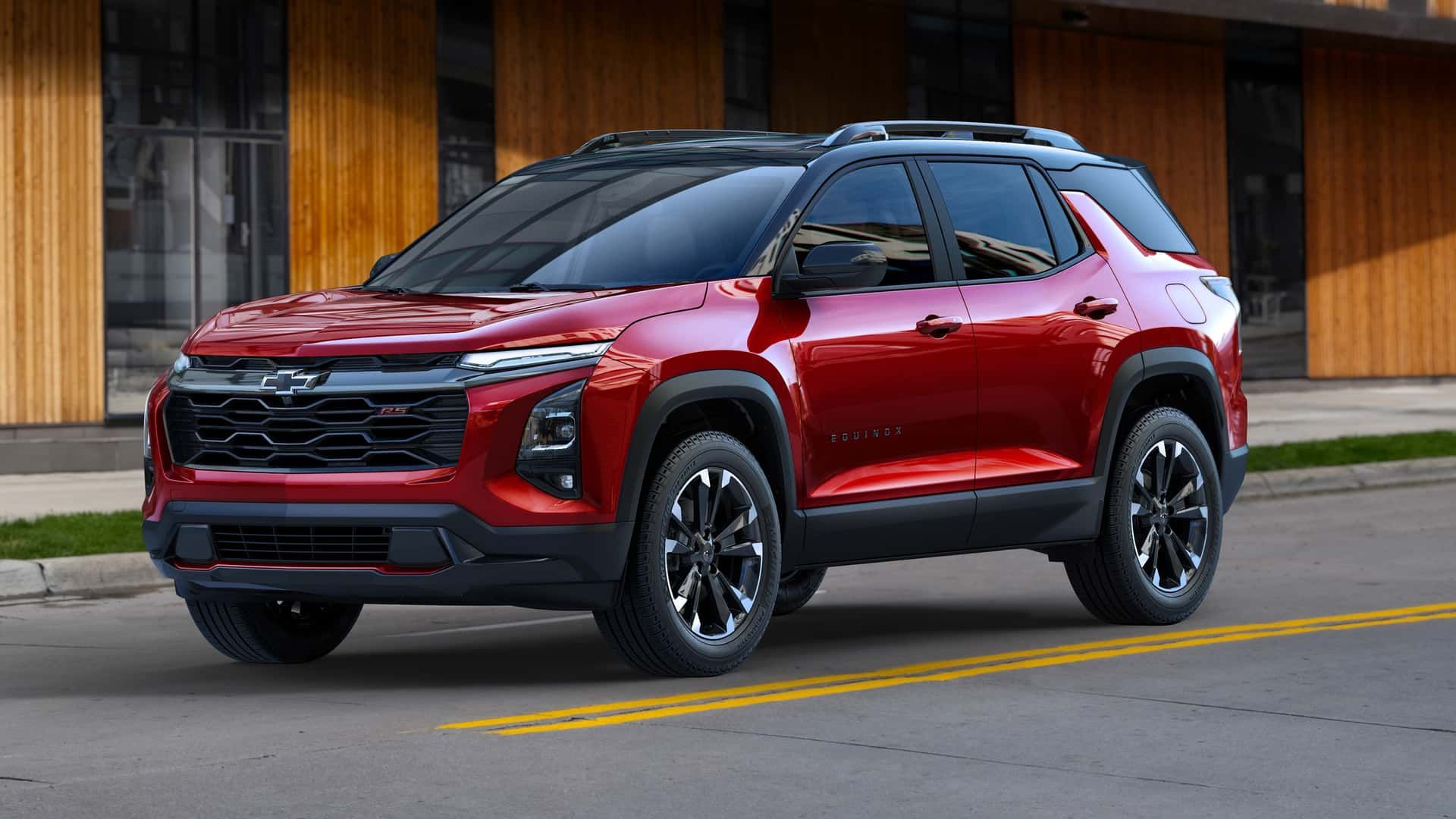
9. Chevrolet Equinox
The Chevrolet Equinox is a compact SUV that offers a good mix of safety, affordability, and ease of driving for new drivers. Its moderate engine sizes and manageable handling make it less likely to be involved in accidents, which insurers view as a lower risk.
The Equinox’s widespread availability and reasonably priced replacement parts contribute to lower long-term costs, both for maintenance and insurance.
Crash-test results also enhance the Equinox’s insurance appeal. The SUV performs well in both frontal and side-impact tests, indicating solid protection for occupants.
Vehicles with strong crash-test ratings are considered lower-risk by insurers, reducing potential medical and repair costs. For new drivers, this combination of safety technology and crash protection is highly valuable.
The Equinox’s handling and maneuverability make it ideal for first-time drivers. Its smooth steering, predictable braking, and compact design help drivers navigate city streets, highways, and parking situations with confidence. Vehicles that are easier to control tend to experience fewer minor accidents, which contributes to lower insurance costs.
Fuel efficiency is reasonable for a compact SUV. Moderate fuel consumption keeps operating costs manageable, which is especially important for new drivers balancing multiple expenses.
Insurance companies often consider vehicle affordability and practicality when assessing risk, and vehicles like the Equinox benefit from being both safe and economical.
Interior ergonomics and visibility further support safety. The Equinox offers a high seating position, wide windows, and an intuitive dashboard design, which improve situational awareness.
Reducing blind spots and distractions lowers accident risk, which insurers view favorably. These features are particularly important for new drivers learning to navigate various traffic situations safely.
Finally, the Chevrolet Equinox combines safety, reliability, affordability, and practicality, making it an excellent option for new drivers seeking lower insurance premiums.
Its balanced features and moderate costs make it a sensible choice, allowing first-time SUV owners to enjoy protection and financial stability on the road.
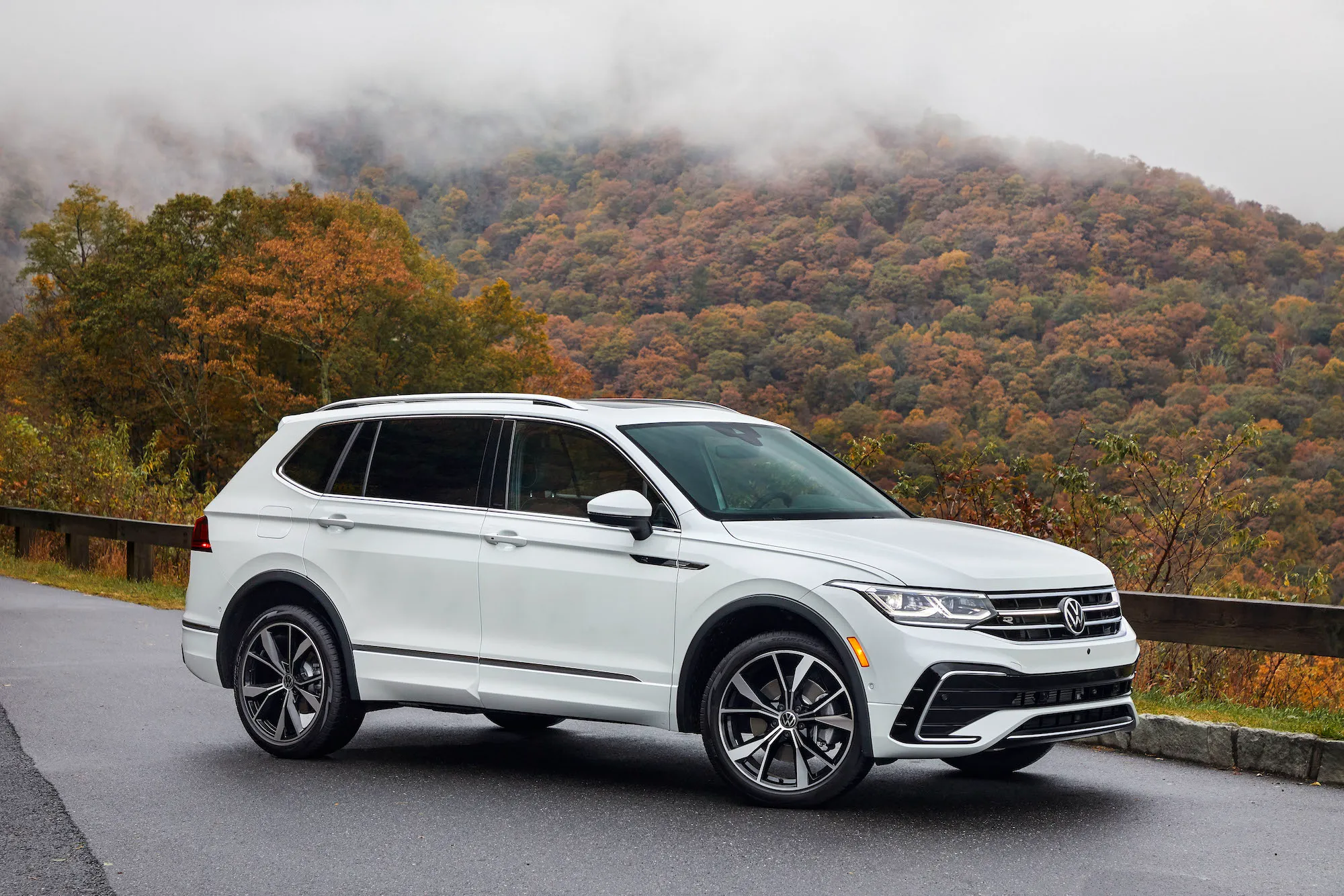
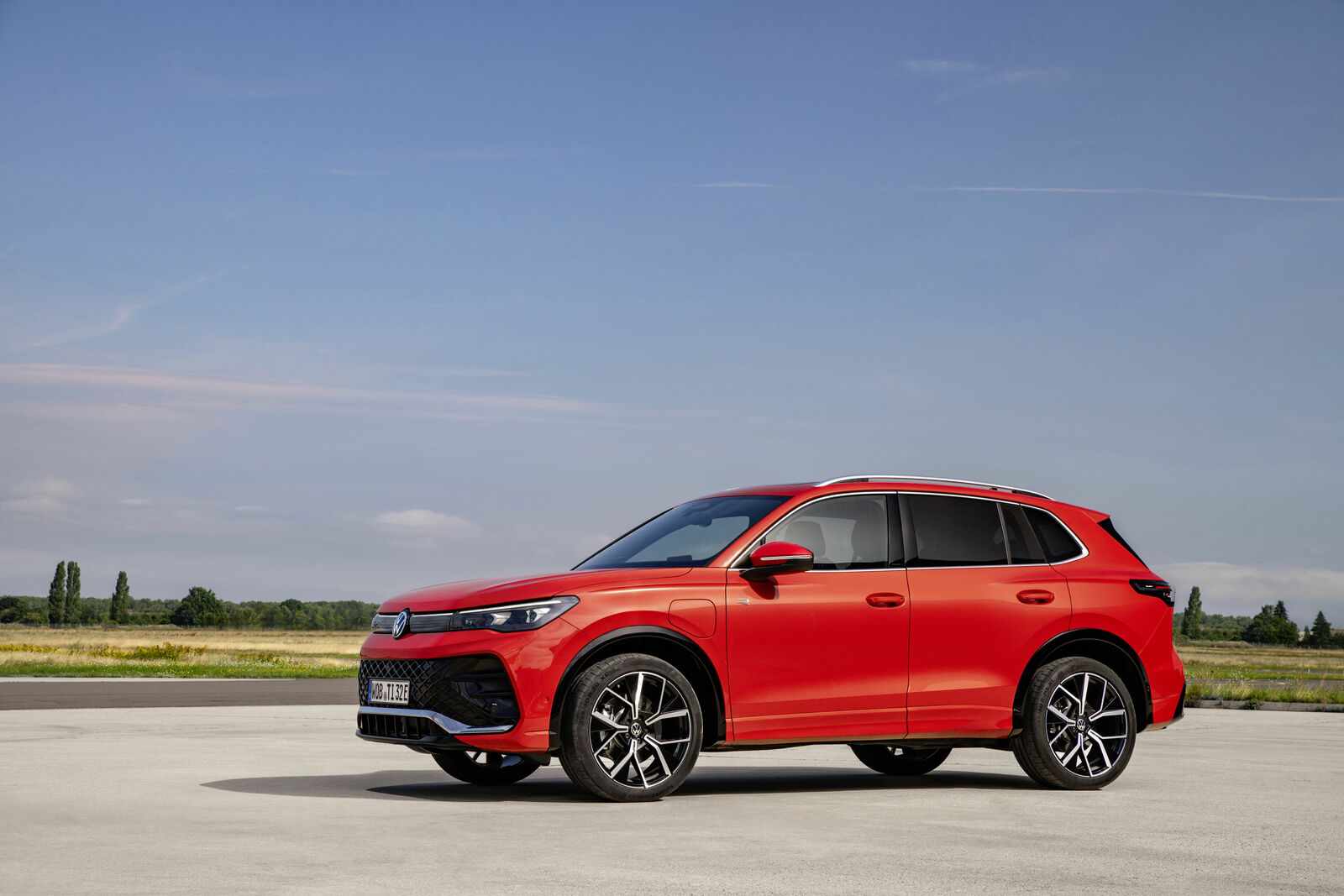
10. Volkswagen Tiguan
The Volkswagen Tiguan is a compact SUV that balances safety, comfort, and moderate operating costs, making it appealing for new drivers. Its smaller engine options provide sufficient performance for daily driving without encouraging high-risk behavior.
Insurers often favor vehicles that are practical, reliable, and moderately powered, and the Tiguan meets these criteria. Its widespread availability of parts also helps keep maintenance and insurance costs manageable.
The Tiguan’s handling and maneuverability make it user-friendly. Its smooth steering, responsive brakes, and compact size allow new drivers to navigate urban streets, highways, and parking areas more confidently.
Vehicles that are easier to control experience fewer collisions, which insurers recognize as lowering risk and insurance costs.
Volkswagen vehicles are engineered for long-term durability, reducing the frequency of mechanical failures and costly repairs.
A dependable SUV means fewer insurance claims related to breakdowns, which can help maintain lower premiums. For new drivers, reliability provides both peace of mind and cost stability.
Fuel efficiency is competitive for a compact SUV, allowing drivers to maintain reasonable operating costs. Vehicles with lower daily running costs are often associated with moderate-risk driving, which insurers factor into premium calculations. This makes the Tiguan a financially sensible choice for first-time drivers.
Interior design supports safe and focused driving. The Tiguan features a clear dashboard, intuitive controls, and a high seating position for excellent visibility.
Reducing distractions and improving sightlines helps prevent collisions, which positively affects insurance assessments. New drivers particularly benefit from these design considerations.
Finally, the Volkswagen Tiguan combines safety, reliability, affordability, and comfort, making it a top choice for new drivers seeking lower insurance costs.
Its balanced attributes ensure that first-time SUV owners can enjoy both protection and financial efficiency, making the Tiguan a practical and sensible vehicle.
