
Long drives and road trips can be both exciting and exhausting. While the thrill of new scenery and the freedom of the open road offer enjoyment, extended periods of sitting in a car often lead to discomfort and back pain.
Many drivers and passengers underestimate the importance of seat design, focusing instead on performance, style, or technology.
However, a car with well-designed seats can make a dramatic difference in comfort, posture, and health during long journeys. The way a seat supports the spine, distributes weight, and accommodates the natural curves of the body can reduce fatigue and prevent chronic issues.
Modern automakers have recognized this need, investing in research that blends ergonomics, materials science, and innovative engineering to provide seats that prioritize comfort over prolonged periods.
From adjustable lumbar supports to contoured cushions and memory foam materials, these advancements ensure that a long trip does not become a painful experience.
While no seat can eliminate discomfort for every individual, certain vehicles are designed specifically to minimize strain and fatigue, catering to drivers who spend hours behind the wheel.
In addition to comfort, these seats often include additional features that enhance support, such as heating and cooling systems, massage functions, and flexible adjustment options that allow each passenger to find their ideal seating position.
For families, business travelers, and adventure seekers alike, having a car that actively protects the back during long drives is not just a luxury but a practical investment.
This article highlights ten vehicles known for their exceptional seating comfort, designed to support the back and make road trips more enjoyable.
Each car has been selected based on factors such as ergonomic design, adjustability, quality of materials, and user feedback regarding long-distance comfort.
The following list is not simply a ranking of popular models but a guide to vehicles that demonstrate a clear commitment to reducing physical strain, making them ideal companions for anyone who spends significant time on the road.
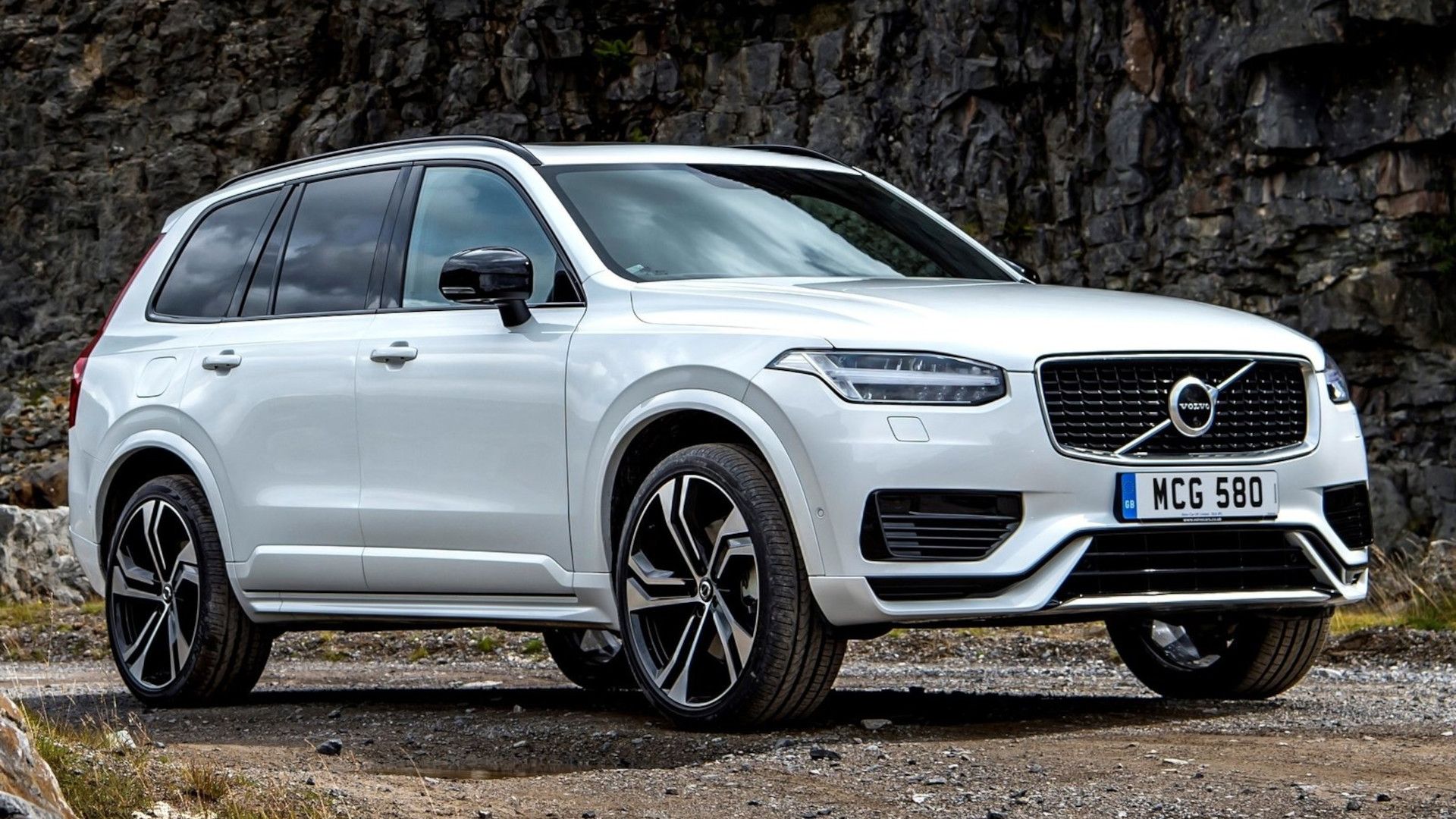
1. Volvo XC90
The Volvo XC90 has long been recognized for its commitment to safety, but its seating comfort is equally impressive.
The front seats are designed with extensive ergonomic consideration, incorporating adjustable lumbar supports, side bolsters, and seat cushions that conform to the body.
The lumbar support is multi-directional, allowing users to control depth, height, and firmness, which is critical for maintaining proper spinal alignment over long distances. This careful design helps prevent slouching, a common cause of fatigue and back pain during extended drives.
The backrests are gently contoured to follow the natural curves of the spine, giving consistent support from the lower back to the shoulders.
Additionally, the cushions are designed to absorb vibrations from uneven roads without compromising firmness, ensuring that weight is distributed evenly across the pelvis and thighs.
Volvo takes comfort further with extensive adjustability. The seat height, tilt, and even the cushion length can be modified to suit drivers of different body sizes and proportions. This allows for an individualized driving experience that reduces stress on the spine and hips.
Many models come with memory settings for multiple drivers, which not only saves time but also ensures that comfort and support remain consistent every time the car is used.
This is particularly useful for families or couples who share the same vehicle but have very different body structures or seating preferences.
In addition to adjustability, the XC90 offers heated and ventilated seats, creating a more comfortable environment during both cold winters and hot summers.
Certain trims include a massage function that targets the lower back, shoulders, and upper back, helping to relieve tension in muscles that tend to stiffen during long trips.
The massage system provides different intensity levels and patterns, from gentle rolling to deeper, targeted pressure, which can significantly reduce fatigue during long highway stretches.
This combination of features makes the XC90 one of the most comfortable SUVs for long-distance driving, where back support is a major concern.
Rear-seat passengers also enjoy the benefits of Volvo’s ergonomic expertise. The second row provides generous legroom, seat padding that distributes pressure evenly, and optional heating, ensuring that passengers remain comfortable on long journeys.
Adjustable recline functions allow each person to find the best seating angle, reducing stress on the lower back and hips.
The attention to both front and rear seating makes the XC90 an ideal choice for families or groups who travel long distances together, as it provides a consistent level of support that prevents discomfort for everyone in the vehicle.
Volvo combines thoughtful ergonomics with high-quality materials, including supple leather and soft-touch surfaces, which add to both comfort and luxury, making the XC90 a benchmark for SUVs designed to protect the back.
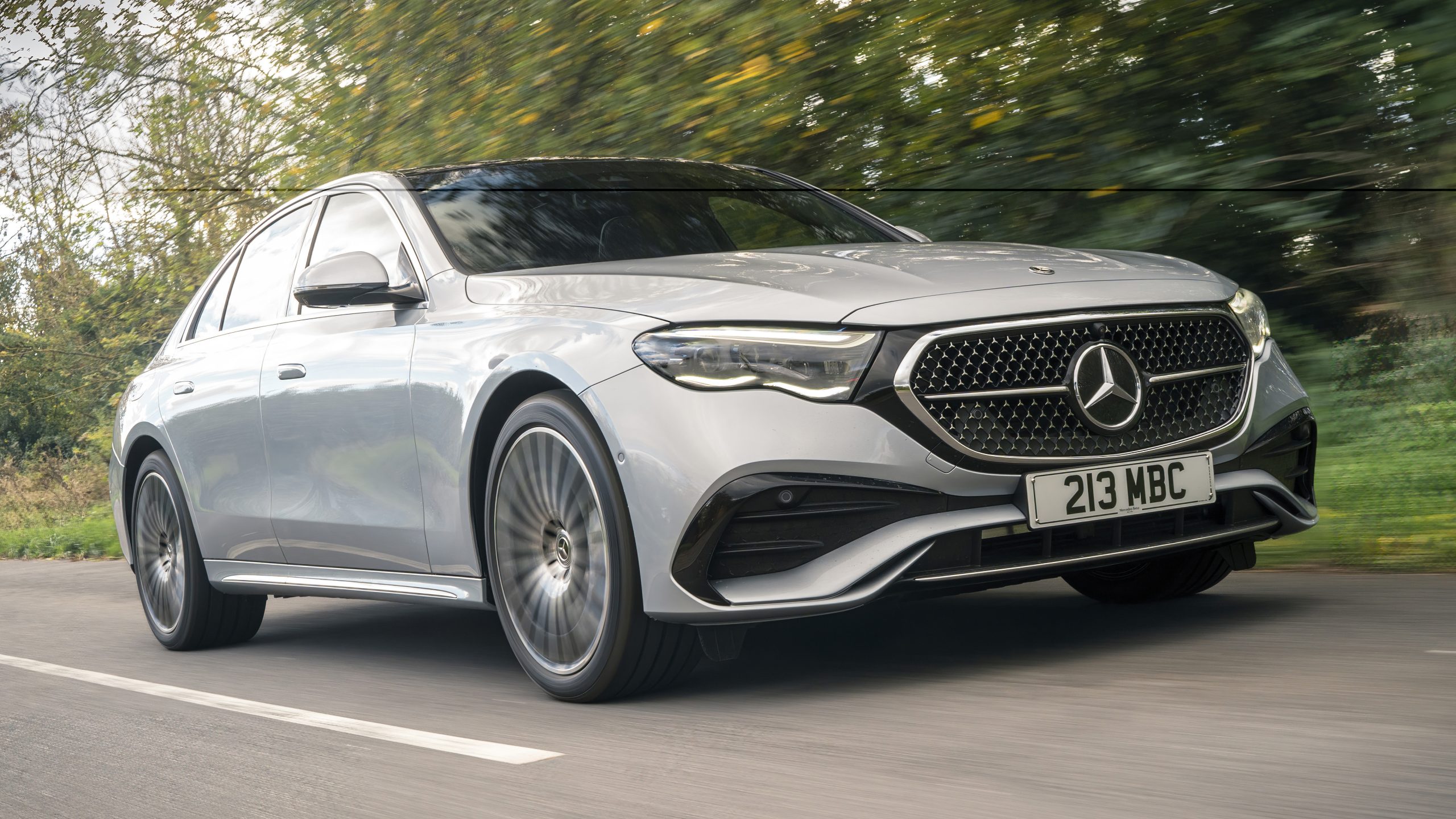
2. Mercedes-Benz E-Class
The Mercedes-Benz E-Class offers a sophisticated balance of driving performance and passenger comfort. Its seats are designed to support the spine through extended drives, emphasizing lumbar support and contoured cushioning that accommodates different body shapes.
The backrests are shaped to follow the natural S-curve of the spine, which reduces pressure on the lower back and distributes weight evenly.
Drivers benefit from multiple electronic adjustments, allowing fine-tuning of seat height, cushion tilt, and distance from the pedals to achieve an ideal posture. This level of customization is essential for those who spend hours behind the wheel, as small adjustments can significantly reduce fatigue and prevent discomfort.
A standout feature of the E-Class is its advanced massage system. The front seats can offer targeted relief to the lower back, mid-back, and shoulder areas, helping to prevent tension buildup during long trips.
These functions come with multiple settings, including rolling, kneading, and wave-like patterns, which mimic techniques used in professional massage therapy.
The system can be programmed to activate periodically during long drives, encouraging circulation and reducing stiffness. Heated and ventilated seat options complement this system by maintaining optimal body temperature, further preventing discomfort caused by long periods of sitting in a static position.
Rear passengers also benefit from Mercedes’ careful design approach. The second-row seats offer generous legroom, supportive cushioning, and optional heating features that ensure comfort even on multi-hour trips. Adjustable recline functions allow passengers to find their ideal angle, reducing stress on the lower back and hips.
Additionally, the cabin design minimizes the need for awkward movements or twisting while entering, exiting, or adjusting seating positions, which can otherwise strain the spine during long trips.
Multi-zone climate control enhances this experience, ensuring the environment remains comfortable for all passengers regardless of the outside temperature.
Mercedes-Benz uses high-quality materials to enhance comfort and durability. Soft leather, well-padded armrests, and supportive cushions combine to create a cabin that not only looks luxurious but also actively reduces physical strain.
The E-Class demonstrates that thoughtful seat design, combined with modern technology, can transform the experience of long-distance driving from tiring to genuinely comfortable.
For anyone who regularly drives long stretches, the E-Class seats offer a combination of ergonomic engineering, practical adjustments, and luxury features that make back support a priority without sacrificing style or performance.
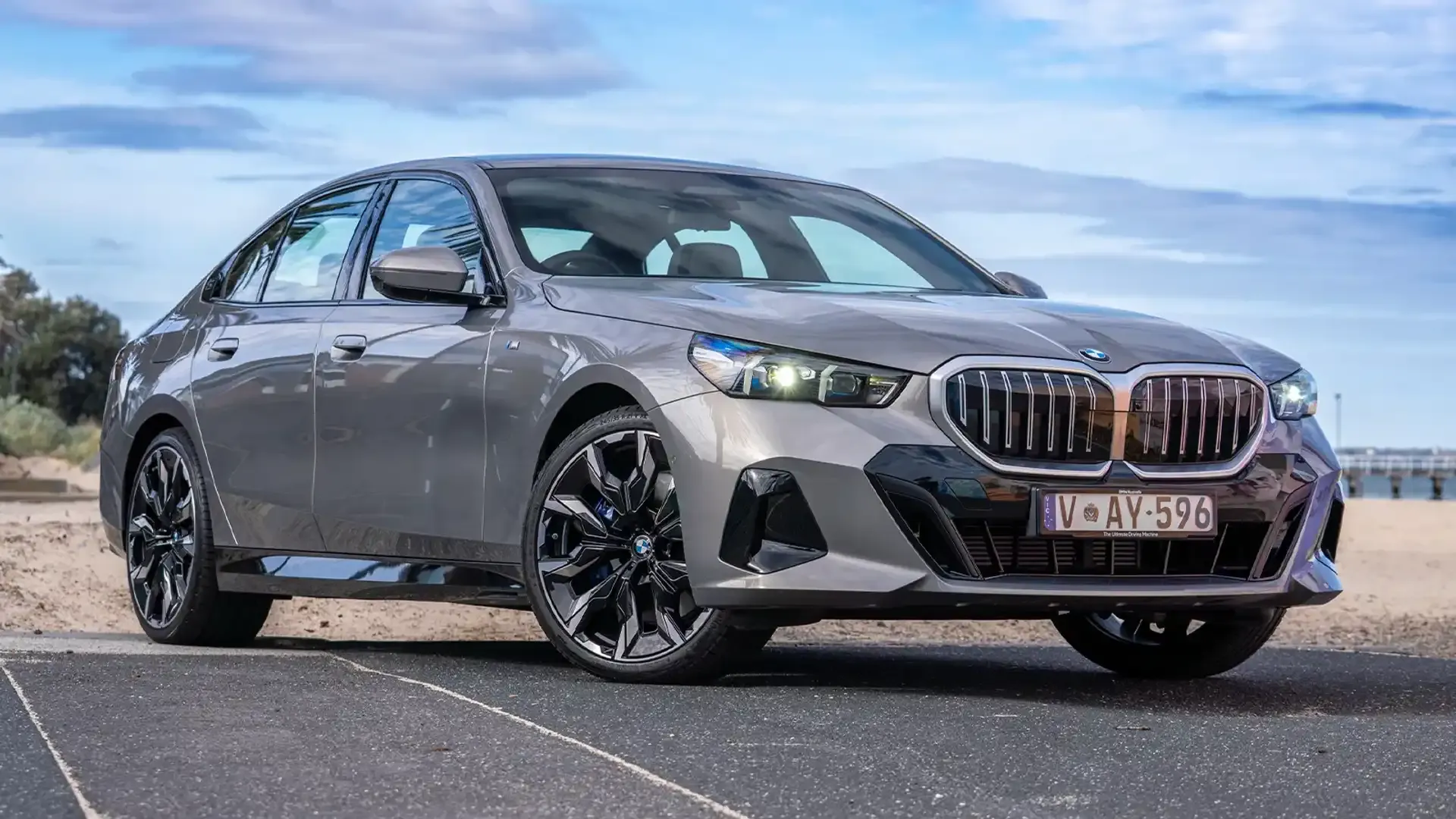
3. BMW 5 Series
The BMW 5 Series is designed for drivers who want a balance of performance and comfort, particularly for long-distance journeys.
The front seats offer adjustable lumbar support, cushion tilt, and height adjustment, which allows drivers to maintain a natural posture while reducing pressure points on the lower back and hips.
The cushioning is firm enough to provide adequate support but soft enough to absorb road vibrations, which is essential for reducing fatigue over several hours.
The backrests are carefully contoured to follow the spine’s natural shape, offering additional support to the lumbar and thoracic regions, which are often the first areas to experience discomfort during extended drives.
BMW offers Active Comfort seating options, which include adjustable side bolsters and built-in massage functions. These systems target areas prone to stiffness, including the lower back and shoulders, and can be customized to individual preference.
This feature is particularly beneficial on long trips or highway drives, where static posture can lead to discomfort. Heating and ventilation further enhance comfort, allowing occupants to maintain an optimal body temperature and reduce tension in muscles caused by cold or heat.
The flexibility of these features ensures that the 5 Series can adapt to different climates and personal comfort preferences, making it suitable for drivers who spend hours on the road.
Rear passengers also enjoy significant comfort enhancements. The seats provide generous legroom, supportive cushioning, and adjustable recline, which can prevent fatigue on long drives. The ergonomic shaping of the rear seats encourages proper posture and reduces pressure on the spine and hips.
Even smaller details, such as soft armrests and supportive headrests, contribute to a seating environment that promotes relaxation and prevents stiffness. For families or groups traveling together, this makes a substantial difference in maintaining comfort throughout the journey.
High-quality materials and thoughtful design complete the experience. Leather upholstery, soft-touch surfaces, and durable yet cushioned seating combine to create a premium cabin that supports the back and reduces fatigue.
The BMW 5 Series demonstrates that a car can deliver sporty handling and luxurious comfort simultaneously.
By focusing on ergonomics and support, BMW ensures that long trips are less stressful on the back, making this model ideal for anyone who prioritizes both performance and well-being during extended drives.
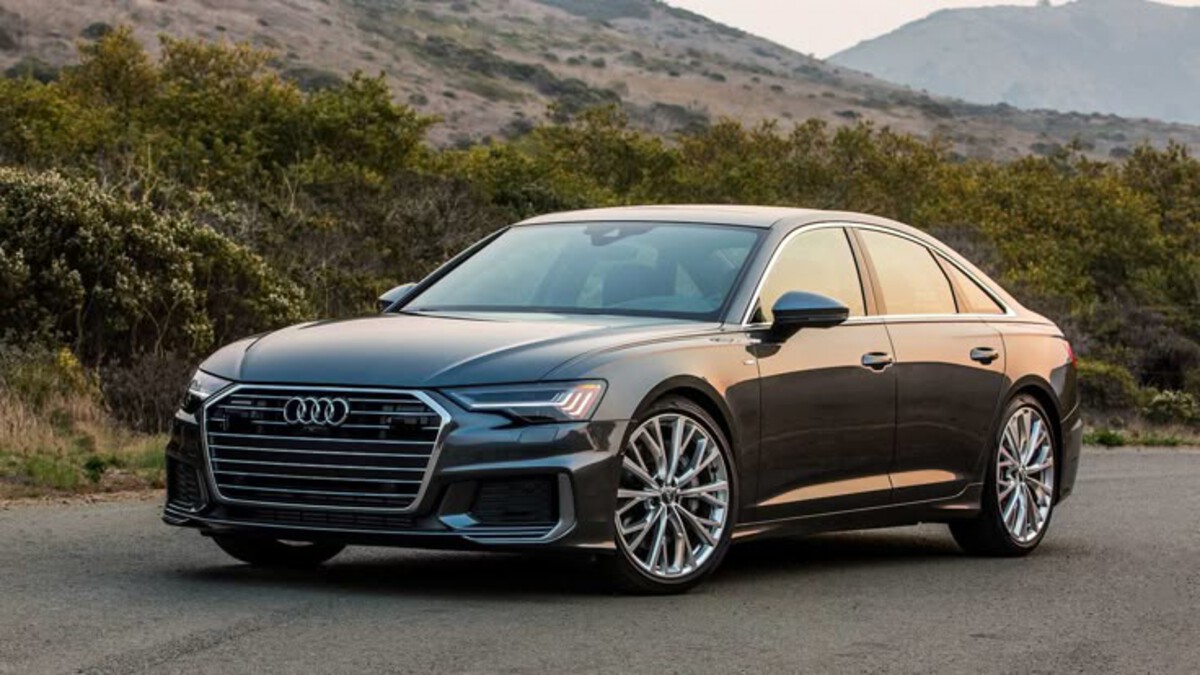
4. Audi A6
The Audi A6 offers a refined interior that emphasizes comfort and back support. The front seats are ergonomically contoured to support the lumbar and thoracic regions, encouraging proper posture throughout long trips.
Electronic adjustments allow drivers to customize seat height, cushion length, and tilt angle, ensuring that individuals of all sizes can find an optimal seating position.
The cushioning is designed to absorb road vibrations while maintaining enough firmness to prevent sinking, which reduces strain on the lower back and hips over extended journeys.
Audi’s optional massage features enhance comfort significantly. These systems target areas such as the lower back, upper back, and shoulders, and offer multiple intensity levels and patterns, including rolling and kneading motions.
These functions are especially useful during long highway drives, when static posture and road vibrations can cause stiffness.
Heated and ventilated seats complement the massage functions by maintaining comfort in both hot and cold conditions. This combination of features creates a seating experience that actively reduces fatigue rather than simply masking discomfort.
The rear seats of the A6 are designed with the same attention to detail. Passengers enjoy spacious legroom, supportive cushioning, and adjustable recline, allowing them to maintain good posture on longer trips. Heated rear seats in higher trims provide additional comfort during colder months.
Ergonomic considerations extend beyond the seats themselves, as the cabin layout is designed to minimize awkward movements or twisting that could place stress on the spine, particularly when entering, exiting, or adjusting seating positions during the journey.
Audi also focuses on premium materials, using leather and soft-touch surfaces to enhance comfort and durability. The combination of ergonomic design, adjustable support, and luxurious materials ensures that both drivers and passengers remain comfortable during long trips.
By providing extensive customization options and targeted support, the Audi A6 demonstrates how a well-engineered seat can make a noticeable difference in back comfort on road trips, allowing occupants to arrive at their destination feeling rested rather than fatigued.
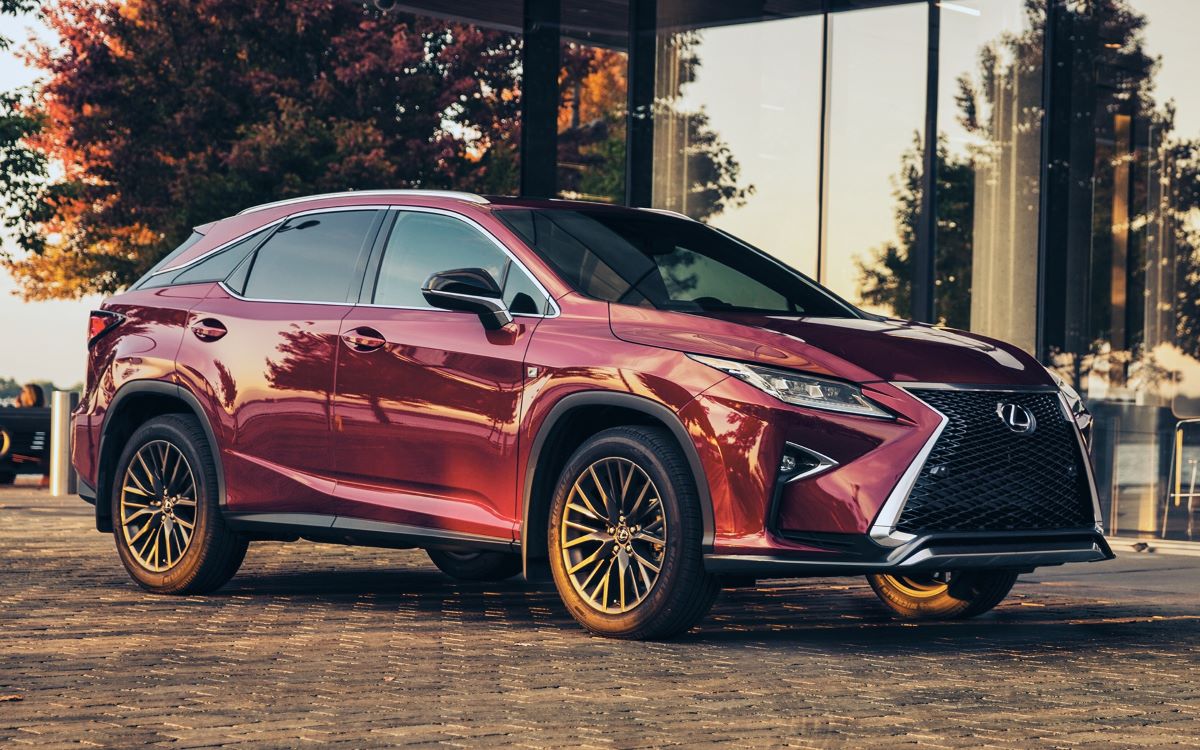
5. Lexus RX
The Lexus RX is a midsize SUV that emphasizes comfort and support on long drives. Its front seats include adjustable lumbar support, seat height, and tilt, allowing drivers to find a position that reduces strain on the spine and lower back.
The cushioning is designed to distribute weight evenly across the thighs and pelvis, while the backrest contours follow the natural curve of the spine, reducing pressure on key areas prone to fatigue during extended driving sessions.
These features are particularly valuable for drivers who spend several hours on the road, as they prevent discomfort from accumulating over time.
Lexus also includes optional massage features in the RX, which can target the lumbar region and shoulders to help relieve tension.
Heated and ventilated seating ensures comfort across a range of temperatures, while adjustable side bolsters provide lateral support to maintain posture during cornering or highway driving.
This combination of adjustability and comfort features makes the RX well-suited for long-distance travel, offering a supportive environment that actively reduces back strain.
Rear-seat passengers also benefit from ergonomic design. Spacious seating, supportive cushions, and adjustable recline allow passengers to maintain proper posture and reduce fatigue on long trips.
Heated rear seats are available in higher trims, ensuring that back support and comfort are extended to all occupants. The cabin layout, including armrest placement and seat positioning, minimizes movements that could strain the back during entry, exit, or adjustments during travel.
High-quality materials further enhance comfort and durability. Leather upholstery, soft-touch surfaces, and carefully engineered cushion firmness provide a combination of luxury and support that makes long drives more enjoyable.
The Lexus RX demonstrates that midsize SUVs can provide seating that prioritizes back health without compromising style, ride quality, or luxury.
For families, frequent travelers, and anyone who values comfort on long road trips, the RX stands out as a model that successfully balances ergonomics and premium design.
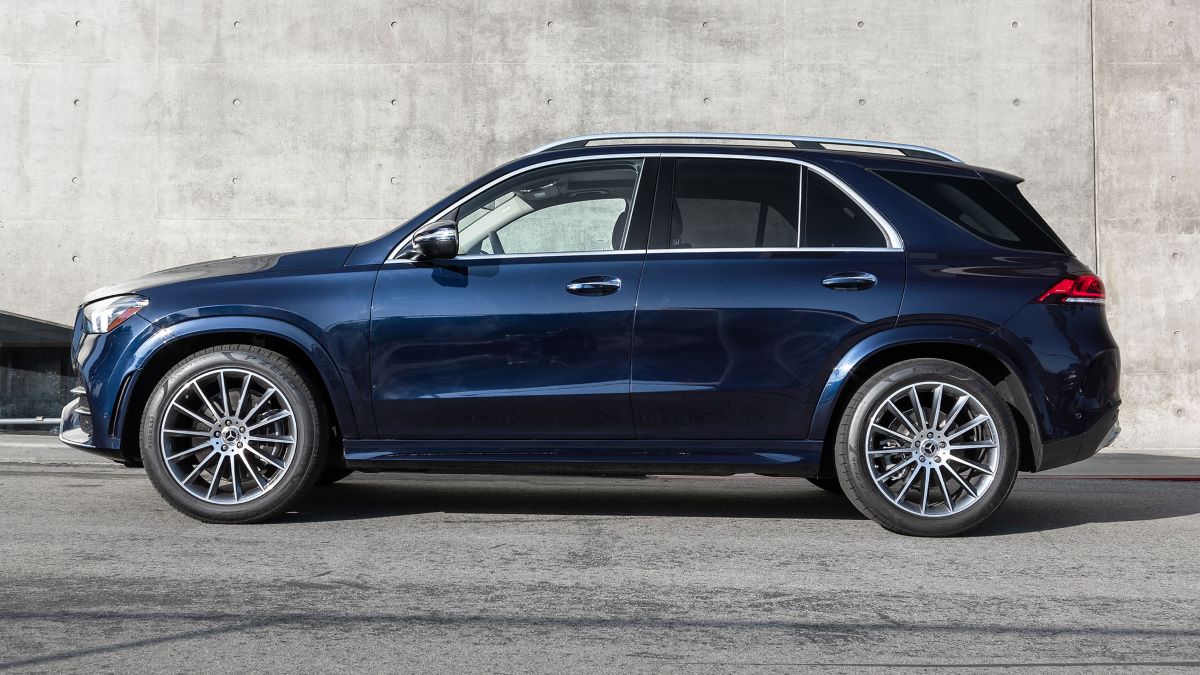
6. Mercedes-Benz GLE
The Mercedes-Benz GLE is a luxury SUV that prioritizes comfort and support for long drives. Its front seats are designed with multiple layers of cushioning and ergonomic shaping to reduce fatigue and maintain proper posture.
Adjustable lumbar support, seat height, tilt, and cushion length allow drivers to customize their seating position to suit their body shape and driving style.
The backrests are contoured to support the natural curvature of the spine, while side bolsters provide additional lateral support that helps reduce slouching and back strain during long drives or cornering.
The seat design focuses on even weight distribution across the pelvis and thighs, which is crucial for preventing discomfort over extended periods of sitting.
Mercedes offers Active Multicontour seats in higher trims of the GLE, which include built-in massage functions that target the lumbar and upper back regions.
These systems have various modes and intensity levels, simulating techniques such as rolling or kneading, which relieve tension and improve circulation.
Ventilated and heated seat options complement the massage functions, keeping passengers comfortable in all seasons. The combination of these features ensures that drivers remain alert, relaxed, and free from fatigue even during long-distance trips.
Rear passengers are also given priority in the GLE. The second-row seats provide generous legroom, adjustable recline, and supportive cushions that encourage proper posture.
Optional rear heating adds another layer of comfort, while the cabin layout ensures minimal awkward movements when entering or exiting the vehicle.
The careful design of both front and rear seating makes the GLE a true family-friendly vehicle for road trips, ensuring that every occupant enjoys a comfortable ride without putting unnecessary stress on the back.
The use of premium materials further enhances the GLE experience. High-quality leather, soft-touch surfaces, and plush cushioning create a sense of luxury while maintaining durability and ergonomic support.
This thoughtful combination of technology, adjustability, and material quality makes the GLE one of the top choices for travelers who prioritize back comfort.
Whether navigating city streets or embarking on long highway journeys, the Mercedes GLE provides seating that actively supports the spine, reducing fatigue and enhancing the driving experience.
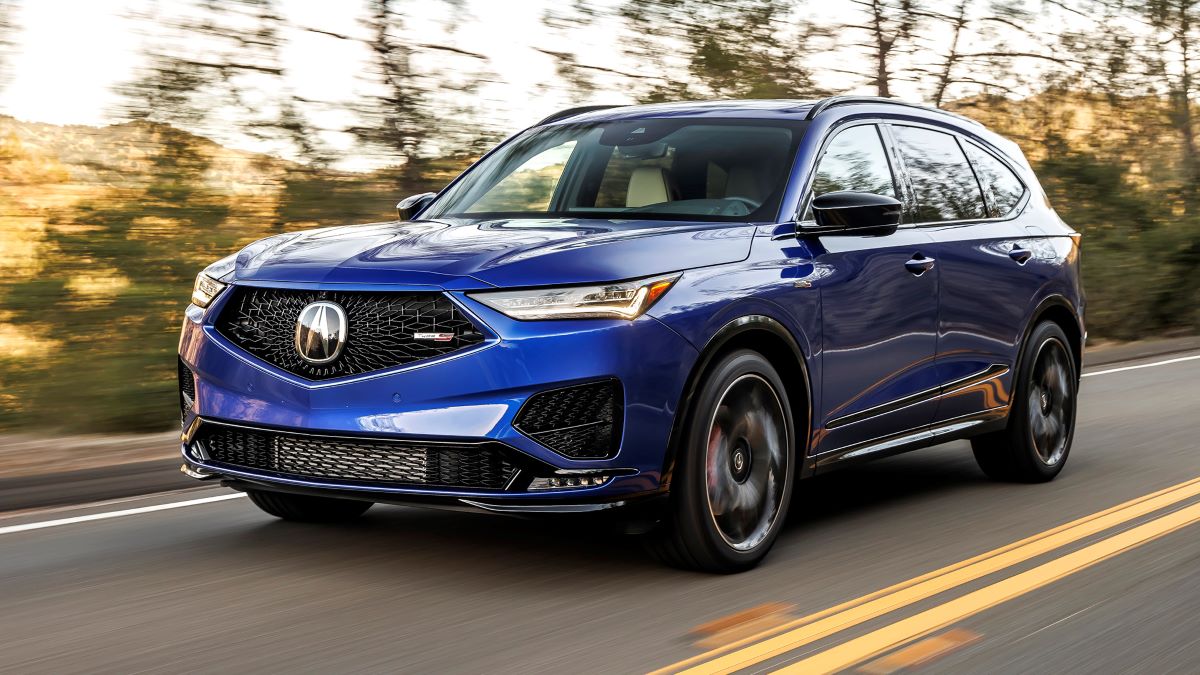
7. Acura MDX
The Acura MDX is a midsize SUV designed to combine practicality with exceptional comfort for long drives. Its front seats are ergonomically shaped to support the lumbar region and maintain proper spinal alignment.
Adjustable lumbar support, seat height, tilt, and cushion length allow drivers to create a personalized seating position, ensuring that their lower back and hips remain supported even after several hours behind the wheel.
The seat cushions are firm enough to prevent sinking but soft enough to absorb vibrations from uneven road surfaces, which reduces pressure points and prevents fatigue.
Acura also offers available ventilation and heating for both front seats, which helps maintain comfort during long journeys.
The MDX does not have a full massage system like some luxury competitors, but the thoughtful ergonomic design and supportive cushion materials achieve similar results by keeping the spine properly aligned and distributing weight evenly.
Side bolsters provide additional lateral support, which helps drivers maintain a proper posture and reduces the likelihood of slouching on winding roads or during extended trips.
The rear seats of the MDX are equally accommodating. Passengers benefit from spacious legroom, supportive cushions, and adjustable recline angles that allow them to maintain comfort for hours at a time.
Heated rear seats in higher trims enhance comfort further, while careful attention to ergonomics reduces the need for awkward movements that could strain the back during entry or exit.
This combination of features ensures that both front and rear passengers experience relief from discomfort, even during long journeys.
Acura uses high-quality materials in the MDX to complement its ergonomic design. Leather upholstery, soft-touch surfaces, and firm but supportive cushions create an interior that feels both luxurious and practical.
The MDX proves that a midsize SUV can prioritize back support and comfort without compromising performance or utility. For families, commuters, and long-distance travelers, the Acura MDX provides an experience that minimizes back strain while enhancing the enjoyment of road trips.
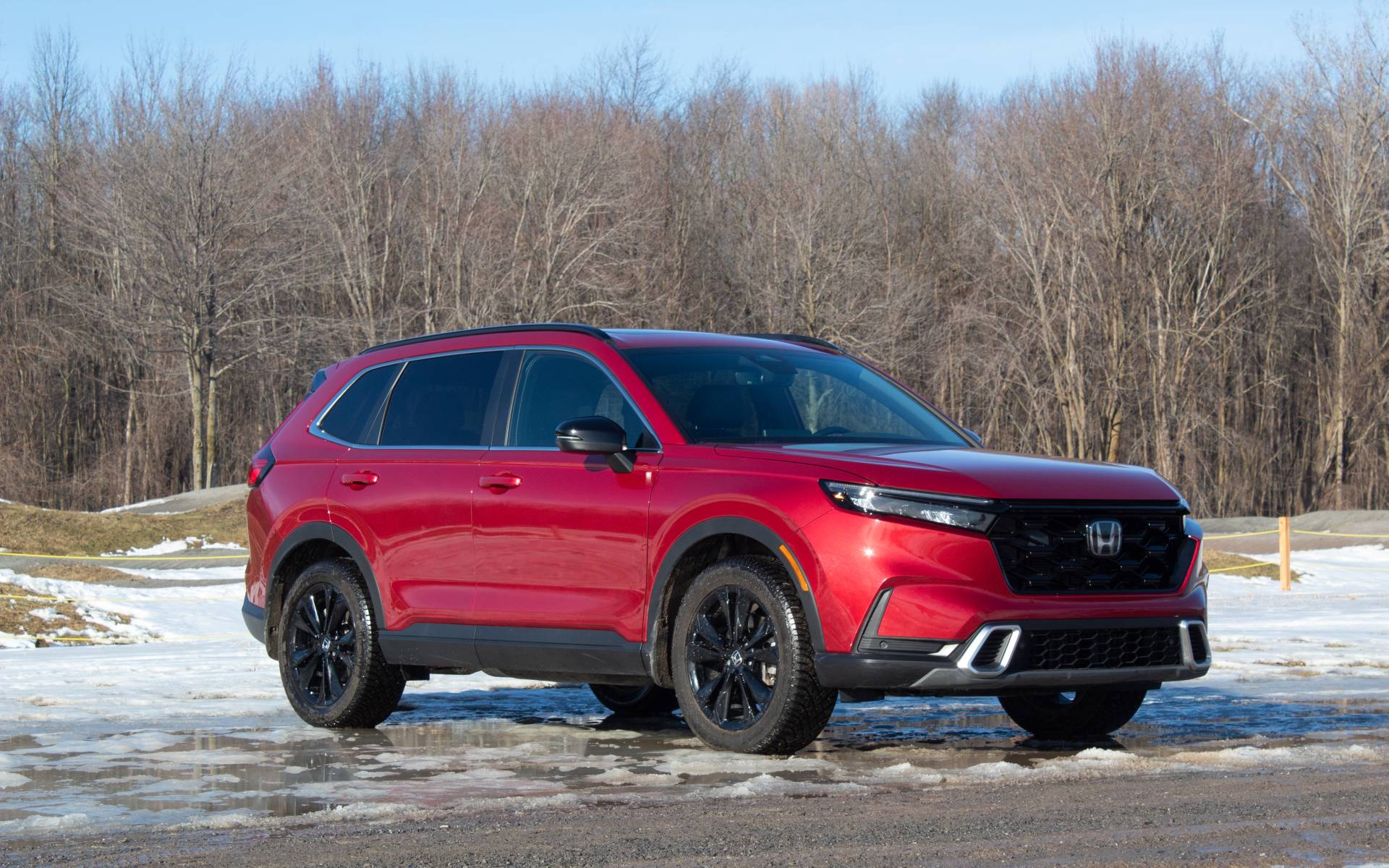
8. Honda CR-V
The Honda CR-V is a compact SUV that emphasizes comfort and practicality for daily driving and longer road trips. Its front seats are designed with adjustable lumbar support and contoured cushions to provide firm yet forgiving support for the lower back.
While it lacks some of the luxury features found in higher-end vehicles, the CR-V focuses on ergonomics that suit a wide range of body types.
The backrests follow the natural curvature of the spine, which encourages proper posture and reduces fatigue during long periods of sitting. The seat height and tilt are adjustable, allowing drivers to position themselves optimally to reduce stress on the back and hips.
The CR-V also provides thoughtfully designed cushioning that distributes weight evenly, helping prevent pressure points and discomfort over extended drives.
While it does not include massage functions, the firm yet comfortable seat construction, combined with a supportive backrest, reduces muscle strain and encourages a more natural posture.
Ventilation is not standard, but higher trims include heated front seats that maintain comfort during cold weather. The combination of ergonomic design and practical adjustments makes the CR-V a strong option for drivers who want comfort without the complexity of luxury features.
Rear passengers enjoy generous legroom and supportive cushions that help maintain comfort during multi-hour trips. Adjustable recline functions allow passengers to find the most comfortable position, reducing strain on the lower back and hips.
Honda also emphasizes ease of entry and exit, ensuring that passengers can move into and out of the vehicle without awkward twisting or bending that could cause discomfort.
These considerations make the CR-V a family-friendly choice for long drives, where passenger comfort is just as important as driver support.
Materials in the CR-V focus on a combination of durability and comfort. While not as luxurious as some competitors, soft-touch surfaces, well-padded armrests, and supportive seats provide a practical and comfortable environment.
For drivers and passengers seeking a reliable, ergonomically designed SUV that helps prevent back fatigue on extended road trips, the Honda CR-V delivers a thoughtful balance of comfort, practicality, and affordability.
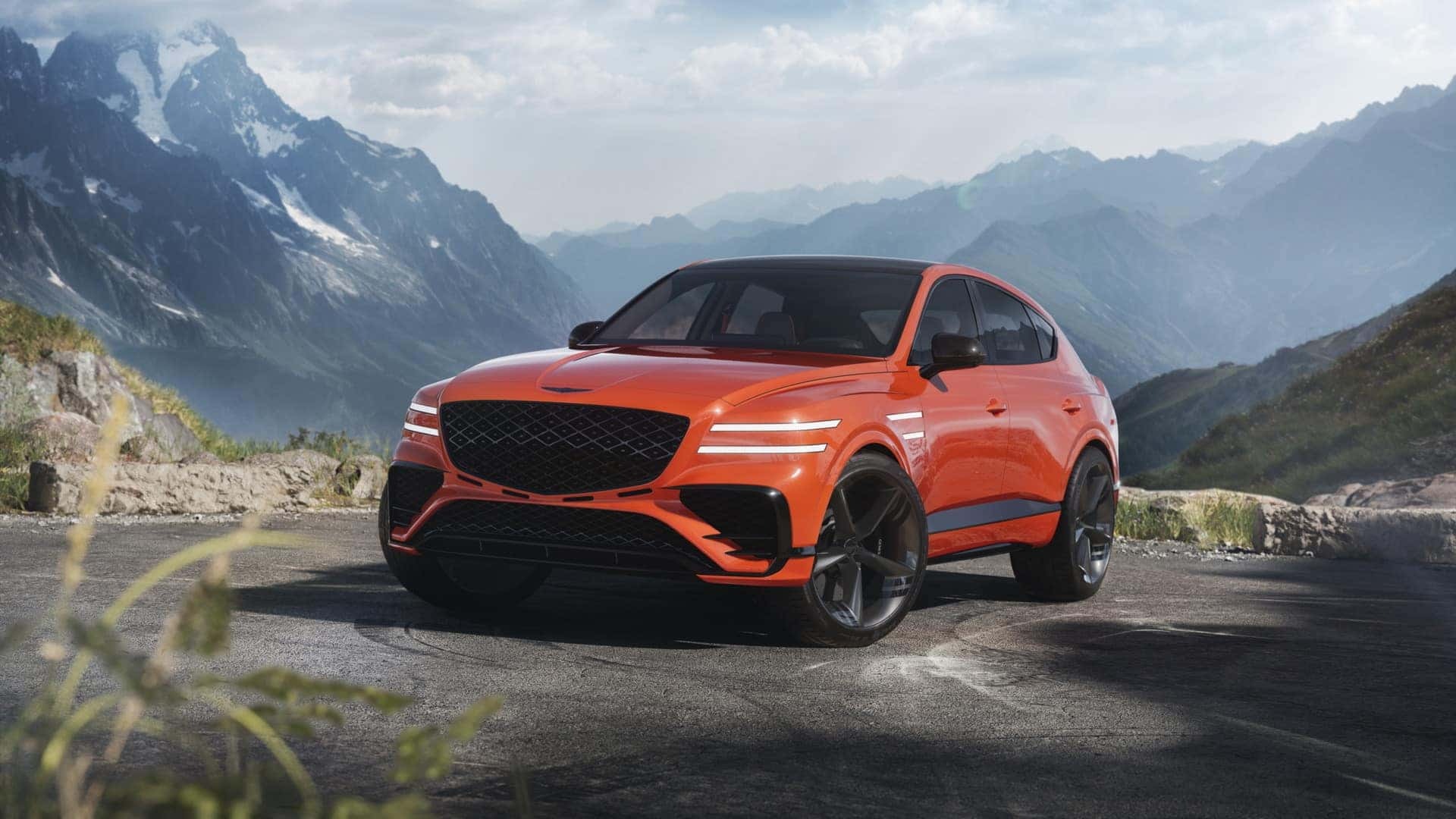
9. Genesis GV80
The Genesis GV80 is a luxury SUV that places a strong emphasis on back support and long-distance comfort. Its front seats feature multiple adjustments, including lumbar support, cushion length, tilt, and height, allowing drivers to customize their seating position for optimal posture.
The backrests are ergonomically contoured to follow the spine’s natural curve, providing consistent support to the lower back and thoracic region.
Side bolsters offer lateral support, which is especially beneficial when driving on winding roads, helping prevent slouching and maintaining spinal alignment over extended trips.
Genesis offers advanced massage functions in the GV80, with multiple programs that target key areas such as the lower back and shoulders. These features simulate professional massage techniques and can be set to activate periodically during long drives, promoting circulation and reducing fatigue.
Heated and ventilated seating further enhances comfort, allowing passengers to remain relaxed regardless of outside temperatures. The combination of these features makes the GV80 an exceptional choice for drivers who prioritize comfort and spinal support.
Rear passengers also enjoy luxurious comfort. The second-row seats provide ample legroom, adjustable recline, and supportive cushions that maintain proper posture for long journeys.
Heated rear seats and available ventilation add another layer of comfort, ensuring that all occupants experience a high level of ergonomic support. The cabin is designed to reduce awkward movements during entry, exit, or adjustments, minimizing the risk of back strain during travel.
The interior of the GV80 is constructed with premium materials that complement its ergonomic design. Leather upholstery, soft-touch surfaces, and supportive cushions combine to provide a comfortable and durable environment.
Genesis has placed particular emphasis on long-distance comfort, making the GV80 ideal for road trips, commuting, or daily driving where back support is a priority.
Its combination of adjustability, massage features, and thoughtful materials ensures that fatigue is minimized and passengers arrive at their destination feeling relaxed.
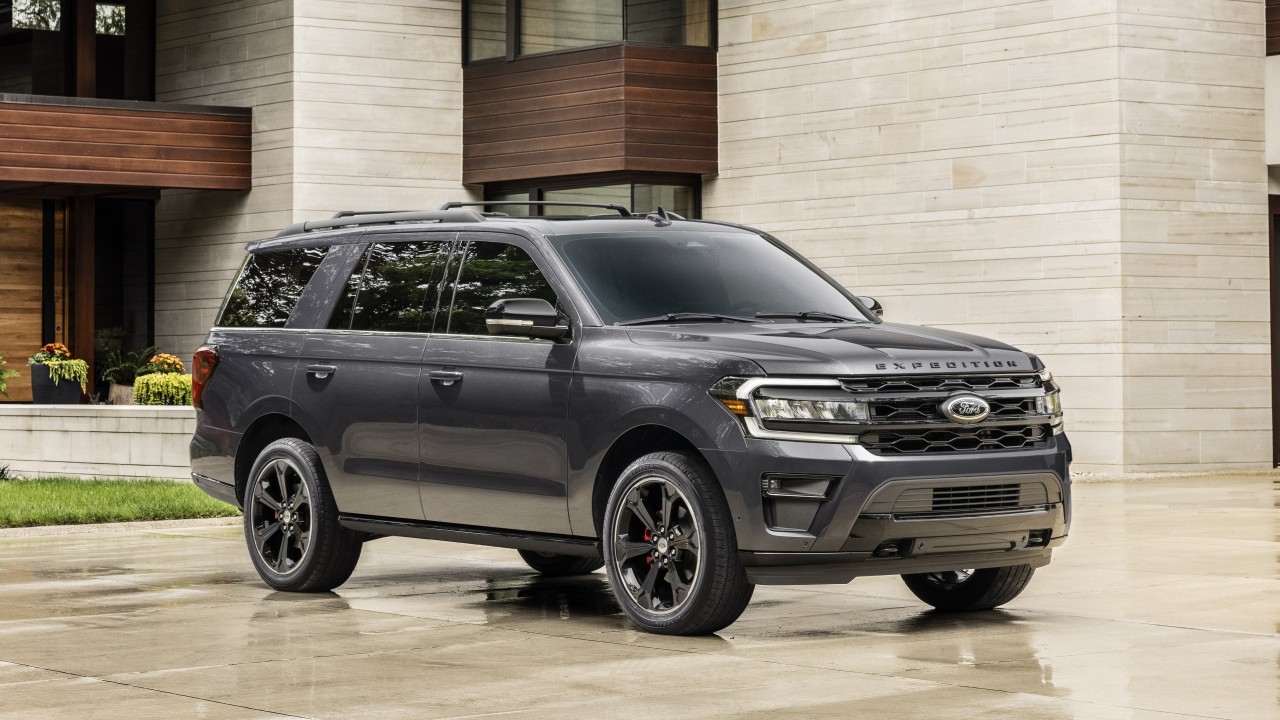
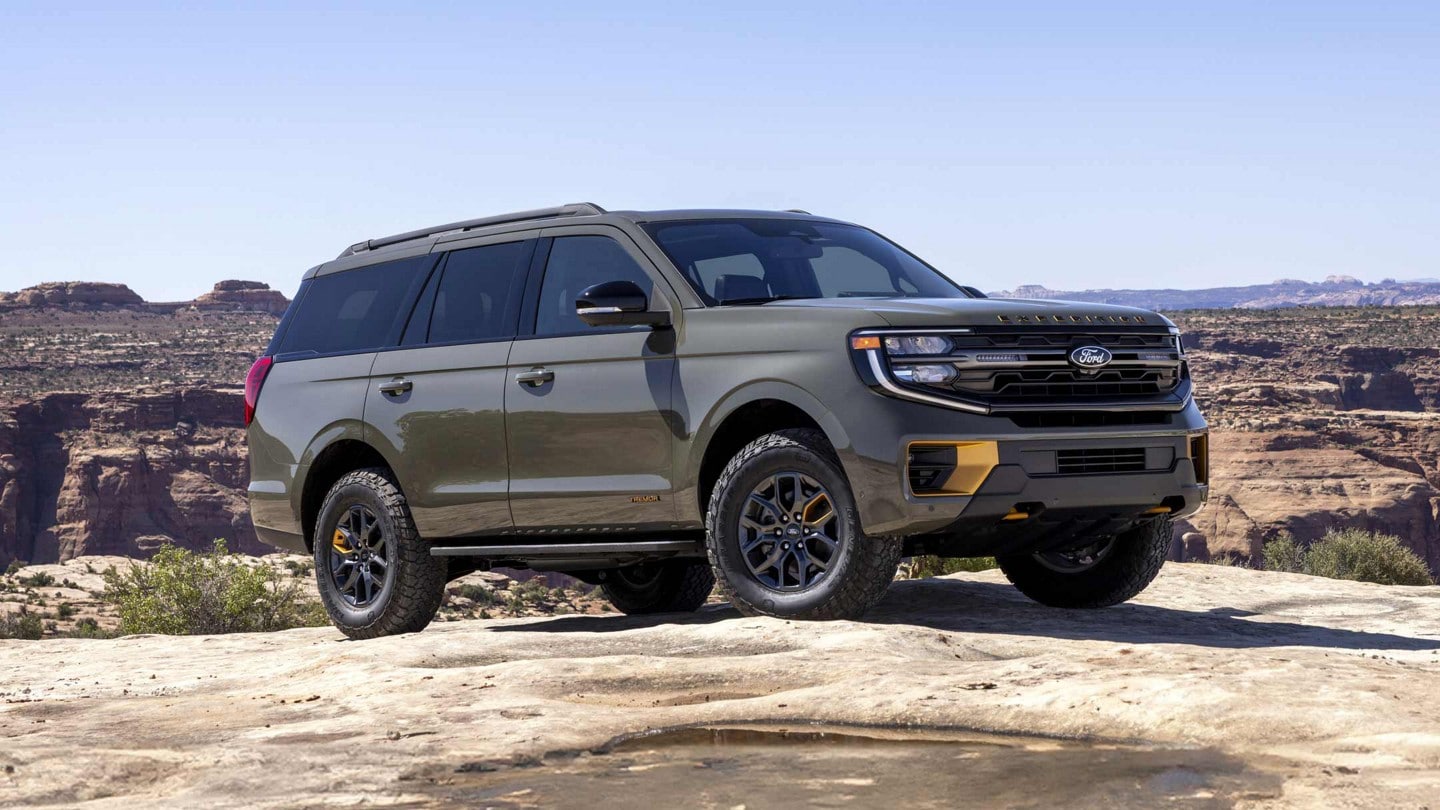
10. Ford Expedition
The Ford Expedition is a full-size SUV that excels in providing back support for both drivers and passengers during extended journeys. Its front seats are large, well-cushioned, and highly adjustable, featuring lumbar support, height adjustment, tilt, and cushion length options.
The backrests are shaped to follow the natural S-curve of the spine, supporting the lower and mid-back, while firm seat cushions distribute weight evenly to reduce pressure points and prevent fatigue over long drives.
Side bolsters provide additional stability and posture support, which is particularly helpful during highway travel or when carrying heavier loads.
Higher trims of the Expedition include heated and ventilated front seats, along with available massage functions that target the lumbar area and upper back. These features help maintain circulation, relieve tension, and reduce discomfort during long trips.
Adjustable bolsters and seat firmness settings allow drivers to personalize the seating experience, ensuring that they remain comfortable and alert regardless of the distance traveled.
The Expedition’s focus on comfort is particularly important for drivers who spend hours navigating highways, as it reduces the risk of back strain and fatigue-related distractions.
Rear passengers are equally well cared for. The second and third-row seats provide generous legroom, adjustable recline, and supportive cushions that help maintain proper posture over long distances. Heated seating options are available for rear passengers in higher trims, enhancing comfort on cold days.
Careful attention has been paid to seat positioning and ergonomics to reduce the need for awkward movements when entering, exiting, or adjusting seats during travel, which helps prevent unnecessary strain on the back.
Ford emphasizes durable and comfortable materials in the Expedition. Premium leather, supportive cushioning, and soft-touch surfaces contribute to a cabin environment that balances luxury, practicality, and long-term comfort.
The Expedition demonstrates that a full-size SUV can provide superior back support for all occupants, making it an ideal choice for families, adventure travelers, or anyone who spends extended periods on the road.
Its combination of adjustability, ergonomic design, and comfort features ensures a road trip experience that is both enjoyable and physically supportive.
