
Electric vehicles have become a central part of the automotive industry, offering efficiency, high torque, and a unique driving experience. One factor that often goes unnoticed by buyers is how EVs handle extreme summer heat, especially when it comes to performance.
Unlike traditional internal combustion engines, which can rely on airflow and liquid cooling to maintain consistent output, electric vehicles rely on battery and inverter cooling systems to sustain power.
The ability of an EV to maintain peak performance under sustained high temperatures depends heavily on its thermal management design, battery chemistry, and software programming.
While some vehicles are engineered with advanced liquid cooling and active thermal balancing, others may reduce power output to protect the battery, sometimes leading to noticeable throttling during spirited driving or repeated acceleration.
Understanding which EVs can hold power and which tend to derate in summer heat is important for drivers who live in hot climates or who enjoy performance driving.
Battery temperature is a crucial factor influencing performance. As lithium-ion batteries heat up, the chemical reactions inside the cells become less efficient, resistance increases, and the risk of degradation rises.
Most manufacturers implement thermal management systems to prevent overheating, but the strategies vary widely.
Some EVs can sustain high temperatures with little reduction in output due to robust liquid cooling, optimized airflow, or preconditioning features.
Others, particularly those with passive cooling or smaller battery packs, may reduce motor torque or limit top speed when the battery temperature exceeds safe thresholds.
This throttling can affect acceleration, sustained high-speed driving, and even regenerative braking effectiveness. Drivers need to consider not only range but also how the vehicle handles power delivery under extreme conditions.
Environmental factors such as ambient temperature, sunlight exposure, and driving conditions compound the issue. High-speed driving on highways, towing, or repeated fast acceleration can push the battery to thermal limits more quickly than casual city driving.
Vehicles with sophisticated cooling loops often include software that predicts thermal buildup and adjusts motor performance gradually, allowing drivers to maintain confidence without sudden drops in power.
In contrast, less optimized systems may result in abrupt derating, which can surprise drivers during overtaking maneuvers or spirited driving.
Knowing which EVs are resilient in heat and which are prone to throttling is crucial for informed decisions, particularly for enthusiasts or those planning long trips in hot climates.
Performance in heat is also influenced by the type of battery chemistry and the capacity of the cooling system. EVs with larger packs often have more thermal mass, which helps absorb heat, but this is only effective if paired with active cooling.
Similarly, motors generate heat, and high-output configurations are more likely to be affected without adequate thermal management.
Automakers that focus on performance vehicles often tune their software and hardware to prioritize consistent output, while others designed for efficiency or urban commuting may accept throttling as a trade-off for longevity and safety.
Understanding these differences helps drivers match a vehicle to their expectations and local climate conditions.
EVs That Hold Power in Summer Heat
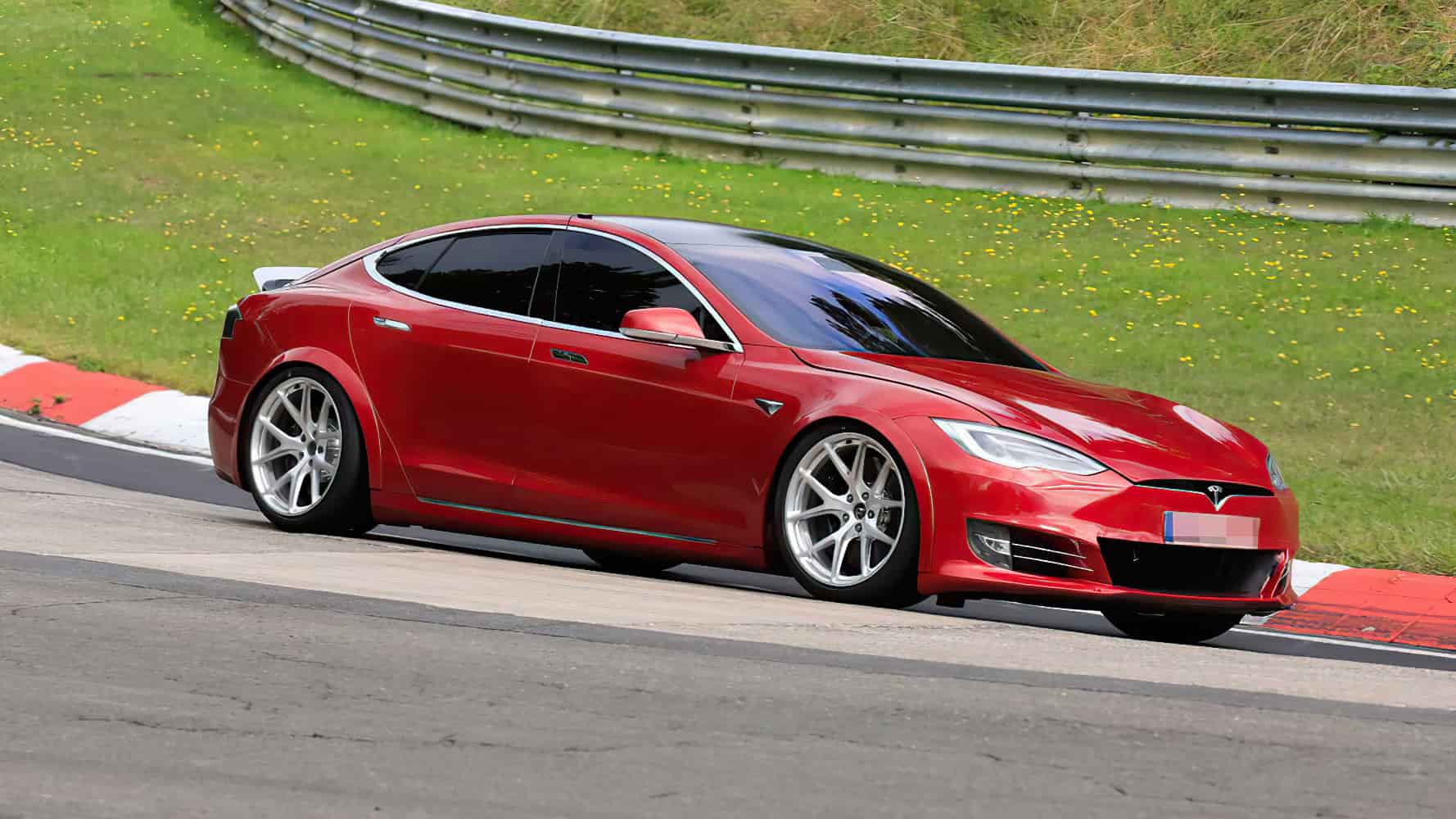
1. Tesla Model S Plaid
The Tesla Model S Plaid is renowned for its ability to maintain peak performance even under extreme summer heat, setting it apart from many other EVs on the market.
Its advanced thermal management system uses a combination of liquid cooling loops for both the battery and the motors, along with heat exchangers and software-controlled cooling pumps, to ensure consistent operating temperatures.
Unlike air-cooled or less sophisticated battery systems, this setup allows the Plaid to sustain high current draws for prolonged periods without triggering throttling.
Drivers can repeatedly accelerate from 0 to 60 mph or push the car to its top speed, and the system actively prevents the battery cells from overheating.
This reliability under high-temperature conditions makes the Model S Plaid particularly appealing for those who live in hot climates or enjoy spirited driving on long stretches of highway or racetracks.
The inverter and motor cooling architecture in the Plaid is equally robust. Tesla uses a multi-loop design where the motors, battery, and inverter each have dedicated cooling channels but remain interconnected to share thermal load efficiently.
The software constantly monitors temperatures in real time, predicting heat accumulation and adjusting power output or coolant flow before reaching critical thresholds.
As a result, drivers rarely experience sudden power reduction. This capability is especially useful during repeated high-performance runs or when climbing steep inclines in hot weather, scenarios in which many other EVs would throttle.
The integration of hardware and software for thermal regulation is a major reason the Plaid can maintain performance in summer heat so effectively.
Battery chemistry also contributes to the Plaid’s ability to retain power under high temperatures. Tesla’s use of nickel-cobalt-aluminum (NCA) cells provides a balance between energy density, thermal stability, and high-current tolerance. These cells can sustain large power draws without excessive heat generation or degradation.
Combined with preconditioning features that allow the battery to be cooled prior to high-performance driving, the Model S Plaid minimizes the risk of performance reduction.
This means that drivers can engage in repeated rapid acceleration or extended highway driving with confidence that power delivery will remain consistent, a level of thermal stability that many EV competitors cannot match.
Aerodynamics, chassis design, and efficiency also play a subtle but crucial role in heat management. The Plaid’s sleek body minimizes drag, reducing energy wasted as heat, while low rolling resistance tires limit frictional losses.
These design elements reduce the stress on both motors and battery, complementing the active thermal systems.
By combining passive efficiency with active cooling, Tesla has created an EV that is not only capable of extreme performance in ideal conditions but also resilient to the additional thermal challenges posed by hot summer weather.
This holistic approach ensures that the Model S Plaid delivers reliable, repeatable performance even under sustained high-temperature conditions, making it one of the most heat-resilient EVs currently available.
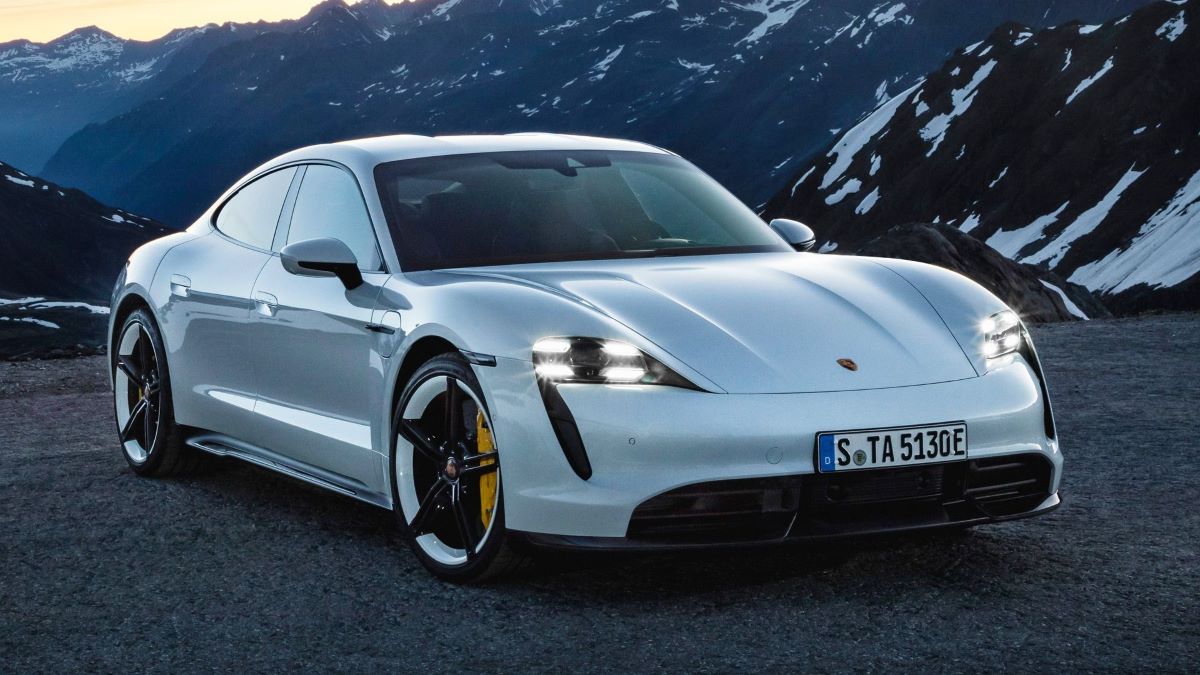
2. Porsche Taycan Turbo S
The Porsche Taycan Turbo S demonstrates exceptional ability to sustain performance even when ambient temperatures soar.
Its 800-volt electrical architecture allows high-voltage energy transfer, reducing stress on individual battery cells and minimizing heat generation during rapid acceleration or prolonged high-speed driving.
The multi-stage liquid cooling system in the Taycan actively regulates the temperature of both the battery and the motors, keeping them within optimal operating ranges.
This enables drivers to repeatedly push the vehicle hard without experiencing the throttling that often affects other EVs in hot weather. Porsche has engineered the Taycan to maintain not only speed but also driver confidence under demanding thermal conditions, offering consistent handling and acceleration.
The Taycan’s cooling strategy separates the thermal management of motors and inverters, allowing each component to operate independently. This separation prevents localized overheating and ensures that even under extended high-load conditions, the powertrain can function efficiently.
Porsche’s software continuously monitors motor temperatures and adjusts torque distribution between the front and rear motors when needed, avoiding sudden derating.
For example, during sustained downhill acceleration or extended highway sprints in hot summer heat, the Taycan can maintain optimal performance without the abrupt loss of power that affects less sophisticated EVs.
Battery chemistry is another key contributor to the Taycan’s heat resilience. Porsche uses high-density lithium-ion cells designed to tolerate high-current draws without excessive thermal buildup.
These cells, combined with an active cooling system, prevent rapid temperature rise during aggressive driving, which reduces the risk of performance throttling.
Additionally, the Taycan employs regenerative braking to manage energy flow and further dissipate heat. This sophisticated energy management strategy allows the car to sustain both high performance and safety margins, even under challenging thermal conditions.
Beyond cooling and chemistry, Porsche also optimizes chassis dynamics and energy efficiency to minimize heat production. Low-drag aerodynamic design and high-performance tires limit energy loss due to friction and resistance, reducing unnecessary heat generation in the drivetrain.
The combined effect of intelligent software, advanced thermal hardware, and efficient design ensures that the Taycan Turbo S delivers a reliable, repeatable performance in hot weather, maintaining both acceleration and handling precision.
This makes it a standout for drivers seeking consistent high-performance EVs in regions with high ambient temperatures.
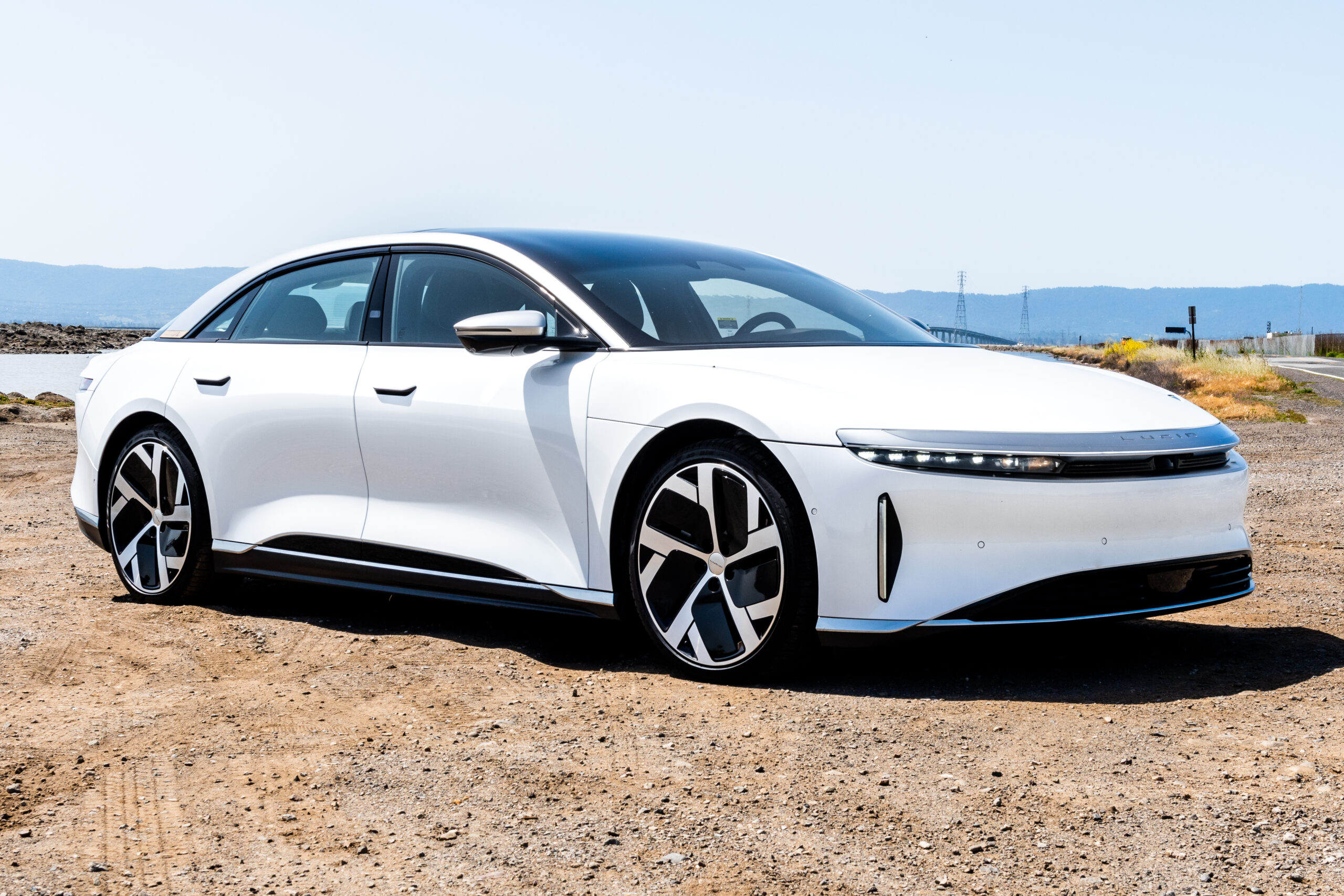
3. Lucid Air Dream Edition
The Lucid Air Dream Edition excels in heat management due to its comprehensive approach to thermal control and battery design.
The vehicle uses a liquid-cooled battery pack with dedicated loops for the battery modules and individual motors, combined with advanced software algorithms that direct coolant precisely where it is needed.
These features allow the Lucid Air to maintain full acceleration capacity and motor output during sustained high-load driving in summer heat.
Drivers can repeatedly accelerate or drive at high speeds with minimal reduction in performance, an advantage for long highway trips or spirited driving sessions in hot climates.
Lucid’s dual-motor setup benefits from independent thermal management for each motor, which ensures that no single component overheats under prolonged stress.
The system actively distributes cooling resources based on predicted and real-time loads, allowing the vehicle to handle repeated high-current draws efficiently.
This setup minimizes localized hotspots, preventing software from reducing torque unnecessarily. Even in scenarios like uphill driving, towing, or extended highway runs, the Lucid Air can deliver peak performance without the sudden power reduction that affects many other EVs.
Battery technology further enhances the vehicle’s performance in hot weather. The Lucid Air uses high-capacity lithium-ion cells with large thermal mass, which absorb heat and reduce temperature spikes during repeated high-power events.
Combined with active liquid cooling and predictive thermal management software, this ensures the battery remains within safe operating limits, maintaining consistent motor output and acceleration.
Preconditioning features allow the battery to be cooled before high-performance driving, further mitigating the risk of derating in summer heat.
Aerodynamics and efficiency are also key contributors. The Lucid Air’s low drag coefficient reduces wasted energy that would otherwise generate heat in the motors or battery. The vehicle’s chassis and tire design further reduce resistance, complementing the active thermal systems.
By combining intelligent cooling, high-quality battery chemistry, and aerodynamic efficiency, the Lucid Air Dream Edition maintains both range and peak performance under extreme heat conditions, making it one of the most reliable EVs for hot weather performance driving.
4. Rivian R1T
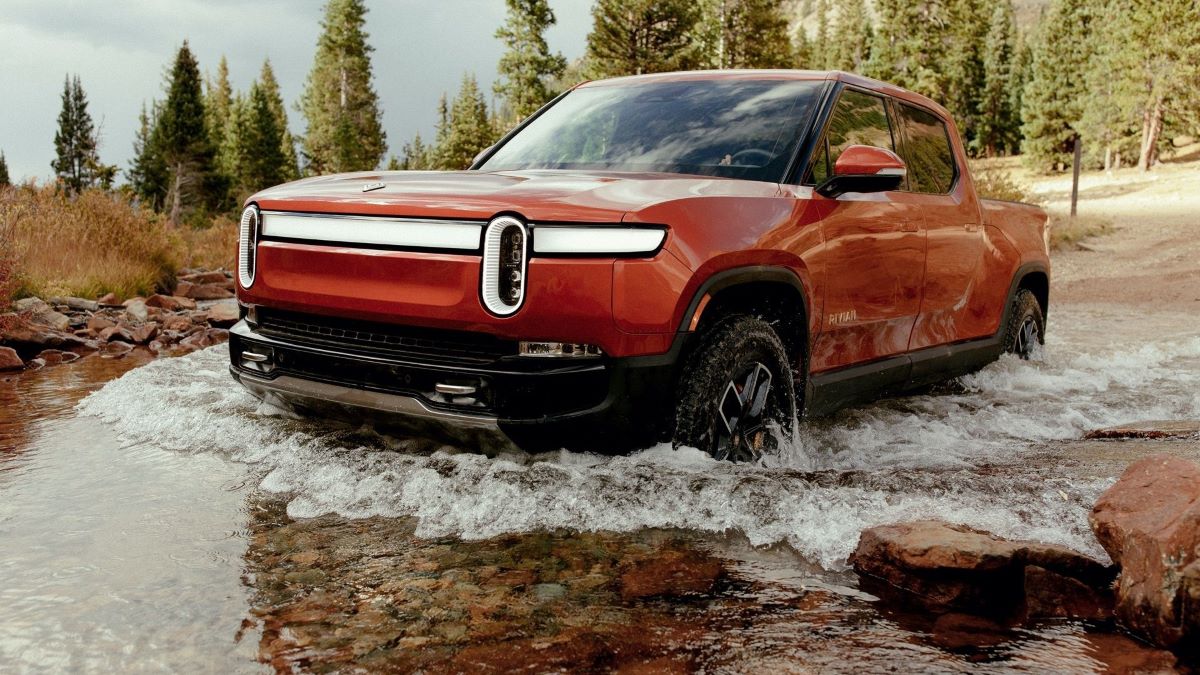
The Rivian R1T pickup truck shows impressive performance retention in hot summer conditions, despite its off-road capabilities and heavy-duty design.
The R1T’s quad-motor architecture provides immense torque, but this can produce significant heat under sustained high-load scenarios.
To manage this, Rivian has implemented a sophisticated thermal management system that actively cools both the battery and each motor independently.
Liquid coolant loops circulate throughout the pack and powertrain, and software actively monitors and redistributes thermal load, ensuring the vehicle can maintain full performance without throttling during demanding driving conditions.
Rivian’s design prioritizes off-road durability, which translates into excellent heat management. Driving off-road, towing, or climbing hills in summer heat can push batteries to their thermal limits quickly.
The R1T’s system prevents hotspots in any individual motor, and the software optimizes torque distribution to reduce unnecessary strain.
As a result, drivers experience consistent acceleration and power delivery even under sustained heavy use. This allows the truck to perform reliably in extreme heat, both on-road and off-road, without the sudden derating seen in less thermally robust EVs.
Battery chemistry and pack size contribute to the R1T’s heat resilience. The large-capacity battery provides substantial thermal mass, which absorbs heat generated during repeated high-power events.
When combined with active liquid cooling and predictive thermal management, the system can sustain high torque and acceleration levels while minimizing degradation.
Preconditioning the battery before heavy use further ensures that the vehicle can retain full power in hot summer conditions.
Energy efficiency and design integration enhance the R1T’s heat performance. The vehicle’s chassis layout, optimized airflow paths, and high-efficiency tires reduce unnecessary heat generation from resistance and drag.
By combining these passive measures with active cooling and intelligent software management, Rivian ensures that the R1T can maintain peak performance and driver confidence in extreme summer heat, making it one of the most capable EV trucks for high-temperature conditions.
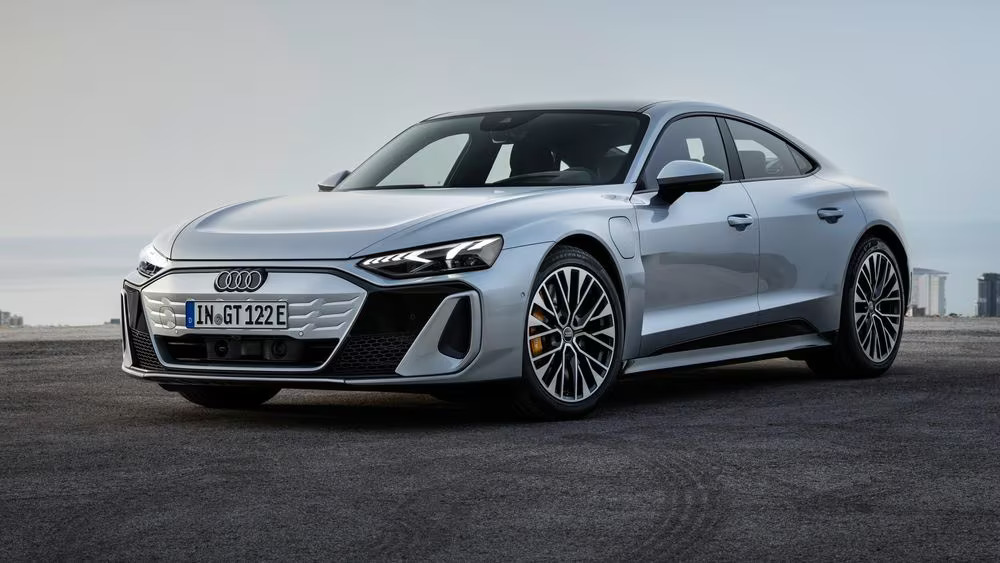
5. Audi e-tron GT
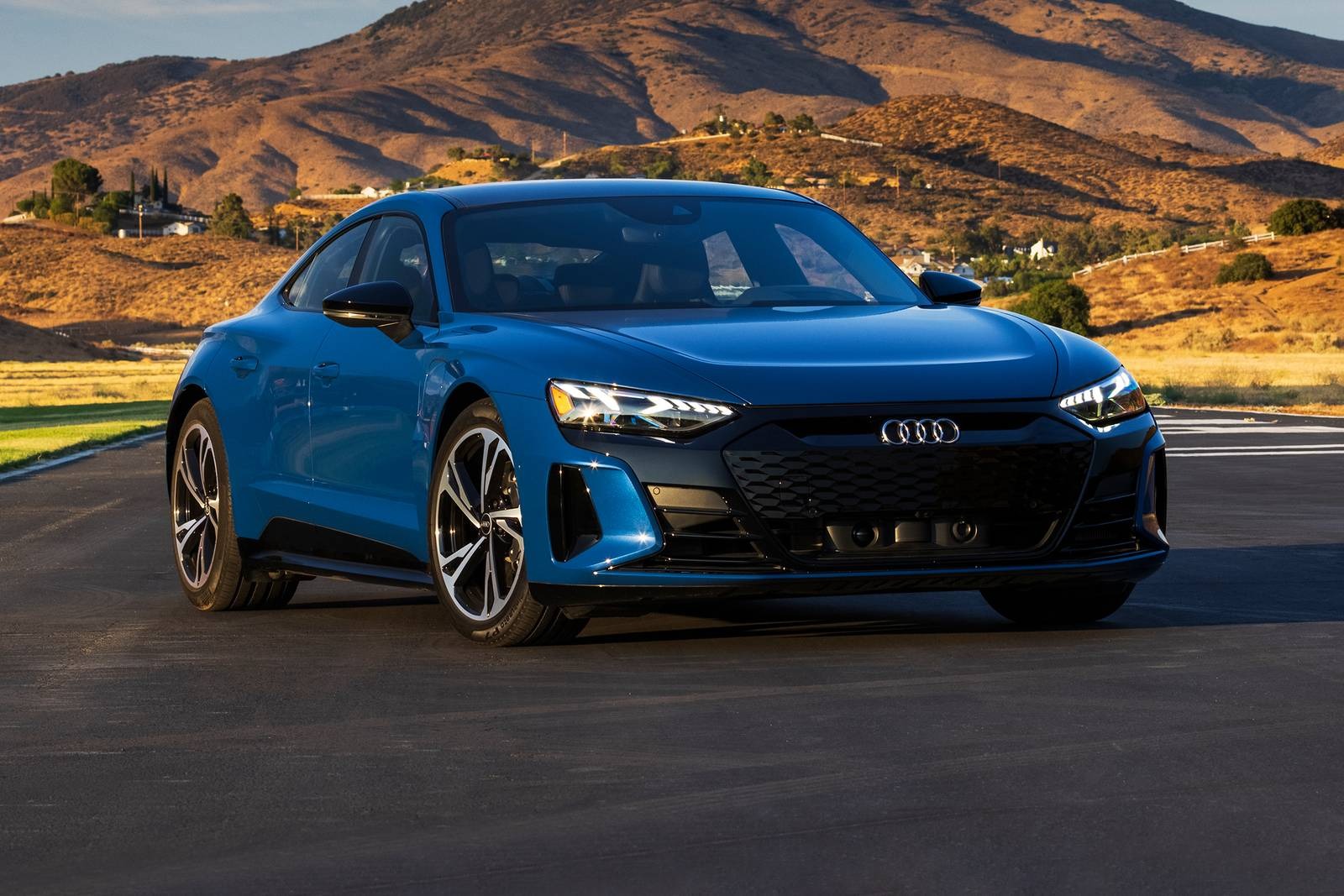
The Audi e-tron GT demonstrates exceptional heat resilience due to its dual-motor design and advanced cooling systems. Each motor and inverter has dedicated liquid cooling loops, and the battery pack is actively managed with multiple thermal zones.
This allows the e-tron GT to sustain high acceleration and performance without significant derating, even in extreme summer temperatures.
The software continuously monitors battery and motor temperatures and can adjust energy distribution intelligently, ensuring that drivers experience consistent torque and acceleration under sustained high loads.
The separation of battery cooling from motor and inverter cooling is critical. Heat generated in one area does not compromise the performance of other components, allowing the e-tron GT to operate at peak efficiency under repeated high-load conditions.
This capability is especially useful during long highway drives or spirited cornering sessions in hot climates, where thermal management is crucial to prevent throttling.
Audi’s software actively balances torque delivery to maximize performance without overheating components, maintaining consistent driving dynamics.
Aerodynamics and design efficiency also play a crucial role in the e-tron GT’s heat management. The car’s sleek body, carefully designed cooling vents, and low-resistance tires reduce unnecessary heat buildup in the motors and battery.
By integrating aerodynamic efficiency with active thermal management, Audi ensures that the e-tron GT can consistently deliver reliable high-performance driving in extreme heat conditions.
This combination of intelligent cooling, robust battery chemistry, and aerodynamic design makes the e-tron GT a standout among EVs for summer heat resilience.
EVs That Throttle or Derate in Summer Heat
1. Nissan Leaf
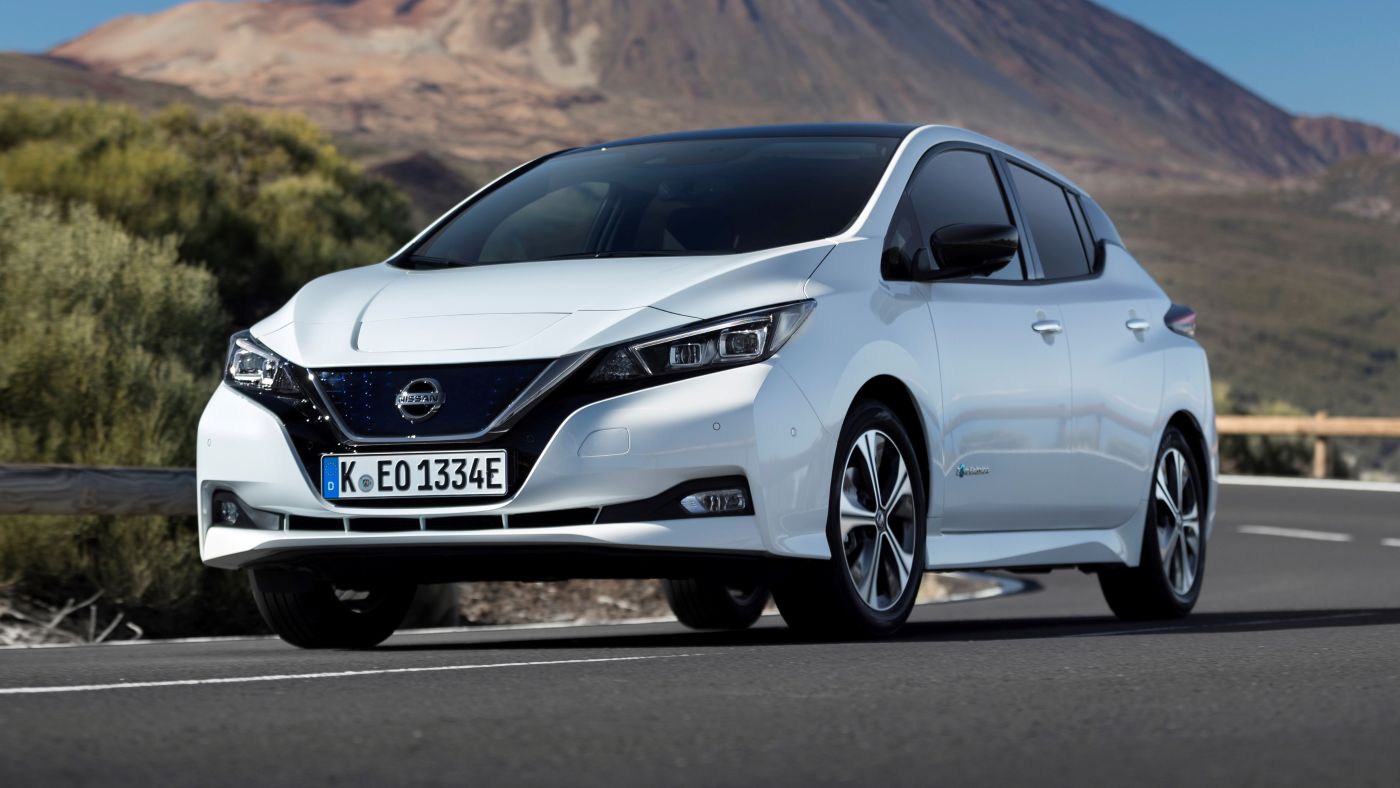
The Nissan Leaf is one of the earliest mainstream EVs, but it struggles to maintain peak performance under high-temperature conditions due to its reliance on air-cooled battery packs.
Unlike liquid-cooled systems, air cooling is far less efficient at removing heat from battery cells during high-load events, such as repeated acceleration or steep hill climbs in hot weather.
When the ambient temperature rises, the internal temperature of the battery can quickly reach the system’s safety limits, triggering automatic power reduction or derating to prevent damage.
Drivers often notice this as a sudden drop in acceleration or limited regenerative braking, particularly on long drives in summer heat.
Without an active liquid-cooling loop to evenly manage temperature across all battery modules, hotspots develop in certain cells, forcing the system to reduce motor output preemptively.
This can make driving the Leaf in hot conditions feel uneven and less responsive compared to liquid-cooled EVs.
Battery chemistry and capacity also contribute to the Leaf’s sensitivity to heat. The older lithium-ion cells in the Leaf are more prone to thermal buildup under sustained high-current draw.
Because air cooling is less effective at rapidly dissipating heat, the cells reach critical thresholds faster, resulting in the vehicle automatically limiting power.
Drivers may notice the throttle feels weaker after several hard accelerations in hot weather, which can be frustrating for those expecting consistent performance or regenerative braking efficiency.
Other factors, such as compact battery packaging and limited airflow, intensify heat retention in the Leaf. The smaller pack and close module placement restrict natural air circulation around cells, making thermal buildup more likely.
While the Leaf remains a reliable commuter EV under moderate conditions, it is not designed for extended high-performance use in hot climates.
Its throttling behavior is a clear reminder that early EV designs often sacrificed thermal management and sustained performance for cost efficiency and simplicity, leaving it less capable in extreme summer heat.
2. Chevrolet Bolt EV
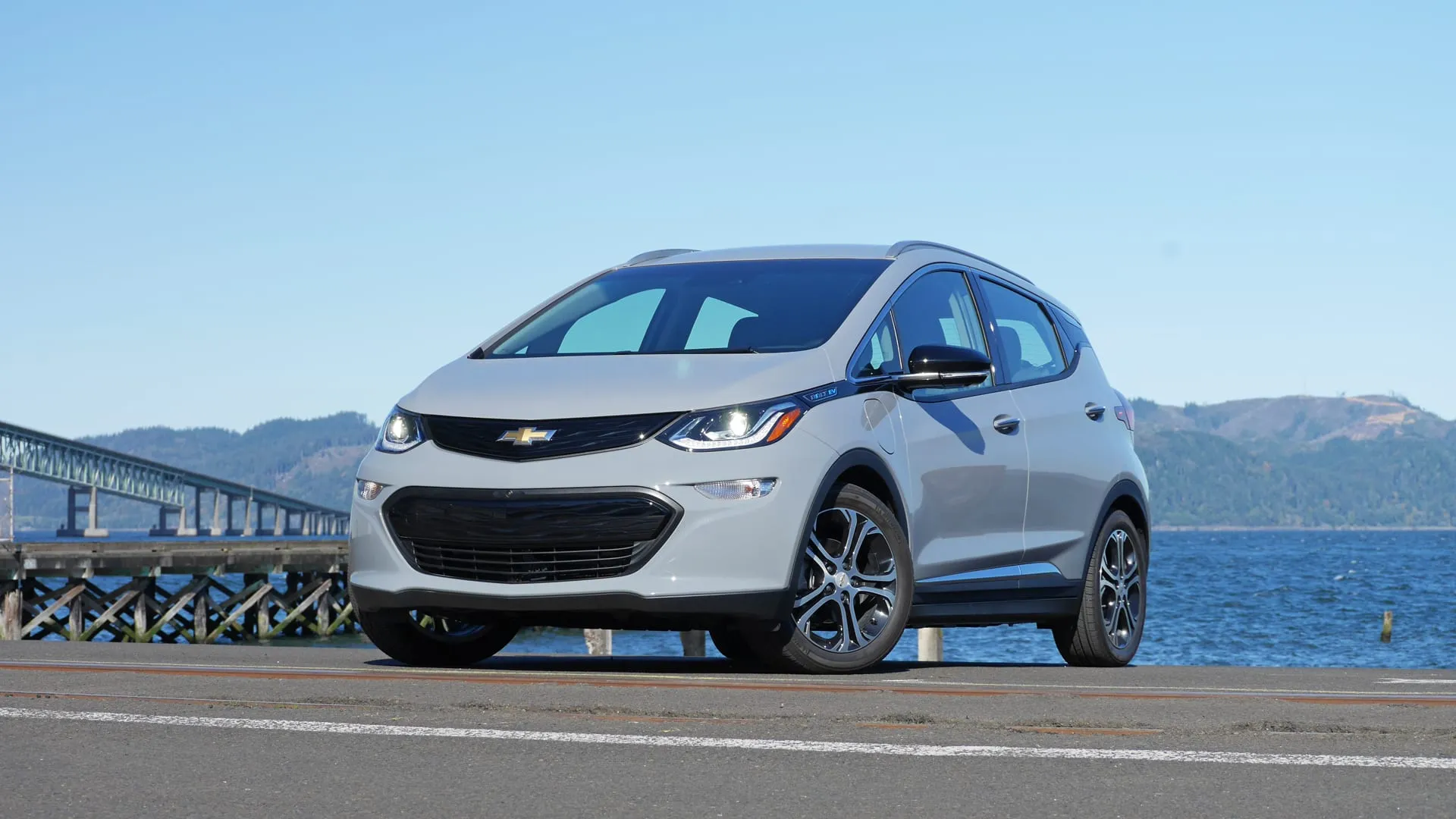
The Chevrolet Bolt EV is a popular compact EV, but it can struggle in hot summer weather due to its thermal management design. The Bolt uses a liquid-cooled battery, which is more advanced than air-cooled systems, but the pack has a relatively small thermal mass.
Under sustained high-power driving or repeated acceleration, heat accumulates in the cells faster than the cooling system can fully dissipate it.
This triggers temporary derating of the motor output to protect the battery, resulting in noticeable performance reduction. Drivers often experience a weaker throttle response or reduced acceleration after prolonged highway runs in summer heat.
The software plays a key role in protecting the Bolt’s battery, but it can result in noticeable differences in performance compared to cooler conditions.
The vehicle prioritizes thermal safety over driver experience, meaning that even experienced EV drivers may feel the sudden reduction in acceleration frustrating, particularly during spirited driving or long-distance trips in hot climates.
Despite having liquid cooling, the Bolt’s thermal system is not as robust as that of higher-end EVs designed for sustained performance, making it more prone to derating in extreme heat.
While the Bolt remains reliable for daily commuting, drivers should expect a decline in acceleration and regenerative braking performance during high-temperature conditions or repeated heavy use, highlighting the trade-offs in early EV thermal management strategies.
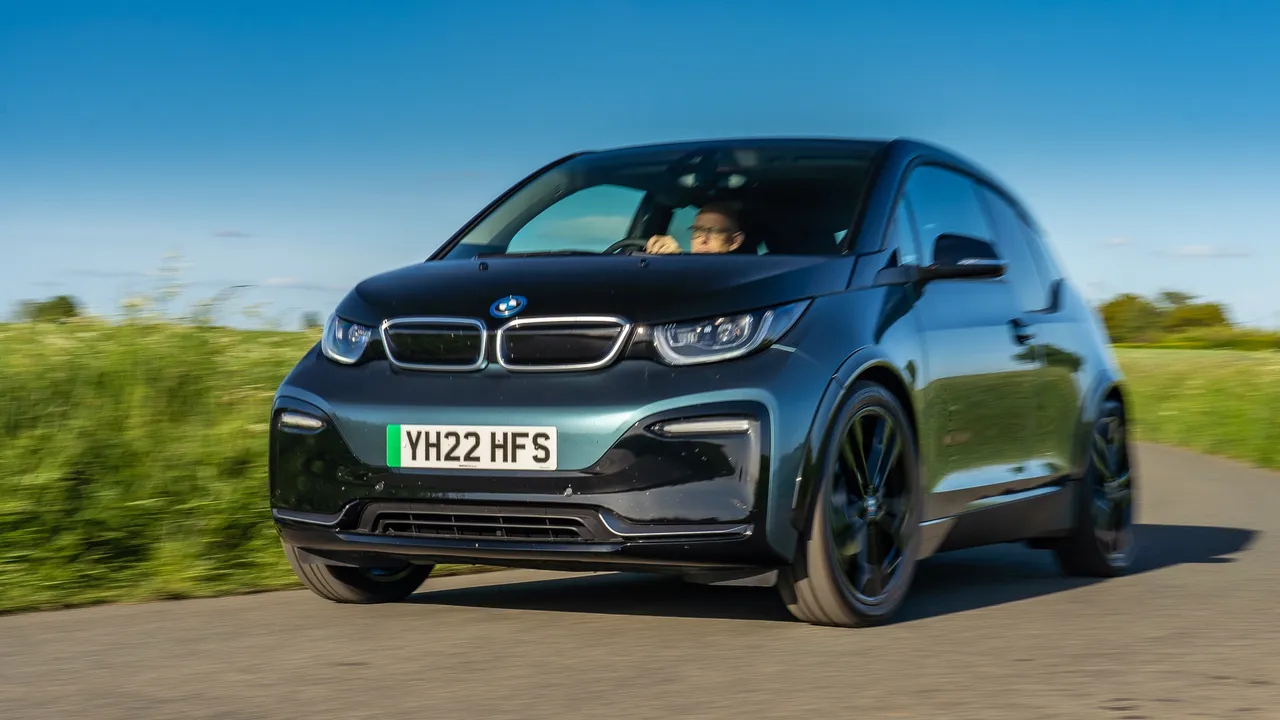
3. BMW i3
The BMW i3, while innovative and lightweight, often experiences performance reduction in hot weather due to its compact battery and limited thermal management system.
The i3 relies on a small liquid-cooled battery pack, but the system is optimized for city driving and efficiency rather than sustained high-load performance.
In summer heat, repeated acceleration, uphill climbs, or extended highway driving can quickly raise battery temperatures to the point where the software reduces motor output. This results in noticeable derating, where acceleration feels weaker and regenerative braking may also be limited.
When the battery approaches thermal thresholds, the i3’s software automatically throttles power to prevent overheating and cell degradation. Drivers often report that this is particularly noticeable during hot summer afternoons or when driving on hilly terrain.
The lightweight and efficient design of the i3 does help reduce heat production, but it cannot fully compensate for the limitations of the cooling system under sustained stress.
While the i3 excels at city commuting and short trips, drivers planning extended high-speed drives in summer heat should expect throttling and reduced motor output.
This highlights a key challenge in smaller, early-generation EVs: balancing weight, efficiency, and thermal management for performance and longevity.
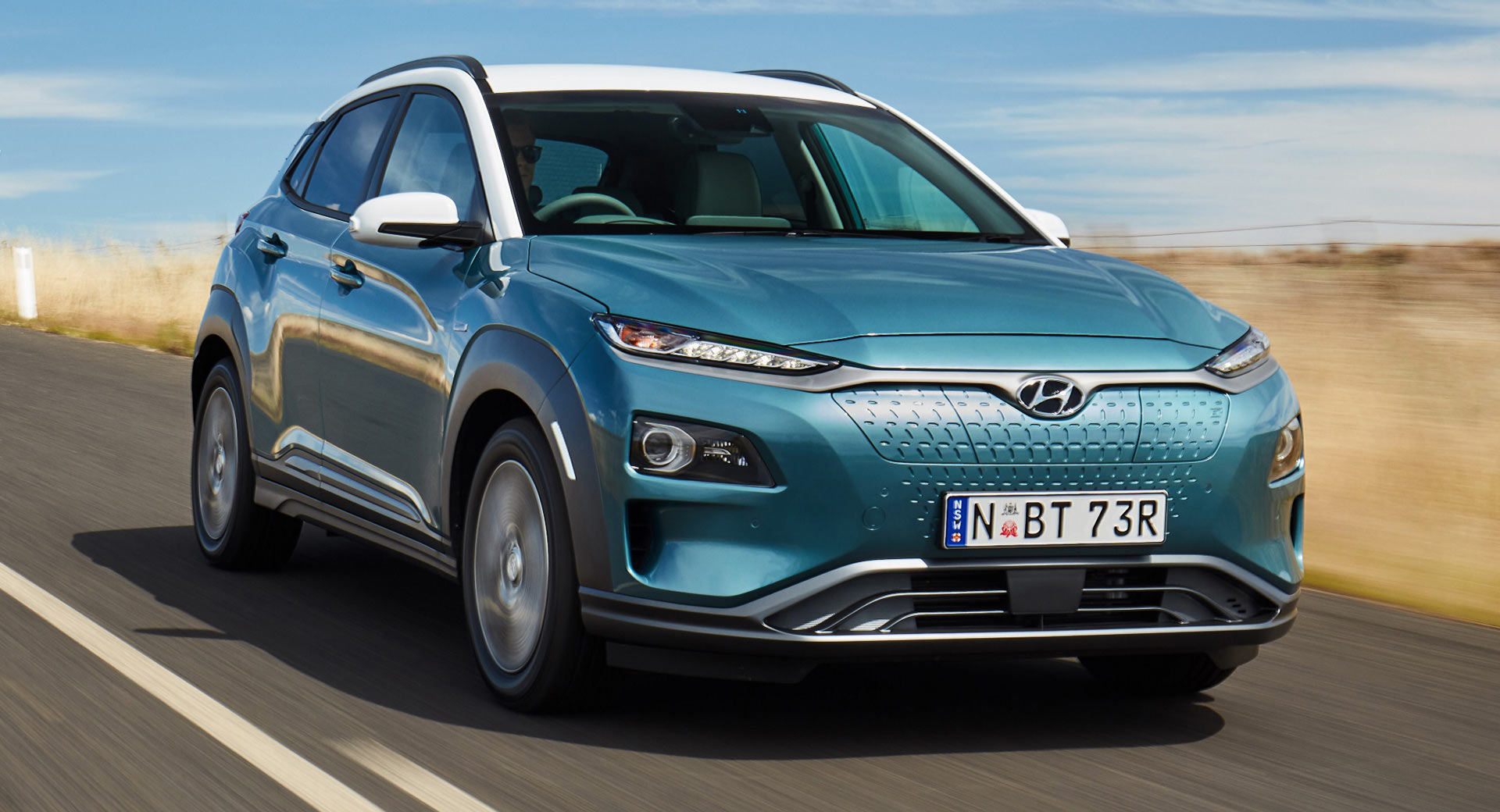
4. Hyundai Kona Electric
The Hyundai Kona Electric offers strong range and general performance, but it can experience noticeable power reduction in hot weather due to its thermal management limitations.
The Kona uses a liquid-cooled battery pack, which is more capable than air cooling, but the pack is relatively small for high-current loads.
During repeated hard acceleration, long climbs, or highway sprints in summer heat, the cooling system can struggle to keep the battery within optimal temperatures. This triggers software-induced derating, which reduces torque and acceleration to prevent overheating and potential battery damage.
Regenerative braking may also be limited during these periods to avoid adding additional thermal stress, resulting in a perceptible change in driving dynamics.
Drivers may notice that the Kona feels slower or less responsive after multiple hard accelerations or during extended high-speed driving in hot conditions.
Software intervention ensures battery safety but comes at the cost of consistent performance. Unlike high-end EVs with more sophisticated multi-loop cooling, the Kona’s system is limited in its ability to manage repeated high-load events in hot weather.
While the Kona Electric remains highly capable for daily commuting and moderate performance driving, its limitations under extreme summer heat become apparent during long trips, hilly terrain, or spirited driving.
Drivers may experience noticeable derating and reduced acceleration, highlighting the trade-off between battery size, cooling capacity, and thermal performance in mid-tier EVs.
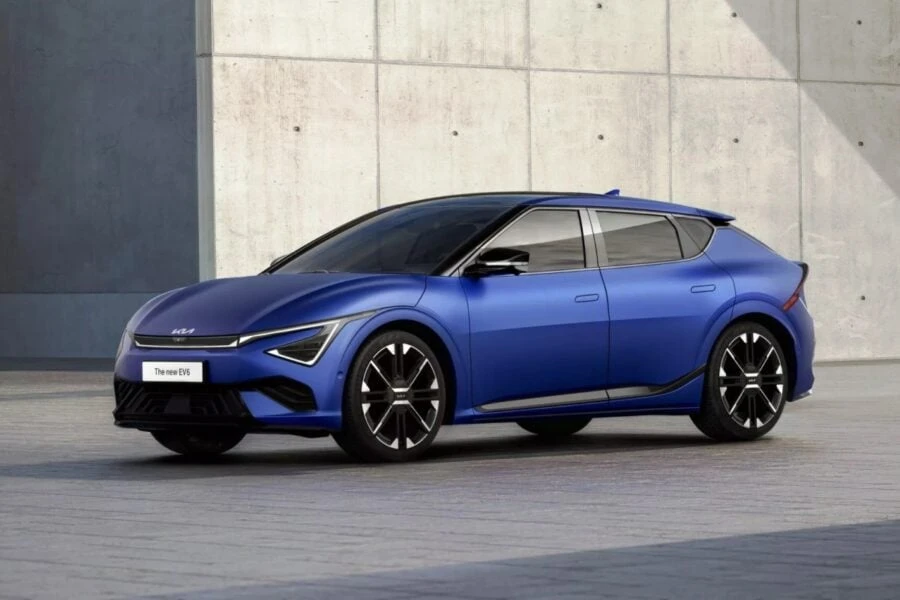
5. Kia EV6
The Kia EV6 is a newer EV with impressive range and performance, but it can still experience power reduction under extreme summer heat. The EV6 uses a liquid-cooled battery system, but high temperatures combined with repeated high-current draws can cause the battery management system to throttle motor output.
This derating is designed to protect battery longevity and prevent thermal runaway, but it can be noticeable to drivers, especially during spirited acceleration, long uphill drives, or continuous highway driving in hot conditions.
The EV6’s battery chemistry emphasizes energy density and range efficiency rather than maximum thermal tolerance. While the cooling system is capable of maintaining performance under normal conditions, sustained high loads in hot weather push the battery to its thermal limits.
The vehicle’s software responds by reducing torque and limiting regenerative braking, ensuring that cell temperatures remain safe. Drivers may experience a reduced sense of acceleration or a less responsive throttle when the vehicle is actively protecting itself from overheating.
The physical layout of the EV6’s battery and cooling loops contributes to its sensitivity. While liquid cooling helps maintain average cell temperatures, localized hotspots can still form during repeated high-power events.
The software mitigates these hotspots by temporarily throttling power, which preserves long-term battery health but reduces immediate performance. This behavior is particularly evident in hot climates, steep terrain, or during extended spirited driving sessions.
