
Wireless CarPlay and Android Auto have become standard features in many modern vehicles, offering drivers the convenience of connecting their smartphones without the hassle of cables.
These systems allow users to access navigation, messaging, music, and other apps directly through their car’s infotainment screen, providing a safer and more intuitive driving experience.
However, the quality of the connection can vary dramatically between vehicles and head units. Some models consistently deliver seamless performance, while others are prone to frequent disconnects and frustrating lags that undermine the experience.
Understanding the difference between a robust wireless system and one that struggles is crucial for anyone considering a vehicle purchase or an aftermarket head unit upgrade.
The performance of wireless CarPlay and Android Auto depends on several factors, including the hardware of the infotainment system, the efficiency of the car’s Wi-Fi and Bluetooth modules, and the compatibility with different smartphone models.
Even with the same smartphone, one car can maintain a strong, uninterrupted connection, while another may drop the signal repeatedly. Users who rely heavily on navigation, voice commands, and streaming services are particularly affected by poor connectivity.
Another key factor is the software stability of the vehicle’s infotainment system. Updates play a critical role in addressing bugs and improving compatibility, but some manufacturers prioritize aesthetics or features over the stability of wireless connections.
In contrast, certain vehicles and aftermarket head units are designed with a focus on consistent wireless performance, often including advanced antennas, optimized firmware, and better integration with both Android and Apple devices.
For buyers and enthusiasts, knowing which vehicles or setups provide reliable wireless CarPlay and Android Auto can save frustration and enhance daily driving. Similarly, understanding which systems are prone to dropout can prevent wasted time and unnecessary stress.
This article examines five vehicles and head units known for their dependable wireless performance, followed by five setups that often suffer from inconsistent connections. The goal is to provide insight for anyone seeking a smooth, uninterrupted smartphone integration in their car.
5 Models with Rock-Solid Wireless CarPlay and Android Auto
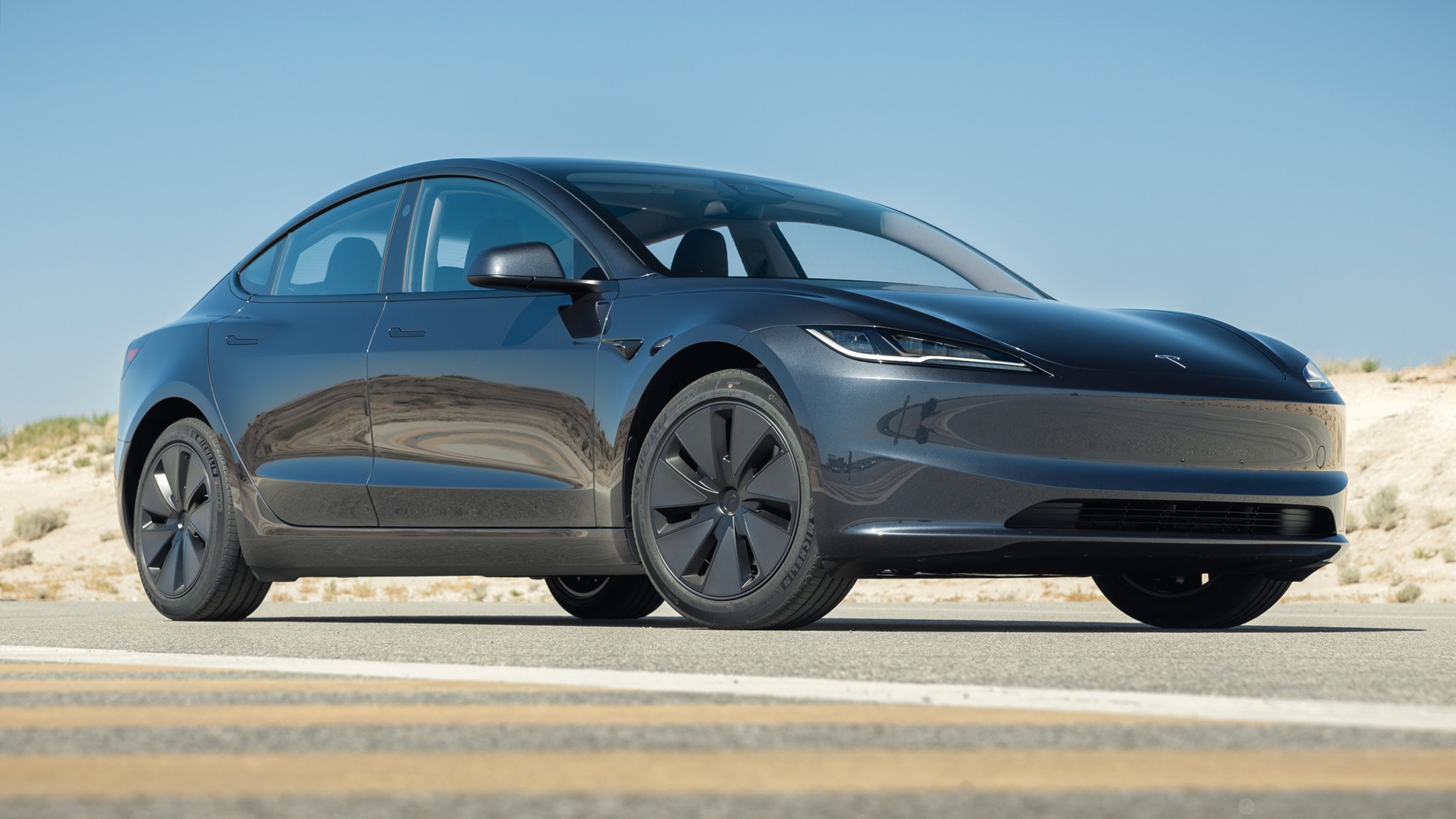
1. Tesla Model 3 / Model Y
Tesla vehicles, particularly the Model 3 and Model Y, are widely recognized for their advanced infotainment systems, which offer reliable smartphone connectivity.
While Tesla does not provide official CarPlay or Android Auto, the in-house Tesla interface functions similarly, allowing access to maps, music, and messaging apps.
The vehicles are equipped with high-performance processors and a robust Wi-Fi/Bluetooth module that consistently maintains a strong connection, even when multiple devices are paired at the same time.
Drivers often find that the system reconnects almost instantaneously after restarting the car, avoiding the delays that are common in less stable setups.
This reliability is especially important for daily commuting or long road trips, where dropped connections can disrupt navigation or streaming media.
The software architecture of Tesla vehicles is a key contributor to their dependable wireless performance. Over-the-air updates ensure that improvements and bug fixes are delivered promptly, often addressing minor connectivity issues before users even notice them.
This iterative approach allows the system to remain responsive and future-proof against compatibility issues with new smartphones or operating system updates.
Tesla’s system prioritizes stability over flashy animations or complex widgets, which reduces lag and prevents the system from becoming overloaded. The combination of hardware and software optimization makes the wireless experience feel seamless and integrated.
Tesla’s wireless interface is designed to interact smoothly with both iOS and Android devices, accommodating a wide range of smartphone models without significant compatibility problems.
Pairing is generally quick, and once a device is recognized, it automatically reconnects each time the vehicle is started.
This eliminates the need for repeated manual connections, a common frustration with other vehicles that rely on early or less-optimized wireless implementations.
The seamless pairing process enhances usability and encourages drivers to use wireless connectivity as a primary method, rather than defaulting to a cable.
In practice, Tesla owners report extremely few interruptions during everyday use. Music streaming, voice commands, and navigation work consistently, even under challenging conditions such as tunnels or areas with strong interference from surrounding Wi-Fi networks.
The design also minimizes the impact of simultaneous device use; multiple phones, tablets, or other devices in the car do not degrade the wireless connection.
The Model 3 and Model Y exemplify how integrating high-quality hardware, intelligent software updates, and efficient wireless protocols can produce one of the most reliable in-car smartphone experiences available today.

2. BMW 3 Series (G20)
BMW’s G20 3 Series demonstrates how premium manufacturers can optimize wireless CarPlay connectivity for reliability and user convenience.
The iDrive 7 system includes dedicated antennas for Wi-Fi and Bluetooth, which are strategically placed to reduce interference and maintain consistent signal strength across the cabin.
The infotainment interface is tightly integrated with vehicle controls, allowing drivers to navigate menus using touch, voice, or the rotary controller without risking interruptions in the wireless connection.
This level of integration ensures that even quick commands or multitasking activities, such as switching from navigation to media, are executed without lag or disconnection.
Software stability is another strong point of BMW’s wireless system. Regular updates improve not only security and functionality but also maintain strong connections with both Android and Apple devices.
Unlike some older wireless CarPlay systems, the G20 does not require repeated reconnections after turning the vehicle on or off.
This consistency is critical for drivers who rely on the system for everyday navigation, communication, and media playback, ensuring that the wireless connection is trustworthy under all conditions.
The system’s processing power and user interface design also contribute to its reliability. Apps launch quickly, and media streaming or navigation occurs without stuttering or temporary dropouts.
Even when accessing complex features such as live traffic updates or third-party music services, the wireless connection remains stable.
BMW’s engineers have optimized both hardware and software to prioritize these essential functions, preventing the common issues of lag or delayed response that plague many less robust setups.
Feedback from drivers emphasizes the G20’s ability to perform consistently in demanding environments. Urban areas with crowded Wi-Fi signals, long stretches of highway, and regions with fluctuating cellular coverage do not significantly impact the wireless connection.
BMW’s careful attention to antenna placement, signal management, and software optimization allows users to experience a high level of dependability, making the G20 one of the most reliable vehicles for wireless CarPlay and Android Auto integration on the market.
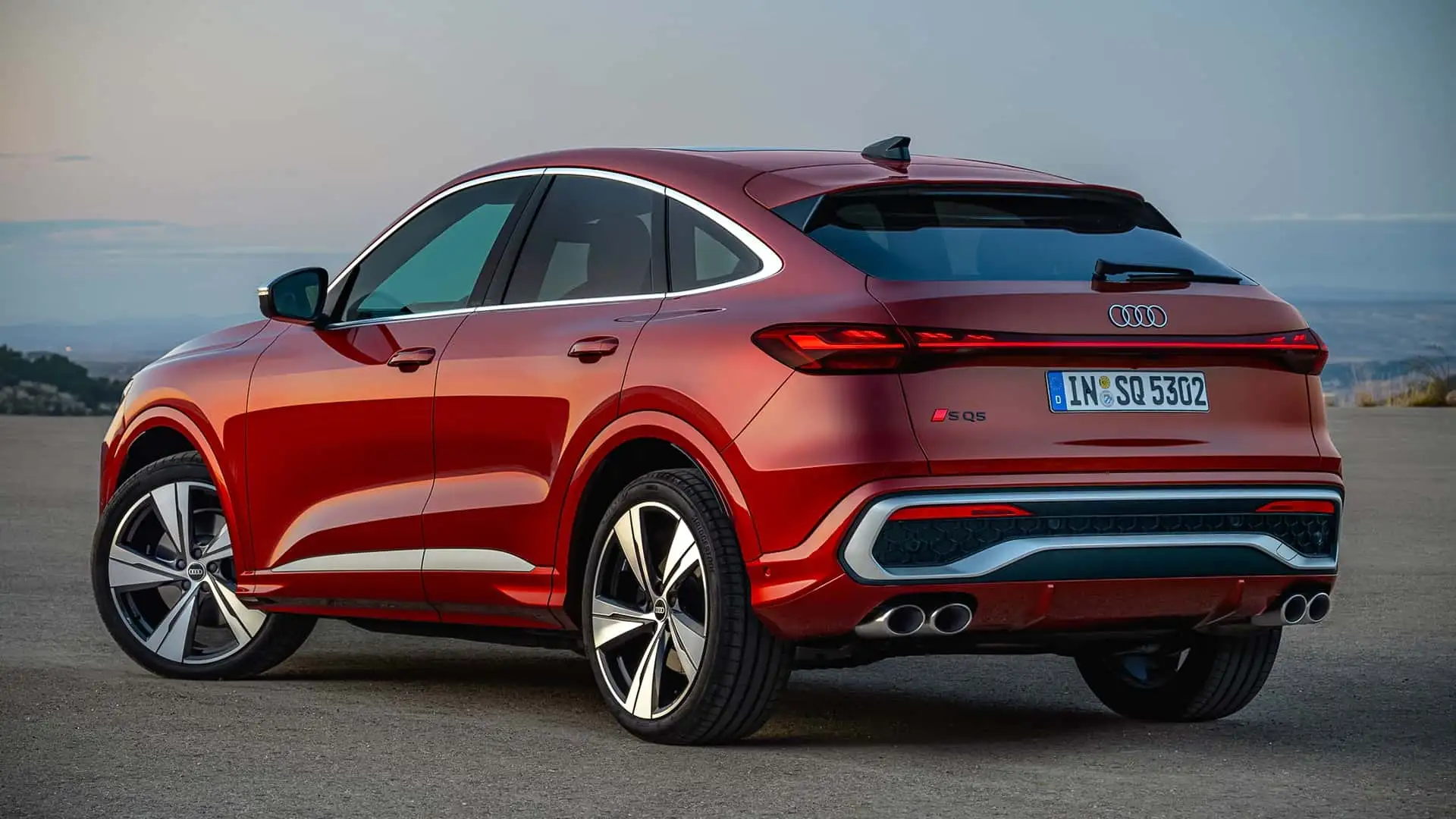
3. Audi Q5 (2021-Present)
The Audi Q5 is equipped with the MMI Touch Response system, which provides a highly stable wireless CarPlay and Android Auto experience. Audi has focused on building a system that can handle multiple connections at once without compromising performance.
Whether the driver is streaming music, following navigation instructions, or responding to messages, the system maintains a strong, uninterrupted link.
This reliability stems from both hardware quality and the placement of antennas within the cabin to optimize signal reception. Audi’s approach ensures that interference from other devices or electronic systems in the vehicle is minimized, a common cause of dropout in less sophisticated systems.
Firmware optimization is a critical component of Audi’s wireless success. Updates to the MMI system frequently address stability improvements, and the interface is designed to quickly recognize and reconnect previously paired devices.
Once a phone is paired, it generally remains remembered, reducing the need for repeated setup or troubleshooting.
This makes the system especially convenient for drivers who use multiple vehicles or share their car with family members. The seamless experience helps Audi maintain a reputation for reliable in-car technology.
The Q5’s high-performance touchscreen and processing architecture further enhance stability. Navigation, music, and messaging apps respond quickly to inputs, and streaming occurs with minimal latency.
Even when switching between apps or engaging with other vehicle features such as climate control or vehicle settings, wireless connections remain stable. Audi’s design ensures that performance does not degrade when the system is under load, which is a common issue in less robust setups.
Drivers consistently report that the Q5 maintains its wireless connection even in challenging conditions such as tunnels, underground parking, or areas with dense electronic signals. This demonstrates Audi’s commitment to prioritizing connection stability and user experience.
By combining hardware quality, software optimization, and intelligent design, the Q5 delivers one of the most reliable and frustration-free wireless CarPlay and Android Auto experiences available in the luxury SUV segment.

4. Mercedes-Benz E-Class (W213)
Mercedes-Benz’s E-Class W213 uses the MBUX infotainment system to deliver exceptionally stable wireless CarPlay and Android Auto connectivity.
The vehicle is equipped with high-quality Bluetooth and Wi-Fi modules that maintain a strong connection across the cabin, even when multiple devices are present.
The system automatically recognizes previously paired devices, eliminating the need for repeated reconnections, which is a common issue in less stable wireless systems.
This level of automation improves usability and reduces driver distraction, particularly for those who rely heavily on navigation or voice-controlled media playback.
Regular software updates are a core part of the MBUX experience, improving connectivity and addressing potential bugs. Unlike some competitors that prioritize visual enhancements over system reliability, Mercedes-Benz focuses on ensuring that wireless connections are consistent and dependable.
Users benefit from a system that performs equally well during short trips around town or extended highway drives. The firmware and hardware combination ensures minimal latency, smooth app transitions, and uninterrupted media streaming.
The E-Class also emphasizes intuitive control. The combination of voice commands, touchscreen input, and touchpad gestures works seamlessly with wireless connections, providing drivers with a fully functional experience without physical cables.
Even advanced features such as real-time traffic alerts, calendar integration, and streaming services operate reliably over the wireless connection, demonstrating the system’s robustness.
Customer feedback highlights the W213’s dependable wireless performance across a wide range of real-world conditions.
Multiple devices connected simultaneously, varying signal strengths, and frequent vehicle restarts do not negatively affect performance.
This reliability makes the E-Class W213 an excellent example of how careful integration of hardware and software can deliver a premium and frustration-free wireless CarPlay and Android Auto experience.
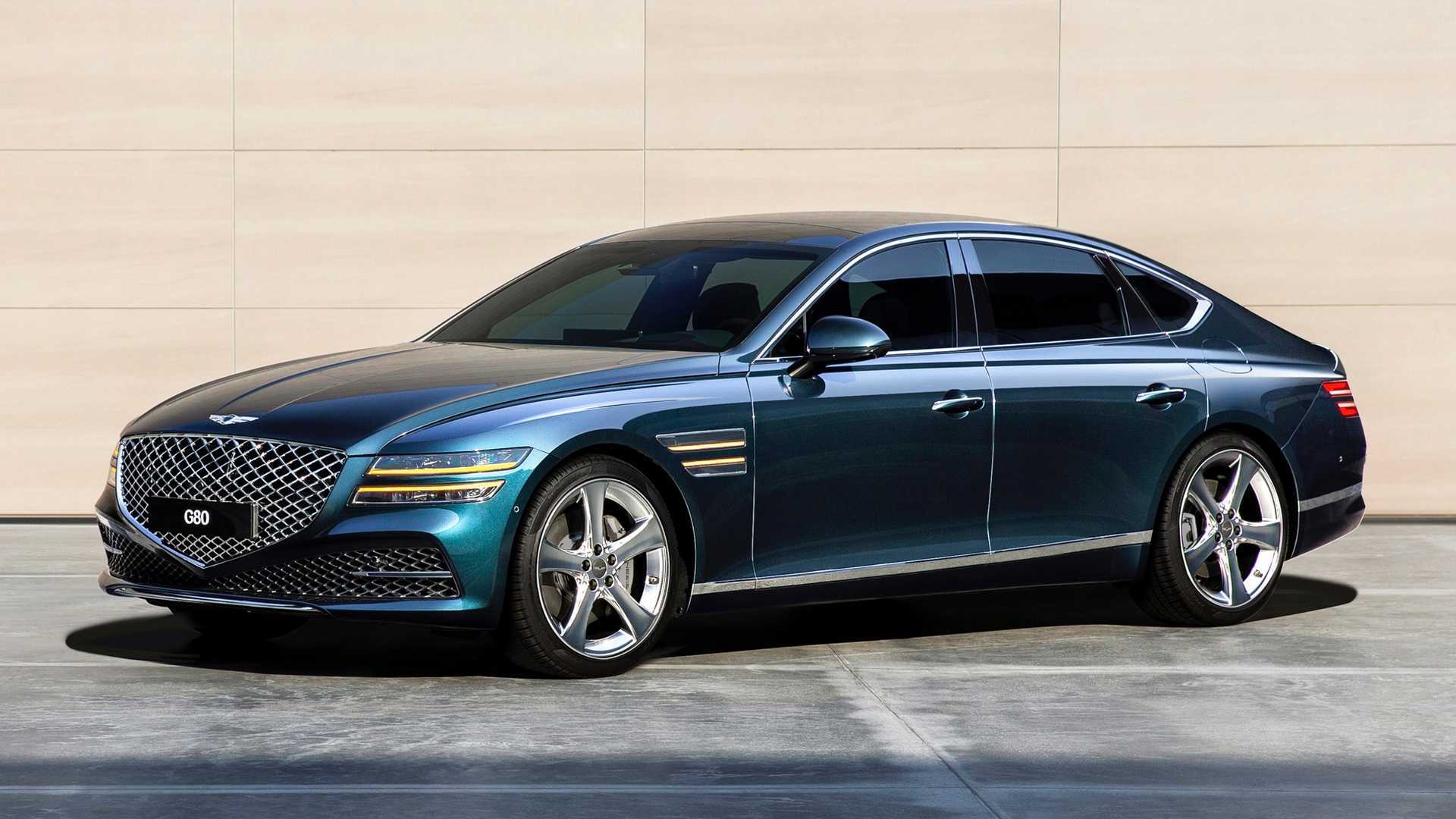
5. Genesis G80
The Genesis G80 offers a modern infotainment system designed with wireless CarPlay and Android Auto reliability in mind. The system is equipped with dedicated hardware to maintain strong Wi-Fi and Bluetooth signals, ensuring consistent connectivity throughout the cabin.
Unlike many vehicles where wireless support feels secondary, the G80 treats it as a core feature. Users report that pairing devices is quick and straightforward, and once paired, the system reconnects automatically each time the car is started.
This eliminates repeated manual reconnections, a common frustration with less optimized systems.
Software stability in the G80 is also a key factor. Genesis regularly releases firmware updates that enhance connectivity, optimize device pairing, and improve performance for both iOS and Android devices.
This ongoing support ensures that even new smartphones maintain reliable integration with the vehicle, preventing the dropouts that often plague older or aftermarket units.
Users who rely on navigation, streaming, or hands-free communication consistently find that the wireless connection performs as well as a wired alternative.
The G80’s infotainment system features a responsive touchscreen and fast processors, allowing apps to operate smoothly and without noticeable lag.
Even during high-demand activities, such as running navigation, streaming music, and responding to messages simultaneously, the wireless connection remains stable. The system is engineered to minimize latency, creating a user experience that feels fluid and uninterrupted.
Real-world usage confirms the G80’s strong wireless performance. Drivers report minimal interruptions, reliable reconnections, and consistent performance across various driving conditions, from urban streets to highways.
By focusing on both hardware quality and software optimization, the Genesis G80 demonstrates how a well-designed system can provide rock-solid wireless CarPlay and Android Auto performance, elevating the in-car smartphone experience to a dependable, everyday convenience.
5 Dropout-Prone Setups
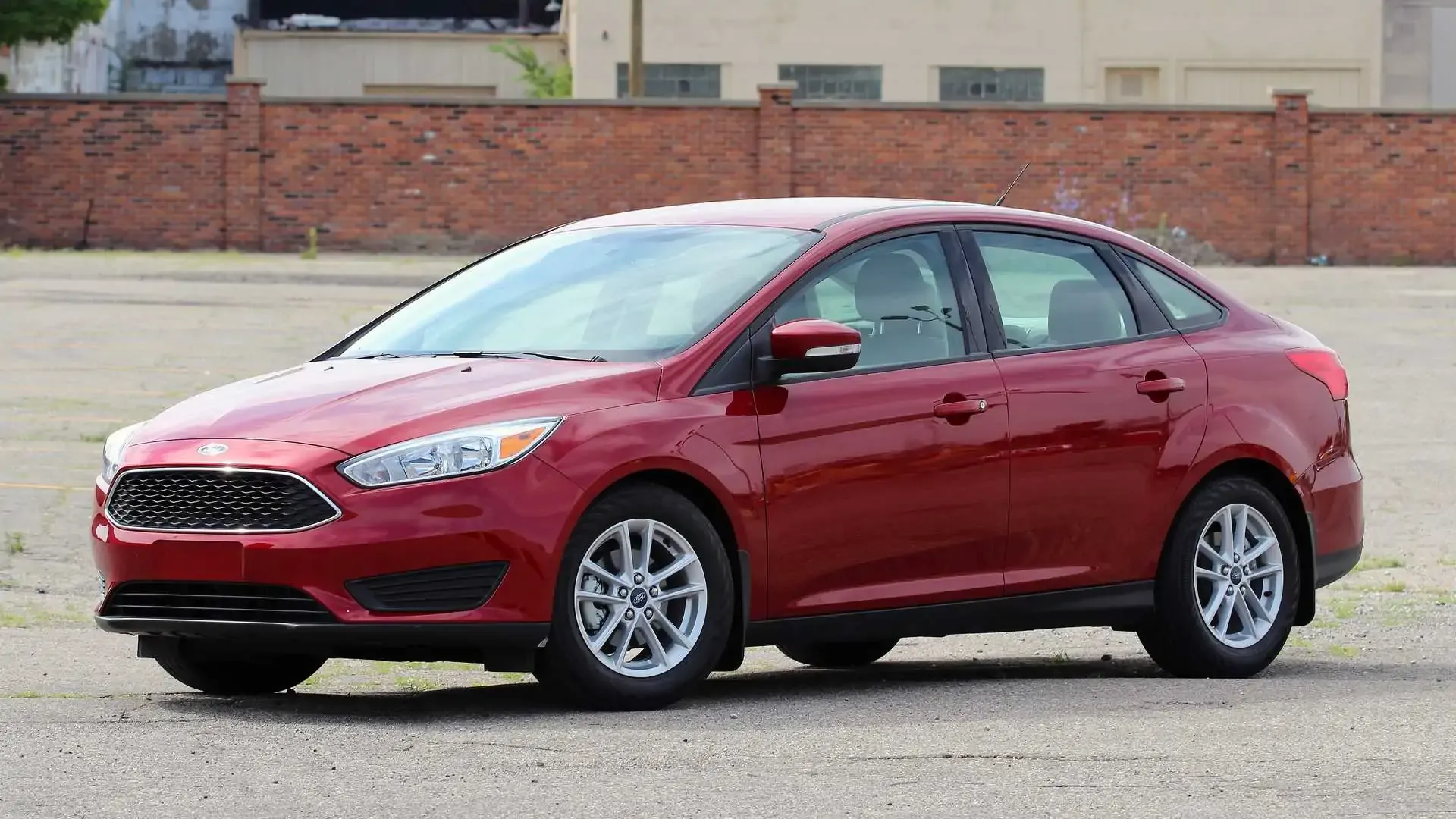
1. Some Older Ford SYNC 3 Models
Ford SYNC 3 was initially celebrated for its functionality, but the early wireless CarPlay implementation had noticeable shortcomings.
These issues often stemmed from hardware limitations, including weaker Wi-Fi and Bluetooth modules that struggled to maintain a stable connection across the cabin.
Drivers commonly experienced frequent disconnects, particularly during ignition cycles or when using other vehicle functions that put additional load on the system.
This is especially problematic for users who rely heavily on navigation or streaming music, as even short interruptions can disrupt directions or pause audio playback.
The software in early SYNC 3 units contributed to connectivity inconsistencies. Firmware updates were not always immediately available or effective at resolving these problems, leaving some users frustrated with repeated dropouts.
This inconsistency sometimes required manual intervention, such as reconnecting the device or rebooting the system, which can be distracting and inconvenient while driving.
Unlike premium systems, the early SYNC 3 did not prioritize wireless connection stability, treating it as an optional convenience rather than a fully integrated feature.
Users reported that dropouts often occurred in specific scenarios, such as when a smartphone screen turned off or when switching between apps.
The system sometimes failed to remember previously paired devices, requiring repeated setup processes even for daily users. These minor but frequent disruptions eroded the convenience factor that wireless CarPlay was intended to provide.
While later SYNC 3 updates improved stability, the early models illustrate the impact of combining limited hardware with immature software.
Drivers seeking seamless wireless integration often found that SYNC 3 fell short, reinforcing the need to evaluate not just advertised features but real-world performance before relying on wireless CarPlay for regular use.
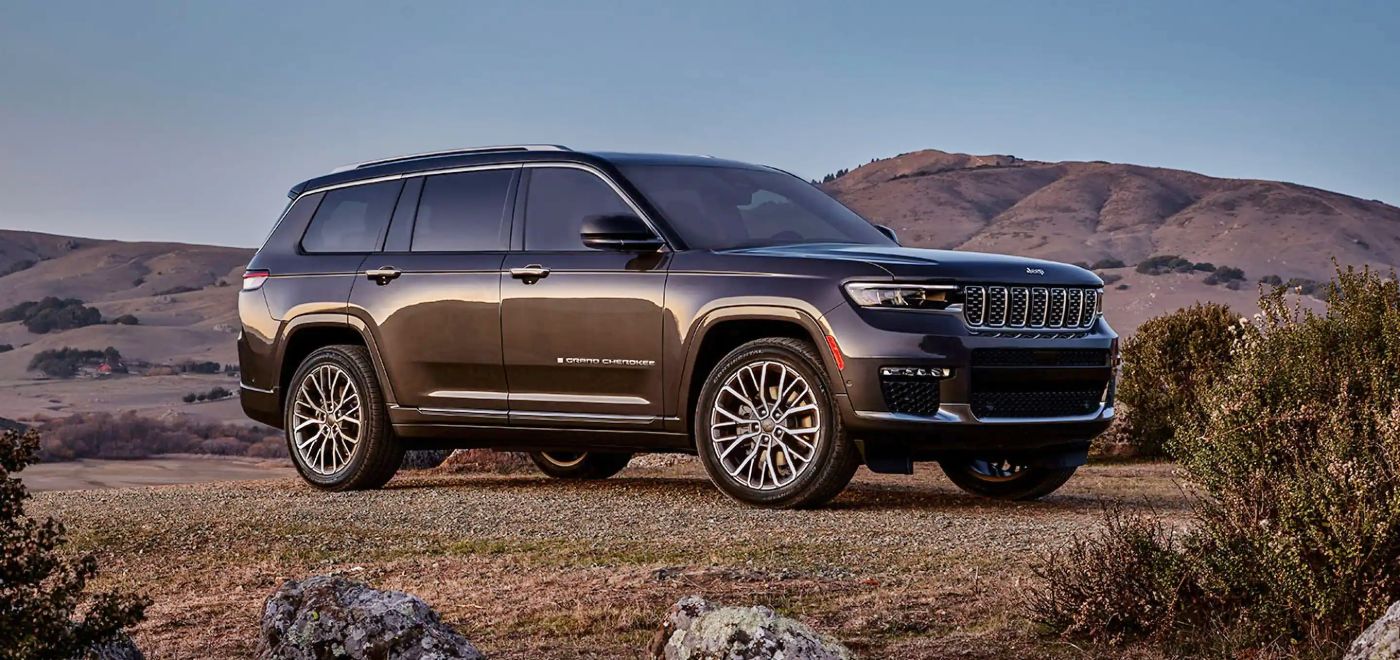
2. Some Jeep Uconnect Units
Jeep’s Uconnect system is generally regarded as intuitive, but certain model years introduced wireless CarPlay that struggled to maintain a reliable connection. In these units, hardware design, particularly Wi-Fi and Bluetooth antenna placement, contributed to inconsistent performance.
Antennas positioned in suboptimal areas created weaker signals, making the connection prone to interruptions, especially when multiple devices were in the cabin or when other electronic systems were active.
Users often report frequent disconnections during short drives, which is particularly inconvenient for navigation or voice command tasks. These dropouts can occur mid-route, interrupting directions and causing frustration.
Unlike some premium systems that prioritize continuous wireless communication, Uconnect’s early wireless CarPlay implementation treated it as a secondary feature, which often led to reduced reliability in day-to-day use.
Firmware support for these units also lagged behind user-reported issues. Updates were not always delivered promptly, leaving drivers to contend with repeated disruptions for extended periods.
Early Uconnect hardware was often not optimized for multitasking, so even simple operations like switching between media apps could temporarily weaken the wireless connection, further degrading performance.
Consequently, many drivers reverted to using a wired connection to ensure stability. This workaround highlights the challenges inherent in early wireless systems and demonstrates that not all infotainment setups can deliver a consistently seamless wireless CarPlay experience.
Users considering Uconnect systems for wireless use need to be aware that reliability varies depending on the model year and specific configuration.
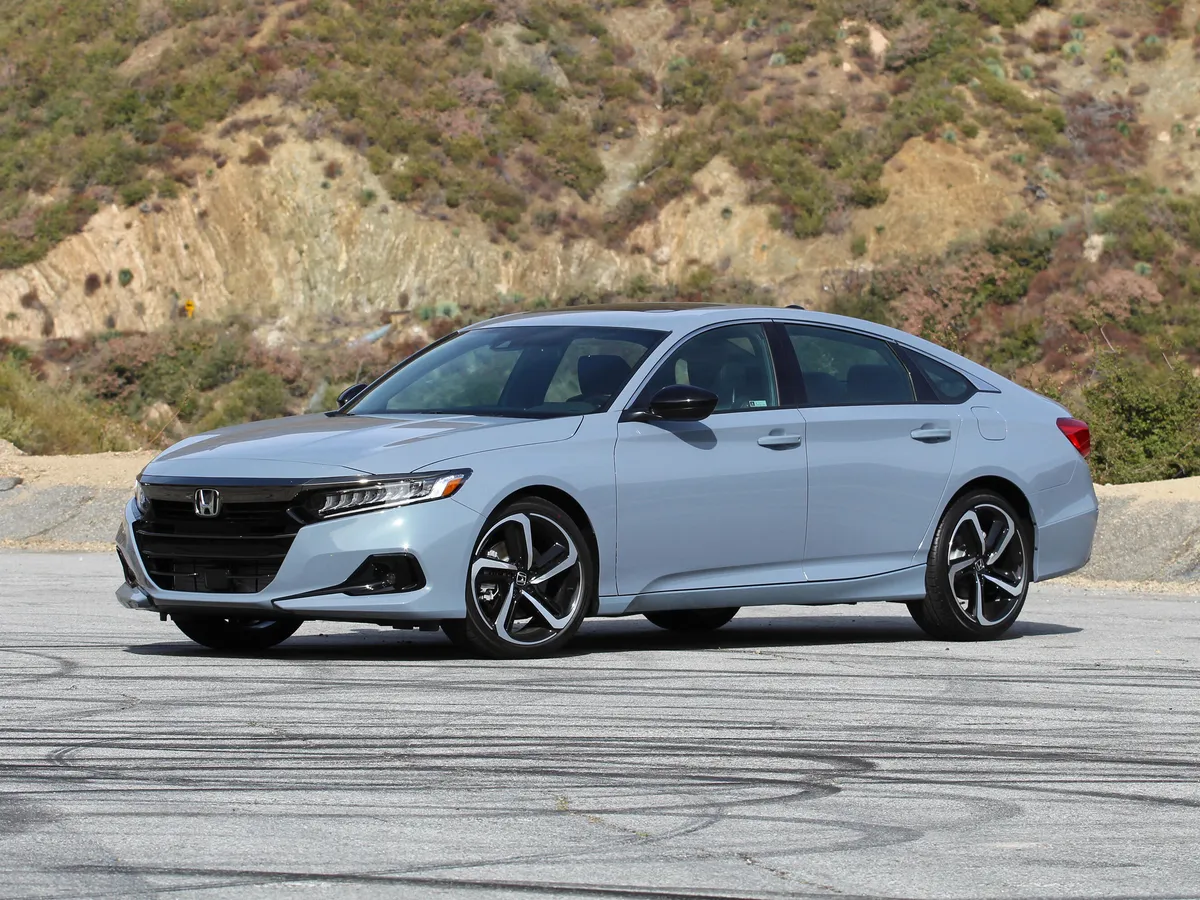
3. Certain Honda Accord and Civic Units (2017–2019)
Honda introduced wireless CarPlay on select trims of the Accord and Civic between 2017 and 2019, but the implementation was inconsistent. Many early adopters experienced frequent dropouts, particularly when the smartphone screen locked, the vehicle was restarted, or apps were switched rapidly.
The combination of early firmware and hardware limitations in the Bluetooth and Wi-Fi modules created a system that was less resilient under real-world conditions.
The system sometimes failed to remember paired devices, requiring users to repeat the connection process on each drive. This undermined the convenience of wireless integration, forcing drivers to rely on physical cables to maintain a reliable connection.
Even when the system successfully connected, the experience could be intermittent, with lag and occasional audio dropouts during music playback or navigation prompts.
Honda’s software updates partially addressed these problems, but they did not fully resolve the underlying hardware limitations.
Users continued to report varying levels of instability, particularly when multiple devices were present in the vehicle or when using older smartphones with new operating system updates.
These factors highlight the challenge of retrofitting wireless CarPlay to existing infotainment designs without dedicated hardware.
As a result, while the idea of wireless CarPlay on these Honda models was appealing, the real-world performance often fell short of expectations.
Drivers frequently needed to resort to wired connections to ensure uninterrupted access to apps and navigation, demonstrating how incomplete integration and early adoption of technology can lead to unreliable user experiences.
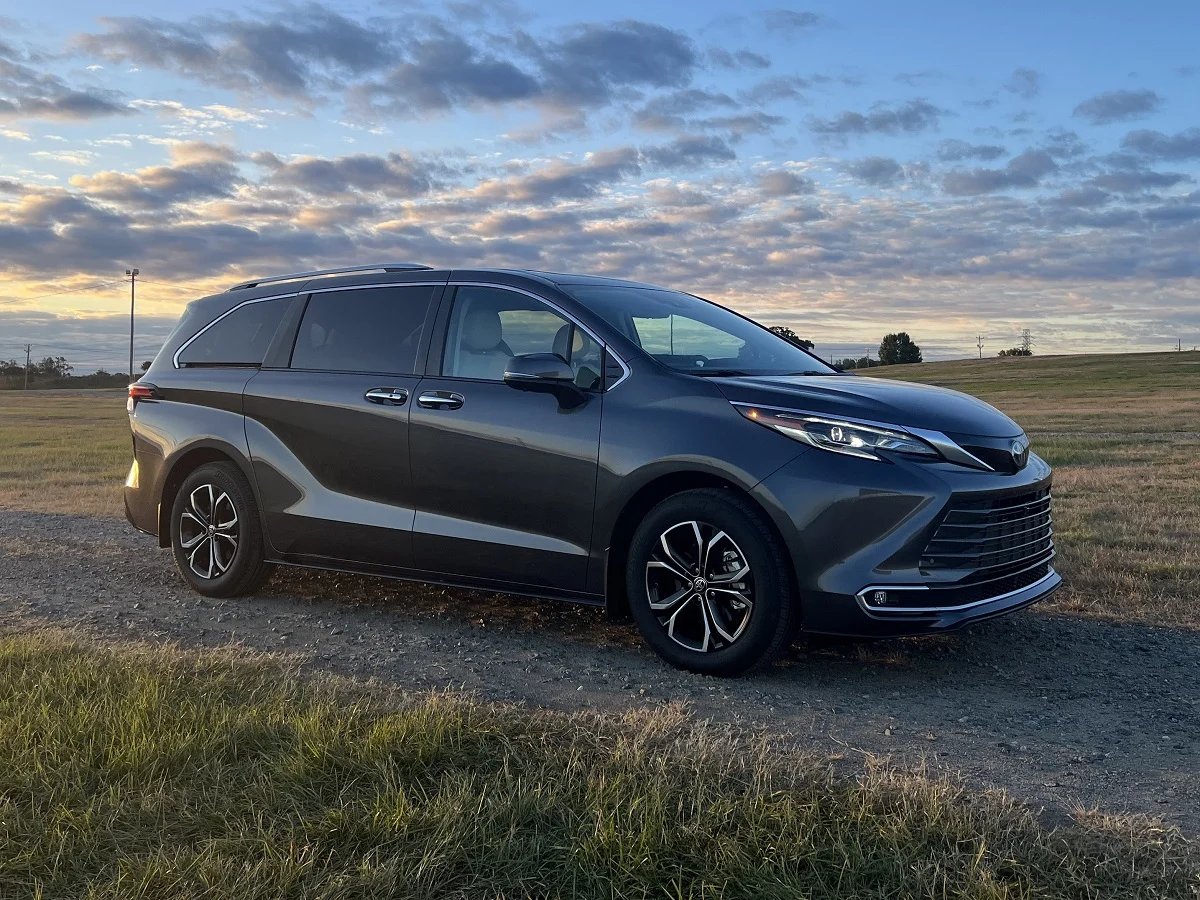
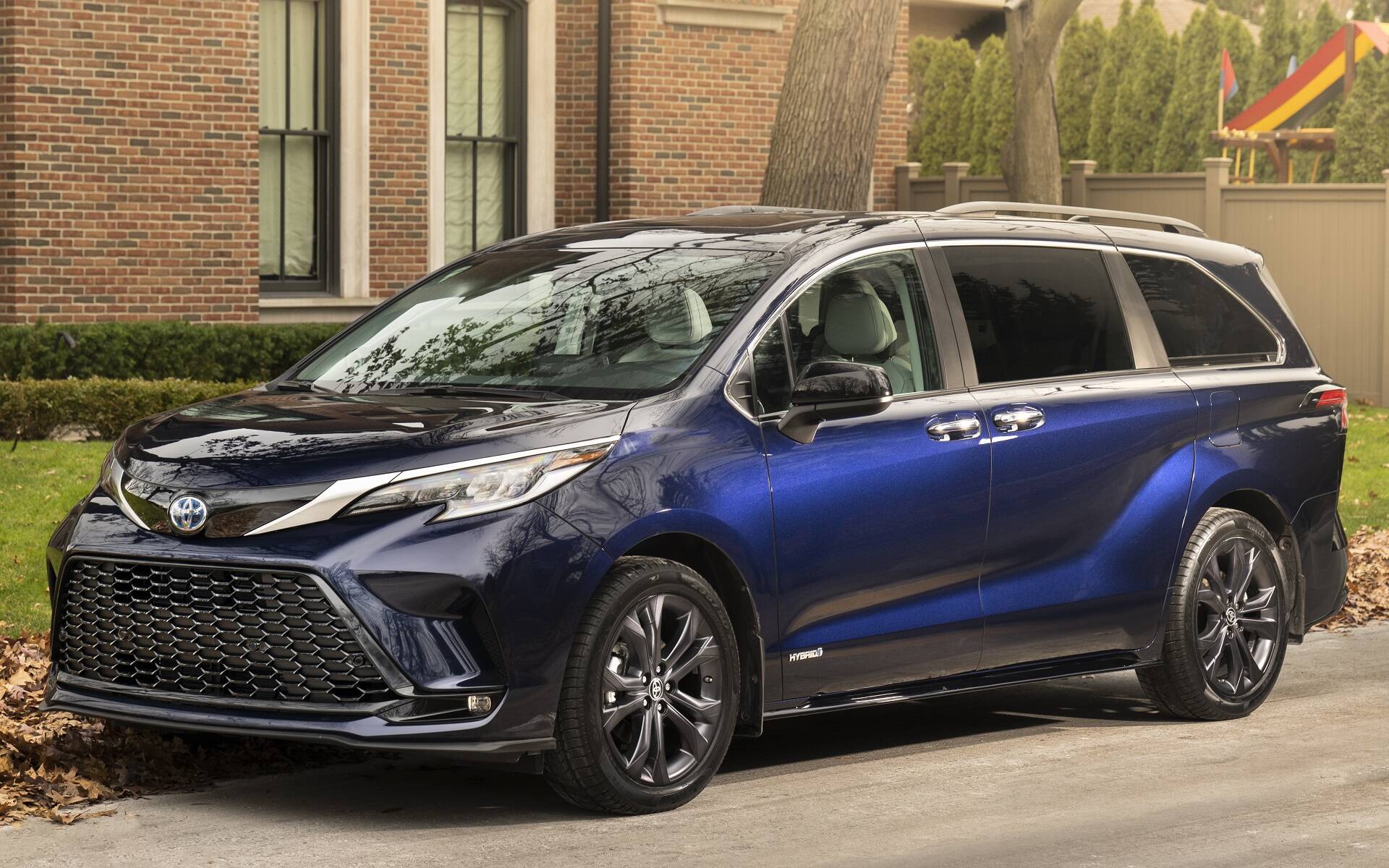
4. Some Toyota Entune 3.0 Systems
Toyota Entune 3.0 was introduced with the promise of wireless CarPlay and Android Auto, but the system has displayed stability issues in some vehicles.
The root causes are often a combination of weaker Wi-Fi hardware, early firmware limitations, and antenna placement that is susceptible to interference.
Users commonly report that connections drop when starting the car, switching between apps, or even receiving phone calls, disrupting both media and navigation functions.
Unlike premium systems that remember multiple paired devices and reconnect automatically, some Entune 3.0 setups require repeated manual pairing.
Drivers often encounter interruptions during short trips, and the system can fail to recognize a previously connected device after being idle. These minor but frequent issues can erode confidence in wireless CarPlay, making the experience less seamless than intended.
Firmware updates for Entune 3.0 are also unevenly deployed. Some users receive updates promptly, while others continue to struggle with persistent dropouts due to outdated software.
Unlike systems designed for wireless connectivity as a priority feature, Entune 3.0 often feels like an add-on, with reliability taking a backseat to interface aesthetics and other vehicle features.
For many drivers, the solution is to revert to wired connections, which reliably maintain connectivity but remove the convenience that wireless integration is supposed to provide.
These limitations serve as a reminder that the advertised ability to connect wirelessly does not always equate to dependable real-world performance, and that even well-known brands can struggle to deliver a seamless experience without careful hardware and software integration.
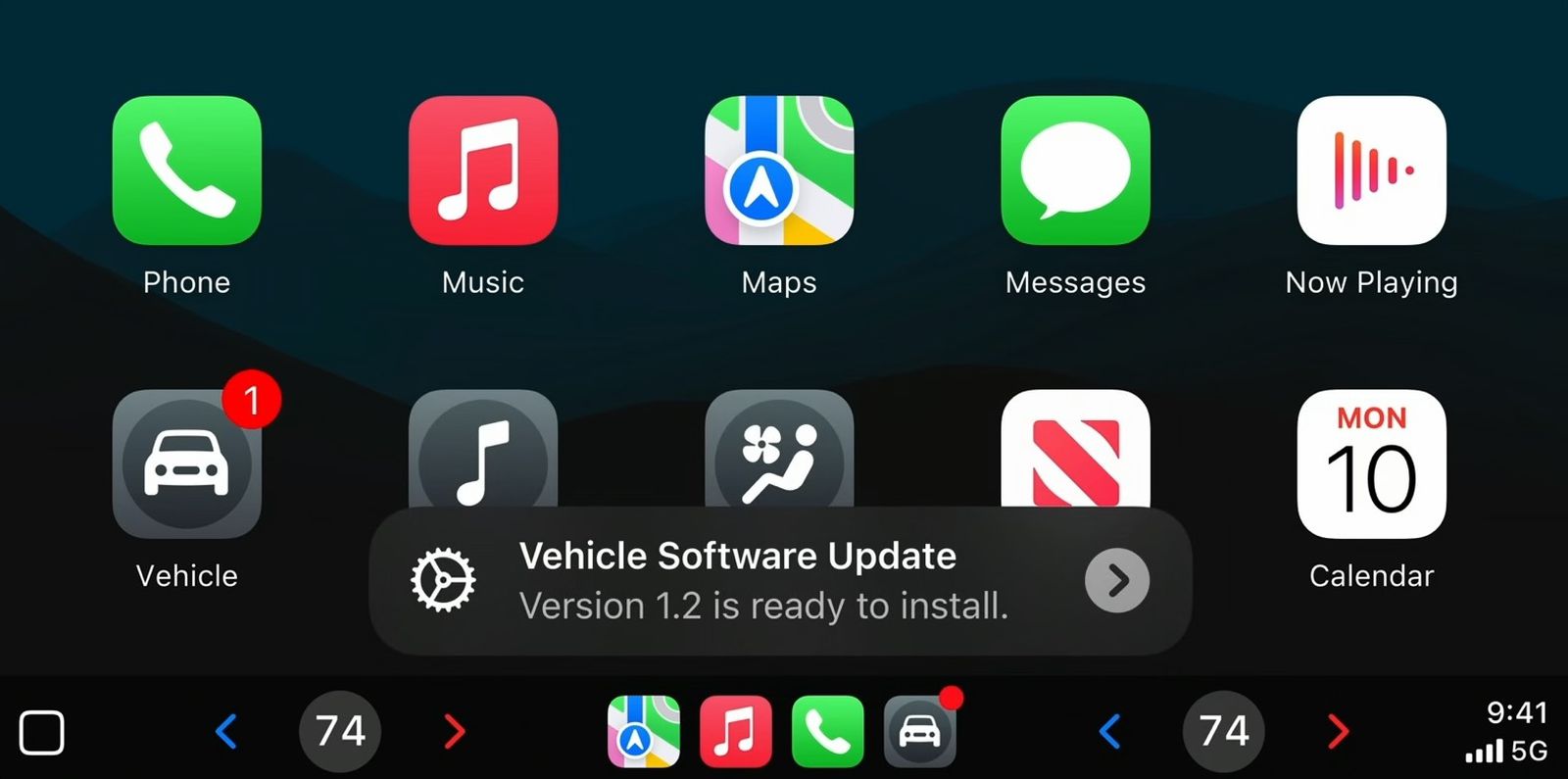
5. Some Aftermarket Head Units
Aftermarket wireless CarPlay and Android Auto units are a mixed bag in terms of reliability. While many offer appealing features, cheaper or older models often struggle to maintain consistent connections.
Common problems include weak antennas, underpowered processors, and poorly optimized firmware, which contribute to frequent dropouts during navigation, music streaming, or hands-free communication.
Users often experience disconnections when the phone enters sleep mode, switches between apps, or when other Bluetooth devices are nearby.
Firmware updates for aftermarket units are inconsistent and sometimes nonexistent. Without regular software maintenance, even well-installed units may continue to experience connection issues, leaving users to troubleshoot problems on their own.
The variability in quality across brands and models makes predicting performance difficult, and installation quality can also impact reliability.
Incorrect wiring or placement of antennas may exacerbate dropout problems, making the difference between a stable system and a frustrating experience.
Even when the installation is perfect, some units still require a wired connection for the most reliable performance.
Audio and navigation delays, temporary freezes, and occasional reconnections are common, particularly with high-demand apps or during extended drives. This makes the wireless feature feel secondary rather than a primary mode of operation.
Aftermarket units demonstrate that not all wireless CarPlay and Android Auto systems are created equal.
While some premium units perform admirably, cheaper or poorly designed alternatives often result in frequent disruptions, frustrating drivers, and undermining the convenience and safety benefits of wireless smartphone integration.
Users must carefully research models and consider hardware, software, and installation factors before relying on aftermarket wireless systems.
