
The history of wagons in the United States is full of missed opportunities, partly because many buyers leaned heavily toward larger SUVs and trucks. As a result, numerous wagons that offered remarkable balance, strong engineering, and long-term value were ignored, even though they matched or exceeded the strengths of more popular vehicle categories.
This situation also shaped the market in ways that limited variety for families who preferred a mix of comfort and practicality without the bulk of a tall SUV. The wagon format offered a driving experience that felt stable, predictable, and efficient, traits that could have benefited many households.
Buyers often placed more trust in height and rugged styling than in the quieter advantages of lower ride height, refined suspension geometry, and expansive cargo areas that did not require large footprints.
Had more drivers considered these models seriously, the U.S. industry might look quite different today, with more options that emphasized smooth handling and sensible packaging.
Instead, many manufacturers scaled back or withdrew their wagon lines entirely, citing poor sales. The models that did reach American shores often developed loyal but small followings, even though they provided comfort, performance, and practicality in combinations that larger vehicles could not match.
Looking back, these wagons demonstrated that the format had far more to offer than many shoppers realized, and their strengths continue to shine when viewed from a distance. They represent vehicles that understood daily needs without excess, vehicles that balanced efficiency with space, and vehicles that treated driving as more than a chore.
Had American buyers embraced these machines in greater numbers, the automotive world here might feel more varied, more efficient, and more focused on genuine utility rather than trends. The wagons on this list show what could have been, and why their absence still feels like a missed chapter in U.S. automotive history.
1. Volvo V90
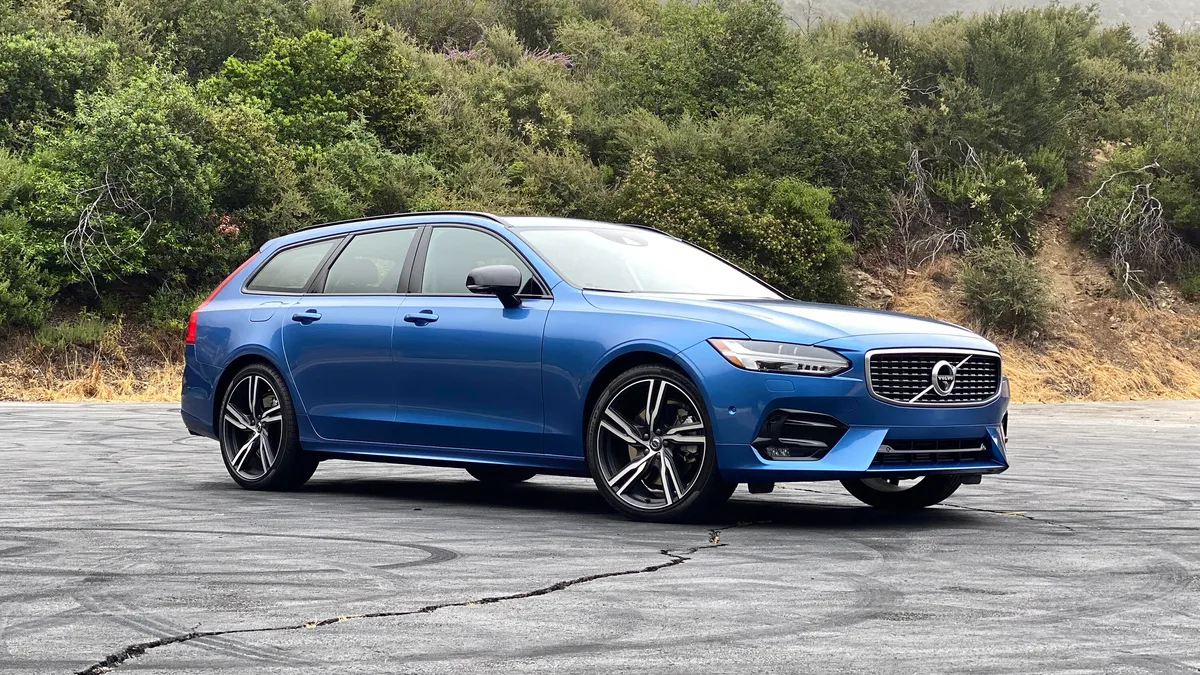
The V90 arrived as a sophisticated long roof model built on a platform that prioritized comfort, stability, and a refined driving experience. It carried over Volvo strengths such as quiet cabins, precise steering, and thoughtful suspension tuning, which made even long highway drives remarkably effortless.
The exterior design conveyed understated elegance, balancing minimalism with subtle details that suggested quality without ostentation.
Americans who desired luxury without excess size would have found a near-perfect balance here, as the V90 offered plenty of interior space for passengers and cargo alike while maintaining a compact footprint that felt manageable in urban environments.
Its long wheelbase, smooth body lines, and relatively low ride height meant it handled corners and uneven pavement with poise, giving drivers confidence while commuting or taking road trips. Beyond aesthetics and driving experience, the V90 also represented a careful approach to efficiency.
Unlike many SUVs of similar luxury levels, it delivered competitive fuel economy without forcing compromises on interior space or passenger comfort. It was a vehicle that combined practical considerations with emotional appeal, demonstrating that driving refinement and utility could coexist without forcing buyers to compromise.
Safety was a hallmark of Volvo engineering, and the V90 exemplified this philosophy. Its structure incorporated advanced crumple zones, side impact protection, and reinforced passenger cells that offered reassurance in the event of a collision.
Standard driver assistance features such as adaptive cruise control, lane keeping assist, and automated emergency braking complemented the structural safety, acting as proactive aids rather than intrusive systems.
For American drivers accustomed to equating safety with bulk, the V90 proved that intelligent design, precise engineering, and restraint could achieve equivalent or superior outcomes without the need for oversized vehicles.
This approach appealed to thoughtful buyers who valued longevity, predictability, and the ability to avoid hazards rather than relying solely on mass and height for protection. The result was a vehicle that felt both solid and responsive, offering peace of mind to drivers and passengers alike.
2. Audi A4 Allroad
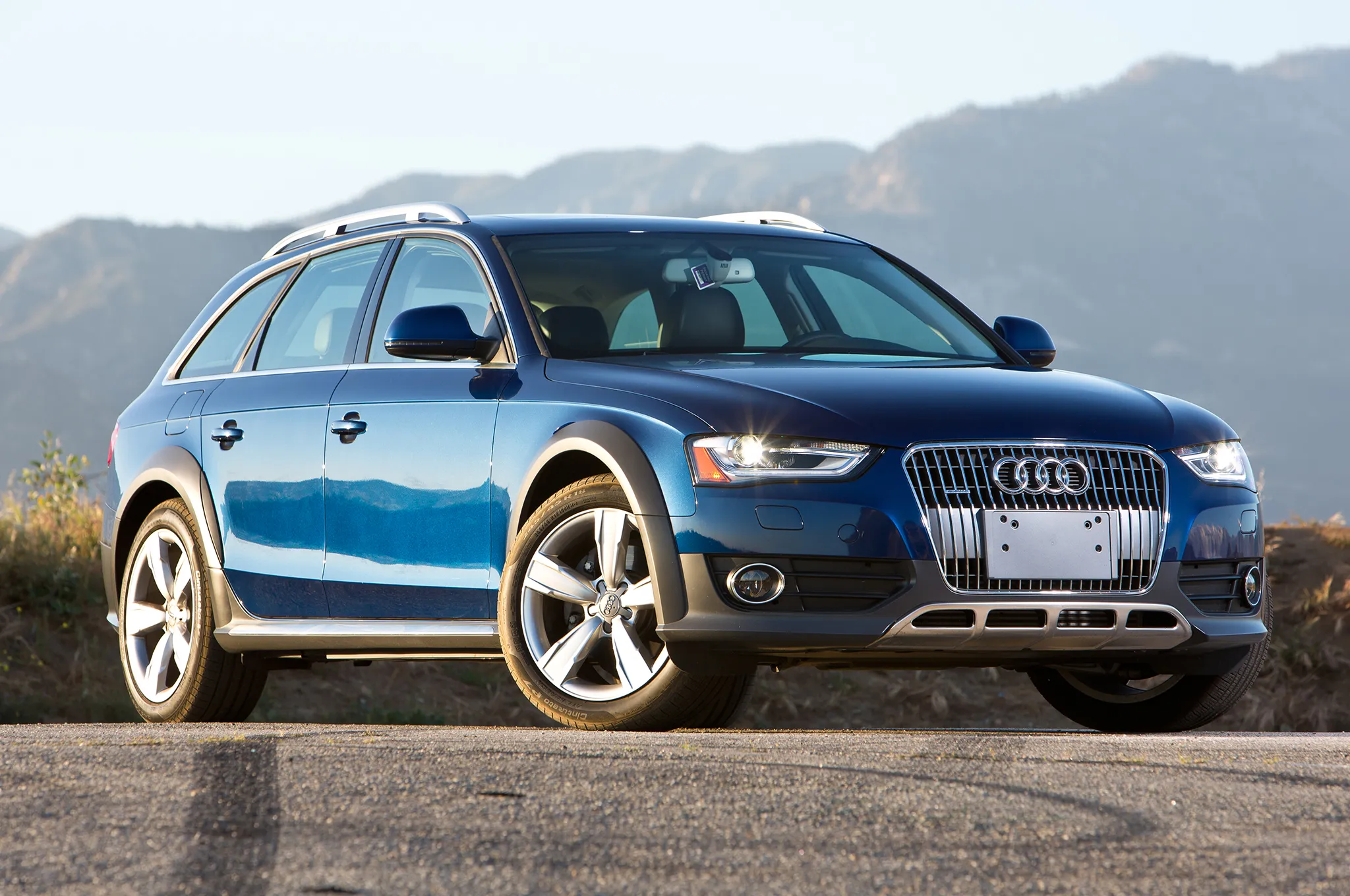
The Audi A4 Allroad represented a clever balance between wagon practicality and mild off-road capability. Its slightly raised ride height, paired with Audi’s sophisticated Quattro All Wheel Drive system, gave it versatility that could handle both urban streets and light adventures on uneven surfaces.
Unlike standard sedans, it was capable of traversing snowy roads, gravel paths, and wet conditions with confidence, offering drivers peace of mind throughout the year. Americans who favored compact SUVs for this kind of capability could have found similar benefits in the Allroad without surrendering the precise handling and efficiency of a car.
The exterior design reflected a combination of elegance and ruggedness, with subtle body cladding and a raised stance that indicated readiness for various conditions while remaining attractive and refined. Its presence on the road felt purposeful without being exaggerated, and its size was ideal for maneuvering city streets or suburban neighborhoods.
Cargo space was generous, especially with the rear seats folded, and the floor was flat for easier loading. Rear passengers had ample legroom and headroom, a rare trait in smaller wagons that made them suitable for family use. Subtle touches such as multiple storage cubbies, adjustable cargo covers, and power outlets demonstrated Audi’s attention to daily usability.
The combination of practical interior space with a luxurious environment made the Allroad an all-around versatile vehicle that could suit families, professionals, or anyone seeking efficiency without sacrificing comfort.
Performance was another area where the Allroad shone. Its turbocharged engines offered responsive acceleration, while the Quattro system ensured traction remained consistent in varied driving conditions. The suspension setup struck a balance between comfort and stability, absorbing bumps without creating a disconnected ride.
Despite these advantages, the Allroad struggled to gain significant popularity in the United States. Many potential buyers were conditioned to equate versatility with tall SUVs or crossovers, overlooking how effectively the Allroad delivered the same benefits with better handling, efficiency, and style.
Its understated design may have limited initial attention, but its capabilities were sufficient to satisfy a wide range of driving needs. Those who discovered it often became passionate advocates, praising its combination of elegance, comfort, and practicality.
If the Allroad had been embraced more broadly, it might have shifted American perception of wagons, demonstrating that vehicles could balance capability, luxury, and everyday usability in a compact and efficient form.
3. Mercedes-Benz E-Class Wagon
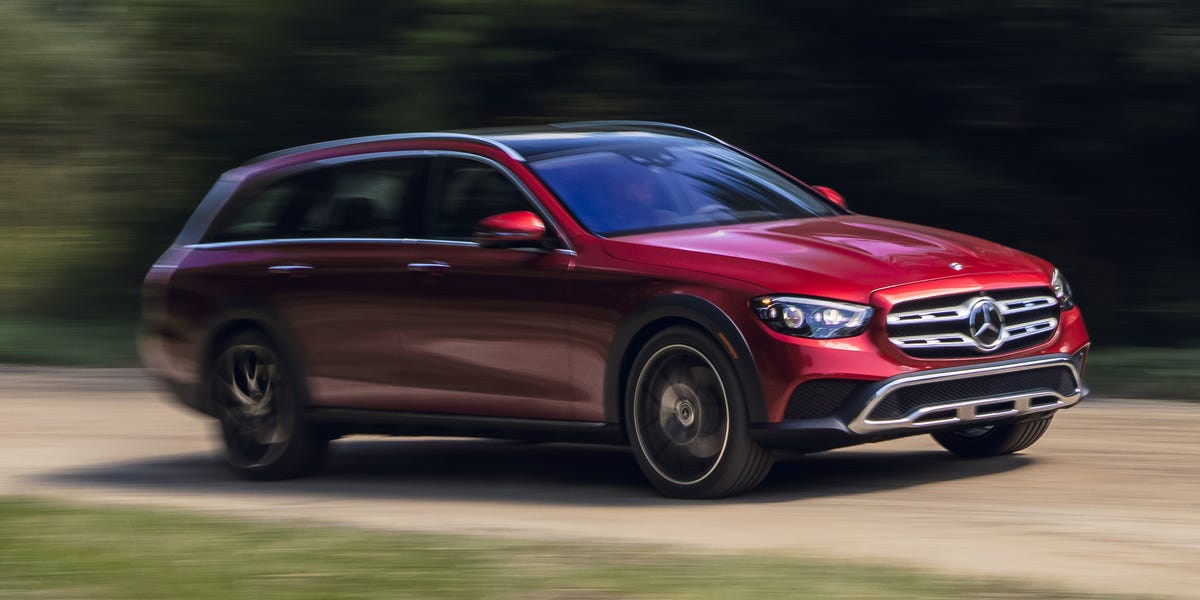
The E Class Wagon was the epitome of combining luxury, utility, and long-lasting engineering. It offered the comfort and refinement of an E Class sedan while providing a cargo area that made it truly versatile for families, commuters, and professionals alike.
The exterior design conveyed prestige without being ostentatious, appealing to buyers who wanted a practical vehicle that still reflected their taste for quality. It maintained a balanced footprint that made parking and maneuvering easier than larger SUVs, while interior space was generous enough to accommodate passengers and luggage with ease.
Its long wheelbase and carefully tuned suspension provided a composed ride that remained smooth even under heavier loads, proving that wagons could handle everyday duties while delivering the driving pleasure expected from a luxury brand.
Durability and long-term reliability were hallmarks of the E Class Wagon, with materials and engineering designed to endure both road miles and time. The rear suspension, for example, was engineered to carry heavy loads while maintaining comfort, allowing families to pack for vacations, sports events, or home projects without stressing the vehicle.
Even fully loaded, the wagon handled predictably, giving drivers a sense of control that contributed to confidence. Many buyers who valued handling precision in sedans could find the same experience in this wagon, making it suitable for enthusiasts, executives, and family drivers alike. Many buyers who valued handling precision in sedans could find the
Despite these strengths, the E Class Wagon never achieved significant sales numbers in the United States. Market trends favored SUVs and crossovers, leaving little room for luxury wagons despite their clear advantages in comfort, fuel efficiency, and handling.
Few Americans realized that the wagon could offer all the benefits of a luxury SUV without the added height, bulk, and sometimes harsh ride quality.
Those who experienced it often praised its balance of refinement, utility, and driving satisfaction. Its rarity only added to its appeal among those who understood its unique combination of traits, highlighting what was lost when wagons fell out of favor in the domestic market.
4. Subaru Outback
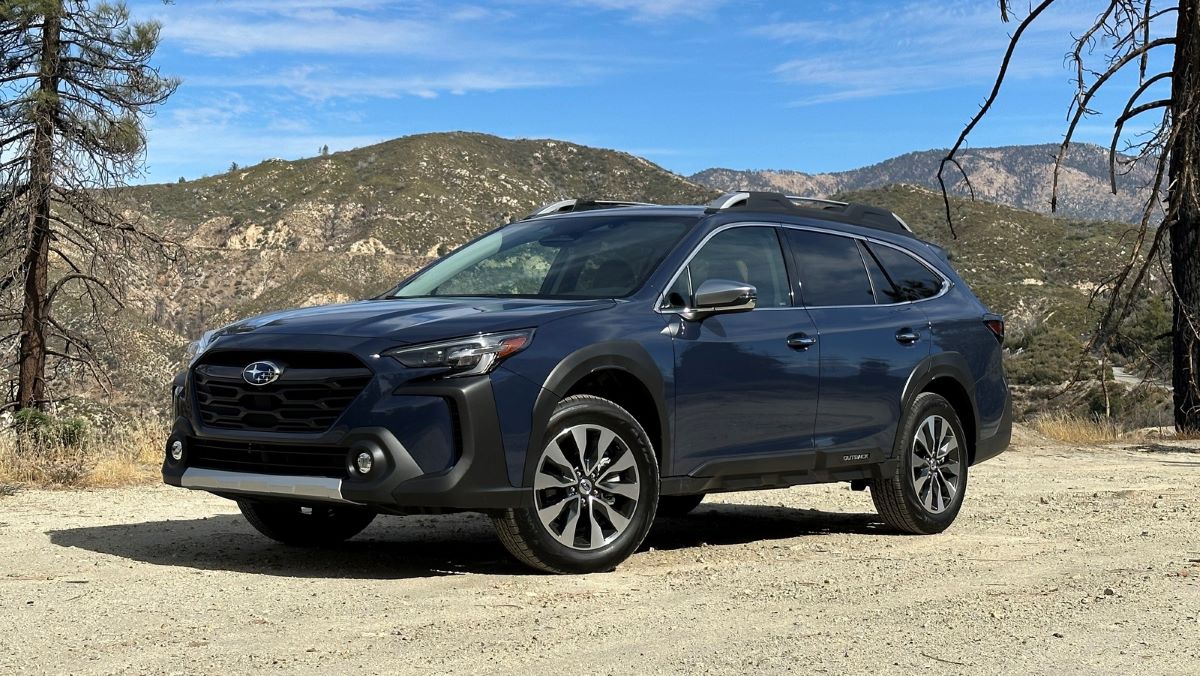
Early generations of the Subaru Outback represented a perfect marriage of wagon functionality and light off-road capability. These models maintained the traditional long roof layout that maximized cargo space while offering just enough ground clearance to handle gravel roads, snow, or uneven terrain.
The suspension offered a carefully calibrated combination of firmness and compliance, absorbing bumps without sacrificing control. Compared to modern crossovers, these wagons felt more connected to the road, giving drivers a sense of confidence and security that was often lost in taller vehicles with a higher center of gravity.
The interior emphasized versatility and durability. Seats were supportive and covered in materials that could endure heavy use, including outdoor gear and pets, while the cabin layout facilitated easy organization. Storage solutions were intelligently designed, with deep cargo areas, underfloor compartments, and fold-flat rear seats, allowing for flexible configurations.
This made the vehicle highly adaptable to different lifestyles, from family road trips to weekend adventures. Unlike SUVs of the same era, it combined practicality with efficiency, as its lighter weight and car-based chassis translated into better fuel economy without sacrificing space or capability.
As the Outback gradually adopted more SUV-like styling and proportions, it lost some of the precise wagon characteristics that had made it special. The earlier versions demonstrated that wagons could satisfy both practical and recreational needs while maintaining driving dynamics that were engaging rather than cumbersome.
If American buyers had embraced these models more fully, manufacturers might have maintained a larger commitment to wagons in the domestic market. These early Outbacks illustrate how well a vehicle could serve multiple roles simultaneously, offering reliability, utility, and driving enjoyment in a single, well-engineered package.
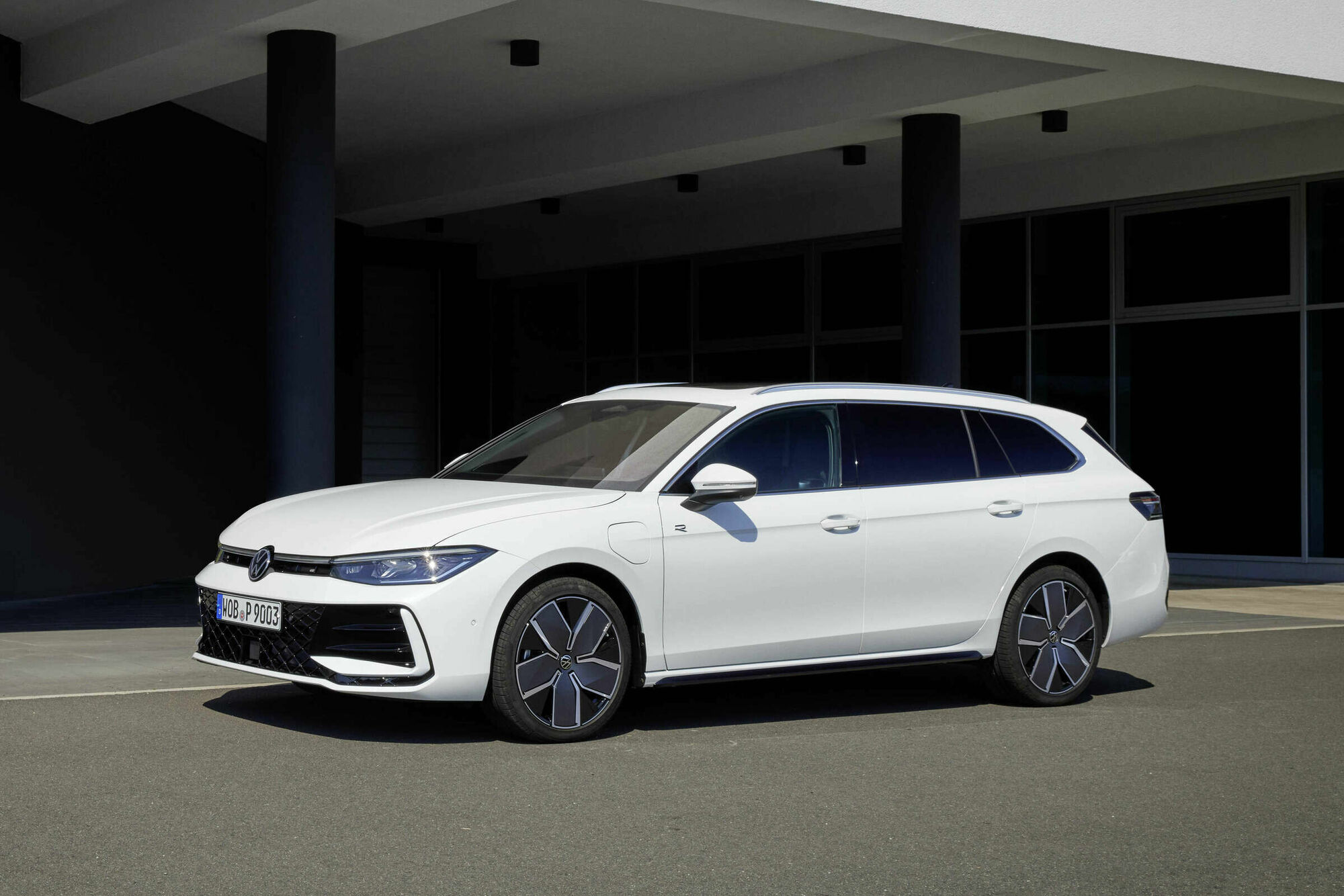
5. Volkswagen Passat Wagon
The Volkswagen Passat Wagon provided a spacious and comfortable interior, combined with a smooth and predictable driving experience. Built with a focus on practicality, it allowed families to enjoy daily commutes, road trips, and errands without feeling cramped or stressed.
Its suspension delivered a supple ride, balancing comfort with enough firmness to maintain composure during cornering. The exterior design was understated yet refined, emphasizing clean lines and European proportions that stood out subtly among domestic vehicles.
American buyers could have appreciated its combination of functionality, style, and efficiency as an alternative to bulkier sedans or SUVs, particularly those who valued a vehicle that could manage both city streets and long-distance travel with ease.
Inside the Passat Wagon, attention to ergonomics and comfort was evident. Controls were logically placed, the dashboard layout was uncluttered, and seating offered support for both short and long trips. Legroom and headroom were generous, allowing rear passengers to travel comfortably alongside adults or children.
The cargo area was one of its key selling points, with a flat floor and wide opening for easy loading and unloading. The interior materials, while not lavish, were durable and designed to endure years of daily use, making it a sensible choice for those who valued longevity alongside comfort. Every design decision reflected an intent to maximize practicality without compromising the experience of the cabin.
Performance was sufficient for a variety of driving conditions. The engines offered smooth acceleration, efficient fuel consumption, and reliable power for merging and overtaking. Steering was precise and predictable, while the chassis provided stability and comfort across both highways and secondary roads.
The Passat Wagon demonstrated that a practical, mid-size wagon could deliver a driving experience that felt responsive and controlled, a trait often lost when buyers opted for taller, heavier SUVs that emphasized space at the expense of dynamics.
Despite these advantages, the Passat Wagon struggled to gain traction in the United States, largely because wagons were falling out of favor. Many buyers gravitated toward newer SUVs or crossovers, seeking perceived status, elevated seating, and styling cues rather than the tangible benefits of a wagon.
Had more consumers considered its combination of comfort, cargo space, fuel efficiency, and reliable performance, it might have maintained a stronger presence in the domestic market.
Today, it serves as a reminder that European-inspired wagons offered a refined and practical alternative to the dominating SUV trend, providing functionality without compromising driving enjoyment or sophistication.
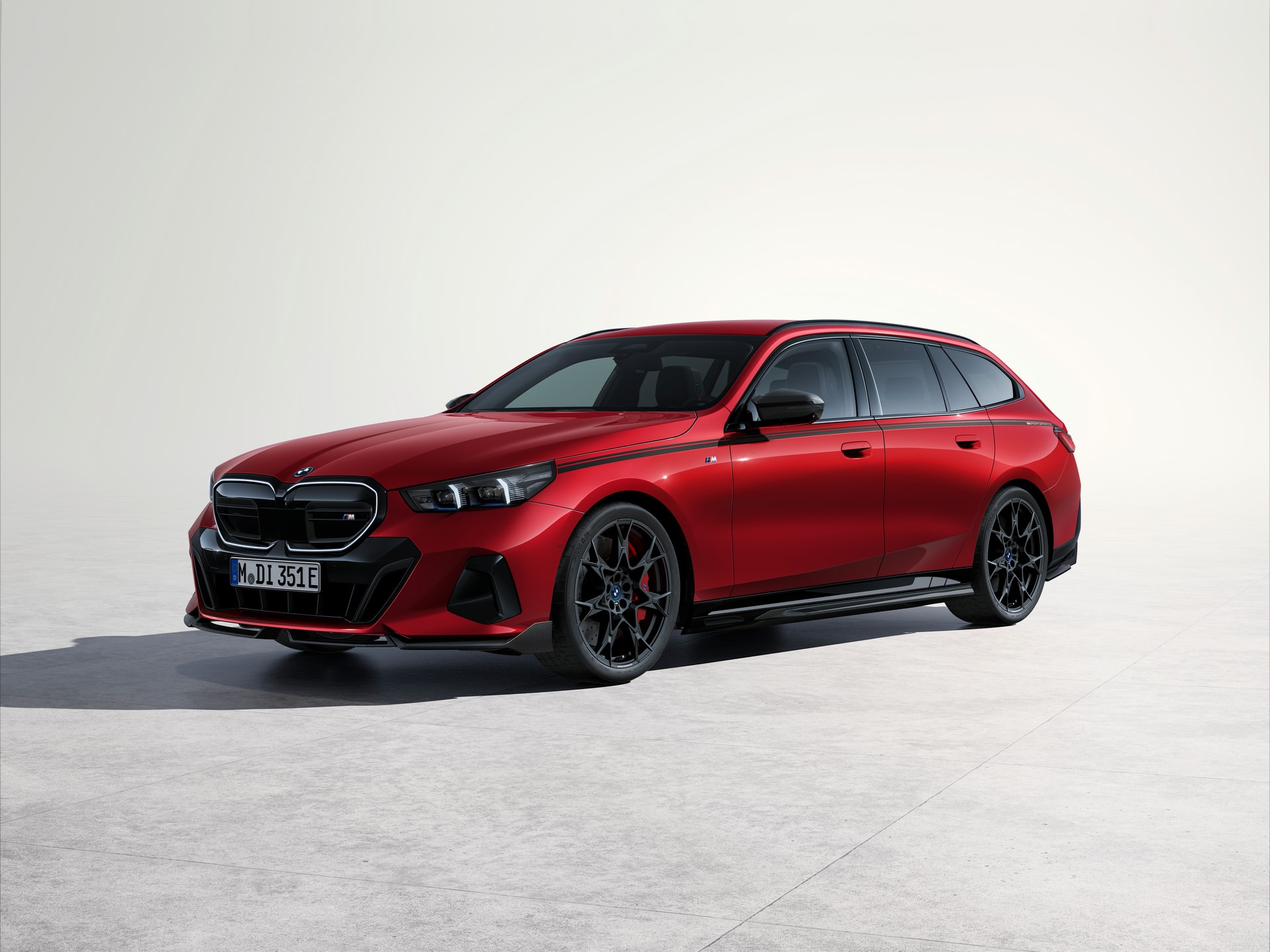
6. BMW 5 Series Touring
The BMW 5 Series Touring combined sporty driving dynamics with everyday practicality, a rare combination in the American market. Its design conveyed understated elegance, with flowing lines and a long roofline that maximized interior space without appearing bulky.
The chassis was engineered to deliver a smooth yet engaging ride, balancing comfort and control across city streets, highways, and twisty backroads. Drivers who appreciated precision steering, responsive brakes, and a vehicle that felt connected to the road could find all of these traits in the Touring version.
The long wheelbase allowed for ample legroom, while the cargo area provided versatile space for luggage, sports equipment, or groceries. Unlike larger SUVs, the 5 Series Touring remained agile and relatively efficient, demonstrating that utility could coexist with sportiness in a single package.
Even when fully loaded with passengers or luggage, the wagon maintained its poise, a testament to BMW’s engineering. Quieter cabin insulation and thoughtful suspension tuning enhanced comfort during longer drives, making it suitable for family trips, business travel, or weekend excursions alike.
Drivers who valued spirited handling alongside versatility found that this wagon delivered a rare combination that SUVs often struggled to achieve.
Despite its numerous advantages, the 5 Series Touring saw limited adoption in the United States. Market trends favored taller crossovers and SUVs, leaving well-engineered wagons like the Touring underappreciated. Its understated design may have contributed to this, as it lacked the bold, aggressive styling that often captures attention.
Those who did experience the wagon frequently praised its balance of driving dynamics, cargo versatility, and interior refinement, recognizing a vehicle that could handle almost any situation without compromising on enjoyment.
Retrospectively, the 5 Series Touring remains an example of what American consumers missed, a vehicle that provided both excitement and practicality in a refined, understated package.
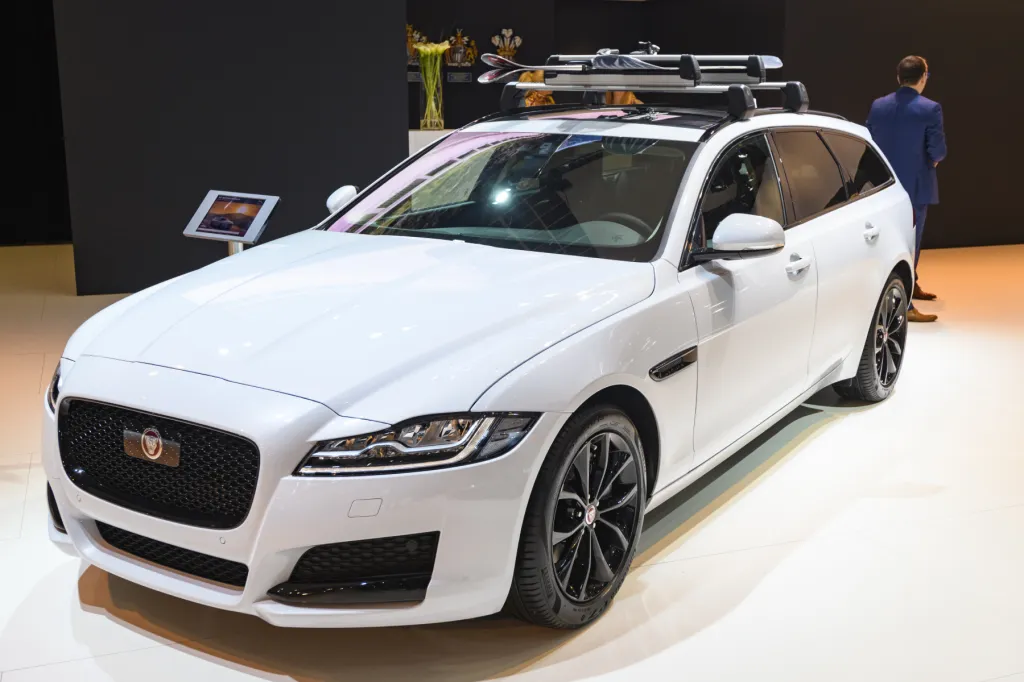
7. Jaguar XF Sportbrake
The Jaguar XF Sportbrake was a unique blend of British luxury and practical utility, offering a driving experience rarely matched by American wagons. Its exterior design conveyed elegance and athleticism, with sweeping lines, a long roofline, and a poised stance that signaled refinement and performance.
It combined the presence of a luxury sedan with the practicality of a wagon, providing ample cargo space and rear-seat comfort without compromising the sleek silhouette that Jaguar was known for.
The Sportbrake offered handling characteristics closer to a sports car than a traditional family hauler, appealing to drivers who desired both sophistication and versatility. For Americans accustomed to SUVs, it provided an alternative that was lower, more nimble, and still luxurious.
Inside, the cabin offered a refined environment with premium materials and thoughtful design. Leather seats, polished wood or metal trim, and carefully placed controls created an inviting space for drivers and passengers alike.
Performance was where the Sportbrake truly distinguished itself. Jaguar’s engines offered smooth, responsive power delivery, whether opting for the inline-four turbocharged unit or the more powerful V6. Handling was precise, with a chassis tuned to minimize body roll while maintaining comfort, ensuring drivers could enjoy both spirited cornering and highway cruising.
Braking performance was strong and predictable, giving confidence in varied driving conditions. Even when carrying passengers or cargo, the vehicle maintained its composure and responsiveness, highlighting Jaguar’s commitment to delivering a performance-oriented wagon without sacrificing usability.
Despite its capabilities and appeal, the XF Sportbrake remained a niche choice in the United States. Its rarity and the dominance of SUVs limited exposure, meaning many Americans never experienced the combination of luxury, utility, and performance it offered.
Those who did recognize its value often became passionate advocates, praising its handling, elegance, and practicality. The Sportbrake demonstrated that wagons could offer a refined alternative to SUVs without compromising driving engagement, standing out as a vehicle that could have appealed to discerning drivers seeking sophistication and versatility.
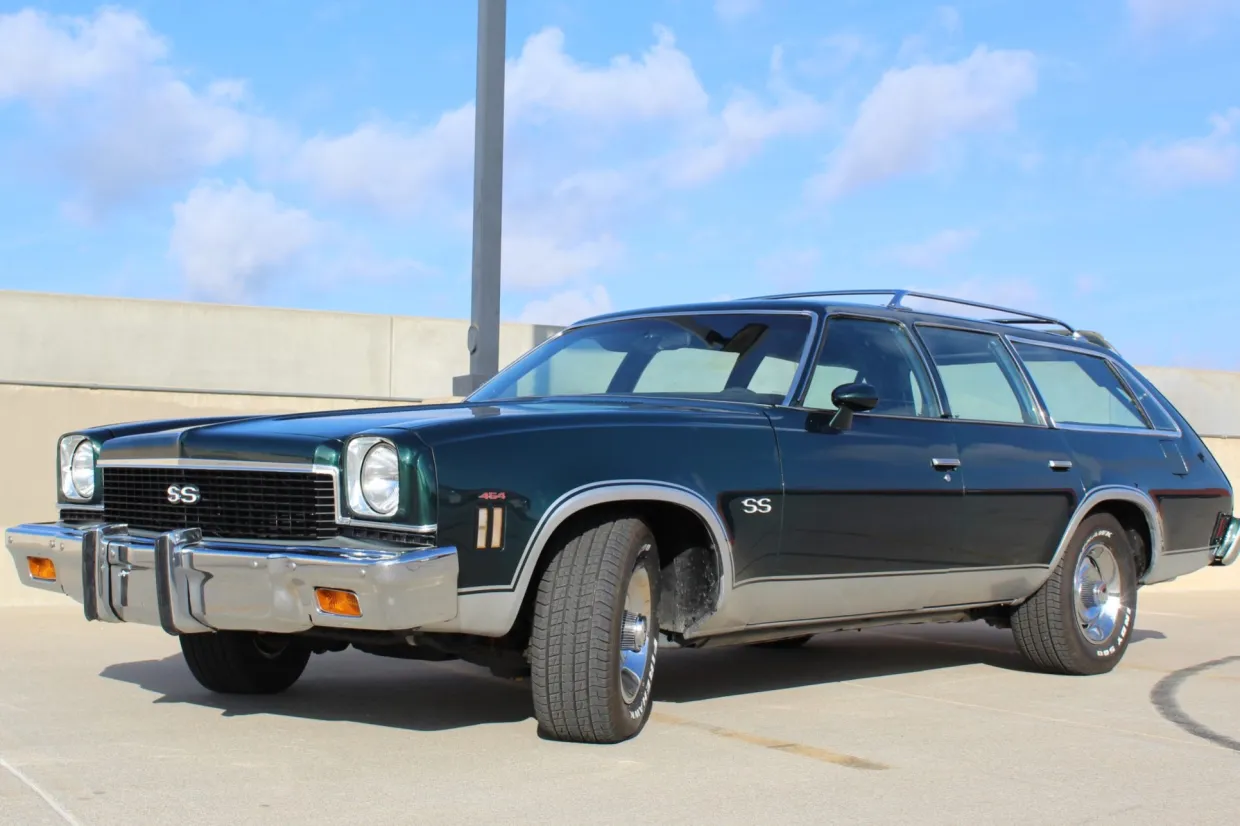
8. Chevrolet Malibu Wagon (1970s Era)
The Chevrolet Malibu Wagon from the 1970s offered American families a practical, spacious alternative to the era’s growing popularity of SUVs and vans. Its long roofline and extended rear area provided generous cargo capacity, making it ideal for groceries, luggage, sports equipment, or even larger household items.
The styling was classic for its era, with clean lines, chrome accents, and a wide stance that balanced utility with a sense of style. It was built on a reliable chassis with an emphasis on comfort, providing a smooth ride over city streets, highways, and uneven rural roads.
For Americans who prioritized function without sacrificing comfort, the Malibu Wagon delivered a combination of versatility and familiarity that few other vehicles could match.
Performance and reliability were central to the Malibu Wagon’s appeal. Engines were straightforward, durable, and easy to maintain, reflecting the automotive philosophy of the era. Suspension tuning prioritized comfort, absorbing bumps while maintaining composure under load.
Steering and handling were predictable and forgiving, making it accessible to drivers of all experience levels. Fuel economy was modest by modern standards, but the trade-off was a vehicle that could reliably carry passengers and cargo across long distances, proving its value for families and daily commuters alike.
Yet, those who owned or experienced these wagons often recall them fondly, noting their ability to combine family functionality with enjoyable driving. The Malibu Wagon stands as a reminder of a time when American manufacturers created versatile wagons that could satisfy both the demands of daily life and the joy of the open road.
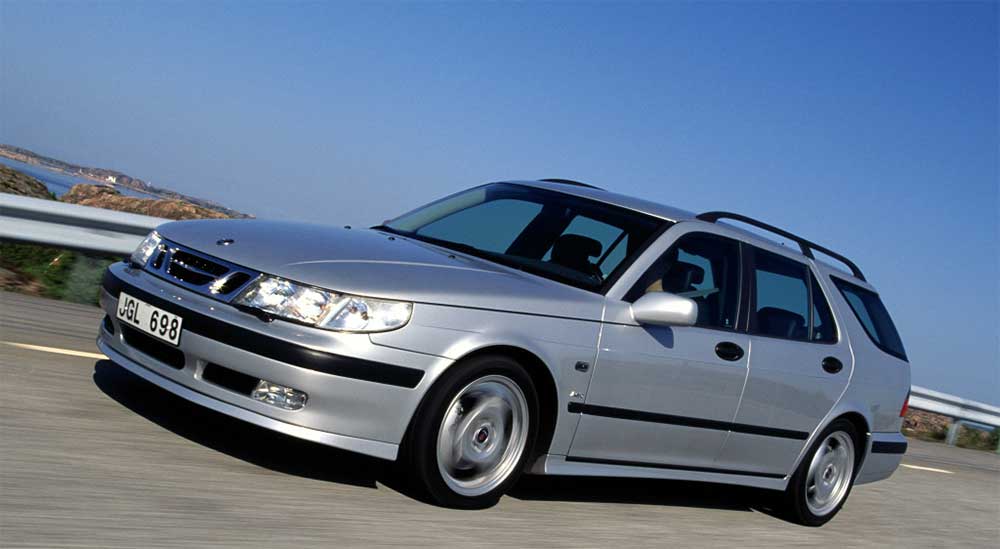
9. Saab 9-5 Wagon
The Saab 9-5 Wagon was a distinctive European import that offered American drivers safety, versatility, and understated style. Its design was purposeful rather than flashy, featuring clean lines, a long roof for cargo flexibility, and an interior layout focused on driver ergonomics.
Inside, the cabin emphasized driver-oriented ergonomics and Scandinavian practicality. Controls were logically placed and easy to operate, while seats were designed for long-term comfort and support. Rear seating offered ample space, and the cargo area expanded efficiently, accommodating luggage, sports gear, or household items.
Materials were of high quality, with soft-touch surfaces and durable plastics designed to withstand years of use. Thoughtful details, including multiple storage compartments, reinforced door panels, and easily accessible switches, highlighted Saab’s focus on usability and functional design rather than flashy luxury.
Performance was a core strength of the Saab 9-5 Wagon. Turbocharged four-cylinder engines provided responsive acceleration, while suspension tuning maintained composure under varying loads. Handling was predictable and confident, and braking performance was strong, contributing to a safe and enjoyable driving experience.
Even when fully loaded, the wagon remained composed, offering a driving experience that combined practicality with the assurance of solid engineering. Drivers who valued both engagement and utility could appreciate the balance Saab struck between performance and usability.
Despite its qualities, the Saab 9-5 Wagon never achieved mainstream popularity in the United States. Its understated styling, European branding, and the market’s shift toward SUVs limited its adoption.
Yet for those who experienced it, the 9-5 offered a compelling alternative to conventional family vehicles, demonstrating that safety, utility, and a satisfying driving experience could coexist in a single package. It remains a testament to the innovative spirit of Saab, providing functionality and refinement without compromise.
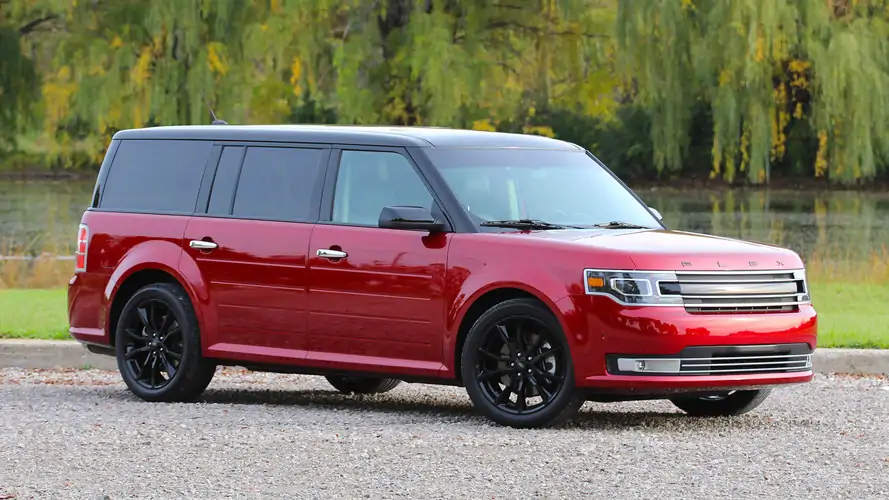
10. Ford Flex Wagon Concept / Early Crossover-Wagon Ideas
Before the SUV boom fully took over, Ford experimented with wagon-like concepts that bridged utility and style, including early Flex prototypes that emphasized interior space and versatility.
These vehicles featured a long roofline, configurable seating, and expansive cargo areas, appealing to buyers who wanted family-friendly features without moving to a traditional minivan.
The design was boxy yet purposeful, creating maximum interior volume while maintaining a manageable footprint for urban driving.
Engineers focused on ride comfort, predictable handling, and durability, producing vehicles capable of carrying multiple passengers, luggage, and recreational gear with ease. These concepts showed that American manufacturers were capable of designing wagons that addressed both practicality and style.
Inside, these prototypes offered thoughtful layouts and functional interiors. Seats were configurable to adapt to different needs, allowing the rear area to expand for cargo or accommodate passengers comfortably. Materials were durable and built to withstand active family lifestyles, while controlled placement prioritized accessibility and safety.
The cabin design facilitated easy ingress and egress, making it suitable for daily commutes, errands, and weekend trips. Storage compartments, cup holders, and flat cargo areas demonstrated a focus on maximizing usability while maintaining a sense of refinement.
Despite their potential, these wagon concepts never fully materialized in mass production as wagons declined in popularity. SUVs and minivans dominated consumer attention, leaving these thoughtful designs underappreciated.
Today, they serve as reminders of what could have been: vehicles capable of combining space, comfort, and practicality with engaging handling and thoughtful design. American drivers missed the opportunity to embrace these versatile wagons before the market shifted decisively toward taller vehicles.
