
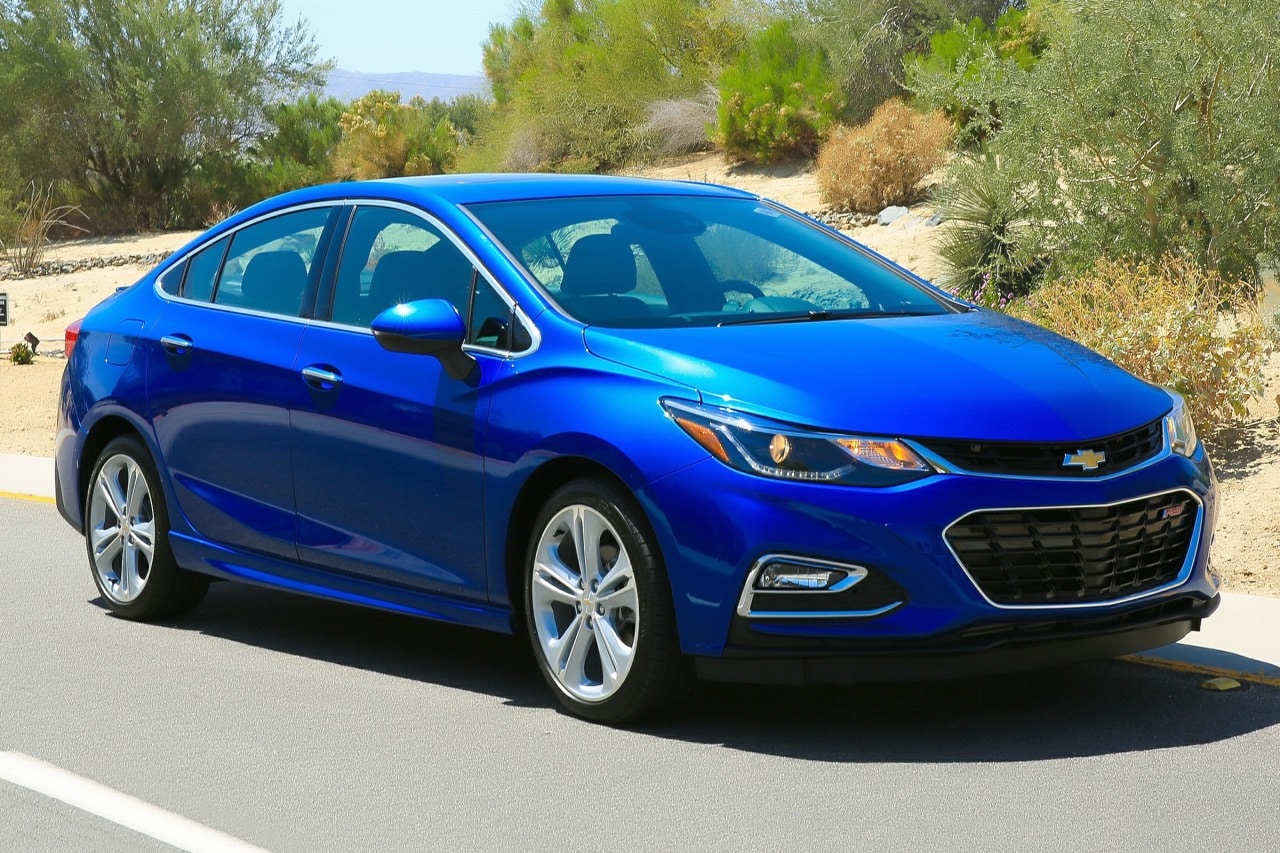
Modern drivers expect comfort, confidence, and reassurance during daily travel, and advanced safety assistance has become a central part of that expectation. Lane keep features in budget-friendly vehicles have grown from basic corrections to refined guidance that builds trust even during long stretches of highway driving.
This transformation did not happen overnight, but it has created a new standard for what a modestly priced car should offer. Today, shoppers interested in staying under the 30000 limit can still enjoy steady steering assistance, predictable feedback, and supportive alerts that reduce fatigue.
These systems are not meant to replace attentive driving but they can calm the experience of maintaining position through routine curves and changes in road texture. Drivers who once associated assistance with jerky movements now find that several affordable models provide subtle steering cues that feel natural and dependable.
How these systems behave matters as much as the hardware behind them because the character of lane keep tuning determines whether the driver feels supported or interrupted.
The vehicles highlighted here represent a wide range of body styles and engineering philosophies, yet they share a commitment to making driver assistance approachable. Some favor a soft guiding hand that corrects gently, while others lean toward firmer support that keeps the car centered with clear intent.
Many of these models rely on cameras that read road markings with impressive consistency, while others integrate additional sensors for stability during varied lighting conditions.
What matters most is the harmony between the system and the driver, and this balance becomes especially valuable during long commutes where mental freshness can fade. When a lane keep system acts predictably, the driver gradually builds trust without surrendering awareness.
Choosing a vehicle based on this feature alone may seem unusual at first, yet modern buyers often appreciate any technology that reduces stress. Even budget-conscious shoppers understand that comfort is not a luxury but a necessity. Lane keep tuning plays a quiet but meaningful role in shaping the daily driving routine.
A well-tuned feature eases the burden of keeping straight lines during heavy traffic or long highway stretches, making the entire journey feel less taxing.
What follows is a focused look at ten cars below the 30000 threshold that provide some of the most dependable lane keep behavior available in this price segment. Each offers its own personality, strengths, and approach to the task, allowing drivers to choose a model that matches both budget and comfort preferences.
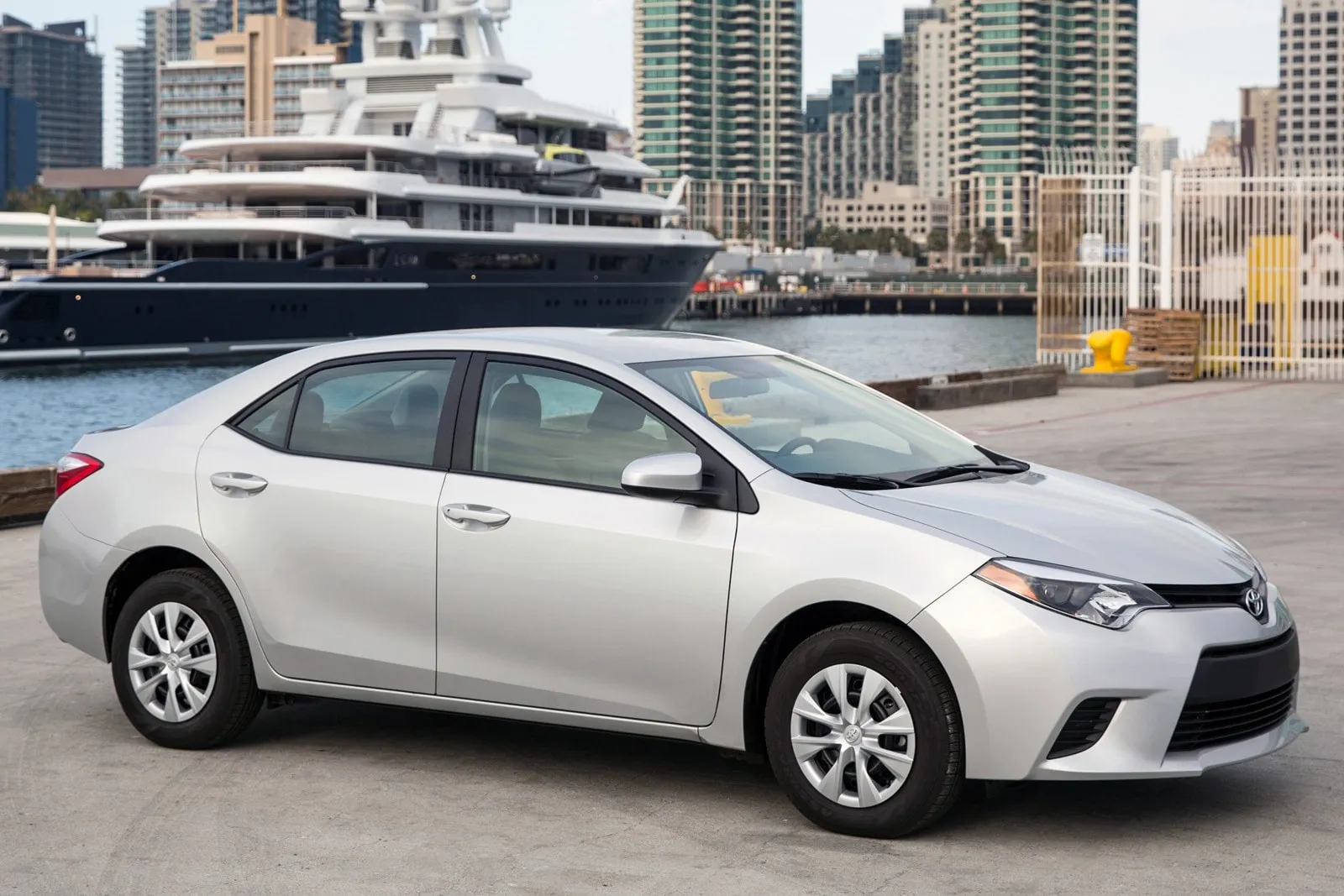
1. Toyota Corolla
The Toyota Corolla continues to appeal to practical drivers, and the lane keep tuning matches this dependable personality with a steady and calm approach. Instead of sudden steering actions that can startle the driver, the system applies gradual input that feels instinctive once you settle into a rhythm.
Drivers get gentle nudges that maintain lane placement without the sense that the car is fighting their intentions. This helps prevent tension during long commutes where constant manual corrections would otherwise wear on shoulders and wrists.
Regardless of whether the road is smooth, slightly worn, lightly patched, or shows signs of seasonal stress, the Corolla maintains centered tracking with a nature that feels increasingly welcome the more time you spend behind the wheel.
One of the most reliable aspects of the Corolla system is how it responds to shifting lane widths. Some systems struggle to adjust when markings tighten or flare outward, but the Corolla approaches these changes with gradual transitions that maintain balance.
The result is a driver experience that feels confident even when the highway design becomes inconsistent. The steering feedback communicates enough information to help drivers anticipate road flow without feeling micromanaged by automated input.
This makes the system suitable for both casual daily drivers and those who spend large chunks of time commuting at varied speeds.
Night driving highlights the practical strength of the Corolla. Many affordable cars struggle with tuning consistency once light sources diminish or glare becomes an issue. The Corolla manages these challenges with surprising steadiness by maintaining cues that remain predictable even when markings dim or shadows patch the road.
Although the driver still must stay alert, the assistance reduces the mental strain of tracking boundaries under imperfect lighting. This is especially helpful for long evening drives home after work when focus can naturally waver.
The true benefit of the Corolla tuning becomes clear during extended highway travel. The system retains its calm nature even after hours on the road, reducing fatigue by offering consistent corrections that do not draw attention to themselves.
Many lane keep assist systems can grow tiresome when they are too eager or too passive, but the Corolla maintains a middle path that respects human input while delivering steady support. For buyers seeking a budget friendly car that behaves with quiet confidence, the Corolla continues to be one of the most comfortable choices available.
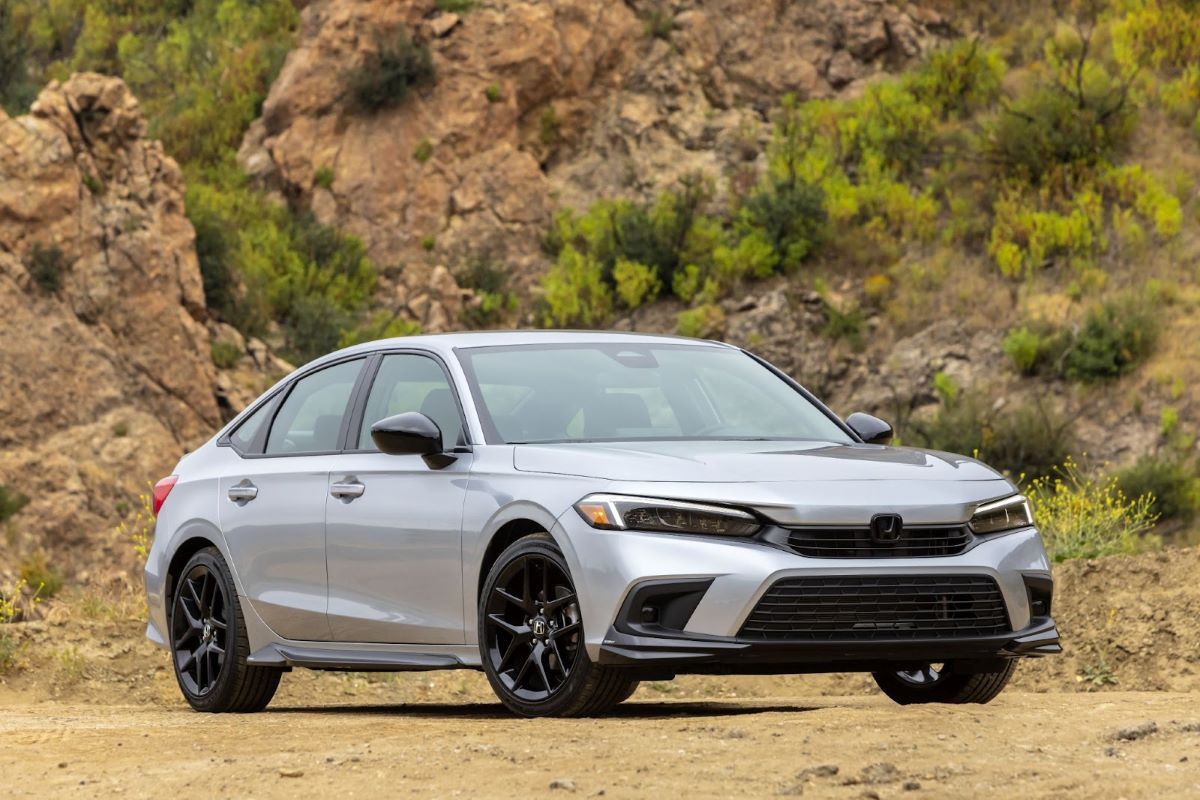
2. Honda Civic
The Honda Civic offers a lane keep tuning approach that pairs naturally with its balanced and responsive steering. Rather than offering soft guidance that barely influences the wheel or stiff input that overpowers the driver, the system chooses a stable middle ground that supports confident control.
The first time a driver experiences the tuning, it becomes evident how much attention has been placed on avoiding disruptive steering movements. Straight line travel feels calm and secure which helps drivers feel as though the vehicle is cooperating with their intentions instead of forcing unwanted corrections.
Traffic density does not undermine the Civic system’s consistency. When traveling through tight lanes or stretches of roadway where markings briefly shift, the system maintains an even temperament that avoids overreaction.
The feedback is clear enough to keep the driver centered but does not impose an uncomfortable level of resistance. This makes the Civic especially appealing for commuters navigating daily congestion because the tuning supports the driver through stressful transitions instead of adding to the burden.
Highway travel reveals the Civic’s refined personality. Drivers can settle into a comfortable pace knowing that assistance will remain predictable through long stretches.
The system works with natural road flow rather than acting as a rigid set of instructions. It adapts to mild curves, changing pavement textures, and lane adjustments with a fluidity that encourages long term comfort. This reduces mental strain and allows the driver to stay attentive without feeling worn down by the need for constant micro adjustments.
Lighting transitions, whether at dawn or dusk, do not disrupt the Civic’s lane keep character. Some systems become twitchy when markings fade momentarily. The Civic avoids this by applying guiding input only when conditions remain clear enough to do so safely.
When markings reappear, assistance resumes smoothly without sudden behavior changes. This predictable nature strengthens trust between the driver and the vehicle because the system demonstrates reliability without overstepping boundaries. For a car priced under the 30000 mark, the Civic delivers lane keep behavior that feels confident and thoughtfully balanced.
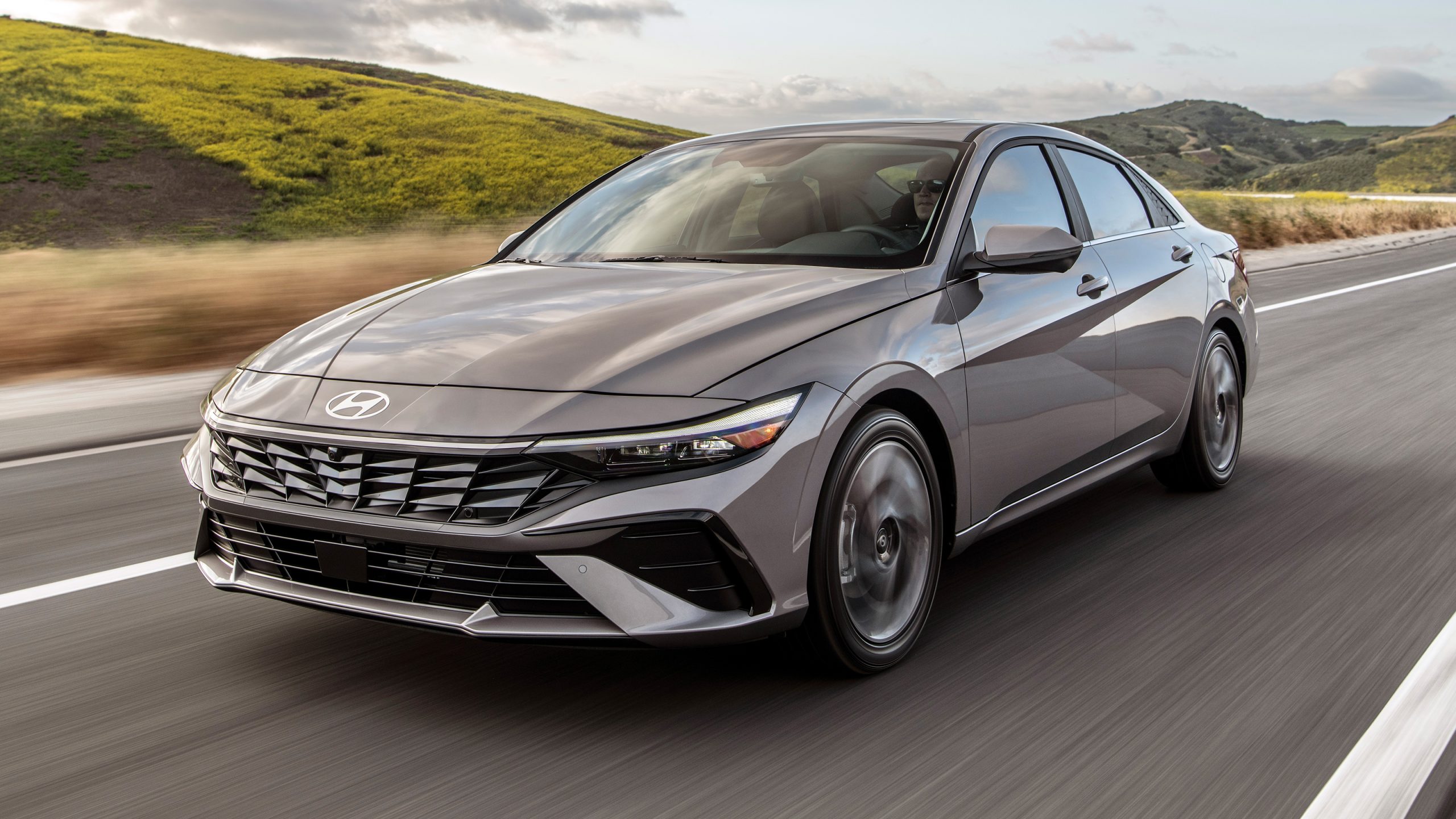
3. Hyundai Elantra
The Hyundai Elantra offers supportive lane keep tuning that focuses on delivering a relaxed and reassuring experience. Rather than applying strong corrections that draw attention to themselves, the system leans toward steady nudges that help maintain positioning without interfering with natural steering habits.
This makes the Elantra appealing for drivers who prefer a calm cabin atmosphere because the system contributes to a sense of ease that extends across long commutes. The lack of abrupt motions is particularly welcome during prolonged highway travel where smoothness becomes a valuable part of driver comfort.
Moderate curves reveal how well the Elantra blends human input with automated support. The system senses drifting early and applies measured guidance that assists without creating friction between the driver and the car. This maintains a steady trajectory through bends that would otherwise require frequent manual corrections.
The experience feels predictable which encourages confidence even as road shapes evolve. Drivers who dislike systems that constantly tug at the wheel will appreciate how the Elantra maintains a composed, steady grip on the situation.
In urban settings, where markings can vary significantly from one block to the next, the Elantra keeps its composure. It does not react harshly to faded sections or temporary construction disruptions. Instead, it waits for clear information before offering its next correction.
This method helps prevent confusion when roads are cluttered with patchwork paint or mixed guidance lines. Drivers remain aware of their responsibility while enjoying the comfort of light supportive steering input that provides just enough direction when needed.
Longer journeys showcase the true endurance of the Elantra’s lane keep tuning. Hours on the road often bring fatigue as drivers lose some sensitivity to alignment. The Elantra helps compensate for this by offering steady support that never feels excessive.
The modest character of the corrections keeps the ride comfortable regardless of distance. By reducing physical and mental strain, the Elantra has created a lane keep style that aligns perfectly with its identity as an affordable yet comfortable daily cruiser.
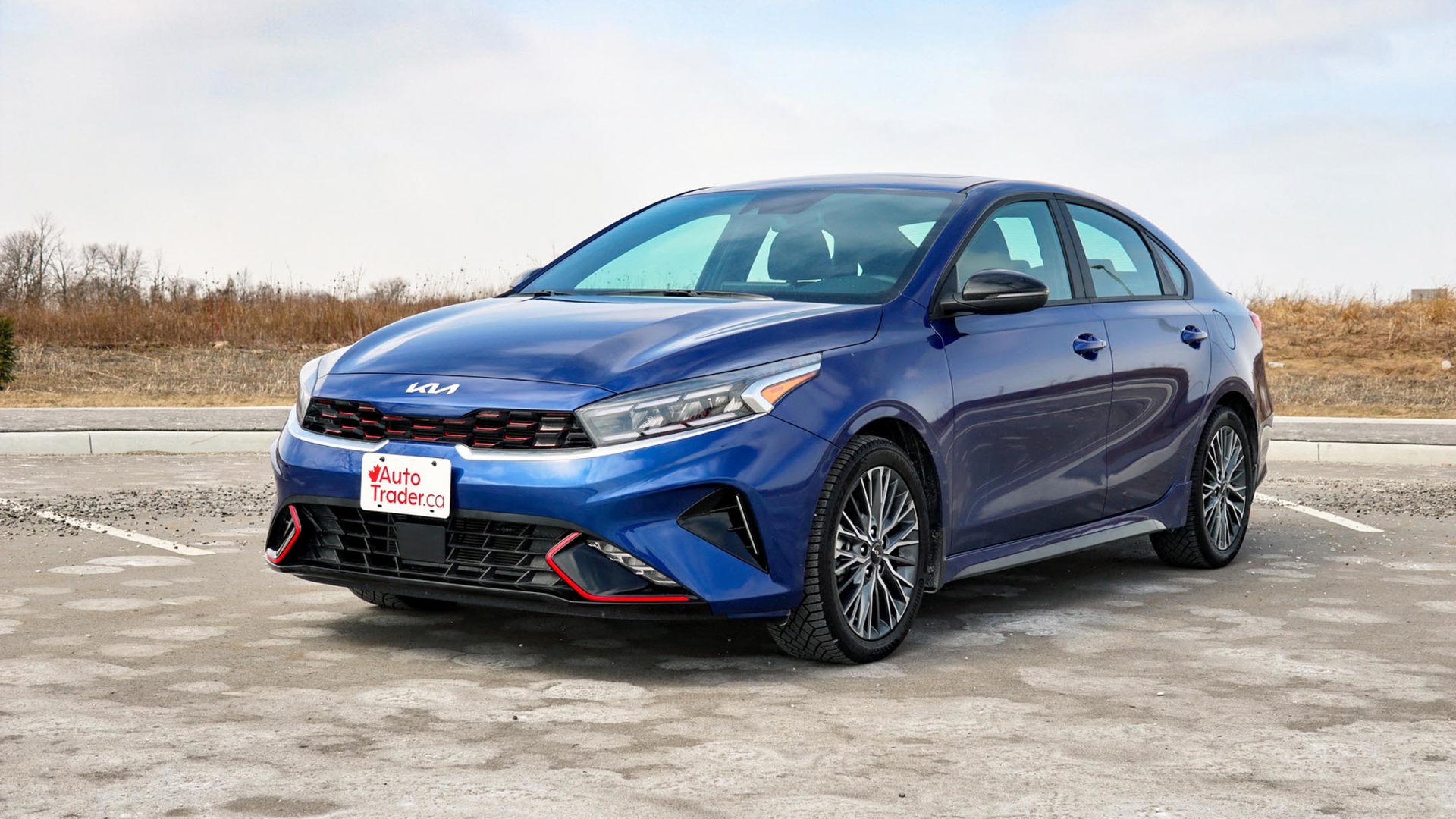
4. Kia Forte
The Kia Forte provides a lane keep tuning strategy that blends assertive stability with a smooth, manageable feel. The system engages with confidence, offering clear corrective input when the vehicle drifts off its intended path. However, it carefully avoids the harsh jolts that some budget systems produce.
Instead, the Forte applies firm pressure with controlled pacing, allowing drivers to remain relaxed while still recognizing the assistance at work. This approach creates an environment where drivers feel supported without losing the sense of active engagement.
During mild to moderate curves, the Forte maintains steady alignment without wavering. It holds course with a level of accuracy that boosts confidence during faster travel where small shifts can feel amplified.
Even when pavement conditions change, whether due to weather patterns or surface wear, the system maintains balance. The driver feels composure in the wheel which is encouraging on long morning commutes that involve multiple variations in road design.
The Forte system also demonstrates stability when lane markings are less than perfect. Some systems become inconsistent in these circumstances, but the Forte avoids becoming jumpy or overly cautious.
It tracks available boundaries without reacting dramatically to brief interruptions or patches of faded paint. This helps keep the ride calm during city driving where conditions can shift rapidly and unpredictably. Drivers who value consistent behavior will appreciate this thoughtful tuning style.
Over extended stretches of highway, the Forte continues to perform with endurance and reliability. The system avoids any sense of fatigue or diminishing responsiveness which can sometimes occur in long-distance travel.
It keeps the vehicle centered with steady, unobtrusive guidance that reduces physical and mental strain for the driver. This makes the Forte a smart choice for commuters who place value on supportive technology that enhances comfort without becoming a distraction.
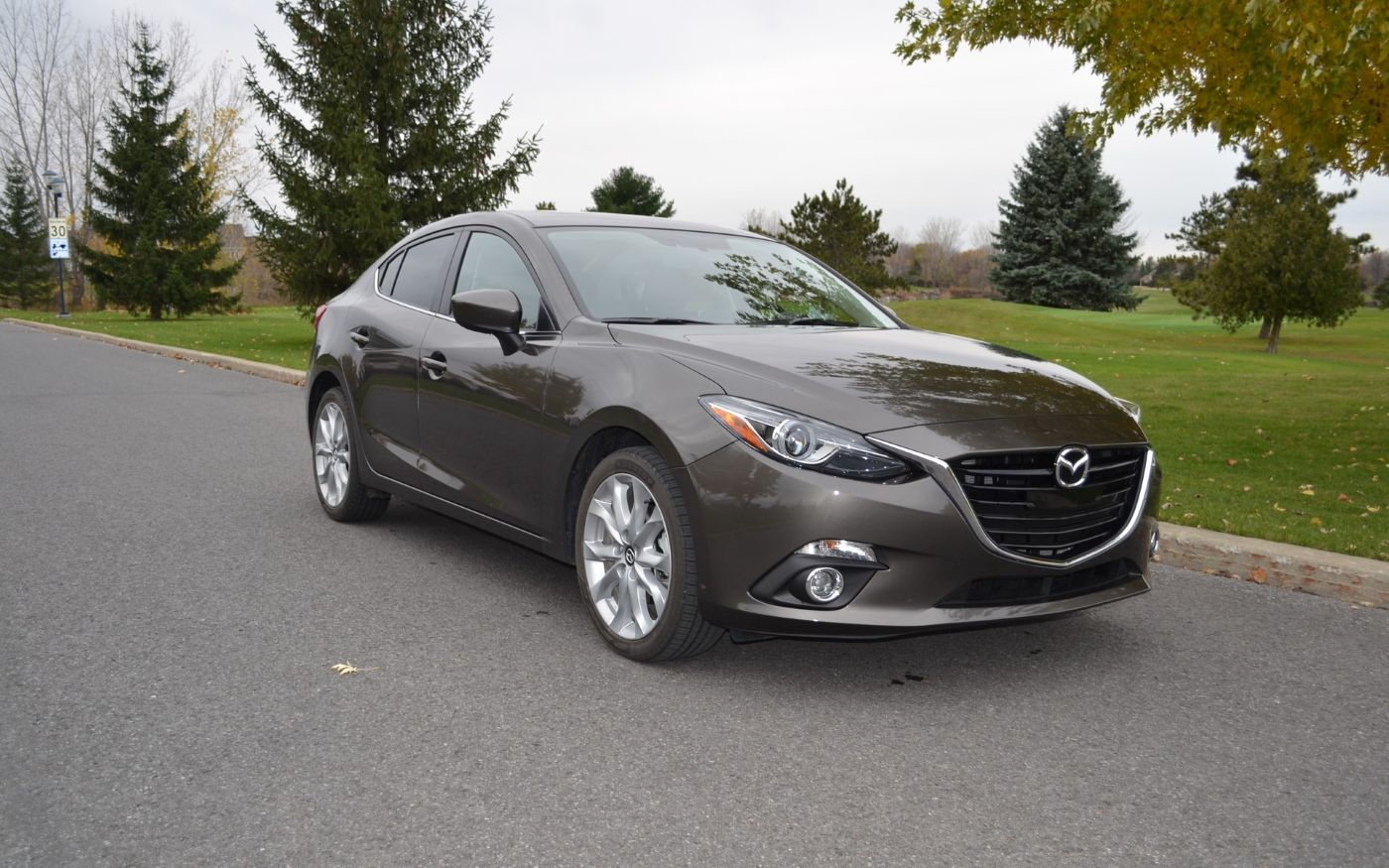
5. Mazda3
The Mazda3 stands out with lane-keep assist that feels naturally integrated with its precise steering. The system adds subtle corrections that blend into the driving experience rather than drawing attention to each adjustment. This makes the vehicle feel composed, especially during long commutes where a consistent steering feel becomes increasingly important.
Drivers who appreciate refined handling will quickly notice how well the tuning complements the car’s driving character. This produces a smooth partnership between driver input and automated guidance that feels cohesive rather than conflicting.
When navigating winding routes, the Mazda3 continues to showcase impressive steadiness. The system respects the driver’s role by avoiding unnecessary interference. It steps in only when drifting becomes pronounced enough to warrant support.
This controlled approach maintains balance through curves without creating friction between human control and electronic adjustment. Because the car is already known for sharp steering, the added guidance feels like an extension of its natural agility rather than a separate component.
On lengthy highway trips, the Mazda3 delivers lasting comfort through its composed lane-keep behavior. Drivers remain involved without feeling burdened by constant corrective work. The system’s gentle support reduces strain over time, which enhances travel satisfaction.
Whether navigating varied lighting or different road surfaces, the Mazda3 maintains its poised demeanor. For drivers seeking a stylish compact car that blends responsive handling with refined assistance, the Mazda3 offers an appealing combination that stands confidently within the sub-30000 category.
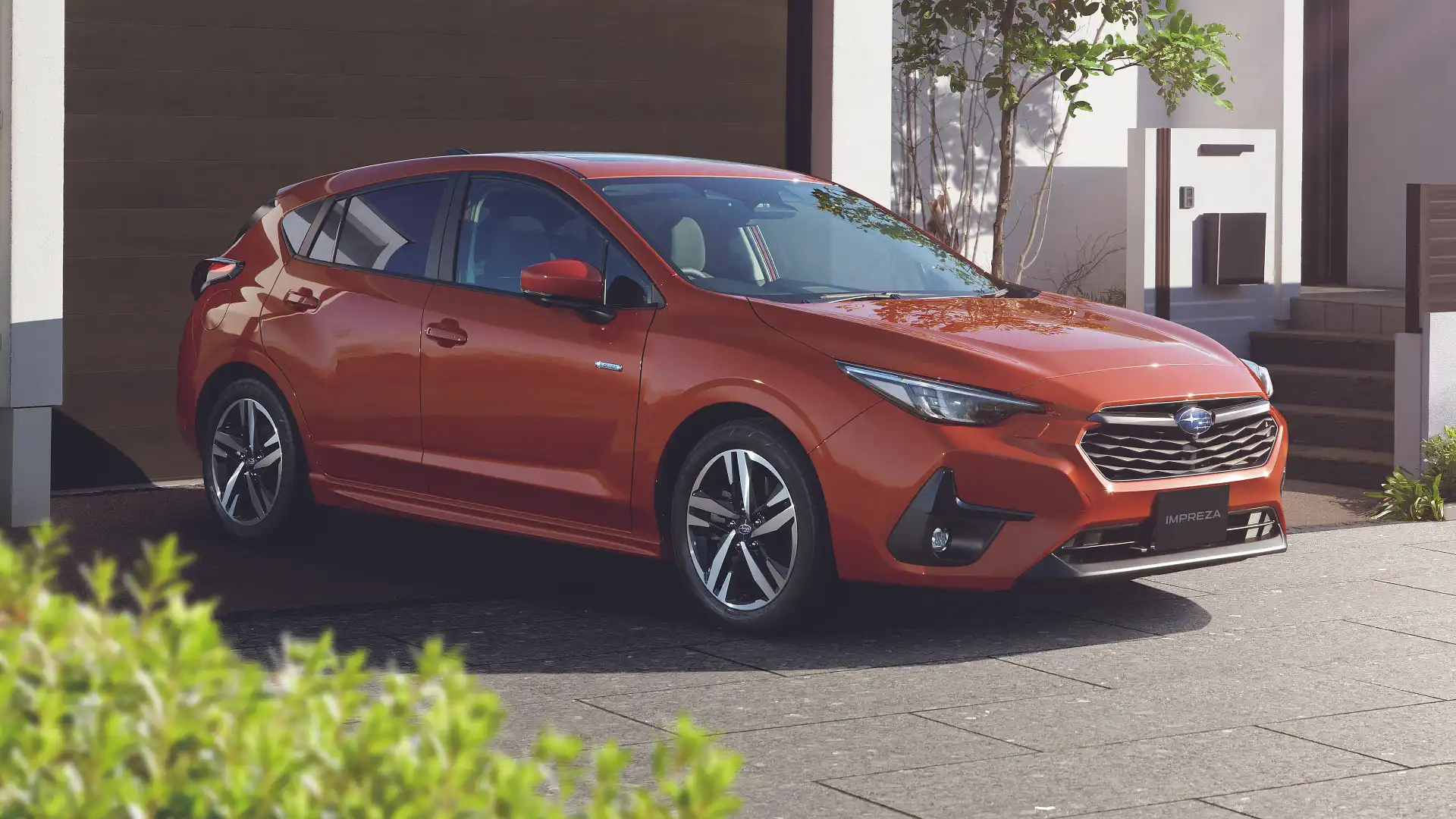
6. Subaru Impreza
The Subaru Impreza benefits from a well trusted assistance suite, and the lane keep tuning fits comfortably into that reputation with its steady and patient behavior. Instead of rushing to intervene the moment drifting begins, the system applies measured pressure that guides the car back toward the center with a smooth progression.
This prevents any startling reaction which is especially important for drivers who prefer calm and predictable steering support.
The Impreza has always aimed to provide a feeling of security, and the lane keep tuning strengthens that image by offering reliability without excessive assertiveness. Drivers find themselves settling into a comfortable rhythm as the system provides gentle reminders that keep the vehicle aligned without overshadowing manual control.
Curved roads highlight the system’s consistency. The Impreza tracks lane boundaries with balanced feedback that adapts to changing surfaces and mild shifts in road gradient. When markings fade or surfaces become uneven, the system continues to provide direction without sudden movements.
This quality becomes particularly noticeable during drives through semi rural areas where environmental wear may cause irregularities in pavement or lane paint. The car maintains its trajectory with a calm demeanor that reassures drivers even when surroundings fluctuate. This helps create a more relaxed driving experience which becomes increasingly valuable during long outings.
The tuning is refined enough that it does not distract the driver with constant micro corrections, yet it remains dependable enough to assist through complex traffic patterns. This careful balance allows the driver to stay focused on the environment without being overwhelmed by excessive steering cues.
Extended highway travel further reveals the endurance of the Impreza’s lane keep tuning. Hours of driving rarely diminish the consistency of the assistance, which helps reduce fatigue and supports long term comfort. The system maintains alignment smoothly without causing abrupt changes that could lead to tension in the arms or shoulders.
This comfort focused performance makes the Impreza a strong contender for families, commuters, and drivers who prioritize a dependable companion for both daily use and long trips.
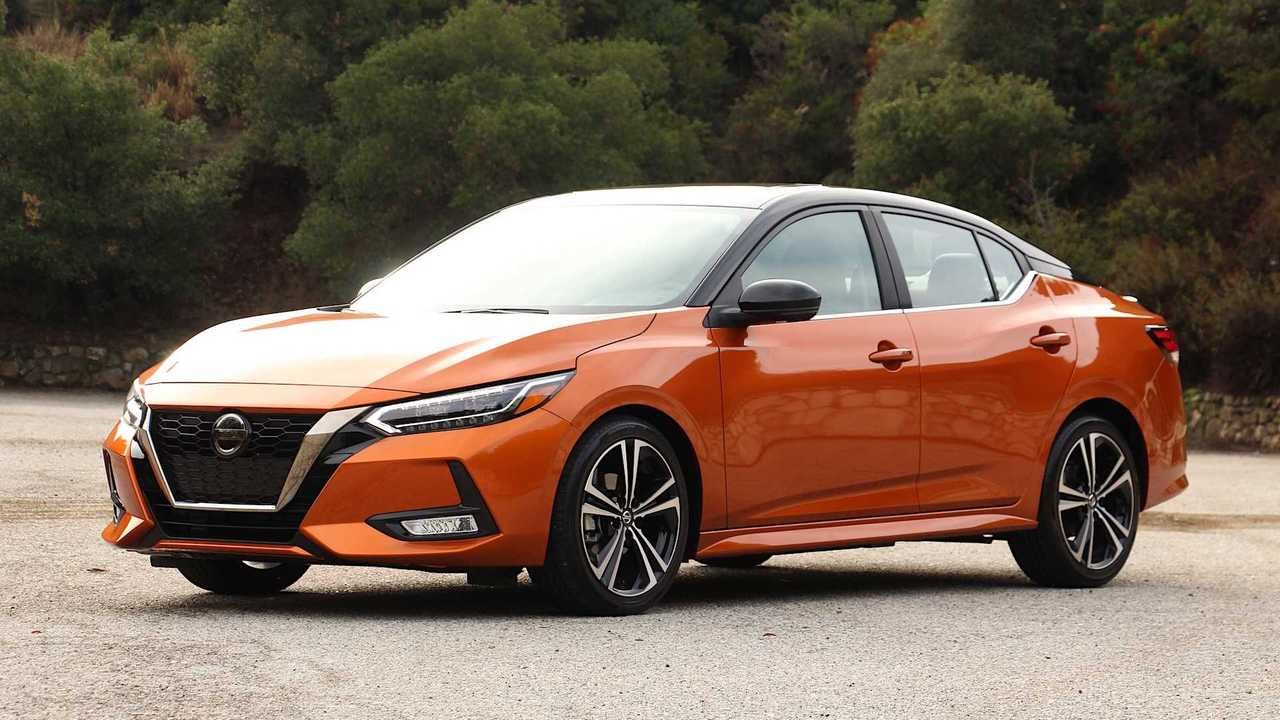
7. Nissan Sentra
The Nissan Sentra offers a lane keep tuning approach that emphasizes calm guidance and everyday practicality. Corrections feel smooth from the moment the system intervenes, making it especially comfortable for drivers who are new to advanced steering support.
On curved roads, the Sentra’s system reveals a steady composure that keeps the car aligned through turns without requiring frequent manual adjustments. The gentle transitions around bends help create a stable, predictable experience even when road lines vary slightly in thickness or clarity.
Drivers who enjoy a relaxed atmosphere will appreciate how the system cooperates rather than competes with their steering impulses. This helps maintain smooth travel on routes that change shape often, whether in suburban neighborhoods or along regional highways.
Urban driving showcases another strength of the Sentra’s tuning. Many city streets have inconsistent markings caused by construction, heavy traffic wear, or patch repairs. The Sentra handles these challenges with restraint, avoiding sharp or sudden movements when it detects unclear boundaries.
It waits for clarity before offering meaningful assistance which helps the driver maintain confidence even in busy environments. This thoughtful behavior minimizes unnecessary steering noise and makes it easier to stay focused on surrounding vehicles, pedestrians, and signals.
During long highway sessions, the Sentra proves itself as a dependable companion. The system continues offering balanced guidance even after hours on the road which helps keep fatigue at bay. Instead of pushing strong corrections that might lead to discomfort, it sustains small but consistent inputs that stabilize the drive.
This supportive character makes the Sentra a comfortable option for those who value a smooth and stress reducing driving experience, especially within the modest price range it occupies.
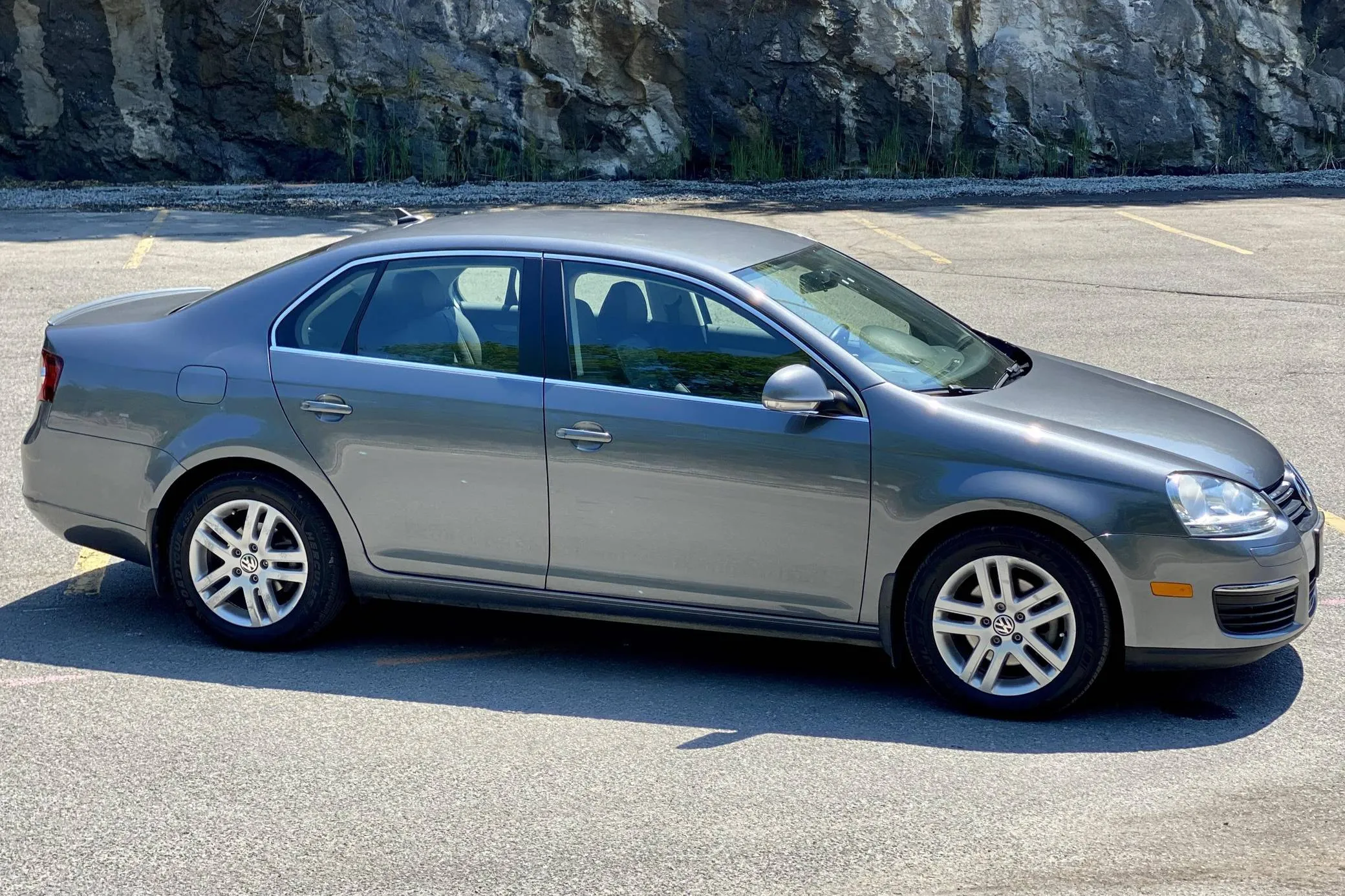
8. Volkswagen Jetta
The Volkswagen Jetta features lane keep tuning that combines firmness with a refined sense of control, making it suitable for drivers who prefer a confident steering feel. The system begins working the moment drifting is detected, but it expresses its corrections through measured input rather than abrupt force.
This gives drivers a reassuring sense that the vehicle is helping maintain alignment without taking over. The tuning feels carefully calibrated to support the driver while preserving the feeling of traditional steering engagement. This balance fits well with the Jetta’s reputation for offering solid road manners even at an accessible price.
On gentle curves, the Jetta demonstrates impressive accuracy. It follows the road’s natural flow without creating noticeable tension in the wheel. Drivers can maintain consistent speed and posture as the system works discreetly in the background.
Busy traffic or imperfect markings do not easily disrupt the Jetta’s assistance. The system avoids overreacting to short breaks in lane paint or slight inconsistencies in boundary width. Instead, it maintains a composed attitude, offering correction only when it has reliable information.
This prevents unnecessary steering action that could otherwise distract the driver. Such restraint proves especially useful during city commutes where markings frequently vary due to repairs, bus lanes, or temporary construction changes. The smoothness of the tuning contributes to a sense of clarity and ease during unpredictable driving conditions.
Over long distances, the Jetta’s lane keep tuning provides endurance that helps reduce physical and mental strain. Its consistent steering support shortens the number of manual adjustments required from the driver which makes highway travel feel less tiring.
The system shows reliability without losing refinement which encourages confidence during lengthy routes. For drivers who want a blend of supportive technology and a stable, composed steering feel at a budget friendly cost, the Jetta delivers a strong and satisfying performance.
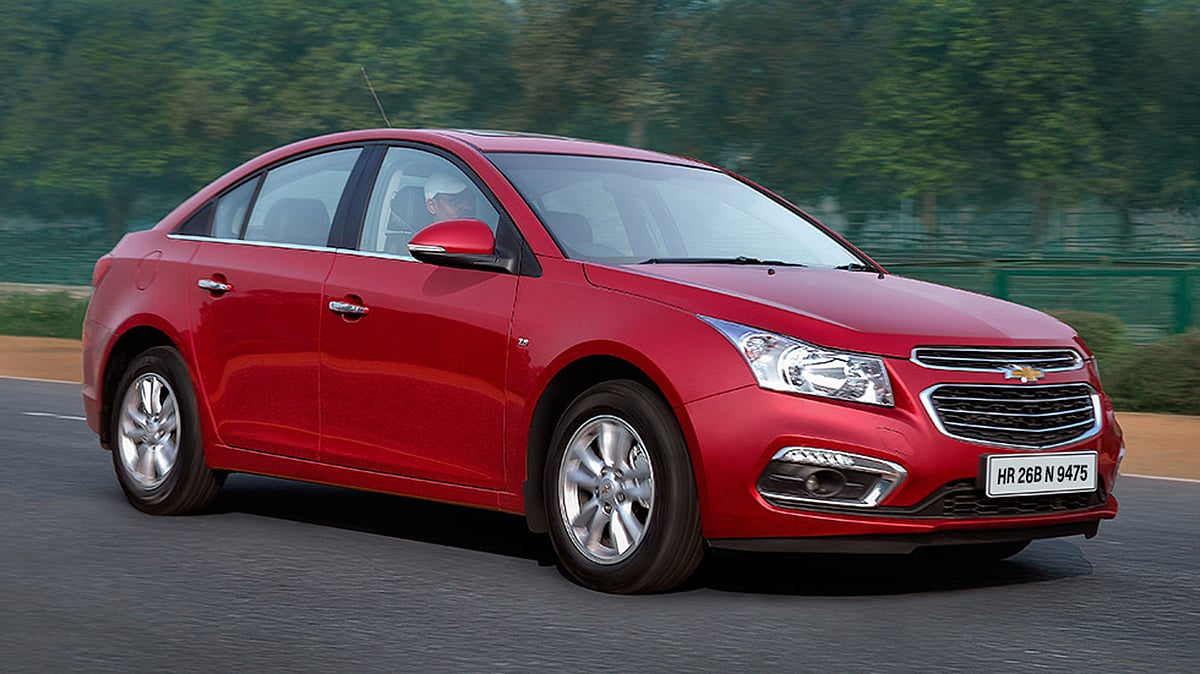
9. Chevrolet Cruze
The Chevrolet Cruze delivers lane keep tuning that focuses on stability and simplicity, giving the driver a sense of grounded confidence even during longer drives. The system initiates corrections early without making them harsh which helps maintain lane position with minimal disruption to the natural steering flow.
This early response helps prevent exaggerated drifting before it becomes noticeable. Drivers benefit from a sense of constant support that feels more like cooperation than intervention. The Cruze’s gentle yet dependable character helps new drivers, experienced commuters, and anyone who values calm assistance.
Winding roads highlight the fluidity of the Cruze system. It handles turns with measured precision that avoids forcing the wheel or tightening at awkward moments. Instead, the corrections follow the curve’s natural pace, guiding the vehicle with enough subtlety to maintain smooth motion.
This makes the Cruze a pleasant companion on roads that feature gentle rises, falls, and bends because the system never feels rushed. Drivers remain in control while still benefitting from a quiet guiding presence that softens the workload during extended trips.
Within city environments, the Cruze demonstrates patience and attentiveness. It avoids quick reactions when encountering broken or faded markings which is essential in areas where construction and traffic wear down lane definitions.
On long highways, the Cruze offers consistent assistance that remains steady even after hours of use. Its level headed behavior minimizes arm strain and reduces the mental fatigue associated with keeping alignment during repetitive travel.
This makes the Cruze feel especially suitable for drivers with long commutes or those who frequently embark on interstate trips. The combination of predictability and gentle support sets the Cruze apart as a budget friendly option with tuning that shines through extended driving sessions.
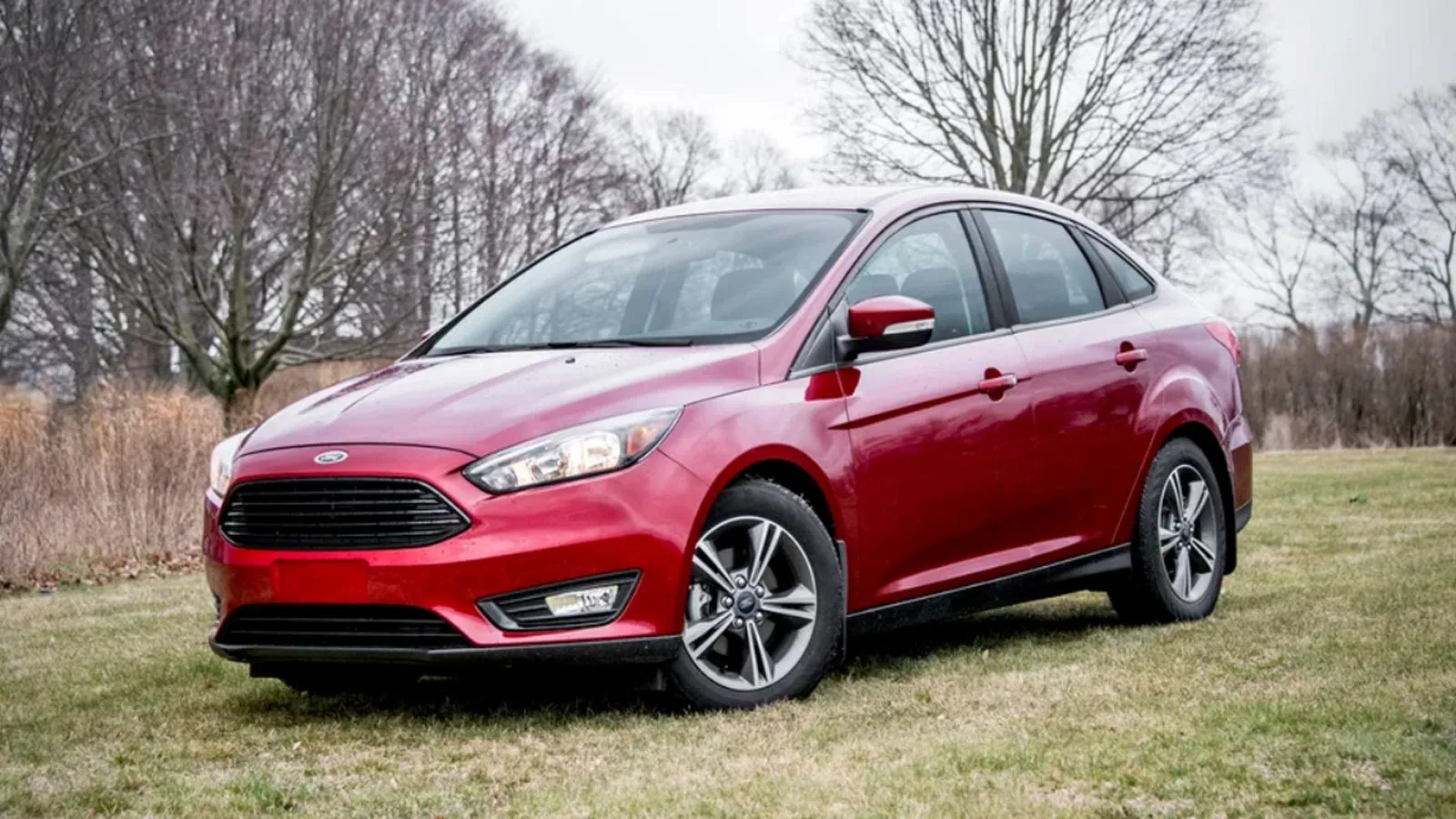
10. Ford Focus
The Ford Focus provides lane keep tuning with a blend of responsiveness and steady control that allows drivers to feel genuinely supported. When drifting begins, the system engages with timing that feels thoughtful rather than abrupt which creates an experience rooted in collaboration between driver and assistance.
The corrections are applied with enough strength to matter but not enough to feel controlling. This balance allows the Focus to remain composed during daily use while giving drivers confidence that the system will act reliably without introducing discomfort.
During moderate curves and extended bends, the Focus maintains its trajectory with smooth alignment. It accounts for the natural flow of the road and adjusts without creating strain on the wheel. Drivers who frequently travel on curved highways will appreciate how predictably the system manages transitions.
The tuning respects the driver’s steering decisions and intervenes only when needed, creating a rhythm that feels intuitive. This helps prevent the frustration that sometimes accompanies systems that feel too strict or too loose.
Complex traffic patterns do not easily unsettle the system. When markings change due to construction or when lane widths shift with heavy traffic, the Focus responds steadily. It avoids reacting to unclear boundaries and waits until stable markings return before offering strong corrections.
This approach creates a calmer experience for the driver who must stay aware of unpredictable movements from other vehicles. The consistent behavior of the Focus tuning builds trust because it avoids startling adjustments in environments that already require heightened attention.
For long journeys, the Focus offers reliable endurance. The system maintains a steady presence throughout hours of highway travel which helps reduce fatigue. Its controlled and consistent guidance contributes to comfort without overshadowing the driver’s role.
The steering remains predictable whether lighting conditions shift or surfaces vary slightly along the route. This strength makes the Focus a dependable choice for those who want a car under the 30000 limit that provides stable assistance for both everyday travel and extended trips.
