
The driving experience is shaped by many factors, from engine performance and handling to interior comfort and technology. One often overlooked element is the acoustic environment inside a car. Cabin noise can dramatically influence how a vehicle feels to drive.
A car that keeps road, wind, and engine noise at bay creates a sense of refinement, making long commutes, weekend trips, or city driving far more pleasant. On the other hand, vehicles where road noise, tire hum, and vibrations intrude can make even a short drive feel tiring or chaotic.
Noise does more than irritate; it can affect concentration, stress levels, and even the perception of a car’s quality. Automakers are aware of this, and many invest heavily in insulation, advanced materials, and engineering solutions to create hushed cabins.
Some vehicles are practically sanctuaries on wheels, where you can carry on a conversation or listen to music without constantly raising your voice.
Several factors contribute to cabin noise. Road surface texture, tire composition, and suspension design all affect how sound enters the car. Wind resistance and aerodynamic choices influence how much high-frequency whistling occurs at highway speeds.
Even seemingly minor details like door seals, window fit, and interior trim density can change how much sound penetrates the cabin. Luxury manufacturers often use thicker glass, acoustic laminates, and dense padding to minimize noise, while some economy models may prioritize weight savings or cost efficiency, allowing more ambient sound inside.
Engine configuration and exhaust design also play a role. While some drivers enjoy the growl of a powerful engine, others find it fatiguing when amplified within the cabin.
Psychological factors shape how drivers perceive noise as well. A car that isolates noise effectively can feel more solid, controlled, and premium, while a noisy car may seem rough, poorly built, or even unsafe.
Some drivers actively seek a quiet ride, treating the cabin as a personal retreat, whereas others may enjoy a hum or buzz for the sense of engagement it provides.
Whether a car is soothingly quiet or full of background noise influences both satisfaction and daily comfort. Manufacturers recognize this, and the divide between hushed vehicles and buzzy ones often reflects broader design philosophies, materials choices, and target markets.
This article will examine five cars that are particularly adept at keeping road noise out, creating a serene driving environment, and five vehicles known for their distinctive hum, buzz, or intrusion of sound.
By contrasting these extremes, drivers can better understand how acoustics shape the driving experience, why some models feel refined while others feel lively or raw, and what design choices make the difference between a cabin that whispers and one that talks back.
By highlighting both quiet sanctuaries and noisy companions, this discussion will give insight into the subtle art of automotive sound engineering and the practical impact on daily driving.
Five Cars That Keep Road Noise Out
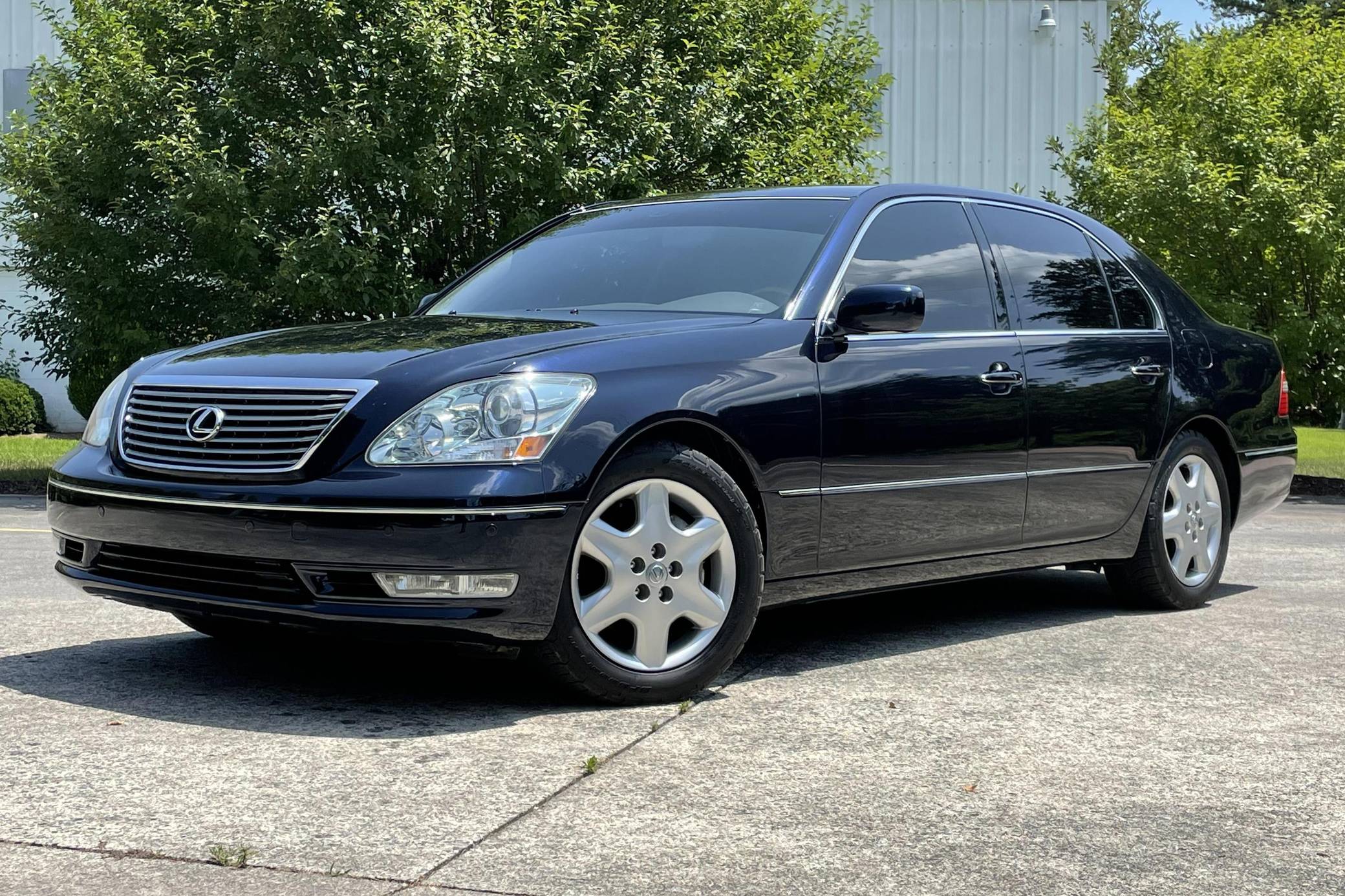
1. Lexus LS
The Lexus LS has long been a benchmark for quiet, luxurious interiors. Engineers behind this sedan have approached cabin acoustics with meticulous attention, implementing a combination of sound-absorbing materials, thick door seals, and multi-layered acoustic glass.
The underbody is lined with panels specifically designed to prevent vibrations from road irregularities from reaching the cabin. Every junction, from doors to the firewall, is carefully sealed to avoid any air gaps that could transmit sound.
When driving over rough asphalt or cobblestone streets, the LS maintains an almost surreal calmness, with only a faint hum perceptible at high speeds.
Passengers often note that even city driving, with its unpredictable bumps and sudden stops, feels more controlled and refined than in other full-size sedans. This emphasis on acoustic isolation reflects Lexus’s dedication to crafting a vehicle where the interior environment remains a sanctuary from external disturbances.
The engine is isolated using advanced vibration-dampening mounts and precision-engineered firewall barriers. For both V6 and V8 powertrains, unwanted resonance from moving components is minimized, ensuring that mechanical sounds do not invade the cabin space.
Exhaust systems are tuned to deliver a low, unobtrusive tone, rather than a booming or harsh resonance, which further contributes to the sense of tranquility.
Even the minor sounds of engine idling or acceleration are filtered, creating an impression of quiet efficiency. The suspension complements this isolation, with adaptive dampers that absorb even subtle road imperfections.
This careful combination of mechanical refinement, insulation, and damping makes the LS not just quiet, but soothing, providing a driving experience that is remarkably fatigue-free over long distances.
Aerodynamic design also plays a crucial role in the cabin’s quietness. The LS features precisely shaped side mirrors, door seams, and rooflines to minimize wind turbulence, which can create high-frequency whistling at highway speeds. Laminated side and windshield glass further reduce intrusion from wind and urban traffic noise.
Even small design details, such as door panel density and speaker placement, are carefully engineered to prevent noise reflection or interference.
The combination of these materials with structural soundproofing creates a cabin where music, conversation, or silence can be enjoyed without competing with road or wind noise. In essence, the LS provides an immersive and refined acoustic experience that complements its reputation as a luxury flagship sedan.
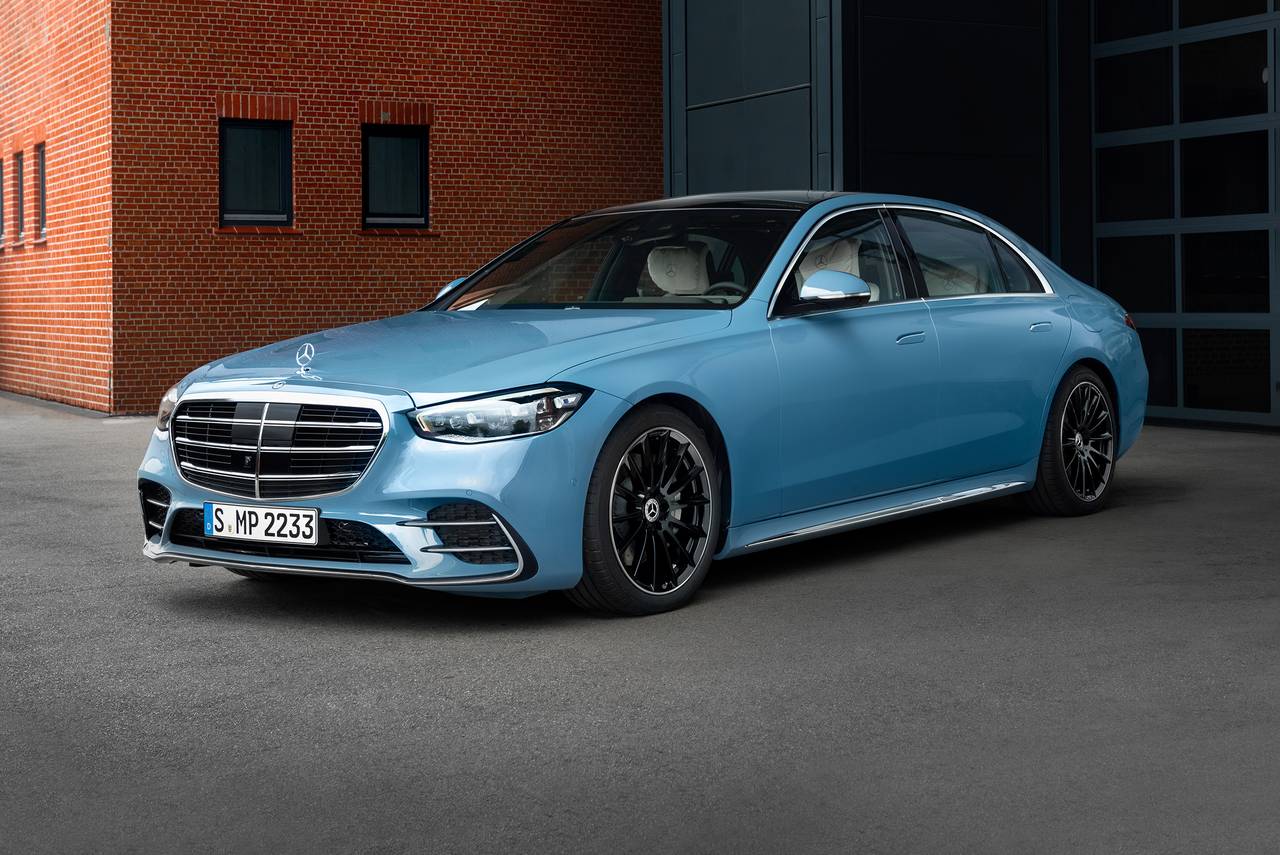
2. Mercedes-Benz S-Class
The Mercedes-Benz S-Class has consistently been regarded as one of the quietest sedans on the road, largely due to its extensive engineering efforts focused on noise reduction. The car’s body is reinforced with multiple damping layers and strategically placed bracing, which minimize vibration transfer from tires and suspension components.
Each panel, from doors to floorboards, is engineered to prevent resonance, ensuring that minor bumps do not result in intrusive sound waves within the cabin.
The suspension is carefully tuned to absorb impacts smoothly, whether the car encounters uneven urban streets or high-speed highway joints. This combination of structural integrity and suspension tuning results in a ride that feels composed, stable, and remarkably insulated from the outside world.
Engine isolation is a key element in the S-Class’s acoustic performance. Whether equipped with inline-six, V8, or V12 engines, vibration-dampening mounts, firewall shields, and tuned exhaust systems ensure that engine noise is present only as a low, controlled hum.
Unlike vehicles where a powerful engine can dominate the cabin soundscape, the S-Class keeps power delivery refined and unobtrusive.
Aerodynamic considerations further enhance the quietness of the S-Class. Mirrors, window seals, and body panels are designed to reduce airflow turbulence that can cause high-pitched whistling at highway speeds. Laminated side glass absorbs both wind and traffic noise, while rooflines and door structures minimize air leakage and rattling.
This aerodynamic optimization is complemented by attention to minute details, such as the alignment of headlight assemblies and grille components, which also influence the smooth passage of air and reduction of sound intrusion.
The result is a cabin that remains calm even under challenging conditions, such as driving at 80 miles per hour on a busy freeway.
Collectively, these design choices create a cabin environment that feels both solid and serene, demonstrating Mercedes’ commitment to providing not only mechanical excellence but also acoustic excellence in their flagship model.
The S-Class serves as a reference point for how engineering, materials science, and design converge to produce a quiet, luxurious driving experience.
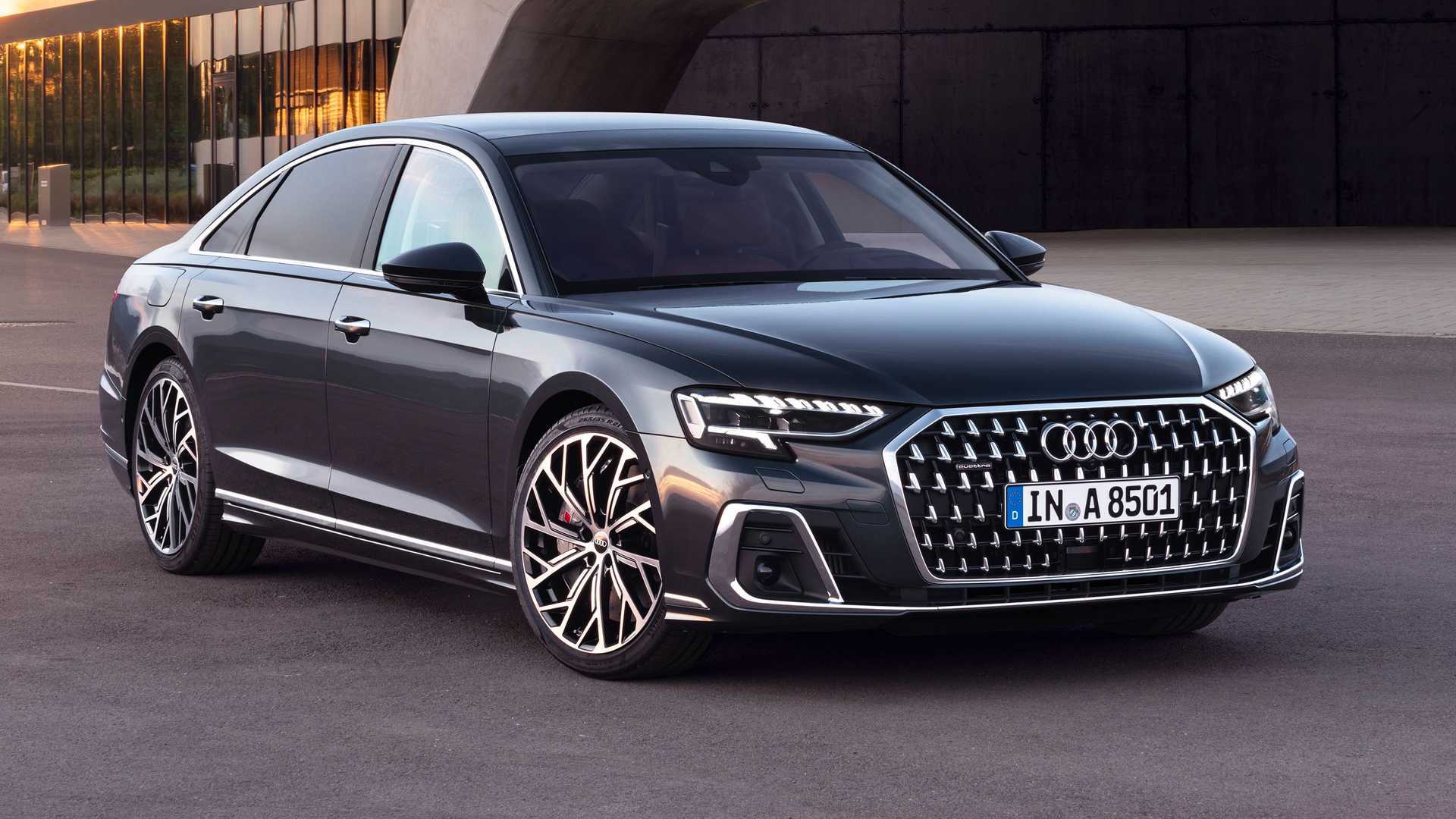
3. Audi A8
The Audi A8 exemplifies a marriage of performance and quiet luxury, emphasizing acoustic comfort without compromising driving dynamics. Its body utilizes lightweight, aluminum-intensive construction, reducing mass while incorporating sound-absorbing layers throughout the chassis.
Suspension geometry and adaptive dampers smooth road irregularities, preventing vibration and harshness from reaching the cabin.
Low-frequency vibrations from tires and uneven surfaces are absorbed by multi-stage damping components, allowing the A8 to maintain a composed and serene cabin even on long highway drives or city streets riddled with imperfections. The effect is a vehicle that feels both agile and insulated, combining responsiveness with acoustic tranquility.
Engine isolation is central to the A8’s quiet performance. Turbocharged four-cylinder and V6 engines are mounted on acoustically tuned mounts that absorb vibrations, and exhaust systems are designed to emit a low, unobtrusive tone.
This ensures that passengers experience only a subtle hum of mechanical power, rather than intrusive or fatigue-inducing sounds.
Cabin airflow is optimized to reduce high-pitched wind noise, with vents, seals, and glass surfaces engineered to create a sense of separation from the outside environment. Even during rapid acceleration, the cabin remains a controlled, serene space, emphasizing comfort over raw mechanical aggression.
Audi’s attention to detail ensures that even subtle rattles, such as those caused by dashboard components or trim pieces, are minimized. The cumulative effect of these measures is a cabin that feels solid, refined, and free from intrusive vibrations, contributing significantly to the perception of quality.
Finally, interior materials enhance both comfort and acoustic isolation. Thick carpeting, layered headliners, and dense seat padding absorb residual vibrations and prevent reverberation, creating an environment where passengers can enjoy conversations, music, or complete silence.
The cabin feels insulated and calm, allowing the advanced audio system to operate without interference. In combination with the engineering refinements, the A8 demonstrates how thoughtful design and material selection can elevate the quietness of a car, producing a cabin that feels both technologically sophisticated and comfortably serene.

4. Tesla Model S
The Tesla Model S benefits from its electric powertrain, which naturally eliminates the engine noise common in combustion vehicles, making cabin quietness a core feature.
Without the rumble or vibration of a traditional engine, designers can focus on controlling road and wind noise, which become the primary acoustic challenges.
Multi-layered windows, dense insulation, and precision-engineered door seals work in concert to create a hushed cabin that isolates passengers from urban commotion, traffic, and highway turbulence.
The effect is a driving experience that feels almost meditative, with occupants able to converse at normal volumes or focus entirely on the driving experience without distraction.
Noise-canceling software further improves acoustic quality, filtering out high-pitched vibrations that might otherwise intrude on the cabin. This combination of inherent EV quietness and engineered solutions positions the Model S as one of the most peaceful vehicles on the road.
Aerodynamic efficiency is a further contributor to cabin quietness. The Model S features a streamlined body with low drag coefficients, mirrors and panels designed to minimize wind turbulence, and tightly sealed windows to prevent whistling or buffeting.
Specialized tires reduce rolling noise, and suspension tuning helps prevent road imperfections from translating into cabin vibrations. These measures, combined with the rigid platform of the electric chassis, help suppress resonance and maintain a stable, insulated interior, even on highways or poorly maintained roads.
The interior materials further enhance acoustic comfort. Layered carpeting, soft headliners, and tightly fitted panels absorb vibrations and prevent rattles. The minimalist design reduces potential sources of noise, allowing the cabin to remain calm and serene.
Combined with carefully engineered audio systems, the Model S provides a quiet environment ideal for conversation, concentration, or immersive music listening.
This thoughtful integration of electric powertrain advantages, materials, and design elements demonstrates how Tesla achieves a cabin environment that rivals traditional luxury sedans in refinement and quietness.
5. Volvo S90
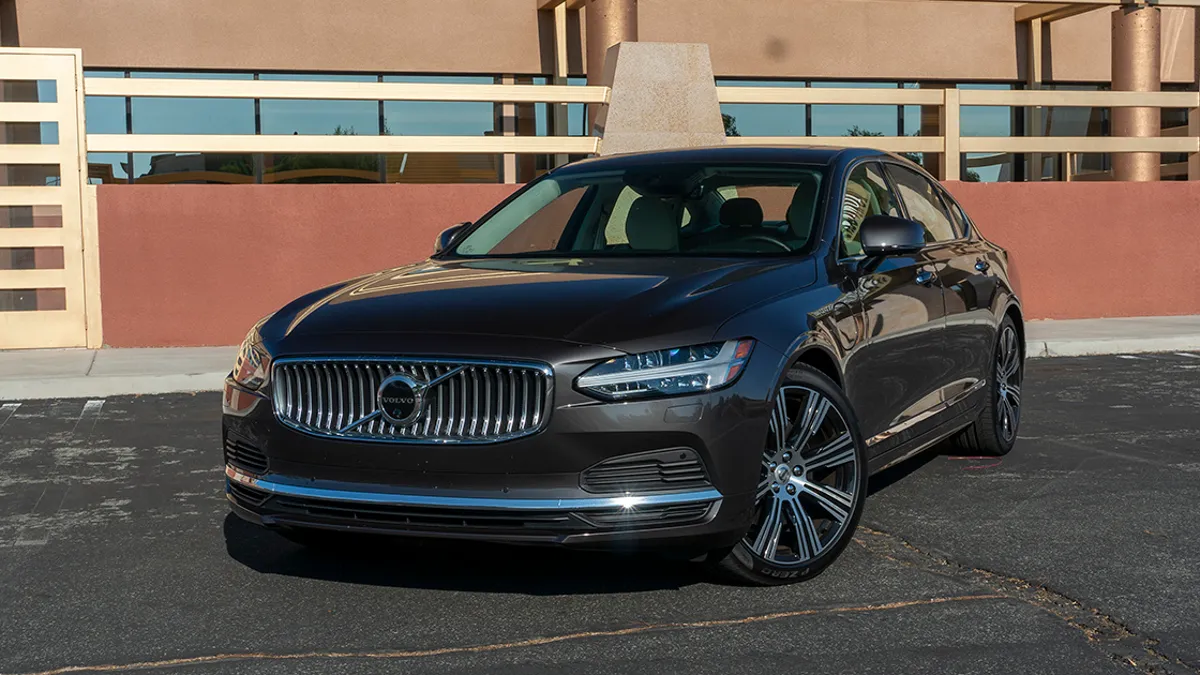
The Volvo S90 prioritizes comfort and calm, with acoustic performance as a cornerstone of its design. Thick insulation, multi-layered glass, and precise door seals work together to block wind, traffic, and road noise.
Even on highways or uneven urban roads, the S90 maintains a quiet cabin environment, allowing passengers to converse or relax without raising their voices.
The suspension is tuned to absorb impacts while reducing the transmission of vibrations, creating a smooth ride that reinforces the sense of refinement and serenity. The result is a sedan that feels spacious, calm, and insulated, reflecting Volvo’s reputation for engineering vehicles focused on passenger comfort and safety.
Engine noise is carefully managed, with turbocharged four-cylinder and hybrid powertrains mounted on vibration-dampening components. Exhaust tuning ensures minimal intrusion, maintaining a quiet, premium acoustic environment.
Even during spirited acceleration, mechanical sounds are controlled and subdued, preventing fatigue and ensuring the cabin remains a peaceful space. The integration of hybrid systems does not compromise acoustic performance, as electric motors provide smooth, silent operation when engaged.
Finally, interior materials are critical to the S90’s acoustic performance. Dense carpeting, layered headliners, and soft-touch panels absorb vibrations and prevent rattles from trim or dashboard components.
Seat design and interior layout reduce potential resonance, while the premium audio system benefits from the quiet cabin to provide clear, immersive sound.
The S90 demonstrates how careful engineering, materials selection, and attention to detail combine to create a serene, comfortable, and refined driving environment, making it one of the most acoustically sophisticated sedans on the market
Five Cars That Hum and Buzz

1. Jeep Wrangler
The Jeep Wrangler is renowned for its rugged off-road capability, but that reputation comes with a trade-off: a cabin that tends to transmit road noise.
Unlike luxury sedans that prioritize acoustic comfort, the Wrangler’s design favors durability and openness, with removable roof panels, exposed hinges, and thin door seals that allow the outside environment to enter the cabin more readily.
The Wrangler’s powertrain contributes to its audible nature. Both the four-cylinder and V6 engines produce noticeable mechanical resonance in the cabin, particularly under acceleration. Engine mounts and exhaust systems are designed more for durability and simplicity than noise isolation, allowing vibrations and low-frequency rumble to reach the interior.
Road surfaces exacerbate the Wrangler’s acoustic profile. Its relatively tall, narrow tires create more contact patch noise on paved surfaces, and the solid axles, while excellent for off-road articulation, transmit bumps and vibrations directly to the chassis.
On rough asphalt, even minor imperfections produce a noticeable thumping sound through the floor, and resonances from wheel wells and fender panels can amplify this effect. The suspension, optimized for articulation over obstacles, does not absorb road vibrations in the same way as luxury adaptive dampers, meaning the cabin becomes a conduit for road noise rather than a barrier.
Passengers may hear every crack and groove in the pavement, contributing to a sense of connectedness but also constant auditory stimulation.
2. Ford F-150
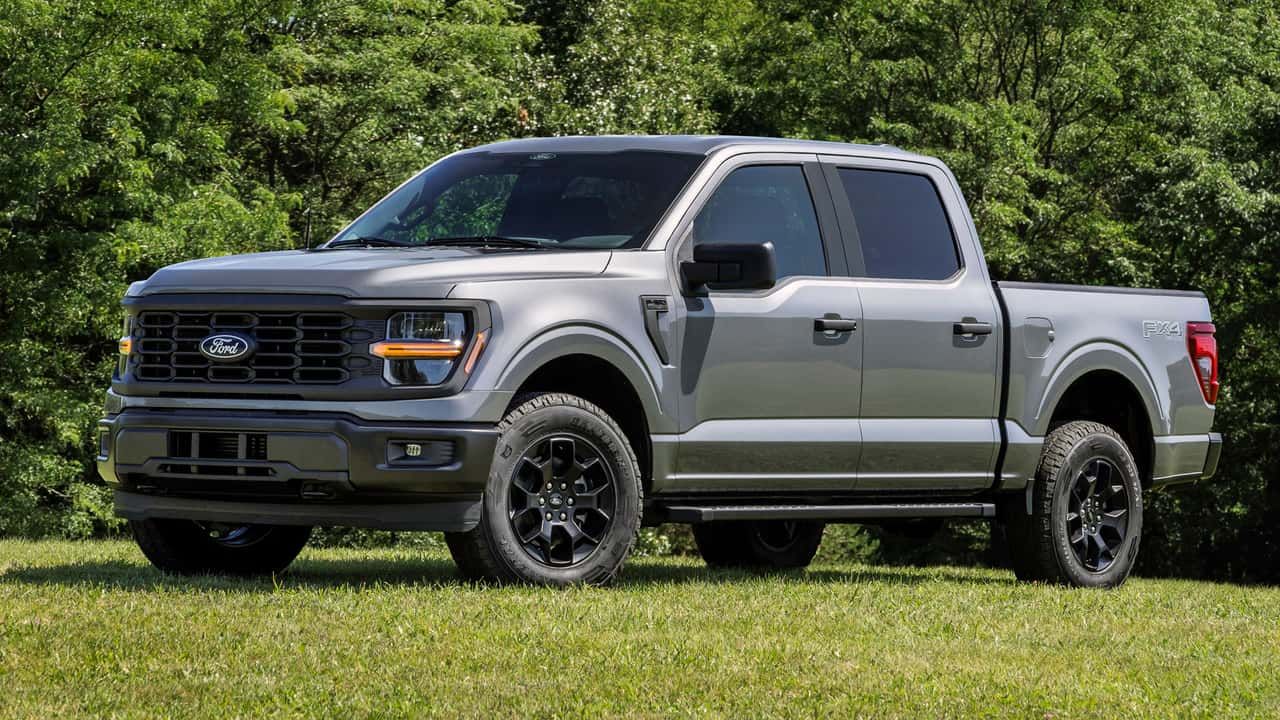
The Ford F-150, particularly in its older or more utilitarian trims, is another vehicle where road noise is prominent. Pickup trucks are designed primarily for utility and payload, with less emphasis on acoustic isolation compared with luxury sedans.
The large, high-profile tires generate substantial road contact noise, and the tall stance amplifies wind effects around the mirrors and roofline.
Even on smooth highways, there is a persistent hum from tires and suspension components that penetrates the cabin. The truck’s wide track and body-on-frame construction, while excellent for durability and towing, transmit vibrations from the road into the cabin, making it feel lively and, for some, somewhat intrusive.
Engine noise is more pronounced in the F-150 than in quieter vehicles. V6, V8, and turbocharged EcoBoost engines produce noticeable mechanical sounds that echo in the cab, particularly when accelerating or towing. Exhaust resonance is also present in many trims, creating a low-frequency rumble that vibrates the floor and seats.
Noise from tires is amplified by the large wheel wells and minimal insulation between the frame and cab. These factors combine to create a persistent background of mechanical hum, vibration, and road noise that forms part of the F-150’s rugged character.
Finally, interior materials are functional rather than acoustically optimized. Hard plastics, minimal carpet insulation, and less attention to door panel density mean rattles and buzzing noises are more likely. Cabin trim can resonate with the low-frequency vibrations of the drivetrain, especially when carrying heavy loads or towing.
Even modern trims that improve on soundproofing cannot fully mask the combination of tire, wind, and mechanical noise inherent to a large pickup truck. While the F-150 excels at capability, payload, and ruggedness, it remains a vehicle where hums, buzzes, and external sounds dominate the driving experience.
3. Subaru Crosstrek
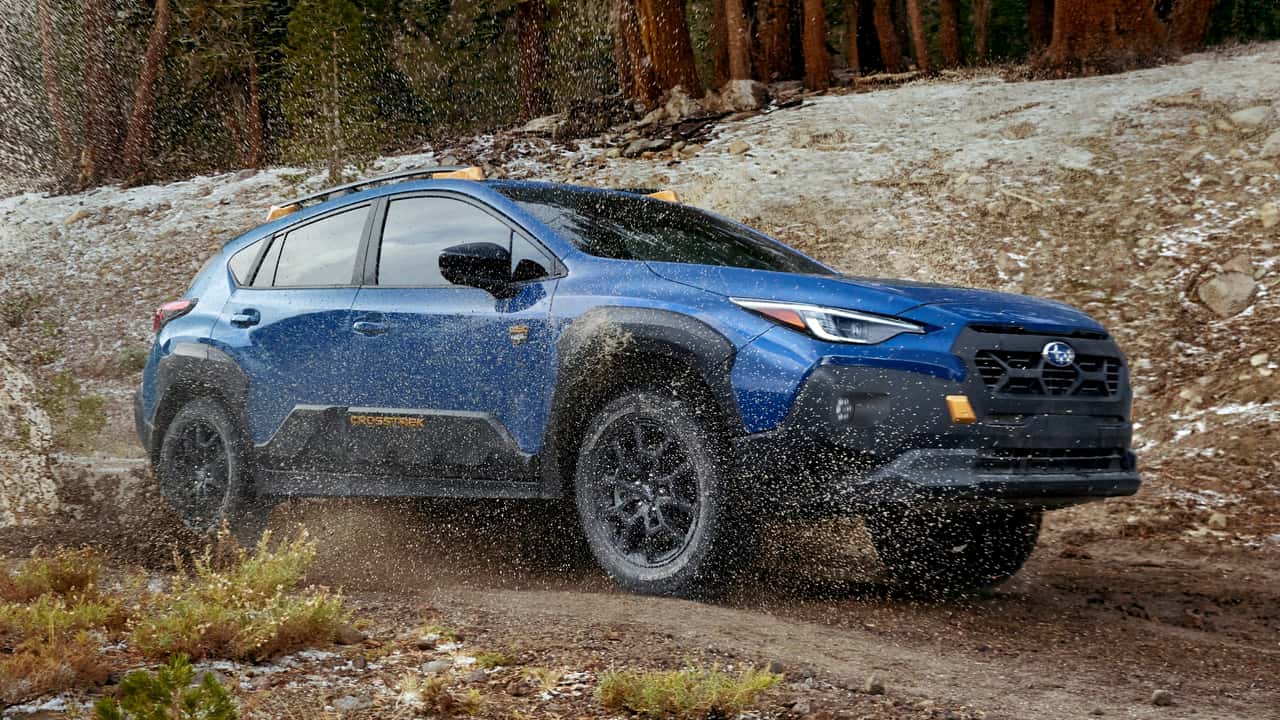
The Subaru Crosstrek, while compact and versatile, exhibits a noticeable degree of road noise due to its combination of design priorities and drivetrain characteristics. Its high ground clearance, standard all-wheel drive system, and relatively narrow tires make it excellent for light off-road use, but they also contribute to audible road hum on highways.
Wind turbulence around the mirrors and roofline, combined with tire noise from smaller tires with aggressive tread patterns, produces a constant background sound.
On rougher pavement, suspension and body vibrations transmit directly to the cabin, creating a sense of road connectivity that, while beneficial for control, contributes to buzzing and hum that is absent in more refined sedans.
The engine and transmission system add to the Crosstrek’s acoustic profile. The naturally aspirated four-cylinder engine produces noticeable mechanical resonance, particularly under load, and CVT-equipped models can amplify driveline noise through pitch fluctuations.
Road surfaces interact with the Crosstrek’s suspension in a way that produces additional sound and vibration. While the suspension is tuned for versatility and comfort, it does not isolate the cabin as effectively as adaptive systems in luxury sedans.
Interior materials contribute further to the Crosstrek’s audible character. Hard plastics on the dashboard and doors can resonate with road vibrations, producing subtle rattles and buzzing noises. The carpeting and headliner provide some absorption, but the lightweight construction prioritizes efficiency and versatility over acoustic isolation.
Audio systems may struggle to compete with the persistent background hum, particularly at moderate highway speeds. The Crosstrek exemplifies a practical, rugged vehicle where noise is part of the experience, reflecting its design emphasis on versatility, all-weather capability, and responsiveness rather than silence and refinement.
4. Honda Civic (older models)
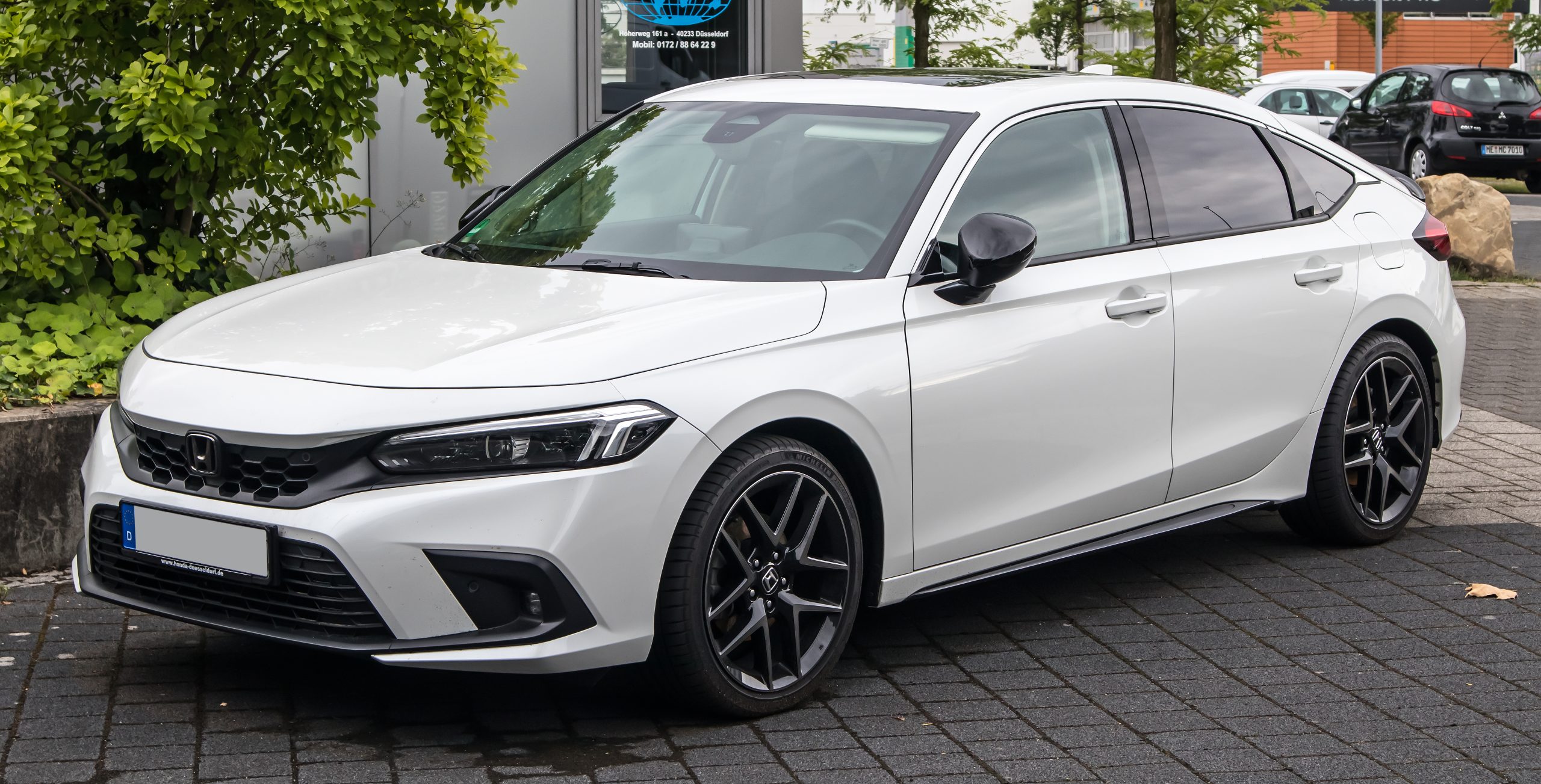
Older Honda Civics, particularly from the mid-2000s and early 2010s, are known for a cabin that transmits road and wind noise more readily than modern sedans. Lightweight construction, thin door seals, and smaller tires make the Civic efficient and agile, but they also result in a perceptible hum and buzz at higher speeds.
On highways, the combination of tire-road interaction, wind whistling around side mirrors, and subtle chassis vibrations creates a constant background of sound. While newer Civics have improved insulation and damping, these older models expose occupants to a lively auditory environment that reflects their lightweight, economical design philosophy.
Engine noise is also more prominent in older Civics. Four-cylinder engines, particularly non-turbo versions, produce mechanical resonance that is noticeable inside the cabin. CVT or automatic transmissions in these models can amplify engine sounds during acceleration, creating a humming quality that persists at cruising speeds.
Exhaust systems are tuned more for efficiency than acoustic refinement, resulting in a low-frequency thrum that resonates through the floor and seating surfaces. Combined, these factors make the cabin an active, buzzing environment rather than a serene, insulated space.
Road imperfections exacerbate the Civic’s acoustic characteristics. Suspension systems, optimized for comfort and handling rather than isolation, transmit vibrations from bumps, cracks, and rough asphalt into the cabin.
Tires, particularly narrower or older models, produce noticeable hum over smooth highways. The chassis, while rigid and safe, allows vibrations to travel through door panels, floorboards, and dashboard mounts, contributing to a perceptible buzz that reinforces the cabin’s lively acoustic profile.

5. Mini Cooper
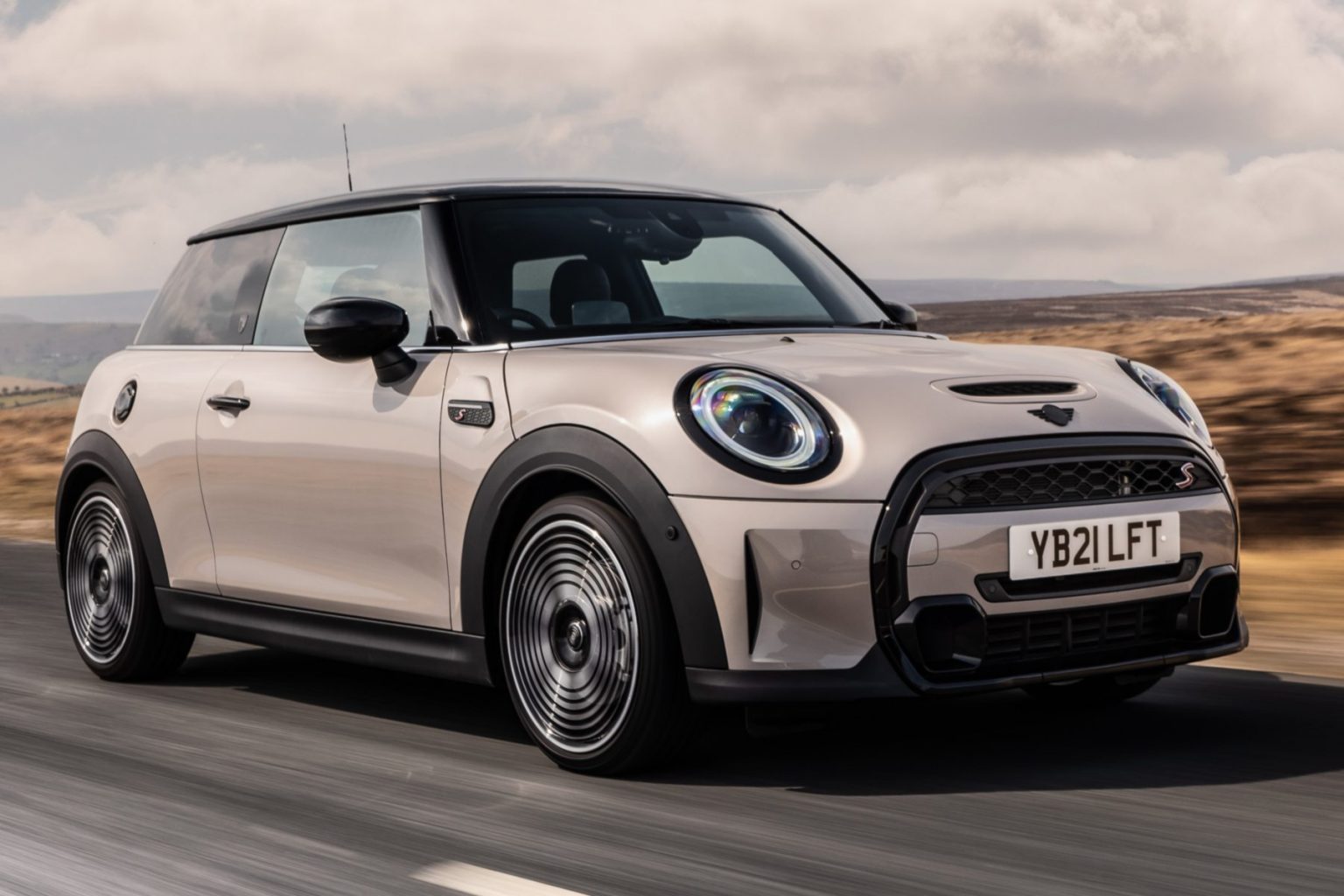
The Mini Cooper, with its compact size and sporty design, tends to transmit road and wind noise into the cabin, emphasizing a lively and engaging driving experience.
Its short wheelbase and small, wide tires contribute to a distinctive hum at higher speeds, particularly on rough or uneven surfaces.
The boxy yet compact body allows more air turbulence around mirrors, windows, and roof edges, creating audible wind noise that passengers notice immediately.
Even minor imperfections in the road surface generate vibrations and low-frequency hums that travel through the floor, steering column, and seats, contributing to a buzzing sensation inside the cabin.
The engine and transmission further contribute to the Cooper’s acoustic character. Turbocharged three- and four-cylinder engines generate mechanical resonance that is audible at higher revs, and the sporty exhaust systems in performance trims amplify these sounds.
Drivers often notice a persistent hum under acceleration or cruising, particularly with manual transmissions where engine feedback is transmitted directly through the pedals and shifter. While some enthusiasts appreciate this as part of the sporty experience, it also means that the cabin is far from insulated from mechanical noise.
Road surfaces interact with the Cooper’s suspension to amplify buzz and hum. Its sporty, relatively stiff suspension is designed for responsive handling, but this also transmits bumps and imperfections more directly into the cabin.
Even small cracks in asphalt or highway expansion joints produce vibrations that reverberate through seating surfaces and trim. Tires, particularly low-profile performance options, create noticeable road contact noise that competes with engine hum, adding to the auditory environment of the vehicle.
Finally, interior materials contribute to the cabin’s buzzing quality. Hard plastics, lightweight panels, and minimal sound-deadening materials amplify road and engine vibrations. Dashboard components, door panels, and trim elements can produce rattles, particularly over rough roads or during spirited driving.
Even the audio system must contend with constant background hum and vibration, reducing clarity and immersion. While the Mini Cooper prioritizes driving engagement, maneuverability, and sporty character, it does so at the expense of quietness, resulting in a cabin environment that hums and buzzes rather than offering isolation or serenity.
