
When considering small cars, stability at higher speeds is one of the most important factors for drivers who spend time on highways or long open roads. Many people assume that small cars automatically feel less planted due to their lighter weight and shorter wheelbases, but that is not always the case.
A vehicle’s stability is influenced by suspension tuning, weight distribution, tire quality, aerodynamics, and steering feedback. Cars that feel solid at speed inspire confidence, making overtaking and lane changes more predictable, while vehicles that tend to wander or feel twitchy can lead to driver fatigue and a sense of unease, even if the car is technically safe.
The perception of stability is not purely about physics; it is also psychological. A small car that maintains a straight line on the highway with minimal driver correction can feel luxurious in terms of control, while one that constantly requires micro-corrections to stay in the lane can feel much less refined.
Factors like crosswinds, road imperfections, and the car’s overall mass contribute significantly. Some manufacturers design small cars with sportier suspension setups that provide responsiveness at the expense of highway composure.
Others prioritize comfort and steady handling, allowing the car to glide smoothly at high speeds. Tires play a significant role as well; the right tire compound and sidewall stiffness can either enhance stability or amplify wandering tendencies.
Another element is the steering system itself. Cars with precise and weighted steering tend to track straight naturally, while light or overly assisted systems can feel floaty. At higher speeds, even minor deficiencies in chassis rigidity or alignment can become noticeable, making the car seem unsettled.
Aerodynamic balance also becomes increasingly important. Small cars with stable airflow and minimal lift are far less prone to wandering in windy conditions or when overtaking large vehicles.
Finally, driver expectations influence perception. Some drivers are used to larger, heavier cars and may find any light vehicle twitchy. Conversely, enthusiasts often enjoy a slight sensitivity, interpreting it as agility rather than instability.
Therefore, understanding which small cars feel planted and which feel like they wander can help buyers choose vehicles that match their driving style and comfort preferences. This article highlights ten examples, five in each category, based on handling characteristics, chassis design, and general consensus among drivers.
Small Cars That Feel Stable at Speed
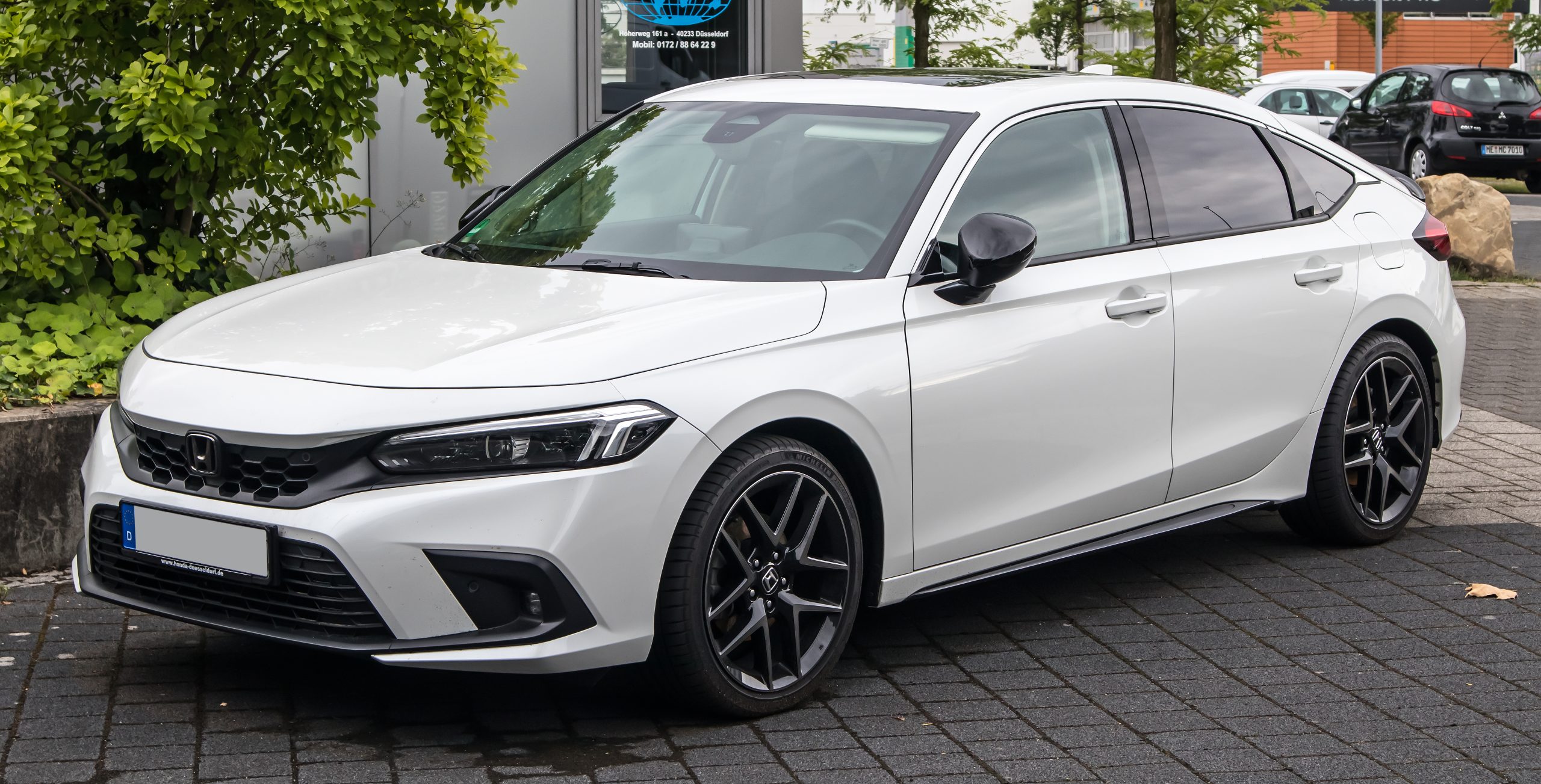
1. Honda Civic
The Honda Civic has long been recognized for its well-balanced suspension and precise steering. Unlike many small cars that can feel nervous at higher speeds, the Civic feels grounded and confident. Its chassis is engineered to distribute weight evenly across all four corners, which helps the car resist disturbances from crosswinds or uneven surfaces.
The suspension geometry is carefully tuned to absorb bumps while maintaining composure, so drivers can enjoy both comfort and stability during extended highway driving. Its compact size is offset by a strong frame that provides a solid foundation, allowing the Civic to feel much larger than its dimensions might suggest.
Suspension tuning in the Civic is a perfect blend of firmness and comfort. While the car can respond crisply to steering inputs, it does not overreact to minor road imperfections. This creates a smooth, stable ride at high speeds without sacrificing driver engagement.
The shocks and struts work harmoniously with the chassis to keep body roll minimal, making the car predictable during lane changes or evasive maneuvers. This predictability is key for confidence, particularly for drivers who may be sharing the road with larger vehicles or traveling through variable conditions.
Aerodynamics also play a crucial role in the Civic’s stability. Its body design minimizes lift and directs airflow in a way that reduces turbulence around the wheels and mirrors. This attention to detail prevents the car from feeling light at the front end or twitchy in gusty conditions.
Overtaking larger vehicles or driving in open areas does not cause unsettling fluctuations, allowing the driver to maintain precise control without unnecessarily compensating. Even subtle design choices, such as spoiler angles and underbody panels, contribute to its planted feel, particularly at sustained highway speeds.
The combination of suspension, steering, and aerodynamics makes the Honda Civic a reliable and reassuring car at speed. Drivers consistently report a sense of composure and control, reducing fatigue during long drives. The Civic does not demand constant attention to stay on course, which makes it a favorite for those who value confidence and predictability.
Whether traveling on highways, country roads, or windy coastal routes, the Civic’s balance between engagement and stability places it among the most dependable small cars for steady driving.
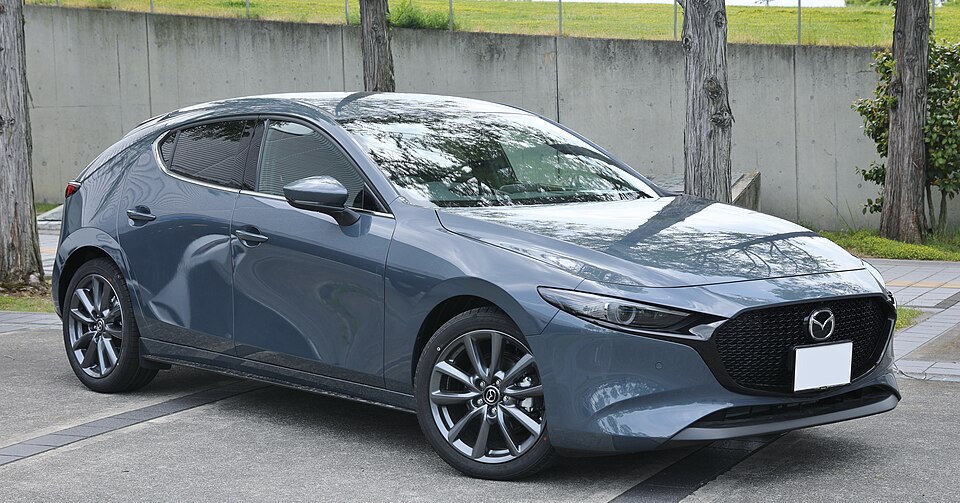
2. Mazda3
The Mazda3 is widely praised for its driving dynamics, blending sporty handling with remarkable stability at speed. The car’s chassis is engineered with precision, ensuring that weight distribution and suspension geometry work in tandem to reduce wandering and keep the vehicle predictable.
Even on highways or long open stretches, the Mazda3 maintains a planted feel, resisting the nervousness that plagues many small cars. Its compact size does not compromise its confidence-inspiring stability, making it enjoyable for spirited driving while remaining composed under sustained speeds.
Steering in the Mazda3 is another highlight. The system provides excellent feedback, allowing the driver to feel connected to the road without experiencing twitchiness. Even minor corrections translate smoothly into controlled movements rather than exaggerated reactions, which is crucial when traveling at higher speeds.
The suspension absorbs imperfections while maintaining tire contact with the road, enhancing grip and directional stability. This combination makes the car feel precise and trustworthy, particularly during sudden lane changes or when maneuvering around larger vehicles.
Aerodynamics are thoughtfully incorporated into the Mazda3’s design. The body lines and underbody treatments help reduce lift and maintain a sense of groundedness, particularly in crosswinds or when passing trucks.
This aerodynamic stability allows the car to track straight, creating a smooth, relaxed driving experience at speed. Tires are chosen to complement this balance, ensuring that the vehicle’s planted feel is not compromised by soft sidewalls or uneven tread performance.
Drivers often note that the Mazda3 strikes a balance between liveliness and highway calmness. Its compact dimensions, precise steering, and firm but compliant suspension give it a feeling of control uncommon in small cars.
The car communicates with the driver without being overbearing, providing reassurance during long trips while remaining enjoyable for everyday use. The result is a small car that feels larger and more composed than its size might imply, making it a standout in its class.
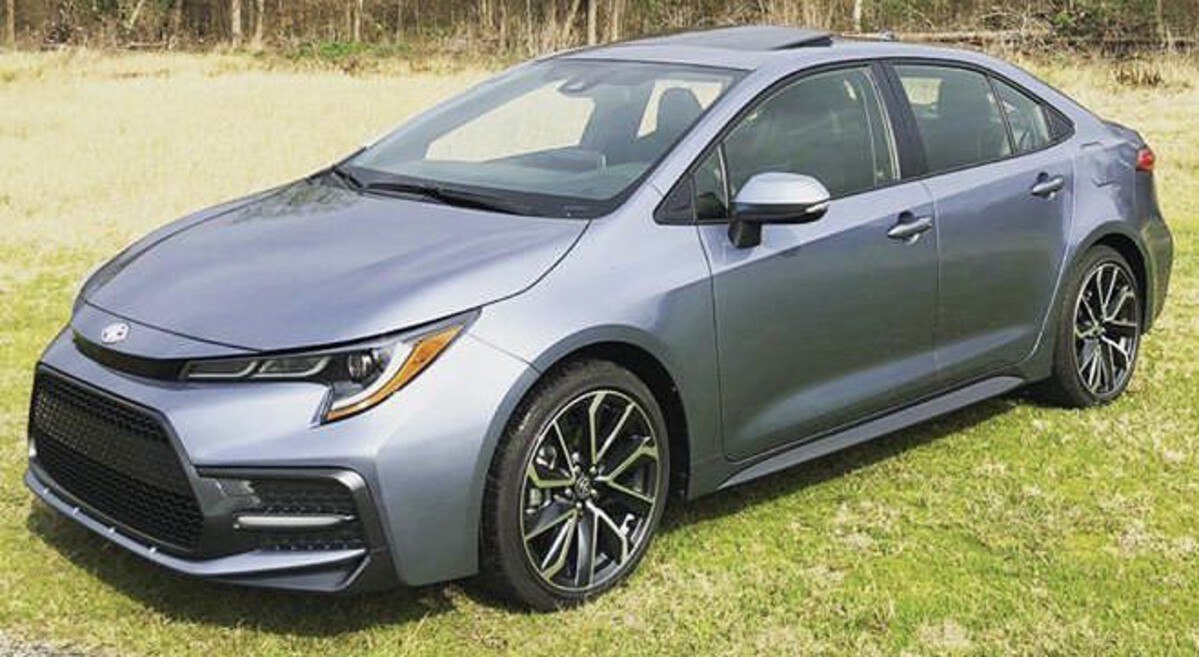
3. Toyota Corolla
The Toyota Corolla has earned a reputation for reliability, but its highway stability is equally impressive. The Corolla’s chassis is designed to minimize flex and maintain composure, even under sustained high-speed driving.
Its suspension geometry ensures that weight is distributed efficiently, so the car resists wandering and provides consistent handling. Drivers can confidently navigate highways and interstates without frequent micro-corrections, which significantly reduces fatigue and enhances the driving experience.
The Corolla’s suspension is tuned for a combination of comfort and predictability. While it absorbs bumps and road imperfections to protect occupants from discomfort, it also keeps body motions controlled.
The result is a small car that feels planted in corners and during lane changes, maintaining stability without feeling stiff or harsh. This balance is essential for drivers who spend extended periods on highways or encounter changing road conditions frequently.
Aerodynamic considerations further enhance the Corolla’s sense of stability. Its smooth body lines and attention to airflow minimize lift and turbulence at speed.
Even in gusty conditions or when passing larger vehicles, the Corolla remains confident, giving the driver a sense of control and reassurance. Steering feel is precise yet not over-sensitive, allowing the driver to make small corrections easily without inducing nervous reactions from the chassis.
The Corolla’s overall combination of features results in a small car that inspires confidence at higher speeds. Its dependable handling, balanced suspension, and aerodynamic stability make it ideal for long journeys and highway driving.
Drivers consistently praise the Corolla for its composed demeanor, noting that it feels stable, predictable, and secure without sacrificing comfort or ride quality.
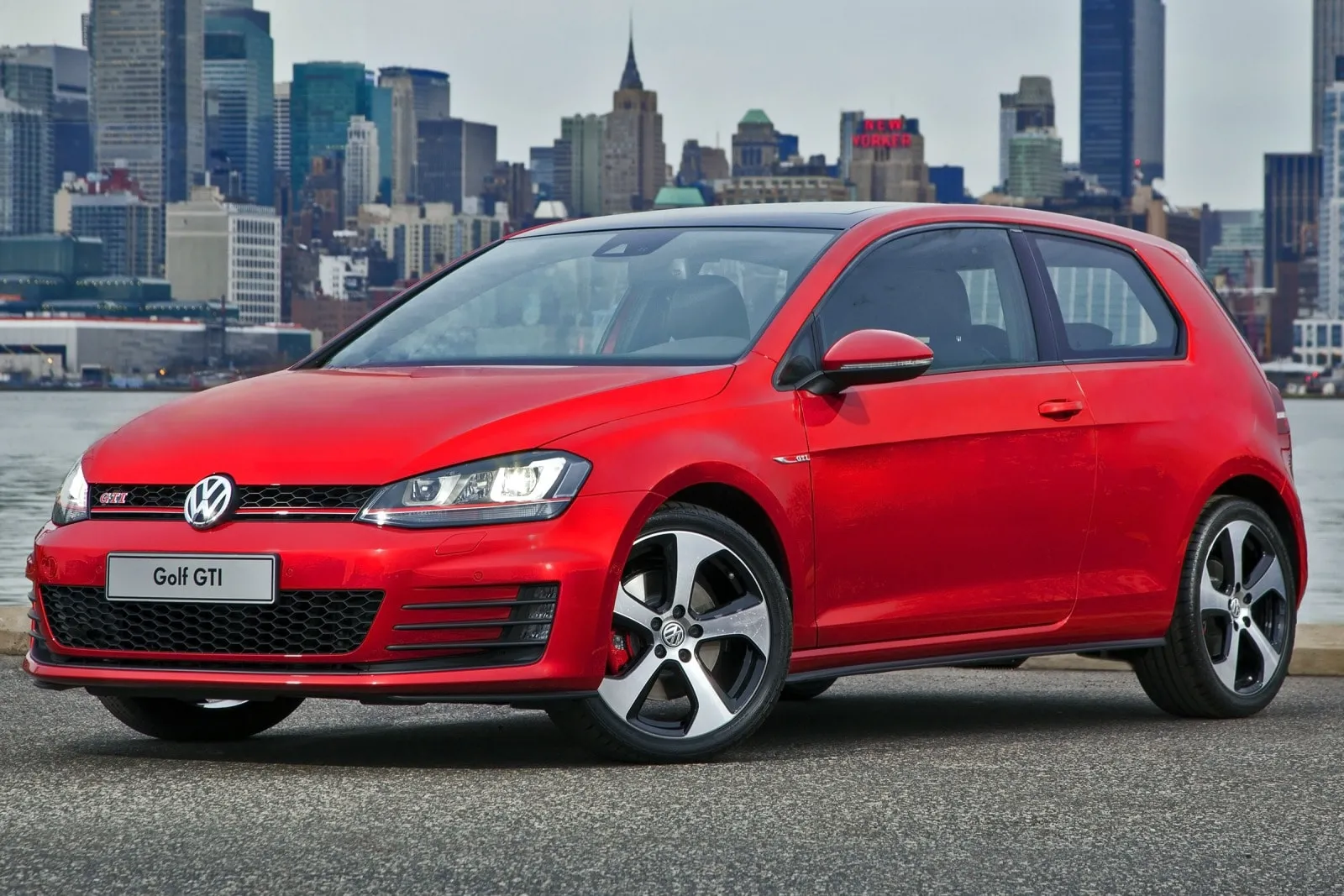
4. Volkswagen Golf
The Volkswagen Golf has long been regarded as a compact car that drives like a larger vehicle in terms of stability and composure. Its well-engineered chassis ensures that weight distribution, suspension, and steering work together to keep the car planted at speed.
Unlike many small cars that can feel twitchy or nervous, the Golf maintains a steady line on highways and reacts predictably to driver inputs. This sense of control is particularly valuable for extended trips or driving in crosswinds.
Steering in the Golf is precise and communicative, providing clear feedback while avoiding exaggerated responses to minor inputs.
Combined with a suspension that balances firmness and comfort, the car offers an engaging yet stable driving experience. Body roll is minimal during maneuvers, and the car absorbs road imperfections without sacrificing composure, ensuring that the driver feels in command at all times.
Aerodynamics further enhances the Golf’s confidence at speed. Its sleek body lines reduce lift and improve airflow, which minimizes front-end lightness and prevents wandering.
Underbody panels and subtle spoilers work together to create stability, particularly in high-speed overtaking or when exposed to gusty conditions. Tires are selected to complement this setup, offering consistent grip and minimizing wandering tendencies.
The Volkswagen Golf provides a small car experience that emphasizes confidence and control. Its combination of chassis rigidity, precise steering, and aerodynamic efficiency ensures that drivers can travel comfortably at highway speeds without feeling nervous or unsettled.
Many drivers report that the Golf feels more planted than its size might suggest, offering a reassuring driving experience that inspires confidence during long trips.
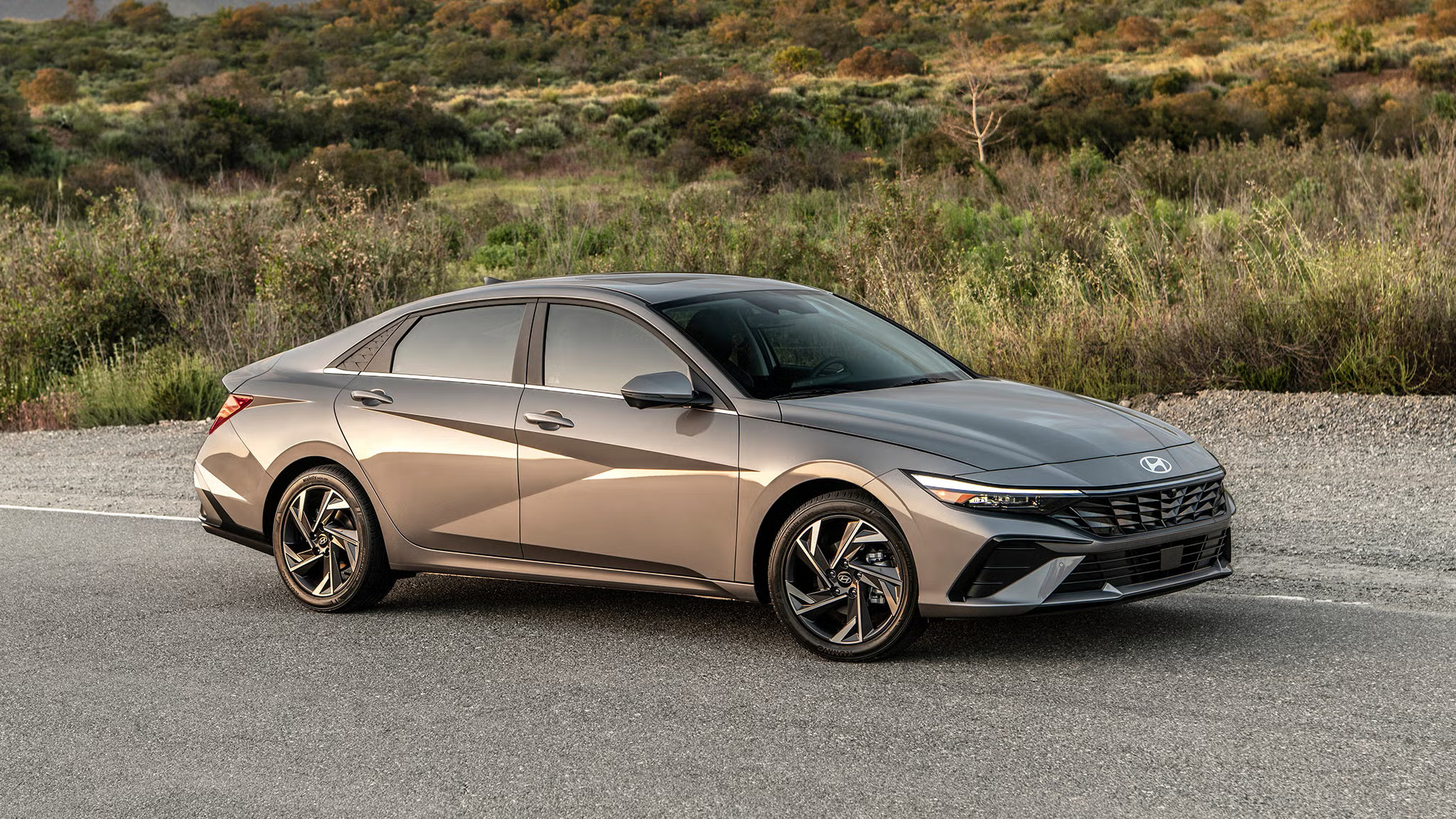
5. Hyundai Elantra
The Hyundai Elantra has evolved into a small car that balances comfort and stability in a way that few competitors achieve. Its suspension is tuned to absorb road imperfections while keeping the car composed at high speeds, creating a planted feeling that instills driver confidence.
The chassis is rigid enough to resist flex, preventing the light, short-frame feel that can make smaller cars wander. This combination ensures that drivers can maintain a steady trajectory without constant micro-corrections.
Steering is responsive yet weighted appropriately, giving the driver a sense of control without feeling disconnected or twitchy. When making lane changes or maneuvering at highway speeds, the Elantra responds predictably, which helps reduce fatigue and increases confidence on long journeys.
Suspension compliance allows it to smooth out bumps while keeping tires in contact with the road, ensuring stability and grip in varying conditions.
Aerodynamic design contributes significantly to the Elantra’s high-speed composure. Its body lines are shaped to reduce lift, while underbody panels guide airflow to minimize turbulence around the wheels and mirrors.
This results in a car that tracks straight in crosswinds and feels steady when passing larger vehicles. Factory tires are chosen to complement this setup, further enhancing the car’s planted feeling.
The combination of these factors makes the Hyundai Elantra a standout in terms of highway stability among small cars. Drivers consistently report a sense of reassurance when cruising at high speeds, noting that the car feels solid, predictable, and responsive.
Whether tackling long highway stretches or winding roads, the Elantra delivers a reliable and controlled driving experience without sacrificing comfort or engagement.
Small Cars That Tend to Wander at Speed
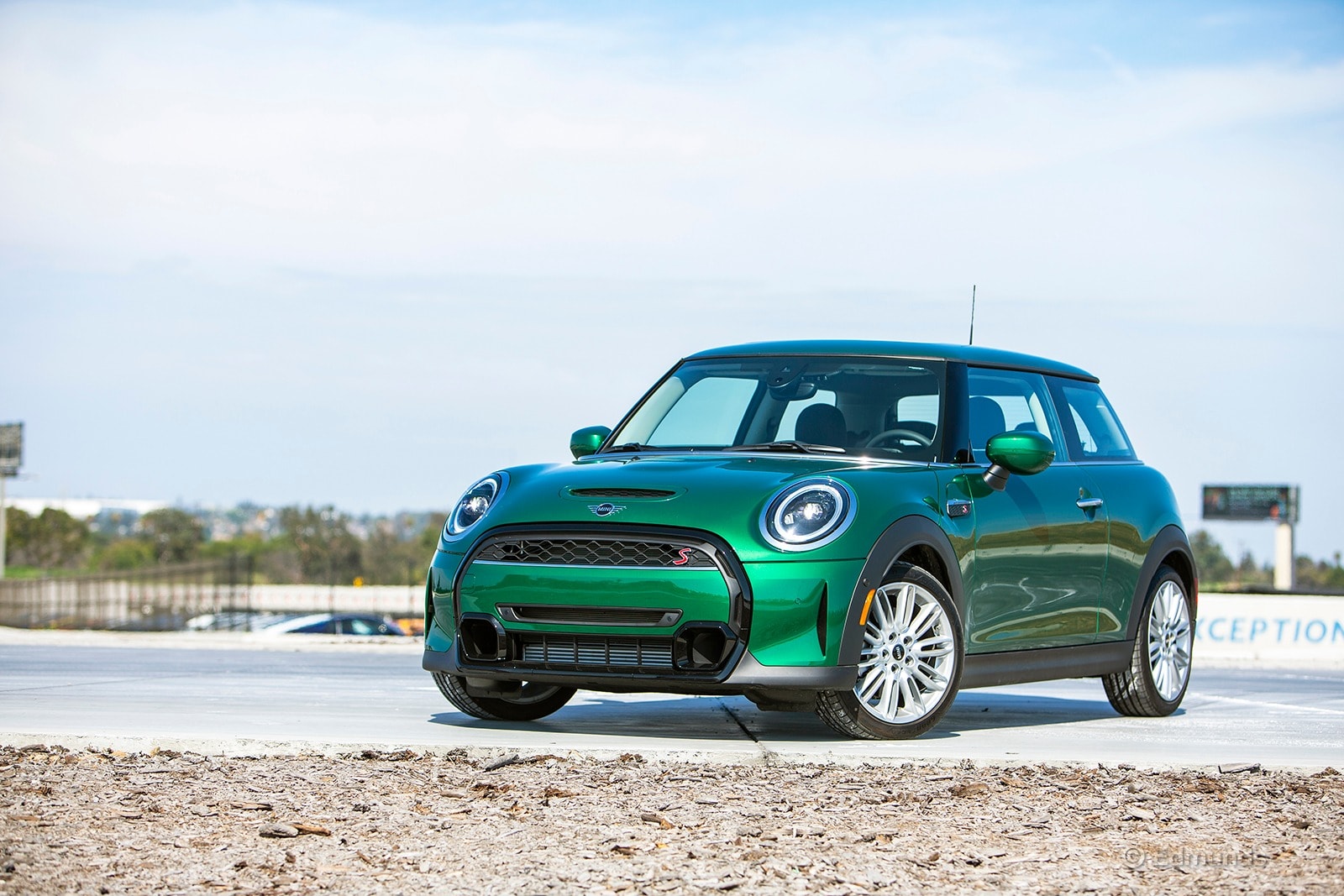
1. Mini Cooper
The Mini Cooper is widely celebrated for its sporty handling and city agility, but its short wheelbase and compact chassis contribute to a nervous feel at higher speeds. On highways, even minor gusts of wind or uneven road surfaces can make the car feel twitchy, requiring frequent steering corrections.
While this responsiveness is enjoyable in tight corners or urban environments, it can become unsettling during sustained high-speed driving, especially when overtaking trucks or passing other vehicles in windy conditions.
The Cooper’s suspension is tuned to deliver sporty feedback, which emphasizes road responsiveness at the expense of highway composure. This stiffness makes the car feel lively and precise during low-speed maneuvers but accentuates road imperfections when traveling straight at high speed.
Drivers often report a sensation of “floating” or slight wandering, as the car reacts more quickly to minor inputs and environmental factors than larger or more stable small cars. Even small steering adjustments can feel magnified, requiring constant attention to maintain lane position.
Aerodynamics also play a role in the Mini Cooper’s high-speed behavior. Its upright stance and relatively short body can create lift and turbulence around the front wheels, reducing the planted feeling that contributes to composure.
Crosswinds or the wake from large trucks can exacerbate this instability, making the front end feel light or less connected to the road. While the car is safe and capable, the sensation of wandering may be disconcerting for drivers seeking comfort and predictability during long highway journeys.
Despite its charm and responsiveness, the Mini Cooper demands an engaged driving style at higher speeds. Drivers often describe a need for continuous corrections to maintain a straight line, which can lead to fatigue over long trips.
While the car excels in urban maneuverability and spirited driving, it is less forgiving in situations where stability and confidence on highways are priorities. This balance makes it more suited for drivers who enjoy agility and responsiveness over high-speed composure.
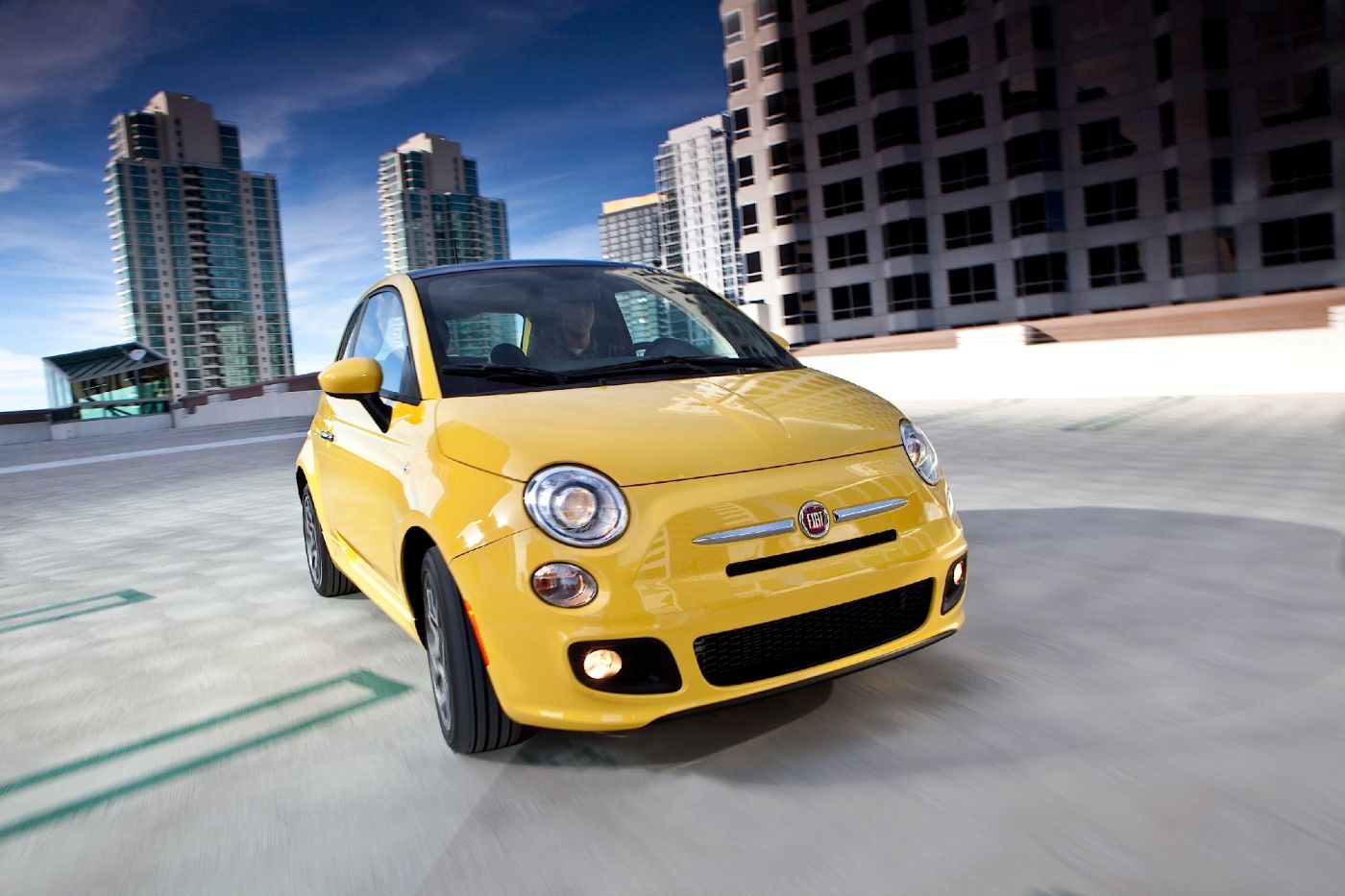
2. Fiat 500
The Fiat 500’s petite dimensions and light weight make it highly maneuverable in city traffic, but these same traits can compromise stability at highway speeds.
Its short wheelbase amplifies road irregularities, and even slight steering inputs can result in noticeable movements. On long stretches of road, the Fiat 500 can feel like it is wandering, requiring constant micro-corrections from the driver to maintain a straight trajectory.
Steering in the Fiat 500 is light and somewhat disconnected, which increases the perception of instability at speed. Unlike cars designed for highway composure, the 500’s steering does not anchor the front end, making it feel less predictable during lane changes or when encountering crosswinds.
Suspension tuning prioritizes comfort and urban agility rather than composure at higher velocities, meaning that bumps, seams, and uneven pavement can jolt the chassis noticeably. This contributes to the sense of a car that is unsettled during sustained highway driving.
Aerodynamics are another factor influencing the Fiat 500’s wandering tendencies. The car’s design generates more lift at higher speeds than larger small cars, which can make the front end feel light and prone to twitchiness. Passing large trucks, driving on elevated bridges, or encountering gusty wind further exaggerates this sensation.
Tires with narrow profiles and soft sidewalls, commonly equipped on this model, do little to counteract these effects, leaving the car feeling disconnected from the road at higher velocities.
While the Fiat 500 is fun and stylish for city driving, its stability at speed is limited. Drivers often need to stay alert and make small but continuous corrections, which can be tiring during long trips.
Its wandering tendencies highlight the trade-off between urban agility and highway composure, making it better suited for short drives rather than extended high-speed travel.
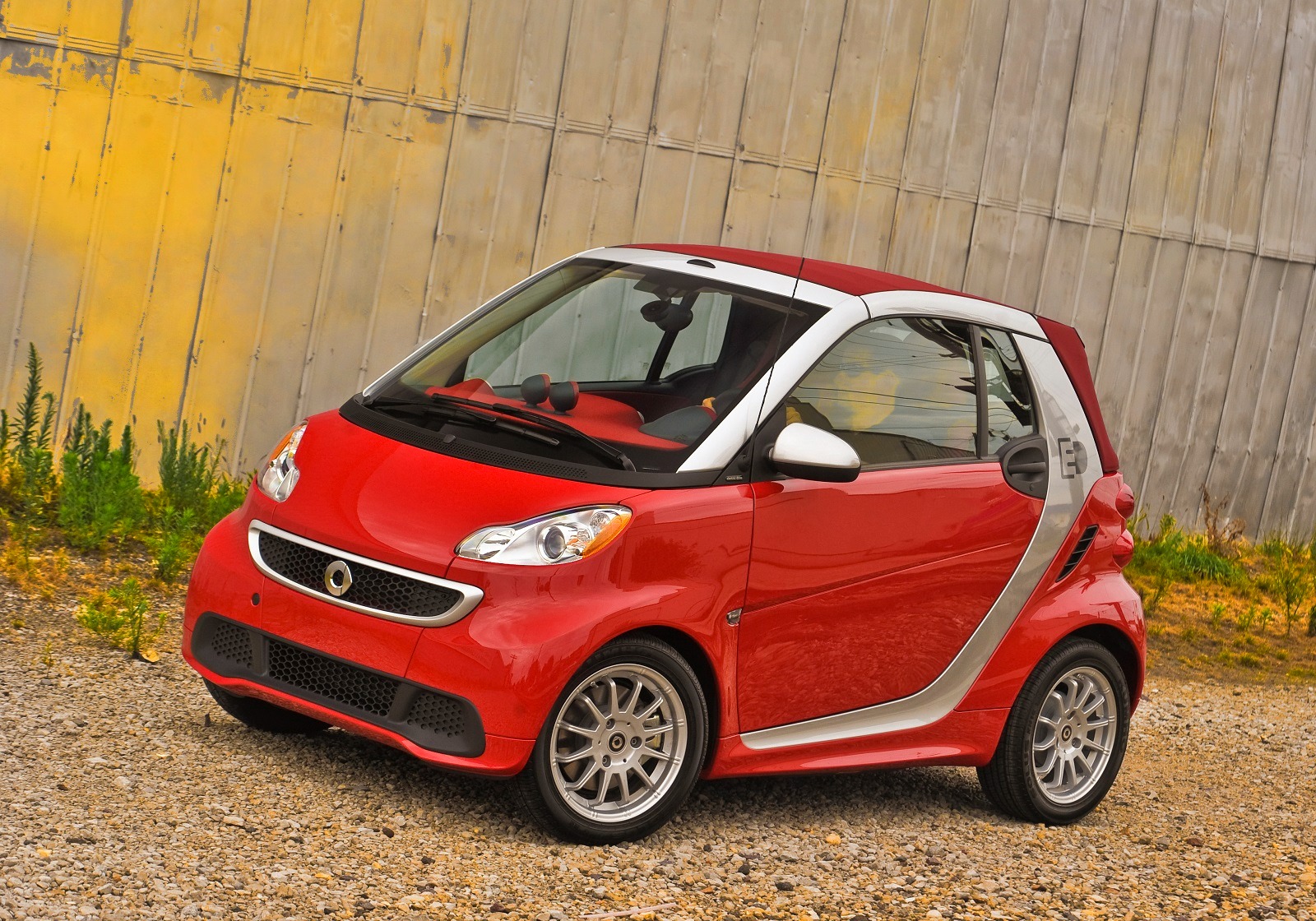
3. Smart Fortwo
The Smart Fortwo is among the smallest cars available, designed primarily for urban environments. Its extremely short wheelbase and high center of gravity contribute to a lack of stability at highway speeds.
Even minor bumps, road irregularities, or crosswinds can cause the car to feel unsettled. While its compact size makes parking and city navigation effortless, it magnifies twitchiness when traveling on highways or open roads.
Steering in the Smart Fortwo is very light and requires constant micro-adjustments to maintain a straight line. At low speeds, this can feel nimble and intuitive, but at higher speeds, it amplifies the sensation of wandering.
The suspension is tuned for city comfort and maneuverability, which means that road imperfections, joints, and seams are transmitted more directly into the chassis. This combination can create an unnerving sense of instability for drivers who expect a planted, highway-ready small car.
Aerodynamics further challenge the Fortwo at speed. Its tall, boxy design generates lift, particularly at the front, which reduces directional stability.
Passing trucks, strong gusts, or bridges can exaggerate this effect, requiring drivers to continuously correct their steering. Tires, often narrow with soft sidewalls, do little to mitigate the wandering tendencies, leaving the car feeling very sensitive to external forces at higher velocities.
Although the Smart Fortwo excels in city maneuverability and urban convenience, it is less suitable for sustained highway driving. Its short wheelbase, high center of gravity, and aerodynamic characteristics contribute to constant steering adjustments, making longer trips tiring.
Drivers looking for a small car that feels confident at speed may find the Fortwo better suited for short commutes rather than highway journeys.
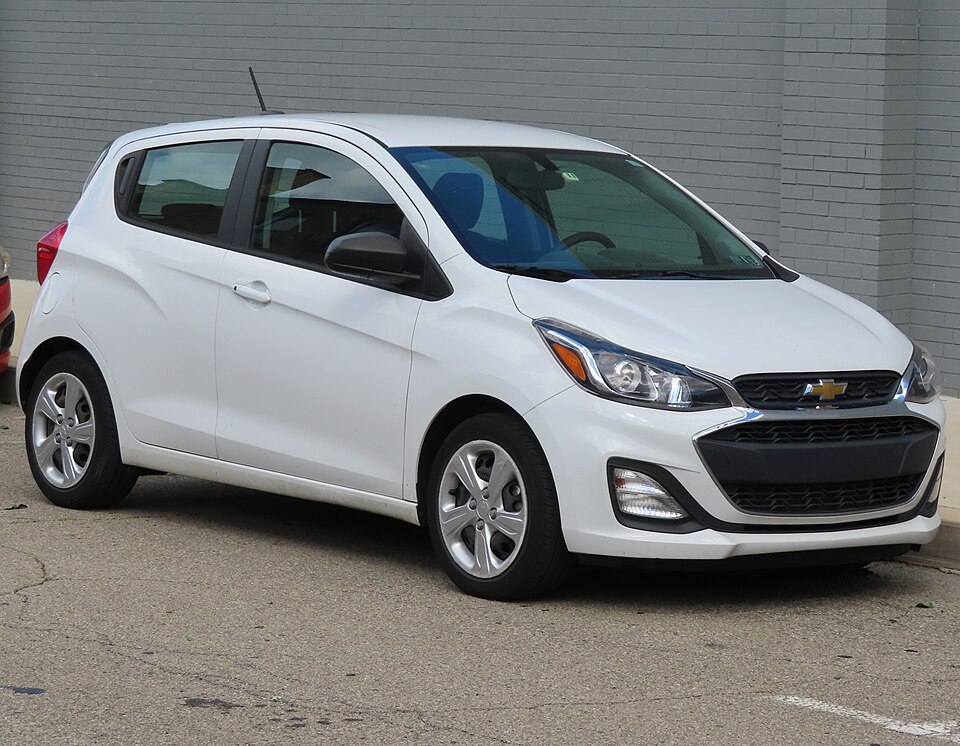
4. Chevrolet Spark
The Chevrolet Spark is a small, lightweight vehicle designed for city travel and easy parking. However, these attributes can result in instability at higher speeds.
On highways or open roads, the Spark can feel nervous, requiring frequent steering corrections. Its soft suspension and light steering, while comfortable in urban settings, amplify sensitivity to crosswinds, passing trucks, and minor road imperfections.
Steering in the Spark is light and somewhat indirect, contributing to its wandering tendencies. The combination of a short wheelbase and soft suspension allows road disturbances to move the chassis noticeably, which reduces driver confidence at sustained speeds.
The Spark can feel like it “drifts” in its lane, even under calm conditions, which makes extended highway driving less comfortable. Tires with narrow profiles and limited sidewall stiffness further exacerbate this sensation, failing to provide the feedback or grip necessary for a planted feel.
Aerodynamic design also plays a role in the Spark’s behavior. Its small, upright shape and relatively minimal underbody attention lead to lift at higher speeds.
This reduces stability and makes the front end feel light, particularly when passing larger vehicles or driving in gusty conditions. Drivers must continuously compensate with small steering adjustments, which increases fatigue over long trips.
The Spark’s wandering tendencies highlight the trade-offs between city convenience and highway confidence. While it excels in maneuverability, fuel economy, and affordability, its instability at speed makes it less suitable for drivers seeking reassurance and composure on long stretches of road. For highway use, its performance can feel tiring and unsettled compared to more balanced small cars.
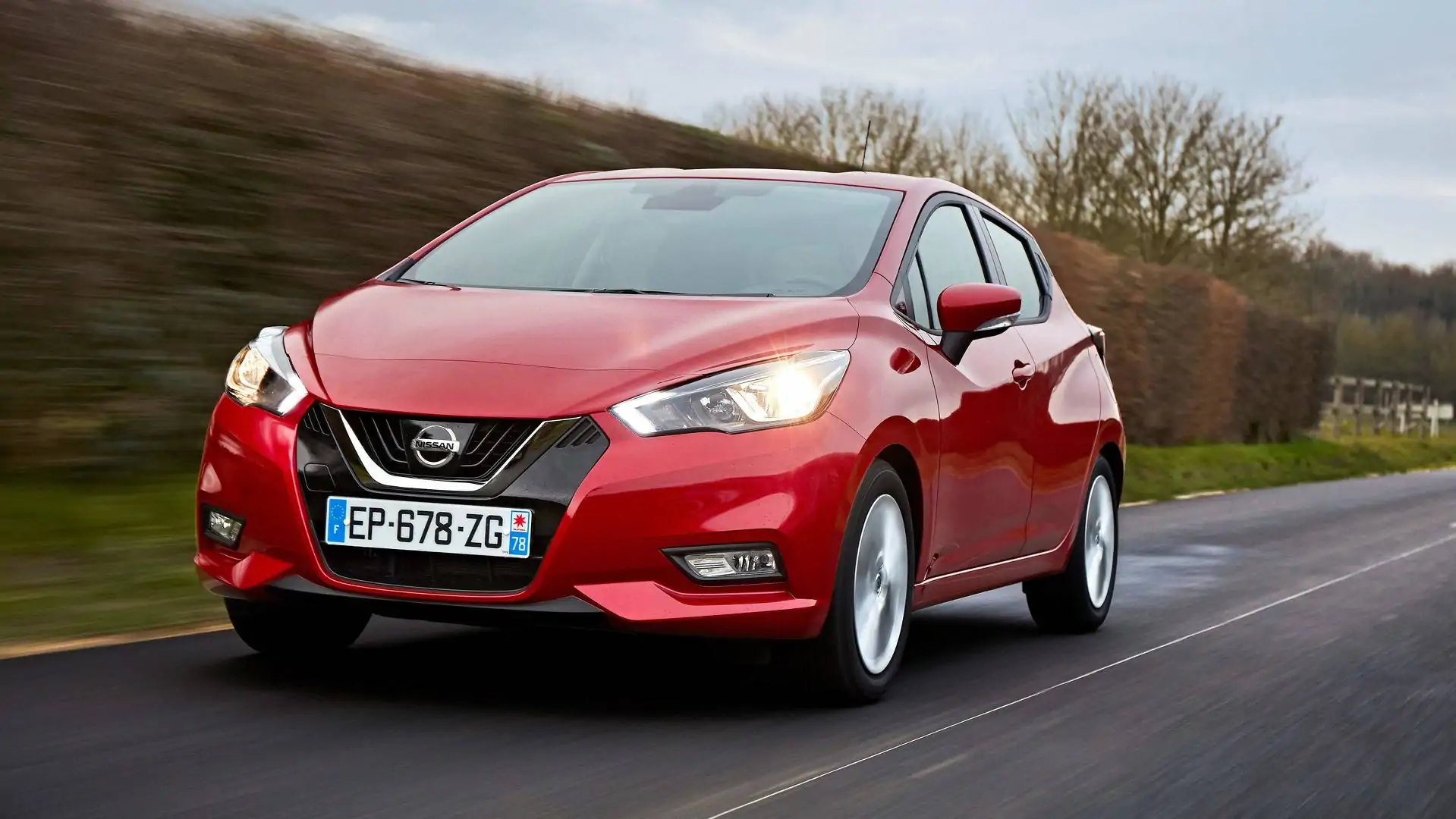
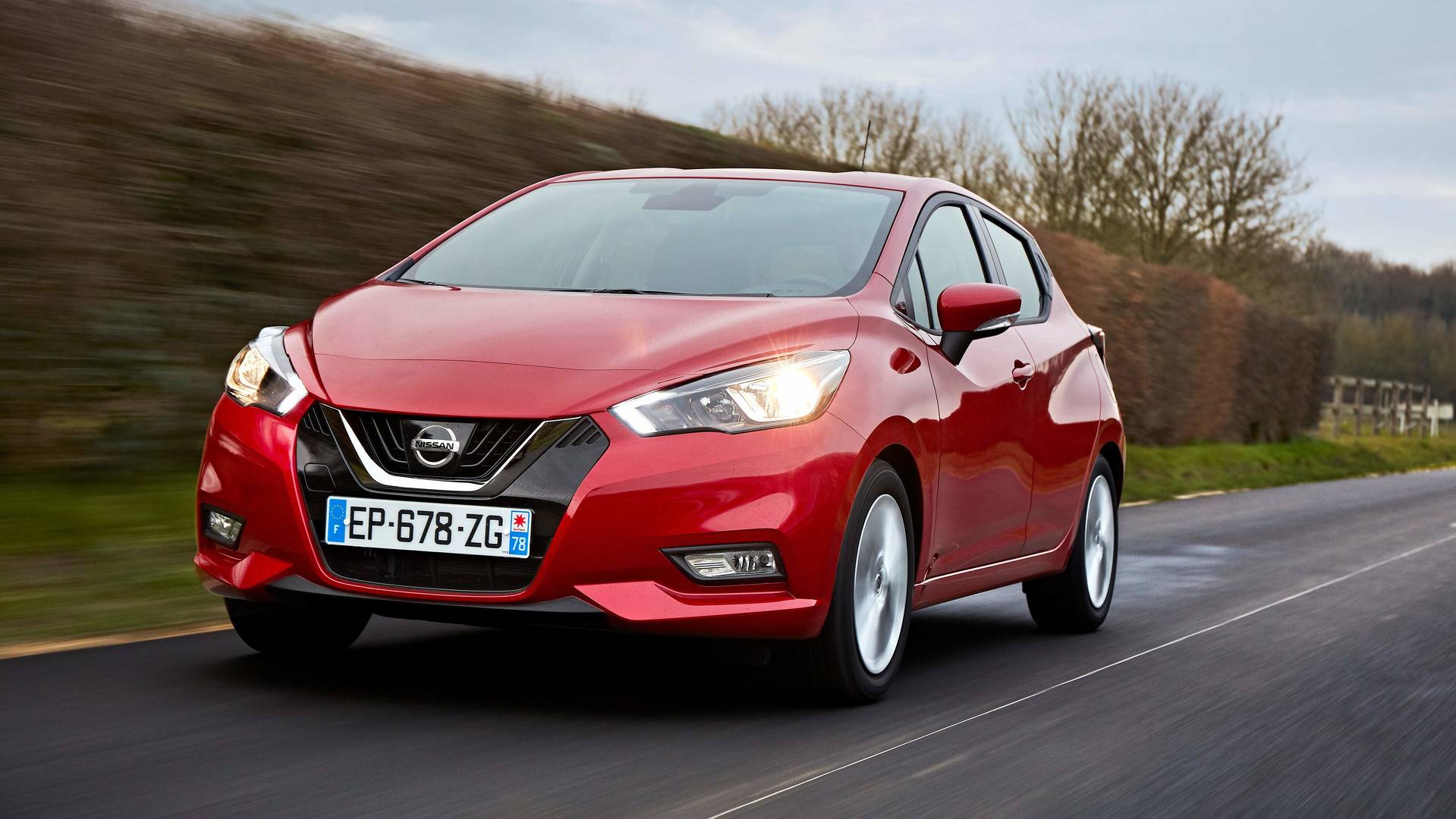
5. Nissan Micra
The Nissan Micra is designed primarily as a city car, and its short wheelbase and light weight make it highly maneuverable in urban environments.
However, these same characteristics can lead to wandering tendencies at highway speeds. The car can feel twitchy, requiring constant micro-corrections to maintain a straight line, particularly when exposed to crosswinds, rough pavement, or the turbulence of passing trucks.
Steering in the Micra is responsive but very light, which amplifies small movements and can feel disconnected at higher speeds. Suspension tuning favors comfort over stability, absorbing bumps but allowing the car to react noticeably to uneven road surfaces.
Drivers often notice that even slight imperfections can shift the car laterally, which reduces confidence on highways. The combination of soft suspension, short wheelbase, and light steering makes the Micra less predictable during extended high-speed driving.
Aerodynamics also contributes to its wandering tendencies. Its compact, rounded shape creates lift at speed, which can make the front end feel light.
Tires, typically narrow and soft, offer limited lateral stability, further exacerbating the sensation of instability. Even moderate gusts of wind or passing vehicles can cause the Micra to shift slightly, requiring constant corrections to stay in the lane.
While the Nissan Micra is excellent for city commuting and tight maneuvers, its highway composure is limited. Drivers may find it tiring to maintain control on long trips due to the constant need for corrections.
Its wandering tendencies underscore the challenges small, lightweight vehicles face when transitioning from urban streets to high-speed highways, making the Micra less suitable for drivers prioritizing stability and reassurance at speed.
