
Children are particularly sensitive to motion, and car rides that are smooth for adults may feel jarring for younger passengers. Motion sickness in children can lead to nausea, discomfort, and even anxiety about traveling, making long trips stressful for the entire family.
Parents often underestimate how much the suspension, seat design, and interior stability of a car can impact a child’s comfort.
While some vehicles are engineered to offer a luxurious and stable ride, absorbing bumps and reducing vibrations, others have a firmer suspension setup or smaller chassis that transmit road imperfections directly to the passengers.
Understanding the differences between these types of vehicles can help families make better choices, ensuring that car journeys remain pleasant and stress-free.
Children also respond differently to motion than adults. Factors such as head positioning, visibility, and the ability to look outside the window can play a significant role in how a child experiences the ride.
Vehicles with higher seating positions, smooth suspensions, and well-cushioned interiors allow children to maintain a stable horizon view, which can reduce the likelihood of motion sickness.
Conversely, cars with sportier setups, stiff suspensions, or less ergonomic seating can amplify movements and jolts, causing children to feel unstable or nauseated. Beyond just the mechanics of the car, interior design elements such as padded seats, armrests, and minimal vibration in the cabin contribute to comfort during longer trips.
Selecting the right car for children who are prone to motion sickness is more than a convenience; it directly affects family well-being.
Vehicles that glide over uneven roads with minimal disruption can transform stressful drives into enjoyable experiences. Parents can choose models that combine a smooth ride with practical features like easy-to-clean interiors, adequate legroom, and rear-seat entertainment options, further reducing discomfort.
On the other hand, recognizing which cars tend to transmit every bump and jiggle is equally important. Avoiding vehicles with notoriously stiff suspensions or abrupt handling can prevent unnecessary frustration and protect children from feeling sick during travel.
This article guides by categorizing cars into two groups: those that offer a smooth, gentle ride suitable for children prone to motion sickness, and those that are less forgiving, prone to jostling passengers on uneven surfaces. For each group, specific models are highlighted to give families concrete examples of vehicles to consider or avoid.
By understanding the mechanics behind ride quality and the way different vehicles respond to road conditions, parents can make informed decisions that prioritize both comfort and safety.
Cars with Smooth Rides That Are Gentle on Car-Sick Kids
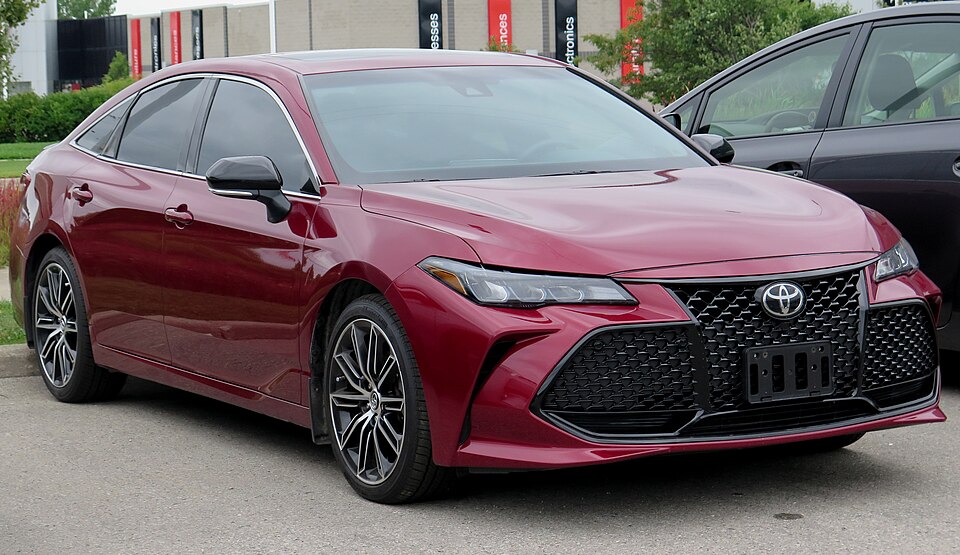
1. Toyota Avalon
The Toyota Avalon is widely recognized for its focus on passenger comfort, making it one of the best choices for children prone to motion sickness. Its suspension system is carefully tuned to prioritize a smooth ride over sporty or stiff handling.
Unlike smaller sedans that tend to bounce over potholes or transmit vibrations directly to the cabin, the Avalon’s suspension absorbs most road irregularities, cushioning the impact for passengers.
This is particularly valuable for younger children, whose developing balance systems are more sensitive to sudden or repetitive motion.
Parents often report that even during long trips on highways with cracks, expansion joints, or uneven asphalt, the Avalon maintains a sense of calm, and children remain relaxed without displaying signs of nausea or restlessness.
Another critical factor is the Avalon’s quiet cabin environment. The car incorporates advanced soundproofing materials that reduce engine, tire, and wind noise. Children who are prone to motion sickness often experience increased discomfort when sensory overload is combined with road motion.
The Avalon’s larger size and extended wheelbase also contribute to ride stability. Compared to compact sedans or hatchbacks, the full-size sedan has more distance between the front and rear wheels, which smooths out pitching, rocking, and vertical motions that can trigger motion sickness.
Children sitting in the back seat feel fewer abrupt movements, and the longer wheelbase prevents the sensation of being thrown forward or sideways during acceleration, braking, or turns. This sense of stability is vital on longer trips, especially for children who are sensitive to even minor disturbances in motion.
Finally, the thoughtful interior design enhances comfort and contributes to a stable ride experience. Features such as wide, supportive armrests, soft-touch surfaces, and a low center of gravity reduce the perception of movement.
The layout is intentionally driver- and passenger-friendly, so even when the car navigates winding roads, the cabin remains composed and predictable.
Combined with smooth suspension tuning, ample legroom, and spacious rear seating, the Avalon ensures that children can remain relaxed, focused on books, screens, or quiet conversation, and less prone to developing motion sickness symptoms during family trips.
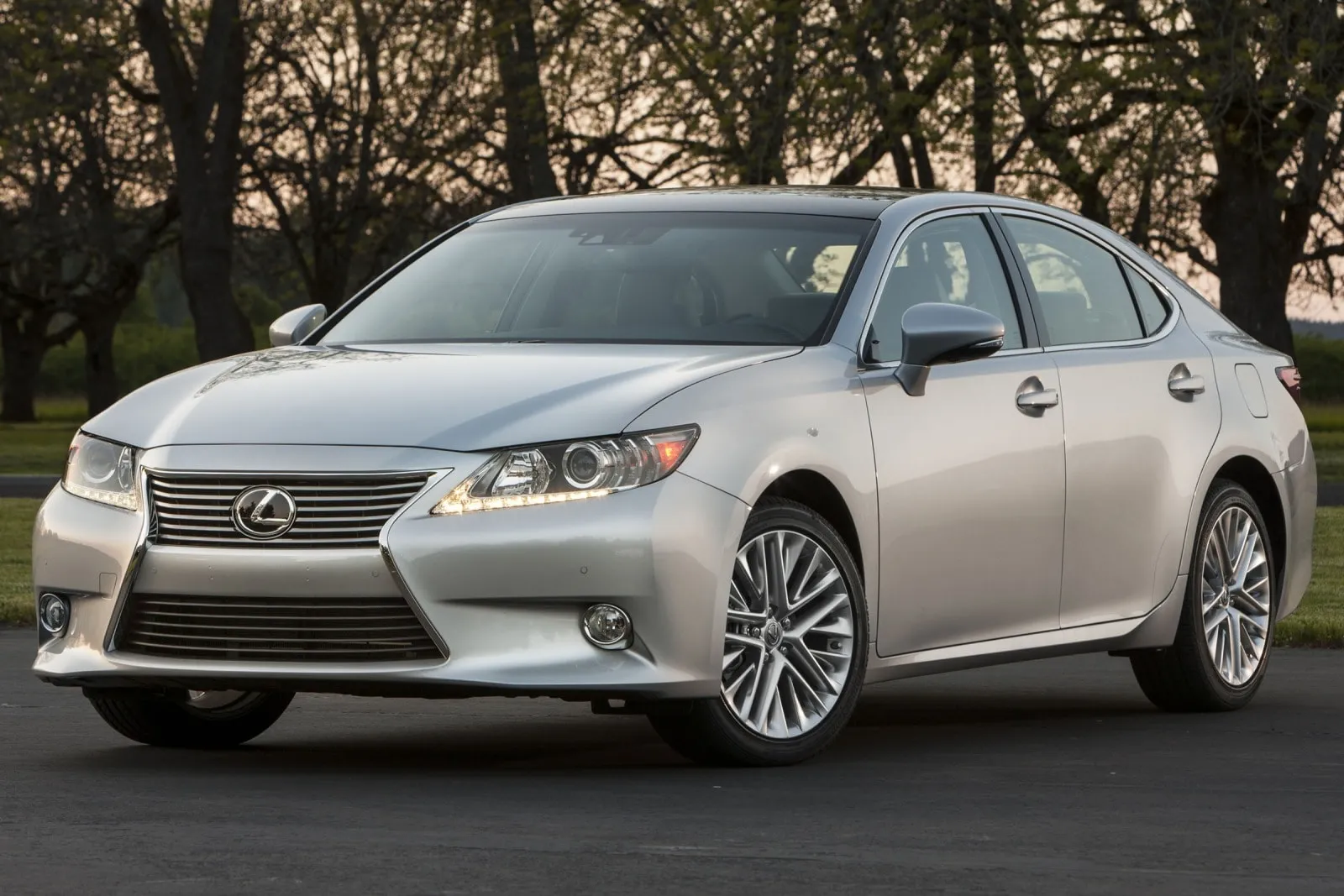
2. Lexus ES
The Lexus ES builds on the same platform as the Toyota Avalon but adds a layer of luxury and refinement, creating an even more comfortable environment for children who are prone to motion sickness.
The suspension in the ES is engineered for both precision and softness, which allows it to respond to uneven surfaces without transmitting harsh shocks to passengers.
Children seated in the back notice less jarring motion compared with vehicles that have sport-tuned suspensions, and the ride feels fluid and composed even on highways with subtle imperfections in the pavement.
The deep, cushioned seats provide excellent lumbar support and lateral stability, which keeps children from shifting or bouncing during turns, further reducing the likelihood of nausea.
Noise isolation is another important feature that makes the Lexus ES a strong candidate for families with sensitive passengers. The cabin is exceptionally quiet, with minimized road and wind noise, as well as insulation that limits engine vibrations.
Additionally, the Lexus ES offers smooth and predictable acceleration and braking, which is especially important for children. Sudden changes in velocity can exacerbate motion sickness, so the vehicle’s linear response ensures that children are not jolted forward or sideways unexpectedly.
Even during cornering, the body roll is minimal, and the cabin remains balanced, further helping passengers maintain a sense of equilibrium. This predictability is a subtle yet critical factor in reducing nausea, as children can anticipate movement rather than feeling destabilized by abrupt or inconsistent forces.
Finally, the interior of the ES is spacious and ergonomically designed for maximum comfort. Rear passengers enjoy generous legroom, headroom, and wide seating, making it easier for children to maintain a relaxed posture.
Soft, supportive materials, well-placed armrests, and adjustable seating features allow children to settle into a position that feels secure yet comfortable.
The combination of smooth suspension, quiet cabin, and thoughtfully designed seating ensures that the Lexus ES offers a ride that minimizes motion sickness, even on long journeys or roads that are less than perfectly smooth.
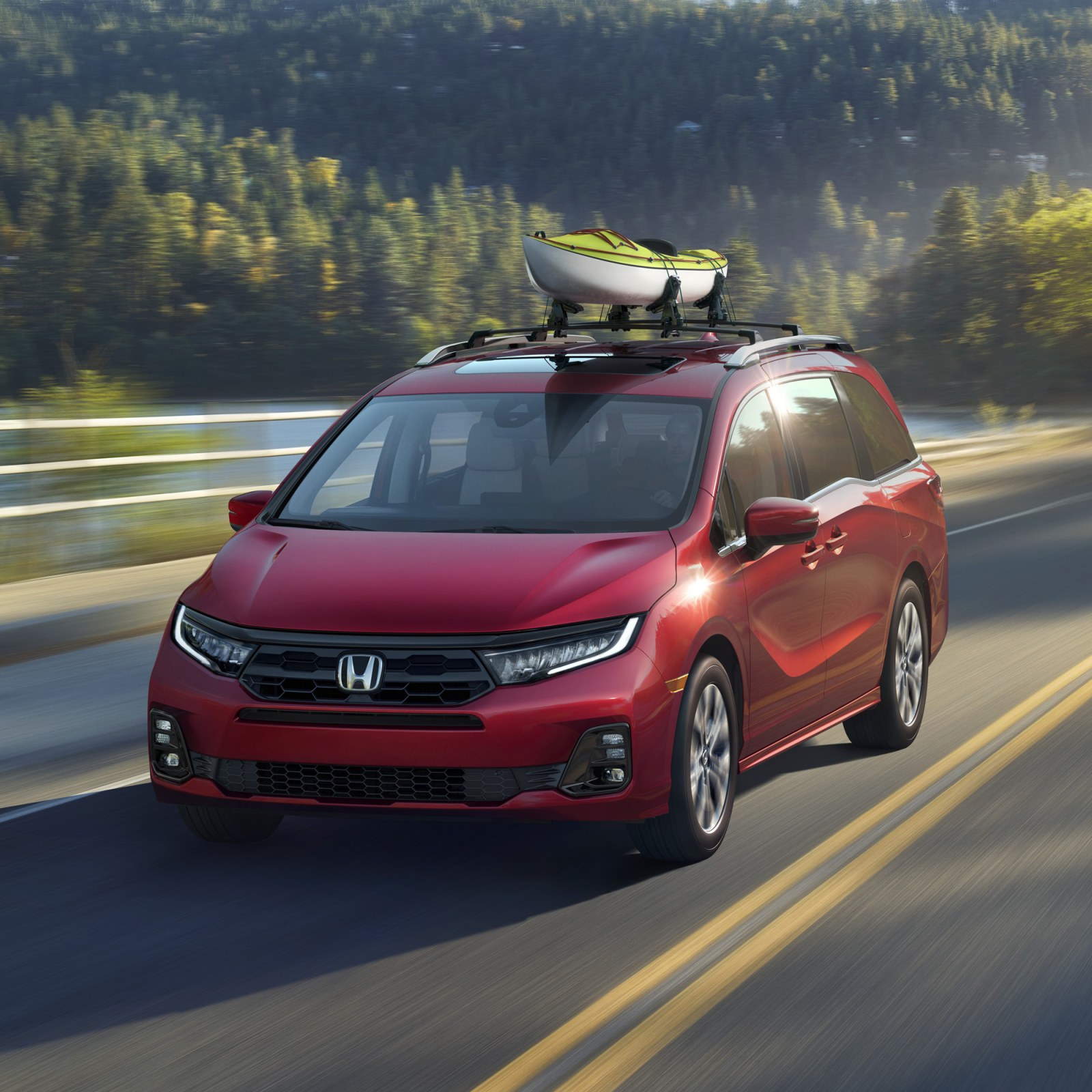
3. Honda Odyssey
The Honda Odyssey is widely regarded as one of the best minivans for families, particularly because of its focus on comfort and passenger stability. Its suspension is carefully tuned to absorb irregularities in the road rather than transmitting them to the cabin, resulting in a smooth and predictable ride.
For children who are prone to motion sickness, this makes a substantial difference, as abrupt bumps, potholes, and uneven surfaces are less likely to trigger nausea.
The Odyssey’s higher seating position also allows children to maintain a visual connection to the horizon, which is an important factor in preventing motion sickness.
Being able to see outside provides children with additional sensory input that complements the signals from their inner ear, helping them feel more stable and grounded during travel.
Interior space is another major advantage of the Odyssey. The vehicle is designed with wide, comfortable seats that provide ample cushioning and support. Children sitting in the middle or rear rows benefit from extra legroom, headroom, and the ability to move their legs freely without feeling cramped.
The seats are stable yet forgiving, absorbing minor shocks and preventing children from being jostled unnecessarily. This combination of cushioning and space allows children to remain calm, read, or play quietly while the car is in motion, minimizing the likelihood of motion-induced nausea.
A calm auditory environment complements the smooth suspension by reducing sensory input that can exacerbate motion sickness, allowing children to remain relaxed and engaged throughout the journey.
Finally, the Odyssey includes family-friendly features that further enhance comfort and reduce the risk of motion sickness. Built-in rear entertainment systems, cupholders, adjustable seating, and multiple access points to windows allow children to control their environment to a degree, helping them stay engaged and comfortable.
Combined with a long wheelbase and smooth chassis dynamics, the Odyssey provides a gentle, stable ride that makes even long family road trips more pleasant for children prone to nausea.
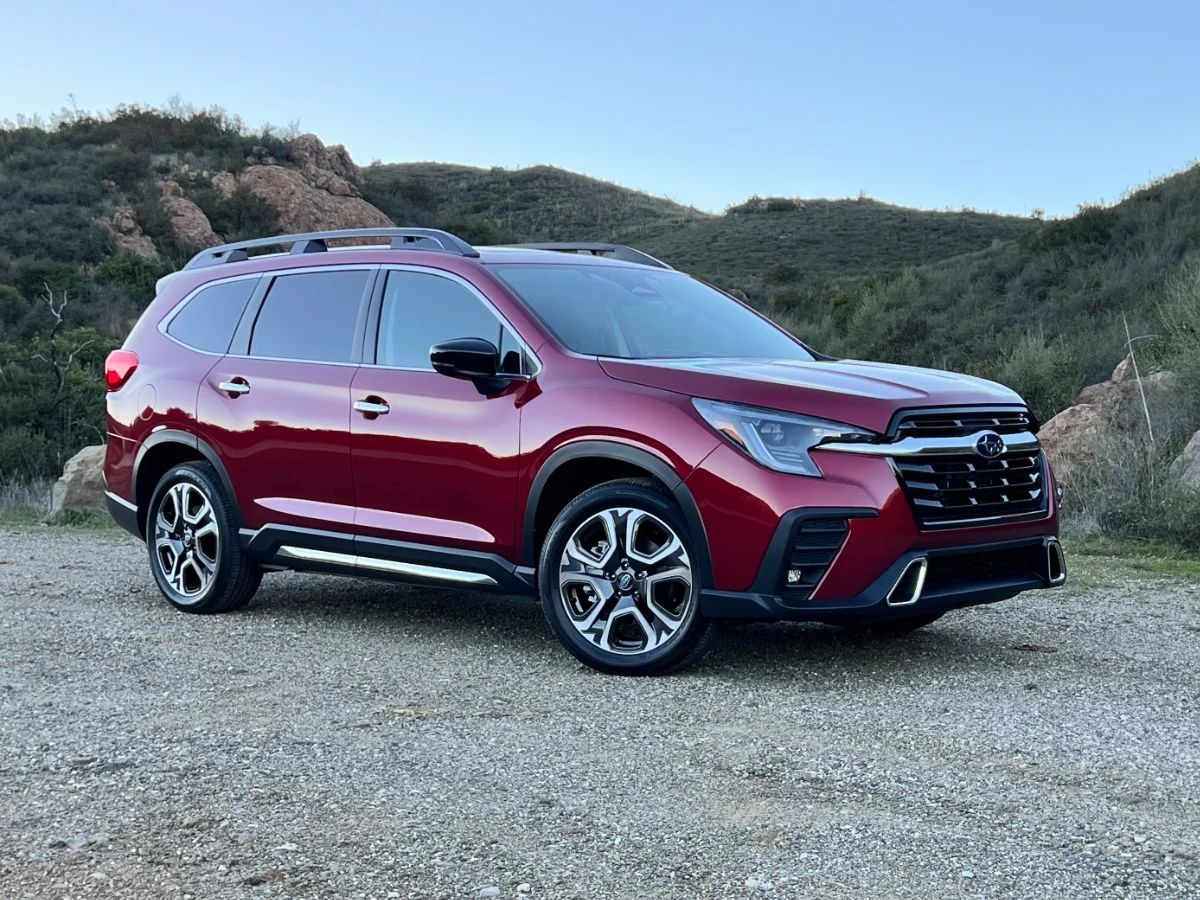
4. Subaru Ascent
The Subaru Ascent is a three-row SUV that balances family practicality with a smooth and composed ride, making it suitable for children prone to motion sickness. Its suspension system absorbs road imperfections effectively, reducing the vertical and lateral movements that often trigger nausea.
Children in the second and third rows particularly benefit from the careful tuning, as they experience less rocking and jostling than they would in a more compact or sport-oriented vehicle.
The Ascent’s higher seating position also improves visibility for passengers, allowing children to see the horizon and maintain spatial orientation, which helps prevent sensory conflicts and reduces the likelihood of motion sickness.
In addition, the Subaru Ascent is engineered for a quiet cabin experience. Road noise, engine hum, and tire vibrations are muted, creating a serene environment.
This combination of a smooth ride and quiet interior is particularly important for motion-sensitive children, as sensory input from noise can worsen nausea.
A calm environment allows children to focus on external visual cues or entertainment without being distracted by unwanted stimuli, further enhancing the comfort of the ride.
Finally, the Ascent’s predictable handling and safety-oriented features contribute to stability and reassurance for children and parents alike. Smooth acceleration, gradual braking, and controlled cornering reduce sudden forces that can destabilize passengers.
Along with its stable suspension and spacious, cushioned interior, the Ascent provides a reliable and comfortable ride that is gentle on motion-sensitive children, making it an excellent choice for family travel on highways, city streets, or uneven roads.
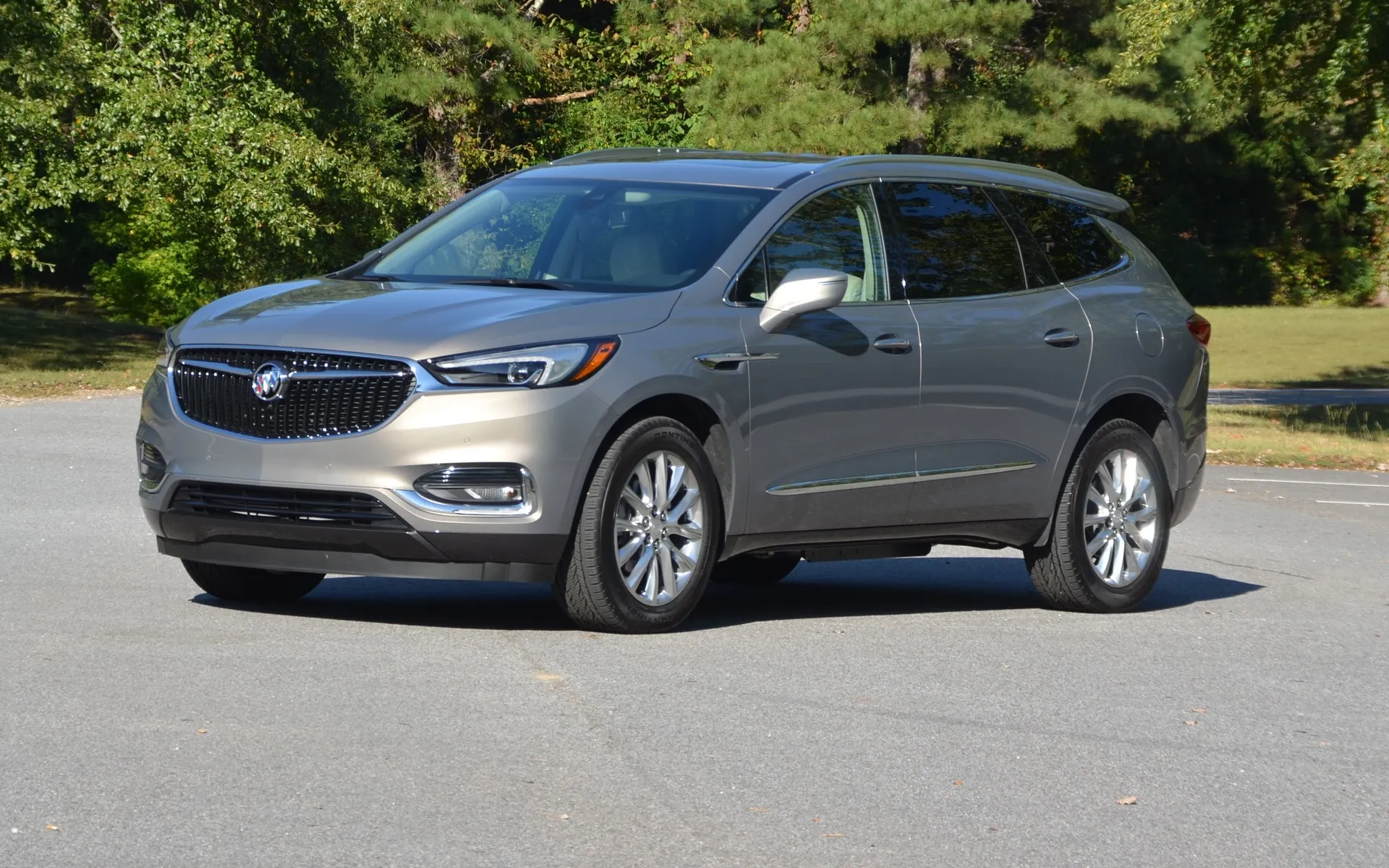
5. Buick Enclave
The Buick Enclave is a large SUV designed with a focus on comfort and stability, making it an excellent choice for children prone to motion sickness. Its suspension system absorbs shocks effectively, providing a smooth, cushioned ride that prevents children from feeling jostled by uneven road surfaces or minor bumps.
Wide, supportive seats enhance comfort further, ensuring that children can sit securely without being thrown forward or sideways during turns or acceleration. The spacious interior also allows children to move slightly without feeling cramped, which reduces restlessness and helps prevent nausea on longer trips.
Noise reduction is another strength of the Enclave. The cabin is well-insulated from road, wind, and engine noise, creating a serene environment for passengers.
Children who are particularly sensitive to auditory input benefit from the quiet interior, as excessive noise can compound motion-related discomfort.
By limiting sensory overload and combining it with the vehicle’s smooth suspension, the Enclave creates a calm, stable environment conducive to reducing motion sickness.
Finally, the Buick Enclave incorporates family-oriented features that enhance the experience. Adjustable seating, easy rear-row access, and smooth chassis dynamics make it simple for children to remain comfortable, secure, and relaxed.
Combined with a cushioned, spacious interior and smooth suspension, the Enclave ensures that children can endure longer journeys without discomfort, making it one of the most reliable and comfortable options for families seeking a motion-sickness-friendly SUV.
Cars That Tend to Jiggle and Exacerbate Motion Sickness
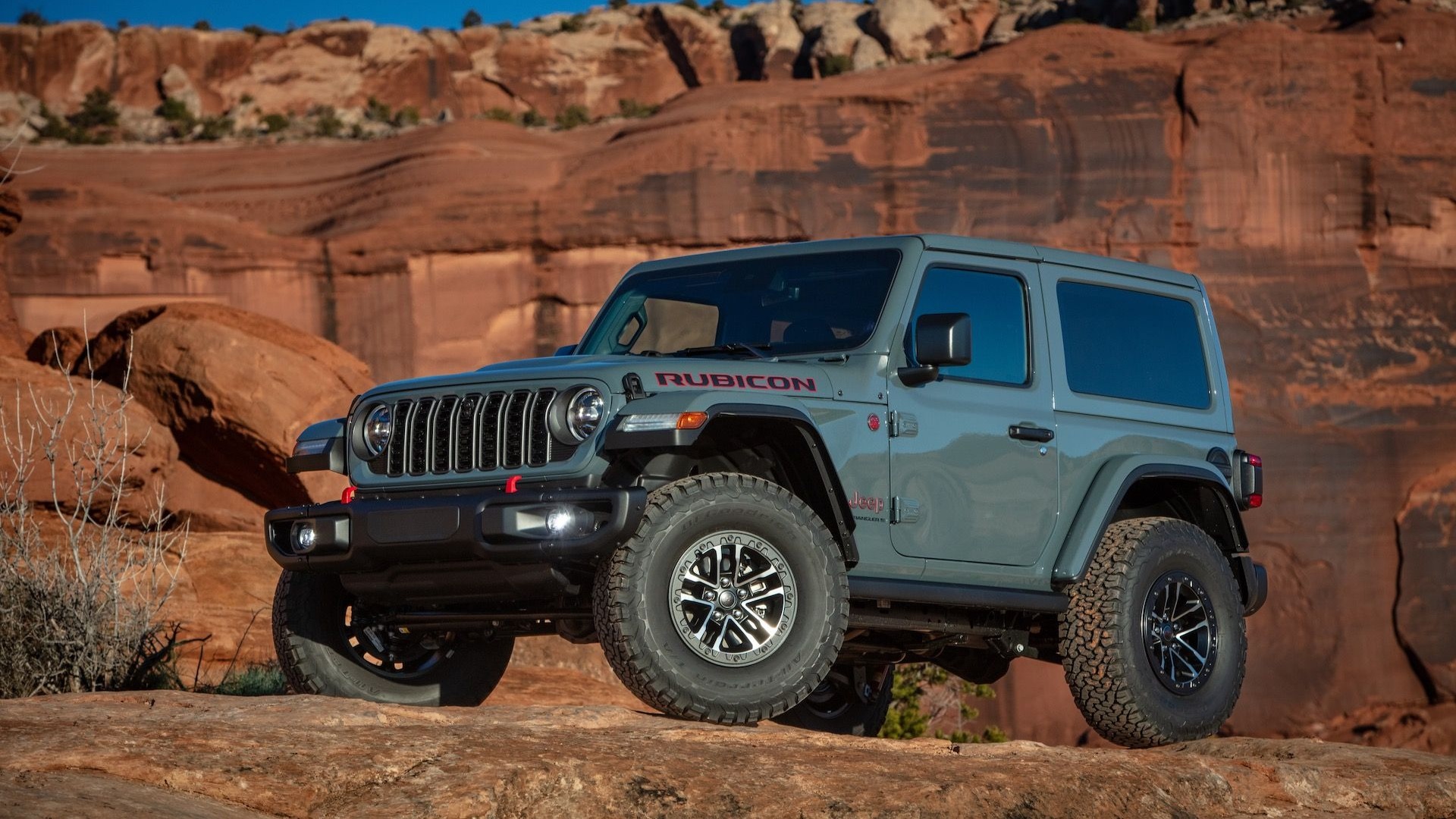
1. Jeep Wrangler
The Jeep Wrangler is known for its rugged off-road capabilities, but this reputation comes at a cost when it comes to passenger comfort, particularly for children prone to motion sickness. The Wrangler’s suspension is designed to handle uneven, rocky terrain rather than prioritize a smooth highway ride.
As a result, even minor imperfections in city streets or highways are transmitted directly into the cabin. Children in the backseat often feel pronounced bouncing and rocking, and the frequent vibrations can create an unsettling sensation. On longer trips, this constant motion can make children fidgety, restless, and more likely to experience nausea.
Another factor contributing to the Wrangler’s tendency to exacerbate motion sickness is its higher center of gravity and shorter wheelbase. The combination increases body roll during turns, meaning the cabin tilts more noticeably as the vehicle changes direction.
For children, this motion can be disorienting, as the inner ear senses more movement than what the eyes observe, a common trigger for motion sickness. Additionally, the Wrangler’s boxy design and narrow rear windows can make it harder for children to maintain a visual connection with the horizon, further amplifying the sensory mismatch.
Unlike sedans or SUVs engineered for quiet comfort, the Wrangler does little to dampen these inputs, compounding the effects of its bouncy suspension and pronounced body roll.
Finally, the seating and cabin design of the Wrangler are more focused on durability and ruggedness than on cushioning and stability. Rear seats are upright, narrow, and less cushioned, offering little support for children during long drives or over uneven surfaces.
Without proper cushioning and lateral support, children are more likely to shift side to side, exaggerating the sensation of motion and increasing the likelihood of motion sickness. While the Wrangler is exceptional off-road, its cabin dynamics and ride characteristics make it one of the least forgiving vehicles for motion-sensitive passengers on standard roads.
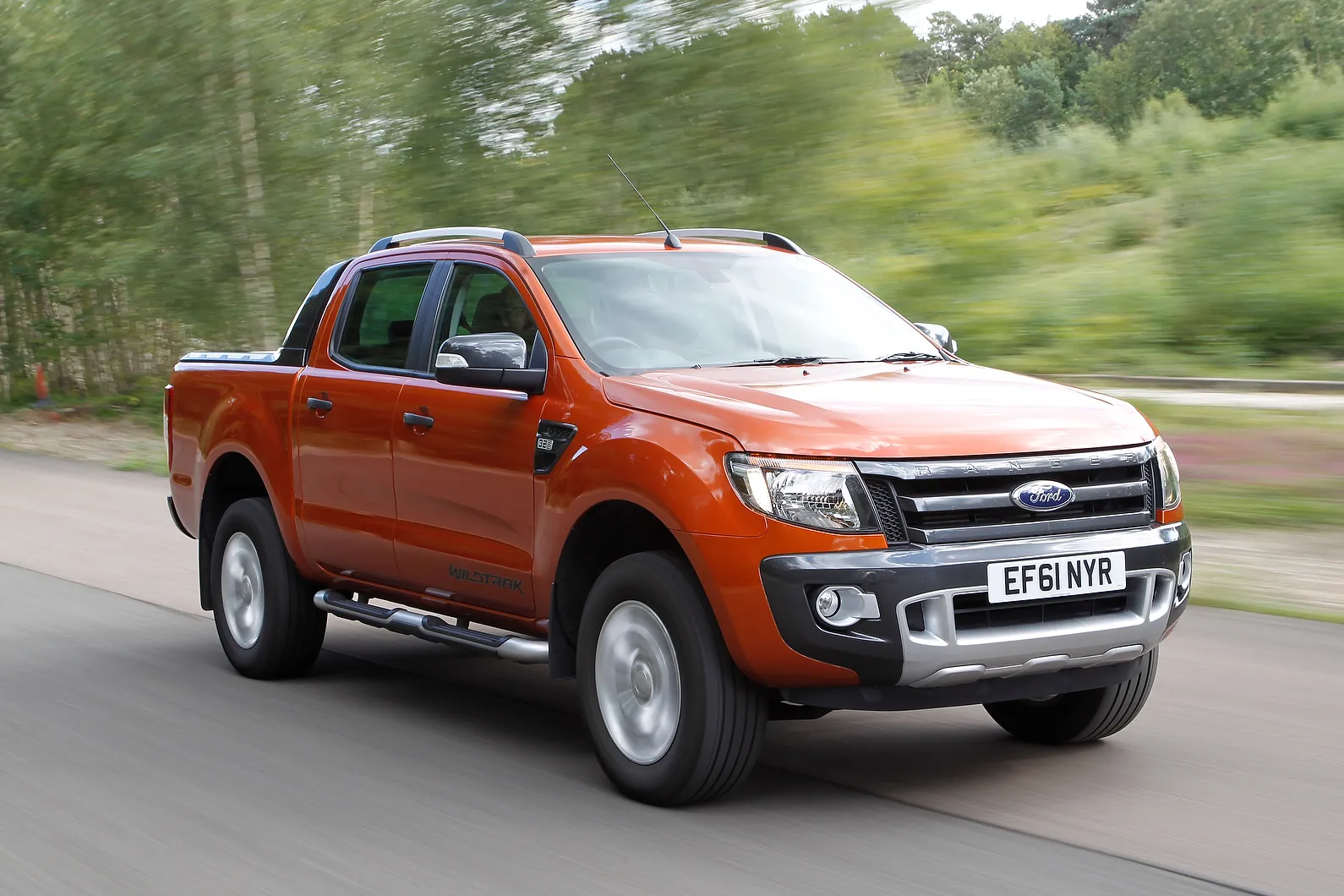
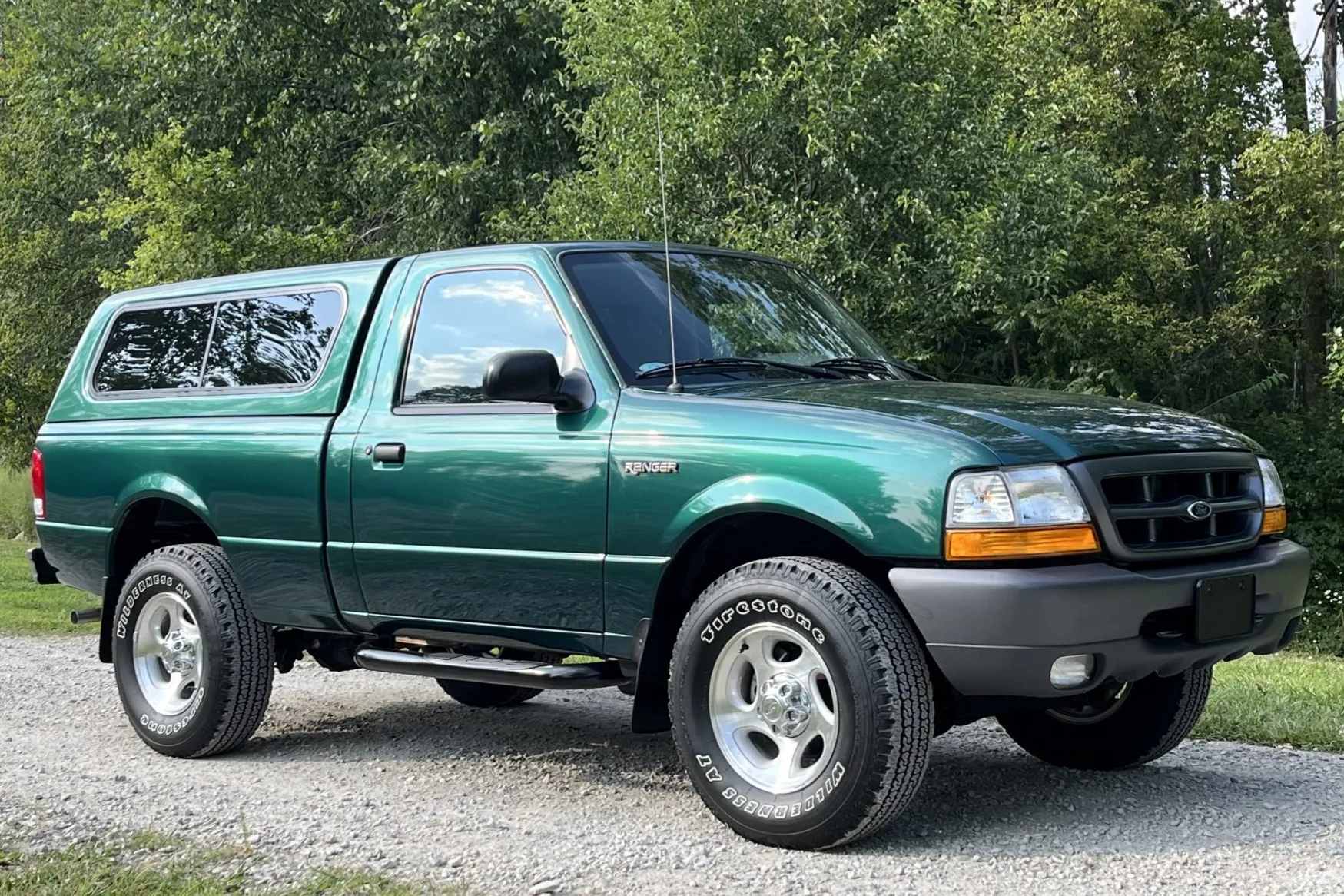
2. Ford Ranger (older models)
The Ford Ranger, particularly older models, is known for its truck-like suspension that prioritizes load-carrying capacity and durability over passenger comfort. Leaf springs in the rear and a firm front suspension mean that the truck responds sharply to bumps, dips, and uneven pavement, transmitting jolts directly into the cabin.
Children sitting in the backseat often experience a pronounced up-and-down motion, which can lead to discomfort or nausea, even on relatively smooth roads. The sensation of repeated bouncing is especially noticeable on longer trips, where motion-sensitive passengers may struggle to remain calm.
In addition to the bouncy suspension, the Ranger’s short wheelbase amplifies pitching and rocking. Compared to longer sedans or SUVs, the front and rear ends move more dramatically over uneven surfaces, producing a jolting effect.
Children who cannot stabilize themselves quickly feel the motion more intensely, which can result in an increase in restlessness and symptoms of motion sickness. Even minor turns can exaggerate these effects, as the truck does not absorb lateral forces as gently as vehicles designed for smooth handling.
Parents often report that even small errands in a firm-suspension truck like the Ranger can produce complaints of queasiness, especially in younger children who are more sensitive to motion.
Finally, seating comfort and interior space play a role in how motion is perceived. Older Rangers typically have smaller rear seats with limited cushioning and lateral support. Children seated in these positions are more susceptible to jostling from road imperfections or sudden accelerations, intensifying the feeling of instability.
Without a stable seating foundation, even minor bumps can be magnified, making the ride less tolerable for passengers prone to motion sickness. While the Ranger excels at utility tasks, its older cabin dynamics make it less ideal for children who need a smooth, stable ride.
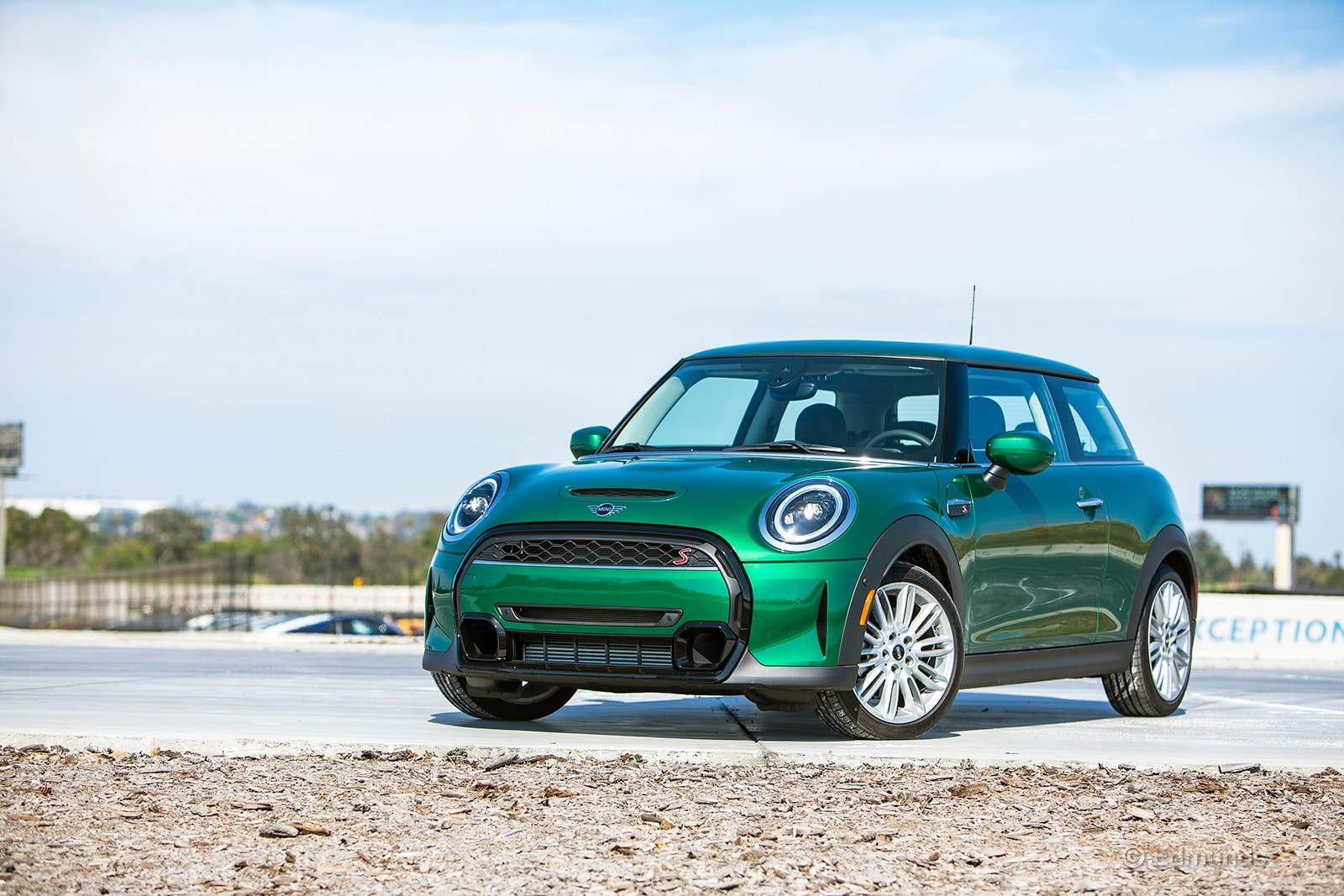
3. Mini Cooper (sport-tuned models)
The Mini Cooper’s small size and sport-oriented suspension make it fun to drive, but these same features can make it a challenging vehicle for children prone to motion sickness. The suspension is firm, designed for handling agility rather than cushioning bumps, so passengers feel road imperfections much more than in sedans or larger SUVs.
Children in the backseat may experience frequent jolting and vibrations, and the rapid response to steering inputs can exacerbate feelings of instability. Even minor potholes or road seams are transmitted sharply, creating a constant sense of motion that can trigger nausea over time.
The short wheelbase of the Mini Cooper also contributes to a less stable ride. Vehicles with longer wheelbases tend to glide over imperfections with minimal pitching, but the Mini’s compact length exaggerates vertical and lateral movements.
Children may feel like they are being thrown forward or sideways slightly, particularly in tight corners or on uneven roads. This constant shifting creates a mismatch between what the eyes see and what the inner ear senses, a primary cause of motion sickness.
Finally, interior ergonomics can influence how motion is experienced. The compact rear seats offer limited cushioning and side support, leaving children more exposed to lateral movements.
Even small jolts are felt more acutely due to the seat design, which does not absorb shocks effectively. Combined with the firm suspension and short wheelbase, the Mini Cooper can feel “twitchy” to children, making longer trips uncomfortable and sometimes resulting in motion sickness even on relatively smooth city streets.

4. Jeep Renegade
The Jeep Renegade, a smaller SUV designed for urban and light off-road use, has a suspension that tends to transmit road imperfections directly to passengers. Its compact frame and short wheelbase mean that bumps, dips, and uneven pavement create noticeable vertical and lateral movements inside the cabin.
Children in the backseat often experience this as a jiggly, unstable sensation, which can quickly lead to restlessness and nausea. While the Renegade may perform well in tight city spaces or on rough trails, its handling on ordinary roads is not optimized for comfort, which can make it a difficult choice for motion-sensitive children.
The cabin layout contributes further to the discomfort. The rear seats are upright and less cushioned compared with larger SUVs or minivans, providing minimal shock absorption.
Children seated here feel every small bump, and the lack of lateral support allows them to shift more easily during turns, which exacerbates feelings of motion sickness. For families with children who are particularly sensitive to movement, this can make even short trips uncomfortable.
Finally, the short wheelbase and higher center of gravity contribute to a feeling of instability. The vehicle tilts noticeably during cornering, braking, and acceleration, amplifying motion-sickness triggers for sensitive passengers.
Combined with its firm suspension, compact cabin, and less cushioned seating, the Jeep Renegade stands out as an example of a car that can make children feel unsettled, queasy, and less comfortable during daily drives or longer trips.
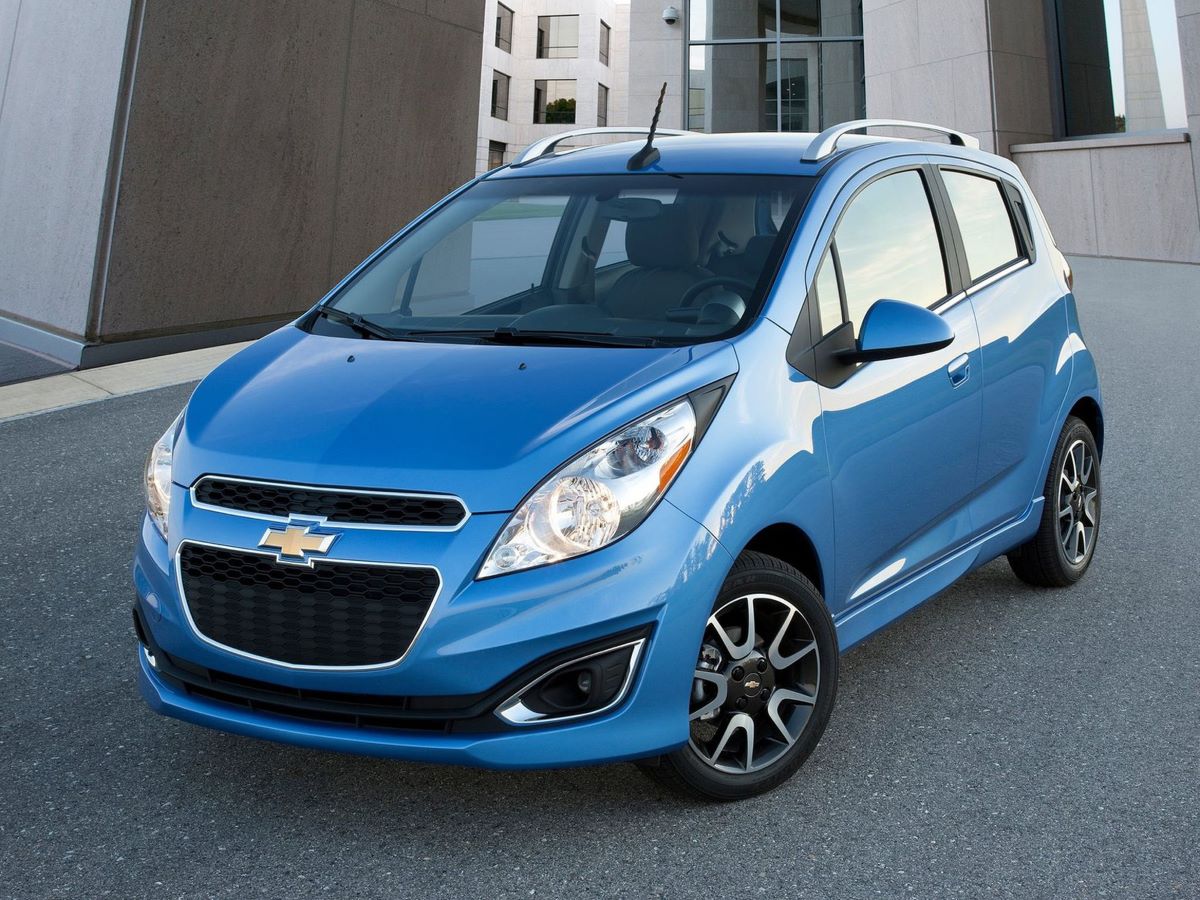
5. Chevrolet Spark
The Chevrolet Spark is a compact city car designed for efficiency and maneuverability, but its ride comfort leaves much to be desired for motion-sensitive children. Its short wheelbase and small size make every bump, crack, and dip in the road more noticeable, transmitting vibrations directly into the cabin.
Children in the rear seats often feel a pronounced jolt with even minor imperfections, which can quickly create a sense of instability and discomfort. On longer drives, this repeated motion can exacerbate nausea and restlessness, particularly for those already prone to motion sickness.
The suspension in the Spark is tuned for economy and road responsiveness rather than passenger comfort. While this provides crisp handling for city streets, it also means that vertical and lateral movements are less dampened.
Children may experience bouncing or jiggling sensations over speed bumps, potholes, or uneven pavement, which can be physically uncomfortable and mentally unsettling. Even small accelerations or braking actions can feel abrupt, contributing further to the sense of instability.
Noise and cabin refinement also play a role. The Spark is not heavily insulated, so engine, tire, and road noise are more audible inside the cabin. When combined with physical jostling, these sounds can intensify motion-sickness triggers. Children are then subjected to simultaneous motion and auditory stimulation, creating an environment that can make even short trips challenging and unpleasant.
Finally, seating comfort is limited in this compact vehicle. Rear seats are narrow and minimally cushioned, providing little lateral or vertical support. Children may feel unsteady during normal driving conditions, shifting frequently or bracing themselves against jolts.
The combination of firm suspension, minimal cushioning, and a short wheelbase makes the Spark one of the more jiggly cars, and parents with motion-sensitive children often report that it is difficult to keep passengers comfortable for extended trips.
