
Choosing a minivan might not sound exciting to some, but for families, it can define daily life in ways that no other vehicle does. A minivan is more than a way to get from point A to point B. It is a moving classroom, a playground on wheels, a mobile storage unit, and sometimes, a temporary office.
When evaluating minivans, the distinction between vehicles that integrate smoothly into your life and those that demand constant attention is crucial. Some minivans are like old friends: reliable, accommodating, and unassuming. They start every morning without fuss, pack everyone comfortably, and generally let you get on with your life.
Others feel more like temperamental companions. They may offer interesting features and quirky styling, but the experience often requires vigilance, patience, and a willingness to troubleshoot unexpected issues.
Families tend to discover early what matters most. Is it how easy it is to load car seats, groceries, or sports gear? Is it the predictability of the engine and transmission, or the resilience of the interior under daily wear and tear? How much effort does it take to maintain a clean cabin, and how often do minor annoyances turn into daily frustrations?
While some minivans make these tasks effortless, others require a near-constant babysitter-like presence to ensure everything works smoothly. Budget considerations play a role too, but reliability, ergonomics, and long-term ownership experience often outweigh price tags.
This article compares ten minivans, dividing them into two categories: those that are easy to live with and those that demand attention and management. The easy-to-live-with category represents vehicles that blend reliability, convenience, and comfort, making them ideal for busy families.
The babysit category includes minivans that may offer attractive features or styling but often require extra effort to maintain, troubleshoot, or simply live with daily. By understanding the differences, readers can make a more informed choice about which minivan suits their lifestyle, minimizing frustration and maximizing enjoyment.
5 Minivans Easy to Live With
1. Honda Odyssey
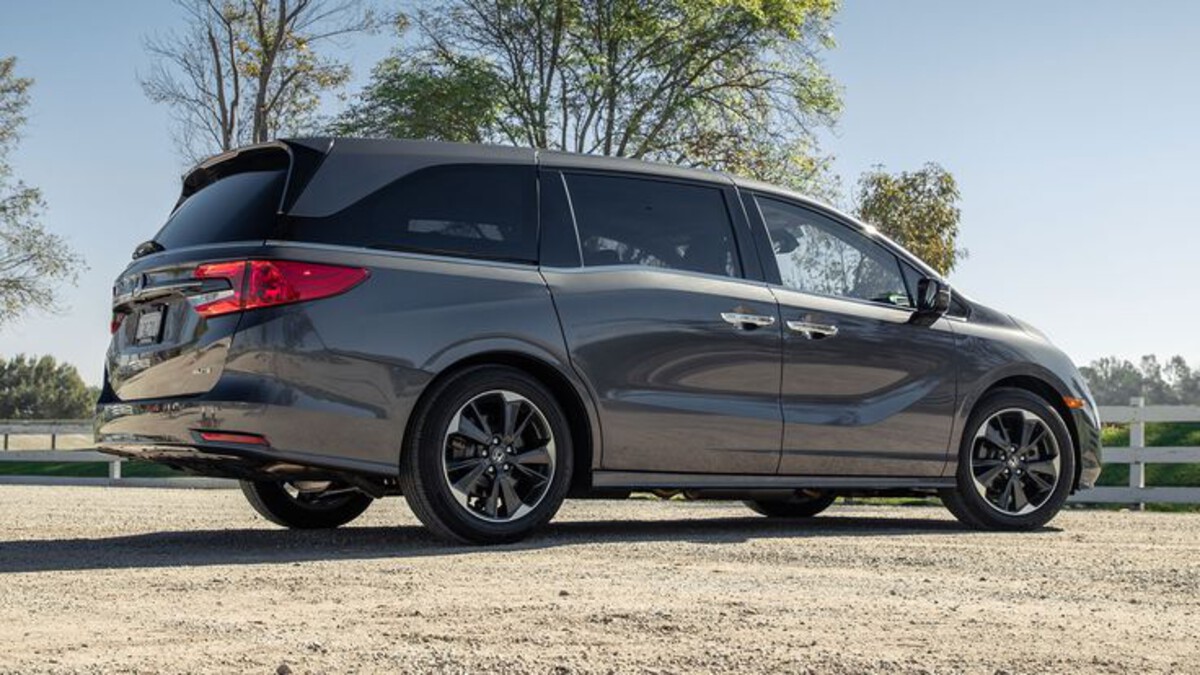
The Honda Odyssey has long been a top choice for families, and its enduring reputation is no accident. It balances practicality, comfort, and reliability in a way few other minivans can match. From the moment you step inside, the interior layout feels intuitive, with every control within easy reach of the driver.
The second- and third-row seating is remarkably flexible, making it easy to accommodate a mix of passengers, whether it’s small children in car seats or taller teenagers. The cabin feels spacious without being cavernous, and materials are durable, resistant to spills, crumbs, and everyday wear.
Parents quickly notice that surfaces are easy to wipe clean and that storage options, from cup holders to cubbies, are plentiful and thoughtfully placed. Even long trips feel manageable because the interior is designed to keep passengers comfortable and organized, reducing arguments and distractions.
Technology in the Odyssey is accessible rather than intimidating, which is crucial for parents who are juggling both driving and managing children. The infotainment system responds quickly and does not overwhelm the user with overly complicated menus or unnecessary features.
Rear-seat entertainment keeps kids occupied for hours, making cross-town errands or long road trips more manageable. Safety features, including adaptive cruise control, lane-keeping assist, and automatic emergency braking, perform consistently, giving parents confidence without requiring constant oversight.
Even the camera systems are clear and reliable, aiding with parallel parking and tight garage spaces. The emphasis here is on usability: technology exists to support daily life, not to complicate it.
The Odyssey’s driving experience reinforces its reputation as a family-friendly vehicle. The engine delivers adequate power for highway merging, city driving, and fully loaded trips, and it does so without fuss or unpredictable behavior. Suspension absorbs road imperfections, creating a smooth ride even on less-than-perfect surfaces.
Visibility is excellent in all directions, which reduces stress in traffic and tight parking situations. Handling feels predictable, and the steering is responsive enough to instill confidence without making the vehicle feel twitchy or over-sensitive.
Families quickly realize that the Odyssey behaves the way you want it to, day in and day out, which is a major factor in its status as a minivan you can live with effortlessly.
Long-term ownership of the Odyssey continues to impress. Repair costs are reasonable, parts are easy to find, and the vehicle tends to hold its value better than many competitors.
Owners report that even after years of daily use, including school runs, sports practices, and vacation packing, the minivan remains comfortable, practical, and reliable.
Its combination of predictable performance, thoughtful interior design, and consistent technology makes it one of the rare vehicles that feels almost invisible in its reliability, you can rely on it without constantly thinking about it. The Odyssey is a model of everyday practicality, providing families with a dependable companion that integrates seamlessly into their lives.
2. Toyota Sienna
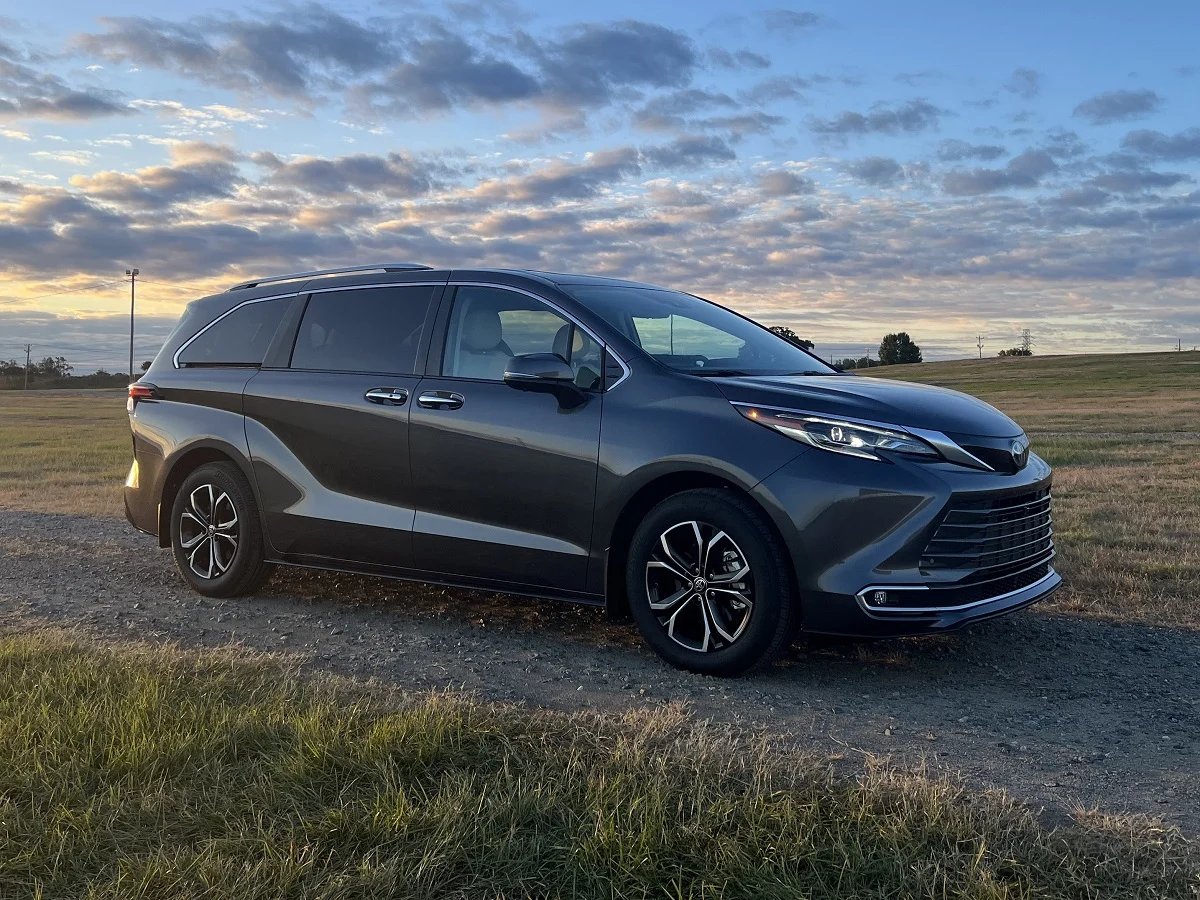
The Toyota Sienna has earned a strong following for its versatility, durability, and thoughtful design. One of its defining qualities is adaptability: it handles different passenger and cargo combinations with ease, making it ideal for families who have ever-changing needs.
The interior is roomy, with comfortable seating in all three rows, and the sliding doors open wide enough to make loading car seats or groceries simple and efficient. The second-row seats are easy to slide or remove, and the third-row seats fold flat, creating a large cargo area without awkward maneuvers.
Cabin materials are durable and easy to maintain, ensuring that everyday messes, inevitable with children do not become long-term problems. Small design details, like storage bins and cup holders within easy reach, demonstrate a deep understanding of family life and convenience.
Technology in the Sienna is practical, intuitive, and reliable. The infotainment system has a responsive touchscreen that is easy to operate, even for those not comfortable with complex digital interfaces.
Built-in navigation, Apple CarPlay, Android Auto, and multiple USB ports make keeping everyone connected easy, while rear-seat entertainment options keep kids occupied during long drives.
Safety features, including adaptive cruise control, lane departure warning, and automatic emergency braking, are dependable and provide a sense of reassurance for drivers. These systems integrate seamlessly into daily use without requiring constant attention, which is an essential factor for families seeking a hassle-free vehicle.
The Sienna’s driving experience is smooth and forgiving. The engine provides enough power for confident highway merging and city commuting, while the suspension ensures a comfortable ride even over bumpy surfaces. Steering is responsive, and the minivan remains stable during cornering and in challenging weather conditions.
Visibility is excellent, reducing the stress of tight parking situations or crowded streets. Even with a full load of passengers and cargo, the Sienna maintains composure, making daily commutes, errands, and road trips less stressful and more predictable for families who value reliability over flashiness.
Long-term ownership of the Sienna is low-stress. Toyota’s reputation for durability is evident, with many owners reporting minimal problems even after years of heavy use. Repair costs are manageable, parts are widely available, and the vehicle retains strong resale value.
Families consistently note that the Sienna continues to perform well despite high mileage or heavy usage, making it an ideal choice for those seeking a dependable, family-friendly minivan. Its combination of comfort, reliability, and smart design ensures it is easy to live with, providing peace of mind on every trip.
3. Chrysler Pacifica
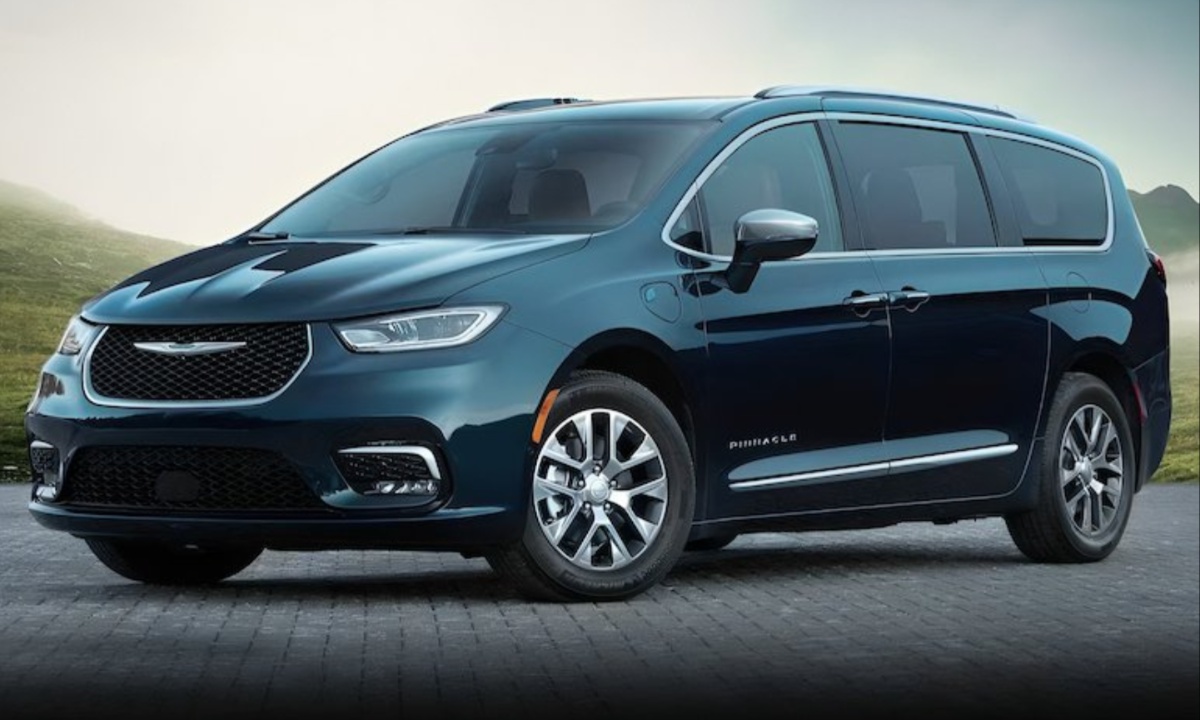
The Chrysler Pacifica strikes a balance between practicality and refinement, offering a comfortable and versatile environment for families. Its interior is well-designed, with seats that are supportive on long drives and materials that stand up to daily wear and tear.
The Stow ‘n Go seating system is particularly impressive: the second- and third-row seats fold into the floor with minimal effort, creating a flat cargo area for groceries, sports equipment, or luggage without needing to physically remove heavy seats.
Sliding doors operate smoothly, and the cabin layout ensures that controls are easy to reach, even while juggling children or other distractions. Parents quickly discover that the Pacifica reduces stress simply through thoughtful design.
Technology in the Pacifica is abundant but approachable. The infotainment system is responsive, the touchscreen is clear, and connectivity options such as Apple CarPlay and Android Auto work reliably. Rear-seat entertainment, multiple USB charging ports, and built-in navigation make longer trips manageable for both children and adults.
Safety features like adaptive cruise control, automatic emergency braking, and blind-spot monitoring perform consistently, allowing parents to focus on driving rather than monitoring inconsistent systems. The Pacifica manages to combine modern features with usability, which is a major advantage for families seeking convenience.
Long-term ownership is generally positive. Maintenance costs are reasonable, and while slightly higher than some competitors, they are offset by the convenience and comfort the Pacifica provides. Owners appreciate the interior flexibility, the smooth ride, and the reliability of its systems.
Families find that it adapts well to changing needs over time, whether it’s transporting young children, teenagers, pets, or large cargo. The Pacifica’s combination of thoughtful design, practicality, and dependability makes it an easy minivan to live with, reducing the daily stresses of family life and increasing enjoyment on every trip.
4. Kia Carnival
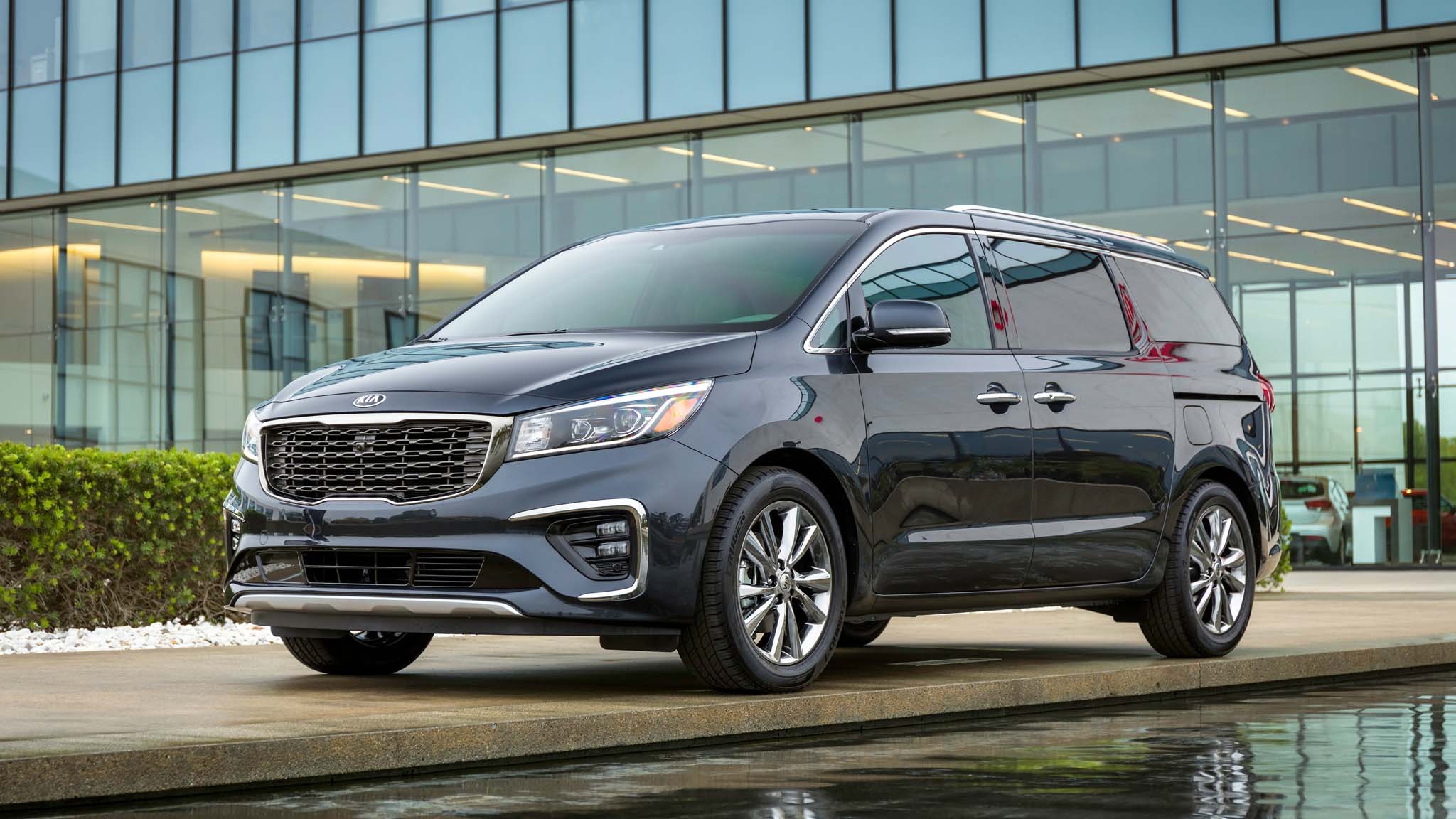
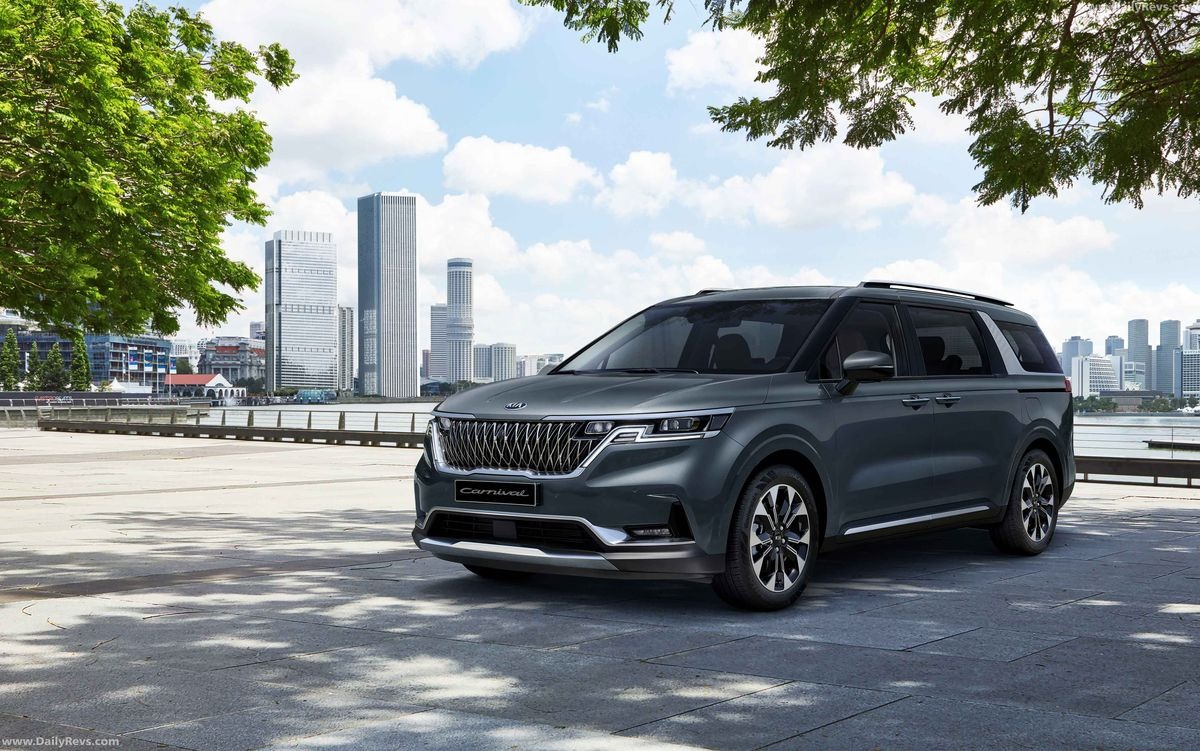
The Kia Carnival has reshaped expectations for modern minivans by combining bold design with family-oriented functionality. Its exterior is striking without being overcomplicated, signaling a move away from the traditional boxy minivan look while maintaining practicality.
Inside, the cabin is spacious, with comfortable, configurable seating that accommodates families of all sizes. Sliding doors open effortlessly, and cargo space is ample for luggage, groceries, or sports equipment.
The materials are durable and easy to maintain, which is particularly useful for families managing spills, dirt, or pets. Every detail, from storage compartments to cup holders, demonstrates a thoughtful approach to daily usability.
Driving the Carnival is both comfortable and reassuring. Engine performance is smooth and provides ample power for highway merging or city driving. Handling feels confident, and the suspension absorbs bumps and imperfections without transmitting discomfort to passengers.
Steering is responsive but not overly sensitive, allowing for a relaxed driving experience. Visibility is excellent, and parking is easier thanks to a comprehensive camera system. The vehicle feels controlled and predictable, which is essential for families who value low-stress driving.
Maintenance and ownership are generally straightforward. Kia offers a strong warranty, and parts are widely available, making repairs less of a concern.
Families appreciate the Carnival’s balance of style, utility, and ease of use. It combines modern features, flexible interior design, and reliable performance to create a minivan that is practical, stress-free, and adaptable. For families seeking both comfort and convenience without frequent headaches, the Carnival is an excellent choice.
5. Toyota Sienna Hybrid
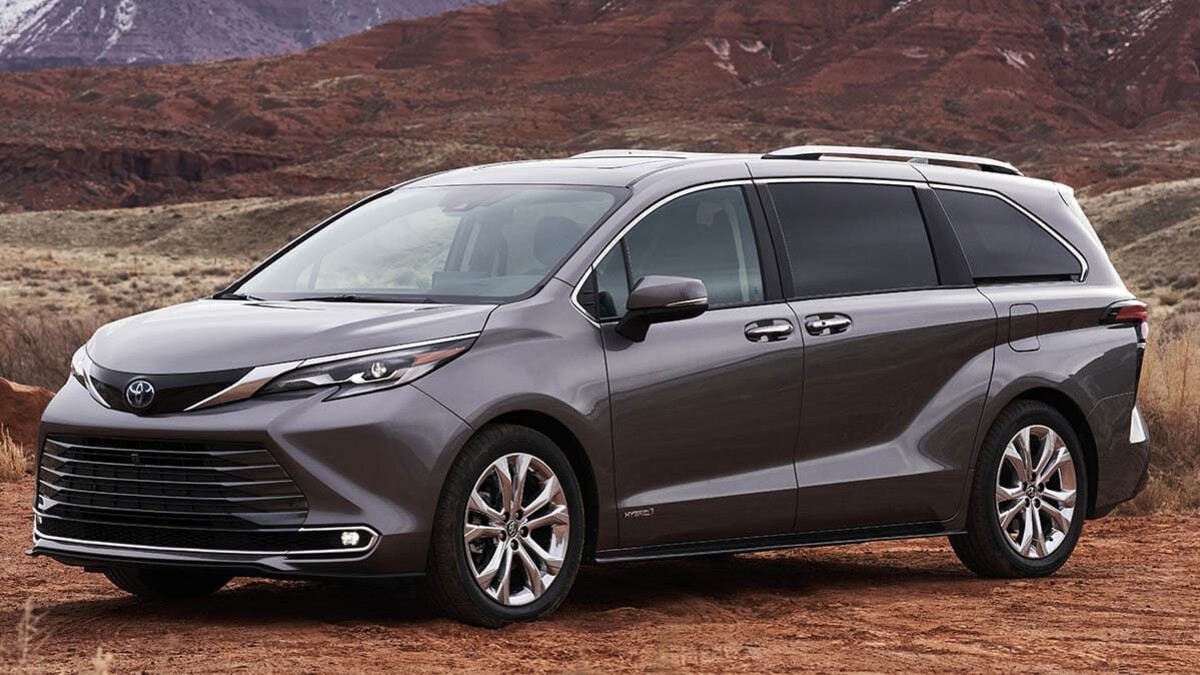
The Toyota Sienna Hybrid takes the practicality of the standard Sienna and adds significant advantages through its hybrid powertrain. One of the most noticeable benefits is fuel efficiency, which reduces the frequency of gas stops and lowers long-term running costs.
The hybrid system operates smoothly, providing quiet, composed acceleration that is ideal for city driving, highway travel, or a mix of both.
Unlike some electrified systems that can feel complicated or unpredictable, the Sienna Hybrid integrates seamlessly into daily life, making it simple to operate and maintain. Families can enjoy modern efficiency without sacrificing the reliability or ease of use that the Sienna is known for.
The driving experience is enhanced by the hybrid system. Electric assist provides smooth low-speed torque for city driving, while the gasoline engine handles highway cruising effortlessly. The ride remains quiet and composed, even with a full load of passengers, and road noise is minimized through good insulation.
Steering is precise and predictable, while the suspension absorbs bumps and irregularities effectively. Families appreciate the smooth, quiet experience, which reduces fatigue and stress during daily commutes or long trips.
Maintenance and long-term reliability are strengths of the Sienna Hybrid. Toyota’s hybrid technology has a strong track record, and repair costs remain reasonable. Fuel savings add another practical benefit, making this model ideal for families who drive extensively.
The combination of comfort, reliability, flexibility, and fuel efficiency makes the Sienna Hybrid an exceptionally easy minivan to live with. Families can enjoy both the benefits of a hybrid drivetrain and the practicality of a proven minivan, creating a stress-free, adaptable vehicle that performs well in almost any situation.
5 Minivans You’ll Babysit
1. Dodge Grand Caravan
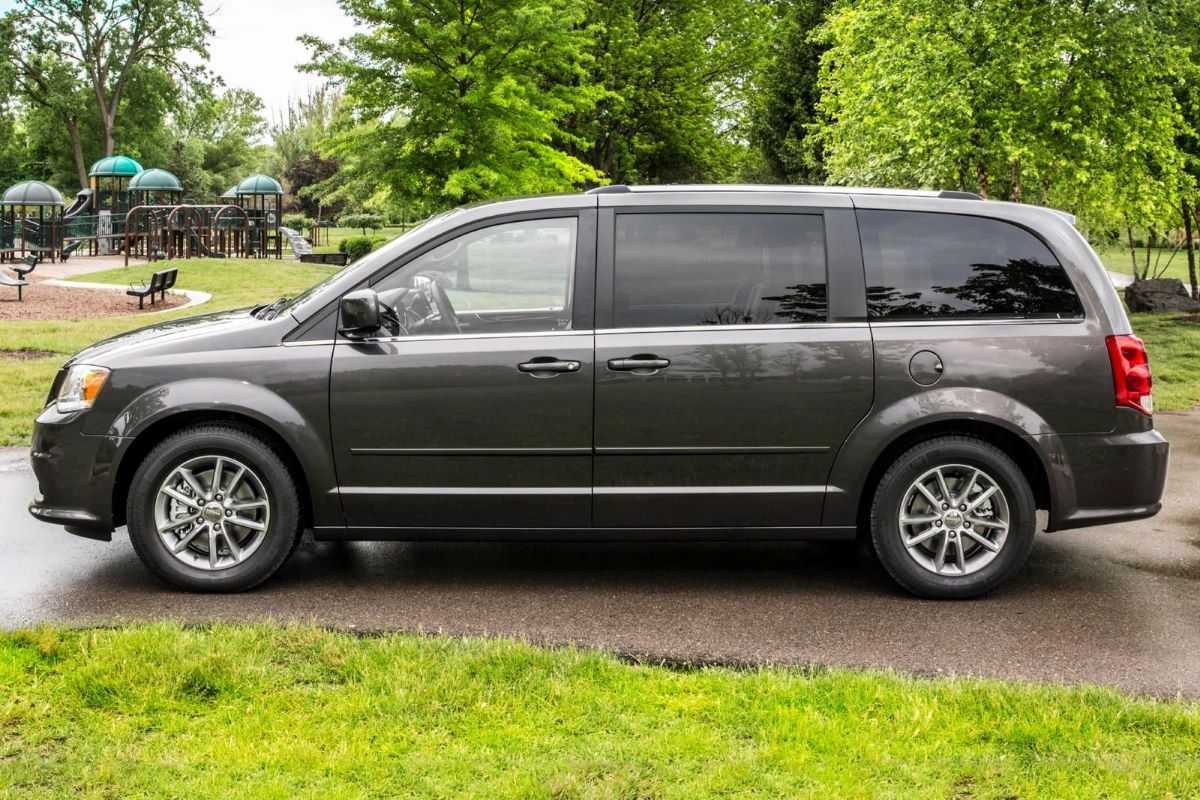
The Dodge Grand Caravan has a reputation for being affordable and practical at first glance, but living with one day-to-day often exposes its quirks. While it provides basic seating for families, the interior feels less refined and less thoughtfully designed than competitors.
Plastics are harder, materials wear faster, and some controls are awkwardly placed, requiring extra effort to operate. The second- and third-row seating is functional but not particularly comfortable, especially for taller passengers on long trips.
Sliding doors can sometimes feel stiff or clunky, making loading children or groceries a more laborious task than with other minivans. While it does the job in a pinch, owners often find themselves dealing with small annoyances that add up over time, creating a vehicle that demands more attention than it should.
Driving the Grand Caravan can also be an exercise in patience. The engine is adequate but can feel sluggish, particularly when the vehicle is fully loaded or climbing hills.
Suspension is on the softer side, which can make the minivan feel floaty or less composed around corners, and road noise tends to be more noticeable than in newer competitors.
Visibility is acceptable, but the mirrors and windows don’t provide the same clear perspective, making tight parking or crowded streets more stressful. Handling is predictable but uninspiring, and the driving experience can become tedious when repeated daily, contributing to the feeling of “babysitting” the vehicle rather than enjoying it.
Maintenance and reliability issues add to the challenges of owning a Grand Caravan. Parts are available, but the vehicle tends to require repairs more frequently, with some owners reporting problems with electrical components, doors, and suspension over time.
While it is affordable upfront, ongoing costs and the effort required to keep it functioning properly can outweigh initial savings. Families quickly notice that it demands attention, patience, and occasional troubleshooting to remain functional.
For those looking for a minivan that integrates seamlessly into daily life, the Dodge Grand Caravan often requires more management than it should.
2. Chrysler Voyager
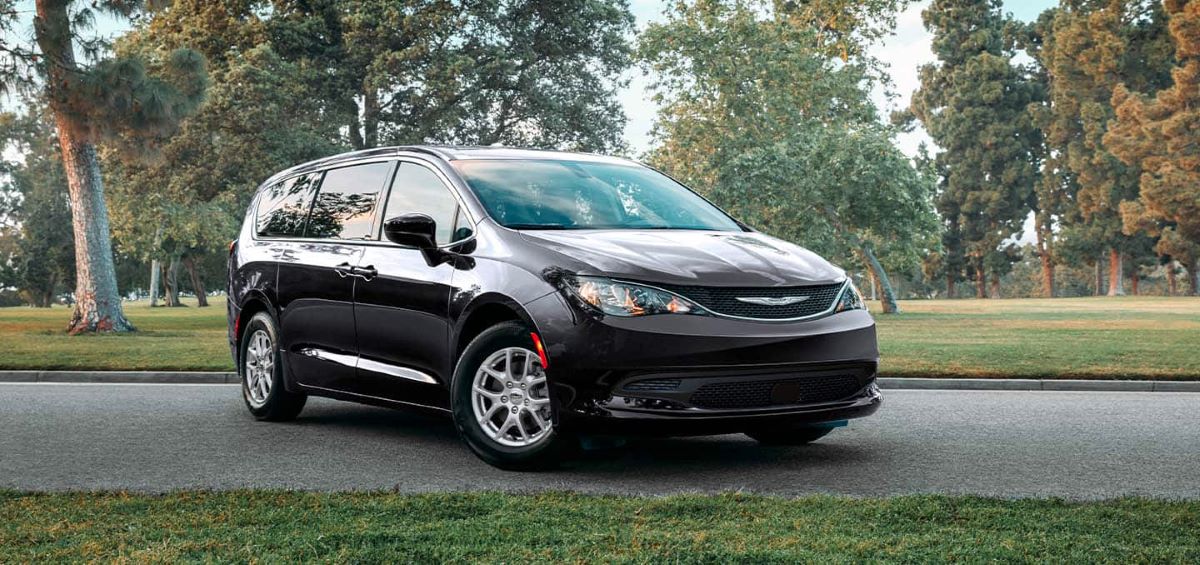
The Chrysler Voyager, essentially a budget-friendly variant of the Pacifica, is designed to be functional but not luxurious, which sometimes makes it a high-maintenance choice. The interior is simpler, and while it provides adequate space, materials feel cheap compared to other minivans, and finishes show wear quickly.
Seats are less supportive, and the folding mechanisms can be stiff or awkward, making it harder to reconfigure the cabin quickly for passengers or cargo.
Sliding doors and storage compartments are functional but lack polish, which can make routine tasks like loading groceries or installing car seats more cumbersome. The Voyager can feel less refined and less forgiving for families who want a vehicle that adapts easily to daily life.
Technology in the Voyager is limited, often feeling like a compromise to keep the price low. Infotainment systems can be slow, sometimes freeze, and may lack the features parents have come to expect in other minivans, such as multiple USB ports or intuitive connectivity options.
Safety features are present but not comprehensive, and advanced driver assistance systems may be absent or inconsistently functional.
Rear-seat entertainment is minimal or nonexistent in many models, meaning children may need more direct supervision or distraction during trips. For busy families, this lack of modern technology requires more hands-on management, which reinforces the feeling of “babysitting” the vehicle rather than enjoying a smooth, low-stress ride.
Maintenance and long-term reliability also contribute to the Voyager’s reputation as a minivan you’ll babysit. Repairs may be more frequent than with higher-quality competitors, particularly for components like doors, electronics, or interior fixtures. Although the initial cost is attractive, families often find themselves spending additional time and money maintaining functionality.
The combination of less-refined materials, older technology, and driving quirks makes the Chrysler Voyager a vehicle that requires constant attention, patience, and effort to keep it running smoothly. Families who prefer a truly stress-free minivan may find it frustrating to live with over time.
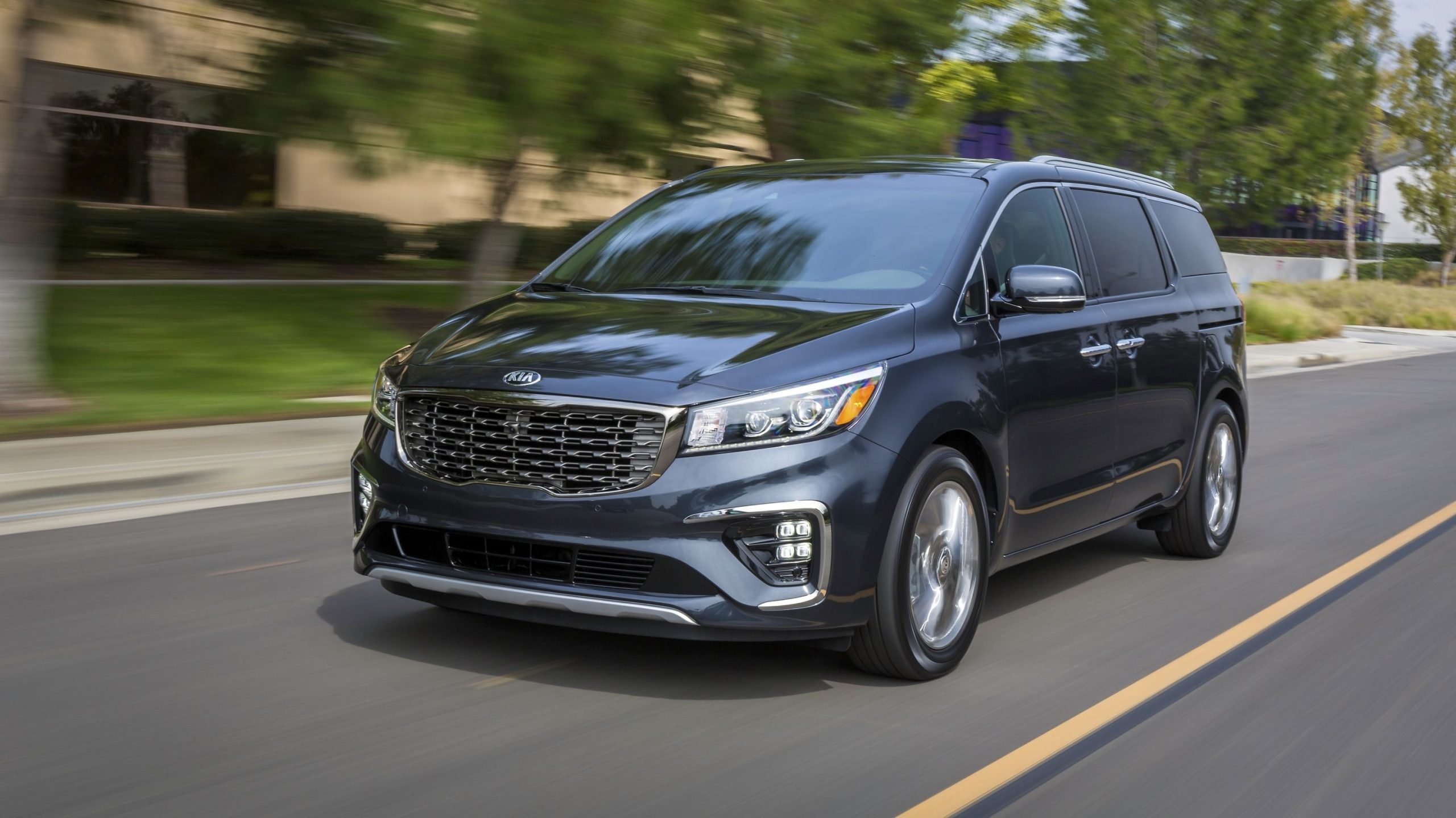
3. Kia Sedona
The Kia Sedona offers practicality and space but comes with trade-offs that require attention and upkeep. While the interior provides adequate room for passengers and cargo, the seating is not as ergonomic as other minivans, and materials can feel less durable over time.
Small scratches, scuffs, and wear show up faster than expected, particularly in high-traffic areas like sliding doors or seat tracks. The layout of storage compartments, though functional, is not always intuitive, requiring adjustments and minor workarounds in daily use.
Families quickly notice that routine tasks, such as moving seats, loading groceries, or configuring child seats, require extra effort compared to more refined models.
The driving experience of the Sedona reflects a compromise between comfort and control. Engine performance is adequate for most driving conditions but can feel strained when fully loaded or climbing inclines. The suspension is soft, which can result in body roll around corners or a floaty sensation over uneven pavement.
Steering is predictable but lacks precision, requiring more attention to maintain control. Visibility is acceptable but less ideal than modern competitors, making parking, merging, and lane changes more challenging.
Over time, the cumulative effect of these driving characteristics contributes to the sense that the vehicle needs to be carefully managed rather than effortlessly driven.
Maintenance and long-term ownership are additional factors that make the Sedona more demanding. While parts are generally available, repairs are sometimes required more frequently than with more refined minivans, particularly in older models.
Families find that costs and effort for upkeep can add up over time, whether it’s for electronics, sliding doors, or interior wear and tear. Although the Sedona offers space and utility, it requires careful attention to remain functional and comfortable, reinforcing the impression that it is a vehicle you have to babysit rather than one you can rely on effortlessly.

4. Chevrolet Uplander
The Chevrolet Uplander, a now-discontinued minivan, is functional but often feels outdated and high-maintenance in daily use. The interior, while spacious enough for passengers, suffers from older materials that show wear quickly, particularly on seats and door panels.
Storage compartments are limited, and small design flaws, such as difficult-to-reach controls or awkward seat folding mechanisms, create daily annoyances.
Sliding doors are heavy and less smooth than modern competitors, adding friction to routine tasks like loading children or groceries. Families often notice that minor inconveniences quickly accumulate, requiring extra attention to keep the minivan functional and organized.
The driving experience of the Uplander reinforces its high-maintenance reputation. Engine power is modest, and the vehicle can feel sluggish, particularly when fully loaded. Suspension is soft but not particularly refined, resulting in a floaty or unsteady feel over rough surfaces.
Steering is adequate but lacks precision, making tight maneuvers or highway lane changes more challenging. Visibility is decent but not exceptional, further complicating parking or congested street driving. The Uplander is safe enough but requires constant attention, reinforcing the feeling of babysitting the vehicle.
Maintenance and reliability are other areas of concern. Older Uplander models may require more frequent repairs, particularly with the transmission, sliding doors, or electronics. While parts are still available, they are not as straightforward to source as for more common minivans.
Families quickly learn that routine attention and occasional troubleshooting are necessary to maintain functionality, making the Uplander more demanding than newer, more refined alternatives. Its combination of aging materials, outdated technology, and driving quirks creates a vehicle that often requires more oversight than most families want to provide.
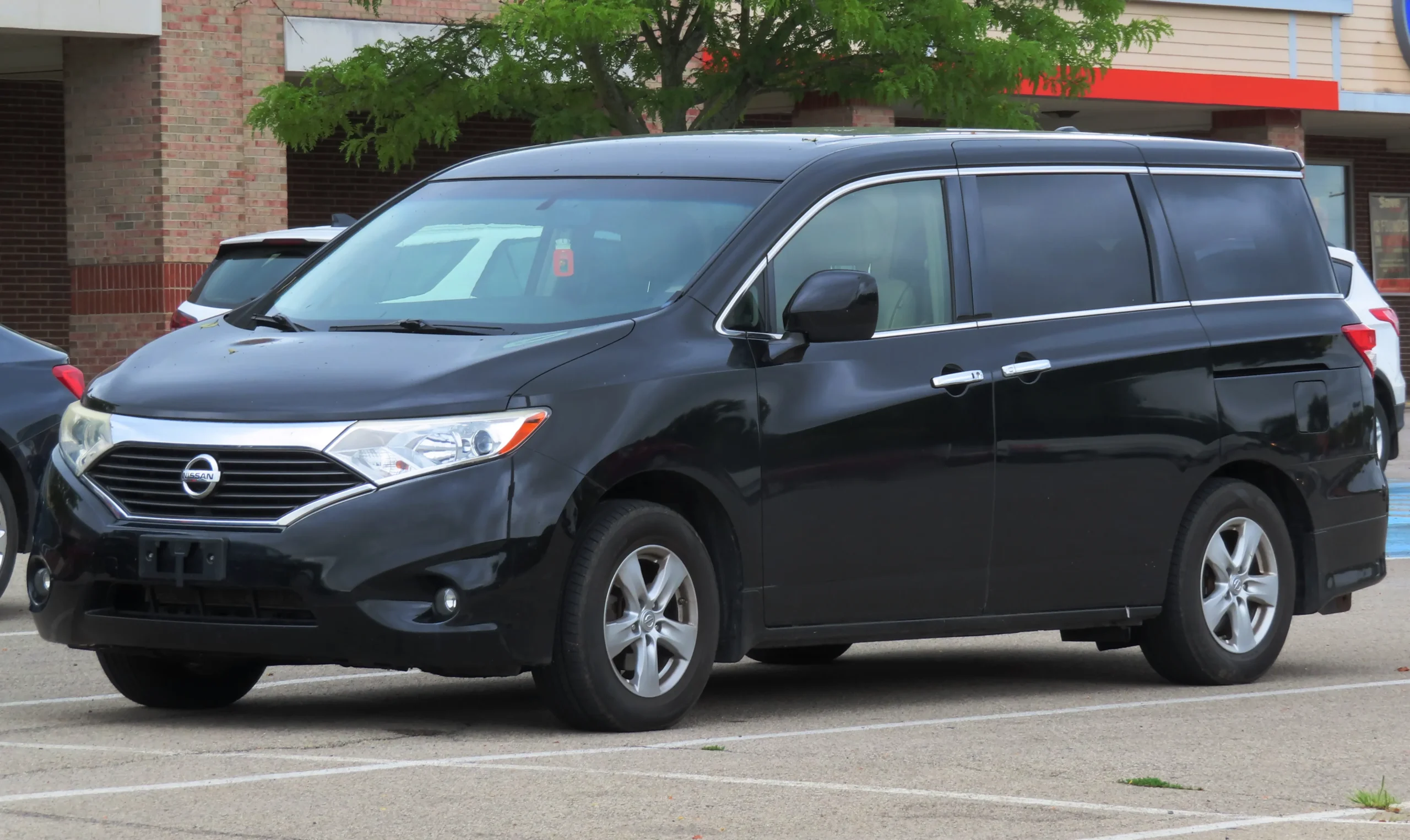
5. Nissan Quest
The Nissan Quest is a spacious minivan that initially appears practical but often demands more hands-on care than anticipated. The interior offers generous seating and cargo space, but materials are less durable and wear shows up quickly, particularly on seats, floor mats, and door panels.
The layout, while functional, can feel less intuitive for daily use, making tasks like folding seats, loading groceries, or securing car seats slightly cumbersome.
Sliding doors and storage areas are adequate but occasionally stiff or awkward, requiring extra effort to operate smoothly. For families seeking a hassle-free vehicle, these small inconveniences can become a daily source of frustration.
Driving the Quest requires patience. The engine provides enough power for basic driving but can feel strained when carrying multiple passengers or climbing hills. The suspension, while soft, is not particularly refined, and handling can feel unsteady at times.
Steering is predictable but lacks precision, requiring extra focus for cornering or highway maneuvers. Visibility is adequate but not exceptional, making parking and merging slightly more stressful. Over time, these driving characteristics contribute to the impression that the Quest demands attention and effort rather than offering a smooth, low-stress experience.
Maintenance and long-term reliability add to the challenges of owning a Quest. Repairs, particularly for older models, can be more frequent than with more reliable minivans, including issues with doors, electronics, and interior components. While parts are available, the vehicle may require more frequent oversight and maintenance to remain fully functional.
Families often find themselves spending extra time and energy addressing minor issues that would be less prominent in other vehicles. The Nissan Quest’s combination of aging interior materials, limited technology, and driving quirks makes it a minivan that requires constant babysitting rather than effortless ownership.
