
Cars are an integral part of daily life for millions of people worldwide. For most drivers, reliability is one of the most important aspects of a vehicle. The confidence that a car will start without issue every morning is more than just a convenience; it is a form of security.
A vehicle that starts consistently and without hesitation allows its driver to plan their day without anxiety about mechanical failure or unexpected delays. While some cars earn a reputation for unwavering reliability, others are known for sporadic and unpredictable issues, such as random warning lights appearing on the dashboard.
These contrasting experiences can shape how drivers perceive the value and quality of different car models. Knowing which cars fall into each category is not only interesting but can also influence purchasing decisions, maintenance strategies, and expectations for long-term ownership.
A car that starts every morning represents engineering consistency. It suggests that the battery, starter, ignition system, and fuel delivery are functioning harmoniously. Owners of such vehicles often report fewer emergency trips to the mechanic and a sense of reassurance during extreme weather conditions, when starting problems are more likely.
On the other hand, vehicles prone to random warning alerts, whether for engine issues, braking systems, or other sensors, can frustrate even the most patient drivers.
These warnings may appear without a clear cause, often requiring diagnostics that take both time and money to resolve. Such cars may still be drivable, but the mental burden and uncertainty they create can overshadow the actual performance of the vehicle.
Understanding the difference between cars that are mechanically steadfast and those that are unpredictable is valuable for anyone in the automotive market.
It can inform long-term ownership satisfaction and help drivers plan for maintenance costs. Reliability often correlates with the vehicle’s design, quality of parts, and attention to detail in manufacturing.
Conversely, random warnings are sometimes the result of intricate electronics, software quirks, or less robust assembly standards. Whether a car reliably starts every morning or occasionally throws cautionary warnings, these traits directly influence driver confidence, lifestyle planning, and ownership experience.
This article will examine five cars known for their consistent morning starts and five cars notorious for intermittent warnings, providing insights into the real-world implications of vehicle reliability.
Five Car Models That Start Every Morning
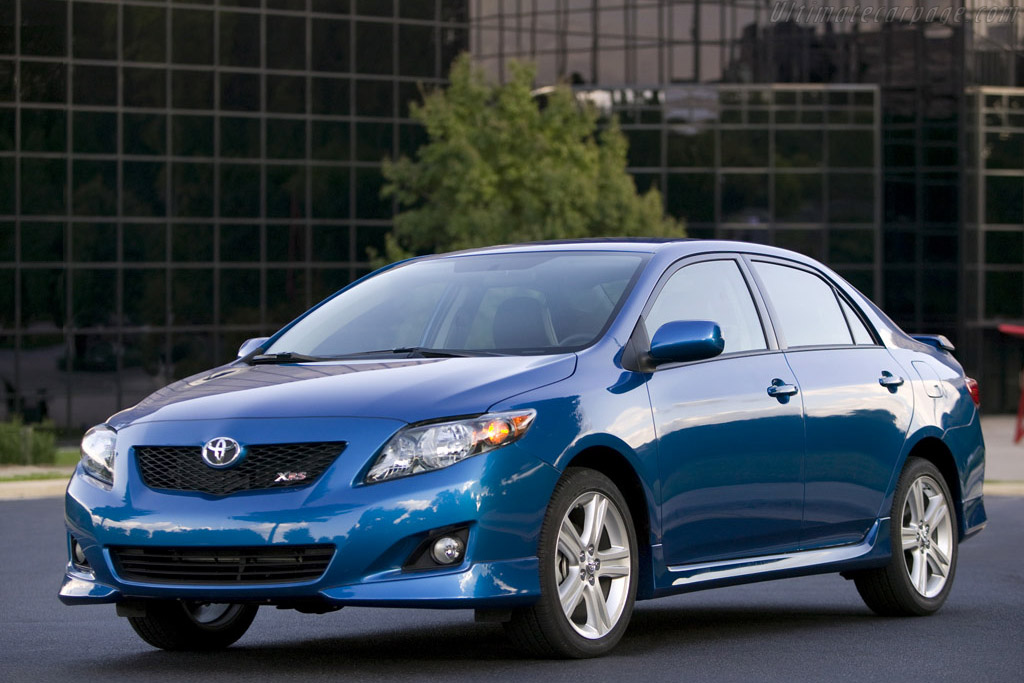
Toyota Corolla
The Toyota Corolla has long been recognized as one of the most dependable compact cars on the market, earning a reputation for reliability that spans multiple generations. One of the most remarkable aspects of the Corolla is its consistent ability to start without hesitation, regardless of weather or driving conditions.
This reliability stems from the vehicle’s carefully engineered engine, ignition system, and battery setup, which are all designed to operate harmoniously over long periods of use. Even in extremely cold mornings, when many vehicles struggle with thick oil or sluggish batteries, the Corolla’s starter motor and fuel delivery system work efficiently, allowing drivers to start their day with confidence.
Owners often describe the car as “trouble-free,” highlighting the peace of mind that comes with a vehicle that can be counted on every morning. Beyond the mechanical components, Toyota has historically prioritized simplicity and durability, which reduces the likelihood of random failures that could prevent the car from starting.
Routine maintenance plays a crucial role in supporting the Corolla’s legendary dependability. Oil changes, battery checks, and periodic inspection of the ignition system are straightforward and can be completed without specialized tools, which helps prevent minor issues from becoming major problems.
Because of the Corolla’s widespread popularity, replacement parts are readily available, and service centers are familiar with the car’s common maintenance needs. This accessibility reduces downtime and ensures that even older models continue to start reliably.
Many drivers report that their Corollas, even those exceeding 200,000 miles, continue to start promptly each morning, underscoring the value of careful engineering combined with routine upkeep.
The simplicity and robustness of the design contribute not only to reliability but also to long-term affordability, as owners are less likely to encounter costly repairs that interfere with starting.
The Corolla’s fuel system also contributes to its morning reliability. Toyota engineers have designed the fuel pump, injectors, and delivery mechanisms for consistency and long-term durability. By maintaining stable fuel pressure and preventing airlocks or clogs, the car ensures that the engine receives a precise mixture of fuel each time it is started.
Drivers rarely encounter issues such as hesitation, rough idling, or failure to start, which are common in vehicles with less refined fuel systems. Even in hot climates, where fuel evaporation or vapor lock could theoretically pose problems, the Corolla’s system has been tested and optimized to deliver dependable performance.
This reliability extends beyond just the morning start; it also enhances fuel efficiency and engine longevity, which is why many people regard the Corolla as a practical choice for everyday commuting.
In addition to mechanical dependability, the Corolla excels in electronic stability. Modern models feature more advanced dashboards, infotainment systems, and safety sensors, yet these components rarely interfere with the essential function of starting the vehicle. Dashboard alerts are typically reserved for genuine maintenance issues, reducing driver stress and uncertainty.
This reliability is a direct result of Toyota’s careful engineering approach, which separates critical mechanical systems from optional electronics. Drivers can therefore rely on the car to start consistently without worrying that a minor sensor malfunction will prevent ignition.
For those seeking a dependable vehicle that combines reliability with low maintenance costs and a predictable driving experience, the Toyota Corolla consistently ranks as one of the best options available.
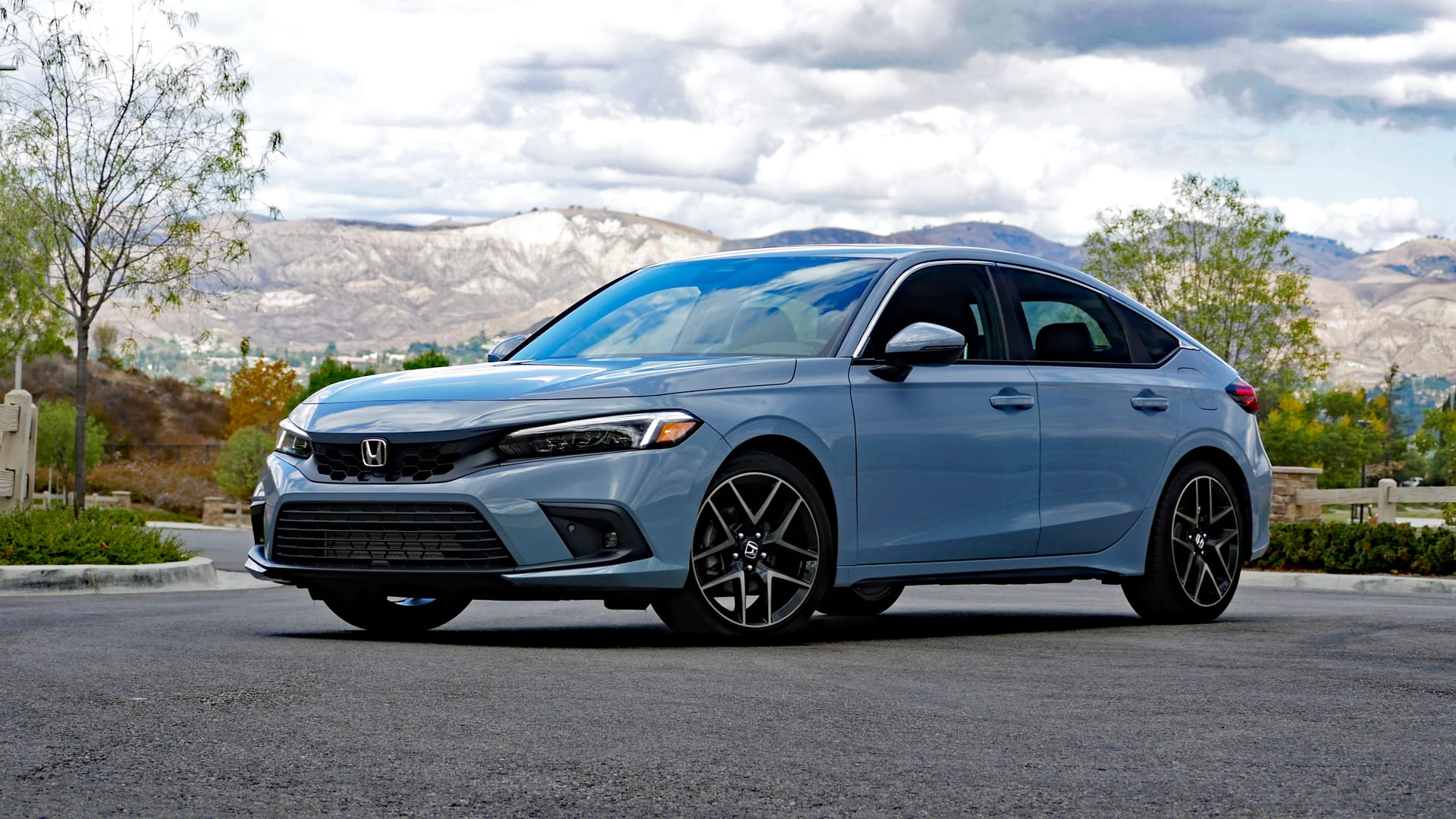
Honda Civic
The Honda Civic is another compact vehicle with an established reputation for reliability, particularly in terms of starting dependably each morning. Its engines are designed for durability and longevity, often running smoothly for hundreds of thousands of miles without serious issues.
The Civic’s ignition system, starter motor, and battery work together seamlessly, creating a sense of confidence for drivers who need a vehicle they can count on daily. Even in extreme weather conditions, such as freezing winters or sweltering summers, the Civic’s design allows it to start with minimal hesitation.
Many owners report that their Civics require no more than standard maintenance to maintain this reliability, which contributes to a stress-free driving experience. Unlike vehicles with more temperamental electronics, the Civic prioritizes consistent performance in its fundamental functions, giving drivers confidence that it will start when needed.
The Civic’s consistent performance is further enhanced by the quality of its fuel system and engine components. Fuel injectors, pumps, and filters are designed to deliver consistent flow and prevent interruptions that could prevent the engine from starting.
This careful engineering reduces the likelihood of common starting issues such as misfires, fuel starvation, or rough idling. The Civic is also equipped with robust ignition components, including spark plugs and wiring, which further contribute to its dependable morning start.
Owners often cite the Civic’s mechanical reliability as a key reason for brand loyalty, noting that it allows them to focus on their daily routines rather than worrying about unexpected mechanical failures.
Maintenance accessibility reinforces the Civic’s dependability. Simple tasks like oil changes, filter replacements, and battery checks are straightforward, while the availability of service centers and aftermarket parts ensures that minor issues do not escalate into major problems.
Honda’s reputation for quality engineering is reflected in the Civic’s performance, as even older models retain the ability to start reliably. Drivers who purchase a Civic can anticipate many years of stress-free operation, assuming they adhere to regular maintenance schedules.
This combination of mechanical simplicity, reliability, and maintenance accessibility makes the Civic a standout in the realm of dependable compact cars.
The Civic also benefits from electronic systems designed to complement rather than complicate mechanical reliability. Dashboard warnings and alerts are typically tied to genuine maintenance needs, reducing the likelihood of random, unexplained notifications that could undermine driver confidence.
Even modern Civics with advanced driver-assistance systems maintain consistent starting performance, demonstrating Honda’s focus on prioritizing essential vehicle functions over complex electronics.
For drivers seeking a vehicle that combines practicality, efficiency, and predictable performance, the Civic provides a consistently reliable experience, beginning with the very first turn of the key each morning.
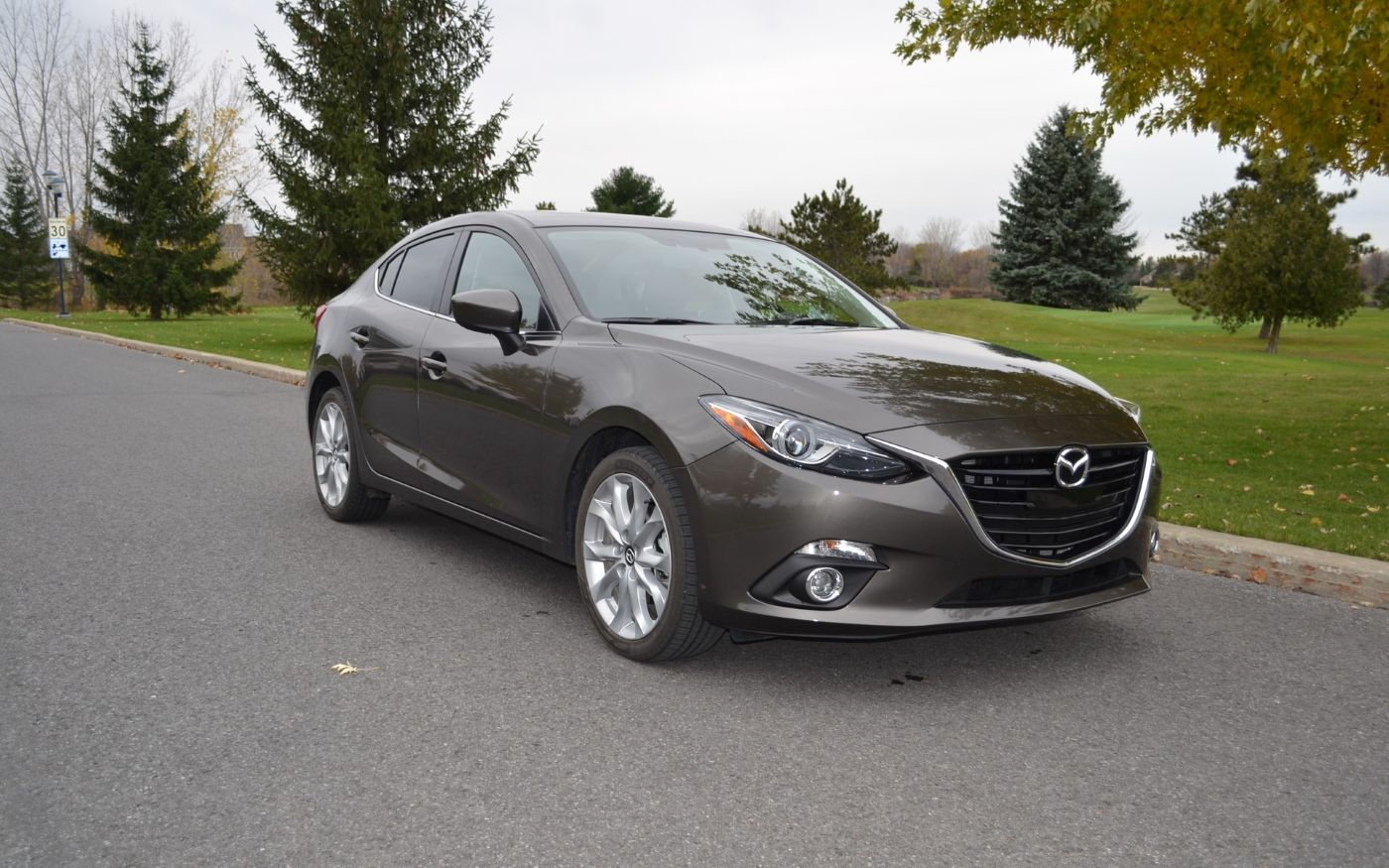
Mazda3
The Mazda3 offers a combination of reliability and driving engagement that appeals to many daily commuters. Its engines are known for smooth operation and consistent starts, making it a dependable choice for those who prioritize stress-free mornings.
Mazda’s engineering philosophy emphasizes reliability and simplicity in critical mechanical systems, ensuring that the starter motor, ignition, and fuel system function harmoniously.
Owners often highlight the Mazda3’s ability to start promptly, even after periods of inactivity or in varying temperatures. This consistency is a reflection of both the quality of the components and Mazda’s dedication to fine-tuning engines for long-term performance and dependability.
The vehicle’s fuel system is designed for efficiency and durability, which directly supports its reliable morning starts. Fuel pumps, injectors, and filtration systems are engineered to minimize the risk of clogs, leaks, or pressure fluctuations that could interfere with ignition.
Drivers rarely experience hesitation or misfiring during startup, even in older models that have accumulated significant mileage. This reliability is particularly valuable for commuters and those with long drives, as it reduces the likelihood of disruptions caused by engine-related starting issues.
Mazda’s attention to component quality also enhances fuel efficiency, which contributes to both performance and cost-effectiveness over time.
Routine maintenance further reinforces the Mazda3’s reputation for dependability. Oil changes, brake inspections, and battery checks are simple and accessible, ensuring that minor issues do not escalate into problems that could prevent starting.
Mazda vehicles are also known for their longevity, with engines and drivetrains often performing reliably for many years when maintained properly.
The combination of thoughtful engineering, durable components, and straightforward maintenance makes the Mazda3 an excellent example of a car that reliably starts every morning, offering peace of mind and daily convenience to its owners.

Subaru Impreza
The Subaru Impreza is widely appreciated for its durability, all-wheel-drive system, and ability to start consistently under challenging conditions. Its engine design prioritizes reliability, ensuring that the starter motor, ignition, and fuel system operate harmoniously even in adverse weather.
Drivers in snowy or extremely cold regions often rely on the Impreza because of its consistent ability to start without hesitation. This dependability contributes to driver confidence, particularly for those who commute in conditions where a vehicle that refuses to start could create major inconvenience or safety risks.
Maintenance is straightforward and supports the vehicle’s long-term reliability. Common procedures such as oil changes, brake checks, and battery inspections are simple to perform, and replacement parts are widely available.
This accessibility ensures that minor issues can be addressed before they develop into problems that might compromise the starting reliability. Subaru’s philosophy of durability and functionality prioritizes reliable daily operation, giving owners confidence that their vehicle will consistently perform.
The Impreza’s electronic systems are also designed to be supportive without interfering with core functionality. Advanced sensors, stability systems, and infotainment options are carefully integrated, ensuring that they do not prevent the vehicle from starting.
Dashboard warnings are generally meaningful and tied to genuine maintenance needs, reducing uncertainty for drivers. By combining robust mechanical design, straightforward maintenance, and reliable electronics, the Subaru Impreza consistently provides dependable morning starts, making it a trusted option for drivers who value reliability and peace of mind.
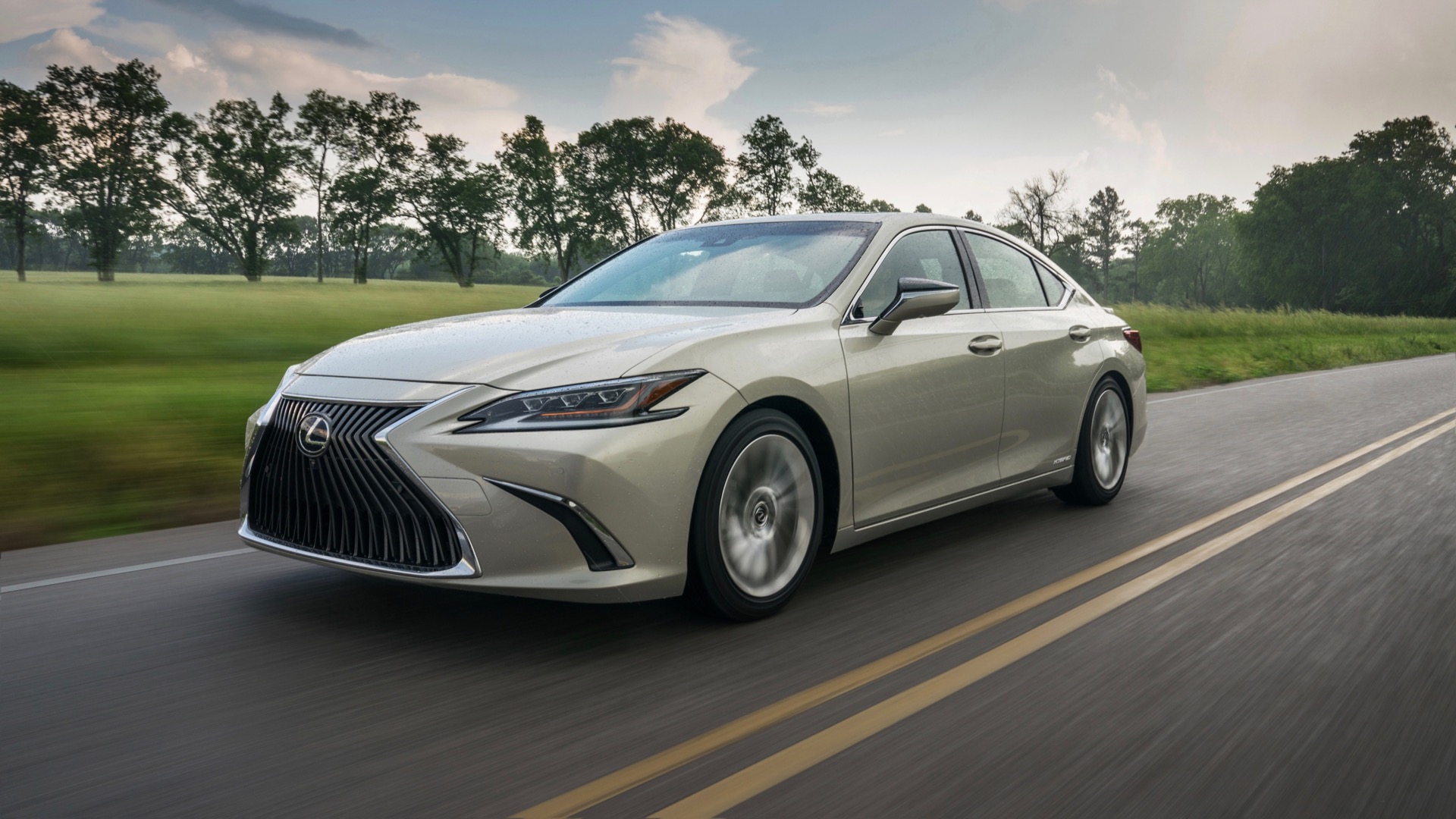
Lexus ES
The Lexus ES is a luxury sedan that combines comfort and refinement with remarkable mechanical dependability. Its engines are engineered for smooth, consistent starts, reflecting Lexus’s focus on quality and longevity. Owners frequently report that their ES vehicles start without hesitation, even after long periods of inactivity or in extreme weather conditions.
This reliability is achieved through careful design of the starter motor, ignition system, and fuel delivery components, which work together to ensure consistent performance. For drivers who prioritize stress-free mornings and dependable performance, the Lexus ES consistently delivers.
Routine maintenance is simplified by the ES’s thoughtful design and extensive network of service centers. Oil changes, spark plug replacements, and battery inspections are straightforward, helping ensure that minor issues do not compromise starting reliability.
Lexus’s attention to detail and commitment to quality allow drivers to maintain peak performance without excessive effort or cost. This ease of maintenance reinforces the vehicle’s dependable nature, providing reassurance to drivers who value consistent performance.
Electronic systems in the Lexus ES are advanced but carefully managed, ensuring that they do not interfere with core mechanical functions. Infotainment, safety sensors, and other electronics are isolated from critical systems, so dashboard alerts are typically meaningful and relevant to maintenance needs rather than random or unexplained.
This separation allows drivers to rely on the car to start consistently, combining luxury features with practical reliability. For anyone seeking a dependable, refined vehicle, the Lexus ES offers both comfort and the assurance of a vehicle that starts every morning without hesitation.
Five Cars With Random Warnings

BMW 3 Series
The BMW 3 Series is widely praised for its driving dynamics, luxurious interiors, and sleek design, yet it is also notorious for generating random warning lights that can puzzle owners. Even when the vehicle is functioning perfectly, dashboard alerts can appear unexpectedly, creating confusion and anxiety.
Owners frequently report warnings related to brakes, engine components, or tire pressure, which may not correspond to any actual issue. This can be frustrating for drivers who rely on visual indicators to ensure safe operation.
The underlying causes are often linked to complex electronics and software systems, which continuously monitor multiple sensors and components. In some cases, a temporary glitch or miscommunication between systems can trigger an alert, making it difficult to determine whether immediate action is required or if the warning is simply a false alarm.
Maintenance habits and environmental factors can exacerbate the frequency of warnings. Cold weather, moisture, or even short trips can trigger alerts that are unrelated to genuine mechanical issues. For example, a simple temperature fluctuation might lead to a warning for engine components or battery performance.
The need to differentiate between real problems and false alarms can add stress to the driving experience, requiring drivers to develop a level of familiarity with the vehicle’s behavior.
Some owners report that after a few years, these warnings become an accepted part of ownership, though they still create occasional inconvenience and uncertainty.
Despite these challenges, the BMW 3 Series remains a desirable car for many drivers due to its performance, comfort, and handling. Owners who choose this vehicle often accept the occasional random warning as part of the trade-off for driving a highly engineered machine.
The combination of electronic complexity, advanced sensors, and highly integrated systems makes it a vehicle that demands attention to detail, both in maintenance and daily operation.
For drivers prepared for occasional alerts, the BMW 3 Series continues to offer an engaging and rewarding driving experience, even if its dashboard sometimes seems to speak in riddles.
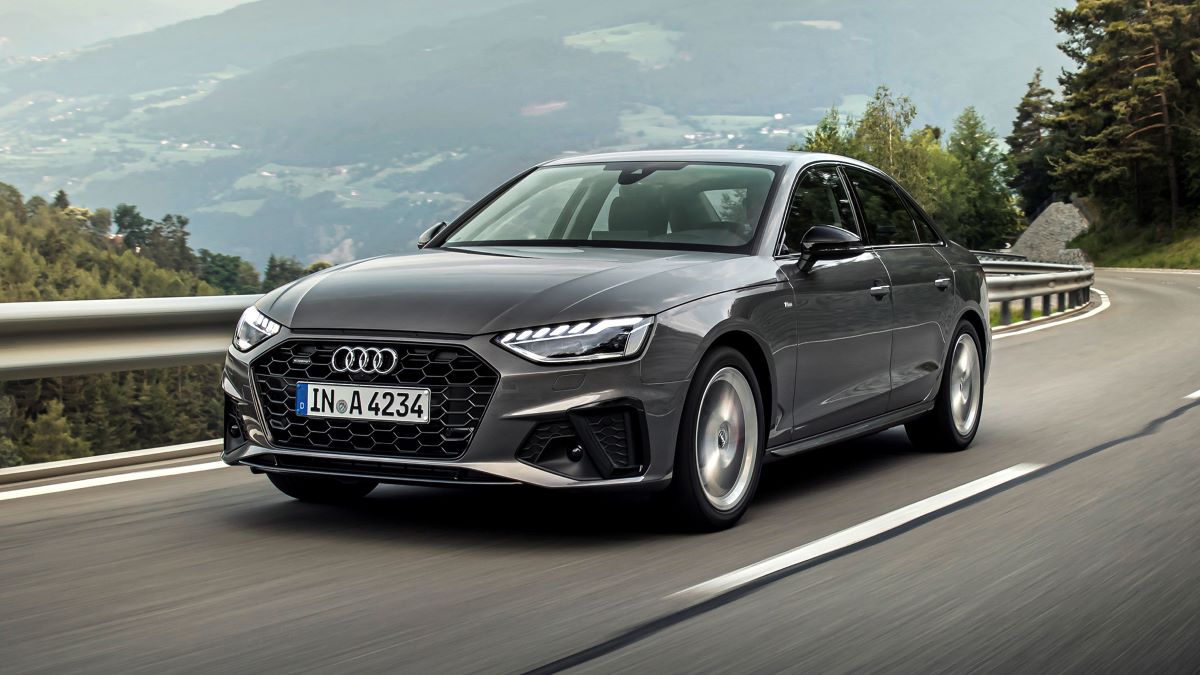
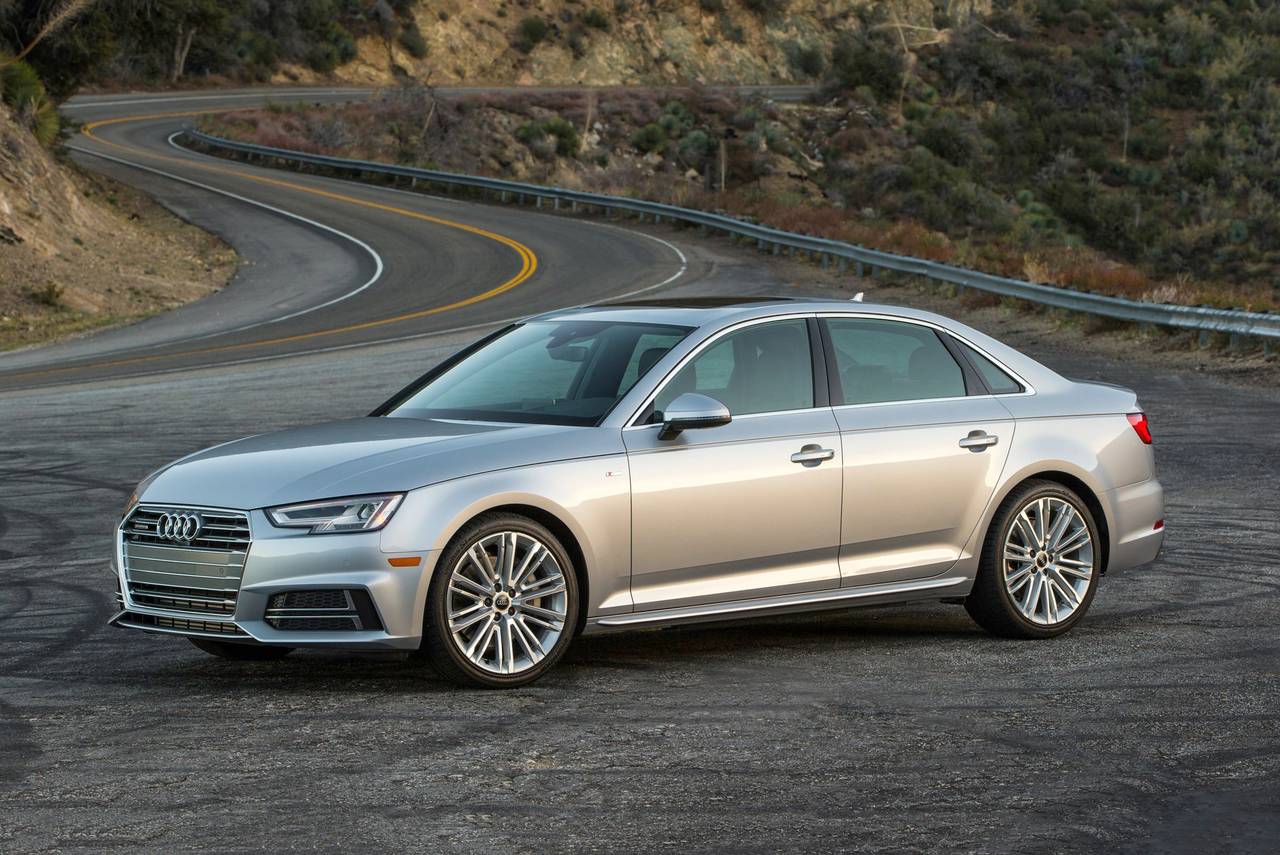
Audi A4
The Audi A4, similar to its BMW counterpart, is a finely tuned luxury vehicle known for smooth performance, refined interiors, and advanced technology, yet it also tends to display random warning messages. These alerts can appear unexpectedly, often without any immediate or noticeable problem.
Drivers may see notifications related to the braking system, engine performance, or even oil levels, despite recent maintenance. The root of this phenomenon is largely tied to the sophistication of Audi’s monitoring systems, which are designed to detect potential issues early.
While this proactive approach can prevent serious failures, it also results in warnings that may not correspond to actual mechanical problems.
Environmental conditions often contribute to the appearance of random alerts. Moisture, extreme temperatures, and road conditions can affect sensor performance, causing the vehicle to detect problems that do not exist.
A tire pressure monitoring system might trigger a warning during cold mornings, or a stability control alert might appear when driving on uneven surfaces.
While these warnings are designed to enhance safety, they can also lead to unnecessary concern or service visits if the driver is uncertain about the system’s reliability. Audi owners frequently learn to recognize patterns in the alerts, understanding which warnings require immediate attention and which are likely benign.
Despite the occasional inconvenience of random warnings, the Audi A4 remains a highly sought-after vehicle due to its handling, comfort, and build quality. Owners often accept the trade-off of occasional alerts in exchange for a vehicle that excels in performance and luxury.
Understanding the nature of these warnings and how to respond appropriately is a key part of ownership. For those who enjoy technology-driven driving experiences and are prepared to manage the quirks of sophisticated systems, the Audi A4 continues to provide a reliable and enjoyable ride, even when its dashboard occasionally signals caution without cause.

Mercedes-Benz C-Class
The Mercedes-Benz C-Class combines luxury, engineering excellence, and advanced safety features, yet it is also known for sporadic warning lights that can confuse owners. These alerts can range from minor maintenance reminders to engine and electronic system warnings that do not reflect any actual malfunction.
The root cause often lies in the complexity of Mercedes’ integrated systems, which continuously monitor mechanical and electronic components.
While these systems are designed to ensure safety and prevent major failures, they can sometimes interpret minor deviations as critical problems. This results in warnings that appear randomly, often when the vehicle is otherwise performing normally.
Environmental factors further complicate the reliability of warning indicators. Cold weather, moisture, and irregular road conditions can temporarily affect sensor readings, producing alerts that are unrelated to the actual performance of the vehicle.
A battery or brake system warning might appear after a short drive, or an engine alert might occur during a minor fluctuation in voltage.
These warnings, while precautionary, can cause unnecessary stress and lead to service visits that may not be required. Mercedes owners frequently adapt by learning the patterns of their vehicle’s behavior, developing an understanding of which alerts require attention and which are likely inconsequential.
Despite these random warnings, the C-Class remains a top choice for those who value comfort, engineering quality, and advanced features. The occasional alert is often accepted as part of the ownership experience, especially when weighed against the benefits of a sophisticated, high-performance vehicle.
Understanding the limitations of sensor-based monitoring and approaching dashboard warnings with a measured perspective allows owners to maintain confidence in their car’s reliability. The C-Class continues to deliver a luxurious, enjoyable driving experience, even when its electronics sometimes signal caution without cause.
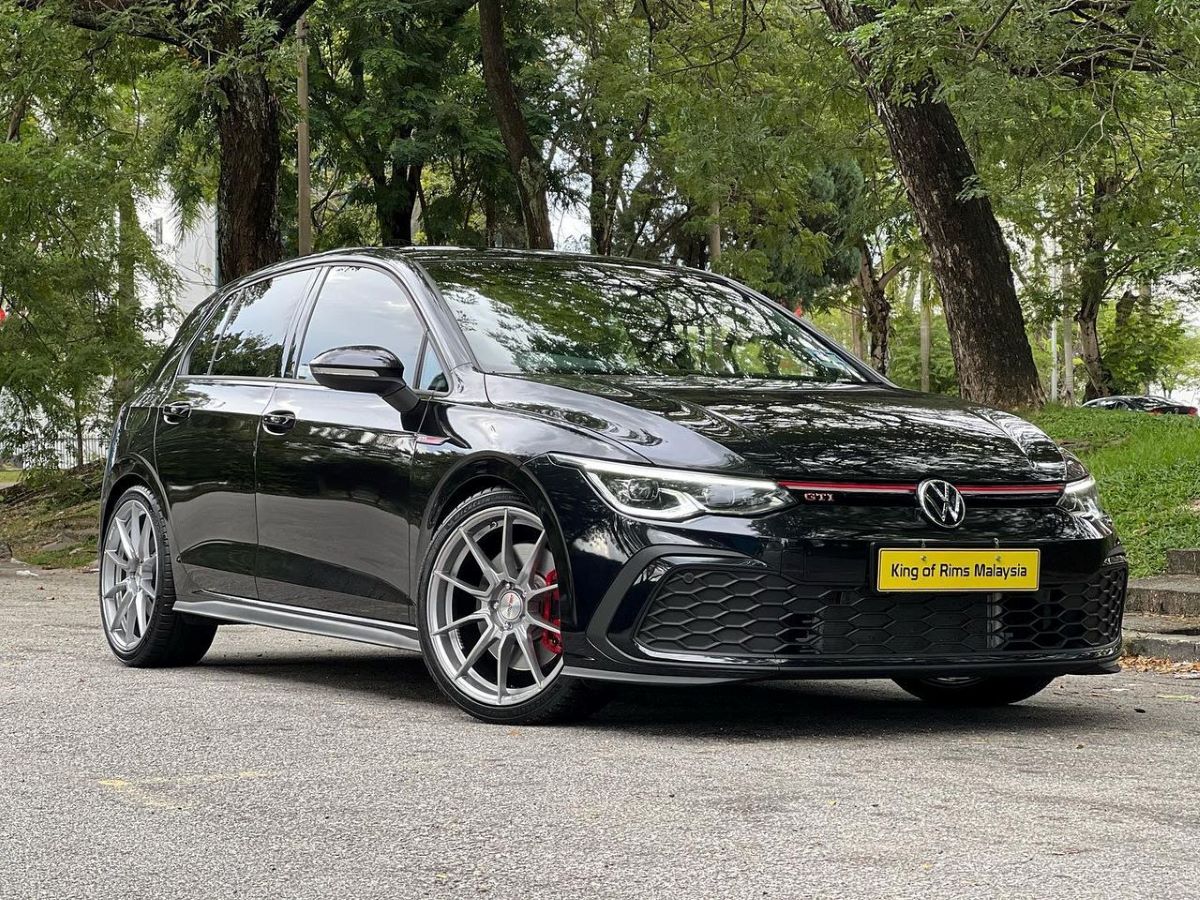
Volkswagen Golf
The Volkswagen Golf is renowned for its practicality, performance, and compact versatility, yet it is also prone to displaying seemingly random warnings that can frustrate drivers. These alerts often relate to engine diagnostics, electronic systems, or tire pressure, appearing unexpectedly even after routine maintenance.
The Golf’s reputation for electronic quirks stems from the complexity of its onboard monitoring systems, which continuously evaluate multiple components. While these systems are intended to alert drivers to potential issues early, they can occasionally create false alarms, giving the impression of a mechanical problem when none exists.
Environmental influences can exacerbate the appearance of random warnings. Temperature changes, moisture, and road conditions may temporarily affect sensors, prompting unnecessary alerts. A cold morning may activate a tire pressure warning, or a brief fluctuation in engine performance may trigger an engine alert.
Drivers quickly learn to differentiate between critical warnings and minor false positives, although this requires experience and familiarity with the vehicle’s quirks. Volkswagen owners often develop strategies for responding appropriately, balancing caution with practicality.
Despite the occasional inconvenience of random warnings, the Volkswagen Golf remains a reliable and widely loved vehicle for daily driving. Its balance of performance, fuel efficiency, and practicality often outweighs the minor annoyance of dashboard alerts.
Understanding the nature of these warnings, maintaining regular service, and monitoring sensor behavior helps owners manage the quirks of the Golf without sacrificing confidence in its reliability. For drivers seeking a versatile compact car, the Golf continues to provide dependable performance even if the dashboard occasionally raises unnecessary alarms.
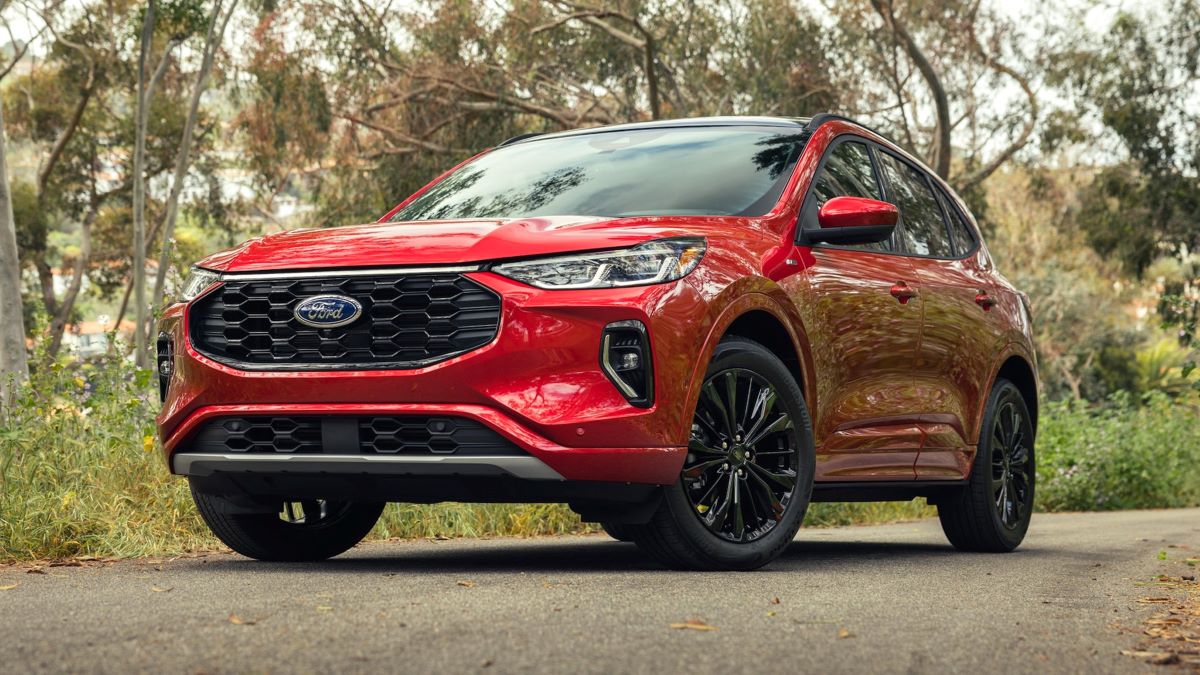
Ford Escape
The Ford Escape is a popular compact SUV, appreciated for its versatility, space, and user-friendly technology, yet it is also known to display random warnings that may puzzle drivers. Alerts can range from engine and transmission warnings to notifications from advanced driver-assistance systems, often appearing without any tangible mechanical issue.
This unpredictability is tied to the vehicle’s sophisticated electronics, which monitor numerous components simultaneously to optimize performance and safety. While these systems are intended to prevent major problems, they sometimes produce alerts that do not reflect a true malfunction, leaving drivers uncertain about whether immediate action is necessary.
Despite the inconvenience of sporadic warnings, the Ford Escape remains a reliable and practical choice for many drivers. Its combination of interior space, fuel efficiency, and daily usability outweighs the occasional dashboard alert.
By understanding the nature of these warnings and how to interpret them, drivers can confidently use the Escape without undue concern. The vehicle’s reliability and versatility make it a popular choice, even if the dashboard occasionally issues alerts that require careful interpretation rather than immediate intervention.
