

Cars are more than just machines to get from one place to another. For a mechanic, a car is a puzzle of engineering, design, and maintenance potential.
Over time, they learn which vehicles are reliable, easy to maintain, and durable under the stress of daily driving, and which ones are notorious for constant trips to the garage, costly repairs, or baffling engineering decisions.
Every car has its personality, shaped by the materials used, the engine design, and even the choices made in assembly lines years ago. For some, every routine service is smooth, every replacement part fits perfectly, and repairs are straightforward, making these vehicles a source of quiet admiration in a mechanic’s shop.
For others, every week seems to bring a new surprise, whether it is an electrical gremlin, a transmission that fails prematurely, or a body component that seems designed to complicate even the simplest of repairs.
Mechanics often praise vehicles that are built with accessibility in mind, utilizing durable and well-tested components, and incorporating designs that minimize unnecessary complications. These cars allow them to perform their work efficiently, ensuring safety, reliability, and longevity for the owners.
On the other hand, certain models or brands earn the side-eye for their recurring issues, overly complex electronics, or fragile parts that seem to fail under the slightest stress. These are the cars that make routine maintenance an ordeal and often test both patience and skill.
The distinction between praised and side-eyed cars is rarely about luxury or price. Expensive cars can be mechanical nightmares, while affordable vehicles sometimes win admiration for their simplicity and resilience.
It is a combination of engineering thoughtfulness, real-world durability, and serviceability that determines where a car lands on a mechanic’s list.
The balance between performance, design, and maintainability plays a significant role in this evaluation. Cars praised by mechanics are often those that strike this balance well, offering robust engines, dependable transmissions, and a structure that stands the test of time.
They tend to be cars that drivers can rely on without frequent trips to the garage, and mechanics appreciate the opportunity to work on vehicles that allow them to apply skill rather than troubleshoot endless quirks.
Side-eyed cars, conversely, often challenge mechanics with designs that prioritize flashy features over practical engineering, resulting in recurring failures and frustration during repairs.
For drivers, understanding this perspective can be invaluable. Choosing a car with the nod of approval from experienced mechanics can save money, time, and stress, while avoiding side-eyed vehicles may prevent headaches down the line.
This article examines five vehicles mechanics typically praise and five they side-eye. It highlights what makes certain models reliable and others problematic, focusing on construction quality, mechanical simplicity or complexity, durability, and serviceability.
While opinions may vary, these lists reflect long-standing trends observed by professionals who work daily with a wide range of automobiles. Understanding their perspective offers a unique glimpse into how mechanics view the cars they fix, showing what traits encourage confidence and what triggers caution.
For anyone buying a car or maintaining one they already own, these insights are a practical guide, offering real-world advice shaped by experience rather than marketing.
Cars Your Mechanic Praises
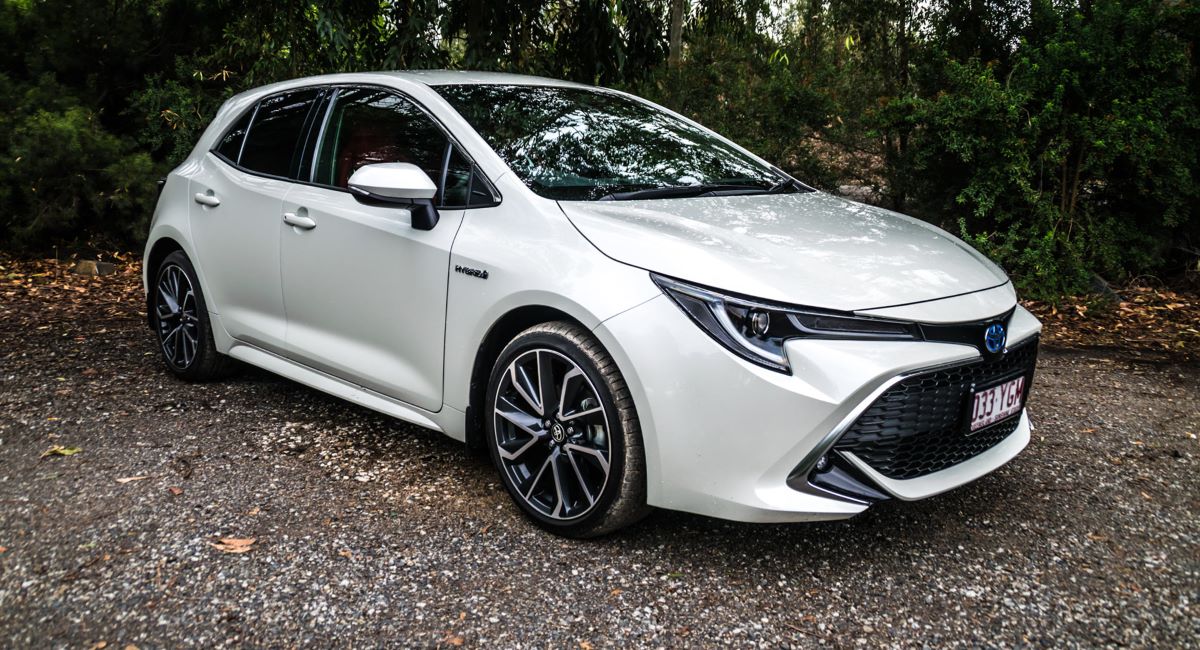
1. Toyota Corolla
The Toyota Corolla has built a reputation as one of the most reliable compact cars on the market. Mechanics admire it for its simple yet robust engine design, which rarely requires major repairs even after years of use.
Unlike some modern vehicles that rely heavily on complex electronics, the Corolla keeps the engine, transmission, and suspension systems straightforward, making diagnostics more predictable.
Its reliability is a product of decades of engineering refinement, which means that mechanics are familiar with how each component behaves, making repairs and routine maintenance significantly easier.
Because the engine is durable and not overly sensitive to minor maintenance lapses, owners are less likely to experience catastrophic failures, which in turn keeps repair bills manageable and predictable.
Corolla’s consistency over the years also plays a role in why mechanics respect the car. Each generation has retained mechanical elements that are proven to last, such as the timing chain design, simple fuel injection systems, and resilient cooling components.
This continuity allows mechanics to apply knowledge gained from older models when servicing newer ones, shortening troubleshooting times and reducing the likelihood of mistakes. Suspension components and braking systems are built to wear gradually, meaning replacements occur predictably and rarely surprise mechanics with early failures.
Additionally, the Corolla’s engineering is designed to minimize stress on parts, creating an environment where daily driving does not accelerate wear beyond expectations.
Another factor that contributes to the Corolla’s positive reputation is the longevity of its drivetrain. Engines and transmissions are designed to withstand hundreds of thousands of miles when properly maintained, which is a major reason mechanics praise the model.
Transmission systems, whether manual or automatic, tend to operate without requiring frequent fluid changes or major repairs, unlike more complicated systems in other vehicles.
Mechanics also appreciate that timing belt or chain replacements are predictable and relatively easy to perform, with components that are widely available and standardized across multiple model years.
This allows maintenance to be completed efficiently without surprises, which is rare in modern vehicles that often hide critical components behind layers of design.
Finally, the Corolla’s maintenance schedule is straightforward and manageable for both owners and mechanics. Routine services such as oil changes, brake replacements, spark plug adjustments, and timing chain inspections are simple to perform, with parts that are widely available and affordable.
Mechanics value cars where preventative care reduces the likelihood of expensive repairs rather than being forced to constantly address design flaws or weak components. Even with older models, service manuals are clear and replacement procedures are well-documented, which speeds up maintenance and reduces frustration.
For these reasons, the Toyota Corolla has earned a reputation as a reliable, cost-effective vehicle that owners and mechanics alike can trust.
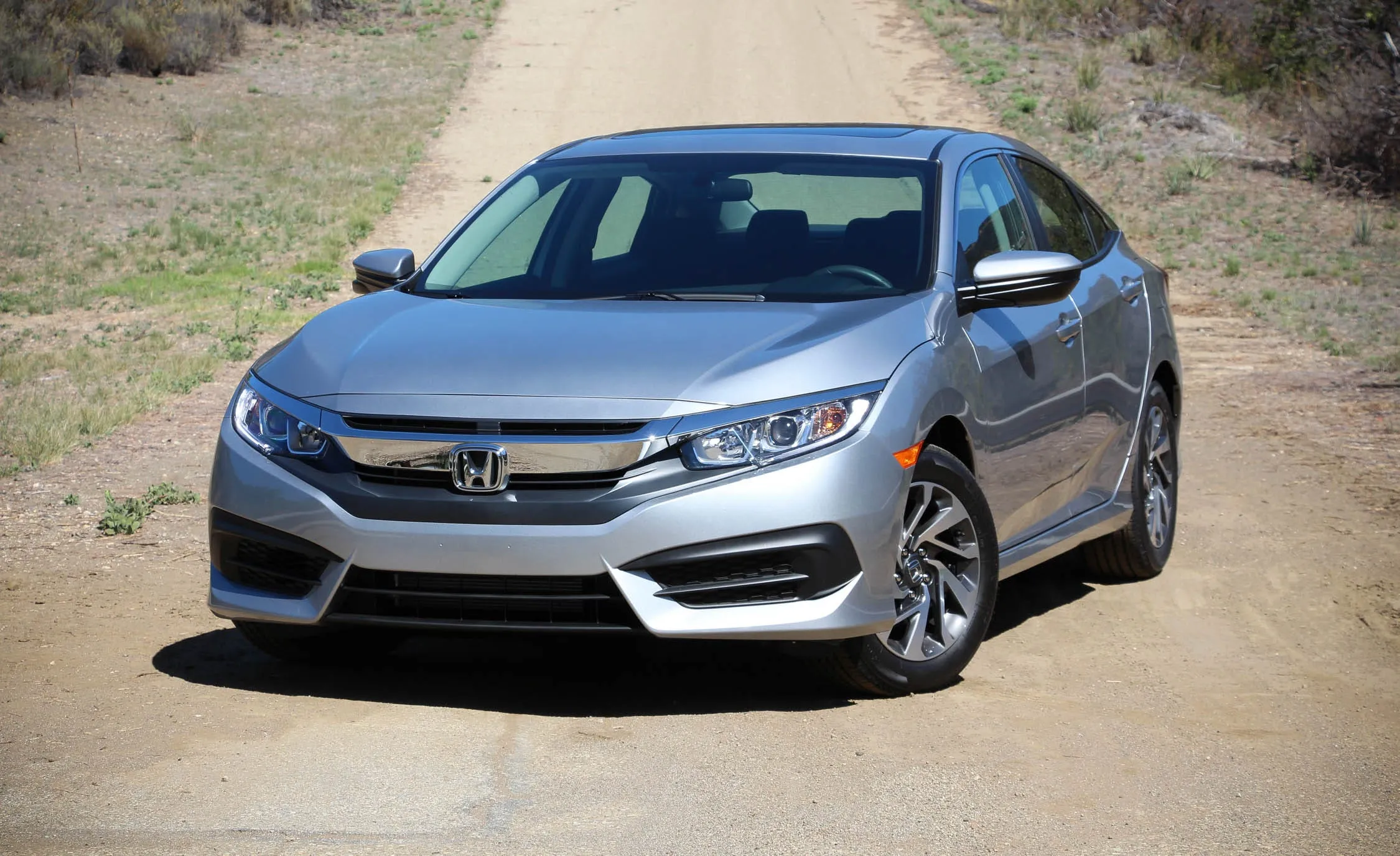
2. Honda Civic
The Honda Civic has earned a reputation over decades as a reliable, fuel-efficient, and mechanically straightforward vehicle, making it a favorite among mechanics. Its engine design, whether naturally aspirated or turbocharged, emphasizes durability and predictability.
Unlike some vehicles that incorporate overly complex electronics or poorly designed components, the Civic is engineered so that many repairs can be performed with standard tools and basic mechanical knowledge. This design philosophy allows mechanics to work efficiently, troubleshoot accurately, and keep repair costs relatively low for owners.
In addition, the Civic’s simple systems reduce the likelihood of unexpected failures, which makes it easier for mechanics to manage regular maintenance schedules and maintain customer trust.
Build quality is another reason the Civic is praised. Suspension components, braking systems, and chassis parts are engineered to last for long periods without requiring constant attention. Even when the car is used in urban conditions or driven aggressively, components wear predictably rather than failing suddenly.
Mechanics especially appreciate the even wear of brake pads and tires, which prevents uneven stress on other systems. Electrical systems, such as lighting and sensors, are generally straightforward and reliable, which contrasts with the frustrating hidden faults that some modern vehicles present.
The combination of mechanical consistency and accessible design ensures that repairs can be performed efficiently, keeping the vehicle in top condition over time.
The availability of parts for the Civic also plays a critical role in its positive reputation. Almost every component is widely sourced, cost-effective, and standardized across multiple model years. This includes everything from brake components and suspension parts to engine accessories and electrical fixtures.
Mechanics frequently remark that this reduces delays in repairs and allows for more accurate cost estimates, which benefits both the shop and the owner. Being able to source parts quickly also minimizes the time vehicles spend in the garage, allowing mechanics to serve more customers and prevent extended vehicle downtime.
Fuel efficiency and engine longevity further enhance the Civic’s appeal. Owners often report that their Civics can exceed 200,000 miles with basic maintenance, which mechanics view as a sign of thoughtful engineering.
Vehicles that combine low maintenance costs, dependable performance, and simple mechanical systems are ideal for mechanics, who must often balance labor efficiency with quality repairs. Civics exemplify this balance, offering reliable daily performance without excessive complications or recurring failures.
This is why many mechanics consider the Honda Civic one of the best vehicles in its class for reliability, cost-effectiveness, and owner satisfaction.
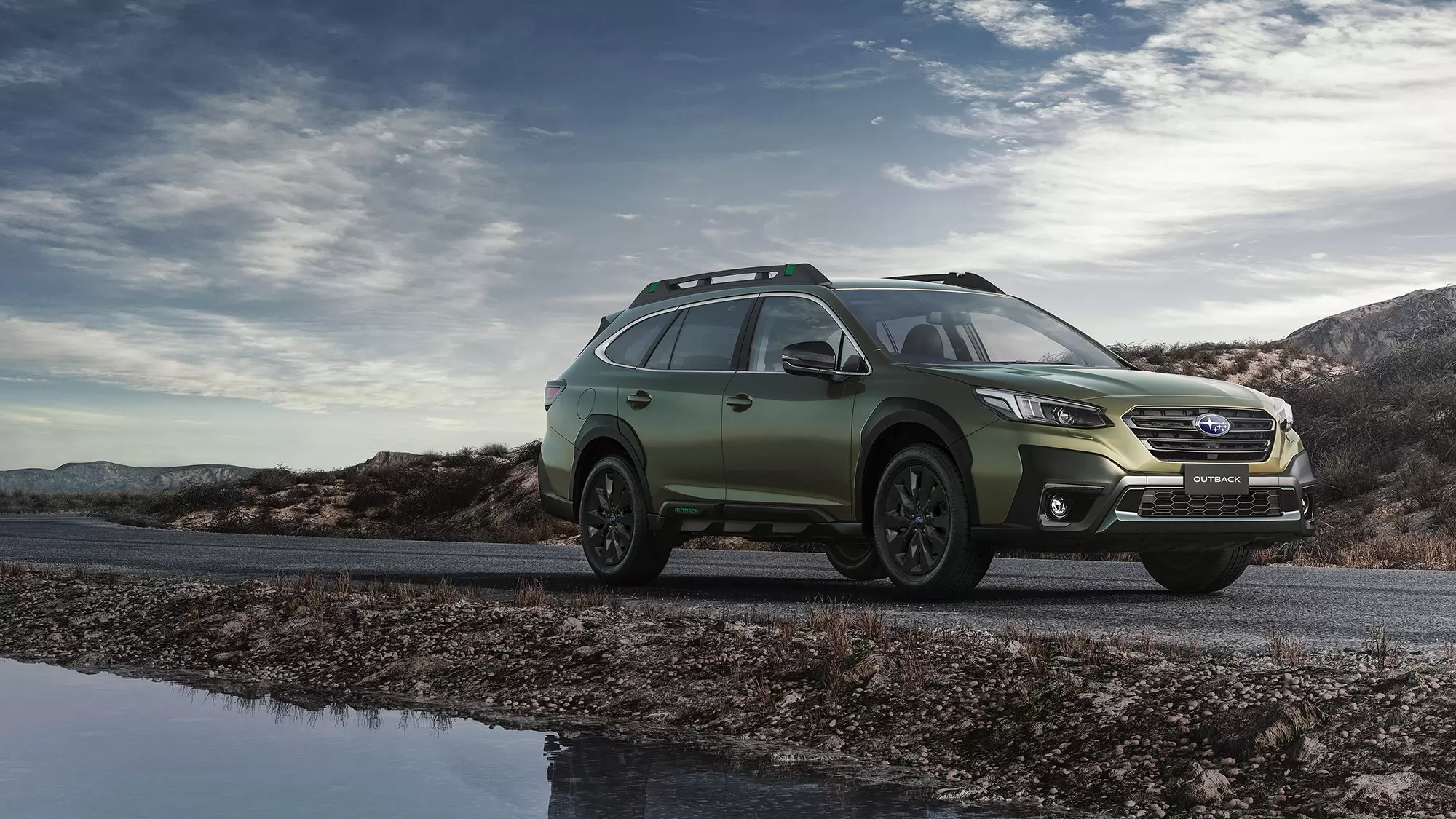
3. Subaru Outback
The Subaru Outback is frequently praised by mechanics for its rugged engineering and all-wheel-drive capabilities. While it may have slightly more complex systems than a Corolla or Civic, its components are robust and designed to endure stress from varied driving conditions.
Mechanics especially appreciate the vehicle’s drivetrain, which incorporates symmetrical all-wheel drive to distribute weight evenly and maintain stability in challenging conditions like snow, rain, or rough terrain.
This design minimizes uneven wear on tires, brakes, and suspension components, reducing the likelihood of unexpected failures. For mechanics, a car that can endure environmental stress without constant service calls is a valuable asset in their shop.
Subarus commonly use boxer engines, which have a unique layout that lowers the center of gravity and reduces stress on certain components. Although these engines require proper maintenance to prevent premature wear, mechanics value the balance and stability that the design provides.
Components like timing belts, water pumps, and suspension parts are accessible for service, and replacements are relatively straightforward. Mechanics appreciate that major components are designed with serviceability in mind, meaning repairs can be performed efficiently without specialized tools or excessive labor.
The Outback’s build quality also extends to its chassis and body structure. The vehicle is frequently used in off-road or heavy-duty situations, yet rust and structural degradation are less common than in other vehicles of similar age. Mechanics see this as evidence of thoughtful engineering, prioritizing safety and durability.
Even after years of use, key structural components remain reliable, which reduces repair frequency and prevents hidden failures that can otherwise complicate vehicle maintenance.
Routine maintenance is predictable, despite the slightly more complex all-wheel-drive system. Oil changes, timing belt replacements, and suspension inspections are clearly documented, allowing mechanics to plan service efficiently.
For drivers who need a combination of reliability, versatility, and durability, the Outback earns consistent praise in garages. Its blend of robust engineering, serviceability, and durability demonstrates why mechanics hold it in high regard compared to other SUVs in its class.
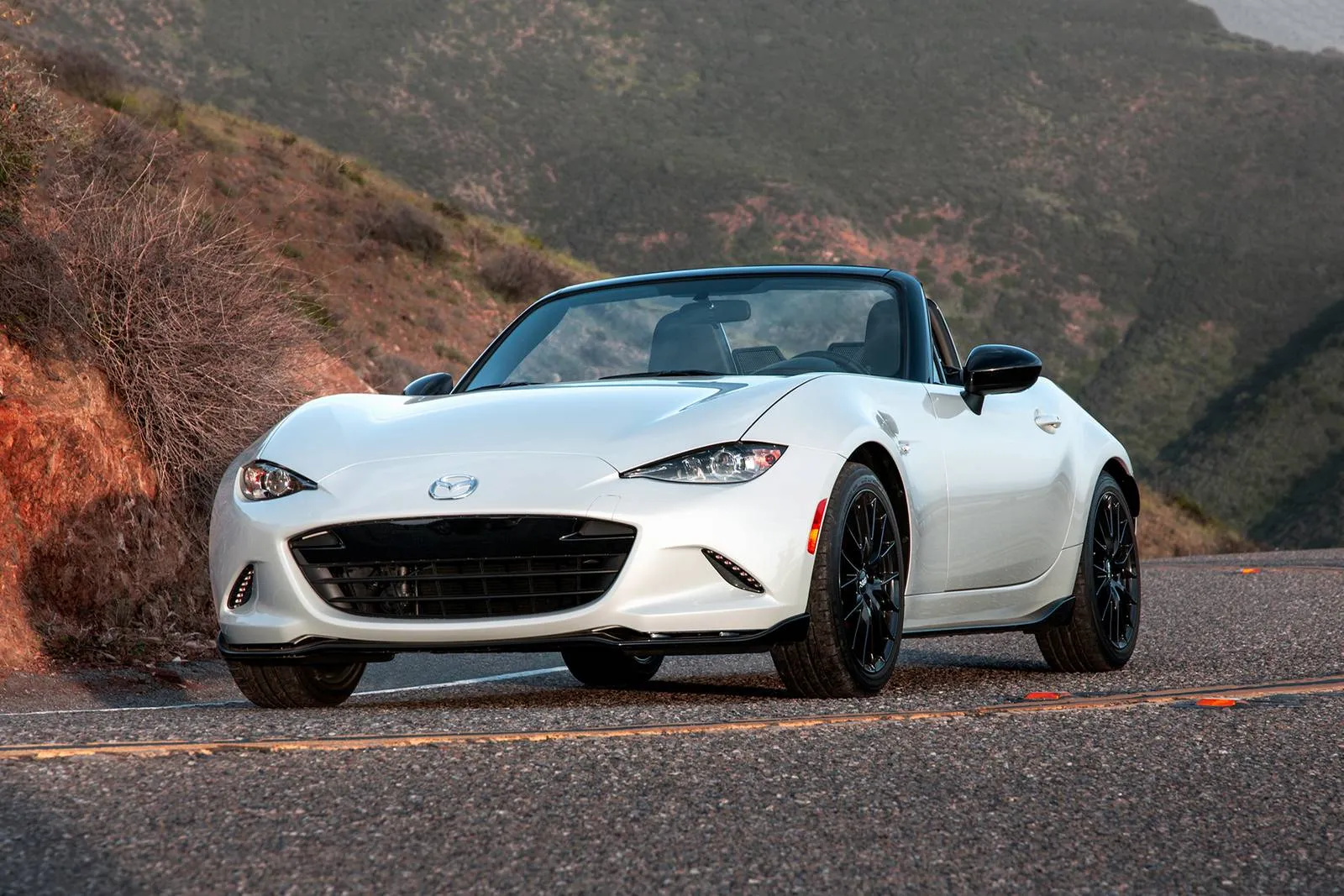
4. Mazda MX-5 Miata
Mechanics celebrate the Mazda MX-5 Miata for its straightforward, lightweight design and reliable engineering. Unlike many modern sports cars, which rely on intricate electronics and complicated assemblies, the Miata emphasizes mechanical simplicity.
This makes the car a pleasure to service, as most components are accessible and repairs are predictable. Mechanics value vehicles that allow them to apply skill efficiently rather than spending hours diagnosing complex, opaque systems. The Miata embodies this principle, combining fun driving dynamics with practical engineering.
The engine and transmission are particularly admired for their durability. The naturally aspirated engines, while small, are high-revving and robust, designed to handle spirited driving without frequent failures. Replacement parts are widely available and cost-effective, which reduces maintenance expenses for owners.
The transmission is also known for its reliability, with manual gearboxes being especially favored for their mechanical simplicity and longevity. Mechanics appreciate the ease with which they can service these components, compared to sports cars with tightly packed or electronically controlled powertrains.
The MX-5’s modular design further enhances its mechanic-friendly reputation. Suspension components, brakes, and engine parts are designed for easy access, reducing labor time and minimizing the chance of damage during repairs.
Even when a major component needs replacement, the process is straightforward and well-documented, allowing mechanics to work efficiently. This predictability and accessibility make the Miata a satisfying vehicle to maintain, where skill rather than frustration determines the quality of repairs.
Finally, the Miata’s culture of maintenance aligns well with mechanic preferences. Owners who keep up with routine oil changes, brake servicing, and timing adjustments rarely encounter major mechanical problems.
This consistency creates a positive feedback loop: mechanics spend less time addressing unforeseen failures, while owners enjoy a reliable, high-performance vehicle. The combination of reliability, simplicity, and performance ensures that the MX-5 Miata remains a mechanic favorite among sports cars.
5. Ford F-150
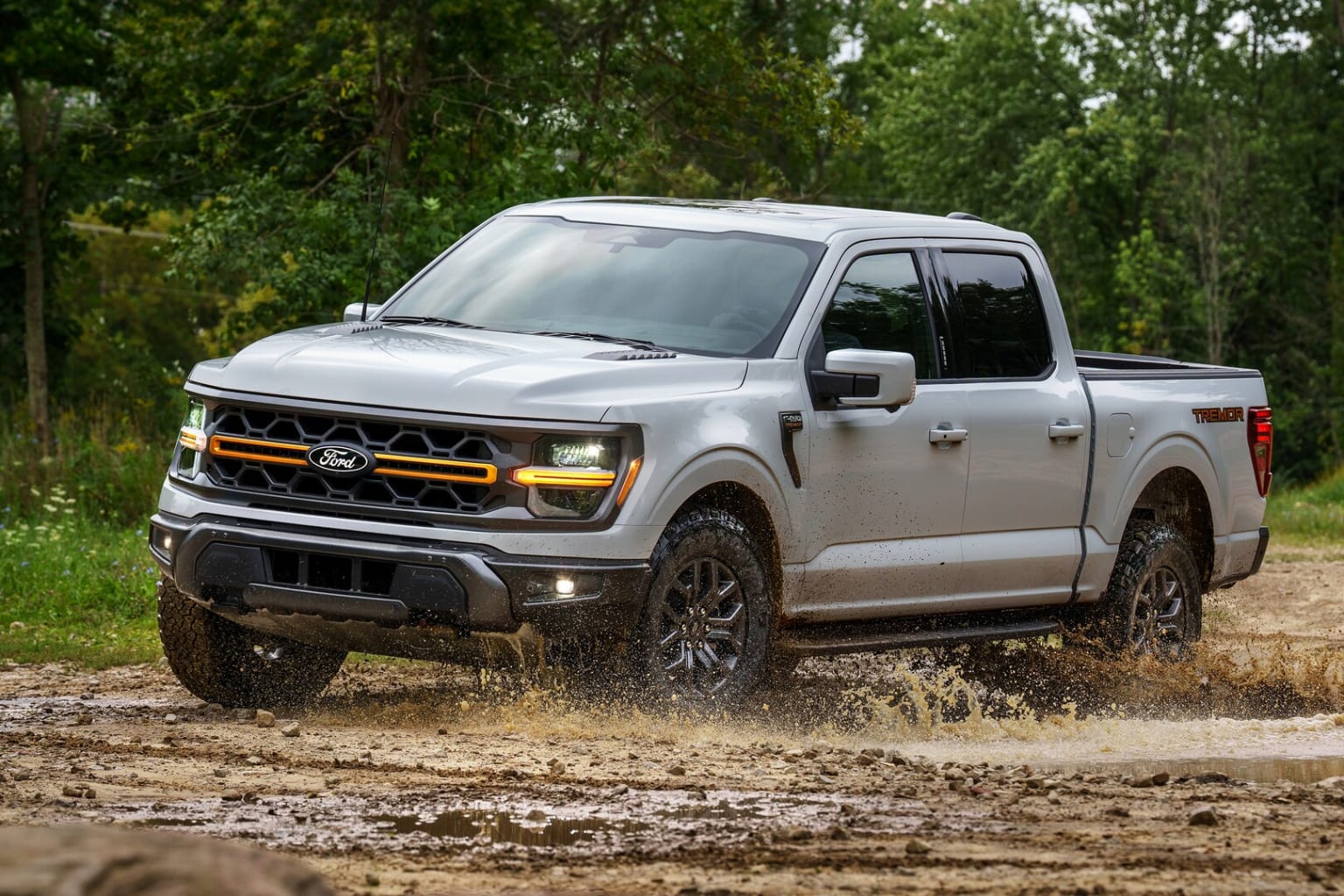
The Ford F-150 is highly praised by mechanics for its durability, straightforward engineering, and robust construction. Designed as a workhorse, the F-150 is built to handle demanding workloads while remaining reliable for everyday driving.
Its engines and drivetrains are engineered for longevity, which allows mechanics to confidently service these components without anticipating frequent failures. The availability of standard engines and transmissions across multiple model years adds to the appeal, making repairs more predictable and reducing complications in the shop.
Serviceability is a major advantage of the F-150. Components like brakes, drivetrains, and electrical systems are designed with accessibility in mind. Routine maintenance tasks, such as fluid changes, suspension adjustments, or brake replacements, can be performed without dismantling multiple unrelated systems.
This efficiency is rare in modern trucks, which often combine compact engine bays and complex electronics, making the F-150 a joy to work on for professionals.
Finally, the F-150’s long track record of reliability makes it a vehicle that mechanics feel confident recommending. Owners experience fewer unexpected failures, and routine maintenance is straightforward and predictable.
This combination of strength, serviceability, and consistent performance places the F-150 at the top of mechanic-approved vehicles. For drivers seeking a dependable truck, the F-150 delivers both practical functionality and peace of mind, which explains its enduring popularity in repair shops.
Cars Your Mechanic Side-Eyes
1. Jeep Wrangler
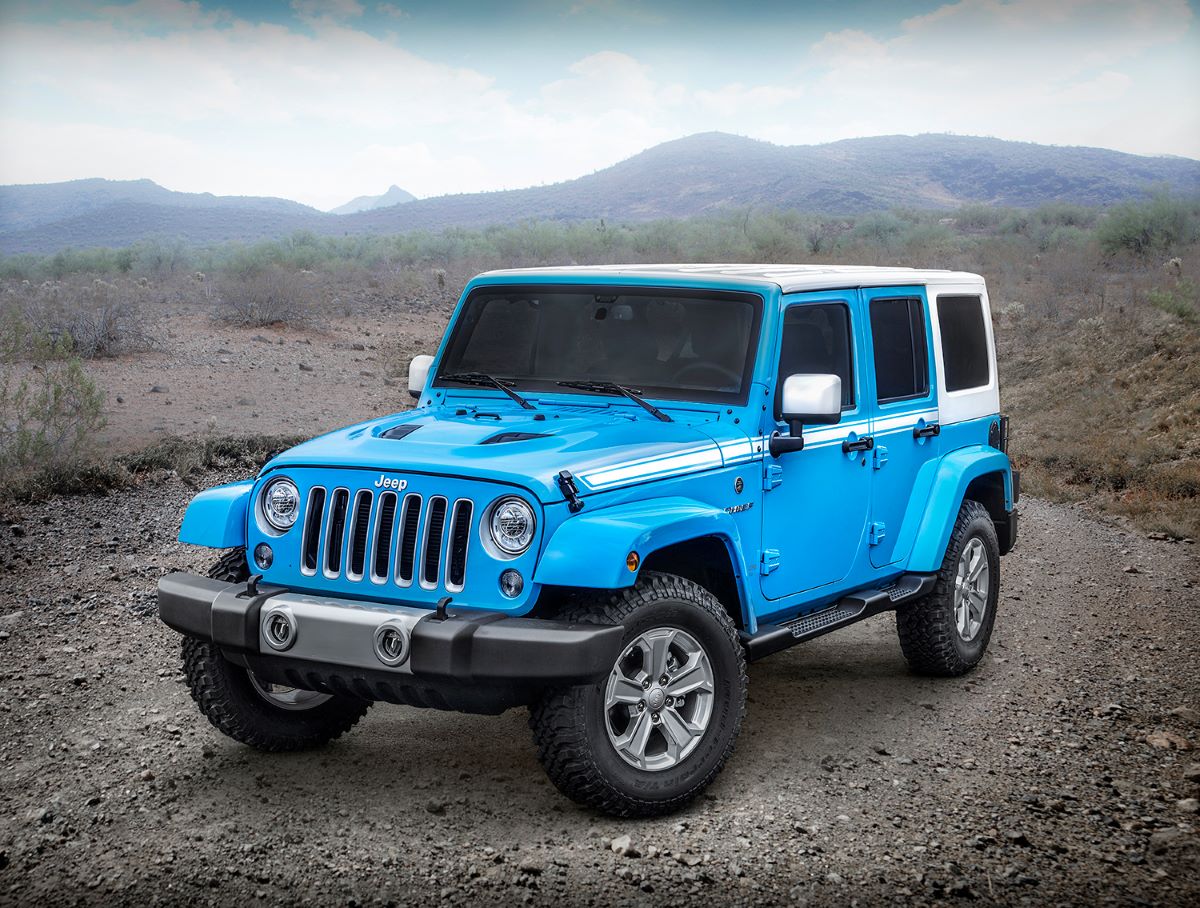
The Jeep Wrangler is known for its off-road capabilities, but mechanics often approach it with caution because its rugged design comes with frequent maintenance challenges. While the Wrangler can tackle rough terrain and heavy-duty trails, the vehicle’s suspension and drivetrain components are prone to wear faster than those of more road-oriented SUVs.
Mechanics often see issues like worn bushings, ball joints, and differential stress, especially in vehicles used regularly for off-roading.
The solid axles, while excellent for durability off-road, create additional stress on tires and suspension components, leading to uneven wear patterns that require attention. This makes routine maintenance more intensive than many drivers expect, resulting in higher costs over the vehicle’s lifespan.
The Wrangler’s fuel efficiency and engine options are also factors that earn it side-eye from mechanics. Many models are underpowered for their weight, especially when outfitted with aftermarket accessories like lift kits or oversized tires, which puts additional strain on the engine and transmission.
Over time, this can lead to overheating, premature transmission wear, and increased engine stress. Mechanics often see Wranglers brought in for issues that might have been avoided with a more balanced drivetrain design, making the vehicle less predictable and more costly to maintain.
Finally, while the Wrangler’s resale value and popularity are undeniable, mechanics caution that the vehicle requires a level of owner commitment that not all drivers are prepared for. Regular inspections of suspension components, drivetrain maintenance, and careful attention to electrical systems are necessary to avoid frequent shop visits.
Mechanics respect what the Wrangler can do, but they are also aware that its strengths come with trade-offs, particularly for those expecting the reliability and ease of maintenance associated with more mainstream SUVs.
2. Fiat 500
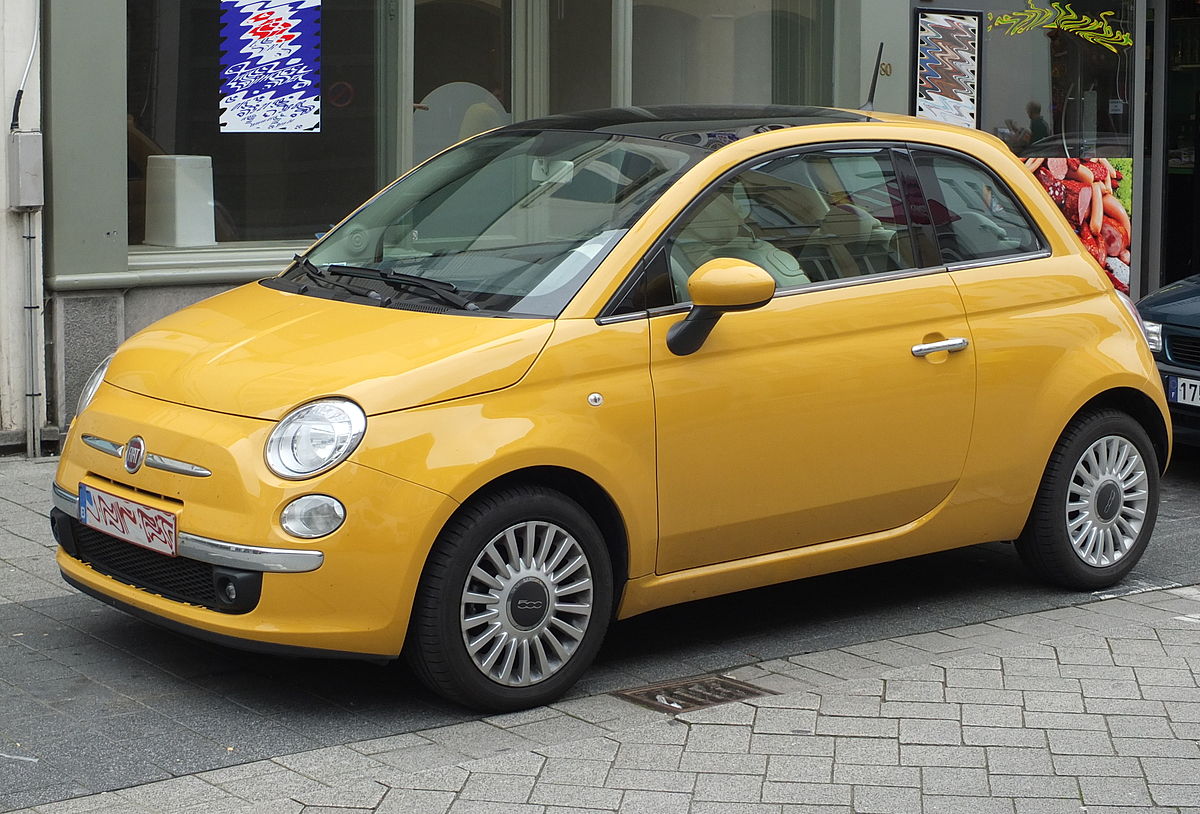
The Fiat 500 is a stylish, compact car that appeals to drivers seeking an affordable city vehicle, but mechanics often approach it with skepticism due to recurring reliability issues.
Small European vehicles like the 500 tend to prioritize design and economy over mechanical longevity, resulting in delicate components that wear out faster than expected.
Mechanics frequently encounter problems with the transmission, electrical systems, and engine components, which can make simple repairs surprisingly time-consuming and expensive.
Because the 500’s parts are less standardized than those in more mainstream vehicles, repairs often involve sourcing components from specialty suppliers, which delays service and increases costs.
The car’s suspension and braking systems also contribute to its reputation for side-eyed scrutiny. Components are often compact and tightly packaged, making them difficult to access, while the small size of the chassis can magnify stress on the suspension during normal driving.
Mechanics frequently see uneven tire wear, premature suspension failures, and noisy brakes that require early replacement. The compact design that makes the car nimble in urban settings comes at the cost of serviceability and longevity, creating frustration for both owners and mechanics alike.
Finally, while the Fiat 500 is undeniably stylish and fun to drive in the city, mechanics are wary of recommending it for long-term reliability.
Owners often encounter repeated trips to the shop for issues that could have been avoided with a more durable vehicle. The combination of small, sensitive components, difficult repairs, and inconsistent reliability earns the Fiat 500 its place among vehicles that mechanics side-eye, despite its charm and appeal to certain drivers.

3. Mini Cooper
The Mini Cooper is admired for its design and performance, but mechanics often have a more cautious opinion due to maintenance and reliability concerns. Many components are tightly packed in the engine bay, which makes even simple repairs more time-consuming and costly than on larger vehicles.
Mechanics frequently report issues with turbocharged engines, cooling systems, and transmission components, all of which can fail prematurely if maintenance schedules are not meticulously followed.
The high-performance orientation of the Mini also means that suspension components wear faster, particularly in models with sport-tuned setups, increasing both labor and parts costs.
The cost and availability of parts further contribute to the mechanic side-eye. Many replacement components are European-specific and may not be widely stocked, requiring orders from specialty suppliers.
This increases repair time and expenses, particularly for less common model years or limited editions. Mechanics know that even routine maintenance, such as brake work, suspension servicing, or timing chain adjustments, can become expensive and complicated due to the need for specialized tools and knowledge.
Finally, while the Mini Cooper provides a fun, sporty driving experience, mechanics are wary of recommending it for owners who prioritize reliability and low maintenance costs.
The car rewards careful driving and strict adherence to service schedules, but the reality of frequent, intricate repairs makes it a challenging vehicle for the average owner. For these reasons, many mechanics treat Mini Coopers with caution, acknowledging their appeal while also recognizing the trade-offs involved in maintenance and long-term reliability.
4. Land Rover Discovery
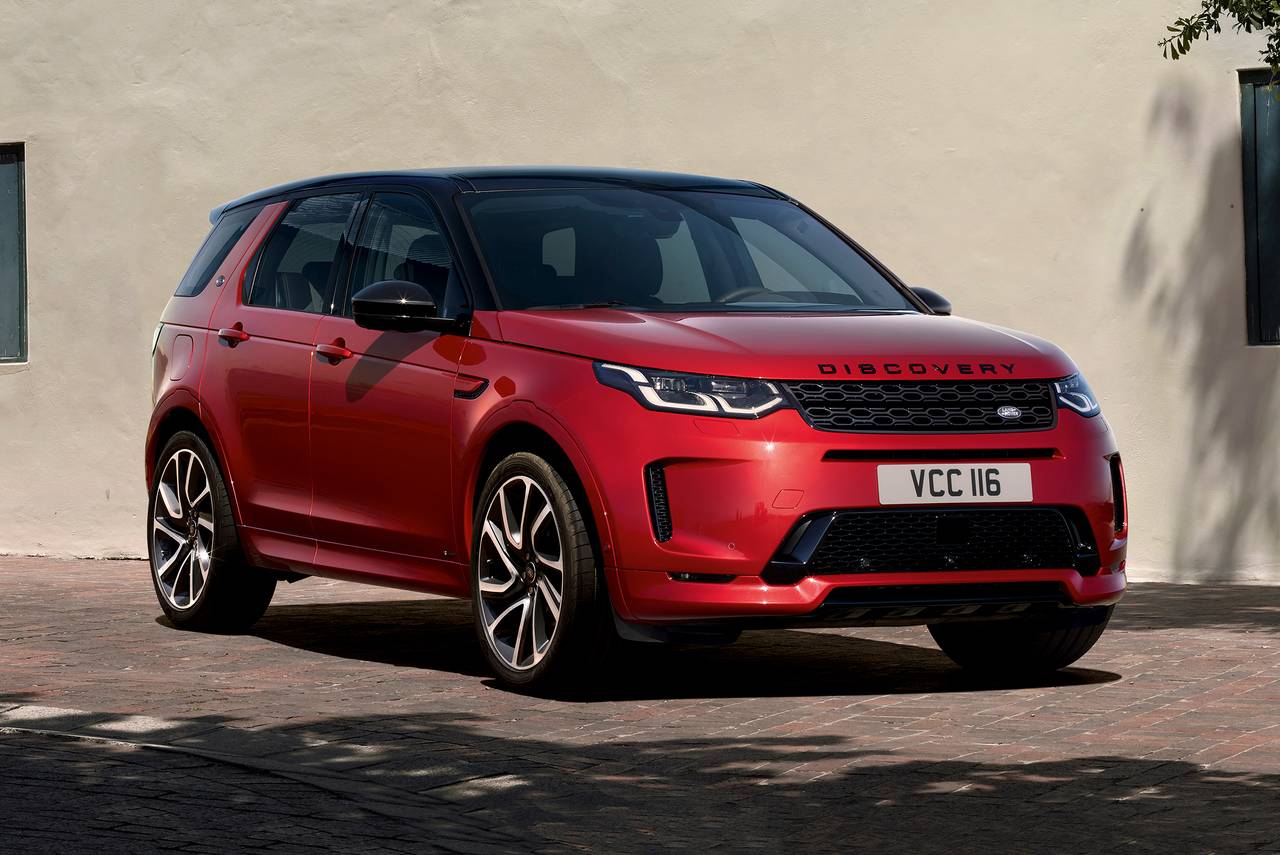
The Land Rover Discovery is synonymous with luxury off-road capability, yet mechanics often approach it with significant caution because of its well-documented reliability issues. While the vehicle excels in challenging terrains, it is notorious for problems with air suspension, electronics, and drivetrain components.
Mechanics frequently encounter failures in the air suspension system, which can be expensive to repair due to the complexity of the design and the cost of replacement parts. Even routine inspections can reveal multiple potential points of failure, making the Discovery a high-maintenance vehicle that demands attention from experienced mechanics.
Engine and drivetrain reliability is also a factor that raises concerns. While the engines are capable and powerful, they can be sensitive to maintenance lapses, and many models experience failures in cooling systems, turbochargers, or fuel injection components.
Mechanics often see vehicles brought in with early wear on transmissions or differentials, particularly in models that have been driven aggressively or used in off-road environments. The combination of delicate components, challenging repairs, and high replacement costs makes the Discovery a vehicle that mechanics often side-eye, despite its luxury appeal.
Finally, maintenance costs for the Land Rover Discovery can be intimidating for owners, which mechanics take into account when advising clients. Even routine services like brake replacements, suspension adjustments, or fluid changes can require significant labor and specialized parts.
Mechanics know that without diligent care, owners are likely to encounter repeated visits to the shop. While the Discovery is undeniably capable and prestigious, its complexity, susceptibility to expensive repairs, and high-maintenance nature make it a vehicle that mechanics approach cautiously and often advise with caution.

5. Volkswagen Passat
The Volkswagen Passat is often recognized for its European styling and solid driving dynamics, but mechanics frequently side-eye it because of recurring mechanical and electrical issues. Many Passat models, particularly those with turbocharged engines, experience problems with the timing chain, water pump, and fuel injection systems.
Mechanics report seeing early engine wear or failures, particularly when routine maintenance is overlooked or performed irregularly. Compared to simpler sedans like the Toyota Corolla or Honda Civic, the Passat requires more meticulous care and often unexpected repairs, which can frustrate both the owner and the mechanic.
Transmission and drivetrain issues are another common concern. Automatic transmissions in some model years are prone to early wear or failure, and components like clutch packs, torque converters, or valve bodies can require costly replacement.
Mechanics often spend significant time diagnosing transmission issues because the systems are tightly packed and electronically controlled. Repairs are labor-intensive and parts are often expensive, making routine maintenance more burdensome than on other mid-sized sedans.
Finally, while the Passat offers comfort and refinement, its tendency for frequent and sometimes complex repairs makes it a vehicle mechanics approach with caution.
Owners who do not adhere to strict maintenance schedules often encounter cascading issues, from engine wear to electrical gremlins, which can be costly to repair. Mechanics recognize the appeal of the Passat but often advise that its charm comes with trade-offs in reliability, serviceability, and long-term ownership costs.
