
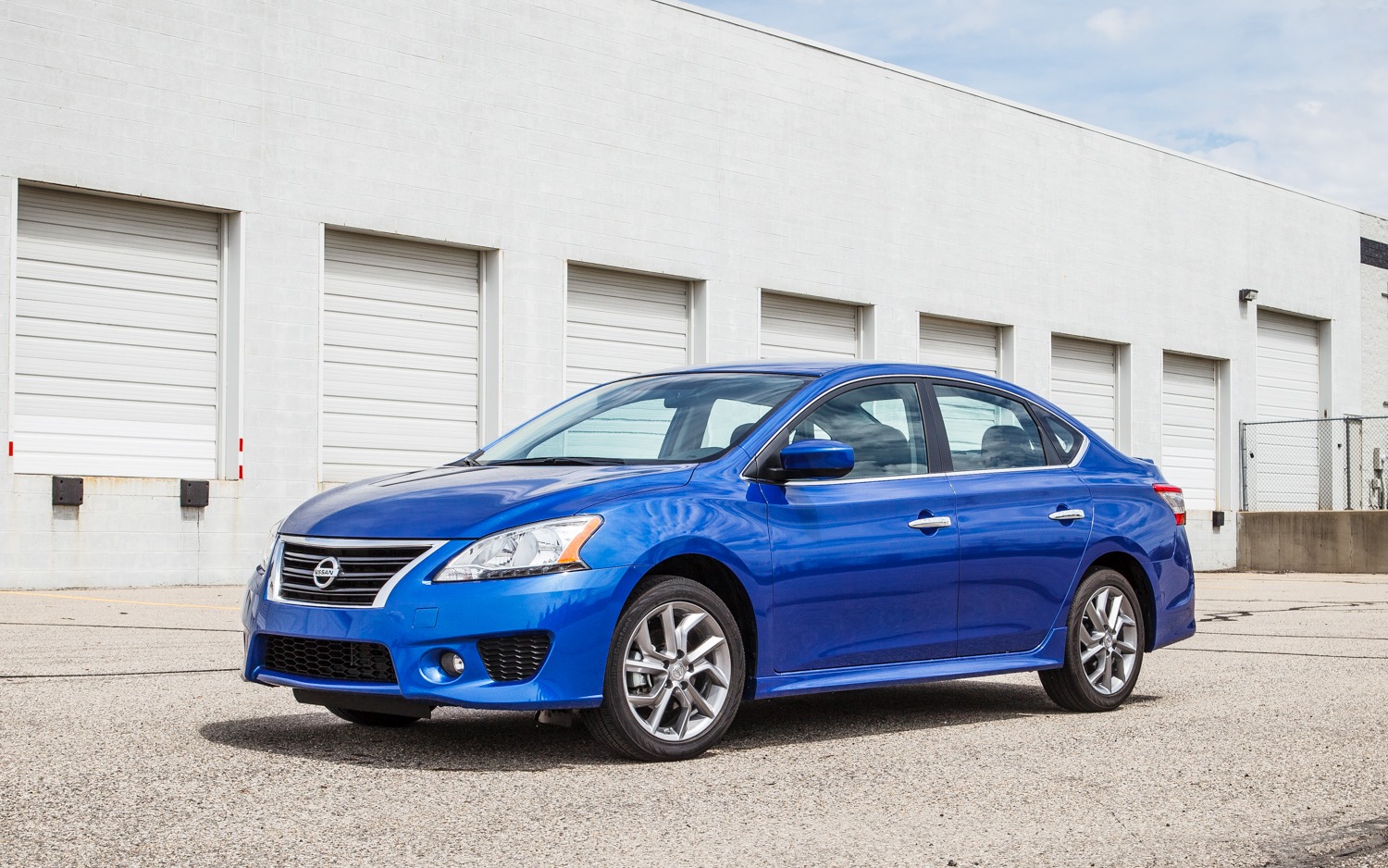
When considering a car purchase, most people focus on performance, fuel efficiency, and exterior design. However, one critical element that often gets overlooked is rear-seat comfort, specifically headrests. A car’s rear headrests can dramatically affect the passenger experience, especially during long journeys.
Comfort in the rear seat is not just about legroom or seat cushioning; it also involves how well the head and neck are supported. Poorly designed headrests can lead to discomfort, fatigue, and even long-term neck strain.
Conversely, well-designed headrests provide a sense of safety, stability, and relaxation. They allow passengers to rest naturally without having to adjust themselves constantly, making every journey more enjoyable.
Headrest design varies widely among manufacturers. Some vehicles feature thick, adjustable, and ergonomically shaped rear headrests that cradle the head and neck effectively. These are often found in luxury sedans or high-end SUVs, where passenger comfort is prioritized.
On the other end of the spectrum, some cars feature small, flat, or fixed headrests that fail to support the neck properly. These “neck-poke” designs can dig into the base of the skull or force the passenger to lean forward uncomfortably. Over time, this discomfort can discourage passengers from using the rear seats altogether.
Rear headrests are also critical from a safety standpoint. In a rear-end collision, headrests prevent whiplash by limiting backward movement of the head. Comfortable, supportive headrests are not only a matter of luxury but also of injury prevention.
Cars with poorly designed rear headrests compromise this safety feature, reducing its effectiveness in protecting passengers. Therefore, understanding which cars provide superior rear headrest comfort versus those that fall short is essential for anyone who frequently carries passengers or spends a significant amount of time on the road.
This article will provide a detailed comparison of five cars known for their comfortable rear headrests and five cars notorious for their neck-poking rear headrests. By highlighting the differences, we can better understand how design choices impact both passenger comfort and driving satisfaction.
Whether you are considering a family car or simply want to ensure that your passengers remain comfortable, this guide will help illuminate the critical differences in rear-seat ergonomics.
Cars with Comfortable Rear Headrests
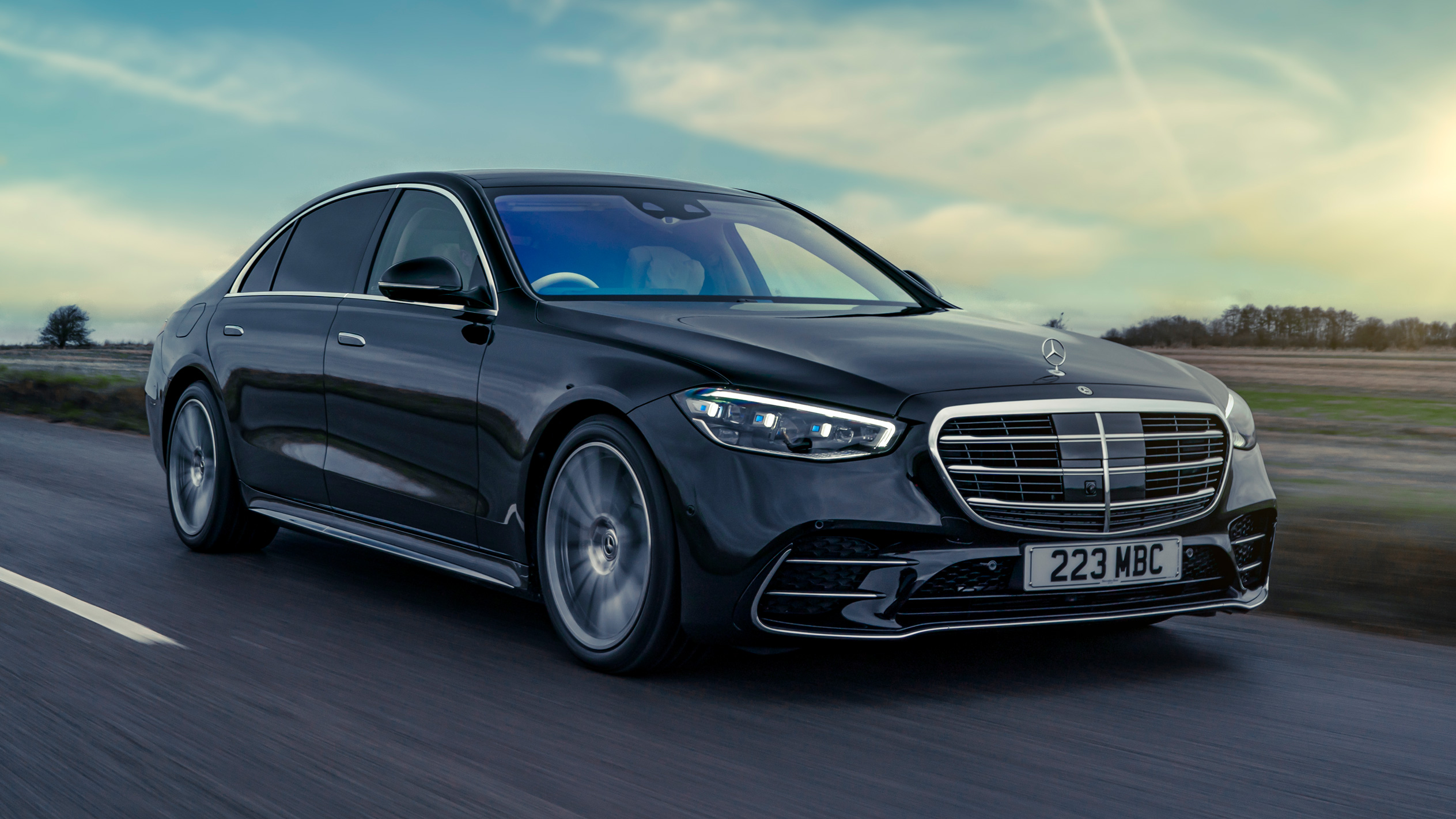
1. Mercedes-Benz S-Class
The Mercedes-Benz S-Class sets a benchmark for rear-seat comfort that few other vehicles can match. The rear headrests are designed to provide complete support for the neck and head, with thick padding and ergonomic shaping that naturally cradles passengers.
Unlike standard headrests that can feel stiff or flat, these are sculpted to follow the curve of the neck, reducing strain even during long drives. The adjustability of the headrests is exceptional, allowing passengers to raise, lower, or tilt them to suit their height and posture perfectly.
This degree of personalization ensures that the passenger experience remains consistently comfortable regardless of who is seated.
The headrests are integrated seamlessly with the rear seats, which themselves are adjustable and feature advanced functions such as power recline, lumbar support, and even massage capabilities in higher trims.
This synergy between seat and headrest ensures that passengers are not only resting their head comfortably but also maintaining proper spinal alignment.
The S-Class offers a sense of floating support, where the headrest cushions the neck without forcing the head into unnatural positions, allowing passengers to arrive at their destination feeling relaxed and refreshed.
Safety is a core aspect of Mercedes-Benz design philosophy, and the rear headrests exemplify this. In the event of a rear-end collision, the headrests are strategically positioned to limit whiplash and minimize the backward motion of the head.
They are engineered to balance softness and firmness, protecting without sacrificing comfort. The materials and internal structure absorb impact effectively, ensuring that passengers are shielded from injury while still enjoying a plush seating experience.
Beyond ergonomics and safety, the material quality elevates the experience. Soft leather, high-density memory foam, and precise stitching combine to create headrests that feel premium from the moment a passenger sits down.
Even the smallest details, like the gentle contour of the leather edges and the smooth finish of the support structures, contribute to a sense of understated luxury. For anyone who values rear-seat comfort as much as front-seat luxury, the Mercedes-Benz S-Class provides an environment that is both indulgent and meticulously engineered.
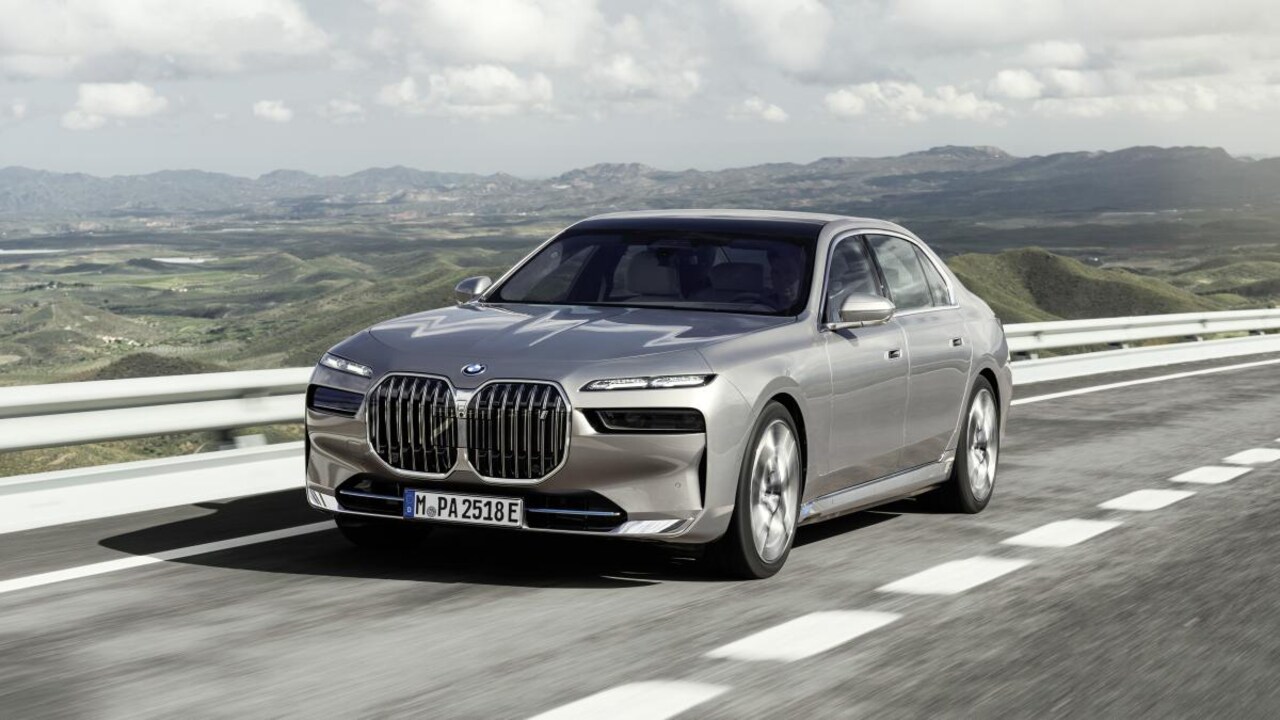
2. BMW 7 Series
The BMW 7 Series is another vehicle that demonstrates how rear headrests can significantly enhance passenger comfort. These headrests are designed with the natural curvature of the cervical spine in mind, providing support exactly where it is needed to prevent fatigue and tension during long drives.
Unlike flat or rigid headrests, the 7 Series offers thick, contoured cushioning that allows passengers to rest their heads naturally without straining their neck muscles. Height and tilt adjustments make it possible for individuals of varying sizes to find their perfect seating position, promoting a feeling of individualized comfort that is uncommon in standard sedans.
In addition to the ergonomic design, the 7 Series integrates the headrests with rear-seat features such as reclining capability, adjustable lumbar support, and optional heating and cooling.
This allows passengers to adjust not only the headrest but the entire seating angle to match their comfort preferences. The result is a cohesive seating experience where the neck, shoulders, and back are supported simultaneously. Even tall passengers, who often struggle with cramped rear headspace in other cars, find that the 7 Series accommodates their needs effortlessly.
Safety considerations are seamlessly combined with comfort in the 7 Series. The headrests are structured to absorb impact in rear-end collisions, minimizing the risk of whiplash while still maintaining a soft, cushioned feel for everyday use.
The combination of safety and ergonomic design ensures that passengers do not have to compromise one for the other, providing peace of mind alongside physical relaxation.
The materials used in the 7 Series also contribute significantly to comfort. Premium leather upholstery, high-density foam padding, and meticulous attention to stitching detail create headrests that are as tactilely pleasing as they are supportive.
Every surface feels deliberate, designed to enhance the luxury experience while providing functional support for the neck and head. For passengers who spend substantial time in the back seat, the BMW 7 Series delivers an exceptional blend of ergonomics, safety, and refinement that few vehicles in its class can rival.
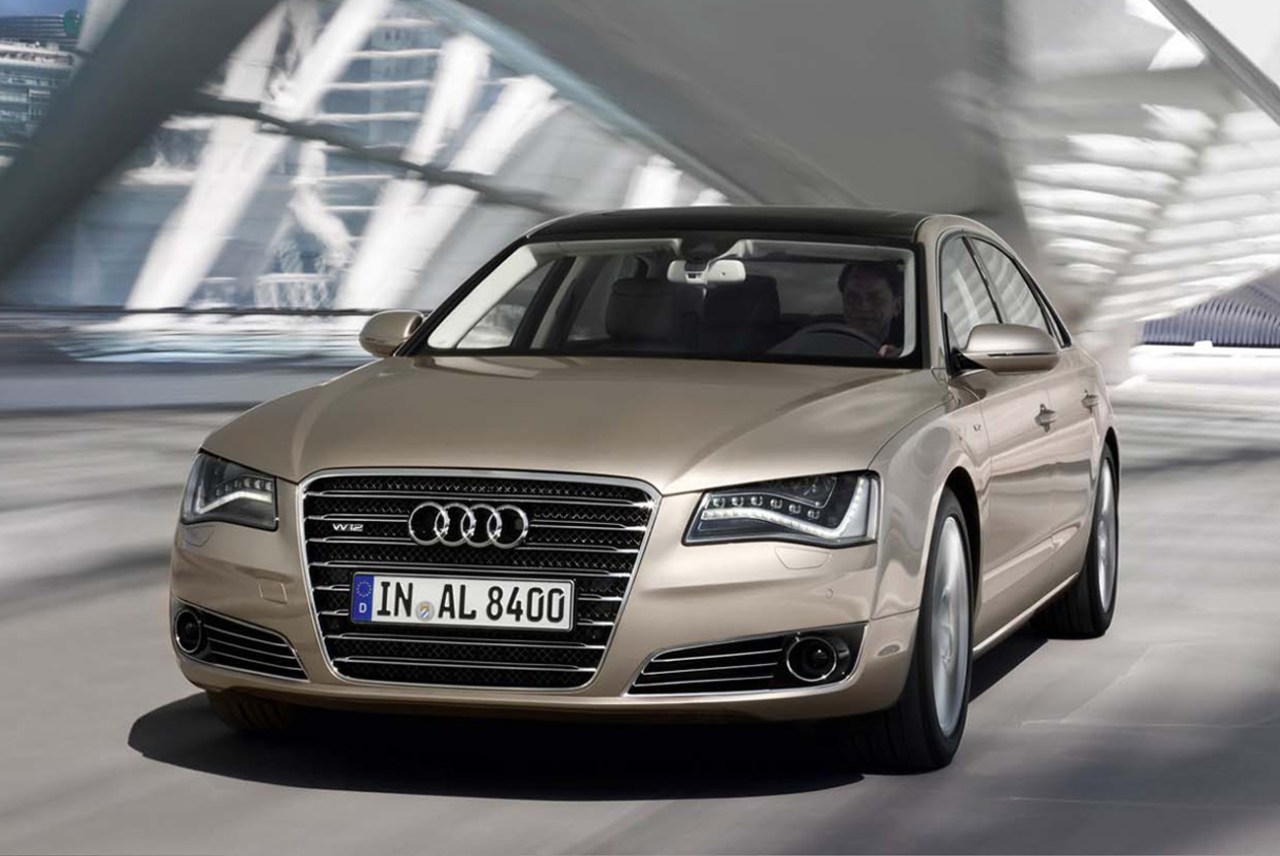
3. Audi A8
The Audi A8 is engineered to provide rear passengers with a seating experience that combines elegance, comfort, and precise ergonomic support. The headrests in this model are wide and thickly padded, with a gentle curve that mirrors the natural contour of the human head and neck.
Unlike smaller or flat headrests that create pressure points, the A8’s rear headrests distribute weight evenly, reducing strain during long journeys. Adjustable height and tilt ensure that passengers of different statures can find their ideal resting position, allowing for both upright travel and relaxed lounging without sacrificing support.
The integration of headrests with the A8’s reclining rear seats enhances comfort. Passengers can tilt the seatback slightly while resting their head against the ergonomic headrest, creating a more relaxed posture. This combination alleviates tension in the neck and shoulders and reduces fatigue during extended trips.
Audi’s careful attention to how the headrest interacts with other seat components makes rear seating feel thoughtfully designed rather than an afterthought.
Safety is also an essential feature of the Audi A8’s rear headrest design. The headrests are positioned to protect against whiplash during rear-end collisions, combining impact-absorbing materials with firm structural support.
This balance of softness and stability ensures that passengers are protected without compromising the luxurious feel of the headrest. It is a clear demonstration of Audi’s commitment to both passenger comfort and occupant safety.
Material quality elevates the experience further. Premium leather, dense foam, and smooth finishing make the headrests feel inviting and luxurious. Every contour, stitching line, and padding decision is deliberate, designed to support the head while complementing the high-end aesthetic of the A8 interior.
Passengers can enjoy a supportive yet indulgent rear-seat experience, with headrests that feel tailored to comfort as much as they do to style.
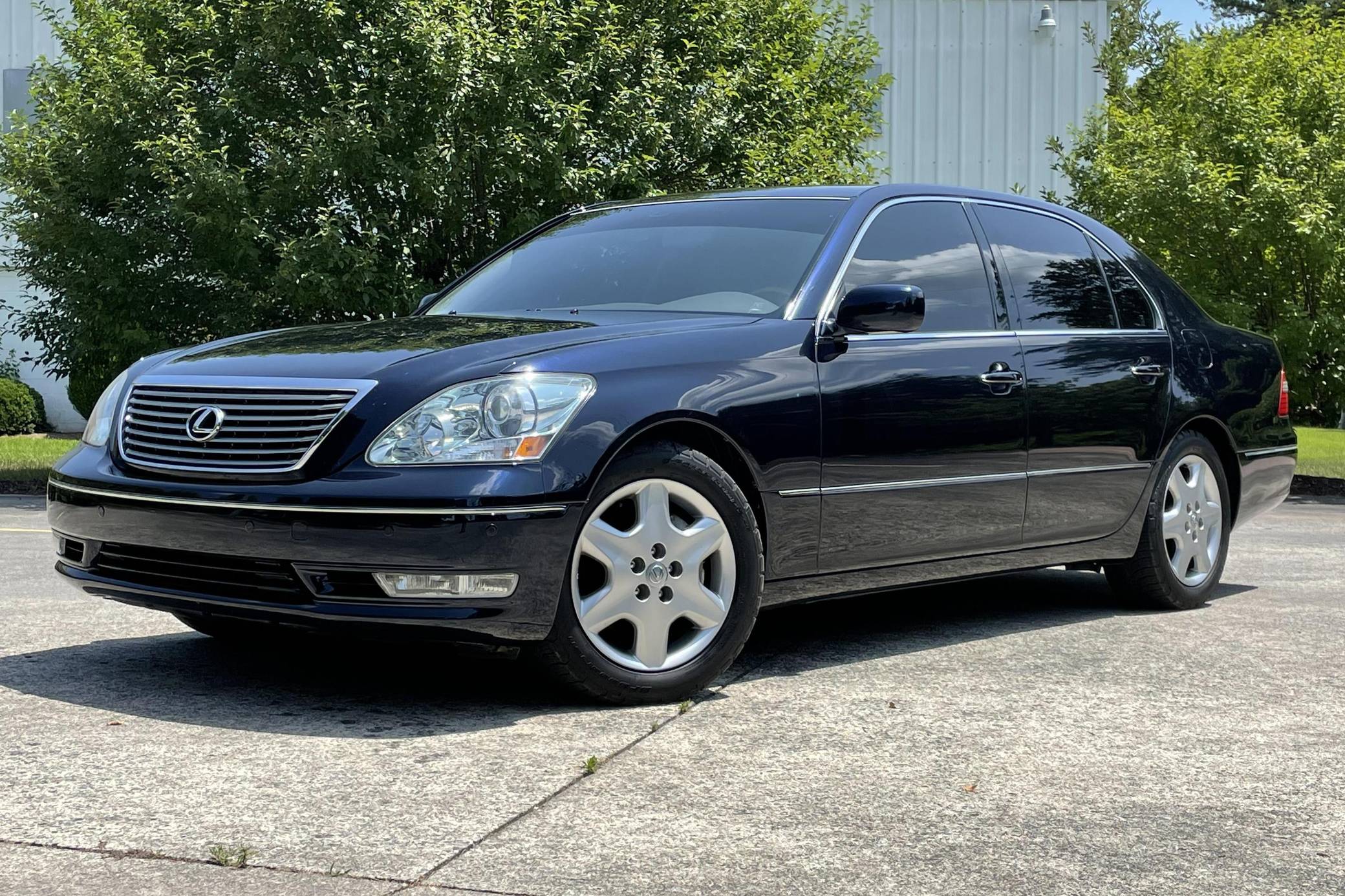
4. Lexus LS
The Lexus LS is celebrated for its quiet, smooth ride, and the rear seating, including headrests, reflects this same philosophy. The rear headrests are generously sized, ergonomically shaped, and well-cushioned to provide complete support for the neck and head.
Their adjustability in height and tilt allows passengers to tailor the seating to their needs, ensuring that individuals of varying heights can sit comfortably without forcing their neck into an unnatural position. Combined with soft, reclining rear seats, the headrests allow passengers to find a relaxed posture that minimizes fatigue and strain over long trips.
Lexus has designed the LS rear headrests to integrate with additional comfort features such as seat ventilation, lumbar support, and optional massage functionality. This holistic approach ensures that the neck, back, and shoulders are supported simultaneously, creating a seating experience that feels luxurious and carefully engineered.
Unlike some vehicles where headrests appear to be an afterthought, the LS demonstrates an understanding of the importance of rear-seat ergonomics, particularly for long-distance travel.
Safety is carefully considered in the LS design. The headrests are positioned to prevent whiplash, and their padding absorbs impact effectively while still maintaining a soft, supportive feel during everyday use. This combination of protection and comfort provides reassurance that passengers are not only relaxing but are safe in the event of a collision.
Finally, material quality plays a significant role in enhancing the sense of comfort and luxury. Plush leather, dense foam, and precise stitching create headrests that feel premium to the touch while providing tangible support.
Every detail, from the texture of the leather to the firmness of the padding, contributes to a seating experience that encourages relaxation. For those who spend significant time in the rear seats, the Lexus LS offers a level of comfort and refinement that few vehicles in its class can match.
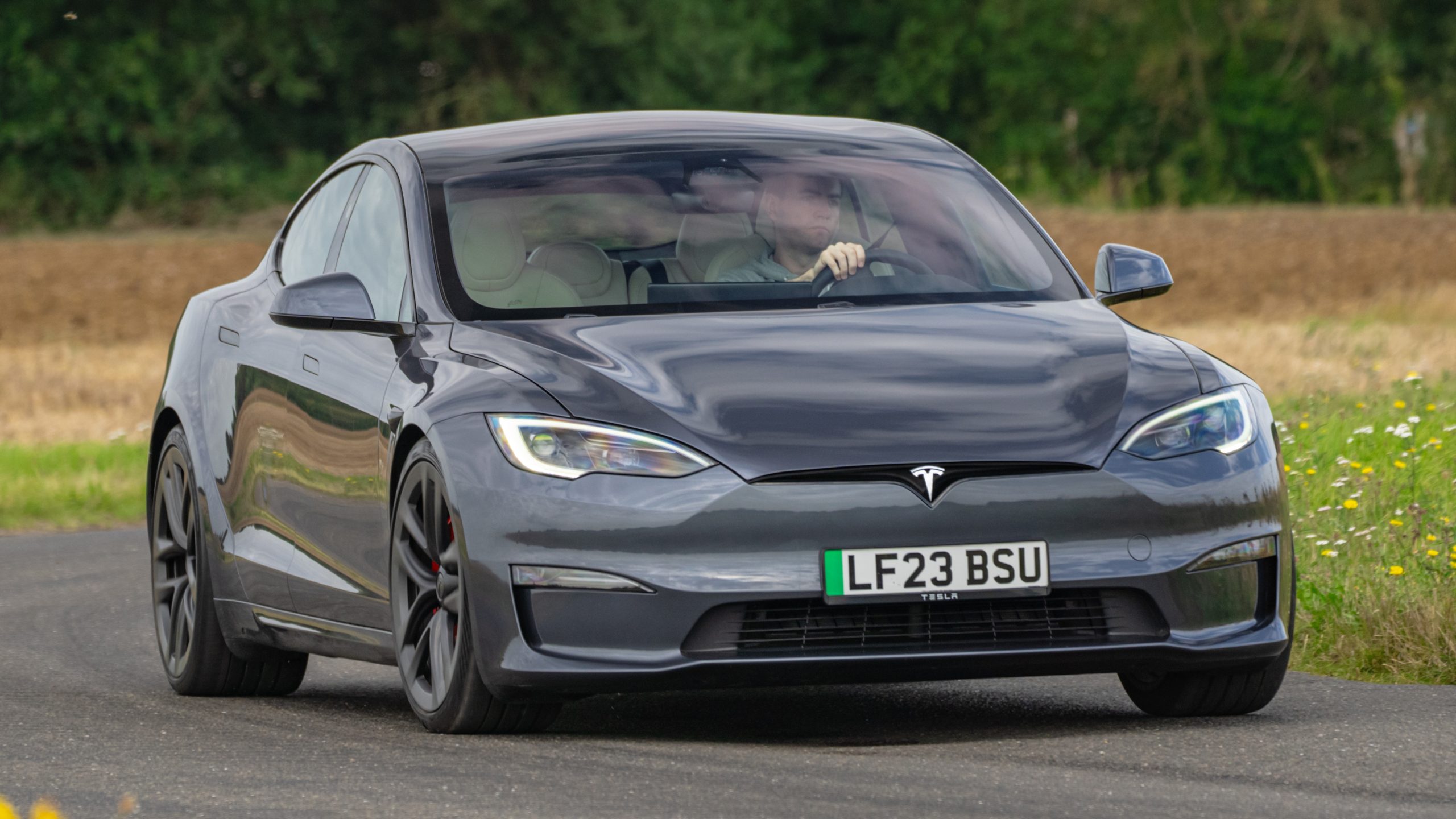
5. Tesla Model S
The Tesla Model S delivers a rear-seat experience that surprises many, given its focus on electric performance and technology. The rear headrests are thoughtfully padded and adjustable, providing effective support for passengers of various heights.
Tesla has managed to balance minimalist design with functional comfort, creating headrests that are supportive without being bulky or intrusive. The headrests are shaped to follow the natural curve of the neck, allowing passengers to sit upright or recline slightly without experiencing strain.
Beyond headrest ergonomics, the Model S offers ample legroom and contoured rear seating that complements the support provided by the headrests.
This combination ensures that passengers can rest naturally during longer trips, reducing fatigue and discomfort. Even taller passengers find that the design accommodates their needs, making the rear seat a surprisingly comfortable space in what is often considered a performance-focused vehicle.
Safety is carefully integrated into the headrest design. They are structured to prevent whiplash and reduce neck movement in the event of a collision, balancing softness for everyday comfort with structural support for protection. This dual focus ensures that passengers are secure while enjoying a comfortable seating experience.
Material choices in the Model S further enhance the rear-seat experience. Premium leather, soft padding, and a smooth, modern design make the headrests feel thoughtful and inviting. Every detail, from the padding density to the curvature of the support, contributes to a sense of intentional comfort.
For passengers who value both modern aesthetics and functional ergonomics, the Tesla Model S delivers an impressive rear-seat environment that feels both spacious and supportive.
Cars with Neck-Poking Rear Headrests
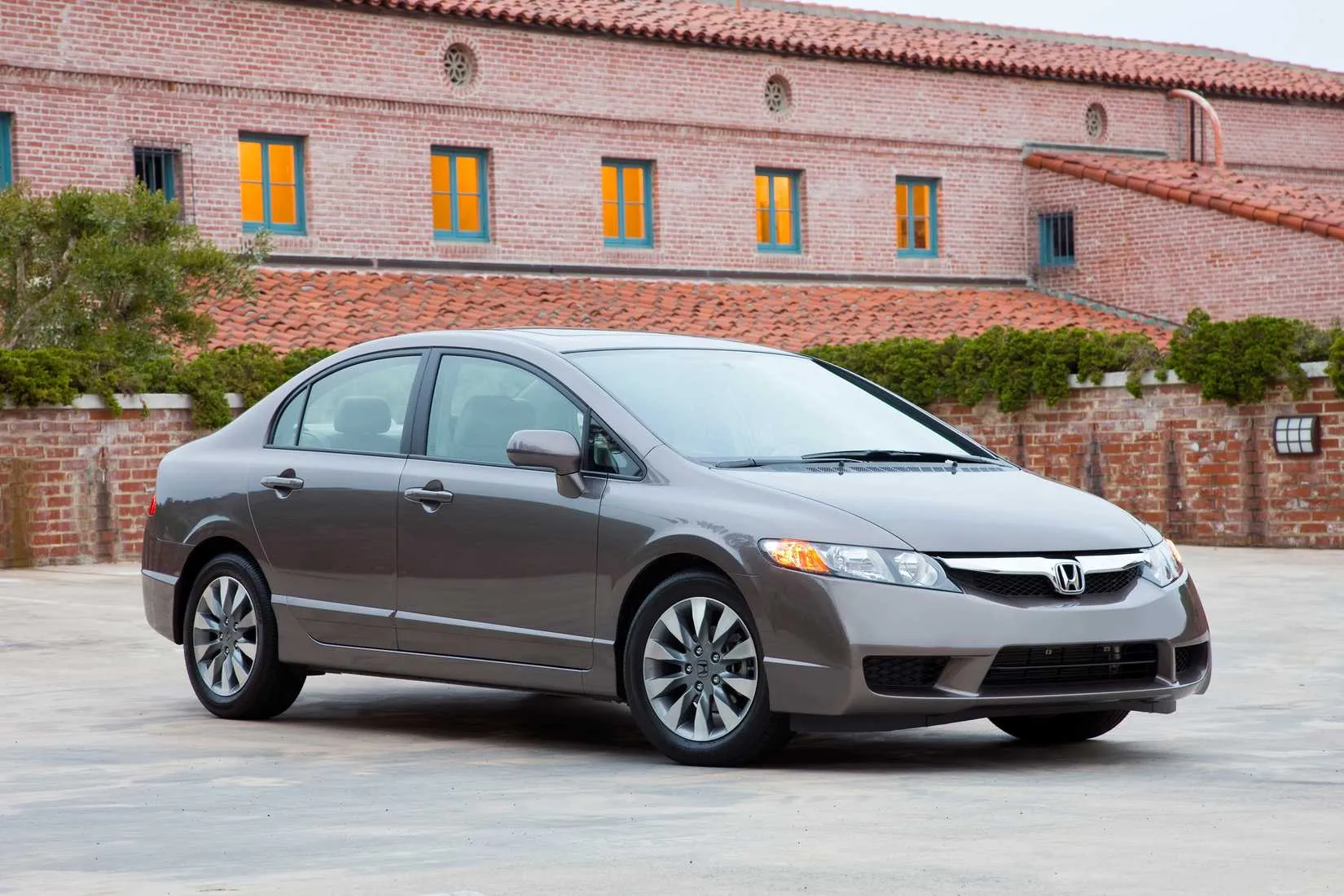
1. Honda Civic
The Honda Civic is a compact vehicle that has earned praise for its reliability, fuel efficiency, and practicality. However, one area where it falls short is rear-seat headrest comfort. The headrests in the Civic are relatively small and often fixed in position, which limits adjustability and personalization.
For taller passengers, this design can create a noticeable poking sensation at the base of the skull or the neck, forcing them to shift their posture constantly to avoid discomfort. Even average-height passengers may find themselves tilting their head forward slightly to bypass the pressure points created by the hard or poorly positioned headrest.
The rear seat itself is fairly upright and compact, leaving little room for natural reclining or lateral movement. Without a well-contoured headrest to support the neck, passengers often feel unsupported, especially on longer trips.
This can lead to fatigue, tension, and even minor neck strain over time. The lack of ergonomic design suggests that rear passengers were not the primary consideration during interior development, making the Civic more suitable for short commutes than long-distance comfort.
While safety is maintained through standard features like seatbelts and integrated headrests, the effectiveness of the Civic’s rear headrests in preventing whiplash is compromised by their rigid design.
During a rear-end collision, a fixed, narrow headrest may not provide adequate support for the head, leaving passengers at higher risk of discomfort or injury. This trade-off between safety functionality and ergonomic design highlights the limitations of compact car interiors when it comes to rear-seat comfort.
Material choices also contribute to the problem. The Honda Civic’s rear headrests are typically covered in standard cloth or basic synthetic leather and contain minimal padding. The combination of thin materials and a rigid structure results in a headrest that can feel intrusive rather than supportive. This makes the rear seating experience noticeably less comfortable when compared to vehicles with more thoughtfully designed, adjustable, and cushioned headrests.
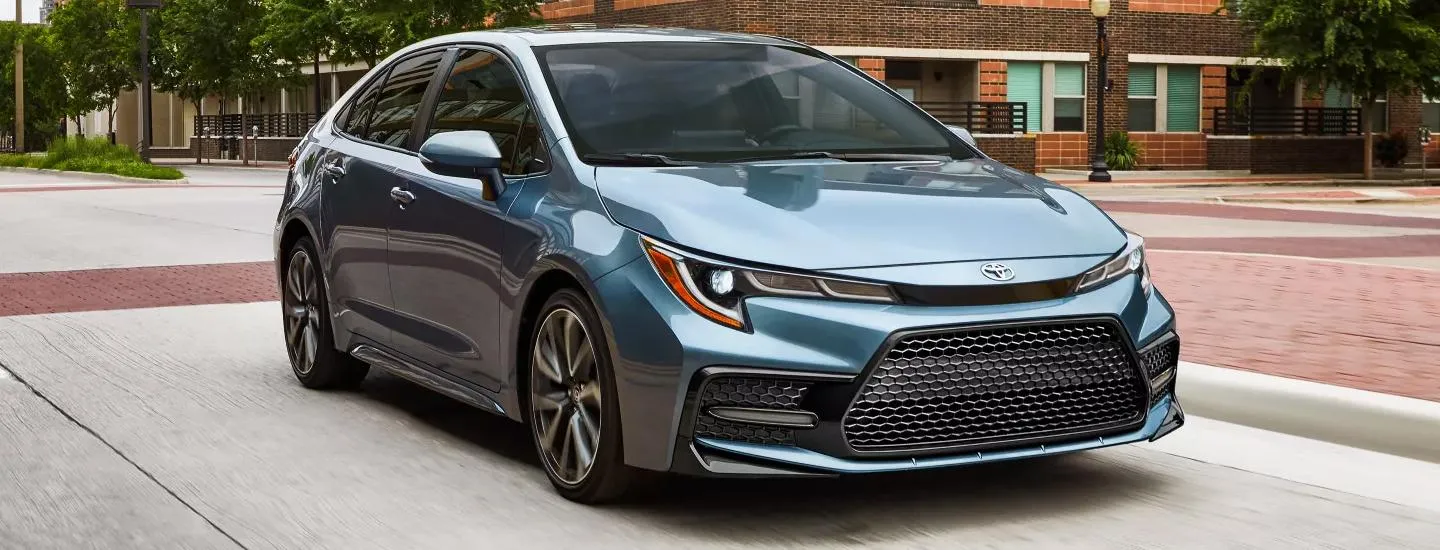
2. Toyota Corolla
The Toyota Corolla is known for reliability, affordability, and low maintenance costs, but its rear-seat headrests are far from luxurious. These headrests are small, flat, and non-adjustable, which can lead to discomfort for passengers of varying heights.
Taller individuals often find that the headrest digs into the back of the head or the neck, forcing them to lean forward or sideways to find a tolerable position. Even medium-height passengers may experience pressure points that make longer journeys unpleasant.
The rear seats in the Corolla compound the discomfort. The upright, firm seatback design does not allow passengers to recline comfortably into the headrest, meaning that the head and neck remain unsupported for extended periods.
This lack of ergonomic consideration can result in tension building in the shoulders and cervical spine, leading to fatigue, stiffness, and less enjoyable travel experience. For families or groups that regularly use the rear seats, the limitations of the Corolla’s headrests are particularly noticeable.
From a safety perspective, the fixed design of the Corolla’s headrests can limit their effectiveness in rear-end collisions. Without adequate cushioning and adjustability, passengers’ heads are more likely to move abruptly during impact, potentially increasing the risk of whiplash injuries.
While the car meets regulatory safety standards, the ergonomics of the headrest fail to provide the same protective comfort seen in higher-end vehicles.
Material choices are basic and functional, rather than luxurious or supportive. Thin padding and standard upholstery fail to alleviate the discomfort caused by the small, rigid headrest, leaving passengers acutely aware of the hard surfaces against their neck.
Compared to vehicles with thicker, adjustable headrests, the Corolla’s rear seating experience can feel stiff and uncomfortable, particularly during longer drives or when carrying adult passengers.
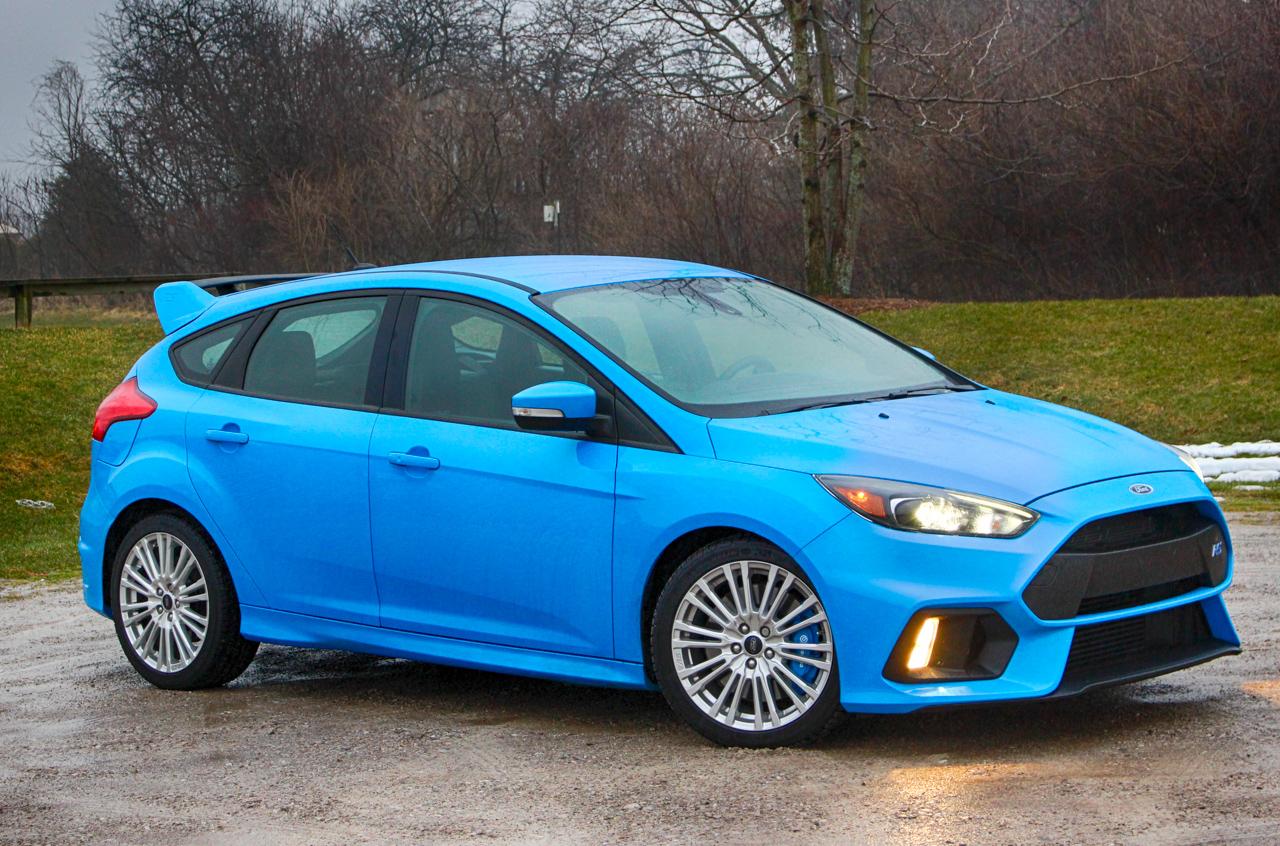
3. Ford Focus
The Ford Focus is a compact vehicle with a sporty and efficient design, but the rear headrests are often cited as a point of discomfort. The headrests are small, narrow, and fixed in place, which can lead to them poking into the base of the skull or neck.
Passengers often have to adjust their posture, leaning slightly forward or sideways, to avoid the pressure point created by the headrest. This lack of adjustability reduces comfort, especially for adults on longer trips, and makes the rear seat feel less accommodating than the front cabin.
The rear seats of the Focus are upright and minimally padded, which compounds the issue. Without proper lumbar support or a contoured headrest, passengers are left unsupported in the neck and upper back.
Over time, this can lead to fatigue, tension, and even mild soreness after extended periods of travel. The design is clearly optimized for compactness and utility rather than passenger comfort, emphasizing front-seat ergonomics over rear-seat luxury.
Safety considerations are met with standard measures, but the poorly positioned headrests limit protection. In a rear-end collision, the small, narrow headrests may fail to prevent the backward motion of the head effectively, reducing their ability to mitigate whiplash. Comfort and safety, in this case, are not fully aligned, and passengers may find that the rear seat is less protective than expected.
Material quality further reduces comfort. Thin padding and standard fabric or synthetic coverings do not cushion the neck adequately, leaving passengers aware of the hard structure underneath.
This contributes to the perception of a “neck-poke” design and underscores why the Ford Focus’s rear headrests are considered uncomfortable compared to vehicles with more thoughtful, ergonomically designed support.

4. Nissan Sentra
The Nissan Sentra’s rear headrests are small, thin, and fixed, creating frequent discomfort for taller passengers. The lack of adjustability means that passengers cannot customize the headrest to fit their body size or posture, often resulting in the headrest digging into the base of the skull or the back of the neck.
Even shorter passengers may feel awkward pressure points when trying to sit comfortably for an extended period. This limitation highlights how compact, economy-focused vehicles often sacrifice rear-seat ergonomics to maintain affordability and space efficiency.
The Sentra’s rear seats are upright and firm, providing minimal support for the back and shoulders. Without a contoured, cushioned headrest to offset this rigidity, passengers can experience neck strain and fatigue during longer trips. This is particularly problematic for adults, who often find rear seats cramped and uncomfortable.
Children and smaller passengers may fare better, but even then, the lack of proper head support can make longer journeys less enjoyable.
From a safety standpoint, the Sentra meets standard collision protection requirements, but the small, inflexible headrests reduce the effectiveness of whiplash prevention.
Passengers’ heads can move more freely during an impact, increasing the potential for discomfort or injury. Unlike vehicles with adjustable, cushioned headrests, the Sentra offers limited protection without supplementary support features.
Material and construction further exacerbate the issue. The headrests are thinly padded and often covered in standard fabric or low-cost synthetic leather.
This combination of limited cushioning and a hard underlying structure means that passengers feel the headrest pressing into their neck rather than supporting it. For anyone seeking comfort for the rear seat, the Nissan Sentra’s headrests are an example of functionality prioritized over ergonomics.

5. Volkswagen Jetta
The Volkswagen Jetta is a compact sedan that emphasizes practicality, but its rear headrests are small, thin, and inflexible, often resulting in the infamous “neck-poke” sensation. Taller passengers frequently find that the headrests press uncomfortably into the back of the head or neck, forcing them to lean forward or adjust their posture continuously.
Even medium-height passengers may notice the lack of adequate cushioning, making long journeys tiring or uncomfortable.
The rear seat design amplifies the problem. Upright seatbacks and limited padding provide minimal support for the upper body, leaving the neck unsupported when resting against the headrest.
This can lead to muscle tension, fatigue, and a generally less enjoyable passenger experience. Unlike vehicles with thick, adjustable, and ergonomically designed headrests, the Jetta’s rear seating feels less accommodating, particularly for adult passengers.
Safety is adequately addressed through standard crash protection, but the rigid, small headrests reduce their effectiveness in whiplash prevention.
In a rear-end collision, the insufficient padding and poor positioning may allow excessive backward movement of the head, reducing the protective benefit of the headrest. This trade-off demonstrates the limits of compact sedans in balancing safety, cost, and rear-seat comfort.
Finally, the materials and construction of the Jetta’s rear headrests contribute to the discomfort. Thin padding, firm support structure, and basic fabric or synthetic coverings do little to cushion the neck effectively.
Passengers are left aware of the hard edges and limited support, reinforcing the perception of the rear seat as an uncomfortable space for long trips. The Jetta exemplifies how small, fixed headrests can significantly diminish rear-seat comfort in otherwise well-regarded vehicles.
