
Sports Utility Vehicles, or SUVs, have long been celebrated for their versatility, comfort, and commanding presence on the road. These vehicles are designed to handle a wide range of driving conditions, from city streets to off-road adventures.
However, one of the key aspects of SUV performance that often goes unnoticed until a critical moment is how the vehicle behaves during sudden braking.
Sudden stops are a common scenario in everyday driving, whether it’s avoiding an unexpected obstacle, responding to heavy traffic, or managing a slippery road. How an SUV responds to these situations can significantly impact safety, driver confidence, and overall control.
When an SUV brakes suddenly, the weight of the vehicle shifts forward. This forward momentum can cause the front end to dip or “nose-dive” while the rear wheels lose some contact with the road, resulting in reduced traction. SUVs with softer suspensions, high centers of gravity, or less advanced braking systems are more prone to this behavior.
On the other hand, some SUVs maintain stability under heavy braking, keeping the body more level, ensuring that the tires remain planted, and allowing for quicker, more controlled stops.
Factors like suspension design, weight distribution, brake system efficiency, and chassis rigidity play a crucial role in this behavior. Drivers often notice that some vehicles feel composed and controlled, while others pitch forward, creating a sense of instability.
This article will examine five SUVs that tend to remain stable during sudden braking situations, highlighting the engineering and design features that contribute to their stability. In contrast, we will also look at five SUVs known to nose-dive, examining why their braking behavior can feel unsettling.
Understanding these differences is not only helpful for potential buyers but also provides insight into how vehicle design influences safety and performance.
By analyzing these characteristics, drivers can make more informed decisions, aligning their choice of SUV with both comfort and safety priorities. The discussion will focus on dynamics that affect braking performance rather than brand prestige or fuel economy, emphasizing real-world driving behavior and control.
SUVs That Stay Calm in Sudden Stops
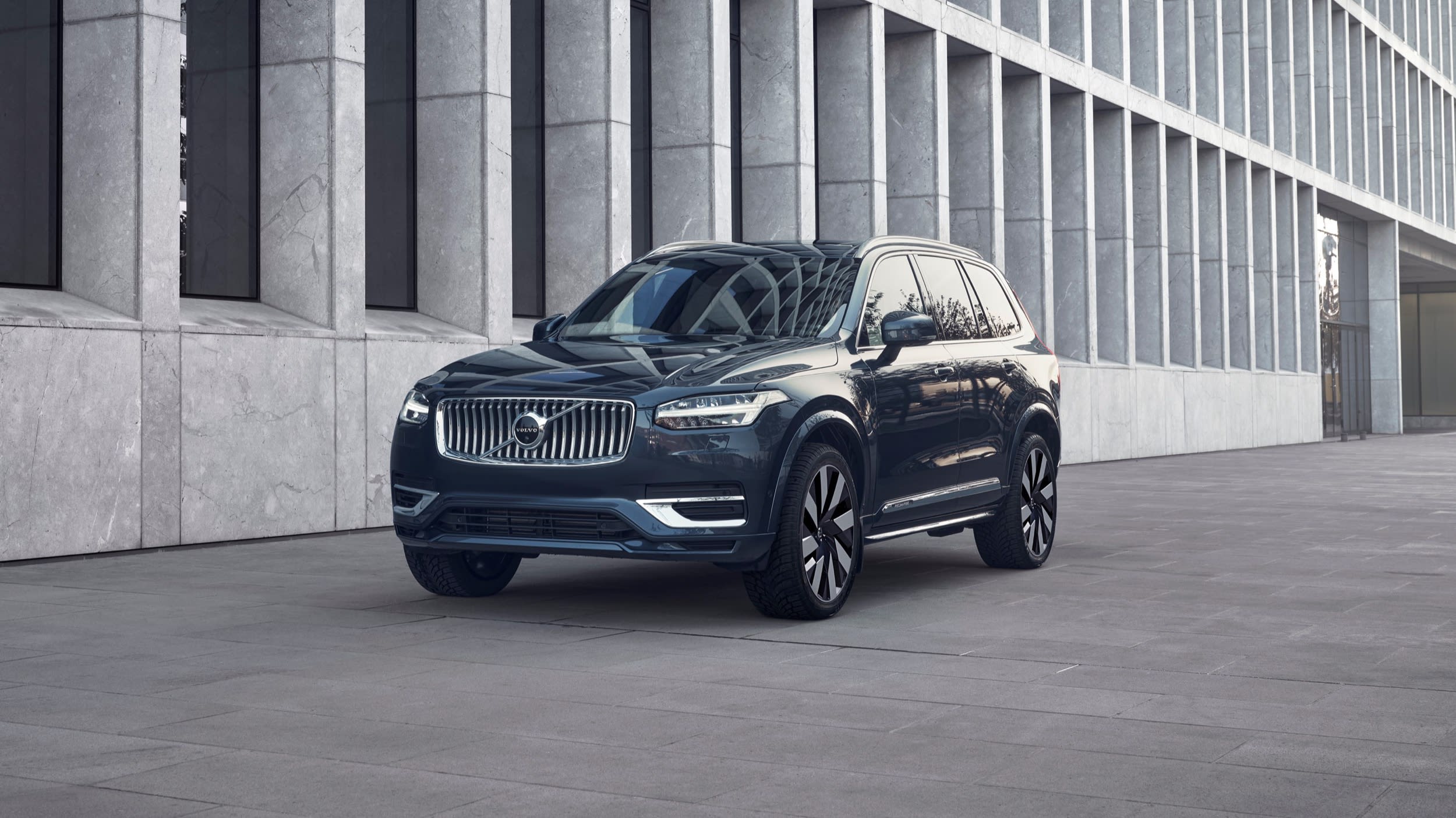
Volvo XC90
The Volvo XC90 is widely regarded for its ability to remain composed even during abrupt braking. Its advanced suspension system, a combination of double wishbones in the front and a multi-link setup in the rear, allows the chassis to resist excessive forward pitch while maintaining a smooth ride.
The vehicle uses electronic brake-force distribution, which adjusts braking power across all wheels depending on load and traction, preventing the front tires from being overwhelmed during hard stops. Drivers often note that the XC90 feels planted and predictable, even under high-pressure scenarios, which enhances confidence behind the wheel.
This stability is particularly valuable in urban traffic or highway situations where sudden braking can occur frequently. By keeping the vehicle level, passengers feel less jostling, improving comfort and overall driving experience.
The integration of these systems creates a synergy between mechanical components and electronics that delivers a sense of reassurance during emergency stops.overall driving experience.
A significant factor contributing to the XC90’s stability is its optional adaptive air suspension. This system continually adjusts damping rates and ride height, counteracting the natural tendency for the vehicle’s front end to dip during braking.
Even when stopping from highway speeds, the front end lowers slightly without exaggerated dive, while the rear remains adequately supported. This feature ensures that the tires maintain optimal road contact, enhancing braking efficiency and directional control.
In addition, the steering system provides precise feedback, allowing drivers to make small corrections if needed without experiencing sudden pitching or instability.
The combination of controlled braking dynamics and responsive handling allows the XC90 to perform exceptionally well in situations that might unsettle other SUVs, making it a preferred choice for drivers who prioritize composure under stress.
Volvo’s approach to weight distribution is another reason the XC90 maintains its calm demeanor. The engine and hybrid battery placement, along with the design of other heavy components, is carefully balanced to keep the center of gravity low and centralized.
This prevents an excessive shift of weight to the front axle during sudden stops, mitigating nose-dive and ensuring that the rear tires retain traction. The vehicle’s suspension, combined with this weight management, provides predictable responses to driver inputs.
This design philosophy extends to the braking system itself, which works harmoniously with the suspension to ensure even deceleration across all wheels, improving overall vehicle stability. As a result, drivers experience a braking behavior that is smooth, controlled, and reassuring.
Finally, tire selection and chassis tuning complement the XC90’s braking performance. Volvo equips the SUV with tires that strike a balance between grip and comfort, ensuring that the driver receives adequate feedback without harsh jolts.
The chassis itself is engineered to handle stress and redistribute forces evenly, reducing body roll and maintaining a stable stance.
When braking abruptly, the XC90 communicates stability through a combination of controlled pedal feel, minimal forward pitch, and predictable steering feedback.
Unlike SUVs that feel unstable or excessively pitch forward, the XC90 maintains a sense of composure that reinforces confidence in emergency braking scenarios. This balance of mechanical engineering, electronic control, and driver-focused design makes it one of the most reliable large SUVs for controlled stops.
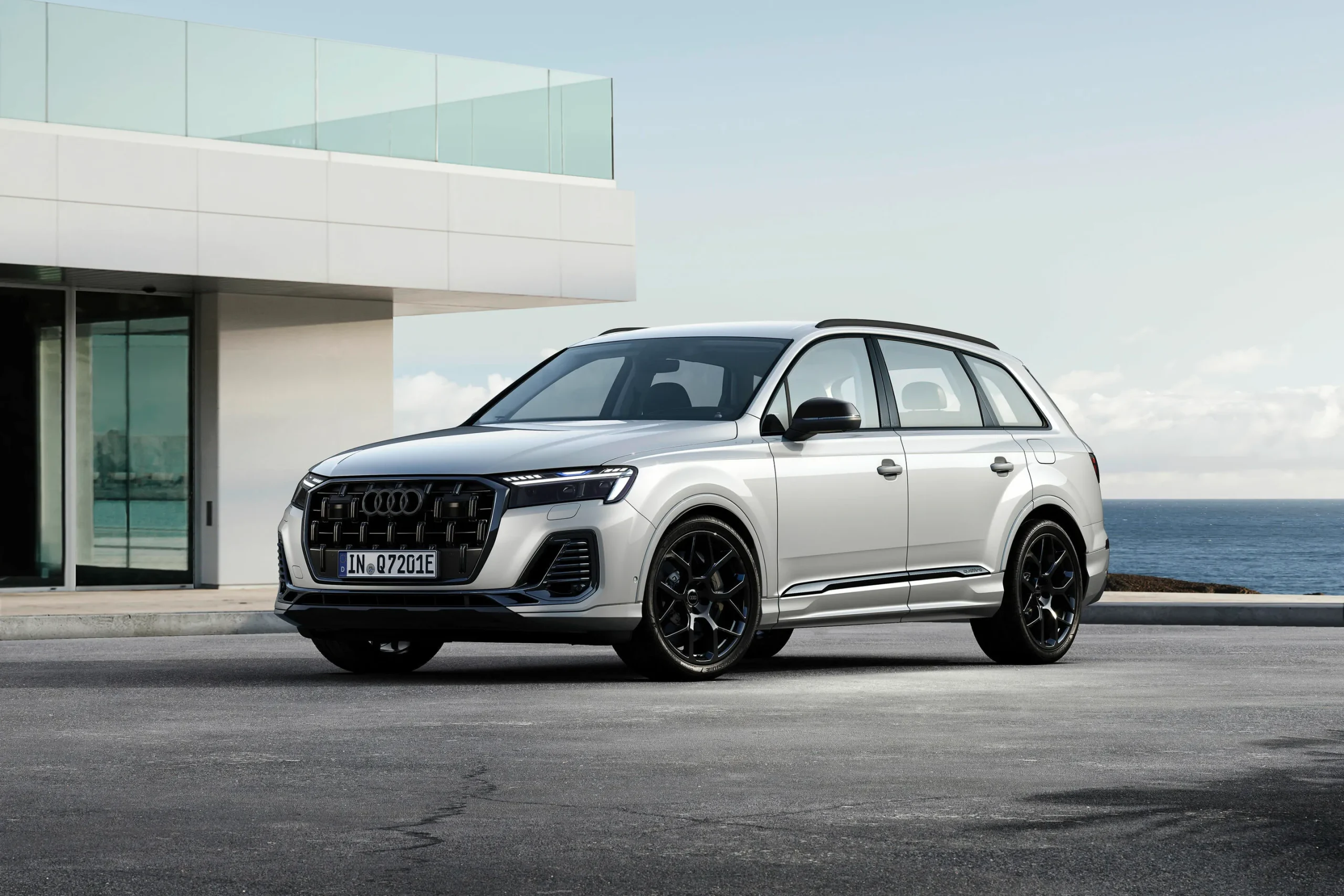
Audi Q7
The Audi Q7 stands out for its ability to maintain composure during aggressive braking. Its Quattro all-wheel-drive system ensures that braking forces are efficiently shared across all four wheels, reducing the chances of front-end overload and maintaining traction on varying road surfaces.
The Q7’s suspension system, often equipped with adaptive air dampers, dynamically adjusts stiffness to resist body pitch, keeping the vehicle level even under heavy deceleration. The braking system itself is highly responsive, with large ventilated discs and precise calipers delivering smooth yet strong stopping power.
The combination of mechanical and electronic systems creates a confident driving experience, even when a sudden obstacle requires immediate braking. Many drivers report that the Q7 feels planted, with minimal body movement, allowing them to maintain full control during emergency maneuvers.
The weight distribution of the Q7 plays a significant role in its braking stability. The engine and drivetrain are positioned to optimize balance, reducing the likelihood of forward weight transfer. Electronic stability aids work in tandem with this setup, adjusting brake pressure and engine torque to maintain composure during abrupt stops.
These systems ensure that the vehicle behaves predictably under hard braking, giving the driver a clear sense of control and reducing the risk of an unsettling nose-dive. The predictable behavior of the Q7 allows drivers to focus on the road and traffic conditions without worrying about sudden body movements or traction loss, enhancing overall safety.
The integration of suspension and braking technologies allows the driver to execute sudden stops without the disorienting feeling of a pitching vehicle. In real-world driving, this means the Q7 can handle highway emergencies, sudden traffic slowdowns, or unexpected obstacles with a sense of confidence rarely matched in other large SUVs.
Lastly, Audi’s focus on steering and tires further enhances braking composure. The steering is precise and communicative, providing feedback to the driver even under high deceleration, while tires are selected for a balance of grip, stability, and comfort.
Together with the adaptive suspension and Quattro system, these elements allow the Q7 to remain calm under hard braking, providing drivers with predictable behavior, strong traction, and reassurance in sudden stopping scenarios. The SUV’s stability and composure make it an excellent example of engineering that prioritizes both safety and driver confidence.
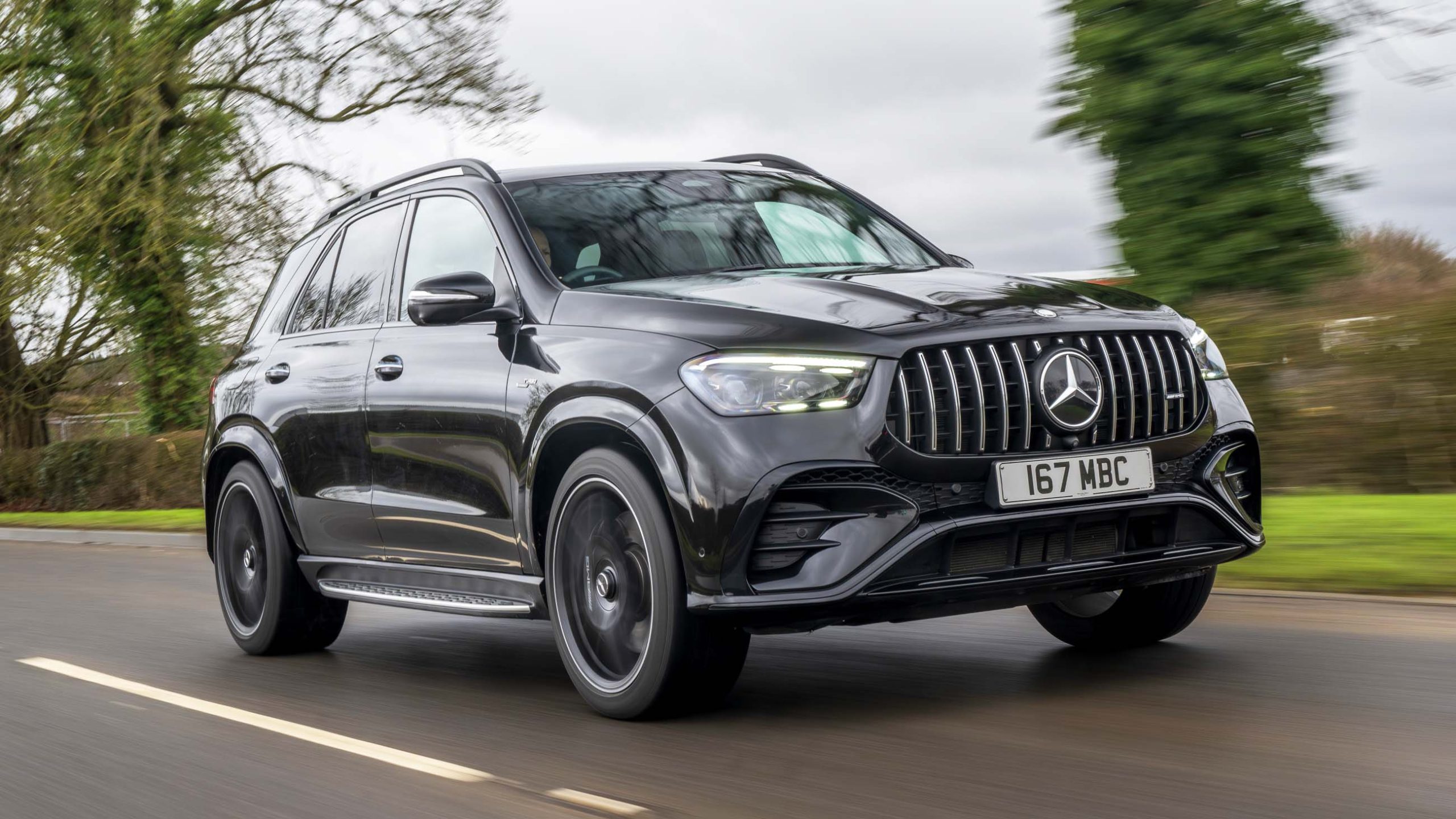
Mercedes-Benz GLE
The Mercedes-Benz GLE combines luxury with dynamic control, resulting in an SUV that maintains stability during sudden braking. Its multi-link suspension system, often paired with AIRMATIC air suspension, allows the chassis to absorb forward momentum while keeping the body level.
The braking system offers a progressive pedal feel, giving drivers precise control over deceleration. When stopping abruptly, the GLE remains composed, with minimal nose-dive and steady rear tire contact, providing confidence to both drivers and passengers.
This balance between comfort and control ensures that the vehicle remains responsive and predictable in emergency braking scenarios.
Weight distribution is central to the GLE’s braking composure. The engine, transmission, and other heavy components are positioned to minimize front-heavy bias, reducing forward pitch during sudden stops.
Electronic systems, including brake assist and stability control, complement this mechanical balance by dynamically adjusting brake pressure and vehicle dynamics in response to abrupt deceleration. This ensures that the GLE brakes efficiently while remaining level and stable, providing reassurance to drivers in critical situations.
Passengers also benefit, as the vehicle experiences less jostling and feels controlled rather than abrupt. In real-world driving, this combination of technologies provides a smooth, predictable braking experience that maintains composure under stress.
Finally, Mercedes-Benz optimizes tire selection and chassis tuning to support braking performance. Tires provide reliable grip while absorbing minor road imperfections, and the chassis distributes forces evenly to minimize body movement.
The integration of these elements ensures that the GLE remains calm during emergency stops, offering predictable handling, solid traction, and reassurance for the driver. The result is an SUV that prioritizes stability, safety, and control without sacrificing passenger comfort, making it one of the most composed vehicles in sudden braking situations.

BMW X5
The BMW X5 is engineered to balance SUV practicality with dynamic performance, resulting in excellent braking stability. Its adaptive air suspension actively adjusts to prevent excessive nose-dive under hard braking, keeping the vehicle level while maintaining comfort.
The braking system is responsive, providing strong deceleration without creating abrupt, unsettling feedback. Drivers note that the X5 feels controlled and predictable even when braking aggressively, allowing for confident maneuvering during emergencies. This combination of mechanical and electronic systems ensures that the vehicle’s body remains composed, reducing the feeling of forward pitch and enhancing overall control.
Weight distribution is another key factor in the X5’s braking performance. The engine placement and chassis design ensure that mass is balanced, limiting forward momentum during deceleration.
The adaptive suspension system further improves the X5’s braking behavior. By dynamically adjusting damping rates, it manages weight transfer to minimize forward pitch while ensuring tires maintain maximum road contact.
This enhances both braking efficiency and steering response, allowing drivers to make precise adjustments during sudden stops. The system works seamlessly, ensuring that the vehicle’s body remains level, contributing to a sense of calm and control for both the driver and passengers.
Finally, BMW engineers carefully tune steering and tire characteristics to complement braking performance. Tires are chosen for optimal grip, while the steering system communicates road conditions and vehicle behavior effectively.
When combined with the X5’s suspension and braking technologies, this allows the SUV to remain composed under hard braking, delivering a confident and controlled driving experience. The X5 exemplifies the importance of balancing mechanical design, electronics, and driver feedback to create an SUV that stays calm in emergencies.
Lexus RX
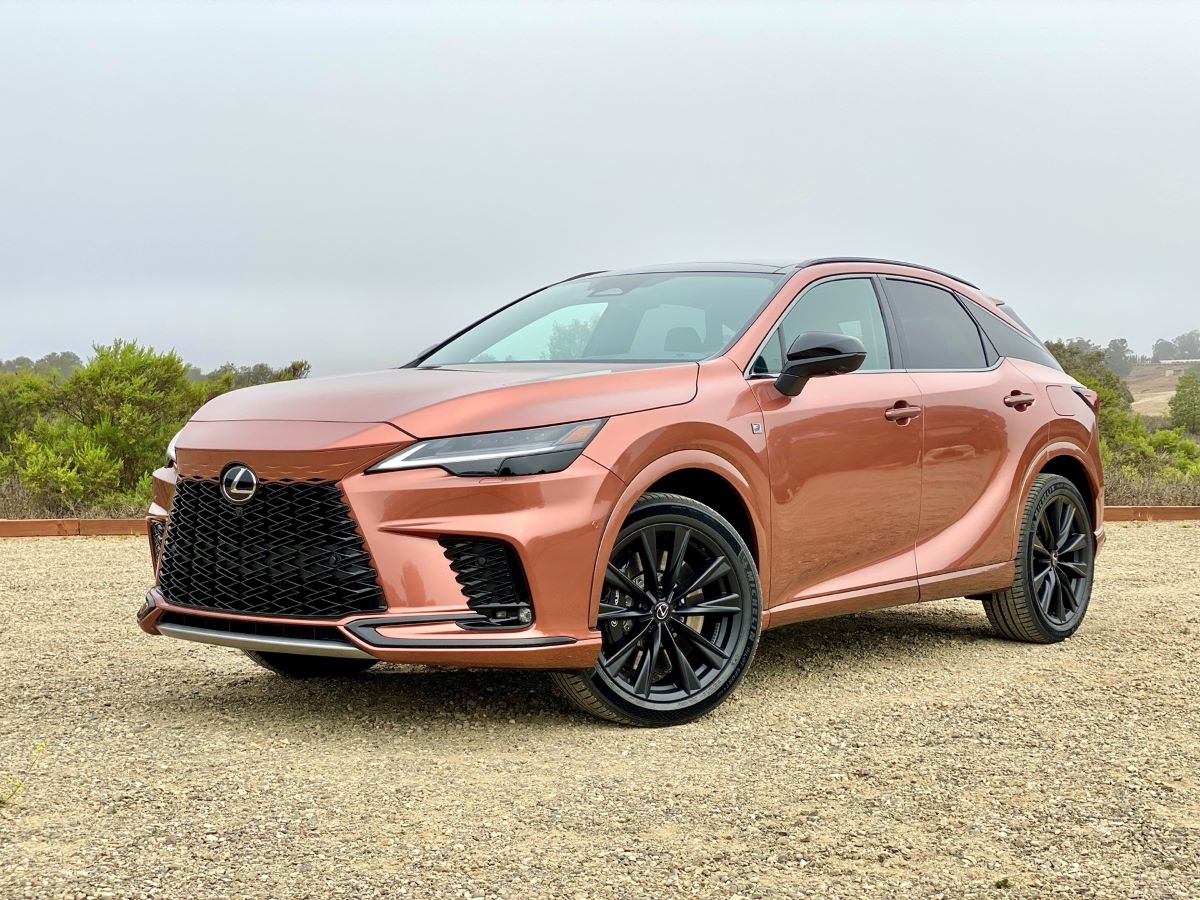
The Lexus RX is engineered for composure under sudden braking. Its suspension system, a combination of front struts and rear multi-link setup, absorbs weight transfer while maintaining a level stance. The braking system is smooth and progressive, providing controlled deceleration without abrupt feedback.
Passengers benefit from reduced jostling, while drivers experience a predictable response to braking inputs. This combination of suspension, braking, and chassis tuning allows the RX to maintain a calm and controlled demeanor even during high-pressure stops.
Weight distribution and chassis design contribute to the RX’s stability. The vehicle’s mass is positioned low and centrally, reducing the forward momentum experienced during sudden deceleration. Electronic brake-force distribution ensures that braking pressure is applied evenly across all wheels, helping to maintain stability and prevent nose-dive.
This thoughtful engineering ensures that the RX responds predictably to emergency braking, allowing the driver to maintain control while providing a reassuring experience for passengers.
Passengers experience a smoother, more comfortable ride during sudden stops, which is particularly valuable in everyday urban driving situations.
Finally, Lexus optimizes tires and chassis tuning to support braking performance. Tires provide a strong grip and stability, while the chassis distributes forces evenly across the vehicle. This integration ensures that the RX remains calm under sudden braking, delivering predictable handling and confidence for the driver.
By combining mechanical design, electronic control, and thoughtful chassis tuning, the RX remains one of the most composed SUVs in emergency braking scenarios, offering a reassuring and controlled driving experience.
SUVs That Tend to Nose-Dive
Ford Explorer
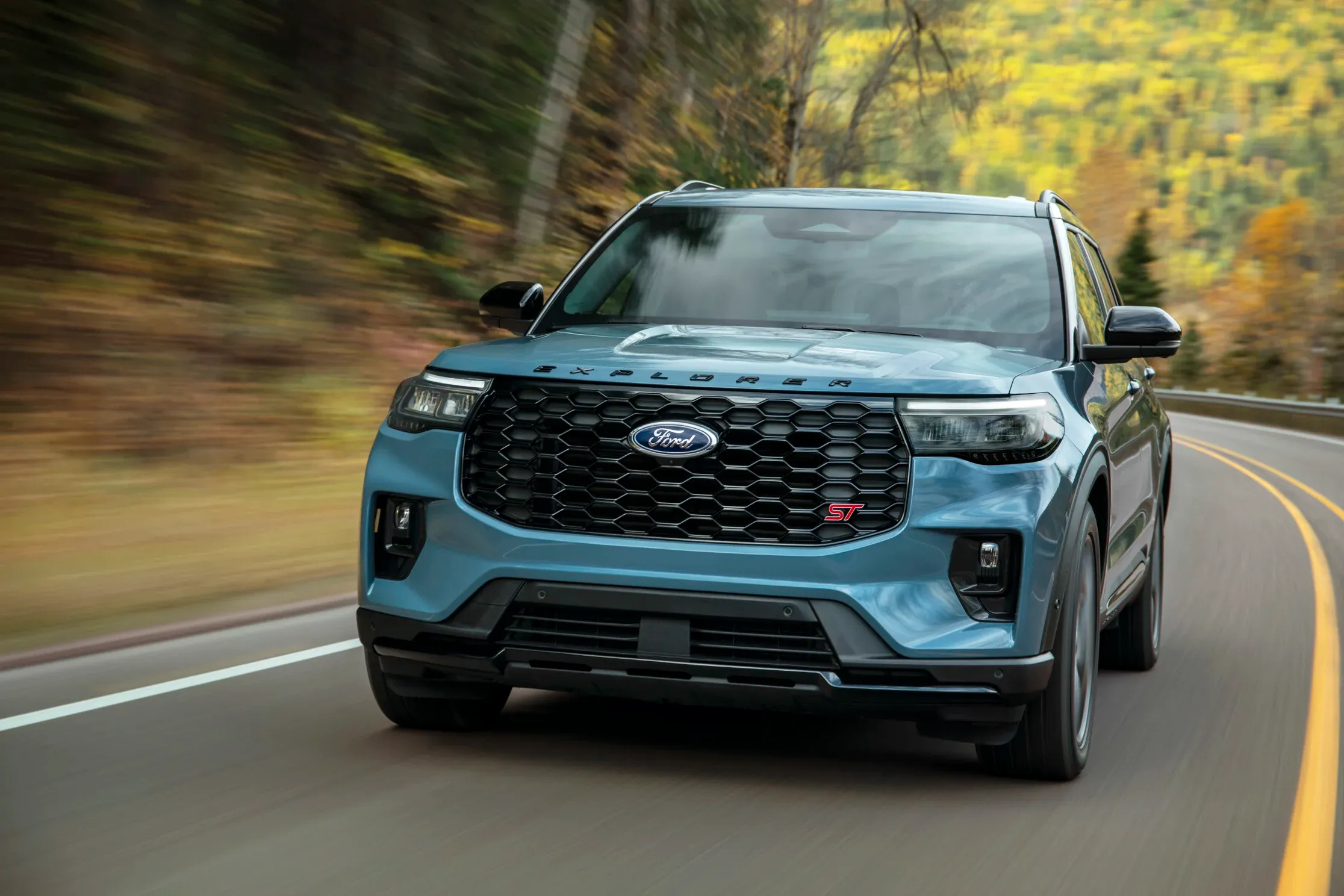
The Ford Explorer, while popular for its spacious interior and versatile capabilities, often exhibits noticeable nose-dive under sudden braking. Its suspension is tuned primarily for comfort rather than aggressive handling, allowing significant forward pitch when stopping abruptly.
The front struts compress noticeably, while the rear suspension does not counterbalance this motion effectively, leading to a pitching sensation that can unsettle the driver and passengers. While the brakes themselves are capable and responsive, the soft suspension amplifies the forward motion, reducing stability.
Drivers often report that during hard braking, the vehicle feels as if the front end is plunging toward the ground, requiring careful modulation of the brake pedal to maintain control. This behavior can be particularly noticeable on highways, where higher speeds make the forward momentum more pronounced.
The Explorer’s higher center of gravity also contributes to its tendency to nose-dive. Being a large SUV, its mass is positioned higher compared to more performance-oriented models, which amplifies the forward weight shift during braking.
Suspension geometry and spring rates further exaggerate this behavior. The front springs are relatively soft to absorb bumps and improve ride comfort, but during heavy braking, they compress excessively. Meanwhile, the rear springs do not provide equivalent counterbalance, creating a noticeable pitch that can affect steering response and driver confidence.
Even when the brakes are applied gradually, the forward weight transfer is perceptible, and drivers often describe a sensation of the vehicle leaning heavily forward, especially with passengers or cargo in the rear seats.
Finally, tires and chassis tuning play a role in the Explorer’s braking behavior. Comfort-oriented tires may provide adequate grip but are less effective at stabilizing the vehicle under extreme weight transfer.
The chassis is designed to flex slightly for ride comfort, but this also allows additional forward pitch during sudden stops. The combined effect is a vehicle that can feel less planted than others in emergency braking scenarios.
Drivers must adjust their braking technique to accommodate this behavior, applying pressure progressively to maintain composure and avoid potential rear-wheel lift or instability.
Chevrolet Traverse
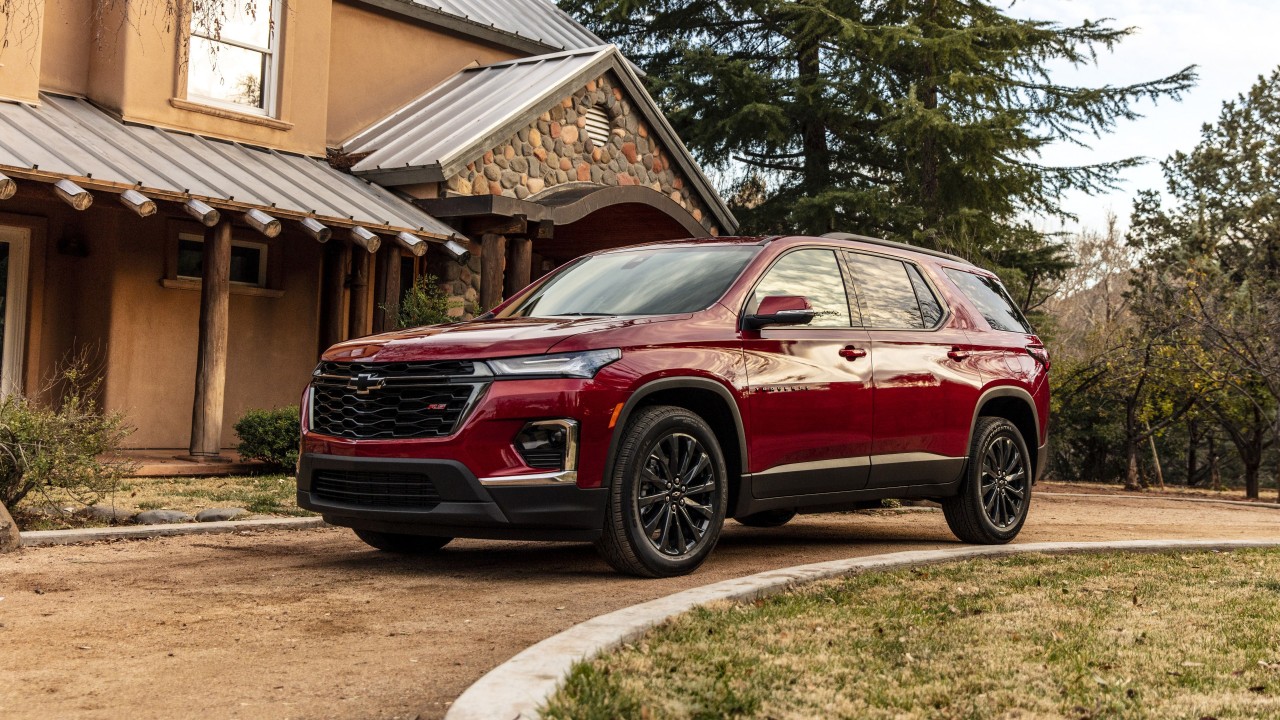
The Chevrolet Traverse prioritizes passenger comfort and interior space, but these design choices contribute to pronounced nose-dive under abrupt braking. Its suspension is relatively soft, allowing the front end to dip noticeably when stopping suddenly.
While the Traverse’s braking system is strong and capable of quick deceleration, the soft suspension does not counteract the weight transfer effectively, resulting in a pronounced forward tilt.
Passengers may feel jostled during abrupt stops, and the driver may notice the rear wheels momentarily losing optimal traction. This behavior is more evident at highway speeds or with a full load of passengers or cargo, when the forward weight transfer is intensified.
Weight distribution exacerbates this issue. The Traverse’s engine and front axle bear a significant portion of the vehicle’s mass, increasing the likelihood of forward pitching when brakes are applied suddenly. The high center of gravity magnifies the effect, creating a sense that the front of the SUV is dropping more quickly than the rear.
The geometry of the suspension further contributes to this behavior. Front struts compress more under heavy braking than the rear multi-link suspension, producing a visible forward tilt that can feel exaggerated.
This pitching motion can slightly reduce rear wheel traction, affecting stopping efficiency and vehicle balance. On uneven or slippery surfaces, the tendency to nose-dive may make it more difficult for the driver to maintain steering precision, requiring careful handling to keep the vehicle aligned.
Tire choice and chassis flexibility also play a part. Comfort-focused tires may limit lateral stability, while the flexible chassis absorbs bumps but allows more forward pitch during sudden deceleration.
The combined effect is a vehicle that feels less planted than more performance-oriented SUVs, requiring drivers to modulate braking carefully. While the Traverse remains safe and reliable, the nose-dive effect is a notable characteristic that drivers need to be aware of in emergency braking situations.

Jeep Grand Cherokee
The Jeep Grand Cherokee is designed with off-road capability in mind, which makes it excellent on uneven terrain but less composed during sudden braking on pavement. Its suspension, optimized for absorbing rough terrain, is softer and more compliant, allowing noticeable nose-dive when braking abruptly.
Even with powerful brakes, the soft suspension and tall stance mean the front end tilts forward more than in vehicles with stiffer setups.
Drivers report that during hard stops, the rear tires may feel slightly unloaded, creating a sensation of instability. This pitching motion is most noticeable at higher speeds or when the SUV is fully loaded with passengers or cargo.
High center of gravity and weight distribution contribute to this forward pitching tendency. The Grand Cherokee’s weight is more evenly spread for off-road balance rather than low-center-of-gravity pavement handling.
Suspension geometry exaggerates this effect. Front coil springs compress significantly under load, while the rear suspension does not provide an equal counterbalance, leading to a noticeable tilt. The resulting motion can affect steering feedback, making quick corrections feel less precise.
Even moderate emergency braking may feel unsettling due to this forward weight shift. The combination of tall ride height, soft suspension, and off-road-oriented geometry creates a distinctive sensation of the vehicle dipping at the front when brakes are suddenly applied.
Tires and chassis tuning further influence braking stability. Off-road tires, designed for grip on dirt or loose surfaces, may compromise lateral stability and responsiveness on paved roads. Additionally, the chassis absorbs impacts to protect passengers, which allows extra forward pitch during braking.
While the Grand Cherokee excels in versatility and comfort, its tendency to nose-dive during sudden stops is a characteristic drivers must manage through careful braking technique and anticipation of forward weight transfer.
Nissan Pathfinder
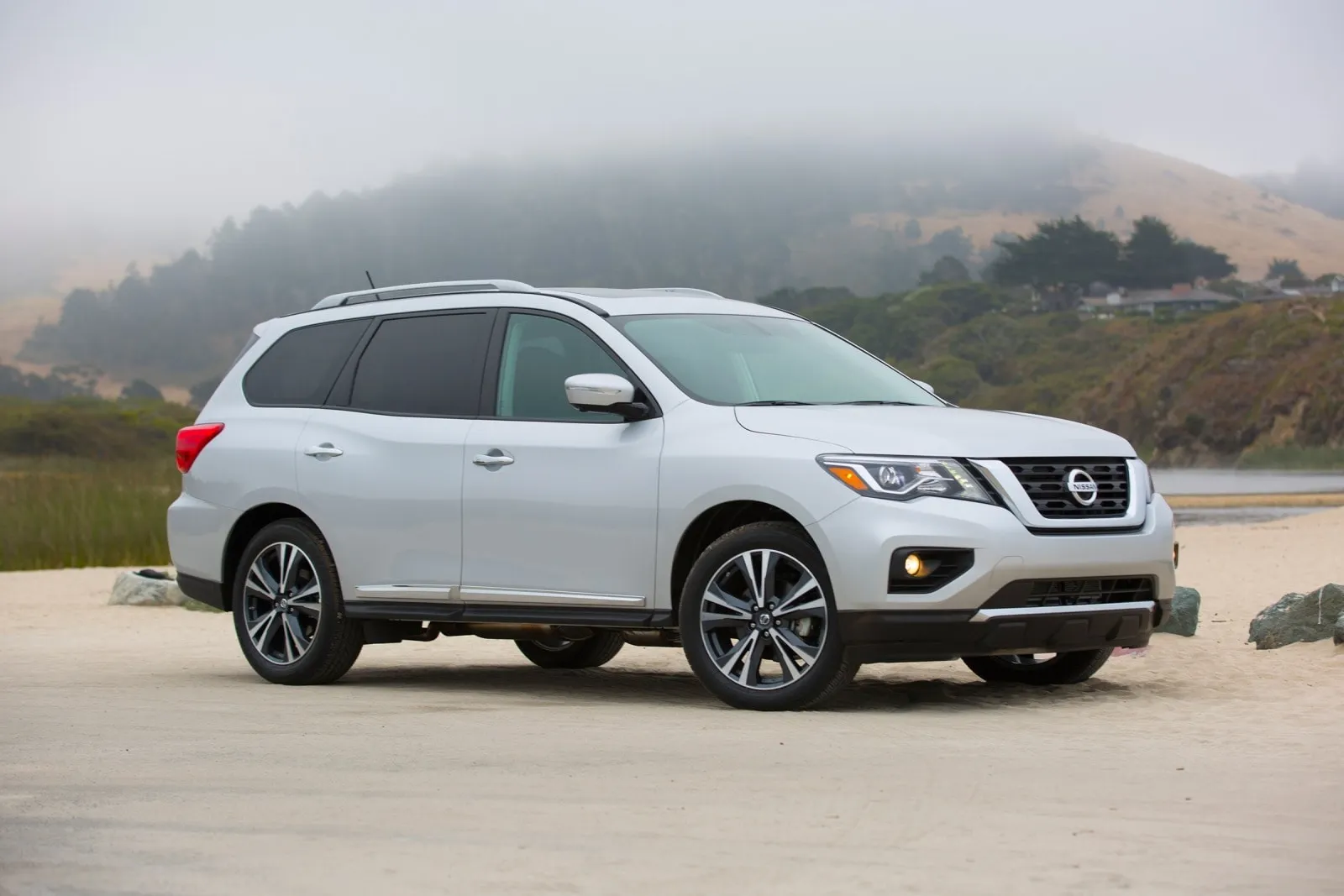
The Nissan Pathfinder is engineered with a focus on comfort and interior room, but this design choice contributes to a significant nose-dive under sudden braking. Its suspension system is softer, prioritizing smoothness over aggressive handling, which allows the front end to dip when brakes are applied suddenly.
The front struts absorb much of the deceleration force, while the rear suspension provides less counterbalance, creating a noticeable pitching motion.
Drivers may feel the rear wheels lift slightly during abrupt stops, reducing confidence in the SUV’s stability and affecting steering precision. Passengers may also experience increased jostling during emergency braking, particularly if the vehicle is fully loaded.
Suspension geometry further intensifies nose-dive. The front coil springs compress sharply under braking load, while the rear suspension remains relatively passive, producing exaggerated forward tilt.
This pitching motion can temporarily reduce rear tire contact and traction, affecting stopping efficiency and overall composure. On slippery surfaces or during abrupt lane changes, this behavior may require the driver to adjust braking technique and anticipate the vehicle’s forward momentum.
Chassis design and tire selection also contribute to the Pathfinder’s braking characteristics. The chassis is designed for ride comfort, allowing for slight flex that can amplify forward pitch under sudden stops. Tires focused on comfort rather than high-speed stability may limit lateral support during deceleration.
These combined factors result in a vehicle that feels less planted than many competitors when braking aggressively, highlighting the importance of driver awareness and controlled braking techniques in emergencies.
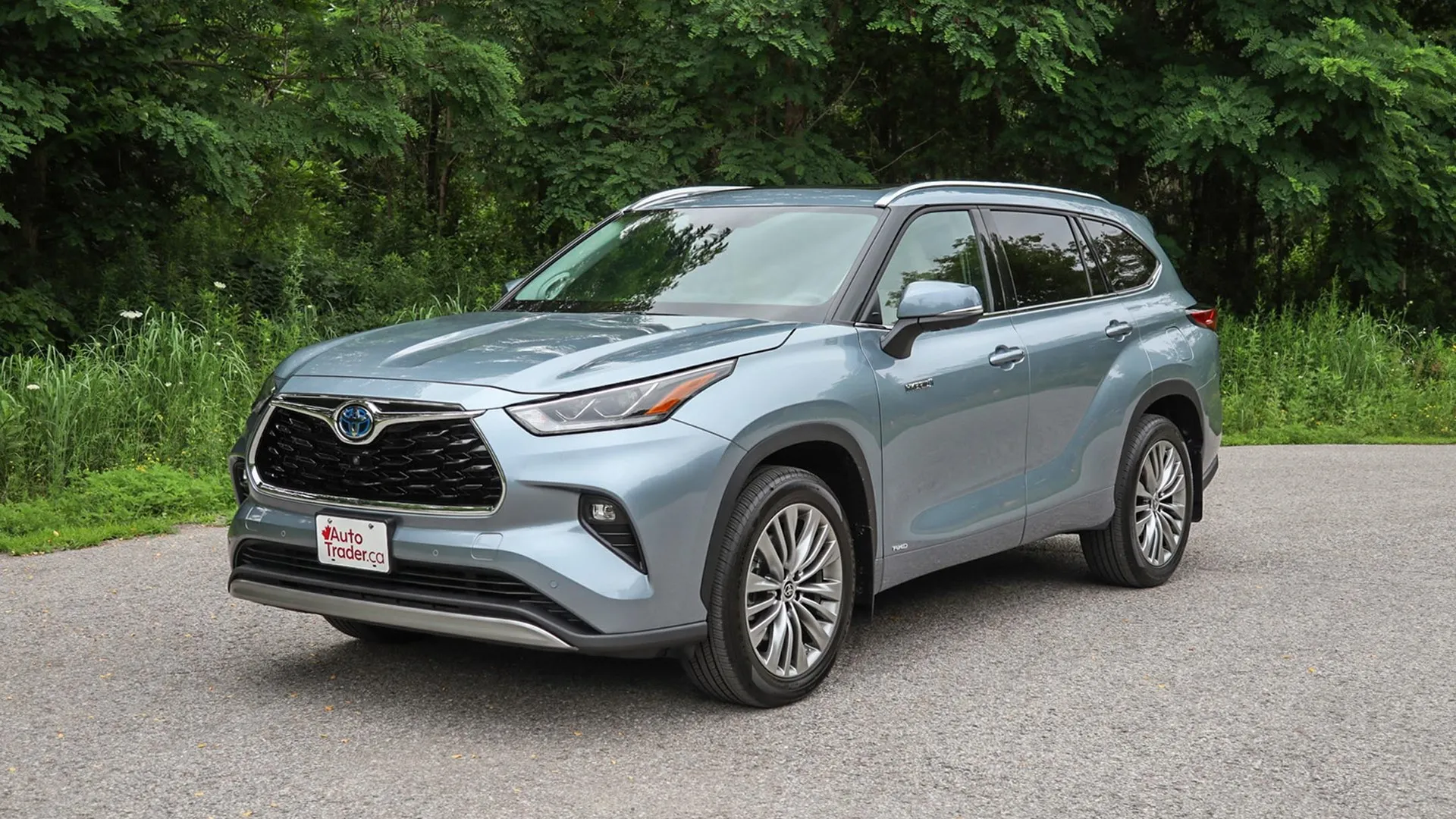
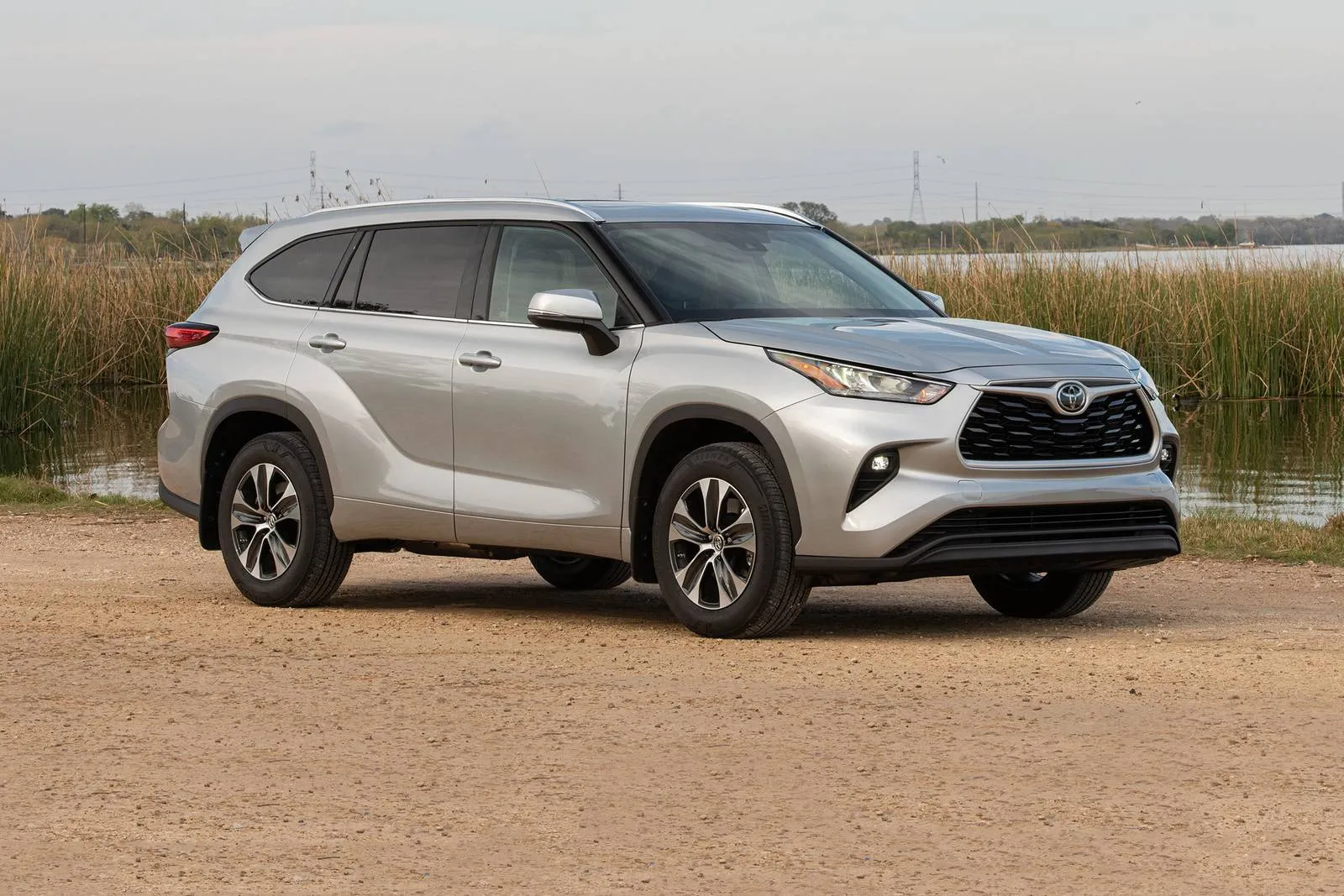
Toyota Highlander
The Toyota Highlander is a reliable and comfortable SUV, but it exhibits noticeable nose-dive during sudden braking. Its suspension is tuned for smoothness and comfort, allowing the front end to dip significantly under hard deceleration.
While the braking system itself is capable, the combination of softer suspension and high ride height results in a pronounced forward tilt, which can affect the rear tire contact and overall stability. Drivers often report a feeling of the front end plunging forward, especially when braking suddenly from highway speeds or with passengers and cargo aboard.
Weight distribution and vehicle height amplify nose-dive. With mass concentrated toward the front axle and a relatively tall center of gravity, sudden deceleration shifts significant weight forward.
Electronic stability systems help manage extreme cases, but cannot fully counteract the mechanical tendencies that cause forward pitching. As a result, drivers must remain attentive and modulate braking pressure to maintain composure during emergency stops.
On uneven or wet roads, the nose-dive effect becomes even more noticeable, highlighting the need for careful driving and anticipation of weight transfer.
Finally, tire and chassis tuning influence the Highlander’s braking behavior. Comfort-focused tires provide good grip for everyday driving but offer limited support in dynamic situations, while the chassis absorbs road shocks rather than resisting forward pitch.
This combination allows the vehicle to feel less planted under hard braking, requiring drivers to compensate with smoother and more deliberate pedal inputs. Despite being a safe and reliable SUV, the Highlander’s tendency to nose-dive is a characteristic that must be accounted for in emergency braking scenarios to maintain control and stability.
