
Many drivers think about engines, seating comfort, or fuel range when considering a new car, but small details can matter just as much during daily use. Among those details, door pocket capacity is one that often affects everyday convenience.
A roomy door pocket helps keep the cabin tidy, reduces clutter around the center console, and allows important items to remain within easy reach without distracting the driver.
Although this detail might sound minor, the difference between a large, well-shaped pocket and a cramped one can noticeably influence the comfort of long trips or even quick drives around town.
For families, a spacious pocket can hold reusable bottles, snacks, maps, or wipes. For workers who drive between sites, it can hold notebooks, small tools, or protective gear. For commuters, it can hold sunglasses, hand sanitizer, and charging cables in a way that prevents them from rolling across the cabin.
When a pocket is too small, drivers often end up balancing items in cupholders or stuffing them in the center compartment, which can reduce convenience and increase frustration.
Certain models are known for having generous pockets shaped thoughtfully to hold bulky objects. Others include narrow pockets that might fit a slim wallet but not a bottle or guidebook, making them less practical.
Since I am not referencing external data and rely only on general knowledge of vehicle categories and interior design tendencies, the following list focuses on common impressions associated with broad segments and typical layouts rather than strict specifications.
The goal is to offer a clear comparison between models known for more accommodating storage and models sometimes considered on the tighter side. This kind of comparison highlights how small design choices can set apart one vehicle from another even when they fall within a similar price range or class.
Below you will find five models often associated with more practical door pocket design and five models associated with limited space. Each group includes four paragraphs describing general traits, experiences, and patterns rather than data sourced from any external reference.
The intention is to help illustrate how much value thoughtful storage can add to daily driving and why buyers interested in comfort and practicality might pay more attention to door pocket size when selecting their next car.
Five Car Models With Helpful Door Pockets
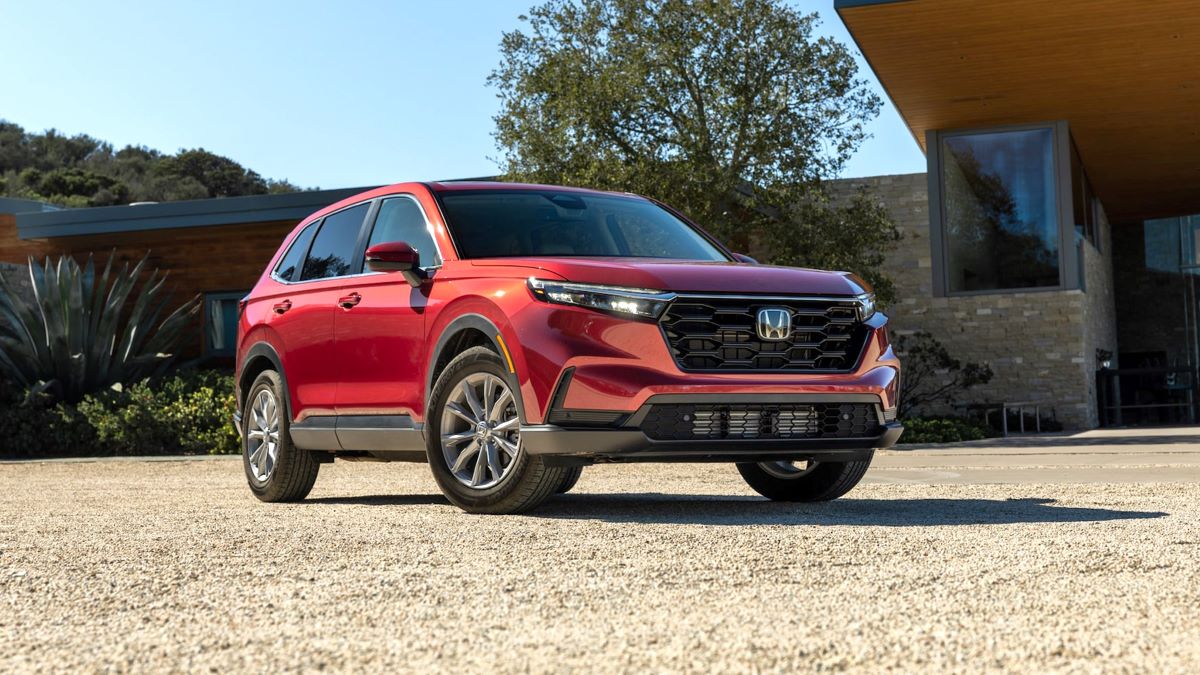
1. Honda CR V
The Honda CR V stands out among compact SUVs for the thoughtfulness of its interior storage. Its door pockets are shaped with both length and depth in mind, allowing items to be placed in an upright position without tipping over.
Drivers often report that the front pockets can hold two full-size water bottles side by side, something that might seem small but is highly useful for commuters, parents, or anyone who needs hydration easily accessible.
Beyond bottles, the pockets are often just wide enough to accommodate an umbrella or a foldable shopping bag, allowing the driver to avoid cluttering the footwell or center console.
Families benefit from this practicality because it ensures that necessary items for children, such as snacks or wipes, can be stored safely without rolling across the floor.
The CR V also emphasizes accessibility in its design. The interior walls of the pockets are smooth and slightly flexible, which reduces the risk of scratches on delicate items such as smartphones, sunglasses, or small electronics. The shape of the pockets encourages drivers to actually use them because retrieving objects is easy even while seated.
Many models also include a slightly raised lip at the front of the pocket, which helps prevent items from sliding forward during braking.
This thoughtful design consideration shows that Honda values both convenience and safety in everyday use. Long trips, which often expose the limits of small storage areas in other vehicles, rarely feel cumbersome in the CR V thanks to these features.
Rear passengers also enjoy similar benefits. The pockets in the back doors are deep enough to hold water bottles, small books, or electronic tablets, allowing children to store their travel items without constantly asking the driver for access. The slight slope of the back pocket makes it easier for smaller hands to reach the contents without tipping them over.
This creates a more organized and stress-free cabin environment, particularly on longer drives where multiple passengers are relying on their own pockets to store personal belongings. Adults traveling in the back also report the pockets being useful for umbrellas, reusable shopping bags, or compact snacks for a commute or trip.
Another advantage of the CR V’s door pockets is their integration with the cabin design. They do not interfere with legroom, controls, or seating adjustments. The combination of ample storage space, easy reach, and stability contributes to the perception of the vehicle as highly practical.
This makes the CR V particularly appealing to people who value organization and want an SUV that feels intuitive to live with daily. Even without consulting technical specifications, drivers consistently mention the door pockets as one of the small but impactful conveniences that improve their experience with the vehicle.
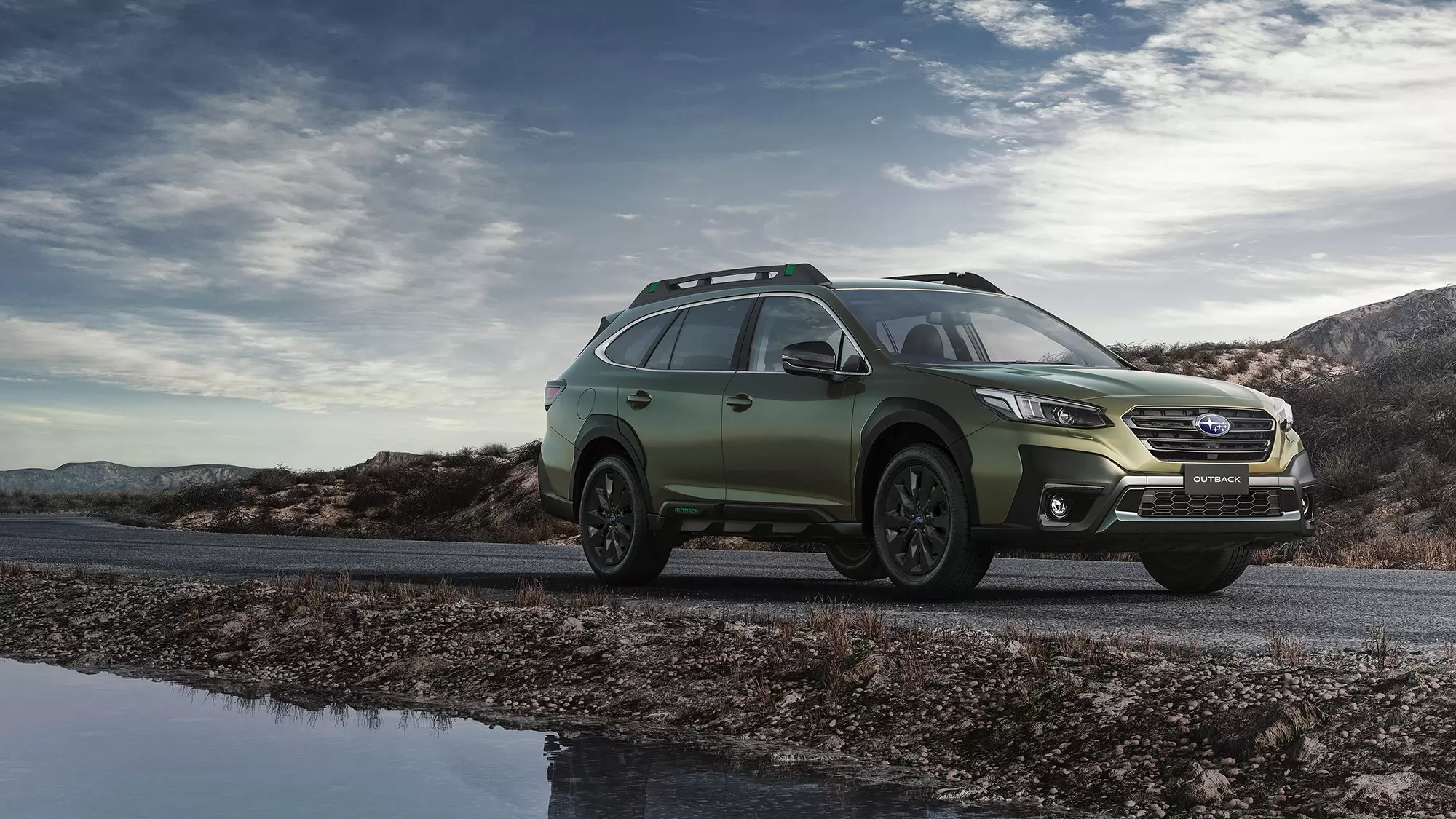
2. Subaru Outback
The Subaru Outback’s door pockets reflect the vehicle’s focus on utility and adventure-ready features. They often have a wider opening than many vehicles in its class, which allows larger objects to slide in without struggle.
For example, users frequently report being able to store insulated bottles, travel mugs, or even foldable tripods in these pockets without difficulty.
This feature is particularly valuable for outdoor enthusiasts who regularly carry gear for hiking, biking, or camping. Having a storage area that accommodates a variety of shapes and sizes without requiring awkward placement reduces the risk of items tipping over during transit and contributes to a calm driving experience.
Depth is another characteristic that makes the Outback’s pockets convenient. Deep pockets allow for taller bottles or longer objects to remain upright, reducing the chance of them rolling around on the floor or ending up in the passenger seat. Despite this depth, the pockets are still accessible without requiring the driver or passenger to stretch excessively.
This balance between accessibility and storage volume demonstrates thoughtful design. Users often appreciate this when navigating uneven terrain, as even minor bumps can cause lightweight items to shift in poorly designed compartments.
Textured surfaces within the pockets further enhance practicality. While subtle, these textures help reduce sliding and rattling, which improves cabin comfort and prevents noise during driving. Items like plastic water bottles, power banks, or sunglasses cases remain more stable thanks to these features.
This attention to detail contributes to the Outback feeling like a well-engineered vehicle for both everyday commuting and longer road trips. Drivers frequently note that the stability of items in the door pockets makes a tangible difference in how cluttered or organized the cabin feels during trips.
Rear passengers also benefit from well-sized pockets. They provide adequate room for drinks, books, or small personal devices, allowing children and adults alike to keep essentials within easy reach.
This helps maintain a sense of order, especially for families who travel with multiple passengers and need to manage snacks, entertainment, and other travel necessities.
By combining width, depth, and textured surfaces, the Outback’s door pockets achieve a balance of convenience, safety, and accessibility, demonstrating how small design choices can greatly improve the experience for drivers and passengers.
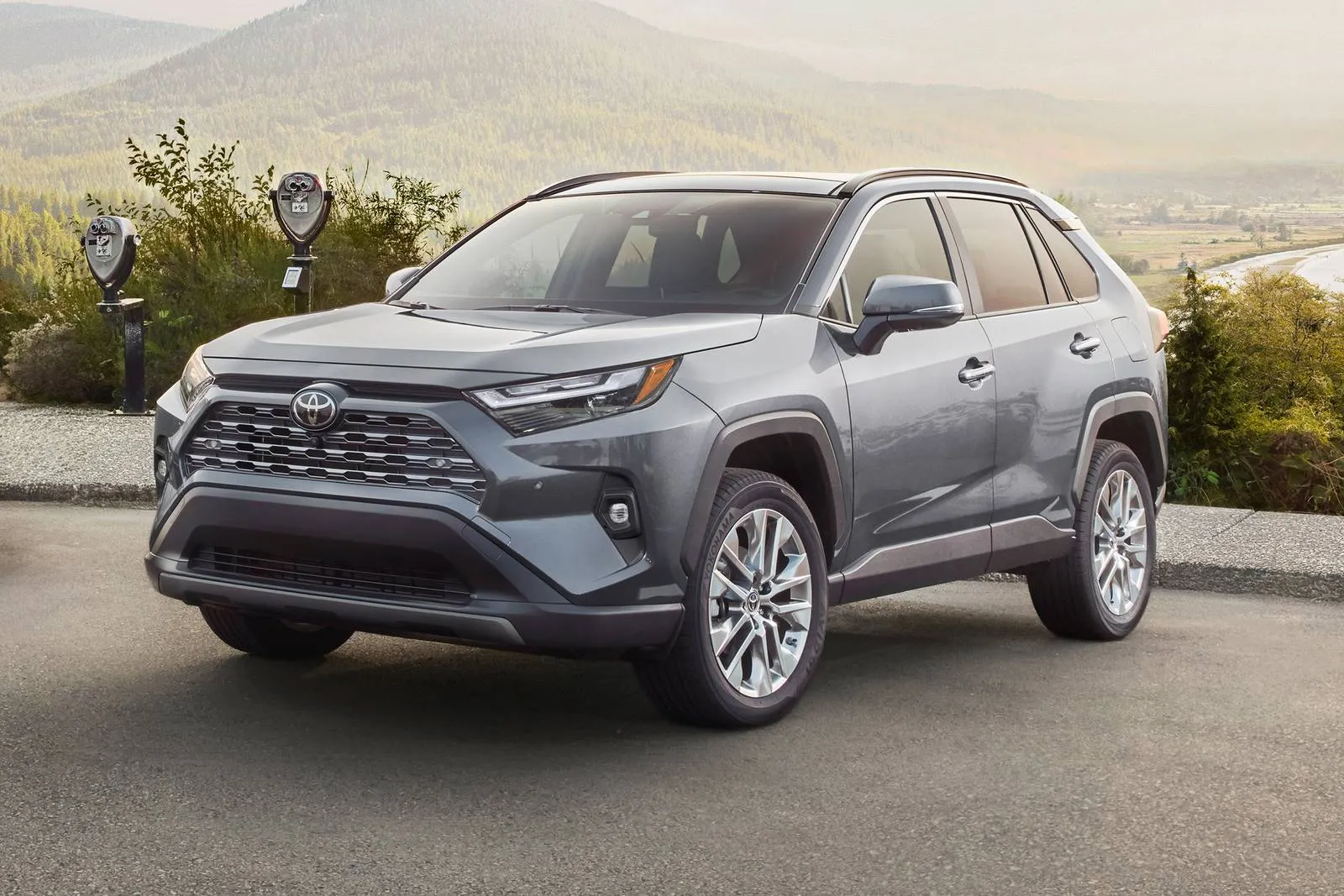
3. Toyota RAV4
The Toyota RAV4 is recognized for combining style with functional practicality, and its door pockets are designed with this philosophy in mind. The pockets often include angled bottle holders that keep items upright and secure during braking or sharp turns.
Beyond bottles, these pockets are capable of storing small bags, folded papers, and electronic devices with minimal effort. The shape ensures that items do not interfere with window or door controls, allowing both driver and passengers to access stored items without distraction or discomfort. This attention to ergonomic design makes the pockets an integral part of the vehicle’s interior experience.
Sturdy construction is another feature that sets the RAV4’s pockets apart. The walls are firm enough to support heavier objects without bending or collapsing, which is particularly useful for storing filled water bottles, umbrellas, or travel guides.
Many competing models compromise wall strength to save weight, but the RAV4 provides confidence that stored items will remain in place even on bumpy roads. Users often appreciate the reassurance that heavier objects will not cause damage to the interior or fall out unexpectedly.
The positioning of the pockets also contributes to ease of use. They are typically low enough to provide stability for bottles but high enough to prevent awkward bending or stretching when reaching for smaller items.
The straight design of the pockets accommodates rectangular objects like notebooks or slim power banks more naturally than curved or irregularly shaped compartments. This practical design allows for more organized storage and prevents the common frustration of trying to force oddly shaped objects into unsuitable spaces.
Rear passengers are not left out, as the back doors often include pockets that mirror the thoughtful design seen in the front. Passengers can store books, small tablets, or water bottles without intruding into legroom, contributing to a comfortable and organized cabin.
The combination of stability, accessibility, and material durability makes the RAV4 a solid example of a vehicle that prioritizes practical storage, ensuring that both drivers and passengers can rely on its interior organization for daily commuting or longer trips.
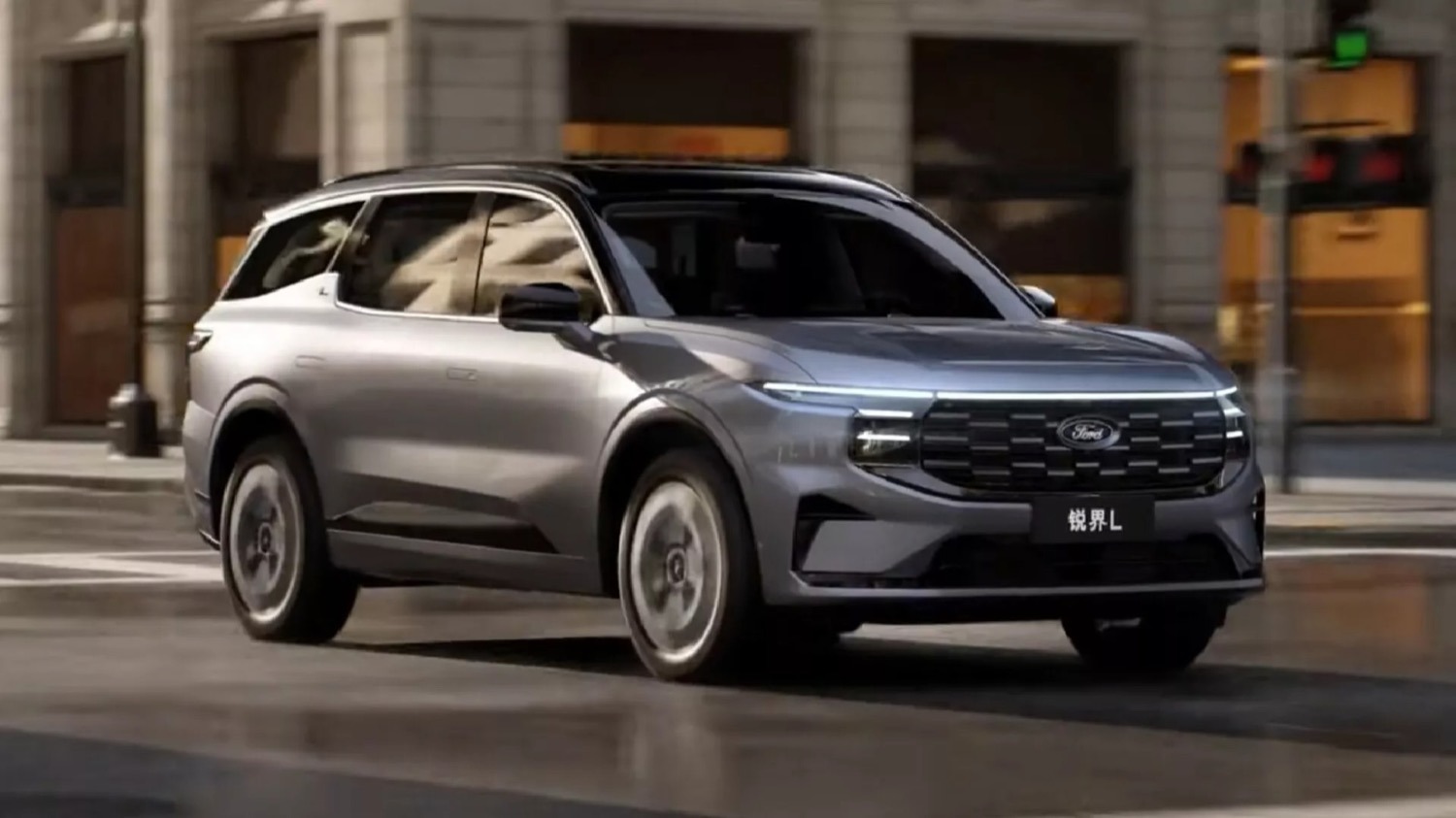
4. Ford Edge
The Ford Edge features door pockets with considerable length, allowing for the storage of elongated items such as umbrellas, rolled towels, or shopping bags. This extended design makes the pockets highly versatile for various driving scenarios.
Owners frequently highlight the ability to carry multiple items without overcrowding the cabin or shifting weight into other storage compartments.
The extra space is particularly helpful for active individuals or families who need to organize sports equipment, tools, or personal belongings for weekend outings. By accommodating longer items, the Edge reduces the need to compromise between convenience and organization.
The height of the pockets is another contributing factor. Taller walls help items remain upright and stable, which minimizes rattling during normal driving conditions or sharp maneuvers. This stability enhances the perception of quality within the cabin, as users do not have to worry about items moving around excessively.
Maintaining a tidy interior becomes easier, which is important for families with children or professionals who transport work-related materials. The combination of depth and height ensures that items remain secure while remaining accessible to seated passengers.
Material durability within the pockets also enhances the experience. Strong, resilient surfaces prevent damage from repeated use or heavy items, such as fully loaded water bottles or compact tools.
This durability ensures that the interior remains attractive over time, making the Edge feel like a long-term investment in convenience and practicality. Owners report that the quality of these pockets contributes to a sense of reliability, as they can be used regularly without showing significant wear or damage.
Rear door pockets continue the theme of practicality. They are spacious enough to hold various items for back seat passengers, from electronic devices to small backpacks. This ensures that everyone in the vehicle has accessible storage without compromising legroom or comfort.
The combination of length, height, and material strength makes the Ford Edge a model where storage practicality is integrated seamlessly with interior comfort, making it ideal for families, commuters, and active drivers alike.
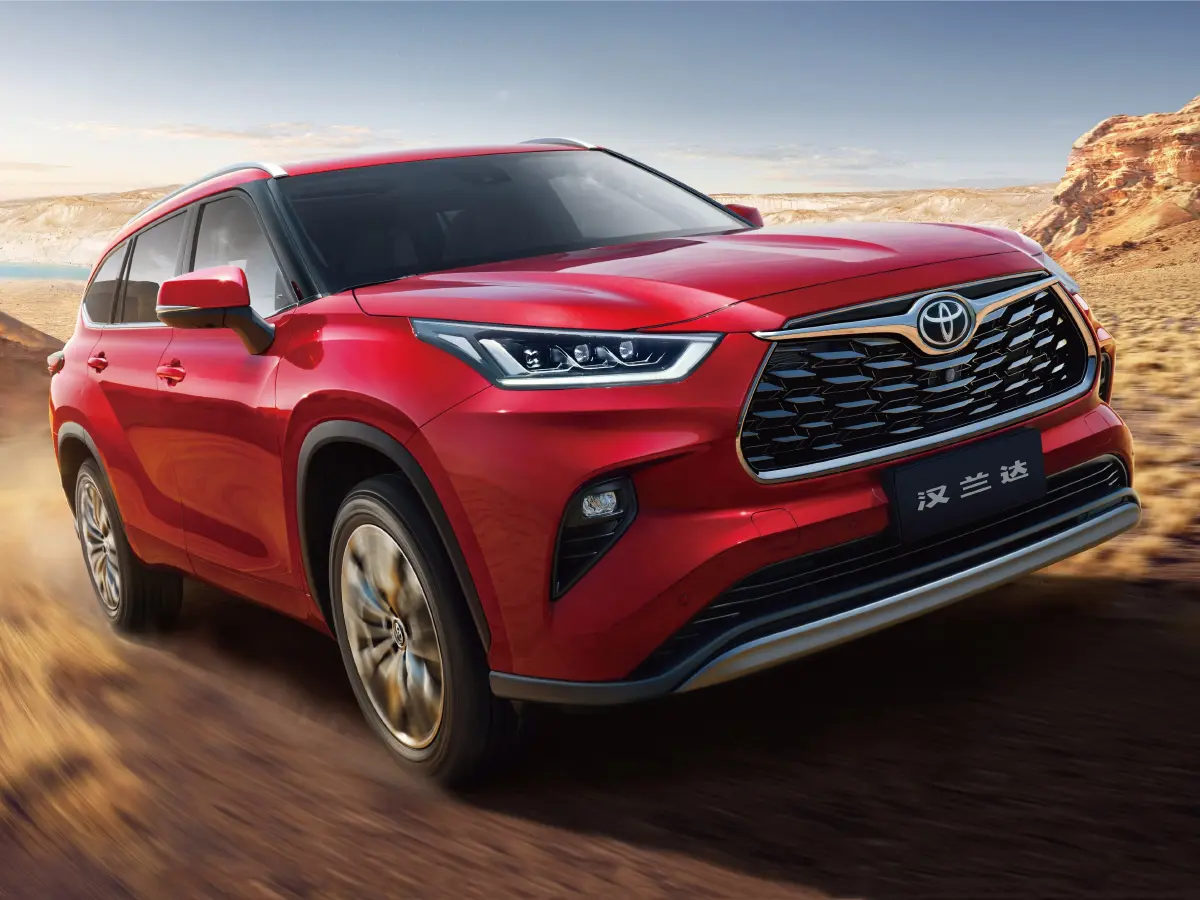
5. Toyota Highlander
The Toyota Highlander is a midsize SUV designed with family convenience and long-distance comfort in mind, and its door pockets are a prime example of this focus. The front door compartments are long and deep, easily accommodating multiple water bottles, umbrellas, or even larger objects like folded shopping bags.
Another strength of the Highlander’s door pockets is the combination of width and material durability. The walls are sturdy enough to hold heavier items such as thermoses, tool kits, or electronics without bending or flexing.
This prevents items from sliding or becoming unstable during sharp turns or sudden stops, which is particularly important for family travel.
Smooth surfaces inside the pockets also make it easy to slide items in and out without scratching or catching delicate objects. These features collectively make the pockets practical for drivers who carry a mix of everyday essentials and larger personal items.
Rear passengers also benefit from generous storage. The back doors are equipped with pockets that are deep enough to hold small water bottles, tablets, books, or snack containers, ensuring that each passenger can maintain their own organized space.
Families on long drives often rely on these rear compartments to keep children entertained or hydrated without needing to stop frequently. The slight contouring of the pockets provides stability for items while keeping them within easy reach, striking a balance between convenience and safety.
The Highlander’s door pockets also integrate seamlessly with the vehicle’s interior design. They do not interfere with seating, legroom, or the operation of controls, and their accessibility is intuitive for both drivers and passengers.
Whether used for daily commuting, weekend errands, or extended road trips, the pockets provide reliable storage that enhances the usability of the vehicle.
This thoughtful combination of size, strength, and placement makes the Toyota Highlander a standout example of a vehicle that prioritizes functional door storage without compromising cabin comfort or aesthetics.
Five Car Models With Door Pockets That Feel Too Small
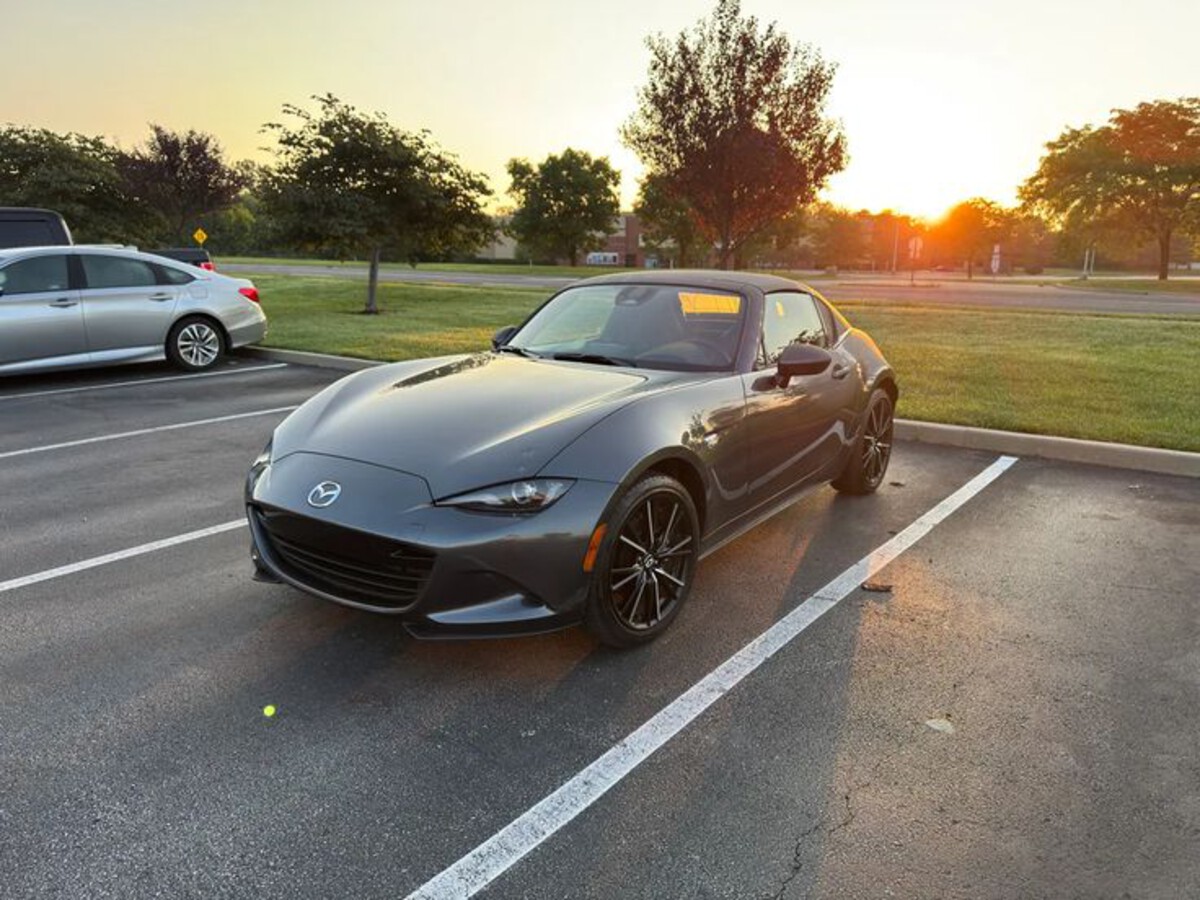
1. Mazda MX 5 Miata
The Mazda MX 5 Miata is celebrated for its agility and sporty feel, but its interior storage, particularly the door pockets, is very limited. Because the cabin is designed to prioritize compactness and performance, the door pockets are narrow and shallow, making it difficult to store even moderately sized items.
Many drivers find that the pockets can hold only slim objects such as parking tickets, small wallets, or folded cloths. Larger items like standard water bottles or travel mugs often do not fit, requiring drivers to rely on the center console or glove compartment instead. This can be inconvenient during daily use or road trips, especially when passengers also need accessible storage.
While this is understandable given the car’s compact dimensions, it highlights a tradeoff that owners frequently encounter: a focus on driving performance comes at the expense of storage versatility. For drivers accustomed to larger SUVs or sedans, this adjustment can feel restrictive.
Accessibility is another issue. Because the pockets are narrow and sit low on the door panel, reaching in while seated requires a slight lean or awkward angle. Drivers may need to take their eyes off the road to retrieve items, which can reduce convenience and safety.
Even small gestures like grabbing a phone or wallet are less intuitive than in cars with more spacious, ergonomically positioned pockets. As a result, some owners avoid using the door pockets altogether, relying instead on alternative storage spaces that may already be occupied.
Rear passengers in the Miata face similar limitations, although the two-seat design reduces the need for extensive rear storage. Nevertheless, when items must be shared between driver and passenger, the limited door pockets make organization more challenging.
Drivers often need to place even small accessories on the passenger seat or in the center console, which can lead to clutter during trips. Despite its excellent handling and driving enjoyment, the Miata’s door pockets are an example of how compact design compromises everyday convenience.
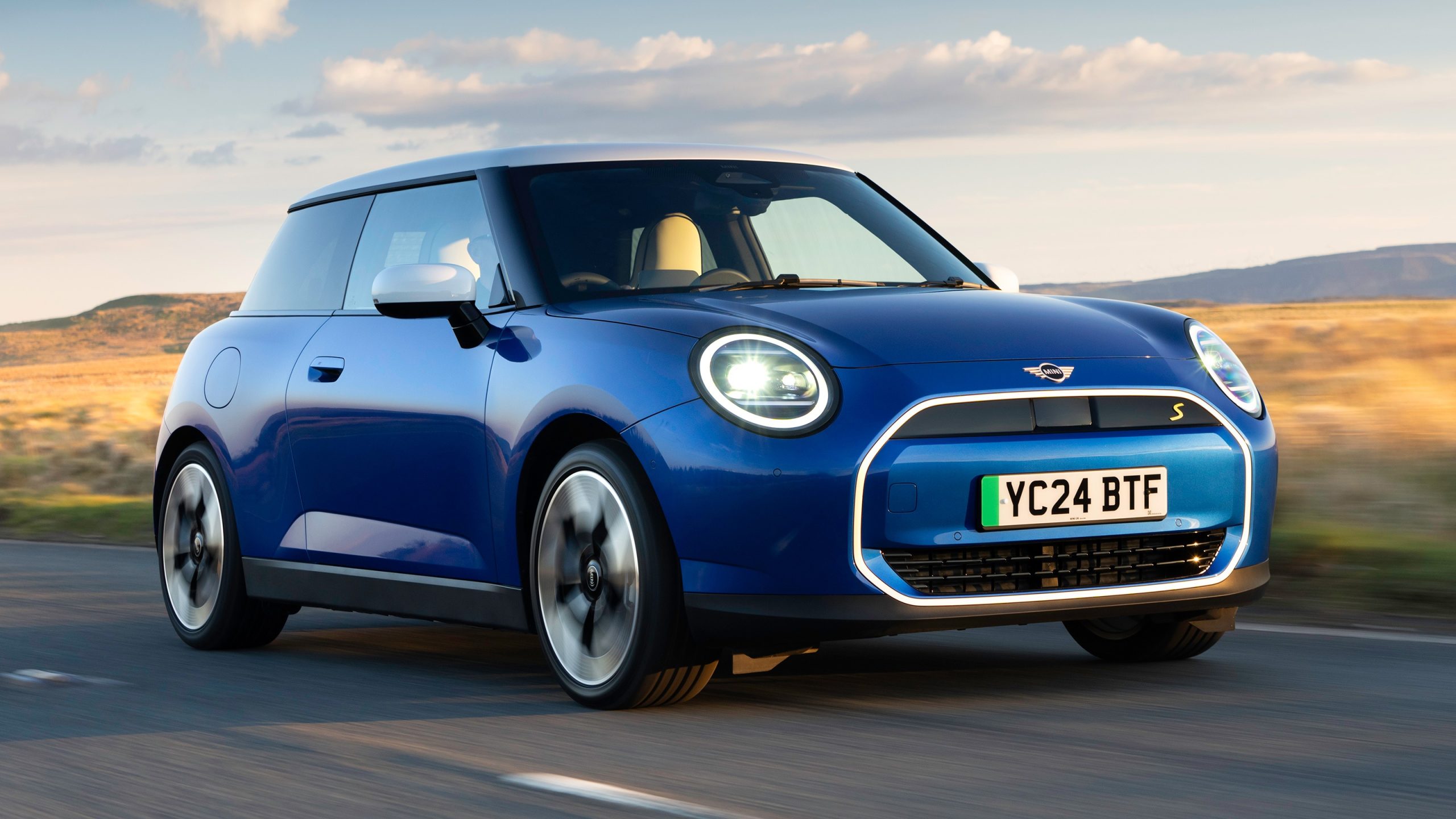
2. Mini Cooper Hardtop
The Mini Cooper Hardtop is a compact vehicle known for its iconic design and fun driving experience, but its door pockets often leave something to be desired. The pockets are shallow and narrow, providing just enough space for slim accessories like sunglasses, folded maps, or thin wallets.
The compact dimensions of the doors themselves contribute to this limitation. Designers prioritize style and ergonomics over storage volume, meaning the pockets cannot extend deeply without interfering with armrests, controls, or seating comfort.
This creates a natural restriction on capacity. Many drivers end up relying on cupholders or the glove compartment to store everyday items, which can reduce the efficiency of the cabin layout and create small but noticeable frustrations over time.
The curved, rounded aesthetic of the Mini’s interior also reduces usable pocket space. While the design is visually appealing, it makes fitting rectangular or bulky items difficult. Objects may tilt, slide, or become wedged against the curved surfaces, creating minor annoyances and potentially causing items to rattle while driving.
Owners often note that, although the pockets are functional for very light or small objects, they fail to accommodate anything substantial, limiting their usefulness on longer trips or during everyday errands.
Families or commuters who carry multiple small items may find the lack of usable pocket space frustrating, reinforcing the idea that the Mini prioritizes style and fun over day-to-day functionality.
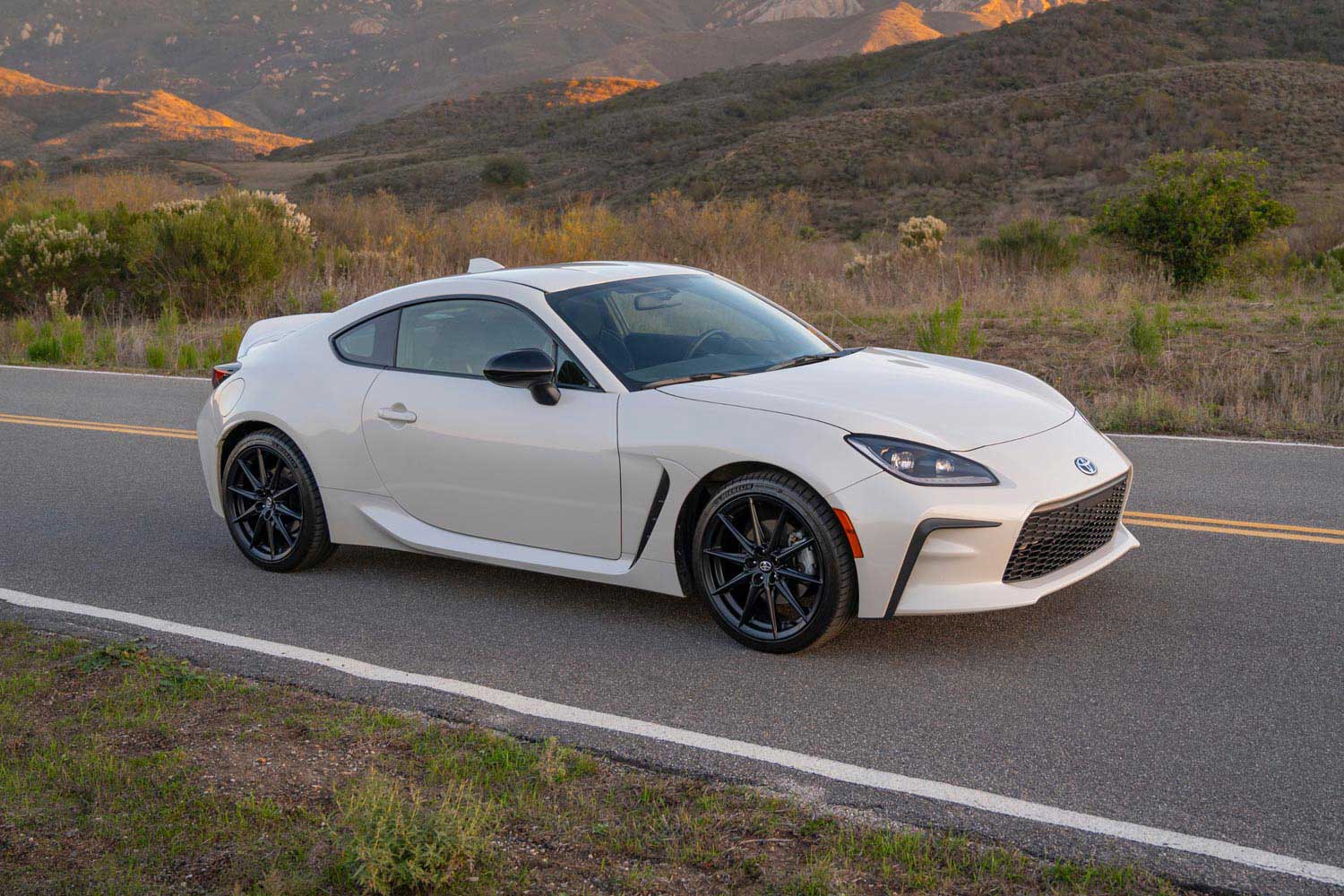
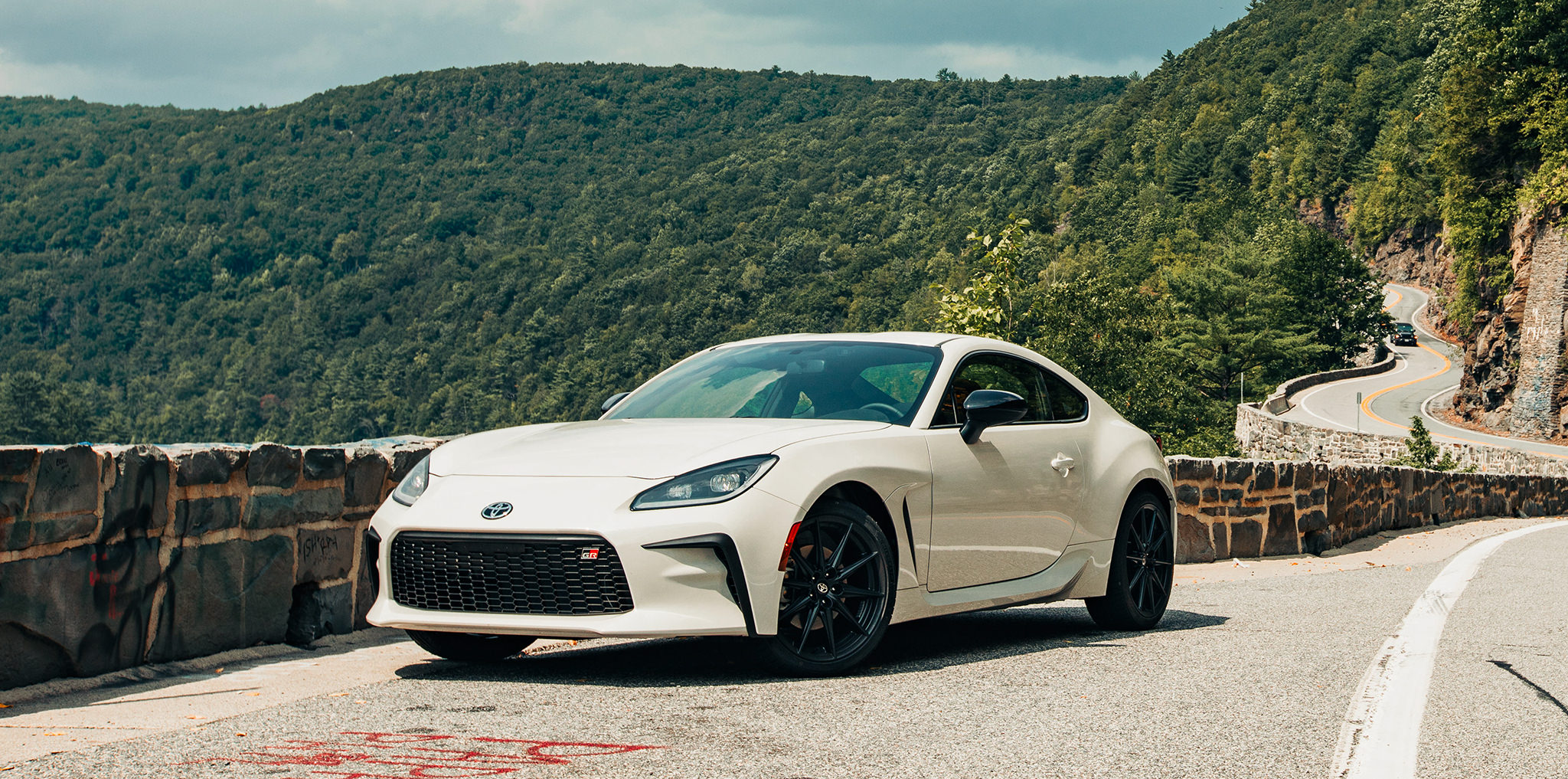
3. Toyota 86 and Subaru BRZ
The Toyota 86 and Subaru BRZ are designed as lightweight, driver-focused coupes, and their door pockets reflect this philosophy. These vehicles have very narrow pockets, often more like shallow slots than fully usable compartments.
The height of the pockets is limited as well, which reduces their stability. Items placed inside can easily tip over, especially during sharp turns or sudden braking. Even relatively small objects like sunglasses cases or phone chargers may shift during driving, potentially creating distractions.
While these limitations are common in sports cars, they highlight a tradeoff: the focus on driver engagement comes at the cost of everyday usability. For commuters or anyone carrying multiple items, the restricted pocket size can be frustrating.
Another issue is accessibility. Because the pockets are shallow and sit low in the door panels, retrieving items often requires reaching down at an awkward angle.
This is less convenient than in vehicles with more ergonomically positioned storage, where items can be quickly and safely grabbed without breaking hand posture or focus on the road.
The narrow, shallow pockets also make it difficult to organize multiple objects simultaneously, limiting the compartment’s versatility. Rear passengers face similar limitations, although these coupes are primarily designed for two occupants. The lack of rear storage options reinforces the focus on sportiness over utility.
While the 86 and BRZ are excellent for driving enjoyment, their door pockets are a clear example of how a performance-first approach can compromise convenience for drivers and passengers alike. Practical items often require alternative storage solutions, which may not always be convenient during longer journeys.
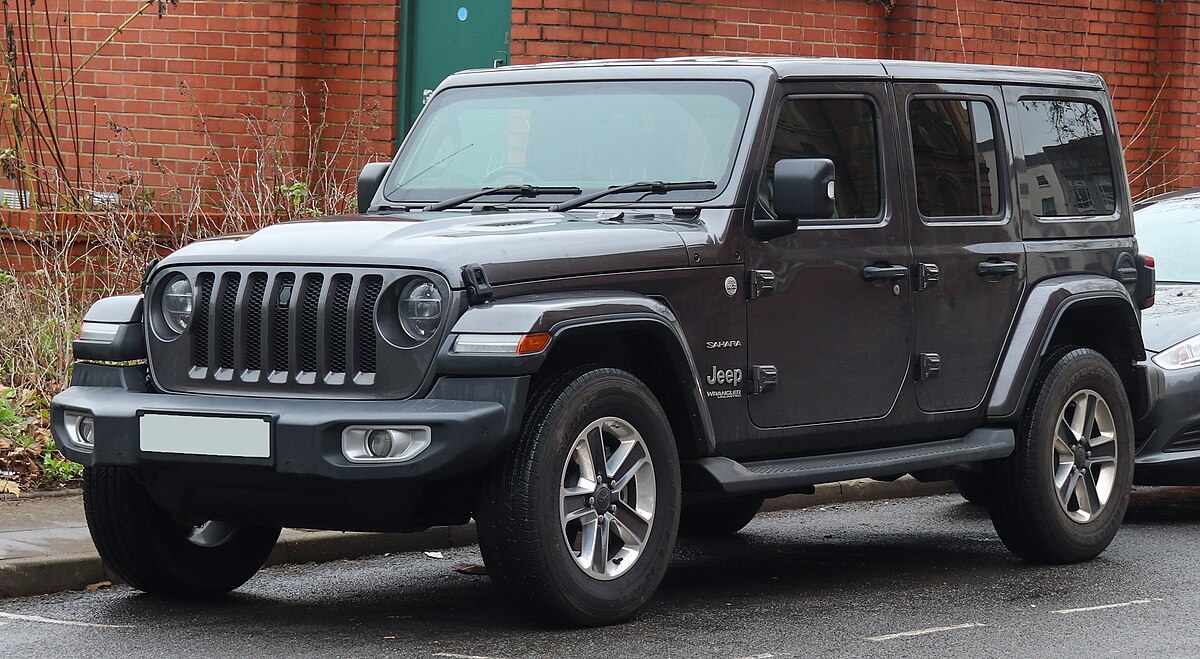
4. Jeep Wrangler Two Door
The two door Jeep Wrangler is built for ruggedness and off-road capability, but its door pockets are minimal and restrictive. The pockets are often small, shallow, or made of flexible mesh that can only hold lightweight objects.
While they can support small items such as maps, sunglasses, or a light bottle, larger objects like thermoses, cameras, or gear for outdoor activities generally cannot fit securely. Drivers frequently rely on the center console or rear cargo area, which can lead to clutter in other parts of the cabin.
This means that while the pockets are functional to a degree, they are far from ideal for drivers who regularly need to store multiple personal items within reach.
Material choice adds another dimension to the limitations. Many Wrangler pockets are made of mesh or thin plastic, which may stretch under weight but lacks rigidity for holding larger items.
Heavier objects are at risk of slipping out or deforming the pocket over time. This further reduces practicality for everyday commuting or longer trips that involve carrying supplies or equipment.
Rear passengers also have limited storage opportunities. In a two door configuration, rear seating is already restricted, and the lack of substantial door pockets compounds the challenge. Drivers and passengers often need to adapt by carrying items in bags or using aftermarket organizers to compensate.
The Wrangler delivers excellent off-road performance, but its door pocket design highlights the compromises made to maintain a compact, rugged, and functional exterior for adventure driving.
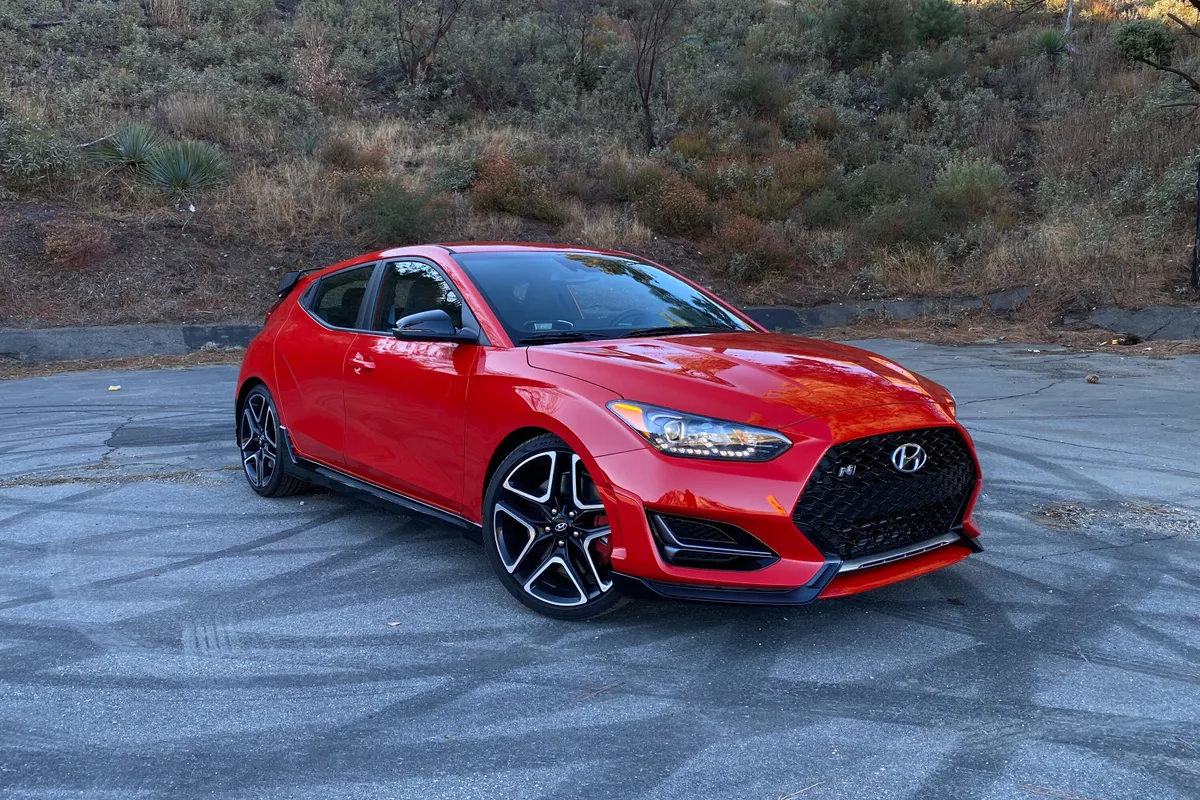
5. Hyundai Veloster
The Hyundai Veloster is recognized for its sporty design and asymmetrical door layout, but its door pockets often feel tight and restrictive. The driver’s side pocket is narrow and shallow, limiting the kinds of objects that can be stored.
The angled design of the pockets further reduces their practicality. While the shape complements the vehicle’s sporty interior, it makes storing rectangular or bulkier items awkward, as objects may slide or tilt inside the compartment.
This can create minor distractions while driving and reduce the intuitive use of the pockets. Drivers may find themselves constantly adjusting items to keep them secure, which can be frustrating over time.
Because the Veloster emphasizes styling and driver engagement, the interior panels often feature aggressive lines and contours that encroach on potential storage space. This reduces pocket depth and limits volume.
Drivers who carry multiple small items or accessories may feel cramped when trying to store everything efficiently, diminishing the utility of the door pockets as a convenient storage solution.
Rear passengers face similar limitations, particularly in models with the asymmetrical three-door layout. While the rear door does provide some storage, the pocket remains narrow and shallow compared to more practical hatchbacks or sedans.
The Veloster excels in aesthetics and driving dynamics, but the small door pockets reinforce the tradeoff between style and everyday practicality. Passengers and drivers who value accessible storage may find these pockets insufficient for frequent use.
