
One of the small but persistent frustrations of car ownership is not knowing exactly how far you can drive before needing to refuel. Some vehicles provide an almost comforting sense of control, giving drivers accurate readings and clear indications of fuel range.
These cars allow you to plan trips confidently, avoid unnecessary pit stops, and generally feel in tune with the mechanics of your vehicle. On the other hand, some cars seem to have fuel meters designed to keep drivers on edge, giving inconsistent readings or wildly optimistic estimates that make every drive a guessing game.
This difference is not trivial. For someone commuting long distances, road-tripping, or simply trying to manage time efficiently, knowing whether your tank will last another 50 miles or 10 can make a significant difference in stress and convenience.
The accuracy and usability of a fuel range meter depend on several factors, including the sophistication of the fuel gauge, the car’s onboard computer, driving patterns, and fuel tank size. High-end vehicles often incorporate algorithms that track your driving habits and adjust estimates in real-time, offering a surprisingly precise sense of how much fuel remains.
By contrast, older or simpler models may provide a more generic estimate, leading to situations where drivers need to mentally add a buffer, often overestimating or underestimating their remaining miles. A reliable reading fosters confidence, while a wildly inaccurate one can induce constant anxiety, forcing unnecessary stops or creating tension during longer journeys.
In this article, we will examine two sides of the spectrum. First, we will look at five cars that are celebrated for their user-friendly, reliable fuel range meters. These vehicles make refueling straightforward, allowing drivers to feel secure and informed. Next, we will examine five cars notorious for fuel range systems that demand guesswork, where drivers often experience frustration, surprise low-fuel warnings, and inconsistent mileage estimates.
The goal is to provide a practical comparison that highlights how a seemingly minor feature can significantly affect the driving experience. While performance, styling, and comfort are important, the accuracy of fuel range meters is a detail that directly impacts daily usability and peace of mind.
Understanding which cars belong to each category helps drivers make informed choices, whether they prioritize convenience, predictability, or simply reducing stress during the daily commute.
Cars with Friendly Fuel Range Meters
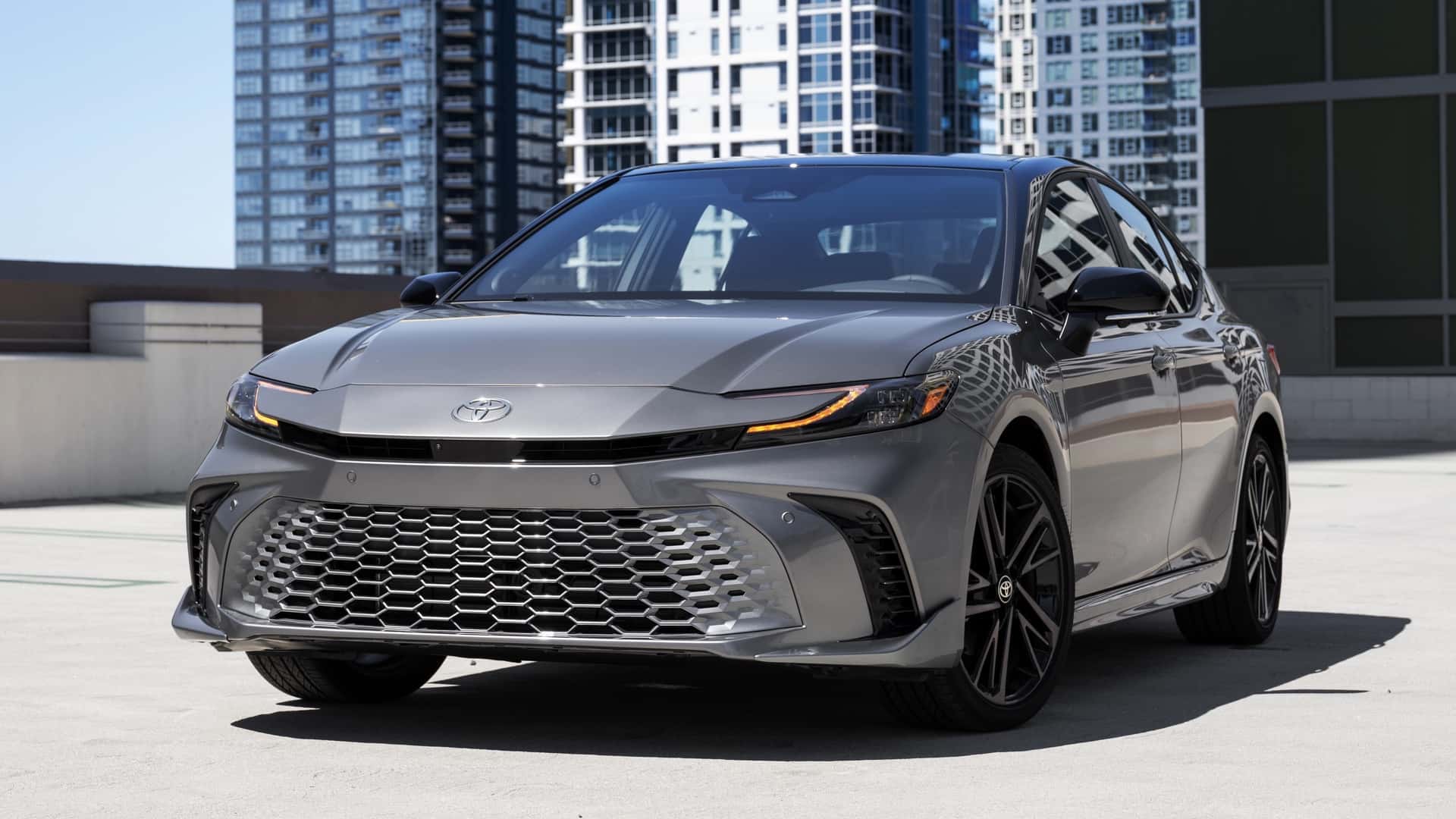
Toyota Camry
The Toyota Camry is widely recognized not just for its reliability and efficiency but also for the precision of its fuel range indicator. The onboard computer in newer models calculates remaining miles based on recent driving habits, adjusting constantly to account for city or highway driving.
This dynamic adjustment means that the displayed range feels realistic, rarely leaving drivers surprised by a sudden low-fuel warning. For commuters and families alike, this level of accuracy allows for confidence when planning trips or deciding whether to make a quick detour. Unlike some vehicles that provide overly optimistic numbers, the Camry’s system balances realism with usability, helping drivers avoid panic stops at the pump.
Another reason the Camry’s fuel gauge feels friendly is its integration with the digital display. Drivers can see not only the estimated miles remaining but also a visual representation of fuel usage trends. After a stretch of highway driving, the system recalibrates the range in real-time, providing a more extended estimate if efficiency improves.
This immediate feedback helps drivers understand how their driving style impacts fuel consumption. Over time, this feature encourages fuel-efficient driving habits because drivers can see the tangible effects of moderate acceleration, steady speed, and minimal idling.
The consistency of the Camry’s fuel range meter also stands out. Even in older models, the gauge rarely shows extreme fluctuations, offering gradual updates that match real fuel consumption closely. For long-distance travelers, this predictability is crucial. Drivers can confidently estimate when to refuel, reducing anxiety on highways or unfamiliar routes.
Unlike vehicles where the fuel gauge jumps dramatically with each change in speed, the Camry’s meter updates smoothly, creating a sense of reliability and stability. This reliability makes planning longer road trips simpler, as drivers can base decisions on accurate, real-world data.
Furthermore, the Camry’s system is enhanced by smart alerts and reminders. Low-fuel warnings are well-timed, appearing early enough to allow drivers to locate a gas station without stress, but not so early as to be intrusive.
The car also tracks fuel efficiency trends over time, providing insights into how driving conditions, load, and maintenance affect consumption. This combination of accurate range estimates and intelligent feedback makes the Camry’s fuel system both practical and user-friendly, giving drivers peace of mind daily.
Finally, the Camry benefits from Toyota’s attention to dashboard ergonomics and driver usability. The fuel range meter is positioned in a clear and intuitive part of the instrument panel, with legible numbers and a simple digital interface.
This clarity ensures that drivers can check fuel status at a glance, even in motion, without being distracted from the road. In combination with the accurate calculations, smooth updates, and visual trend indicators, the Camry stands out as a model where fuel range is both precise and psychologically reassuring for the driver.
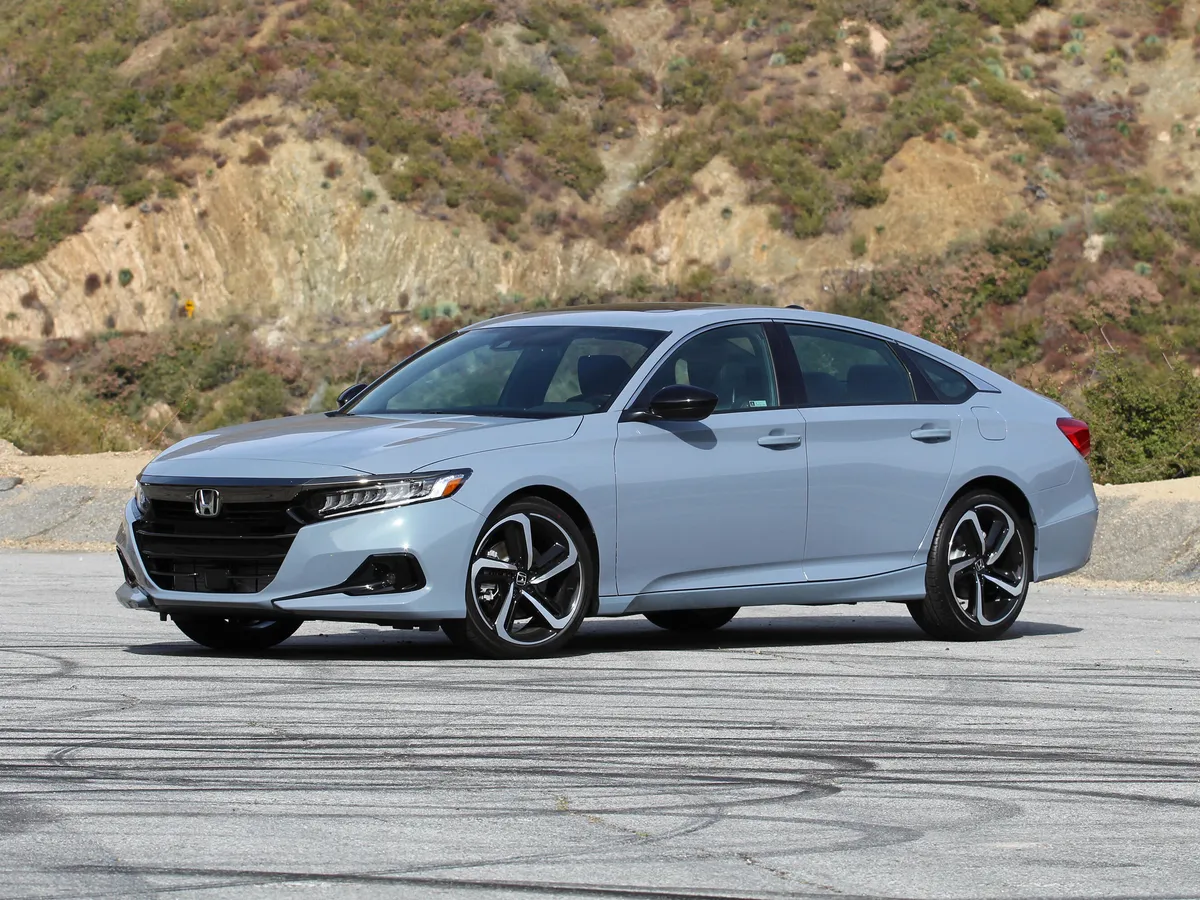
Honda Accord
The Honda Accord is another sedan praised for its approachable fuel range indicators. Like the Camry, the Accord’s onboard computer tracks driving patterns and adjusts the remaining miles accordingly.
This feature is particularly useful for drivers who switch between urban traffic and highway driving, as the system recalibrates to reflect actual efficiency rather than providing a static, one-size-fits-all estimate. Drivers often report that they rarely have to second-guess the displayed range, which reduces stress and helps with trip planning, even in unfamiliar locations or during long-distance travel.
Honda has also prioritized a simple, readable display. The Accord shows estimated range in large, easily readable numbers, accompanied by a fuel bar that mirrors actual consumption closely. Drivers find this combination intuitive, allowing them to plan short trips or longer journeys without mentally adding large safety margins.
Additionally, some Accord models include extra features, such as average fuel economy graphs, that provide a holistic view of consumption trends, reinforcing trust in the displayed fuel range.
Another advantage is the Accord’s stability over time. Even older models offered relatively reliable estimates, and newer models have refined this precision with advanced sensors and sophisticated algorithms.
The Accord’s system also adapts to driving behavior, reflecting changes in real time based on acceleration, braking, and speed. Drivers can see how individual choices, such as taking a slower pace or avoiding aggressive accelerations, affect mileage.
This feedback not only enhances accuracy but also encourages fuel-efficient driving, creating a virtuous cycle where attentive drivers see tangible benefits from measured driving. Over time, this helps improve both the vehicle’s efficiency and the driver’s confidence in the system.
Finally, the integration of Honda’s fuel range meter with other onboard monitoring tools enhances the driving experience. From monitoring average miles per gallon to tracking trends over multiple trips, the Accord provides context that keeps drivers informed and reassured.
By offering a combination of clarity, precision, and responsiveness, the Accord sets a high standard for what a user-friendly fuel range system should be, ensuring that drivers can focus on driving without worrying about guessing their remaining fuel.
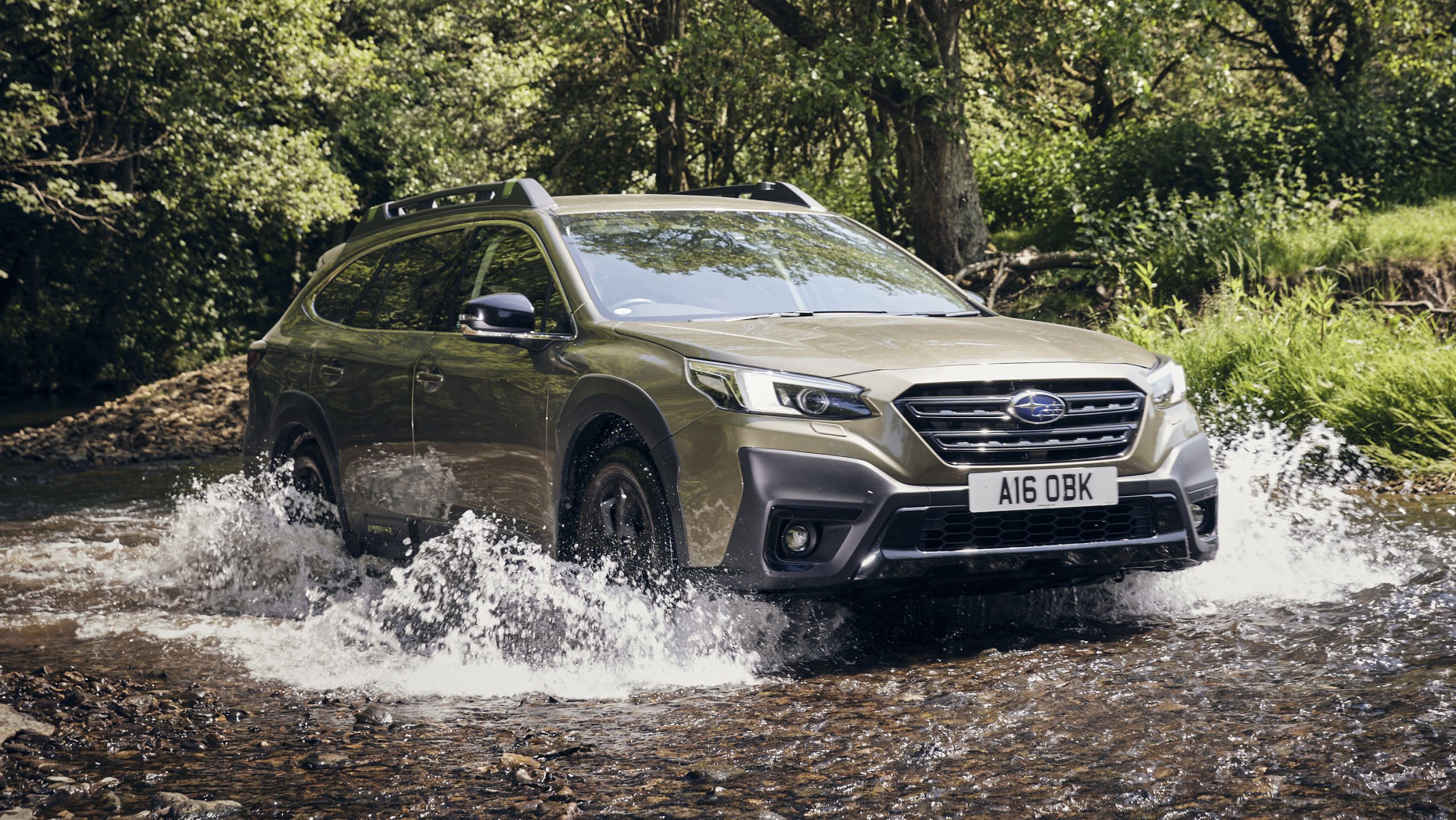
Subaru Outback
The Subaru Outback is a favorite among outdoor enthusiasts and long-distance travelers, and its fuel range system is designed to match its adventurous spirit. Unlike some SUVs whose fuel gauges fluctuate wildly, the Outback provides range estimates that adjust accurately according to terrain, driving speed, and conditions.
This is particularly useful in rural or mountainous regions, where gas stations are far apart and misjudging range can have serious consequences.
Subaru achieves this accuracy by integrating multiple data points into its calculations. The onboard computer takes into account fuel consumption trends, remaining fuel, driving speed, and even elevation changes.
This approach ensures that drivers receive estimates that closely match real-world performance. The system is calibrated to be cautious without being overly conservative, meaning it rarely displays unrealistic optimism or sudden drops, giving a comforting sense of reliability for drivers planning routes through remote areas.
The Outback also benefits from a clear, easy-to-read display. Whether using the digital dashboard or the secondary heads-up display, drivers can monitor remaining miles at a glance. The meter is accompanied by visual fuel bars and efficiency indicators that provide instant context for how driving style and terrain affect consumption.
This visual clarity reduces guesswork and allows drivers to make informed decisions on the road, even when encountering steep inclines or heavy loads that could otherwise distort the estimate.
Another noteworthy aspect of the Outback’s system is its consistency over time. Unlike some vehicles where the fuel range seems to drift or lose accuracy after extended use, the Outback’s meter continues to provide reliable data throughout the life of the vehicle.
Drivers quickly develop trust in the reading, which is particularly important for outdoor enthusiasts traveling long distances or venturing into areas with limited services. This combination of accuracy, clarity, and dependability makes the Outback a standout example of an SUV with a genuinely user-friendly fuel range meter.
Finally, the Outback’s fuel range system encourages awareness of fuel usage. Drivers can monitor changes in real time and adjust habits to maximize efficiency. For instance, gentle braking, gradual acceleration, and careful attention to terrain can extend the range displayed by the meter.
Over time, owners often develop a deeper understanding of their vehicle’s consumption patterns, which translates into improved fuel efficiency and a more relaxed driving experience, free from the stress of “guessing” when refueling is necessary.
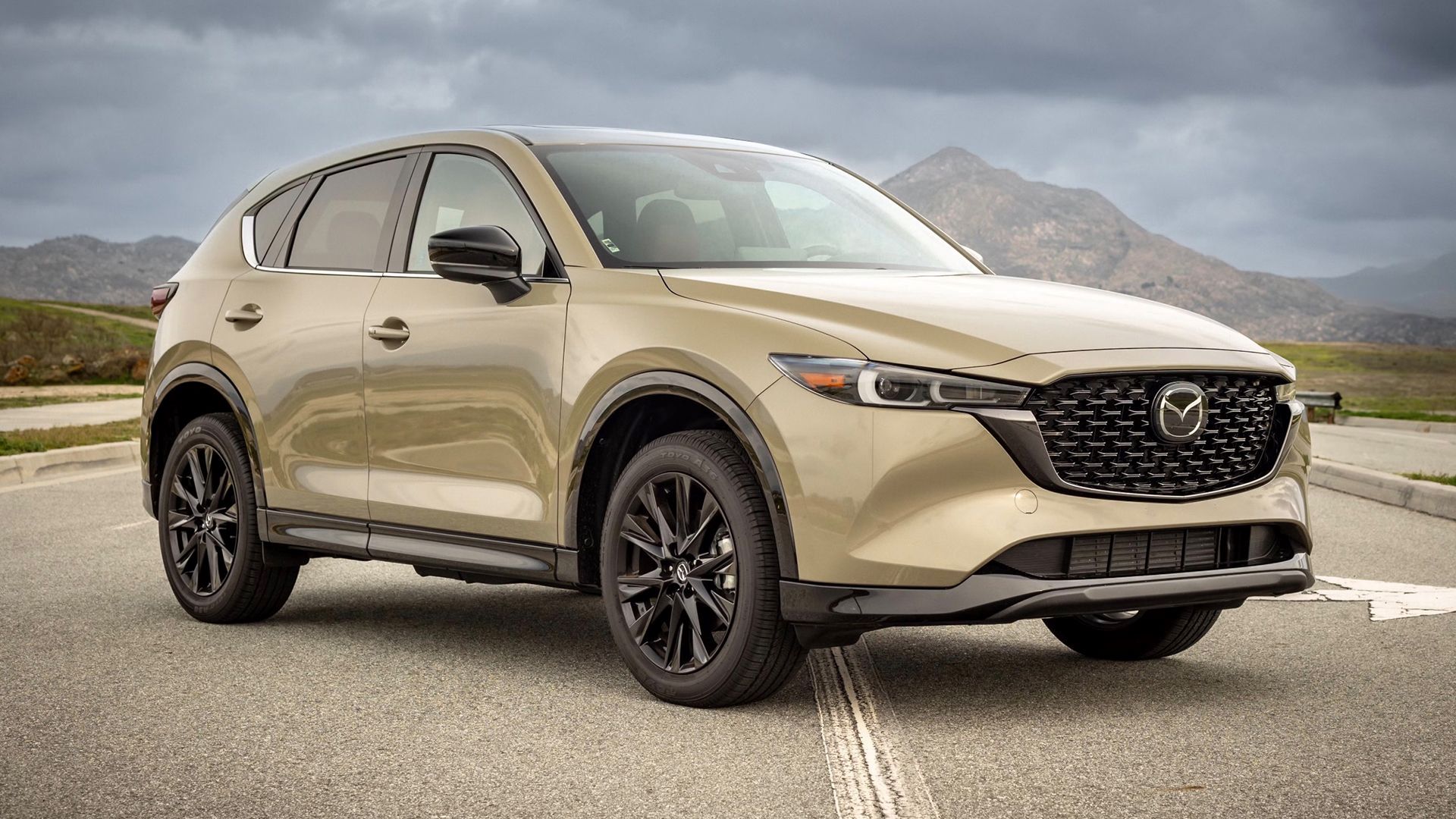
Mazda CX-5
Mazda has earned a reputation for creating vehicles that balance performance, design, and driver experience, and the CX-5 exemplifies this philosophy with its fuel range system. The CX-5’s onboard computer provides consistent and reliable estimates, giving drivers confidence that the displayed number is realistic under most driving conditions.
Whether navigating urban streets, suburban roads, or highways, drivers can generally trust that the range reading will align closely with the remaining fuel. This predictability reduces mental load, allowing drivers to focus on the road and enjoy the experience rather than constantly worrying about when they will need to stop for fuel.
The CX-5’s interface is particularly effective because it combines a digital readout with a traditional analog fuel gauge. This dual system allows drivers to quickly gauge remaining miles while also seeing a visual representation of fuel levels.
Many drivers find this combination intuitive, as it provides a quick reference at a glance while reinforcing the numeric estimate. The system’s smooth updates ensure that the gauge does not fluctuate dramatically with minor driving changes, which helps maintain confidence in longer trips or when driving through areas with fewer gas stations.
The CX-5 also integrates fuel range monitoring with additional feedback on efficiency trends. Drivers can review average fuel consumption, projected remaining distance, and other related metrics in one convenient display.
This helps users anticipate refueling needs and make small changes to improve efficiency. Over time, owners gain a better understanding of their vehicle’s performance, reinforcing trust in the fuel range meter and making the CX-5 a reliable companion for both daily commutes and long journeys.
Finally, Mazda emphasizes clarity and usability in the dashboard design. Numbers, bars, and supplementary indicators are all positioned for quick comprehension without distracting from driving. This combination of accuracy, readability, and real-time feedback makes the CX-5’s fuel range meter exceptionally friendly to drivers who value convenience, consistency, and a reduced need to guess how far they can go before refueling.
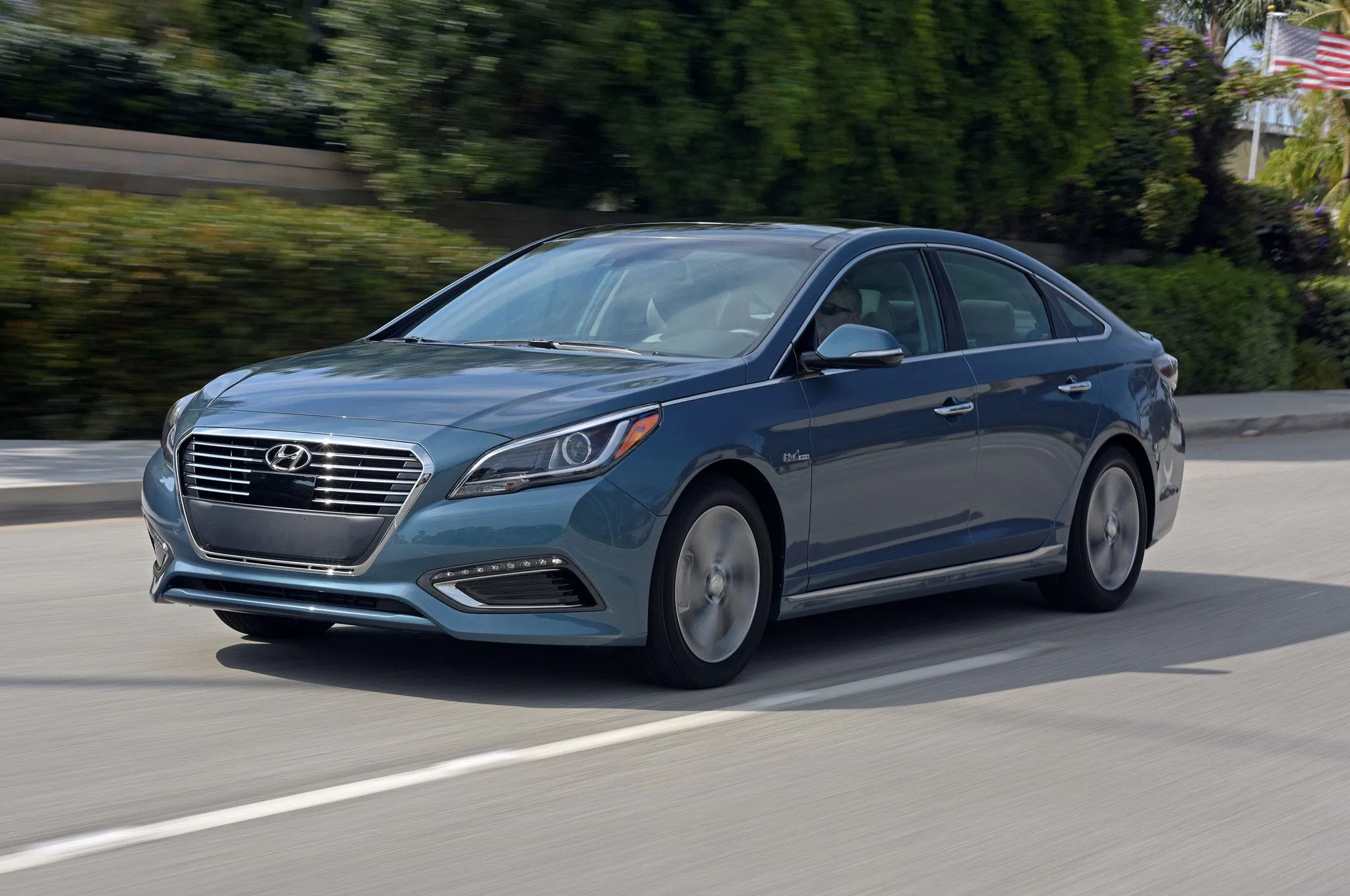
Hyundai Sonata
The Hyundai Sonata is another sedan recognized for its practical and accurate fuel range meter. Hyundai has refined its onboard computers to account for a wide variety of driving conditions, producing range estimates that closely match real-world fuel consumption.
Whether navigating stop-and-go city traffic or cruising on highways, drivers consistently report that the displayed range is trustworthy and reduces anxiety about when to refuel. The system is calibrated to give realistic estimates without requiring the driver to mentally add buffers, which simplifies planning for both short commutes and longer road trips.
The Sonata’s fuel range system also responds dynamically to driving behavior. Rapid acceleration or braking will slightly alter the estimate, giving a realistic view of how driving style impacts fuel efficiency.
This dynamic feedback encourages drivers to adopt more moderate driving habits, which can extend actual range and reinforce confidence in the displayed number. Unlike vehicles with erratic or inconsistent meters, the Sonata provides a sense of continuity and predictability.
Another advantage is the Sonata’s consistency over time. Even after many miles of driving, the fuel range meter continues to provide accurate readings. Owners can rely on it for both daily commuting and long-distance trips without needing to guess or manually track fuel usage. This dependability reduces stress and makes planning stops simpler, especially in regions with fewer fueling options.
Finally, the Sonata combines practicality with educational feedback. By providing insights into real-time consumption and projected remaining distance, drivers learn how to optimize fuel usage and maximize efficiency.
The system encourages a proactive approach to fuel management while simultaneously giving drivers a sense of security. For those who value predictability and ease of use, the Sonata exemplifies a vehicle with a genuinely friendly fuel range meter.
Cars That Make You Guess
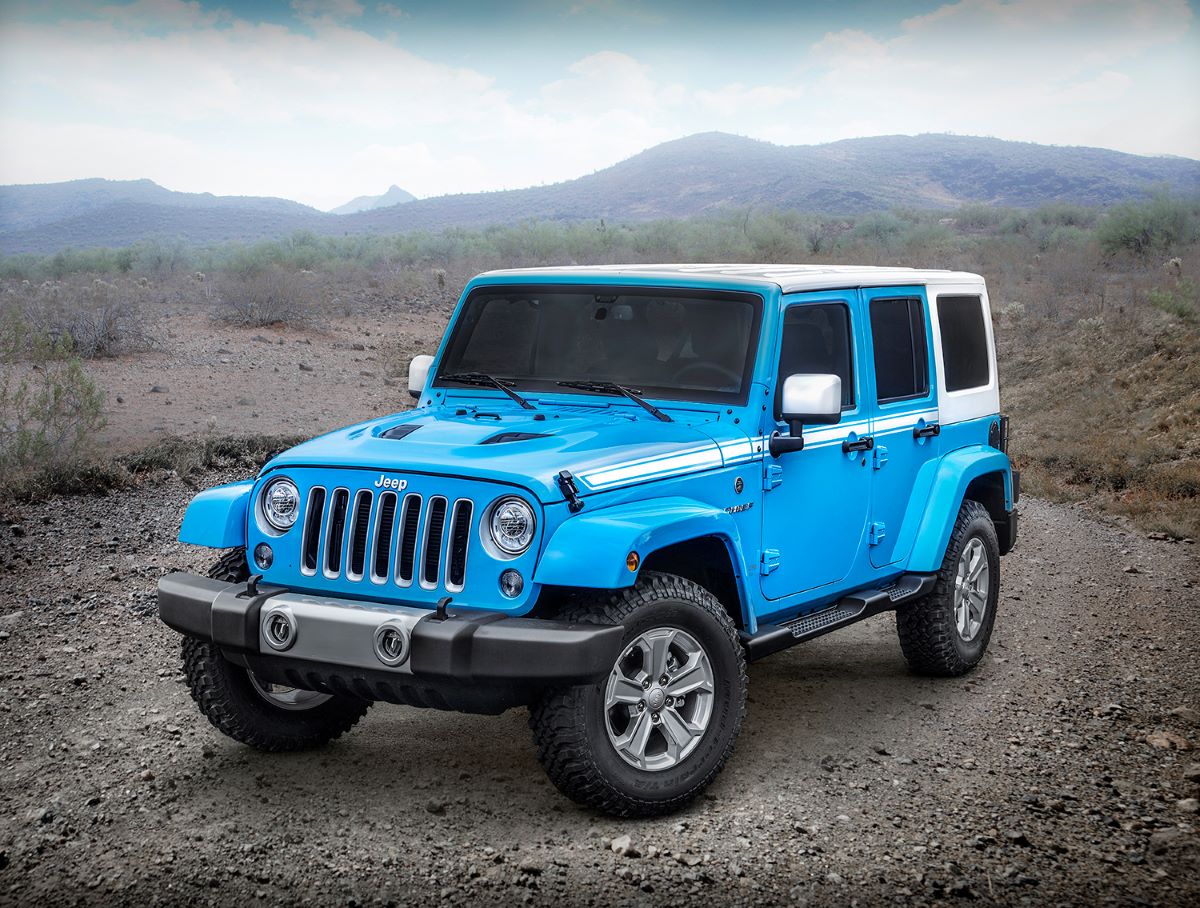
Jeep Wrangler
The Jeep Wrangler is an iconic off-roader, known for its rugged design and off-road capabilities, but its fuel range meter is notoriously unpredictable. While the vehicle excels in handling rough terrain, the onboard system often provides inconsistent readings, fluctuating dramatically with minor changes in speed, terrain, or driving style.
Drivers quickly learn that the displayed range is more of an estimate than a reliable guide, which can be stressful when traveling long distances in remote areas with limited fuel stations.
Part of the inconsistency stems from the Wrangler’s focus on performance over precision fuel tracking. The vehicle’s onboard computer calculates fuel usage dynamically, factoring in aggressive acceleration, four-wheel-drive usage, and elevation changes.
However, this algorithm often overshoots or undershoots real-world consumption, causing sudden jumps or drops in the displayed range. For example, a stretch of highway driving may suddenly cause the range to increase significantly, only to drop sharply after a few city blocks, leaving drivers guessing whether they truly have enough fuel.
The dashboard display does little to alleviate the uncertainty. While it shows numeric estimates and a fuel bar, the frequent fluctuations make it difficult to rely on trends or make informed decisions.
Drivers often find themselves stopping preemptively to avoid low-fuel warnings, even when the tank still has a substantial amount of fuel left. This unpredictability can be particularly frustrating for road trips or off-road excursions, where fuel access is already limited.
Another factor is the Wrangler’s relatively large engine and weight, which can cause real fuel consumption to differ dramatically from estimates, especially under load or in challenging terrain. Drivers often report that they need to keep a mental buffer of at least 15–20 miles beyond the displayed range, just to feel safe. This requirement for constant vigilance reduces the convenience of the vehicle and detracts from the otherwise adventurous driving experience.
Finally, while the Wrangler is celebrated for its ruggedness and capability, its fuel range system creates an underlying tension during long trips. The meter’s inaccuracy, combined with low-fuel alerts that can appear suddenly means drivers must frequently monitor the gauge and adjust routes to ensure they can reach a station.
Despite its strengths in off-road performance, the Wrangler exemplifies a car where fuel estimation requires guesswork rather than confidence.

Ford F-150
The Ford F-150 is one of the best-selling trucks in the United States, prized for its power, towing capacity, and versatility. Yet, its fuel range meter often leaves drivers uncertain, especially when hauling heavy loads or towing trailers.
The onboard system tries to calculate remaining miles based on fuel level and recent driving patterns, but variations in engine load, weight, and terrain can create significant discrepancies between the displayed range and real-world consumption.
Another factor is fuel tank size versus actual consumption. The F-150’s large tanks give drivers a sense of security, but because consumption can vary widely based on load, terrain, and driving style, the range meter can be misleading.
Some drivers report situations where the gauge suggested they had plenty of fuel, only for the low-fuel warning to appear much sooner than expected. This can force unscheduled stops or make trip planning more stressful, particularly in rural or remote areas.
Finally, despite the F-150’s numerous strengths as a truck, its fuel range system demonstrates how even modern vehicles can create guesswork for drivers. While the system provides a general idea of remaining miles, it does not account for every variable that affects consumption, leaving drivers with uncertainty and the need to maintain a mental buffer to avoid being stranded.
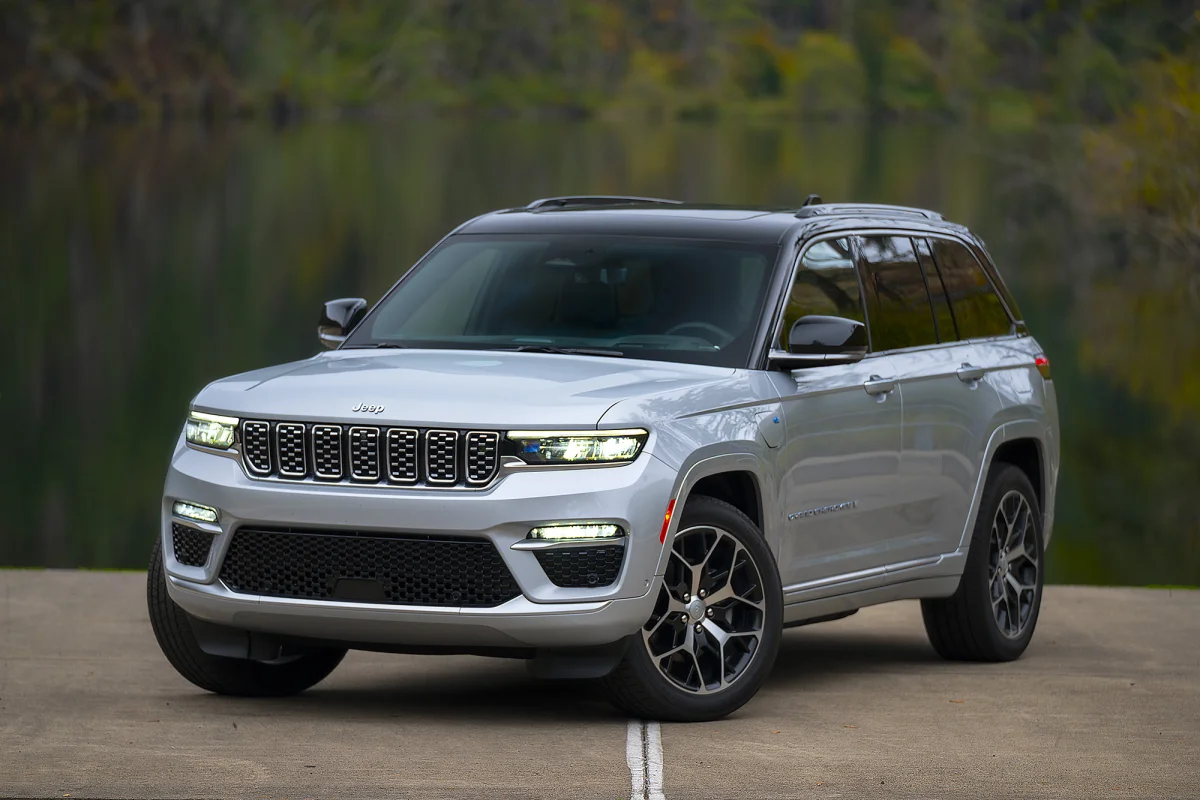
Jeep Grand Cherokee
The Jeep Grand Cherokee offers luxury and off-road capability, but its fuel range meter often confuses drivers rather than providing clarity.
The system estimates remaining miles based on recent fuel consumption patterns, but aggressive acceleration, 4×4 use, and terrain changes can lead to abrupt, unexpected shifts in the displayed number. Drivers frequently report situations where the range seemed sufficient, only for the low-fuel warning to activate prematurely.
The Grand Cherokee’s algorithm is designed to adjust dynamically, yet its sensitivity can be a disadvantage. Slight variations in driving behavior, such as sudden braking or climbing a hill, can cause the displayed range to fluctuate dramatically.
This unpredictability can be stressful, especially for drivers navigating long stretches of highway or remote roads, where stopping for fuel may not be convenient.
The display, while aesthetically pleasing, does not fully mitigate the frustration. The numeric estimate and accompanying fuel bar provide some indication of remaining fuel, but the meter’s frequent swings make it difficult to rely on trends or develop confidence in the system.
Drivers often find themselves calculating an additional buffer of 10–15 miles to account for inaccuracies, effectively nullifying the usefulness of the display.
Finally, while the Grand Cherokee excels in comfort, power, and off-road capability, the fuel range system introduces an element of uncertainty. Drivers must remain vigilant, monitoring fuel levels and planning extra stops to avoid being stranded. The inconsistency of the readings demonstrates how even technologically advanced vehicles can struggle to provide a truly reliable estimate, leaving drivers reliant on guesswork rather than trust.
Chevrolet Silverado
The Chevrolet Silverado is a heavy-duty pickup known for its towing ability and durability, but its fuel range meter often underperforms in terms of reliability. Like many trucks, the Silverado’s range system attempts to factor in fuel level and recent driving patterns, but heavy payloads, towing, and elevation changes can create significant errors in the displayed estimate.
Drivers often find that the gauge is overly optimistic or erratic, leading to frequent uncertainty about how far the truck can actually travel.
The variety of Silverado models adds complexity. Different engine options, cab sizes, and drivetrain configurations influence fuel consumption, making it difficult for a single algorithm to provide precise range estimates for every situation.
For instance, towing a large trailer on a mountainous route can drastically reduce fuel efficiency, yet the range meter may not immediately reflect this, leaving drivers guessing about their true remaining mileage.
Finally, despite the Silverado’s many strengths as a durable and powerful truck, its fuel range system is a source of uncertainty. Drivers must often rely on experience, rough calculations, and extra caution rather than trusting the displayed range. This makes the driving experience more stressful, especially on long hauls or in areas with limited fueling infrastructure.
Nissan Pathfinder
The Nissan Pathfinder is a versatile SUV with ample interior space and a reputation for reliability, yet its fuel range meter can leave drivers guessing. The system calculates remaining miles using recent consumption data, but fluctuations in driving style, terrain, and load often produce inconsistent readings.
Drivers frequently report that the range display jumps or decreases suddenly, creating doubt about how far they can truly travel before refueling.
One reason for this inconsistency is the Pathfinder’s hybrid of highway and city driving calculations. While the system accounts for recent driving trends, it cannot always predict future conditions accurately. A short burst of city traffic after steady highway driving can dramatically alter the estimate, leaving drivers uncertain about whether they need to stop for gas sooner than expected.
The Pathfinder’s V6 engine can also amplify the problem. Heavy cargo, passengers, or hilly terrain increase consumption quickly, yet the range meter often lags, showing optimistic values for several miles before recalibrating. This delay in accuracy forces drivers to monitor fuel levels closely and make frequent adjustments to route or refueling plans.
Finally, while the Pathfinder is capable, comfortable, and family-friendly, its fuel range system does not provide the reassurance drivers might hope for. The combination of erratic estimates, delayed recalibration, and terrain-dependent consumption means drivers must constantly guess when the next fuel stop is required.
This unpredictability creates unnecessary stress and makes the vehicle less convenient for long trips or areas with limited gas stations.
