

Buying an SUV involves many considerations beyond engine power, fuel efficiency, or seating comfort. One detail that often goes overlooked, yet significantly affects daily convenience, is the design of the trunk or liftgate. Modern SUVs are used not only for family trips but also for hauling groceries, sports gear, luggage, and other everyday items.
A well-designed trunk handle can make opening and closing the rear liftgate simple and even satisfying. In contrast, a poorly designed one can create frustration, inconvenience, and even minor injuries such as pinched fingers.
This small design element reflects the manufacturer’s attention to usability and ergonomics, which is increasingly important as vehicles compete on more than just horsepower or luxury features.
Some SUVs feature large, well-positioned handles that allow for a natural grip, accommodating multiple hand sizes and providing a sturdy feel when opening a heavy liftgate.
Others might include hidden or awkwardly placed grips that require users to twist their hands or struggle with sharp edges, resulting in what some drivers jokingly call “finger-pinching experiences.”
These differences matter for anyone who regularly loads groceries, strollers, sports equipment, or camping gear, particularly if you have children who might help carry items in and out of the trunk.
Beyond convenience, these ergonomic considerations can influence long-term comfort and prevent minor injuries, especially in larger SUVs where liftgates tend to be heavier than those on sedans or hatchbacks.
In this comparison, we will highlight five SUVs known for having helpful, user-friendly trunk handles and five that are notorious for designs that pinch fingers or create awkward handling.
While this list is based on general design principles, user experiences, and common vehicle ergonomics, it reflects a growing awareness among SUV drivers that small details can significantly affect the driving and ownership experience.
By comparing these models, readers can better understand how design choices impact everyday usability and make informed decisions when considering their next SUV purchase.
Trunk usability might seem trivial, but over time, it is an indicator of thoughtful engineering, attention to detail, and how manufacturers anticipate the practical needs of drivers and families.
5 SUVs with Helpful Trunk Handles
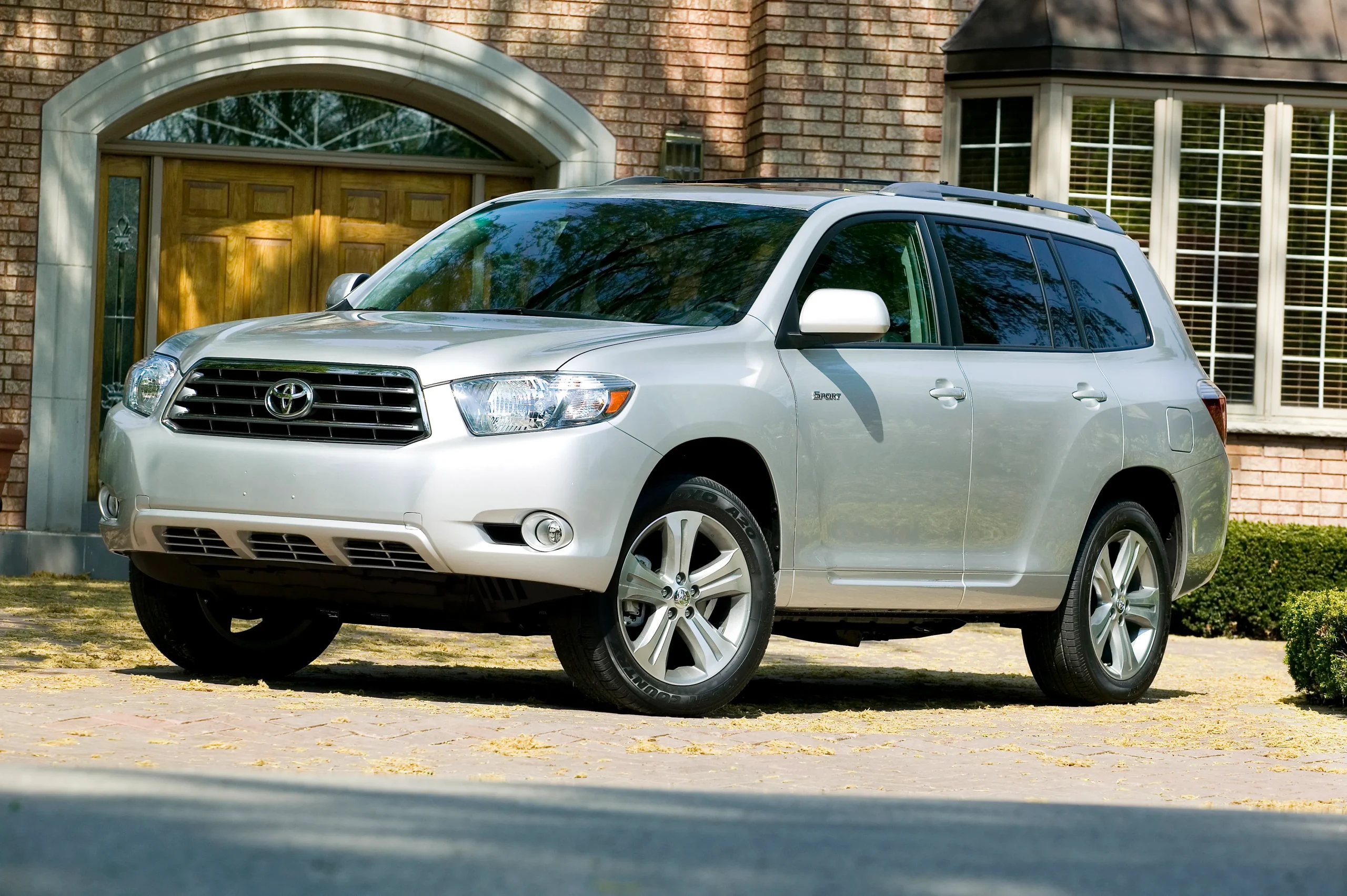
1. Toyota Highlander
The Toyota Highlander is widely regarded as one of the most practical midsize SUVs on the market, and its trunk handle design is a clear reflection of the vehicle’s family-friendly engineering.
The handle is thoughtfully positioned at a height that feels natural for the majority of adults, which eliminates the need to stoop down or stretch awkwardly when opening or closing the liftgate.
This design is particularly important for a larger SUV like the Highlander, where the liftgate is heavier than what one might find in a compact crossover.
The handle allows for a secure, comfortable grip, so users can pull down the liftgate in a smooth motion rather than forcing it with uneven hand placement or jerky movements, which could otherwise result in fatigue or minor injuries.
By offering a handle that accommodates both small and large hands, Toyota ensures that drivers of varying statures can use the liftgate efficiently.
Another aspect of the Highlander’s trunk handle design is the thoughtful attention to safety and ergonomics. The edges of the handle are rounded, reducing the likelihood of pinching fingers or scraping knuckles when closing the liftgate. Many SUVs attempt to integrate the handle flush with the body for aesthetic reasons, but this often sacrifices usability.
The Highlander, however, strikes a careful balance, providing a handle that protrudes just enough to be easily grasped while still maintaining a sleek appearance. This thoughtful integration shows that Toyota prioritizes both function and style, creating a user experience that feels deliberate and well-executed.
Practical considerations extend to families with children or individuals who frequently transport heavy items. The Highlander’s handle allows one-handed operation, which can be invaluable when the other hand is holding a child, a grocery bag, or luggage.
For households where multiple people interact with the vehicle, the handle’s design ensures consistency and accessibility. Even shorter users or teenagers can manage the liftgate without requiring assistance, which speaks to Toyota’s inclusive approach to design.
The presence of a powered liftgate option further enhances convenience, but the manual handle remains fully functional, providing redundancy and reliability when needed.
Finally, durability and long-term usability are major strengths of the Highlander’s trunk handle. Materials are selected to withstand repeated use over many years without loosening or becoming slippery, even in varying weather conditions.
The placement, shape, and grip combine to make the trunk easy to operate, whether on a rainy day, snowy morning, or after prolonged exposure to sun and heat.
This combination of ergonomic thoughtfulness, safety considerations, and practical adaptability makes the Highlander a standout example of how a seemingly small design detail can have a substantial impact on the day-to-day experience of SUV ownership.

2. Honda CR-V
The Honda CR-V is celebrated for its smart, user-friendly design, and the trunk handle exemplifies this approach. The handle is slightly recessed yet easy to locate, allowing users to grasp it securely without awkward hand positioning.
Its central placement ensures that the force required to pull down the liftgate is evenly distributed, reducing strain on the wrist and forearm.
Unlike other SUVs where handles might require uncomfortable twisting motions, the CR-V’s design promotes natural arm alignment, making repeated use more comfortable over time. Additionally, the handle’s width allows users with larger hands to maintain a firm grip without slipping, a consideration often overlooked in smaller or lower-cost SUVs.
Ergonomics are further enhanced by the thoughtful height of the handle. Unlike some vehicles where users must either stoop or stretch excessively, the CR-V positions the handle to accommodate a wide range of body types.
This design feature is especially beneficial for households with multiple drivers of varying heights, as it eliminates the need for creative lifting or adjusting one’s posture.
The CR-V also includes a power-assisted liftgate in many trims, but the manual handle remains intuitive and easy to use even when the power feature is disabled. This dual functionality adds a layer of reliability and ensures that drivers are not forced to struggle with a purely flush or hidden grip.
Safety is a strong point in the CR-V’s trunk design. The handle’s surface is slightly textured, minimizing the risk of slipping even if the user’s hands are wet or gloved. The shape prevents fingers from getting caught in small gaps, which is a common source of minor injuries in other SUVs.
Families in particular benefit from this design choice, as children assisting with groceries or sports equipment can use the liftgate safely and independently. Honda’s attention to these small but meaningful details reflects a broader philosophy of designing vehicles that are functional, safe, and comfortable in everyday life.
Beyond ergonomics and safety, the CR-V’s handle also complements the style and accessibility of the vehicle. The handle blends seamlessly into the rear design while remaining visually identifiable, ensuring that users can easily find it in low-light or crowded conditions.
This combination of aesthetic integration and practical usability demonstrates Honda’s commitment to thoughtful engineering, emphasizing that even seemingly minor features, such as a trunk handle, play a significant role in enhancing the daily experience of SUV ownership.
The CR-V consistently earns high marks from owners for this level of usability, confirming that good design pays off in both comfort and convenience.

3. Subaru Outback
The Subaru Outback, which functions as a rugged crossover with many SUV qualities, is known for its functional and durable trunk design. Its rear handle is wide and slightly recessed, allowing the user to use their whole hand instead of just fingers. This reduces the risk of strain or discomfort when closing a liftgate that may carry additional weight from cargo.
For outdoors enthusiasts who often load heavy camping gear, sports equipment, or luggage, this handle design is critical. It allows for a secure grip, smooth motion, and reliable operation regardless of the liftgate’s size or weight.
Ergonomics are prioritized so that repeated use does not cause fatigue, which is particularly valuable in a vehicle meant for active lifestyles.
Durability is another cornerstone of the Outback’s handle design. Subaru uses materials that resist weathering and impact, ensuring that the handle remains functional and safe over many years. Even after repeated exposure to rain, snow, mud, or sun, the handle retains its grip and integrity.
This is an important consideration for owners who take the vehicle on long trips or off-road adventures, as the liftgate handle is one of the most frequently used parts of the exterior. By combining strong materials with thoughtful placement, Subaru ensures that the Outback’s trunk handle remains reliable and convenient.
The handle is also family-friendly. Children and teenagers can reach and use it without assistance, which encourages shared responsibility when loading or unloading items.
Many SUVs place their trunk handles too high or flush with the body, making them difficult for younger users to operate. Subaru avoids this problem, offering a handle that is easily accessible to a wider range of users, further enhancing the vehicle’s reputation as a versatile family companion.
Finally, the tactile experience of the handle is carefully considered. Slight texturing ensures a secure grip without feeling rough, abrasive, or uncomfortable. Combined with a liftgate that moves smoothly on its hinges, the Outback provides an experience that is both satisfying and reliable.
Owners often highlight this small but meaningful feature as a reason they appreciate Subaru’s focus on practical usability. The handle’s design, materials, and positioning demonstrate how attention to detail can turn a routine action, such as opening a trunk, into a smooth, effortless part of daily life.
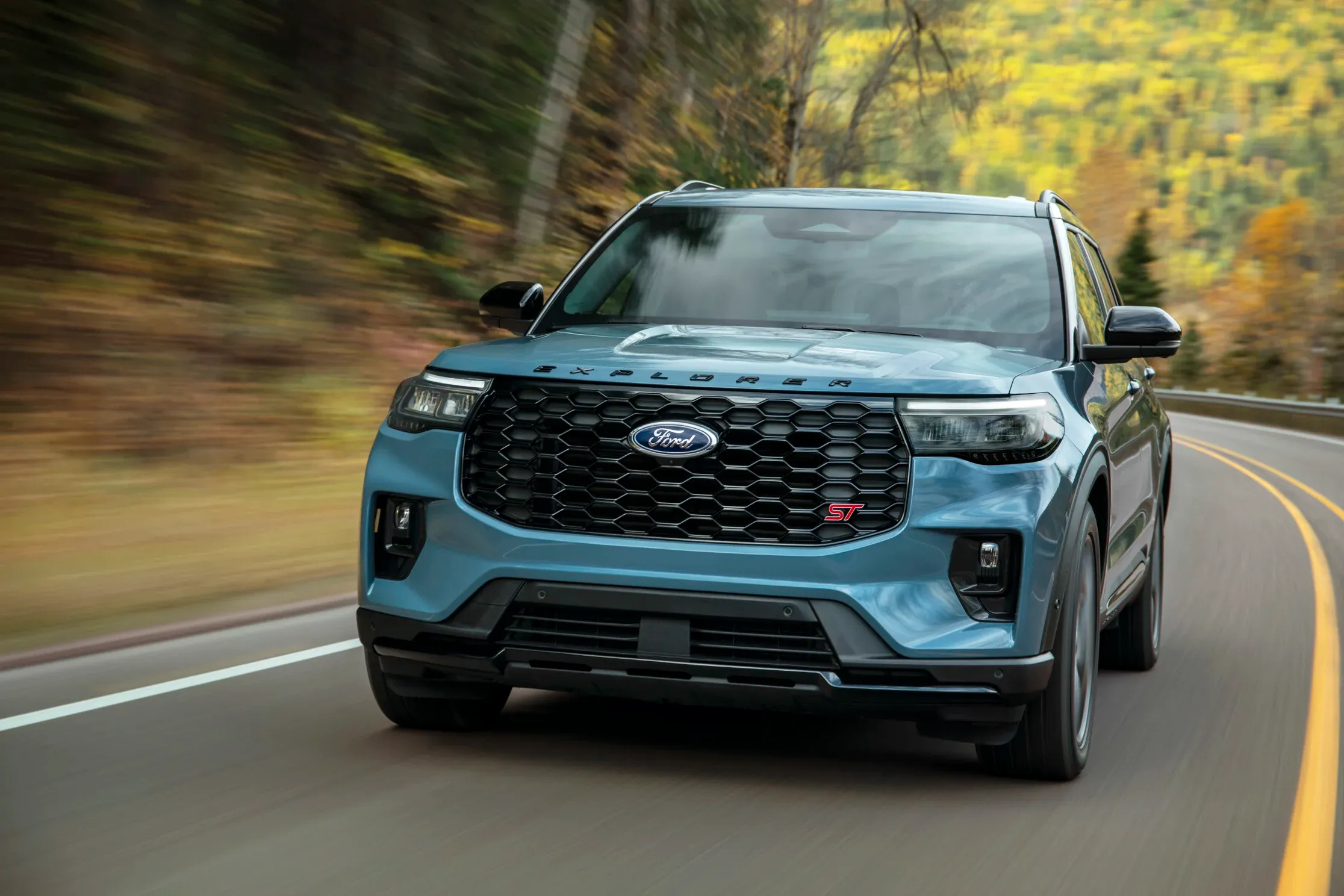
4. Ford Explorer
The Ford Explorer, a larger midsize SUV, has a liftgate handle designed with comfort, accessibility, and practicality in mind. The handle aligns naturally with the motion of the arm when lowering the liftgate, minimizing the need for wrist twisting or awkward maneuvering.
This is especially important for a heavier liftgate, where poor ergonomics could lead to strain or fatigue. The handle is wide enough to accommodate a variety of hand sizes and provides a stable grip even in less-than-ideal conditions, such as rain, snow, or when wearing gloves. The design clearly considers frequent usage, as the rear handle is one of the most regularly interacted-with parts of the SUV.
The Explorer also benefits from redundancy through manual and powered operation. Even when using a power-assisted liftgate, the manual handle is easy to locate and use, providing confidence that the vehicle remains fully functional under all circumstances.
Some SUVs hide or minimize the handle for aesthetic purposes, but the Explorer prioritizes user convenience, ensuring that drivers can access and operate the liftgate effortlessly regardless of technology. This practical approach reflects a commitment to usability that goes beyond superficial design.
Safety considerations are integrated into the handle’s design. Rounded edges prevent accidental pinching of fingers, and the position allows the user to clearly see the cargo area while lowering the liftgate.
This visibility reduces accidental contact with objects or cargo, making loading safer for children, elderly passengers, or anyone carrying bulky items. The ergonomics, grip quality, and thoughtful placement collectively reduce risk and enhance comfort, which is particularly important for a family-oriented SUV.
Finally, the Explorer’s handle is durable enough to withstand years of repeated use. It is built to handle frequent heavy loads without loosening, and the smooth motion of the liftgate complements the ergonomic design.
Combined, these factors make the Explorer a reliable, user-friendly vehicle whose rear handle design contributes meaningfully to convenience. Owners report consistent satisfaction with the ease of opening and closing the trunk, highlighting that even small design details can have a significant impact on everyday usability.

5. Kia Sorento
The Kia Sorento offers a rear handle that balances comfort, durability, and aesthetic integration. Positioned at a height that is comfortable for most adults, the handle allows users to apply even force while lowering the liftgate without awkward twisting or wrist strain.
Its width and depth create a secure grip for a variety of hand sizes, making it accessible for taller or shorter users alike. For families who often carry heavy loads, groceries, or sports gear, the handle’s ergonomic design provides a practical solution that reduces frustration and prevents minor injuries.
The materials used in the Sorento’s handle are thoughtfully selected for both comfort and durability. A slightly soft-touch finish enhances grip while preventing the hand from slipping during operation.
This feature is particularly valuable in inclement weather, such as rain, snow, or humidity, ensuring that the trunk can always be opened safely and comfortably. Over time, the handle retains its feel, resisting cracking or wear even after repeated use, which contributes to long-term reliability.
Accessibility is another strong suit. The Sorento’s handle is easy to locate, even in low-light conditions or when the trunk is partially obscured by cargo. Unlike some SUVs, where the handle blends too much into the bodywork, the Sorento balances visibility with design elegance.
This consideration makes daily use smoother and less stressful, particularly when multitasking with children, groceries, or luggage. Owners consistently appreciate this practical approach, noting that it simplifies the everyday task of loading and unloading the vehicle.
Finally, the Sorento combines aesthetics and functionality effectively. The handle integrates seamlessly into the rear design, complementing the vehicle’s modern styling while remaining fully practical. It offers a tactile experience that is both comfortable and reliable, reinforcing the sense of thoughtfulness in Kia’s design choices.
Families and frequent drivers benefit from this combination of comfort, durability, and accessibility, which ensures that the liftgate remains easy and satisfying to use, year after year. The Sorento exemplifies how attention to even a small detail, such as the rear handle, can elevate the usability and enjoyment of an SUV.
5 SUVs Finger-Pinchers
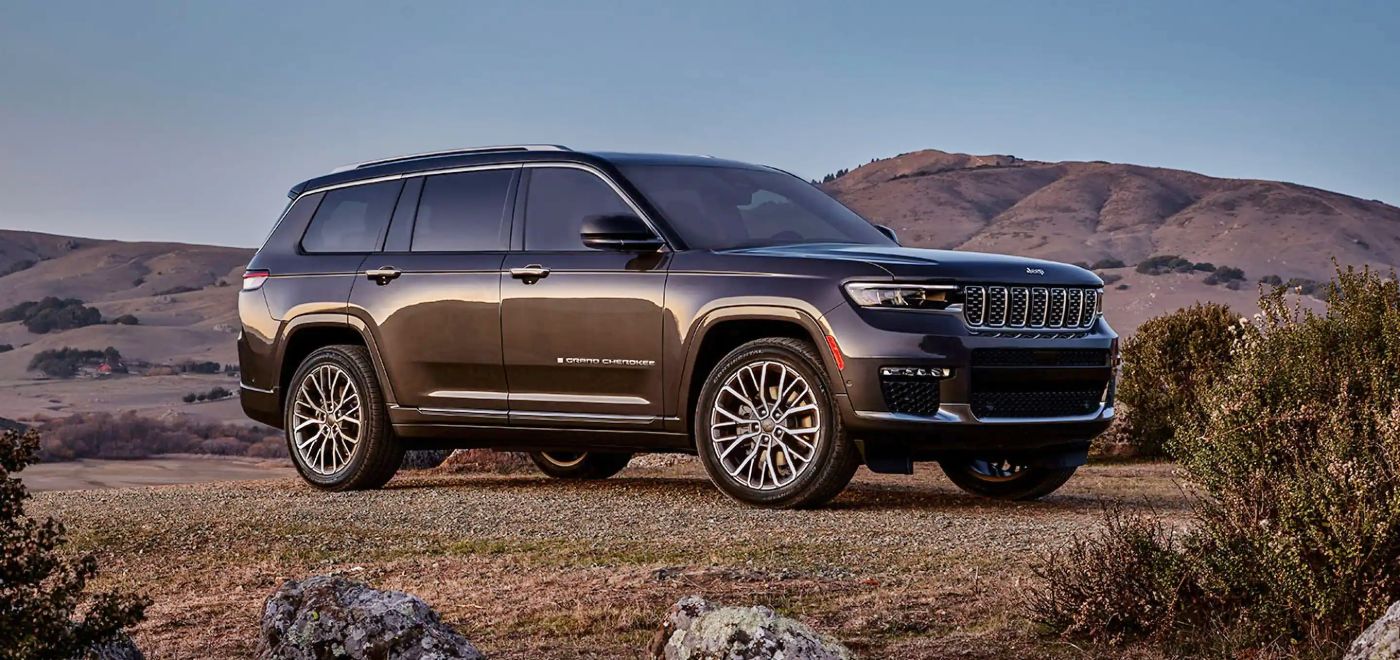
1. Jeep Grand Cherokee
The Jeep Grand Cherokee, while widely regarded for its off-road capabilities and robust engine options, has often been criticized for its trunk handle design. The handle is recessed and positioned in a way that can require awkward wrist motions to close the liftgate properly.
Users frequently need to contort their hands or adjust their grip repeatedly to avoid catching their fingers on the edges, which can be frustrating, especially when carrying heavy cargo. This small design flaw contrasts sharply with the vehicle’s otherwise rugged and practical design, demonstrating that even premium SUVs can overlook everyday ergonomic details.
The handle’s height can also pose problems for shorter drivers or passengers. In many cases, people must either stretch upwards or use the edge of the liftgate itself to close it, creating a risk of pinching fingers or scraping knuckles.
This is especially inconvenient for families who have children assisting with groceries or luggage. While the Grand Cherokee features a power-assisted liftgate in certain trims, the manual handle remains awkward for those who prefer or need to operate it without the power function, such as when the battery is low or in cold weather.
Material choice further exacerbates the problem. The handle’s surface is relatively slick, offering less grip than comparable SUVs. When the user’s hands are wet, gloved, or carrying items, there is a significant risk of slipping or misaligning the liftgate.
Over time, this can lead to frustration, minor injuries, and even accidental damage to the cargo area or liftgate itself. Owners often comment on the need to be very careful with hand placement, which reduces the sense of ease expected from a luxury SUV in this category.
Finally, the Grand Cherokee’s trunk handle design highlights a disconnect between aesthetic priorities and practical usability. The handle is subtle and visually integrated into the rear panel, which looks sleek but makes it less intuitive to grasp.
For drivers and families who prioritize convenience, this oversight is significant because a trunk handle is one of the most frequently used elements on the vehicle. Despite the Grand Cherokee’s strengths in power and versatility, this small design flaw consistently impacts the everyday user experience.
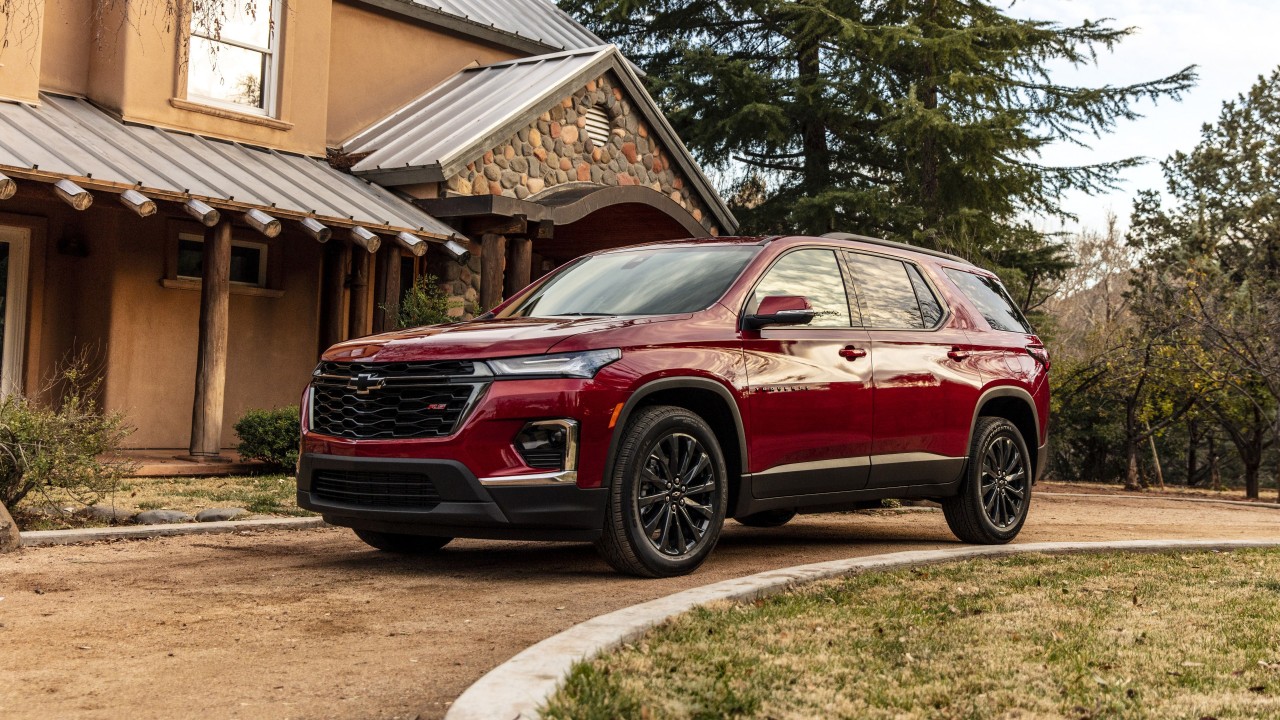
2. Chevrolet Traverse
The Chevrolet Traverse offers a spacious interior and powerful V6 options, but its trunk handle is often described as difficult to use. The handle is positioned flush with the rear panel, which looks modern but sacrifices ergonomics.
Users frequently struggle to find a comfortable grip, particularly when handling a heavy liftgate filled with groceries, luggage, or sports equipment. This can result in awkward twisting of the wrists or fingers, creating discomfort and increasing the likelihood of minor injuries over repeated use.
Height placement is another challenge. The handle is often set slightly higher than what is ideal for average users, requiring some bending or awkward arm movements to pull the liftgate down completely.
Shorter drivers, older adults, or children assisting with loading may find it nearly impossible to operate the trunk without assistance. Unlike vehicles with more thoughtfully placed handles, the Traverse forces users to compromise comfort and safety for the sake of modern styling, which is a recurring complaint among owners.
Finally, Chevrolet’s attention to design aesthetics appears to have outweighed functional usability in the Traverse. The flush handle contributes to a clean rear look, but daily practicality suffers as a result. The frequent risk of pinched fingers or awkward wrist positions makes what should be a simple task frustrating.
For families, this is especially noticeable during grocery runs, weekend trips, or when unloading multiple items at once, emphasizing that an SUV’s design should prioritize user ergonomics alongside style.

3. Nissan Pathfinder
The Nissan Pathfinder, known for its roomy interior and strong towing capacity, has drawn criticism for its trunk handle ergonomics. The handle is relatively small, narrow, and positioned low on the liftgate, which often forces users to bend or crouch awkwardly to grasp it properly.
This positioning increases the risk of fingers being caught between the handle and the liftgate edge, particularly when closing the trunk quickly. Users frequently report that this design flaw makes a routine task unnecessarily difficult, highlighting how even reliable SUVs can overlook minor yet critical elements of convenience.
Shorter users, teenagers, or older adults often struggle to operate the Pathfinder liftgate without assistance. While power-assisted liftgates are available on some trims, reliance on this feature is not always ideal, especially if the power system fails or the battery is low.
Without a smooth manual handle, opening or closing the trunk becomes a delicate task, requiring careful finger placement to avoid discomfort or minor pinching. For families who frequently load groceries or luggage, this can slow down daily routines and lead to unnecessary frustration.
Finally, the Pathfinder’s handle design illustrates the trade-off between modern styling and practical convenience. The handle’s narrow profile and awkward placement can create pinching risks and repetitive discomfort, especially during heavy or frequent use.
While the vehicle excels in interior space and towing capacity, these small ergonomic shortcomings impact daily experience, particularly for families, older users, or anyone who interacts with the trunk frequently. In short, it is a classic example of how neglecting seemingly minor details can diminish the satisfaction of an otherwise capable SUV.

4. Ford Edge
The Ford Edge offers strong performance and a comfortable ride, but its trunk handle design is often criticized for being awkward and unintuitive. The handle is relatively small, recessed, and positioned too close to the liftgate’s edges, requiring precise finger placement to avoid scraping or pinching.
This design choice may appear sleek from a visual standpoint, but in practical use, it often forces users into uncomfortable wrist angles or hand positions when closing the liftgate. Repeated use over time can cause minor strain or frustration, which is particularly noticeable for drivers or family members who interact with the rear door daily.
Material selection also contributes to the user experience. The handle’s hard, smooth plastic surface reduces grip, increasing the likelihood of slipping, particularly when hands are wet, gloved, or carrying objects. This can lead to fumbling, minor pinching, or misalignment when attempting to close the liftgate.
Compared to SUVs with textured or contoured handles, the Edge’s trunk interface feels less intuitive and can slow down routine tasks such as grocery unloading or packing luggage for trips.
Finally, the Ford Edge trunk handle demonstrates how styling priorities can negatively impact everyday usability. Its flush design emphasizes a clean, modern rear appearance but introduces a significant learning curve for drivers and passengers.
Families or individuals who rely on frequent trunk use may find this design inconvenient and slightly risky for pinching fingers. While the Edge succeeds in areas like ride comfort and performance, its rear liftgate design is a consistent source of frustration, illustrating the importance of balancing aesthetics with practical ergonomics.

5. Volkswagen Atlas
The Volkswagen Atlas, a large three-row SUV, is spacious and feature-rich but has a trunk handle that presents challenges in everyday usability. The handle is relatively narrow and recessed, which can make it difficult to grip securely, especially when handling a fully loaded liftgate.
Users often need to use awkward wrist angles to close it, creating a risk of pinching fingers along the edges. Even experienced SUV drivers report occasional frustration, highlighting that even premium SUVs can overlook small yet important ergonomic details.
The tactile feel and material of the Atlas handle also leave much to be desired. Its hard, slightly slick surface provides minimal grip, which can create fumbling when hands are wet or when carrying bulky items.
Unlike SUVs with more thoughtfully designed contours and textured handles, the Atlas demands careful hand placement to avoid pinching fingers or slipping, making a normally simple task more stressful and less efficient.
Finally, the Atlas’s trunk handle reflects a tension between style and function. Its recessed and narrow design looks clean and modern but sacrifices convenience, comfort, and safety. This small design flaw consistently affects the everyday experience of using the vehicle, particularly for families or frequent travelers who rely on easy cargo access.
While the Atlas excels in interior space, seating capacity, and ride comfort, its trunk handle serves as a reminder that even minor ergonomic oversights can reduce the enjoyment of an otherwise capable SUV.
