

When it comes to cars, one of the aspects people often overlook is how well the vehicle keeps unwanted odors out of the cabin. While performance, comfort, and design are usually the first things buyers consider, the quality of the air inside the car can significantly influence the driving experience.
A car that successfully prevents smells from entering the cabin can make long drives more pleasant, reduce discomfort for passengers, and even impact health by limiting exposure to pollutants and allergens.
This is not only about filtering exhaust fumes from other vehicles on the road but also about keeping environmental odors, like pollution, smoke, or food smells from other cars, at bay.
Modern cars employ a variety of technologies and design choices to control cabin air quality, from advanced HVAC systems to multi-stage cabin air filters and pressurization techniques that maintain a cleaner environment inside.
Cars that perform well in this area often have high-quality sealing around doors, windows, and trunk areas, preventing leaks that could allow smells to infiltrate the interior.
They usually feature filters that remove fine particles, pollen, and even odors from outside air, sometimes incorporating activated carbon layers specifically designed to trap volatile compounds responsible for smells.
The airflow design also matters; cars that direct air efficiently and prevent stagnation reduce the chances of lingering smells from entering or remaining inside.
In contrast, some cars are notorious for letting outside odors penetrate the cabin, whether because of less effective sealing, low-quality filters, or a design that allows exhaust from other vehicles or the car itself to seep in.
These differences are particularly noticeable in urban environments, where traffic congestion and exposure to pollution are common, and on long drives where the cabin air recirculation system is in constant use.
Interestingly, the perception of smells in a car is also influenced by the materials used in the interior. Leather, high-quality plastics, and certain fabrics can resist retaining odors, while cheaper materials may absorb smells and release them later, compounding the problem.
Owners of cars with weaker odor protection often report needing frequent interior cleaning or using multiple air fresheners to maintain a pleasant environment. On the other hand, cars with strong odor control tend to maintain a neutral, almost sterile air quality without constant maintenance.
This difference can affect resale value, driving comfort, and the impression of quality. For families, individuals with allergies, or those who spend a lot of time in their vehicles, these differences are more than just minor conveniences; they can be a major factor in the daily experience of driving.
The ability of a car to keep cabin smells out versus allowing them in reflects a combination of engineering, materials, and attention to detail. It is not always about price; even some mid-range cars manage this well through careful design and thoughtful selection of filters and interior materials.
On the flip side, certain high-performance vehicles may prioritize speed and engine efficiency over cabin isolation, making them more vulnerable to exhaust and outside odors. Understanding which cars excel at maintaining a clean, neutral interior environment can help buyers make informed decisions that enhance comfort and health.
In the following sections, we will examine five cars that are particularly effective at keeping cabin smells out, followed by five cars that are more prone to letting exhaust whiffs or outside odors enter the interior, providing insights into why these differences exist and what they mean for drivers.
Five Cars That Keep Cabin Smells Out
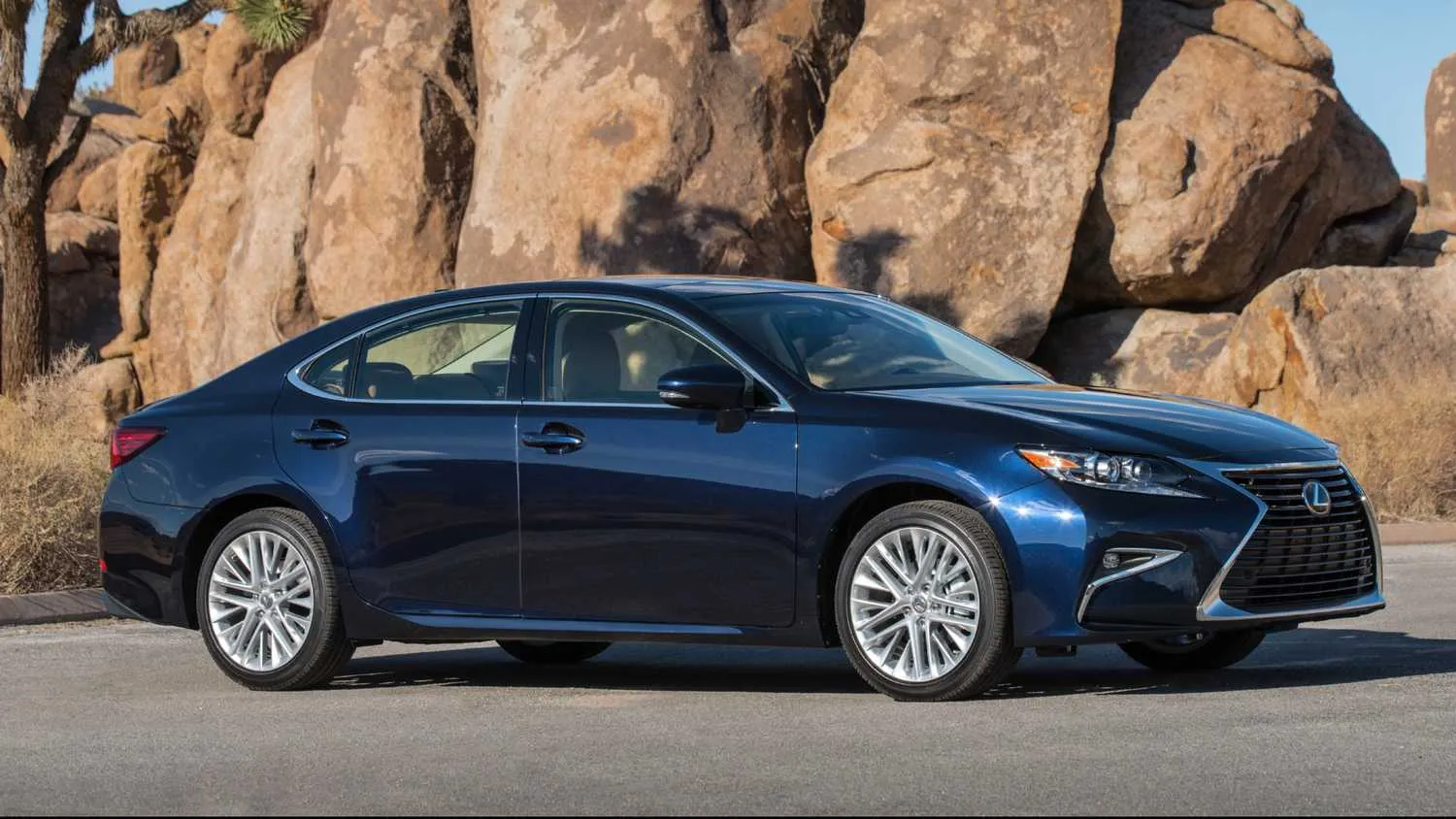
1. Lexus ES
The Lexus ES has long been praised for its quiet and refined cabin environment, and one of its standout features is its advanced air filtration system. The vehicle is equipped with a high-grade cabin air filter designed to capture fine dust, pollen, and airborne particles, which contributes significantly to reducing odors inside the car.
Beyond standard filtration, the ES includes an activated carbon layer that traps volatile chemical compounds, such as those produced by exhaust from nearby vehicles or industrial emissions. This ensures that even when driving in areas with heavy traffic or near construction sites, the cabin remains noticeably cleaner and less odorous.
Additionally, the car’s airtight construction ensures minimal air leakage around doors, windows, and the trunk, which prevents unwanted smells from slipping into the cabin, a feature often overlooked in many mid-range sedans.
The interior materials in the ES also play a crucial role in odor management. The high-quality leather, soft-touch plastics, and polished wood trim resist absorbing external odors or retaining strong smells from food, pets, or other passengers.
Even if passengers enter the vehicle after exposure to strong scents, the cabin air remains neutral and comfortable, reducing the need for frequent interior cleaning or air fresheners.
The vehicle’s floor mats, headliners, and upholstery are all treated to resist odor retention, contributing to a fresh-smelling environment that persists even during long drives or when the air conditioning system is in constant use.
Lexus further enhances cabin comfort through intelligent climate control and airflow management. The ES uses multiple air vents strategically positioned throughout the cabin, ensuring consistent circulation and eliminating pockets where smells might linger.
The recirculation mode operates intelligently, switching between fresh air intake and recirculation depending on air quality outside, which is particularly helpful in urban environments with heavy traffic or pollution.
This dynamic approach not only prevents external odors from entering but also maintains a comfortable temperature, avoiding the stuffiness that sometimes occurs in tightly sealed cabins.
Finally, maintaining the air quality in the Lexus ES is straightforward, as cabin air filters are easy to access and replace. Regular maintenance ensures that the vehicle continues to perform at a high level in keeping odors out.
The combination of advanced filtration, tightly sealed construction, high-quality interior materials, and thoughtful airflow design makes the Lexus ES a benchmark for odor-free driving, offering a serene and clean environment that contributes significantly to passenger comfort.

2. Mercedes-Benz E-Class
The Mercedes-Benz E-Class is widely recognized for its focus on luxury and comfort, and its approach to cabin air quality is no exception. Mercedes incorporates a multi-stage cabin filter system that includes activated charcoal capable of capturing pollutants, dust, and odor-causing particles from external sources.
This filtration system is especially effective in urban environments where exhaust fumes and industrial smells are common.
The cabin is carefully sealed, with precise engineering around doors, windows, and joints, which prevents unwanted smells from entering even during extended highway drives or when driving near heavily polluted areas. These elements combine to create a cabin that remains fresh and comfortable, regardless of external conditions.
The materials used inside the E-Class further support odor control. Premium leather, durable plastics, and treated trims resist absorbing smells, making it unlikely that food, drinks, or passenger-related odors will linger. Even after carrying pets or driving through areas with strong environmental odors, the cabin tends to stay neutral.
Additionally, Mercedes pays attention to the flooring, ceiling, and seat materials, which are designed to avoid retaining moisture or scents that could contribute to unwanted smells over time. This thoughtful material selection is part of a broader approach to ensuring that the cabin environment reflects the luxury experience that the brand promises.
Airflow management in the E-Class is sophisticated, with climate control and ventilation systems carefully designed to distribute air evenly throughout the cabin. Mercedes includes sensors that monitor external air quality, automatically adjusting the recirculation mode to limit the entry of polluted air.
This ensures that exhaust fumes, smoke, or other odors from outside have minimal impact on the interior atmosphere. The airflow is quiet and subtle, maintaining the tranquility of the cabin while keeping it fresh and comfortable, a hallmark of Mercedes’ commitment to occupant well-being.
Maintenance and longevity of these systems are also straightforward. Cabin filters are easy to replace, and Mercedes provides high-quality components that ensure continued performance over the vehicle’s lifespan.
The combination of multi-layer filtration, high-grade materials, precise sealing, and intelligent airflow makes the E-Class one of the most reliable cars for keeping odors out, providing an environment where passengers can enjoy long drives without distraction or discomfort from external smells.
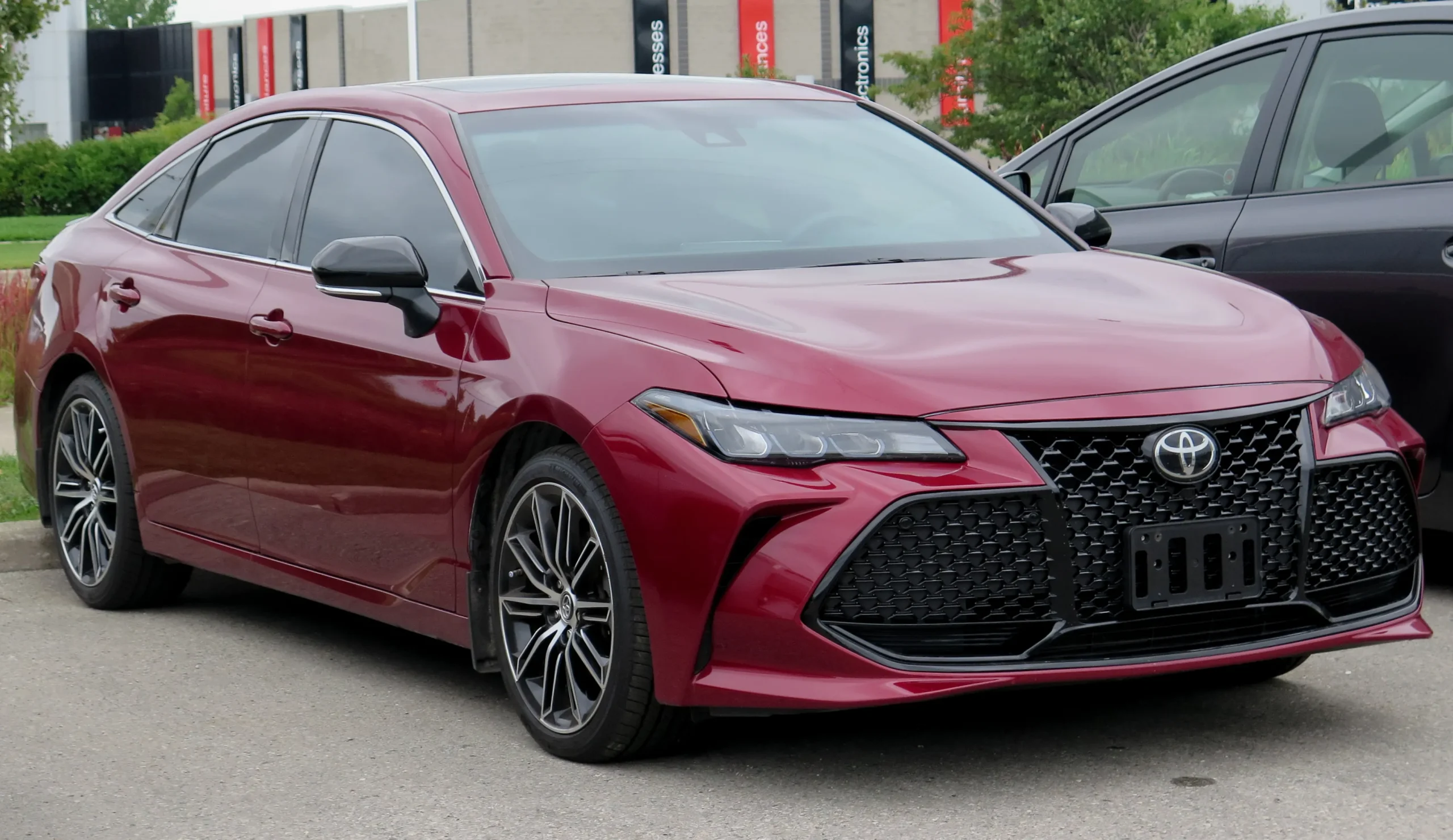
3. Toyota Avalon
The Toyota Avalon is widely praised for its spacious interior and refined comfort, and its performance in managing cabin air quality is a key part of its appeal. The Avalon features a cabin air filter with activated carbon that captures odors, pollutants, and fine dust particles from the external environment.
This system ensures that even when driving in polluted urban areas or near high-traffic zones, unwanted smells are minimized, creating a calm and neutral interior environment. The vehicle’s cabin is well-sealed, which reduces the chances of exhaust fumes or strong environmental odors entering, making it ideal for long commutes or family trips.
Interior materials in the Avalon are selected with odor resistance in mind. Upholstery options, including soft-touch fabrics and premium leather, are designed not to absorb or retain smells, allowing the cabin to stay fresh even after transporting pets, groceries, or passengers who may have been exposed to strong odors.
Flooring, seat cushions, and headliners are treated to resist odor absorption, which contributes to a cleaner cabin environment. Many owners report that their Avalons maintain a neutral scent over time, reducing the need for additional air fresheners or frequent cleaning.
The Avalon’s HVAC system is another factor in its odor control success. Air vents are positioned to provide even circulation throughout the cabin, preventing the formation of pockets where odors could accumulate.
The climate system also features intelligent recirculation capabilities that help maintain a neutral air quality when driving in polluted areas or during heavy traffic. This balanced airflow contributes to both comfort and odor management, ensuring passengers experience a pleasant environment regardless of external conditions.
Routine maintenance in the Avalon is simple, allowing owners to keep the cabin filtration system performing optimally. Cabin air filters are easily accessible and replaceable, ensuring long-term effectiveness.
The combination of advanced filtration, tightly sealed construction, thoughtful materials, and efficient airflow makes the Avalon a standout choice for drivers who prioritize a fresh and neutral interior environment, even in challenging conditions or over extended use.

4. Honda Accord
The Honda Accord has long been a popular choice for drivers seeking reliability and comfort, and its cabin air quality management adds to its appeal. The Accord’s air filtration system includes a cabin filter designed to capture dust, pollen, and some odor-causing particles, which helps reduce the intrusion of exhaust fumes or strong environmental smells.
While the Accord does not boast the luxury-level filtration systems of higher-end vehicles, it is highly effective for everyday driving, particularly in suburban and urban settings where traffic and environmental odors are a concern.
Interior materials play an important role in odor control within the Accord. Synthetic leather, durable plastics, and treated fabrics resist absorbing smells from passengers, food, or pets, helping maintain a neutral cabin environment.
Even after long trips or when carrying items with strong odors, the cabin tends to remain relatively fresh. This reliability in odor control contributes to the Accord’s reputation as a practical, family-friendly vehicle suitable for daily commutes and long drives alike.
The vehicle’s HVAC system supports odor control through carefully engineered airflow. Vents are strategically placed to ensure air reaches all corners of the cabin, preventing stagnation and reducing the likelihood of lingering odors.
The recirculation mode can help maintain interior air quality when driving in polluted environments, further contributing to a neutral and comfortable interior experience.
Maintenance is straightforward, with cabin air filters being easy to access and replace, ensuring that the Accord’s odor management performance remains consistent over time.
The combination of effective filtration, interior materials that resist retaining smells, and thoughtful airflow design makes the Accord a dependable option for drivers who value a fresh, clean interior. Its practical design and attention to cabin air quality provide a level of comfort often appreciated by daily commuters and families alike.

5. Volvo S90
The Volvo S90 emphasizes both luxury and occupant health, and its approach to cabin air quality is comprehensive. The vehicle features multi-layer cabin filters designed to capture dust, pollen, and odor particles, often including activated carbon to trap chemical smells from traffic or environmental pollution.
Volvo’s focus on interior air quality is part of a broader commitment to occupant well-being, ensuring that drivers and passengers enjoy a clean, neutral cabin atmosphere even in challenging conditions.
The cabin is tightly sealed, reducing the ingress of exhaust fumes, industrial odors, or other environmental smells. Volvo complements this with interior materials that resist odor absorption, including treated leather, high-quality plastics, and carefully designed trims.
These materials prevent lingering smells from passengers, pets, or food items, helping the cabin remain fresh over long periods and reducing the need for frequent cleaning or artificial air fresheners.
Volvo’s climate control system is designed to distribute air evenly throughout the cabin, eliminating pockets where odors could accumulate. Intelligent recirculation features automatically adjust airflow to maintain neutral air quality when driving in urban or traffic-heavy environments.
The result is a cabin that feels fresh, comfortable, and free from external odor interference, contributing to a serene driving experience that is characteristic of Volvo vehicles.
Maintenance is user-friendly, with accessible cabin filters that can be replaced as needed to ensure consistent performance over time. The combination of advanced filtration, superior sealing, odor-resistant materials, and intelligent airflow management makes the S90 one of the most effective vehicles in keeping cabin odors out.
For drivers who prioritize a clean, neutral interior environment, Volvo’s attention to detail provides a significant advantage, ensuring that the cabin remains a comfortable and healthy space on every journey.
Five Cars That Let Exhaust Whiffs In

1. Jeep Wrangler
The Jeep Wrangler is widely celebrated for its off-road prowess and adventurous styling, but these qualities come at a cost when it comes to cabin odor control. The design prioritizes removable tops, open-air configurations, and rugged durability, which inherently compromise the ability to block external smells.
On sunny days, drivers may enjoy the option to remove the roof or fold down the windshield, but even with the top closed, leaks around doors and window seals can allow exhaust fumes, dust, or other strong environmental odors to enter the cabin.
This is especially noticeable when driving behind diesel trucks or in heavy urban traffic, where exhaust odors are strong and persistent.
Interior materials in the Wrangler often exacerbate the issue. Many trims use fabric seats and carpets that absorb smells, including smoke, food odors, and even lingering exhaust from previous trips. Even after cleaning, these materials can retain faint traces of smells, which may become noticeable over time or in humid conditions.
Rugged floor mats, while practical for off-road use, do not significantly prevent the retention of odors either, meaning that drivers who spend time in polluted environments may often notice the smell of diesel or gasoline entering the cabin.
The ventilation system, while functional for distributing air and providing heating or cooling, is not optimized for odor isolation. The design allows airflow to pull outside smells into the cabin during normal driving, and recirculation mode has only a limited effect in preventing odors when seals are imperfect or when driving in very polluted areas.
This can make long drives in traffic-heavy zones uncomfortable for drivers who are sensitive to exhaust or other strong environmental odors.
Despite these limitations, Jeep Wrangler owners generally accept the trade-off for the vehicle’s off-road capabilities and open-air experience. The sense of adventure, rugged durability, and versatility outweigh cabin odor concerns for many buyers.
However, for those who prioritize a fresh and neutral cabin atmosphere, the Wrangler may require additional measures such as using portable air purifiers, activated carbon inserts, or frequent cleaning to minimize the intrusion of external odors.

2. Ford F-150
The Ford F-150 is a bestselling truck celebrated for its utility, towing capacity, and robustness, but older or lower-end models can struggle with cabin odor management. While door seals and windows are generally effective, the air filtration system in base trims is often basic, allowing exhaust fumes and other external smells to infiltrate the cabin.
Drivers in congested cities or industrial areas may notice the smell of diesel or gasoline more readily than in a smaller, sealed sedan. Even on highways, trucks around the F-150 can occasionally produce exhaust odors that enter the interior, particularly if the cabin is not operating in recirculation mode.
Interior materials play a significant role in odor retention in the F-150. Fabric seats, carpets, and ceiling materials in many trims can absorb odors from food, pets, or external sources, which makes lingering smells harder to eliminate.
Over time, repeated exposure to external odors, combined with absorbed smells from the interior itself, can lead to a slightly musty or persistent odor that detracts from the driving experience. Leather seats in higher trims mitigate this issue, but the base trims remain more susceptible.
The ventilation system in the F-150 prioritizes heating, cooling, and airflow over preventing odor intrusion. While it provides sufficient comfort, strong smells from nearby vehicles, industrial emissions, or congested traffic areas can still find their way into the cabin.
Using the recirculation mode helps, but it cannot completely block odors if seals are imperfect or if the vehicle is exposed to concentrated exhaust fumes for extended periods.
For many F-150 owners, this trade-off is acceptable because utility and durability are the primary priorities. Drivers who frequently use the truck for towing, hauling, or off-road tasks tend to view cabin odor concerns as secondary.
However, for those who spend significant time in urban traffic or prefer a consistently neutral cabin atmosphere, the F-150 may require supplemental measures, such as upgraded cabin filters or portable air purifiers, to maintain a more pleasant interior environment.

3. Jeep Grand Cherokee (older models)
Older Jeep Grand Cherokee models often struggle with cabin odor control, making them susceptible to external exhaust whiffs. Unlike newer models that feature advanced filtration systems and tighter sealing, older Grand Cherokees rely on basic cabin filters that may not fully block external odors.
When driving in polluted urban areas or behind vehicles emitting strong exhaust fumes, occupants may notice these smells entering the cabin, especially at low speeds or in traffic-heavy situations.
Interior materials in older Grand Cherokees, including cloth seats and standard carpeting, absorb odors more readily than high-end trims with treated leather or synthetic materials.
Over time, smells from pets, food, or external sources may linger, and repeated exposure to exhaust fumes can create a persistent odor that is difficult to eliminate. Even routine cleaning and vacuuming may not completely remove these traces, highlighting the limitations of the older design in maintaining a neutral interior environment.
Ventilation in these older models is functional but not designed for odor isolation. While recirculation mode exists, air leaks around doors, windows, and joints can still allow exhaust and other environmental smells to enter.
The system circulates air efficiently, but without additional filtration or sealing, odors remain noticeable, particularly during stop-and-go traffic or highway congestion where trucks and diesel vehicles are common.
Despite these drawbacks, older Grand Cherokees remain popular for their rugged performance, off-road capability, and spacious interior.
Drivers who prioritize utility and adventure often accept the compromise in cabin air quality. However, those sensitive to odors may find the vehicle less comfortable for daily commuting or city driving without taking extra steps, such as upgrading cabin filters or using air-purifying devices inside the car.

4. Ram 1500 (older models)
Older Ram 1500 models share similar challenges with cabin odor management. While the truck excels in utility, towing, and durability, its older cabin design and basic filtration systems allow outside odors, including exhaust fumes, to penetrate the interior.
This is particularly noticeable in city driving or near highways, where diesel and gasoline smells are common. Leaks around doors and windows exacerbate the problem, making it difficult to maintain a neutral cabin atmosphere without relying on recirculation mode or additional air filtration.
Interior materials in older Ram 1500 models, particularly cloth seats and floor mats, tend to absorb odors from both external and internal sources.
Food, pets, and environmental smells can linger, creating a noticeable odor over time. Unlike leather-trimmed or high-end models, which resist odor retention, the fabric interiors in these trucks require more frequent cleaning to maintain freshness.
The HVAC system in older Rams is primarily designed for airflow and temperature control, not odor isolation. While the system moves air effectively throughout the cabin, strong exhaust fumes can still infiltrate when the truck is driving through congested areas or behind larger vehicles.
Recirculation mode helps reduce odor entry but cannot fully compensate for imperfect seals or the basic filtration system used in older models.
Many Ram 1500 owners accept these trade-offs, prioritizing the truck’s capability over a perfectly neutral interior. Nevertheless, for those spending long hours in traffic or sensitive to smells, the vehicle may require additional interventions, such as aftermarket activated carbon filters or portable purifiers, to achieve a more comfortable cabin environment.

5. Chevrolet Silverado (older or lower trims)
Older or base-model Chevrolet Silverados often face challenges in preventing exhaust whiffs from entering the cabin. While newer models may feature multi-layer filters and improved sealing, older versions typically use basic filtration systems that allow environmental odors, including diesel and gasoline fumes, to penetrate the interior.
This can be particularly noticeable during stop-and-go traffic, highway driving, or in industrial areas where vehicle emissions are prevalent.
The interior materials in these Silverados contribute to odor retention as well. Cloth seating, carpets, and untreated trim absorb smells, making them persist long after exposure.
Passengers who transport food, pets, or other odor-producing items may notice lingering scents that are difficult to eliminate, reducing the comfort of the cabin. High-end trims with leather seats alleviate some of these issues, but the base models remain susceptible to lingering smells.
Ventilation systems in older Silverados are efficient for airflow but are not optimized to block odor intrusion. Strong exhaust fumes from surrounding vehicles can enter the cabin even when the air conditioning system is active, and recirculation mode only partially mitigates the issue. This can make extended driving in traffic-heavy or polluted areas uncomfortable for occupants sensitive to odors.
Despite these limitations, the Silverado remains a popular choice for drivers who value utility, durability, and towing capability above all else. The cabin odor challenges are considered secondary for many owners, especially those using the truck for work purposes or outdoor activities.
However, for individuals prioritizing a fresh, odor-free cabin, additional measures such as upgrading the cabin filter or using interior air purifiers may be necessary to improve comfort and maintain a more neutral environment.
