
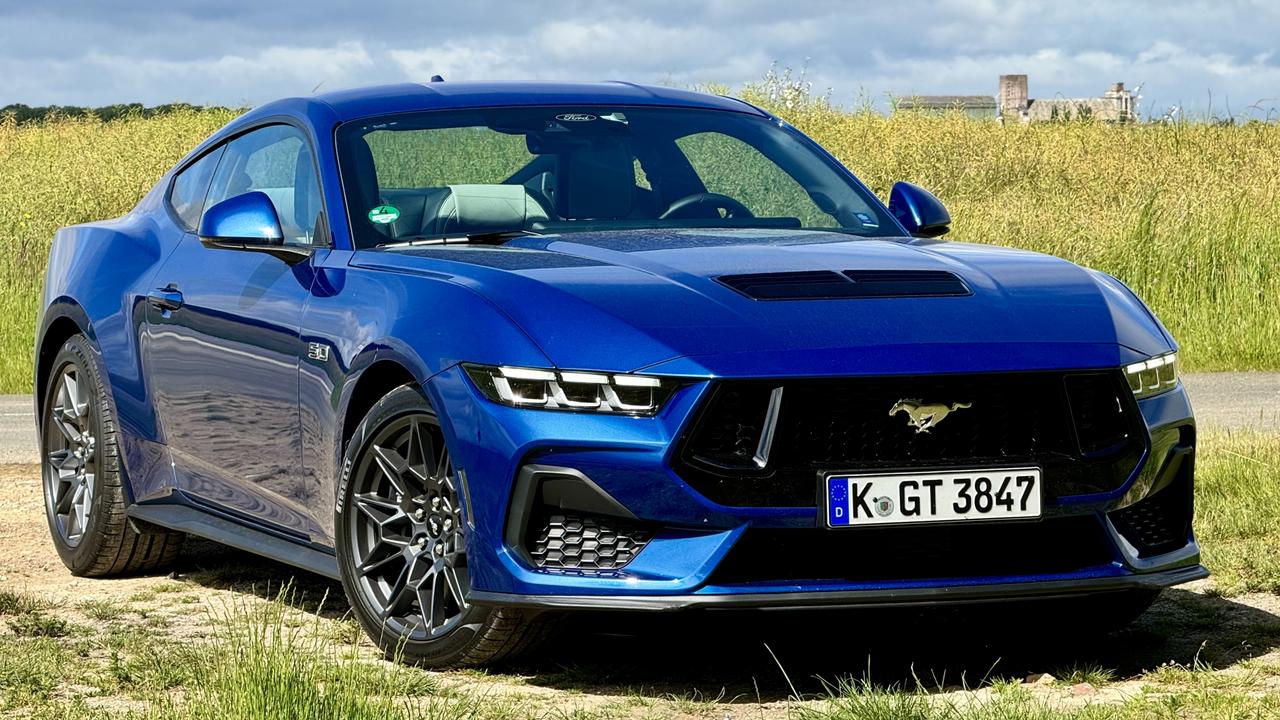
The design and feel of a car’s steering wheel are often overlooked by drivers, yet it plays a crucial role in comfort, control, and the driving experience. Steering wheels come in a variety of shapes, sizes, and thicknesses, each catering to different preferences and driving styles.
Some drivers prefer thick, cushioned wheels that provide a firm, supportive grip and create a sense of stability when navigating tight corners or long highway stretches. Others lean toward thinner, more minimalist designs that can offer agility and direct feedback from the road.
The thickness of a steering wheel affects hand positioning, fatigue during long drives, and even how confidently a driver can handle sudden maneuvers.
Comfy steering wheels often have ergonomic contours that conform to the shape of the hand, reducing strain on the fingers, palms, and wrists. They are commonly found in vehicles focused on luxury, touring comfort, or high-end sports driving.
Thinner steering wheels, on the other hand, appeal to drivers who prioritize precision and tactile feedback over plush comfort. These wheels transmit the road’s texture more directly to the driver, allowing for nuanced steering inputs in performance driving.
While they may lack the plush feel of thicker wheels, skinny grips offer a different kind of connection to the vehicle, often making the car feel smaller and more responsive.
The choice between thick and thin wheels can also reflect the type of driving someone does. Long-distance commuters may favor thicker wheels that feel natural over hours of driving, while enthusiasts who frequently take their cars on winding roads may prefer the lean, responsive feel of slimmer wheels.
Steering wheel thickness also has implications for driver safety and ergonomics. A thick wheel can provide a sense of control that encourages careful, deliberate steering motions, potentially reducing sudden jerks that can cause accidents.
Conversely, a thin wheel allows for quicker hand movements and rapid adjustments, which may be beneficial in performance scenarios but can feel twitchy for casual drivers.
The materials used, whether leather, synthetic, or rubberized surfaces, also play a role in how gripping or tiring a wheel feels. The choice between thick and thin steering wheels is not purely a matter of aesthetics.
It combines physical comfort, psychological confidence, and the intended use of the vehicle. The following sections will examine five cars that feature thick, comfortable steering wheels and five cars that feature thinner, more precise grips, comparing their strengths and weaknesses.
Five Cars with Thick, Comfortable Steering Wheels

1. Mercedes-Benz S-Class
The Mercedes-Benz S-Class is widely regarded as a benchmark for luxury vehicles, and its steering wheel reflects the automaker’s attention to detail and commitment to driver comfort.
The wheel is thick and padded, creating a sense of stability and support that is immediately apparent the moment the driver grips it.
Its design is intentional, with contours that follow the natural curves of the human hand, allowing fingers, palms, and thumbs to rest without strain. This is especially important during long drives on highways, where drivers often maintain a constant grip for extended periods.
The thickness of the wheel creates a feeling of solidity, reassuring the driver that the vehicle is fully under control. It also absorbs subtle road vibrations, which can reduce fatigue and improve driving comfort.
The S-Class wheel is not simply a functional component; it acts as an interface between the driver and the car, conveying both refinement and engineering excellence.
Beyond mere comfort, the S-Class steering wheel integrates a wide range of controls without compromising ergonomics. Buttons for audio adjustments, navigation, phone calls, and various vehicle settings are thoughtfully positioned so that the driver’s hands do not need to leave the wheel.
This design ensures that multitasking behind the wheel does not interfere with grip or hand comfort. In stop-and-go urban traffic, the thick wheel allows precise adjustments with minimal hand movement, making even stressful driving conditions feel manageable.
The large diameter combined with the padded rim gives the driver a sense of presence, transforming ordinary steering into an experience that feels deliberate and confident.
The balance of firmness and cushioning also allows for smooth transitions between sharp turns and gentle curves, a quality particularly noticeable when handling the car at higher speeds.
Material quality is another distinguishing feature of the S-Class wheel. Premium leather covers the thick rim, offering both a soft touch and a tactile connection to the car. The stitching is precise, providing a subtle texture that enhances grip without feeling abrasive.
Drivers often report that the combination of thickness and plush leather makes the wheel feel like an extension of their hands, creating a natural, intuitive steering experience.
Long drives, whether on city streets or long-distance highways, are made more comfortable as hands can rest lightly on the wheel without constant readjustment. This attention to comfort reflects the car’s philosophy: every element of the cabin is designed to support relaxation and confidence behind the wheel.
The S-Class also includes additional features that complement its thick steering wheel design. Adjustable tilt and telescopic reach allow drivers to find the ideal hand position, while heating elements provide warmth during colder months, enhancing tactile comfort.
The wheel is further engineered to provide feedback that is reassuring but not harsh, striking a balance between a responsive feel and luxurious smoothness. These design choices make the S-Class wheel a standout example of how thickness, material quality, and ergonomics combine to elevate the driving experience.
It is a wheel that supports both practical control and a pleasurable, tactile connection with the car, particularly appealing to drivers who prioritize comfort, stability, and a sense of command on the road.
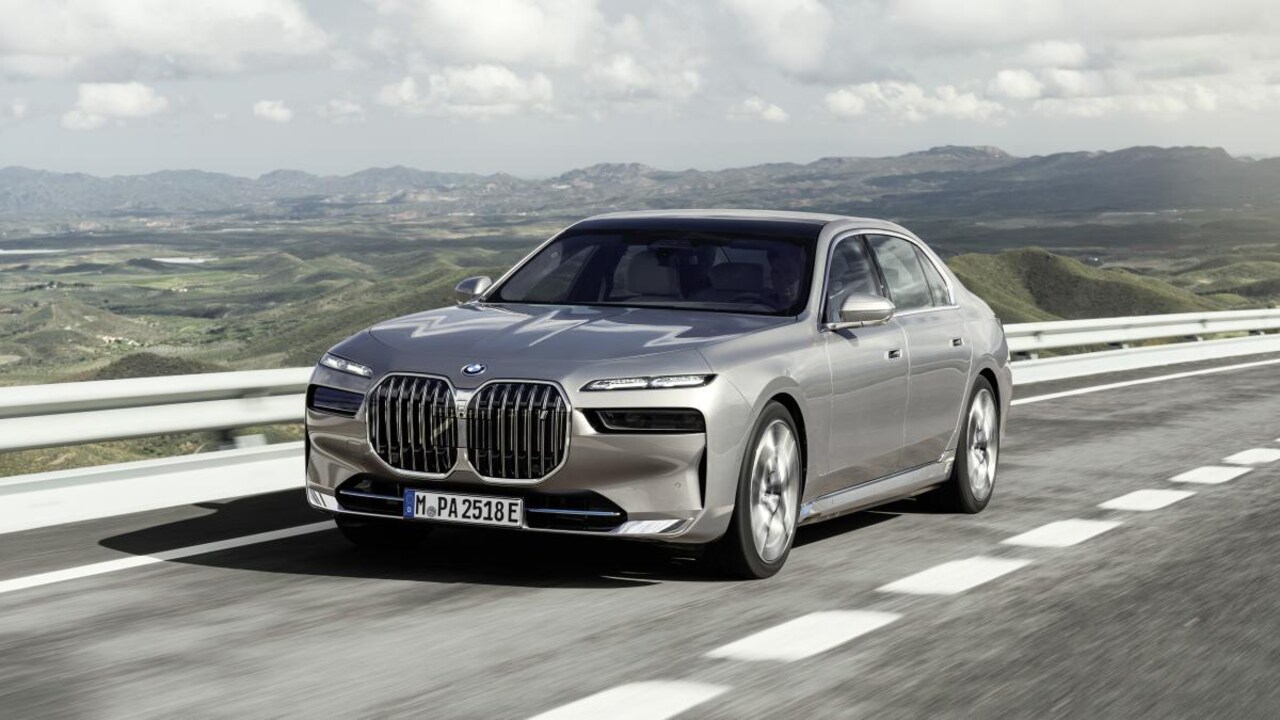
2. BMW 7 Series
The BMW 7 Series embodies a unique blend of luxury and sportiness, and its steering wheel exemplifies this balance. The wheel is thick, well-padded, and designed to feel solid in the hands, providing a sense of control that is both comforting and precise.
The rim’s thickness allows the driver to maintain a firm grip without tension, which is particularly important during long-distance journeys or when navigating winding roads.
Unlike thinner wheels that may require constant micro-adjustments, the 7 Series wheel gives the hands a secure resting position, reducing fatigue over time.
Drivers often find that the tactile sensation of the leather and the slight resistance of the thick rim create a natural connection to the road, allowing for smooth, controlled inputs even in more dynamic driving situations.
The integration of controls is carefully executed to maintain ergonomic benefits. Buttons for infotainment, cruise control, and phone functions are positioned so that the driver can operate them without compromising grip.
The thick wheel absorbs minor hand movements while pressing buttons, preventing accidental steering inputs that could occur on thinner wheels.
This design enhances both safety and convenience, ensuring that comfort does not come at the expense of control. The tactile feedback from the wheel also allows drivers to feel subtle changes in road texture, which aids in precise steering without introducing discomfort or strain.
Material choices elevate the experience further. The leather covering is supple yet durable, offering a soft touch that enhances the thickness of the rim. Stitching and textured inserts provide additional grip points, helping hands maintain a stable hold during spirited driving or long trips.
Adjustable tilt and telescopic functions allow drivers to customize the wheel’s position, maximizing ergonomic comfort. In colder climates, optional heating elements ensure that thick leather remains pleasant to touch, while the wheel’s thickness contributes to a feeling of substantial quality that resonates with the BMW philosophy.
Together, these elements create a steering wheel that balances luxurious comfort with responsive performance, making the 7 Series an excellent example of thick, supportive steering design.
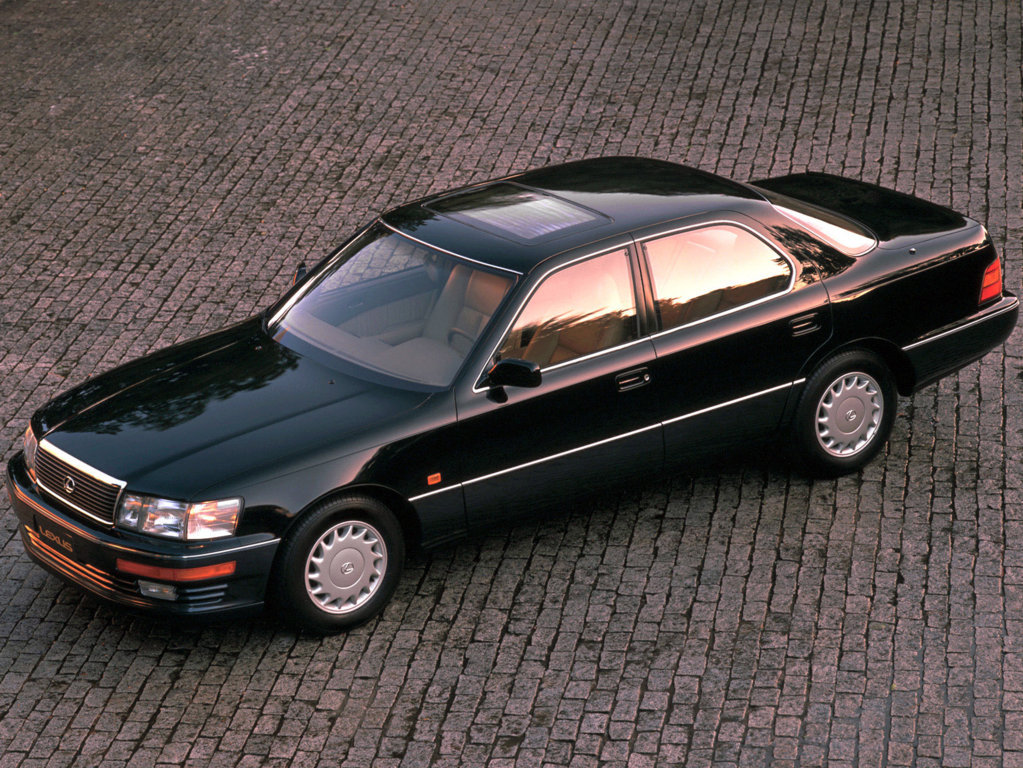
3. Lexus LS
The Lexus LS emphasizes comfort in every aspect of its design, and its steering wheel is no exception. The wheel is thick and generously padded, providing a secure and supportive grip that enhances both confidence and control. Its substantial diameter and plush rim allow hands to rest naturally, reducing strain on the fingers, palms, and wrists.
This is particularly noticeable during long-distance highway driving, where continuous hand contact can lead to fatigue in thinner or less ergonomic wheels. The LS wheel is designed to convey stability, giving drivers the sense that the car responds smoothly and predictably to their inputs, even in challenging driving conditions.
Ergonomics play a central role in the LS wheel’s design. Thumb rests and slight contours in the grip promote natural hand positioning, minimizing the need for frequent adjustments. This reduces strain on the hands during long trips, making driving more comfortable and less tiring.
The thick wheel allows for a relaxed driving posture, encouraging calm and deliberate steering motions rather than tense or abrupt movements. The design supports both city and highway driving, ensuring that the wheel feels intuitive and natural regardless of the environment.
Integrated controls further enhance the wheel’s usability and comfort. Buttons for audio, climate, and adaptive cruise control are positioned within easy reach, allowing the driver to operate them without compromising grip.
The thickness of the rim ensures that the wheel remains comfortable even while pressing buttons repeatedly, unlike thinner wheels that can feel twitchy or require additional effort.
This thoughtful integration enhances safety by keeping the driver’s hands in an optimal position while maintaining full control of the vehicle.
Material quality is a defining feature of the LS wheel. High-grade leather provides a soft and tactile surface that enhances the thick, cushioned feel. The texture of the leather improves grip, reducing the likelihood of slippage during spirited or prolonged driving.
Additional features such as optional heating, make the wheel more pleasant during colder months, while the thickness ensures a commanding feel.
Combined, these design elements create a steering wheel that prioritizes comfort, control, and tactile pleasure, making the Lexus LS a prime example of a thick, supportive steering experience that is ideal for long journeys and daily commuting alike.
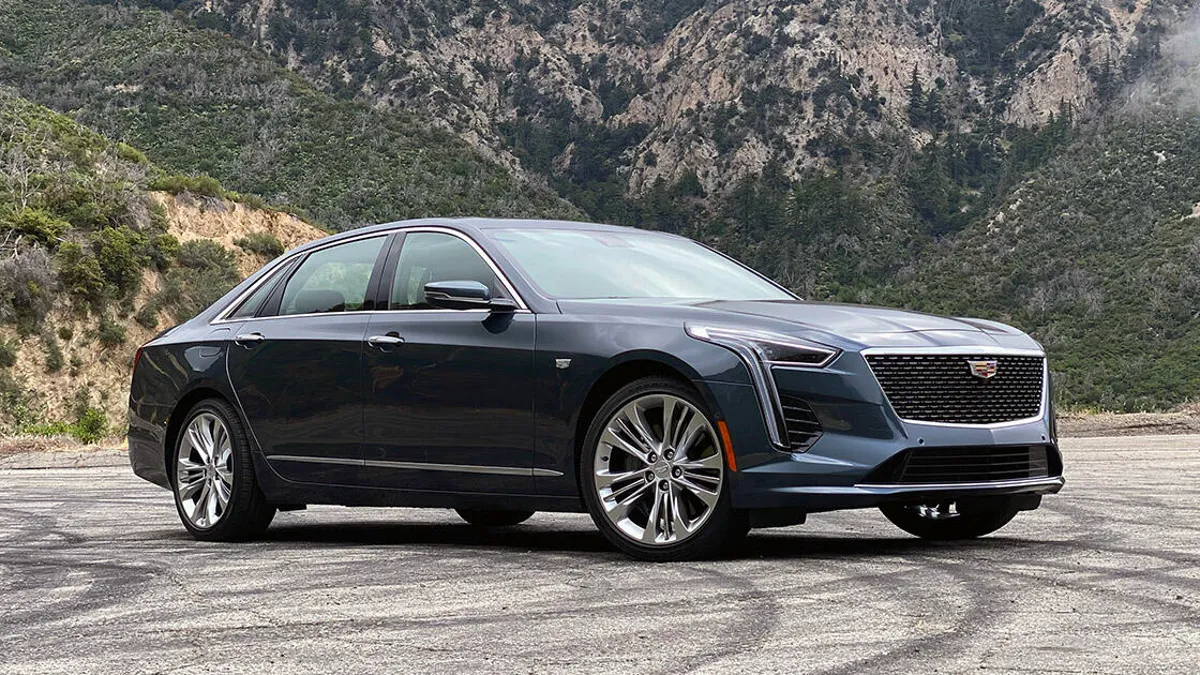
4. Cadillac CT6
The Cadillac CT6 incorporates a thick, padded steering wheel that reflects the car’s emphasis on comfort and refined driving. The wheel is designed to feel substantial in hand, offering a supportive grip that allows for precise steering without excessive effort. Its thickness provides a sense of solidity, which translates into confidence behind the wheel.
Drivers immediately notice the way the wheel absorbs minor road imperfections, reducing hand and wrist fatigue over long distances. This combination of comfort and control makes the CT6 wheel particularly appealing for those who spend considerable time driving, whether navigating city streets or cruising on highways.
Ergonomics are a key feature of the CT6 wheel. Contoured grips and thumb rests allow for a natural hand position, minimizing strain on the wrists and forearms. Even during extended periods of driving, hands can rest comfortably on the wheel without requiring constant adjustment.
This design philosophy emphasizes both comfort and precision, ensuring that the driver remains connected to the car while avoiding unnecessary tension. The thickness of the wheel enhances this experience, creating a sense of control that complements the car’s suspension and handling characteristics.
Material choices further enhance the wheel’s appeal. The soft leather covering offers both tactile pleasure and durability, while precise stitching provides subtle grip points for added control. Optional heating elements improve comfort in colder weather, making the wheel inviting to touch and hold in all seasons.
The combination of thickness, ergonomics, and material quality ensures that the CT6 steering wheel is not merely functional but a central component of a luxurious and enjoyable driving experience. It demonstrates how careful attention to design can transform an ordinary steering wheel into a key element of driving pleasure.
5. Audi A8
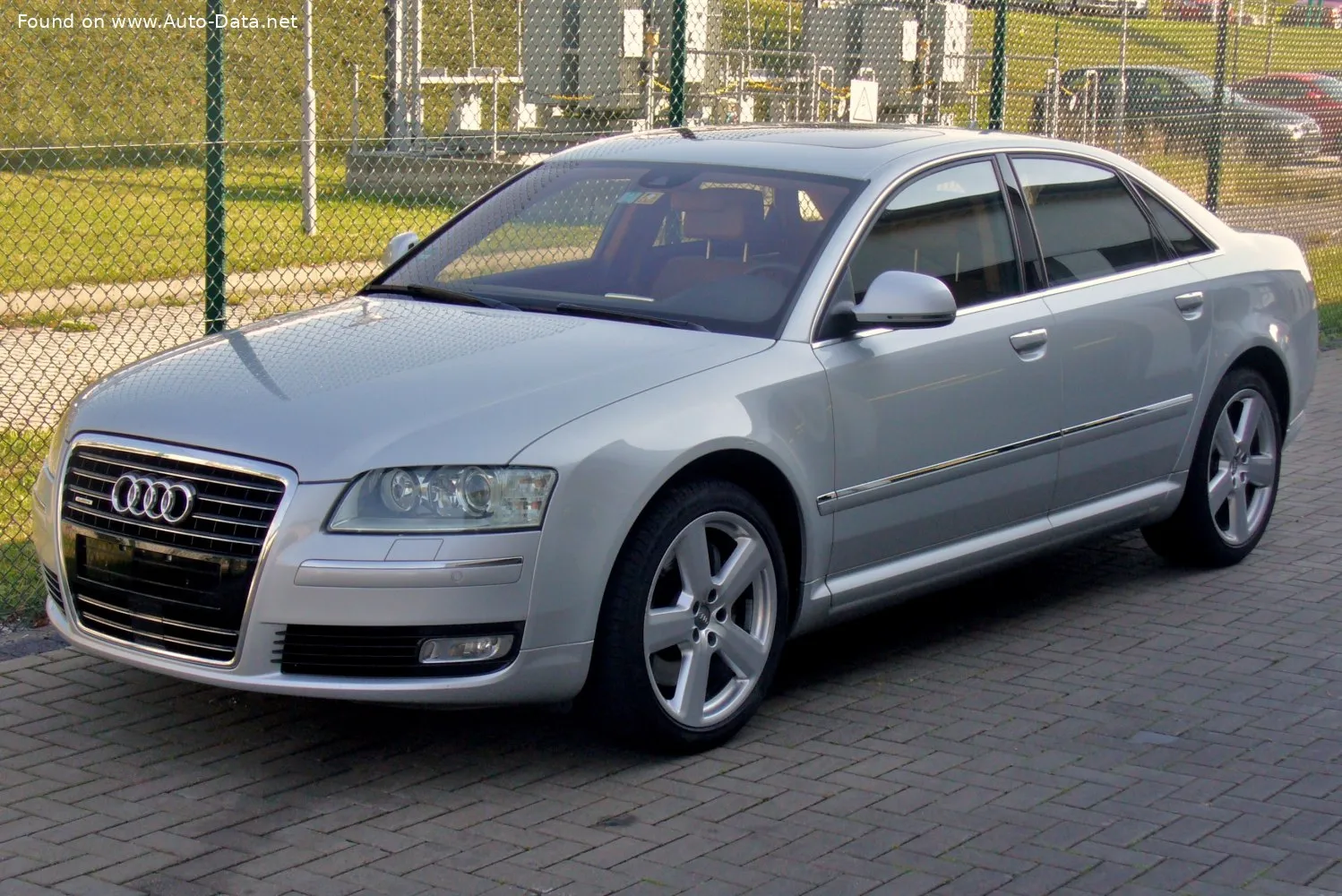
The Audi A8 features a thick, well-padded steering wheel that balances comfort and responsiveness in a refined package. Its rim is substantial enough to provide a solid grip, yet soft enough to allow hands to rest naturally over long distances.
Drivers immediately notice the way the wheel communicates a sense of stability, absorbing minor vibrations and providing reassurance during high-speed or urban driving.
The thickness creates a feeling of precision without rigidity, making steering adjustments smooth and controlled. This combination of qualities ensures that the wheel feels substantial without overwhelming the driver, creating a natural connection between hand and car.
Controls are seamlessly integrated into the thick wheel, providing access to infotainment, adaptive cruise control, and navigation functions without compromising grip.
The padded rim absorbs minor hand movements, preventing accidental inputs while maintaining tactile feedback. This thoughtful arrangement enhances safety, keeping the driver’s hands in a comfortable and controlled position at all times. The wheel feels intuitive, encouraging smooth and precise steering in a variety of driving conditions.
Material quality completes the experience. The wheel is covered in premium leather with fine stitching, offering both durability and tactile satisfaction.
Optional heating and adjustability allow the driver to personalize the wheel’s comfort, ensuring pleasant interaction regardless of weather or driving scenario. Together, these features make the Audi A8 steering wheel a compelling example of thick, comfortable design that supports control, reduces fatigue, and elevates the driving experience.
Five Cars with Skinny Grip Steering Wheels

1. Mazda MX-5 Miata
The Mazda MX-5 Miata is celebrated for its nimble handling and lightweight design, and its skinny steering wheel is a central part of that experience. The wheel is noticeably slimmer than those found in luxury sedans, emphasizing precision over plush comfort.
The thinner rim allows for a direct connection between the driver’s hands and the road, transmitting subtle feedback from the tires and suspension. This enhances the driving experience, particularly on winding roads or during spirited maneuvers.
Drivers feel the car respond almost instantaneously to even minor adjustments, creating a heightened sense of control and engagement. While it may lack the cushioned feel of thicker wheels, the Miata’s skinny wheel complements its agile chassis, making every turn feel precise and deliberate.
Ergonomically, the Miata’s wheel is designed to promote a sporty, active driving posture. Its thinner diameter allows hands to move freely around the rim, facilitating quick transitions between hand positions during aggressive cornering.
The lightweight nature of the wheel reduces effort during rapid steering adjustments, which is particularly beneficial in tight corners or on racetrack-style roads.
Drivers who favor performance-oriented driving appreciate the immediate responsiveness, as the wheel delivers road information directly without damping or unnecessary cushioning. Over long periods, the absence of thick padding may contribute to some hand fatigue, but enthusiasts often see this as a small trade-off for increased connection and precision.
Material choice reinforces the performance-oriented philosophy. The wheel is typically wrapped in soft leather or synthetic materials that provide a firm, non-slip grip, which is crucial given the reduced thickness. This tactile surface helps drivers maintain control without feeling the need for excessive squeezing.
Some versions feature subtle stitching or textured grips to enhance hand traction. Combined with the thin profile, these materials make the Miata wheel ideal for drivers who value directness, road feel, and agility over cushioned comfort.
For those who prioritize connection and precision, the Mazda MX-5 Miata’s skinny steering wheel embodies the essence of a lightweight, responsive sports car.
2. Porsche 911 (992 Generation)
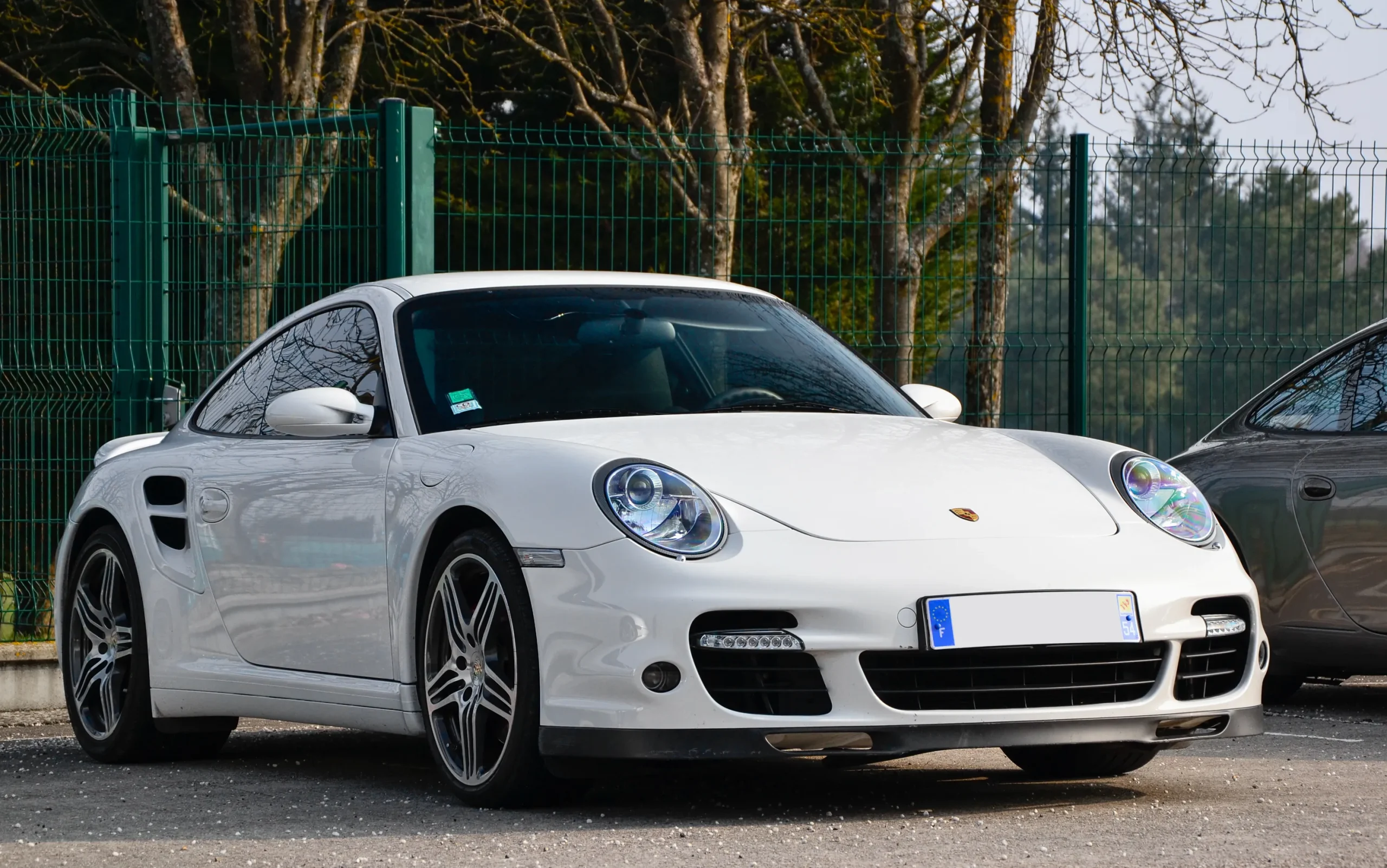
The Porsche 911, especially in its 992 generation, utilizes a relatively slim steering wheel that prioritizes feedback and precision. The thinner rim allows drivers to feel subtle changes in road surface and tire behavior, which is critical for high-performance driving.
The design enhances the car’s naturally responsive steering, providing immediate tactile communication between the driver and the front wheels.
This directness makes the 911 a favorite among driving enthusiasts who enjoy winding roads, tight corners, and spirited highway runs. The wheel’s reduced thickness also promotes agility, allowing drivers to execute quick steering inputs with minimal effort, a key feature in a sports car renowned for its handling.
Ergonomically, the 911’s wheel encourages a focused, engaged driving posture. The thin rim allows for easy rotation of the wheel with minimal hand movement, which is essential during high-speed maneuvers or technical cornering.
Drivers can shift hand positions fluidly without losing control, a feature that is particularly useful during extended track sessions or spirited mountain drives.
While thicker wheels can feel luxurious, they can also slow micro-adjustments, which the Porsche 911 avoids by prioritizing a lean, responsive design. This responsiveness ensures that drivers feel completely in tune with the car, enhancing confidence and driving pleasure.
Material selection is carefully chosen to enhance grip and precision. The leather or Alcantara surface provides a firm, tactile feel that keeps hands secure during aggressive driving. Textured inserts or subtle stitching further improve traction without adding bulk, preserving the thin profile.
This combination of materials and design ensures that drivers maintain maximum feedback and control, even during intense driving scenarios. The Porsche 911’s skinny steering wheel complements its dynamic handling, delivering a direct, engaging, and responsive experience for those who prioritize performance over plush comfort.

3. Toyota GR Supra
The Toyota GR Supra features a slim, sporty steering wheel designed to match its high-performance sports car character. Its thinner rim allows for responsive steering and precise control, ensuring that drivers feel connected to the car during aggressive driving.
The lightweight wheel enhances agility, allowing quick hand movements and rapid steering adjustments without requiring excessive effort.
The design is clearly focused on driving performance, emphasizing tactile feedback and control over long-term plush comfort, reflecting Toyota’s intent to create a driver-oriented sports car that communicates every nuance of road and tire behavior.
Ergonomically, the GR Supra’s wheel supports an athletic driving posture. Its size and slim profile allow hands to glide around the rim smoothly, which is particularly useful during tight corners or high-speed maneuvers.
Drivers can perform rapid micro-adjustments without feeling resistance, which is a key advantage for cars designed with precision handling in mind.
The wheel may not provide the same cushioned support as thicker luxury wheels, but its design ensures that the driver feels intimately connected to the vehicle, enhancing both confidence and enjoyment. Extended driving may increase hand fatigue for some, but for enthusiasts, this is outweighed by the benefits of direct road feel and responsiveness.
Material choice further enhances the performance-oriented experience. The leather or Alcantara-wrapped wheel provides excellent grip, while subtle texturing or stitching ensures hands remain securely in place. This tactile feedback is crucial for sports car driving, where small adjustments have a direct impact on handling.
The GR Supra’s thin steering wheel exemplifies a balance of precision, responsiveness, and driver engagement, making it ideal for those who prioritize performance and road connection over cushioned luxury.

4. Chevrolet Corvette (C8)
The Chevrolet Corvette C8 uses a thin, sporty steering wheel that reflects its mid-engine performance focus. The slim profile emphasizes driver connection and precise control, allowing rapid steering inputs during spirited driving. The wheel’s thickness is reduced compared to luxury sedans, enhancing feedback from the road and suspension.
Drivers immediately notice the wheel’s responsiveness, as it conveys subtle road texture and cornering dynamics directly to the hands. This design supports aggressive driving, including tight corners, high-speed maneuvers, and track sessions, ensuring that the driver feels completely in command of the vehicle’s behavior.
Ergonomically, the Corvette’s wheel supports active hand movement and precise steering adjustments. The thin rim allows hands to move quickly around the wheel without obstruction, which is critical during technical driving. Its size and profile encourage an engaged, performance-focused driving posture, allowing drivers to steer accurately and confidently.
While thicker wheels might feel more comfortable over long trips, the C8 prioritizes responsiveness, agility, and control, which is in line with the car’s mid-engine layout and performance-oriented design philosophy.
Material choices enhance both grip and driver feedback. The wheel is typically wrapped in leather or Alcantara, offering tactile resistance and non-slip surfaces. Subtle stitching or grip inserts further improve hand stability without adding bulk.
These materials, combined with the thin rim, ensure that drivers maintain a firm connection to the car, maximizing the sense of precision and responsiveness. The Corvette C8’s steering wheel exemplifies how a skinny design can enhance performance and engagement, particularly for sports car enthusiasts who prioritize driver feedback over cushioned luxury.

5. Ford Mustang GT (Performance Package)
The Ford Mustang GT with a performance package features a thin steering wheel designed for responsive handling and driving engagement. The slim rim provides a direct link between the driver’s hands and the car, transmitting subtle cues from the tires and road surface.
This allows the driver to feel micro-adjustments and makes it easier to execute precise steering inputs during spirited or high-speed driving. While it may lack the plush comfort of thicker wheels, the design emphasizes functionality and feedback, aligning with the Mustang’s muscle car performance ethos.
Integrated controls are designed to complement the wheel’s thin profile. Buttons for audio, cruise control, and other essential functions are positioned to allow minimal hand movement while maintaining grip.
This ensures that drivers can interact with necessary systems without losing control or feeling interference from bulky features. The thin wheel profile also allows for precise steering torque, which contributes to a more engaging and controlled driving experience.
Material selection enhances grip and driver connection. Leather or synthetic wraps with textured surfaces provide a secure hold, while subtle stitching reinforces hand stability without creating unnecessary bulk. The combination of thinness, ergonomics, and tactile materials makes the Mustang GT’s wheel highly effective for performance driving.
It exemplifies how a skinny steering wheel can improve responsiveness, precision, and driver engagement, creating a more connected and enjoyable driving experience for those who prioritize road feel over plush comfort.
