
Hybrid vehicles have transformed the way people think about fuel efficiency and cost savings. Unlike conventional gasoline cars, hybrids combine an internal combustion engine with an electric motor, allowing for better fuel economy, reduced emissions, and, in many cases, long-term financial benefits.
One of the main appeals of hybrid vehicles is their potential to reduce spending on fuel, which can be a significant expense for daily commuters or long-distance drivers.
However, not all hybrids save money at the same pace. Some models provide immediate relief at the gas pump, with excellent miles per gallon ratings and lower maintenance costs that allow drivers to notice savings within the first year of ownership.
Others have higher upfront costs, advanced technologies, or specialized components that mean the return on investment takes longer, sometimes several years before the financial benefits outweigh the initial purchase price.
Understanding the distinction between hybrids that deliver quick savings and those that take more time is crucial for anyone considering a vehicle that balances efficiency with economics. Factors such as fuel efficiency, initial cost, reliability, and maintenance needs all play a role in determining how quickly a hybrid pays for itself.
Additionally, driving habits and environmental conditions can affect the timeline for recouping expenses. Urban commuters with frequent stop-and-go traffic may benefit more from certain hybrids than drivers on long highway journeys. Government incentives and tax credits also influence the net cost of owning a hybrid, potentially accelerating savings for some models.
This article will provide a comparison of five hybrids that save money quickly and five that require patience, outlining the characteristics that make some vehicles more immediately economical and others more strategic for long-term planning. By understanding these differences, consumers can make informed decisions that match their financial priorities, driving patterns, and personal preferences.
5 Hybrids That Save Money Fast
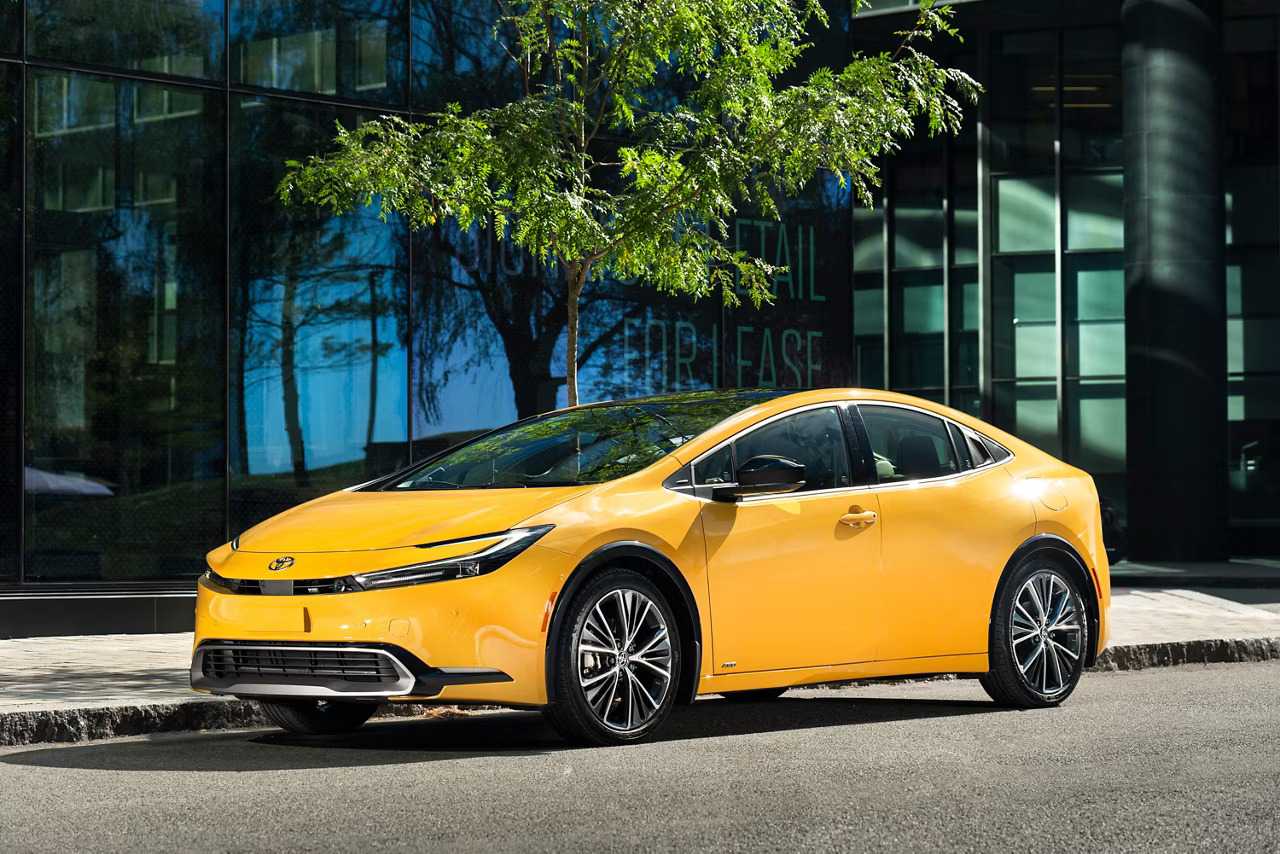
Toyota Prius
The Toyota Prius has long been recognized as a reliable and practical hybrid vehicle, offering consistent fuel efficiency and low operating costs. Its combination of a gasoline engine and electric motor allows drivers to maximize miles per gallon, often exceeding 50 in combined city and highway driving, which means fuel savings can be noticeable almost immediately.
The Prius’s hybrid system has been refined over decades, ensuring reliability and minimizing the likelihood of expensive repairs. Maintenance is straightforward, with widely available replacement parts and service options, reducing the financial burden on the owner.
For those who commute daily or cover long distances, the amount saved on fuel compared to a conventional vehicle can accumulate quickly, effectively offsetting the initial purchase price within a few years, especially when fuel costs rise.
Government incentives in many regions, including tax credits or rebates, further reduce the effective price and accelerate financial benefits.
Its combination of a gasoline engine and electric motor allows drivers to maximize miles per gallon, often exceeding 50 in combined city and highway driving, which means fuel savings can be noticeable almost immediately. The Prius’s hybrid system ha
Beyond fuel efficiency, the Prius offers practical features that contribute indirectly to cost savings. The regenerative braking system decreases wear on traditional brake components, saving money on replacements and maintenance.
Its compact yet spacious design allows it to serve both families and commuters without sacrificing utility. Reliability is a key factor in financial planning for a vehicle, and the Prius consistently earns high marks in durability surveys, which reduces the risk of unexpected repair costs that could otherwise negate savings.
The electric motor is particularly effective in stop-and-go city traffic, allowing drivers to experience lower fuel consumption in everyday driving scenarios, and the combination of hybrid efficiency and proven technology ensures predictable cost benefits.
Resale value is another area where the Prius delivers quick financial advantages. Toyota’s reputation for producing long-lasting vehicles means that owners can sell or trade in their Prius without losing a significant portion of its original value. Insurance costs are also reasonable due to its status as a practical, low-risk vehicle, contributing to immediate savings.
The car’s reliability reduces uncertainty in budgeting for car ownership, and many owners report feeling confident in the predictable operating costs. This predictability is particularly valuable for households that depend on a vehicle for commuting and cannot afford unexpected expenses.
The Prius is designed for simplicity and efficiency, allowing drivers to benefit from cost savings without requiring specialized knowledge of hybrid systems. Its seamless switching between gasoline and electric power ensures optimal fuel economy in various driving conditions.
Urban commuters and long-distance travelers alike can see noticeable savings quickly, and the car’s low operating cost extends beyond fuel to include tires, brakes, and minor service items.
For those seeking a practical, economical hybrid that demonstrates measurable financial advantages from day one, the Toyota Prius remains one of the most reliable choices, combining technology, efficiency, and proven durability.
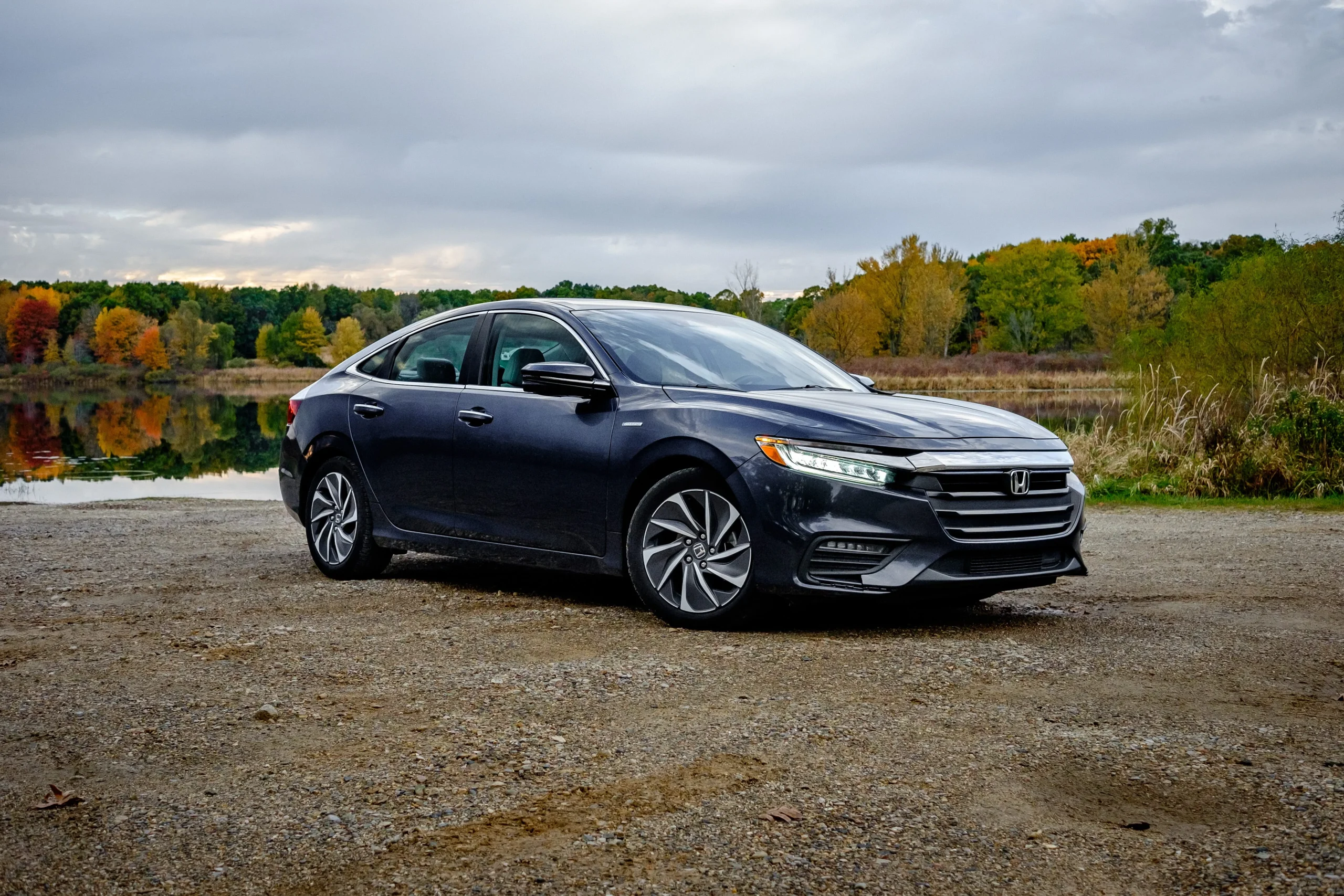
Honda Insight
The Honda Insight is a compact hybrid that balances affordability, fuel efficiency, and practical design, making it a strong choice for those looking to save money quickly. Its initial purchase price is generally lower than many other hybrid models, which allows the driver to experience rapid financial benefits compared to higher-cost alternatives.
The Insight achieves impressive fuel economy, often surpassing 50 miles per gallon in city driving, which makes the difference in fuel expenses noticeable within the first few months of ownership.
Maintenance costs are predictable and manageable due to the simplicity of Honda’s hybrid system, which minimizes the potential for unexpected repair bills. Its reputation for reliability ensures that owners can focus on fuel savings without worrying about high service costs.
The compact size of the Insight also contributes to cost efficiency. Its lightweight design and aerodynamic features reduce fuel consumption, while the electric motor operates efficiently during low-speed driving conditions, maximizing city mileage.
Regenerative braking enhances efficiency and reduces wear on brakes, further lowering operating costs. The interior, while modest, is functional and provides adequate space for daily commuting or small families, making it a practical choice for individuals who want an economical vehicle that meets everyday needs.
Ownership costs for the Insight are further reduced because insurance premiums and registration fees are typically lower than for larger or luxury hybrids. In addition, the vehicle qualifies for government incentives, which can reduce the upfront financial commitment and shorten the time needed to recover expenses through fuel savings.
Drivers frequently report a tangible difference in fuel costs when comparing the Insight to conventional compact cars, and the combined effect of lower purchase price, excellent fuel efficiency, and minimal maintenance creates a rapid return on investment.
Resale value for the Honda Insight is solid, although slightly lower than that of premium hybrids, but the financial advantages are realized well before the time of resale. The combination of affordability, fuel efficiency, and reliability ensures that drivers notice savings quickly and consistently.
For those seeking a practical, economical vehicle that provides real-world financial benefits almost immediately, the Insight offers a balanced mix of performance, efficiency, and low operating costs, making it one of the fastest hybrids for saving money.
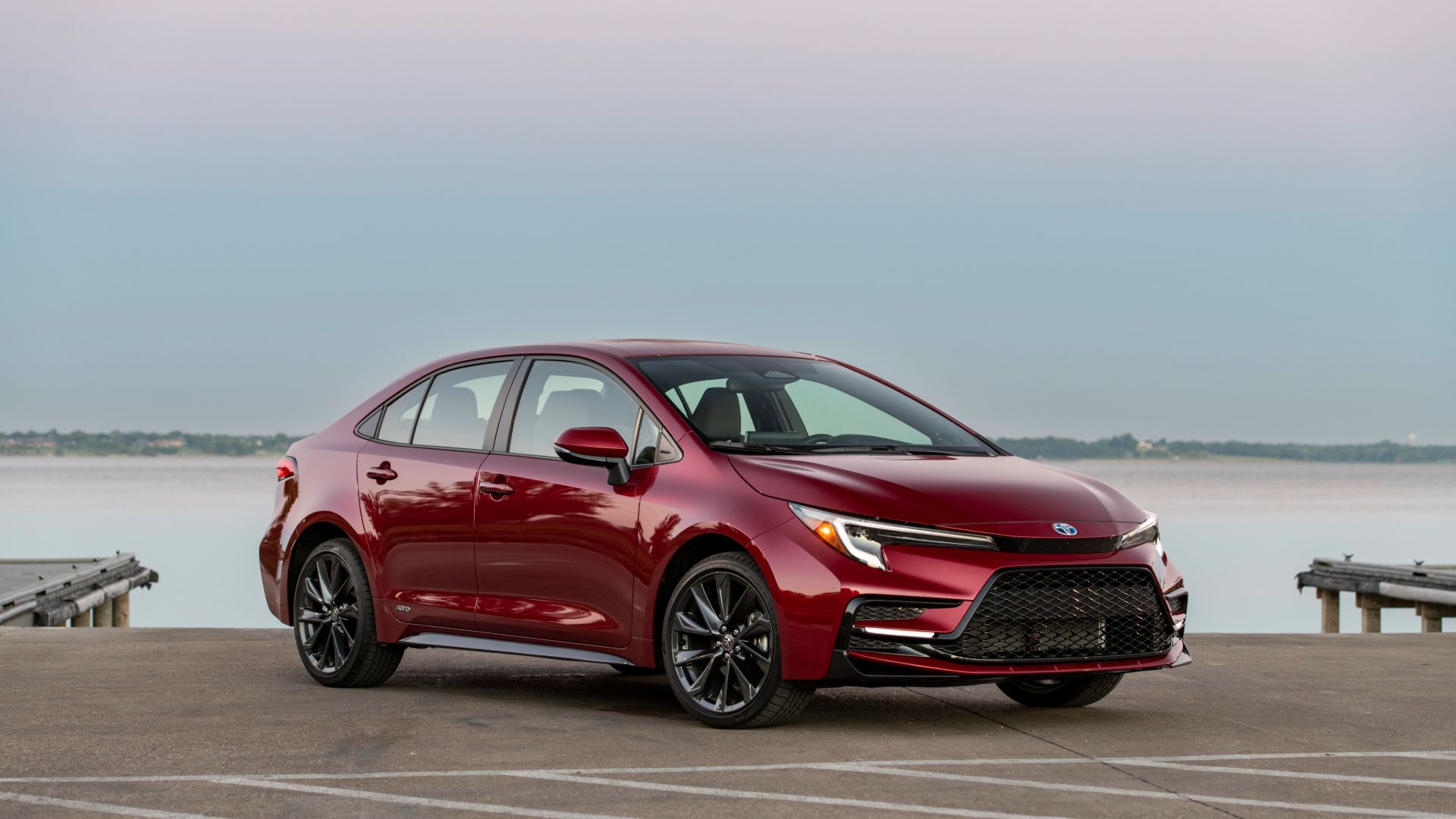
Toyota Corolla Hybrid
The Toyota Corolla Hybrid is an extension of the popular Corolla line, combining the traditional reliability of the model with the efficiency of a hybrid drivetrain. Its fuel economy averages around 50 miles per gallon in city driving, allowing owners to experience immediate savings on fuel costs.
Compared to standard gasoline-powered Corolla models, the hybrid system reduces fuel expenditures from the very first tank, which is particularly valuable for urban commuters or individuals with long daily drives. Toyota’s longstanding reputation for reliability ensures that maintenance costs remain moderate, with widely available parts and predictable service intervals, making it a low-risk, economical choice.
The hybrid system in the Corolla is designed for simplicity and effectiveness. Drivers do not need to actively manage the engine and electric motor to achieve efficiency, as the car automatically optimizes energy use. This makes it ideal for drivers unfamiliar with hybrid technology who still want immediate financial benefits.
The vehicle’s compact yet comfortable interior supports a variety of practical uses, from daily commuting to small family trips. Regenerative braking and efficient engine management contribute to reduced fuel consumption and lower maintenance requirements, reinforcing the vehicle’s cost-saving advantages.
Insurance and registration fees for the Corolla Hybrid remain reasonable, and the model often qualifies for local or national incentives, making the initial investment more attractive. Resale value is generally strong, meaning that owners can recoup a portion of their initial expenditure when selling or trading the car. Reliability reduces the chance of unexpected repair costs, allowing owners to focus on tangible benefits such as fuel savings.
The Corolla Hybrid also delivers a smooth and quiet ride, enhancing comfort without sacrificing economy. Its efficiency is particularly pronounced in city driving and frequent stop-and-go conditions, making it a practical choice for commuters seeking immediate financial relief.
Combined with its low cost, strong fuel economy, and dependability, the Toyota Corolla Hybrid is a vehicle that allows drivers to start saving money almost immediately while enjoying a versatile, comfortable driving experience.
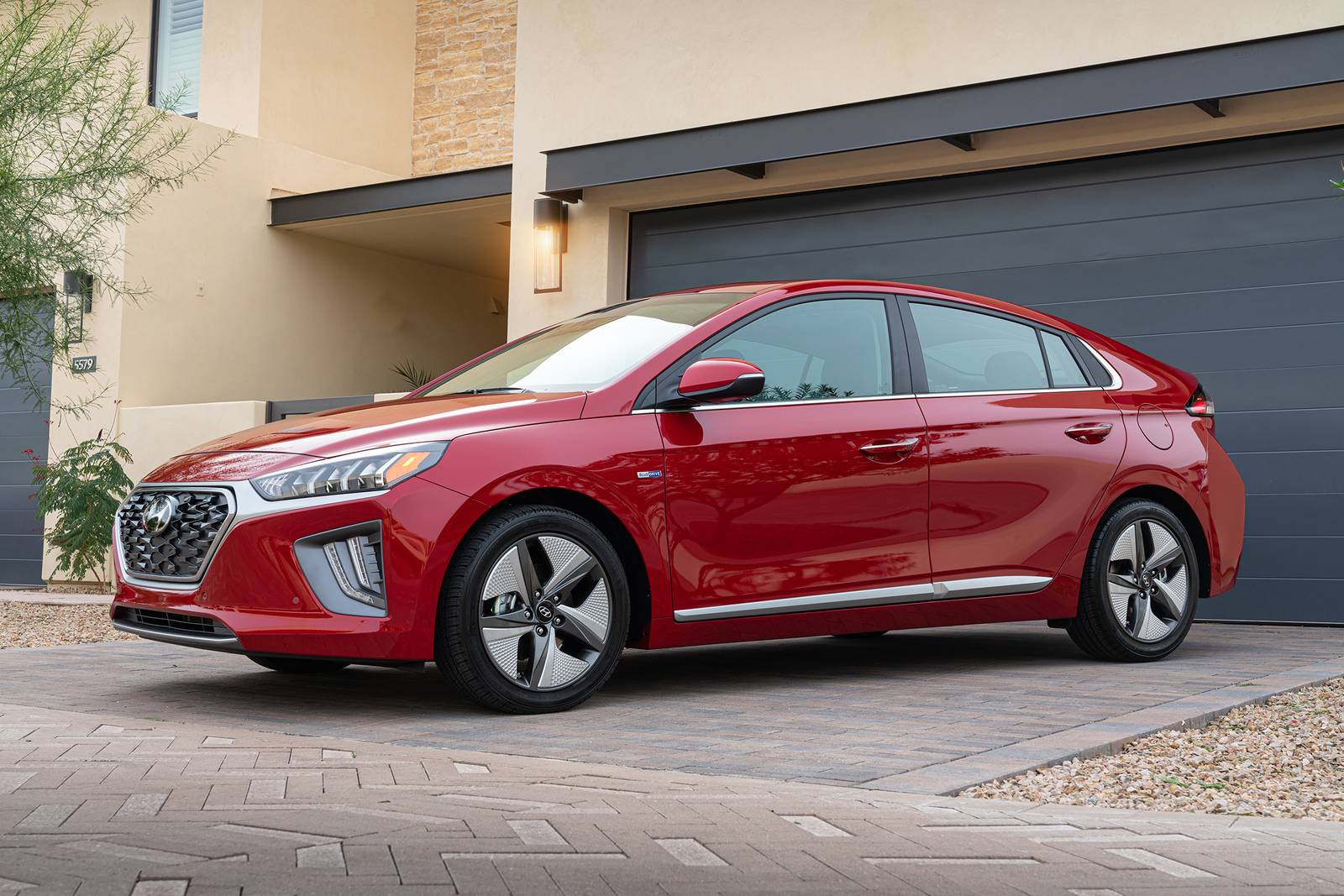
Hyundai Ioniq Hybrid
The Hyundai Ioniq Hybrid is for its exceptionally high fuel efficiency and competitive pricing, making it one of the fastest hybrids for realizing financial benefits. Its combined fuel economy frequently exceeds 55 miles per gallon, which allows owners to notice savings right away, particularly when commuting in urban traffic.
Maintenance costs are modest, thanks to a straightforward hybrid system, and Hyundai provides an extensive warranty that reduces the financial risk associated with repairs. Drivers can expect lower operating costs in multiple areas, including tires, brakes, and minor maintenance items, which accelerates the return on investment.
The Ioniq Hybrid incorporates advanced design features aimed at maximizing efficiency. Its lightweight structure, aerodynamic profile, and regenerative braking system all contribute to reduced fuel consumption and lower long-term expenses.
Urban commuters benefit most, as the electric motor efficiently handles low-speed traffic and frequent stops, providing a tangible reduction in fuel use. The interior is functional and driver-oriented, with energy monitoring systems and eco-driving modes that allow owners to track efficiency and optimize their driving habits for cost savings.
Ownership costs for the Ioniq Hybrid are further reduced through lower insurance premiums and registration fees compared to luxury hybrid alternatives. Government incentives can also help reduce the effective purchase price, making the vehicle’s financial benefits more immediate.
Drivers frequently report significant differences in monthly fuel expenses when comparing the Ioniq Hybrid to traditional gas-powered sedans or compact cars, and the combination of low operating costs and high efficiency makes the vehicle one of the fastest hybrids for saving money.
The Hyundai Ioniq Hybrid balances affordability, efficiency, and practicality, allowing owners to enjoy immediate financial benefits without sacrificing comfort or utility. Its reliability and low maintenance requirements enhance long-term savings, while the vehicle’s technology encourages drivers to adopt cost-conscious driving habits.
For those seeking a hybrid that demonstrates measurable savings from day one, the Ioniq Hybrid delivers a compelling combination of performance, economy, and dependability.
Kia Niro Hybrid
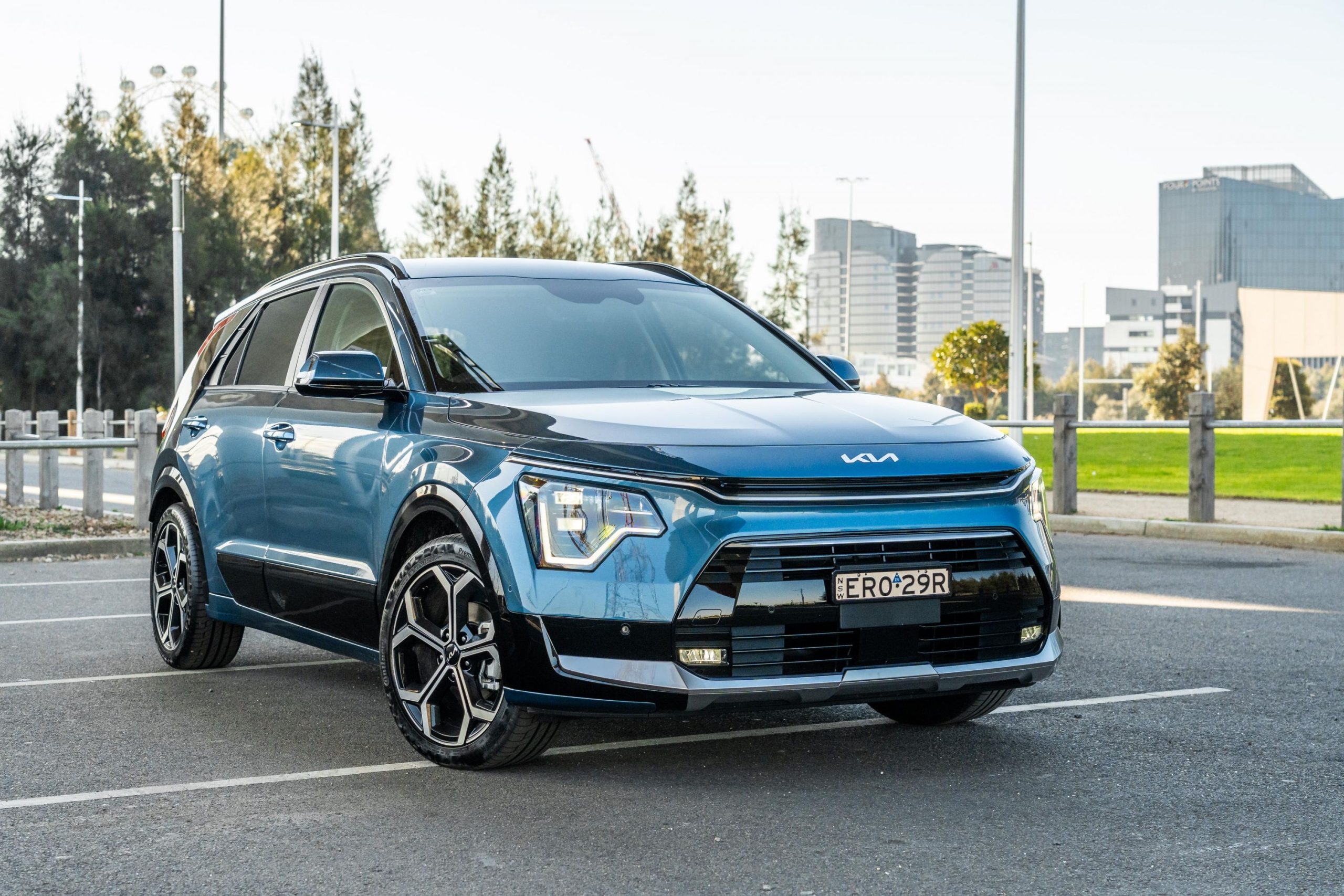
The Kia Niro Hybrid is a compact crossover that delivers both practicality and cost efficiency, making it a strong candidate for rapid financial savings. With an average fuel economy of around 50 miles per gallon in city driving, the Niro Hybrid allows owners to notice lower fuel expenses quickly.
Its purchase price is reasonable for a hybrid crossover, and maintenance costs are generally low, with widely available parts and straightforward service requirements. Kia’s warranty coverage further reduces potential repair costs in the first several years of ownership, ensuring that the financial benefits are felt early.
The Niro Hybrid provides versatility without sacrificing fuel efficiency. Its larger cargo space and flexible interior accommodate families or individuals who need extra room while maintaining strong mileage.
The hybrid system is straightforward and reliable, minimizing the risk of expensive repairs and allowing owners to focus on savings from fuel efficiency rather than unexpected costs. Features such as regenerative braking and eco-driving modes enhance efficiency and reduce wear on components, contributing to long-term cost savings.
Insurance and registration fees for the Niro Hybrid are moderate compared to larger SUVs or luxury hybrids, adding to the immediate financial advantages.
Incentives and rebates can further reduce the initial investment, allowing drivers to see quicker returns on their purchase. Fuel savings are particularly evident for those with frequent commutes or urban driving patterns, where the electric motor can take over at low speeds.
The Kia Niro Hybrid strikes a balance between utility, comfort, and economy. Its practical design makes it suitable for a wide range of drivers, from young professionals to families, and its combination of fuel efficiency and low maintenance ensures rapid financial benefits.
With measurable savings on fuel and predictable ownership costs, the Niro Hybrid demonstrates that drivers do not need to compromise practicality for economy, making it one of the hybrids that save money fastest.
5 Hybrids That Take Years to Save Money
Lexus LS 500h
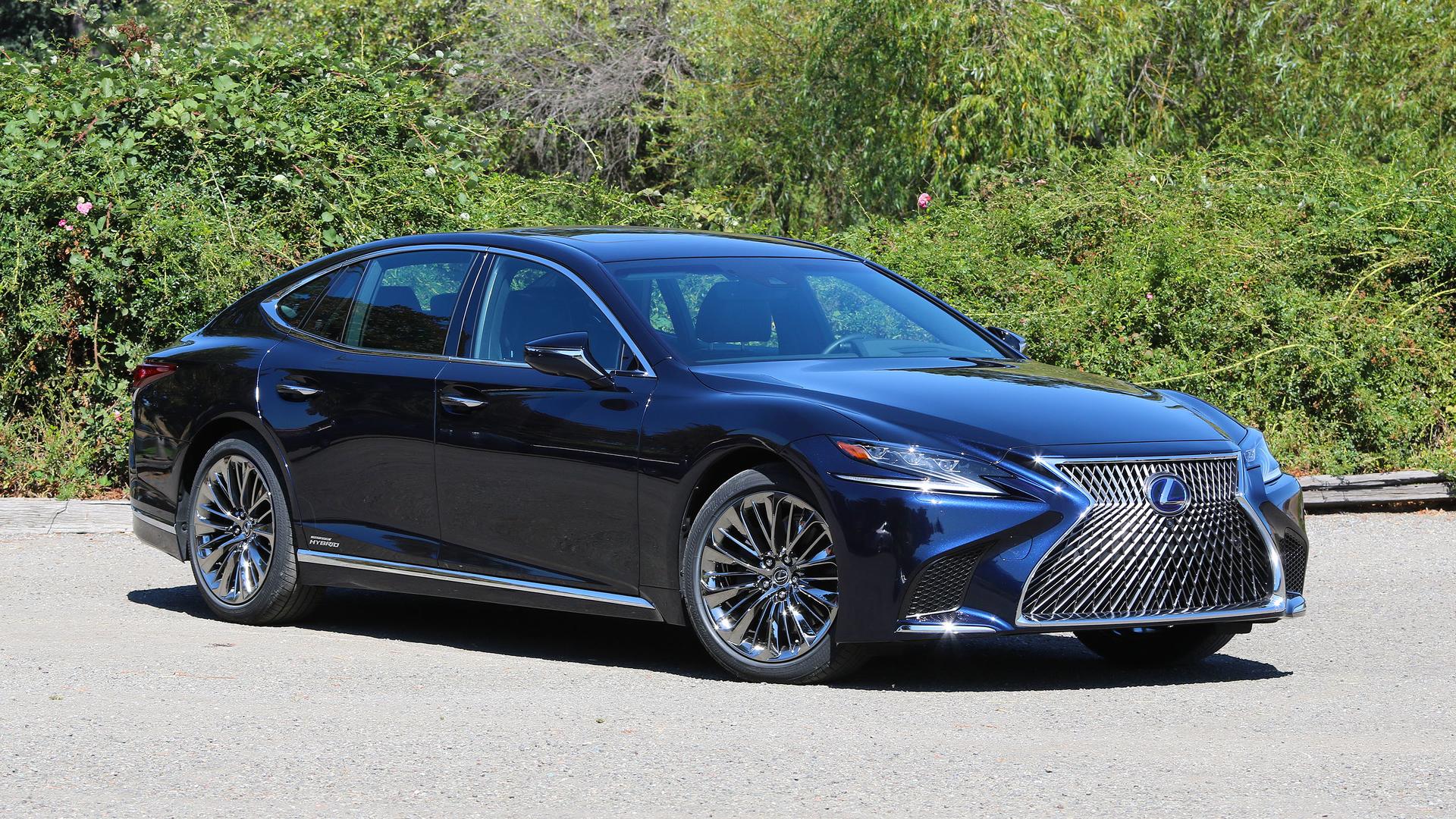
The Lexus LS 500h is a flagship luxury hybrid sedan that emphasizes comfort, advanced technology, and performance. While it delivers reasonable fuel efficiency for a large vehicle, the high initial purchase price makes it difficult for owners to see immediate financial benefits.
The hybrid system integrates a powerful electric motor with a gasoline engine, reducing fuel consumption compared to a traditional V6 or V8 engine, but the upfront cost and associated maintenance expenses mean that financial returns take years to accumulate.
Luxury components, including high-end materials, state-of-the-art electronics, and sophisticated driver assistance features, increase the cost of replacement parts and repairs, further slowing the pace at which the vehicle pays for itself.
The interior is one of the most advanced in the luxury hybrid segment, featuring premium leather, wood accents, and advanced infotainment systems that enhance the driving experience. However, these features come with increased insurance premiums and higher potential repair costs.
The LS 500h is designed for comfort and performance rather than rapid financial returns, which means that drivers seeking immediate savings will find the vehicle’s benefits limited in the short term. Fuel savings are noticeable over time, particularly for drivers covering long distances, but initial costs remain the primary factor delaying financial gains.
The Lexus LS 500h also demonstrates strong resale value for a luxury vehicle, which can mitigate some of the financial impact over the long term. However, depreciation in the first few years is significant, and combined with high maintenance and insurance costs, the net financial benefits are slow to materialize.
Urban driving, where the hybrid system could optimize fuel efficiency, may not generate enough savings quickly due to the vehicle’s size and weight. Over the long term, however, the LS 500h offers reasonable efficiency compared to comparable non-hybrid luxury sedans, making it a strategic choice for those who are patient and value comfort, technology, and brand prestige.
In essence, the Lexus LS 500h is a vehicle for those who prioritize luxury, performance, and advanced technology over immediate financial advantages. The hybrid system reduces fuel consumption and emissions, but these benefits accumulate gradually.
Drivers must be willing to accept a multi-year horizon for meaningful cost savings, making it one of the hybrids that take considerable time to justify their expense. Patience and long-term ownership are key to realizing its financial value.
BMW 7 Series Hybrid
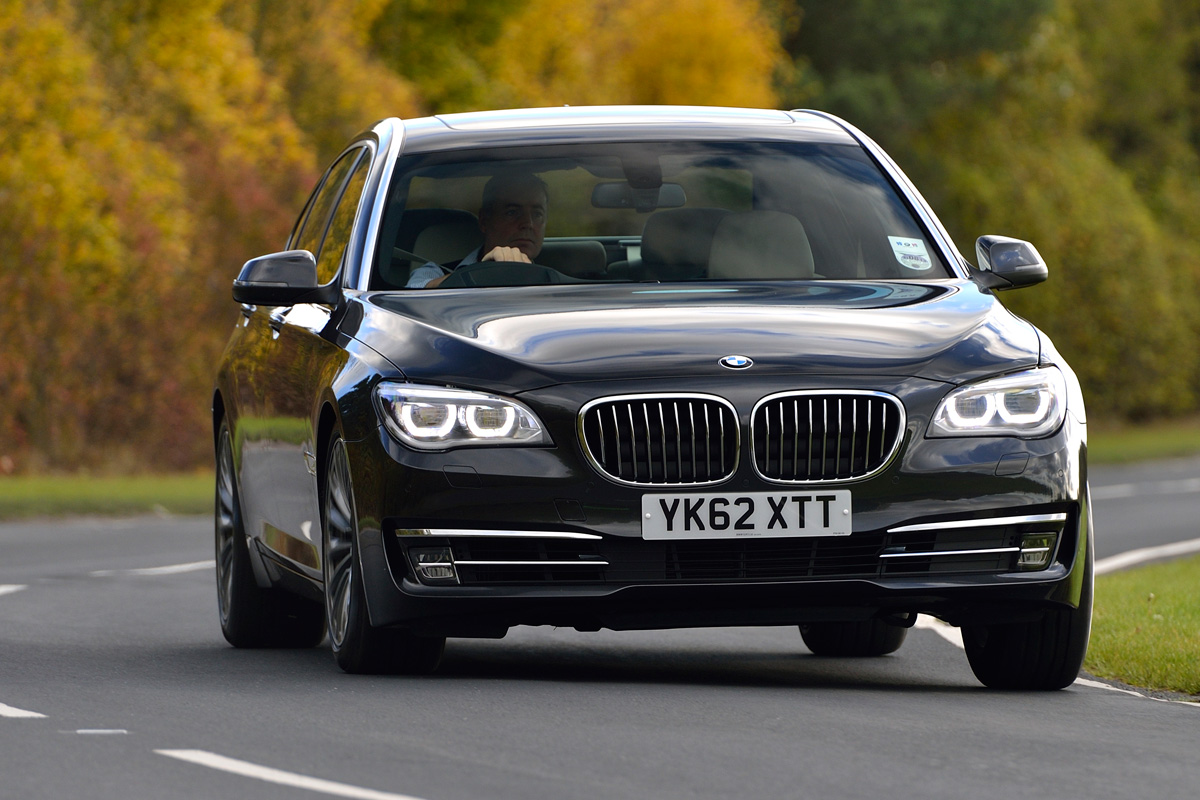
The BMW 7 Series Hybrid is a luxury sedan that combines high performance with a hybrid drivetrain. While it offers better fuel efficiency than traditional large sedans with similar power, the very high purchase price and maintenance costs mean it takes years before owners see tangible financial benefits.
The hybrid system, designed for both performance and efficiency, is complex, integrating multiple electric motors with a powerful gasoline engine. While this improves acceleration and reduces emissions, it increases the cost of repairs and servicing, making the initial years of ownership expensive.
The 7 Series Hybrid’s interior is crafted with high-end materials, advanced infotainment systems, and extensive driver assistance features. These luxurious touches enhance comfort and convenience but raise insurance premiums and potential repair costs.
Resale value can be strong for well-maintained vehicles, but depreciation is significant in the early years, which delays the financial break-even point. Even though fuel consumption is better than traditional non-hybrid 7 Series sedans, it is still lower than smaller, economy-focused hybrids, which means that immediate savings are minimal.
Long-distance driving may improve efficiency, as the hybrid system can take full advantage of steady highway speeds. However, the car’s weight and size reduce the savings potential.
Owners seeking quick cost recovery are unlikely to see it within the first few years, as the combination of high purchase price, luxury components, and specialized service requirements makes short-term financial benefits limited.
Over time, however, fuel savings and resale value can make ownership more reasonable compared to non-hybrid counterparts, particularly for drivers who keep the vehicle for several years.
The BMW 7 Series Hybrid is best suited for buyers who value performance, luxury, and technological sophistication above short-term financial gain. Patience and long-term planning are required to experience any significant cost benefits from the hybrid system. Its appeal lies in the balance of driving enjoyment, brand prestige, and eventual fuel savings rather than rapid economic returns.

Porsche Panamera E-Hybrid
The Porsche Panamera E-Hybrid is a high-performance sports sedan that integrates a hybrid system primarily to enhance performance rather than prioritize rapid fuel savings. The vehicle combines a gasoline engine with an electric motor for strong acceleration and reduced emissions compared to conventional Panameras.
While it achieves better fuel economy than non-hybrid sports cars, the very high initial purchase price, insurance premiums, and potential maintenance costs mean that it takes years to see meaningful financial savings. Luxury and performance-oriented components, such as specialized suspension, brakes, and hybrid battery systems, contribute to elevated long-term operating costs.
Insurance for the Panamera E-Hybrid is considerably higher than average due to the combination of high value, performance capabilities, and luxury features. Even though fuel consumption is improved relative to standard gasoline models, the difference is insufficient to offset the high purchase and maintenance costs in the short term.
Parts and specialized service are expensive, and minor repairs can quickly add up, delaying the point at which the hybrid system begins to generate financial returns.
The hybrid system is tuned for both performance and efficiency, providing fast acceleration and smooth driving dynamics. This focus on performance means the hybrid is not optimized for cost savings, unlike smaller, economy-focused hybrids.
Depreciation is moderate, but it does not compensate for the high upfront expense in the first several years. Owners must rely on long-term usage to realize fuel savings and eventual cost benefits.
The Porsche Panamera E-Hybrid appeals to buyers who are enthusiasts of sports cars and hybrid technology but are willing to wait years to achieve financial advantages.
The focus is on driving experience, advanced engineering, and brand prestige, with fuel savings as a secondary consideration. It exemplifies a hybrid that requires patience, strategic planning, and long-term commitment to become financially worthwhile.
Mercedes-Benz S 580e
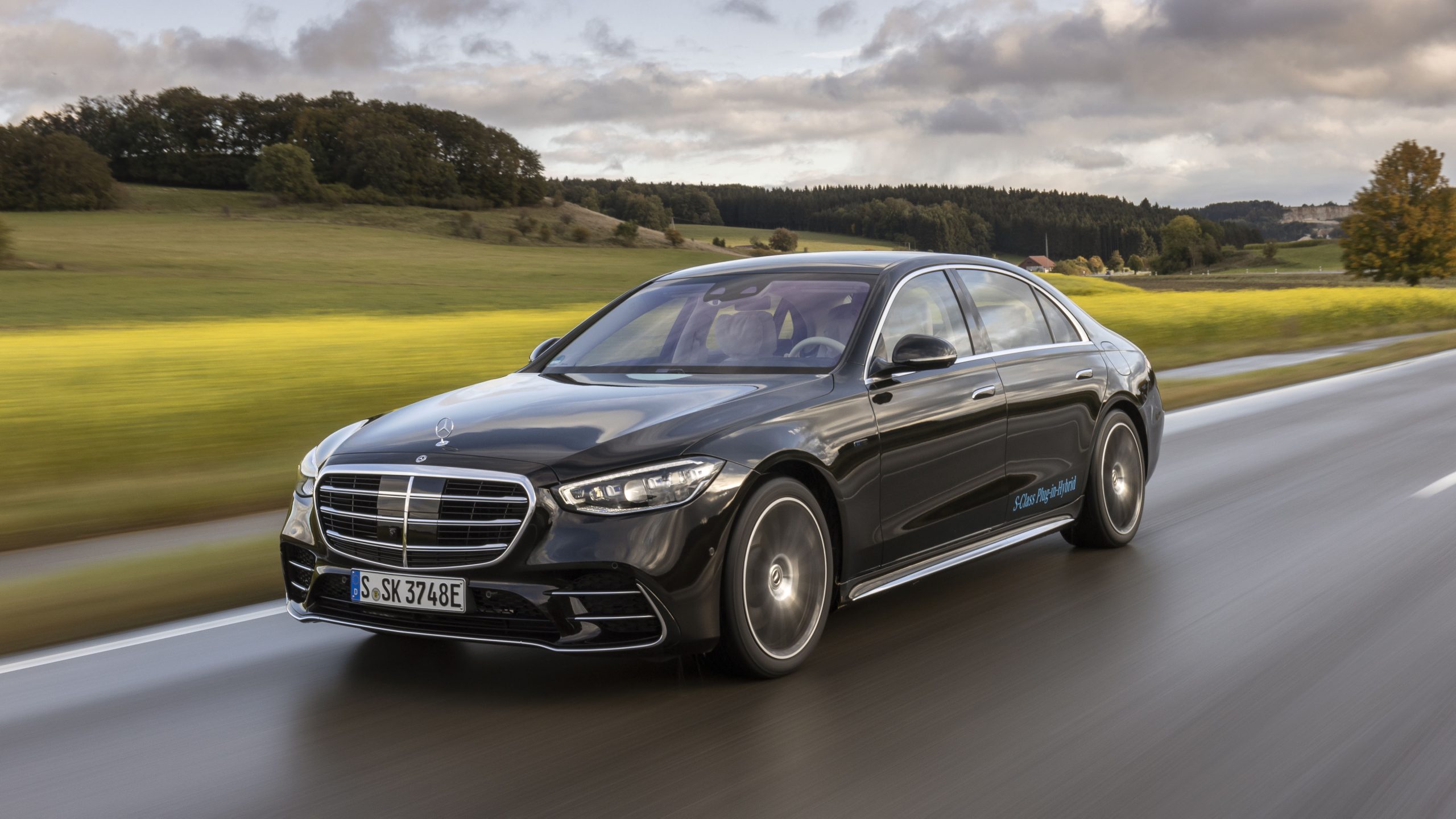
The Mercedes-Benz S 580e is a luxury hybrid sedan designed to prioritize comfort, advanced technology, and refinement. Although it achieves better fuel efficiency than comparable non-hybrid luxury sedans, the very high purchase price, premium maintenance costs, and insurance expenses mean that savings accumulate only gradually.
The hybrid system integrates a high-performance electric motor with a powerful gasoline engine, improving fuel consumption slightly while maintaining a smooth, quiet ride, but it does not provide immediate financial relief. Luxury interior materials, advanced driver assistance systems, and cutting-edge infotainment increase both upfront costs and potential repair expenses.
Insurance premiums for the S 580e are higher than average due to its status as a luxury vehicle, adding to the delayed financial return. Maintenance costs for the hybrid system are significant, particularly when service involves sophisticated electronic components or battery maintenance.
Depreciation is noticeable in the first few years, and although fuel savings occur over time, they are not sufficient to offset the initial expense quickly. Urban driving can reduce efficiency slightly because of the vehicle’s weight and size, which further slows the rate of financial return.
Long-term ownership can provide reasonable savings compared to traditional non-hybrid S-Class sedans, but only after several years. Drivers with long daily commutes or frequent highway travel may benefit more quickly, yet the vehicle’s complexity means that operating expenses remain higher than smaller, faster-return hybrids.
Over time, however, lower fuel consumption compared to standard gasoline-powered luxury sedans, combined with a generally strong resale value, contributes to long-term cost efficiency.
The Mercedes-Benz S 580e is ideal for buyers seeking unparalleled comfort, advanced technology, and prestige. It is not suitable for drivers prioritizing quick financial returns, as fuel savings and other cost benefits accumulate gradually. Patience and long-term ownership are necessary to realize the hybrid’s economic advantages, making it one of the slower-return vehicles in the hybrid market.
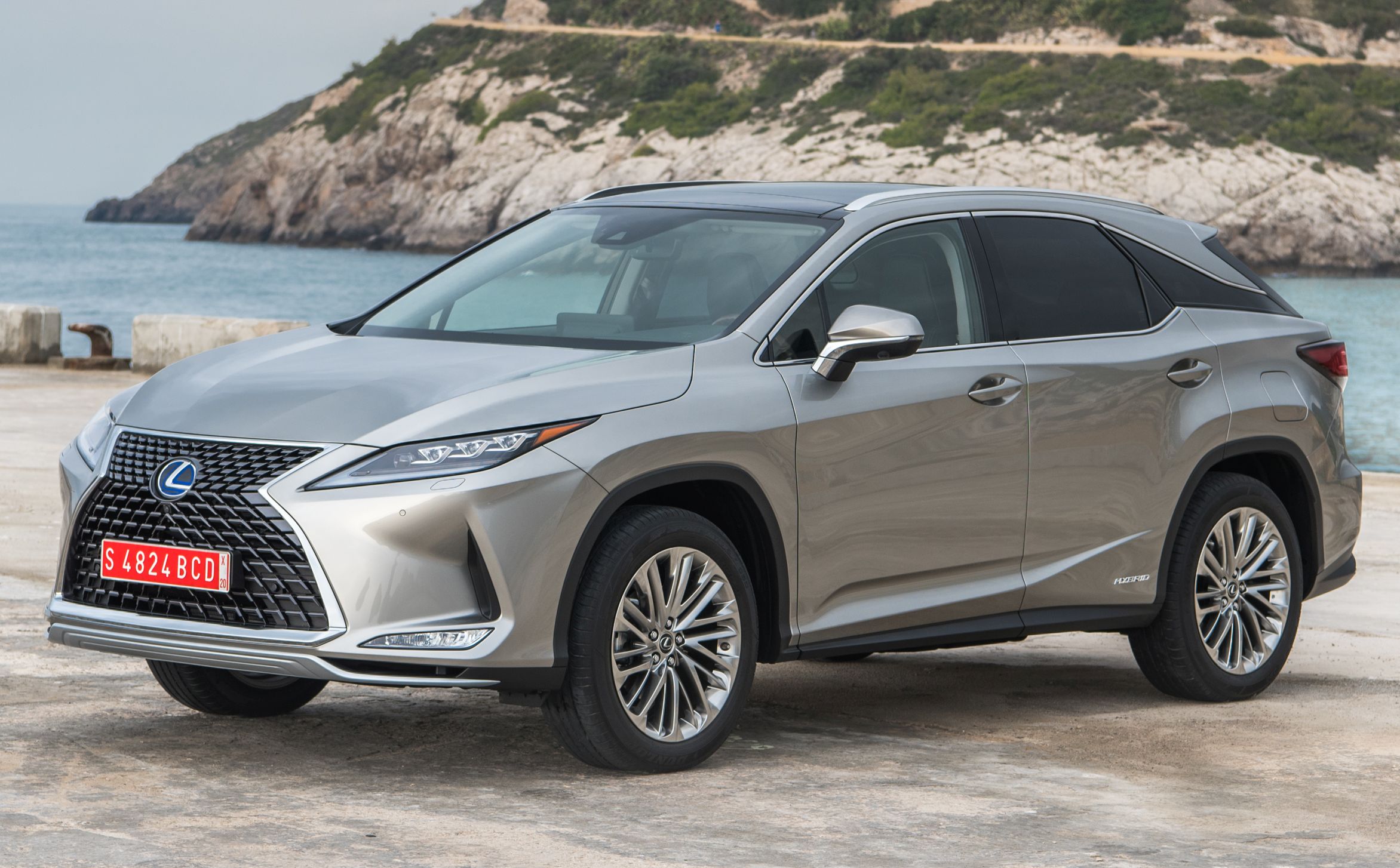
Lexus RX 450h
The Lexus RX 450h is a hybrid SUV that combines efficiency with practicality and comfort. While its fuel economy is reasonable for an SUV, the higher initial purchase price compared to non-hybrid competitors and the premium nature of its components mean that owners do not experience immediate financial benefits.
Maintenance costs, while lower than some luxury hybrids, are higher than for economy-focused models, delaying the time it takes to recover the investment through fuel savings. Insurance and registration fees for a premium SUV also contribute to slower financial returns.
The RX 450h offers a spacious and comfortable interior, advanced infotainment, and safety features, making it suitable for families or individuals who need versatility without sacrificing luxury.
While fuel savings accumulate over time, the high initial investment means that noticeable economic benefits appear gradually. Urban driving can reduce efficiency slightly due to the vehicle’s size and weight, but long-distance travel helps maximize the benefits of the hybrid system.
The Lexus RX 450h demonstrates that hybrids in the luxury SUV segment require patience to achieve meaningful financial returns. While fuel efficiency is better than conventional SUVs, the initial cost, insurance, and maintenance expenses mean that short-term savings are minimal. Long-term ownership, careful planning, and consistent use are essential for owners to benefit financially from this hybrid model.
