
Navigating city streets can be one of the most challenging aspects of modern life. Tight lanes, heavy traffic, constant stops, and limited parking spaces contribute to a level of stress that can transform even short drives into taxing experiences. Choosing the right vehicle for city driving, however, can make a significant difference.
A car that handles smoothly, offers excellent visibility, provides comfortable seating, and incorporates helpful technology can reduce mental strain, improve focus, and even enhance well-being during daily commutes.
Beyond the mechanical performance, factors such as intuitive controls, low noise levels, and advanced safety features contribute to a sense of calm while driving in congested areas. The modern automotive market has responded with a variety of vehicles designed specifically to address these urban challenges, balancing maneuverability, efficiency, and driver comfort in a way that reduces stress rather than exacerbating it.
Cars that are poorly suited for city life, on the other hand, can increase tension and frustration. Large, unwieldy vehicles may be difficult to park, while cars with stiff suspensions or poor visibility make frequent stops and sharp turns a headache.
High levels of road noise, uncomfortable seating, or confusing technology can further drain patience, turning daily commutes into stressful undertakings. Even factors like slow acceleration, tight turning radii, and limited maneuverability in traffic can amplify the sense of pressure behind the wheel.
For those who rely on their vehicles to move efficiently through bustling urban centers, understanding which cars contribute to calm driving and which provoke stress is essential. In this article, we will compare five cars known for their city-friendly stress-reducing qualities against five cars that, while perhaps impressive in other contexts, tend to make city driving more challenging.
The goal is not only to examine specifications but also to consider the real-world experience of navigating tight streets, crowded intersections, and constant stops, revealing how thoughtful automotive design can significantly impact the mental load of city commuting.
Five City-Friendly Cars That Reduce Stress
1. Honda Fit
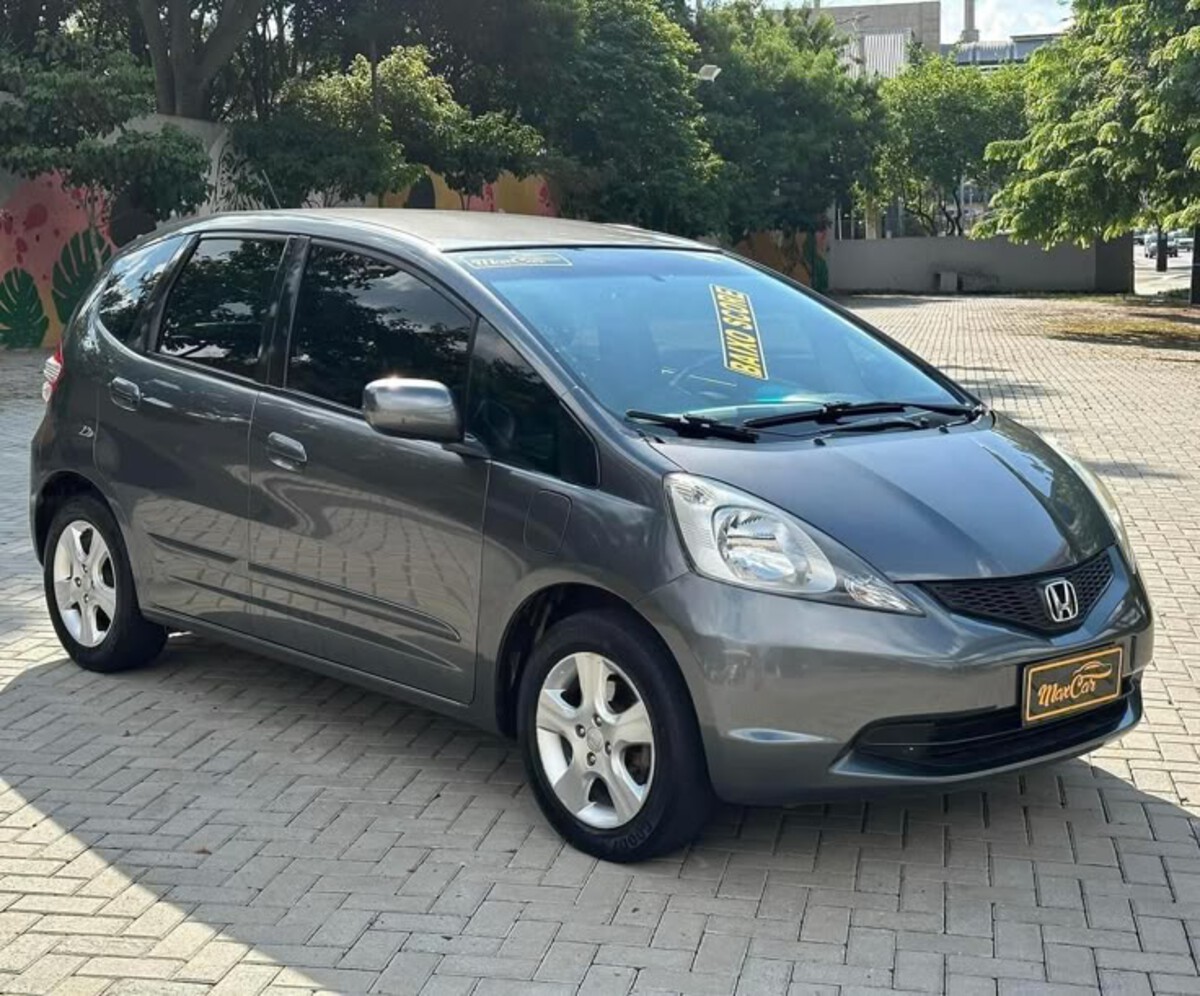
The Honda Fit is widely regarded as one of the most practical small cars for urban environments, and its compact design is a major factor in reducing stress for city drivers. Navigating tight streets, narrow lanes, and limited parking spaces becomes significantly less daunting when behind the wheel of a Fit.
Its small size does not compromise functionality; in fact, it enhances confidence in situations where larger vehicles may feel unwieldy. Drivers can maneuver easily through congested areas and execute parallel parking without the frustration that comes from misjudging dimensions or risking minor collisions.
The car’s light yet precise steering allows for fine adjustments in traffic, while the responsive brakes ensure that sudden stops can be handled calmly and safely. This combination of predictability and control directly reduces the mental strain that typically accompanies city driving, making each commute feel smoother and more manageable.
Inside, the Honda Fit’s cabin is designed with practicality and clarity in mind. Every control is positioned thoughtfully, minimizing the amount of time a driver must take their eyes off the road. The dashboard layout is simple and intuitive, reducing cognitive fatigue for drivers who already face complex traffic patterns and numerous obstacles daily.
Spacious seating and adjustable driver positions contribute to long-term comfort, which is especially important for individuals who spend a substantial portion of their day behind the wheel.
Furthermore, the Fit offers flexible cargo options, including a “Magic Seat” feature that allows the rear seats to fold in multiple configurations, making it easy to transport groceries, luggage, or even small furniture without adding stress to an already busy routine. Every aspect of the interior is designed to maximize usability while keeping the driver relaxed and focused.
The Fit’s performance characteristics also contribute to a stress-free driving experience. Its fuel efficiency is impressive, which reduces anxiety about frequent stops at gas stations during unpredictable city traffic. Acceleration is smooth rather than abrupt, allowing for safer merges onto busy streets and better control when changing lanes quickly.
Noise insulation is another key factor; the cabin remains relatively quiet even when driving over rough city roads, shielding occupants from the constant, often overwhelming hum of traffic, construction, and honking.
The Fit’s suspension system strikes a balance between comfort and responsiveness, absorbing minor bumps without creating a jarring experience. These features collectively allow drivers to approach urban driving with a sense of calm and assurance.
Finally, the Honda Fit’s reliability adds an extra layer of psychological comfort. Knowing that the vehicle is unlikely to suffer unexpected mechanical problems during a commute reduces stress levels considerably. Maintenance is relatively straightforward and affordable, further contributing to peace of mind.
For city dwellers who rely on their vehicle daily, this reliability is invaluable. Combined with its compact dimensions, practical interior, smooth handling, and fuel efficiency, the Honda Fit exemplifies how thoughtful automotive design can transform a potentially stressful driving experience into a manageable and even pleasant part of daily life.
2. Toyota Prius
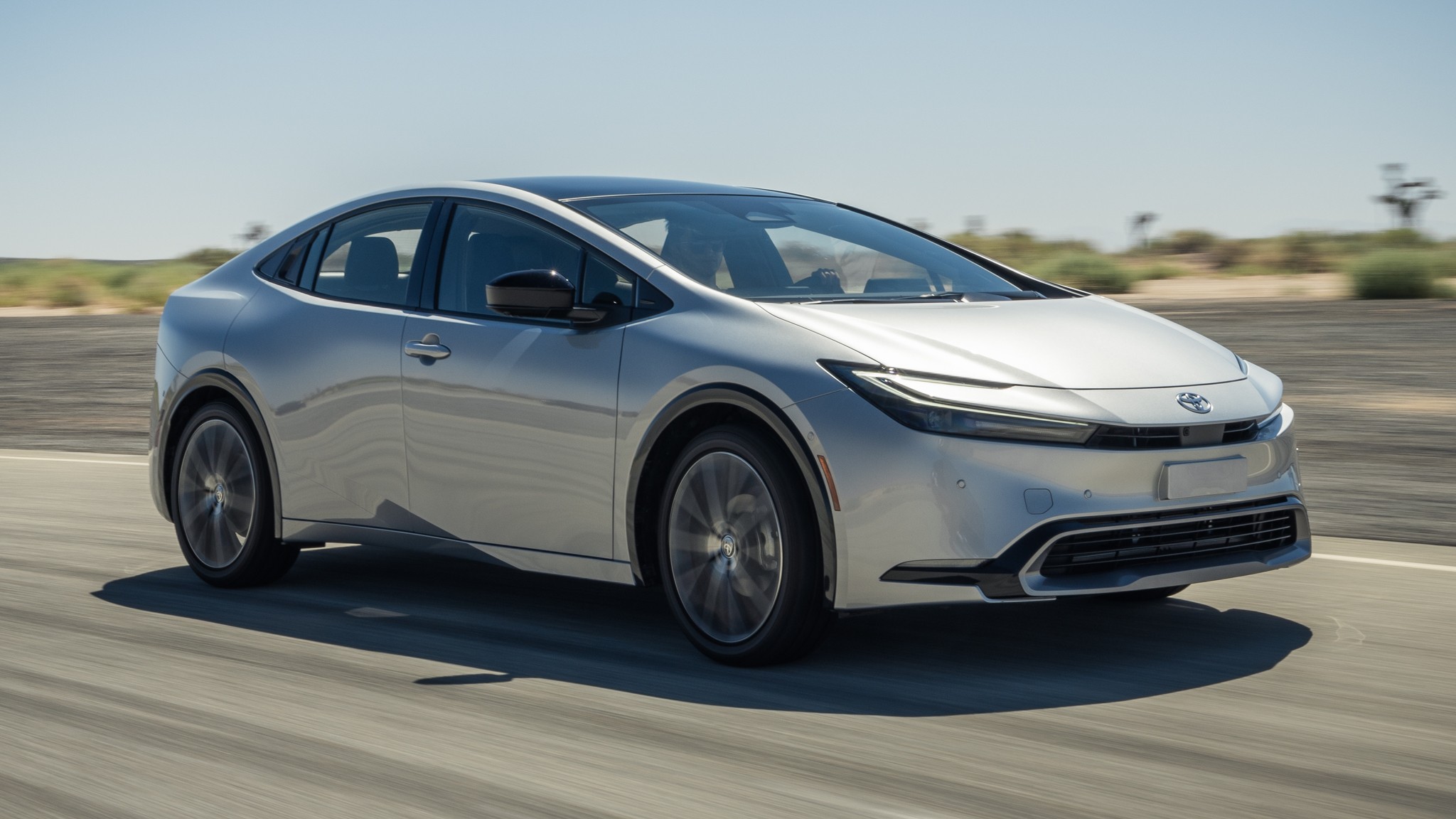
The Toyota Prius has become synonymous with efficiency and practicality, and for city driving, its hybrid design provides an unparalleled sense of calm behind the wheel. The electric motor assists during low-speed driving, which is common in urban environments, allowing for effortless and smooth acceleration from stoplights or in heavy traffic.
Drivers no longer have to wrestle with jerky starts and sudden stalls, which are typical stressors in city commuting. The Prius’s braking system is finely tuned to match its hybrid powertrain, providing a predictable response even during frequent stop-and-go traffic.
The quiet operation of the car further enhances the experience, making long waits at intersections feel less taxing and allowing the driver to focus on the road rather than external distractions. Its compact size, paired with thoughtful engineering, ensures that maneuvering through crowded streets or tight parking spaces is far less anxiety-inducing than it might be in larger or less agile vehicles.
Inside the Prius, the layout is minimal yet functional, with every feature placed to maximize convenience and reduce cognitive strain. The infotainment system is designed to be intuitive, ensuring that navigation, climate control, and safety features can be accessed without confusion or distraction.
Safety features such as lane departure warnings, adaptive cruise control, and collision detection provide an extra layer of reassurance, allowing drivers to anticipate potential hazards and respond calmly.
Additionally, the seating is designed for comfort during prolonged periods in traffic, and the ample legroom and adjustable seats accommodate drivers of varying heights, which contributes to reduced fatigue. The thoughtful interior ensures that city driving does not become physically or mentally exhausting, even during extended commutes.
Fuel efficiency is another stress-reducing factor in the Prius. Drivers in urban areas often face unpredictable delays, frequent stops, and slow-moving traffic, all of which can quickly increase fuel consumption in traditional vehicles.
The Prius’s hybrid system alleviates this concern, offering extended driving range and reducing the frequency of trips to the gas station. This combination of efficiency, low maintenance requirements, and reliable performance contributes to a sense of stability and control, essential for urban commuters. Knowing that the car is both economical and dependable allows drivers to focus on the act of driving itself rather than worrying about potential inconveniences or additional costs.
Finally, the Prius’s environmental friendliness adds a subtle but important psychological benefit. City drivers often contend with congestion and pollution, and driving a low-emission vehicle can reduce guilt or anxiety associated with environmental impact.
This sense of contributing positively to sustainability can translate into a calmer, more focused mindset behind the wheel. The Prius offers a complete package: smooth acceleration, intuitive design, excellent visibility, and supportive technology, all working together to create a driving experience that reduces stress in urban environments.
3. Mini Cooper
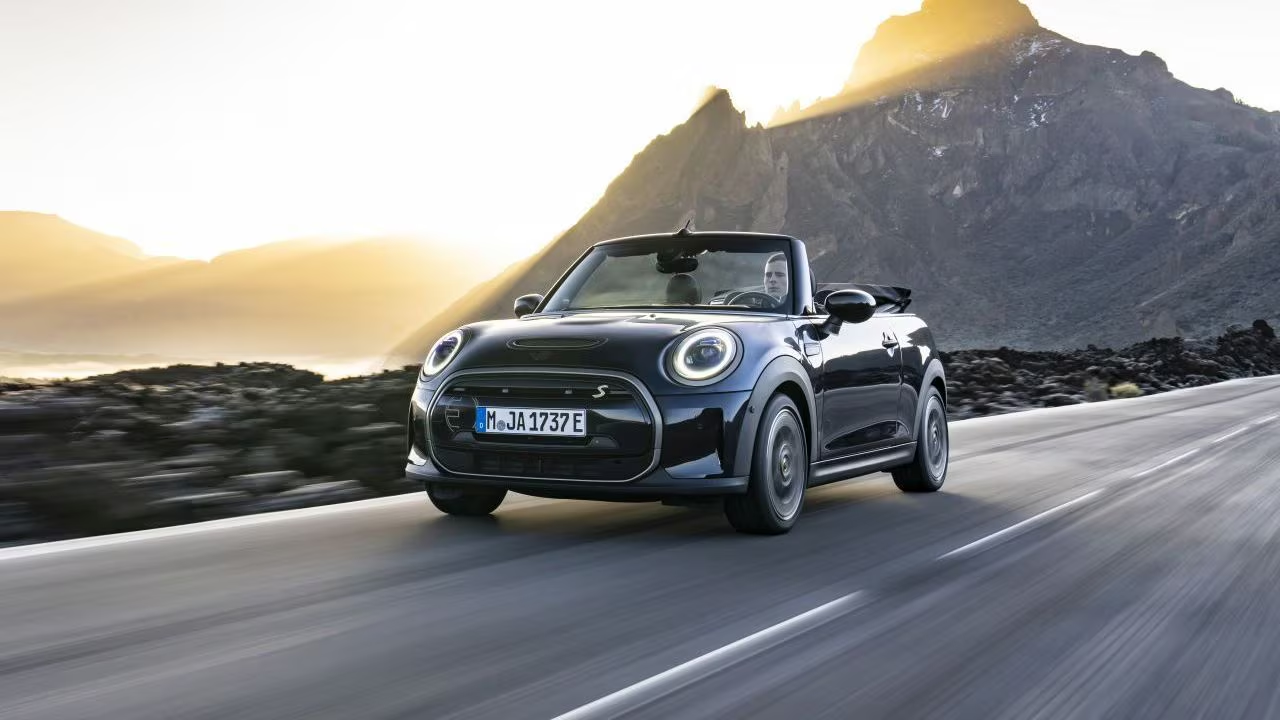
The Mini Cooper is well-known for its blend of compact dimensions and agile handling, qualities that make it particularly suited for city driving. Its small footprint allows it to navigate narrow streets, tight corners, and congested traffic with remarkable ease.
Drivers quickly gain confidence because the car responds predictably to steering inputs and maintains stability even in situations that might overwhelm larger vehicles. Its turning radius is exceptional, making U-turns, parking, and maneuvering in confined spaces far less intimidating.
The responsive suspension absorbs minor bumps without creating an uncomfortable ride, allowing drivers to maintain control while staying relaxed. This predictability and responsiveness are essential in high-pressure urban environments, where split-second decisions and rapid lane changes are often required.
Inside, the Mini Cooper’s cockpit is designed to maximize driver awareness and engagement. Large windows provide excellent visibility, ensuring that pedestrians, cyclists, and other vehicles can be seen clearly. The dashboard is uncluttered, and controls are intuitively positioned, minimizing distractions.
Ergonomic seats with adjustable positions provide comfort during extended periods of stop-and-go traffic, reducing physical fatigue. Drivers report that the tactile feedback from the pedals and steering wheel makes them feel more connected to the car, enhancing their sense of control and reducing anxiety in busy environments. Every detail of the interior design supports a calm and attentive driving experience.
Technology in the Mini Cooper complements its driving dynamics rather than complicating them. Features such as navigation, rearview cameras, parking sensors, and safety alerts assist drivers in difficult urban scenarios without overwhelming them with unnecessary complexity.
Fuel efficiency is reasonable for a small performance-oriented vehicle, which minimizes frequent stops and associated stress. The combination of agility, visibility, and technology creates a supportive environment for drivers, allowing them to approach urban commuting with confidence and focus rather than tension.
Finally, the Mini Cooper’s style and reputation contribute indirectly to stress reduction. Drivers often enjoy the experience of operating a vehicle that is responsive, visually appealing, and fun to drive. This positive association can offset the psychological pressure of navigating congested streets.
When a vehicle is enjoyable to drive, it changes the perception of commuting from an obligation to a more engaging activity, reducing mental fatigue and promoting a more relaxed mindset. The Mini Cooper proves that compact design, responsive handling, and thoughtful interior features can combine to produce a vehicle that truly minimizes the stress of city driving.
4. Volkswagen Golf
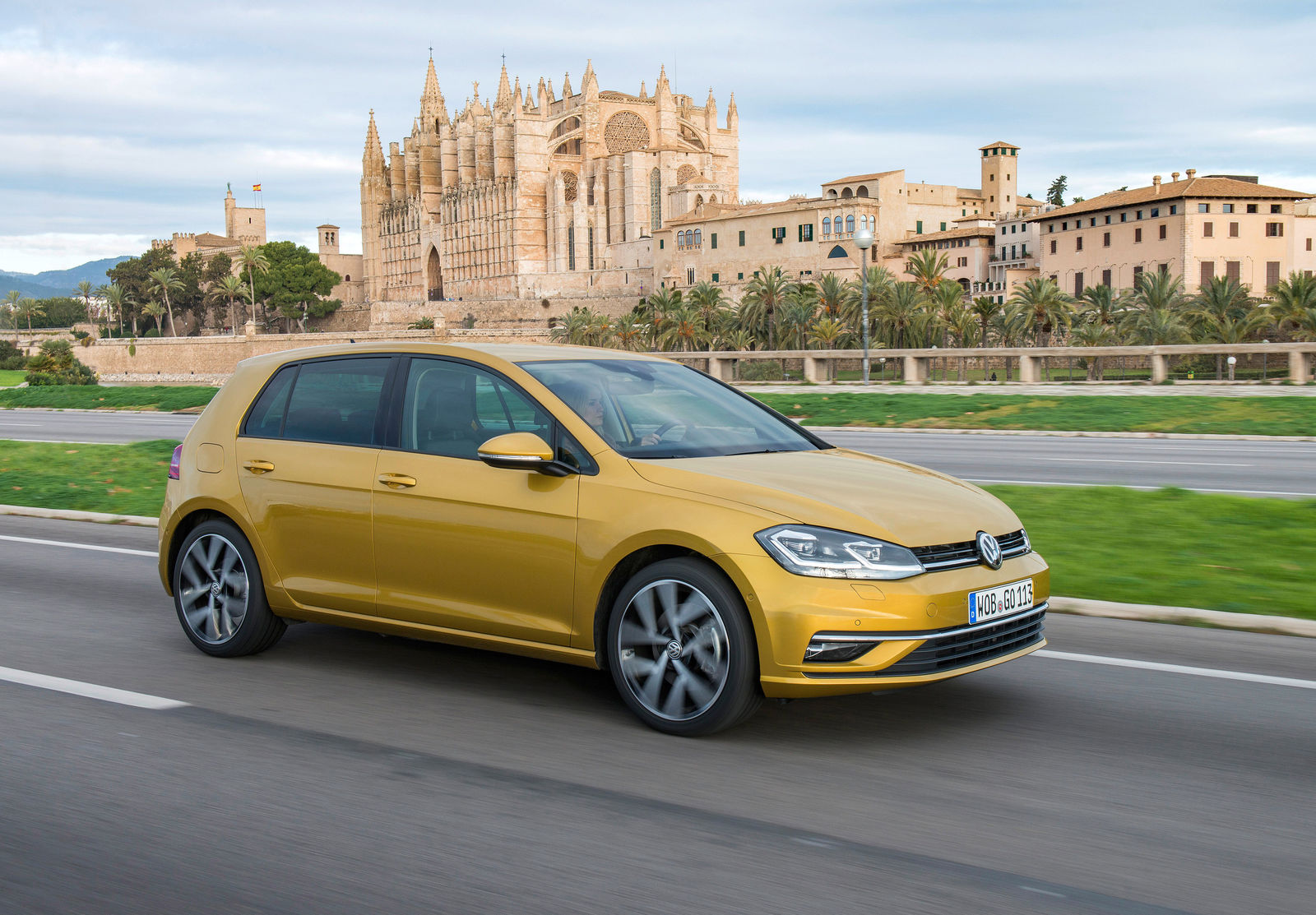
The Volkswagen Golf has long been praised for its balance of compact size, handling, and comfort, qualities that make it a strong choice for city driving. Its steering is precise, and the suspension is tuned to handle urban road conditions smoothly, absorbing bumps and potholes without creating jarring impacts for the driver or passengers.
Acceleration is predictable and steady, which enhances control in stop-and-go traffic and allows drivers to merge or change lanes with confidence. The Golf’s stable ride and well-weighted steering provide reassurance in high-pressure situations, reducing the mental strain that arises from unpredictable vehicle behavior.
Its moderate footprint ensures that tight parking spaces and congested streets can be navigated efficiently, a critical factor for drivers in busy urban centers.
The interior of the Golf is designed with both comfort and usability in mind. Ergonomic seats support proper posture and reduce fatigue during long periods of driving, while the well-organized dashboard ensures that essential controls are easy to access without distraction.
Visibility is strong, with clear sightlines from the driver’s seat, and the hatchback design provides versatile storage options for errands, groceries, or commuting essentials.
Noise insulation is also effective, creating a quieter cabin environment that shields drivers from urban noise pollution and helps maintain focus and calm. Every aspect of the Golf’s design contributes to a driving experience that is predictable, comfortable, and manageable in dense city conditions.
Driver-assistance features further enhance stress reduction in the Golf. Parking sensors, rearview cameras, adaptive cruise control, and lane-keeping assistance allow drivers to navigate challenging urban scenarios with confidence.
These technologies provide additional awareness and reduce the cognitive load associated with complex traffic situations, allowing drivers to react calmly rather than impulsively.
Maintenance and reliability are strong points as well, giving drivers confidence that the vehicle will not create unexpected challenges during city driving. This reliability contributes to a sense of security and reduces anxiety about potential breakdowns or repairs.
The Volkswagen Golf combines a compact footprint, responsive handling, a comfortable interior, and supportive technology to create a vehicle that minimizes the stress of urban driving.
Drivers can focus on traffic conditions and make driving decisions with confidence, rather than being distracted or overwhelmed by their vehicle’s limitations. The Golf exemplifies how careful attention to engineering, ergonomics, and driver support can produce a city-friendly car that enhances both convenience and peace of mind.
5. Hyundai Kona
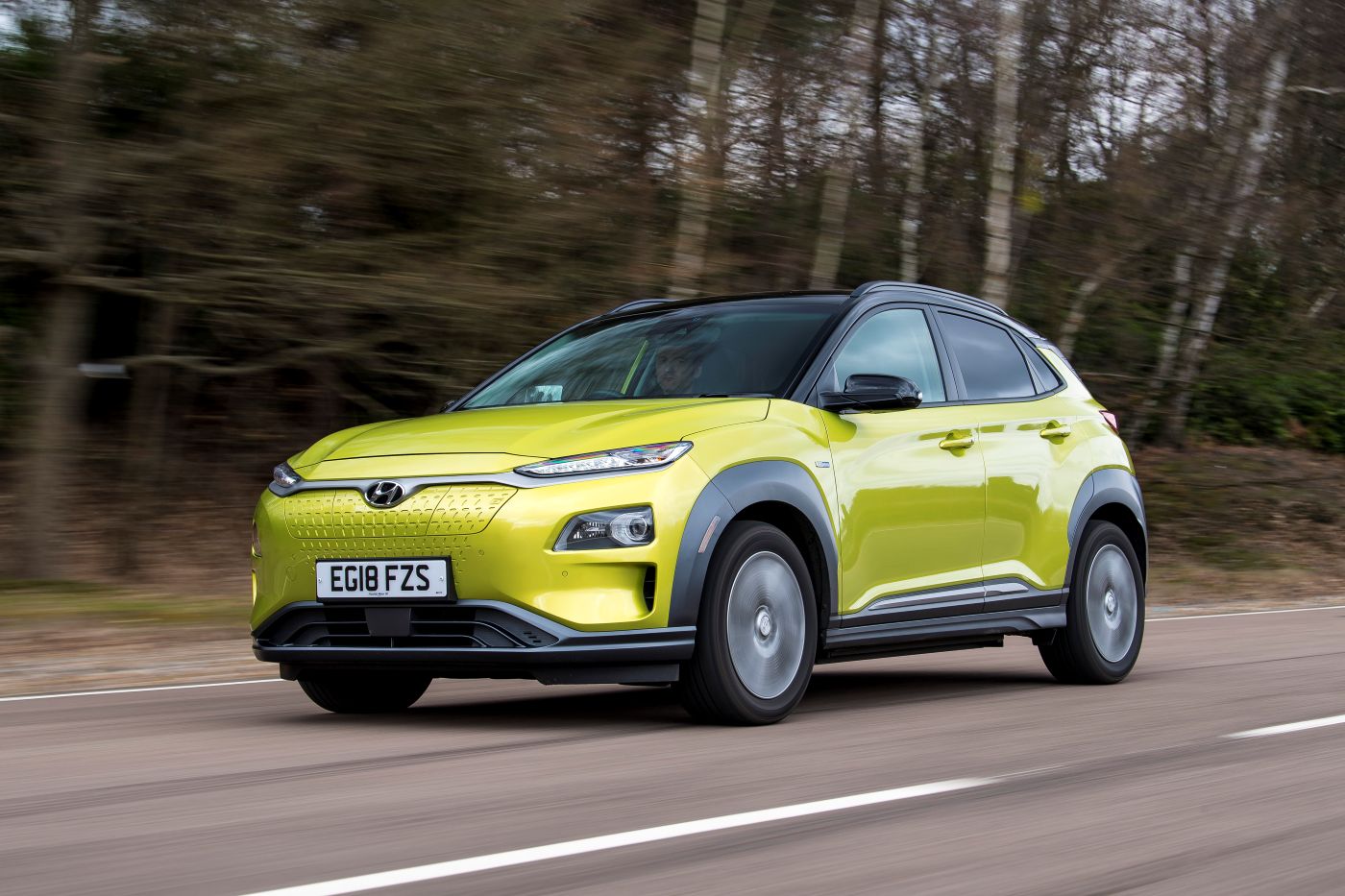
The Hyundai Kona is a small SUV that offers a blend of visibility, maneuverability, and comfort, making it particularly suited for city driving. Its elevated seating position provides a clear view of surrounding traffic, allowing drivers to anticipate challenges before they become stressful situations.
Despite its SUV form, the Kona maintains a compact footprint, which simplifies parking, lane changes, and navigation through congested areas.
Steering is responsive yet smooth, providing confidence when turning sharply or weaving through traffic. The suspension absorbs minor imperfections in the road, reducing the jarring experience common in urban driving and allowing drivers to maintain a calm and controlled approach to their commute.
Driver-assistance technology further enhances stress reduction in the Kona. Features such as parking cameras, blind-spot monitoring, lane-keeping assistance, and adaptive cruise control help drivers feel secure when navigating difficult traffic conditions or tight parking situations.
These technologies increase awareness, reduce the likelihood of mistakes, and allow drivers to respond to changing conditions calmly. Smooth handling, combined with effective suspension, ensures that physical fatigue is minimized during frequent stops, short trips, and uneven city roads.
In addition, the Hyundai Kona’s design fosters a positive driving experience. Its modern styling, combined with reliable performance and supportive technology, gives drivers confidence in both the vehicle’s capabilities and their own driving.
The Kona demonstrates that a small SUV can offer both practicality and enjoyment in urban settings. By combining comfort, visibility, maneuverability, and technological support, it creates a calm, stress-reducing driving environment, allowing city dwellers to approach their commutes with confidence and ease.
Five Cars That Raise Stress
1. Chevrolet Suburban
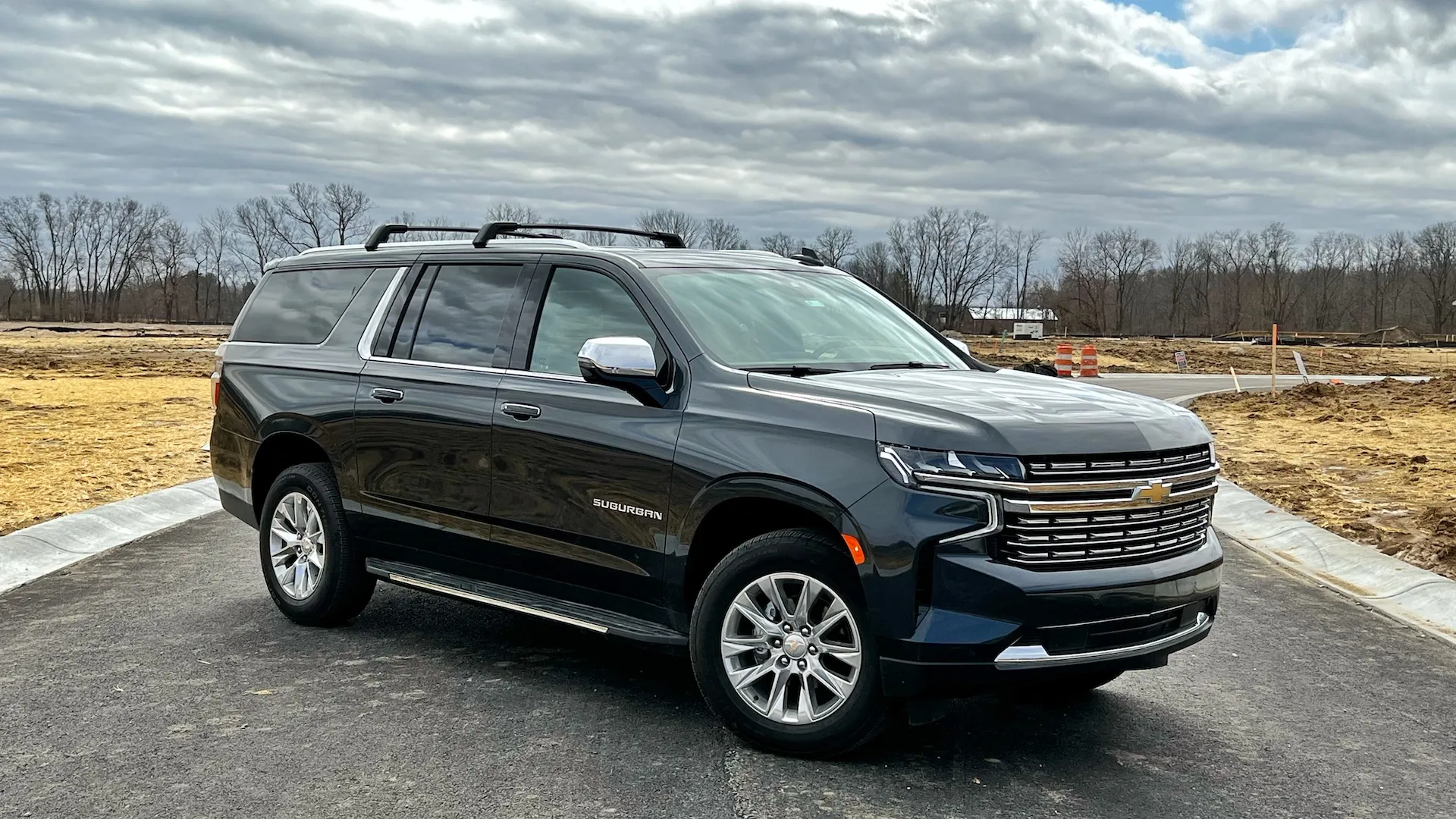
Large full-size SUVs, while impressive on highways or open roads, often become a source of stress in dense urban environments. Their sheer size makes parking a challenge, especially on narrow streets or in tight parking lots where precise maneuvering is required.
Drivers must constantly judge distances to avoid minor collisions with curbs, other vehicles, or pedestrians, adding to mental strain. Tight turns and heavy traffic amplify this difficulty, as the vehicle does not respond as quickly or predictably as smaller cars. The perception of being “too big” can subconsciously increase anxiety, as drivers feel less confident in their ability to control the vehicle under typical city conditions.
Fuel efficiency is another factor that contributes to stress. Full-size SUVs typically consume more fuel, and frequent stops in city driving amplify the worry about fuel costs and environmental impact. In addition, the large mass of these vehicles often results in less nimble handling, particularly in crowded intersections or while navigating construction zones.
Drivers may feel tension from constantly having to anticipate the car’s slower response to acceleration, braking, or turning inputs. The combination of reduced agility, higher fuel consumption, and spatial challenges intensifies the stress of city commuting.
Finally, the maintenance and operating costs of full-size SUVs can be an additional source of stress. Tires, brakes, and general upkeep are more expensive than for smaller vehicles, and drivers may constantly worry about damage from minor city mishaps such as scraping a curb or bumping a parking barrier.
While these vehicles shine on highways and long trips, their size, handling characteristics, and higher operating demands make them far less suited for everyday urban driving, increasing stress rather than alleviating it.
2. Porsche 911
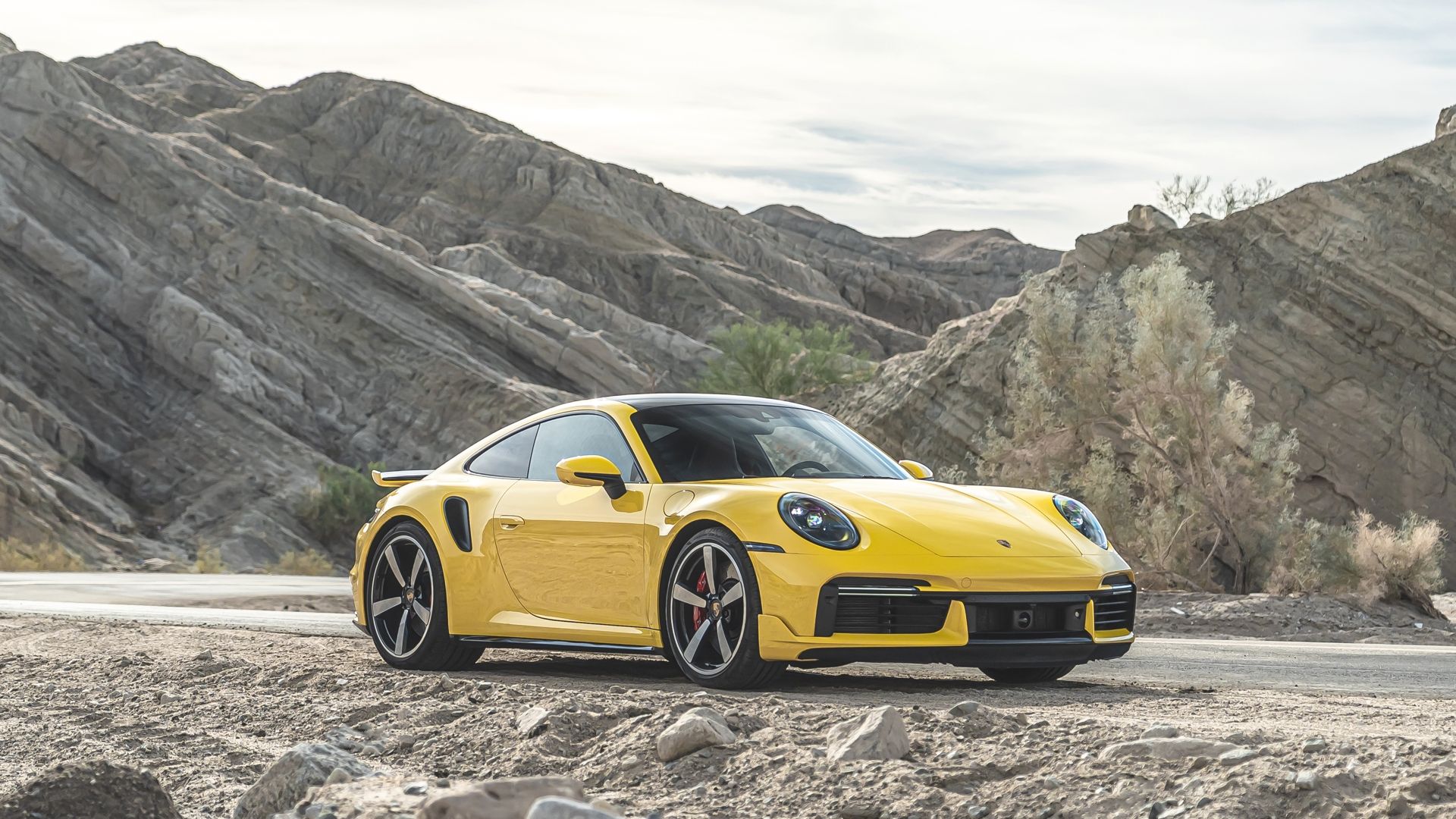
Sports cars, especially those with low ground clearance, present a unique set of challenges in urban settings that often elevate stress levels. While they are designed for performance and precision, city streets are rarely smooth, and frequent potholes, speed bumps, and uneven surfaces can make driving an uncomfortable experience.
Drivers of low-slung sports cars must constantly focus on road conditions to avoid scraping the underbody, which adds a continuous layer of concern to otherwise ordinary commutes. Tight parking situations or sloped driveways can become sources of anxiety due to the risk of damage.
Sports cars are also typically optimized for responsive acceleration and sharp handling, which, while enjoyable on open roads, can feel unpredictable in stop-and-go traffic. Drivers may overcompensate for tight turns or sudden stops, increasing anxiety and the potential for minor mistakes.
The combination of low clearance, stiff suspension, and limited maneuverability in city conditions creates a driving environment that is mentally and physically demanding. Even seemingly simple maneuvers like parallel parking require heightened attention, adding cumulative stress throughout the day.
Lastly, insurance and maintenance costs for performance sports cars add another layer of concern. Drivers often worry about the consequences of minor scratches or dents in congested city areas, knowing repairs can be expensive.
While these vehicles provide excitement on open roads or track conditions, their low clearance, heightened sensitivity, and urban limitations make them ill-suited for the demands of city driving. For many drivers, the excitement is outweighed by the continuous vigilance required, resulting in higher stress levels.
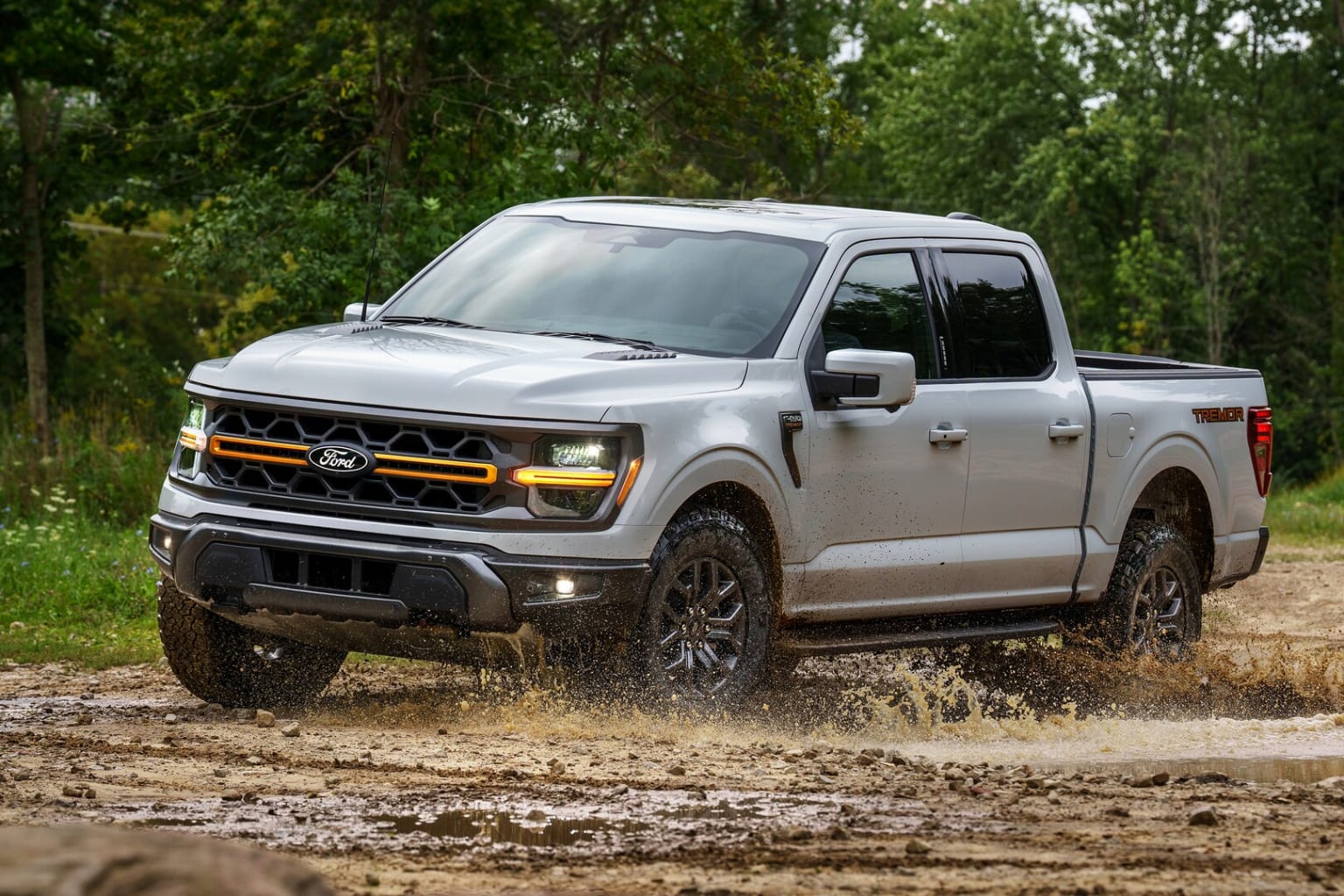
3. Ford F-150
Pickup trucks, especially full-size models like the Ford F-150, are frequently associated with toughness and utility, but they often raise stress when navigating urban streets. Their larger footprint and length make parking and maneuvering a complicated task, especially in congested city areas where tight lanes and parallel parking are common.
Drivers must constantly be aware of their surroundings to prevent accidental scrapes or collisions, which can be mentally exhausting. The sheer size also increases the difficulty of performing U-turns or navigating narrow side streets, forcing drivers to anticipate movements well in advance and constantly adjust their position.
The interior layout of pickups is designed for utility and durability, which sometimes comes at the expense of comfort or ergonomics in city driving. Stiff suspensions that are ideal for hauling cargo or towing can transmit every bump and pothole directly to the driver, creating physical discomfort over time.
Limited visibility due to long hoods and larger blind spots can make lane changes, turns, and backing up more stressful, even with modern camera and sensor systems. The cognitive load required to manage these factors consistently adds to the driver’s mental fatigue.
Additionally, insurance and maintenance costs can contribute to a heightened sense of stress. Trucks are more expensive to repair after minor incidents, which are more likely in crowded city conditions. While pickups excel in utility, towing, and off-road situations, these same characteristics create challenges in dense urban environments, making daily commutes more demanding both mentally and physically.
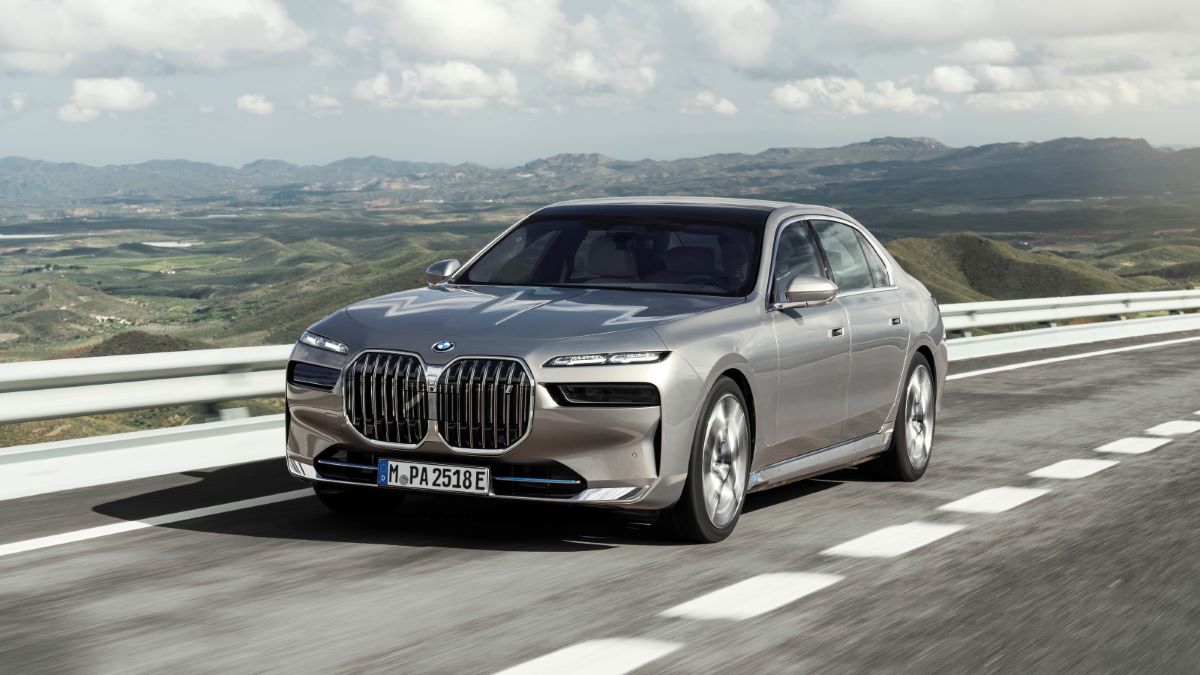
4. BMW 7 Series
Luxury sedans equipped with advanced technology, such as the BMW 7 Series, often unintentionally raise stress for city drivers. These vehicles are packed with features such as touchscreen interfaces, gesture controls, advanced climate systems, and complex navigation tools, which can overwhelm drivers when navigating dense traffic.
The mental load of managing multiple systems while simultaneously monitoring road conditions, pedestrians, and other vehicles can become significant. While these features enhance comfort and convenience on highways, they may actually increase distraction in urban driving environments.
Luxury sedans often feature stiff suspensions and low-profile tires designed for smooth highway performance, but city streets are rarely that forgiving. Potholes, uneven pavement, and speed bumps are transmitted more directly to the cabin, creating a physical sense of discomfort and heightening mental tension.
Drivers may also be cautious about minor cosmetic damage, further increasing anxiety during daily urban commutes. The very features designed to enhance performance and luxury become sources of stress in slow, stop-and-go traffic.
Finally, maintenance, insurance, and repair costs for luxury vehicles are typically high, adding financial stress to the mental burden of navigating city streets. Drivers may hesitate in tight situations or overthink their maneuvers to avoid potential damage, which paradoxically increases the likelihood of tense driving. While these cars offer impressive comfort and technology, their complexity, size, and sensitivity to urban conditions make them less suitable for stress-free city driving.
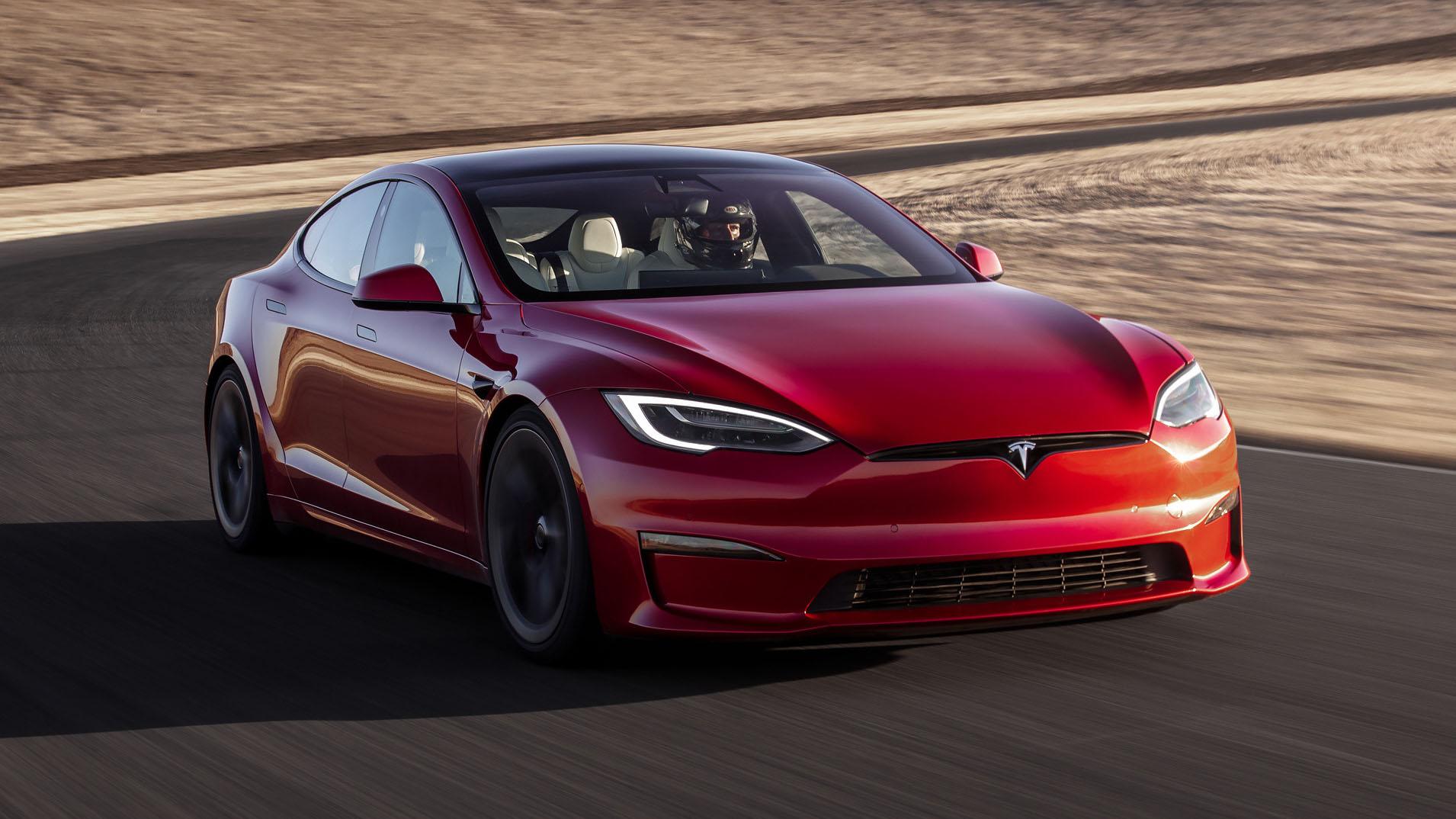
5. Tesla Model S Plaid
Electric performance cars, such as the Tesla Model S Plaid, are designed for speed and technological innovation, but they can create stress for city drivers. Instant acceleration and highly responsive steering, while thrilling on open roads, may feel exaggerated in urban environments with frequent stops, pedestrians, and cyclists.
Drivers often need to consciously modulate power to avoid jerky starts or overly aggressive maneuvers, creating mental strain. Their long wheelbase and low maneuverability in tight corners further complicate city driving.
Physical handling is also a factor. High-performance suspensions are often stiff and tuned for speed rather than comfort, transmitting bumps, uneven pavement, and potholes directly to the driver. This can make routine city roads feel jarring, contributing to physical and mental fatigue. Additionally, battery range anxiety can emerge if drivers frequently navigate congested streets or make multiple stops, worrying about charging availability in urban areas.
Finally, the high cost and attention associated with these vehicles can amplify stress. Drivers may feel extra pressure to avoid minor cosmetic damage from city traffic, pedestrians, or other drivers.
While electric performance cars provide exceptional technology and exhilarating driving experiences, their sensitivity to road conditions, reliance on complex systems, and high-stakes nature make city driving more mentally demanding and stressful than in smaller, simpler, and more maneuverable vehicles.
