
Nighttime driving presents a set of unique challenges, largely influenced by the quality of a vehicle’s headlights. Visibility becomes paramount when navigating dark roads, where pedestrians, obstacles, and other vehicles can appear suddenly.
While modern automotive design has increasingly emphasized safety features, lighting remains one of the most immediate factors that affect both driver confidence and road safety. Drivers often notice significant differences between vehicles equipped with bright, well-focused headlights and those with dim or outdated lighting systems.
These differences are not only a matter of convenience but also a critical component of accident prevention. Headlights serve as the primary means of seeing and being seen, and their effectiveness can vary widely depending on technology, maintenance, and design choices.
Some cars come equipped with cutting-edge lighting systems that enhance visibility at night, while others rely on older, less powerful setups that can compromise safety and driver comfort.
Cars with clear night headlights tend to offer superior road illumination. LED and projector beam technologies have revolutionized nighttime visibility by producing brighter, more focused light patterns. These systems reduce glare for oncoming drivers while maximizing the area illuminated in front of the vehicle.
In contrast, dim headlights can strain the eyes, create uneven illumination, and increase the risk of missing hazards, especially on poorly lit rural roads.
Additionally, headlight quality often correlates with vehicle design priorities. High-end or recently updated vehicles are more likely to feature advanced lighting systems, whereas older or budget models may have smaller, yellowed, or misaligned headlights that fail to deliver consistent brightness.
Beyond technology, maintenance is a critical factor. Even the most advanced headlights can lose effectiveness over time due to oxidation, dirt accumulation, or worn bulbs, which makes routine inspection and cleaning essential.
Nighttime visibility also plays a psychological role. Drivers with clear, bright headlights report feeling more confident and attentive, particularly in low-light conditions or adverse weather. This confidence can translate into smoother driving behavior, quicker hazard recognition, and reduced stress.
Conversely, driving with dim headlights often forces drivers to compensate by reducing speed or relying heavily on peripheral vision, which can increase fatigue and create unsafe situations. From a safety standpoint, dim headlights not only endanger the driver but also affect other road users.
Vehicles that are difficult to spot may be overlooked by pedestrians, cyclists, and other motorists, raising the likelihood of accidents. The distinction between bright and dim lighting is thus not merely technical; it has direct implications for the everyday experience and safety of night driving.
Understanding the differences between vehicles with clear versus dim headlights requires examining specific models that exemplify these traits. Cars with clear headlights tend to incorporate advanced materials, careful engineering, and attention to aerodynamics, which collectively enhance illumination.
Dim setups are often the result of design compromises, cost considerations, or aging components. By analyzing examples from both categories, drivers can make informed choices about their own vehicles, maintenance routines, and potential upgrades.
While many drivers may underestimate the importance of headlight performance, it remains one of the most tangible ways a car’s design impacts nighttime driving safety and comfort.
The following sections will provide a closer look at five cars known for bright, clear headlights and five vehicles with dim lighting setups, highlighting their respective advantages and challenges on the road.
Five Cars with Clear Night Headlights
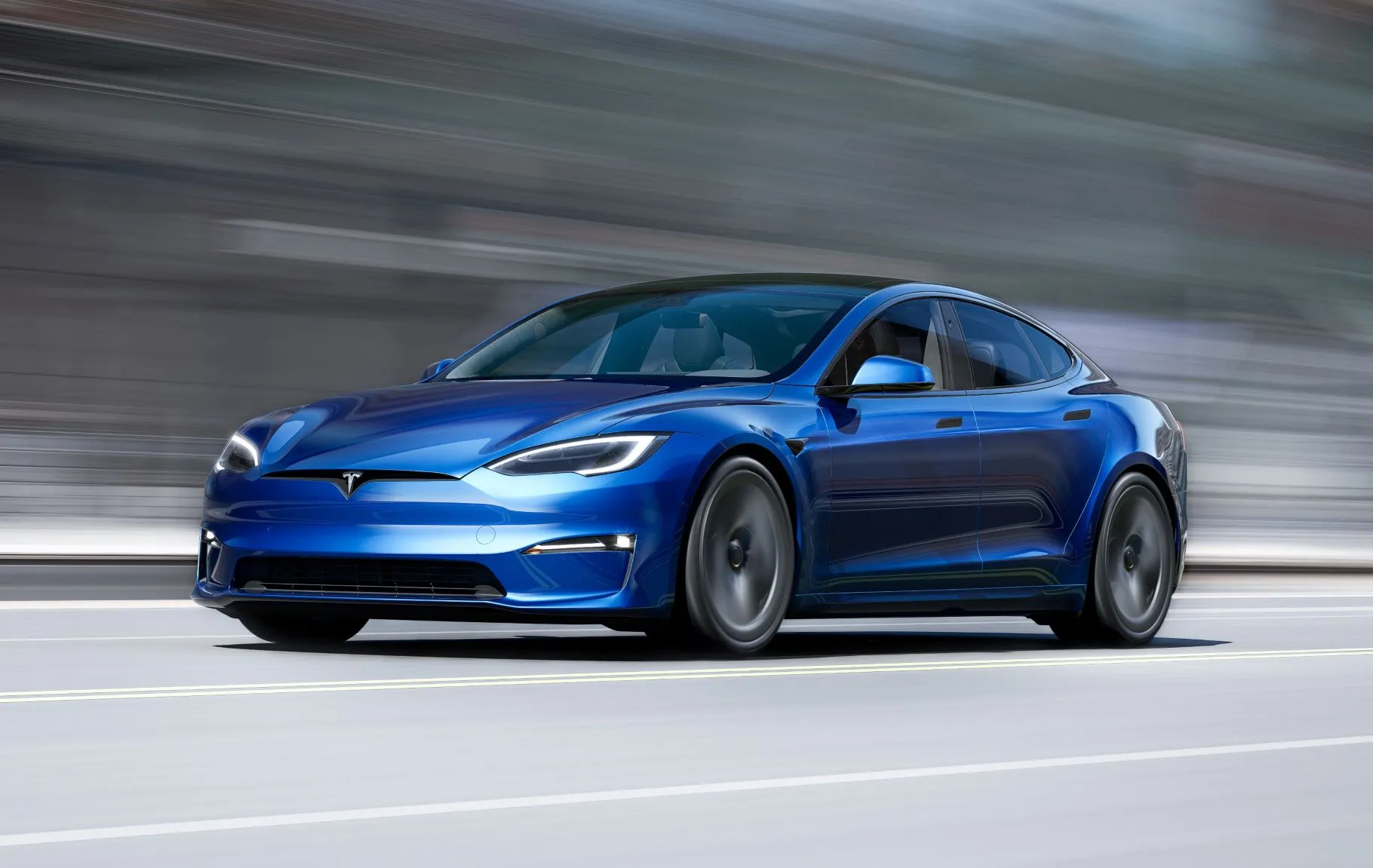
1. Tesla Model S
The Tesla Model S is widely recognized for its advanced lighting system, which combines high-intensity LED technology with adaptive functionality to create a superior nighttime driving experience. The full LED headlights produce a crisp, white light that penetrates the darkness effectively, providing drivers with an expansive view of the road.
Unlike conventional halogen setups, these LEDs emit a clean, focused beam that enhances the contrast between objects and their surroundings. This makes it easier to identify pedestrians, animals, and unexpected obstacles from a significant distance.
Tesla’s approach to lighting also emphasizes precision, ensuring that the beams illuminate where needed without scattering unnecessarily, which could create glare for oncoming traffic. Adaptive features respond to changes in speed, road curvature, and steering angle, enabling the driver to navigate winding roads with enhanced confidence and safety.
The system’s intelligence extends to automatically switching between high and low beams in response to oncoming vehicles, ensuring optimal visibility while remaining considerate to other drivers.
The Tesla Model S also leverages its headlight system as part of a larger network of driver-assistance features. Autopilot and other advanced sensors rely on clear, evenly distributed illumination to detect lane markings, vehicles, and pedestrians accurately.
Even when driving manually, the adaptive headlights provide reassurance that no hazards will be missed, particularly in scenarios such as rural night roads with minimal ambient lighting. The automatic high-beam function is particularly useful when alternating between urban streets and unlit highways, reducing the cognitive load on the driver and improving reaction times.
The Model S demonstrates that headlights are not merely a convenience but an essential component of an integrated safety ecosystem, enhancing both situational awareness and confidence during nighttime travel.
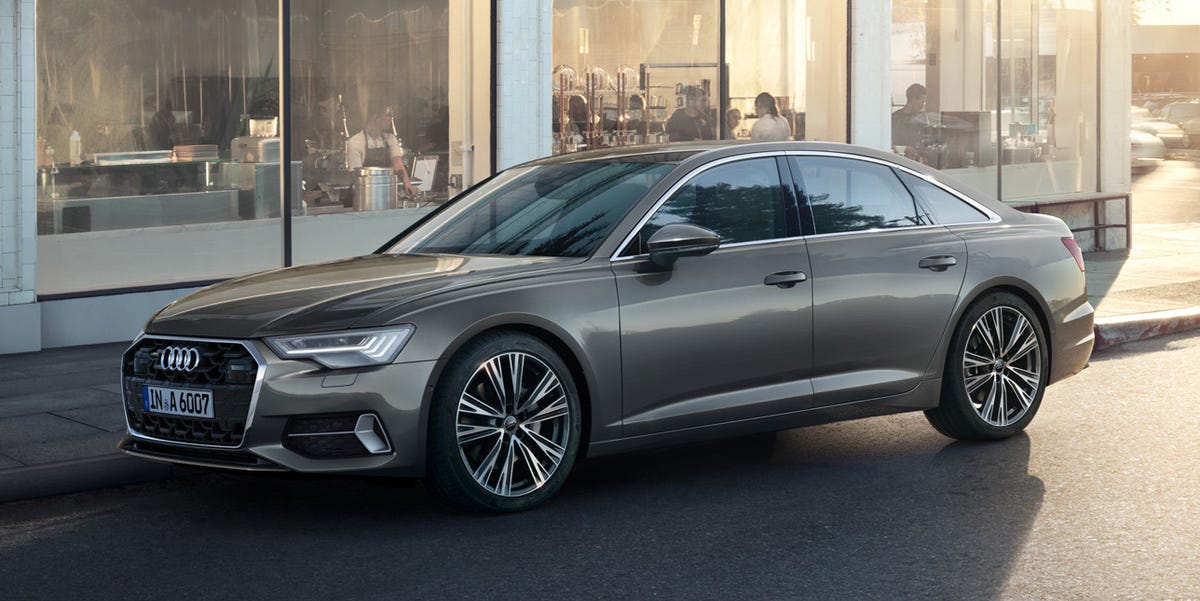
2. Audi A6
The Audi A6 is renowned for its sophisticated Matrix LED headlights, which offer an exceptionally refined nighttime driving experience. These headlights are composed of multiple individual LED elements, each of which can be controlled independently.
This allows the system to selectively dim sections of the beam to prevent dazzling oncoming traffic while maintaining bright illumination in other areas, particularly where the driver needs to see clearly. The result is a headlight system that provides maximum visibility without creating safety hazards for other road users.
Drivers benefit from a wide, uniform light distribution that illuminates road edges, signs, and potential obstacles clearly, making night driving more predictable and less stressful. Additionally, the adaptive cornering function tilts the beam in the direction of the steering input, allowing the driver to see around curves and intersections in a way that static headlights simply cannot match.
Finally, the A6 demonstrates that headlights can combine both functionality and aesthetic appeal. The sleek design integrates the headlights seamlessly into the vehicle’s front fascia, with signature LED daytime running lights enhancing the car’s visual identity.
This thoughtful integration creates a distinctive, premium appearance while ensuring maximum nighttime visibility. Drivers consistently report that the Audi A6 feels safer and more controlled in low-light conditions, reflecting the combined benefits of engineering precision, advanced LED technology, and adaptive intelligence in one cohesive lighting system.
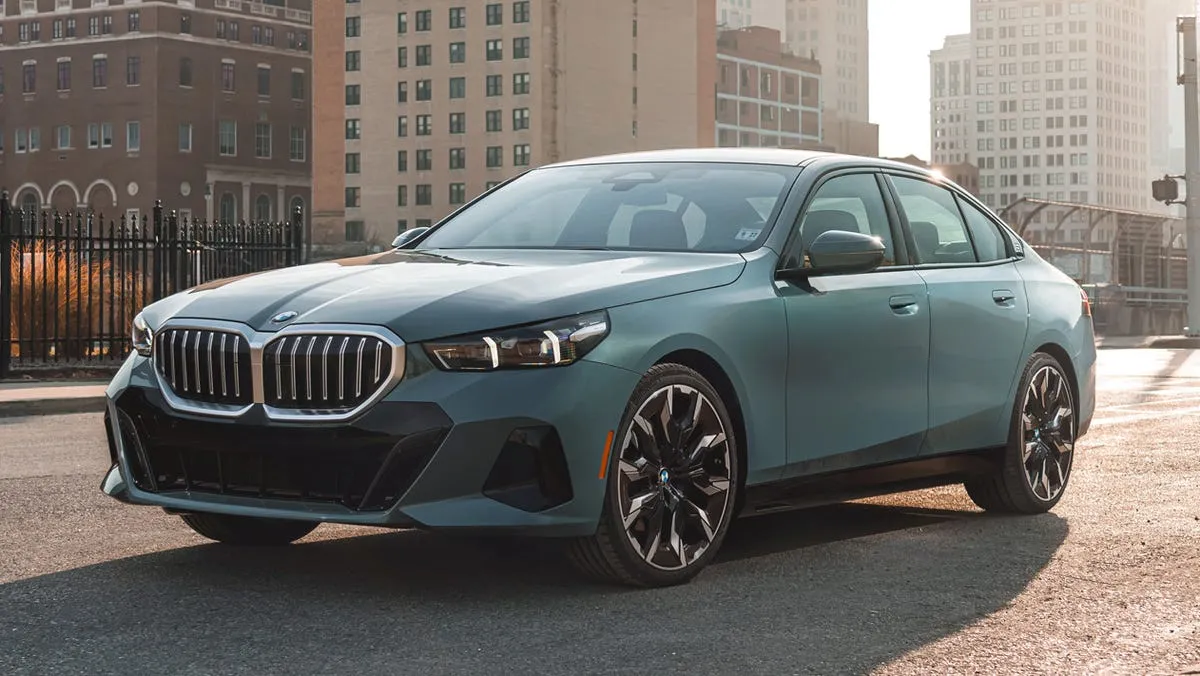
3. BMW 5 Series
The BMW 5 Series has earned a reputation for its exceptional nighttime visibility, with adaptive LED headlights that combine high-intensity illumination with intelligent cornering functionality. Each headlight features multiple LED modules that dynamically adjust the beam based on steering angle, speed, and surrounding traffic.
This ensures that the driver can see clearly around curves and intersections, reducing the likelihood of encountering unexpected hazards. The crisp white light enhances contrast and depth perception, allowing drivers to distinguish objects on the road more easily, even in extremely dark or rural settings.
High-beam functionality extends visibility far ahead, while automatic dimming ensures that other drivers are not blinded, striking a delicate balance between personal visibility and public safety.
The 5 Series also emphasizes consistent illumination quality, which is critical for long-distance nighttime driving. Unlike older halogen or xenon systems that may produce uneven light distribution or dim over time, the BMW LEDs provide a smooth, uniform beam across the entire roadway.
This consistency reduces eye strain, minimizes driver fatigue, and enables the detection of obstacles at greater distances. The cornering lights, in particular, enhance safety when entering poorly lit turns or navigating tight city streets. Drivers often report a marked improvement in nighttime confidence, noting that the road ahead is clearer and more predictable compared to vehicles with traditional lighting setups.
Finally, the BMW 5 Series combines durability, reliability, and low maintenance with high performance. The LED units are designed to last the lifetime of the car, reducing the need for frequent replacements or adjustments.
The headlight housings are well-sealed to resist moisture, dust, and physical wear, ensuring consistent performance even under harsh conditions.
BMW’s attention to detail in engineering and adaptive intelligence results in a headlight system that not only illuminates the road exceptionally well but also improves the driving experience, making the 5 Series one of the best examples of advanced nighttime visibility in modern vehicles.
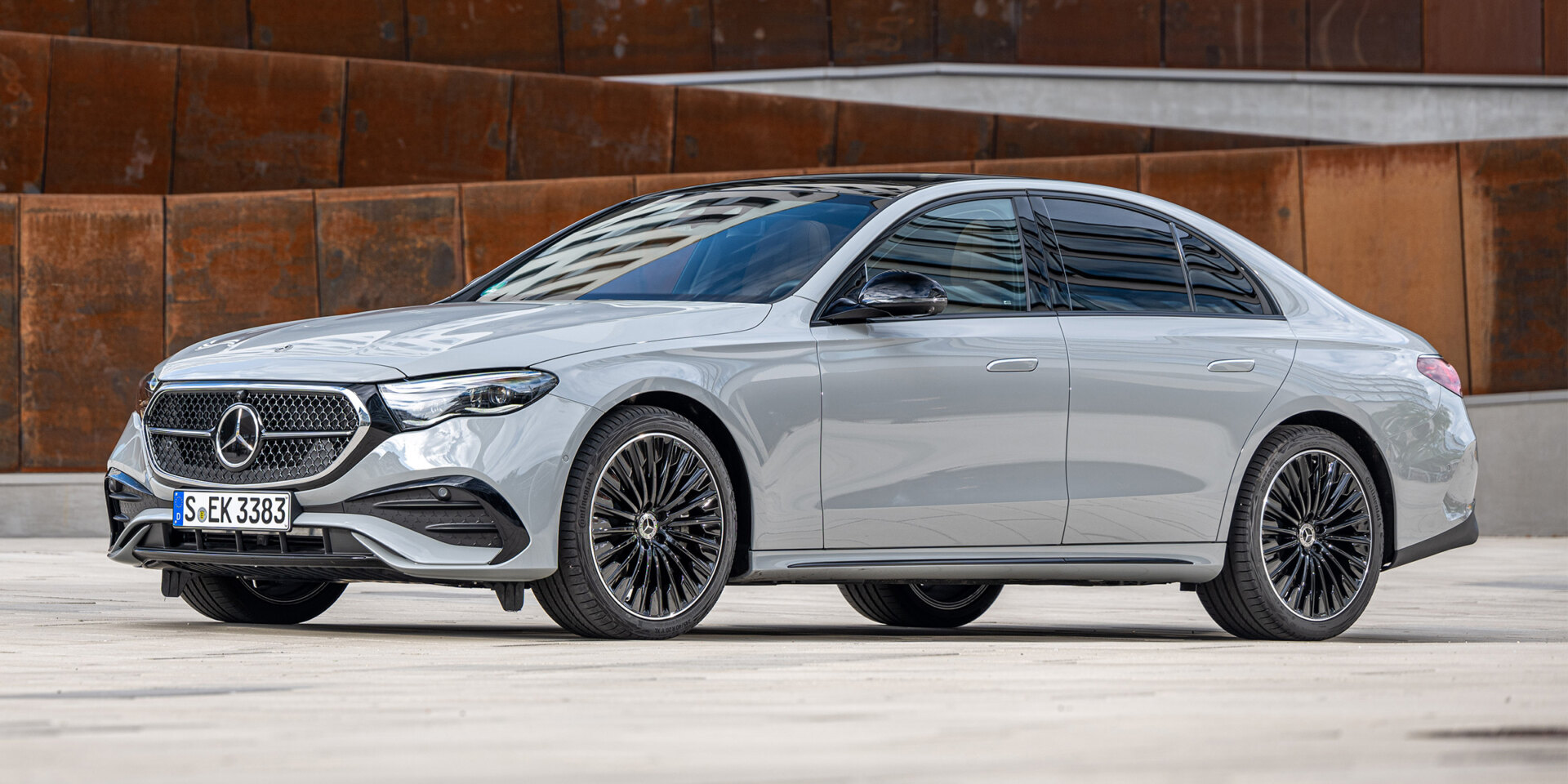
4. Mercedes-Benz E-Class
The Mercedes-Benz E-Class features Multibeam LED headlights, which represent one of the most sophisticated lighting systems in the automotive industry. Each headlight contains multiple individually controlled LEDs, allowing precise manipulation of the beam pattern in real time.
This means the system can illuminate specific areas, such as road edges or curves, without causing glare to oncoming traffic. The headlights adjust automatically based on driving conditions, steering angle, and vehicle speed, providing a level of adaptability that greatly enhances safety during nighttime travel.
Drivers benefit from a consistently bright, wide, and evenly distributed beam, which improves visibility on highways, country roads, and urban environments with poor street lighting. The system’s precision helps drivers detect obstacles, pedestrians, and animals sooner, allowing for faster response times and greater confidence.
Durability and long-term reliability are key features of the E-Class lighting system. The LEDs used are resistant to burnout and maintain consistent brightness over the lifespan of the vehicle. The lenses are treated to resist yellowing, clouding, and scratches, ensuring that the headlights continue to perform at a high level for years.
Software updates can further refine the beam pattern and responsiveness, ensuring that the system evolves alongside improvements in automotive lighting technology. Mercedes-Benz combines these technological advantages with meticulous engineering to provide a lighting solution that is both high-performing and reliable.
Finally, the E-Class demonstrates that headlights can be both functional and visually distinctive. The Multibeam LEDs create a unique lighting signature, giving the car a recognizable presence at night. This not only adds to aesthetic appeal but also improves safety, as other drivers can more easily identify the vehicle in traffic.
The combination of adaptive functionality, precision, and durability makes the Mercedes-Benz E-Class one of the best vehicles for clear, bright, and reliable nighttime visibility.
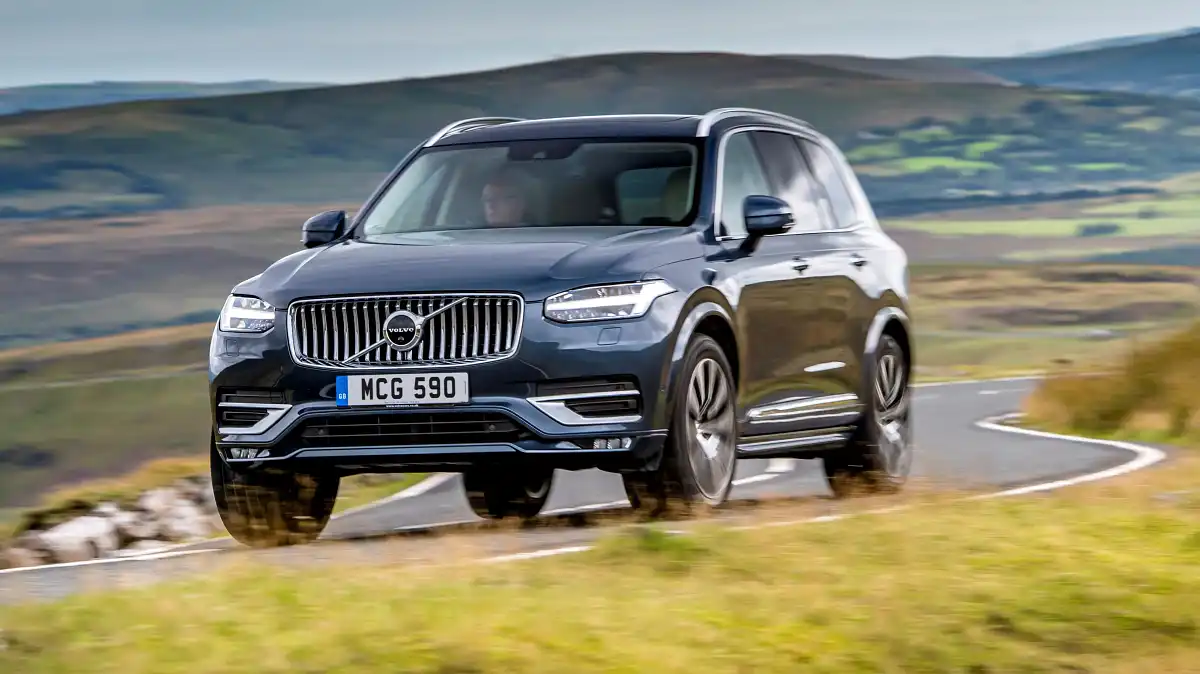
5. Volvo XC90
The Volvo XC90 is designed with safety as its highest priority, and its Thor’s Hammer LED headlights exemplify this philosophy. These headlights produce a wide, clear beam that illuminates both the road ahead and peripheral areas, ensuring maximum visibility in all directions.
The adaptive lighting technology automatically switches between high and low beams in response to oncoming traffic, preventing glare while maintaining bright illumination where it is needed
. The crisp white light improves contrast and depth perception, making it easier to spot pedestrians, animals, and unexpected obstacles. The headlights are particularly effective in adverse weather conditions, such as rain or fog, where consistent and well-directed illumination is crucial for safety.
Durability and maintenance are also strong points for the XC90’s lighting system. The LED units are designed for extended lifespans, significantly reducing the need for replacements. The lenses are resistant to yellowing, scratching, and water intrusion, maintaining clarity and performance over time.
Drivers can rely on the headlights to perform consistently, even in challenging environmental conditions or after years of use. The system also allows for simple adjustments and maintenance when necessary, making it practical as well as advanced.
Integration with Volvo’s safety systems enhances the functionality of the headlights. Sensors continuously monitor ambient light, traffic, and road conditions, automatically adjusting the beam to optimize visibility.
The system anticipates curves, intersections, and other potential hazards, providing drivers with more reaction time. This proactive approach increases confidence and reduces the likelihood of accidents, reinforcing Volvo’s reputation for prioritizing occupant and pedestrian safety.
Finally, the design of the XC90’s headlights combines aesthetics with functionality. The Thor’s Hammer pattern creates a distinctive look that enhances the vehicle’s visual identity while delivering practical illumination benefits.
The adaptive technology, energy efficiency, and durability make the XC90 an excellent choice for drivers who require both safety and performance. With its combination of bright, reliable, and intelligently adaptive lighting, the Volvo XC90 demonstrates how careful headlight design can transform the nighttime driving experience.
Five Cars with Dim Headlights (Expanded Version)
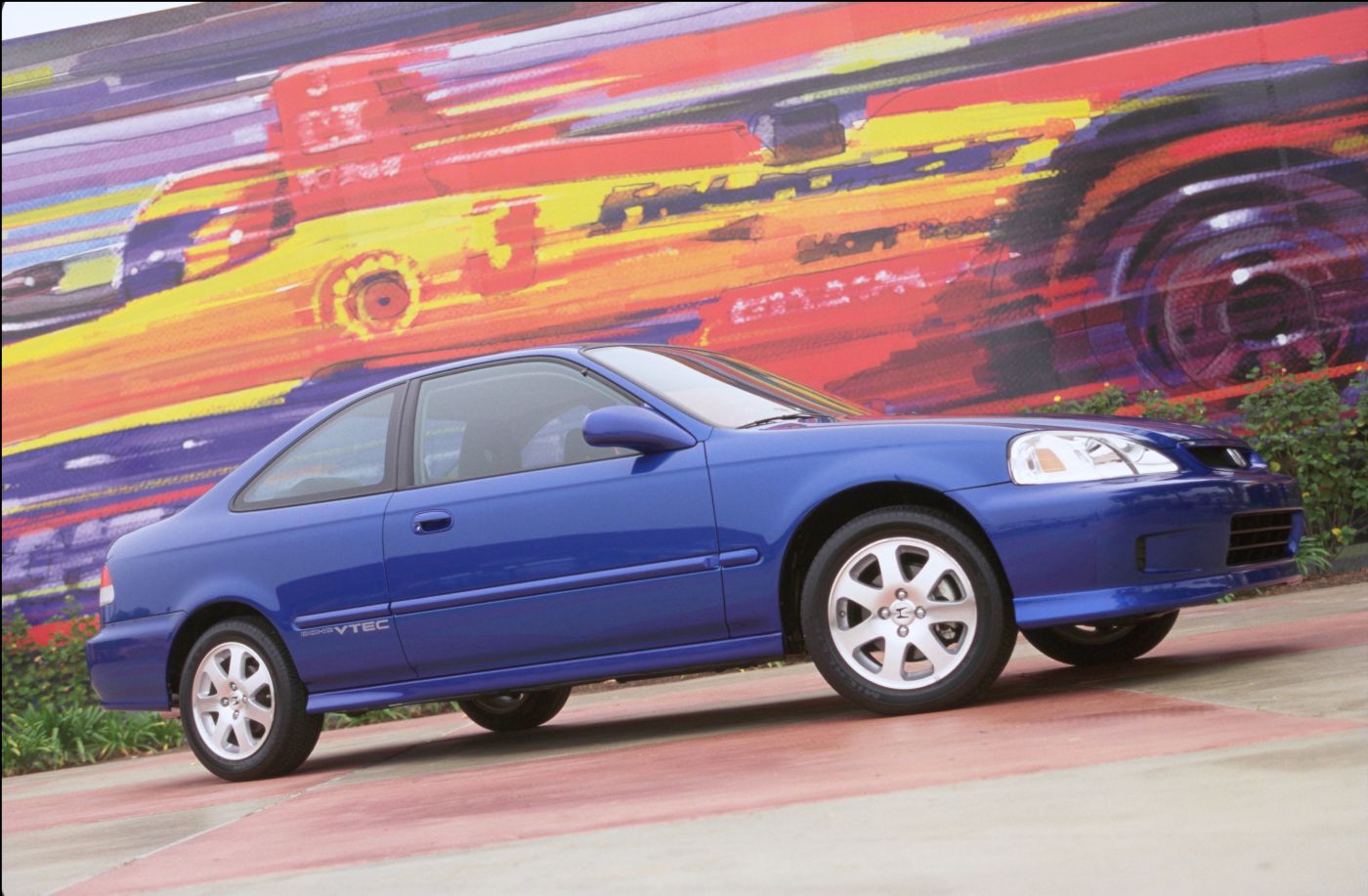
1. Older Honda Civic (2012–2015 Models)
The older Honda Civic models, particularly from 2012 to 2015, are notorious for their dim halogen headlights. While these lights met legal standards at the time, their brightness and beam focus are noticeably weaker compared to modern LED or high-intensity systems.
Drivers often find that the road ahead is insufficiently illuminated, especially on unlit rural roads or during inclement weather. The halogen bulbs produce a yellowish light that does not penetrate darkness as effectively, reducing contrast and making it difficult to distinguish pedestrians, cyclists, or road debris.
The Civic’s relatively low headlight housing and narrow beam further limit the driver’s field of vision, particularly on highways where higher-speed visibility is critical. Many owners have reported needing to drive slower than usual at night to compensate for the lack of clear illumination.
A significant factor contributing to dim performance in older Civics is lens aging. The plastic lenses tend to yellow or become cloudy over time due to UV exposure, heat, and road debris, further reducing the effective brightness of the headlights.
Even when the bulbs themselves are in good condition, the diffusion of light through the clouded lenses creates a scattered, uneven beam that fails to provide sufficient forward illumination. Additionally, the halogen technology used in these models is inherently less efficient than LEDs or projector beams, producing a softer, less concentrated light.
This combination of aging components and older lighting technology creates a visibility deficit that is noticeable to both the driver and other road users.
Drivers must also contend with the psychological effects of dim lighting. The reduced visibility increases stress and fatigue, particularly on long night drives, because the eyes must constantly adjust and search for road details. Peripheral hazards can go unnoticed until the driver is very close, reducing reaction time and increasing the likelihood of collisions.
On highways, the problem is compounded by glare from oncoming vehicles, which further diminishes the perceived brightness of the Civic’s headlights. Drivers often compensate by over-relying on high beams, which can blind oncoming traffic and create dangerous situations, highlighting the importance of upgrading or maintaining headlights in these older models.
Finally, maintenance and upgrades are essential considerations for older Honda Civics. Replacing halogen bulbs with higher-quality halogen or aftermarket LED units can improve brightness, but limitations in lens and reflector design mean the gains are often modest.
Restoring headlight lenses through polishing or UV treatment can also help, but this does not fully address the inherent limitations of older lighting technology. The combination of dim light output, aging lenses, and narrow beam focus makes these Civics representative of vehicles with suboptimal nighttime visibility. For drivers who frequently drive at night, they illustrate how older or less advanced lighting systems can significantly impact both safety and comfort.

2. Jeep Wrangler (Pre-2018 Models)
Earlier Jeep Wrangler models, particularly those built before 2018, often have headlights that provide limited illumination. While designed to meet legal standards, the standard halogen setups are relatively weak compared to modern LED or projector systems.
The beam is broad but lacks intensity, resulting in a washed-out illumination that does not adequately highlight road edges or obstacles.
Off-road enthusiasts may notice that while the headlights provide a wide spread for city driving, the reach is insufficient for high-speed highway use. In addition, the round headlight design, while iconic for styling purposes, does not direct light as effectively as rectangular or projector units, leading to a diffuse and uneven beam pattern.
Another challenge with pre-2018 Wranglers is headlight lens fogging and internal condensation. The vehicles’ off-road usage exposes them to water, mud, and dust, which can accumulate inside the headlight housing. This further diminishes light output, creating patchy or dim illumination that can leave drivers relying heavily on high beams in poorly lit areas.
The halogen bulbs themselves are also less efficient than newer technologies, producing yellow light that does not penetrate darkness as clearly as LED systems. Drivers may experience reduced visibility during rain or fog, increasing the risk of missed hazards and collisions.
Maintenance and aftermarket upgrades are common for Wrangler owners concerned about dim headlights. Many replace halogen bulbs with LED conversion kits, which increase brightness but may require careful alignment to avoid glare. Polishing or restoring old lenses can also improve light output, but the effectiveness is still constrained by the reflector design inherent to these models.
Pre-2018 Jeep Wranglers serve as a clear example of vehicles where aesthetic choices and older lighting technology result in reduced nighttime performance, emphasizing the importance of both design and technology in safe night driving.
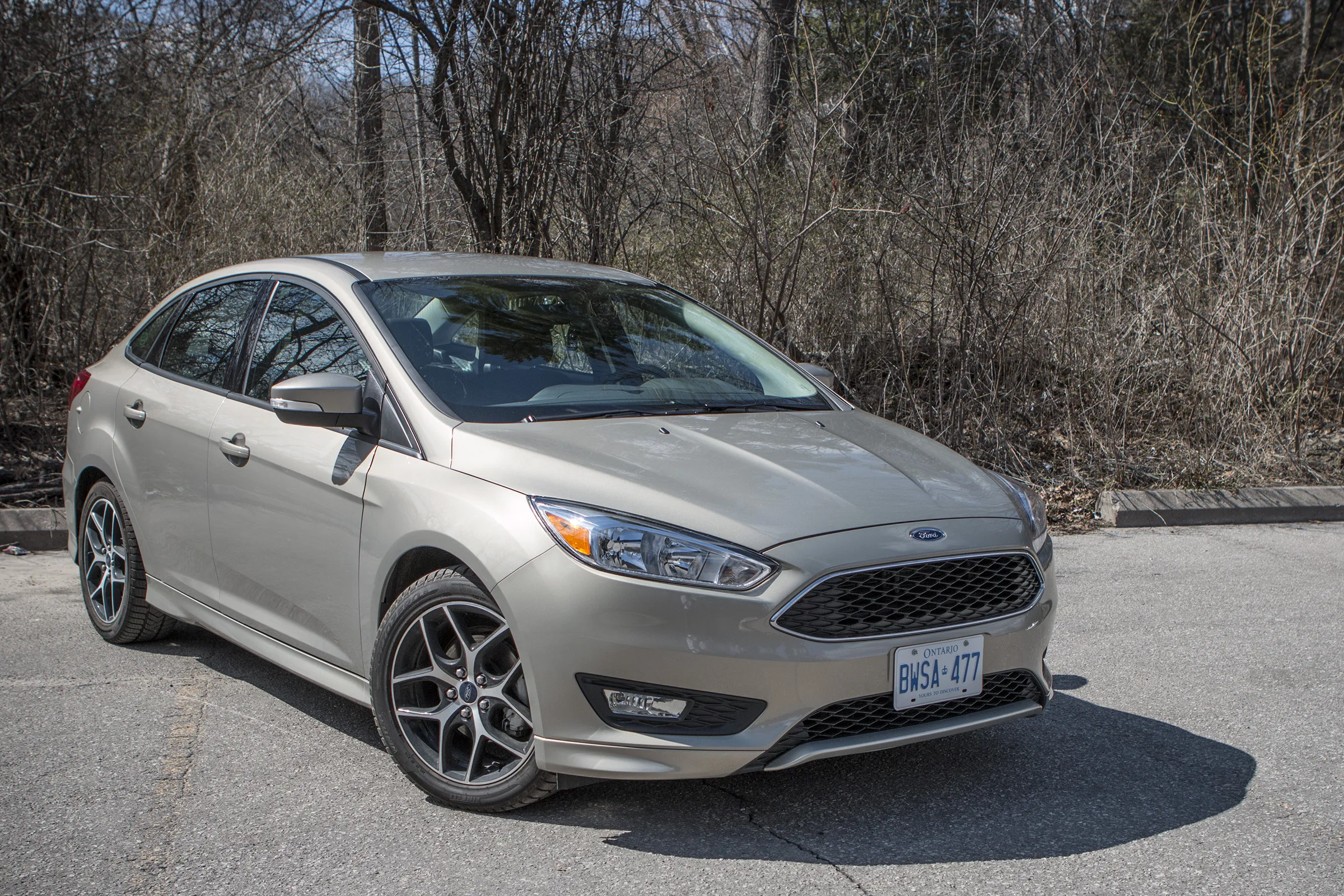
3. Ford Focus (2011–2014 Models)
The Ford Focus from 2011 to 2014 is another vehicle often criticized for dim headlights. Factory-installed halogen bulbs, combined with a reflective housing design, produce a scattered and weak beam that struggles to illuminate dark roads effectively.
The light often has a yellow tint, which reduces contrast and makes it harder to detect subtle hazards such as potholes, animals, or pedestrians wearing dark clothing. Drivers in suburban and rural areas frequently report needing to reduce speed or rely excessively on high beams, which can create glare problems for oncoming traffic and increase driver fatigue over long distances.
Aging components compound the issue. Over time, the Focus’s headlight lenses tend to yellow or develop micro-scratches, diffusing light and further reducing brightness. The reflector housing also lacks the precision found in modern projector or LED systems, leading to an uneven beam with dark spots in critical areas.
Even when the bulbs are replaced with new halogens, the performance often remains suboptimal due to the physical limitations of the headlight design. Many drivers find themselves frustrated by the inability to achieve consistent illumination across the road.
Upgrading or restoring the Focus’s lighting system is often recommended. Some drivers install LED or HID retrofit kits to improve brightness, but alignment and beam pattern adjustments are critical to prevent glare. Polishing lenses or replacing the entire headlight assembly can also improve performance.
Despite these efforts, the Focus illustrates the limitations of older lighting technology and cost-driven design choices, emphasizing how dim headlights can significantly compromise nighttime visibility and driving confidence.
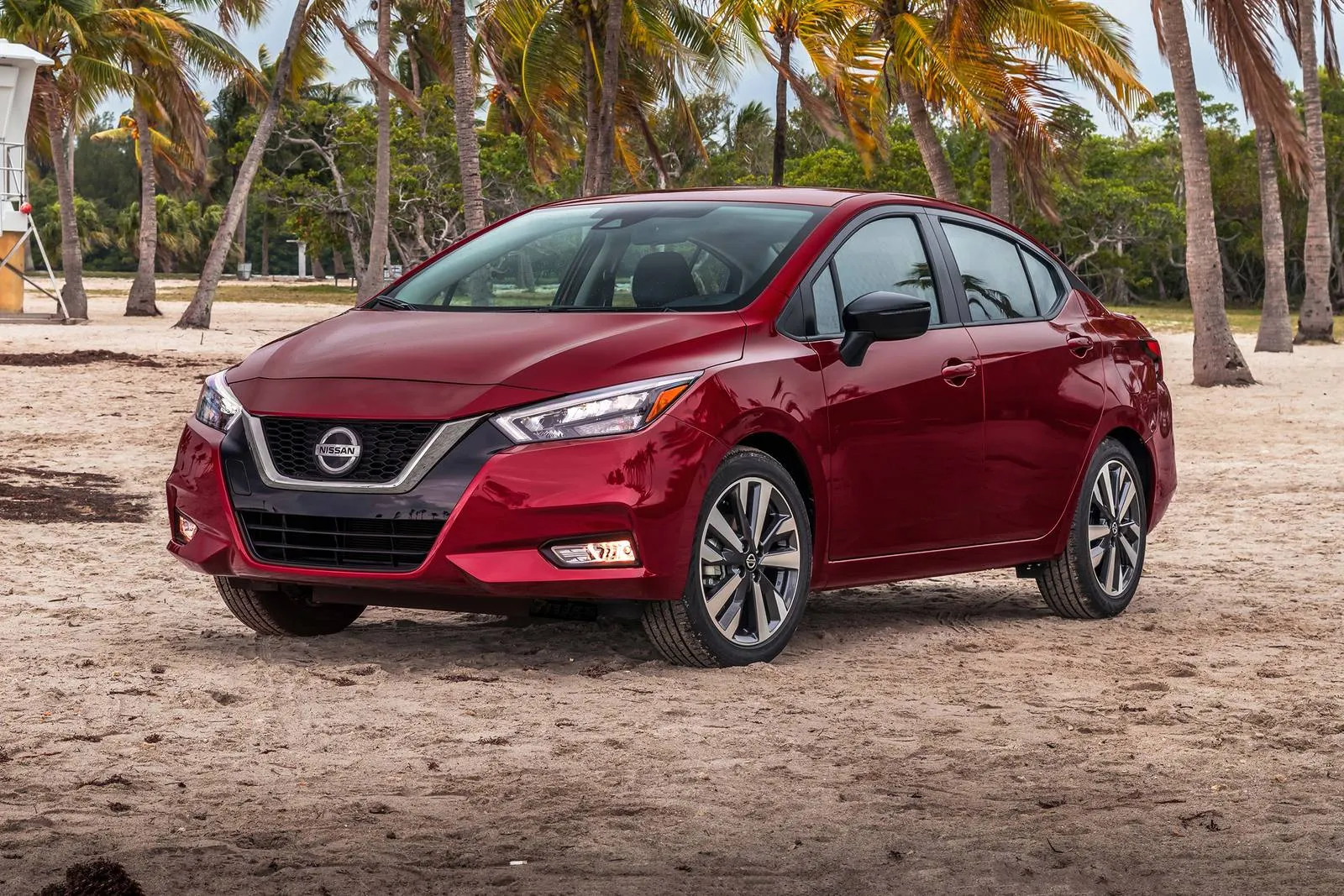
4. Nissan Versa (2012–2015 Models)
The Nissan Versa is a compact vehicle that prioritizes affordability, often at the expense of headlight performance. Models from 2012 to 2015 are equipped with basic halogen bulbs and reflective housings that produce limited illumination. The headlights tend to be weak and diffuse, providing minimal visibility beyond short distances.
This can be particularly dangerous on highways or dark suburban roads, where obstacles and pedestrians appear quickly and require prompt reaction. The yellow tint of the halogen lights reduces contrast, making it difficult to discern subtle changes in the road surface, such as potholes, debris, or small animals.
The psychological impact of dim headlights in the Versa cannot be overstated. Drivers report increased stress during nighttime journeys, as the need to constantly scan the road reduces attention span and increases fatigue. Slower reaction times and compromised situational awareness are frequent consequences, particularly in rural or poorly lit areas.
The dim lighting also necessitates reliance on high beams in unsafe ways, potentially blinding other drivers while only marginally improving visibility.
To mitigate these issues, Versa owners often explore aftermarket upgrades, such as LED conversion kits or complete headlight replacements. While such upgrades can improve brightness, the vehicle’s reflector design and lens limitations remain significant obstacles.
The Nissan Versa exemplifies how budget-oriented vehicles may compromise nighttime visibility, demonstrating the safety risks associated with dim headlights and the importance of careful design and lighting technology in road safety.
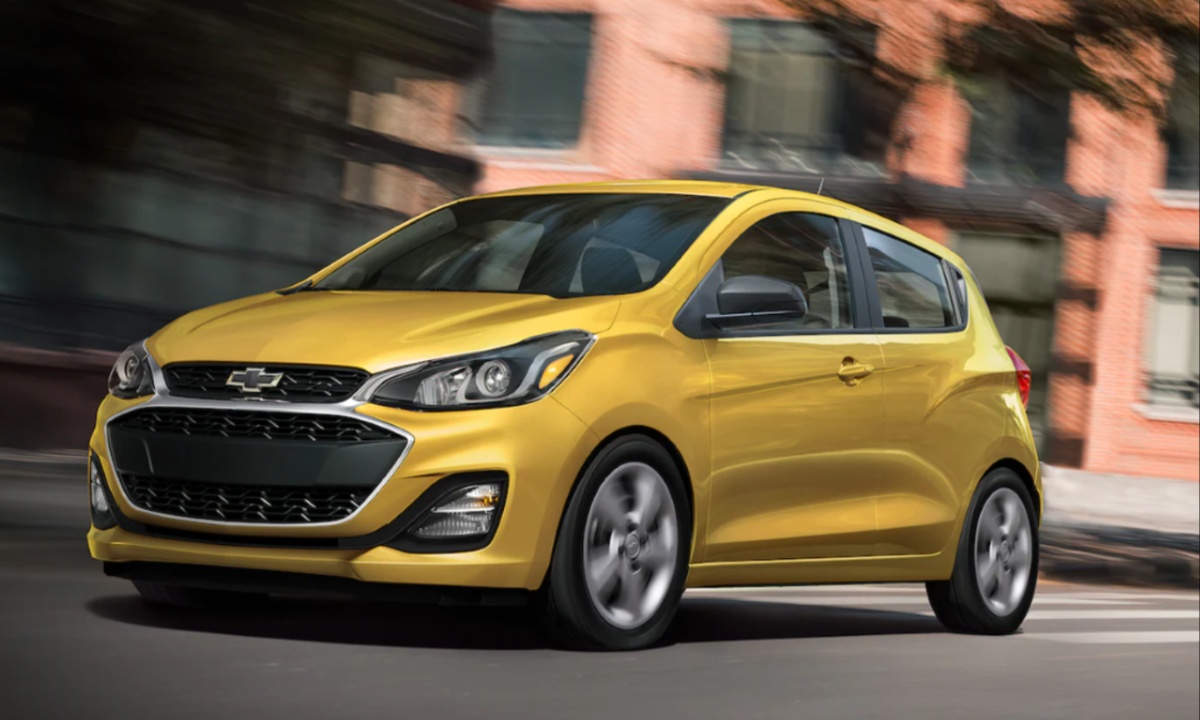
5. Chevrolet Spark (2013–2016 Models)
The Chevrolet Spark is a small city car whose headlights often provide inadequate illumination, particularly in older 2013–2016 models. Equipped with basic halogen bulbs and simple reflector housings, the headlights produce a soft, yellowish light that struggles to illuminate dark streets effectively.
The short beam reach limits reaction time on higher-speed roads, while the narrow spread reduces visibility of peripheral areas, such as sidewalks or roadside hazards. In addition, the compact design of the vehicle means that the headlights sit low to the ground, further limiting the distance and effectiveness of illumination.
Driving psychology is heavily impacted by the Spark’s dim headlights. Drivers report increased stress and fatigue during night trips, as their eyes must constantly adjust to weak illumination. Peripheral hazards may go unnoticed until it is too late to react safely.
On poorly lit highways, the limited beam reach forces over-reliance on high beams, which can unintentionally create glare for oncoming traffic. This creates a cycle of stress and reduced safety, highlighting the importance of headlight performance in everyday driving.
Many Spark owners pursue upgrades to address these limitations. LED or HID conversion kits are popular, as are aftermarket headlight assemblies with better reflector designs. However, physical constraints of the vehicle’s design mean that lighting improvements may still fall short of modern standards.
The Chevrolet Spark serves as a clear example of how cost-driven design and outdated halogen technology result in suboptimal nighttime visibility, emphasizing that dim headlights are not just a minor inconvenience; they are a significant factor affecting driver safety and comfort.
