
A car is more than just a machine that takes us from one place to another. It is an assembly of moving parts, mechanical engineering, and design choices that impact both performance and comfort. Among the many features that drivers often overlook is the car door latch system.
The latch is responsible for keeping doors firmly closed, ensuring safety, and providing a tactile sense of solidity when entering or exiting the vehicle. Some cars, even decades old, retain a satisfying firmness when their doors are closed, while others develop a loose, rattling feel that can reduce confidence in the build quality.
The difference in experience often stems from materials used, precision of assembly, maintenance habits, and the design philosophy of the manufacturer.
Vehicles built with attention to detail and quality often have doors that feel secure for many years. These cars use reinforced metal components, well-lubricated hinges, and robust latch mechanisms designed to withstand repeated use without losing their firmness.
On the other hand, vehicles with cost-cutting in materials or assembly tolerances sometimes suffer from door latches that loosen over time, creating that unsettling rattling sound and a feeling of fragility. Beyond the physical sensation, the tightness of a door can reflect a broader story about the vehicle’s engineering.
A door that shuts with precision can indicate good alignment, solid panel construction, and durable weather sealing, while a loose door can suggest that settling of the frame or inadequate latch maintenance has occurred.
Drivers may notice these differences immediately when comparing cars in the same price category. A luxury sedan from decades ago can often surprise owners with doors that still close with a firm, confident click, while a modern economy vehicle may exhibit slight sloppiness despite being far newer.
This contrast emphasizes that build quality is not simply about the era of manufacture but also about the philosophy behind the vehicle’s design. In some cases, a tight door latch contributes to safety by ensuring the door remains closed during sudden stops or minor impacts.
Conversely, a loose latch may compromise this security, and while modern cars include secondary mechanisms for safety, the tactile feedback of a solid door closure remains unmatched.
Understanding which cars retain their door integrity over time and which develop issues can help owners make informed decisions about long-term reliability. Factors like hinge design, latch type, reinforcement plates, and regular maintenance play a role, but brand reputation and engineering priorities often leave a lasting mark.
By examining examples of vehicles that maintain tight latches versus those that tend to loosen over time, it becomes clear that attention to small mechanical details can have a significant impact on a vehicle’s perceived quality and longevity.
The following sections explore five cars that continue to hold their doors firmly after years and five cars that often develop loose latches, highlighting the differences in design and durability.
5 Cars That Still Shut Tight After Years

1. Toyota Land Cruiser
The Toyota Land Cruiser is widely regarded as one of the most durable and reliable vehicles ever built, and its door latch system reflects that commitment to long-term engineering. These doors continue to shut firmly even after decades of use, a testament to Toyota’s focus on mechanical integrity and attention to detail.
The latch assembly itself is constructed from reinforced steel, often coated with protective materials to prevent corrosion and maintain smooth operation over time. The robust hinges are designed to support the heavy, well-built doors without sagging or losing alignment. This engineering precision ensures that even vehicles subjected to rough terrain and frequent use maintain their tight, secure feel.
One of the key reasons Land Cruiser doors remain so resilient is the thoughtful distribution of forces within the latch and hinge system. The latch is designed to engage at multiple contact points, reducing stress on any single part of the mechanism. This minimizes wear, preventing the loosening that commonly affects lighter vehicles.
The hinges are also generously sized and firmly anchored to the reinforced door frames, preventing sagging or warping over decades of use. Owners often remark that even vehicles with hundreds of thousands of miles retain the same confident closure as a brand-new Land Cruiser, reflecting the long-term effectiveness of these design choices.
The doors’ interior sealing and cushioning further contribute to the tight closure. Toyota uses thick, weather-resistant rubber seals that maintain shape and compression over time, allowing doors to close with a satisfying “thunk” while also insulating against noise and vibration.
These seals are resilient even in extreme climates, meaning that exposure to heat, cold, or moisture does little to diminish their effectiveness. The combination of precise latches, reinforced hinges, and durable seals creates a consistent and reassuring experience whenever a door is opened or closed, which is rare in vehicles that have seen heavy use over decades.
Maintenance practices reinforce the Land Cruiser’s durability, though the vehicle often performs admirably even with minimal attention. Periodic lubrication of the latch assembly can further reduce friction and extend the service life, but many vehicles achieve decades of solid performance without extensive upkeep.
The tactile feedback when closing a Land Cruiser door is more than just an aesthetic feature; it is a reflection of engineering choices that prioritize durability, safety, and driver confidence.
For owners who value reliability and a sense of mechanical solidity, the Land Cruiser remains a benchmark, demonstrating that thoughtful design can produce vehicles with doors that maintain their tightness across decades of real-world use.
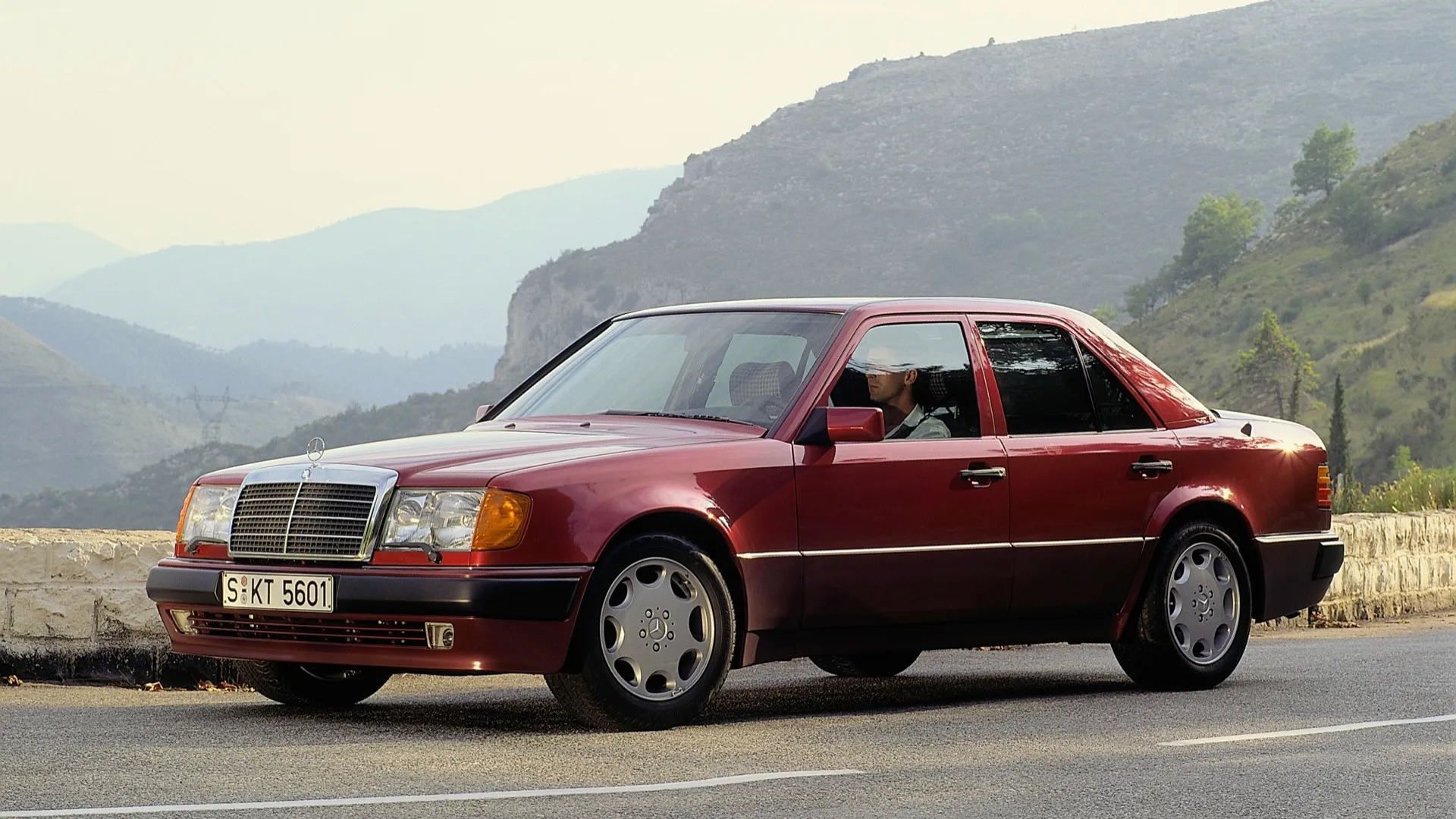
2. Mercedes-Benz W124 (1980s–1990s)
The Mercedes-Benz W124 series, produced in the 1980s and 1990s, is widely recognized for exceptional build quality, with a door latch system that has earned a reputation for durability. The doors remain firm even after decades, highlighting the precision engineering typical of Mercedes at the time.
The latch assemblies are made from high-grade metals, often incorporating complex yet reliable engagement mechanisms. These designs reduce wear over long-term use, allowing the doors to maintain alignment and providing a sense of solidity that remains unmatched in many modern vehicles.
The W124 doors are heavy and substantial, which contributes to their long-lasting feel. The hinges are mounted to reinforced frames, preventing sagging even after years of frequent use.
This reinforcement ensures that doors continue to meet the latch perfectly, maintaining the original tightness and eliminating the loose or rattling feel found in many other vehicles. Even models with high mileage demonstrate remarkably consistent alignment, allowing owners to rely on the firmness of the doors as an indicator of structural integrity.
Mercedes engineers also incorporated dual-layer latching systems in some models, meaning that even if a primary latch begins to wear slightly, a secondary catch maintains security. This redundancy enhances both safety and user experience, preventing doors from feeling loose while providing confidence during sudden stops or minor impacts.
The door seals complement this system, retaining their shape and compression for decades to ensure tight closure without requiring excessive force. The combination of strong metal components, precise alignment, and resilient seals allows the W124 to deliver a tactile sense of quality that endures over time.
Maintenance requirements for the W124 are relatively minimal but impactful. Occasional lubrication of hinges and latches helps sustain smooth operation, but the vehicle’s robust design ensures that even with limited attention, the doors remain tight and secure.
The tactile feedback when closing a door is a hallmark of the series, providing both psychological assurance and practical reliability. For enthusiasts and owners, the W124 is an enduring example of engineering foresight, demonstrating how attention to mechanical detail can preserve a vehicle’s sense of quality and solidity for decades.
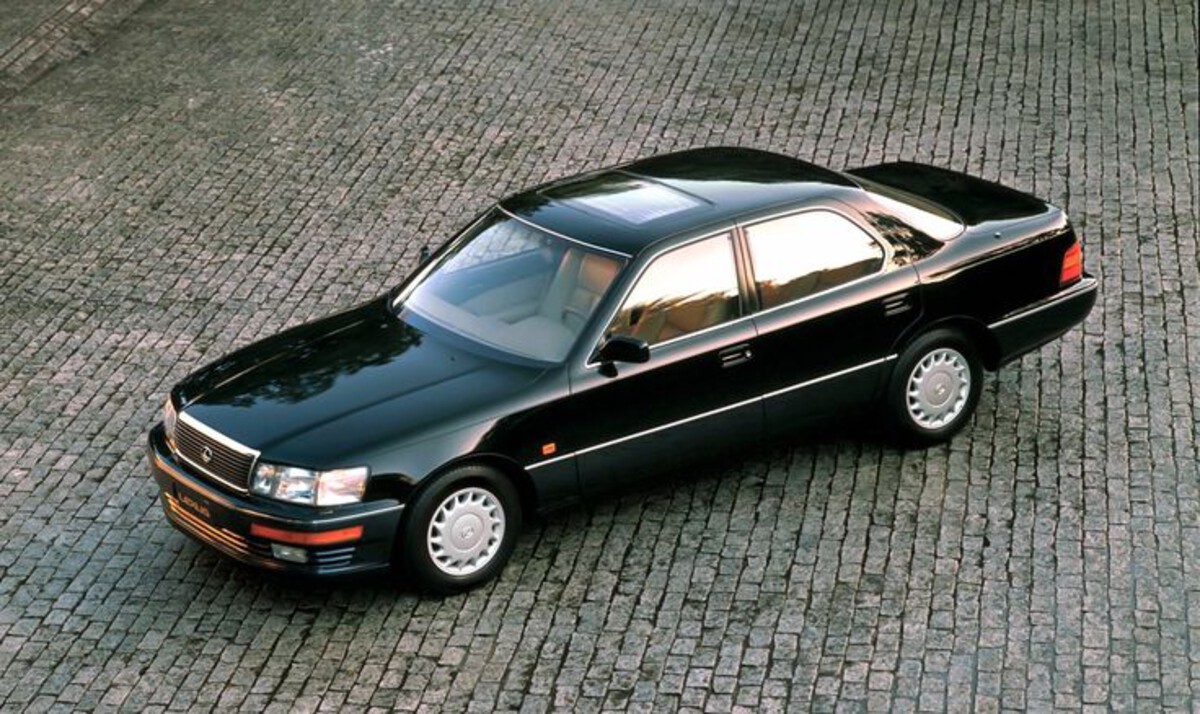
3. Lexus LS400
Introduced in 1989, the Lexus LS400 revolutionized the luxury sedan segment by combining performance, refinement, and exceptional fit and finish.
One of its most remarkable qualities is the long-lasting firmness of its doors. Lexus engineers emphasized precision in every aspect of the latch mechanism, using durable metals and reinforced hinges that resist sagging even after decades. The doors remain aligned perfectly, creating a secure and satisfying closure experience that endures well beyond the vehicle’s initial years on the road.
The LS400’s doors feature multiple design elements that enhance long-term performance. The latch assembly engages at several points to evenly distribute pressure, minimizing wear and preventing loosening. The hinges are robust and mounted to reinforced door frames, ensuring consistent alignment.
Owners often note that even after thousands of miles of daily use, the doors retain their firm “thunk,” a combination of mechanical reliability and attention to detail rarely seen in vehicles from the same era.
In addition to metal components, the door seals in the LS400 are designed for longevity. Made from high-quality rubber, these seals retain elasticity and compression over decades, aiding in door closure, weather insulation, and noise reduction.
This durability allows the doors to maintain a precise fit even in harsh climates, further extending the tactile satisfaction and solid feel of the vehicle. Lexus’s philosophy of engineering for durability is evident in every detail, from latch geometry to hinge placement to seal design.
Routine maintenance enhances this long-term performance, though it is often minimal. Periodic lubrication of moving parts can prevent unnecessary wear, but many LS400 owners experience decades of tight door closures with little intervention. The combination of high-quality materials, precise engineering, and thoughtful design ensures that the LS400 doors remain one of the most reliable and satisfying aspects of ownership, representing a benchmark in long-term automotive quality.

4. Volvo 240
The Volvo 240 series, produced primarily in the 1970s and 1980s, is synonymous with durability and practical engineering. One of its understated strengths is the longevity of its door latch system. Even decades after production, these vehicles often maintain doors that close firmly and securely.
The latch assemblies are simple but exceptionally robust, constructed from strong metals and designed to minimize wear over years of use. This reliability extends to the hinges, which are mounted securely and built to resist sagging, keeping the doors aligned and functional.
Volvo’s design philosophy emphasized safety and structural integrity, and the doors were engineered to complement the reinforced body frame. The hinges, latches, and framework work together to provide a consistent, solid feel, preventing misalignment even after prolonged use.
Rubber seals further assist by maintaining compression, which helps absorb force when closing doors and reduces the risk of rattling or looseness. Drivers often remark that even vehicles exposed to harsh winters or high-mileage commuting retain doors that feel reassuringly firm.
Maintenance is straightforward and supports long-term performance. Simple lubrication of the latch and hinge assemblies can prevent friction and wear, but the mechanical simplicity of the 240 ensures that even minimal care often results in decades of dependable operation. Unlike modern vehicles with complex electronic latch systems, the 240’s purely mechanical design eliminates many potential points of failure, contributing to its reputation for longevity and reliability.
The tactile experience of closing a Volvo 240 door is one of understated quality. Each closure communicates solidity, durability, and a sense of mechanical integrity that reinforces confidence in the vehicle’s construction.
For enthusiasts and owners, this feature remains a defining characteristic of the 240, demonstrating how thoughtful engineering choices in basic mechanical systems can produce long-lasting satisfaction and a strong sense of reliability.
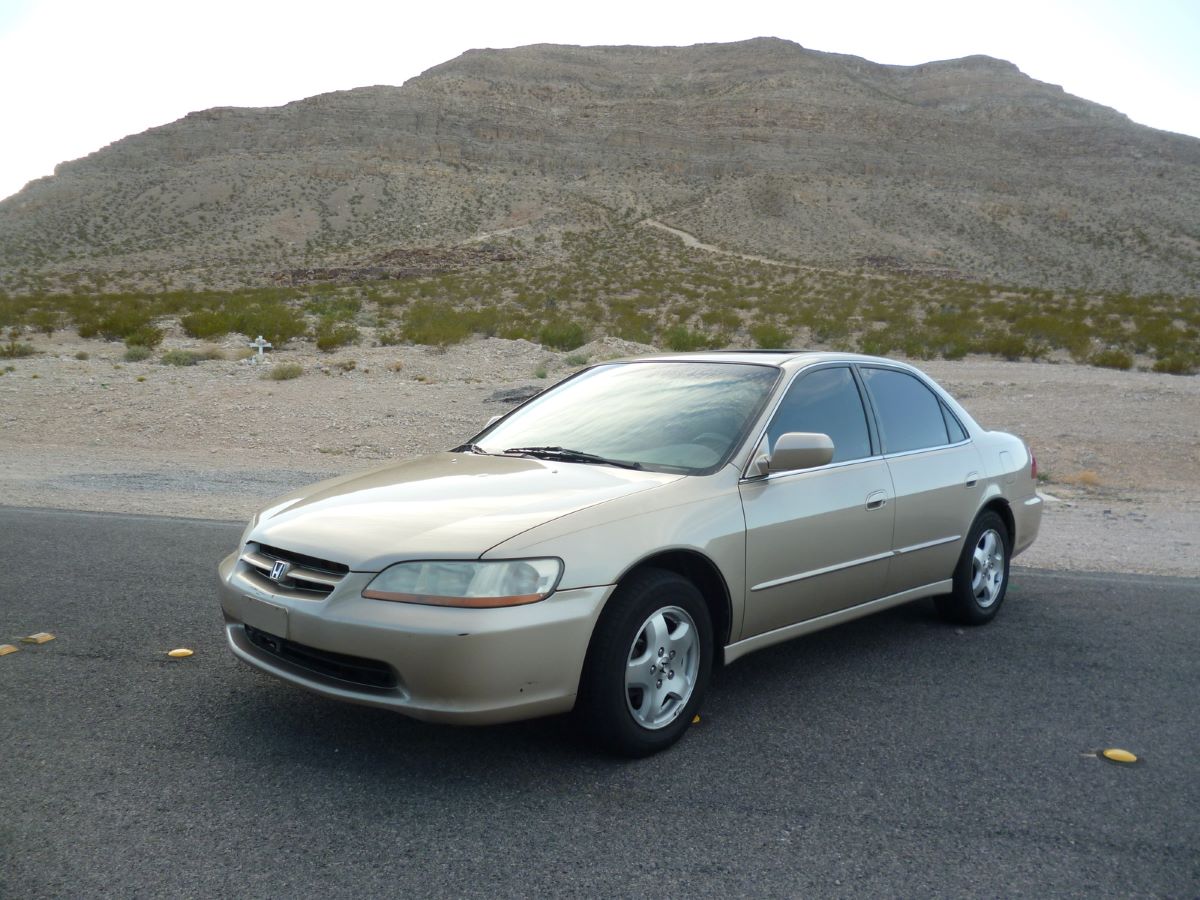
5. Honda Accord (1990s Models)
The Honda Accord of the 1990s is celebrated for its engineering balance of reliability, affordability, and refinement. A key aspect of this reputation is the durability of its door latch system. Even after decades, many Accords retain doors that close tightly and with confidence.
The latch assemblies are constructed from high-quality metals, and the hinges are reinforced to resist sagging, keeping doors aligned and secure over years of use. This attention to detail ensures that the closure remains firm, providing a tactile sense of reliability that endures through extensive daily use.
The door seals in the Accord are another factor in long-term performance. Made from resilient rubber compounds, these seals retain compression for decades, supporting tight door closure and providing sound insulation.
The combination of strong latches, reinforced hinges, and durable seals allows the doors to close smoothly and consistently, reinforcing a sense of quality and solid engineering. Even minor maintenance, such as occasional lubrication, is sufficient to maintain performance indefinitely.
The experience of closing a Honda Accord door is both functional and emotional. It signals reliability, safety, and craftsmanship, contributing to the vehicle’s reputation for lasting quality.
The 1990s Accord exemplifies how a balance of precise engineering, durable materials, and attention to detail can result in a car whose doors continue to shut tightly, even decades after leaving the factory. For owners, this provides peace of mind, tactile satisfaction, and a daily reminder of the vehicle’s enduring quality.
5 Cars That Often Develop Loose Latches

1. Ford Fiesta (Early 2000s Models)
The Ford Fiesta from the early 2000s was designed with compactness and affordability in mind, which made it an appealing choice for urban commuters and first-time car buyers. However, this focus on cost-effectiveness came at the expense of certain long-term durability features, particularly in the door latch and hinge assembly.
The latch mechanism in these vehicles tends to use thinner metals and simpler designs compared to more expensive cars, which can lead to accelerated wear over time. Even with careful use, repeated opening and closing gradually wear down the engagement surfaces, making doors feel loose or misaligned.
For owners who frequently drive in cities where doors are often opened in tight parking spots, this wear can appear sooner, diminishing the sense of solidity when closing a door.
Another factor contributing to the loose doors is the condition of the weather seals. Rubber seals in early 2000s Fiestas are functional but not engineered for decades of compression. Over time, these seals lose elasticity, harden, or deform, reducing their ability to provide resistance when closing doors.
This loss of support makes the door feel even less secure, as the latch is forced to bear the brunt of alignment inconsistencies without assistance from cushioning seals. Many owners notice this most in the rear doors, which experience slightly less reinforcement than front doors, highlighting a weak spot in design. Without replacement of seals or careful maintenance, the loose feel becomes increasingly pronounced with age.
Despite these shortcomings, the Ford Fiesta remains a beloved vehicle for many owners due to its maneuverability, fuel efficiency, and affordability. While the loose latch problem is an annoyance, it rarely becomes a critical safety issue because secondary latching mechanisms typically engage if the main latch loosens.
Owners who prioritize tactile feedback and a sense of mechanical precision, however, often find this flaw frustrating, demonstrating the impact that small components like door latches can have on the perception of quality.
Some owners choose to replace the latch or reinforce the hinges, but these are usually aftermarket solutions rather than fixes built into the original engineering design.
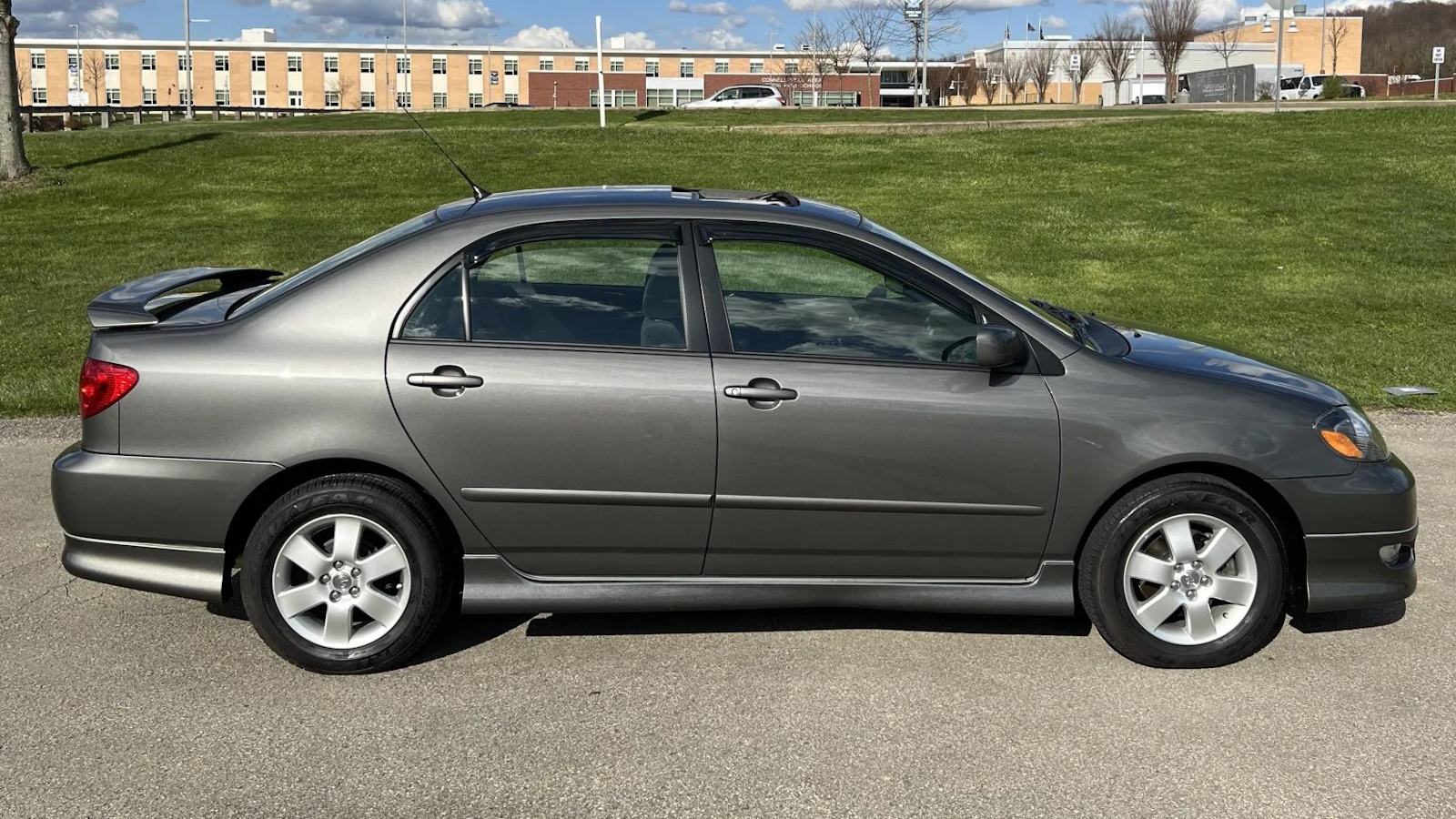
2. Chevrolet Cobalt (Mid-2000s Models)
The Chevrolet Cobalt, introduced in the mid-2000s, was designed as a replacement for the Cavalier, targeting affordability and practicality for daily driving. However, one area where this model often disappoints in longevity is the door latch system. Owners frequently report that, after several years of use, the doors begin to feel loose and less precise when closing.
The latch mechanisms in these vehicles incorporate lighter metals and some plastic components, which are more prone to wear and deformation over time. The repeated force of door closing, combined with normal usage patterns, gradually wears the contact points within the latch, reducing the secure feel that was present when the vehicle was new.
Hinge design also contributes to the issue. Many Cobalts experience gradual sagging, particularly on high-mileage vehicles, which changes the angle at which the door meets the latch. Even small misalignments can significantly affect the engagement of the latch, producing the loose or rattling sensation many owners report.
Urban drivers are particularly affected, as frequent stop-and-go usage results in more door openings per day, accelerating the wear of both hinges and latches. The problem can be compounded in vehicles exposed to road salt or harsh climates, as corrosion further impacts hinge function and alignment.
Even with proper maintenance, including lubrication and occasional adjustment of the latch assembly, the Cobalt’s doors rarely maintain their original tightness over time. While the vehicle offers practical performance, fuel efficiency, and affordability, the loose latch issue serves as a reminder that lower-cost materials and assembly shortcuts can compromise long-term durability.
Many owners accept this as a minor inconvenience, while others invest in replacement components to restore a firmer door feel. It illustrates the broader principle that cost-effective vehicles often trade longevity in certain mechanical components for affordability and convenience.

3. Volkswagen Jetta (Late 1990s–Early 2000s Models)
The Volkswagen Jetta models from the late 1990s and early 2000s are known for their European styling and solid driving dynamics. However, one recurring issue for these vehicles is the tendency of door latches to loosen over time, especially in high-mileage examples.
The latch mechanisms were engineered with precise tolerances but relied on lighter materials compared to older, more robust European sedans. While initially providing a precise and confident closure, these latches gradually wear, leading to a looser feel as the car ages. Drivers often describe this as doors “not quite clicking” into place, which detracts from the sense of build quality.
Weather seals in these Jettas also contribute to the problem. While adequate initially, the seals lose compression over time due to repeated door closures, exposure to temperature extremes, and UV degradation.
This reduction in seal support magnifies the perception of loose doors, as the latch must bear the entire weight and movement of the door without additional cushioning. Once seals flatten or crack, even minor hinge or latch wear becomes significantly more noticeable, further reducing the sense of quality.
Despite this, the Volkswagen Jetta maintains a loyal following thanks to its performance, European styling, and driving dynamics. Owners often resort to lubrication, latch adjustments, or even aftermarket reinforcement kits to restore the firm closure they remember from when the car was new.
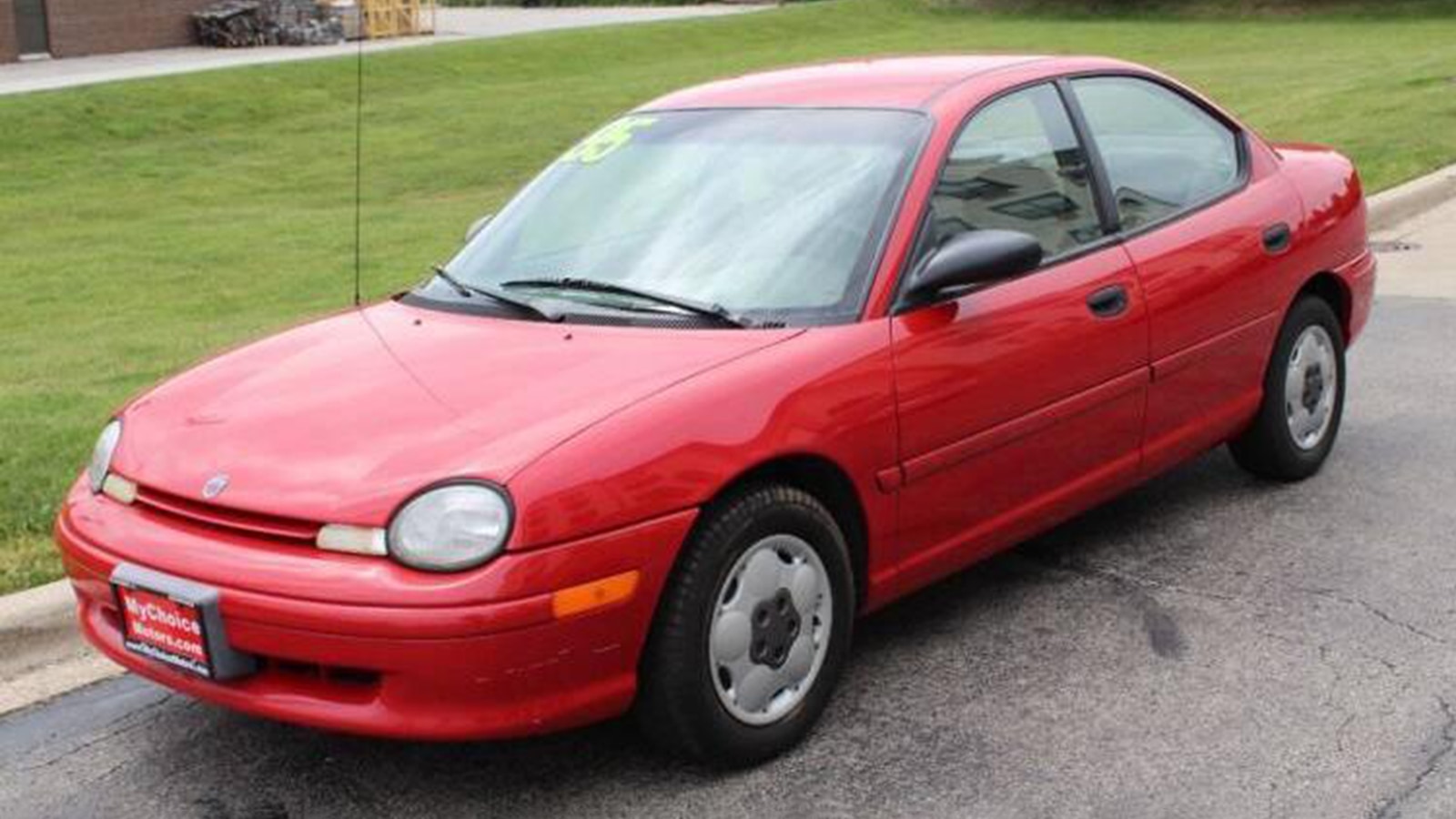
4. Dodge Neon (1990s Models)
The Dodge Neon, popular in the 1990s for its budget-friendly pricing and compact design, often struggles with door latch longevity. Many owners have reported that after a few years of use, doors no longer close with the firmness expected in a new car.
The latch assemblies were designed for economy rather than long-term robustness, utilizing lighter metals and plastics that wear more easily over time. Repeated door operation, combined with the natural settling of the vehicle frame, can lead to a perceptible loosening of the latch over the years.
Rubber seals further exacerbate the issue. Neons were designed with functional but relatively thin and low-durability weather seals. Over time, these seals flatten, harden, or lose elasticity, diminishing the resistance that helps doors close firmly.
The reduction in cushioning amplifies the perception of looseness, making even minor latch wear noticeable to the driver and passengers. Without replacing the seals, restoring a firm door closure is difficult, even if the latch mechanism is lubricated or adjusted.
Despite these issues, the Dodge Neon remains valued for its low cost, ease of maintenance, and fuel efficiency. Owners who are sensitive to tactile feedback may find the loose doors frustrating, while others accept it as a minor inconvenience. Some choose to replace latch components or reinforce hinges, but these are not factory solutions. The Neon demonstrates how cost-conscious design choices, while beneficial for affordability, can compromise long-term mechanical feel and durability.

5. Hyundai Accent (Early 2000s Models)
The Hyundai Accent from the early 2000s is known as an economical, practical vehicle ideal for commuting and city driving. However, one common complaint among owners is the tendency for doors to develop a loose or sloppy feel over time.
The latch mechanisms were designed for cost-efficiency, using lightweight metals and limited reinforcements. While this keeps the vehicle affordable, it comes at the cost of long-term durability, with repeated use gradually wearing down the latch surfaces and reducing the secure feel of the doors.
Rubber weather seals, although adequate initially, degrade over time, particularly in regions with extreme temperatures or high UV exposure. Flattened or hardened seals remove the support that assists in door closure, forcing the latch to bear more mechanical stress. As a result, even minor wear in the latch or hinges becomes significantly more noticeable, creating a perceptible rattling or loose sensation when closing doors.
Despite the loose latch issue, the Hyundai Accent retains a strong reputation for affordability, fuel efficiency, and ease of ownership. For owners focused on the driving experience and low maintenance costs, the door feel may be a minor concern.
However, those sensitive to mechanical feedback often invest in latch or hinge replacements to restore the firm closure expected from a newer vehicle. The Accent highlights how cost-focused engineering choices, while improving accessibility, can impact long-term satisfaction in subtle but tangible ways.
