
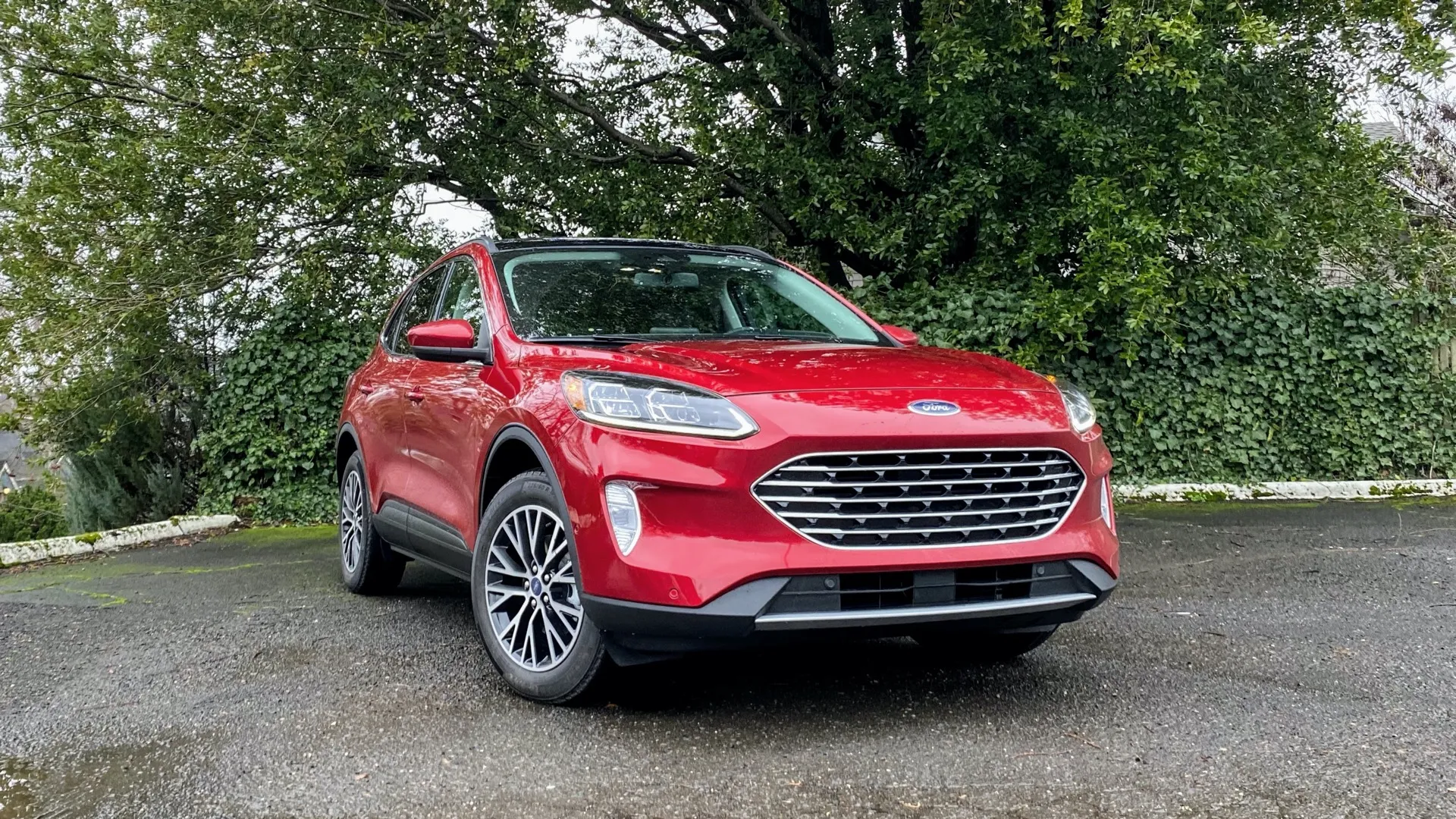
Roof bars have become an essential feature for many crossover owners, providing the ability to carry bikes, luggage boxes, and outdoor gear with ease. However, one common concern for drivers is the increase in wind noise that can accompany their use.
The sound of wind rushing over roof-mounted accessories can become more noticeable at highway speeds, turning long drives into a less enjoyable experience.
For buyers who frequently carry gear but also value cabin comfort, choosing a crossover that naturally minimizes wind noise is an important consideration. Manufacturers are increasingly aware of this issue, designing vehicles with aerodynamically optimized rooflines and integrated roof bar systems to reduce turbulence and noise.
While aftermarket roof racks can be fitted to most vehicles, the ones that come factory-integrated or designed to complement the vehicle’s shape tend to perform far better in noise tests.
Some crossovers even offer optional aerodynamic attachments that further smooth airflow, demonstrating that small design decisions can make a big difference in comfort.
Drivers looking for a quiet cabin experience while still maintaining the utility of roof bars can benefit from vehicles that balance both factors. From clever roof shapes to low-profile rails, certain models stand out for keeping wind noise to a minimum even with roof attachments.
This guide will examine ten crossover models that have proven themselves in this area, highlighting features and design choices that contribute to a quieter ride. Whether the goal is weekend adventures, family travel, or simply reducing cabin noise during daily commutes, understanding how each vehicle handles airflow over roof bars will help buyers make an informed decision.
In addition to performance and noise reduction, these crossovers offer reliability, comfort, and practicality, showing that functionality does not need to come at the expense of peace.
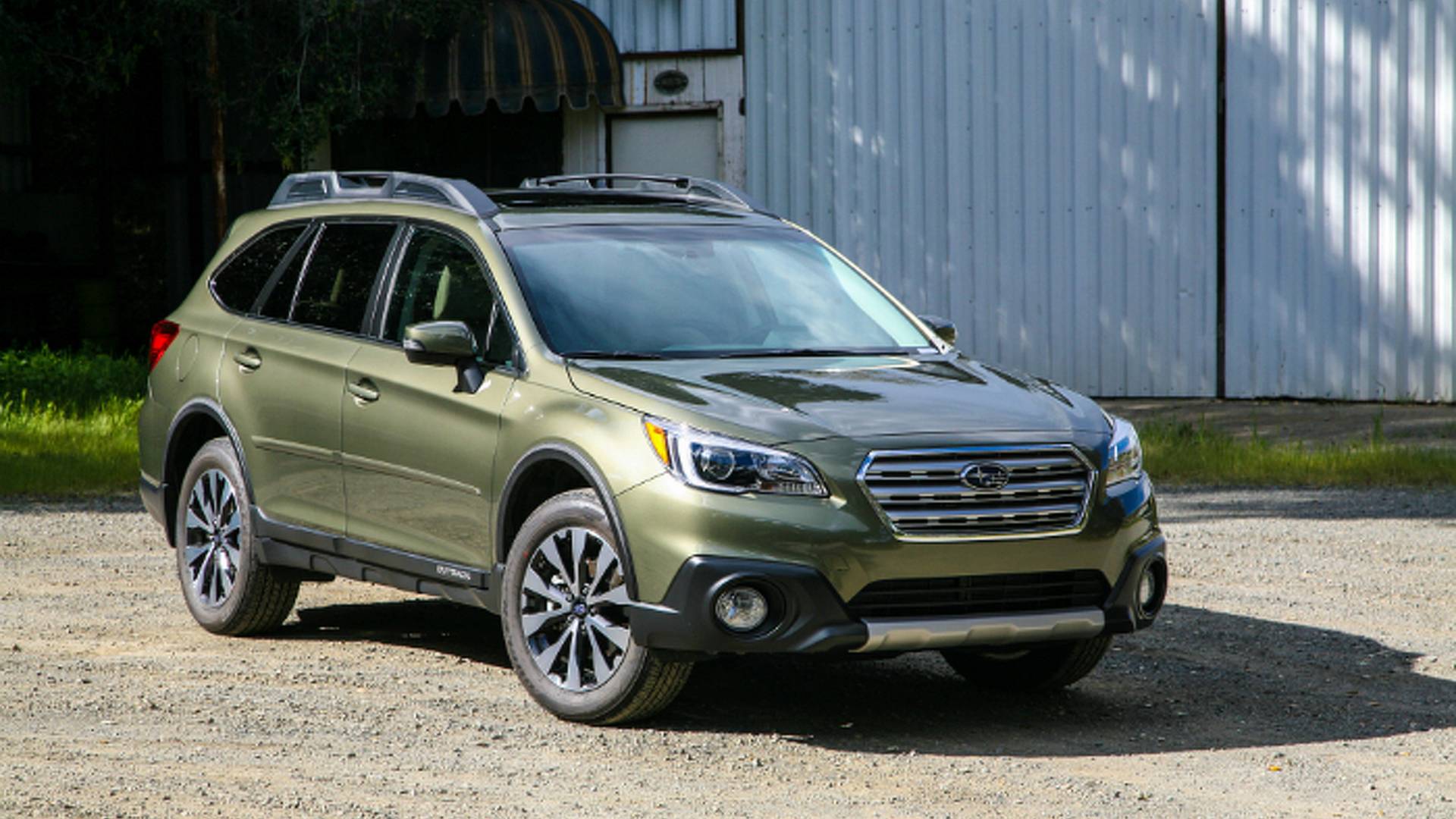
1. Subaru Outback
The Subaru Outback has long been a favorite for drivers who need a combination of versatility, durability, and comfort. One of the standout features of the Outback is its thoughtfully designed roof bars, which are not only sturdy for carrying a range of gear but are also optimized to reduce wind noise.
Unlike conventional roof bars that can create harsh whistles at higher speeds, the Outback uses a subtle aerodynamic shape that encourages air to flow smoothly over the bars. The bars are slightly tapered and rounded, which significantly minimizes the turbulence that typically forms around flat or bulky rails.
This design ensures that even when carrying items such as bikes or cargo boxes, the cabin remains relatively quiet, allowing drivers and passengers to enjoy a peaceful ride.
Subaru has paid careful attention to the roofline itself, curving it gently to enhance airflow. The integration of the roof bars with the vehicle’s shape ensures that there are minimal points where air can separate and create noise.
In practical terms, this means the Outback maintains a lower level of high-pitched whistling or buffeting compared to other crossovers with aftermarket or more angular roof bar designs.
The roof rails are also positioned in a way that allows easy mounting of accessories without interfering with the vehicle’s aerodynamic profile. The combination of shape, placement, and material choice contributes to a smoother ride even under windy conditions.
Interior noise control is another strength of the Outback. Subaru has invested in sound-deadening materials and precise panel design that complements the aerodynamic improvements of the roof bars.
When a roof box or luggage carrier is installed, the cabin does not experience the dramatic increase in wind noise that is common in other crossovers. Drivers report that conversations and audio playback remain clear, making long trips less stressful. In addition, the lower noise levels contribute indirectly to driver alertness and reduce fatigue on extended journeys.
Finally, the Outback’s stability enhances the quiet ride. Its symmetrical all-wheel-drive system provides excellent balance and handling, which reduces body vibrations that could amplify wind sounds.
The optional raised roof rails allow additional cargo capacity without sacrificing noise reduction, further emphasizing Subaru’s attention to detail.
For those who need a crossover that combines practicality with comfort and a quieter cabin environment, the Outback remains a reliable and well-engineered option. It demonstrates that utility and a serene driving experience are not mutually exclusive.
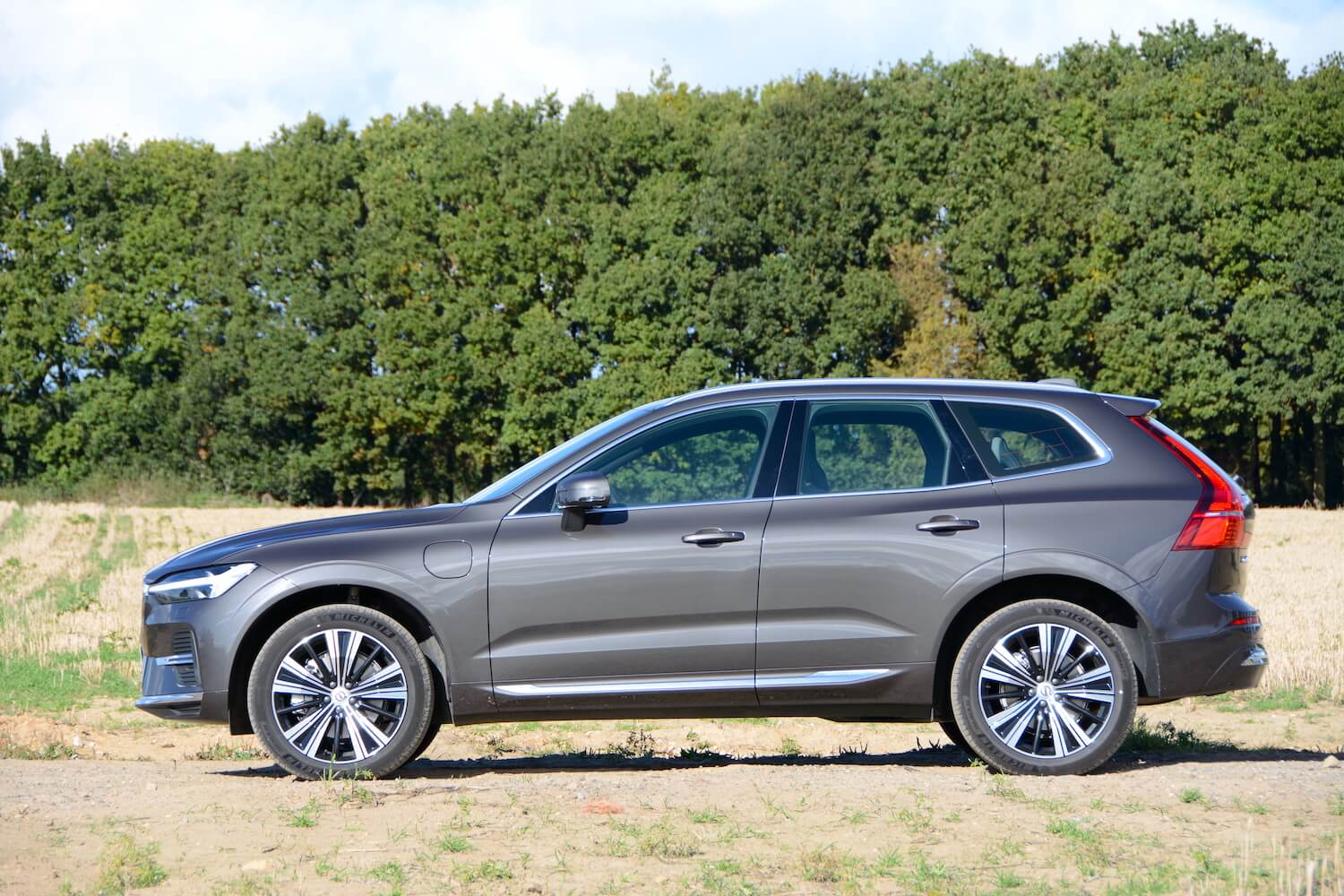
2. Volvo XC60
The Volvo XC60 is recognized for its commitment to safety, refinement, and innovative engineering, and this extends to the design of its roof bars. The roof rails are carefully crafted to sit close to the roof while maintaining a rounded, aerodynamic profile.
This shape helps channel air smoothly over the bars, reducing the creation of turbulent pockets that can lead to loud whistling at highway speeds. Unlike many competitors whose roof bars can feel like an afterthought, the XC60’s rails are fully integrated into the design, combining practicality with minimal impact on noise levels.
Volvo’s engineering team performed extensive aerodynamic testing to optimize both the shape and placement of the roof bars. The spacing, curvature, and height were carefully considered to reduce wind resistance and noise while ensuring that the rails remain functional for mounting various accessories.
The results are noticeable in everyday driving, as the XC60 maintains a quieter cabin than many vehicles in its class. The attention to detail is evident when carrying larger cargo, as the roof bars continue to manage airflow efficiently without amplifying noise.
Another factor contributing to the XC60’s quiet performance is the combination of high-quality materials and cabin insulation. Soundproofing techniques, including specialized seals and noise-damping panels, complement the aerodynamic roof bars, ensuring that passengers are insulated from both engine and wind noise.
This allows for clearer conversations and an more relaxing experience on longer trips, which is particularly valuable for families or professional commuters who prioritize comfort.
Volvo also offers optional aerodynamic fairings for roof boxes or carriers, which further improve airflow and reduce wind turbulence. These accessories are designed to work seamlessly with the existing roof bar setup, maintaining the vehicle’s low-noise characteristics.
The XC60 demonstrates how careful design and engineering can create a crossover that combines utility, safety, and a serene cabin environment, making it a strong choice for buyers seeking both practicality and comfort.
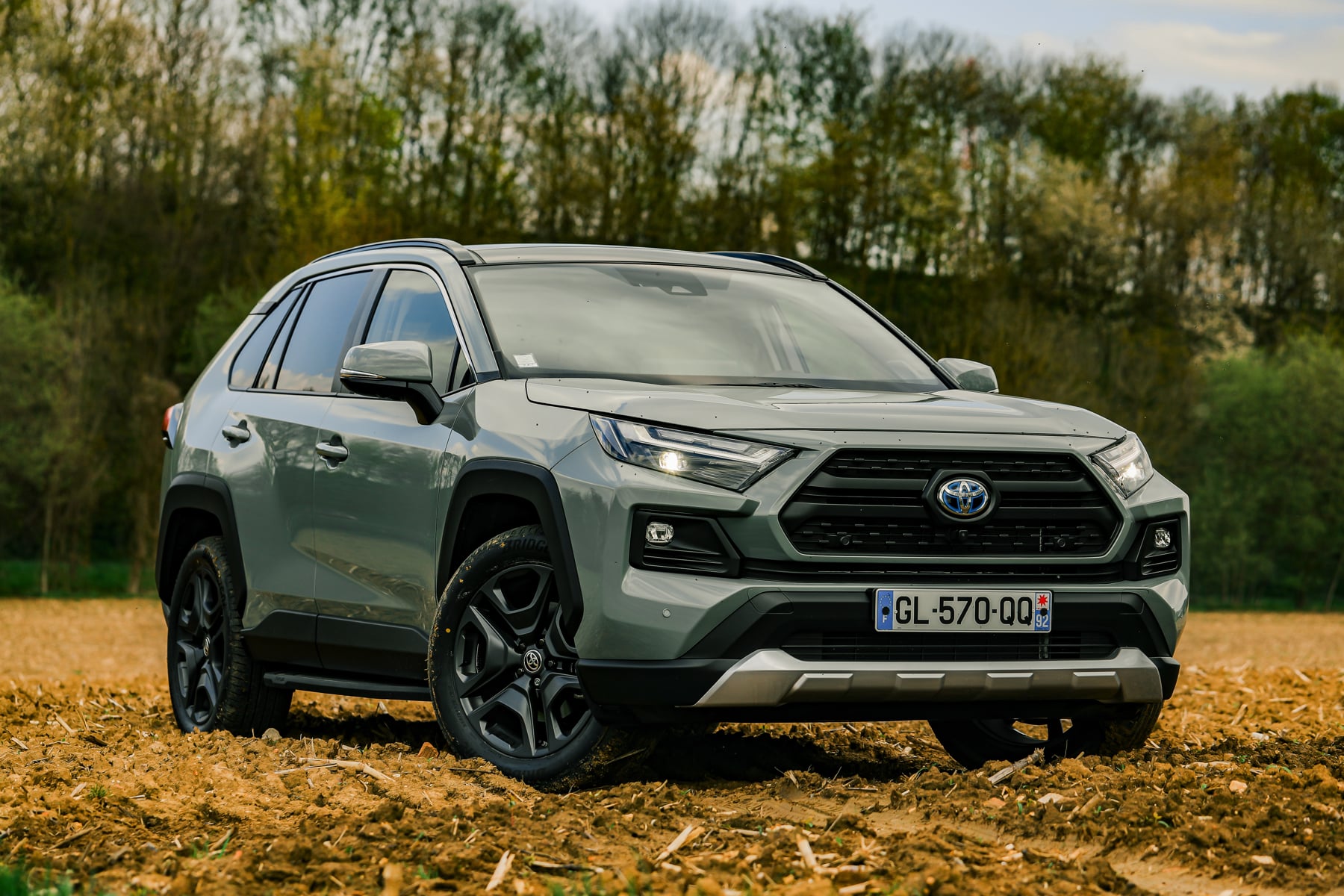
3. Toyota RAV4
The Toyota RAV4 has earned a reputation as a practical, dependable, and user-friendly crossover, and its approach to roof bars reflects this philosophy. The factory-installed rails are designed to follow the lines of the vehicle closely, with minimal gaps between the bars and the roof.
This reduces the amount of air turbulence generated when driving at highway speeds, a common source of wind noise in vehicles with bulkier or poorly positioned rails. The RAV4’s rails are slightly tapered, which allows air to glide over them instead of creating sharp pressure differences that amplify whistling sounds.
Toyota engineers have tested the RAV4 extensively under various conditions to evaluate how roof-mounted accessories affect noise and performance. This includes mounting cargo boxes, bicycles, and other equipment to ensure that the bars remain functional while minimizing sound.
The result is a crossover that can carry a significant load on the roof while maintaining a quieter cabin compared to competitors that do not invest as heavily in aerodynamic design. These efforts demonstrate Toyota’s commitment to providing a balance between utility and comfort, ensuring that drivers do not have to compromise one for the other.
Passengers benefit from this careful design as the interior remains calm even with rooftop cargo. Cabin insulation, combined with the smooth airflow over the roof bars, keeps high-frequency wind noise to a minimum.
The vehicle’s suspension and body structure also help dampen vibrations that could amplify sound, further contributing to a peaceful driving experience. For families or frequent travelers, this translates into less fatigue and a more enjoyable ride, even on long highway stretches.
In addition, Toyota provides optional aerodynamic attachments for roof boxes, which can further reduce wind turbulence. These accessories integrate with the vehicle’s shape, allowing the RAV4 to carry bulky items without significantly increasing cabin noise.
The combination of carefully designed factory roof bars, aerodynamic accessories, and engineering attention to detail makes the RAV4 a crossover that offers both utility and quietness, a balance that is increasingly important for modern drivers.
4. Honda CR-V
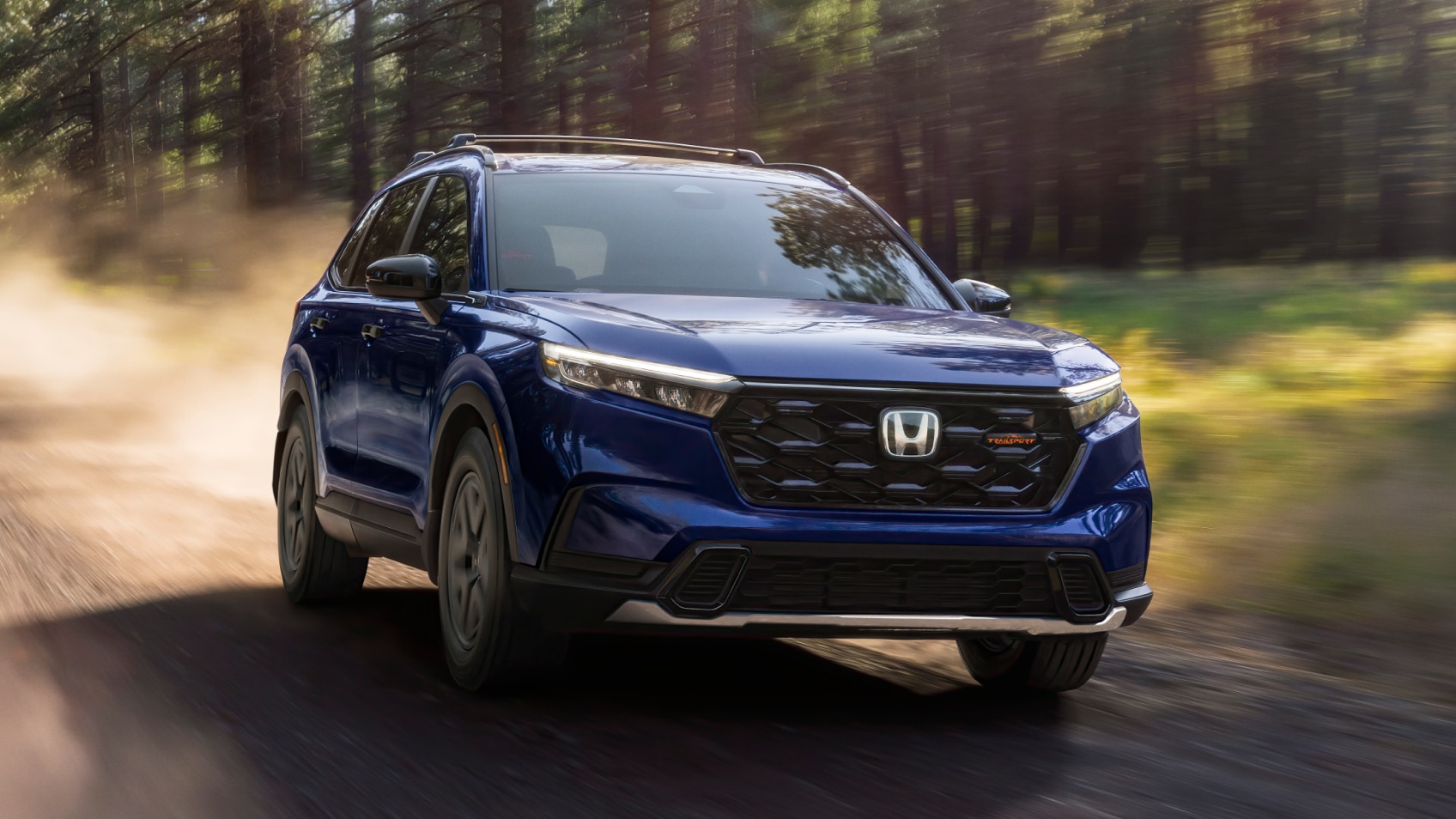
The Honda CR-V has been a popular choice among crossover buyers due to its combination of comfort, reliability, and practicality. One of the CR-V’s strong points is its roof bar system, which has been designed to reduce wind noise while maintaining utility.
The crossbars are streamlined and sit almost flush with the roofline, encouraging smooth airflow and reducing the likelihood of high-pitched whistling or turbulence when carrying roof-mounted cargo. Unlike aftermarket racks that can be noisy or poorly aligned, the CR-V’s integrated system works seamlessly with the vehicle’s aerodynamic profile.
Honda conducted rigorous wind tunnel testing during the development of the CR-V to ensure that the roof bars did not compromise cabin quietness. Engineers evaluated bar shape, placement, and height to identify the optimal configuration for noise reduction.
This results in a vehicle that remains relatively quiet even when fully loaded with bicycles, luggage boxes, or other outdoor gear. The thoughtful integration of the rails ensures that practical utility does not come at the cost of comfort, a balance that is not always found in crossover designs.
Cabin insulation further enhances the quiet experience. Sound-dampening materials in the doors, roof, and floor, combined with the aerodynamic efficiency of the roof bars, reduce both wind and road noise. Passengers can maintain conversations or enjoy audio without increasing volume, even at higher speeds.
The combination of a smooth roofline, low-profile rails, and well-engineered interior acoustics demonstrates Honda’s attention to driver and passenger comfort.
The CR-V also offers aerodynamic attachments for roof boxes or carriers, which guide airflow over the mounted equipment and further limit turbulence. These accessories work in harmony with the vehicle’s design, demonstrating that Honda prioritizes both function and comfort. Drivers looking for a quiet, practical crossover that can accommodate outdoor gear will find the CR-V to be a reliable and thoughtful option.

5. Mazda CX-5
The Mazda CX-5 is celebrated for its elegant design and refined driving experience, and this extends to its roof bar system. The factory-installed rails are slim, subtly curved, and positioned to complement the roofline, reducing turbulence and minimizing wind noise.
Mazda engineers focused on optimizing the shape of the crossbars to allow air to flow smoothly over the vehicle, even when carrying larger items on the roof. This attention to aerodynamic detail sets the CX-5 apart from competitors that rely on more conventional, boxy rails prone to whistling and vibration.
In addition to shape, the height and spacing of the rails were carefully evaluated to maintain a balance between cargo capacity and noise reduction. This allows the CX-5 to carry luggage boxes, bikes, or sports equipment with minimal disruption to the cabin environment.
The reduced turbulence also contributes to improved fuel efficiency, as smoother airflow over the roof bars decreases drag. Drivers benefit from a quieter and more efficient ride, which is especially important during long-distance travel.
Cabin comfort is further enhanced by Mazda’s focus on soundproofing. The combination of aerodynamic roof bars and interior insulation ensures that even when the roof is fully loaded, high-frequency wind noise remains subdued.
Passengers can converse comfortably or enjoy music without interference, creating a more relaxing and enjoyable driving experience. This makes the CX-5 a strong choice for drivers who value both style and practicality.
Optional aerodynamic accessories are available to further reduce noise when carrying roof boxes. These components guide airflow more efficiently over the mounted gear, demonstrating that Mazda has considered both the functional and comfort aspects of roof bar usage.
The CX-5 successfully combines utility, quietness, and refined design, offering a crossover experience that meets the needs of active and comfort-conscious drivers alike.
6. Ford Escape
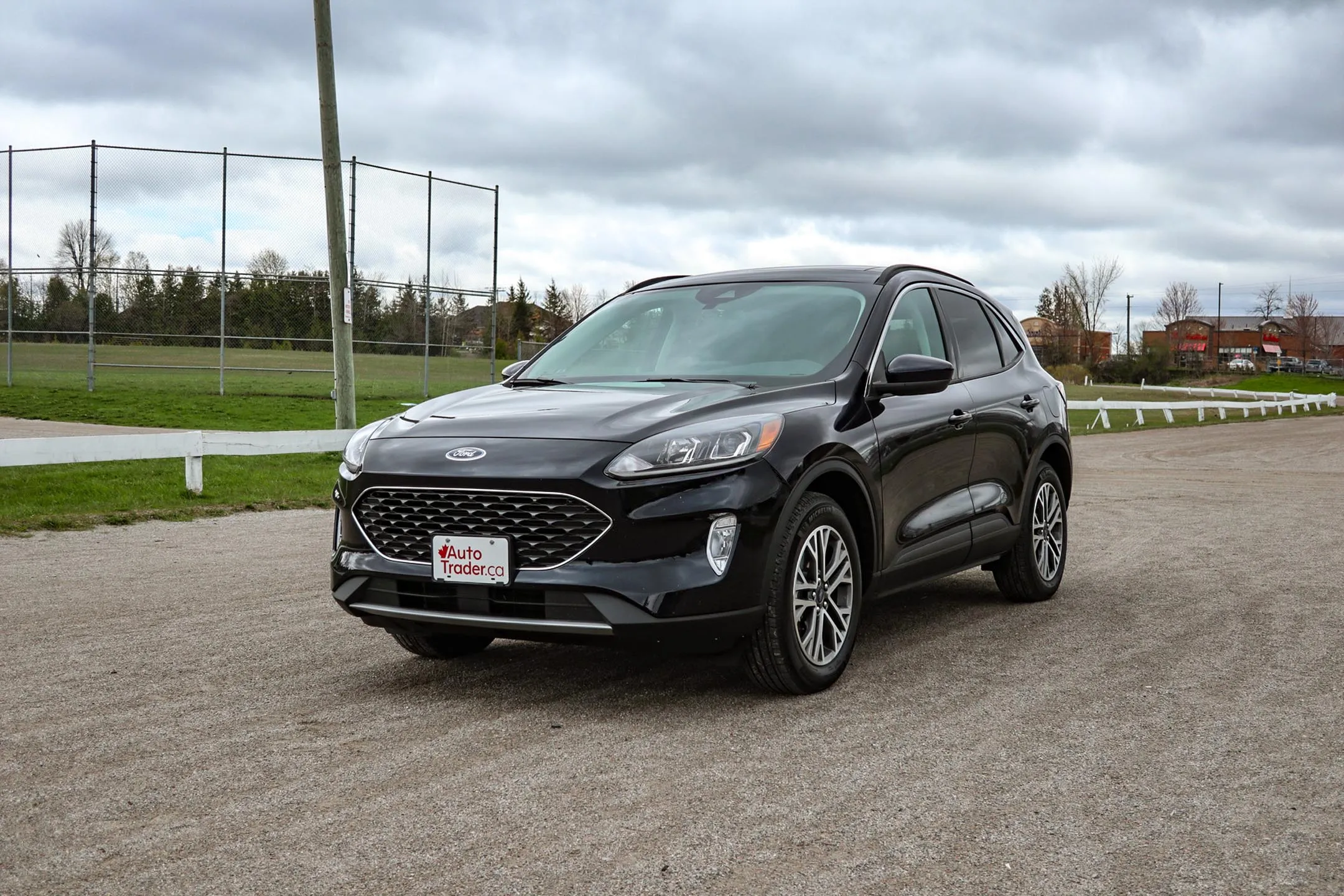
The Ford Escape combines versatility with a focus on driver comfort, and its roof bar design reflects this dual purpose. The factory-installed rails are integrated smoothly into the vehicle’s roofline, ensuring that airflow remains steady over the top even when accessories are mounted.
Unlike aftermarket racks that often disrupt aerodynamics, the Escape’s rails are designed to reduce wind resistance and minimize the characteristic whistling that can occur at highway speeds. Their rounded edges and low-profile shape create less turbulent airflow, helping to maintain a quieter cabin environment for both driver and passengers.
Ford conducted extensive wind tunnel testing to refine the roof bar placement and shape. Engineers evaluated how the vehicle performed under different load conditions, including roof boxes and bicycles, to ensure minimal noise generation.
The precise positioning of the rails, combined with subtle tapering, allows the Escape to carry cargo efficiently without compromising cabin serenity. This approach ensures that even fully loaded trips do not result in the intrusive whistling or humming that can distract drivers and passengers on long journeys.
The cabin of the Escape benefits from a combination of insulation and aerodynamic efficiency. Sound-deadening materials in the roof, doors, and floor work together with the optimized rails to keep interior noise low.
Passengers can converse comfortably, listen to music, or focus on the drive without raising their voices to compensate for wind noise. Even during high-speed travel or in windy conditions, the Escape maintains a calm interior, demonstrating that careful design can successfully balance utility with comfort.
Ford also offers optional aerodynamic attachments for roof boxes and carriers, further improving airflow and reducing turbulence. These components integrate seamlessly with the vehicle’s shape, guiding air over the mounted gear in a smooth pattern.
This reduces drag while maintaining the Escape’s quiet cabin, allowing the crossover to serve both practical and lifestyle needs effectively. The Escape demonstrates that careful engineering can create a vehicle capable of carrying substantial rooftop cargo without sacrificing driving comfort or serenity.

7. Kia Sportage
The Kia Sportage combines style, practicality, and a focus on passenger comfort, and its roof bar design exemplifies this balance. The factory-installed rails are low-profile and follow the roofline closely, minimizing airflow disruption.
Rounded edges and a slightly aerodynamic shape help reduce the turbulent pockets that typically generate wind noise at higher speeds. This careful integration ensures that the vehicle remains quiet, even when fully loaded with rooftop gear such as luggage boxes or bicycles.
Kia engineers conducted extensive testing to determine how roof bars would affect noise and performance. The height, curvature, and spacing were all optimized to ensure that airflow passes smoothly over the rails, reducing the likelihood of whistling or vibration.
The result is a crossover that is practical for outdoor adventures yet remains surprisingly quiet compared to competitors with less aerodynamic roof rails. Passengers can enjoy long journeys without feeling fatigued by excessive wind noise, making the Sportage suitable for both urban commuting and weekend trips.
The cabin is further enhanced by Kia’s soundproofing measures. Noise-dampening materials in doors, roof panels, and the floor, combined with the optimized roof bar design, reduce the intrusion of high-frequency wind sounds.
This ensures that even fully loaded journeys maintain a calm and comfortable interior environment. Additionally, the reduction in turbulence can positively impact fuel efficiency by allowing smoother airflow over the roof, which is a small but meaningful benefit for drivers.
For those requiring additional wind noise reduction, Kia provides optional aerodynamic attachments for roof boxes or carriers. These accessories guide airflow more effectively, minimizing turbulence and noise while preserving the vehicle’s aesthetic lines.
By combining carefully designed factory rails, cabin insulation, and aerodynamic accessories, the Sportage demonstrates that a crossover can be highly practical without compromising passenger comfort or quietness.

8. Nissan Rogue
The Nissan Rogue has been widely recognized for its blend of practicality, comfort, and advanced features, and its roof bar system contributes to this reputation.
The factory-installed rails are designed with airflow management in mind, sitting close to the roof and featuring rounded edges that reduce turbulence. This aerodynamic approach helps limit the high-pitched whistling and humming that can be a concern with other crossovers, particularly when carrying cargo boxes or roof-mounted gear.
Extensive testing ensured that the Rogue could maintain a quiet cabin under various load conditions. Engineers examined the interaction between the roof bars, roof boxes, and vehicle speed, fine-tuning the design to reduce turbulent air pockets.
The positioning of the rails allows drivers to carry bicycles, luggage, or sports equipment while preserving interior serenity. This careful attention to aerodynamics and noise management makes the Rogue a practical option for families and commuters alike.
Inside the cabin, the Rogue benefits from high-quality insulation materials that work in tandem with the aerodynamic roof bars. Door seals, roof panels, and floor dampers all help to mitigate road and wind noise, ensuring passengers enjoy a quiet environment even at highway speeds.
This focus on comfort allows conversations to flow naturally, audio to remain clear, and occupants to arrive at their destinations less fatigued. For drivers prioritizing a peaceful interior, this is a critical advantage.
In addition, Nissan offers aerodynamic fairings and attachments for roof boxes, which further reduce noise by smoothing airflow over mounted cargo.
These additions maintain the Rogue’s functional capabilities while enhancing cabin quietness. By combining careful roof bar design, cabin insulation, and optional aerodynamic accessories, the Rogue effectively balances practicality, performance, and comfort for everyday driving and extended trips.
9. Hyundai Tucson
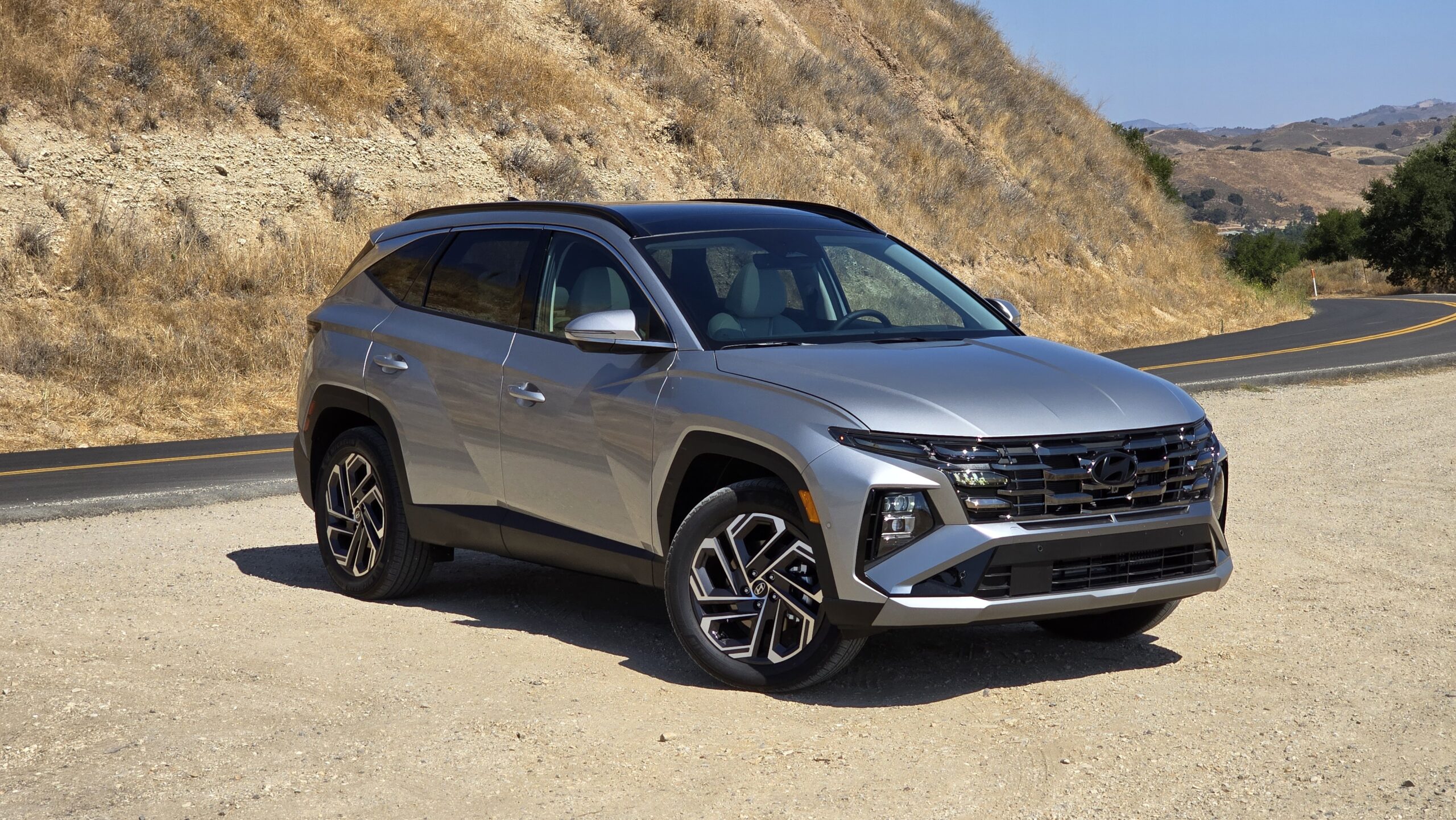
The Hyundai Tucson is a crossover that combines technology, comfort, and practicality, and its roof bar system has been engineered to support these qualities.
The factory-installed rails are low-profile and slightly curved to reduce turbulence, encouraging air to flow smoothly over the roof even when carrying cargo. This aerodynamic approach minimizes wind noise, making the Tucson quieter than many crossovers in its class during high-speed travel.
Hyundai engineers tested various roof bar configurations to identify the optimal combination of height, spacing, and shape. By focusing on these factors, they were able to minimize the whistling and vibration often associated with roof-mounted accessories
Even when loaded with roof boxes, bicycles, or other gear, the Tucson maintains a calm interior environment that allows passengers to converse or enjoy music without interference.
The cabin itself is designed for quietness, with soundproofing integrated into key areas such as the roof, doors, and flooring.
Combined with the aerodynamic roof bars, these features reduce the intrusion of high-frequency wind noise and road vibrations. This ensures a more comfortable and relaxing experience for all occupants, making the Tucson suitable for both city driving and long road trips.
For drivers who carry larger items, Hyundai also provides aerodynamic attachments for roof boxes or carriers. These accessories guide airflow more efficiently, further reducing turbulence and wind noise while preserving the vehicle’s aesthetic appeal. The Tucson demonstrates that thoughtful engineering and practical design can coexist, offering both utility and a serene driving experience.
10. Volkswagen Tiguan
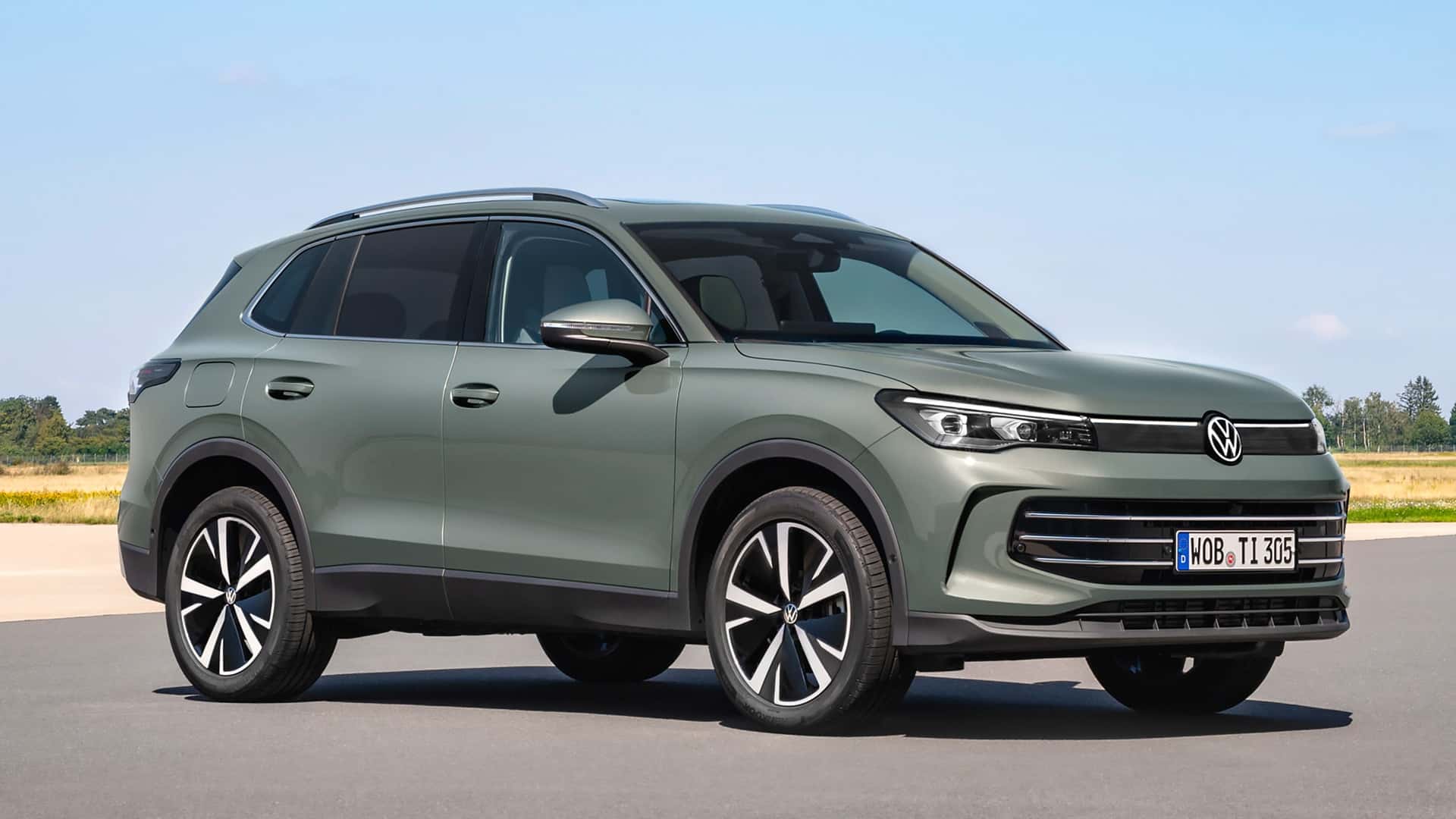
The Volkswagen Tiguan is a versatile and well-designed crossover that places a strong emphasis on driving comfort, and its roof bar system reflects this priority.
The factory-installed rails are sleek, positioned close to the roofline, and feature a rounded profile that encourages smooth airflow. This aerodynamic design minimizes turbulence and reduces high-pitched whistling, making the Tiguan a quieter option than many competitors, even with rooftop cargo mounted.
VW engineers invested in wind tunnel testing to refine the roof bar integration, ensuring minimal disruption to the vehicle’s aerodynamics. The placement and shape of the rails help maintain cabin quietness while still allowing drivers to carry a wide variety of accessories. By reducing turbulent air pockets and optimizing airflow, the Tiguan strikes a balance between practicality and comfort.
The cabin benefits from soundproofing materials in doors, floors, and roof panels, which work together with the aerodynamic rails to reduce wind and road noise. This creates a quieter environment where passengers can converse comfortably, enjoy music, or focus on the journey without distraction.
The combination of well-engineered roof bars and a thoughtfully insulated interior makes the Tiguan ideal for long-distance travel and daily commuting alike.
Volkswagen also offers aerodynamic accessories for roof boxes and carriers, further enhancing airflow and reducing turbulence. These optional components integrate seamlessly with the vehicle’s design, providing a quieter and more efficient ride.
The Tiguan demonstrates that careful engineering and attention to detail can produce a crossover that balances cargo utility, aesthetics, and interior comfort without compromise.
