
A fresh-smelling cabin is something drivers often appreciate without thinking much about it, yet it plays a major part in how comfortable a vehicle feels after years of ownership. Many people notice that some cars start out pleasant but lose that quality once daily use, weather changes, and various materials begin to interact with humidity, temperature swings, food odors, or general wear.
A neutral cabin scent is not only a matter of comfort but also a reflection of how well a car’s interior materials resist lingering traces of moisture, dust, fabric fatigue, or residue that may arrive after long commutes, family trips, or repeated grocery runs.
Some vehicles achieve this stability because their seats, carpets, and plastic surfaces do not trap odors easily. Others maintain it because their ventilation layouts keep air circulation steady.
A neutral smell is not necessarily a fancy fragrance. Instead, it is the quiet absence of anything distracting or unpleasant. This sense of quiet clarity often enhances the driving experience because it gives the cabin a clean, balanced atmosphere no matter how often the vehicle is used.
Cars that keep their interior scent steady over time tend to rely on dependable materials that do not interact strongly with temperature or moisture, so they do not produce chemical scents or create a space where odors settle.
When people notice that a vehicle still smells clean after thousands of miles, it usually means the car has a strong combination of upholstery quality, interior coatings, controlled air movement, and subtle material design choices. While brand new car scent often fades quickly, what matters most is how the interior feels after months or years.
The following vehicles are examples of models known to maintain a neutral cabin atmosphere without requiring special sprays, perfumes, or constant cleaning. Each one offers its own strengths through clever placement of vents, supportive upholstery, smart material selection, and interiors designed to resist the subtle buildup of daily life.
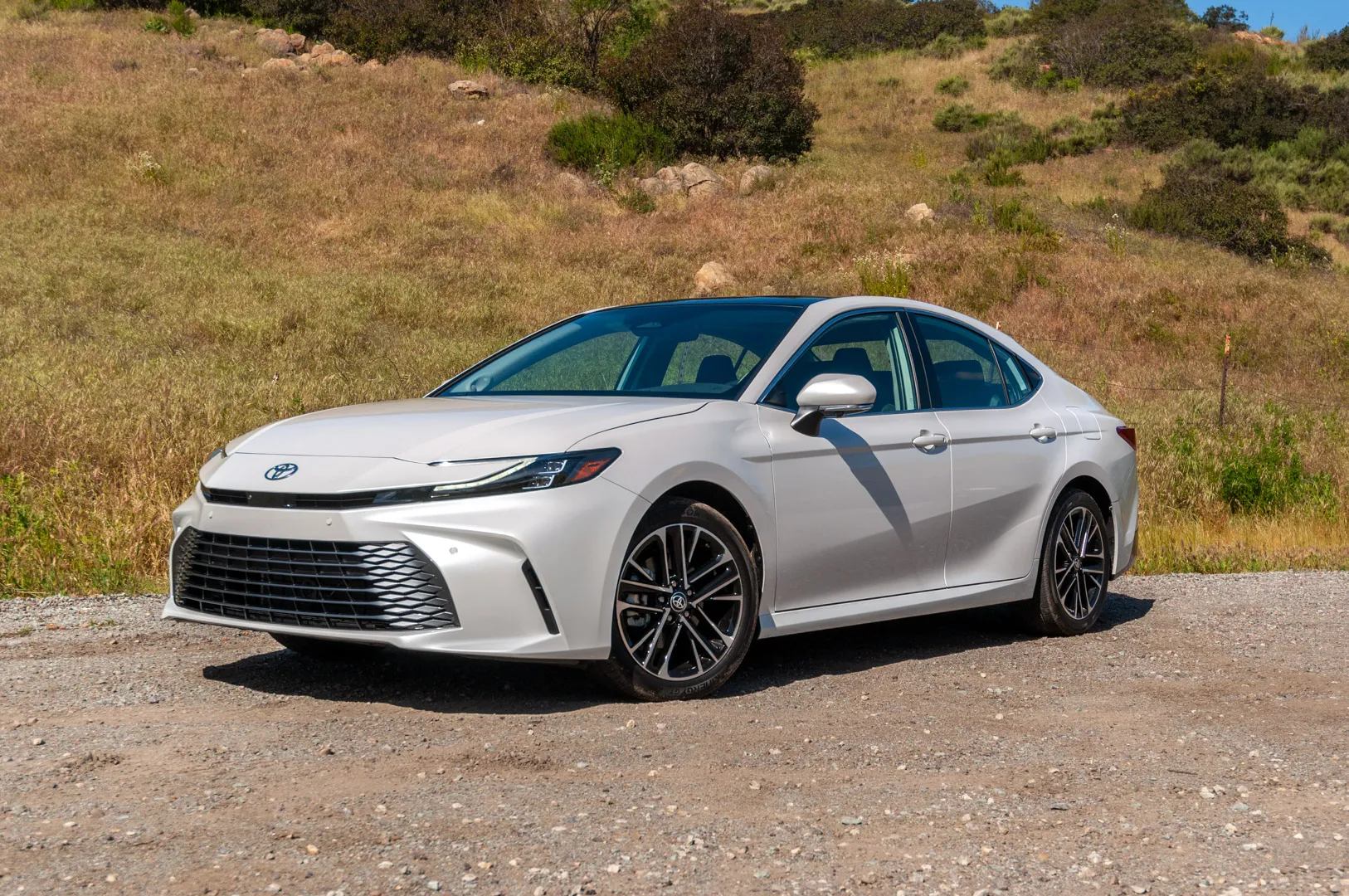
1. Toyota Camry
The Toyota Camry has been appreciated for its steady interior quality for years, and one of the qualities drivers often notice is how consistently neutral the cabin smells long after the new car scent fades. Its interior fabrics hold up well under regular use, resisting signs of dampness or trapped moisture that can linger inside some vehicles.
Because these fabrics remain firm and stable, they block the slow accumulation of odor causing particles that often gather inside vehicles with softer or more porous materials. This gives the Camry an edge for people who frequently drive in humid climates or park outdoors where materials face constant airflow changes.
Even in daily commuting situations where drivers repeatedly carry food, coffee, gym bags, or work equipment, the Camry avoids picking up lingering scents that build gradually. The sensation of stepping into a calm interior, free from distractions, becomes a lasting part of the driving experience.
The Camry’s ventilation system also plays a large part in keeping the cabin scent neutral. Good circulation helps eliminate stale pockets of air that typically settle around floor mats and deeper corners. Because the airflow reaches all rows in a consistent pattern, the cabin avoids becoming uneven in scent.
Rear seats often suffer first in vehicles with weaker airflow, but the Camry manages to keep those areas just as balanced as the front. This structure helps limit the presence of scents left from passengers, clothing, shoes, or food containers that may have sat near the back seats. Drivers often appreciate how the airflow continues to feel balanced even with several people inside, preventing quick buildup of warmth and humidity that can accelerate odor formation.
Toyota’s choice of plastics and surface materials also supports a long term neutral cabin scent. Some vehicles begin to release faint chemical like smells over time when dashboards and panels are exposed to repeated sunlight. The Camry avoids this issue by relying on materials that remain stable even after years of exposure.
This helps maintain a consistent atmosphere that does not shift noticeably between seasons. Even on warm afternoons, when sunlight heats the interior, the scent remains steady rather than becoming sharp or artificial. Drivers who park outdoors for work or errands experience this benefit regularly without even realizing how much work the materials are doing.
Finally, the interior design of the Camry avoids unnecessary nooks and deep seams that capture crumbs, dust, or fabric fibers. Surfaces stay smooth and easy to clean, preventing micro particles from accumulating over time.
Since most lingering odors in vehicles begin with small debris that settles in hidden areas, this layout plays a major role in keeping the cabin scent neutral. A design that encourages quick cleaning also encourages long term freshness, allowing the interior to maintain a calm character even after thousands of miles.
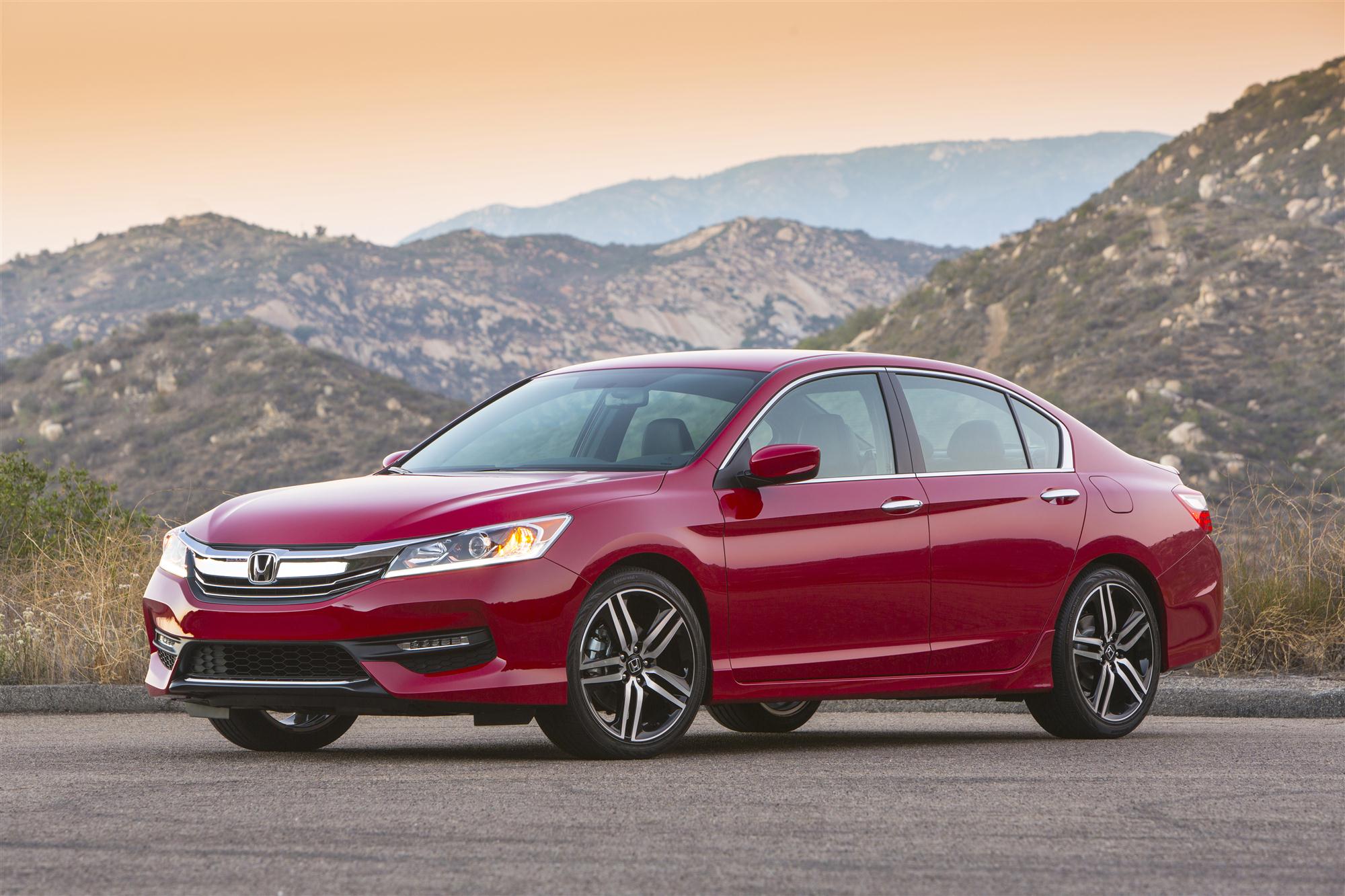
2. Honda Accord
The Honda Accord has earned a strong reputation for comfort, and part of that comfort comes from how steady the cabin scent remains through years of daily driving. The seating materials hold their shape well and resist the type of moisture absorption that can cause musty smells to settle into fabrics.
This is helpful for people who live in regions with changing seasons where rain, snow, or humidity frequently enter through clothing and footwear. Because the materials dry quickly and do not trap odors easily, the Accord maintains a cleaner atmosphere without requiring drivers to constantly air out the cabin.
Even those who commute long distances each day notice how the interior retains a consistent character rather than developing the warm, enclosed smell many older vehicles acquire.
The airflow in the Accord is structured to avoid stagnant zones, which naturally reduces odor buildup. Air reaches the back seats with strength and consistency, preventing the areas behind the front seats from becoming warm pockets where moisture lingers.
When airflow remains steady, the cabin experiences fewer sharp transitions in scent and temperature. This is particularly important during summer months when humidity can gather inside rear footwells. The Accord’s steady circulation helps remove the trapped air before it has time to settle into fabrics or carpets. This balanced airflow also makes the interior feel comfortable for passengers, which indirectly supports long term scent stability because less trapped humidity means fewer opportunities for odor development.
Interior surfaces in the Accord are built with durability in mind, meaning they do not hold onto oils or scents from frequent contact. When surfaces stay firm rather than softening with age, they resist absorbing small particles from sweat, food, skin oils, or residue from bags and objects placed on seats.
This helps prevent the kind of embedded odors that form slowly over the years in vehicles with softer materials. The Accord’s surfaces maintain their texture through seasonal temperature changes, avoiding the kind of material fatigue that often leads to scent retention.
The Accord’s interior also benefits from materials that do not shift noticeably in scent when exposed to extended sunlight. Some vehicles begin to create a faint but noticeable aroma when the dashboard heats up, especially after years of exposure.
The Accord maintains stability in this area, keeping its scent profile quiet and controlled. No matter how long the car sits in a parking lot, the interior atmosphere feels predictable when the driver returns. This consistency is one of the reasons the Accord remains comfortable even after many years of use.

3. Subaru Outback
The Subaru Outback is chosen by many drivers who lead active lifestyles, and its interior reflects a practical approach that keeps the cabin scent balanced even with frequent exposure to outdoor conditions. Whether drivers return from hiking, paddling, skiing, or other activities that involve moisture and dirt, the Outback’s materials resist absorbing lingering scents.
The fabrics maintain their shape even after repeated contact with damp jackets, boots, or equipment. This provides a natural defense against the odor issues that often develop in vehicles frequently used for outdoor adventures, especially when moisture gets trapped in seat cushions or carpeting.
A major advantage of the Outback lies in the structure of its cabin fabrics. Subaru uses materials that minimize the ability of tiny particles to settle deeply into fibers. Dust, dried mud, small debris, and pet hair all play a major role in long term scent formation inside vehicles, and the Outback’s fabric choices help prevent these particles from embedding.
This structure allows drivers to clean the interior easily after each trip. When debris cannot hide within the fibers, the cabin stays fresh far longer. Families that travel with pets notice this benefit most clearly because the interior avoids absorbing lasting pet odors.
The ventilation layout in the Outback was designed with full cabin movement in mind. Air flows effectively to the rear seats, the cargo area, and the spaces beneath the seating where stale air commonly gathers in many vehicles. By encouraging constant movement, the system clears humidity more quickly after wet or snowy activities.
This prevents long term odor development, since humidity trapped in footwells is one of the biggest contributors to lingering scents in older vehicles. The more balanced the air movement, the less likely the cabin is to develop imbalances in temperature or moisture.
The cargo area of the Outback further supports a neutral cabin scent because it is reinforced with resilient materials that resist odor retention. Outdoor gear, pets, groceries, and sports equipment often leave faint scents in cargo areas, which then travel forward into the cabin.
Subaru reduces this issue by giving the cargo surfaces strong odor resistance. These surfaces do not provide a place for scents to settle, so even after repeated outdoor trips, the interior stays balanced. This durability plays a major role in the Outback’s long standing reputation for a clean and stable cabin.

4. Mazda CX5
The Mazda CX5 stands out for its comfortable interior feel, and part of that comfort comes from how well its materials resist long term odor buildup. The seating fabrics and leather options maintain a firm structure and resist the type of moisture absorption that leads to lingering scents.
This stability is especially helpful in warm climates where humidity accelerates material softening. By preventing excess moisture retention, the CX5 avoids the gradual shifts in scent that some vehicles experience when their interiors begin to absorb sweat, humidity, and frequent contact from passengers or pets.
Mazda pays close attention to the padding beneath the seats, which plays a surprising role in long term scent stability. Softer foams often act like sponges for moisture and oils, leading to slow but noticeable scent changes over time.
The CX5 uses structured padding that holds its shape and resists deep absorption, which keeps the cabin from developing the warm, heavy aroma that can appear in many aging vehicles. This kind of padding also improves comfort, which encourages passengers to maintain a balanced seating posture that reduces repeated sinking pressure on certain materials, indirectly aiding scent stability.
Mazda materials also stay stable in sunlight without releasing noticeable chemical smells. Many vehicles experience scent changes after sitting in warm parking lots, particularly during summer. The CX5 avoids this problem through coatings and plastics that resist heat related scent shifts.
Even after long exposure to heat, the cabin retains a calm and neutral presence. Drivers who spend many hours commuting or parking outdoors appreciate this subtle but important quality that helps the CX5 feel comfortable even in demanding conditions.
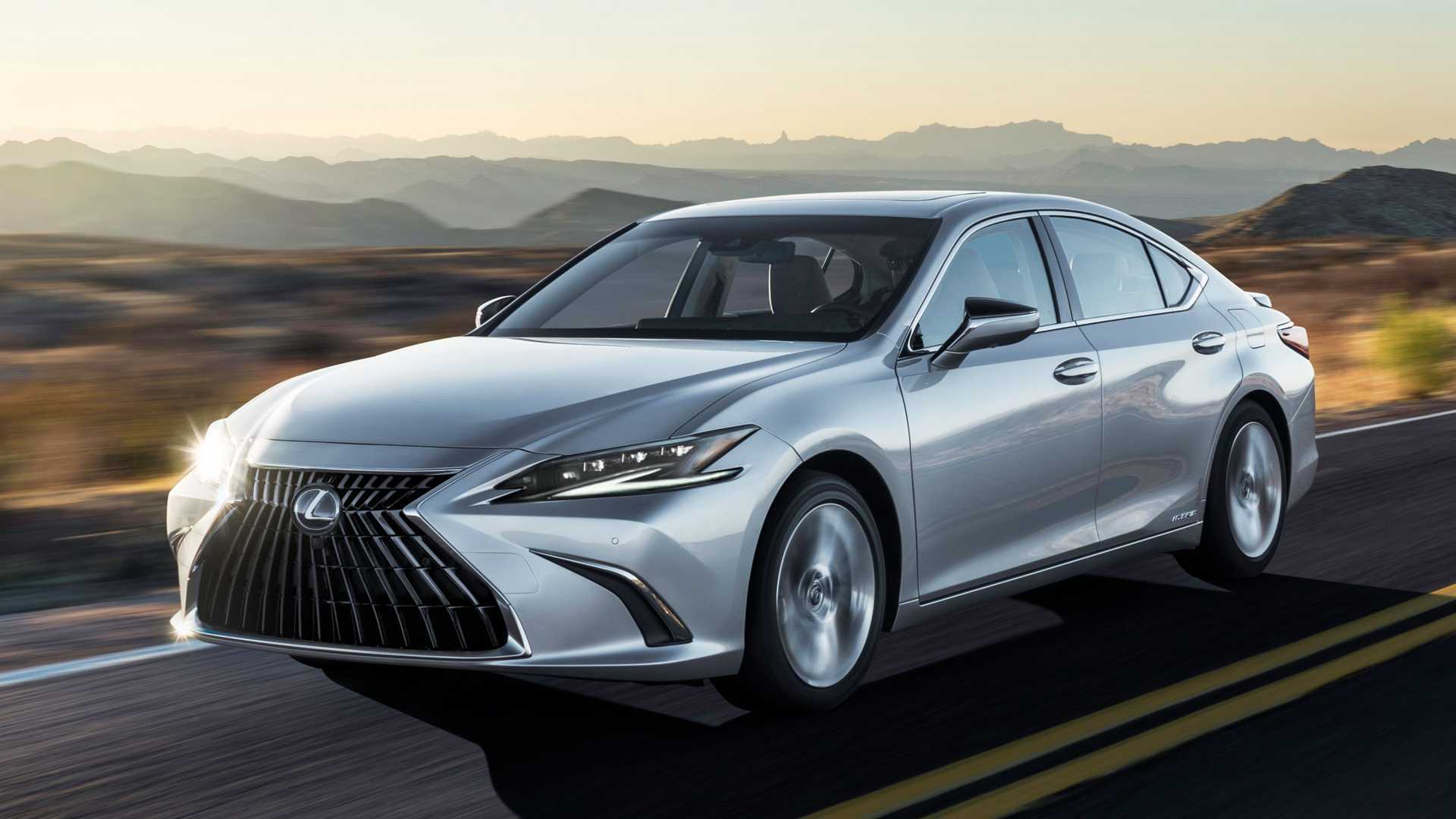
5. Lexus ES
The Lexus ES offers a refined interior environment where every material is selected for long lasting stability, including scent stability. The higher grade upholstery resists chemical breakdown, which prevents the interior from developing sharp or artificial odors as the years pass.
Luxury vehicles sometimes struggle with maintaining a neutral scent because soft materials can trap oils and fragrances, but the ES avoids this with surfaces that remain balanced and consistent. Even after extensive driving or long trips, the cabin greets the driver with a steady, quiet scent profile that never feels overwhelming or artificial.
The ventilation system inside the ES contributes greatly to its long term freshness. Airflow is calibrated to pass through all seating areas in a smooth and even pattern, preventing clusters of stagnant air that often form near footwells or lower seat areas.
This consistent circulation limits the buildup of humidity and trapped warmth, both of which can accelerate the absorption of odors. Passengers in the rear seats benefit from airflow that feels just as steady as the airflow in the front, supporting a clean environment throughout the cabin.
Lexus leather receives treatments designed to resist absorbing scents from food, clothing, or weather. Many luxury vehicles boast soft leather that unfortunately absorbs odors over time. The ES avoids this by balancing softness with resilience. Instead of holding onto scents, the leather retains its character for years.
This keeps the interior from developing the heavy scent often associated with aging luxury cars. Whether the vehicle is used for business commutes, family trips, or long journeys, the cabin remains comfortable and balanced.
The foam used beneath the ES seats is structured to prevent excessive moisture retention. Over time, soft foams can gather moisture and trap it, eventually producing subtle but noticeable odors.
The ES avoids this by using firmer materials that resist compression and do not absorb humidity easily. Even after the vehicle has been used regularly for many years, the cabin maintains the same clarity and freshness that it had early in its life.
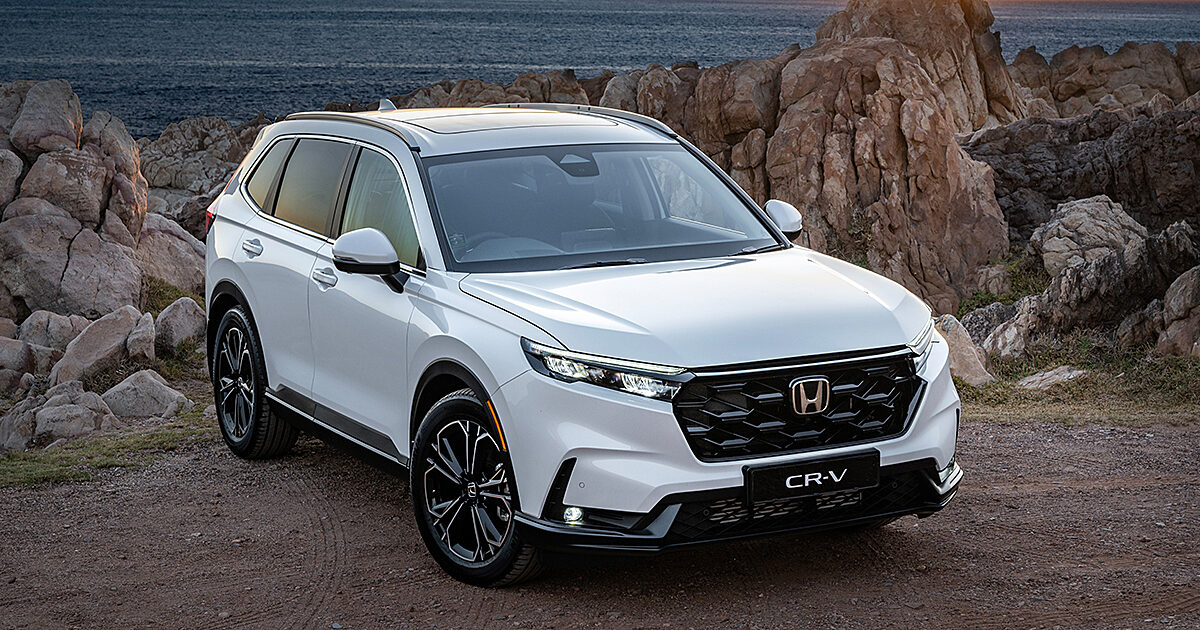
6. Honda CRV
The Honda CRV is widely praised for its practicality, and a key part of that practicality comes from its ability to maintain a neutral cabin scent even under heavy daily use. The seating materials are carefully chosen to resist absorbing moisture, which helps prevent musty odors from forming during rainy or humid seasons.
This stability is particularly valuable for families who often carry wet clothing, shoes, or sports gear. Because the upholstery remains firm and does not trap moisture, drivers can experience a fresh atmosphere throughout the year without relying on air fresheners or repeated cleaning. Daily commuters often notice that the interior continues to smell neutral even after years of driving, demonstrating the effectiveness of Honda’s material choices.
Airflow in the CRV is carefully managed to avoid stagnant pockets of air where odors can develop. Vents are strategically positioned to ensure that circulation reaches both the front and rear seats evenly. This constant movement of air discourages lingering smells from food, damp clothing, or perspiration.
Many owners report that even on hot or humid days, the CRV’s interior does not acquire the faint warm scent that often develops in vehicles with weaker airflow patterns. The consistent air movement ensures a neutral and pleasant atmosphere that enhances passenger comfort and helps maintain long term freshness.
The CRV also benefits from interior layout choices that minimize hidden crevices. With fewer places for debris to collect, cleaning becomes straightforward, and surfaces remain less likely to absorb lingering odors.
This simplicity contributes to the CRV’s reputation for a cabin that maintains its neutrality over time. Whether the vehicle is used for long trips, daily commutes, or family errands, drivers find the environment predictable, fresh, and easy to maintain without constant intervention.

7. Kia Sorento
The Kia Sorento’s interior quality has improved considerably over recent years, and a key part of this improvement is the cabin’s ability to remain neutral smelling over time. The upholstery is constructed to resist the effects of heat and moisture, preventing chemical or musty odors from forming.
Drivers and passengers notice that even after long summer drives, when the cabin is exposed to direct sunlight, the scent remains balanced and unobtrusive. Materials are chosen to age gracefully, which is particularly important for a family SUV where multiple passengers, pets, or food items frequently occupy the space.
The Sorento’s upholstery and interior surfaces are resistant to moisture absorption, which helps preserve scent neutrality. Many families carry wet jackets, muddy shoes, or groceries that could leave residual odors in a less resilient vehicle.
The Sorento’s materials minimize these risks by preventing the substances from penetrating deep into the fabric or padding. As a result, even after extended use and repeated exposure to potential odor sources, the interior retains its balanced and calm presence, making it a reliable choice for people who value a low maintenance and pleasant cabin environment.
Finally, the layout of the Sorento interior supports cleanliness and odor resistance. The materials are smooth and easy to wipe down, and storage compartments avoid excessively deep pockets that could trap debris.
This simplicity reduces the buildup of particles that contribute to long term scents, keeping the cabin neutral without frequent treatments. Drivers find that maintaining the Sorento’s interior cleanliness is straightforward, which contributes directly to the lasting freshness and stability of the cabin atmosphere.

8. Toyota RAV4
The Toyota RAV4 is renowned for its durability, and this characteristic also extends to its ability to maintain a neutral cabin scent over time. The seating fabrics retain their shape and resist absorbing moisture from rain, snow, or spilled liquids. Synthetic leather options also provide stability, ensuring that chemical or artificial odors do not develop over the years.
The result is a consistently pleasant interior environment where drivers and passengers feel comfortable even after heavy use. This reliability is important for families or individuals who spend extended periods commuting, transporting cargo, or enjoying outdoor activities.
The RAV4’s interior surfaces, including plastics and trim, are designed to withstand sun exposure without producing chemical smells. Many vehicles begin to release odors when their panels are heated repeatedly, but the RAV4 maintains its neutral profile even in harsh conditions.
This contributes to the perception of cleanliness and freshness without relying on artificial sprays or frequent cleaning routines. The cabin remains predictable and stable, which is a hallmark of Toyota’s approach to interior design.
Additionally, the cargo area of the RAV4 is crafted to resist absorbing scents from groceries, pets, or outdoor gear. Many drivers use this space heavily, and the materials’ ability to repel lingering odors ensures the scent neutrality of the entire cabin.
This durability in both seating and storage areas gives the RAV4 a long term advantage for those who want an interior that remains clean and pleasant, even after years of active use and heavy traffic.

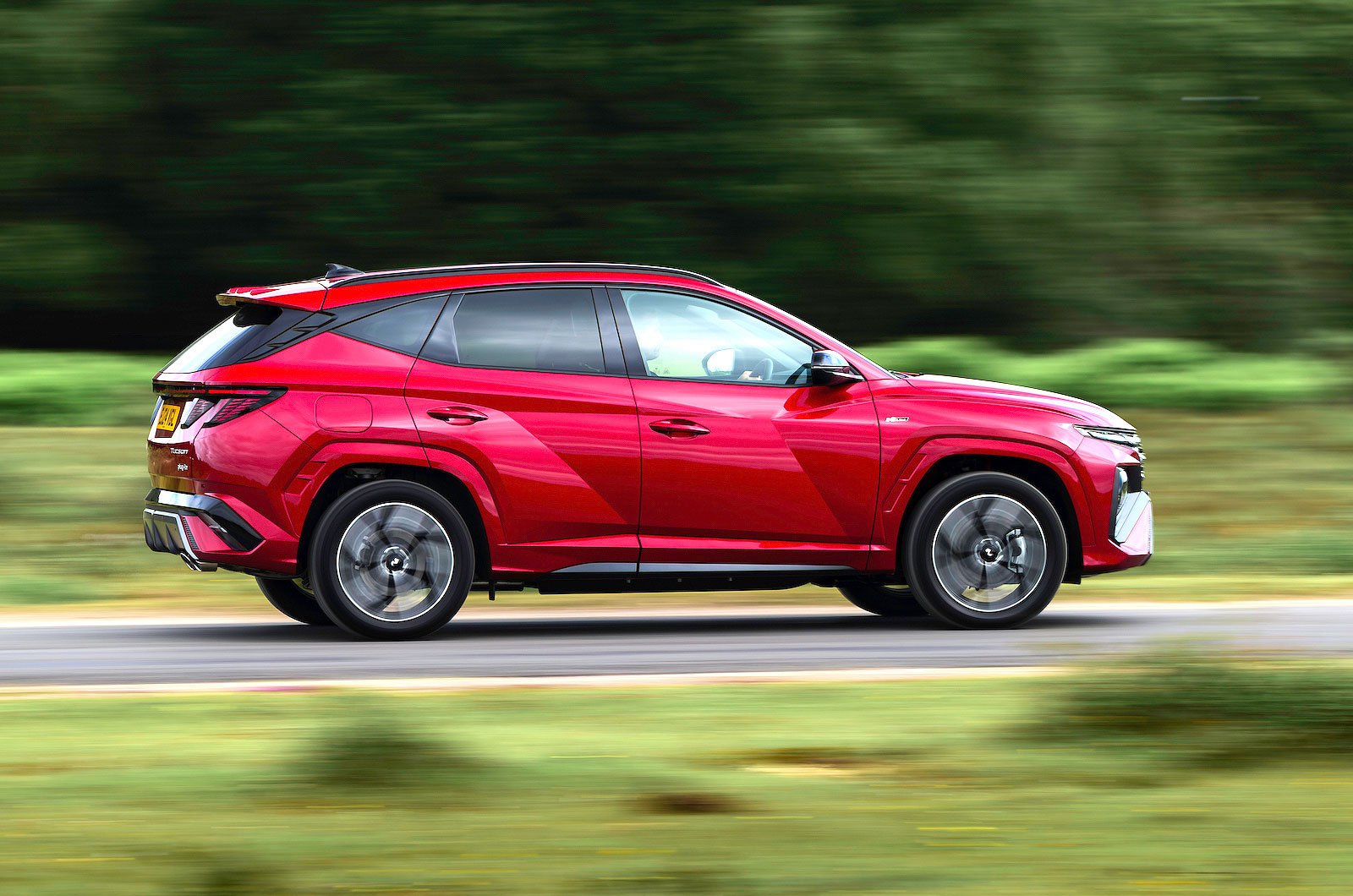
9. Hyundai Tucson
The Hyundai Tucson offers a cabin that is both comfortable and resilient in terms of scent neutrality. Seating materials are designed to resist moisture absorption, preventing odors from developing even after rainy days or exposure to perspiration.
This stability allows the cabin to remain fresh during daily commutes and extended trips alike. Families, commuters, and individuals who carry wet gear or groceries regularly find that the Tucson’s interior maintains a balanced and calm presence, providing a sense of predictability that enhances the driving experience over time.
The choice of materials throughout the Tucson’s interior also plays a significant role in preserving a neutral scent. Surfaces are smooth and non-porous, which reduces the accumulation of dust, oils, and other particles that can gradually cause odors to appear.
Upholstery is resilient, allowing it to maintain its shape even after long periods of use, reducing the risk of subtle scent changes associated with compression or moisture retention. The interior feels stable, consistent, and easy to maintain, making the Tucson an attractive option for drivers seeking low maintenance cabin freshness.
Finally, Hyundai ensures that the Tucson’s plastics and trim are resistant to heat and sun exposure, preventing the development of strong chemical odors. This stability is important for drivers who park outdoors or travel through areas with extreme temperatures.
Combined with the interior’s moisture-resistant seating and well-distributed airflow, these design choices help the Tucson maintain a neutral and pleasant scent for years, providing a dependable interior environment that remains inviting and consistent for passengers.
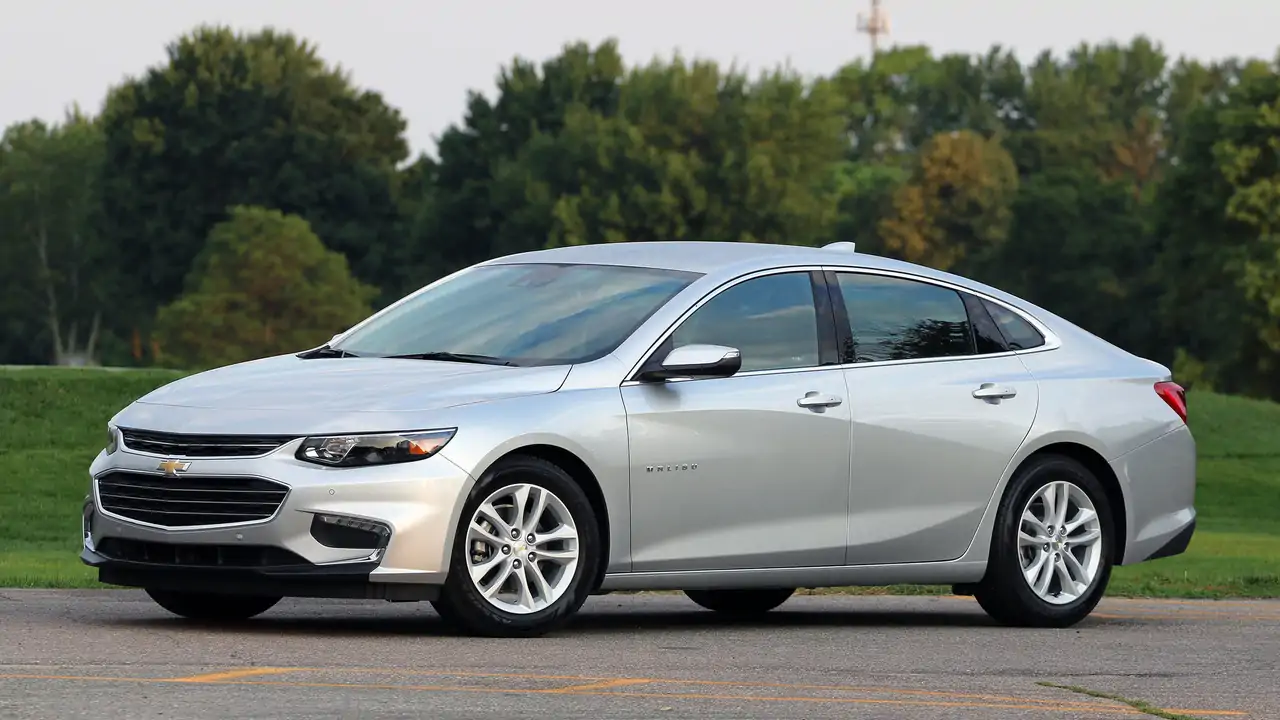
10. Chevrolet Malibu
The Chevrolet Malibu offers a balanced interior where the selection of materials contributes directly to long term scent neutrality. Seating fabrics and foam are designed to resist absorbing moisture from passengers, clothing, or spills, preventing the slow accumulation of musty or artificial odors that often develop in older vehicles.
Drivers frequently report that the Malibu’s interior feels calm and fresh even after years of daily commuting, grocery runs, or transporting pets, demonstrating the effectiveness of the material choices in preserving cabin comfort.
Interior surfaces in the Malibu, including plastics and trim, remain stable over time and resist producing chemical smells when exposed to heat or sunlight. Some vehicles begin to emit a faint artificial odor after repeated exposure to high temperatures, but the Malibu maintains a calm profile.
This contributes to the perception of cleanliness and comfort without requiring constant use of air fresheners or specialized cleaning techniques, allowing drivers to enjoy a consistent interior experience over many years.
Finally, the cabin design of the Malibu emphasizes simplicity and ease of maintenance. Surfaces are smooth, storage compartments avoid deep crevices, and materials resist holding onto dust or debris that could contribute to lingering scents.
This design approach makes cleaning efficient and reduces the likelihood of odor accumulation, ensuring that the cabin continues to smell neutral and inviting even after heavy use. Drivers and passengers benefit from an interior that consistently feels fresh and well maintained.
