
When car buyers are limited by budget, affordability often becomes the main priority. Yet, among budget cars there is a surprising variety: some manage to appear strikingly upscale despite modest price tags, while others visibly broadcast their no-frills credentials from the outside.
A car’s external styling, proportions, details like lighting and alloys, and even interior finishing can influence whether it looks like a “value-for-money premium ride,” or more like a “barebones commuter taxi.” This contrast becomes particularly pronounced in markets where compact cars, hatchbacks, and sub-compact SUVs dominate.
For people who want a blend of economy and style, or at least the impression of style, even a low-cost car can deliver a sense of understated or aspirational elegance. On the other hand, buyers purely focused on cost and practicality may not mind or even prefer a simpler appearance that reflects no-nonsense functionality.
Within the budget segment, design differences can be surprisingly significant. Some models achieve a sense of refinement and sophistication through proportions, styling details, and finishing touches, giving the impression of a more expensive vehicle.
Others prioritize function over form, with minimalist exteriors that clearly signal practicality above all else. The way a car looks can affect perceptions of quality, modernity, and even status, influencing both owner satisfaction and social impressions. Budget cars can therefore fall into two broad categories based on appearance: those that look luxurious or aspirational despite their low price, and those that look plain, utilitarian, or strictly functional.
Understanding these distinctions can help buyers choose a vehicle that aligns with both their financial constraints and their aesthetic preferences, showing that style and economy are not always mutually exclusive.
5 Budget Cars That Look Luxurious
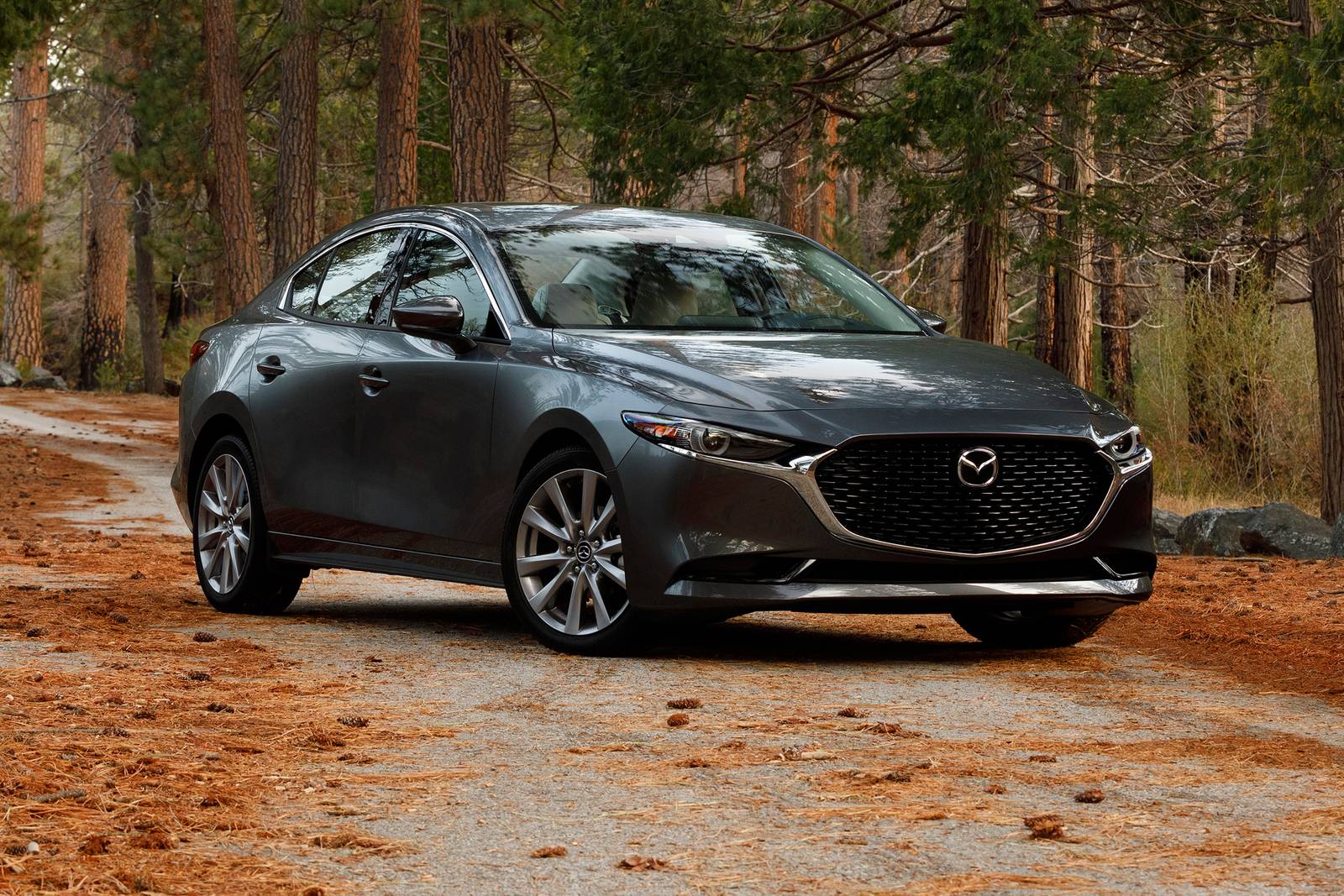
1. Mazda 3
The Mazda 3 has long been celebrated for its elegant design that communicates a sense of sophistication often associated with higher-end vehicles. The exterior exhibits flowing lines that guide the eye across the car’s profile, giving it a dynamic and modern appearance.
The front fascia, with its prominent grille and subtly curved LED headlights, contributes to a confident presence on the road. Even at base trims, the car’s attention to styling ensures that it does not feel plain or cheap, a trait that sets it apart from many competitors in the compact car segment.
Its compact dimensions do not compromise the perception of refinement; instead, they emphasize a balanced and cohesive design that looks intentional rather than constrained by cost limitations.
Inside, the Mazda 3 continues the impression of luxury with materials that feel soft and thoughtfully selected. Soft-touch plastics, carefully integrated chrome accents, and a clean dashboard design create a sense of quality uncommon in budget vehicles.
The center console is oriented toward the driver, evoking a more premium driving experience. Even basic infotainment systems are intuitive and visually appealing, with displays and controls that look more expensive than they are.
The combination of ergonomics, tactile surfaces, and visually coherent design elements ensures that passengers feel comfortable and valued, not as though they are in an entry-level vehicle.
Aesthetic options also play a major role in the Mazda 3’s luxurious feel. Premium trims offer leather seats with contrast stitching, ambient interior lighting, and alloy wheels with intricate designs. Exterior paint options, such as deep metallic shades, add depth to the vehicle’s appearance and enhance the sense of sophistication.
Also Read: 5 Mazdas That Feel Premium vs 5 That Feel Outdated
Small details, like chrome accents on the grille and window trim, elevate the look and signal attention to design without inflating the cost. The Mazda 3 demonstrates that careful styling choices, even in a budget-friendly car, can create an impression of a vehicle far above its price point.
Finally, the driving experience complements the visual appeal. The suspension is tuned to provide a balance of comfort and responsive handling, creating a ride that feels composed and controlled. Cabin insulation reduces noise from wind and road surfaces, adding to a sense of calm and refinement.
The steering is precise, and the vehicle responds smoothly to driver inputs, which enhances the perception of quality and sophistication. In combination with its stylish exterior and premium-inspired interior, the Mazda 3 proves that a budget vehicle can successfully embody the look and feel of a luxury car, giving drivers a sense of pride and satisfaction that exceeds the expectations of its price range.
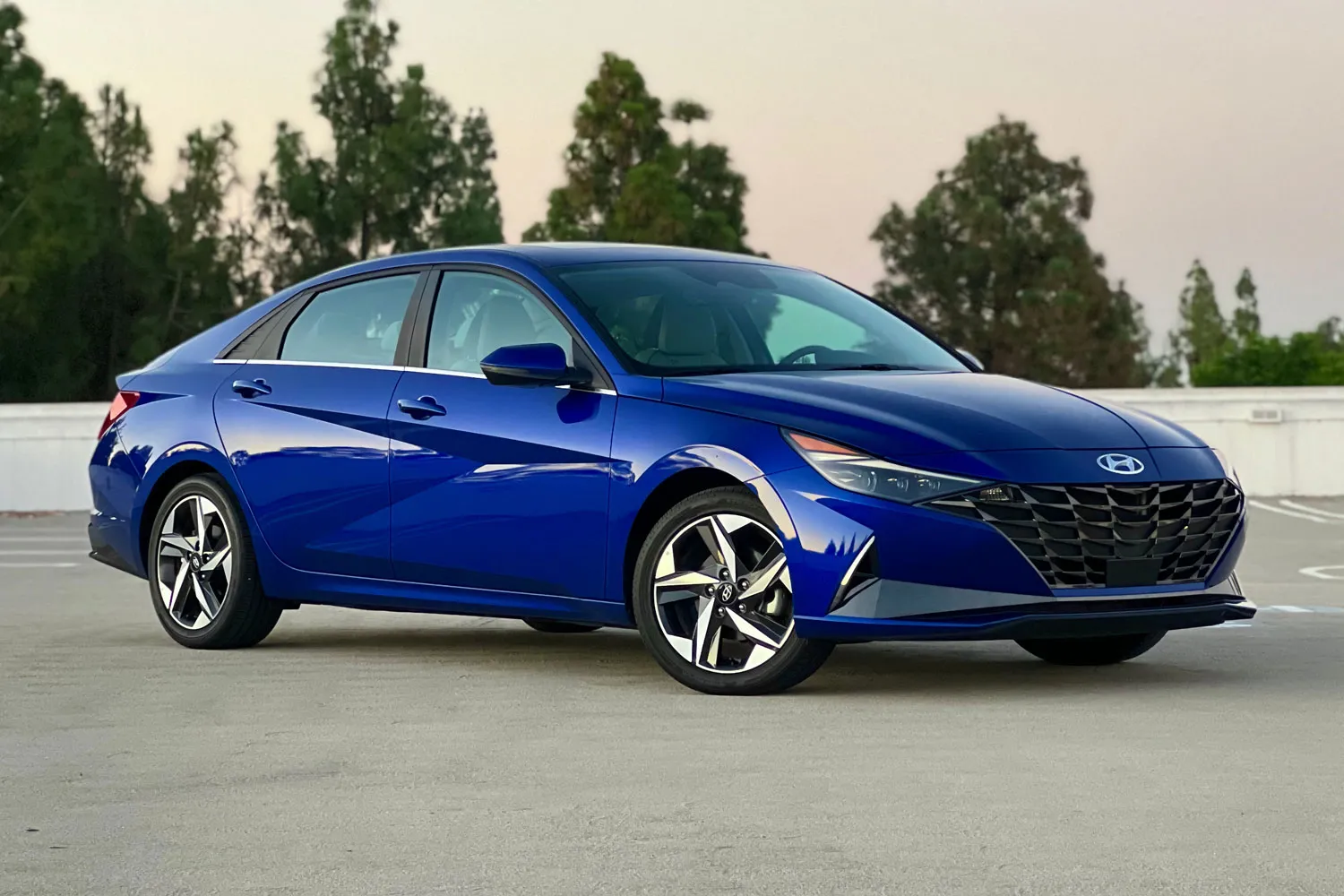
2. Hyundai Elantra
The Hyundai Elantra has undergone a significant transformation in recent years, adopting a design that is bold, angular, and assertive, giving it a premium look without the premium cost. Its front fascia is dominated by a wide grille and sharp, angular headlamps, which give the car a sense of modernity and presence.
The sculpted hood and crisp side lines enhance the elegance, making the Elantra stand out among budget sedans. Even base models offer LED lighting, carefully contoured body panels, and alloy wheel options, ensuring that the car maintains a polished appearance from multiple perspectives.
The vehicle’s stance is confident, with proportions that balance compact practicality and a luxury-like aura, which appeals to style-conscious drivers who are unwilling to compromise for affordability.
Inside, the Elantra offers a modern and inviting cabin. Dashboard surfaces feature a combination of soft-touch materials, metallic accents, and ergonomic placement of controls that resemble premium sedans. The center console is thoughtfully arranged, and digital displays integrate seamlessly with the design, contributing to a sense of cohesion.
Even mid-range trims offer features like leatherette seating and ambient lighting, which provide a more upscale feel than typically expected in budget vehicles. Passengers benefit from spacious seating, intuitive controls, and visual details that make the interior feel deliberate and luxurious, reinforcing the car’s elevated perception.
Lighting plays a key role in the Elantra’s sophisticated appearance. Its LED daytime running lights and projector headlamps provide a sharp, polished look, while subtle rear lighting elements complete the aesthetic. These design touches ensure that the vehicle maintains a modern presence even from a distance, signaling attention to detail.
On the inside, available ambient lighting enhances the cabin’s mood, making evening drives feel more premium and comfortable. Hyundai’s focus on cohesive styling between the interior and exterior ensures that the Elantra’s luxury-inspired design does not feel superficial, but rather integrated throughout the vehicle.
The driving experience of the Elantra also contributes to its upscale impression. A quiet cabin, well-tuned suspension, and responsive steering create a sense of stability and control often associated with higher-end vehicles. Comfort during city driving or highway travel is enhanced by seat design and noise insulation, giving the car a sense of polish.
Combined with its sharp, modern styling and refined interior, the Elantra successfully demonstrates that a budget sedan can convey luxury, elegance, and confidence without requiring a premium price, making it an attractive choice for those who value style and refinement.
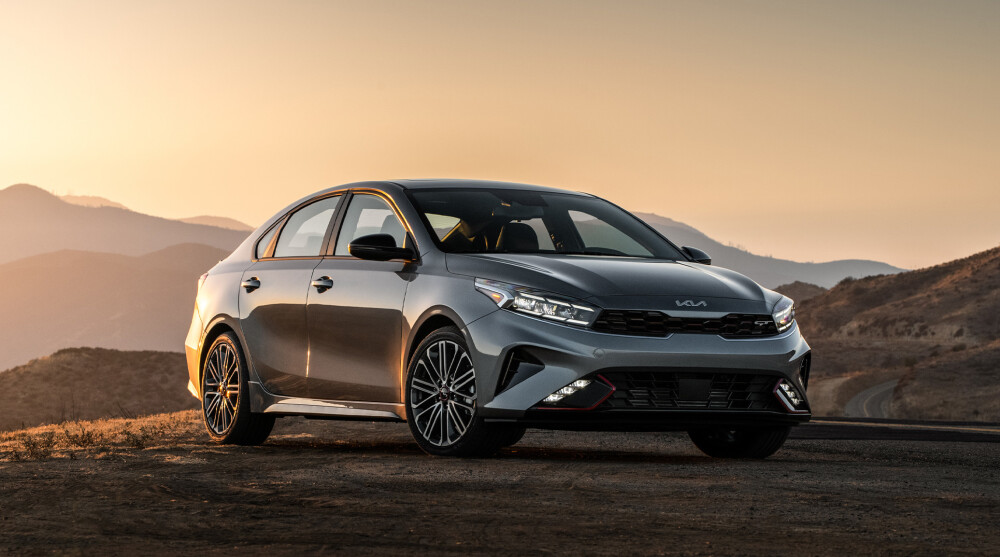
3. Kia Forte
The Kia Forte offers a clean and understated design that emphasizes elegance over flashiness, allowing it to appear more luxurious than its budget-friendly cost would suggest. Its front grille and smooth headlamp design give the car a composed, premium-inspired look, while subtle body curves add a sense of refinement without being overly aggressive.
Proportions are carefully balanced, creating a vehicle that looks intentional and cohesive from every angle. Even base trims feature details like alloy wheels and sculpted surfaces, which contribute to an appearance that feels deliberate rather than minimal or functional.
The Forte’s visual strategy focuses on timeless elegance rather than trend-driven styling, ensuring that it maintains a polished impression over time.
The interior of the Forte continues the upscale theme with ergonomic seating, soft-touch materials, and a well-organized dashboard layout. Chrome accents on the air vents, center console, and door handles enhance the perception of quality, while available leatherette seating and contrast stitching create a feeling of refinement usually reserved for higher-end models.
Controls are intuitive and accessible, giving the driver a sense of sophistication in handling the car. Even when viewed in comparison to slightly more expensive vehicles, the Forte’s cabin manages to hold its own in terms of perceived value and quality.
Technology integration in the Forte also reinforces the luxurious impression. Touchscreen infotainment systems with smartphone integration, navigation options, and driver-assist features provide a modern, tech-savvy feel that aligns with premium expectations.
Even in lower trims, the interface is visually clean and functional, avoiding the clutter often associated with budget cars. This combination of design and technology gives the Forte a contemporary, well-thought-out cabin environment that enhances the experience of refinement and attention to detail.
Driving dynamics complement the Forte’s visual and tactile appeal. Its suspension offers a balance between comfort and stability, absorbing minor road imperfections while maintaining composed handling. Steering responsiveness and noise insulation contribute to a feeling of control and comfort, which makes daily commuting and longer trips more enjoyable.
The integration of exterior elegance, interior quality, technology, and ride refinement allows the Kia Forte to successfully deliver a luxury-inspired experience on a budget, appealing to buyers who want more than just functional transportation.
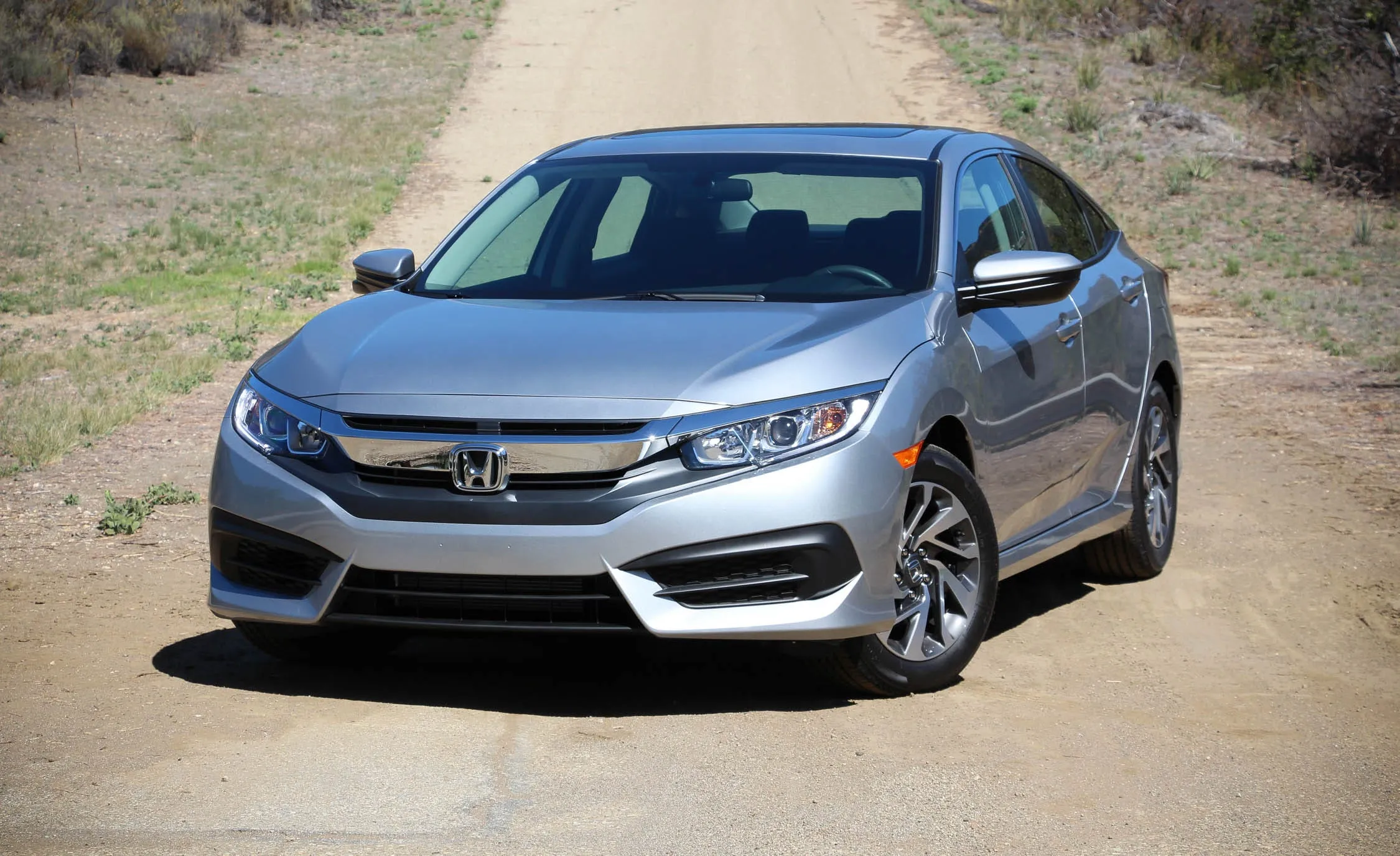
4. Honda Civic
The Honda Civic is recognized for combining practical reliability with a design that exudes modern sophistication. Its sleek exterior features aerodynamic lines, a low stance, and a contemporary front fascia that suggests a more expensive vehicle.
LED lighting elements, subtle chrome accents, and sculpted surfaces enhance the Civic’s presence, ensuring that it draws attention without appearing ostentatious. The proportions and contours are carefully balanced, giving the vehicle a dynamic appearance that resonates with buyers seeking style alongside affordability. Even in base trims, the car projects a sense of quality and refinement that is unusual in its segment.
The interior of the Civic is thoughtfully designed to maximize comfort, convenience, and a sense of luxury. Soft-touch materials on the dashboard, ergonomically placed controls, and an uncluttered center console contribute to a polished cabin environment.
Seating is supportive, with ample legroom and headroom, ensuring passenger comfort on long trips. Available features like leatherette upholstery, ambient lighting, and digital displays elevate the cabin experience, creating the impression of a car that belongs in a higher price category. The design prioritizes functionality while maintaining aesthetic appeal, offering an environment that feels intentional and refined.
Exterior details further enhance the Civic’s luxurious aura. Aerodynamic curves, well-defined contours, and careful attention to panel alignment create a vehicle that looks modern and expensive. Alloy wheel designs, chrome trim around windows, and subtle design flourishes add sophistication without appearing excessive.
The Civic manages to combine sporty elements with elegance, making it suitable for a wide range of buyers who appreciate style and refinement. Its cohesive exterior design ensures that the vehicle commands respect on the road despite its modest price.
Driving experience also reinforces the Civic’s premium impression. Suspension tuning, cabin insulation, and responsive handling all contribute to a refined, comfortable ride. Road noise is minimized, and the vehicle responds predictably to steering and braking inputs, creating an engaging yet composed driving experience.
Combined with its modern styling and well-appointed interior, the Honda Civic demonstrates that budget cars can achieve a luxurious feel, offering buyers both aesthetic satisfaction and practical value.
Also Read: 5 Budget Sports Cars You Can Daily Drive vs. 5 Weekend-Only Toys
5 Budget Cars That Look Basic
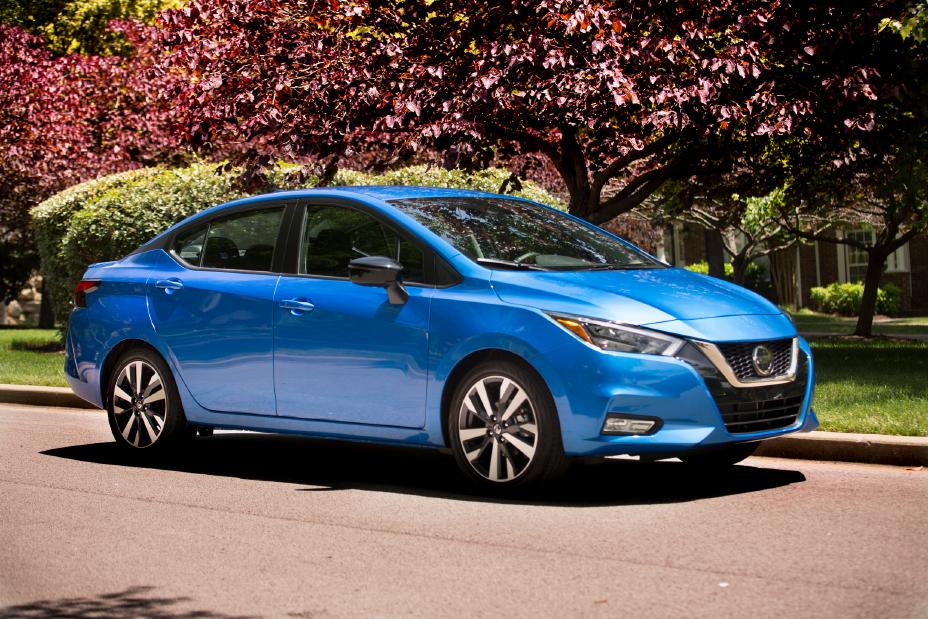
1. Nissan Versa
The Nissan Versa is often seen as a purely functional vehicle, prioritizing affordability and efficiency over aesthetics. Its exterior design is straightforward, with minimal sculpting, a compact shape, and simple headlights that lack distinctive styling. The front grille is modest and lacks the bold presence seen in more upscale models, giving the car a rather plain appearance.
From the side, the vehicle’s proportions are functional but unremarkable, with wheels that are small and unadorned, reinforcing the perception of a practical rather than stylish design. The Versa presents a very basic visual profile that appeals primarily to buyers focused on cost savings rather than luxury or visual flair.
Inside, the Versa’s cabin mirrors its exterior simplicity. Materials are primarily hard plastics, with minimal soft-touch surfaces, and design elements are intentionally minimalistic. The dashboard is functional, with straightforward controls that are easy to use but visually unexciting.
Seats are designed for practicality rather than comfort, and trims are kept basic to reduce costs. While the car is adequate for daily commuting, it lacks the refined interior touches, ambient lighting, and ergonomic design features that would give it a sense of sophistication. Passengers are reminded that the car prioritizes budget efficiency over style or luxury.
Technology and features in the Versa are limited, which further emphasizes its basic design. Entry-level infotainment systems are small and simple, lacking the sleek interfaces or integrated digital displays found in higher-tier budget cars.
Safety features and driver assistance options are available, but they are usually not as visually integrated or aesthetically appealing, which contributes to the utilitarian feel. The combination of plain design, limited technological flair, and minimalistic interior reinforces the perception of the car as strictly functional rather than luxurious or stylish.
From a driving perspective, the Versa emphasizes efficiency and practicality over refinement. Suspension and handling are tuned for economy and reliability rather than comfort or sporty engagement. Cabin insulation is basic, allowing more road noise into the interior, which enhances the utilitarian impression.
While it performs adequately as an affordable commuter car, it offers little in the way of driver satisfaction or visual appeal. For buyers who value economy and simplicity over style, the Nissan Versa is a functional choice, but its basic appearance clearly communicates its focus on practicality over design.
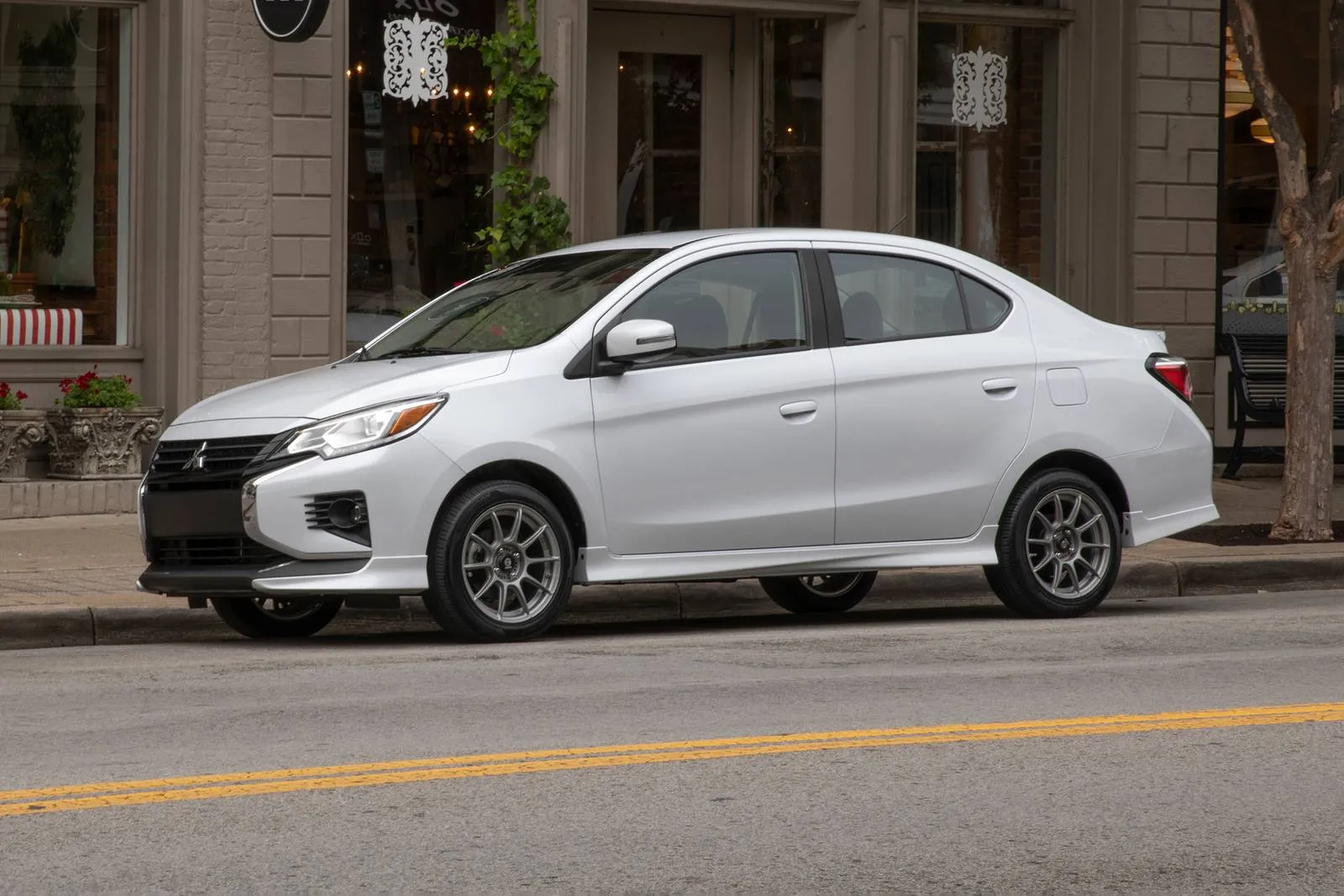
2. Mitsubishi Mirage
The Mitsubishi Mirage has long been recognized as an entry-level city car with a design that emphasizes efficiency and affordability above style. Its exterior is very simple, with rounded edges, basic headlight shapes, and minimal body sculpting. The grille is narrow and unadorned, giving the car a neutral, understated presence.
Its small size is efficient for urban driving, but the visual impression is unremarkable, lacking the proportions or styling details that would make it look modern or luxurious. Wheels are modest and wheel covers are plain, further reinforcing the Mirage’s functional and budget-conscious design.
Inside, the Mirage continues the theme of simplicity. Dashboard layouts are straightforward, with little visual excitement or emphasis on material quality. Hard plastics dominate the interior, and seating is basic with minimal cushioning or contouring. Storage and utility are prioritized over comfort, reflecting the vehicle’s focus on functionality.
There are very few aesthetic enhancements, such as metallic accents or ambient lighting, which makes the cabin feel purely utilitarian. The interior is clean and practical but gives no sense of refinement or luxury, which contrasts sharply with more stylish vehicles in the same price range.
Technological features in the Mirage are minimal, consistent with its budget orientation. Infotainment options are basic, with small screens and limited connectivity. Physical buttons and knobs dominate the cabin, and there is little integration with modern digital interfaces.
Safety features exist but are often basic and minimally designed, further emphasizing the Mirage’s practical nature. Even though it meets the essential needs of drivers, the vehicle provides little visual or tactile excitement, highlighting its utilitarian and “basic” character.
The driving experience reinforces the perception of simplicity. The suspension is tuned for economy, resulting in a firm but unrefined ride. Steering is light but lacks feedback, and cabin insulation is minimal, allowing engine and road noise to enter freely.
Performance is adequate for city commuting, but acceleration and handling are unremarkable. The Mitsubishi Mirage represents an entry-level vehicle designed for cost-conscious drivers who prioritize function and efficiency over style, refinement, or luxury, and its basic appearance clearly communicates that purpose.
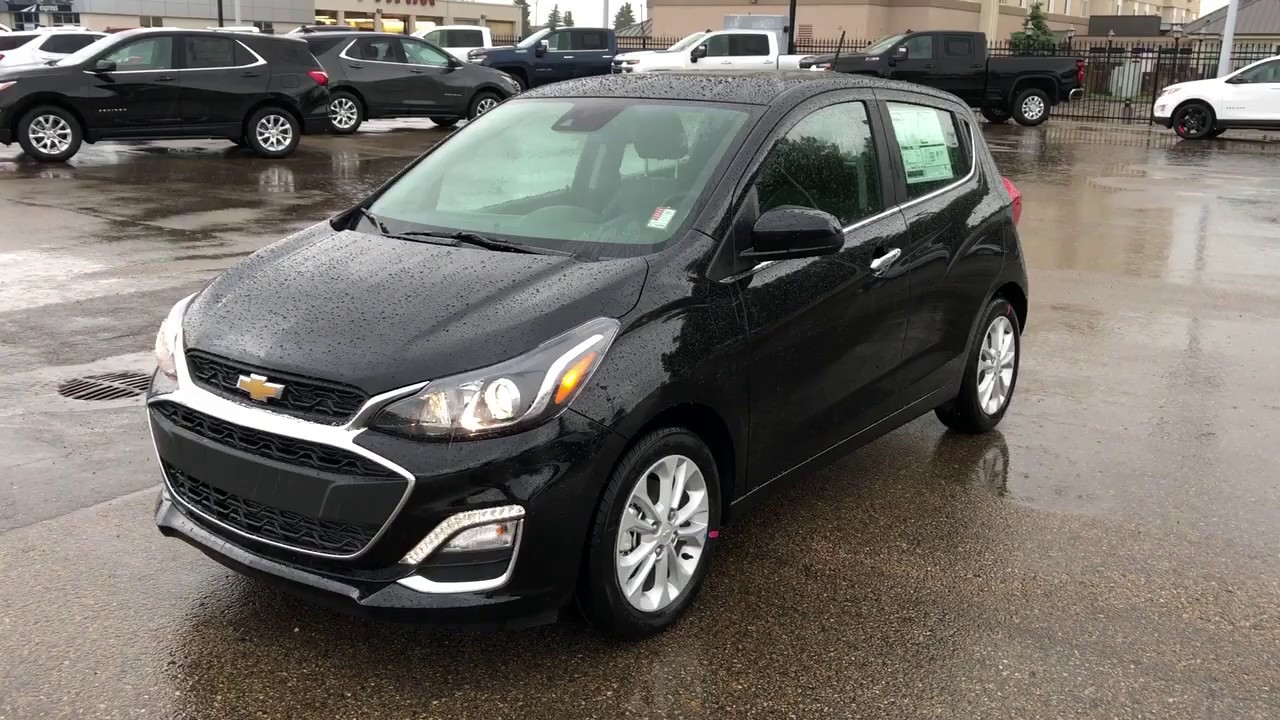
3. Chevrolet Spark
The Chevrolet Spark is a compact city car designed primarily for affordability and practicality. Its exterior is small and simple, with rounded headlights, minimal body lines, and a modest front grille. Unlike vehicles with budget-luxury aspirations, the Spark lacks visual depth or premium details, giving it an appearance that is plain and functional.
The car’s dimensions and styling prioritize maneuverability and ease of parking rather than road presence or elegance. Wheels are basic, and exterior trim is minimal, emphasizing practicality over design flair.
The interior is utilitarian, with hard plastics and a focus on basic functionality. Dashboard layouts are simple and easy to use but provide minimal visual interest. Seating is straightforward, often with thin cushioning, and lacks sophisticated materials or styling details.
Storage spaces are practical but modest, reflecting the car’s emphasis on efficiency and economy rather than luxury or comfort. The interior provides the essentials for driving, but the design leaves little impression beyond basic functionality.
Technology is basic but sufficient for essential driving needs. Infotainment is limited to a small touchscreen or standard audio system, and integration with smartphones is minimal in base trims.
Controls are simple and functional, without premium design cues or visual sophistication. Even safety features are functional rather than stylish, with minimal aesthetic integration into the cabin. This limited technology and design simplicity reinforce the car’s image as a no-frills, practical choice for budget-minded drivers.
From a driving perspective, the Spark prioritizes maneuverability and efficiency over comfort and refinement. Suspension is simple and firm, road noise is more noticeable, and acceleration is modest. It performs adequately for city commuting but lacks any luxurious or engaging driving feel.
For buyers who prioritize small size, fuel economy, and affordability, the Chevrolet Spark serves its purpose well, but its exterior and interior design clearly signal its basic and functional nature rather than style or sophistication.
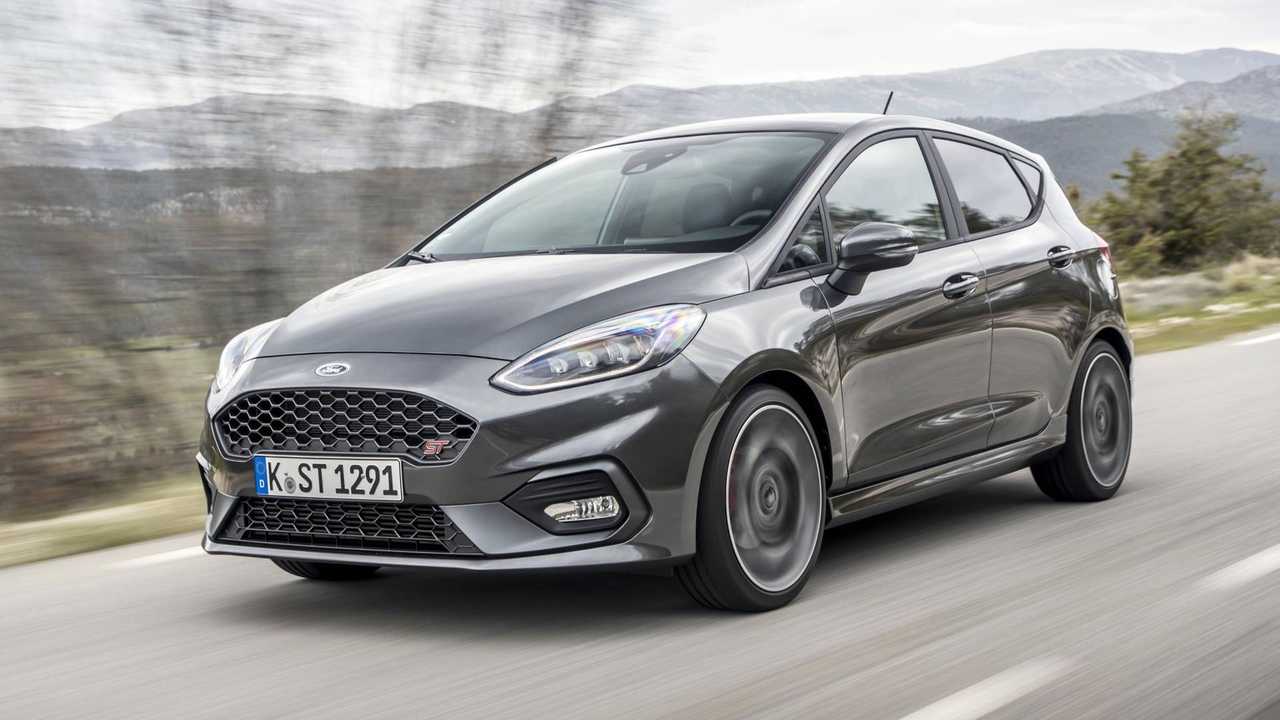
4. Ford Fiesta
The Ford Fiesta is another entry-level car that emphasizes practicality, reliability, and affordability over visual flair. Its exterior design is modest, with a simple front grille, basic headlamps, and minimal contouring. The hatchback version has a compact shape optimized for urban driving, but the aesthetic lacks bold styling or premium cues.
Wheels are often small and simple, and the body design does not stand out among similarly priced vehicles, reflecting the car’s focus on function over form. Its plain exterior communicates the practical, no-frills nature of the vehicle.
Inside, the Fiesta continues with a basic design approach. Hard plastics dominate the dashboard and door panels, and the cabin layout is functional but lacks refined details.
Seating is adequate for comfort, but materials are minimal, and there is little attention to design elements like contrast stitching, chrome trim, or ambient lighting. Controls are straightforward and accessible but provide no sense of luxury or elegance. The impression is utilitarian, creating a practical but visually simple driving environment.
Technology is limited in base trims, with small infotainment screens and basic audio systems. Digital features are minimal, and controls rely heavily on buttons and knobs, which contrasts with budget cars designed to look more modern or luxurious.
Even safety and driver-assist systems are modest, focusing on function rather than integrating seamlessly into the cabin design. The interior and features reinforce the Fiesta’s primary goal of providing reliable, no-frills transportation.
Driving the Fiesta emphasizes efficiency and city practicality over style or refinement. Steering is light and maneuverable, suspension is tuned for durability rather than comfort, and cabin noise is noticeable on rough surfaces.
While it handles city streets and tight parking situations well, it offers little in the way of an engaging or luxurious driving experience. The Ford Fiesta is a budget-friendly, functional car that communicates simplicity and practicality through its basic exterior and interior, appealing to buyers who prioritize economy and utility over style.
