
The modern SUV has become a dominant force in the automotive market, appealing to drivers for its elevated seating position, versatile cargo space, and commanding road presence. However, one aspect that continues to divide enthusiasts and casual buyers alike is the driving experience, particularly in relation to stability and handling.
Traditionally, SUVs have been criticized for feeling boat-like on the road, swaying excessively in corners, and displaying significant body roll. This reputation stems from their higher center of gravity compared to sedans or hatchbacks, as well as design priorities that often emphasize passenger comfort over sharp handling.
Despite these inherent challenges, automakers have made remarkable progress in refining chassis dynamics, suspension setups, and electronic stability systems, resulting in some SUVs that handle with precision and poise, far removed from the stereotypical floating sensation.
When evaluating SUVs, it becomes clear that not all models are created equal in terms of driving dynamics. Some are engineered to balance comfort with agility, incorporating adaptive suspensions, advanced traction control, and stiffened body structures that reduce lean during cornering. These vehicles provide drivers with a sense of confidence, whether navigating winding mountain roads or merging into highway traffic.
On the other hand, there are SUVs where body roll remains a noticeable characteristic, reminding occupants that the vehicle’s design is still primarily oriented toward comfort or off-road capability. In these cases, rapid lane changes, sharp curves, or spirited driving can feel less controlled, requiring extra attention from the driver to manage the sway.
Understanding the differences between SUVs that feel planted and those prone to body roll is crucial for buyers who value driving enjoyment as much as utility. Factors such as weight distribution, suspension tuning, tire choice, and electronic driver aids all contribute to the perception of stability.
For many drivers, the decision is not simply about choosing a vehicle that “handles well” but about selecting one that matches their expectations for responsiveness, composure, and confidence behind the wheel. This distinction is particularly important in SUVs, where the combination of size and height exaggerates handling deficiencies that might be less noticeable in smaller vehicles.
This article presents a detailed comparison of ten SUVs, divided into two categories: five models that offer a driving experience that does not feel boat-like, and five models where body roll is more pronounced. Each group is examined with respect to design philosophy, suspension characteristics, and real-world driving impressions.
By highlighting the strengths and weaknesses of these vehicles, drivers can make informed choices based on their priorities, whether they favor nimble handling, confident cornering, or a more relaxed ride. The following sections provide an in-depth look at the vehicles that represent each side of the spectrum, offering insights into what makes an SUV either stable or prone to excessive lean.
5 SUVs That Don’t Feel Boat-Like
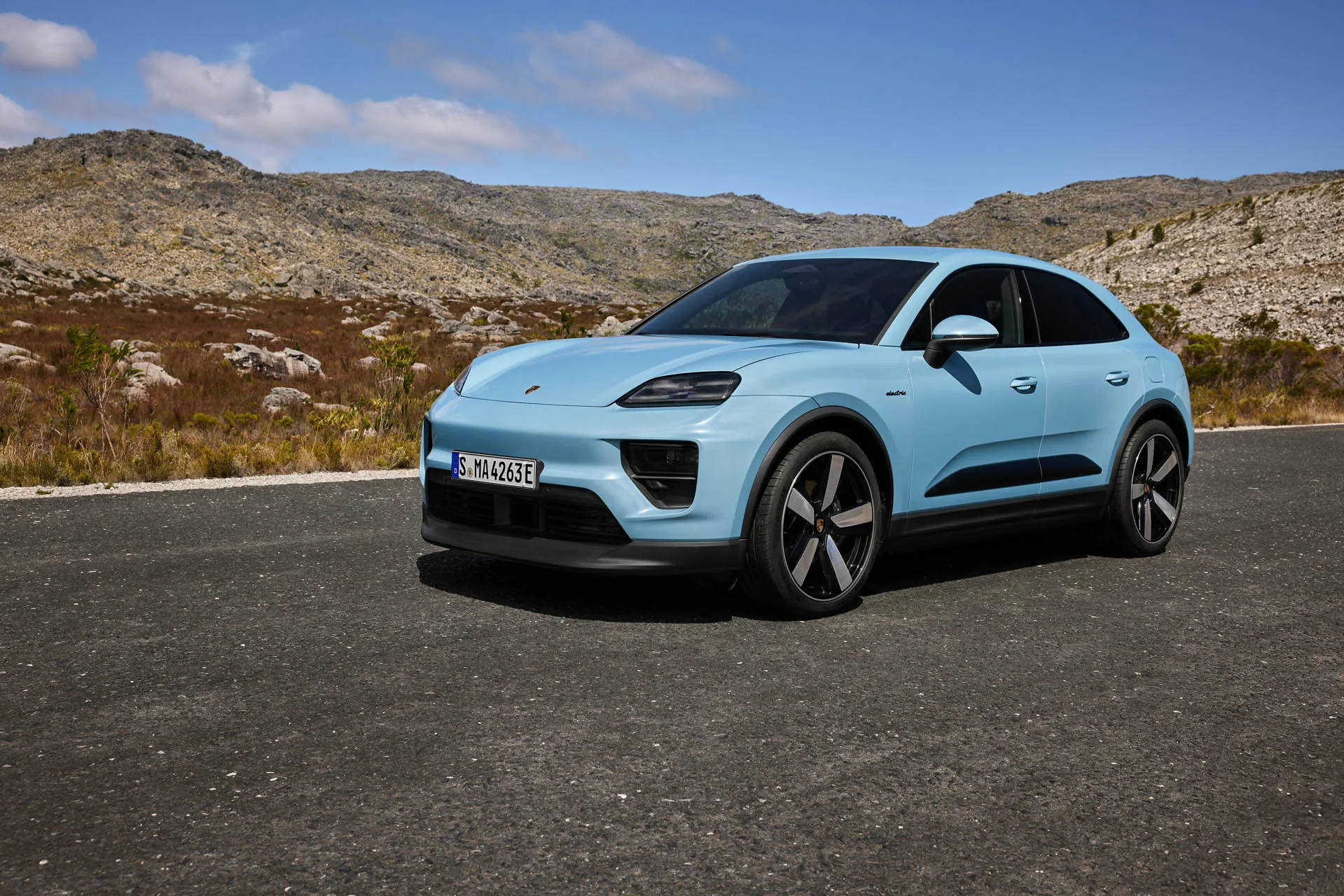
1. Porsche Macan
The Porsche Macan has earned a reputation as one of the most driver-focused compact luxury SUVs on the market. Unlike many SUVs that emphasize ride comfort at the expense of handling, the Macan blends precise steering, responsive chassis behavior, and a surprisingly low center of gravity for its class.
Its suspension system is finely tuned to reduce body lean, providing a planted feel even during aggressive cornering. Drivers often note that the vehicle feels connected to the road in a way few SUVs achieve, making it a rare example of a high-riding vehicle that does not compromise the enjoyment of driving.
The compact dimensions further enhance agility, giving the Macan an almost sedan-like demeanor, which is particularly noticeable in urban environments or on winding mountain roads where maneuverability is key.
Another factor contributing to the Macan’s composed demeanor is the availability of adaptive air suspension. This system automatically adjusts damping rates to suit road conditions and driver inputs, striking a careful balance between comfort and performance.
For instance, when cruising on highways or city streets, the suspension softens to absorb minor imperfections, maintaining a smooth ride for passengers. When navigating tight corners or engaging in spirited driving, it stiffens appropriately, ensuring minimal body roll and a confident stance.
This duality allows the Macan to cater to a broad range of driving styles without ever feeling top-heavy, highlighting Porsche’s attention to detail and commitment to dynamic engineering.
The Macan’s weight distribution is another important contributor to its planted feel. Unlike many larger SUVs, its design places a considerable portion of mass closer to the center, which enhances cornering stability. Additionally, the low hoodline and compact height reduce leverage points that would normally exaggerate body roll.
Even in aggressive driving scenarios, the vehicle maintains a remarkable sense of composure, making sharp turns and lane changes feel precise and predictable rather than uncertain. For buyers who prioritize driving confidence, the Macan proves that a luxury SUV can combine practicality and performance without resorting to compromises that diminish driver engagement.
Finally, the Macan’s performance options, including turbocharged engines and advanced all-wheel-drive configurations, further enhance its dynamic capabilities. Acceleration is brisk, yet the vehicle remains composed, with minimal squat during launches and little lateral movement when navigating corners at higher speeds.
The interior also complements its handling prowess, offering ergonomically designed seats and a cockpit that keeps the driver engaged and comfortable simultaneously. The Macan’s success demonstrates that careful engineering and chassis refinement can create an SUV that feels planted, responsive, and fun to drive, without sacrificing the everyday usability expected from the segment.
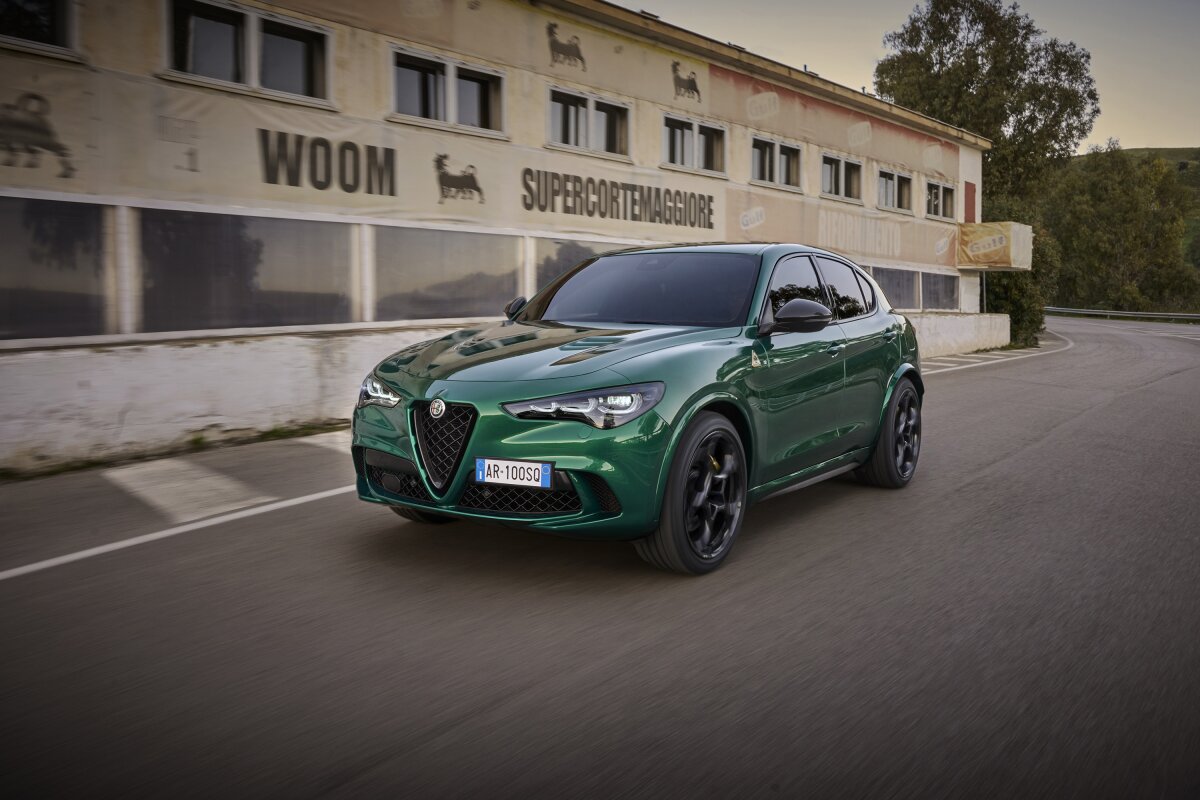
2. Alfa Romeo Stelvio Quadrifoglio
The Alfa Romeo Stelvio Quadrifoglio stands out as an SUV that prioritizes performance without sacrificing practicality. Its twin-turbocharged V6 engine delivers thrilling acceleration, yet the vehicle remains remarkably stable in corners thanks to a combination of lightweight materials and sophisticated suspension tuning.
The Stelvio’s chassis is engineered with rigidity in mind, reducing flex under high lateral loads and minimizing body roll. This careful approach to design allows the SUV to handle tight turns and high-speed curves with a level of composure that many other performance-oriented SUVs struggle to achieve, making it an exceptional choice for drivers who want excitement alongside utility.
Steering precision is another area where the Stelvio excels. The system is highly communicative, allowing drivers to feel the nuances of the road and make micro-adjustments confidently. Suspension calibration strikes a balance between absorbing minor road imperfections and maintaining a stable, composed stance during dynamic driving.
Furthermore, the availability of adaptive damping systems enhances this balance, modulating stiffness to provide the ideal combination of comfort and responsiveness. As a result, the Stelvio Quadrifoglio does not just reduce body roll; it actively encourages confident, spirited driving by giving the driver control and assurance at all times.
The strategic weight distribution of the Stelvio also contributes significantly to its planted feel. Engineers carefully positioned heavy components such as the engine and drivetrain to keep the center of gravity low, reducing the tipping sensation common in high-riding SUVs. Its intelligent all-wheel-drive system further aids in cornering by actively distributing torque between wheels, enhancing stability and reducing understeer.
During aggressive cornering or sudden evasive maneuvers, the Stelvio remains balanced and predictable, with body movements that feel deliberate rather than excessive. This precision allows drivers to fully exploit the SUV’s performance potential without experiencing the unsettling lean that can accompany less refined vehicles.
Finally, the Stelvio Quadrifoglio manages to blend performance with comfort in a way few SUVs achieve. Its cabin remains well-insulated from road disturbances, ensuring that passengers enjoy a smooth, composed ride even when the driver pushes the vehicle near its limits.
The combination of minimal body roll, accurate steering, and responsive suspension results in a vehicle that feels remarkably agile for its size. For buyers seeking a high-performance SUV that does not compromise stability or practicality, the Stelvio Quadrifoglio represents a compelling option that competes not only with other SUVs but also with certain sports sedans in terms of driver engagement and control.
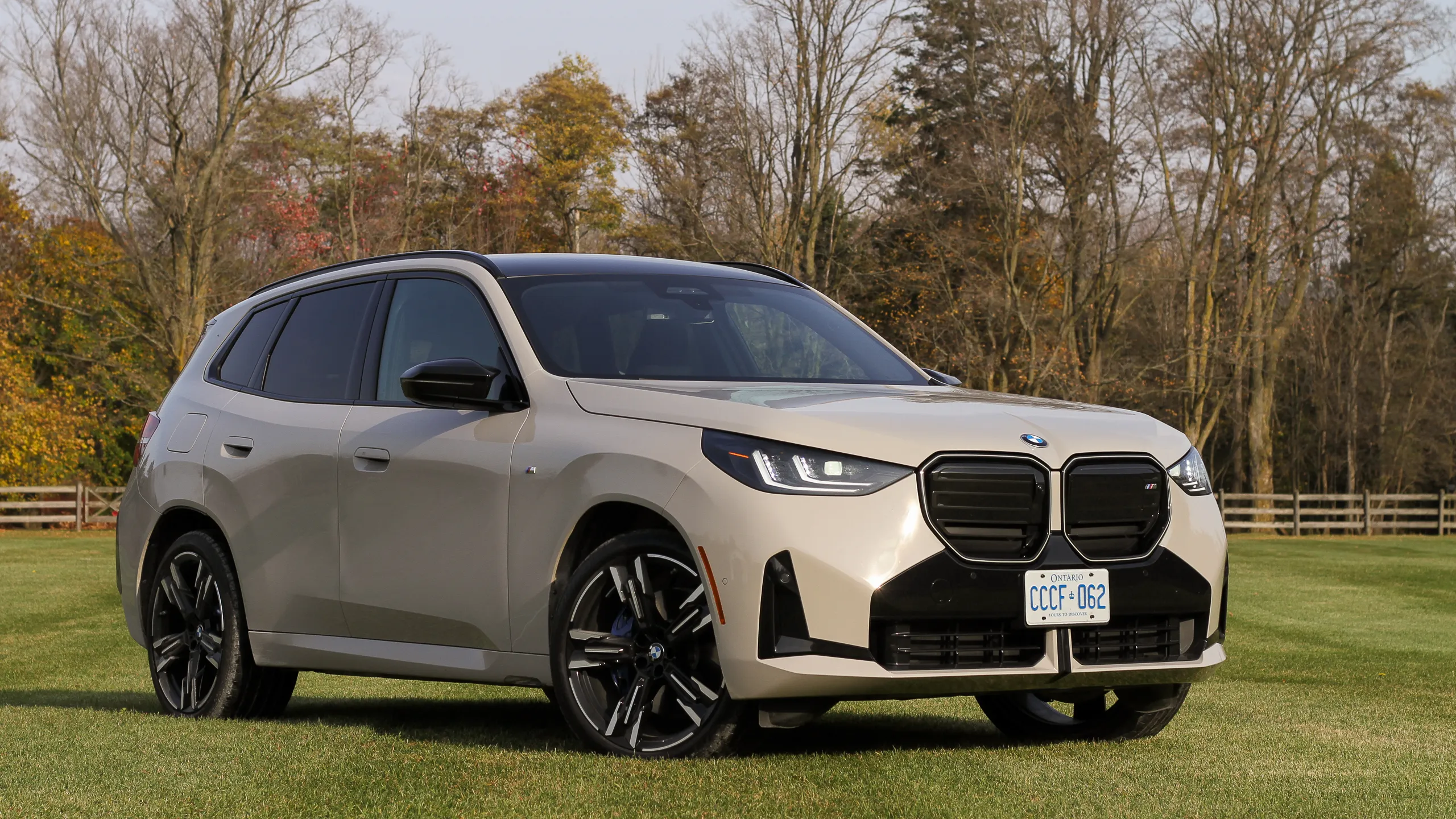
3. BMW X3 M
The BMW X3 M is an excellent example of a midsize SUV that manages to achieve both athletic performance and everyday usability. Known for its precise handling and strong performance credentials, the X3 M features a chassis designed to minimize sway and deliver predictable dynamics in all conditions.
The adaptive M suspension adjusts damping in real-time to respond to driver inputs and road conditions, maintaining composure on bumpy surfaces while offering firm, controlled support during spirited driving. Unlike conventional SUVs that can feel disconnected or overly soft, the X3 M conveys a sense of immediacy and precision, making the driver feel in complete control of a vehicle that is otherwise larger than a typical sports car.
Power distribution is another key aspect of the X3 M’s handling excellence. Thanks to a near-perfect weight balance and advanced all-wheel-drive systems, the SUV resists the tipping sensation typical of higher vehicles. Under rapid directional changes or sudden evasive maneuvers, it maintains stability, inspiring confidence in the driver.
The vehicle feels planted without being rigid, and body movements are limited to subtle, controlled shifts rather than the exaggerated lean often associated with SUVs. This balance of stability and responsiveness ensures that the X3 M can perform exceptionally well in a variety of driving scenarios, from city streets to mountain roads.
The steering system of the X3 M further contributes to its dynamic appeal. It is weighted appropriately, delivering precise feedback and a communicative feel that allows drivers to confidently place the vehicle through corners.
Combined with adaptive suspension, this makes the X3 M feel agile and responsive, yet composed enough for long-distance comfort. Even when the vehicle is driven aggressively, body roll remains minimal, making it possible for drivers to experience the excitement of a performance SUV without compromising the sense of stability that passengers rely on for comfort.
Finally, the X3 M demonstrates that performance and practicality can coexist. The vehicle offers a spacious interior and ample cargo space without sacrificing its athletic characteristics. Passengers experience a smooth, composed ride even on uneven terrain, while drivers benefit from sharp handling and excellent feedback.
This combination of comfort, space, and performance makes the X3 M a standout choice in a segment often criticized for producing SUVs that feel overly bulky or sluggish. It exemplifies how engineering and thoughtful tuning can elevate an SUV from merely functional to genuinely engaging.
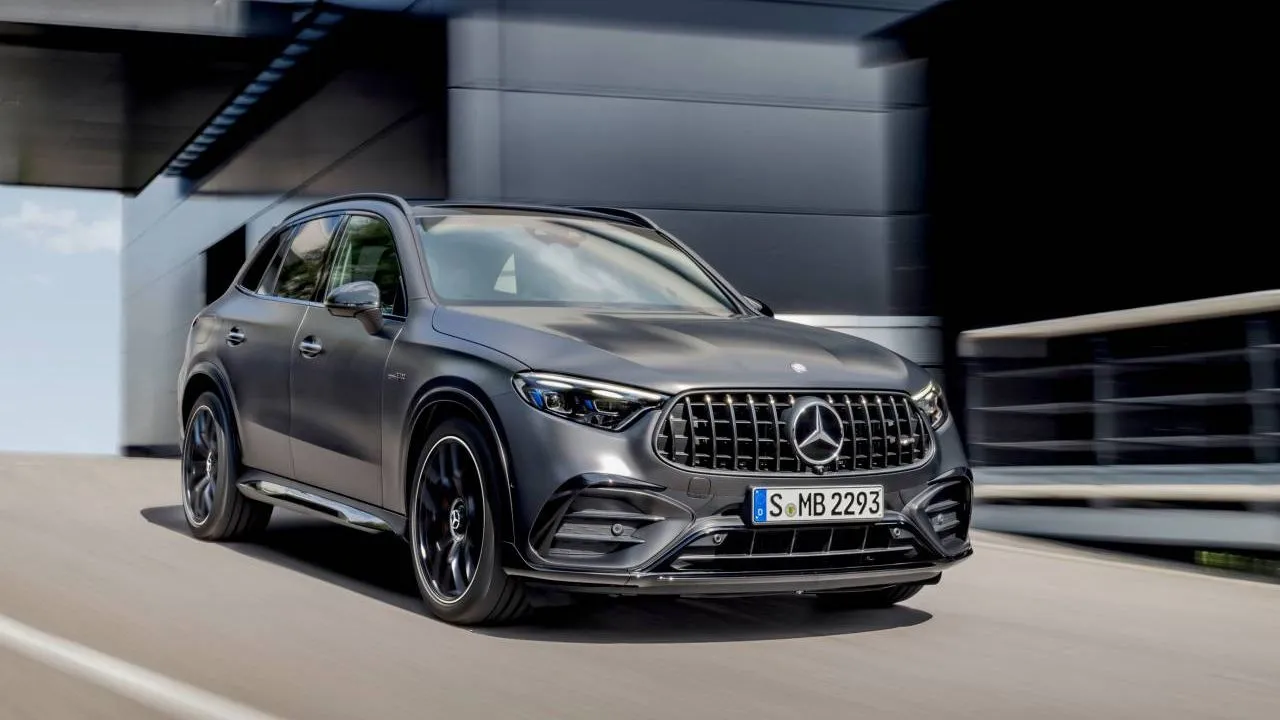
4. Mercedes-Benz GLC 63
The Mercedes-Benz GLC 63 is a remarkable example of an SUV that integrates luxury, performance, and dynamic stability. Its AMG-tuned suspension system, reinforced chassis, and adaptive damping combine to limit body lean, delivering a confident and composed driving experience.
Unlike other high-riding vehicles that can feel top-heavy or floaty during spirited maneuvers, the GLC 63 remains stable and predictable. The suspension system is particularly effective at maintaining composure over varying surfaces, absorbing imperfections without introducing excessive pitch or sway, which enhances both driver confidence and passenger comfort.
A key feature of the GLC 63 is its sophisticated torque-vectoring system. This technology actively manages power distribution between the wheels, improving traction and helping the vehicle maintain its intended line through corners. The system reduces understeer tendencies that might otherwise exacerbate body roll, while maintaining a sense of controlled agility.
Coupled with precise steering, the SUV feels remarkably composed during high-speed turns, enabling the driver to place it confidently without hesitation. This responsiveness is particularly valuable on winding roads or during sudden maneuvers, where stability can be as important as raw power.
Weight distribution also contributes significantly to the GLC 63’s planted feel. Engineers strategically positioned heavy components, including the engine and drivetrain, to lower the center of gravity, reducing leverage that could amplify body roll.
Adaptive air suspension complements this design by modulating stiffness in real time, providing a smooth and controlled ride on highways while remaining firm and responsive when driving aggressively. This careful balance ensures that passengers experience comfort while the driver enjoys precise handling and minimal sway.
Finally, the GLC 63 succeeds in merging performance with luxury in a way few SUVs manage. Inside, occupants enjoy a refined and quiet cabin with premium materials, while the vehicle’s dynamic capabilities rival those of certain sports cars.
Minimal body roll, responsive handling, and firm yet comfortable suspension make it a vehicle that delivers excitement without sacrificing composure or practicality. The GLC 63 demonstrates that a large SUV can offer both commanding performance and a confident, planted driving experience, redefining expectations for what a performance SUV can achieve.
5. Jaguar F-Pace SVR
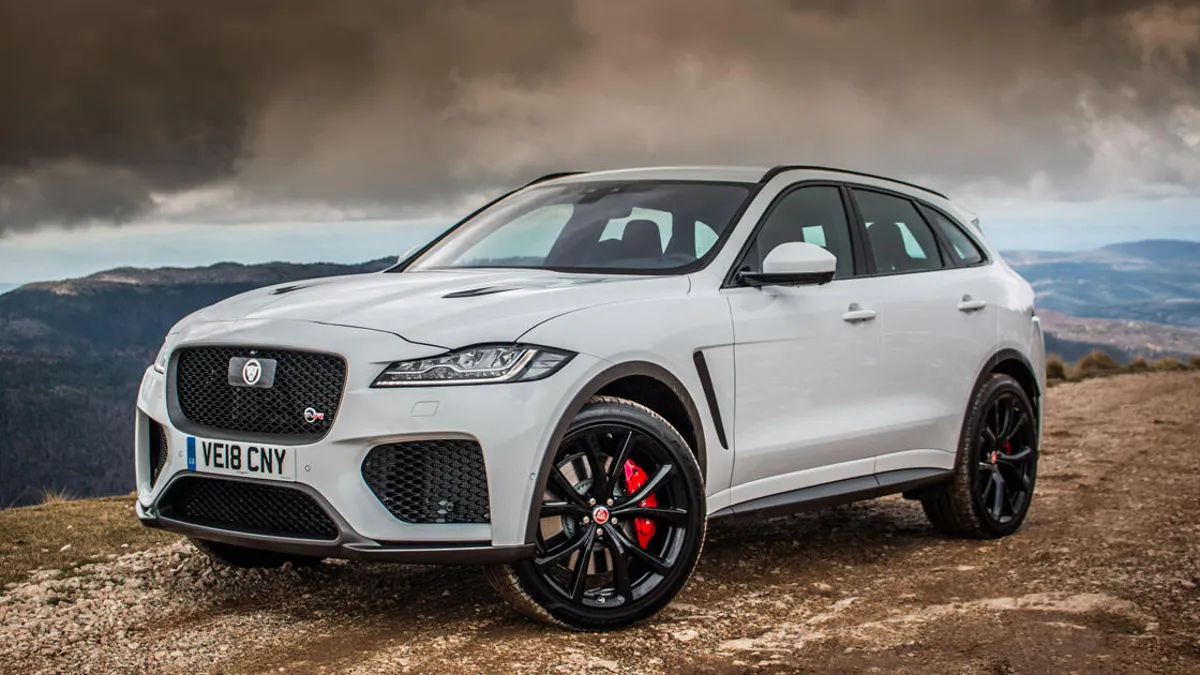
The Jaguar F-Pace SVR is another example of a performance-focused SUV that manages to feel composed and agile despite its size. Its suspension system and chassis design prioritize responsiveness and stability, keeping body roll to a minimum.
The adaptive suspension continuously adjusts damping rates depending on speed and road conditions, providing a balance of comfort and performance that few competitors match. With a relatively low ride height for its segment, the SVR feels connected to the road, giving the driver confidence and a sense of control even during aggressive maneuvers.
Braking performance and torque-vectoring capabilities further enhance the F-Pace SVR’s dynamic behavior. The SUV maintains composure under heavy braking and navigates turns with minimal sway, delivering a level of stability that is unusual for vehicles of its height.
The steering is direct, communicative, and precise, allowing the driver to place the vehicle accurately in corners and maintain confidence at all times. Even when driven enthusiastically, the SVR conveys a feeling of poise that helps reduce driver fatigue and increases enjoyment.
Reduced body roll, strong chassis feedback, and precise steering make it an appealing choice for buyers who want an SUV capable of handling curves, highway driving, and spirited maneuvers without the unsettling sway common in many competitors. Its blend of practicality and dynamic poise ensures it stands out in a segment often dominated by SUVs that prioritize comfort over driver engagement.
5 SUVs With Body Roll
1. Ford Explorer
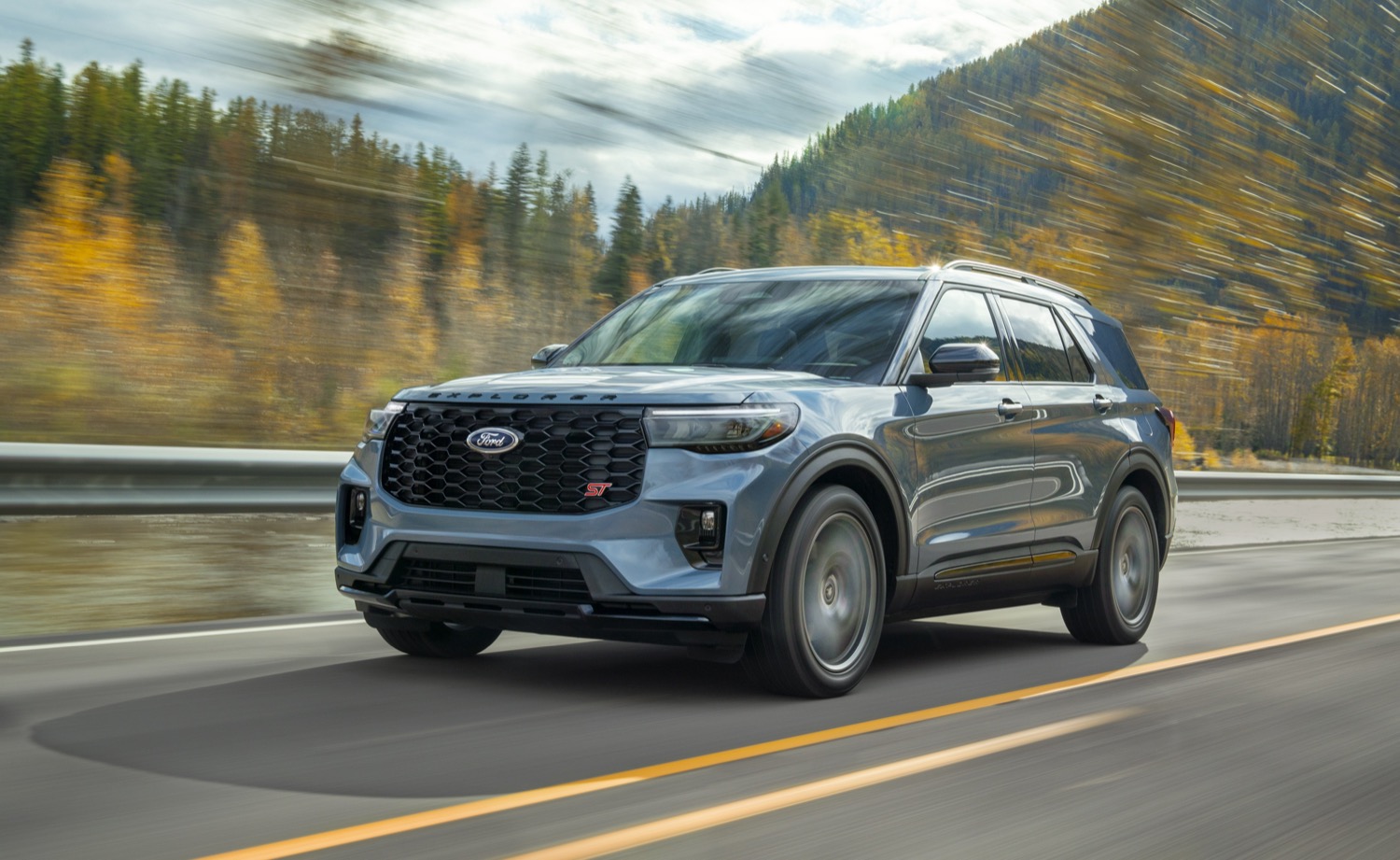
The Ford Explorer is a popular midsize SUV, often praised for its spacious interior and family-friendly features. However, it is also known for exhibiting noticeable body roll in spirited driving or during tight cornering. Its taller ride height and relatively soft suspension, designed for comfort and versatility, contribute to this floating sensation.
While the Explorer offers ample passenger room and a smooth ride on highways, these benefits come at the cost of dynamic stability. Drivers often report a leaning sensation in corners, particularly when making abrupt lane changes or navigating winding roads, which can require careful attention to maintain control and avoid oversteer or understeer.
One factor behind the Explorer’s body roll is its weight distribution. While the vehicle is designed to handle multiple passengers and cargo, the added mass high above the ground creates leverage that exaggerates sway.
The suspension is tuned more for absorbing road imperfections than reducing lateral movement, which results in a soft, floating ride at lower speeds but less composure when cornering aggressively. The higher center of gravity, combined with its substantial curb weight, means that even minor steering inputs can produce noticeable lean, reminding the driver that the SUV is built primarily for comfort rather than performance.
Despite these limitations, the Explorer remains a capable SUV for its intended purpose. Its interior comfort, generous cargo space, and smooth ride over highways make it ideal for families and long-distance travel.
The body roll, while noticeable in aggressive cornering, does not significantly compromise daily usability or passenger comfort during normal driving. However, drivers who value a planted, agile feel behind the wheel may find the Explorer less satisfying than some competitors designed with sharper handling in mind, highlighting the trade-offs that come with larger, softer-riding SUVs.
2. Jeep Grand Cherokee
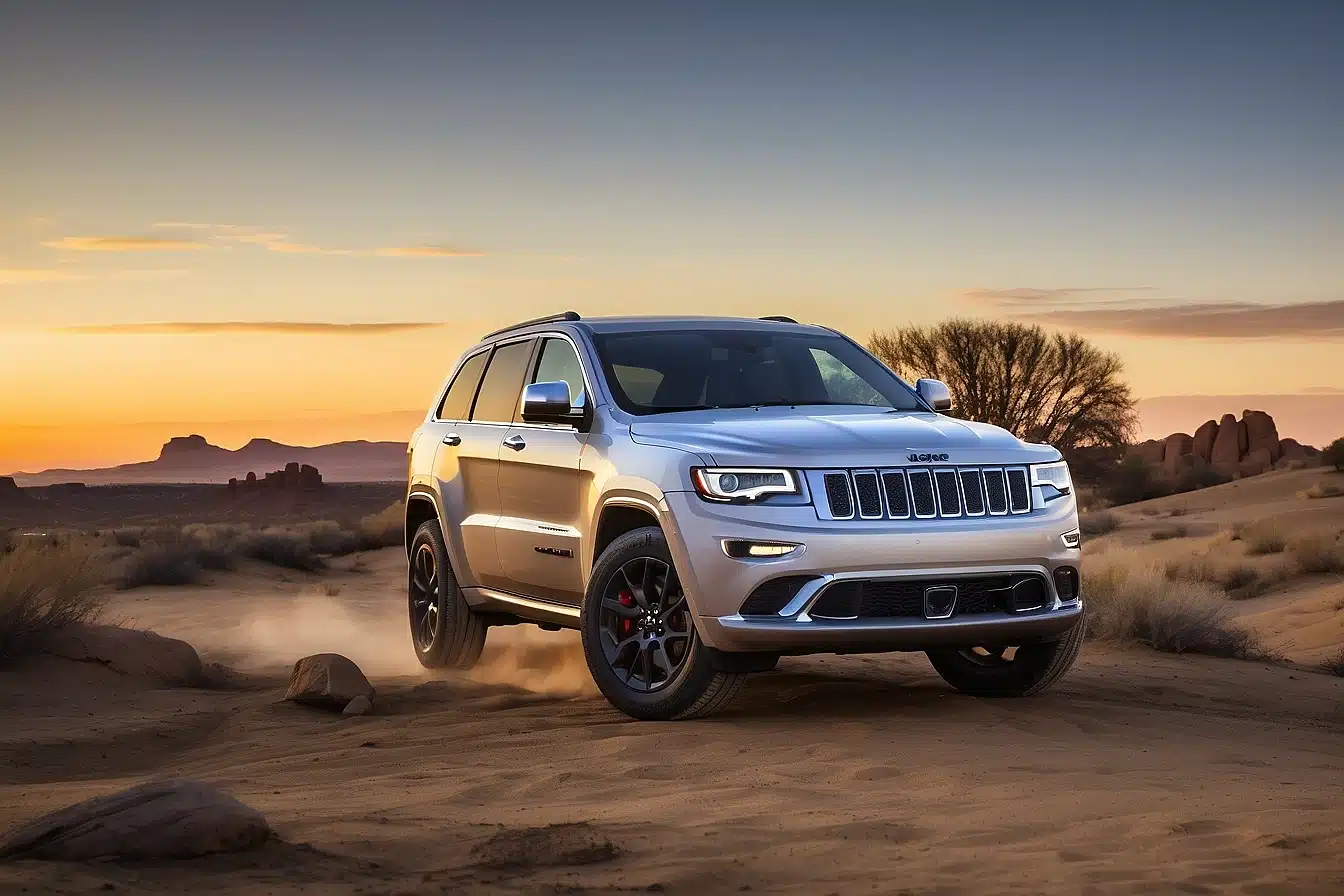
The Jeep Grand Cherokee is a versatile SUV with a strong reputation for off-road capability, but its on-road handling sometimes suffers due to body roll. The combination of a taller stance, relatively soft suspension, and substantial curb weight contributes to a leaning sensation when cornering or taking sharp curves.
Although it offers a smooth and comfortable ride for everyday driving, this same comfort-focused setup can feel floaty during more dynamic maneuvers. Drivers often notice significant lateral movement during quick lane changes or when accelerating out of tight turns, which can create a sense of instability compared to SUVs engineered for sportier handling.
The design priorities of the Grand Cherokee emphasize ride comfort, towing capacity, and off-road capability, which often conflicts with cornering stability. Its suspension is designed to absorb bumps and rough surfaces, particularly when traversing uneven terrain, but this compliance can exaggerate body sway on paved roads.
The vehicle’s high center of gravity and heavier rear end amplify the effect, creating a noticeable lean in most driving scenarios beyond slow city traffic. Even experienced drivers may need to adjust their inputs carefully to compensate for the SUV’s natural sway and maintain a smooth trajectory through curves.
Steering response in the Grand Cherokee also contributes to the sense of body roll. While adequate for standard driving conditions, the system lacks the immediacy and precision seen in sport-oriented SUVs.
For buyers who prioritize interior space, comfort, and the ability to handle rough terrain, the Grand Cherokee remains a strong choice, even if it does not offer the tight, composed handling associated with more performance-oriented models.
3. Toyota Highlander
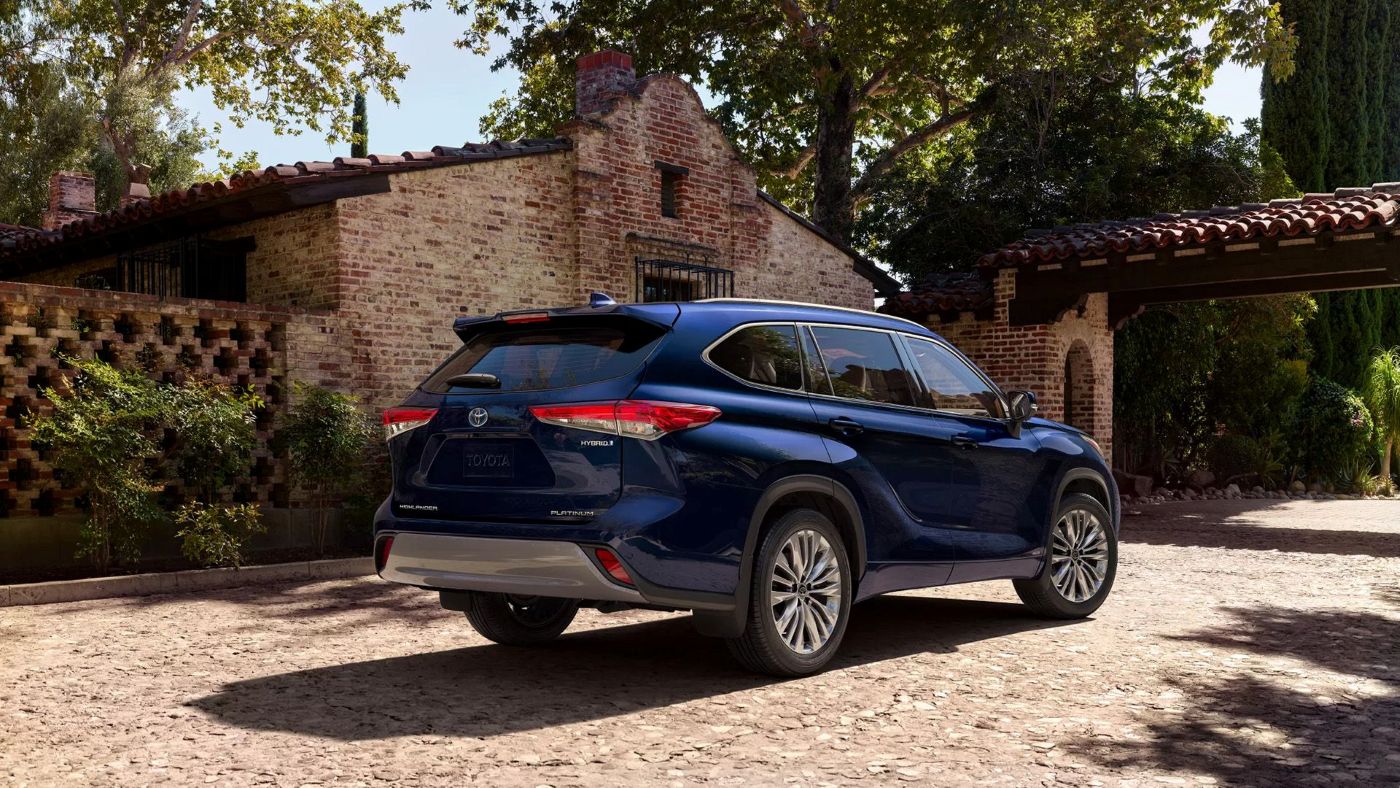
The Toyota Highlander is one of the best-selling midsize SUVs, known for its reliability, practicality, and smooth ride. However, it exhibits noticeable body roll, particularly when cornering at higher speeds or during sudden maneuvers. Its suspension system is designed for comfort and family-oriented usability, prioritizing a soft, absorbent ride over tight handling.
While this results in a relaxed driving experience on highways and city streets, it also allows the body to lean more than some competitors when negotiating curves, making it feel less stable and more “floaty” than a performance-tuned SUV.
One reason for the Highlander’s body roll is its taller stance relative to sedans or compact crossovers. A higher center of gravity increases leverage during cornering, amplifying lateral sway and giving passengers the sensation of the vehicle tilting.
While body roll is noticeable during spirited driving, most daily drivers will find the Highlander comfortable and predictable in everyday use. It serves as a reminder that some SUVs are optimized for comfort and practicality rather than handling, and that body roll is an acceptable trade-off for a relaxed and versatile ride.
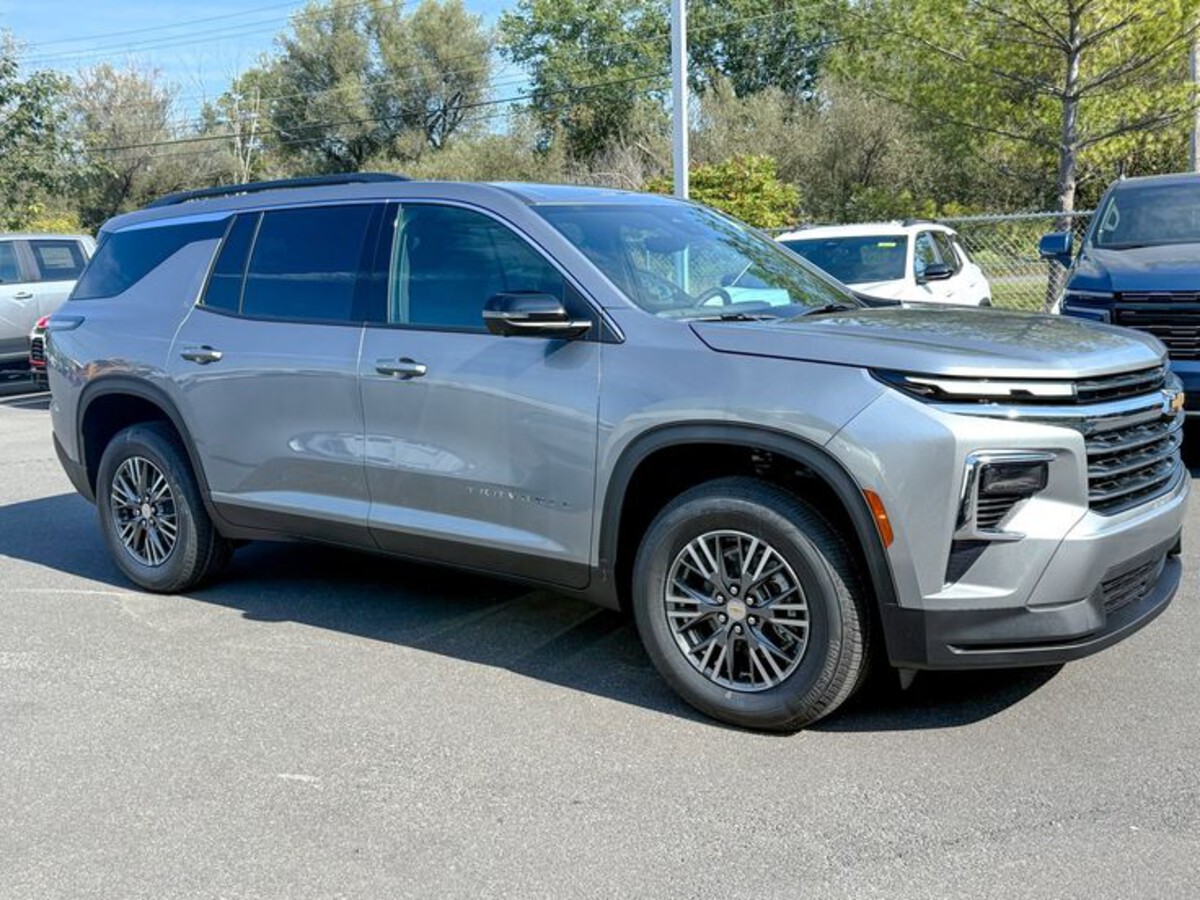
4. Chevrolet Traverse
The Chevrolet Traverse is a large, three-row SUV designed with family comfort and cargo space in mind. Its soft suspension, combined with a high ride height, makes it prone to noticeable body roll during sharp turns or sudden maneuvers.
While it offers a smooth, cushioned ride for passengers on highways and uneven roads, its handling characteristics emphasize comfort over dynamic performance. Drivers often find themselves adjusting steering inputs carefully in tight curves, as the vehicle exhibits a floating sensation typical of many larger SUVs with a higher center of gravity.
The Traverse’s body roll is influenced by its size and weight. With a long wheelbase and substantial mass, lateral forces during cornering create pronounced lean that can feel exaggerated compared to smaller SUVs or performance-focused models.
Even modest turns at moderate speeds can reveal noticeable sway, which may reduce driver confidence in more spirited driving scenarios. The suspension’s compliance, intended to absorb bumps and provide a smooth ride for all passengers, unintentionally magnifies this effect, making it clear that the Traverse is optimized more for comfort than handling precision.
Despite the body roll, the Chevrolet Traverse remains highly practical for families and long-distance travel. Its roomy interior, three rows of seating, and generous cargo capacity make it ideal for carrying passengers and luggage comfortably.
While drivers may notice leaning during dynamic maneuvers, the Traverse delivers a predictable and stable ride in typical conditions, fulfilling the expectations of its target audience. The trade-off between comfort and agility is evident, demonstrating how SUVs designed primarily for family use prioritize smoothness over sharp handling.
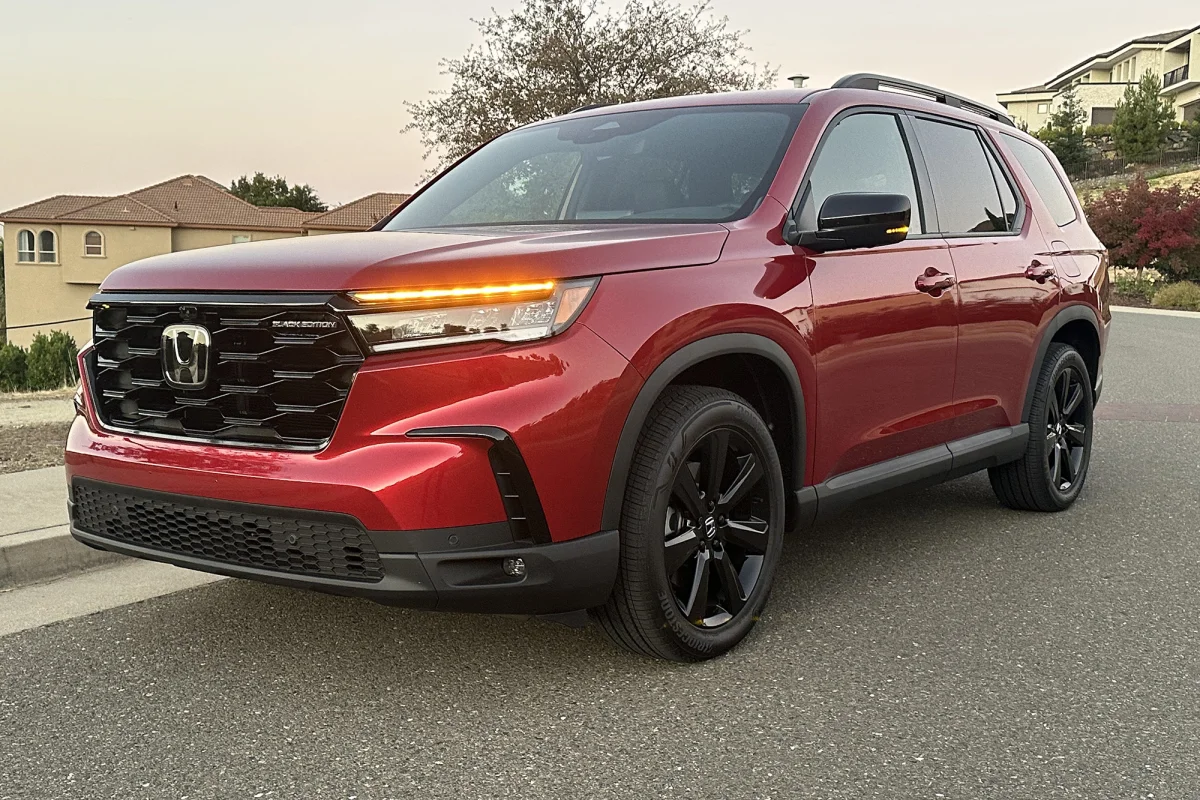
5. Honda Pilot
The Honda Pilot is a versatile midsize SUV known for reliability, practicality, and family-friendly features, but it exhibits pronounced body roll compared to sportier models. Its soft suspension and taller ride height contribute to noticeable sway when cornering, making the vehicle feel less planted than performance-oriented alternatives.
While the Pilot provides a comfortable ride over long distances and accommodates multiple passengers and cargo with ease, its dynamic handling is less precise, and drivers can experience a floating sensation in curves or during quick lane changes.
A major contributor to the Pilot’s body roll is its suspension geometry, which prioritizes comfort and load-carrying ability over tight cornering. This results in a higher center of gravity and greater lateral movement when navigating sharp turns.
The vehicle absorbs bumps and road imperfections well, but this softness allows the body to tilt and lean more than drivers might prefer in aggressive driving situations. Even modest cornering at highway speeds can reveal the Pilot’s limitations in terms of handling sharp maneuvers with minimal sway.
Despite these characteristics, the Pilot excels in the areas that matter most to its intended audience. Spacious seating, a smooth ride, ample cargo room, and strong reliability make it a practical choice for families.
While body roll is noticeable during spirited driving, it does not interfere with the Pilot’s core strengths of comfort, versatility, and everyday usability. The SUV demonstrates the trade-offs inherent in family-oriented design, where a soft, compliant ride takes precedence over tight, planted handling.
