

Choosing a vehicle often comes down to the subtle aspects of daily usability, and door design plays a surprisingly large role in this decision. The width and accessibility of a car’s entry point can influence convenience, comfort, and even safety, especially in urban settings where tight parking spaces are common.
Crossovers, in particular, are designed to balance the practicality of an SUV with the maneuverability of a smaller car, and their door width can make a noticeable difference in passenger experience.
Wide-opening doors allow passengers to slide in and out with ease, accommodate bulky items like car seats or shopping bags, and reduce the likelihood of scratches from adjacent vehicles. In contrast, models with tighter entries may prioritize compactness and styling, making them more challenging to enter and exit but often contributing to a sleeker design or improved structural rigidity.
For families or individuals who frequently transport passengers, wide doors can save time and effort, particularly when loading children or elderly relatives. The convenience factor extends to everyday activities, such as grocery runs, airport trips, or commuting in crowded parking lots.
On the other hand, vehicles with tighter entry points often appeal to buyers who prioritize efficiency in space utilization, minimalistic design, or lower production costs. Such entries may require a little extra maneuvering but can still provide a functional and safe experience if passengers adjust their approach.
Examining specific crossover models through the lens of door accessibility highlights the trade-offs that manufacturers make between convenience and design. Some crossovers achieve wide openings without compromising safety, while others accept narrower doors in favor of style, aerodynamics, or chassis strength.
Understanding these differences is essential for making an informed purchase decision, especially for drivers who frequently carry passengers or large objects. This article compares five crossovers with wide-opening doors to five models with tighter entries, emphasizing how each approach affects the experience of getting in and out of the vehicle.
The comparison aims to provide insight into practical usability, comfort, and the subtle design choices that distinguish these crossovers in a competitive market.
5 Crossovers with Wide-Opening Doors
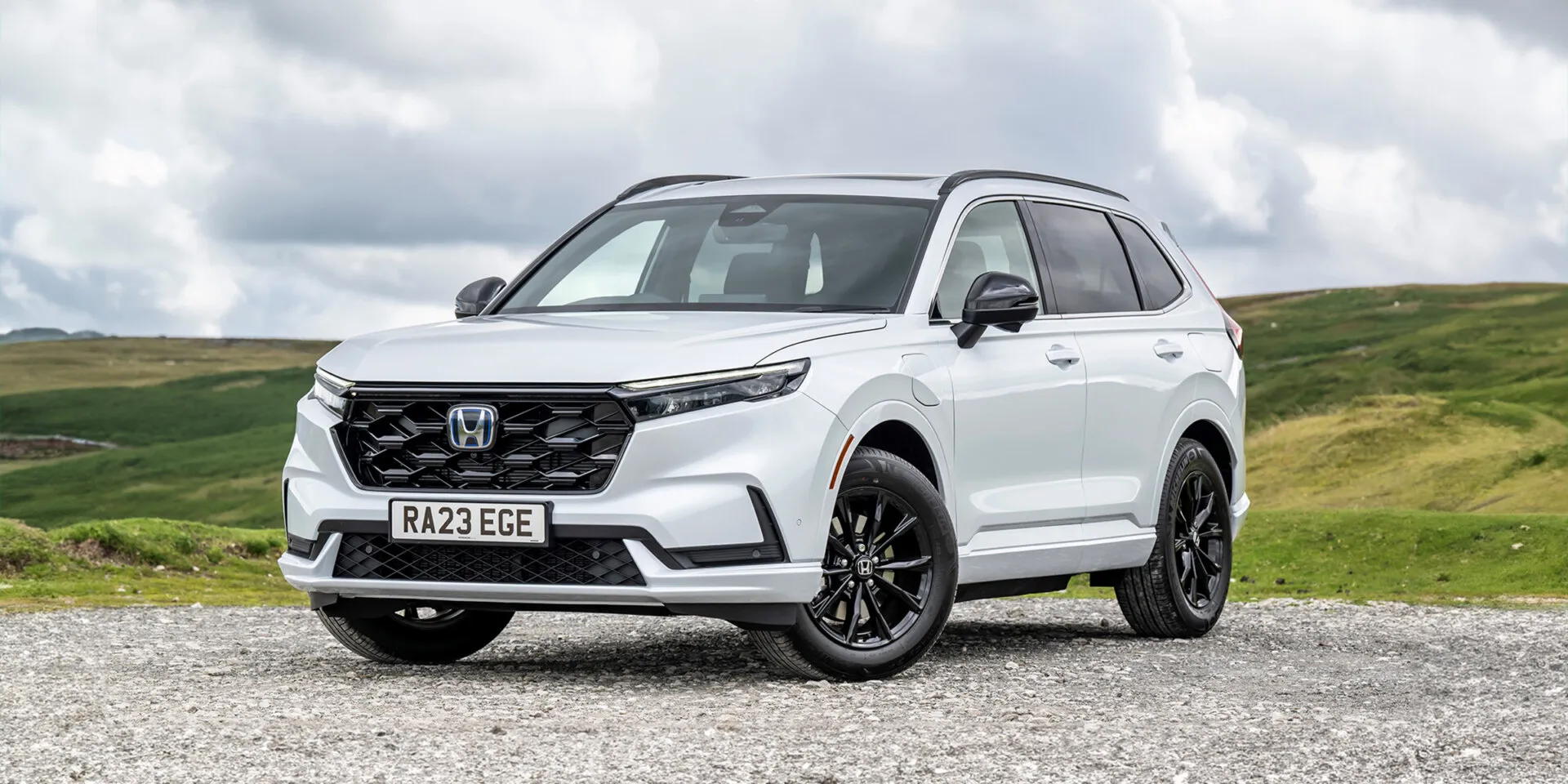
1. Honda CR-V
The Honda CR-V is widely appreciated for its thoughtful approach to accessibility, and the doors play a central role in this design. The front doors open with a broad swing that allows passengers to step in comfortably without bumping into neighboring vehicles, while the rear doors nearly mirror this width, which is uncommon in many compact crossovers.
This generous opening makes entering and exiting the vehicle effortless for adults of all sizes, as well as for children, reducing the stress of navigating a small gap.
The door handles are ergonomically placed, and the hinges provide a smooth motion that minimizes the force required to open the doors. Additionally, the CR-V’s low step-over height complements the wide door opening, making it ideal for families with children or elderly passengers who might struggle with higher entries.
The interior space enhances the functionality of the doors. Once inside, passengers notice the roomy feel, particularly in the rear seats, where shoulder and leg room allow for easy movement. The wide doors prevent the awkward twisting or turning often required in vehicles with narrower openings.
They also facilitate the installation of child seats, which is a critical consideration for families. The rear doors open widely enough to allow both large car seats and booster seats to fit without forcing the parent to contort their body, which improves safety during installation.
The practicality of these features reflects Honda’s attention to detail in designing a crossover that accommodates real-world usage rather than just prioritizing exterior styling.
Beyond passenger convenience, the wide doors of the CR-V provide functional benefits in terms of cargo handling. Loading bulky items such as strollers, sports equipment, or large grocery bags becomes less cumbersome.
The wider access reduces the need to tilt or lift items at awkward angles, lowering the risk of accidental damage to the vehicle’s interior or exterior. For owners who frequently transport items like camping gear, furniture, or even large shopping hauls, this feature significantly improves usability. Even when parked in tighter spaces, the broad doors allow sufficient clearance to slide items in and out with ease.
The wide-opening doors also enhance the perception of space inside the vehicle. Passengers feel less confined and more comfortable, creating a welcoming environment for both short trips and longer journeys. The doors’ design, combined with an elevated seating position, gives a sense of openness that adds to the vehicle’s practicality and appeal.
For anyone considering a crossover where daily convenience and usability are priorities, the Honda CR-V exemplifies how thoughtful door design can improve the ownership experience, demonstrating that minor design decisions can have a significant impact on comfort and practicality.
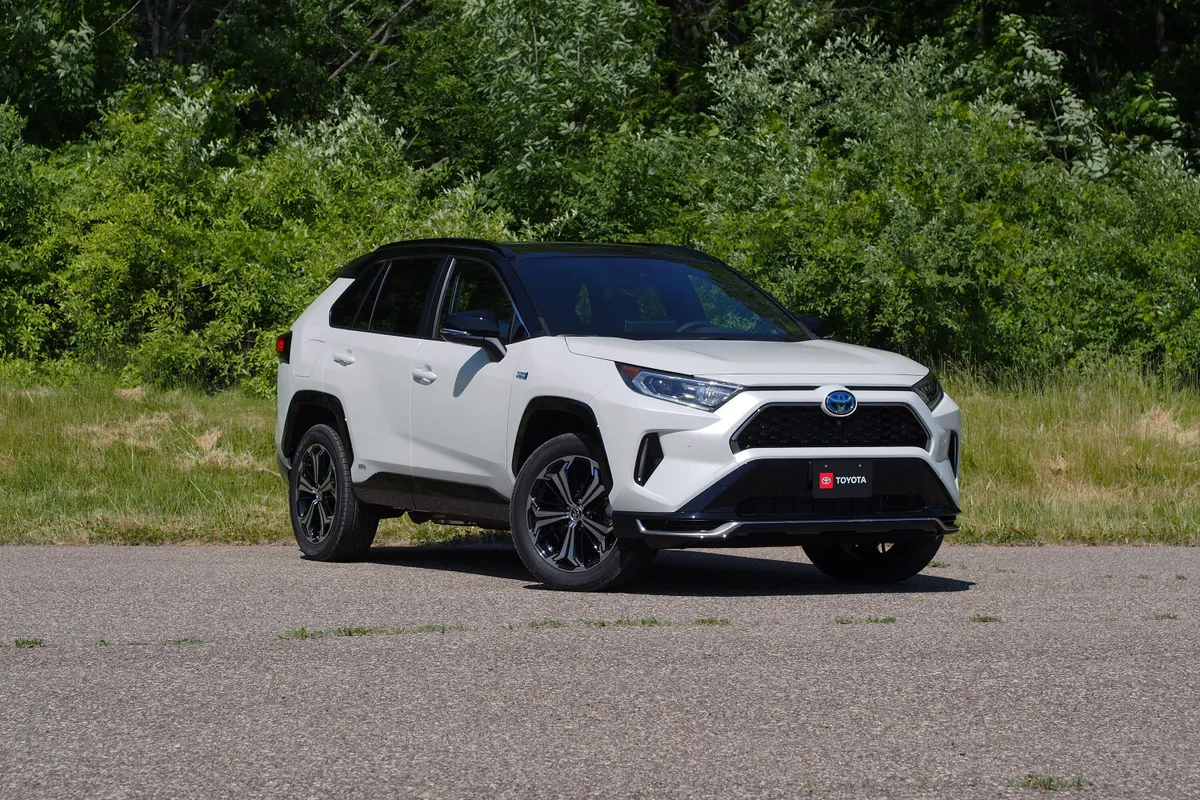
2. Toyota RAV4
The Toyota RAV4 features doors that open with a wide arc, providing easy entry and exit for passengers across all seating positions. This is especially noticeable in the rear, where the door width is generous enough to allow adult passengers to enter without turning sideways or contorting their bodies.
The hinge mechanism is smooth, requiring minimal effort to open and close the doors, while the threshold is designed for easy stepping in and out.
For taller passengers, the combination of wide doors and slightly higher ground clearance provides ample headroom during entry, minimizing the discomfort often associated with climbing into SUVs. This makes the RAV4 particularly convenient for families and passengers with mobility limitations.
Inside the cabin, the wide doors complement the spacious seating layout. Passengers benefit from unobstructed access to seat belts, handles, and storage compartments, which allows for a comfortable seating experience immediately upon entry.
Installing child seats is easier than in vehicles with narrower doors, as parents can position themselves with less strain. In addition, the wide door openings reduce the risk of accidentally scraping knees or elbows against door frames during the entry process, enhancing passenger comfort and convenience. This attention to ergonomics reflects Toyota’s focus on producing vehicles that cater to practical everyday needs.
Wide doors on the RAV4 also improve daily usability beyond passenger comfort. They make loading groceries, luggage, or other bulky items simpler and less stressful, particularly in urban or crowded parking lots.
Even with other vehicles parked nearby, the wide-opening doors provide sufficient clearance to maneuver items into the cabin without forcing awkward angles. This accessibility extends the vehicle’s functional value, making it not just a means of transportation but a practical tool for families and active individuals who regularly carry various types of cargo.
Safety considerations are also enhanced by the RAV4’s wide doors. The doors are reinforced to maintain structural integrity in the event of an impact, and the larger opening can help in emergency situations by allowing passengers to exit more easily.
Additionally, the wide door design works in tandem with the cabin layout to create a sense of openness, reducing the feeling of confinement and allowing passengers to feel more secure and comfortable during entry and exit. The RAV4’s door design demonstrates that accessibility and safety can be balanced effectively, resulting in a versatile and user-friendly crossover.
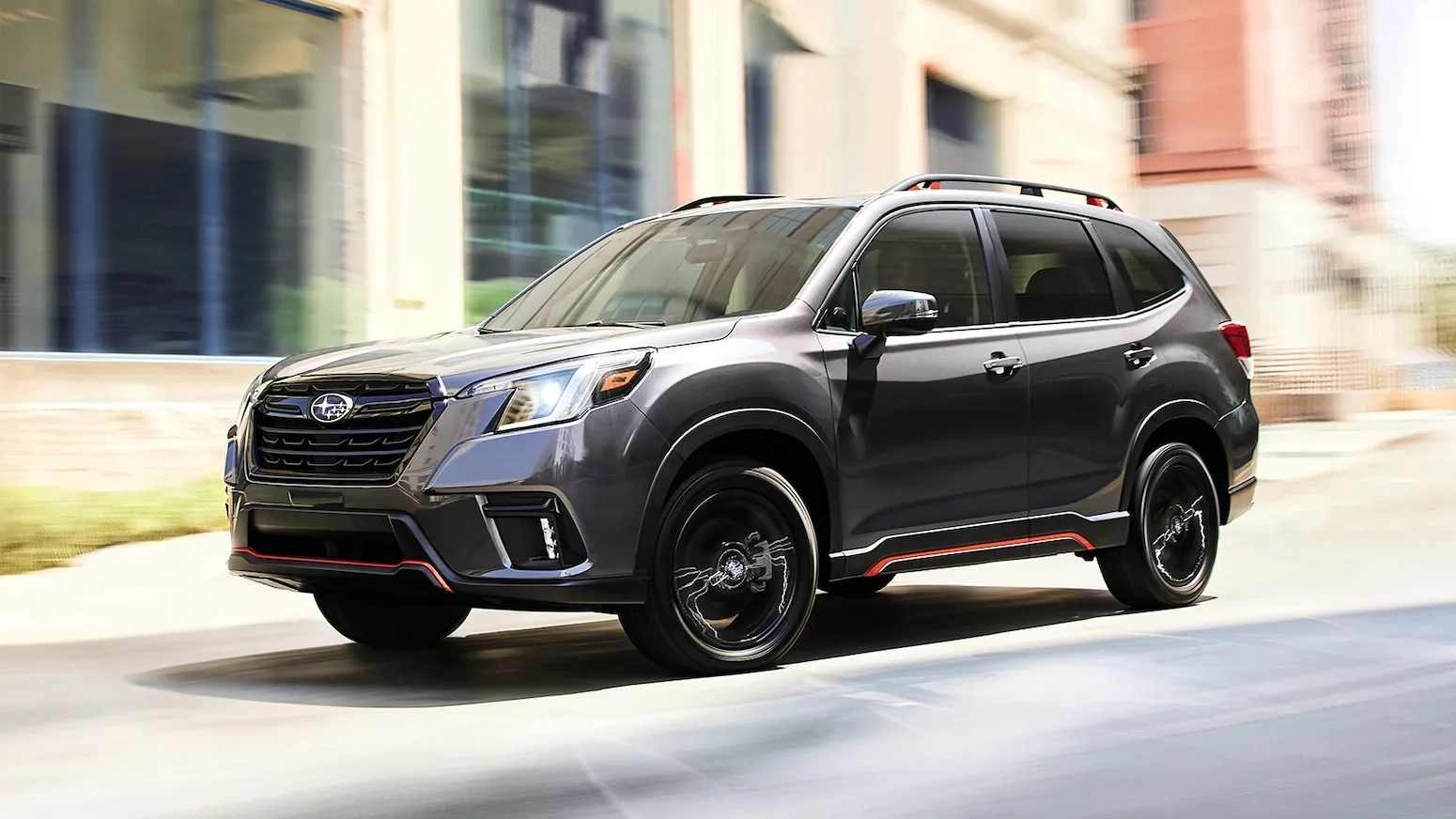
3. Subaru Forester
The Subaru Forester is known for its practicality, and wide-opening doors are a key feature contributing to its user-friendly design. Both front and rear doors swing broadly, providing ample space for passengers to enter and exit without difficulty. The low floor height works in combination with the wide doors to make stepping in and out smooth, reducing the effort required and minimizing stress on knees and hips.
This feature is especially beneficial for elderly passengers or families with small children, as it reduces the physical strain of getting into the vehicle. The door handles are strategically positioned for natural reach, and the hinges operate without resistance, emphasizing Subaru’s commitment to thoughtful design.
Inside the Forester, the spacious interior aligns perfectly with the wide door openings. Rear passengers enjoy generous legroom and shoulder space, making entry and exit feel effortless. Large adults can maneuver comfortably into the seats without brushing against interior panels or the door frame, which is a common challenge in crossovers with narrower doors.
The combination of wide doors and a roomy interior also simplifies installation of car seats and booster seats, allowing parents to position children safely without contorting their bodies or using excessive force. This practicality demonstrates Subaru’s focus on designing vehicles that are functional and family-friendly.
The wide doors also enhance the vehicle’s versatility when it comes to loading cargo. The Forester is often chosen for outdoor activities, and the broad door openings make it easier to fit equipment such as camping gear, skis, or bicycles inside the cabin.
Rear seats that fold flat expand the cargo area further, turning the doors into a functional asset for handling large items. The combination of accessibility and interior space makes the Forester ideal for families, outdoor enthusiasts, or anyone who needs a crossover capable of accommodating both passengers and gear comfortably.
In terms of safety, the Forester does not compromise. The wide doors are reinforced and integrated with strategically placed handles to facilitate rapid exit if needed. They also make routine vehicle checks and maintenance easier, as the generous access allows drivers to inspect or reach interior components without difficulty.
The result is a crossover that emphasizes convenience, practicality, and protection, demonstrating Subaru’s ability to design a vehicle where wide doors are both functional and safe, making daily use more enjoyable for all occupants.
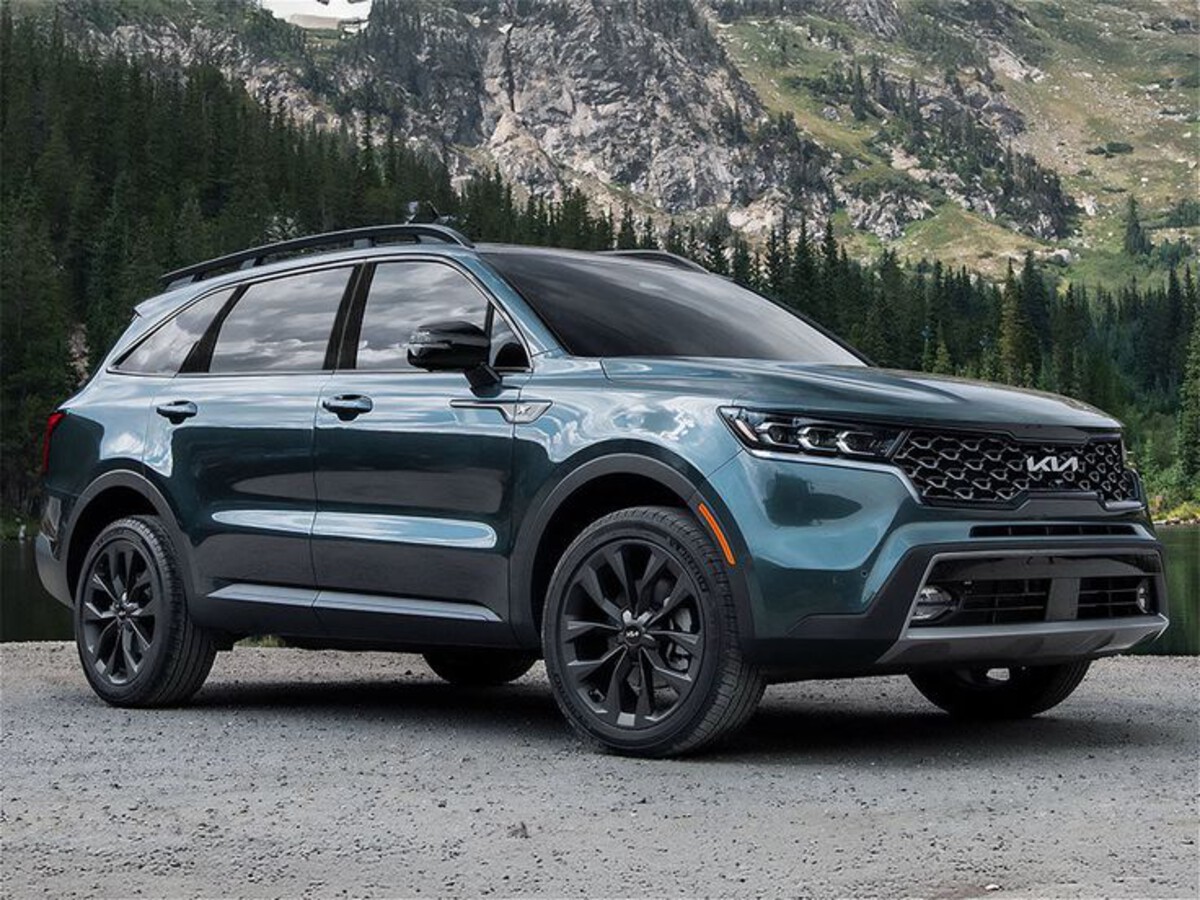
4. Kia Sorento
The Kia Sorento offers a combination of style, comfort, and practical usability through its wide-opening doors. Both front and rear doors provide ample access, allowing passengers to enter without awkward twisting or squeezing, even when wearing bulky clothing or carrying items.
The rear doors are particularly accommodating, providing space nearly equivalent to the front, which is uncommon among larger crossovers. The threshold is designed for easy stepping, and the smooth door hinges reduce effort while preventing sudden swings, making entry and exit simple and safe.
Inside, the wide doors complement an interior designed for comfort and convenience. Seats are positioned to maximize legroom and shoulder space, and the door openings allow passengers to access seat belts, handles, and storage areas without difficulty.
Installing child seats is straightforward, as the doors offer sufficient clearance to maneuver the seat without straining. The thoughtful design enhances passenger experience and reflects Kia’s attention to ergonomics, ensuring that the vehicle remains user-friendly for a variety of needs and passenger sizes.
Wide doors also improve daily functionality. In urban environments or crowded parking lots, the ability to open doors widely without hitting adjacent vehicles makes the Sorento more practical for families or groups. Loading groceries, luggage, or other bulky items is simpler, as the wide door openings reduce the effort required to maneuver items into the cabin.
This feature highlights the vehicle’s versatility and its suitability for both everyday commuting and long trips requiring significant cargo capacity.
The Sorento’s wide doors enhance the sense of openness and accessibility inside the cabin. Passengers experience a welcoming environment as they enter, with comfortable seating and ample shoulder room that complements the generous door widths.
These design choices make the Sorento a practical and enjoyable crossover for families, couples, and individuals who value convenience in addition to style, demonstrating Kia’s ability to integrate functional design into a visually appealing vehicle.
5. Ford Escape
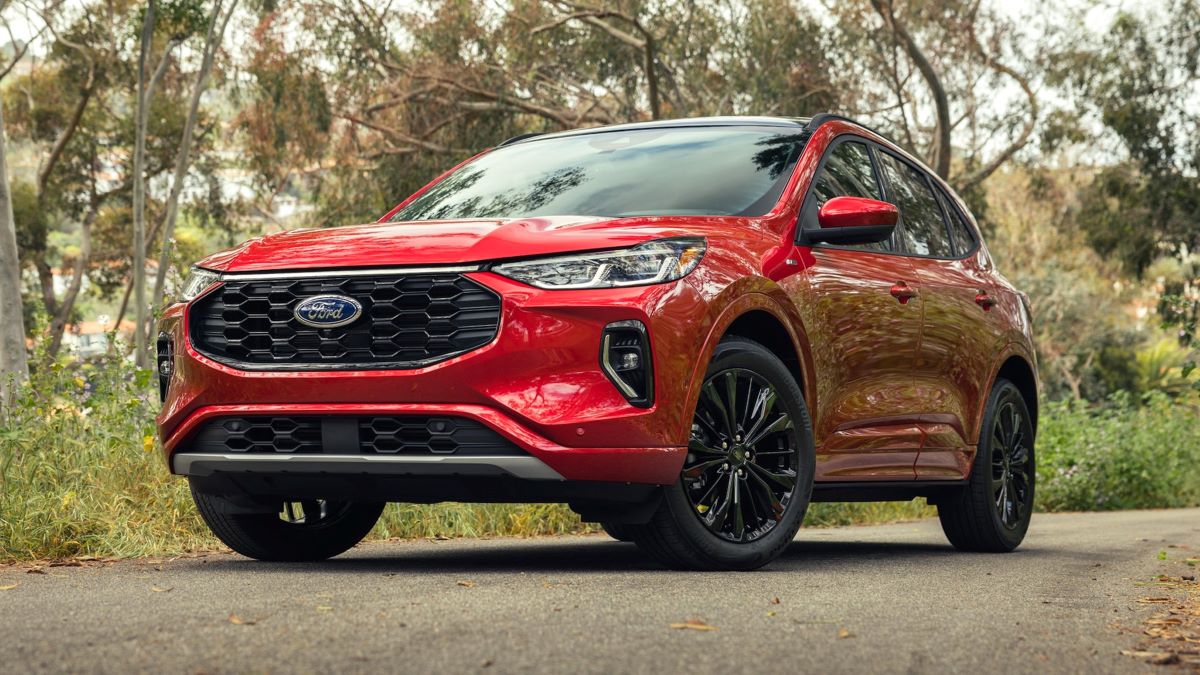
The Ford Escape combines compact size with surprisingly spacious door openings. Both front and rear doors swing wide enough to allow easy entry for passengers of varying sizes.
The low step-over height reduces physical effort, making it easier for children, elderly passengers, and those with mobility concerns to climb in comfortably. The door handles are positioned for ergonomic use, while smooth hinges ensure minimal resistance during operation, highlighting Ford’s focus on practical convenience for everyday driving.
Wide doors also contribute significantly to cargo handling. Large items, such as strollers, boxes, or sports equipment, can be loaded without awkward angles or excessive maneuvering. The rear doors and seats fold in a manner that maximizes usable space, turning the wide doors into a functional feature that enhances the crossover’s versatility.
Even in confined parking situations, the doors provide sufficient clearance for easy access, ensuring that everyday tasks like shopping or transporting gear are handled efficiently.
Daily usability is further improved by design details that accommodate frequent use. The door’s broad opening reduces the likelihood of bumping into surrounding vehicles, while handles and grips are positioned to guide passengers naturally. The interior layout complements these features, with well-spaced seats and strategically located storage, making the vehicle suitable for families and individuals who require a balance of practicality and comfort.
The wide doors also improve the perception of space within the Escape. Once seated, passengers experience a sense of openness that contributes to comfort on longer journeys.
Combined with supportive seats and a thoughtfully designed interior, the Escape demonstrates that even a compact crossover can deliver the convenience and accessibility associated with larger vehicles. The wide doors enhance every aspect of daily interaction, from passenger entry to cargo handling, making it an ideal choice for those who value functionality and ease of use.
5 Crossovers with Tight Entries
1. Mazda CX-5
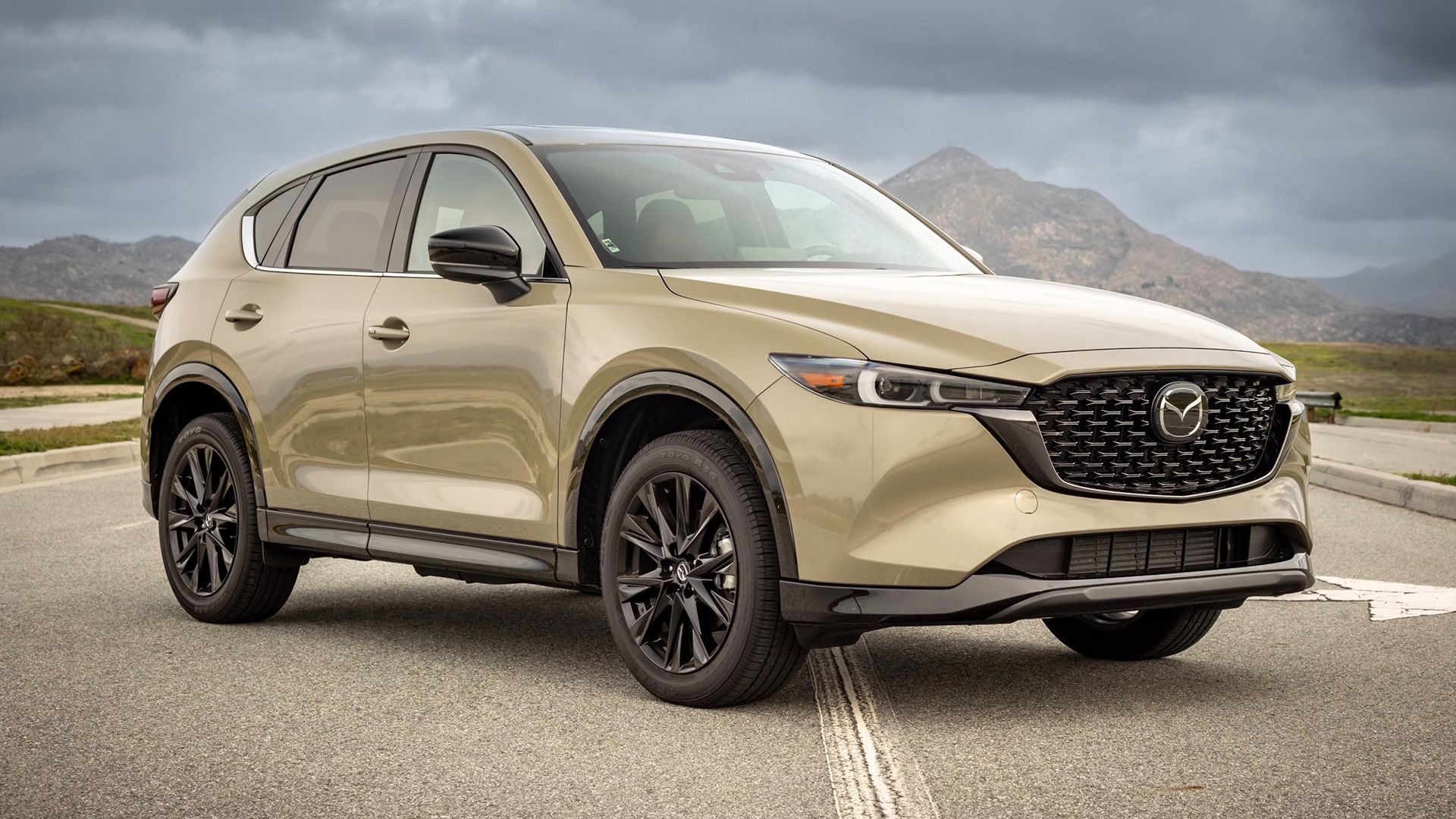
The Mazda CX-5 is celebrated for its sleek, sporty design, but this styling comes with trade-offs in accessibility. The doors open more narrowly compared with other crossovers, which can require passengers to twist or angle themselves slightly when entering, especially in the rear seats. For adults with larger frames or those carrying backpacks or handbags, this can make entry and exit feel more constrained than in vehicles with wider doors.
Despite the tighter openings, the CX-5 remains manageable for most passengers once they become accustomed to the space limitations. The narrower doors, while slightly less convenient, contribute to the vehicle’s streamlined appearance, giving it a cohesive, athletic look that aligns with Mazda’s focus on performance and visual appeal.
The interior compensates for the tighter door width with thoughtful design. Seats are contoured to provide comfort and support once passengers are inside, and the cabin layout ensures that even if entry is slightly tricky, passengers can quickly settle into a relaxed position.
Handles and grab points are strategically positioned to assist in maneuvering through the narrower openings, reducing the strain that might otherwise result from the smaller entry points. Parents installing child seats may need to adjust their approach slightly, but with careful positioning, the interior remains functional for families.
Daily usability is slightly affected by the door width, particularly in tight urban parking spaces. Passengers may need to angle their bodies to avoid hitting adjacent vehicles, which could be inconvenient when loading multiple passengers quickly.
However, the CX-5’s compact exterior and thoughtful interior design often mitigate these challenges, allowing the vehicle to remain practical for everyday commuting and errands. The narrower doors also slightly improve the vehicle’s structural integrity, as a more compact frame can enhance rigidity in collisions.
The Mazda CX-5 demonstrates that tight entries are not necessarily a disadvantage, but rather a design trade-off. While passengers may sacrifice a small measure of convenience, the vehicle gains in terms of style, agility, and structural cohesion.
For drivers who prioritize driving dynamics, aesthetic appeal, and compact dimensions, the CX-5 provides a practical yet visually striking option, with narrow doors that work within the context of its design philosophy.

2. BMW X1
The BMW X1 is a compact luxury crossover with a design that prioritizes style and driving performance, resulting in narrower doors than many competitors. Rear passengers, in particular, may find entry less straightforward, often requiring a careful maneuver to fit comfortably into the seat.
Adults may need to pivot their bodies or adjust leg positions to enter smoothly, while taller passengers may need to mind headroom during entry. This design choice allows BMW to maintain sleek lines and sporty proportions, which appeal to buyers seeking a dynamic and visually appealing compact SUV. The narrower doors also contribute to a stiffer chassis, enhancing handling and performance without sacrificing safety.
Once inside, the interior offsets some of the challenges posed by tighter doors. The seats are ergonomically shaped, offering sufficient cushioning and support for long trips. Handles and interior grips assist passengers in entering and exiting the cabin, which is especially helpful in rear seats with less generous door openings.
Although installing child seats may require more careful positioning, the interior dimensions still allow for safe and effective installation. The cabin design ensures that passenger comfort is preserved despite the entry constraints.
The BMW X1 shows that tight entries can be an intentional design choice that balances style, performance, and compact usability. While passengers must adapt to smaller door openings, the vehicle delivers a premium experience once inside.
For drivers seeking a luxury crossover with a sporty exterior and high-quality interior, the narrower doors are an acceptable compromise, reflecting BMW’s focus on aesthetics and driving dynamics rather than extreme accessibility.
3. Audi Q3
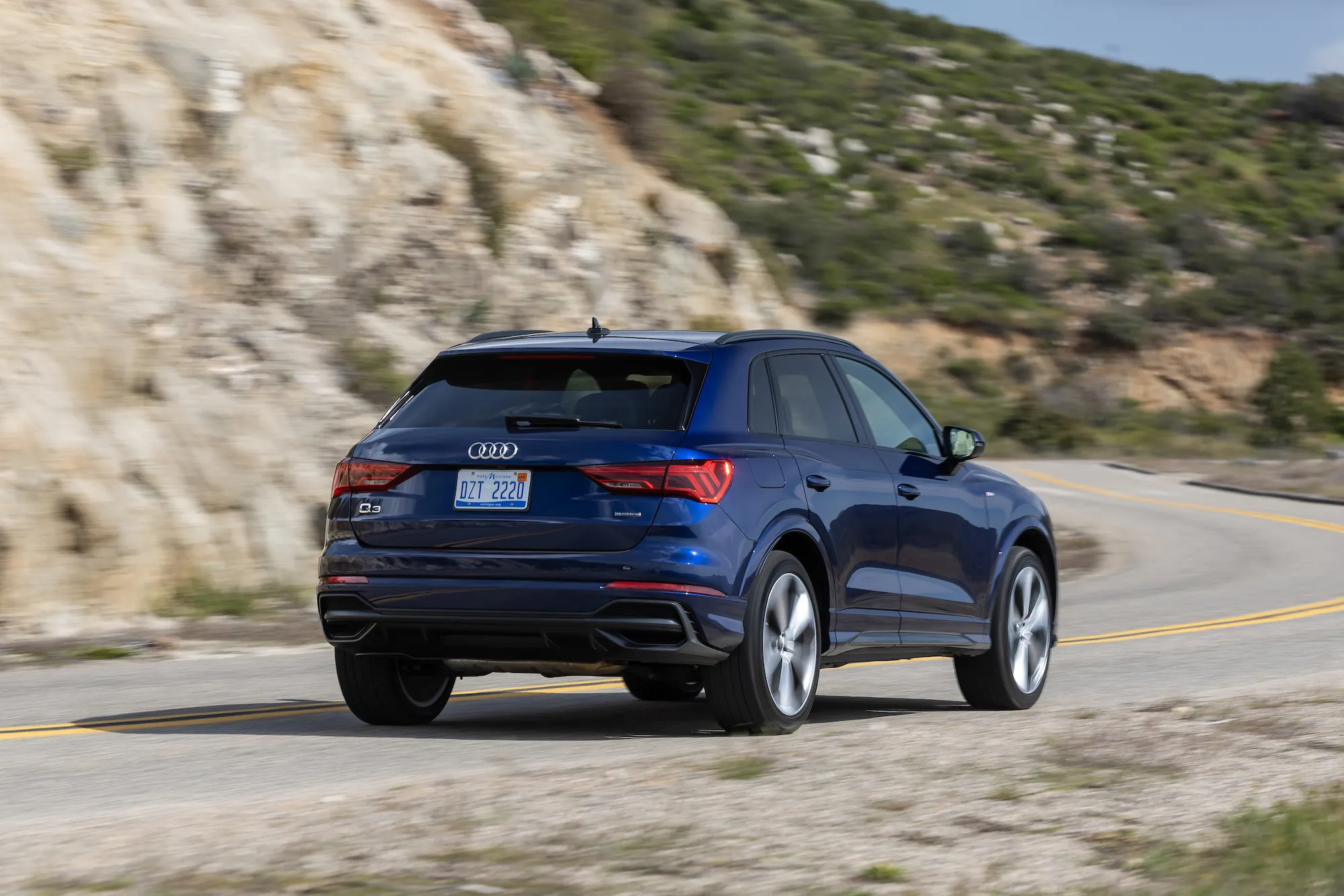
The Audi Q3 is a compact crossover where design and efficiency take precedence over extremely wide door openings. Both front and rear doors open relatively narrowly, requiring passengers to rotate their bodies or carefully adjust positioning to enter comfortably.
Rear passengers may find themselves slightly crouched when stepping inside, especially if the vehicle is parked in a tight area. While the narrower doors can be inconvenient for families or individuals carrying bulky items, they contribute to the Q3’s sharp, clean exterior lines and compact footprint, which are hallmarks of Audi’s design philosophy.
Inside the cabin, the interior layout helps counterbalance the limitations of tight door openings. The seats are designed with comfort and ergonomics in mind, ensuring that passengers are well-supported once inside.
Strategically placed grab handles and well-thought-out armrests allow for smoother entry and exit, minimizing awkward movements that might otherwise result from the narrower doors. Cargo loading may require a bit more care, particularly for larger items, but the folding rear seats provide flexibility that partially offsets these limitations.
The Q3 demonstrates that narrower entries do not necessarily compromise usability, especially for buyers prioritizing style, safety, and performance. While some passengers may need to adjust their movements, the combination of a well-designed interior and smart door placement ensures that the vehicle remains functional for daily use.
The narrower doors are part of a holistic design approach that emphasizes visual appeal and dynamic handling, making the Q3 a premium option for compact crossover buyers.
4. Mercedes-Benz GLA
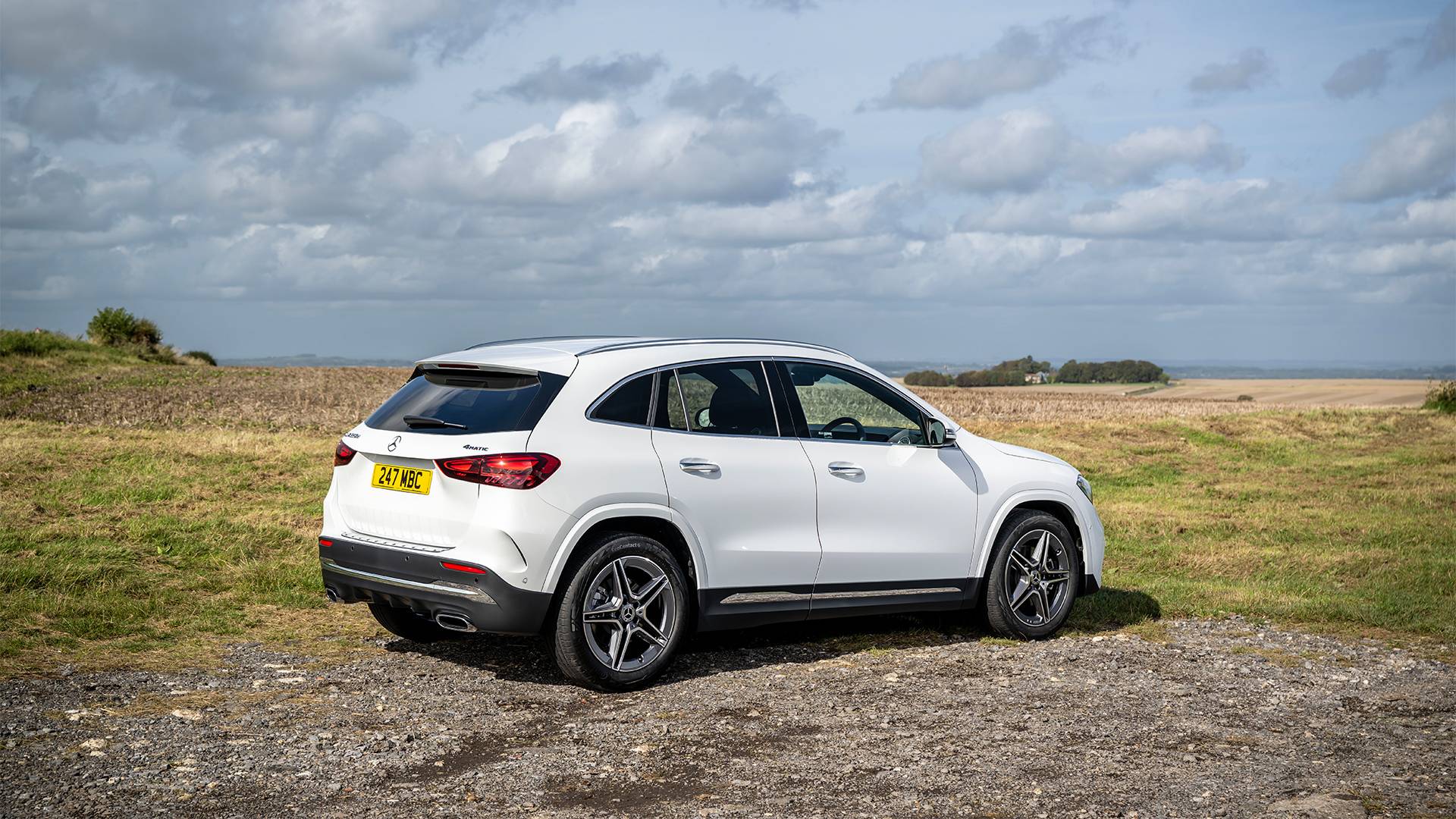
The Mercedes-Benz GLA is a compact luxury crossover that emphasizes style and performance, resulting in tighter door openings than wider, family-oriented SUVs. Rear passengers may find entry slightly restrictive, requiring careful positioning of legs and bodies to slide into the seats comfortably.
This narrower door width is a deliberate design decision that allows Mercedes to create smooth, aerodynamic lines and a sportier, more compact appearance. While the doors may limit convenience slightly, the vehicle’s design benefits from the reduced opening size, maintaining both elegance and structural integrity.
In daily use, tighter doors can influence practical activities, such as entering and exiting in crowded parking lots or loading cargo. Passengers must take extra care not to bump adjacent vehicles, and multiple entries at once can be slightly challenging.
However, the compact size of the GLA compensates for these restrictions, making it easier to maneuver into tight spaces than a larger crossover. The design trade-off prioritizes style and urban agility over the widest possible access, which appeals to buyers seeking a premium, city-friendly vehicle.
The Mercedes-Benz GLA demonstrates how luxury and design priorities influence door width. While tight entries require minor adjustments during boarding and exiting, the cabin remains comfortable and functional.
The balance between style, performance, and usability highlights Mercedes’ focus on premium appeal and sophisticated design, offering an elegant crossover experience even if the entry is slightly less convenient than in wider-door competitors.
5. Volvo XC40
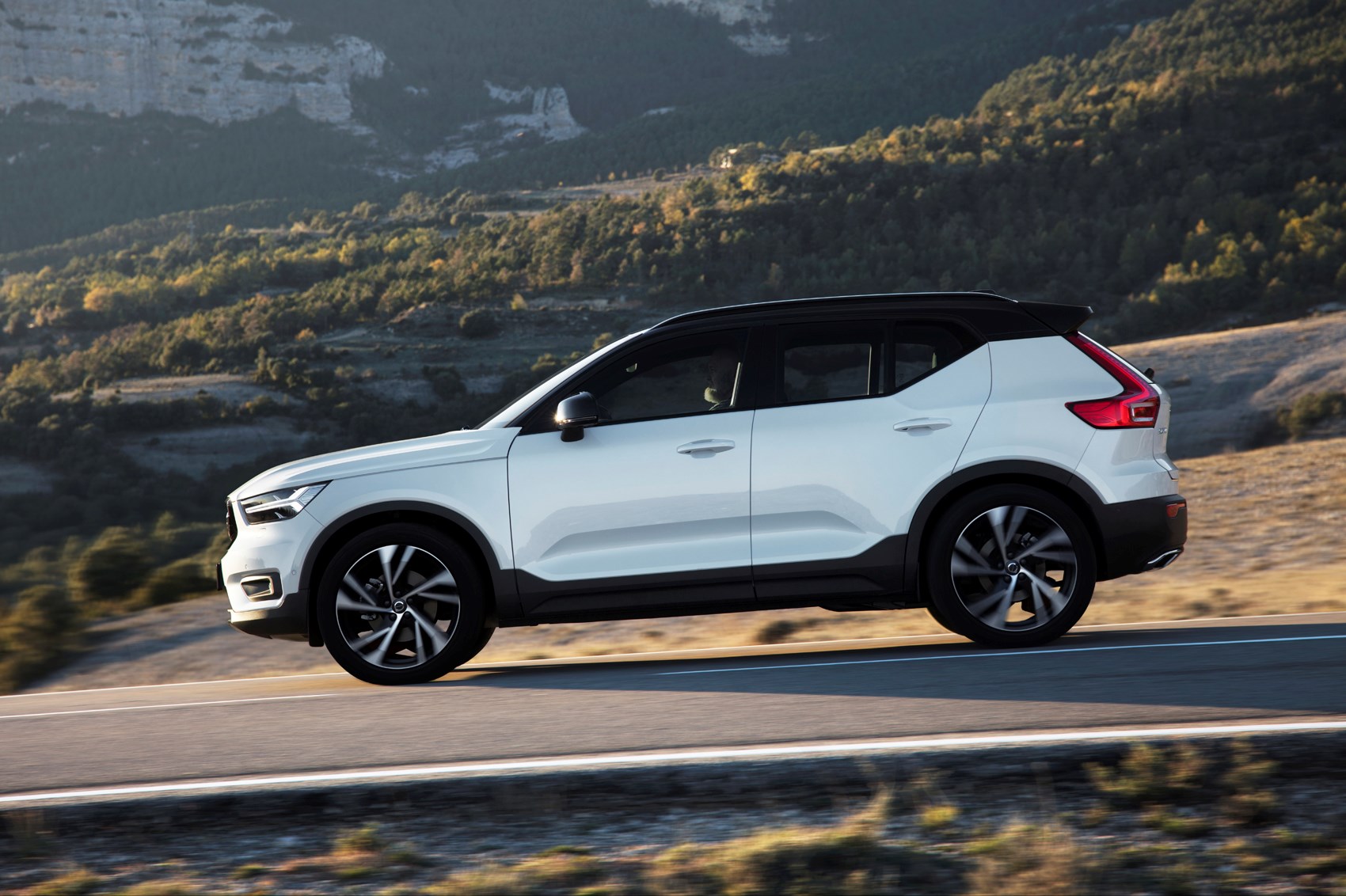
The Volvo XC40 is a compact, modern crossover with doors that are noticeably tighter than some other models. Passengers, particularly in the rear seats, may need to carefully maneuver their legs and bodies to enter comfortably. This can be challenging when carrying large bags or backpacks, and taller passengers may need to mind headroom during the initial step into the cabin.
The narrower doors contribute to Volvo’s minimalistic, angular exterior design, which emphasizes clean lines and urban practicality. This compact design also aids in parking in tight spaces, making the XC40 particularly convenient for city drivers despite the more restrictive door openings.
Tighter doors also provide structural and safety advantages. Reinforced door frames and a compact body enhance rigidity and offer additional protection in collisions.
The smaller openings also reduce the risk of accidental door damage in crowded parking lots, making the XC40 well-suited for urban driving. These design choices reflect Volvo’s emphasis on safety, efficiency, and clean aesthetics over maximum convenience.
The XC40 demonstrates that narrow doors can work effectively within a thoughtful design framework. While passengers may need to adjust their movements slightly when entering or exiting, the interior remains comfortable, safe, and functional.
The vehicle’s compact size, stylish exterior, and premium interior make it an appealing choice for drivers who prioritize design, safety, and urban usability over the widest possible access.
