
City driving can be unpredictable. Potholes, uneven asphalt, sudden speed bumps, and poorly maintained roads test a sedan’s suspension, stability, and driving dynamics. For those who commute daily, the difference between a sedan that glides effortlessly over urban patches and one that crashes and thuds with every imperfection is monumental.
The right choice can mean comfort, safety, and reduced fatigue, while the wrong choice can turn even a short trip into an exhausting ordeal. Understanding how sedans handle city conditions is not only about horsepower or aesthetics; it’s about suspension design, weight distribution, tire quality, and chassis engineering.
Many sedans marketed for comfort claim smooth rides, yet not all of them live up to their promise once they meet the potholes, patches, and uneven stretches of typical city roads.
A smooth city ride comes from a careful balance between suspension stiffness and damping, a chassis that can absorb shocks without transferring them harshly to the cabin, and tires that grip yet cushion. Sedans that fail in these areas tend to punish their occupants, producing sharp jolts, loud bangs, or unsettling vibrations.
While some of these factors are technical, others are experiential and subtle, how a car reacts to a pothole, how it rebounds, and whether passengers feel secure in their seats.
City driving also tests braking and steering synergy. A car that handles bumps poorly may also become unpredictable when quick evasive maneuvers are required. On the other hand, sedans that glide over rough patches often provide a sense of control, composure, and refinement that city commuters crave.
In evaluating sedans for city conditions, it’s essential to consider both mainstream and premium offerings. Certain brands have built their reputations on comfort and refinement, while others focus on sporty handling, sometimes at the expense of ride quality.
Price is not always an indicator of smoothness, either. Some mid-range sedans outperform luxury counterparts in cushioning and city resilience, proving that engineering priorities often matter more than branding. Factors like wheelbase length, suspension geometry, and even weight distribution play roles in a car’s ability to absorb shocks efficiently.
This article categorizes sedans into two groups: those that glide over urban patches and those that thud or crash harshly over similar terrain. By understanding which vehicles belong in each category, city drivers can make informed decisions about comfort, safety, and driving enjoyment.
Each vehicle listed is evaluated based on its suspension performance, chassis stability, and ride quality under typical urban conditions. This comparison will help highlight why some sedans feel almost buoyant in traffic, while others seem to punish their occupants with every bump.
By examining these differences, it becomes easier to appreciate the nuances of sedan design and the impact of engineering choices on daily city driving.
Sedans That Glide Over City Patches

1. Toyota Camry
The Toyota Camry has long been a staple for city commuters seeking a smooth, dependable ride. Its suspension is tuned to absorb minor imperfections without transmitting harsh shocks to the cabin. MacPherson struts in the front and multi-link suspension in the rear combine to offer a balance of comfort and stability, allowing the car to handle a variety of urban road conditions effectively.
This setup ensures that small potholes or uneven patches do not translate into disruptive jolts for passengers, which is especially important during stop-and-go traffic. The Camry’s suspension tuning focuses on maintaining a predictable rebound pattern, so when it encounters consecutive bumps, the ride quality remains consistent rather than unpredictable.
Additionally, the weight distribution of the vehicle is optimized to reduce pitch and roll, further stabilizing the car over uneven surfaces and enhancing composure.
This thoughtful interior engineering complements the suspension system, producing a sensation of gliding rather than bouncing. The steering feedback is calibrated to minimize transmission of road imperfections to the hands, allowing drivers to maintain confidence when navigating pothole-laden streets.
Furthermore, features like adaptive dampers in higher trims enhance ride comfort by dynamically adjusting to different road conditions, ensuring that even the roughest patches are met with a controlled, smooth response.
Another key aspect of the Camry’s ride is its wheelbase, which provides stability without compromising maneuverability. The moderate wheelbase length strikes a balance between absorbing bumps and maintaining responsive handling, preventing the car from feeling disconnected from the road.
Tires also play a critical role in smoothing out urban irregularities. Toyota typically equips the Camry with all-season tires that feature a well-calculated sidewall height and compound, which contributes to a cushioned ride while still maintaining traction in wet or uneven conditions.
Combined with the suspension, this tire setup ensures minimal harshness reaches the cabin, producing a seamless glide over city patches that enhances passenger comfort and reduces stress during daily commutes.
Finally, the Camry demonstrates that a sedan can combine a composed ride with efficient handling. Even in dense urban traffic requiring quick lane changes or sudden stops, the vehicle maintains stability and composure.
Its braking system, tuned with progressive pedal feedback, works harmoniously with the suspension to prevent nose-diving over bumps or abrupt stops. Passengers experience minimal jostling, while the chassis maintains a grounded, planted feel.
This consistency allows drivers to approach city roads with confidence, knowing the Camry will handle both minor surface imperfections and sudden maneuvers with poise. The combination of engineered suspension, supportive seating, sound insulation, and balanced weight distribution makes the Camry a benchmark for smooth urban driving.
2. Honda Accord
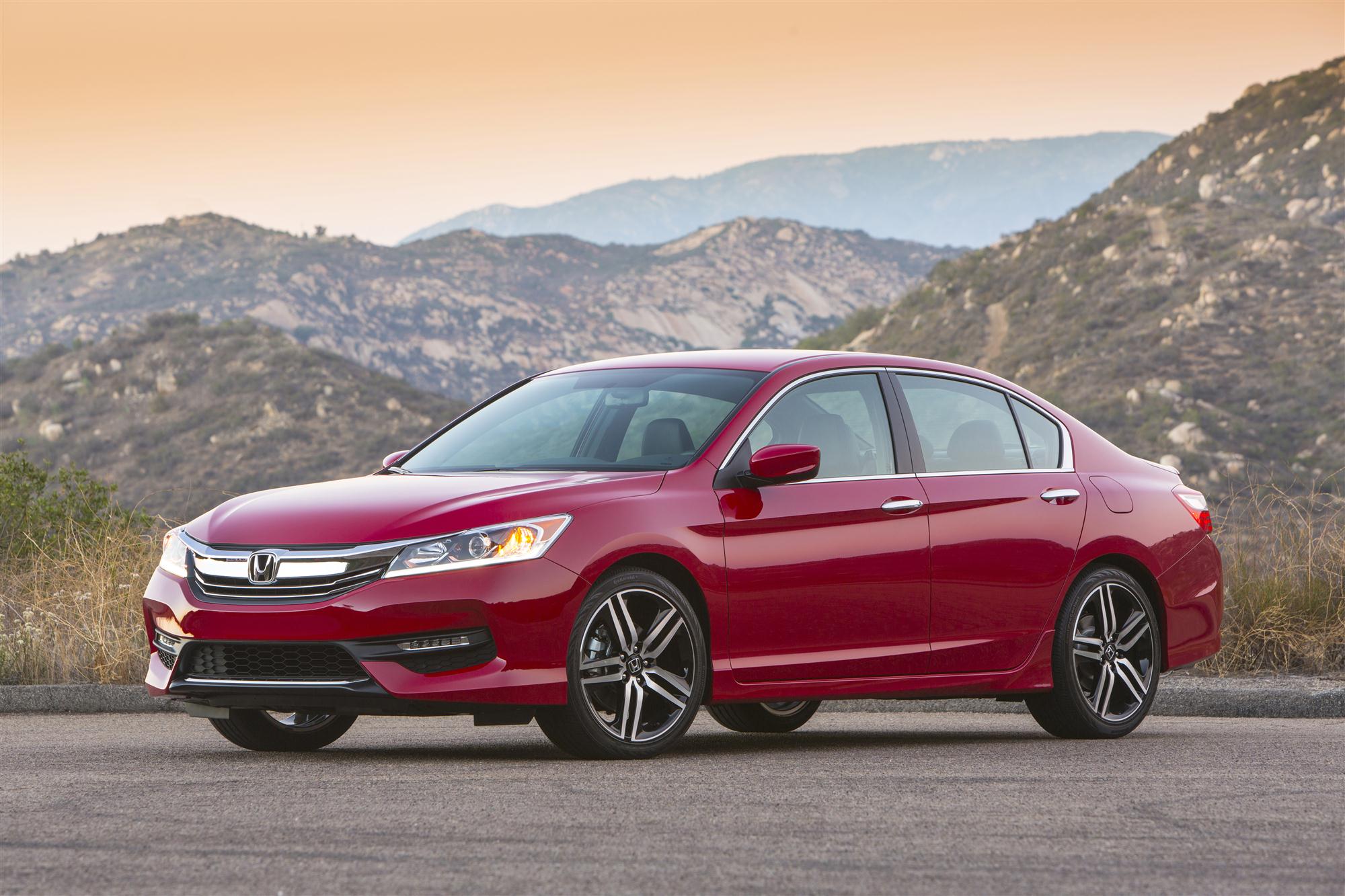
The Honda Accord’s reputation for comfort is well-earned, particularly in urban settings. Its suspension design, featuring a front MacPherson strut and rear multi-link configuration, absorbs shocks effectively while maintaining precise handling characteristics.
Unlike sedans that feel stiff or jittery over uneven asphalt, the Accord’s system flexes enough to soften minor bumps yet remains firm enough to prevent excessive body roll or instability.
This creates a ride quality that is both composed and controlled, which is particularly valuable for navigating unpredictable city roads filled with potholes, construction patches, and occasional speed bumps. The suspension geometry is calibrated to maintain contact between the tires and road at all times, ensuring stability and consistent performance even when encountering consecutive irregularities.
The ability of the Accord to combine dynamic handling with cushioning ensures that the car remains versatile, capable of handling city streets with unpredictably varying quality.
The cabin design further complements the ride experience. Honda incorporates sound-deadening materials and contoured, ergonomically designed seating to reduce the perception of road noise and vibrations. The tires, often with slightly taller sidewalls than sportier competitors, provide an additional layer of cushioning, absorbing irregularities before they reach the chassis.
This combination of suspension, tires, and cabin engineering allows the Accord to create a sensation of floating over city streets rather than crashing into every pothole. The driving experience is therefore more predictable and less fatiguing, particularly for daily commuters who spend extended periods in stop-and-go traffic or on uneven urban asphalt.
The suspension reacts consistently, preventing abrupt pitching or rolling, while passengers enjoy a soft ride without feeling detached from the road. The car’s engineering ensures that city driving becomes less stressful and more refined, reinforcing the Accord’s reputation as a sedan that glides with grace, even in less-than-perfect conditions.
3. Hyundai Sonata
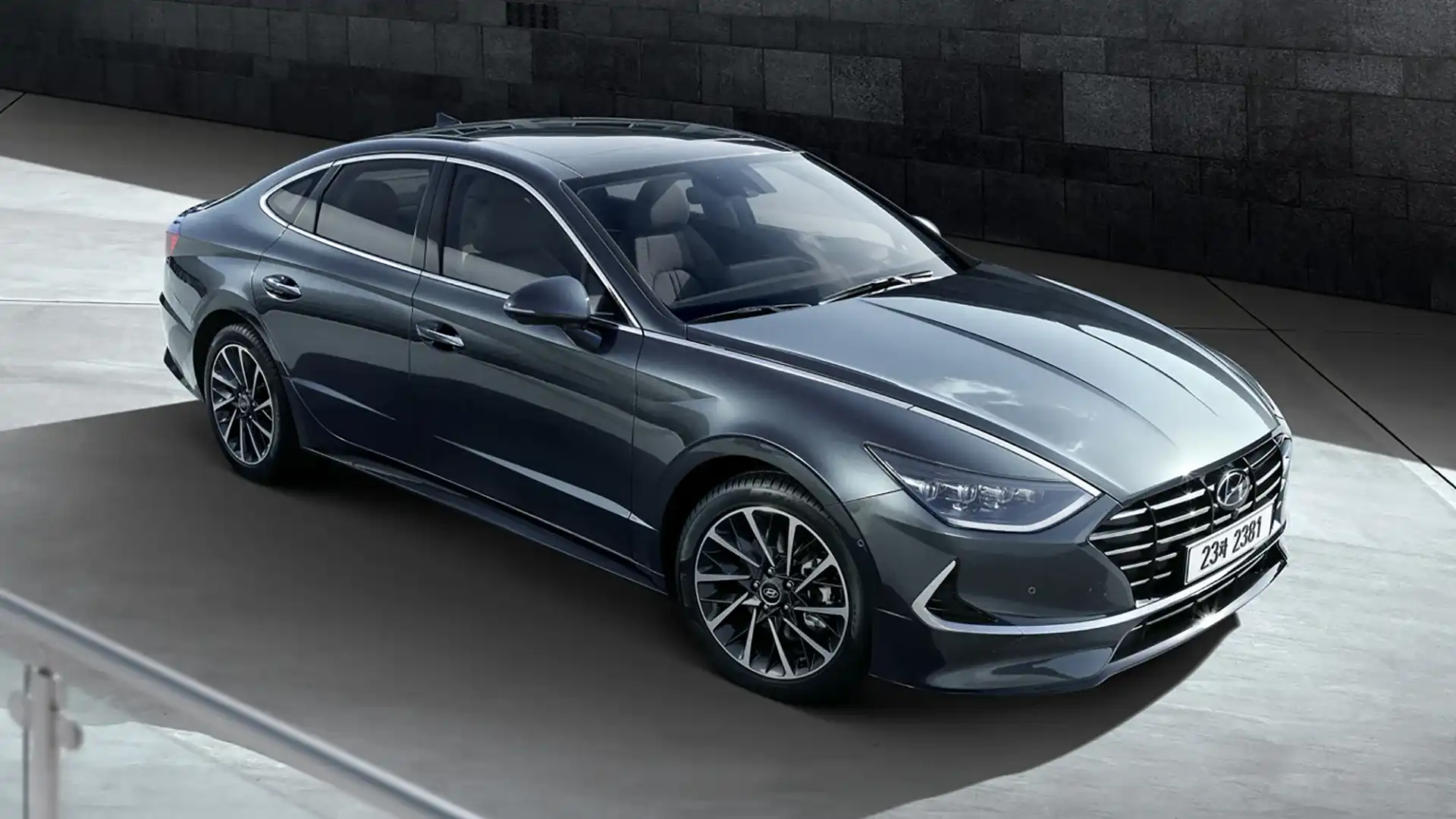
The Hyundai Sonata provides a high level of smoothness for urban environments, distinguishing itself in a segment where comfort often varies dramatically. Its suspension system, incorporating front MacPherson struts and a rear multi-link layout, is carefully tuned to minimize the impact of uneven surfaces.
Potholes, minor cracks, and speed bumps are absorbed with minimal disruption to cabin comfort, creating an impression of effortless gliding.
This is achieved through a combination of spring rates and damping curves designed to handle a wide spectrum of road irregularities, from shallow dips to moderately deep potholes. Even during continuous city driving, the suspension maintains consistent behavior, preventing harsh rebounds that could unsettle passengers.
Chassis design contributes significantly to the Sonata’s urban resilience. Engineers have prioritized a balance between flexibility and stiffness, ensuring that the car can absorb shocks without excessive body sway.
Finally, the Sonata balances ride comfort with driver confidence. Steering responsiveness is maintained over rough surfaces, and braking remains predictable even when encountering sudden bumps. The suspension responds incrementally rather than harshly, preventing abrupt jolts and maintaining stability.
Passengers experience a consistent, cushioned ride, while drivers enjoy the assurance that the car can handle a variety of urban road conditions without compromise. This thoughtful integration of suspension, chassis, tires, and interior comfort ensures that the Sonata glides with a remarkable level of refinement over city patches.
4. Kia K5
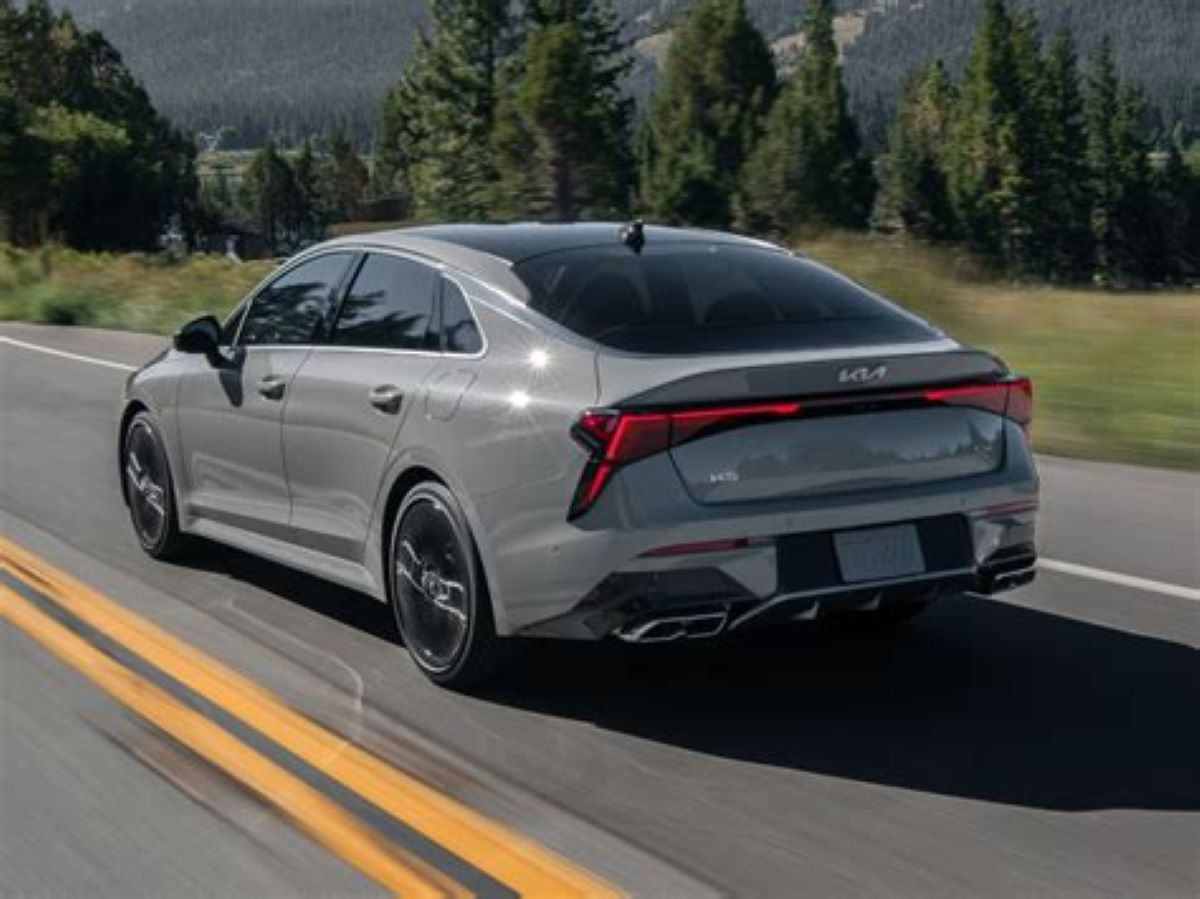
The Kia K5 has emerged as a modern contender in urban driving comfort, designed to balance smoothness with responsive handling. Its suspension system, consisting of front struts and a rear multi-link setup, absorbs shocks from potholes and uneven patches effectively, minimizing harsh impacts inside the cabin.
The car demonstrates minimal vibration transfer and reduces abrupt jolts, giving occupants the sensation of gliding rather than crashing over urban imperfections. Suspension tuning emphasizes gradual absorption of shocks, which is particularly effective when encountering consecutive bumps, ensuring a calm and composed ride.
Chassis engineering is equally important in maintaining the K5’s smooth ride. It is tuned to provide firm handling without compromising comfort, controlling body roll and pitch over uneven roads.
The combination of structural rigidity and suspension compliance allows the vehicle to feel grounded, even when navigating city streets that include potholes, speed bumps, or construction areas.
The car’s geometry and weight distribution enhance stability, ensuring that the ride remains predictable, even at moderate speeds. Drivers benefit from precise steering and responsive feedback while passengers remain insulated from road harshness.
Interior design complements the mechanical sophistication of the K5. Seats are well-padded and ergonomically designed to absorb minor shocks and vibrations, while sound insulation reduces the intrusion of road noise into the cabin.
Tires are selected with profiles that provide additional cushioning, working in tandem with the suspension to ensure smooth urban travel. These features combine to create a ride that feels calm and refined, reducing driver fatigue and enhancing passenger comfort during daily commutes.
Finally, the K5 excels at balancing ride comfort with handling performance. Drivers experience stable braking and responsive steering even over rough patches, while the suspension manages to absorb irregularities without transferring discomfort.
This allows for controlled maneuvers in congested city traffic without compromising the sense of refinement inside the cabin. The Kia K5 demonstrates a careful engineering approach that prioritizes a gliding ride over harshness, ensuring a pleasurable experience for urban drivers and passengers alike.
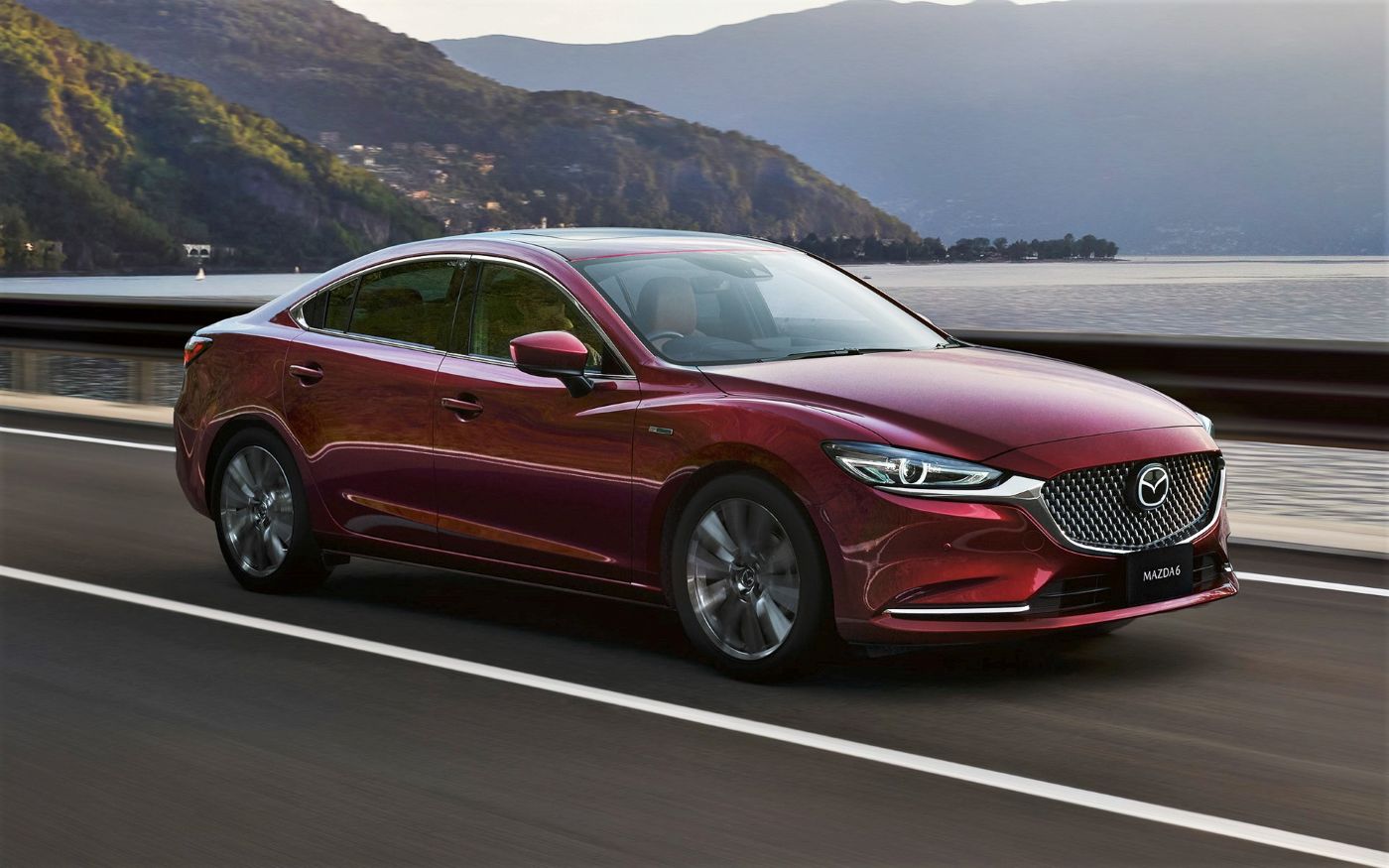
5. Mazda 6
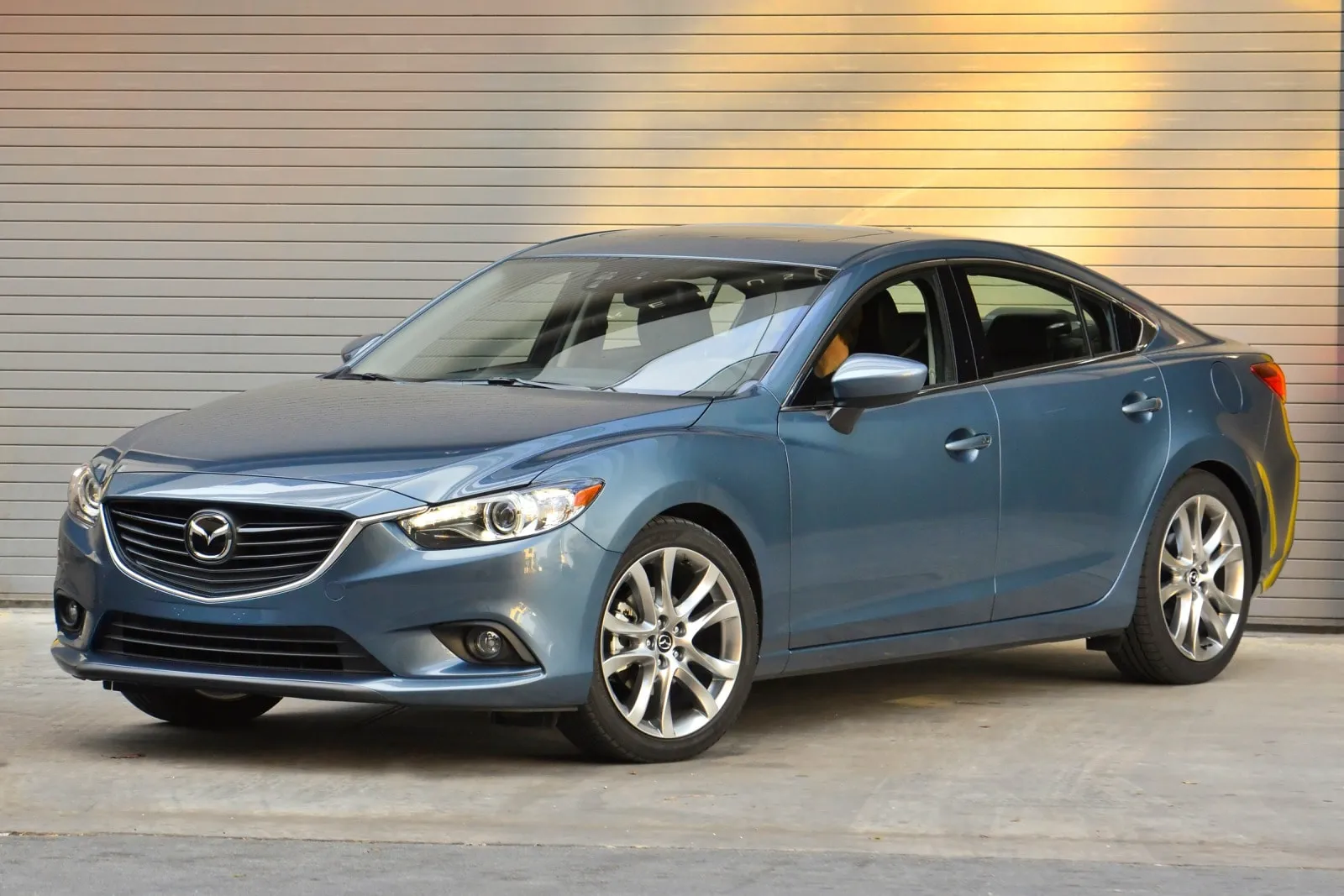
The Mazda 6 is celebrated for delivering a combination of sporty handling and comfort, particularly suitable for city driving. Its suspension system, which uses front struts and a rear multi-link design, is calibrated to absorb road imperfections while preserving a smooth and composed ride.
The car handles potholes and uneven asphalt with minimal transfer of shocks to the cabin, creating a sensation of gliding rather than abrupt bouncing. Suspension components are tuned to maintain contact between tires and road at all times, resulting in predictable handling even in dense urban environments with frequent surface irregularities.
The chassis design enhances ride comfort without sacrificing engagement. Body roll is well controlled, allowing the Mazda 6 to maintain composure over dips and bumps, while the suspension absorbs shocks gradually.
The balance between flexibility and rigidity prevents excessive pitching or instability, ensuring passengers feel secure throughout the ride. The combination of tuned springs and dampers works harmoniously to mitigate harsh impacts, creating a consistent ride quality over various city patches.
Interior design complements mechanical performance by further isolating occupants from road irregularities. Ergonomically contoured seats and cabin sound insulation minimize vibration and noise, enhancing the perception of smoothness.
Tire choice, with slightly taller sidewalls, provides additional cushioning, allowing the suspension to work effectively without passengers feeling sudden jolts. Together, these elements ensure that the Mazda 6 maintains a refined and comfortable cabin environment even on poorly maintained city streets.
Finally, the Mazda 6 balances comfort with driving engagement. Steering is precise, brakes respond predictably, and the suspension maintains stability over rough surfaces. Drivers benefit from a sense of control, while passengers experience a calm and cushioned ride.
The car’s thoughtful integration of suspension, chassis, tires, and interior ergonomics results in a sedan that glides effortlessly over city patches, combining smoothness with confidence, making it one of the most refined options for urban commuters seeking comfort and handling in one package.
Sedans That Crash and Thud
1. Nissan Altima
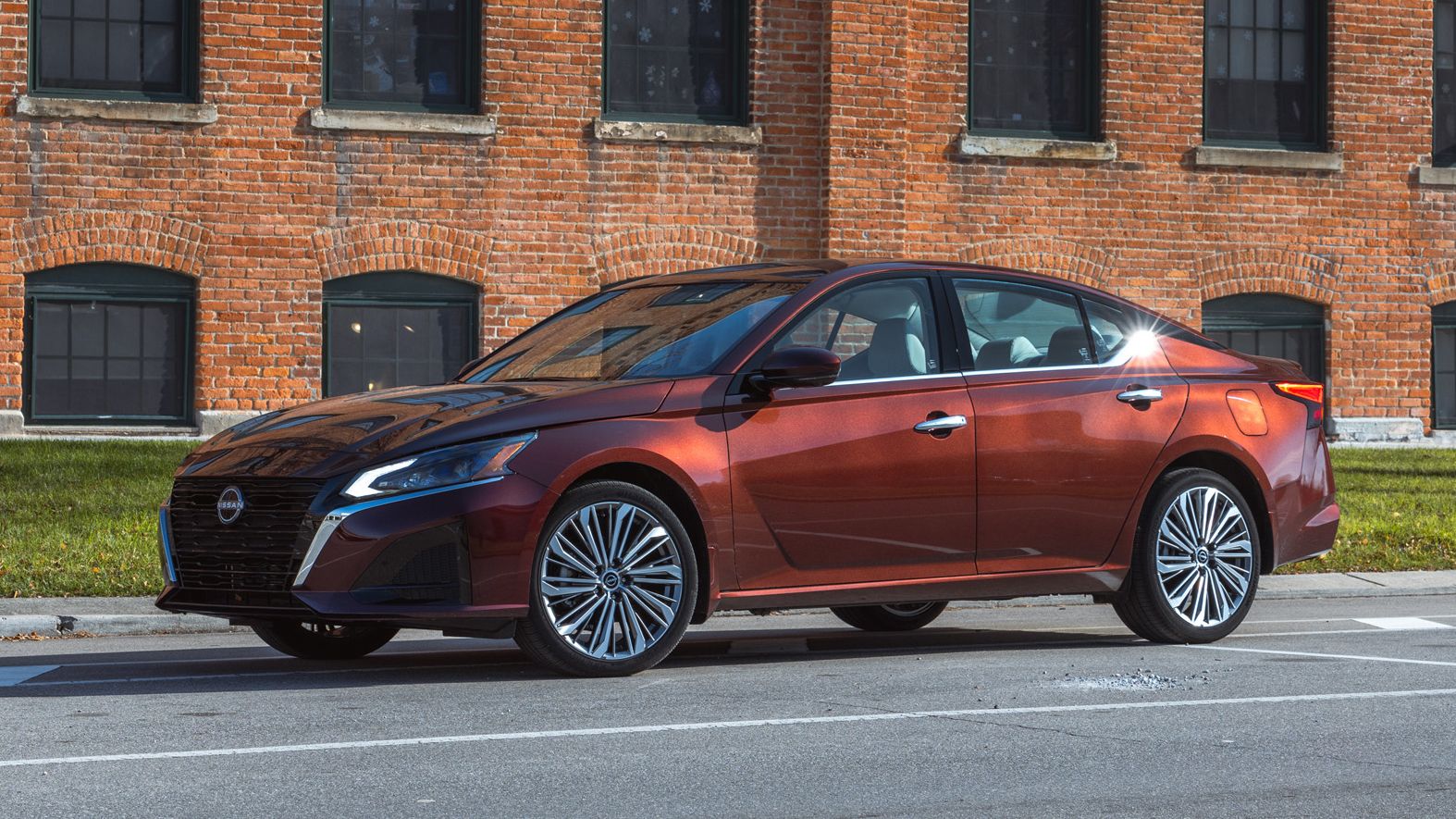
The Nissan Altima, while popular for its styling and highway performance, often struggles in typical city driving due to its suspension characteristics. Its front struts and rear multi-link suspension are engineered for stability and responsive handling at higher speeds, but they provide limited absorption for uneven urban roads.
When navigating potholes, cracks, or sudden dips in the asphalt, the Altima transmits significant jolts to the cabin, creating a noticeable thud for both driver and passengers. This effect is magnified when encountering consecutive road imperfections, as the suspension does not progressively absorb impacts, causing the vehicle to rebound abruptly.
In urban settings where streets are unpredictable and rough, this behavior can make the ride feel harsh and fatiguing, especially during long daily commutes.
Inside, the cabin provides adequate amenities, but comfort features cannot compensate for the mechanical harshness. Seats, while supportive, have limited padding and fail to absorb shocks effectively, making passengers feel every imperfection.
Sound insulation is more focused on highway noise rather than urban irregularities, allowing the rumble of uneven asphalt and manhole covers to enter the cabin.
The steering column and floor panels also transmit vibrations, further emphasizing the thudding sensation. Drivers often report needing to constantly adjust their grip and posture to compensate for jolts, which increases fatigue and reduces comfort during stop-and-go city traffic.
Finally, the Altima struggles to balance ride comfort with handling in city environments. Quick lane changes or emergency braking over patchy streets can produce forward pitching or unsettling vibrations, highlighting the limitations of the suspension design.
The car may feel less planted when navigating potholes, and body movements are transmitted sharply to the cabin. For passengers seeking a calm and cushioned ride, the Altima often delivers a more disruptive experience, reinforcing its reputation as a sedan that crashes and thuds over city patches rather than gliding smoothly.
Drivers frequently cite the Altima’s urban ride as one of its main drawbacks, despite its reliability and performance on smoother surfaces.
2. Chevrolet Malibu
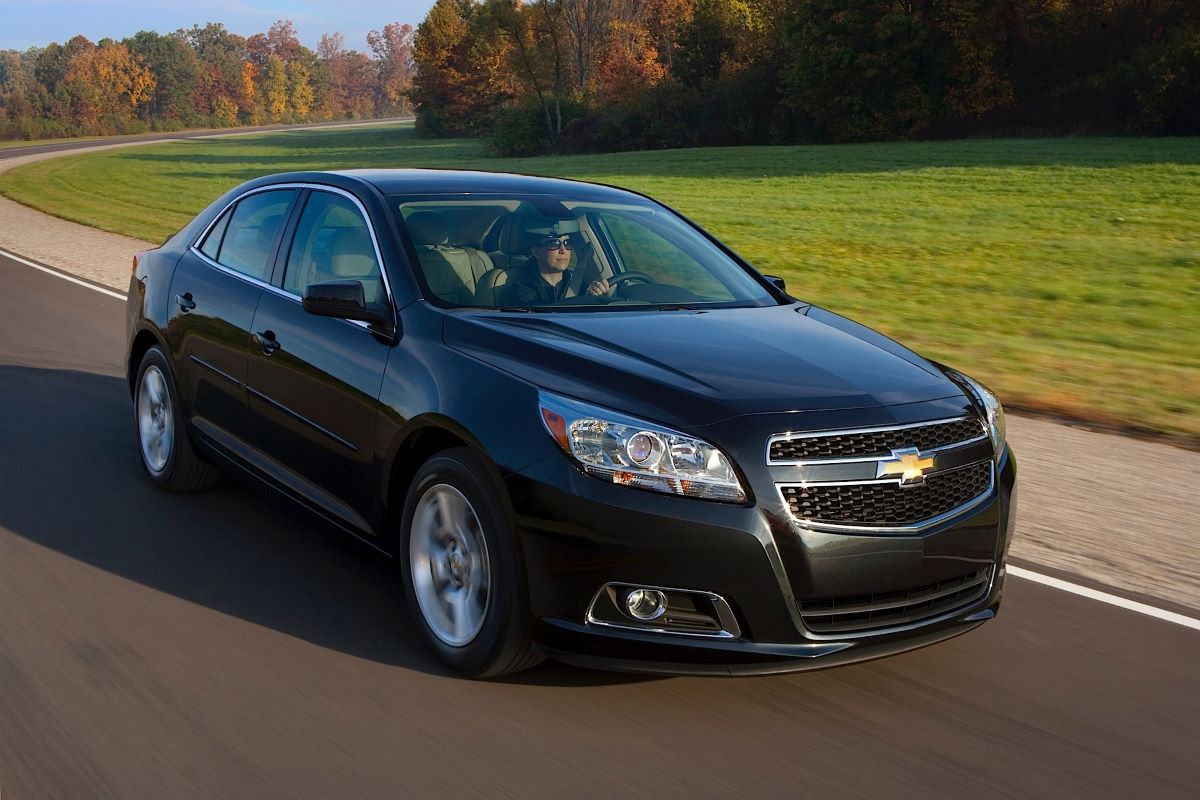
The Chevrolet Malibu, while praised for smooth highway handling, frequently exhibits a harsh ride in city conditions due to its suspension setup. The front MacPherson strut and rear multi-link system are tuned to favor stability and cornering control, but this often comes at the cost of comfort on rough urban roads.
Even minor imperfections such as shallow potholes, uneven patches, or speed bumps are felt sharply within the cabin. Unlike sedans designed for urban glide, the Malibu tends to transmit these impacts with minimal absorption, resulting in a noticeable thud that can be uncomfortable for both driver and passengers. The effect is particularly pronounced in congested urban traffic, where frequent bumps and lane transitions are common.
Cabin comfort offers some mitigation, but it does not fully counteract the suspension’s harshness. Seats provide firm support, which is beneficial for long drives and spirited handling, but they lack the softness required to cushion occupants from sudden jolts.
The interior sound insulation, while sufficient for highway noise, does little to block the constant rumble of rough pavement, manhole covers, and uneven asphalt.
Road vibrations are often transferred to the steering wheel and floorboards, making the urban driving experience noticeably jarring. Passengers and drivers alike experience a heightened awareness of road imperfections, which can lead to fatigue and discomfort during daily city commutes.
Finally, the Malibu struggles to balance handling performance with city comfort. Braking over uneven streets can create forward pitching, while sudden evasive maneuvers may highlight the suspension’s stiffness, leaving passengers feeling jolted.
Although the vehicle handles predictably on highways and smooth roads, frequent urban obstacles emphasize the Malibu’s inability to smooth out bumps effectively. For those prioritizing comfort during stop-and-go city travel, the Malibu often fails to meet expectations, earning its place among sedans that crash and thud over city patches rather than glide seamlessly.
3. Ford Fusion
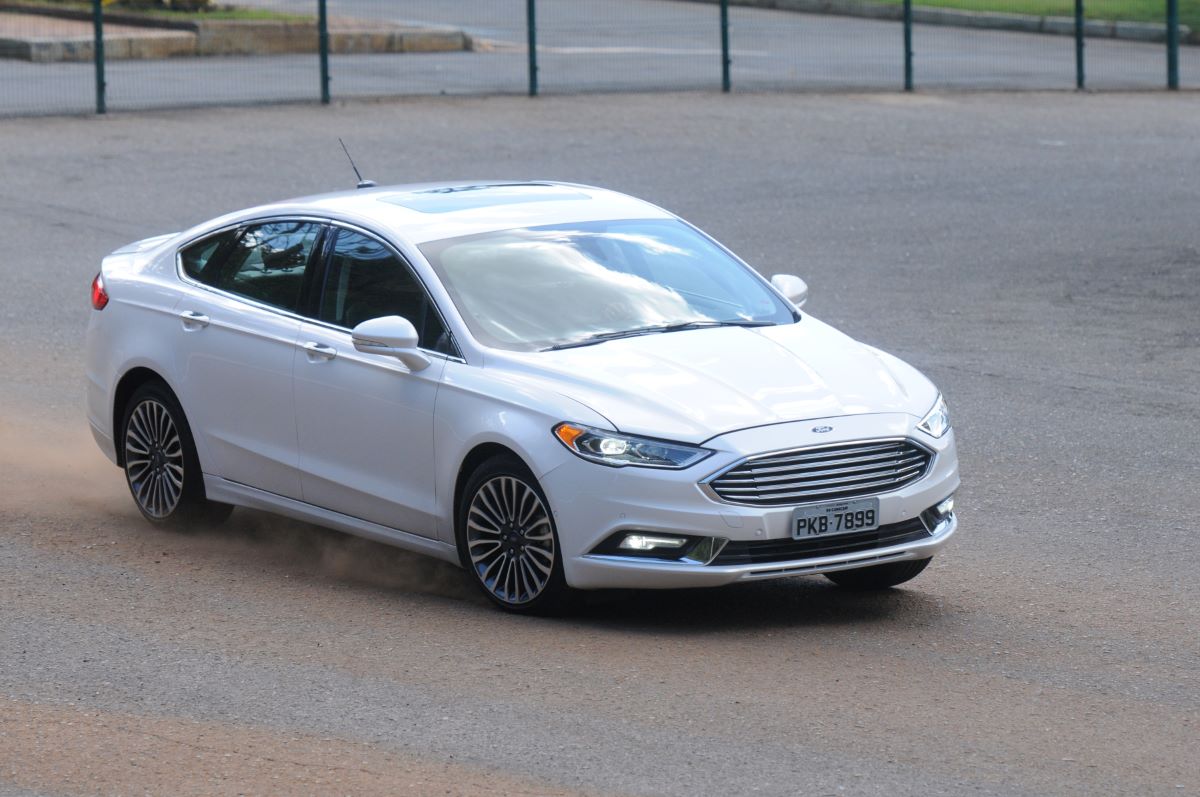
The Ford Fusion is engineered for highway stability and responsive handling, but its urban ride quality often suffers due to stiff suspension tuning. The front struts and rear multi-link components are designed to maintain precise control and reduce body roll, which works well for higher-speed driving but can feel harsh in stop-and-go city traffic.
Even minor road imperfections, such as cracked asphalt, potholes, or small dips, are transmitted sharply into the cabin. Passengers frequently feel jolts and vibrations, creating a perception of crashing rather than gliding over city streets. The suspension absorbs energy abruptly rather than progressively, leading to a less cushioned, more disruptive ride.
Cabin comfort cannot fully mitigate these harsh characteristics. Seats are supportive and designed for long-distance stability, but they have limited shock absorption, causing passengers to feel every bump. Road noise, particularly from rough or uneven surfaces, enters the cabin, and vibrations can travel through the floor, seats, and steering wheel.
These factors combine to create a ride that feels jarring, particularly in congested urban environments where constant acceleration, braking, and maneuvering over imperfect surfaces is required. Passengers are left acutely aware of road imperfections, which can lead to discomfort over time.
Finally, the Fusion struggles to balance handling with urban comfort. Quick evasive maneuvers or sudden braking on patchy streets can create pronounced forward pitching or minor vertical jolts, unsettling both driver and passengers.
Although the vehicle remains composed on smooth roads, frequent potholes and uneven surfaces in city traffic highlight the suspension’s limitations. Passengers experience consistent disruption from road imperfections, reinforcing the Fusion’s reputation as a sedan that crashes and thuds over city streets rather than gliding smoothly.
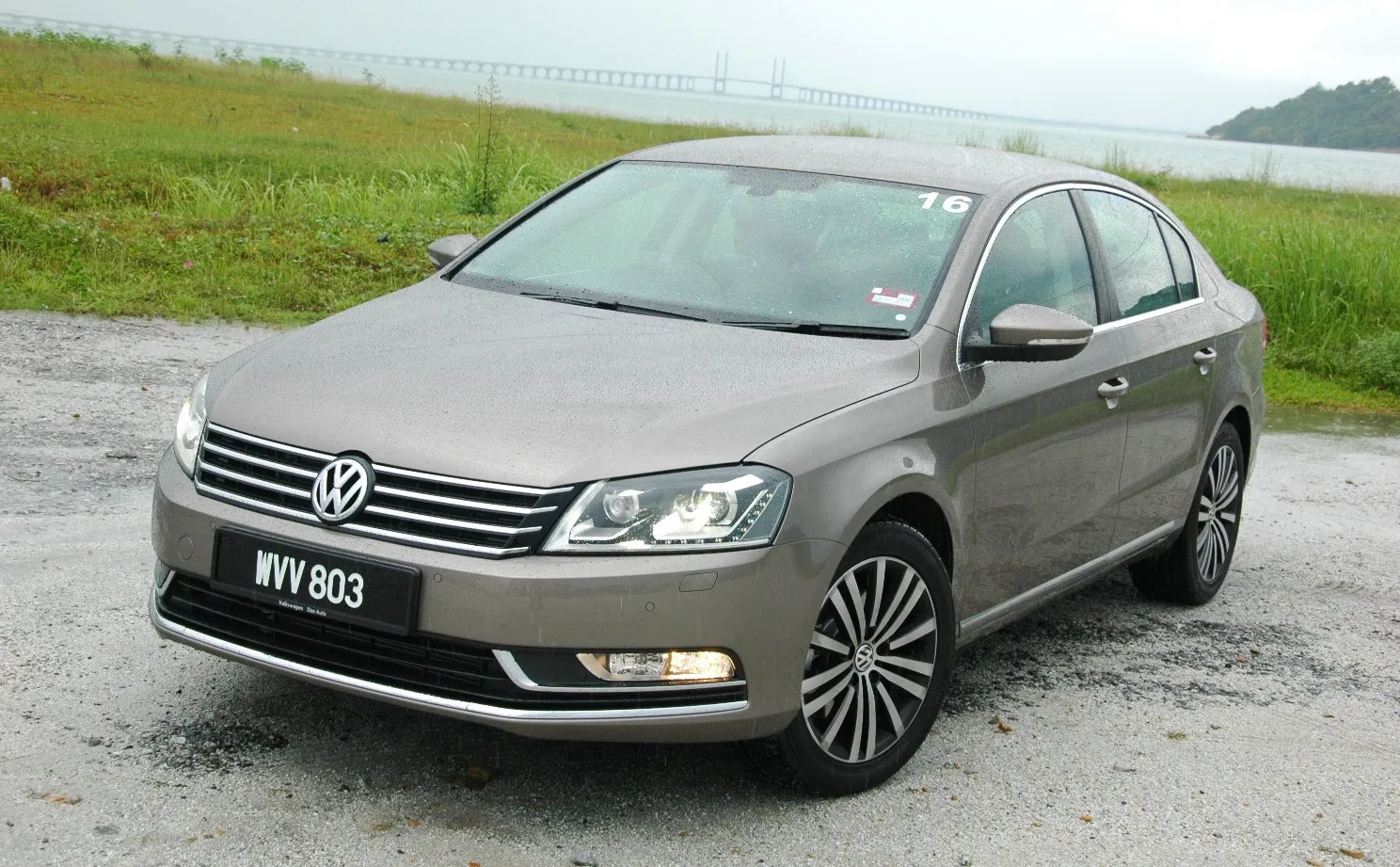
4. Volkswagen Passat
The Volkswagen Passat, while known for refined styling and competent highway performance, often falls short in city driving comfort. Its suspension, comprising front struts and rear multi-link components, is designed for handling stability and precise control, but it struggles to cushion urban road imperfections.
Potholes, cracks, and uneven asphalt often transmit noticeable jolts into the cabin, creating a thudding sensation rather than a smooth glide. Even minor surface irregularities feel exaggerated due to the stiffness of the suspension, leaving passengers and drivers acutely aware of bumps, dips, and inconsistencies in the road surface.
Cabin features such as padded seats and moderate sound insulation help slightly, but cannot compensate for the harsh suspension response.
Road noise, particularly from rough patches or expansion joints, penetrates the interior, and vibrations are transmitted through the seats, floor, and steering column. Passengers experience these jolts directly, often leading to discomfort and fatigue on longer urban trips. Even low-speed city driving feels less refined than in sedans engineered for urban comfort, making daily commutes more taxing.
Finally, the Passat struggles to harmonize comfort with its performance capabilities. Quick maneuvers over urban imperfections or braking on uneven surfaces often produce pitching or jolting movements, creating a less composed ride.
While highway driving remains stable and predictable, city streets with potholes, cracked asphalt, and speed bumps reveal the suspension’s inability to provide a smooth experience. The effect is a sedan that crashes and thuds over urban roads, leaving passengers feeling unsettled rather than comfortable.
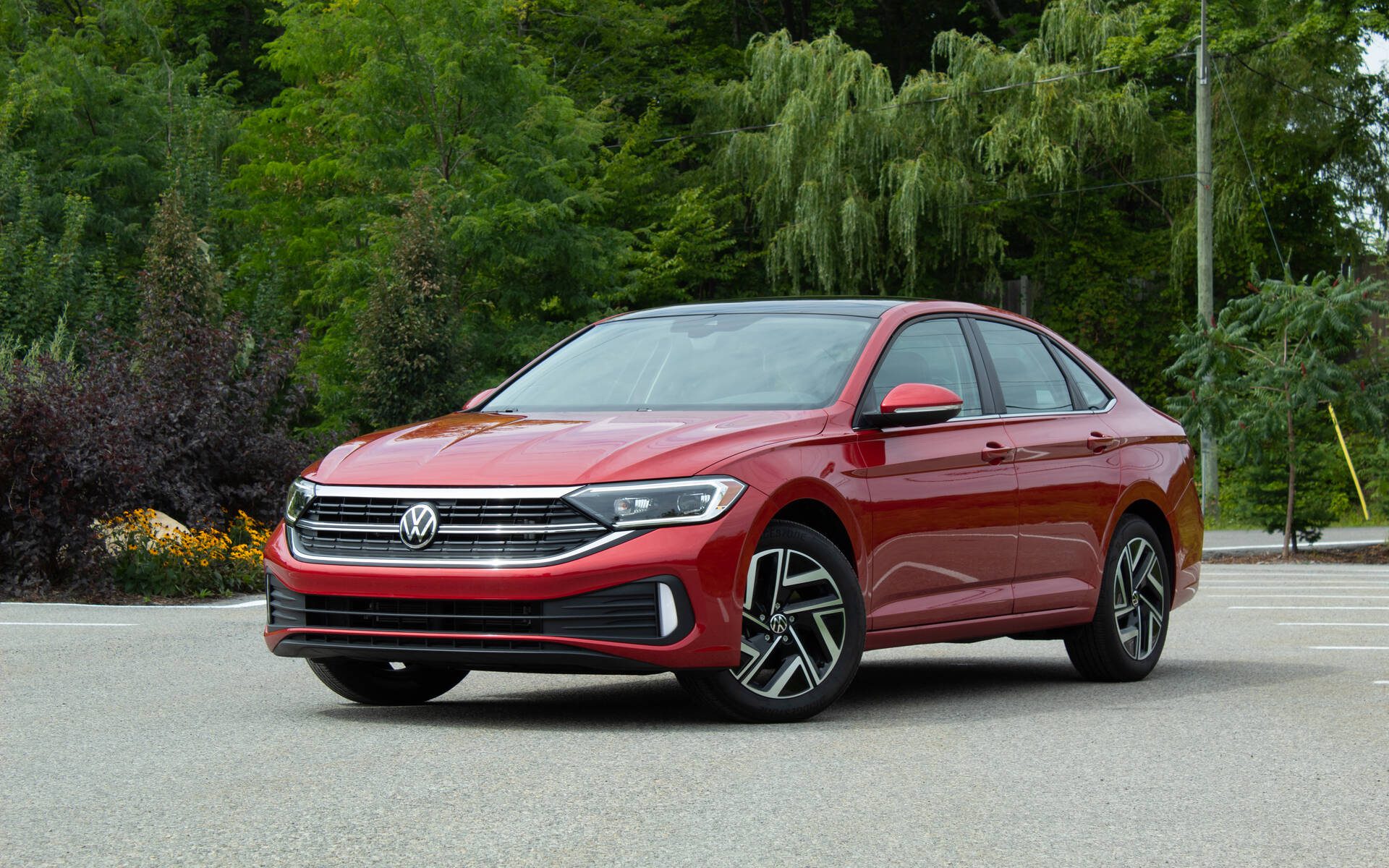
5. Volkswagen Jetta
The Volkswagen Jetta, built for efficiency and responsive handling, often delivers a harsh ride in urban environments. Its suspension, with front struts and either a rear torsion beam or multi-link setup depending on the trim, prioritizes control over cushioning.
Minor imperfections, such as potholes, shallow dips, and uneven patches, transmit noticeable jolts into the cabin. Suspension rebounds are abrupt, and vibrations are felt throughout the floor and seats, producing the sensation of thudding rather than gliding. This makes city driving, especially on streets with patchy pavement, less comfortable and more fatiguing for occupants.
The cabin provides some comfort features, but these cannot fully mitigate the mechanical harshness. Seats offer support but limited shock absorption, while sound insulation does little to mask the noise from uneven asphalt or construction areas.
Road vibrations often transfer to the steering wheel, floor, and pedals, creating a constant awareness of the road’s imperfections. Urban stop-and-go driving magnifies these effects, leaving passengers acutely aware of every bump and dip, which contributes to the perception of the Jetta as a sedan that crashes and thuds.
Finally, the Jetta’s handling in urban environments demonstrates the limitations of prioritizing sporty responsiveness over comfort. Braking, quick lane changes, or swerving on uneven streets often produce pitching and thudding sensations inside the cabin. While the vehicle remains stable at speed, the frequent irregularities of urban roads amplify the perception of harshness.
Passengers and drivers experience a less refined ride, making the Jetta one of the sedans most associated with crashing and thudding over city patches, particularly when compared to competitors designed with urban comfort in mind.
