
Managing family life can be a constant balancing act, especially when children are young and school routines are in full swing. Parents are often faced with two seemingly simple yet surprisingly complex challenges: ensuring safe, reliable transportation for the family while also navigating the daily tasks of getting children and their gear to and from school.
The choice of a family SUV can significantly impact the ease and efficiency of these school runs. These vehicles are designed with space, safety, and comfort in mind, often making them the preferred option for parents who need to juggle multiple schedules, carry bulky sports equipment, or transport several children at once.
From roomy back seats to ample cargo space for backpacks and lunch boxes, a good SUV can transform the daily school commute from a stressful task into a manageable routine.
At the same time, even the most carefully planned school runs can be hindered by something as small as a stroller. While strollers are indispensable tools for parents with infants or toddlers, they frequently introduce complications that can slow down the smooth execution of a morning routine.
Stroller struggles range from fitting a stroller into a vehicle’s trunk to maneuvering through crowded sidewalks or public transport. For parents who rely on both a vehicle and a stroller for daily mobility, these challenges can feel amplified.
Decisions about which SUV to choose cannot be made in isolation from the practical realities of stroller use, and understanding the interplay between vehicle choice and stroller convenience is critical.
This article examines five family SUVs that stand out as excellent choices for school runs, taking into account space, safety, ease of access, and family-friendliness. Each vehicle offers unique advantages that make the morning and afternoon routines less stressful, providing solutions to common challenges parents face when transporting children.
In contrast, we will also look at five common stroller struggles that many families encounter, highlighting how even small design limitations can lead to frustration.
By comparing these two perspectives, readers can better appreciate the ways in which vehicle choice and stroller usability interact to shape the everyday experiences of parents. Understanding these dynamics not only makes transportation more efficient but also contributes to a calmer, safer, and more enjoyable family routine.
The goal is to help parents make informed decisions, whether choosing the right SUV for long-term use or selecting a stroller that complements daily transportation needs. Balancing convenience, functionality, and safety is central to modern parenting, and the choices made in this area reverberate across all aspects of family life.
By breaking down the strengths of family-friendly SUVs alongside the challenges presented by strollers, this article provides a comprehensive guide that addresses both vehicle and mobility needs, helping families navigate school runs with greater confidence and ease.
5 Family SUVs Great for School Runs
1. Toyota Highlander
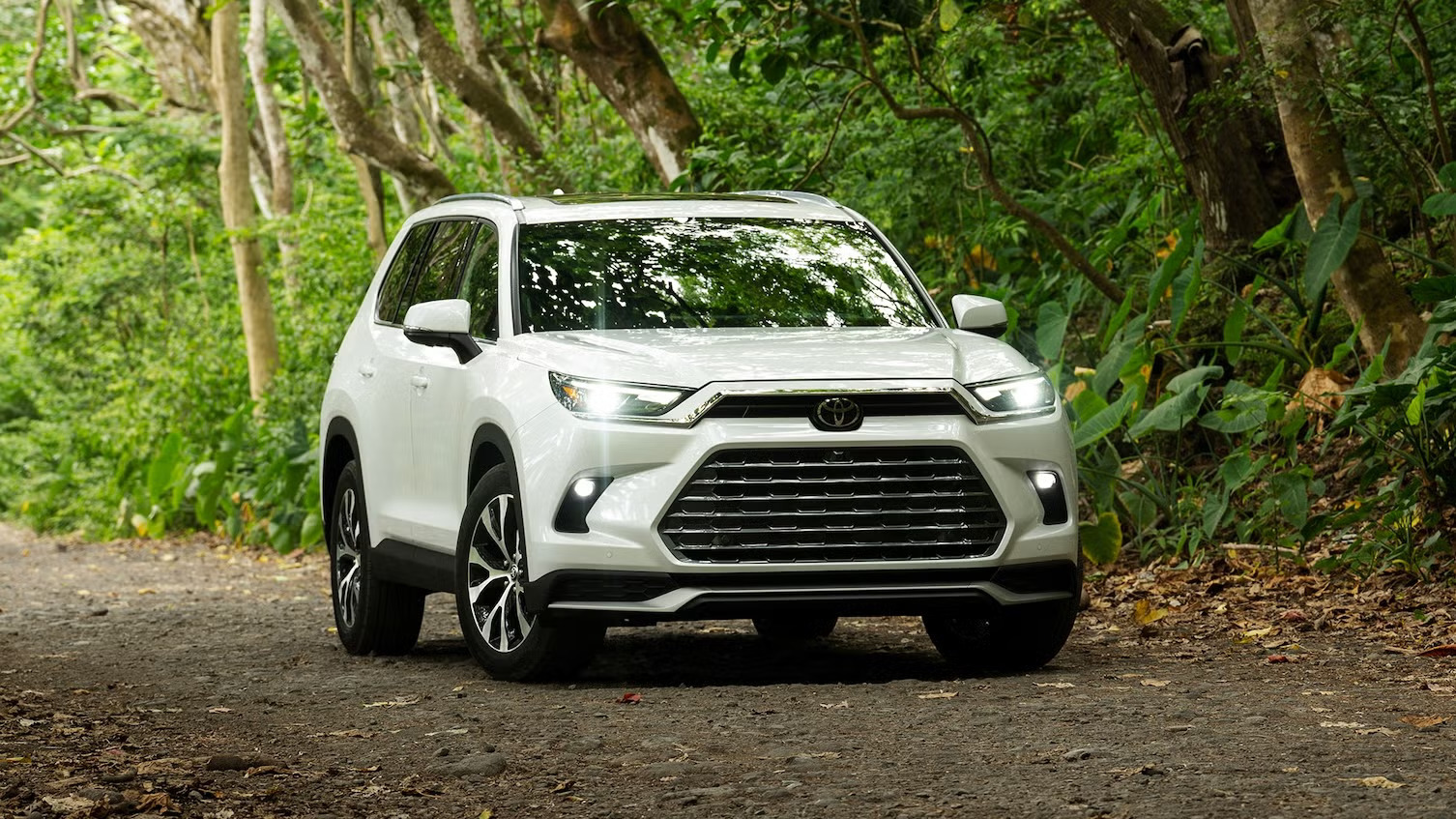
The Toyota Highlander has long been a favorite among families, combining reliability, comfort, and practicality in a way few SUVs manage. Its spacious three-row layout makes it easy for parents to transport multiple children without feeling cramped, and the versatile seating configurations allow for a balance between passenger space and cargo room.
For instance, the second-row seats often slide forward and recline, providing easy access to the third row, which is particularly helpful for older children who prefer to enter and exit independently. Parents often find this feature essential when managing busy mornings that include carpooling, extracurricular activities, and last-minute forgotten items.
The Highlander’s interior materials are carefully chosen to withstand the daily rigors of family life, from spilled drinks and muddy shoes to school backpacks and sports gear. Soft-touch surfaces, durable fabrics, and well-padded seats ensure comfort while also maintaining a sense of quality that feels like more than just a utilitarian family vehicle.
Cargo space is another defining strength of the Highlander. The rear area is spacious enough to accommodate multiple backpacks, sports equipment, musical instruments, or a collapsible stroller without requiring parents to cram items awkwardly.
Families who regularly attend after-school activities or weekend sports practices will appreciate the combination of width and depth in the cargo area, which allows large items to be stored efficiently without interfering with passenger space.
Small storage compartments throughout the cabin, such as under-seat bins, glove box organizers, and door pockets, keep everyday items accessible and organized. Parents can stash snacks, water bottles, homework folders, and other essentials in a way that avoids clutter and chaos, which is especially important during the rushed school run.
Fuel efficiency is reasonable for a mid-size SUV, offering a balance between power and economy that suits daily commutes and occasional longer trips. Hybrid options further improve efficiency, reducing fuel costs for families without sacrificing performance or passenger comfort.
The Highlander’s smooth handling, responsive steering, and composed ride quality make it easy to navigate congested streets and suburban roads alike, which is essential when trying to maintain a calm environment in the vehicle. In addition, the vehicle’s reputation for long-term reliability ensures that families can invest in the Highlander with confidence, knowing it will remain dependable through the years of school runs, vacations, and everyday errands.
2. Honda Pilot
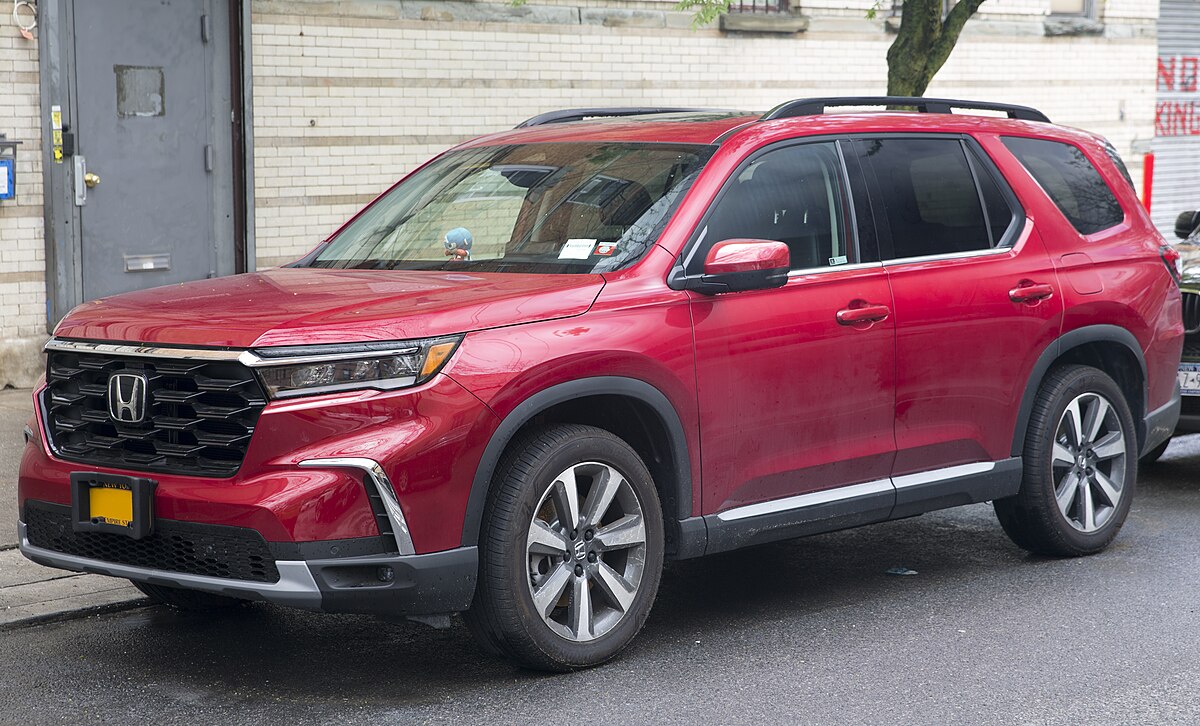
The Honda Pilot has earned its reputation as a versatile family SUV through a combination of space, comfort, and thoughtful design features. The interior can seat seven or eight passengers, depending on the chosen configuration, allowing families with multiple children or carpooling responsibilities to travel together comfortably.
The second-row seats often include easy-release mechanisms, meaning that older children can access the third row without requiring parents to lift heavy car seats repeatedly. This feature significantly reduces the stress of morning routines, especially for parents who juggle multiple children, school supplies, and other gear at the same time.
Additionally, the Pilot’s cabin materials are designed to withstand frequent use, with durable fabrics and finishes that are resistant to stains and scuffs, making it easier to maintain a clean interior despite the daily chaos of school mornings.
Cargo space is another area where the Pilot shines. The rear area is sufficiently large to store strollers, sports bags, musical instruments, or groceries. Folding the third-row seats allows for even more cargo capacity when transporting larger items.
This versatility ensures that families can carry all the necessary gear for a child’s school day, extracurricular activities, and weekend plans without needing additional trips or separate vehicles. Organizational features, including multiple bins, cup holders, and compartments, keep items neatly stored and easy to access.
Even when the Pilot is fully loaded, the thoughtful interior layout maintains a sense of order, which is critical for busy families who need to stay on schedule.
Safety is a priority for the Honda Pilot, with features such as blind-spot monitoring, lane departure warning, and automatic emergency braking designed to reduce the likelihood of accidents. These tools are particularly useful in school zones or crowded streets, providing parents with peace of mind that they are supporting safe travel for their children.
The Pilot’s smooth and quiet ride enhances comfort for both parents and passengers, minimizing stress during stop-and-go traffic or longer commutes. In combination, these factors make the Pilot a dependable and practical choice for families who need a vehicle capable of handling the unique challenges of school runs while remaining comfortable and secure for everyone on board.
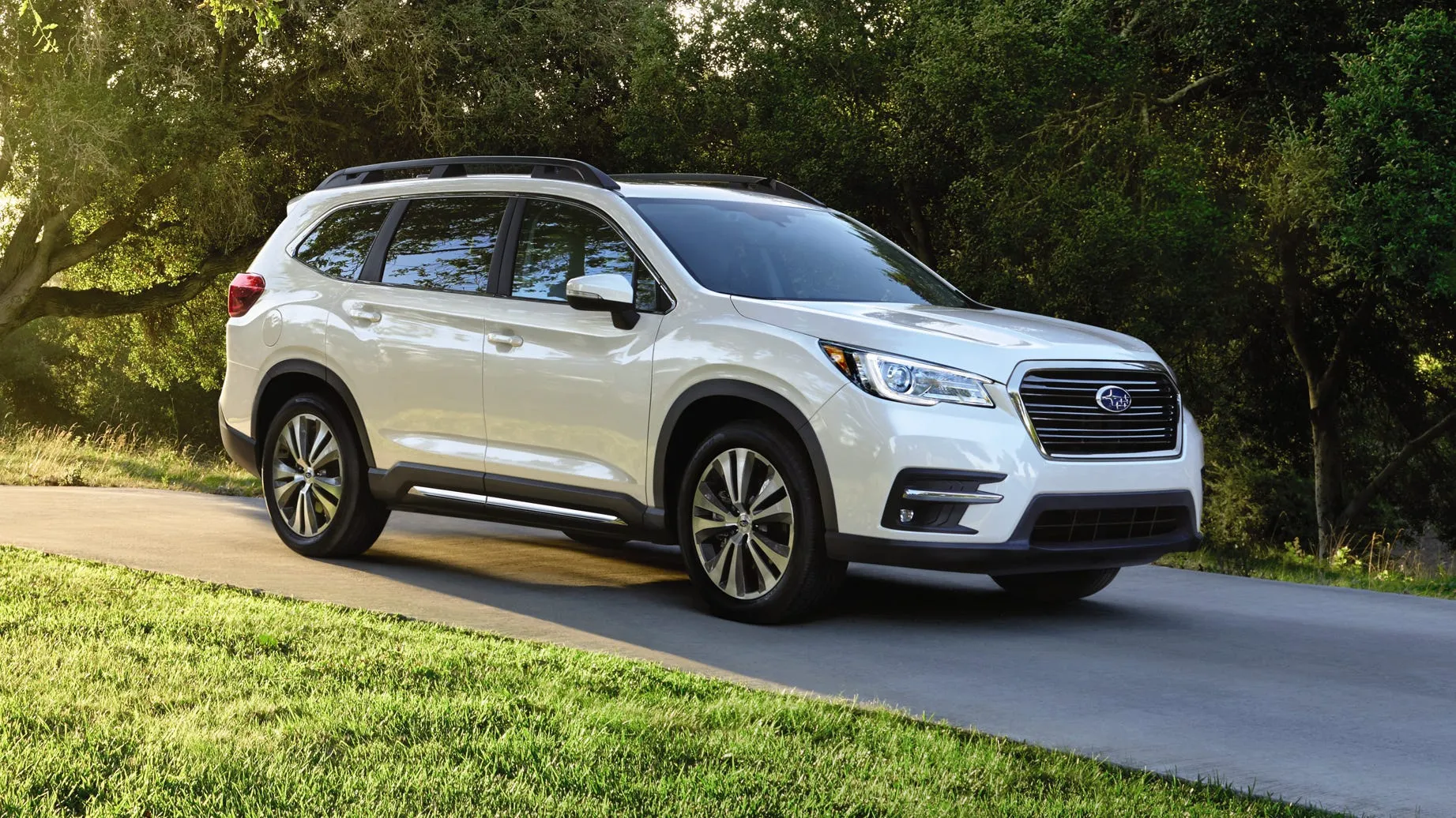
3. Subaru Ascent
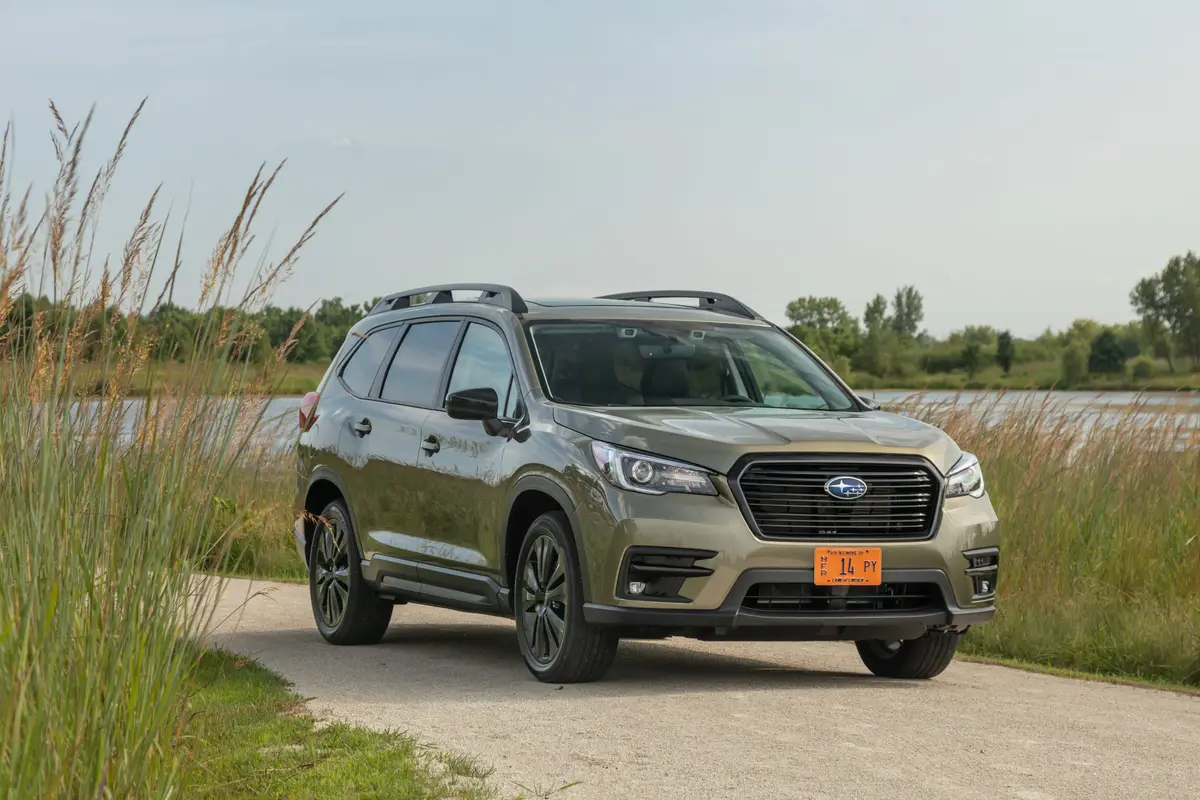
The Subaru Ascent is designed with families in mind, offering spacious three-row seating and standard all-wheel drive for added traction in a variety of weather conditions. Its interior prioritizes comfort and flexibility, allowing parents to adjust seating configurations to accommodate children, car seats, and gear simultaneously.
The wide-opening rear doors and relatively low step-in height simplify the process of loading children and strollers, reducing the physical strain that often accompanies multiple daily trips. Parents often report that the Ascent makes it easier to keep children secure and comfortable, while also providing enough room for passengers to stretch and avoid feeling confined during commutes.
The design emphasizes accessibility, making it a practical choice for families navigating morning routines that include multiple stops or additional errands.
Storage solutions are plentiful inside the Ascent. Multiple compartments, bins, and cup holders help organize smaller items, while the rear cargo area can accommodate bulky backpacks, strollers, and sports equipment.
The third-row seats fold flat to expand the available storage space, making it possible to transport larger items without compromising passenger comfort. Parents find this flexibility essential for maintaining an organized interior and avoiding the frustration of clutter, which can easily slow down busy mornings.
In addition, the Ascent’s practical design allows for seamless transitions between commuting, running errands, and family trips, demonstrating the vehicle’s ability to meet a variety of everyday needs.
The suspension system smooths out uneven roads, while the cabin minimizes noise and vibrations, creating a more pleasant experience for children and parents alike.
The all-wheel-drive system provides additional security in adverse weather, such as rain or light snow, giving families confidence that they can complete school runs safely regardless of conditions. The Subaru Ascent combines practicality, safety, and comfort, making it a dependable choice for families seeking a versatile vehicle capable of handling daily school routines.
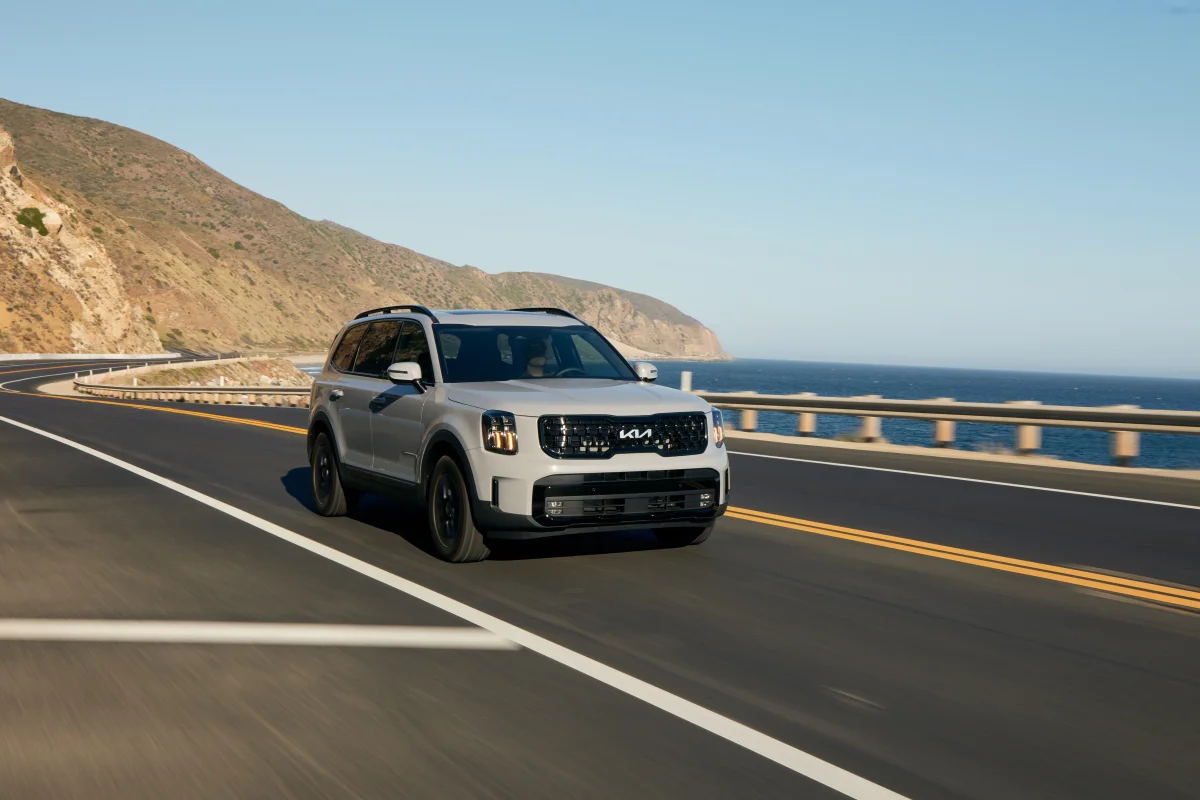
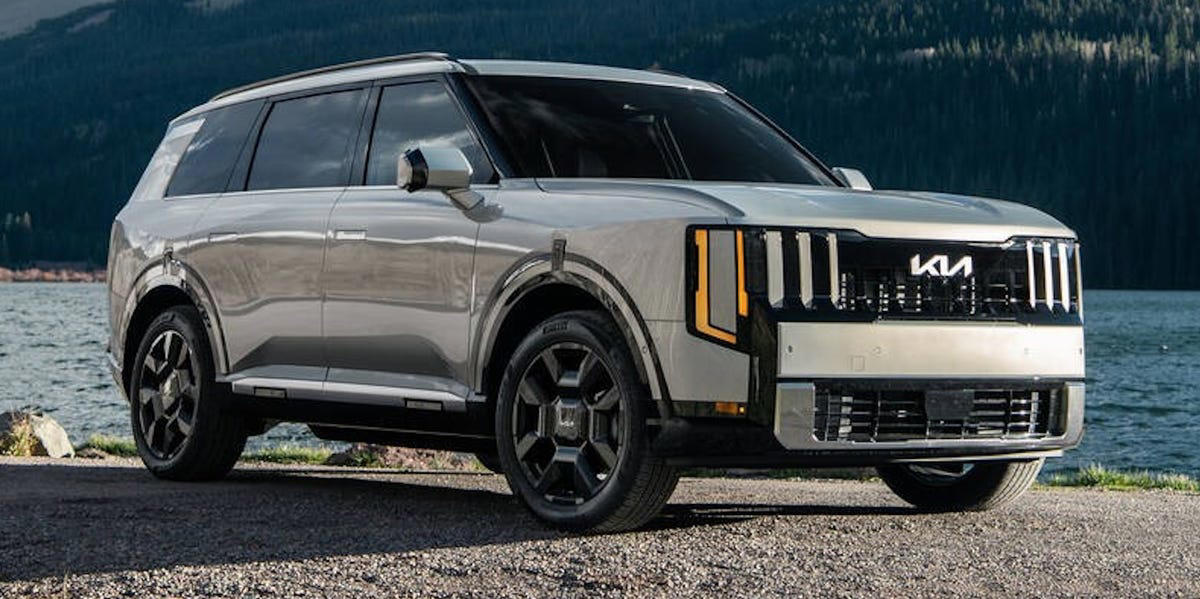
4. Kia Telluride
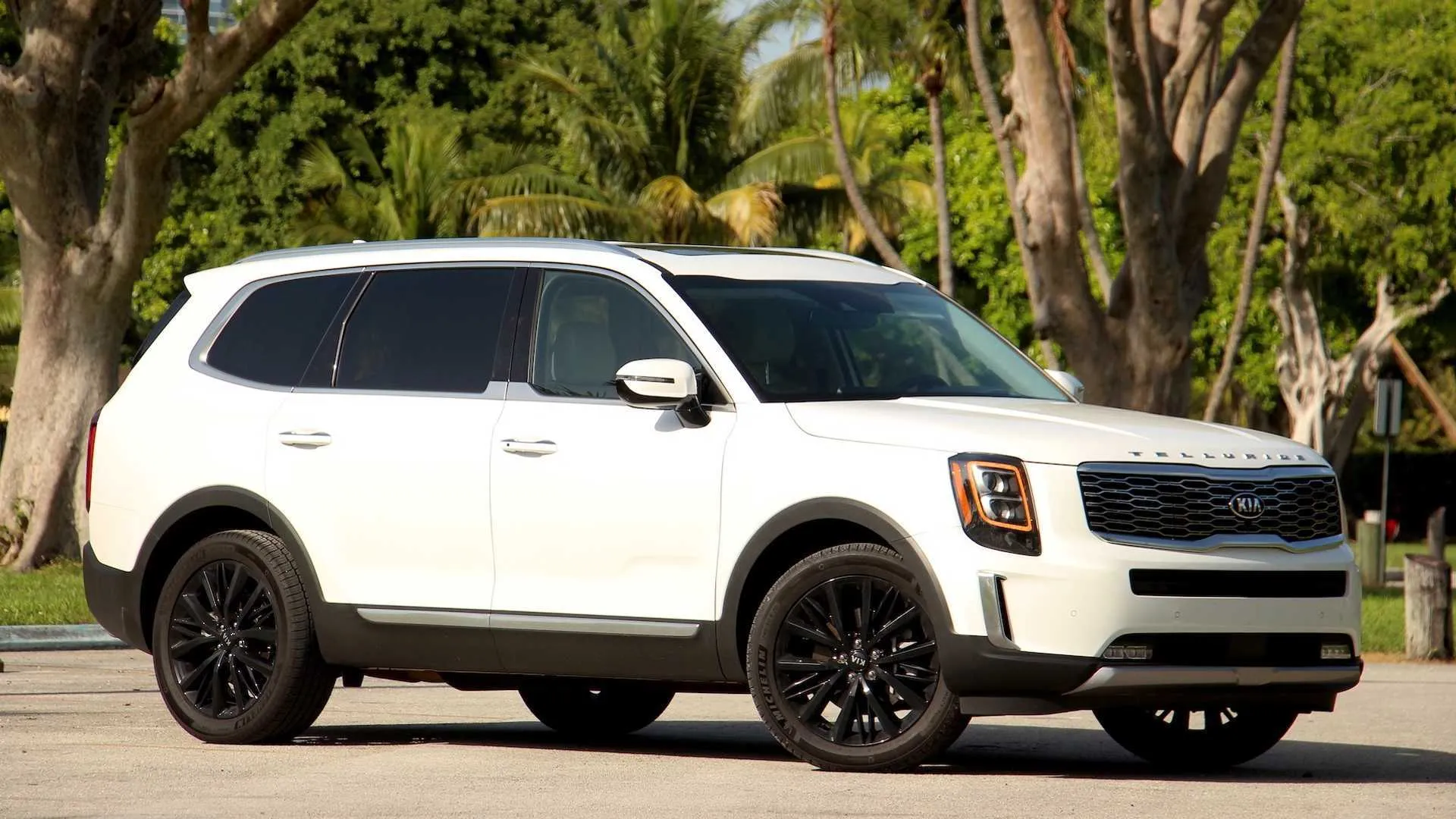
The Kia Telluride has gained a reputation as a stylish and highly functional family SUV, offering generous interior space and thoughtful features that simplify daily routines. Its three-row seating ensures that larger families can travel together without sacrificing legroom or cargo capacity.
Parents particularly appreciate the power-adjustable and sliding second-row seats, which make accessing the third row easier and reduce the physical strain of lifting children or car seats. The cabin materials are designed to be durable yet comfortable, capable of handling daily wear and tear from children while maintaining a sense of sophistication. These qualities make the Telluride suitable not just for school runs but also for family road trips and extended drives.
Technology is another area where the Telluride excels. Its infotainment system is intuitive, offering navigation, media, and vehicle information in a way that reduces driver distraction. Rear-seat entertainment keeps children occupied, and multiple charging ports ensure that devices remain powered throughout the day.
Safety features, including blind-spot detection, forward collision warning, and lane-keeping assist, provide added security during busy school drop-offs and pick-ups. Parents benefit from these systems because they allow them to focus on driving while remaining aware of potential hazards, reducing stress and promoting safer travel for everyone on board.
Ride comfort and handling are also key strengths of the Telluride. Its suspension system provides a smooth ride, reducing the stress of stop-and-go traffic or rough road conditions.
The vehicle is quiet and refined, allowing parents and children to remain relaxed during commutes. Combining interior space, advanced technology, safety features, and comfort, the Kia Telluride offers a well-rounded package that meets the needs of families seeking a dependable and stylish SUV for school runs and beyond.
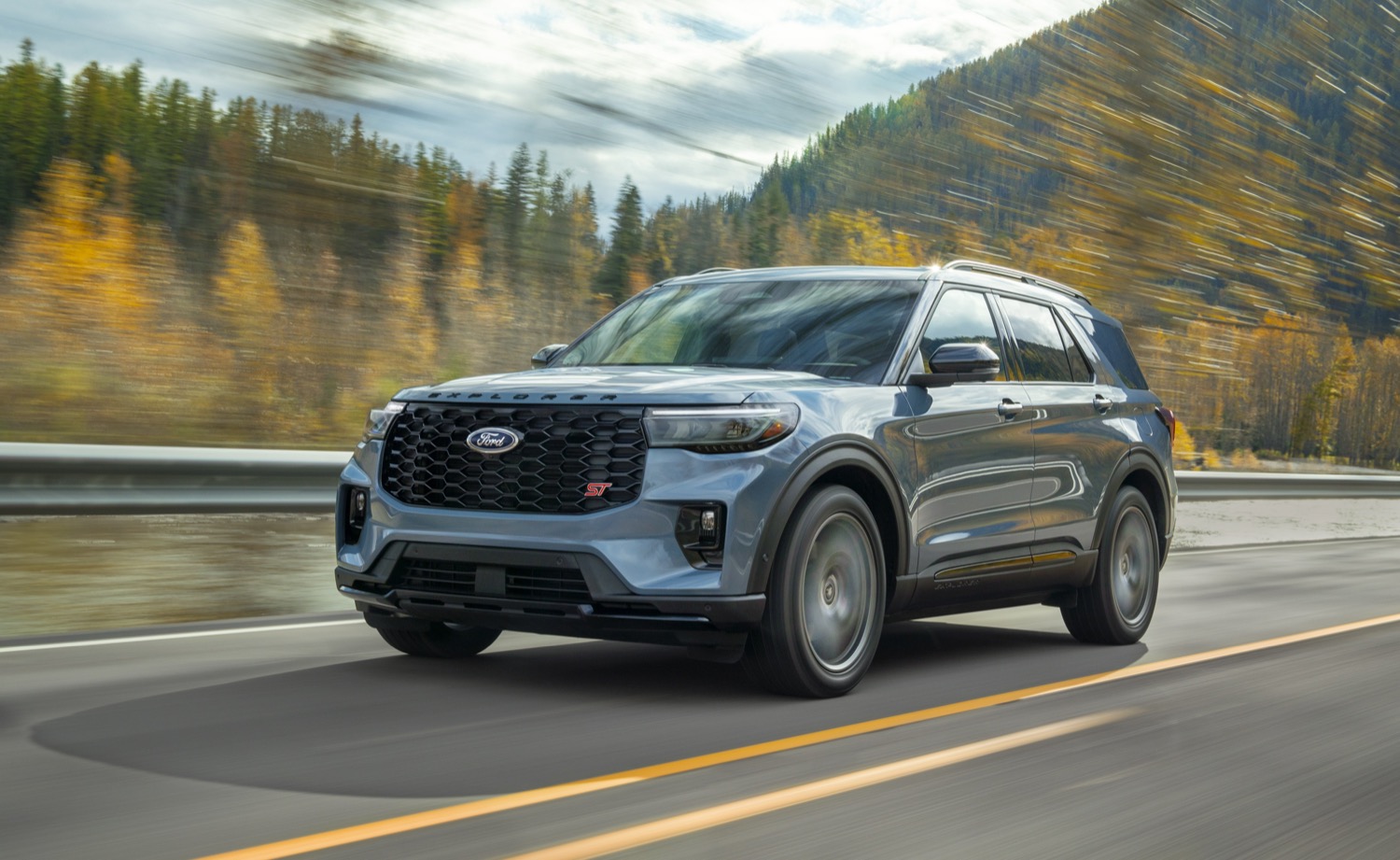
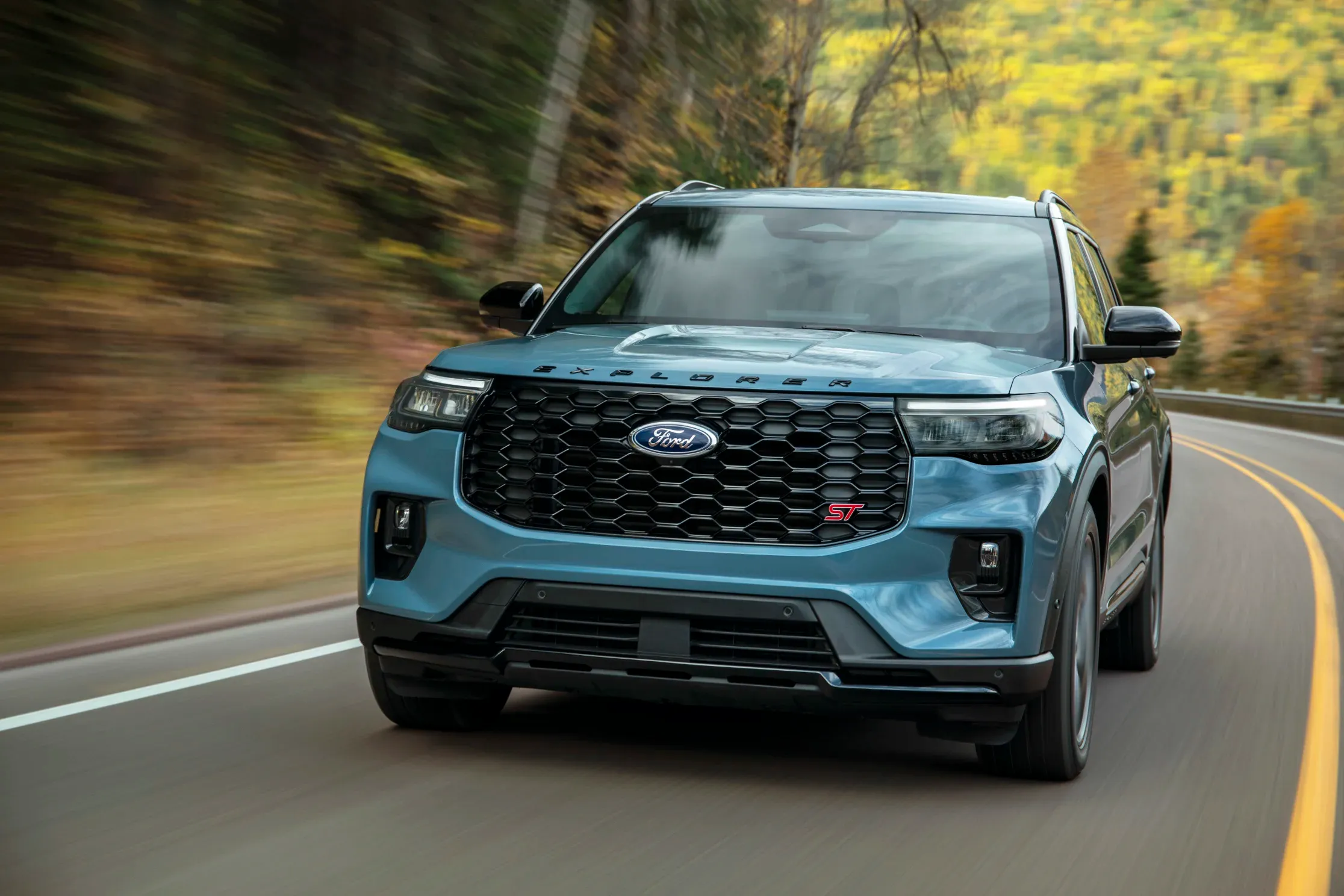
5. Ford Explorer
The Ford Explorer has long been a popular choice among families, offering a balance of space, comfort, and versatility that suits daily life and occasional travel. Its three-row seating accommodates multiple children comfortably, while power-folding seats make it easier to configure the interior for passengers and cargo.
Families benefit from the Explorer’s ability to transport large items, such as sports equipment, strollers, or groceries, without requiring multiple trips or additional vehicles. Its towing capacity also makes it a practical choice for families who enjoy outdoor activities or need to transport larger recreational equipment.
Technology and connectivity enhance the Explorer’s practicality for school runs. The infotainment system supports smartphone integration, navigation, and entertainment, keeping both parents and children engaged during commutes.
Safety features, including lane-keeping assist, automatic emergency braking, and blind-spot monitoring, provide additional protection during busy school zone driving. These features help parents feel more confident, especially in situations that involve heavy pedestrian traffic or unpredictable drivers. The combination of technology and safety creates a more manageable and less stressful driving experience.
Cargo space is ample, with the ability to accommodate strollers, sports bags, and other essentials. Folding the third-row seats expands storage capacity, allowing families to transport larger items without sacrificing passenger comfort.
Organizational features, such as storage bins, cup holders, and compartments, help keep items accessible and prevent clutter. This level of practicality ensures that the Explorer is capable of handling the daily challenges of school runs while maintaining a comfortable and organized interior for all passengers.
Comfort and ride quality are also strong points for the Explorer. Its suspension smooths out bumps in the road, while the cabin design reduces noise and vibration, making long commutes and daily drives more pleasant. Families benefit from the combination of space, technology, safety, and comfort, which positions the Ford Explorer as a versatile and dependable option for parents who need a capable SUV to manage school runs efficiently and reliably.
5 Family SUVs Stroller Struggles
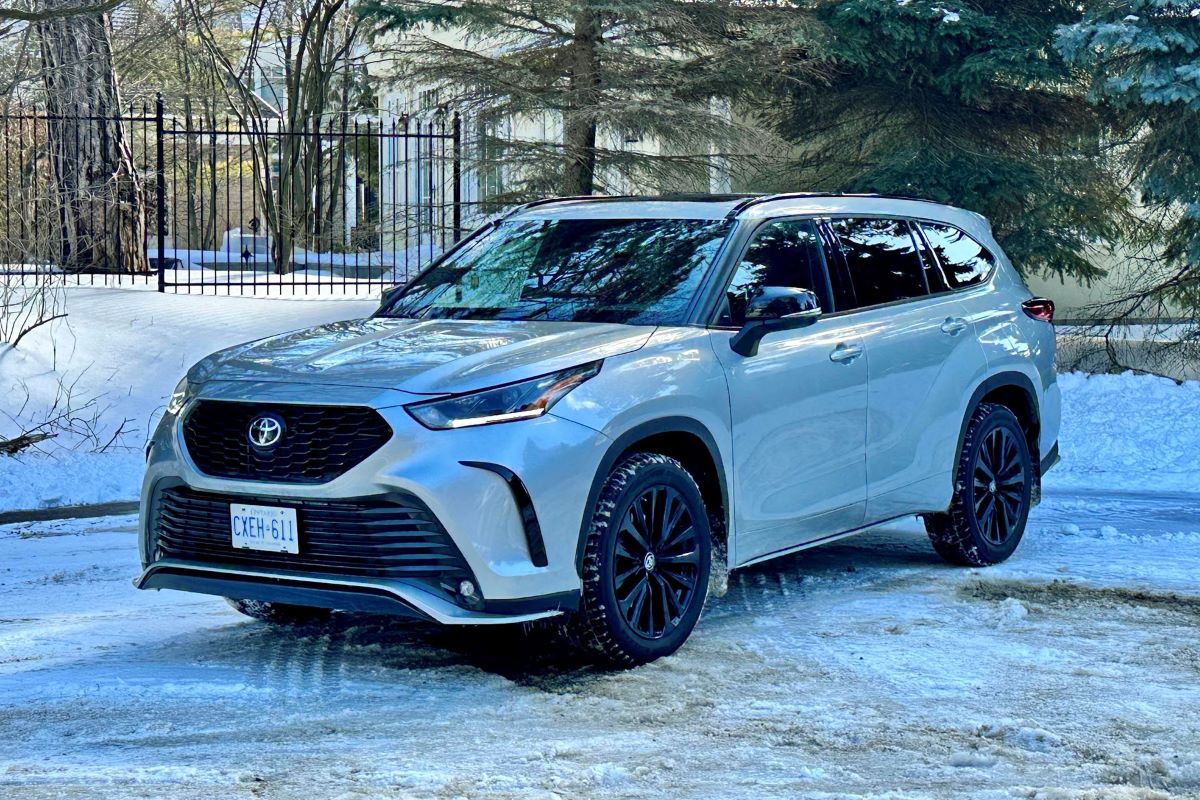
1. Toyota Highlander
The Toyota Highlander is generally praised for its family-friendly design, but it even has limitations when it comes to managing strollers. While the cargo area is spacious, some parents find that the height of the rear liftgate or the shape of the trunk floor can make sliding in a bulky stroller tricky.
Even collapsible models may require some angling or removal of detachable parts to fit properly, which adds a small but noticeable amount of stress to morning routines.
Parents juggling multiple children, backpacks, and school gear may notice that loading the stroller alongside everything else can slow down departures. While the Highlander excels in space, the challenge lies in its rear threshold, which is slightly elevated and may require lifting heavier strollers into place.
Another consideration is the rear seat configuration. The second-row seats slide and recline for access to the third row, but when the seats are in use, they may restrict the cargo area width available for strollers.
Parents with double strollers or wider models sometimes find themselves needing to fold the second-row seats partially or remove smaller items from the cargo area to create sufficient space. This creates a minor logistical challenge, particularly for families who are attempting to manage a smooth school drop-off while also attending to infants or toddlers in car seats. Despite the Highlander’s strong family reputation, stroller management is not always entirely seamless.
Finally, accessibility in crowded situations can be a concern. In school parking lots, parents often need to remove the stroller from the Highlander quickly while coordinating children, bags, and traffic. The combination of liftgate height, cargo width, and stroller bulk can create bottlenecks, especially when multiple families are arriving simultaneously.
While the Highlander performs admirably for general family transport, these subtle but persistent struggles illustrate that even the most spacious SUVs do not completely remove the small daily hassles associated with stroller use. Parents often adapt with creative solutions, such as stowing certain items elsewhere or using smaller, more compact strollers to reduce friction.
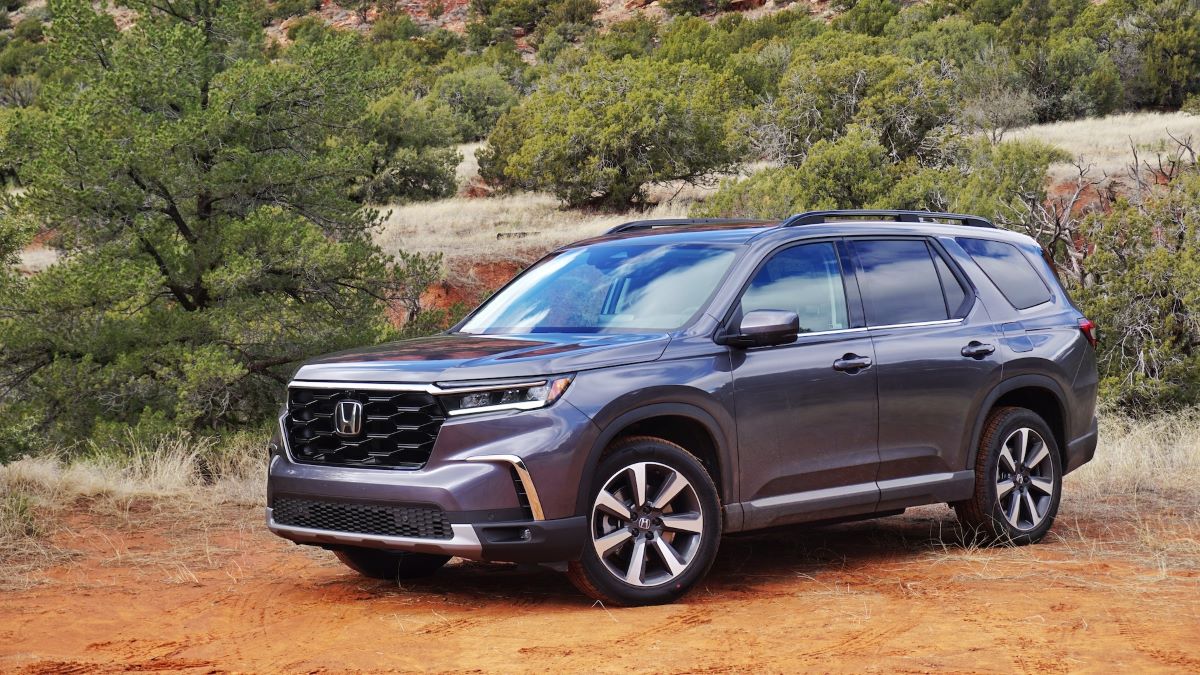
2. Honda Pilot
The Honda Pilot offers generous interior space and thoughtful design, but it also presents some stroller-related challenges. The rear cargo area is large enough for most single strollers, but double strollers or strollers with car seat attachments can sometimes require awkward positioning.
Parents have noted that the Pilot’s flat cargo floor helps with loading, but the wide tailgate can make lifting heavier strollers slightly awkward. Managing the stroller along with school bags, sports equipment, and groceries still demands careful organization to ensure everything fits efficiently. Families who frequently alternate between transporting infants and older children may need to adjust the configuration regularly, which can slow down the morning routine.
Rear-seat access is a key consideration for stroller users. The Pilot’s second-row seats slide and fold, but when they are occupied by older children or booster seats, parents sometimes find it challenging to fit strollers without partially collapsing the seats.
This is particularly true for families who have both car seats and strollers to transport in a single trip. In some cases, the under-seat clearance may not allow for stroller wheels to fit neatly, requiring slight adjustments or removal of small parts. Even minor inconveniences like this can add minutes to an already time-sensitive school drop-off schedule.
Finally, parking lot logistics highlight subtle limitations. School lots can be crowded and tight, meaning parents must coordinate children, car seats, and strollers in constrained spaces.
While the Pilot’s cargo area is deep, the distance from the rear bumper to the tailgate can make sliding the stroller in a two-step process more practical than a single motion. Parents often need to experiment with stroller placement and angle to maximize space and minimize stress, illustrating that even with a highly regarded family SUV, stroller struggles remain part of the daily routine.
3. Subaru Ascent
The Subaru Ascent is equipped with standard all-wheel drive and three-row seating, but some parents note that maneuvering strollers in and out of the vehicle can be challenging. The rear cargo area is wide and deep, yet the liftgate is relatively high, requiring a bit of lifting effort for heavier strollers.
Parents appreciate the flat cargo floor for sliding items, but in practice, fitting a double stroller or one with car seat attachments may require tilting or partial folding. Families living in colder climates may also face challenges with ice or snow, which can make the lifting process more precarious. While the Ascent is praised for general family comfort, these subtle limitations impact daily efficiency when strollers are involved.
Rear-seat accessibility further complicates matters. Although the Ascent offers wide-opening doors, the positioning of second-row captain’s chairs or fold-flat seats can reduce the effective cargo width for strollers.
Parents who regularly transport multiple children or need to install car seats may find themselves adjusting the seating configuration to fit the stroller, creating a minor but noticeable inconvenience. Even with a vehicle designed to maximize space, these adjustments highlight how vehicle design and stroller use interact in practical terms.
Finally, the Subaru Ascent’s all-wheel-drive system provides confidence on icy or uneven surfaces, but parents still need to plan for the physical effort of loading a stroller safely. In busy school parking lots or narrow driveways, coordinating a stroller while unloading children, bags, and other items can create stress.
Families often develop strategies to mitigate these challenges, such as pre-folding strollers, adjusting seating configurations, or using smaller models, but the presence of stroller struggles is a reminder that cargo space alone does not resolve the day-to-day realities of managing a family vehicle.
4. Kia Telluride
The Kia Telluride offers substantial interior space and comfort, but even with its large cargo area, parents report challenges with strollers. The rear liftgate height is generous, but sliding heavier strollers in can still require careful angling, particularly for double strollers or models with attachments.
While the Telluride’s fold-flat third-row seating increases cargo capacity, parents must be mindful of the seat hinge placement, which can obstruct the smooth sliding of a stroller. Even minor misalignments can create frustration during rushed morning routines.
Another factor is stroller weight combined with the Telluride’s cargo height. Lifting a heavier stroller into place requires effort, and parents may need to adjust grips or angles to avoid scraping the vehicle’s interior or bumper.
Weather conditions can exacerbate these challenges, making careful handling essential to prevent slips or drops. Parents often develop workarounds, such as using lighter strollers or pre-folding strollers outside the vehicle, but these small adaptations highlight the fact that even spacious SUVs cannot fully eliminate stroller-related effort.
Finally, parking lot logistics can introduce additional friction. School drop-off areas are often crowded, requiring parents to coordinate strollers, children, and bags in tight spaces. While the Telluride’s interior space is generous, the distance from the rear bumper to the liftgate threshold means that loading and unloading strollers may require multiple steps.
Parents may need to plan angles carefully or remove detachable parts to fit larger models efficiently. These subtle struggles illustrate how stroller compatibility is an important consideration even for large, family-focused SUVs.
5. Ford Explorer
The Ford Explorer combines three-row seating and ample cargo space, but parents still encounter stroller-related challenges. The rear cargo area is spacious, yet the liftgate height can make lifting heavier strollers into place a physical challenge.
Even collapsible models sometimes require tilting or folding partial components to fit efficiently, which can slow down morning routines. Parents juggling school bags, car seats, and children may find that these additional steps add stress, particularly during time-sensitive school drop-offs.
Weather and terrain add another layer of complexity. Ice, snow, or uneven pavement can make sliding a stroller into the Explorer’s cargo area more difficult. Parents often rely on strollers with swivel-lock wheels or lightweight frames to reduce friction, but heavier or bulkier models continue to present challenges.
These small daily struggles accumulate, reminding families that even SUVs with generous cargo space do not automatically eliminate the effort required to manage a stroller efficiently.
Finally, parking lot logistics emphasize subtle limitations. Busy school zones often force parents to coordinate multiple items, children, strollers, backpacks, and grocerie, in confined spaces. While the Explorer provides generous interior room, the liftgate height and cargo threshold require careful maneuvering to load and unload strollers safely.
Families often develop strategies such as pre-folding strollers or using smaller models, but these measures underscore that stroller management remains an ongoing challenge even with a spacious and well-designed SUV.
