
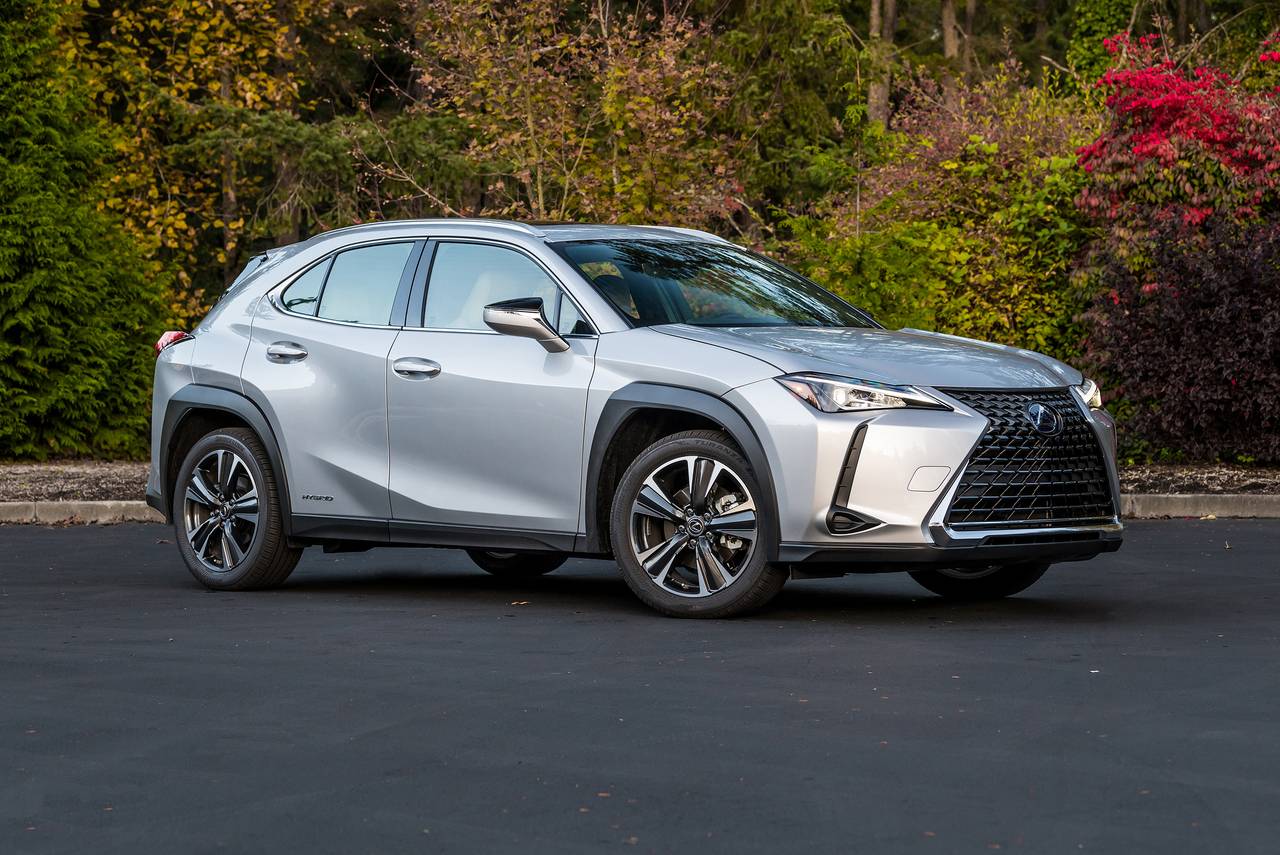
The appearance of a car often becomes the first impression it makes, not just for others but for the owner as well. A well-maintained exterior can convey pride, attention to detail, and a sense of lasting quality, while fading paint and dull finishes can leave even the most mechanically impressive vehicles looking tired.
The longevity of a car’s shine is influenced by many factors, including paint quality, the type of clear coat used, exposure to sunlight, frequency of washing, and environmental conditions.
Cars that retain their gloss and color over the years tend to provide a sense of value and satisfaction long after the initial purchase, while those that fade prematurely may require more frequent detailing, waxing, or even repainting.
Choosing a car that maintains its visual appeal is not just about aesthetics; it reflects engineering, material quality, and the manufacturer’s attention to durability.
Automakers vary widely in how well their paint holds up. Luxury brands often employ advanced multi-layer clear coats, high-quality pigments, and rigorous quality control, resulting in vehicles that remain vibrant even after many years.
Meanwhile, some mass-market models may prioritize cost savings over long-term paint integrity, leading to colors that dull quickly under sun, rain, and urban pollutants. Environmental factors also play a critical role.
Cars kept in climates with extreme heat, heavy UV exposure, or frequent rainfall face faster degradation, whereas those stored in covered garages or driven in temperate regions naturally retain their shine longer.
Beyond the manufacturer’s choices, owners can influence the outcome through careful maintenance, using high-quality washes, avoiding abrasive cleaning tools, and applying protective coatings when needed.
Understanding which cars hold their shine and which do not can help buyers make informed decisions. Certain vehicles have gained reputations over time for maintaining their original gloss and color, standing out even decades after purchase.
Conversely, others develop uneven fading, chalky finishes, or peeling clear coats, diminishing their aesthetic appeal.
This article categorizes ten cars into two groups: five that consistently maintain their shine and five that tend to fade early. Each selection is based on historical patterns, general paint quality, and the experiences of owners who have watched their vehicles age.
While regular care can slow deterioration, the inherent quality of the paint and protective coatings determines how a car looks years down the line.
The following analysis highlights the choices that offer enduring brilliance and those that require more effort to retain their original charm.
Cars That Hold Shine for Years
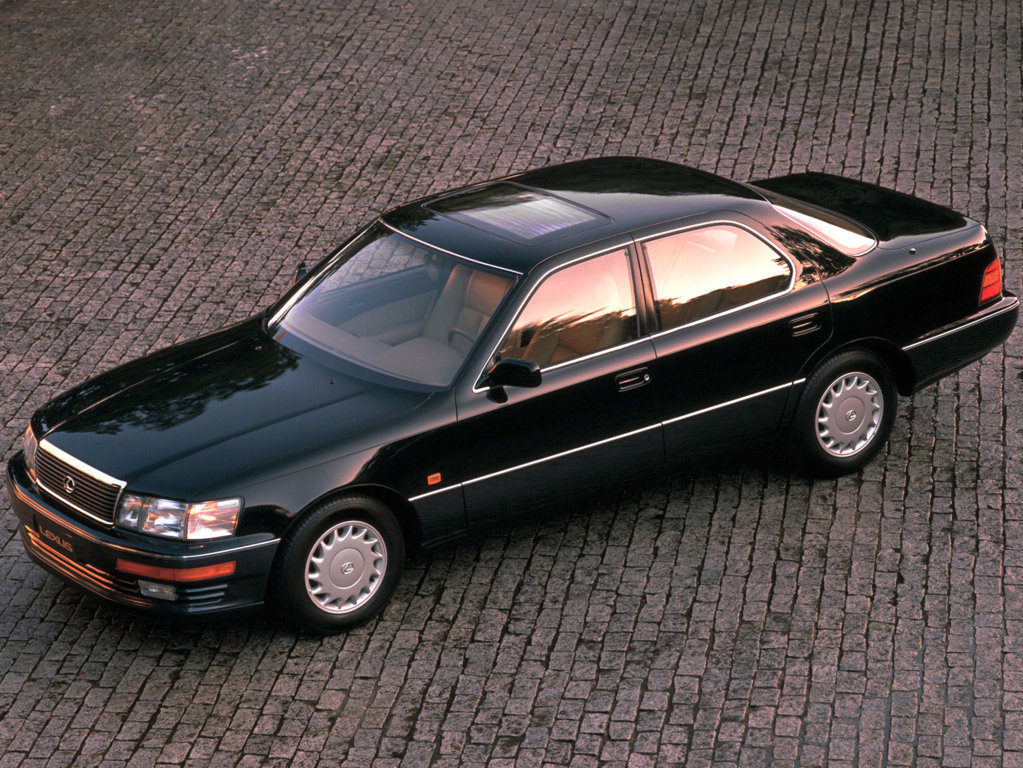
1. Lexus LS
The Lexus LS is renowned for its impeccable build quality, and this reputation extends seamlessly to its exterior finish.
The paint used on this flagship sedan is engineered not only for visual appeal but also for resilience against the elements, allowing it to retain a deep, rich luster for years without significant degradation.
Lexus employs a multi-layered clear coat system, which enhances the depth of the color while simultaneously providing a protective barrier against ultraviolet rays, acid rain, and common urban pollutants.
Unlike many competitors, where color may appear flat or lose vibrancy over time, the LS maintains a reflective quality that mirrors the original showroom polish.
Owners often share experiences of vehicles over a decade old still displaying remarkable gloss, demonstrating the effectiveness of the engineering behind the paint.
The consistency of the LS’s finish is reinforced by rigorous manufacturing standards. Each panel undergoes a careful inspection process to ensure the paint is uniform, free of imperfections, and able to resist environmental stressors over long periods.
Lexus also invests in high-quality pigments that resist chemical breakdown, meaning the color itself remains true and does not shift toward a dull or washed-out appearance.
This combination of chemical stability and mechanical precision ensures that the LS avoids the uneven fading, discoloration, or blotchy surfaces often seen on lower-end sedans as they age. For an owner, this translates into a vehicle that continues to feel premium even as mileage accumulates.
Maintenance of the LS is straightforward, though it benefits greatly from standard protective care. Regular washing and occasional application of high-grade wax or sealant can extend the life of the paint even further, but the car is designed to retain its shine even with minimal intervention.
The clear coat’s resistance to scratches and minor abrasions ensures that small impacts do not significantly affect the appearance.
This resilience is particularly important for owners who want a low-maintenance vehicle without sacrificing aesthetic quality. In essence, the LS achieves a balance between durability and beauty that few other sedans can match.
The paint’s ability to withstand environmental challenges further elevates the Lexus LS. Heat, ultraviolet rays, acid rain, and airborne pollutants are major contributors to early fading in many vehicles, but the LS demonstrates superior endurance against these elements.
Even in regions with intense sun exposure, the vehicle’s finish retains a depth and vibrancy that makes it look much newer than its actual age.
For drivers who value the combination of luxury, reliability, and enduring aesthetic appeal, the LS represents an exceptional choice, providing reassurance that the exterior will continue to impress for many years.
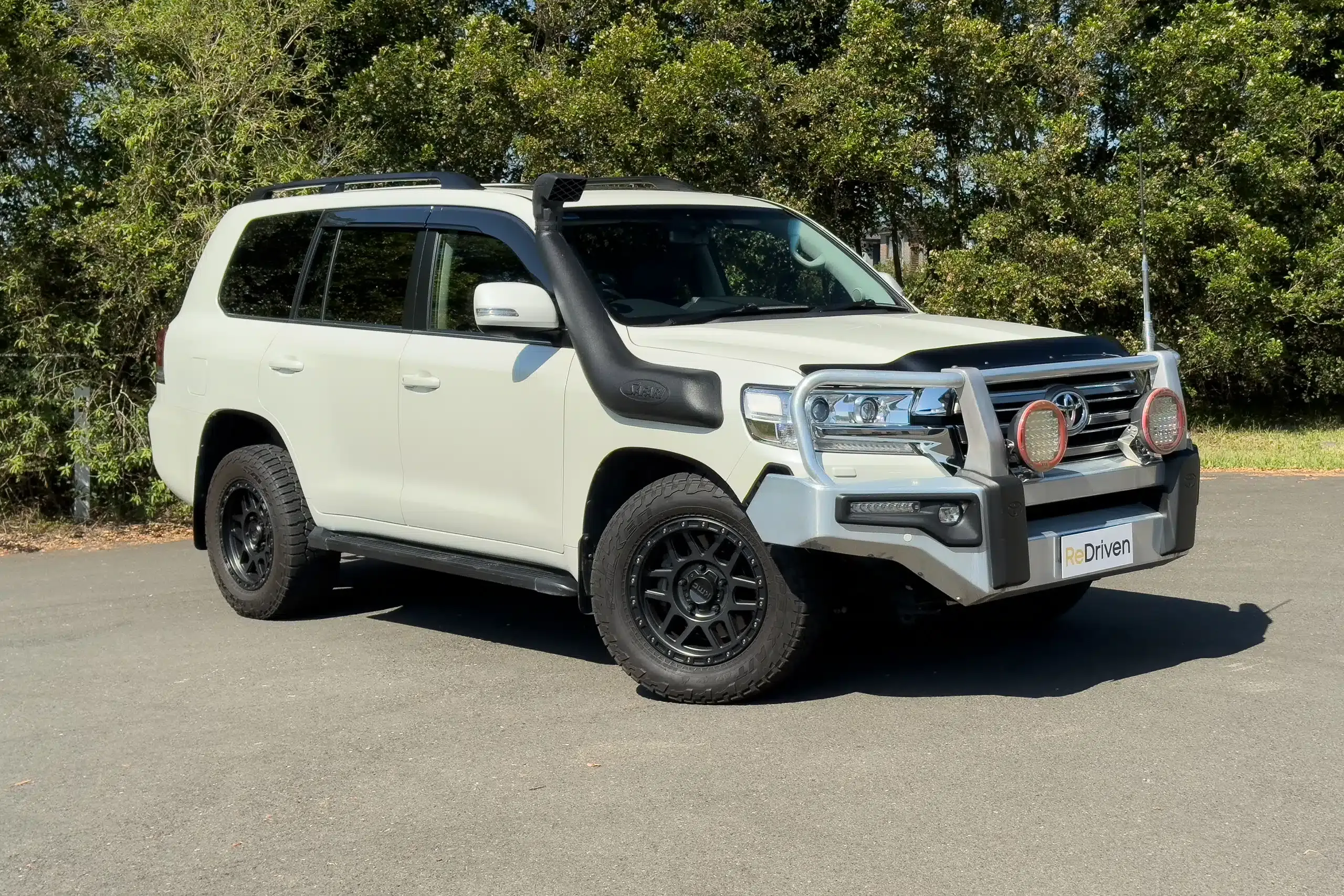
2. Toyota Land Cruiser
The Toyota Land Cruiser is celebrated not only for its legendary durability and off-road capability but also for the resilience of its exterior paint.
Built to endure some of the harshest climates on Earth, from desert heat to tropical rains, the Land Cruiser’s finish is engineered to resist fading, chalking, and discoloration.
The multi-layered, UV-resistant clear coat protects the underlying pigment from chemical breakdown and ensures that colors remain vivid even after prolonged sun exposure.
Owners routinely report that Land Cruisers retain a near-showroom quality appearance even after years of daily use, including off-road adventures, which is a testament to Toyota’s meticulous attention to exterior longevity.
The SUV’s paint is also designed for uniformity, preventing uneven fading that can detract from the vehicle’s aesthetic.
Each panel is treated with precision to ensure that the coating thickness is consistent and that the protective layers adhere properly, creating a surface less prone to peeling or early wear.
This approach enhances both the visual appeal and the functional longevity of the finish. The Land Cruiser’s resilience is particularly advantageous for drivers who frequent harsh environments, where lesser vehicles often show rapid signs of aging and degradation.
Beyond factory engineering, the Land Cruiser benefits from practical maintenance habits encouraged by Toyota.
Even under challenging conditions, such as exposure to salt, mud, and debris, regular washing and application of protective products can maintain and even enhance the paint’s natural sheen.
Minor scratches are less visible due to the depth of the finish, and polishing can restore vibrancy without risking damage to the clear coat.
The combination of inherently durable paint and manageable maintenance makes the Land Cruiser highly desirable for those prioritizing long-term aesthetic retention.
The environmental resistance of the Land Cruiser’s paint further highlights its enduring quality. While many vehicles succumb to sun damage, acid rain, and urban pollutants within a few years, the Land Cruiser remains robust and consistent in appearance.
This durability not only preserves the visual appeal of the vehicle but also helps maintain resale value, as the car’s exterior remains convincing and attractive over time.
The Land Cruiser exemplifies a design philosophy that pairs rugged performance with lasting beauty, allowing owners to enjoy a vehicle that looks as capable and impressive as it drives.
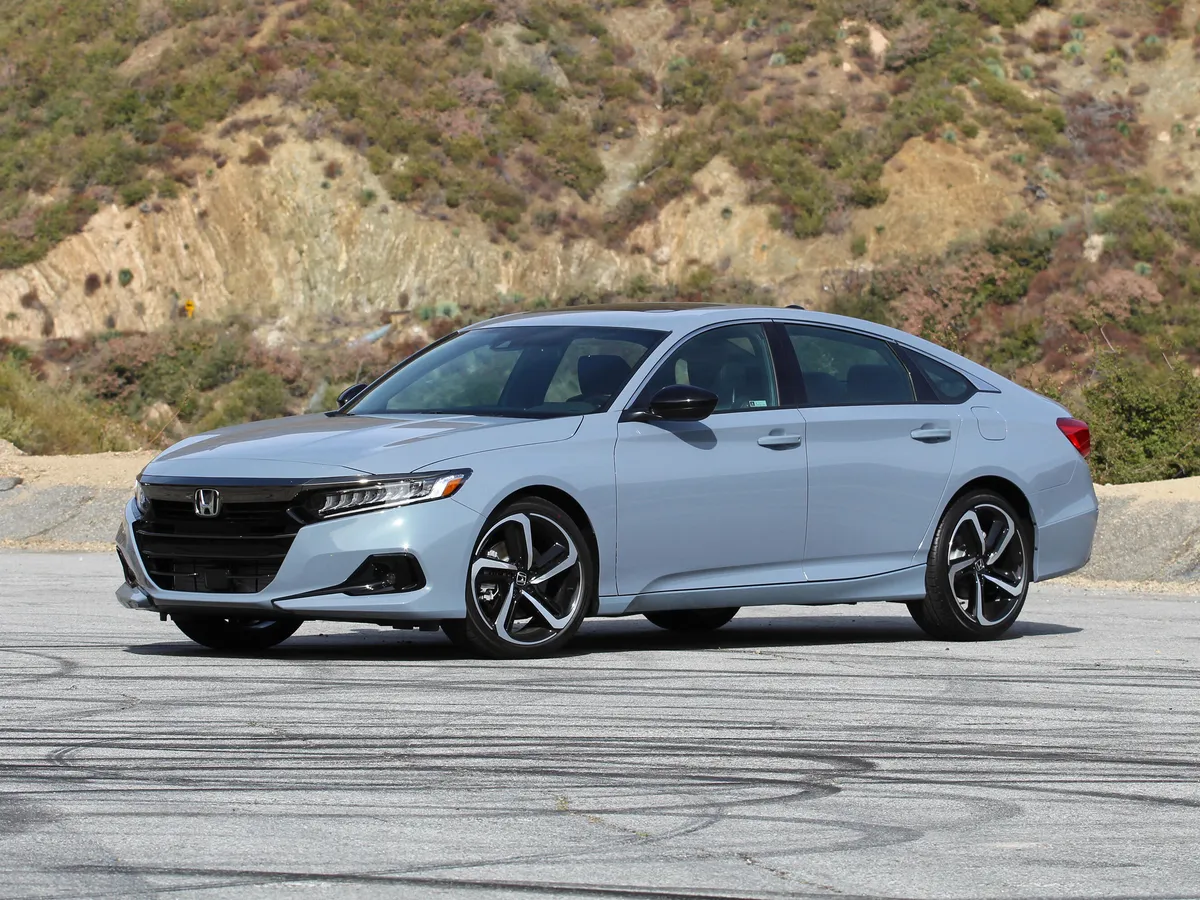
3. Honda Accord
The Honda Accord is celebrated for its balance between affordability, reliability, and enduring quality, and this reputation extends to its exterior paint.
Honda employs chemically stable pigments and durable clear coats to ensure that the vehicle maintains a polished, vibrant appearance for many years.
This attention to detail allows the Accord to resist oxidation, ultraviolet damage, and environmental pollutants that often accelerate fading in less robust vehicles.
As a result, the Accord remains visually appealing well into the later stages of its life, providing owners with a sense of satisfaction that their vehicle continues to look as intended by the manufacturer.
Owners frequently note that even older Accords retain much of their original gloss, particularly when subjected to regular cleaning and occasional wax or sealant application.
The paint is formulated to resist minor abrasions and scratching, which helps maintain the smooth, reflective surface for extended periods.
This resilience contributes to the car’s reputation as a vehicle that can appear newer than its age would suggest, an advantage both for aesthetic enjoyment and for resale value.
The Accord’s paint is also designed with chemical stability in mind, reducing the risk of discoloration or fading over time.
Unlike many mass-market competitors, which may develop chalky or dull finishes after just a few years, the Accord maintains its depth of color across the entire surface.
This stability enhances the visual harmony of the vehicle and ensures that panels do not fade unevenly, a common issue with lower-quality paint systems.
For owners, this reliability translates into confidence that their vehicle’s appearance will remain consistent throughout its life.
Environmental factors, while unavoidable, have a less severe effect on the Accord compared to many mid-range sedans. Sunlight, rain, and urban pollution impact the finish more slowly due to the chemical resilience of the pigments and the protective qualities of the clear coat.
Owners in sunny or coastal regions often report minimal fading even after a decade of use. The combination of robust material selection, precise manufacturing, and basic maintenance practices allows the Accord to maintain a polished, appealing finish that continues to draw attention long after the initial purchase.
4. Mercedes-Benz E-Class
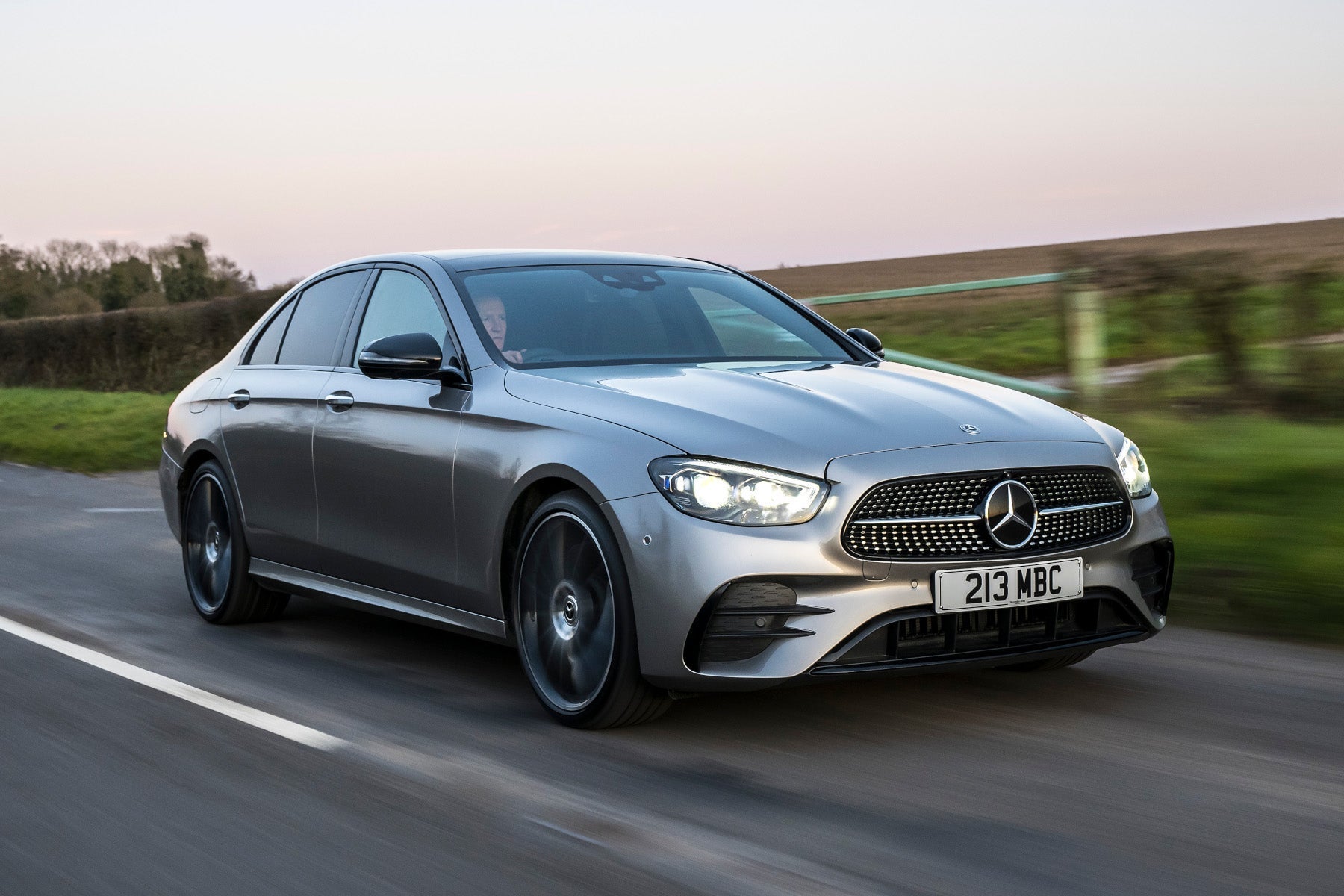
The Mercedes-Benz E-Class is designed with a level of attention to detail and material quality that ensures long-term visual excellence. Its paint system combines high-quality pigments, multiple clear coat layers, and advanced chemical treatments to resist fading, chalking, and UV damage.
The depth and richness of the color remain intact over years of exposure, giving the E-Class a luxurious and enduring aesthetic.
Owners frequently note that their vehicles maintain a showroom-like appearance even after extended use, illustrating the effectiveness of Mercedes’ engineering and material selection.
The meticulous application of the paint and clear coat plays a critical role in its longevity. Each panel receives a uniform coating to avoid weak points where fading or peeling could occur.
This careful process not only enhances the vehicle’s visual appeal but also ensures durability against scratches and environmental exposure. Minor abrasions can often be polished out without compromising the finish, further contributing to the E-Class’s long-term vibrancy.
Beyond factory quality, the E-Class benefits from routine care practices that maximize paint longevity. Regular washing and protective wax applications allow owners to maintain a pristine appearance while minimizing the impact of contaminants, pollution, and minor surface damage.
Even in urban environments with acid rain, industrial emissions, and dust, the paint’s advanced chemistry resists chemical breakdown, keeping the finish glossy and reflective.
5. Subaru Outback
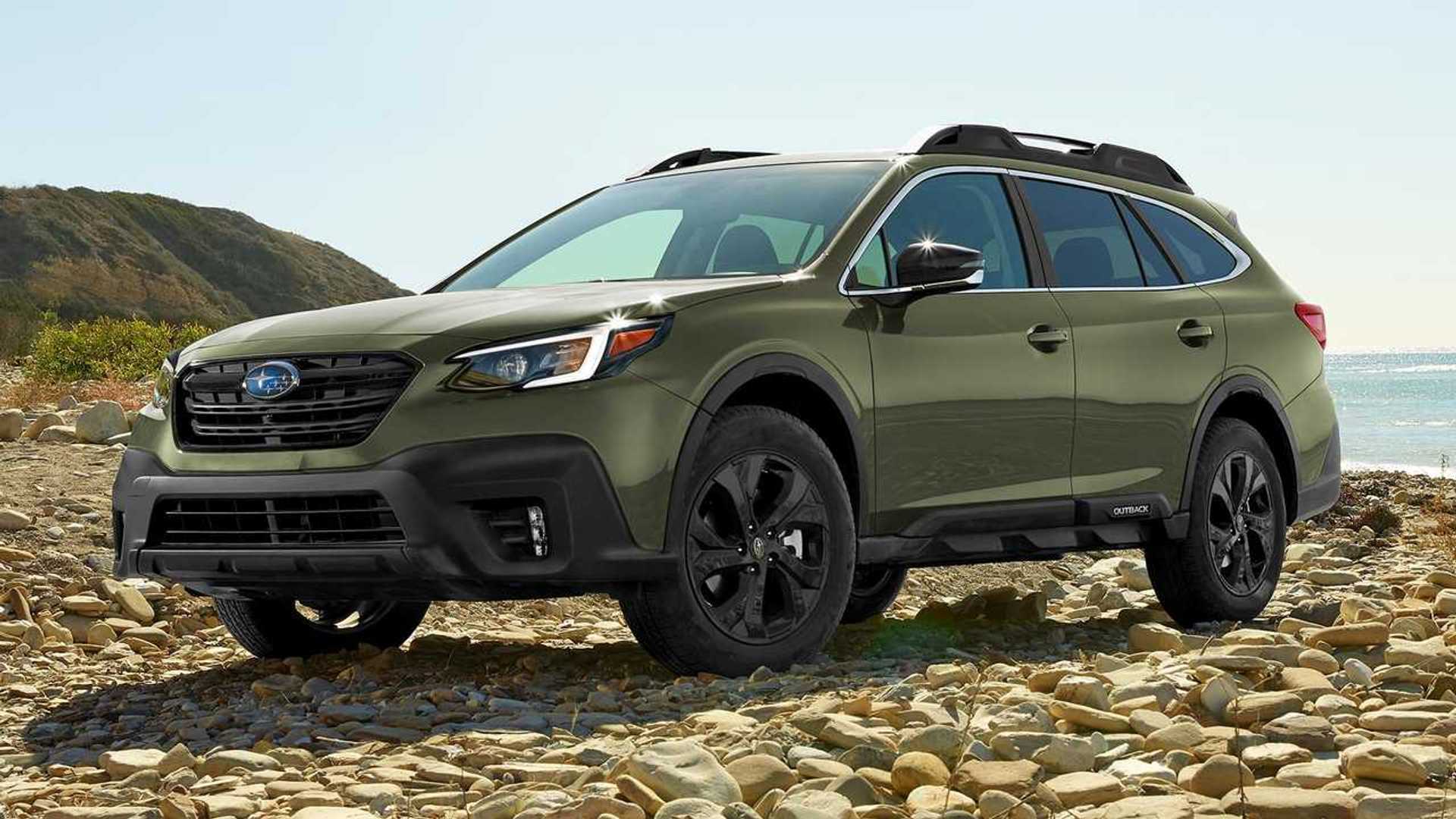
The Subaru Outback, while built for ruggedness and adventure, exhibits an impressive capacity for maintaining its exterior shine.
Subaru employs durable clear coats, stable pigments, and precise application techniques to ensure the paint withstands environmental challenges, including sunlight, rain, mud, and road debris.
The Outback’s finish demonstrates resilience and consistency, making it one of the more dependable all-terrain vehicles in terms of aesthetic longevity.
Owners often report that vehicles several years old retain a polished, nearly-new appearance, even with frequent exposure to off-road conditions.
The paint’s thickness and adherence are critical to its durability. Panels are coated evenly, reducing the risk of premature fading, peeling, or chalking. This consistency ensures that even vehicles regularly exposed to challenging terrain maintain uniform gloss and color across the entire exterior.
Minor abrasions and scratches are less noticeable due to the depth and chemical stability of the finish, allowing the Outback to age gracefully while retaining its visual appeal.
Maintenance practices enhance the natural durability of the Outback’s paint. Routine washing, drying, and occasional application of sealants or wax help preserve the shine without requiring excessive effort.
The car’s design, featuring smooth surfaces and practical panel shapes, minimizes areas where grime, dirt, and debris accumulate, which can otherwise degrade the paint over time. This combination of thoughtful engineering and simple upkeep contributes to long-term aesthetic satisfaction for owners.
Environmental resilience further strengthens the Outback’s reputation for paint longevity. The vehicle maintains its gloss under prolonged sunlight exposure, road salt during winter, and frequent contact with dirt and moisture, all of which commonly cause fading on lesser vehicles.
For owners who value both rugged capability and a vehicle that looks attractive for years, the Subaru Outback provides a unique combination of toughness, practicality, and long-lasting visual appeal.
Cars That Fade Early
1. Ford Focus
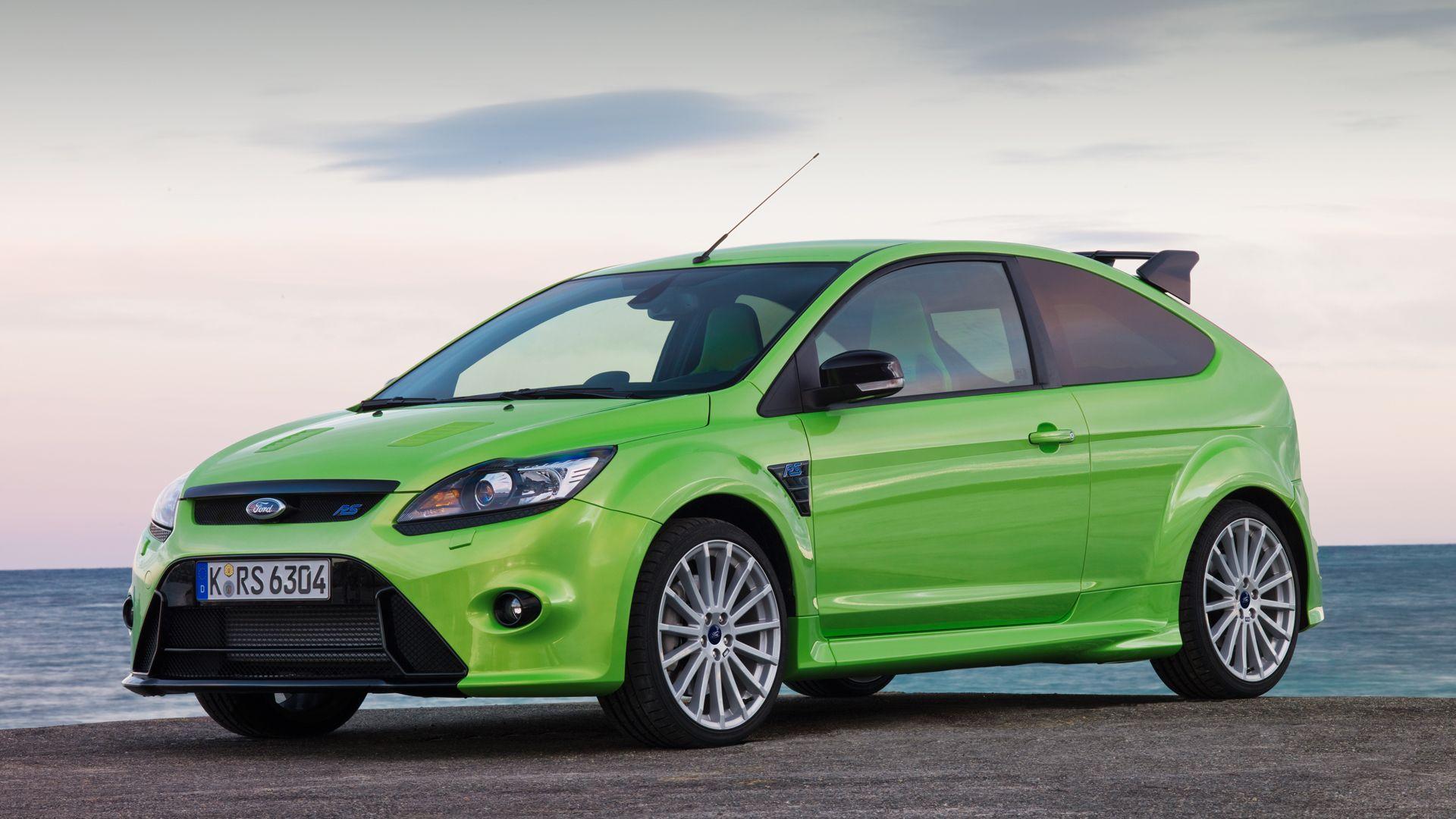
The Ford Focus, while celebrated for its practicality, affordability, and handling, often struggles with paint longevity. Many owners report that the vehicle’s exterior begins to lose vibrancy and appear dull after just a few years, particularly on lighter or metallic colors.
This early fading is largely due to the thinner clear coats applied during manufacturing, which do not provide as much protection against ultraviolet radiation, acid rain, and other environmental pollutants.
In urban settings where air quality is low and pollution is high, this issue is often accelerated, leading to noticeable discoloration, especially on horizontal surfaces such as the hood, roof, and trunk.
The problem is compounded by the type of pigments used, which are less chemically stable and more prone to breaking down under prolonged sun exposure.
Even when owners perform regular washing and protective treatments, the Focus often exhibits uneven fading across different panels. Areas that are more exposed to direct sunlight fade faster than shaded or vertical surfaces, resulting in a patchy, inconsistent appearance over time.
Minor scratches and chips become more visible as the surface loses its original depth and gloss. Many drivers are forced to rely on polishing or professional detailing to restore some semblance of shine, although such measures are often temporary and cannot fully reverse chemical deterioration.
The early fading of the Focus not only affects aesthetics but can also influence perceived value and pride of ownership.
A vehicle with a dull or chalky finish tends to look older than it is, which can be discouraging for owners who invest time in maintaining mechanical performance but see their car’s exterior age prematurely.
The combination of thinner protective layers, vulnerable pigments, and environmental exposure creates a situation where even attentive owners may struggle to maintain the original appearance without significant intervention.
Climate factors play a particularly significant role in the Focus’s tendency to fade. In regions with high temperatures, intense sun, or salty coastal air, the paint can lose its reflective quality much faster than in more temperate climates.
The car’s vulnerability highlights the importance of selecting vehicles with higher-quality paint systems for those who plan to keep their car for many years or want to minimize maintenance efforts.
Unfortunately, the Focus’s cost-saving paint choices often make it an example of a vehicle where aesthetic longevity is secondary to affordability and mass-market appeal.
2. Chevrolet Cruze
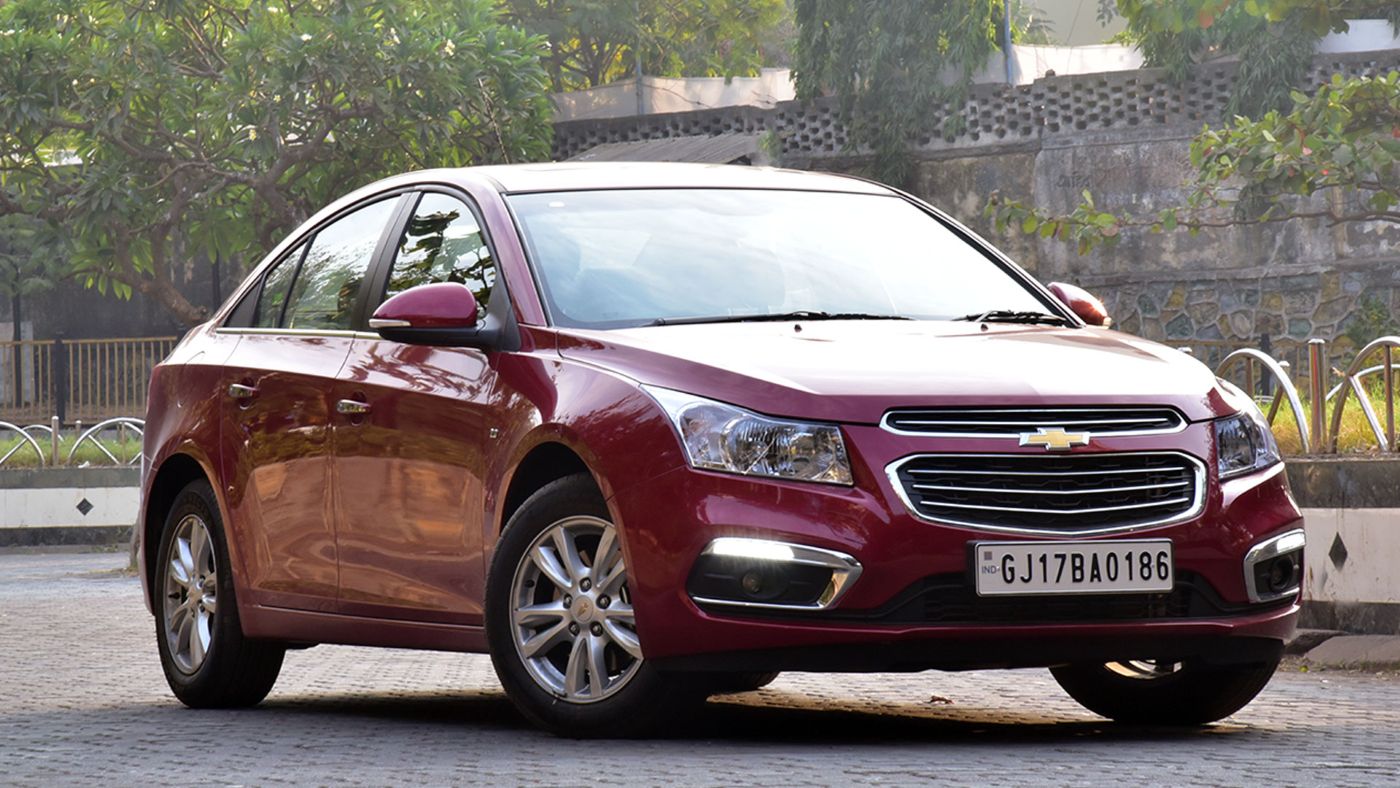
The Chevrolet Cruze is another popular compact car that often suffers from early paint fading. The vehicle’s paint system typically features a thinner clear coat compared to premium vehicles, leaving the surface more exposed to the effects of ultraviolet rays, rain, and airborne pollutants.
Certain colors, especially brighter or metallic options, are more susceptible to losing depth and clarity within just a few years of regular use. Owners frequently note that their Cruzes develop a dull, washed-out appearance that makes the vehicle appear older than its actual age, even when mechanically sound.
The issue is compounded by the visibility of minor scratches and abrasions. Because the clear coat is relatively shallow, these imperfections are more pronounced and harder to conceal. Polishing can temporarily restore gloss, but chemical degradation of the paint itself prevents a complete recovery of the original shine.
Uneven fading is also a common complaint, with panels exposed to direct sunlight, such as the hood and roof, showing a noticeable difference compared to shaded areas, creating an inconsistent and visually aged appearance.
Environmental conditions accelerate the problem further. Vehicles in regions with hot summers, frequent sunlight, or significant pollution tend to experience fading much earlier than those in temperate climates.
Even garage storage cannot fully compensate for the chemical instability of the paint, which gradually loses vibrancy over time.
Owners who are meticulous about maintaining their Cruze often find themselves needing frequent detailing sessions to combat the dulling effect, which can be both time-consuming and expensive over the long term.
For those prioritizing long-lasting exterior appeal, the Cruze may require extra effort to maintain a vibrant and attractive finish over its lifespan.
3. Nissan Sentra
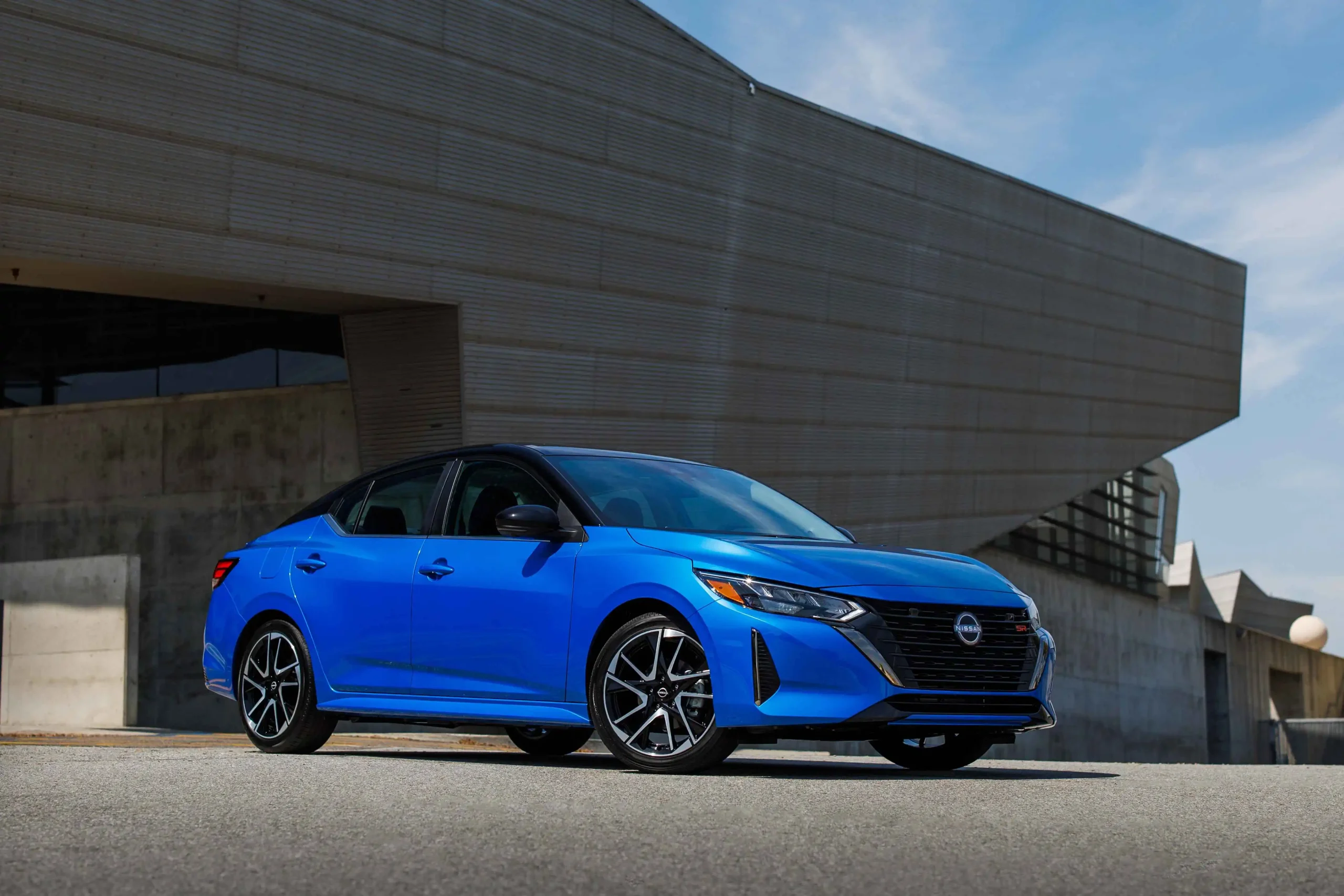
The Nissan Sentra, widely appreciated for its efficiency and affordability, exhibits a notable tendency for paint to fade prematurely. Many Sentra owners report that the hood, roof, and front fenders, panels most exposed to sunlight, lose gloss and vibrancy first, often within three to five years.
The vehicle’s paint system, which includes thinner clear coats and pigments that are not optimized for chemical stability, is particularly susceptible to ultraviolet damage, oxidation, and the cumulative effects of environmental pollutants.
This early fading often results in a chalky or muted appearance, especially on darker colors, which can make the vehicle look older than its actual mileage or years of use.
Maintaining the original appearance of a Sentra can be a challenge. Even with regular washing, waxing, and application of protective coatings, the inherent chemical limitations of the paint prevent it from fully resisting long-term fading.
Minor scratches and swirl marks also become more pronounced as the surface loses depth, creating an uneven texture that detracts from aesthetic appeal. Polishing can improve the appearance temporarily, but the effects often diminish as environmental exposure continues to degrade the paint.
Environmental factors accelerate the fading process in the Sentra. Acid rain, road salt, and pollution interact with the less durable clear coat, resulting in discoloration or dulling that is more pronounced than in higher-end vehicles.
Sun exposure in particular plays a critical role, causing differential fading across surfaces that receive direct sunlight compared to panels that remain shaded. This uneven aging further emphasizes the paint system’s limitations and the importance of protective care.
The Sentra’s challenges with fading highlight a broader pattern among economical compact cars: exterior longevity is often secondary to affordability and efficiency. Buyers who are focused on appearance over the long term may find that preserving a polished, showroom-quality finish requires extra effort and ongoing maintenance.
The vehicle demonstrates that while mechanical reliability and value are strong points, paint durability is a vulnerability that affects perception, resale, and satisfaction over time.
4. Hyundai Elantra
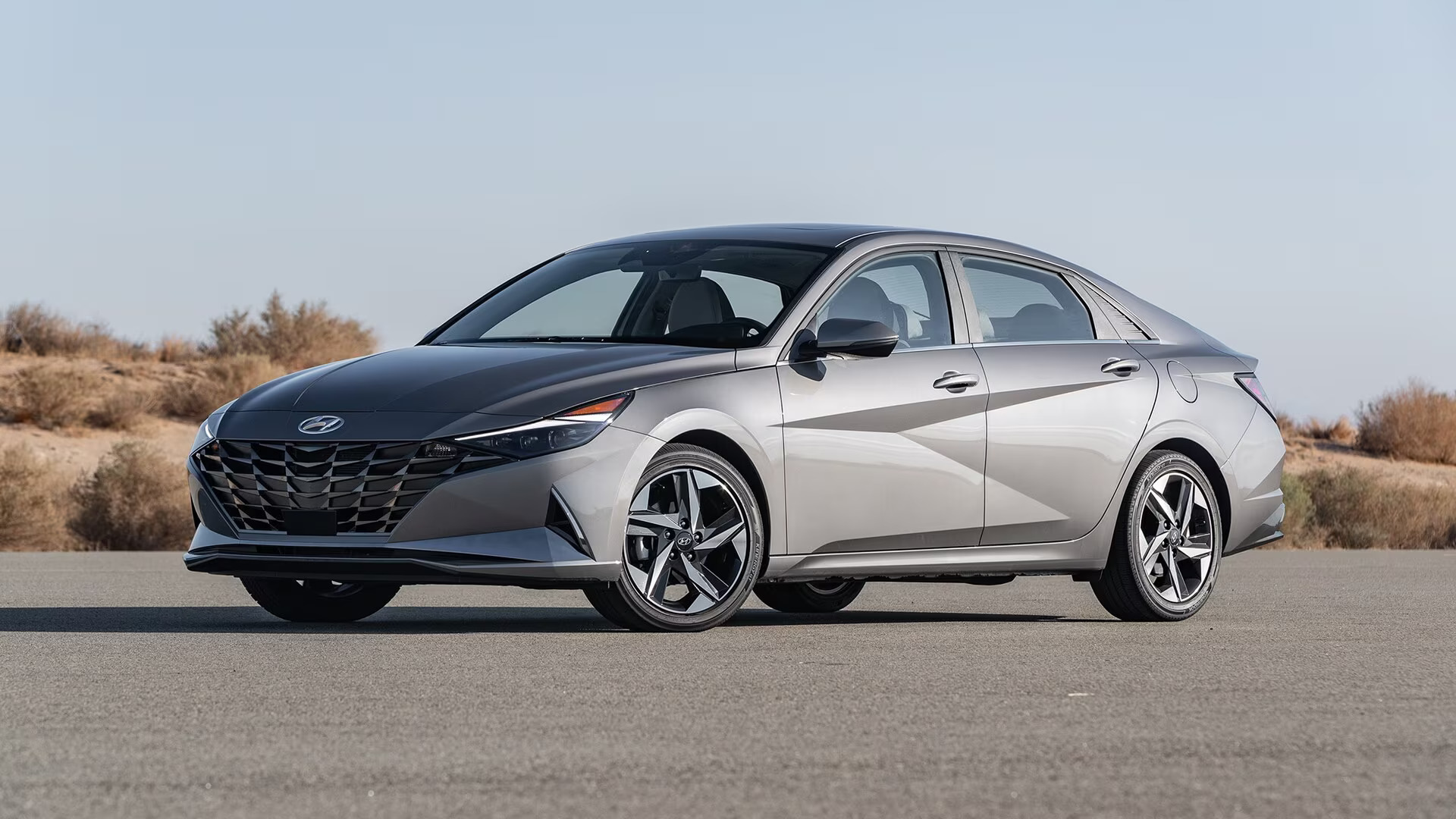
The Hyundai Elantra, known for its modern styling and affordability, often faces early paint fading issues, particularly in older models. The clear coat on the Elantra is thinner than what is typically used on premium vehicles, and pigments can degrade over time when exposed to sunlight and environmental pollutants.
This results in a gradual loss of shine, leaving the vehicle with a less vibrant, more muted finish even after a few years of normal use. Darker colors, metallic shades, and brighter tones are particularly susceptible to oxidation and chemical breakdown, which diminishes the car’s visual appeal.
Maintaining the Elantra’s finish requires consistent effort. Regular washing and protective treatments, such as waxing or applying sealants, can help delay the fading process, but they cannot fully prevent it.
The shallow clear coat and less chemically stable pigments mean that minor scratches, swirl marks, and chips become more visible over time, contributing to a patchy or worn appearance.
Owners often note that panels exposed to the sun, including the roof, hood, and front fenders, show more dramatic fading compared to shaded or vertical surfaces, resulting in an uneven finish.
The Elantra’s early fading illustrates a recurring issue with affordable vehicles: the paint system is often compromised in favor of lower production costs. While the car offers reliability, comfort, and style, the exterior finish may require constant attention to preserve its original appeal.
Prospective owners who prioritize aesthetics and long-term shine may need to invest more time and money to maintain a visually attractive vehicle, highlighting the trade-offs of economy over premium paint durability.
5. Kia Forte
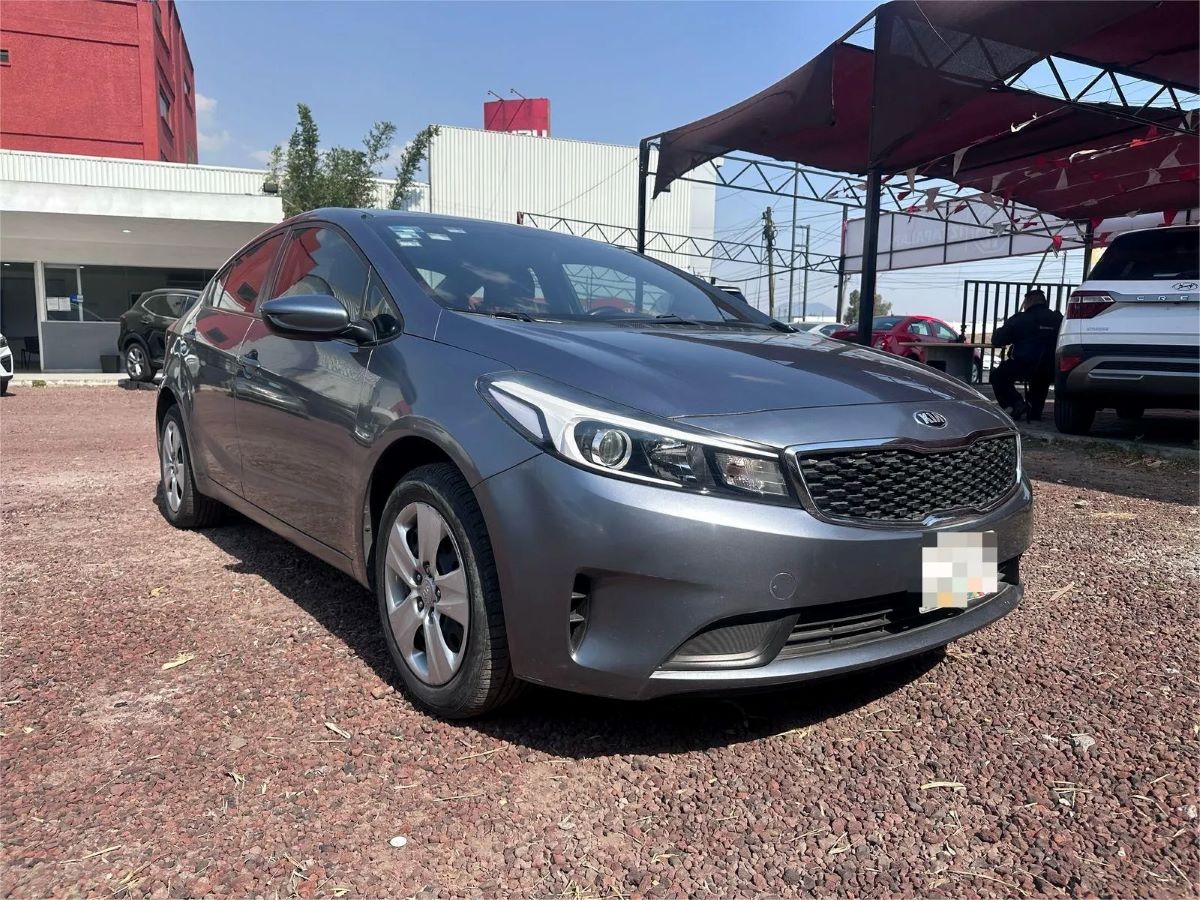
The Kia Forte, similar to the Hyundai Elantra, struggles with paint longevity, particularly in bright, metallic, or darker color options. The clear coat used in production is relatively thin, and pigments are less resistant to ultraviolet radiation and chemical degradation.
As a result, owners often report that the vehicle loses its reflective quality within three to five years, with surfaces exposed to sunlight, such as the hood, roof, and front fenders, showing the earliest signs of fading.
This early loss of gloss gives the Forte a dull, aged appearance despite relatively low mileage, which can impact both pride of ownership and resale value.
Environmental exposure compounds the problem. Acid rain, road salt, urban pollution, and extreme sunlight all contribute to faster breakdown of the paint, making it challenging for the vehicle to maintain a polished appearance without frequent detailing or protective coatings.
Even garage storage can only partially mitigate the natural chemical breakdown of the paint, highlighting the intrinsic limitations of the vehicle’s exterior system.
The Kia Forte exemplifies the trade-offs between affordability, styling, and long-term paint quality. While the car offers value, fuel efficiency, and practicality, maintaining its exterior appearance requires continuous effort.
For owners who prioritize aesthetics or desire a vehicle that holds its shine over many years, the Forte’s early fading tendencies illustrate a potential challenge that goes beyond routine washing and care, making exterior longevity a concern for long-term satisfaction.
