
Sunroofs are often a defining feature in modern sedans, offering a sense of openness, natural light, and connection to the outside environment while driving.
For many car buyers, a sunroof is more than just a cosmetic accessory; it represents comfort, convenience, and a touch of luxury. However, not all sunroofs are created equal. While some vehicles integrate them seamlessly, allowing effortless operation without noise or leaks, others can become a source of frustration due to mechanical quirks, squeaks, or rattles that develop over time.
These differences often arise from engineering choices, material quality, and assembly precision. A well-behaved sunroof can enhance the driving experience significantly, making routine commutes and long journeys more enjoyable. Conversely, a sunroof with persistent rattles or leaks can quickly become an annoyance, undermining the perceived quality of the vehicle.
Sedans, in particular, present a unique challenge when it comes to sunroof integration. Unlike larger vehicles such as SUVs or crossovers, which may have more structural space to accommodate a sunroof, sedans require careful design to ensure rigidity, minimal wind noise, and smooth operation.
Automakers often experiment with different sunroof mechanisms, including sliding, tilting, or panoramic designs, to appeal to a range of consumers. However, even minor lapses in material tolerances or assembly techniques can lead to audible creaks and vibrations. Understanding which sedans offer reliable sunroofs versus those prone to squeaks is valuable for prospective buyers who prioritize comfort and refinement.
This article examines ten popular sedan models, divided into two groups: those with sunroofs that operate reliably and those whose sunroof setups are prone to noise and rattle. The first section highlights five sedans where the sunroof feels solid, quiet, and responsive, adding to the driving experience.
The second section reviews five sedans whose sunroofs tend to develop minor annoyances, such as wind noise, panel flex, or mechanical chatter, illustrating how small design decisions can impact daily usability.
By considering these examples, readers can better understand how sunroof performance varies across sedans and make informed choices when shopping for vehicles that combine both style and practical comfort.
5 Sedans with Sunroofs That Behave
Toyota Camry
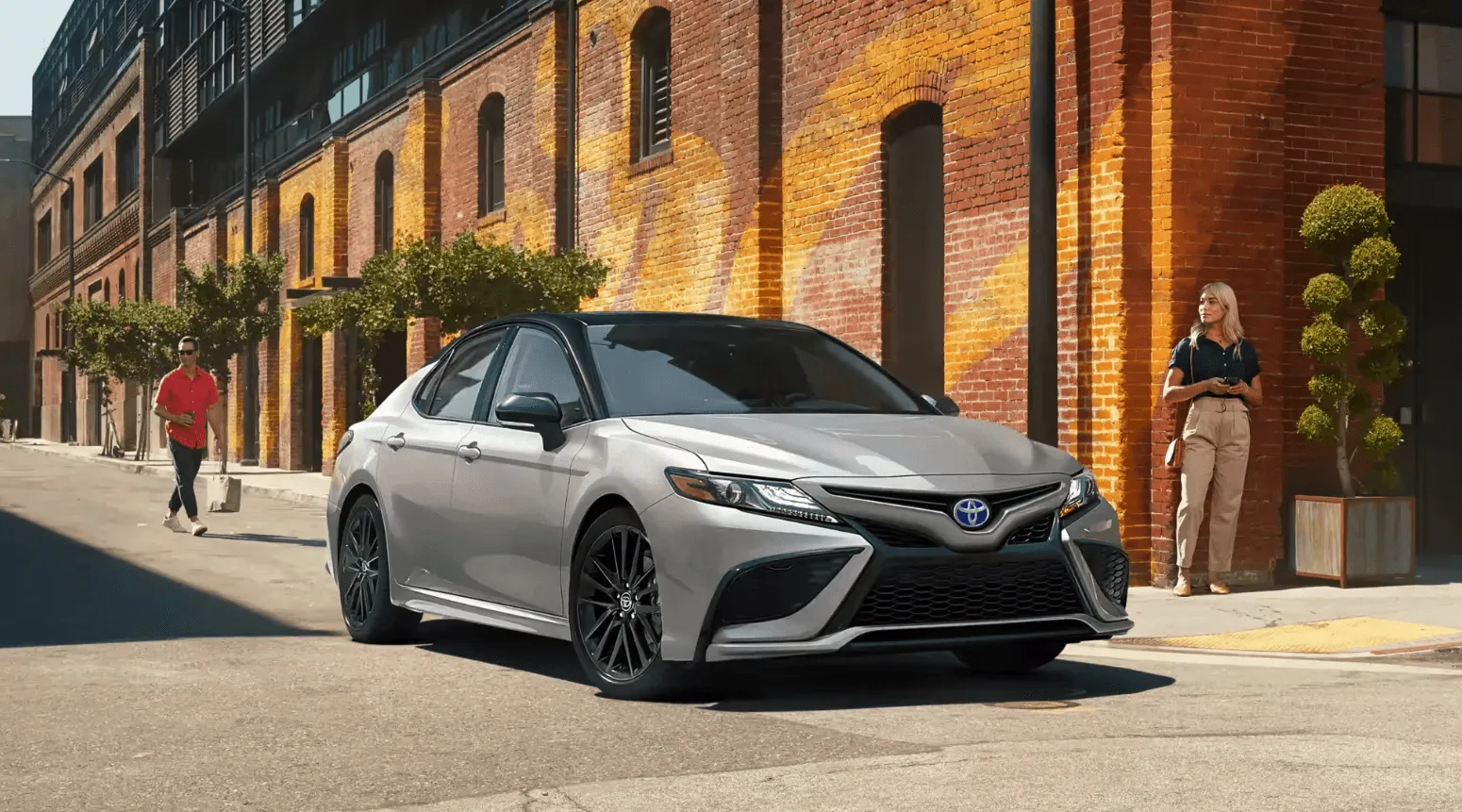
The Toyota Camry has consistently been recognized for its reliability and solid build quality, and its sunroof exemplifies this reputation. The Camry’s sunroof operates smoothly, offering both tilting and sliding functions that respond with precision and minimal effort.
Unlike some vehicles where the motor hesitates or produces uneven motion, the Camry’s system feels fluid and controlled, giving the driver a sense of confidence that the sunroof will continue to function reliably over time. The structural integration of the sunroof into the roof is precise, with reinforced supports that minimize panel flex.
This reduces the risk of vibration or noise, particularly when driving on rough roads or over uneven surfaces. Water sealing is another key area where the Camry excels. Properly engineered channels, dense rubber gaskets, and a slightly recessed glass edge prevent water ingress, which is critical in regions prone to heavy rainfall or snow.
Owners consistently report that even after years of daily use, the Camry sunroof maintains quiet operation without leaks or unusual noise, underscoring Toyota’s reputation for practical durability in addition to everyday comfort. This reduces the risk of vibration or noise, particularly when driving on rough roads or over uneven surfaces. Water sealing is another key area where the Camry excels. Properly engineered channels, dense rubber g
Another contributing factor to the Camry’s success is the careful selection and application of materials. The sunroof glass is tempered, lightweight, and rigid, providing resistance to bending or vibration that can cause annoying rattles.
Seals and weatherstripping are made of high-quality elastomers that retain flexibility across extreme temperatures, ensuring a consistent seal without compromising ease of movement. The rails guiding the sliding panel are precisely machined, minimizing friction while maintaining tight tolerances to prevent misalignment.
These elements combine to create a sunroof that operates silently, even at highway speeds, a characteristic that many competitors struggle to achieve. Drivers often note the absence of the “looseness” or hollow sensation that can make sunroofs feel cheap or poorly engineered in other vehicles. Every aspect of the system, from the motor torque calibration to the glass panel weight distribution, is designed to reduce wear and maintain consistent performance over years of ownership.
The interior design of the Camry further complements the sunroof’s functionality. The shade glides smoothly along its track, offering effortless coverage when direct sunlight is undesirable, and it retracts fully without binding or misalignment.
Passengers in both the front and rear seats benefit from the enhanced natural light, which contributes to a more spacious and inviting cabin environment. Unlike certain vehicles where headroom is compromised or the sunroof creates awkward reflections or glare, the Camry maintains thoughtful proportions and ergonomics, providing a comfortable experience for occupants of all sizes.
The alignment of the sunroof frame with the roofline is also precise, leaving no visible gaps or inconsistencies that could degrade the perception of quality. This careful integration reinforces the impression that the sunroof is a purpose-built feature rather than an afterthought.
Finally, the Camry’s sunroof excels in terms of long-term reliability and low maintenance requirements. The motor and rails are robust, designed to withstand repeated use without excessive wear or the need for frequent lubrication.
Minor preventive maintenance, such as clearing debris from the tracks or periodically checking the seals, is sufficient to keep the system operating optimally. This combination of dependable mechanics, weatherproof sealing, and thoughtful ergonomics ensures that the Camry sunroof continues to perform well over time, making it a standout feature for drivers seeking a blend of functionality, comfort, and peace of mind.
Honda Accord
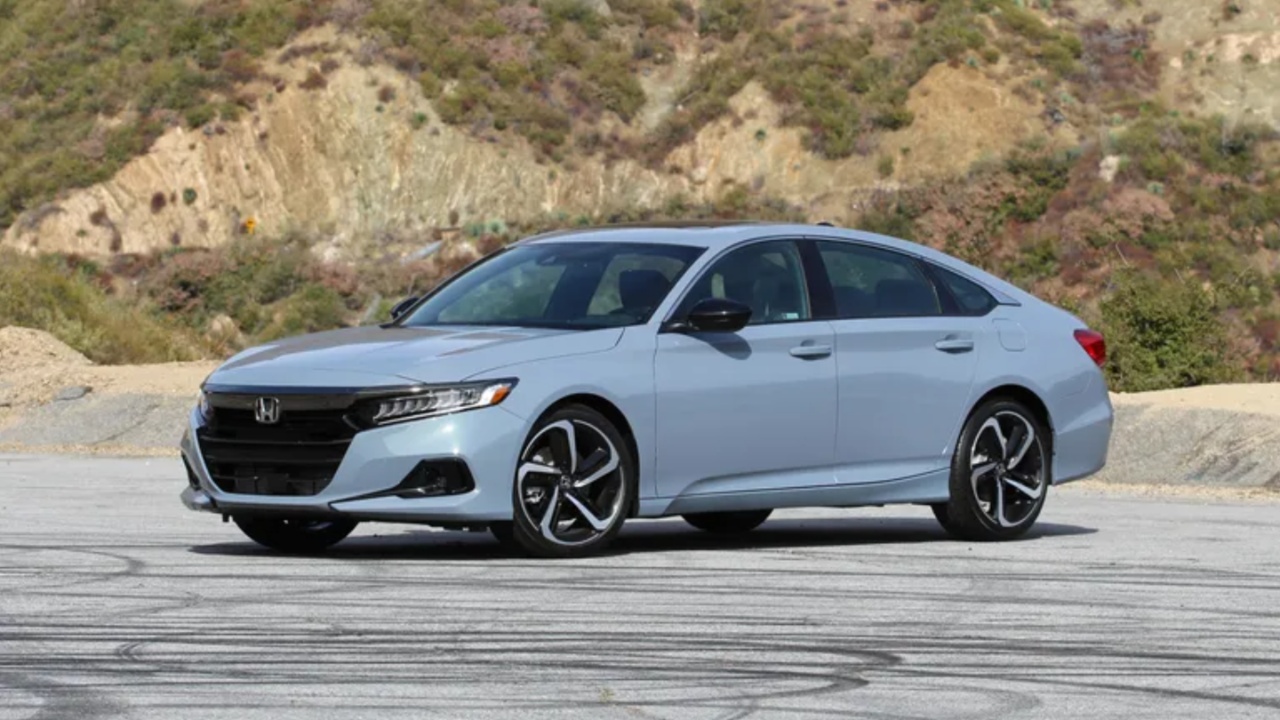
The Honda Accord’s sunroof is widely regarded for its precision, quiet operation, and longevity, reflecting the automaker’s focus on engineering excellence and user-centric design. Unlike some competitors, where sunroof panels can rattle or bind, the Accord provides a smooth, predictable motion when tilting or sliding.
This consistency is particularly important for drivers who regularly use the sunroof in varying conditions, from city commutes to long highway drives. Wind noise is another area where the Accord excels. Engineers have optimized the roofline, sunroof panel contour, and seal placement to minimize turbulence, ensuring the cabin remains serene even at higher speeds.
The result is an experience where occupants can enjoy fresh air or sunlight without enduring whistles, vibration, or drafty sensations, which can often detract from the enjoyment of a sunroof.
Structural integrity is central to the Accord sunroof’s behavior. The roof incorporates reinforced pillars and high-strength steel crossmembers to prevent flexing, which reduces the likelihood of rattles and ensures the panel remains securely in place.
The sliding and tilting mechanisms operate with precision due to carefully machined tracks and calibrated motors. Rubber gaskets and seals are engineered to accommodate thermal expansion while maintaining a consistent barrier against water and air intrusion.
This combination of structural reinforcement and precise mechanical engineering ensures the sunroof remains quiet, smooth, and secure even under challenging driving conditions. It also contributes to the perception of quality, which is critical in a sedan competing in the mid-size segment.
Interior integration adds another layer of refinement to the Accord’s sunroof. The sunshade moves easily along its track, offering reliable light control without catching or misaligning. The opening size is well-balanced, providing sufficient airflow and visibility while maintaining structural stability.
Headroom remains ample, and the cabin’s lines are not compromised by the sunroof’s presence. Controls for the sunroof are intuitive, allowing incremental adjustments or full opening with minimal effort. These design decisions reflect Honda’s commitment to combining engineering precision with user-friendly functionality, resulting in a sunroof that enhances the driving and passenger experience.
Longevity and minimal maintenance make the Accord sunroof especially appealing. The mechanism rarely requires service beyond occasional cleaning of the tracks and seals. The motor and mechanical components are built for durability, capable of operating smoothly over many years without developing common issues such as jerking, squeaking, or uneven motion.
The combination of quiet operation, consistent performance, and thoughtfully designed ergonomics positions the Accord as a reliable choice for buyers who want the benefits of a sunroof without the headaches of potential mechanical or sealing problems.
Mazda 6
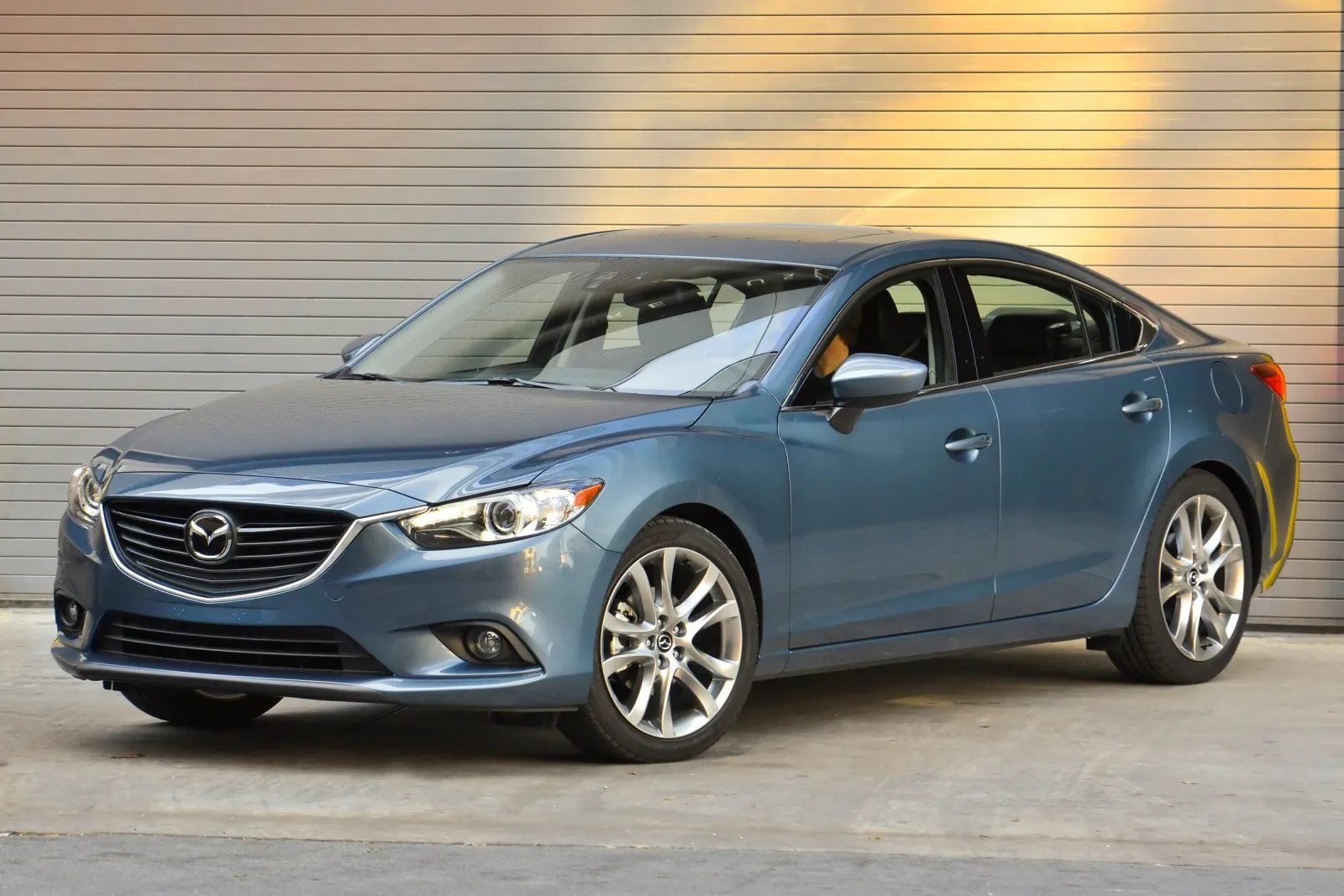
Mazda’s commitment to driver experience is evident in the 6’s sunroof, which balances mechanical reliability with aesthetic and functional integration. The sliding and tilting operations are precise and fluid, with a motor that applies consistent force to ensure smooth motion without hesitation or binding.
The glass panel itself is sturdy and resistant to vibrations, giving the impression of solidity and reducing the risk of long-term loosening. The roof structure surrounding the sunroof is reinforced to maintain rigidity, which prevents flex-induced noises that can plague less carefully engineered designs. Mazda’s attention to aerodynamics ensures that wind noise is minimized, even when the sunroof is open, making it suitable for extended drives at highway speeds.
The interior experience is equally well-considered. The sunshade moves easily, retracting and extending without misalignment or binding. Light enters the cabin evenly, and headroom is maintained for both front and rear passengers.
Unlike some vehicles where sunroofs compromise ergonomics or cabin aesthetics, the Mazda 6 integrates the sunroof seamlessly, enhancing the sense of space without reducing comfort. The motorized system operates quietly, and the panel does not produce creaks or rattles under normal driving conditions. These features make the sunroof feel like a thoughtfully integrated component rather than a potential source of annoyance.
Long-term reliability is a hallmark of the Mazda 6 sunroof. The tracks are engineered for durability, and the motor is designed to operate efficiently over many years without excessive wear. Minor maintenance, such as occasional cleaning of the seals and tracks, is sufficient to preserve smooth operation.
The combination of mechanical precision, aerodynamic efficiency, and thoughtful interior integration ensures that the Mazda 6’s sunroof continues to function reliably, enhancing both driving enjoyment and passenger comfort.
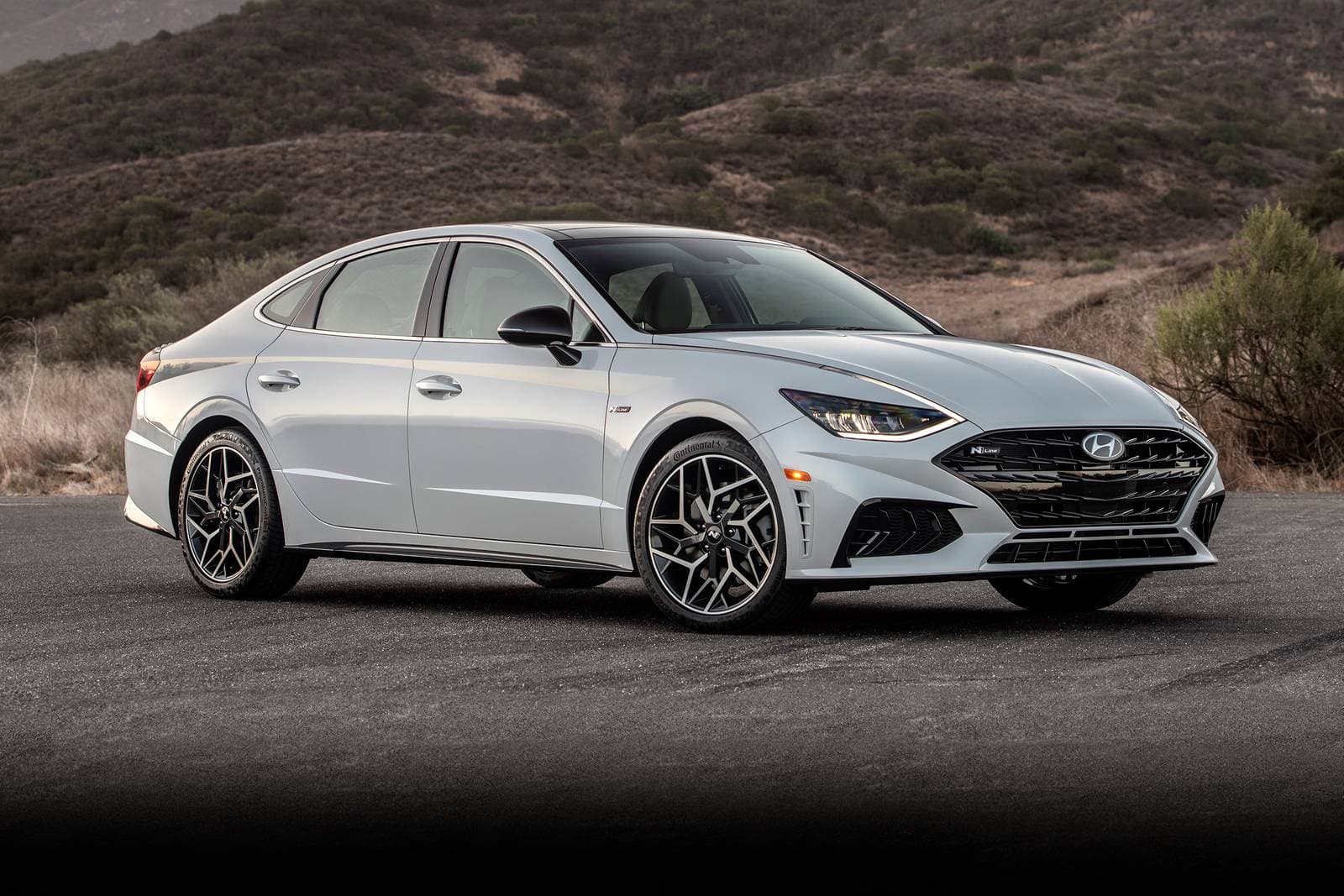
Hyundai Sonata
The Hyundai Sonata offers a sunroof that combines practicality, affordability, and dependable performance. The sliding and tilting functions operate smoothly, with a motor that applies consistent torque to move the panel without hesitation. The mechanism is quiet and controlled, avoiding the rattling or jerking motion common in some vehicles.
Wind noise is minimized due to careful aerodynamic design, and the seals are engineered to provide a watertight barrier without adding friction that could strain the mechanism. The Sonata’s sunroof is particularly impressive considering its competitive price point, demonstrating that careful engineering can deliver refinement even in mid-tier sedans.
Interior usability is also strong. The sunshade moves easily, providing control over light levels without catching or misaligning, and the surrounding frame is tight and visually appealing. Passengers enjoy increased natural light and a sense of openness without sacrificing headroom or comfort.
The Sonata balances aesthetics, functionality, and practicality in a way that ensures the sunroof enhances the cabin environment rather than detracting from it.
Maintenance requirements are minimal, further increasing the Sonata’s appeal. The tracks and seals require occasional cleaning, and the motor rarely needs attention. The combination of quiet operation, structural stability, and thoughtful design makes the Sonata sunroof a reliable and enjoyable feature for drivers and passengers alike, providing an open-air experience without the concerns of leaks, rattles, or other nuisances.
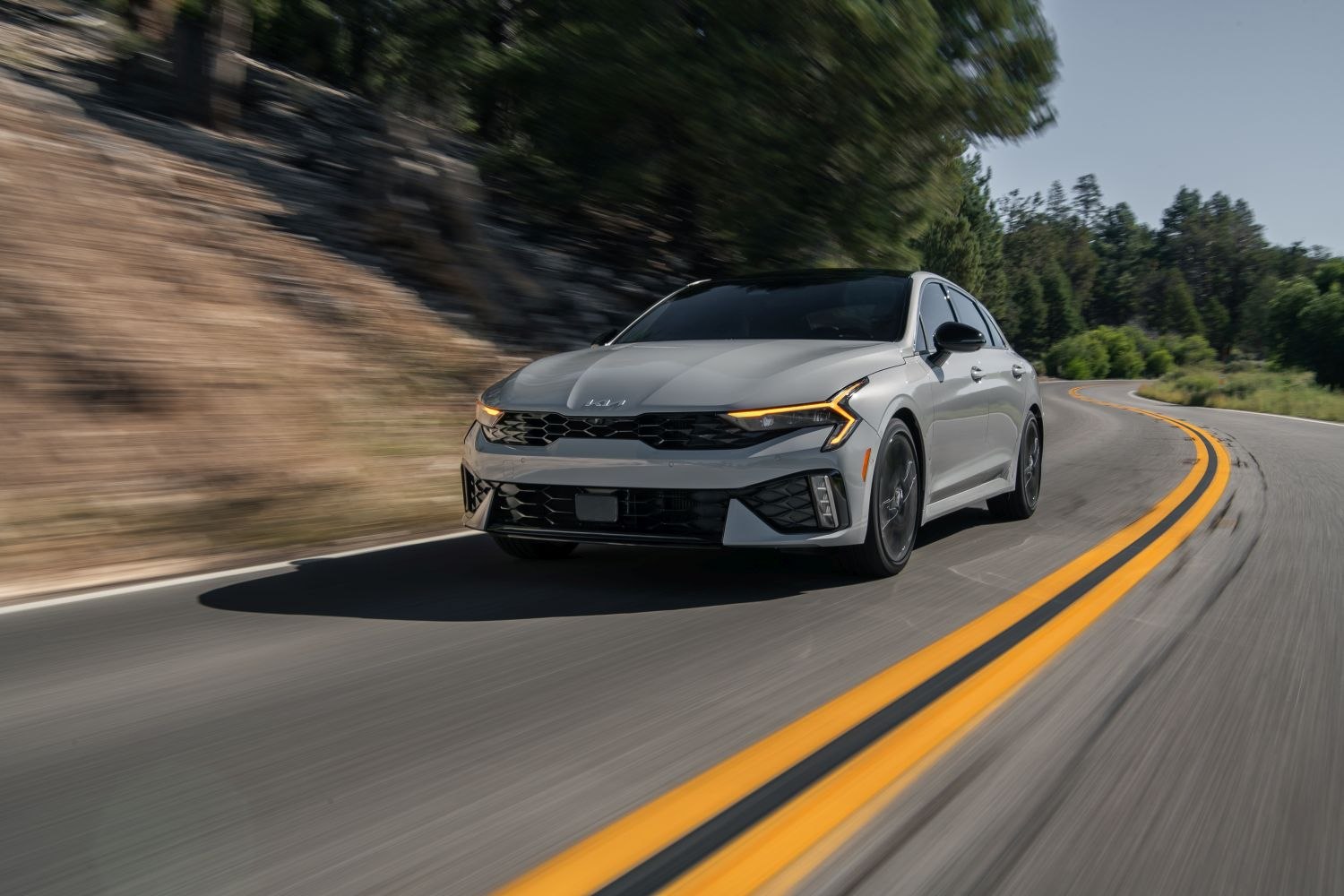
Kia K5
The Kia K5’s sunroof demonstrates the company’s attention to smooth operation, quiet performance, and structural integration. Sliding and tilting actions are precise, with a motor that consistently moves the panel without hesitation.
Vibrations and rattles are minimized thanks to a reinforced roof structure and high-quality glass panel, which gives the sunroof a solid and secure feel. Seals are dense and flexible, preventing leaks while minimizing friction that could stress the mechanism. The result is a user-friendly feature that contributes to cabin comfort rather than generating annoyance.
Aerodynamic design plays a key role in reducing wind noise and turbulence. The roofline and edges of the sunroof are carefully contoured, allowing air to flow smoothly over the opening. Even at higher speeds, the cabin remains calm, avoiding the whistling or buffeting experienced in poorly designed systems.
Anti-pinch sensors and safety features ensure the sunroof is secure for passengers, while the interior shade moves smoothly and stays in place even during bumpy conditions.
Structural support reinforces reliability over time. Reinforced crossmembers minimize roof flex, and the glass panel is supported along the tracks to prevent rattles. This attention to long-term performance ensures the sunroof maintains its quiet, solid feel even after years of use. Kia’s focus on precision in assembly, along with careful material selection, prevents the minor annoyances that can plague less thoughtfully designed systems.
Maintenance and durability are additional strengths. Occasional track cleaning is sufficient to maintain smooth operation, and the motorized mechanism is engineered for longevity.
Combined with quiet operation, structural stability, and intuitive controls, the Kia K5 sunroof provides a consistently satisfying experience. It illustrates how careful engineering, high-quality materials, and attention to detail can produce a sunroof that behaves reliably, enhancing the enjoyment of the sedan.
5 Sedans with Squeak-and-Rattle Setups
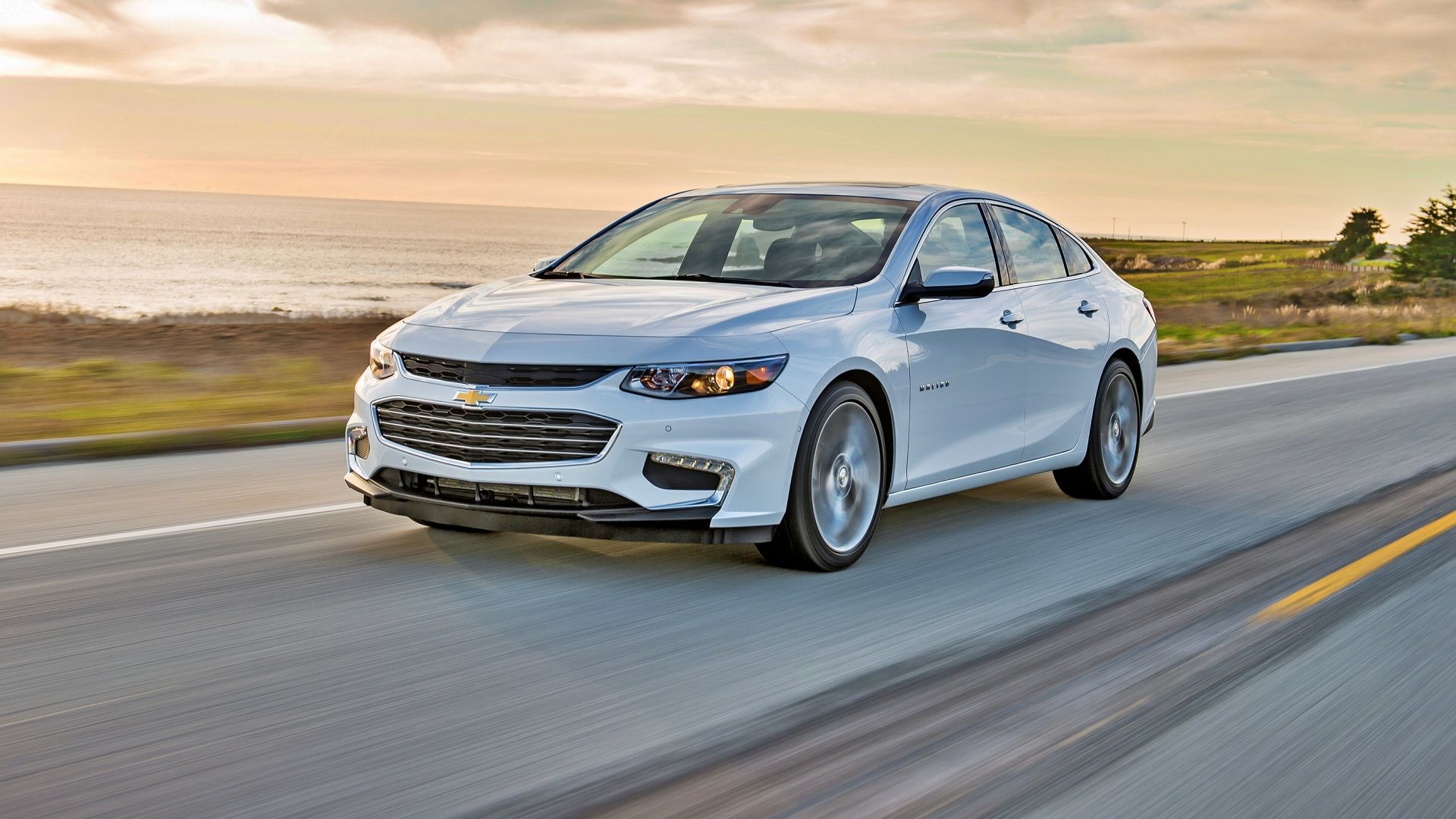
Chevrolet Malibu
The Chevrolet Malibu is often noted for a cabin that feels spacious and well-appointed, but its sunroof can occasionally undermine that impression. While the sunroof provides the usual tilting and sliding options, many owners report that it can develop squeaks and rattles over time.
These noises are usually caused by panel flex and insufficient sealing in the roof structure. Even minor road imperfections can trigger vibrations, which translate into audible rattle inside the cabin. The motor itself may function correctly, but the surrounding glass and frame often lack the rigidity necessary to prevent minor movement.
Additionally, the weatherstripping in some models has been reported to compress unevenly over months of use, leading to wind whistling at highway speeds. This combination of factors diminishes the premium feel that a sunroof is meant to deliver and can become a source of frustration for drivers who expect quiet operation.
The underlying design choices contribute significantly to these issues. In certain Malibu models, the roof structure around the sunroof is thinner and less reinforced compared to rivals, leaving the panel more susceptible to vibration. Tracks may not be perfectly aligned during assembly, which can result in uneven sliding or slight looseness in the mechanism.
Rubber seals, while intended to absorb movement and block moisture, may harden over time or fail to fully compensate for flexing, leading to minor leaks or drafty sensations.
These design limitations do not always manifest immediately but tend to become noticeable after extended use or exposure to temperature fluctuations, particularly in regions with extreme climates. Drivers often describe these issues as intermittent, occurring only under specific conditions such as braking, cornering, or traveling over uneven pavement.
Maintenance and long-term durability of the Malibu sunroof are also points of concern. Tracks may require frequent cleaning and lubrication to minimize friction and squeaking. Owners may also need to adjust the sunroof occasionally to reduce rattles caused by panel movement.
While these interventions can temporarily improve performance, they highlight the fact that the sunroof design is less forgiving than more robust systems found in competitors. Combined with structural flex and imperfect seals, the Chevrolet Malibu’s sunroof can feel more like a source of attention than a seamless feature, reminding drivers that even small imperfections in engineering can impact everyday usability.
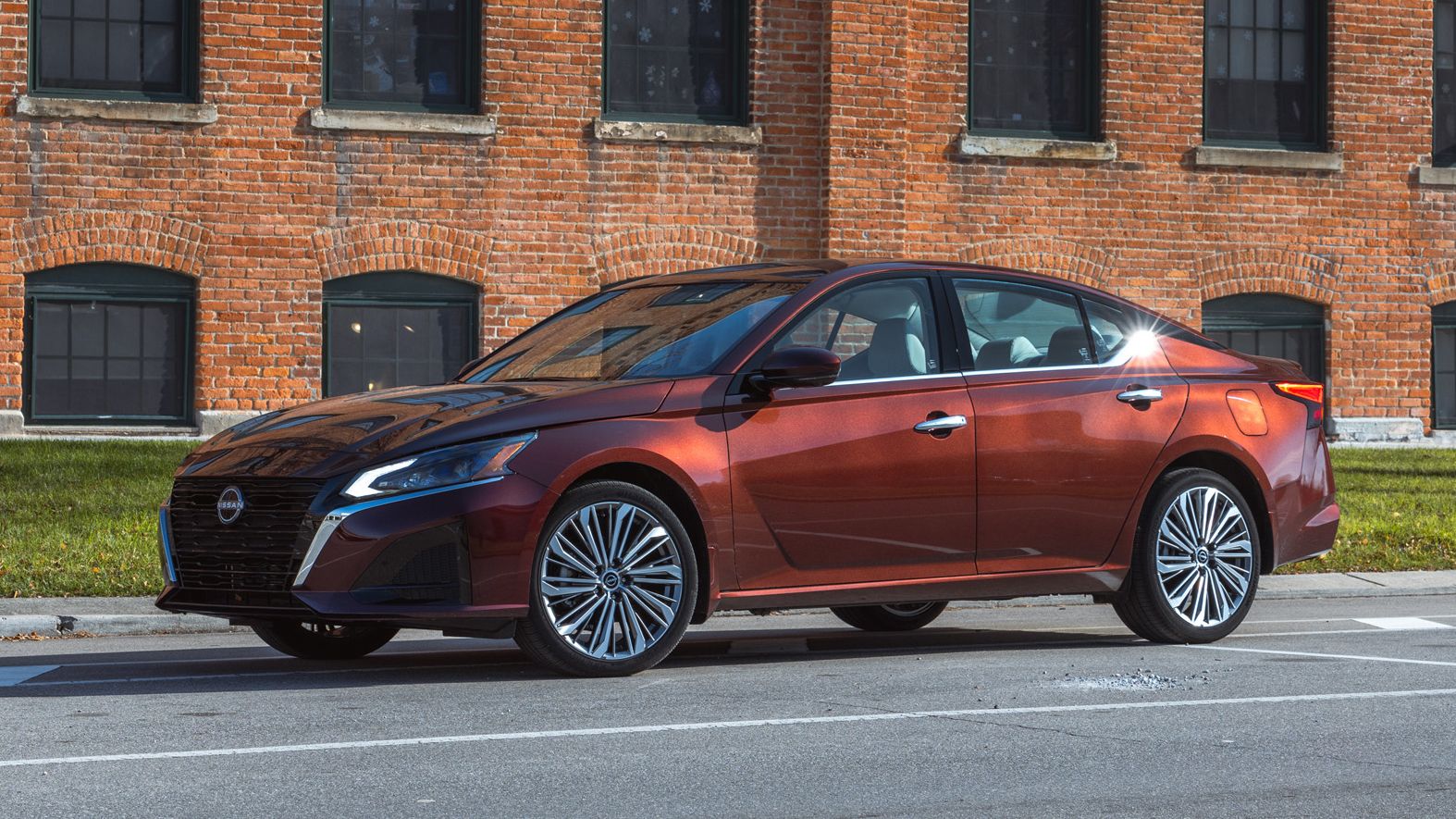
Nissan Altima
The Nissan Altima, a popular mid-size sedan, occasionally suffers from sunroof-related rattles and squeaks, particularly in earlier or base-level trims. The glass panel is integrated into the roof with moderate reinforcement, but under stress, such as when driving over rough roads, the panel can vibrate slightly, producing noticeable noise.
Even when the motorized tilting and sliding functions operate normally, these vibrations create an audible distraction inside the cabin. In addition, the seals around the sunroof can compress unevenly over time, allowing slight air intrusion, which contributes to wind whistling at higher speeds.
Drivers frequently report that these issues are most noticeable during cornering, braking, or on uneven surfaces, suggesting that structural rigidity in the surrounding roof area is a key factor in the noise problem.
Assembly and material choices also play a role. In some Altima models, the alignment of the sunroof rails is imperfect, which can result in uneven travel of the sliding panel. Over time, repeated motion may exacerbate small gaps, leading to rattling that was not immediately evident in the early months of ownership.
Weatherstripping, intended to cushion the panel and seal against water and wind, can harden with age or fail to maintain uniform pressure along the frame.
This contributes to the perception that the sunroof is “loose” and less refined than competitors. While these issues are not dangerous or mechanically catastrophic, they do affect the sense of quality in the cabin, particularly for passengers seated near the sunroof.
Maintenance considerations further complicate the Altima sunroof experience. Tracks may require more frequent lubrication, and seals occasionally need adjustment to maintain acceptable levels of noise reduction. Even with regular attention, the structural flex inherent in the design may prevent the complete elimination of rattles.
For some owners, the combination of vibrations, minor wind noise, and occasional shade misalignment gives the impression of a system that is not as polished as other mid-size sedans. While the Altima sunroof still delivers the primary benefits of light and ventilation, it serves as a reminder that subtle engineering and assembly choices can significantly influence long-term satisfaction.
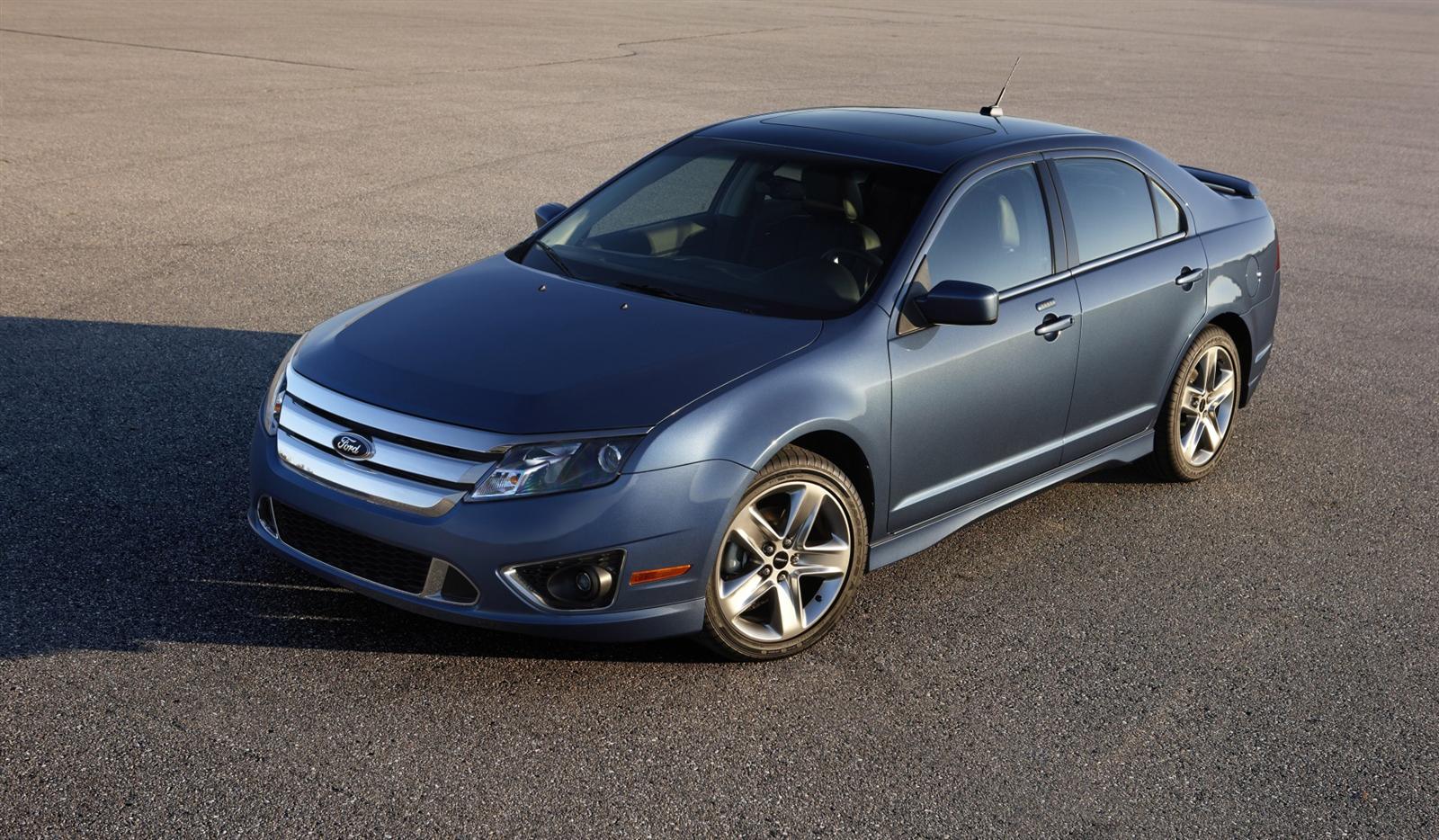
Ford Fusion
The Ford Fusion’s sunroof can be prone to squeaks and rattles, particularly in vehicles with high mileage or frequent exposure to rough roads. The panel itself is generally well-constructed, but the roof structure around the sunroof may not provide sufficient rigidity to prevent minor vibrations.
This lack of stiffness allows the glass to shift slightly during cornering, braking, or driving over uneven surfaces, producing audible rattles inside the cabin. While the motor operates correctly and the sliding mechanism functions as intended, these subtle movements can undermine the perception of quality.
Wind noise is another concern, especially when the sunroof is tilted or partially open, as imperfect sealing can create high-pitched whistling at highway speeds.
The structural design and material choices contribute to these issues. Some Fusion models have thinner roof panels surrounding the sunroof, which flex under stress and transfer vibrations to the interior trim. Rails may also suffer from slight misalignment during assembly, causing uneven sliding or minor friction that results in squeaks.
Weatherstripping, while designed to seal the panel, can degrade over time, particularly in hot or cold climates, further contributing to noise. These factors make the sunroof less forgiving than those in competitors, especially when driving conditions are less than ideal. Even a well-maintained Fusion can develop audible signs of panel movement over years of use, highlighting the importance of structural reinforcement in sunroof design.
Maintenance requirements for the Fusion sunroof are slightly higher than average. Tracks need periodic cleaning and lubrication, and seals may require adjustment or replacement over time to maintain acceptable performance.
While these tasks can improve the situation temporarily, the underlying structural flex remains a factor that cannot be fully corrected without significant intervention. The Fusion sunroof demonstrates how even small lapses in structural reinforcement, seal consistency, or rail alignment can affect long-term cabin experience, showing that a sunroof’s behavior is not determined solely by motor operation.
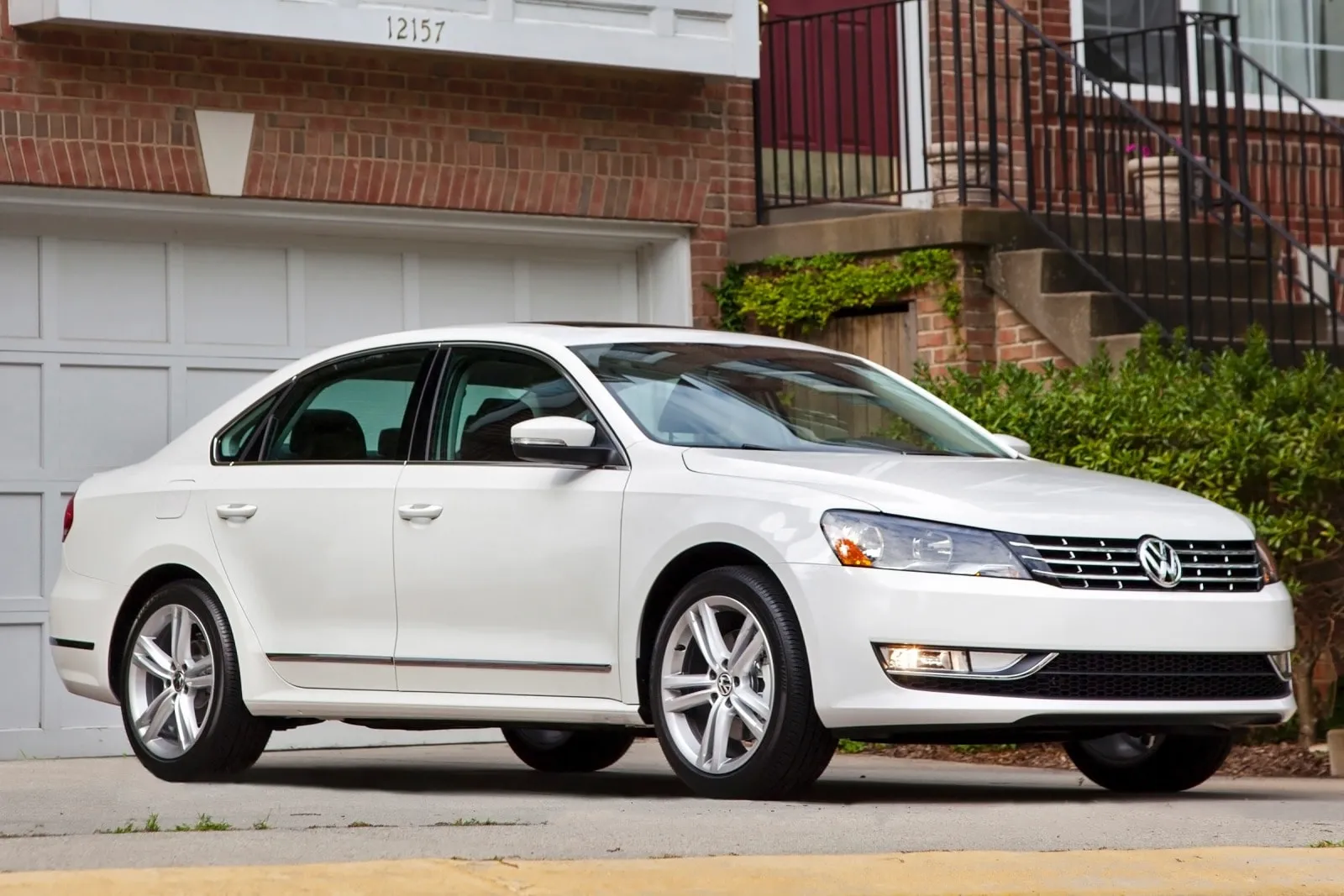
Volkswagen Passat
The Volkswagen Passat, known for European styling and driving refinement, has a sunroof that occasionally produces squeaks and rattles, particularly in models from earlier production years. While the sliding and tilting functions operate as intended, the panel can vibrate under stress, creating intermittent noise.
Road imperfections, tight turns, or sudden stops often reveal the underlying flexibility of the roof structure around the sunroof, which may not be sufficiently reinforced in certain trims. Wind noise can also emerge, especially at highway speeds, due to compressed or uneven weatherstripping along the sunroof frame. This combination of mechanical and acoustic issues can detract from the otherwise polished feel of the Passat cabin.
Passenger comfort is affected by these issues. The sunshade may stick or misalign slightly, and vibrations from the glass panel can be transferred to the interior trim. Noise may be most noticeable to rear-seat passengers, where roof reinforcement is generally less robust.
Even with normal driving conditions, these small annoyances can accumulate, giving the impression that the sunroof is less durable or well-integrated than competitors’ systems. For drivers who prioritize cabin serenity, the Passat sunroof may feel like a compromise rather than a seamless feature.
Maintenance and long-term durability are important considerations. Track lubrication, seal adjustment, and occasional inspection are necessary to maintain smooth operation. However, even diligent care cannot eliminate noise arising from structural flex or panel movement.
These factors illustrate how subtle engineering and assembly tolerances can significantly influence the long-term experience of a sunroof. The Passat, while stylish and refined in many ways, demonstrates that even well-regarded sedans can have sunroof systems that require attention to avoid squeaks and rattles.
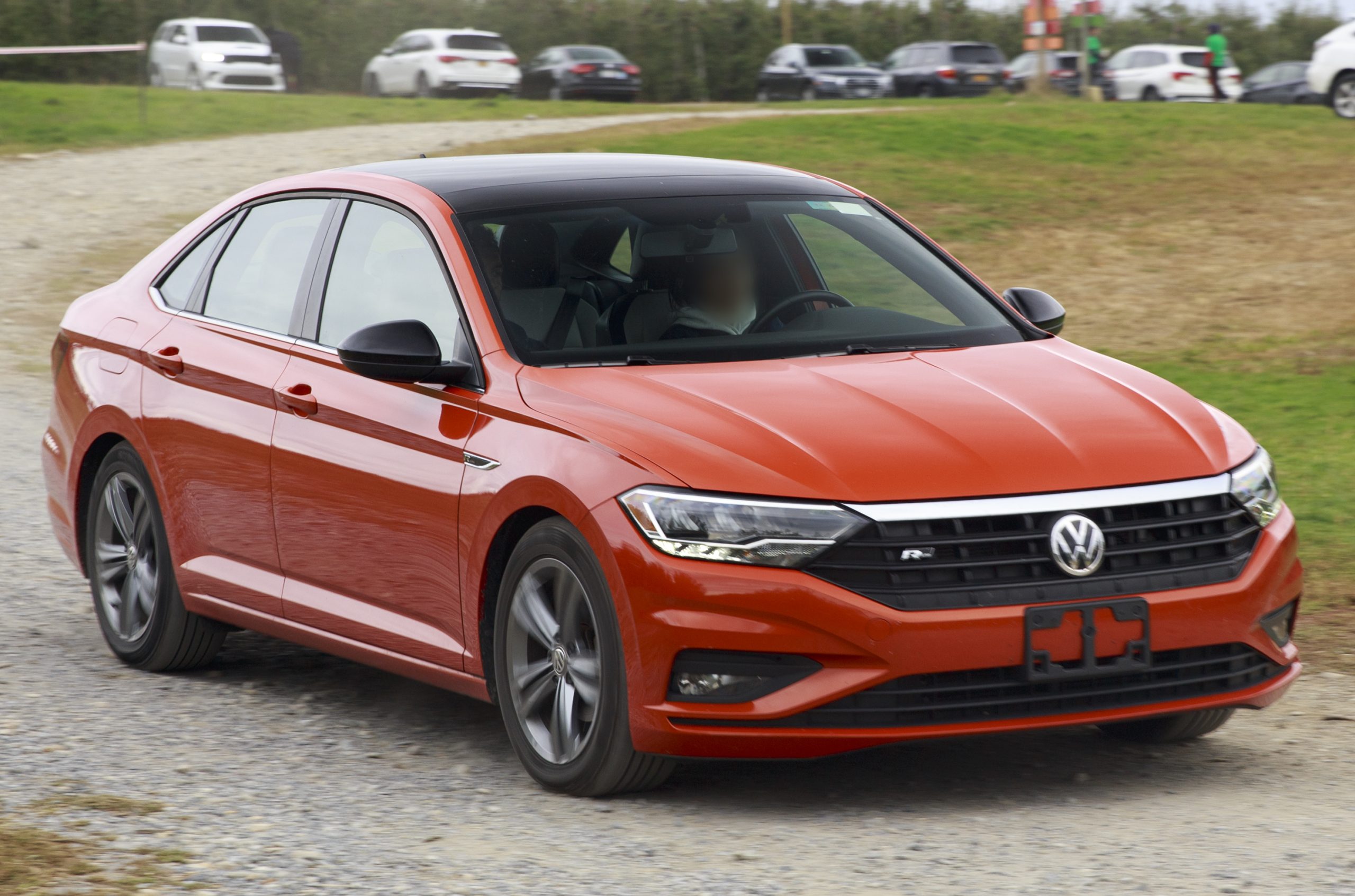
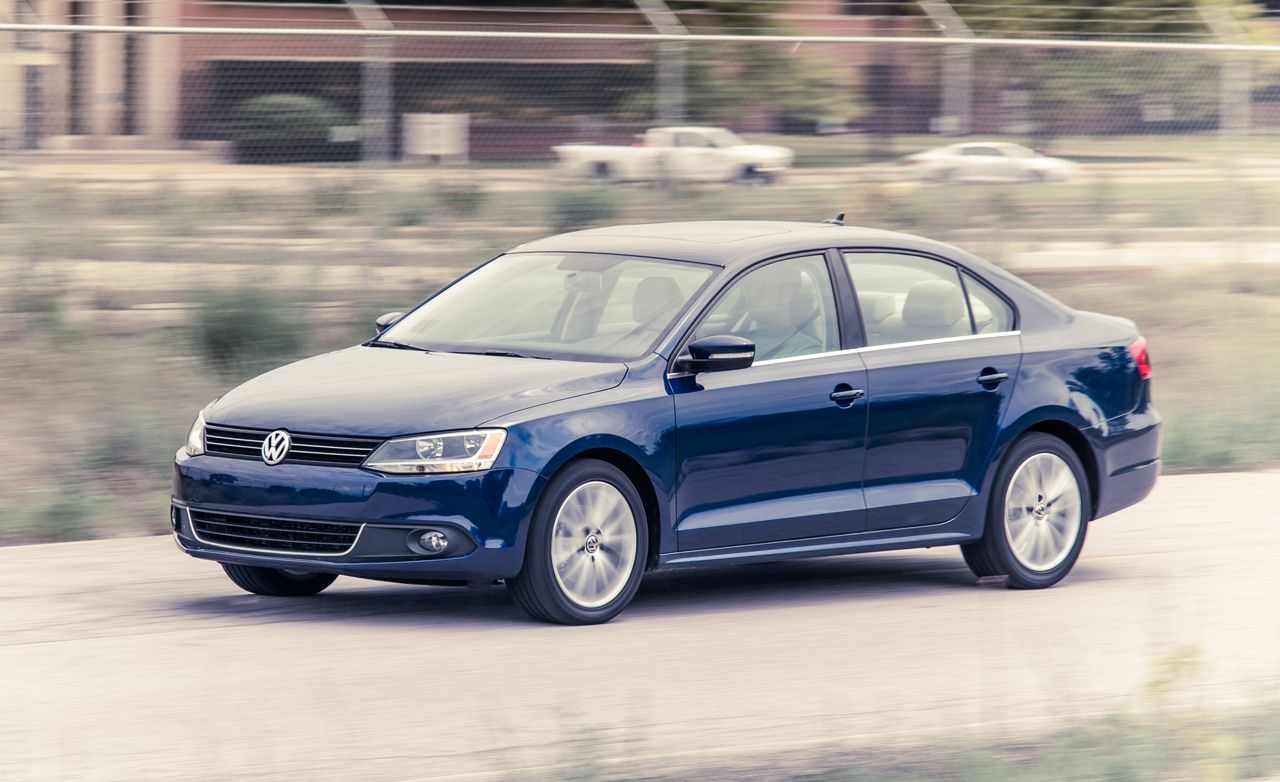
Volkswagen Jetta
The Volkswagen Jetta, a compact sedan, is another example of a vehicle whose sunroof may produce squeaks or rattles over time. The sliding glass panel is generally functional, but it can develop minor vibration under normal driving conditions, particularly on rough or uneven roads.
Even when the sunroof motor operates correctly, the glass panel may shift slightly in response to roof flex, creating audible rattling inside the cabin. In addition, weatherstripping and seals can compress unevenly, which increases wind noise and allows subtle drafts. These acoustic issues become more noticeable at higher speeds, where turbulence can amplify even minor gaps in sealing.
The passenger experience inside the Jetta is influenced by these factors. The sunshade may not glide as smoothly as intended, and combined with panel vibrations, the effect is more pronounced on bumpy roads or at higher speeds.
Rear-seat passengers, in particular, may experience minor creaks and rattles that detract from cabin comfort. While the sunroof provides the expected benefits of light and ventilation, these mechanical and acoustic shortcomings reduce the sense of refinement that many buyers expect from a sedan.
Maintenance requirements are higher than for more robust systems. Tracks require periodic cleaning and lubrication, and seals may need adjustment or replacement to reduce noise and maintain weatherproofing.
While these steps improve performance, they cannot fully compensate for structural flex or imperfect alignment, which means that the Jetta’s sunroof may continue to produce squeaks and rattles even with careful attention. This example highlights how engineering choices, assembly tolerances, and material properties combine to determine the long-term behavior of sunroof systems in sedans.
