
Small SUVs have become increasingly popular in recent years due to their combination of practicality, style, and a sense of driving security. One of the key considerations for anyone purchasing a compact SUV is how the vehicle behaves in adverse weather conditions, particularly in strong crosswinds.
Drivers often underestimate the impact of wind on stability, assuming that a small SUV will naturally be lighter and less affected, but that is not always the case. Aerodynamics, weight distribution, and suspension design all play crucial roles in determining how steady a vehicle feels when gusts push against its side.
While some small SUVs are surprisingly stable, others can feel twitchy and unpredictable, making highway driving on windy days a stressful experience. Choosing a vehicle that resists being blown around is not just about comfort; it is about safety and confidence behind the wheel.
Beyond wind resistance, ride stability is influenced by factors such as the vehicle’s center of gravity, tire width, and suspension tuning.
A higher center of gravity can make a small SUV more susceptible to leaning or swaying, while well-engineered suspension systems can help counteract these tendencies. Tire selection, particularly the sidewall height and tire compound, also affects how the vehicle reacts to sudden gusts or uneven surfaces.
Drivers who frequently travel through open plains, coastal highways, or mountainous areas with unpredictable wind patterns will notice these differences more acutely than urban commuters. Additionally, vehicle weight plays a role; heavier small SUVs tend to feel more planted, while lighter ones can feel jittery or sensitive to changes in wind direction.
The driving experience in windy conditions often separates SUVs that feel secure from those that feel twitchy. A steady SUV provides reassurance through firm handling, minimal body roll, and predictable cornering, allowing the driver to maintain confidence even when conditions become challenging.
In contrast, a small SUV with a twitchy ride may require constant steering adjustments, forcing the driver to fight the wheel and remain hyperaware of gusts or road irregularities.
Over time, this can lead to fatigue, particularly on long drives or during extended periods of windy weather. For drivers who value stability and predictability, understanding which SUVs remain composed and which feel unsettled is critical before making a purchase.
This article examines five small SUVs that resist being blown around and five that have twitchy rides. It highlights the characteristics that contribute to stability or instability, offering insights into design choices that influence the driving experience.
While individual preferences and driving habits vary, patterns emerge in how different small SUVs handle wind and road conditions.
By comparing these vehicles, readers can make informed decisions about which SUV will provide confidence and comfort in real-world driving scenarios, particularly when facing challenging weather or highway conditions.
5 Small SUVs That Don’t Get Blown Around
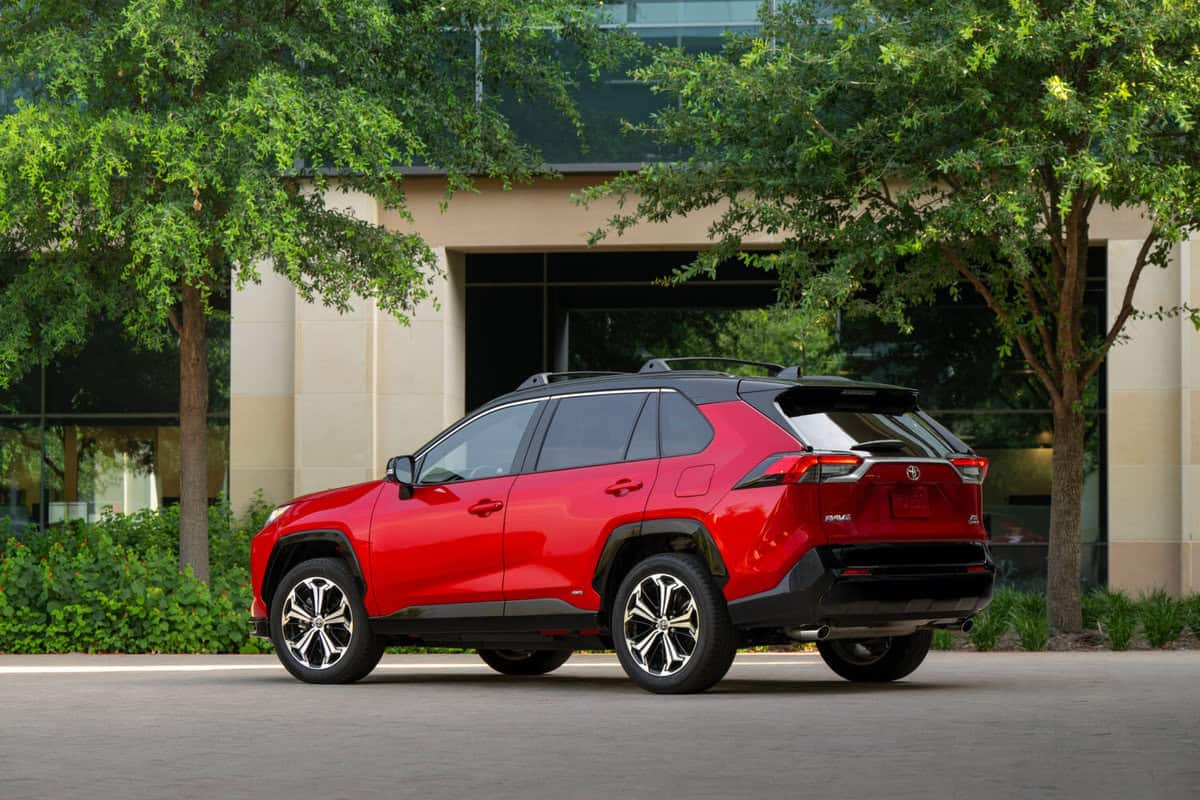
1. Toyota RAV4
The Toyota RAV4 is widely regarded for its composed handling, especially in windy conditions, and this stability begins with its structural design and weight distribution.
Weighing more than many competitors in its segment, the RAV4 benefits from a sense of groundedness that minimizes the feeling of being pushed or shifted by side gusts.
Unlike lighter small SUVs that can feel jittery on open highways, the RAV4’s weight provides natural inertia against sudden lateral forces.
Additionally, the chassis is engineered to resist twisting and flexing, which contributes to a more stable ride even when wind hits the sides or corners of the vehicle.
Drivers quickly notice that when gusts strike, the vehicle responds predictably rather than abruptly, reducing the constant need for steering corrections and giving a sense of safety and confidence that is particularly valuable on bridges, overpasses, or exposed rural highways.
Aerodynamics further enhances the RAV4’s stability. The SUV’s sleek yet practical shape is designed to reduce turbulent airflow along the sides, roofline, and rear, which in turn minimizes wind buffeting that can unsettle the cabin.
The slightly sloping hood, carefully contoured fenders, and rear spoiler all contribute to a smoother air passage around the vehicle, helping it maintain a straight line even in gusty conditions.
This aerodynamic consideration is critical for small SUVs, which are taller and more exposed to wind forces than sedans or hatchbacks.
By reducing the lateral impact of gusts, the RAV4 creates a more composed driving experience where passengers feel less pressure against the doors and steering feels responsive but not over-sensitive.
Another factor is the suspension and wheelbase combination, which is designed to complement stability without sacrificing ride comfort. The front struts and rear multi-link suspension work together to absorb road imperfections while resisting excessive body roll or sway.
The RAV4’s wheelbase is long enough to distribute weight evenly, improving tracking and minimizing abrupt reactions to sudden gusts. Tires are carefully chosen to maintain grip and resist lateral flex, ensuring that the vehicle maintains traction even when wind pushes from the side.
This setup allows drivers to maintain confidence on highways, long stretches of open road, or windy rural routes without feeling the vehicle being uncontrollably nudged by environmental forces.
Finally, the RAV4’s electronic systems subtly support stability without intruding on the driving experience. Features such as electronic stability control, traction control, and all-wheel-drive variants provide interventions that only activate when necessary, preventing overcorrection and maintaining a natural feel.
The combination of weight, suspension tuning, aerodynamics, and intelligent electronics makes the RAV4 a small SUV that feels planted and reliable under real-world driving conditions.
For drivers who frequently encounter gusty highways, coastal areas, or high-altitude roads, the RAV4 offers peace of mind and a sense of security that can make long drives more relaxed and less fatiguing.
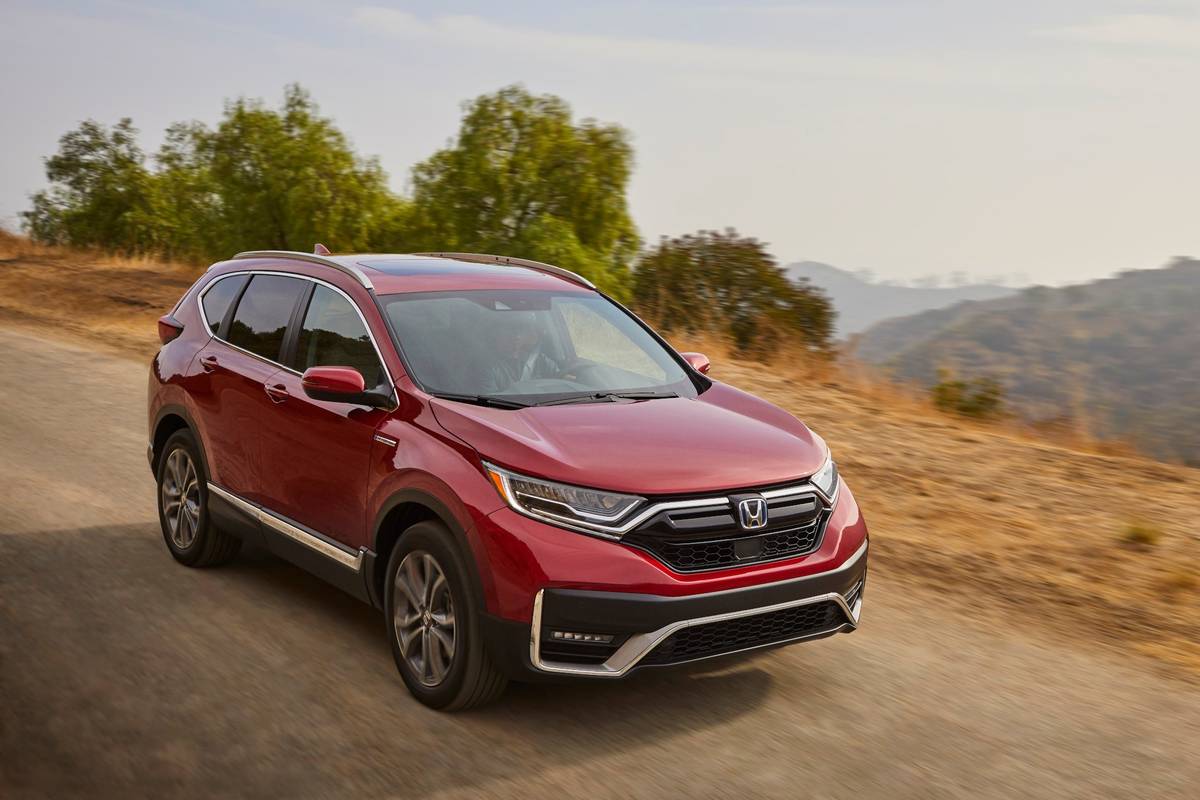
2. Honda CR-V
The Honda CR-V has earned a reputation for stability and composure, particularly in conditions where crosswinds are a concern. One of the SUV’s defining characteristics is its low center of gravity, achieved through careful placement of key components such as the engine, transmission, and drivetrain.
This lower center of gravity reduces body roll and minimizes lean when strong gusts strike, making the vehicle feel anchored rather than floating. Unlike sportier SUVs that favor agile handling at the cost of highway stability, the CR-V’s design prioritizes predictability and reassurance.
Drivers notice that even in challenging conditions, the vehicle’s movements are subtle and controlled, allowing them to maintain a straight trajectory without constantly adjusting the wheel.
This combination of design choices provides confidence on elevated highways, open plains, and exposed mountain roads where wind can otherwise create stress and fatigue.
The CR-V’s suspension design is equally instrumental in maintaining stability. The front strut and rear multi-link setup absorb gust-induced disturbances effectively, dampening the effects of side wind without transmitting harsh jolts into the cabin.
This tuning strikes a balance between comfort and control, ensuring that the SUV does not feel rigid or unsettled while providing the resistance necessary to reduce sway. Steering is responsive but not over-sensitive, allowing drivers to make smooth, intuitive corrections rather than constantly fighting the wheel.
Passengers benefit from the combination of controlled motion and ride comfort, feeling secure even when gusts hit at highway speeds or when overtaking large trucks that can momentarily create turbulent air.
Aerodynamic factors also contribute to the CR-V’s stability. The body is designed to minimize drag and turbulence along the sides, roof, and rear, allowing the vehicle to slice through air more efficiently than boxier alternatives. Mirrors, roof rails, and the rear hatch are all carefully shaped to prevent sudden gusts from exerting excessive lateral force.
This design reduces the feeling of being pushed sideways and contributes to a quieter, calmer cabin environment. Combined with the suspension and weight distribution, the CR-V demonstrates that stability in windy conditions does not require extreme mass or an overly stiff ride.
Tire choice and wheelbase length reinforce the SUV’s planted feel. Honda equips the CR-V with tires that provide adequate sidewall support and grip without compromising comfort. The wheelbase is long enough to stabilize the vehicle during gusts, distributing forces evenly and reducing the tendency to pitch or sway abruptly.
Finally, electronic stability control and traction aids intervene only as needed, creating a seamless driving experience that reinforces confidence.
For anyone who regularly faces crosswinds, high-speed highways, or open country roads, the CR-V offers a composed, predictable, and secure driving experience that few small SUVs in its class can match.
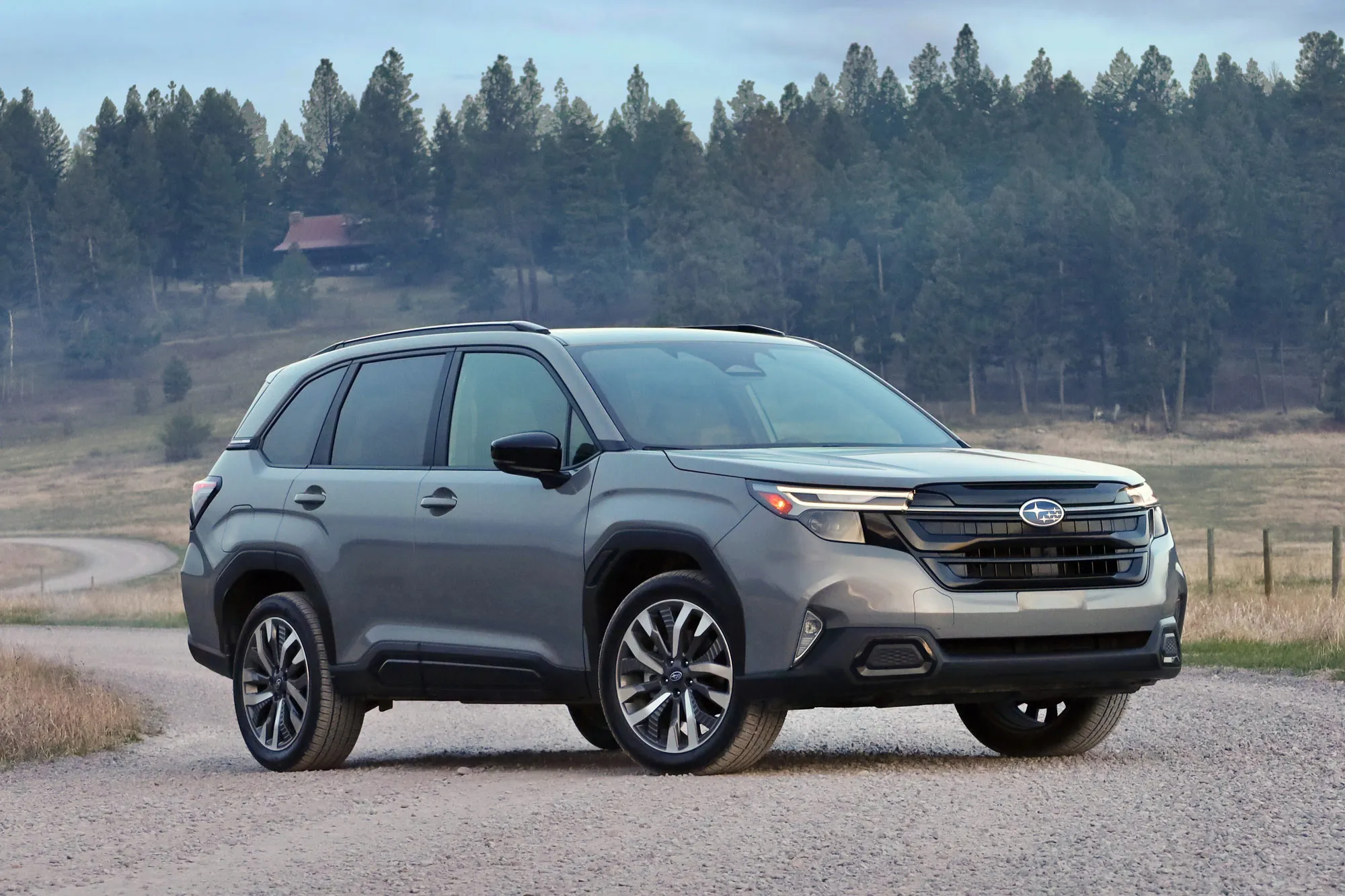
3. Subaru Forester
The Subaru Forester is particularly well-suited to maintaining composure in windy conditions, thanks in large part to its all-wheel-drive system and balanced chassis design.
By distributing power evenly across all four wheels, the Forester maximizes traction and ensures that gusts from the side do not easily destabilize the vehicle.
This AWD system proves especially beneficial when road surfaces are uneven, wet, or slightly icy, as the combination of grip and torque management allows the vehicle to resist lateral movement without requiring the driver to constantly adjust the steering.
The Forester’s weight is evenly distributed, which also contributes to a sense of balance and confidence in gusty environments, whether cruising on an elevated highway or a coastal road exposed to strong winds.
The SUV’s suspension design complements its drivetrain by controlling body motion and minimizing sway. The combination of MacPherson struts at the front and multi-link or double wishbone setup at the rear absorbs side forces generated by gusts while maintaining ride comfort.
These design features prevent sudden gusts from causing pronounced vehicle sway, allowing drivers to maintain a steady course with minimal effort. Even when passing larger vehicles that create turbulent air, the Forester’s shape helps resist being pushed off line, making it feel secure and predictable at highway speeds.
Finally, Subaru’s tire and wheel choices enhance stability in windy conditions. Wider tires with supportive sidewalls and an appropriate contact patch maintain grip and reduce lateral deflection under gusty conditions.
The combination of AWD, suspension tuning, aerodynamics, and thoughtful tire selection makes the Forester one of the most composed small SUVs in its class. Drivers seeking confidence on exposed roads, whether during storms, along highways, or in elevated terrain, will find the Forester’s stability reassuring and its driving experience enjoyable.
4. Mazda CX-5
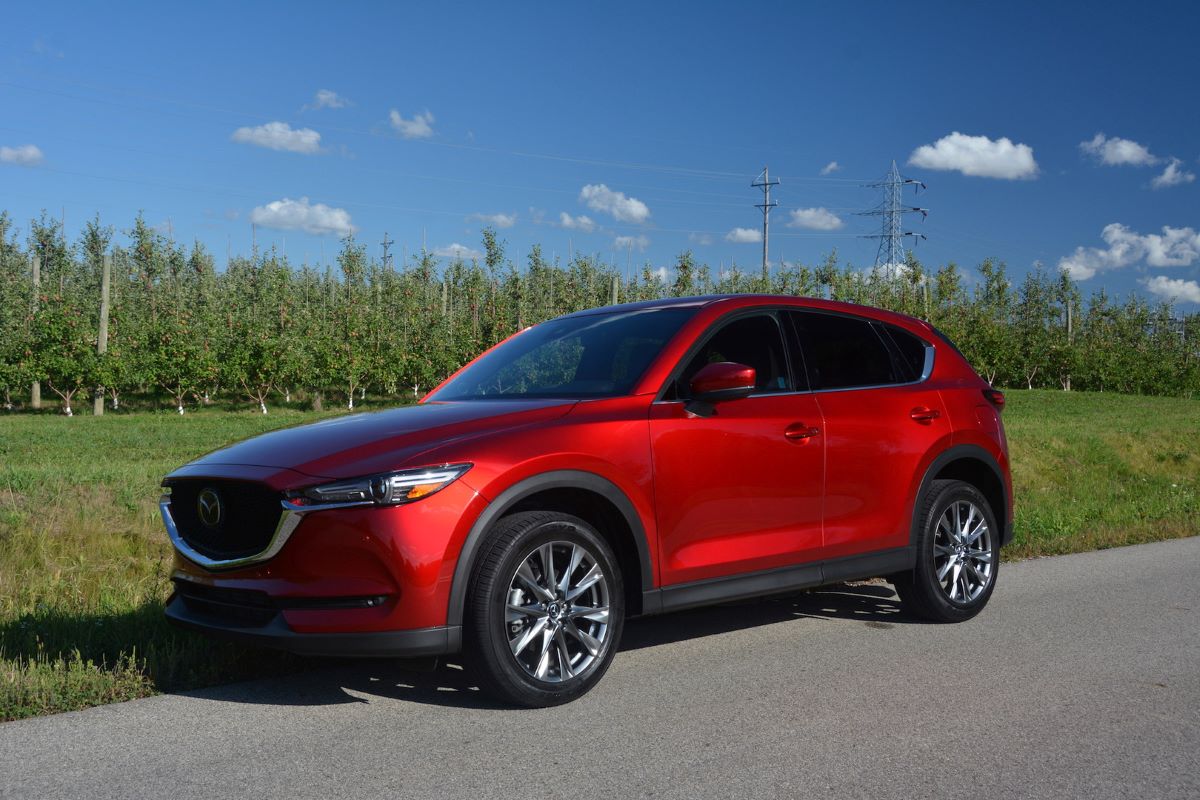
The Mazda CX-5 distinguishes itself as a small SUV that remains composed even in strong wind conditions, largely due to its low center of gravity and rigid chassis design.
Weighing slightly more than some rivals and designed with careful attention to mass distribution, the CX-5 resists sway and lateral movement when gusts strike from the side.
Its relatively low roofline compared to other small SUVs helps reduce wind exposure, while the chassis rigidity prevents twisting and flexing that can cause the cabin to feel unsettled.
Drivers report that even at highway speeds on exposed roads, the CX-5 maintains a smooth trajectory and feels predictable, with only minimal input required to counteract sudden gusts.
Suspension tuning is another key contributor to stability. The front and rear suspension systems are engineered to absorb road imperfections while maintaining a firm grip on the pavement. This prevents overreaction to lateral wind forces while ensuring that handling remains responsive and predictable.
This reduces the pressure of crosswinds on the vehicle, ensuring that passengers experience less lateral force and that drivers do not need to make constant steering adjustments. Even when overtaking large trucks or driving in gusty coastal areas, the CX-5 demonstrates composure that rivals heavier SUVs.
Tire and wheel configuration further enhances stability. Wider tires with supportive sidewalls maintain contact with the road and resist flexing under lateral forces, while the suspension geometry ensures even distribution of pressure.
Together, these design elements create a small SUV that feels grounded and predictable, offering drivers confidence on windy roads. For those seeking a combination of style, handling, and stability, the CX-5 stands out as a vehicle that remains planted even under challenging weather conditions.
5. Hyundai Tucson
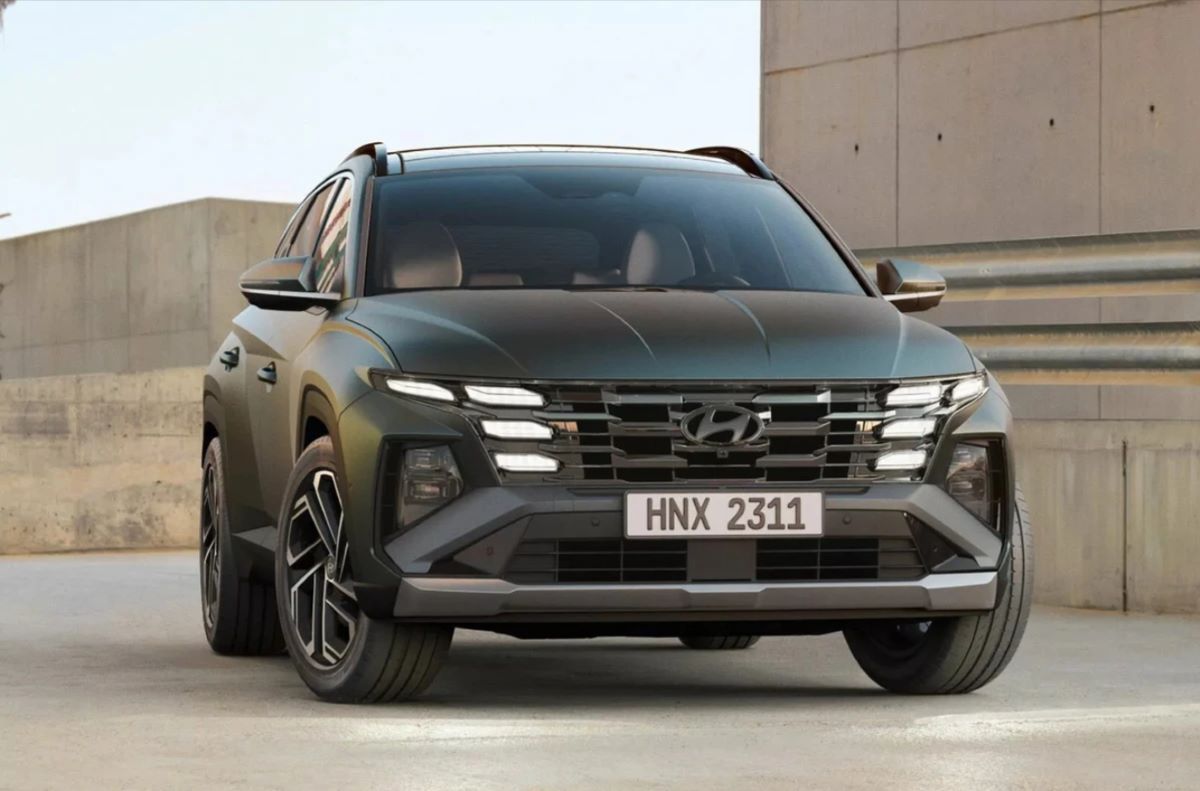
The Hyundai Tucson is another small SUV that delivers impressive stability in windy conditions. Its balanced weight distribution and well-tuned suspension make it resistant to lateral gusts, allowing drivers to maintain a steady trajectory with minimal corrections.
The Tucson’s suspension absorbs bumps and wind-induced sway while providing enough feedback to make steering intuitive and predictable. Compared to lighter or taller small SUVs, the Tucson feels anchored and composed, which is particularly noticeable on highways, open plains, and coastal roads where wind can be strong and persistent.
Aerodynamic design contributes significantly to the Tucson’s stability. The vehicle’s body panels, roofline, and side mirrors are shaped to minimize wind resistance and reduce the pressure of crosswinds on the cabin.
While small SUVs are inherently more exposed than sedans or hatchbacks, the Tucson’s profile and attention to airflow management prevent excessive turbulence and buffeting, making the vehicle feel secure even at higher speeds. Drivers experience less lateral nudge, creating a sense of confidence and reducing fatigue on long journeys.
Finally, the Tucson’s electronic aids complement its mechanical stability. Systems such as traction control, electronic stability control, and anti-lock brakes work seamlessly to support drivers when gusts create unexpected lateral forces.
Interventions are subtle, ensuring the vehicle remains natural to drive while offering an extra layer of security. For drivers who prioritize comfort, confidence, and control, the Tucson remains a small SUV that resists being blown around and offers peace of mind on highways, exposed routes, and open roads alike.
5 Small SUVs With Twitchy Rides

1. Jeep Renegade
The Jeep Renegade, while popular for its off-road heritage and compact styling, is particularly susceptible to feeling twitchy in windy conditions. Its relatively light body weight, combined with a higher center of gravity, makes it more prone to lateral movement when crosswinds strike.
Unlike heavier small SUVs that feel grounded, the Renegade can react noticeably to sudden gusts, requiring drivers to maintain constant attention and subtle steering corrections.
This sensitivity is most apparent on elevated highways, open plains, or coastal roads where wind patterns can shift quickly. Even experienced drivers may find the constant need to compensate for gusts slightly fatiguing over long distances, especially during extended highway drives.
The suspension design, while suitable for off-road comfort, contributes to the twitchy ride. The front strut and rear torsion beam setup provides adequate cushioning on rough terrain but does not offer the lateral stability needed to counteract wind-induced sway effectively.
In gusty conditions, the body can lean or sway more than desired, creating a sense of unpredictability. The soft suspension, while comfortable over bumps, amplifies the feeling that the vehicle is being nudged by the wind, particularly when driving at higher speeds or in open areas where the wind has unobstructed access to the sides of the vehicle.
Weight distribution also plays a role in the Renegade’s instability. With the engine and drivetrain positioned relatively high, combined with a lighter overall mass, the SUV is more sensitive to lateral forces than many competitors.
Aerodynamics further exacerbate the Renegade’s twitchiness. Its boxy, upright shape creates large flat surfaces that catch the wind, particularly the sides and roof. The flat windshield and squared-off rear generate turbulent airflow when gusts are present, increasing the sensation of being pushed sideways.
At highway speeds, even moderate crosswinds can feel more pronounced, making the Renegade less comfortable for drivers who prioritize stability on windy roads. While the vehicle excels in off-road versatility and city maneuverability, its highway composure is noticeably compromised in gusty conditions.
2. Fiat 500X
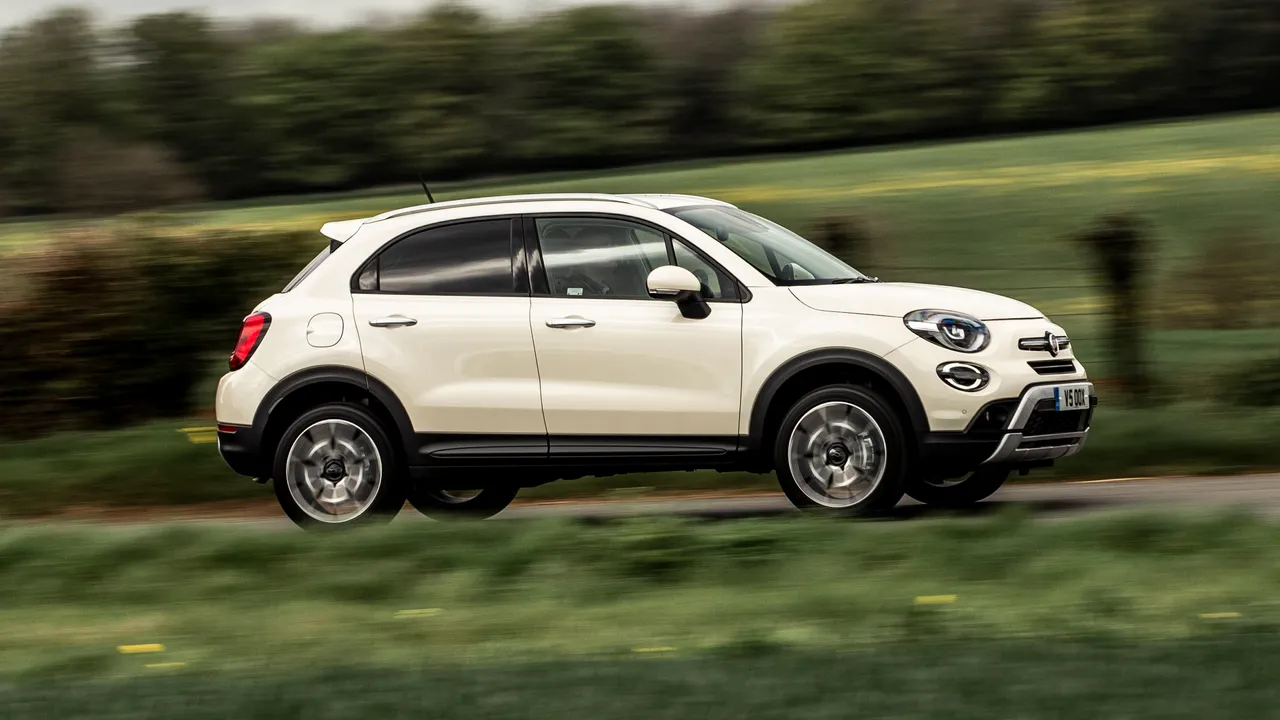
The Fiat 500X, while compact and stylish, struggles with stability in windy conditions due to its lightweight construction and smaller size. Lateral gusts can easily affect the vehicle, making the steering feel more sensitive than it would in a heavier, more aerodynamic SUV.
Drivers often find themselves making frequent adjustments to maintain a straight trajectory, which can become tiring over longer journeys. This sensitivity is particularly noticeable when passing large vehicles or driving through exposed areas where gusts hit the side panels without obstruction.
The 500X’s suspension setup, tuned primarily for comfort in urban and suburban environments, does not provide enough resistance to counteract side winds. Front struts and a soft rear suspension absorb road imperfections but allow noticeable lateral sway when gusts strike.
Aerodynamic design contributes to the twitchy ride. The vehicle’s short, upright body and rounded edges create areas where wind pressure can build, pushing against the sides and roof.
The airflow around the mirrors and rear hatch is not optimized to reduce turbulence, so gusts can easily destabilize the vehicle at speed. This lack of aerodynamic efficiency magnifies the effects of crosswinds, which is why the 500X feels more unsettled compared to longer, lower-profile small SUVs.
Tire and wheel choices also affect the 500X’s highway stability. Narrow tires with soft sidewalls flex under lateral pressure, transmitting wind forces directly into the steering and cabin. The combination of lightweight construction, soft suspension, and aerodynamics makes the Fiat 500X more sensitive and twitchy on windy roads.
While the vehicle offers agility and compact dimensions for urban driving, drivers should be aware that stability at high speeds or during gusty conditions is compromised, requiring attentive steering and careful lane management.
3. Mini Countryman
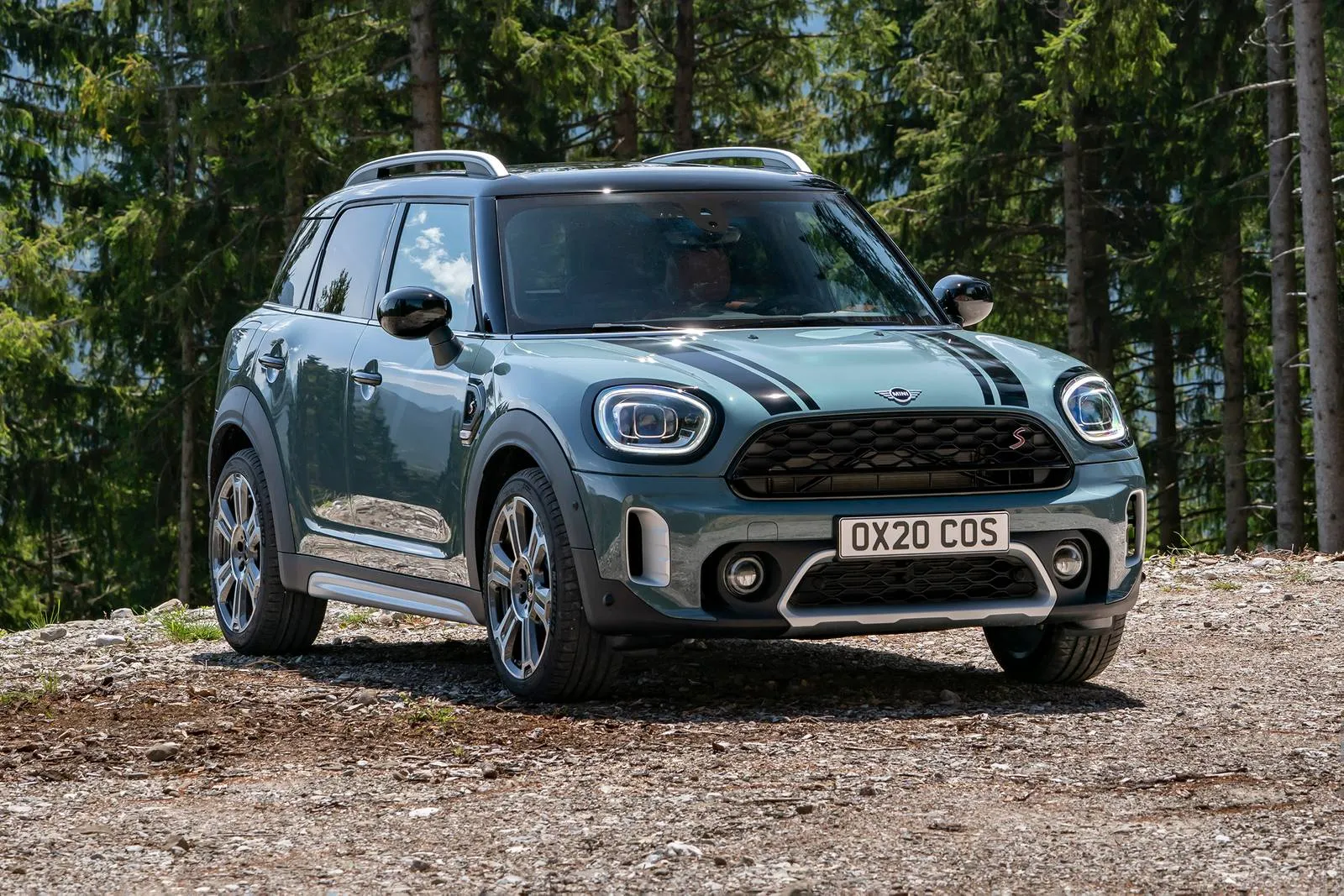
The Mini Countryman is well-known for its sporty handling and agile responses in city and twisty-road driving, but these characteristics contribute to a twitchy feel on highways during strong winds. Its higher center of gravity for a small SUV, combined with a relatively lightweight chassis, makes it more susceptible to lateral gusts.
Drivers frequently report that even moderate side winds can nudge the vehicle, requiring constant micro-corrections to stay centered in the lane. This can lead to fatigue on long drives, particularly in areas where gusts are frequent or unpredictable.
The suspension, tuned for sportiness and precision rather than maximum composure, amplifies the effect of wind on the Countryman. While it provides excellent road feel in urban and twisty conditions, the struts and rear multi-link suspension allow more body movement in lateral gusts than heavier or more stable small SUVs.
As a result, passengers may notice a slightly jittery ride, particularly at highway speeds or when overtaking large vehicles that create turbulent air. The trade-off between handling precision and composure becomes more evident in gusty conditions.
Aerodynamic limitations contribute to the vehicle’s sensitivity. The upright windshield, short overhangs, and compact body create turbulent airflow around the vehicle when side winds strike, amplifying the sensation of being pushed sideways.
The combination of lightweight construction, higher stance, sporty suspension, and tire choice makes the Mini Countryman a vehicle that excels in maneuverability but feels more jittery and sensitive during gusty highway driving.
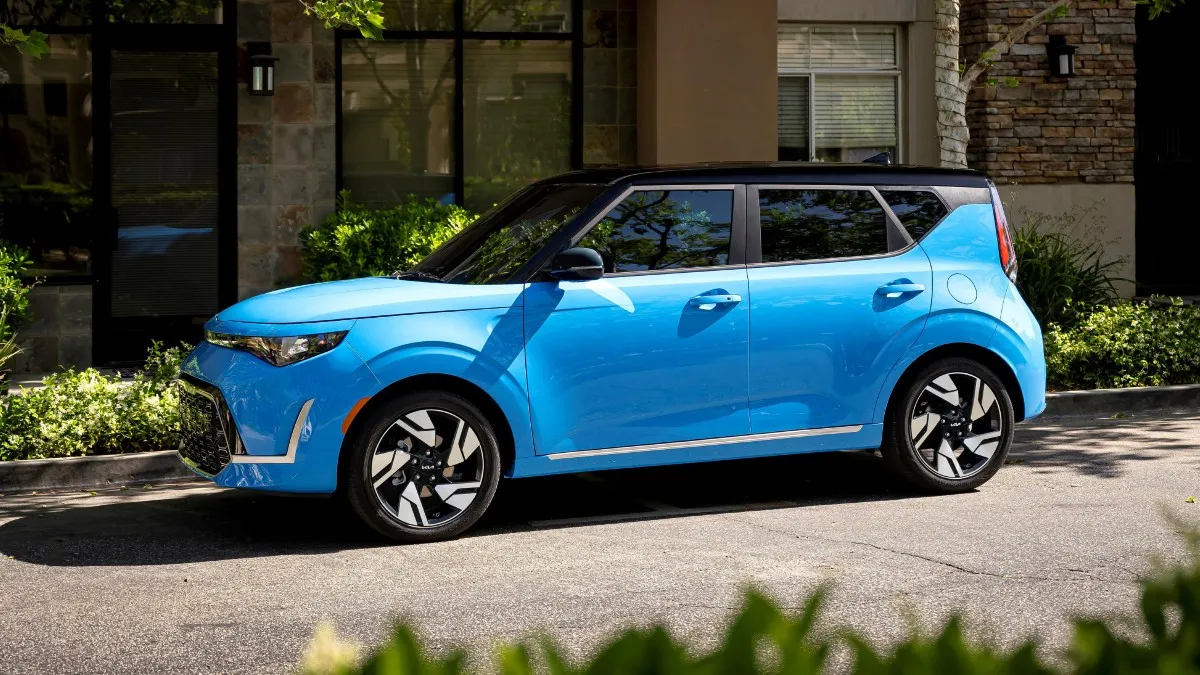
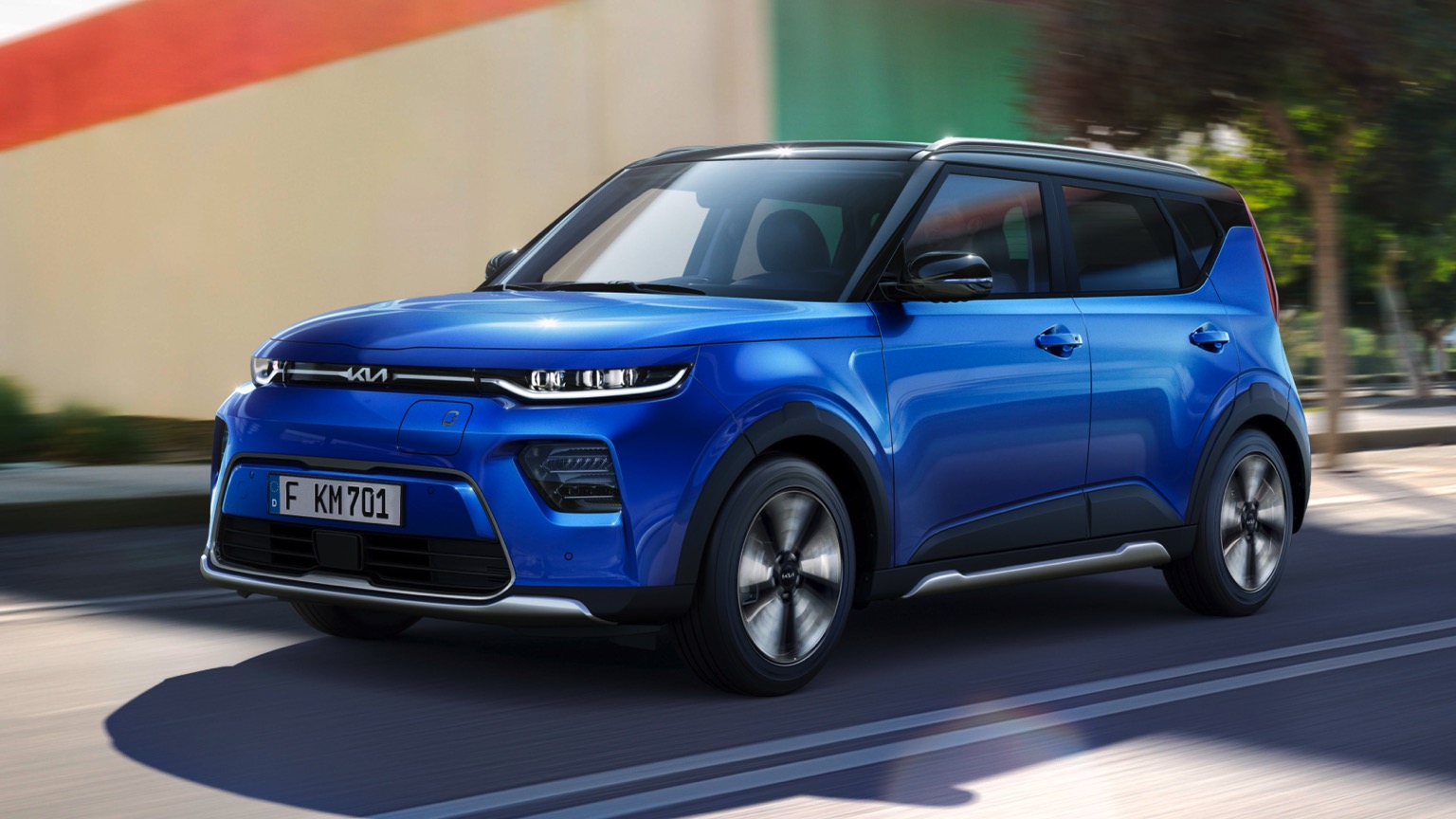
4. Kia Soul (crossover variant)
The Kia Soul, particularly in its crossover form, demonstrates a tendency to feel twitchy on highways exposed to strong winds. Its boxy design, light weight, and relatively tall profile make it highly susceptible to lateral gusts.
Aerodynamic factors exacerbate the twitchiness of the Soul. Its flat sides and vertical rear panels create surfaces that catch wind easily, pushing against the vehicle when gusts strike from the side.
The vehicle’s boxy silhouette does not effectively channel airflow, which increases turbulence and can result in the feeling of being pushed sideways. Even moderate gusts at highway speeds are magnified, making the Soul feel less stable than competitors like the CR-V or Tucson.
Finally, tire selection contributes to the vehicle’s sensitivity. Narrow tires with soft sidewalls are more flexible under lateral forces, transmitting wind pressure to the steering wheel and cabin.
Combined with the boxy body, lightweight construction, and comfort-oriented suspension, this makes the Kia Soul more susceptible to a twitchy ride on windy roads. While excellent for city maneuvering and short trips, drivers should exercise caution and maintain awareness in gusty conditions to ensure confidence and control.
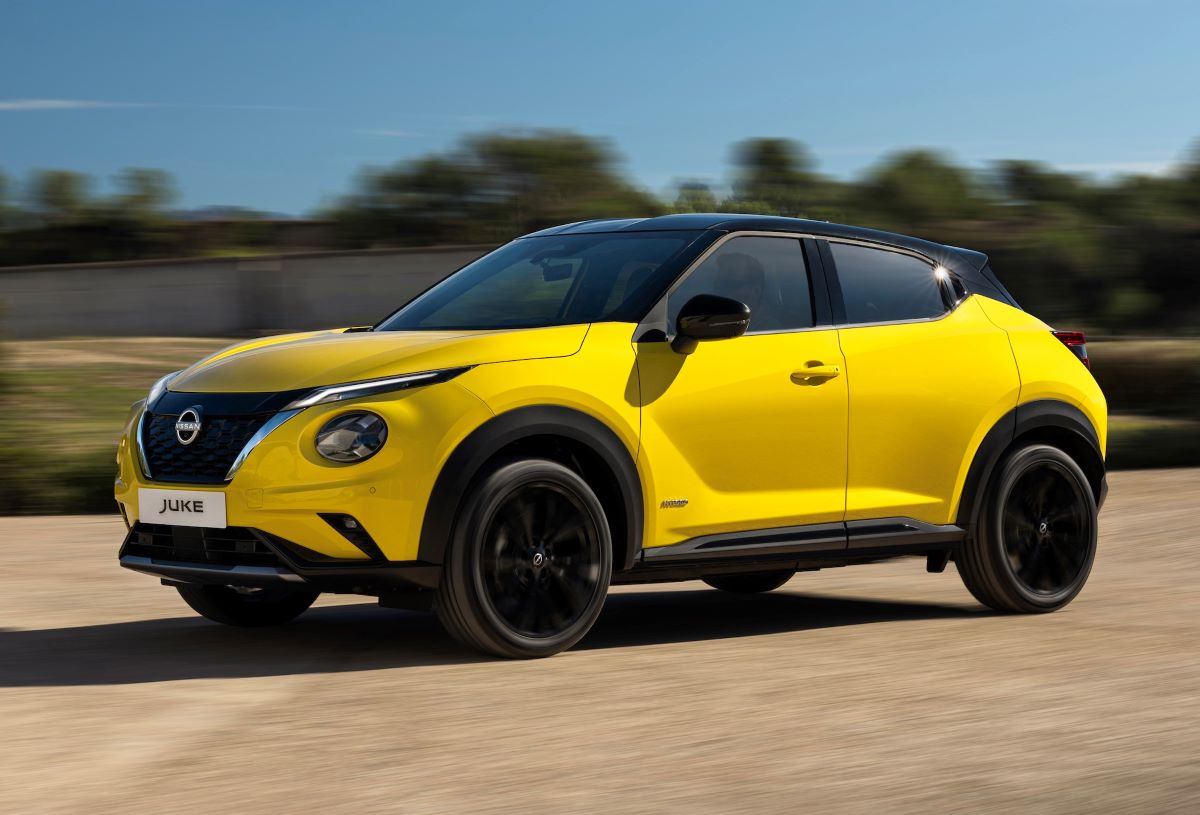
5. Nissan Juke
The Nissan Juke is a small SUV with a distinctive appearance, but its ride can feel particularly unsettled in windy conditions. Its lightweight construction, elevated stance, and compact footprint make it sensitive to lateral gusts.
Drivers often notice that even minor crosswinds require small but continuous steering adjustments to maintain lane position. This sensitivity is amplified on highways, open roads, and elevated routes where wind can strike from multiple directions, resulting in a less composed and more fatiguing driving experience.
Aerodynamics contribute to the Juke’s twitchiness. The sloping roofline, compact dimensions, and prominent fenders create pockets where wind pressure builds, generating lateral push against the vehicle.
Unlike longer or lower-profile small SUVs, the Juke does not effectively minimize turbulent airflow, so crosswinds feel more pronounced and require careful handling to maintain stability. This effect is particularly noticeable when overtaking larger trucks or passing open fields where gusts are unimpeded.
Finally, tire choice impacts the Juke’s highway stability. Performance-oriented tires with lower sidewalls flex more under lateral wind pressure, transmitting gusts directly to the steering and cabin. Combined with the vehicle’s light weight and suspension tuning, this results in a small SUV that feels more twitchy and sensitive to gusts than most competitors.
While the Juke offers agility and fun handling for city driving, it is less ideal for drivers who prioritize composure and stability in windy conditions, highlighting the trade-off between sporty feel and highway comfort.
